














If you’ve ever wondered whether your indoor dog is truly happy, you’re not alone. Dogs don’t express happiness the way humans do — instead, they communicate through quiet, consistent behaviors woven into their daily routines. One excellent exploration of these overlooked signals comes from the YouTube video “10 Signs Your Indoor Dog Is Leading a Truly Happy Life” by the channel PawPrints Daily. The video highlights how small, easily missed behaviors can reveal deep emotional security, trust, and contentment in dogs.
In this article, we’ll expand on those insights and turn them into a comprehensive guide for dog parents. By learning to recognize these subtle signs, you can better understand your dog’s emotional state and create a home environment where they truly thrive — emotionally, mentally, and physically.
Understanding Canine Happiness at Home
A happy indoor dog isn’t necessarily the loudest, most energetic, or most attention-seeking one. In fact, true happiness often shows up quietly. Dogs that feel safe and secure don’t need to constantly seek reassurance. Instead, their happiness is reflected in how they sleep, move, rest, and connect with you throughout the day.
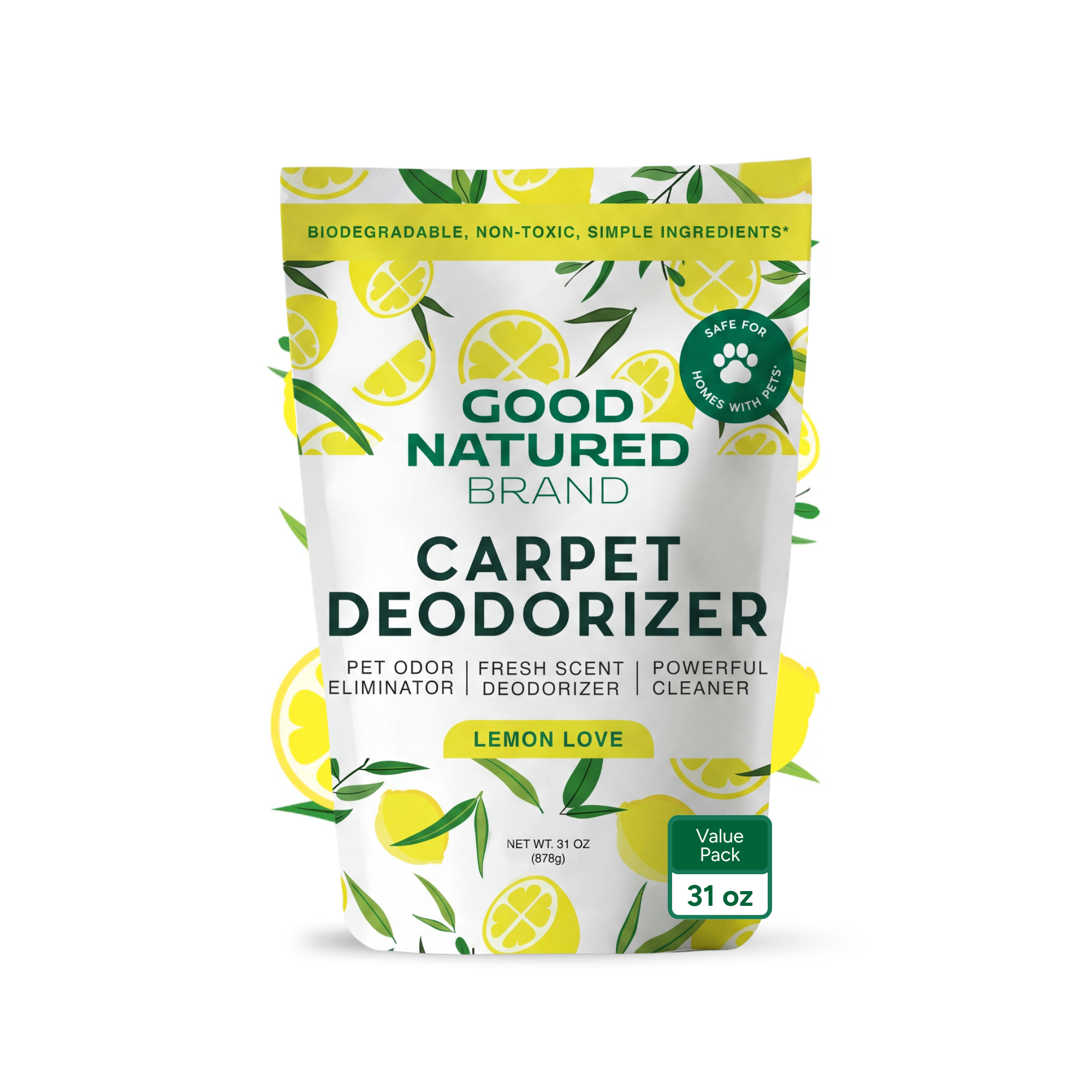
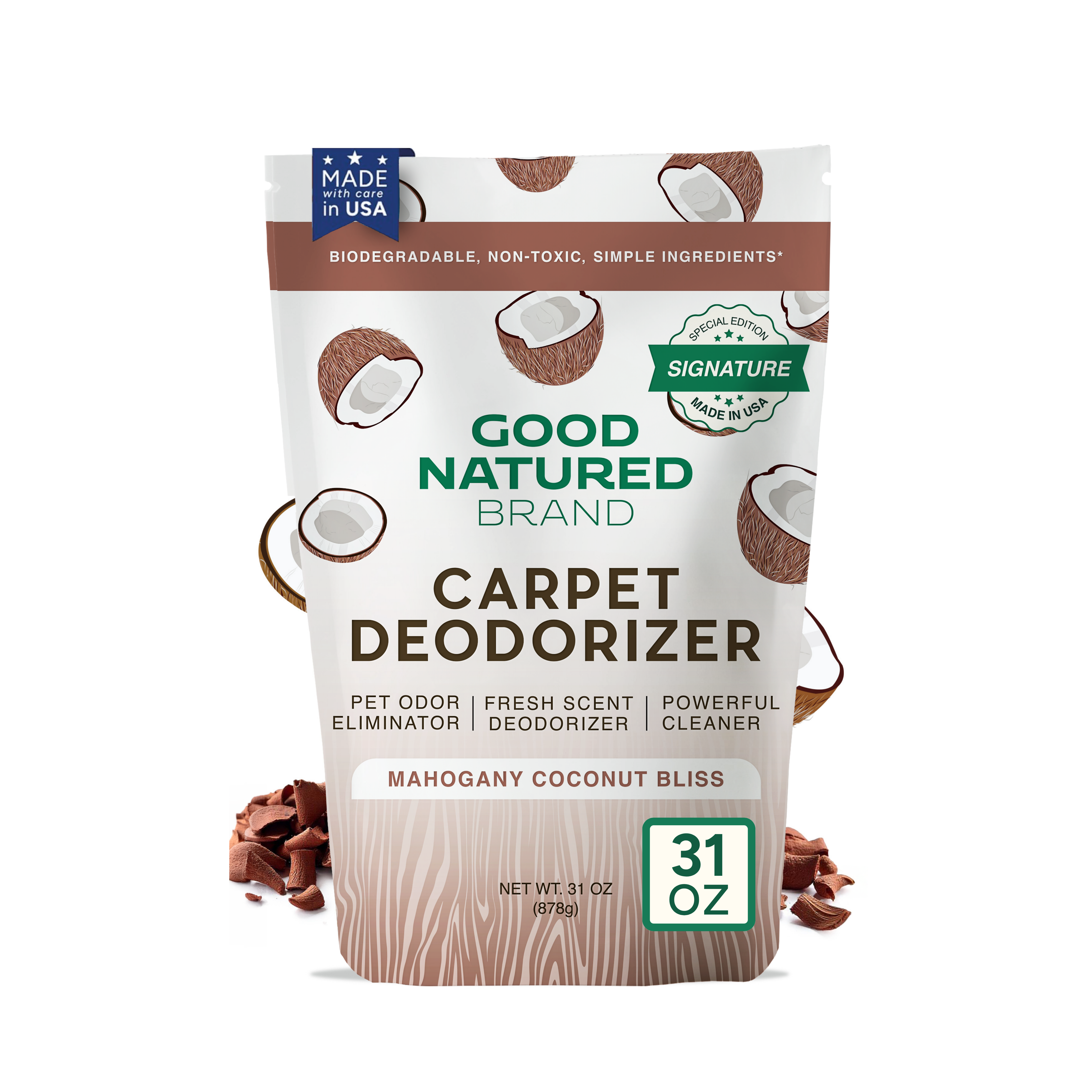
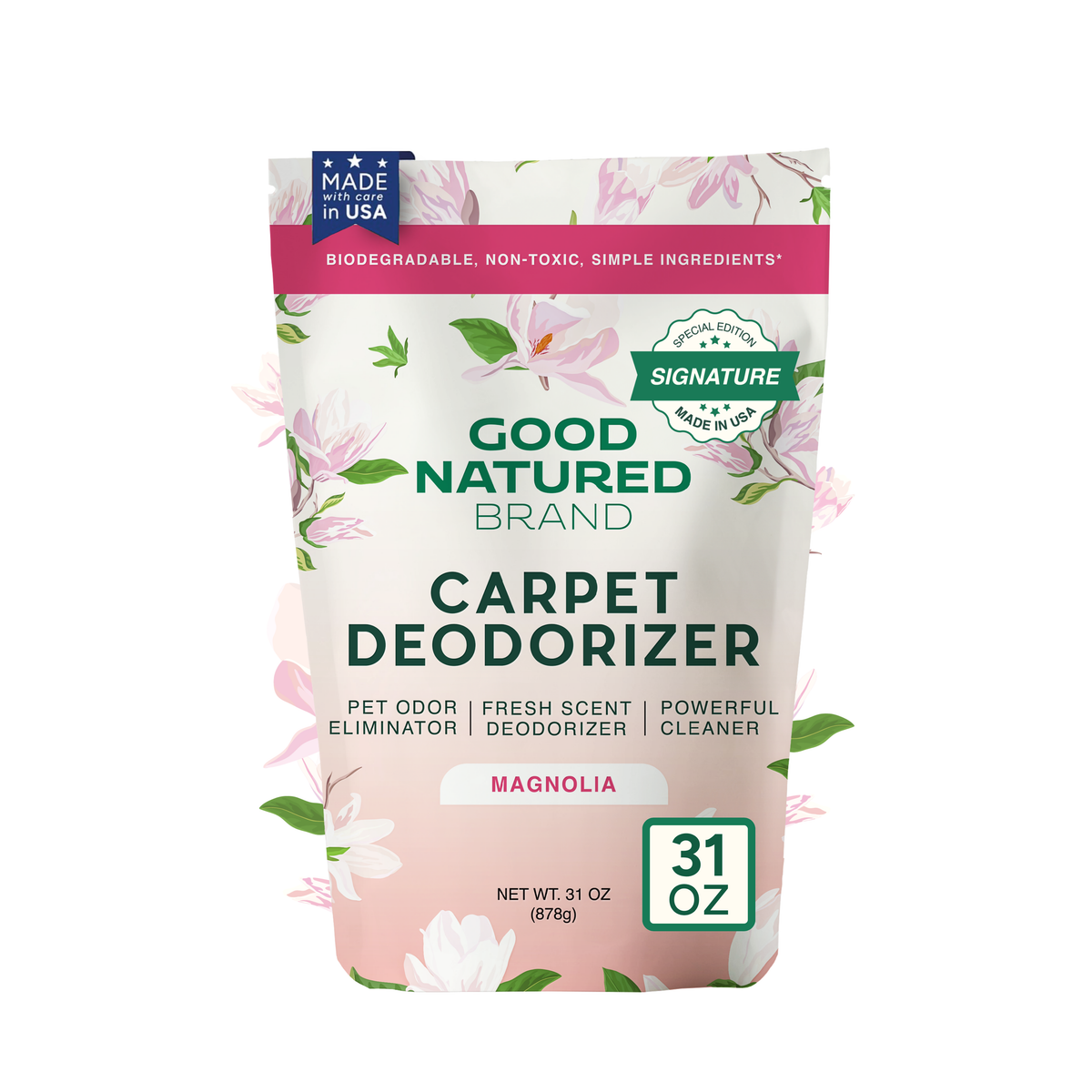
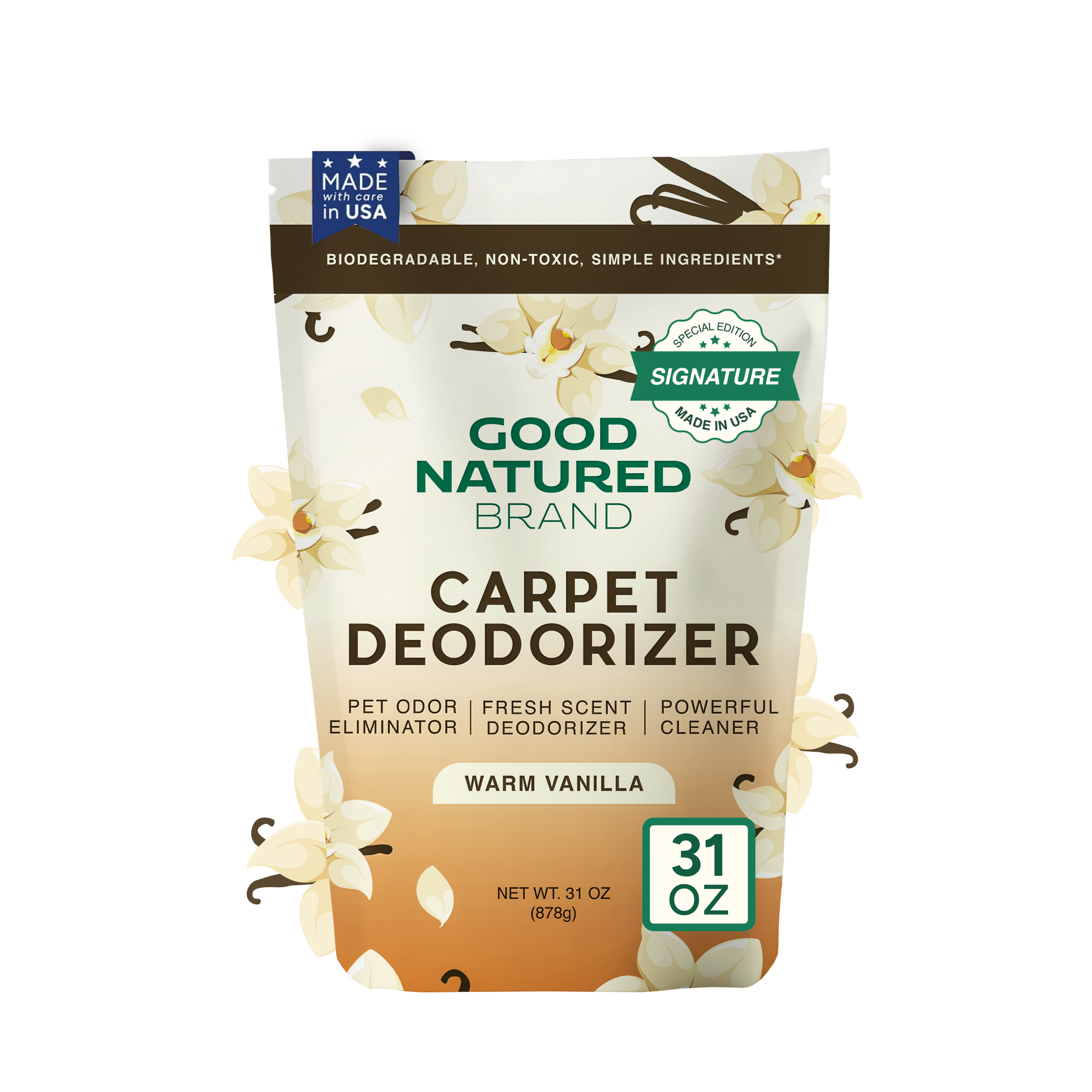
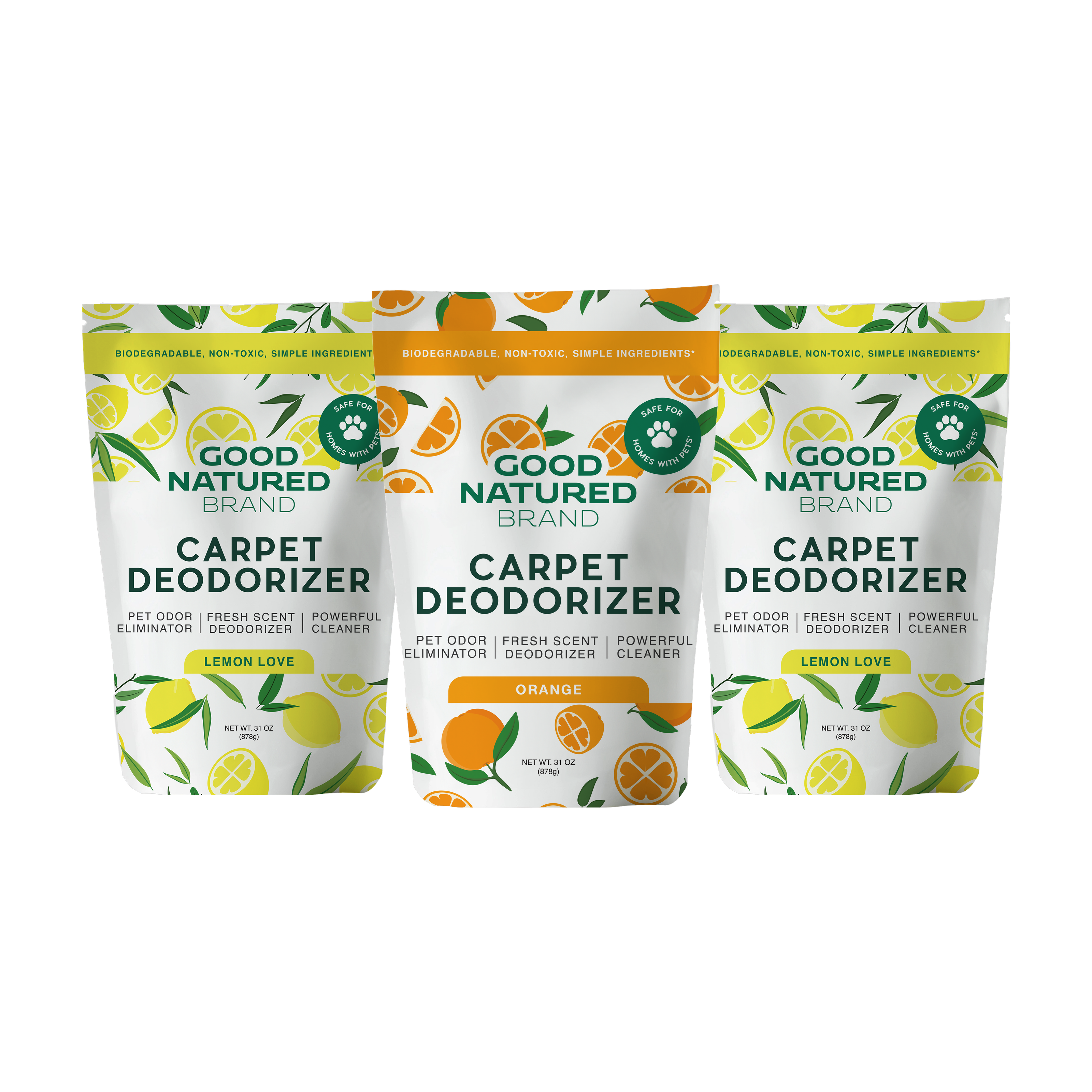
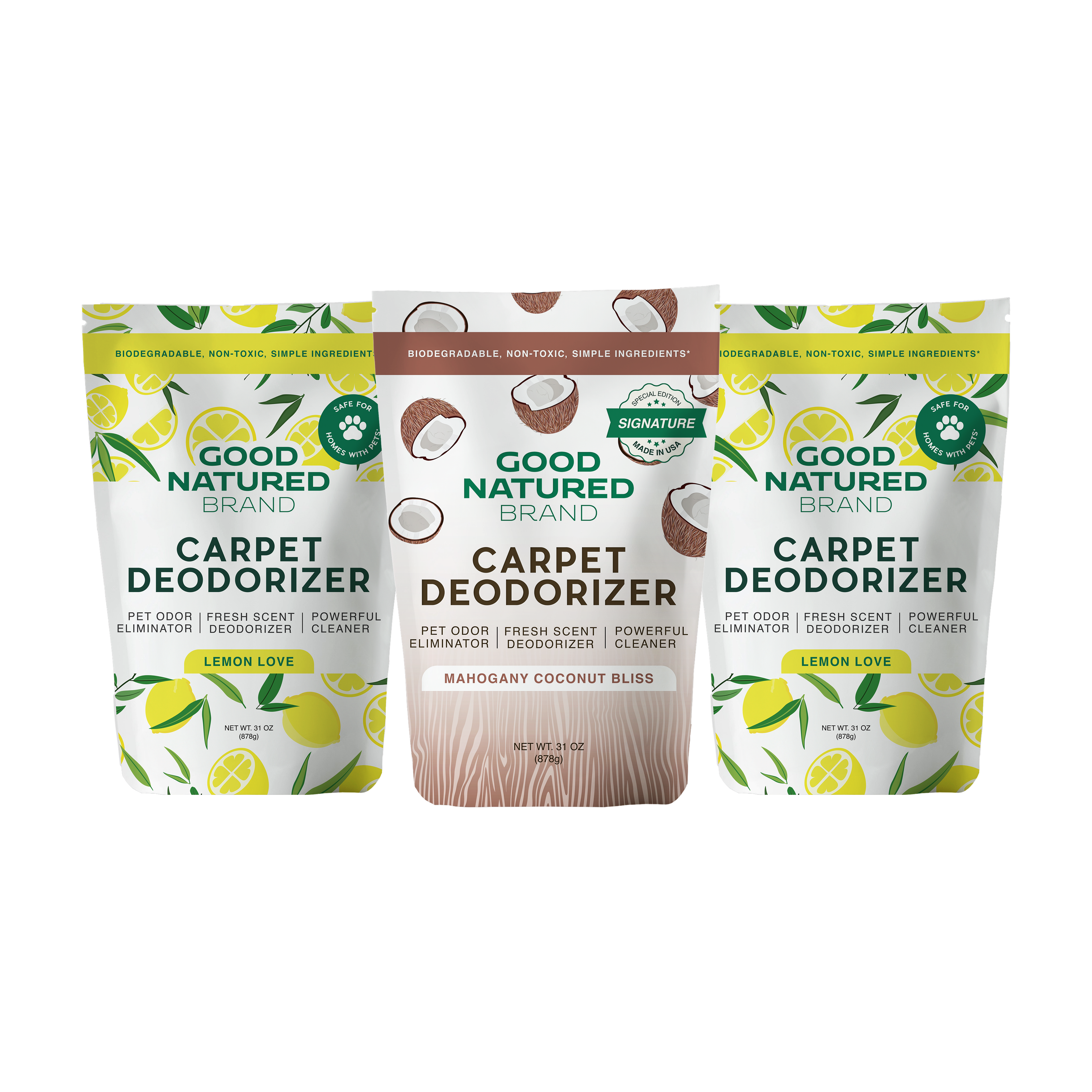
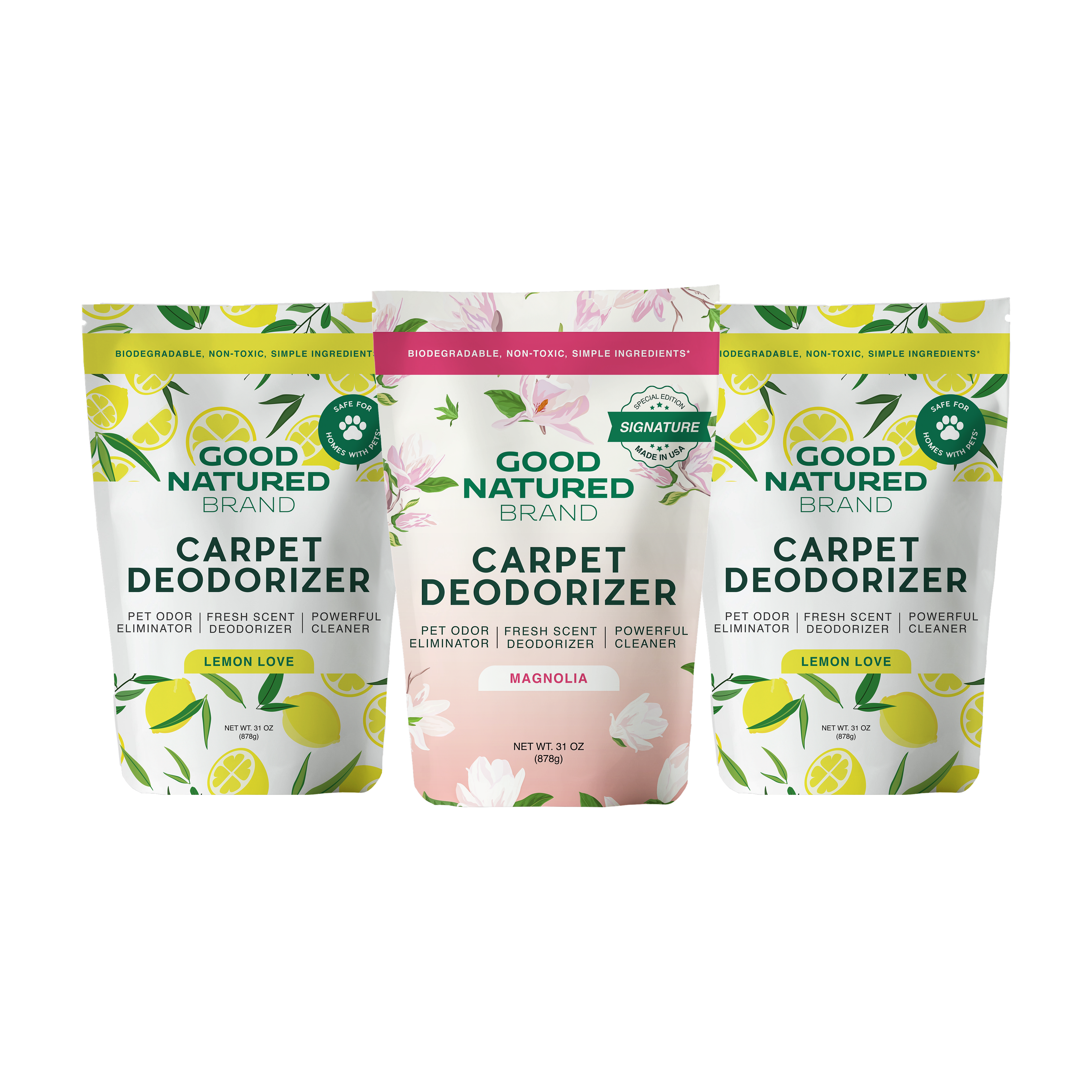
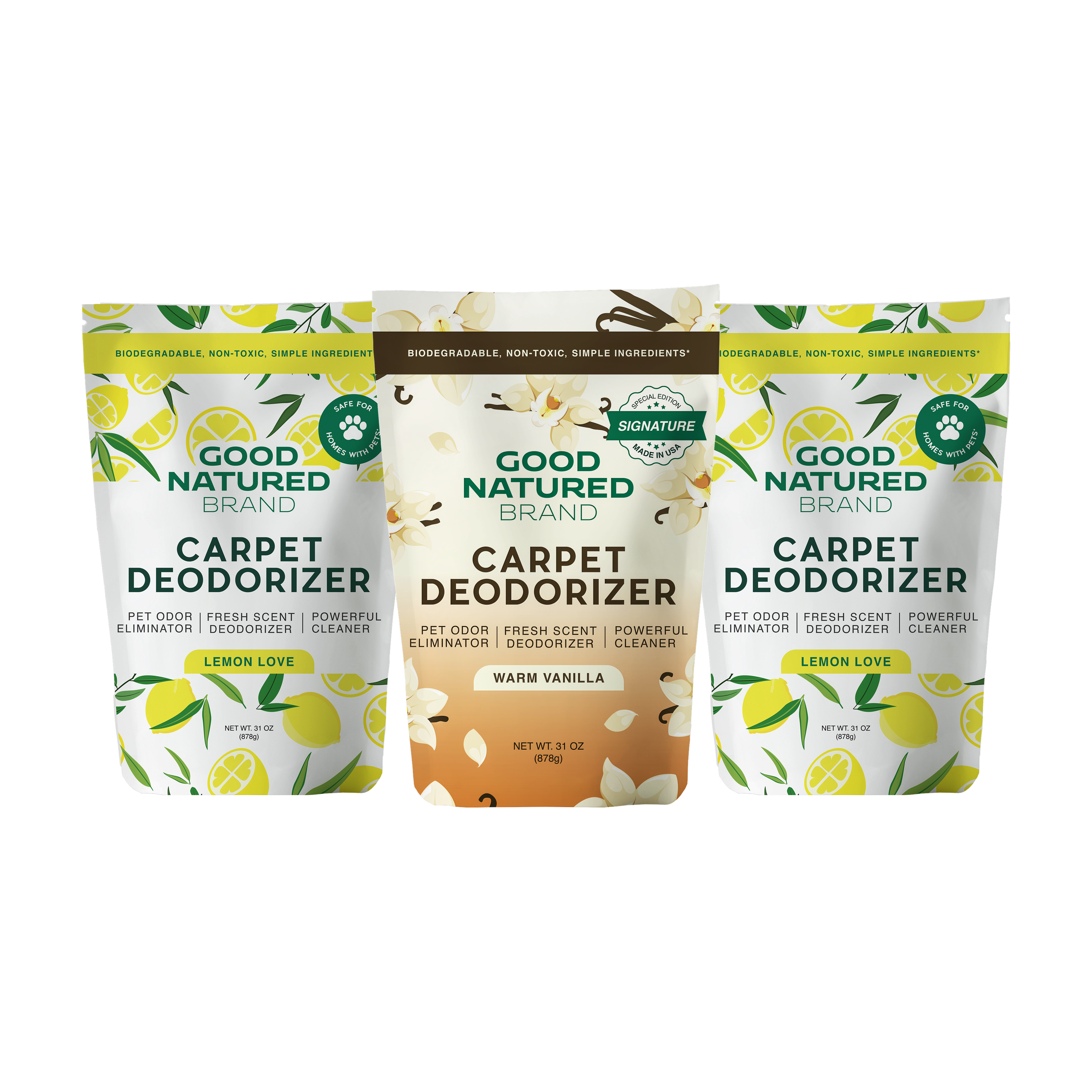
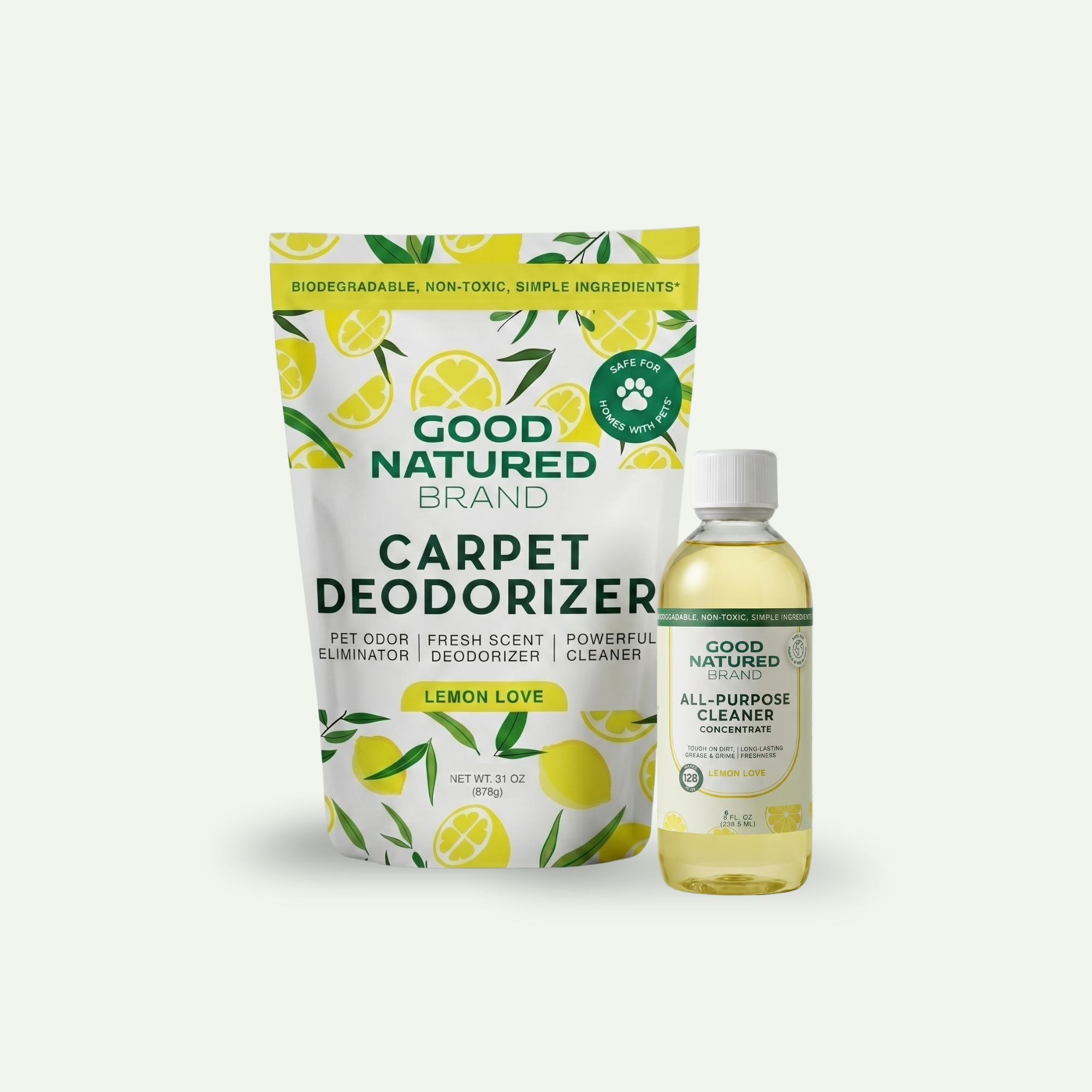
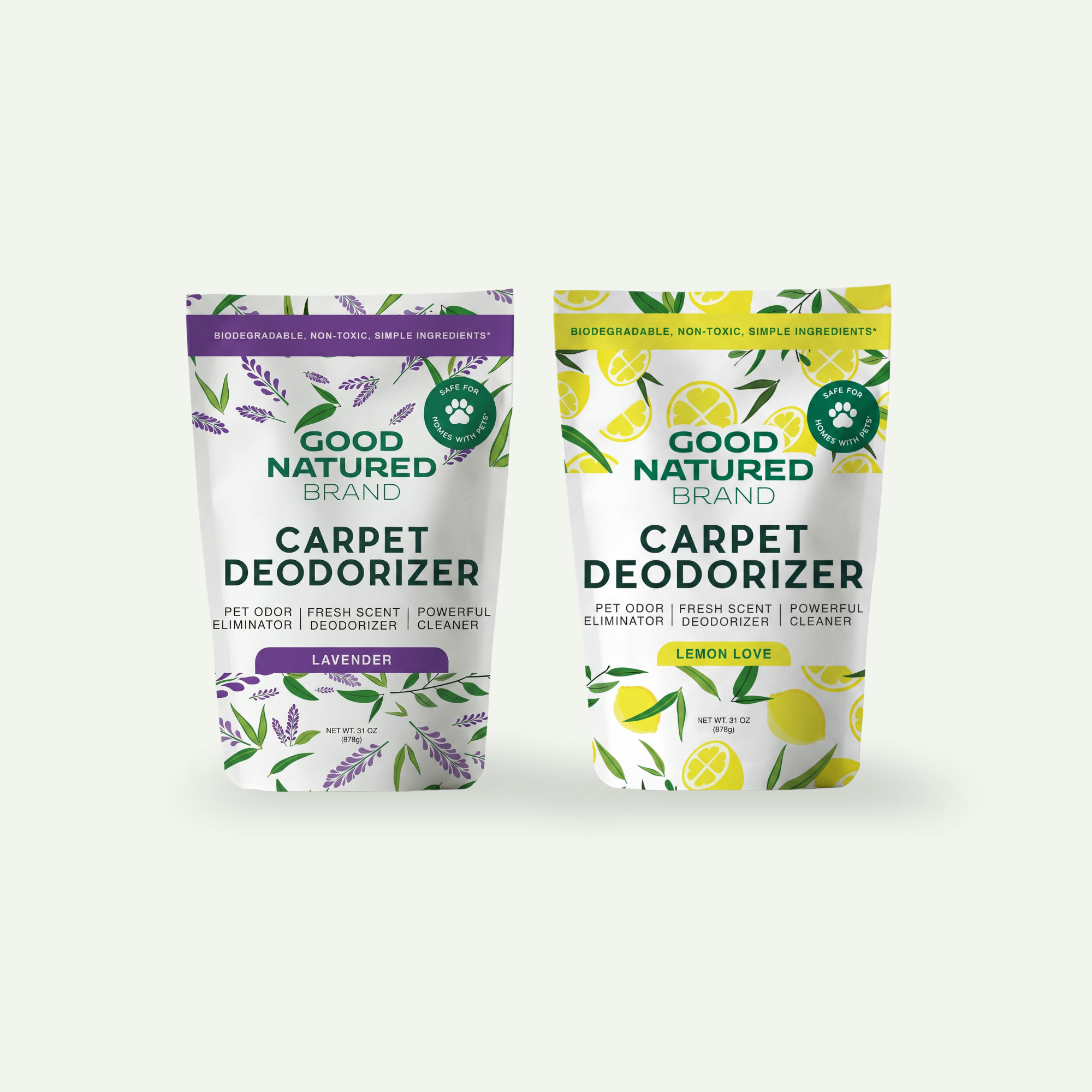
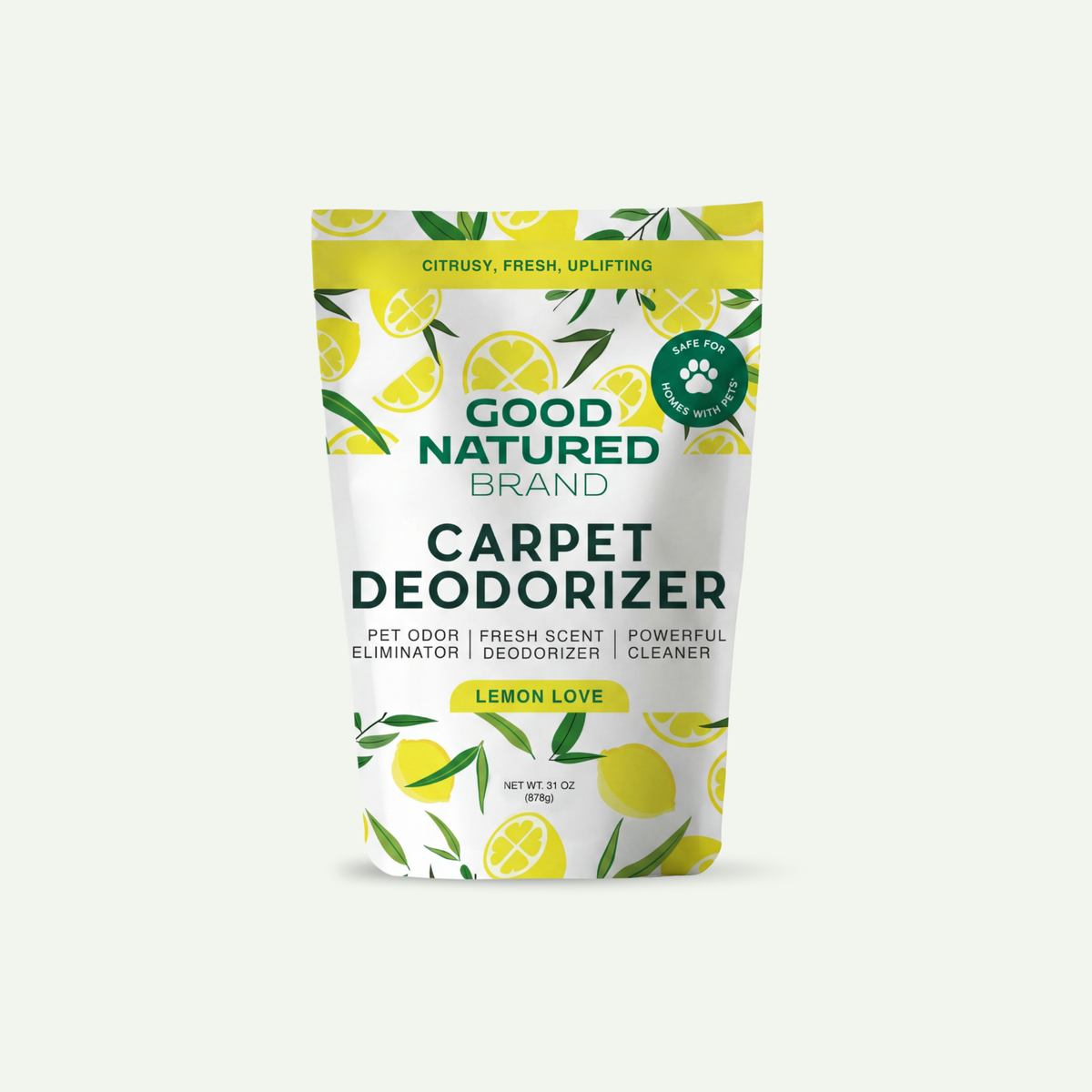
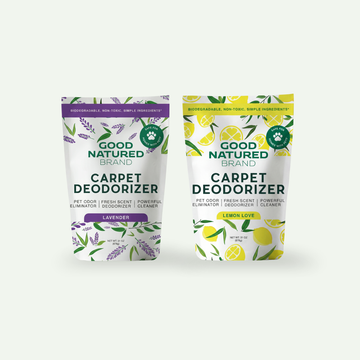
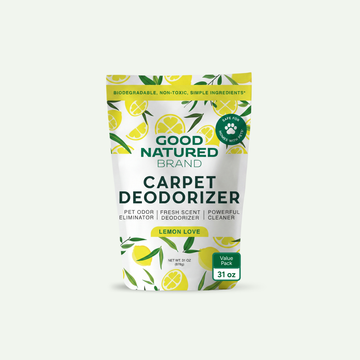
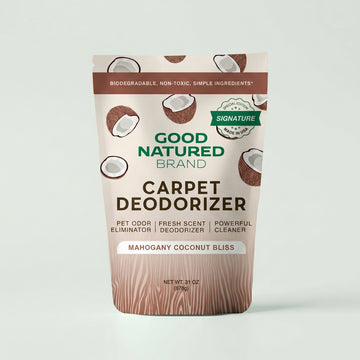
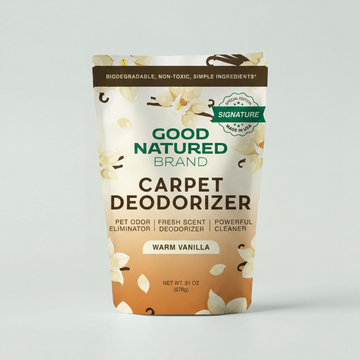
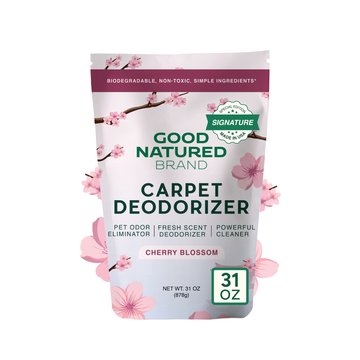
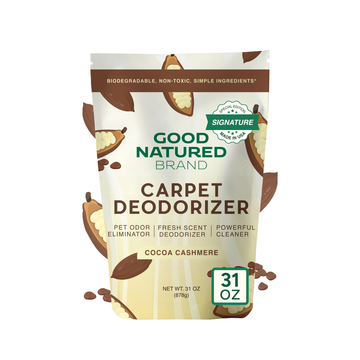
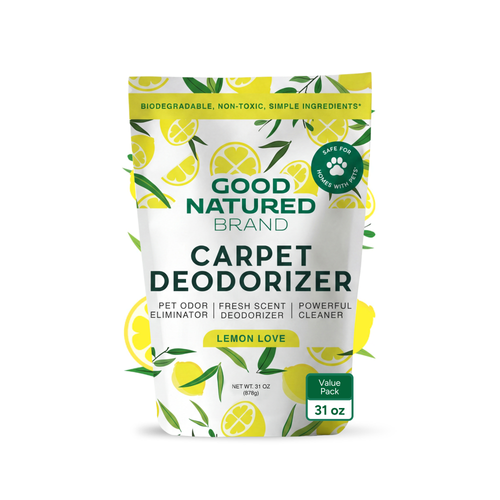
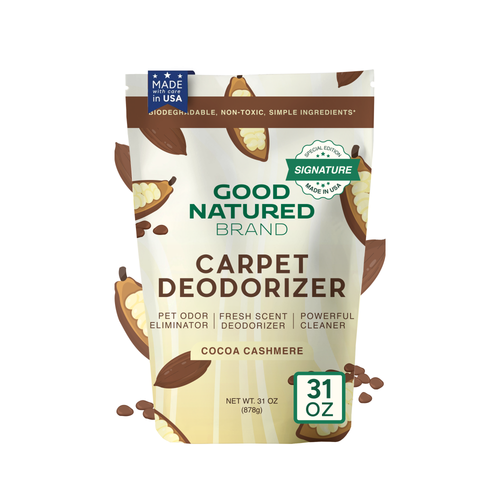
A calm home environment plays a huge role here. Clean, comfortable spaces free from overwhelming smells and irritants help dogs feel relaxed. Maintaining fresh living areas with pet-friendly solutions like Carpet Deodorizers and keeping dog bedding clean with gentle Laundry Powders can make a noticeable difference in your dog’s comfort.
Gentle Eye Contact That Feels Calm and Loving
When a dog looks at you with soft, half-closed eyes and a relaxed face, that’s a powerful sign of trust. This kind of eye contact isn’t intense or challenging — it’s slow, warm, and peaceful. Research shows that this calm gaze triggers oxytocin, the same “bonding hormone” released between parents and infants.
Dogs that feel unsafe tend to avoid eye contact or stare rigidly. A happy dog, on the other hand, meets your eyes without tension. These moments often happen naturally while you’re relaxing together, reinforcing a deep emotional connection.





Shop the Product
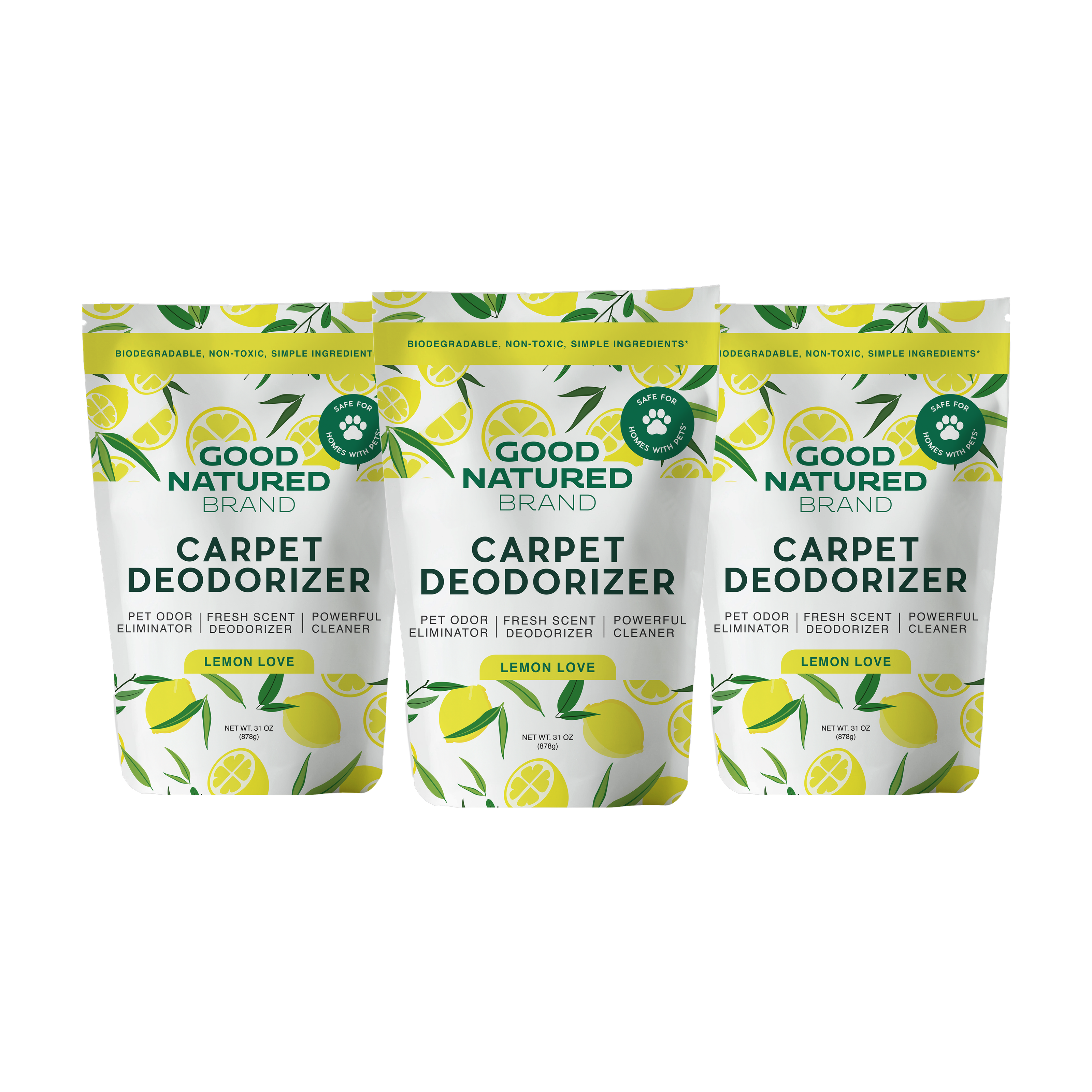
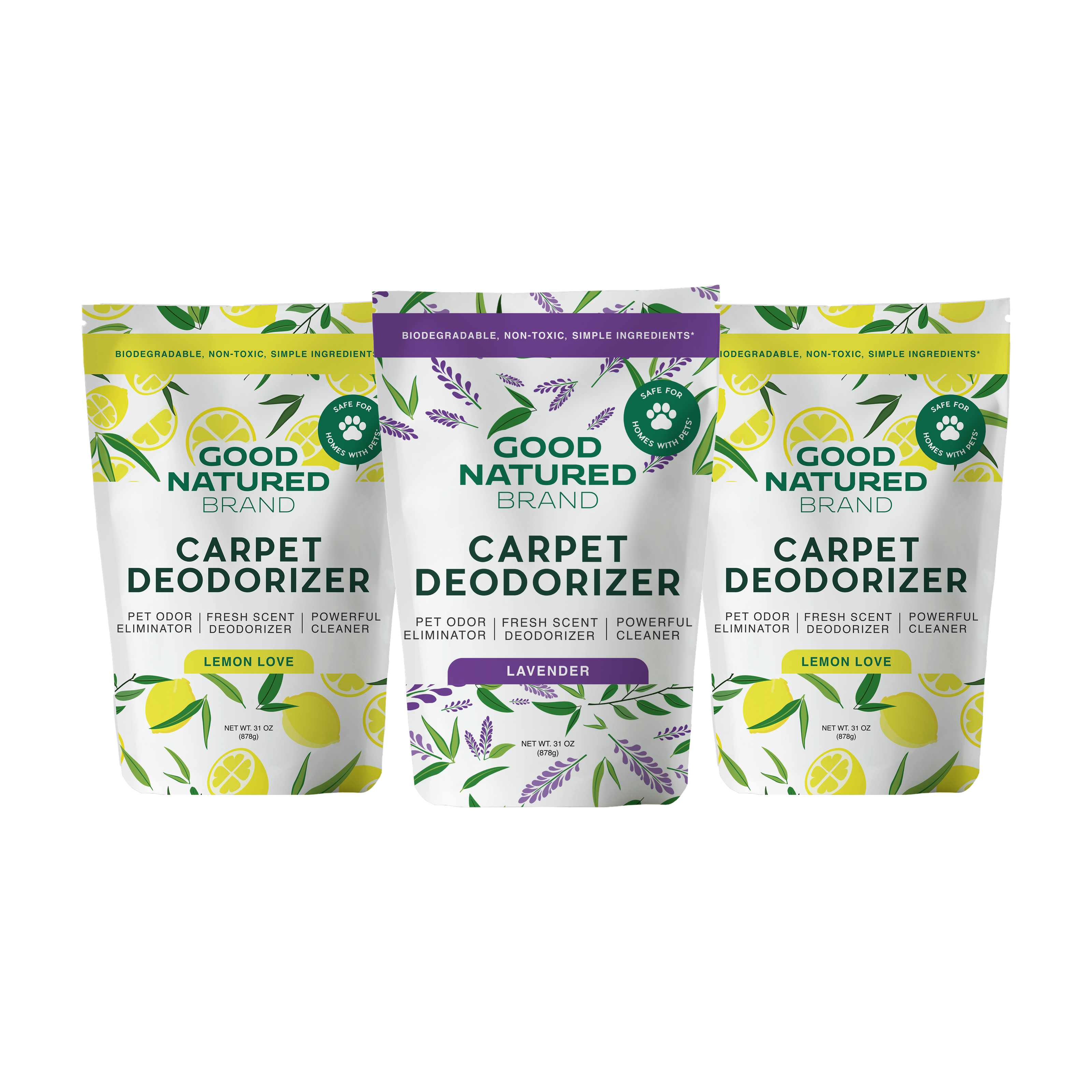
Lemon freshness for every home.
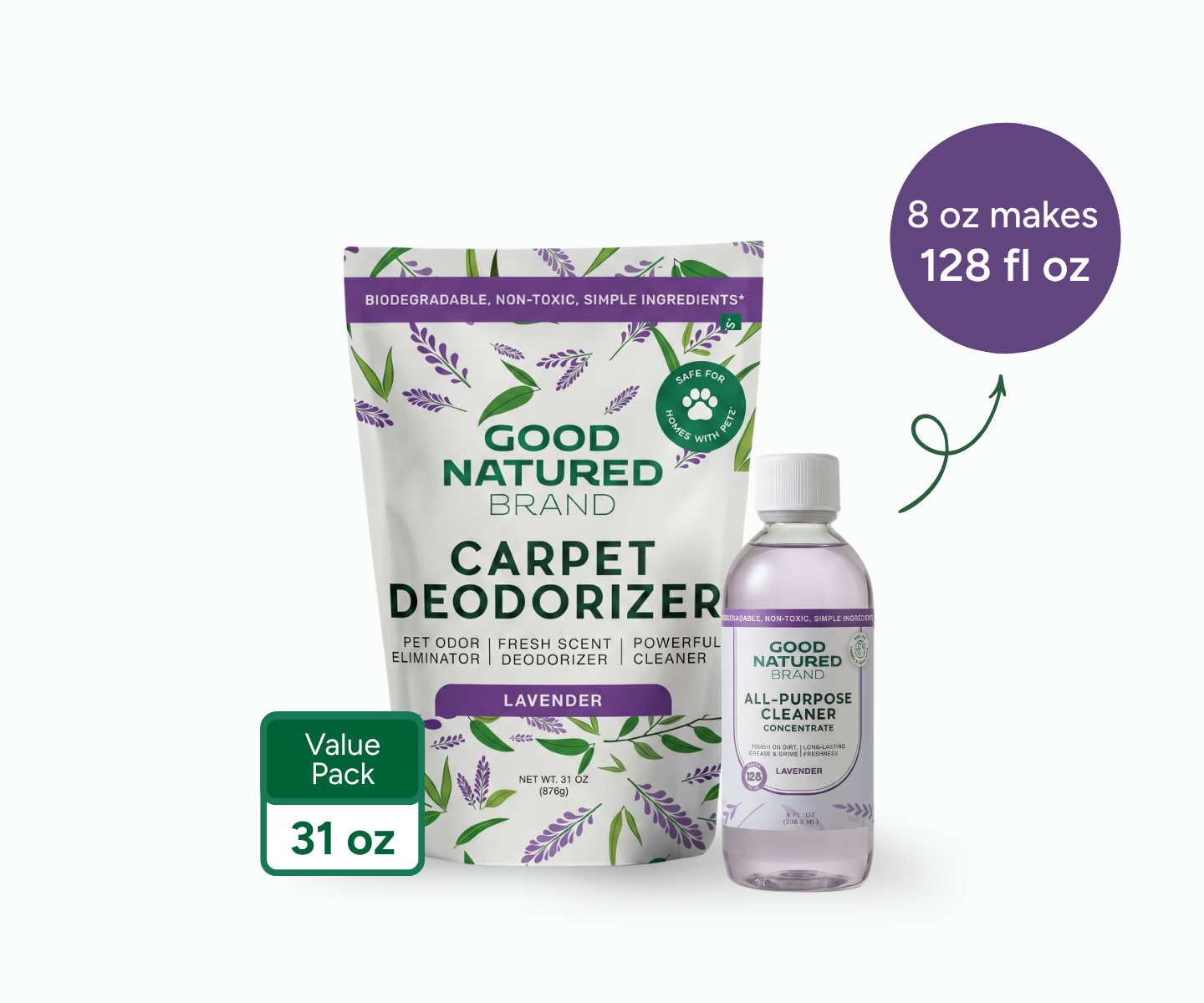
Lavender calm for every home.
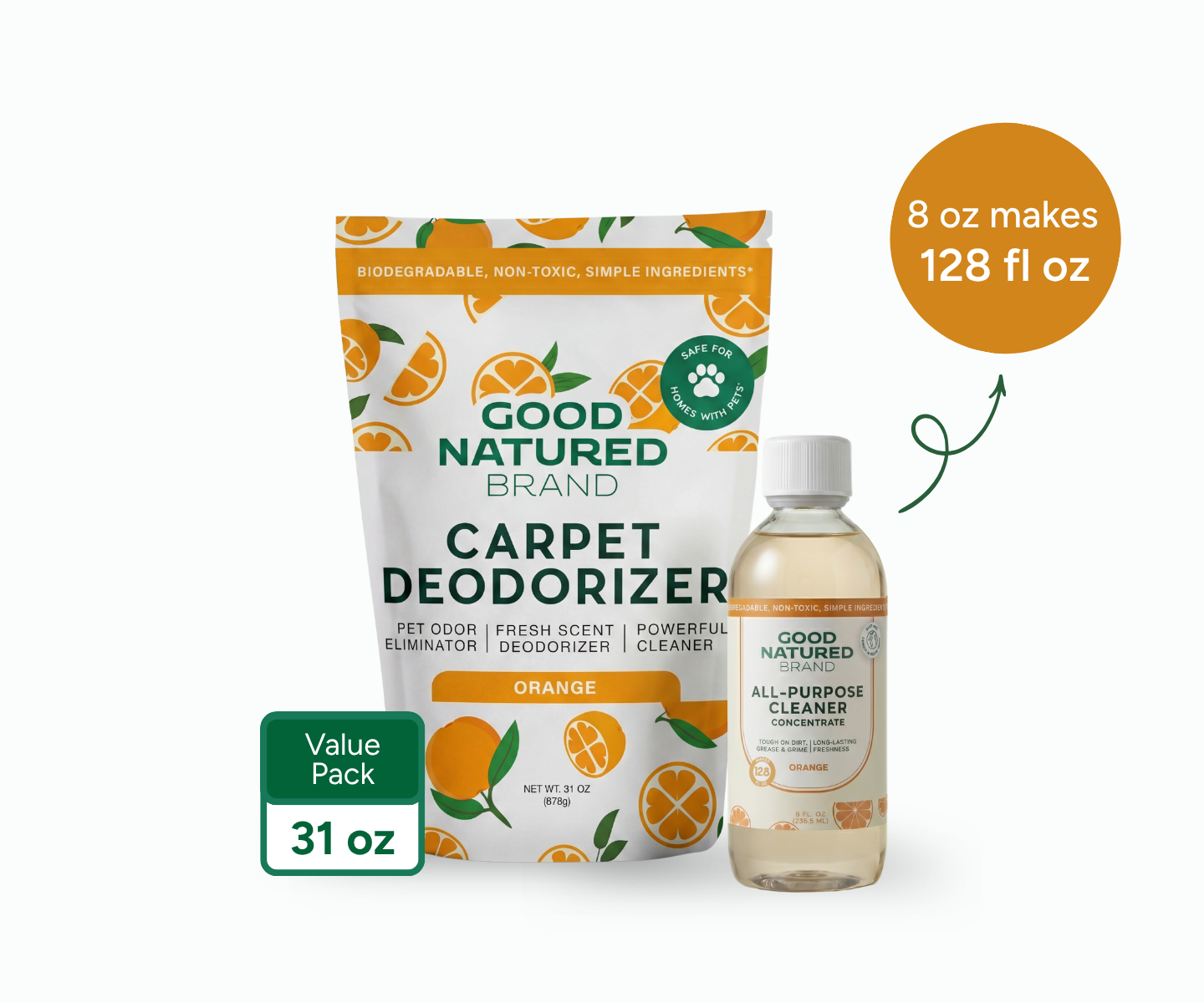
Orange energy for every home.
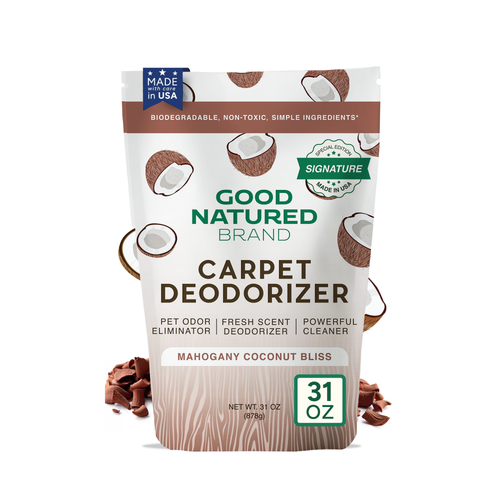
Mahogany warmth for every home.
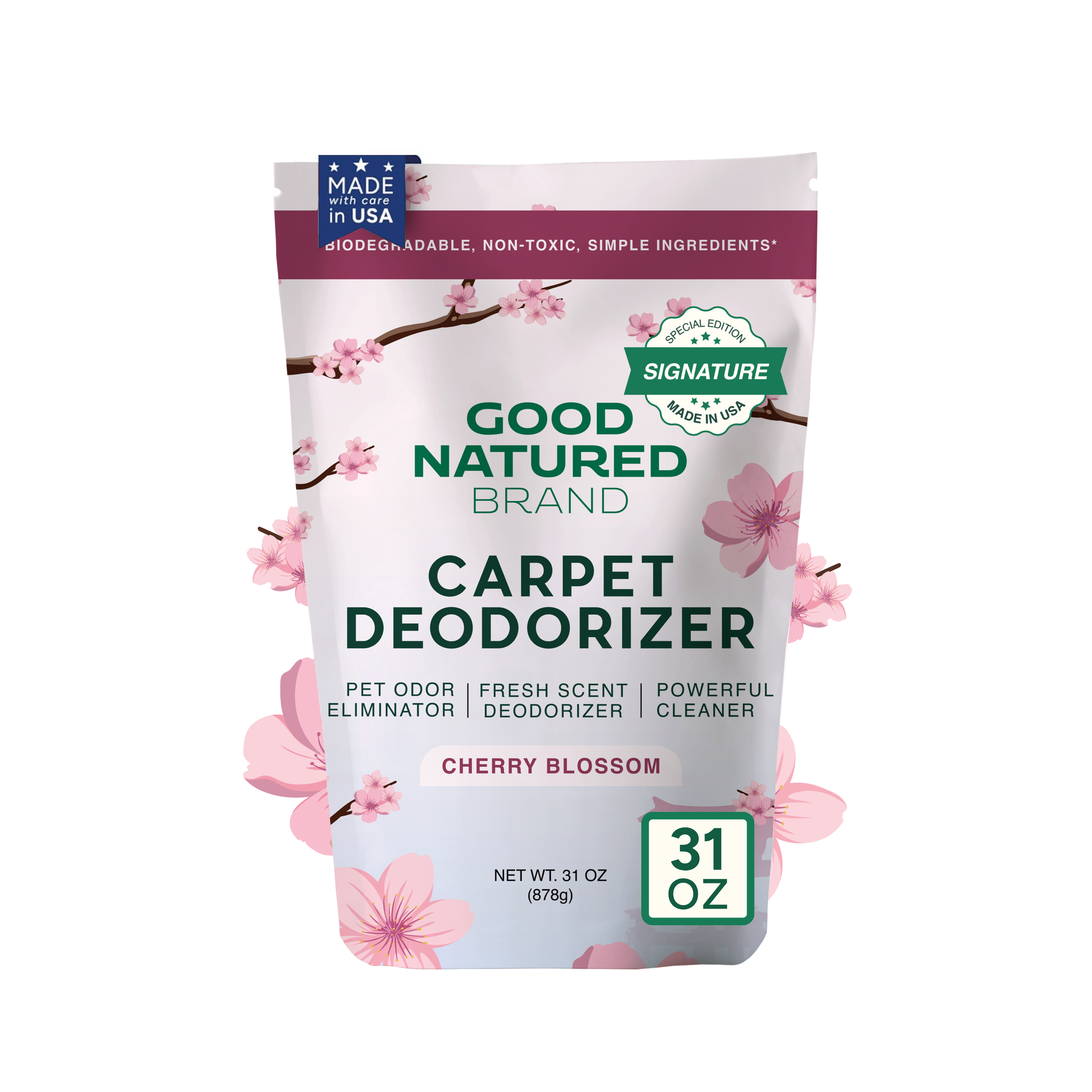
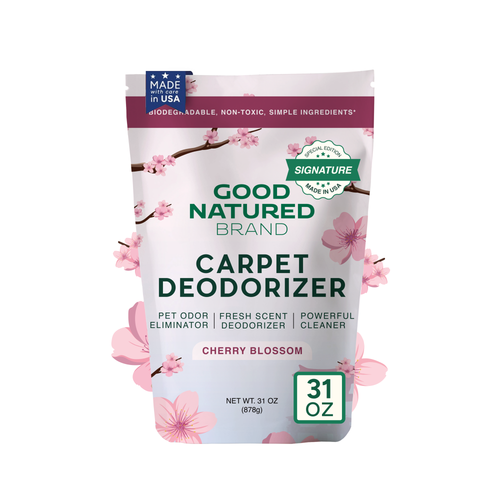
Cherry blossom serenity for every home.
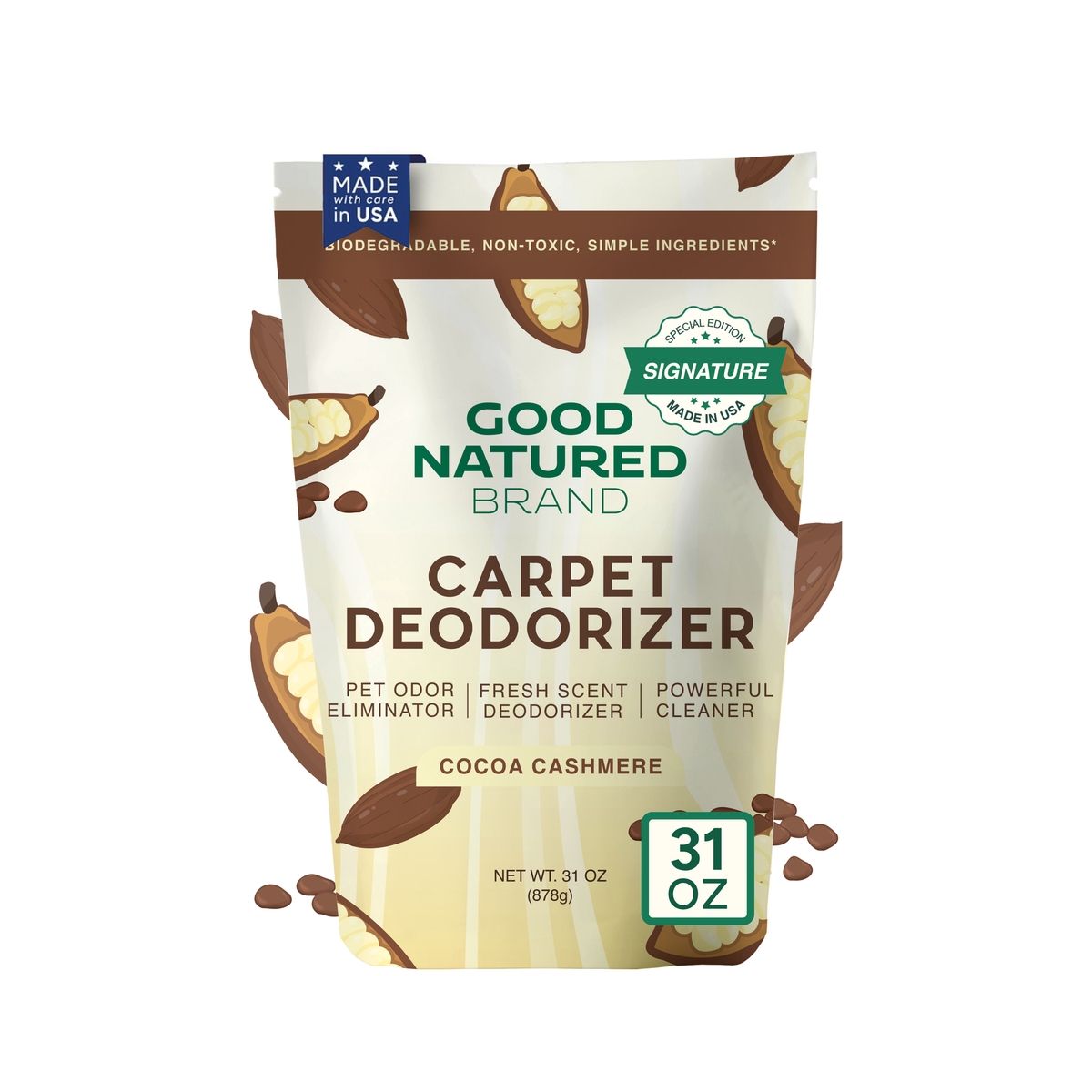
Cocoa butter comfort for every home.
Mandarin freshness for every home.
Champagne sparkle for every home.
Zesty freshness for every carpet.
Seeking Comfort in Your Scent
Dogs are deeply comforted by familiar smells, especially the scent of their favorite human. When your dog curls up on your pillow, naps on freshly worn clothes, or steals your socks, it’s not mischief — it’s affection.
Your scent signals safety. For dogs, it’s grounding and reassuring, especially when they want to relax or self-soothe. Keeping household fabrics clean with mild, pet-conscious Laundry Powders ensures your dog can enjoy those comforting scents without exposure to harsh residues.
Slow Wake-Ups and Full Body Stretches
A dog that wakes up slowly, yawns deeply, and stretches from nose to tail is telling you they feel safe enough to fully relax during sleep. These stretches release endorphins and indicate restorative rest.
In contrast, anxious dogs often snap awake, immediately alert and tense. If your dog eases into the day with unhurried movements, it’s a strong sign that your home environment feels peaceful and secure.
Confident Movement Throughout the House
Happy indoor dogs don’t confine themselves to one “safe spot.” Instead, they move intentionally throughout the home — following warm sunlight in the morning, settling on cool floors in the afternoon, or curling up on a rug in the evening.
This behavior shows confidence and ownership of their environment. Dogs that feel secure know they’re welcome everywhere. Maintaining clean, odor-free surfaces with gentle All-Purpose Cleaners helps create an inviting space where dogs feel comfortable roaming freely.
Relaxed and Varied Sleeping Positions
A truly happy dog doesn’t sleep the same way all the time. One nap might be belly-up, another curled into a cozy ball, and another stretched fully on their side. This variety means your dog feels physically comfortable and emotionally at ease.
Dogs experiencing stress or anxiety often stick to tight, protective sleeping positions. Variety, on the other hand, acts like an “inner peace meter.”
Calm Awareness of Your Daily Routine
Dogs naturally learn human routines — when meals happen, when you leave, and when you come home. A happy dog understands these patterns and waits calmly, without panic or frustration.
You might notice them quietly positioning themselves near the door before a walk or resting nearby when it’s almost dinner time. This relaxed anticipation shows trust, emotional balance, and confidence that their needs will be met.
Sharing Toys and Meaningful Objects
When your dog brings you a toy, sock, or even a half-chewed item, they’re offering a gift. Sharing valued objects is a sign of trust and affection, not a request to play every time.
This behavior means your dog feels safe enough to share what matters to them. A clean, comfortable floor space — maintained with pet-safe All-Purpose Cleaners — makes these interactions even more enjoyable.
Adjusting Physical Contact Based on Your Mood
Emotionally secure dogs are incredibly perceptive. They sense when you’re tired, stressed, or low-energy and adapt accordingly. Sometimes that means resting their head gently on your lap. Other times, it means giving you space while quietly staying nearby.
This emotional intelligence only develops when a dog feels deeply bonded and safe. It’s one of the most touching signs of a strong human-dog relationship.
Calmly Watching You from a Distance
Not all love is clingy. A happy dog may lie across the room, quietly watching you with relaxed ears, loose muscles, and slow breathing. This calm presence says, “I’m comfortable, and I trust you.”
Dogs that feel anxious often need constant physical reassurance. A relaxed observer, on the other hand, is enjoying peaceful companionship.
Comfortable Playing Independently
Independent play is one of the clearest indicators of emotional balance. When dogs toss toys, roll around, or zoom through the house without needing your involvement, they’re expressing confidence and contentment.
Dogs that lack security often stick close, freeze up, or only play when prompted. Independent play shows your dog feels safe, entertained, and mentally fulfilled within their environment.
Creating a Home That Supports Canine Happiness
Recognizing these subtle signs is the first step — supporting them is the next. A calm, clean, and predictable environment allows dogs to express these behaviors naturally. Regularly refreshing carpets with Carpet Deodorizers, washing dog bedding using gentle Laundry Powders, and maintaining everyday surfaces with pet-safe All-Purpose Cleaners helps reduce stressors that dogs may not be able to communicate directly.
Final Thoughts on Subtle Happiness Signals
As highlighted in “10 Signs Your Indoor Dog Is Leading a Truly Happy Life” by PawPrints Daily, happiness in dogs is rarely loud or dramatic. It lives in quiet glances, slow stretches, calm movements, and gentle routines. By learning to notice and nurture these behaviors, you can deepen your bond and ensure your dog feels safe, loved, and at peace in your home — every single day.
For more insights on pet wellness, home care, and dog-friendly living, explore our full blog at https://www.goodnaturedbrand.com/pages/blog.