



















If your dog turns into a shaking, panting mess the moment the first firework goes off, you already know the Fourth of July is not exactly a holiday in your house.
In the YouTube video "Do THIS 1 Hour Before Fireworks and Your Dog Will Sleep Through the Noise," veterinarian Dr. Tony Lee explains why fireworks hit dogs so much harder than they hit us, and walks through a routine you can start days ahead to help your dog stay calm instead of panicked. We watched the full video and put together everything worth knowing here, so you can actually use it this year instead of scrambling on July 3rd.
This matters more than people think. Animal shelters across the country report more lost pets around the Fourth of July than at any other point in the year. Most of those dogs did not run away because they wanted to. They bolted because their nervous system hit a breaking point and fight or flight took over.
Why Fireworks Are So Much Worse for Dogs Than for Us
A firework show is loud for us. For a dog, it is closer to a sensory ambush from three directions at once.
Dogs hear about four times better than people do, and their range stretches into ultrasonic frequencies we cannot even register. A boom that sounds distant to you can feel like it is happening right next to their head. Then there is the vibration. Fireworks send a pressure wave through the ground and the air, and dogs feel that through their paws and their skeleton almost like tremors. Add in their sense of smell, sharp enough to pick up sulfur and gunpowder from miles off long before the first firework even goes up, and you start to see why the whole night feels like an emergency to them.
All three of those signals hit the amygdala at once, the part of the brain responsible for fear. That triggers a rush of cortisol and adrenaline, and the dog drops straight into fight or flight. There is no room in that state for logic or learning or comfort. This is not a dog being dramatic. It is a real, physical panic response, and it needs to be handled like one.







Shop the Product
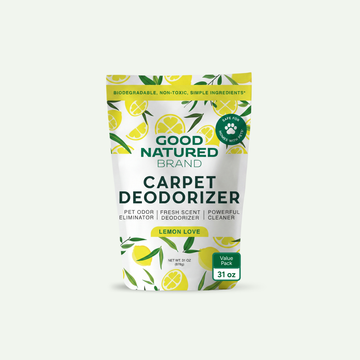
Lemon freshness for every home.
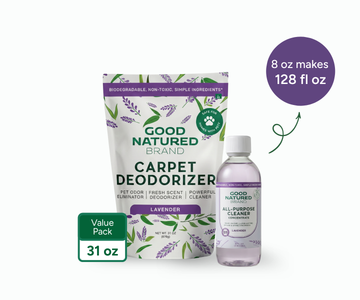
Lavender calm for every home.
Orange energy for every home.
Mahogany warmth for every home.
Cherry blossom serenity for every home.
Cocoa butter comfort for every home.
Zesty freshness for every carpet.
Two Things Owners Do That Make It Worse
Most owners are trying to help. The problem is that the instincts that work on a scared child do not always work on a scared dog.
The first one is what Dr. Lee calls the "it's okay" trap. A dog panics, you scoop them up, your voice goes high and worried, and you repeat "it's okay, it's okay" on a loop. Your dog has no idea what those words mean. What they do pick up on is your tone, and a tight, high pitched voice tells them something is wrong, which can make the fear worse instead of better.
The second mistake is bringing dogs outside during fireworks, or leaving them off leash even in a fenced yard. Direct exposure like this, sometimes called flooding, tends to traumatize rather than help. A panicked dog can clear a fence or slip a collar in seconds, so leashes stay on all weekend, even in spaces that are usually safe.
Start Days Before, Not the Night Of
Real prep work starts three to five days out. The idea is to slowly rewire your dog's brain so fireworks stop meaning danger.
Play a firework sound recording from YouTube at a volume so low it is barely there. While it plays, get your dog into something they love, tug of war, a training session, whatever works, and reward calm behavior with a high value treat like plain cooked chicken or peanut butter. Bump the volume up slightly each day, always keeping the mood positive. If you see pacing, panting, or whining, back off the volume immediately. Done consistently, this shifts the association from fear toward something closer to indifference, or even a good thing, since it means treats are coming.
Tire Them Out That Morning
The morning of the holiday should be about spending as much of your dog's physical and mental energy as possible. A tired dog has less fuel left to sustain hours of panic later that night.
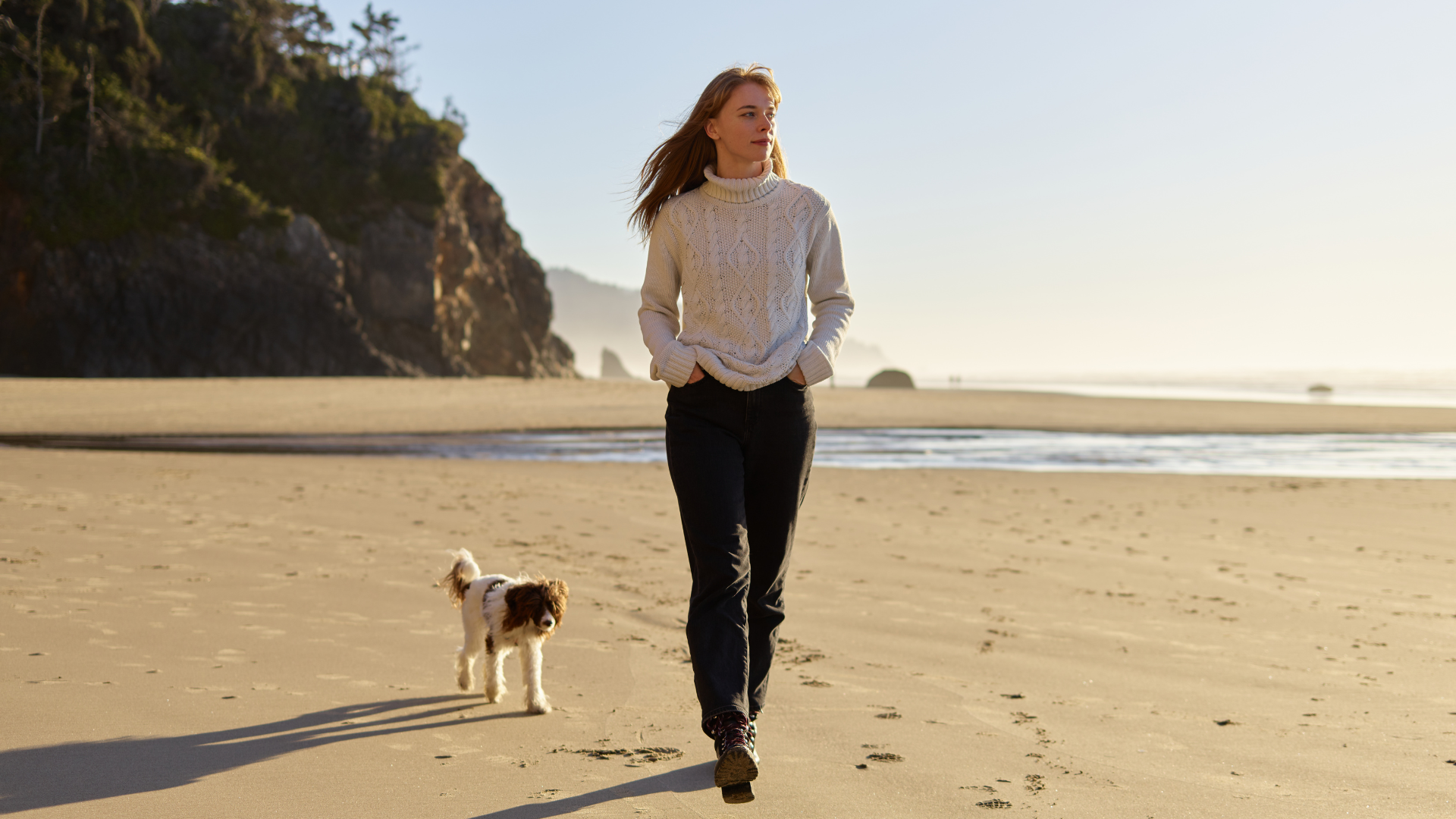
A long walk or hike early, before the day heats up, is a good start. Sniffing is especially useful here since fifteen minutes of it can burn about as much mental energy as an hour of running. Scatter feeding or hiding kibble around the yard taps into natural foraging instinct and adds even more to the fatigue. The goal is simple: a genuinely tired nervous system has an easier time staying regulated when the noise starts.
The One Hour Routine That Actually Makes a Difference
Timing is everything here. This entire routine needs to happen before the panic starts, not after.
One to two hours before, give a biological dampener. This could be natural calming support like chamomile tea, or a vet prescribed option like Sileo gel applied to the gums. These need time to work before the adrenaline hits, which is why timing matters so much. Skip chamomile if your dog is pregnant, and skip human Benadryl too. It sedates but does not actually calm the fear response underneath.
Add deep pressure. A snug wrap like a ThunderShirt, or even a stretchy scarf or ace bandage wrapped gently around the torso, applies steady pressure that stimulates the parasympathetic nervous system and releases oxytocin.
Build a safe den. Close the blinds, pick a windowless room like a bathroom or closet, and set it up with your dog's favorite bedding plus an unwashed t-shirt of yours for comfort. Loosely tuck large cotton balls into the ear openings to soften high frequency sound, and run brown noise, not a TV or radio, to mask the low rumble outside. Pull the cotton balls out the second the fireworks stop so the ears do not stay blocked longer than needed.
If that bedding or the borrowed t-shirt needs a wash afterward, a gentle option like our Laundry Powder gets it clean without leaving behind a heavy synthetic scent that could work against you the next time you are trying to keep that space calming and familiar.
Forty five minutes out, bring in a frozen treat. A Kong or lick mat filled with plain Greek yogurt, banana, and peanut butter that is free of xylitol gives your dog something to focus on. Licking releases endorphins and dopamine, which can help push back against the rising cortisol.
What to Do Once the Fireworks Start
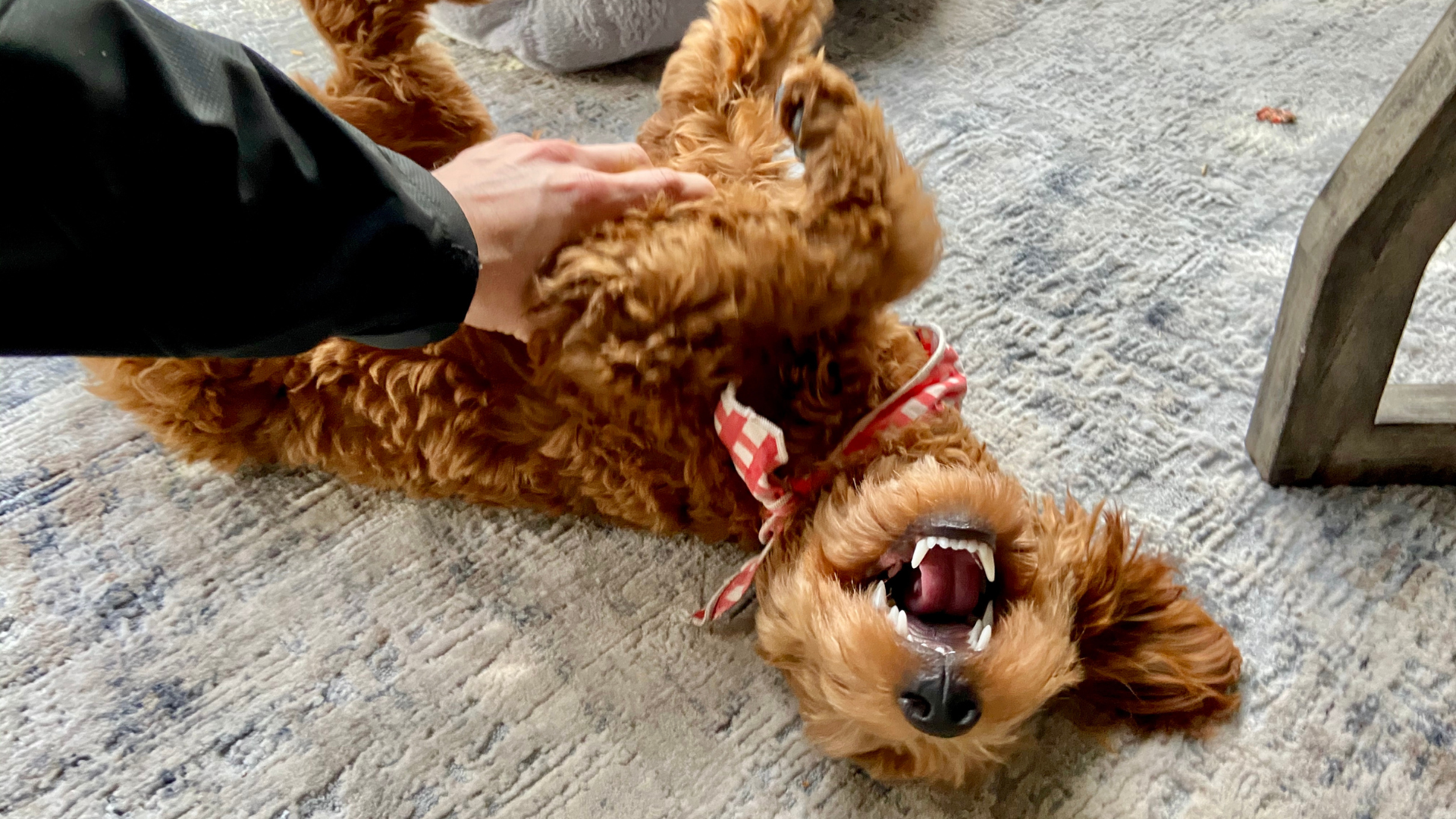
Once it starts, the best thing you can do is not disrupt the calm you already built. If your dog comes to you, use slow, firm strokes and keep your voice low and even, not high and urgent.
Dr. Lee also points to two acupressure points worth trying. Yin Tang sits between and just above the eyes, and slow circular motions with your thumb there can bring noticeable calm within a few minutes. Bai Hui is at the midline where the lower back meets the hips, and steady, gentle pressure there can help ground a dog who is spiraling.
One more thing that sounds strange but works: exaggerated yawning, slow blinking, and calm stretching while holding eye contact. Dogs read body language closely, and those signals of boredom and ease can genuinely convince them the room is safe.
Cleaning Up After a Rough Night
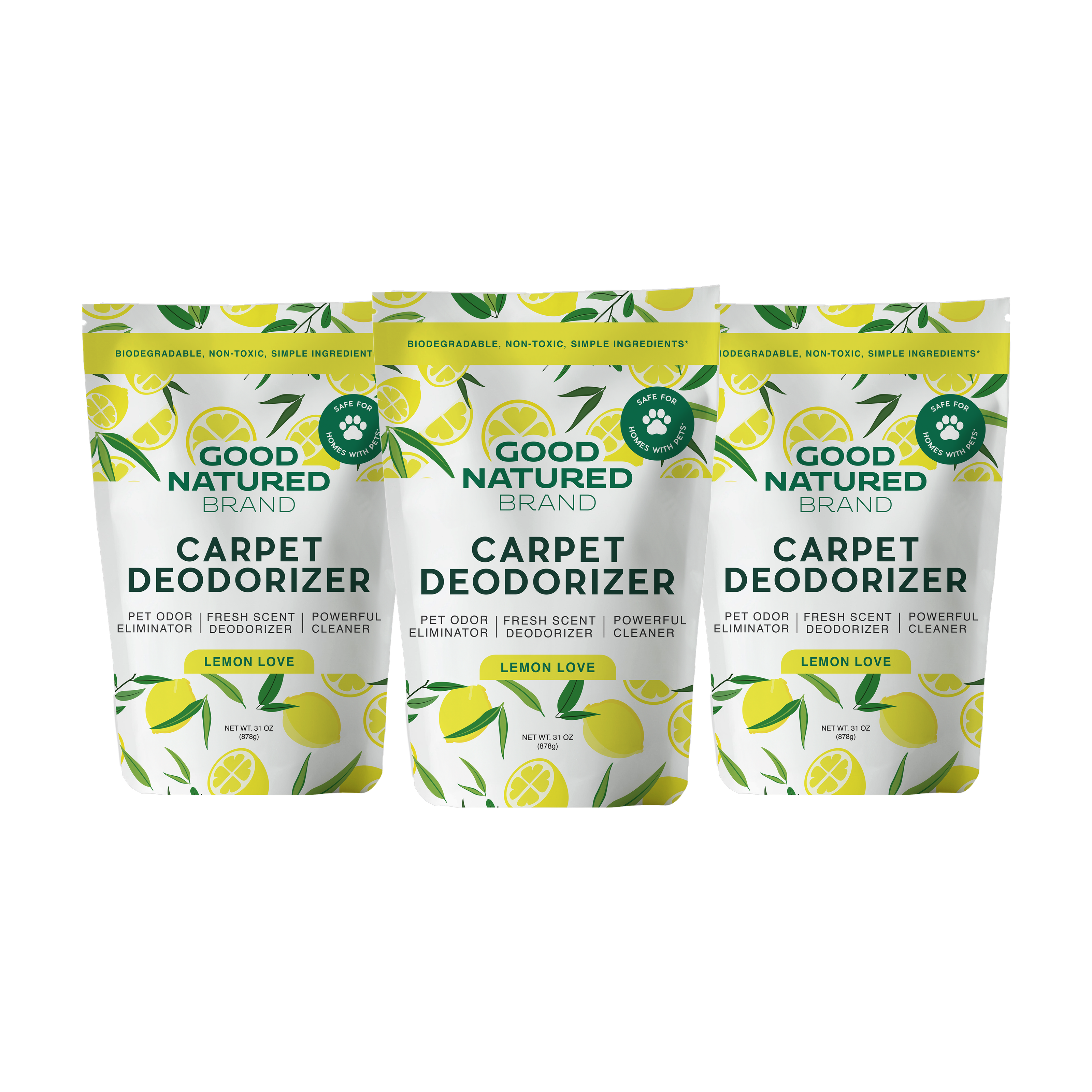
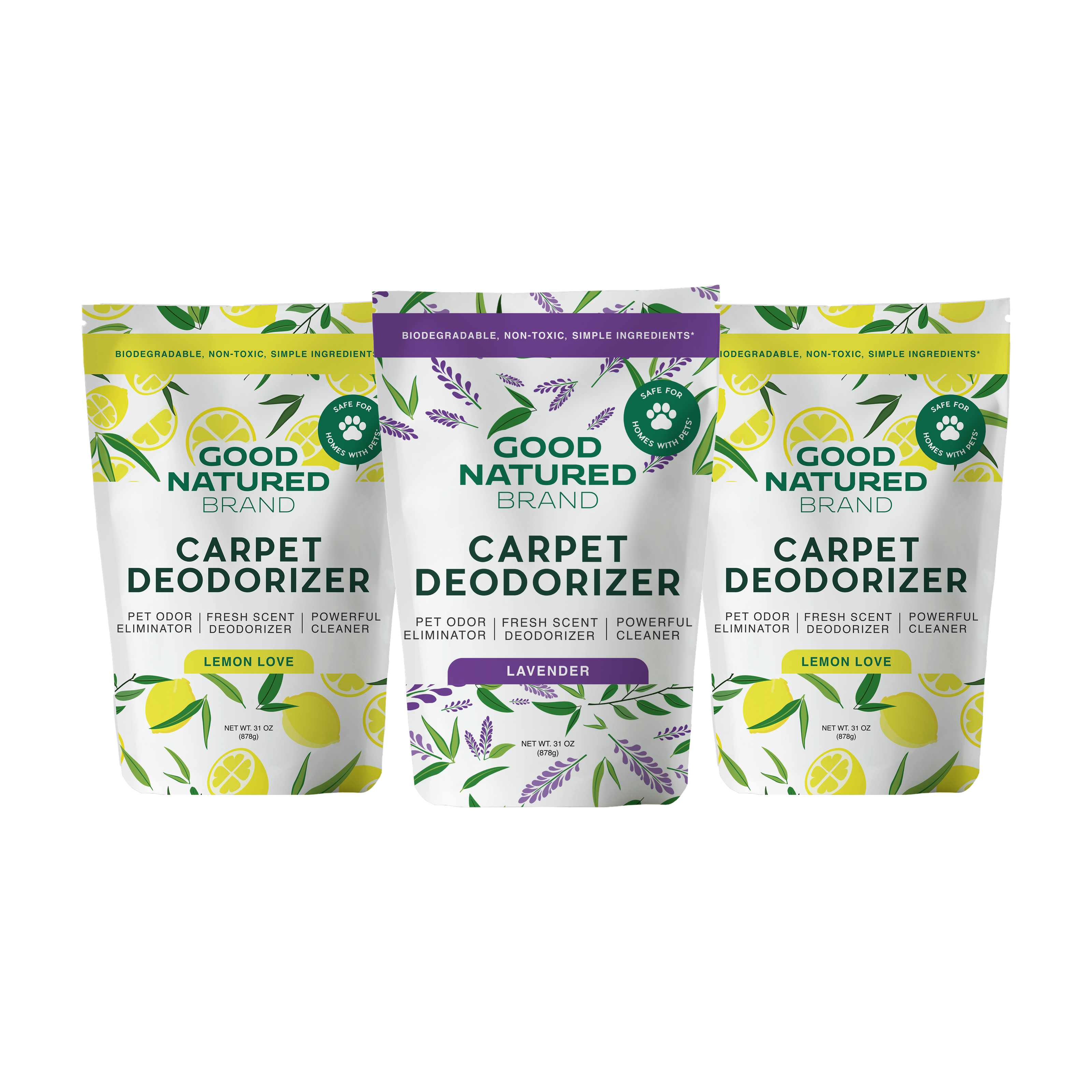
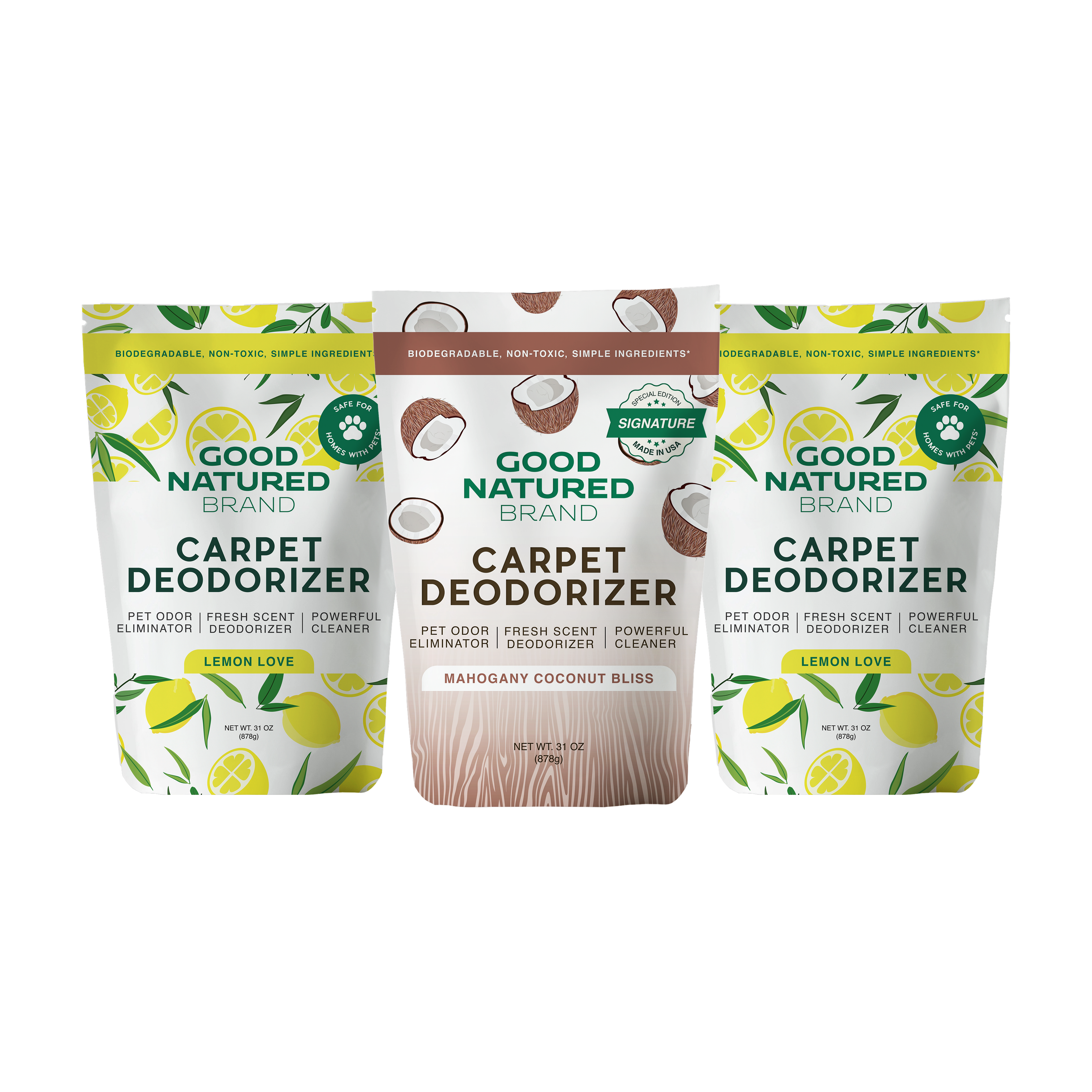
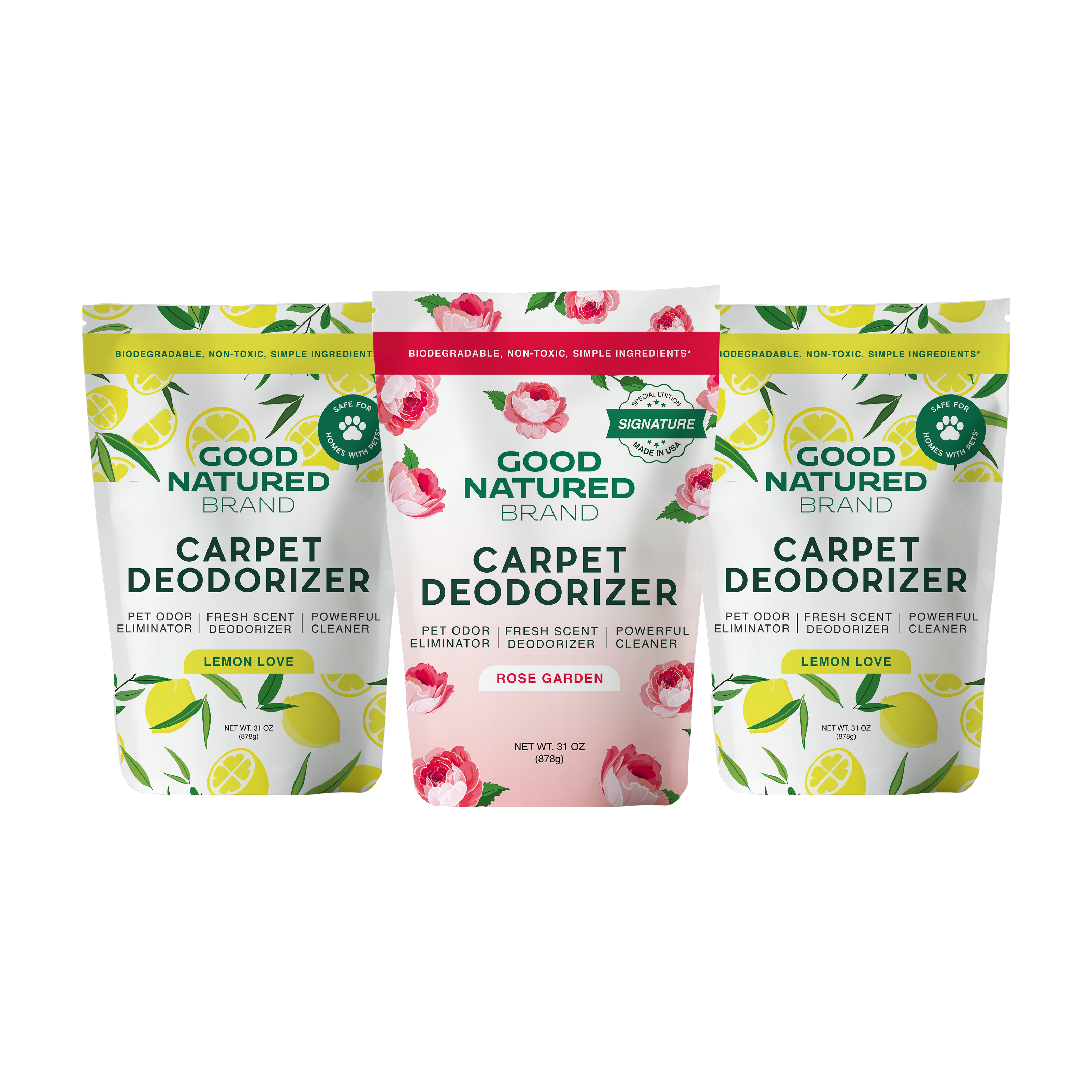
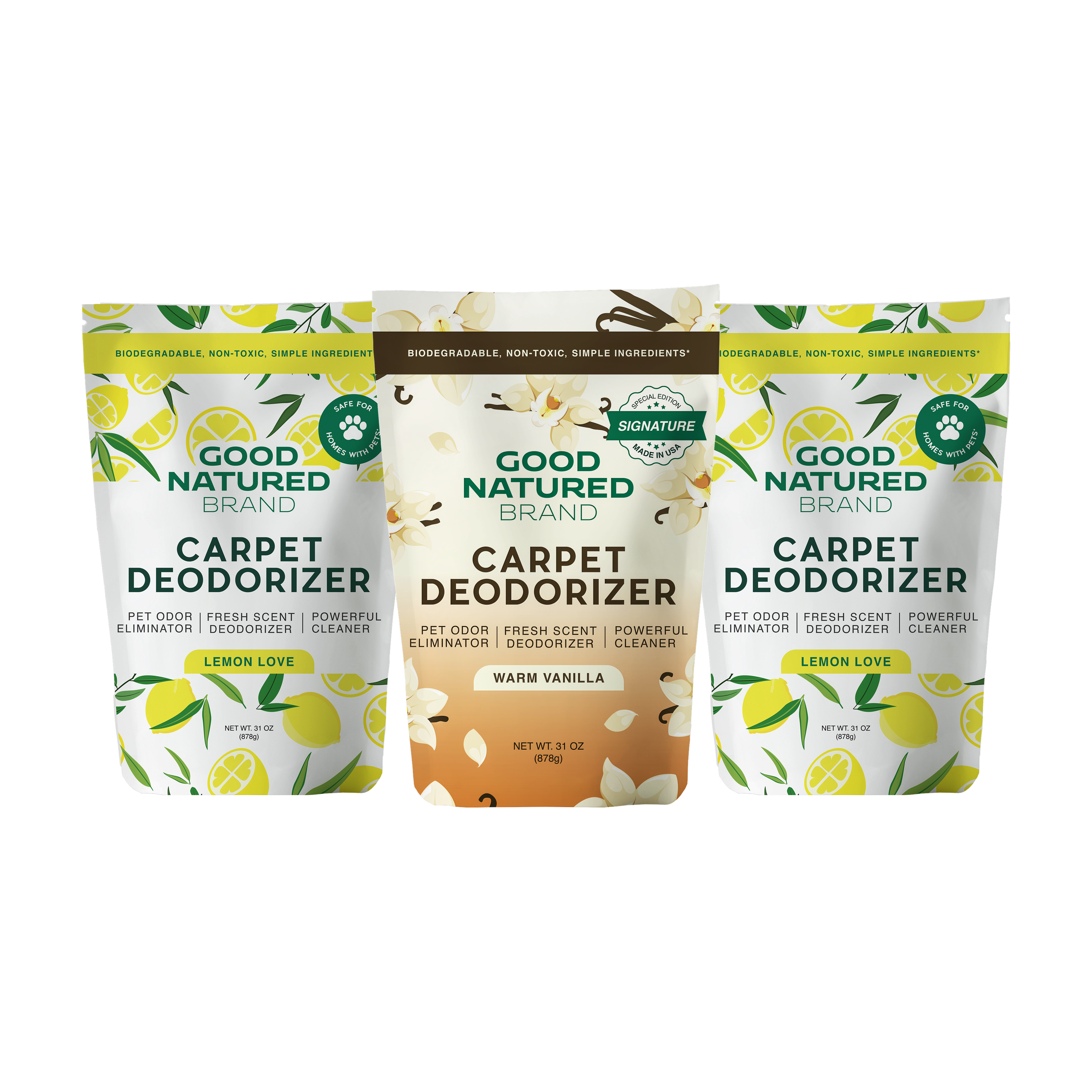
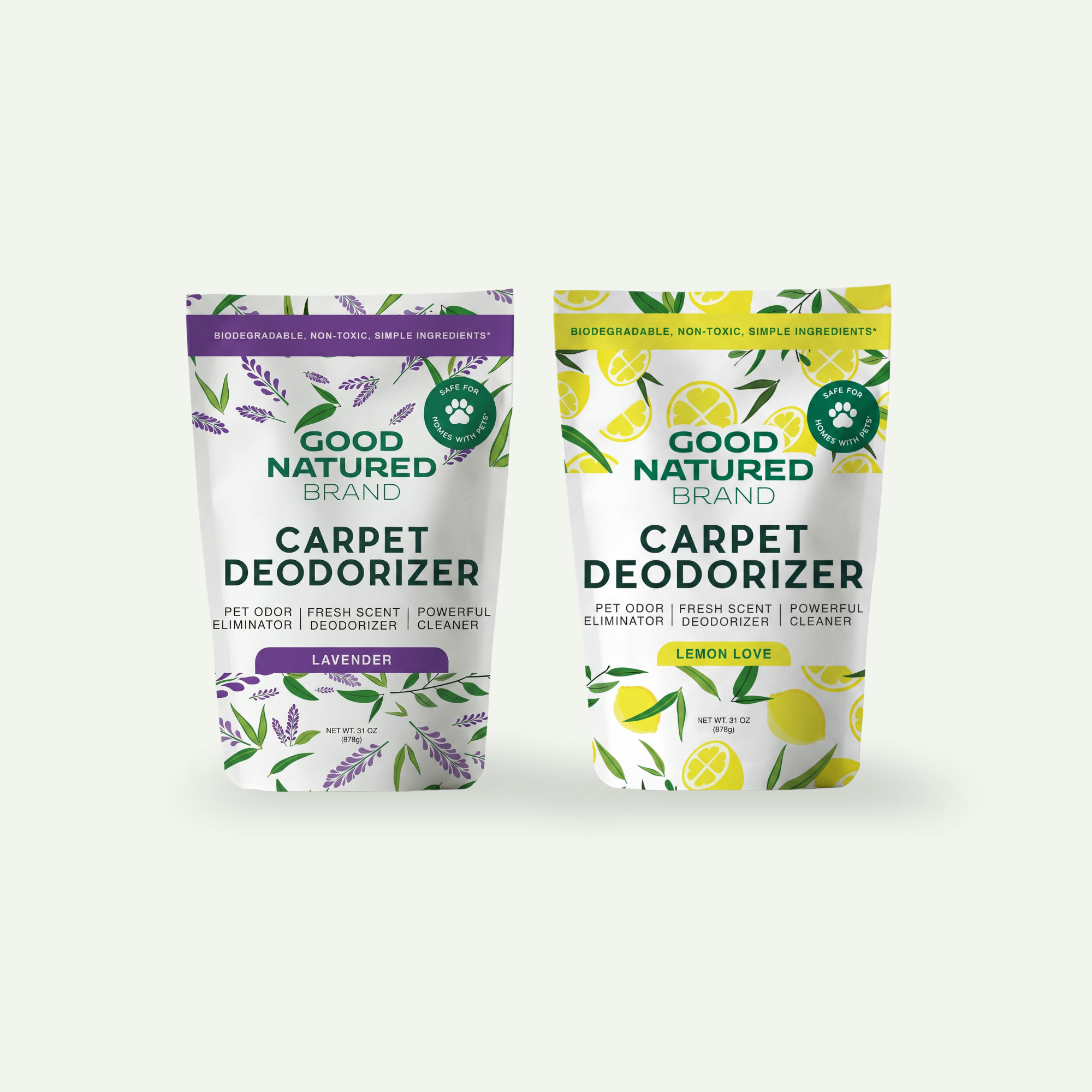
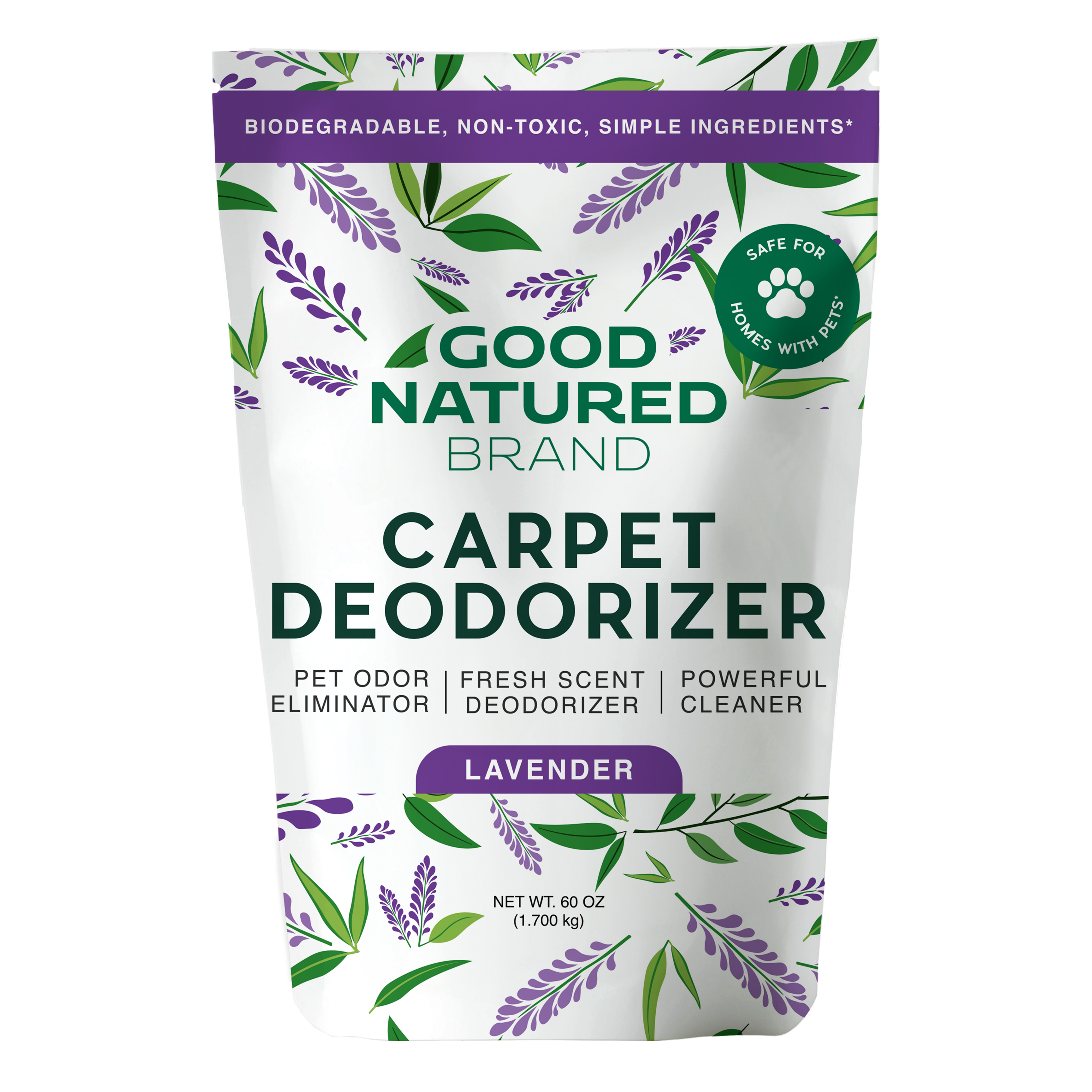
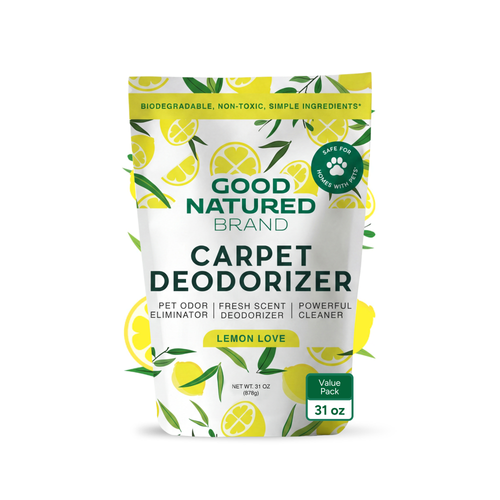
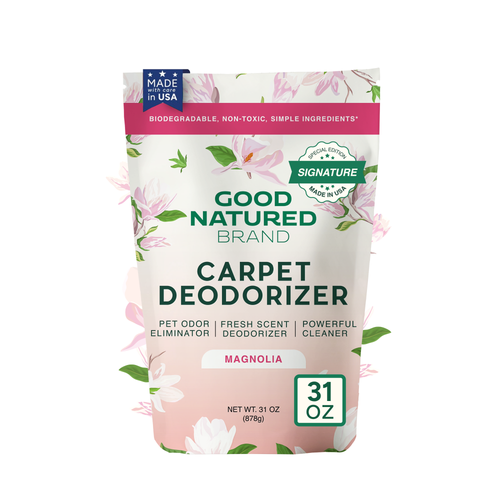
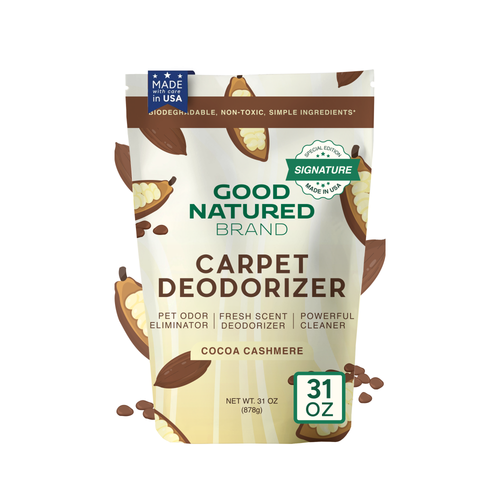
Even with a solid plan, some dogs still have an accident when panic takes over, often right on the carpet near a door or window. If it happens, do not add stress by reacting in the moment. Once things calm down, a plant based Carpet Deodorizer lifts the odor without leaving behind the kind of harsh chemical smell that could make your dog even more sensitive to scent triggers next time.
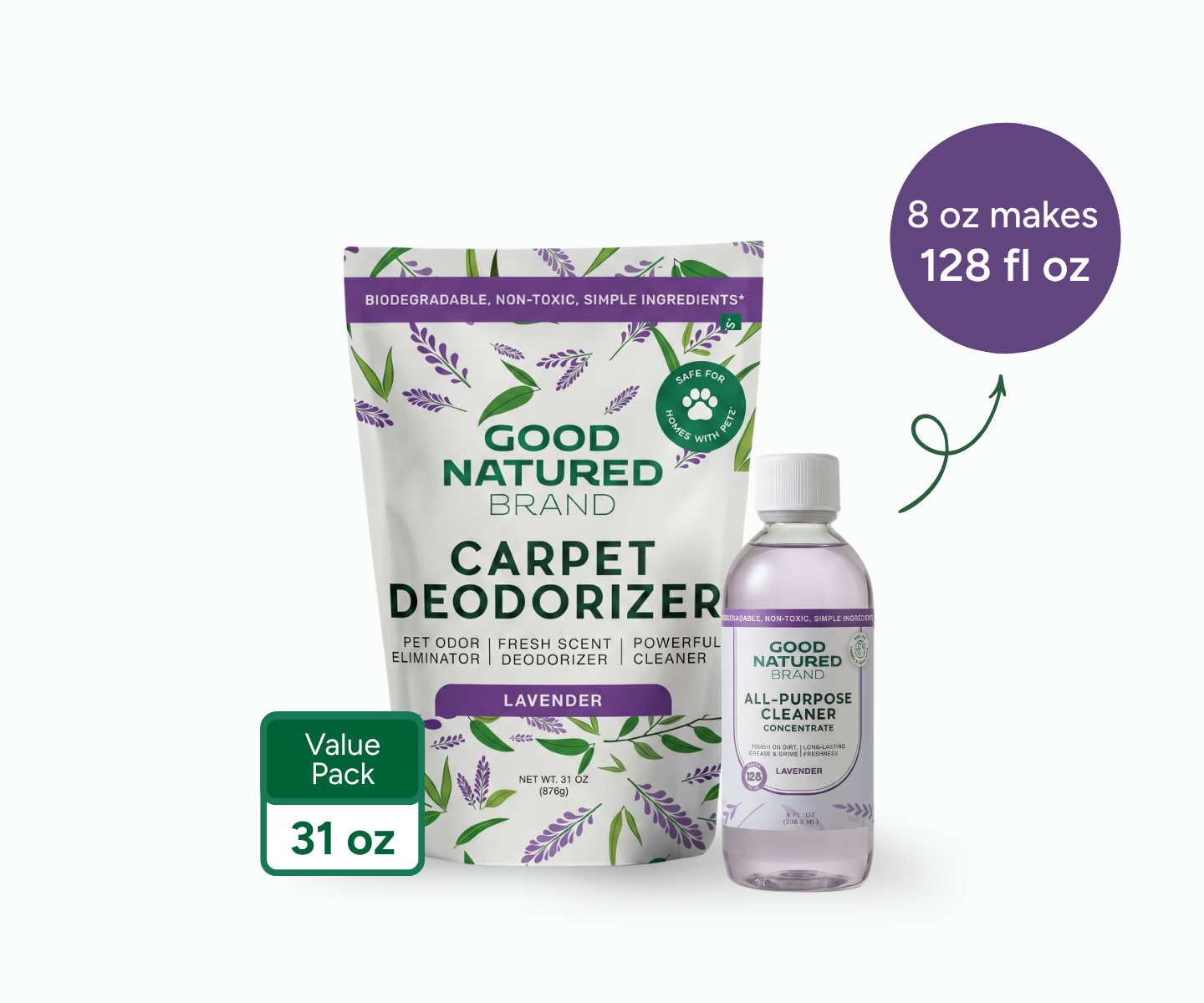
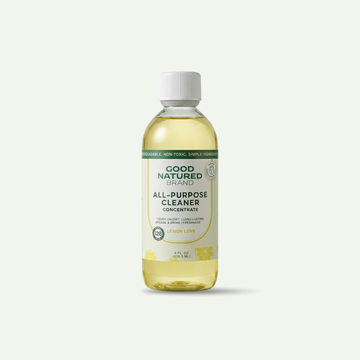
For counters, floors, or anything else that needs attention after a chaotic evening, an All-Purpose Cleaner handles it fast while keeping the air free of strong chemical odor, something dogs notice far more than we ever will given how much sharper their noses are.
Frequently Asked Questions
Why are dogs so scared of fireworks specifically? It comes down to hearing, vibration, and smell hitting all at once. Dogs hear far better than people, feel the pressure waves through their paws, and can smell the gunpowder before a single firework goes off. That combination triggers a real fear response in the brain, not just nerves.
Should I give my dog Benadryl for fireworks? Vets generally advise against it. Benadryl sedates a dog but does not do anything to calm the underlying fear, so the dog can still be terrified while unable to move normally, which is worse, not better.
How long before fireworks should I start the calming routine? Start desensitization three to five days ahead. On the day itself, begin the one hour routine, calming support, deep pressure, safe den, and a frozen treat, about an hour before the fireworks are expected to start.
Can I still comfort my dog during fireworks? Yes, just keep it low key. Slow, firm petting and a calm, even voice help. A high pitched, worried tone tends to confirm the danger rather than ease it.
Final Thoughts
A dog shaking under the bed every Fourth of July is not something you just have to live with. It is a predictable response to a very specific set of triggers, and it responds well to preparation. Start the desensitization a few days out, wear your dog out that morning, and run through the one hour routine before the first firework goes off. Most dogs that go through this actually make it through the night calm, sometimes even asleep.
For more ways to keep your home calm, fresh, and comfortable for every member of the family, four legged ones included, browse the rest of our blog or visit our main page to see our full lineup of plant based home care products.