If you’ve ever stopped mid-scroll because a fox-faced dog looked straight into your soul, you’re not alone. In the YouTube video “Are Shiba Inus Good Pets? 10 Pros and Cons of Owning a Shiba” on the channel “Tadashi the Shiba,” the creator breaks down what it’s really like to live with a Shiba Inu—what makes them amazing companions, and what can make them a daily challenge. Below, we’re repurposing the video’s key takeaways into a detailed, practical guide so you can decide whether a Shiba fits your lifestyle (and how to prepare your home if you’re leaning “yes”).
Why Shiba Inus Are Everywhere Right Now
Shiba Inus have surged in popularity in recent years, and the video attributes a big part of that rise to two things:
-
Social media exposure (Shibas are highly photogenic and expressive)
-
The Doge meme effect (a cultural moment that introduced the breed to millions)
But popularity doesn’t equal compatibility. The video’s main message is that Shibas can be wonderful pets—as long as you genuinely accept their quirks instead of expecting them to behave like a typical eager-to-please dog.
The Shiba Inu Personality at a Glance
The video paints Shibas as dogs with a bold, independent identity:
-
Confident and strong-willed
-
Often reserved at first
-
Deeply loyal once bonded
-
Exceptionally clean
-
Quiet most of the time—until they’re not
This combination is exactly why people adore them… and why some people feel overwhelmed after adopting one.
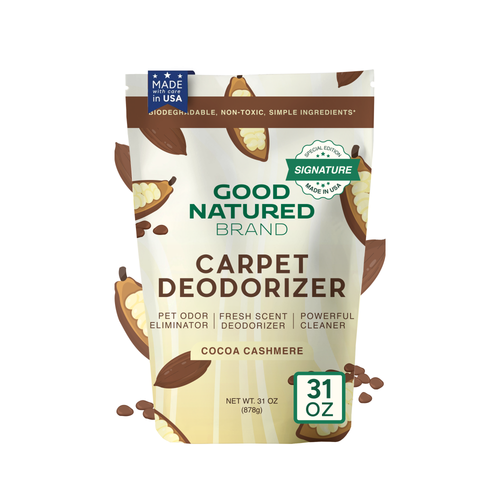

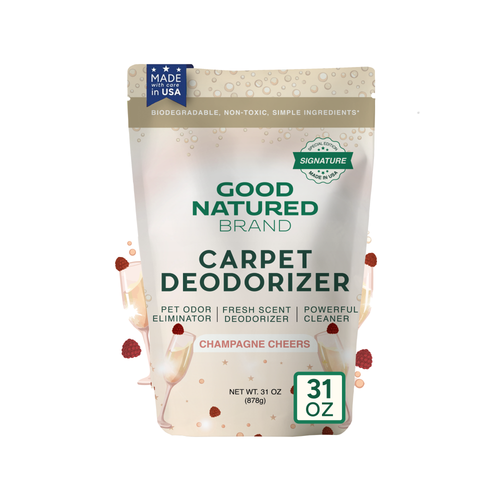
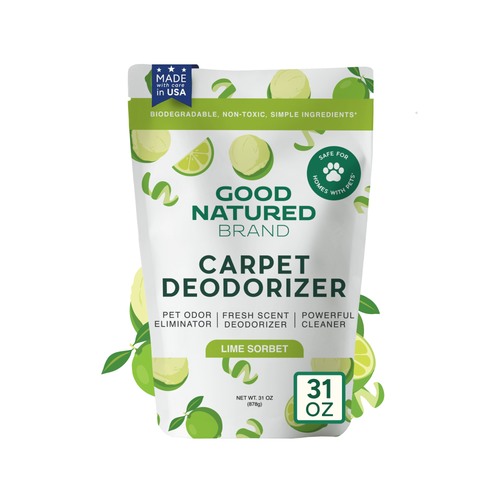
Shop the Product
Lemon freshness for every home.
Lavender calm for every home.
Orange energy for every home.
Mahogany warmth for every home.
Cherry blossom serenity for every home.
Cocoa butter comfort for every home.
Mandarin freshness for every home.
Champagne sparkle for every home.
Zesty freshness for every carpet.
The Pros of Owning a Shiba Inu
Beautiful, fox-like appearance that turns heads
Shibas are widely admired for their striking fox-like face, bright eyes, and compact, powerful build. The video notes that their poised, self-assured vibe often draws attention in public—Shibas have a way of looking “important” even when they’re just standing still.
What this means for owners:
You’ll probably get lots of compliments—and plenty of curious questions. If you like a dog with presence and charm, this is a big plus.
Charming personality that keeps life interesting
According to the video, Shibas have a distinctive, confident, strong-willed character. They’re not “background dogs.” Their personality tends to make daily life feel dynamic—sometimes hilarious, sometimes dramatic, but rarely boring.
What this means for owners:
A Shiba can feel like a roommate with opinions. If you enjoy animals with a big personality and clear preferences, you may love this.
Quiet demeanor (with rare exceptions)
Despite their reputation for the famous “Shiba scream,” the video explains that Shibas rarely vocalize unless they’re hurt, scared, or extremely excited. In everyday life, they’re generally quiet and composed, which can be ideal if you live near neighbors or prefer a calmer home.
What this means for owners:
If you want a dog that isn’t constantly barking at hallway noises, Shibas often fit that preference—though you should still be ready for the occasional high-volume moment.
Loyal bonds that feel authentic
The video describes Shibas as reserved at first—sometimes standoffish—but capable of forming deep, genuine lifelong bonds with their people. Their loyalty is framed as something you earn, and once you have it, it’s real.
What this means for owners:
If you’re expecting instant clingy affection, you might be disappointed. But if you value a slower-growing relationship that becomes intensely meaningful, this is one of the most rewarding Shiba traits.
Remarkable cleanliness (cat-like habits)
One of the biggest “wow” points in the video is Shiba cleanliness. Shibas are described as:
-
Extremely clean and self-grooming
-
Avoiding dirty areas on walks
-
Rarely smelling bad
-
Needing infrequent baths
-
Often house-training easily due to their dislike of mess
What this means for owners:
If you’re sensitive to “dog smell” or you like a tidy home, this trait can be a major advantage—especially compared to many other breeds.
The Cons of Owning a Shiba Inu
Stubbornness and “selective listening”
The video is very clear: Shibas are notoriously stubborn. They may ignore commands if they don’t see a reason to comply, and motivating them often requires treats or incentives.
Practical expectation:
Training may feel less like “teaching obedience” and more like “negotiating cooperation.” Patience and consistent motivation matter.
Aloofness and independence
Shibas tend to be independent and not overly expressive. The video notes they may prefer solitude sometimes, and they might ignore your calls intentionally—less “I didn’t hear you,” more “I’m busy.”
Practical expectation:
If you want a dog that constantly seeks attention, cuddles on demand, and follows you everywhere, a Shiba may not match that emotional style.
Territorial or aggressive tendencies with other dogs
Another big caution in the video: Shibas can be possessive and territorial, especially when another dog enters their space. Their fearless reactions can make social situations tricky and may be misunderstood by others.
Practical expectation:
Socialization can be challenging, and you may need to be proactive about managing introductions, space, and boundaries.
High energy and boredom risk
Shibas were originally bred as hunting dogs, and the video emphasizes they need daily physical activity and mental stimulation. Without it, boredom can lead to destructive behavior.
Practical expectation:
A quick bathroom break isn’t enough. Shibas do best with consistent daily movement and engaging activities.
Heavy shedding (especially seasonal)
That gorgeous double coat comes with a tradeoff: the video highlights heavy shedding twice a year, producing a surprising amount of fur.
Practical expectation:
You’ll likely be vacuuming more, managing fur on furniture/clothes, and staying on top of grooming—especially during shedding season.
Pros and Cons Summary Table
|
Pros |
Cons |
|
Beautiful fox-like appearance |
Stubborn and sometimes uncooperative |
|
Charming, confident personality |
Aloof and sometimes indifferent |
|
Quiet most of the time |
Can be territorial or reactive |
|
Deep loyalty once bonded |
Often needs motivation to obey |
|
Naturally clean and low odor |
Heavy shedding twice yearly |
|
Often house-trains easily |
Needs daily exercise and stimulation |
What Daily Life With a Shiba Can Look Like
Based on the video’s traits, here’s what many owners should realistically prepare for:
-
A dog that’s clean and tidy, but still sheds heavily at certain times of year
-
A quieter home, except for occasional intense vocal moments
-
A loyal companion, but not always outwardly affectionate
-
A smart dog with opinions, who responds best when you make cooperation worth it
-
An active routine, because boredom can quickly become trouble
And yes—because shedding and high activity often mean more cleanup, it helps to have a simple home refresh routine. For example:
-
If your Shiba spends time on rugs or carpeted areas, using Carpet Deodorizers can help keep soft surfaces smelling fresh between deeper cleanups.
-
For blankets, covers, and washable pet bedding, a dependable Laundry Powders routine makes it easier to stay ahead of everyday dog “life smells.”
-
For hard surfaces like floors, crates, feeding areas, and wipe-downs, a reliable All Purpose Cleaners option helps make quick resets feel doable.
(If you want more pet-home cleaning and habit ideas, you can explore the Good Natured Brand Blog anytime.)
Who a Shiba Inu Is Best For
The video’s conclusion is clear: Shibas are good pets—if you accept what they are. With that in mind, Shibas tend to be a great fit for people who:
-
Like dogs with independence and personality
-
Are comfortable with a bond that grows slowly but deeply
-
Can commit to daily exercise and stimulation
-
Are willing to manage territorial behaviors thoughtfully
-
Don’t mind planning around shedding seasons
Shibas may be a tough fit if you’re looking for:
-
A highly obedient, eager-to-please dog
-
A very cuddly, openly affectionate companion
-
A low-maintenance coat with minimal fur cleanup
Setting Yourself Up for Success Before You Adopt
If you’re considering a Shiba, the video strongly implies that preparation makes all the difference. A few smart “before the dog arrives” moves include:
-
Plan a daily activity routine (walks + stimulation, not just one or the other)
-
Expect motivation-based training (rewards are your friend)
-
Think about social boundaries (especially around other dogs)
-
Prepare for shedding (tools, routines, and realistic expectations)
And because Shibas are clean but still very much dogs, building a simple home maintenance system helps you stay consistent:
-
Keep a soft-surface refresh option like Carpet Deodorizers on hand for the spaces your dog loves most.
-
Make pet laundry easier by having a go-to Laundry Powders routine for throws, covers, and washable items.
-
Stock an everyday wipe-down solution such as All Purpose Cleaners for quick resets around bowls, entryways, and high-traffic areas.
You can also browse product collections and brand info through the Good Natured Brand main page.
The Real Takeaway From Tadashi’s Story
The narrator closes with a personal reflection about their Shiba, Tadashi: even with the stubbornness, aloof moments, and shedding, the loyalty and love make it deeply rewarding—especially when you embrace the breed for who they are instead of trying to “change” them.
If you’re drawn to Shibas because they’re beautiful, iconic, and full of personality, the video offers a grounded reminder: a Shiba can be an incredible companion, but the best experience comes from informed expectations, patience, and commitment.