






















The Turkish Kangal dog is one of the most misunderstood breeds in the world. Often portrayed as an unstoppable wolf killer or an aggressive giant unsuitable for family life, the reality is far more nuanced. A clear, balanced look at this ancient breed is presented in the YouTube video “TURKISH KANGAL DOG - WOLF KILLER OR PET?” by the channel Animal Watch. Through firsthand observation and interviews with experienced UK-based Kangal experts, the video challenges sensational myths and reveals the Kangal as a deeply loyal, intelligent, and purpose-driven guardian.
In this article, we’ll expand on the video’s insights and explore the Kangal’s history, temperament, physical traits, working instincts, and suitability for modern homes. Whether you’re curious about the breed or considering one responsibly, understanding the Kangal starts with separating legend from lived reality.
The Ancient Origins of the Turkish Kangal
The Kangal dog originates from the Sivas region of Turkey and has guarded livestock for thousands of years. Long before modern fencing or predator control, these dogs stood between flocks and apex predators in harsh, mountainous terrain. Their role was never about indiscriminate aggression — it was about deterrence, awareness, and decisive protection only when absolutely necessary.
Over generations, Kangals were selected not just for strength, but for judgment. A good guardian dog needed to know when to act and, just as importantly, when not to. This selective pressure shaped a breed that is calm, confident, and emotionally intelligent.









Shop the Product
Lemon freshness for every home.
Lavender calm for every home.
Orange energy for every home.
Mahogany warmth for every home.
Cherry blossom serenity for every home.
Cocoa butter comfort for every home.
Zesty freshness for every carpet.
Meeting the Dogs Behind the Reputation
In the Animal Watch video, the presenter visits Kangal expert Carl Westfield and meets two of his dogs, Dave and Kaiaz. Contrary to their fearsome reputation, both dogs display affection, curiosity, and gentle behavior toward a stranger. Dave, in particular, actively seeks attention and physical contact.
However, Carl emphasizes an important distinction: friendliness does not negate power. Kangals can shift from calm to decisive action in moments if they sense a genuine threat. This duality — relaxed confidence paired with immense capability — defines the breed.
Temperament and Life with Families
One of the most surprising elements for many viewers is the Kangal’s relationship with children. Historically, these dogs lived among village families, often accompanying children as they moved livestock or walked between homes. Aggression toward children was never tolerated and was bred out over generations.
As a result, well-bred Kangals are typically gentle, steady, and careful around kids. They are not excitable dogs that jump or knock children over. Instead, they move with awareness and restraint, traits that reflect their role as quiet protectors rather than playful companions.
Size, Strength, and Functional Proportions
Online exaggerations often depict Kangals as massive, oversized dogs weighing close to 100 kilograms. In reality, true working Kangals are more moderate in size because functionality matters more than bulk. Most stand between 28 and 32 inches tall and weigh roughly 90 to 130 pounds.
Dogs significantly larger than this would lack the stamina, speed, and agility required to work effectively in rough terrain. The Kangal’s strength is real — but it is purposeful, not excessive.
Ear Cropping and Cultural Context
Ear cropping is banned in the UK and many other countries, but many Kangals imported from Turkey arrive with cropped ears. In their native environment, this practice has historically been functional rather than cosmetic. Cropping reduces the risk of frostbite in extreme cold and prevents ears from being torn during predator encounters.
That said, responsible breeders outside Turkey generally do not crop ears, and uncropped Kangals function perfectly well in non-working environments. Understanding the cultural context helps avoid oversimplified judgments about the breed.
Living Indoors with a Guardian Breed
Despite their size, Kangals are often quiet and unobtrusive indoors. They are known for being surprisingly stealthy, remaining alert without pacing or excessive barking. Many owners describe them as “sleeping with one eye open,” ready to respond if something feels out of place.
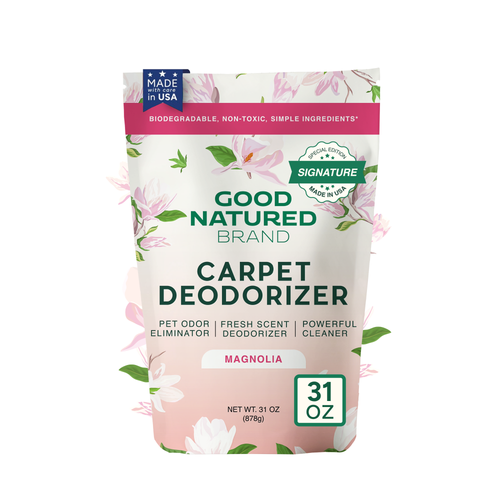
Maintaining a calm, clean home environment supports this balanced indoor behavior. Regular upkeep of shared spaces using pet-conscious All-Purpose Cleaners and freshening high-traffic areas with Carpet Deodorizers helps create an atmosphere where large guardian dogs can relax without sensory stress.
Built for Extreme Climates
The Kangal’s coat is dense and uniquely structured, with an undercoat nearly as long as the guard hairs. This insulation allows them to withstand temperatures as low as -30°C in Turkish winters. Their ability to dig shallow dens — often misunderstood as destructive behavior — is an instinctive survival trait used for cooling in summer and warmth in winter.
This natural adaptability makes Kangals remarkably resilient, but it also means they are not suited to confinement or sterile environments lacking outdoor access.
Strength, Speed, and Responsible Containment
Kangals are fast, powerful, and capable of jumping or digging under poorly designed fences. Secure containment and leash control are non-negotiable. These are not dogs for owners who lack physical strength or confidence.
They are not hyperactive, but their sheer power means that everyday management must be intentional. Training is less about tricks and more about communication, boundaries, and mutual respect.
Diet and Practical Feeding Needs
Despite their size, Kangals do not require excessive amounts of food. Their metabolism reflects their working heritage: efficient and resilient. A balanced diet consisting of quality kibble supplemented with fresh meat is typically sufficient.
Keeping feeding areas and bedding hygienic with gentle Laundry Powders supports both cleanliness and coat health, especially for dogs with dense fur.
Shop the Product
Lemon freshness for every home.
Lavender calm for every home.
Orange energy for every home.
Mahogany warmth for every home.
Cherry blossom serenity for every home.
Cocoa butter comfort for every home.
Zesty freshness for every carpet.
Kangals and Wolves: The Hard Truth
One of the most emotionally powerful sections of the video comes from Sheila Reed, a respected Kangal expert. She confirms that while Kangals can kill wolves, these encounters are extremely dangerous. Wolves also kill Kangals, and many guardian dogs die doing their job.
A tragic 2003 story describes male Kangals dying to protect a village, while a female fought on despite severe injuries and later succumbed. These stories underscore an essential truth: Kangals are not reckless killers, but committed guardians willing to sacrifice themselves for their flock.
Their greatest value lies not in kills, but in deterrence — reducing predator attacks and supporting coexistence between wildlife and livestock.
Kangal vs. Anatolian Shepherd
A key clarification in the video addresses common confusion. In Turkey, the term “Anatolian Shepherd” is not traditionally used. It became popular in the US as a catch-all label for large Turkish dogs. Kangals, however, are a specific and identifiable type with consistent traits.
Understanding this distinction is critical for ethical breeding, accurate representation, and responsible ownership.
Socialization, Training, and Public Behavior
Kangals are not park dogs. As they mature, they may interpret public spaces territorially and expect other dogs to follow clear behavioral rules. When warnings are ignored, their response can be physical — not out of malice, but instinct.
Early training focuses on teaching context: where guarding is appropriate and where calm neutrality is expected. With clarity and consistency, Kangals are stable, predictable, and deeply reliable companions.
Emotional Depth and Owner Commitment
Sheila describes Kangals as “all or nothing” dogs. They bond intensely and give their entire being to their family. This depth of loyalty is extraordinary — and demanding. Ownership requires commitment, self-awareness, and respect for the breed’s nature.
These are not casual pets, but lifelong partners rooted in purpose.
Final Thoughts on the Turkish Kangal Dog
As shown in “TURKISH KANGAL DOG - WOLF KILLER OR PET?” by Animal Watch, the Turkish Kangal is neither a mythic monster nor a casual family pet. It is an ancient guardian, shaped by necessity, trust, and responsibility. When understood and respected, the Kangal stands as one of the most noble and soulful dog breeds in existence.
For more educational content on dog behavior, responsible pet ownership, and creating healthier home environments, explore our blog at https://www.goodnaturedbrand.com/pages/blog.