If you've ever chosen a cat based on looks alone - that sleek black coat, those vivid orange swirls, or a delicate grey - you may have unknowingly stumbled into one of the most fascinating intersections of biology and behavior in the animal world.
The YouTube video "Why You've Been Choosing the Wrong Cat Color for Years", published on the channel Feline Fanatics, dives deep into the science behind cat coat color genetics and what those colors can tell us about a cat's personality, communication style, and care needs. Whether you're a longtime cat owner or thinking about welcoming a feline companion into your home, this research-backed breakdown might just change the way you see your cat forever.
Beyond the genetics, the video also touches on something practical for any cat household: understanding your cat's personality helps you manage your home more thoughtfully - including knowing which cleaning and care products are safest and most effective when sharing your space with a sensitive feline friend. More on that later. First, let's explore what your cat's coat color is really telling you.
The Genetics Behind the Personality
At first glance, the idea that a cat's coat color could predict its personality might sound like folk wisdom or superstition. But the research cited in the Feline Fanatics video paints a compelling picture: the same genetic mechanisms that produce pigmentation also influence neurological development, hormonal expression, and behavioral tendencies. In other words, the genes that make a cat orange, white, or tortoiseshell don't operate in isolation - they interact with systems that govern temperament and reactivity.
This isn't a simple one-to-one map where every orange cat is identical, of course. Individual experience, socialization, and environment all matter enormously. But understanding the general behavioral tendencies associated with coat color gives owners and prospective adopters a useful tool that can help you recognize your cat's needs, decode their signals, and build a stronger relationship.
Breaking Down Every Coat Color and What It Means
The Feline Fanatics video covers nine distinct coat color categories in depth. Here's what the research reveals about each one, along with practical tips for living alongside them.
Orange Cats
Genetically linked to the X chromosome - which is why the vast majority of orange cats are male - these cats tend to be high in friendliness and affection, but also high in impulsivity. They're bold, territorial, and often clingy, wearing their hearts on their sleeve. If you share your home with an orange cat, you've probably noticed they seldom give you a moment alone. Their boldness can also translate into mischief - jumping on surfaces, knocking things over, and demanding attention on their own schedule.
Owner tip: Create a dedicated "together spot" - a specific chair, cushion, or perch - to channel their need for closeness and reduce impulsive behaviors. Orange cats thrive with a consistent physical anchor in the home.
Black Cats
Despite centuries of undeserved superstition, black cats are statistically the most easygoing and adaptable of all coat colors. Their dark pigmentation appears linked to stealth-oriented survival strategies - they're quiet observers who move through the world with low aggression and low fear. They tend to assess situations before acting, and they extend that same measured patience to their human relationships.
Owner tip: Practice quiet, calm presence and let them initiate contact on their own terms. Black cats reward patience with deep, steady loyalty that is all the more meaningful for being chosen freely.
Tortoiseshell Cats
Requiring two X chromosomes - making them almost always female - torties are famous for their "tortitude." They are highly reactive to humans, vocally expressive, and fiercely loyal to one primary person. Their intensity can be startling to owners who aren't expecting it, but once you understand that their reactivity is an expression of deep attachment, it becomes endearing rather than overwhelming.
Owner tip: Respond quickly when they seek attention and match their emotional intensity to build trust. Slow or dismissive responses read as rejection to a tortoiseshell, and they notice.
Gray Cats
Neutral pigmentation produces a correspondingly balanced temperament. Gray cats sit comfortably between affectionate and independent, playful and calm. They tend to be emotionally attuned - often gravitating toward a human who needs quiet companionship - and they are rarely the source of behavioral drama in a multi-cat household. They're the reliable middle child of the feline world.
Owner tip: Offer steady emotional support and consistent daily rhythms. Gray cats often provide silent comfort during stressful periods - let them come to you, and you'll find they have excellent timing.
White Cats
White coat genes are linked to a significantly higher rate of congenital deafness, particularly in blue-eyed individuals. This shapes behavior profoundly: white cats often rely heavily on vibration and visual cues rather than sound, becoming hypervigilant and prone to startling when approached unexpectedly. They tend to bond through touch rather than voice, and they are very observant of body language.
Owner tip: Always approach from the front, stomp lightly on the floor to send vibrations before making contact, and use consistent body language cues rather than relying on your voice to communicate. With white cats especially, your movements matter more than your words.
Calico Cats
Carrying the genetics of both tortoiseshell and white, calicos are fast processors. They pick up on environmental changes quickly, react, and then recover just as fast. They tend to show subtle warning signals - a tail flick, a slight ear rotation - before any behavioral escalation, making them very readable for owners who know what to look for.
Owner tip: Learn their subtle cues and act on them early. Catching a calico's pre-escalation signal makes all the difference between a smooth interaction and an abrupt one. Always aim to end interactions on a positive note so that they associate engagement with good outcomes.
Dilute Cats
A recessive gene reduces pigment intensity, producing soft grays, creams, and muted blues. The same mechanism appears to heighten environmental sensitivity - dilute cats react more strongly to changes in routine, sound, and surroundings. They can become genuinely stressed by disruptions that a black or orange cat would barely register, including changes to furniture placement, new scents in the home, or shifts in daily schedule.
Owner tip: Maintain consistent routines and a calm, predictable home environment. For dilute cats especially, the sensory quality of your home - including the products you use to clean it - has a real impact on their wellbeing.
Pointed Cats (e.g., Siamese)
A temperature-sensitive pigment gene produces the characteristic dark points on ears, face, paws, and tail. Behaviorally, pointed cats are highly vocal, deeply socially attached, and often follow their humans from room to room. They have evolved an unusually sophisticated communication repertoire that maps closely to human emotional responses - making them very expressive companions.
Owner tip: Engage in vocal exchanges - respond to their sounds with your own, and they'll deepen the conversation. Pointed cats that are consistently ignored for their vocalizations will escalate in volume and urgency. Acknowledgment is what they value most.
Bicolor Cats
The white spotting gene that creates bicolor patterns may influence neural development, producing cats that blend traits from multiple color categories. The result is often a playful, attention-seeking, clown-like personality - adaptable and interactive, with a flair for the dramatic. Bicolor cats tend to perform behaviors that reliably get a reaction, and they repeat them with great enthusiasm.
Owner tip: Embrace their dramatic side and encourage interactive play. Bicolor cats thrive on engagement and respond well to enrichment activities that let them show off and receive a response.
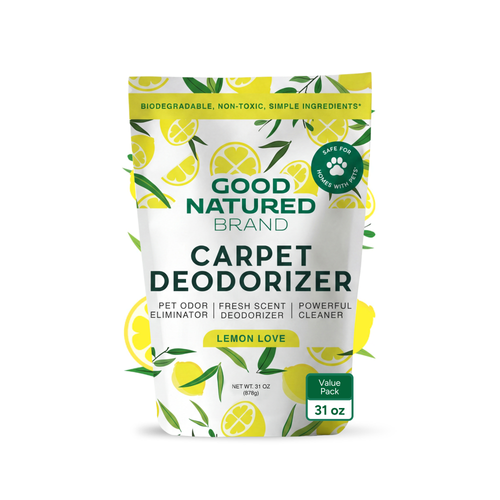
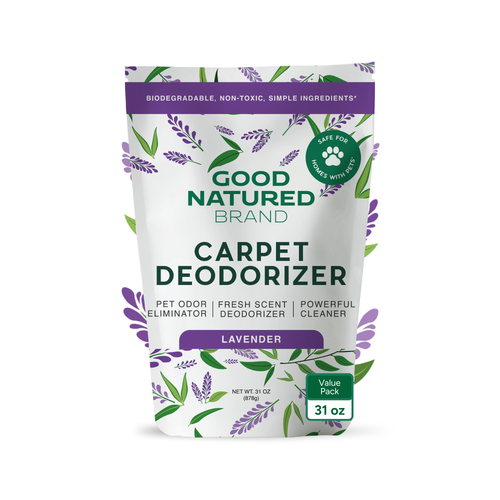
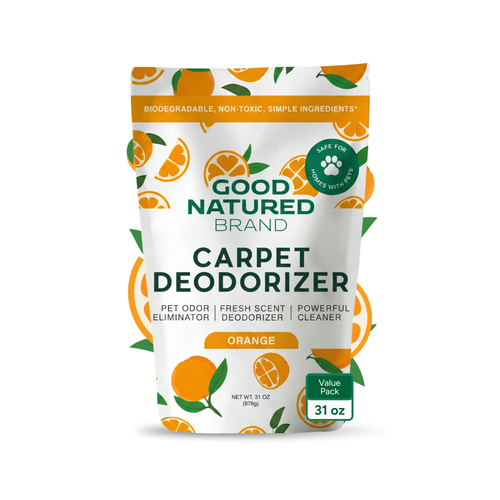
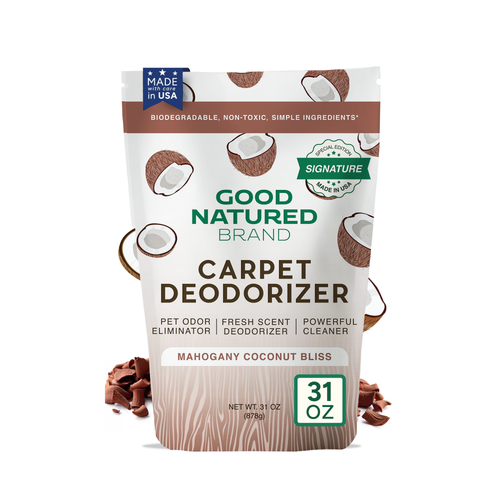
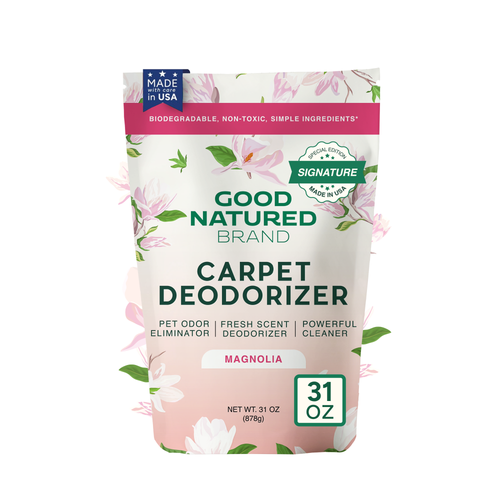
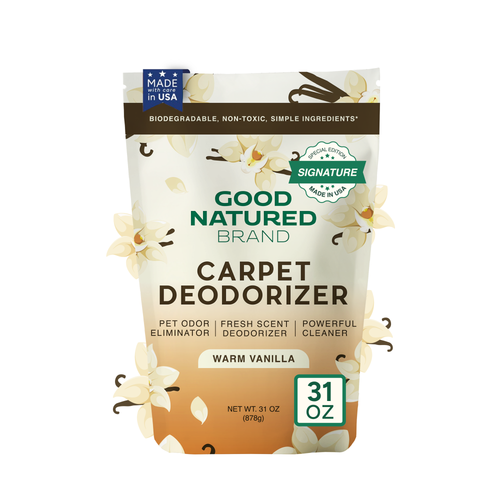
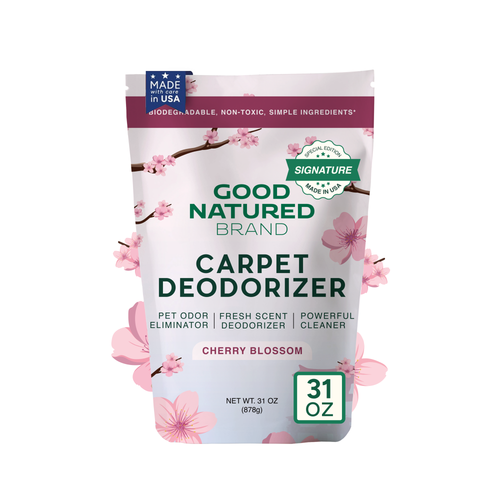
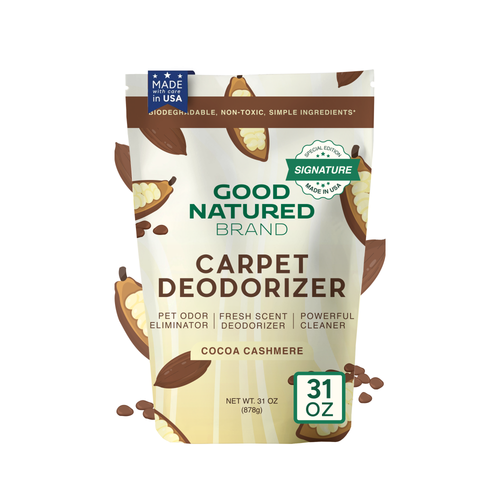
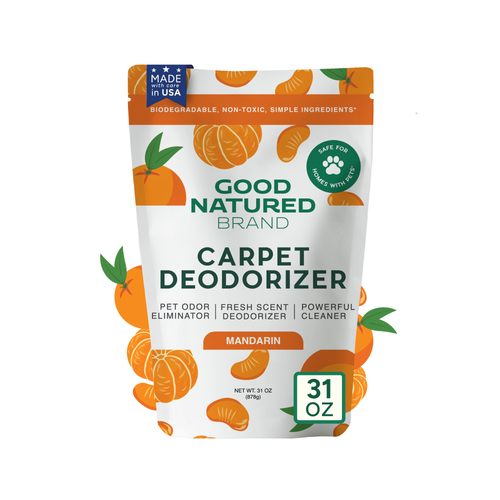
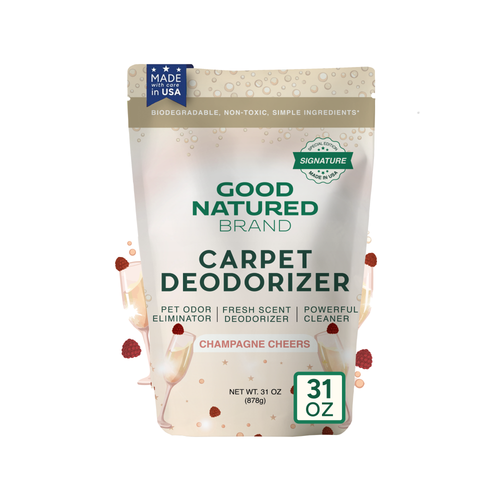
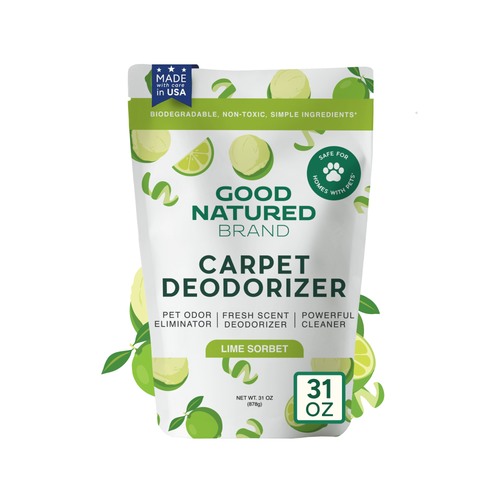
Shop the Product
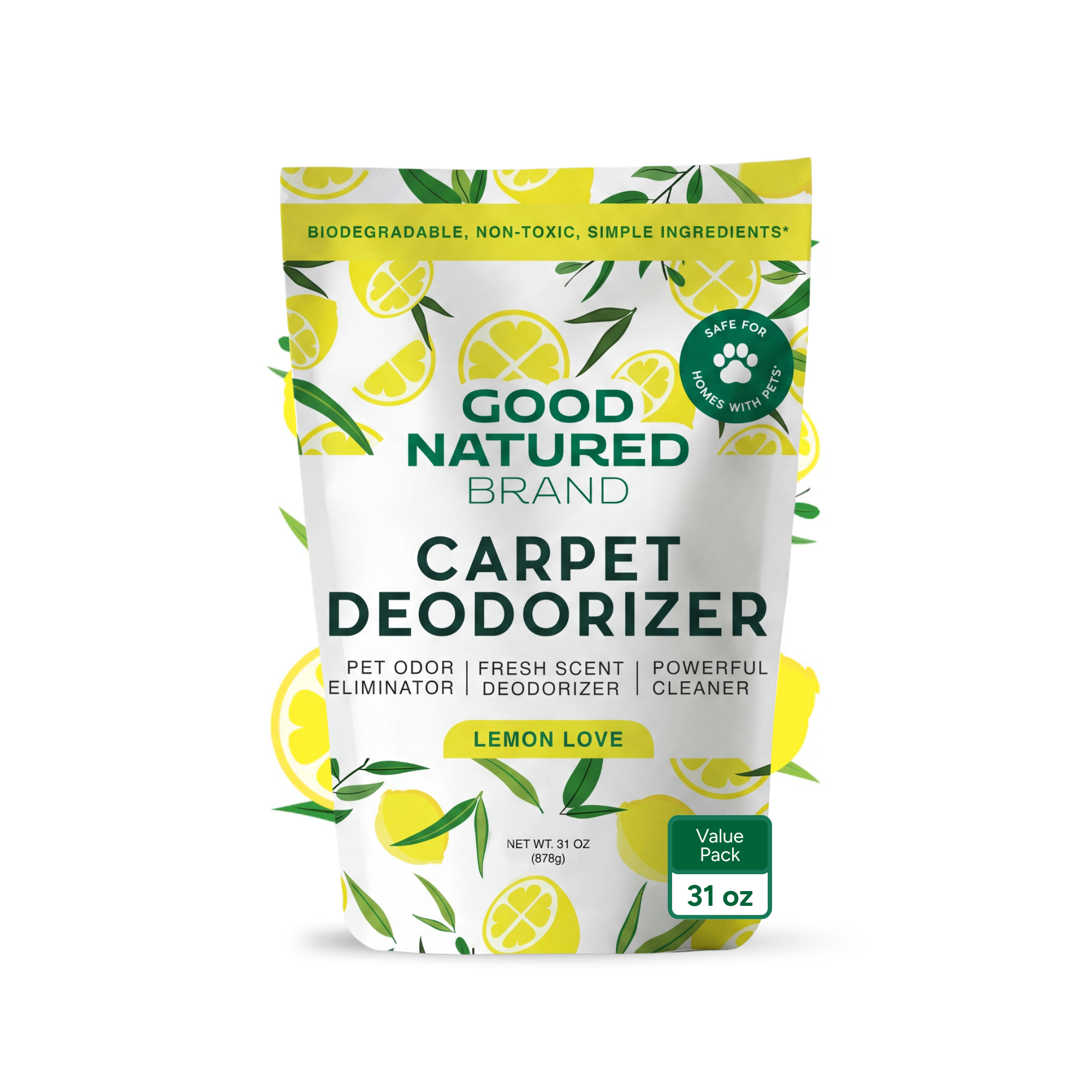
Lemon freshness for every home.
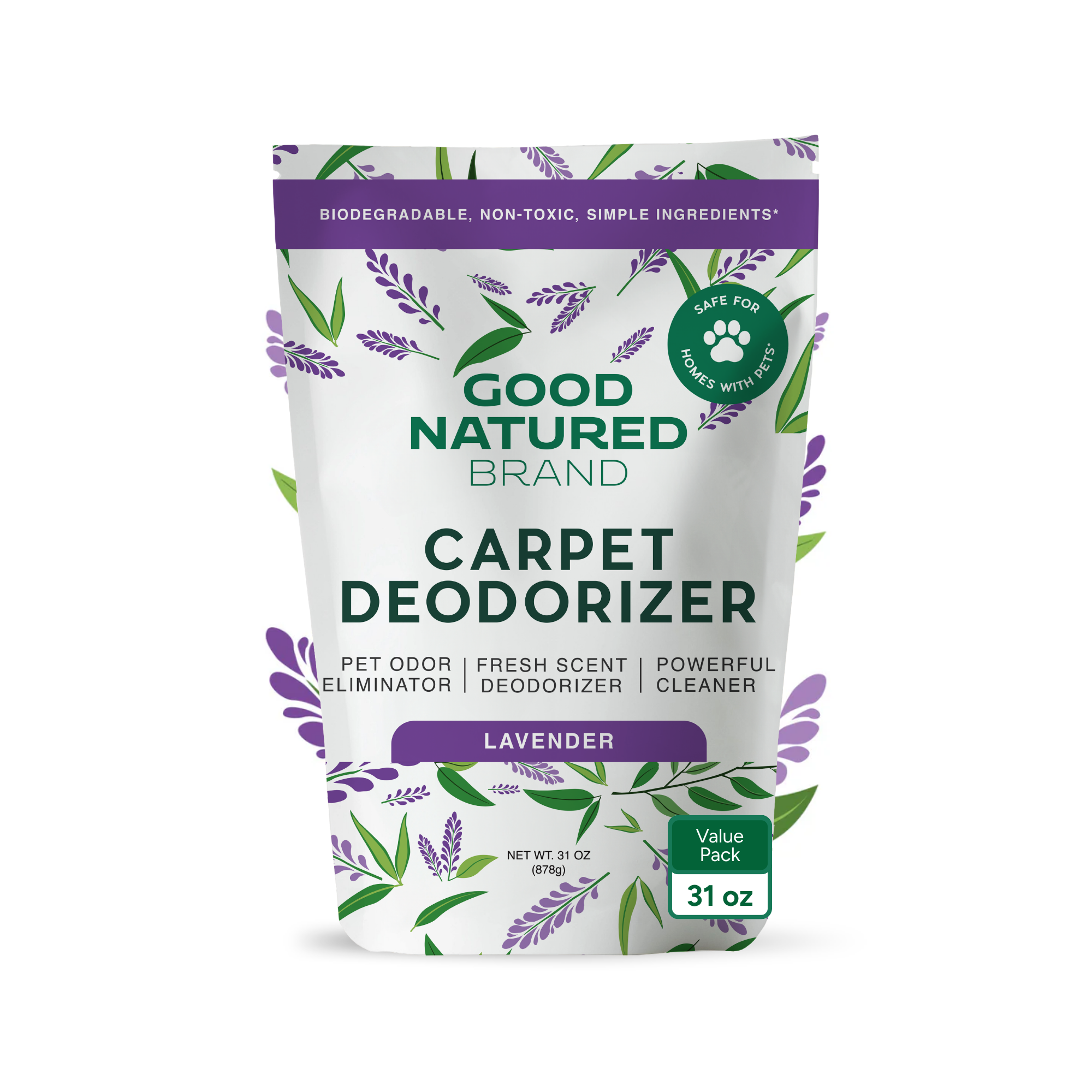
Lavender calm for every home.
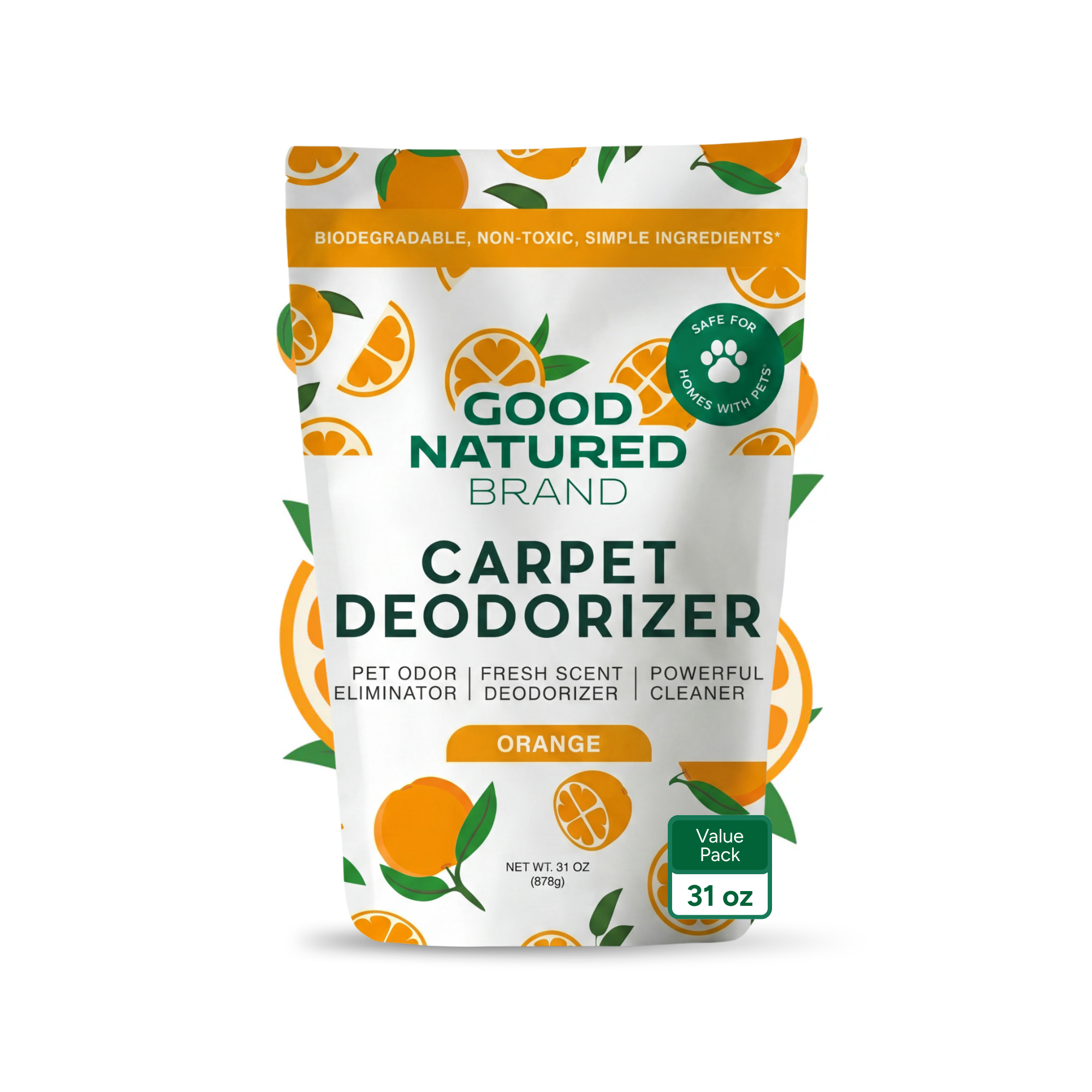
Orange energy for every home.
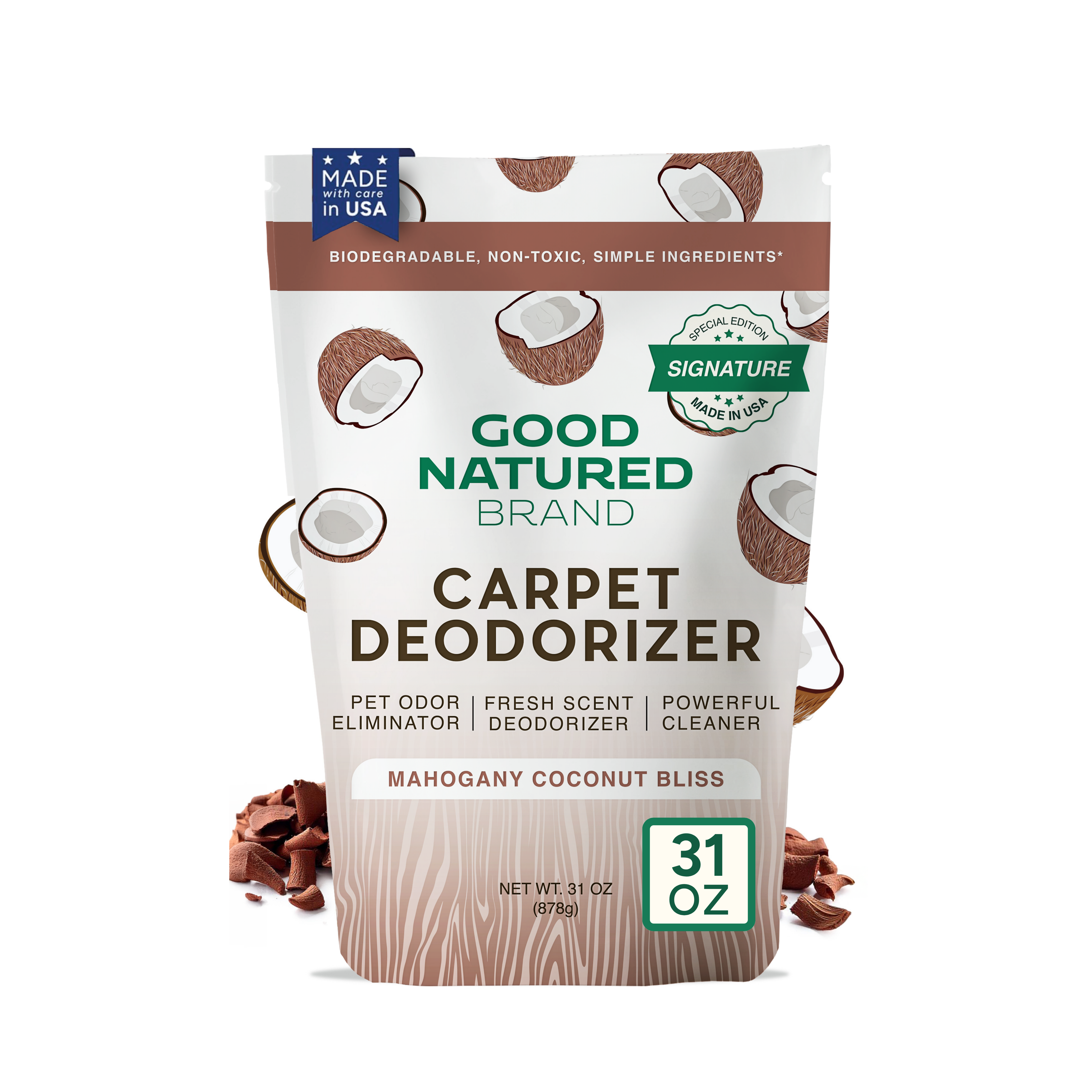
Mahogany warmth for every home.
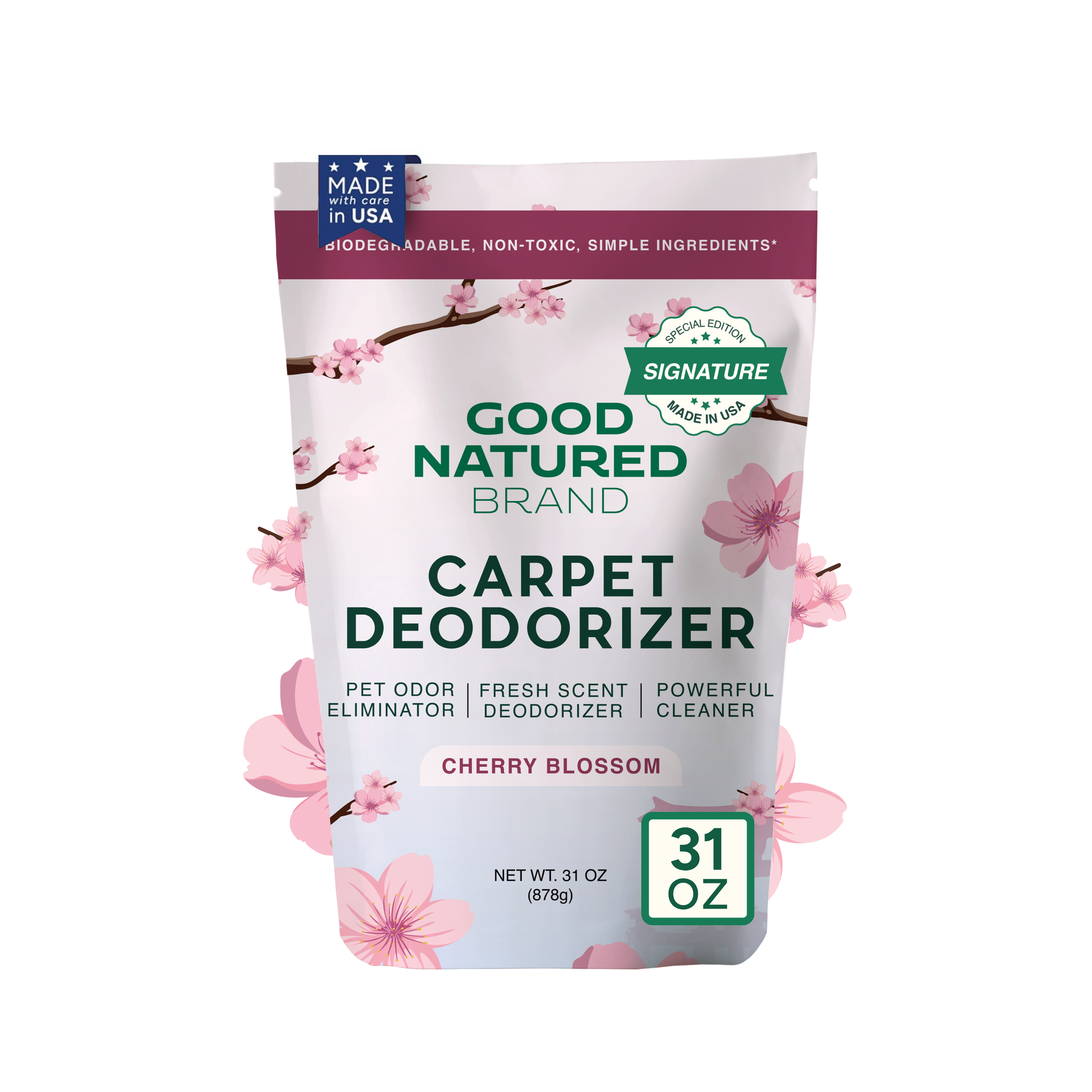
Cherry blossom serenity for every home.
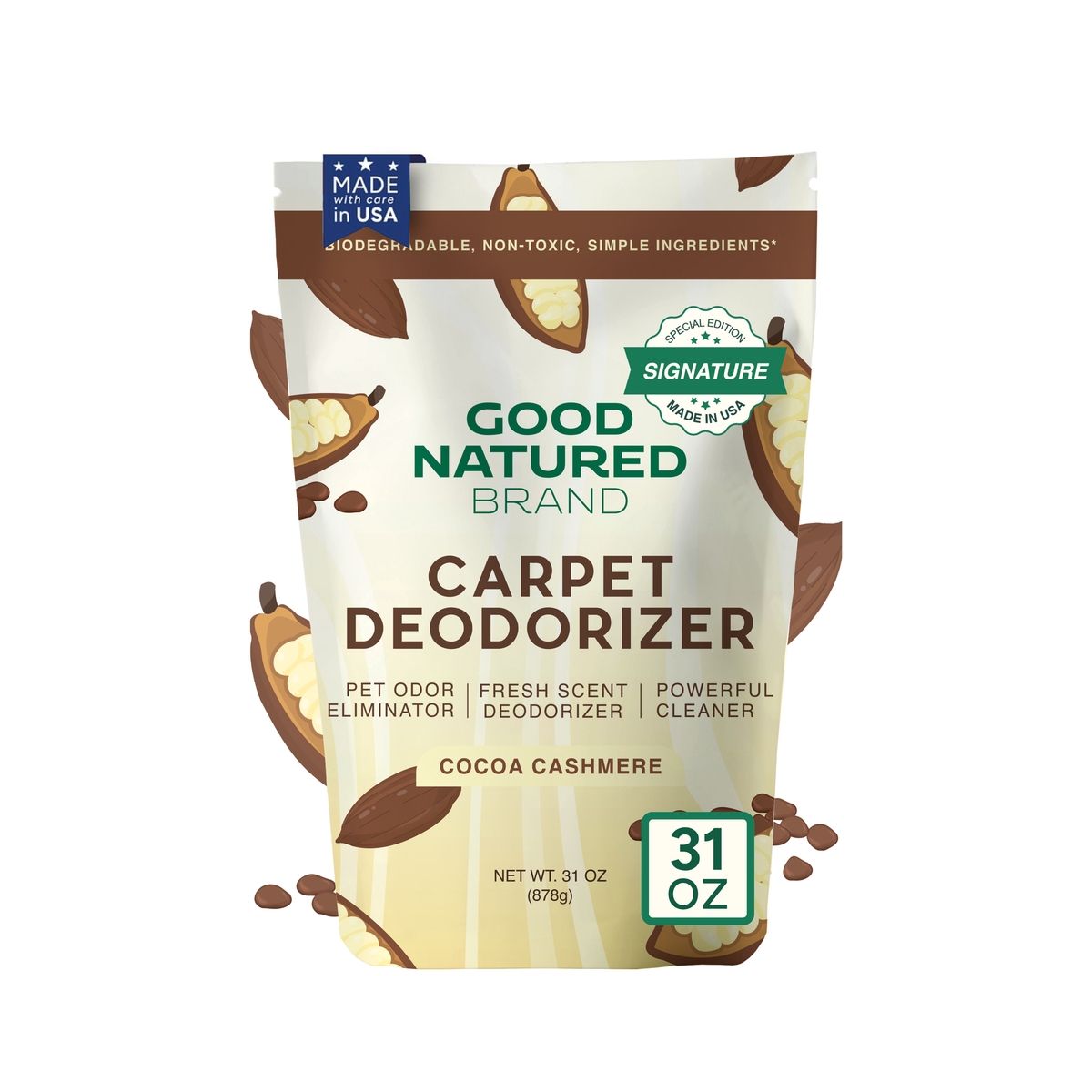
Cocoa butter comfort for every home.
Mandarin freshness for every home.
Champagne sparkle for every home.
Zesty freshness for every carpet.
Sex-Linked Traits and Evolutionary Roots
One of the key points in the Feline Fanatics video is that behavioral tendencies linked to coat color aren't arbitrary - they trace back to evolutionary survival strategies written into the genome over thousands of generations.
Black cats' quiet, observational approach echoes a stealth-based wild survival strategy, where staying calm and undetected was essential to both hunting and avoiding predation. That calm, watchful quality makes them easy companions to live with.
The vocal complexity of pointed cats like Siamese reflects a genuine evolutionary refinement of human-cat communication. Over generations of close cohabitation, these cats developed elaborate vocalizations that map closely to how humans express emotion - making them unusually effective at being understood.
Orange and tortoiseshell cats demonstrate the power of X chromosome genetics in shaping behavior. Because orange pigmentation is X-linked, males need only one copy of the gene to express it, while females need two. This is why calico and tortoiseshell patterns - which require two different versions of the X-linked pigmentation gene - are almost exclusively female. The behavioral tendencies associated with these gene expressions play out across generations: impulsivity in orange males, intense loyalty in tortoiseshell females.
Environmental Sensitivity and Your Home
For dilute cats and white cats in particular, the home environment is not just a backdrop - it is a direct input into their wellbeing. These cats process their surroundings intensely, and disruptions that a black cat barely registers can cause real distress for a cream-colored dilute or a hearing-impaired white cat.
This is where thoughtful product choices become part of cat care. Cats groom themselves constantly, which means residues left on carpets, floors, and fabric surfaces are ingested directly. If your dilute cat spends long stretches lying on the carpet, or your white cat presses close to freshly-cleaned surfaces, what you clean with genuinely matters.
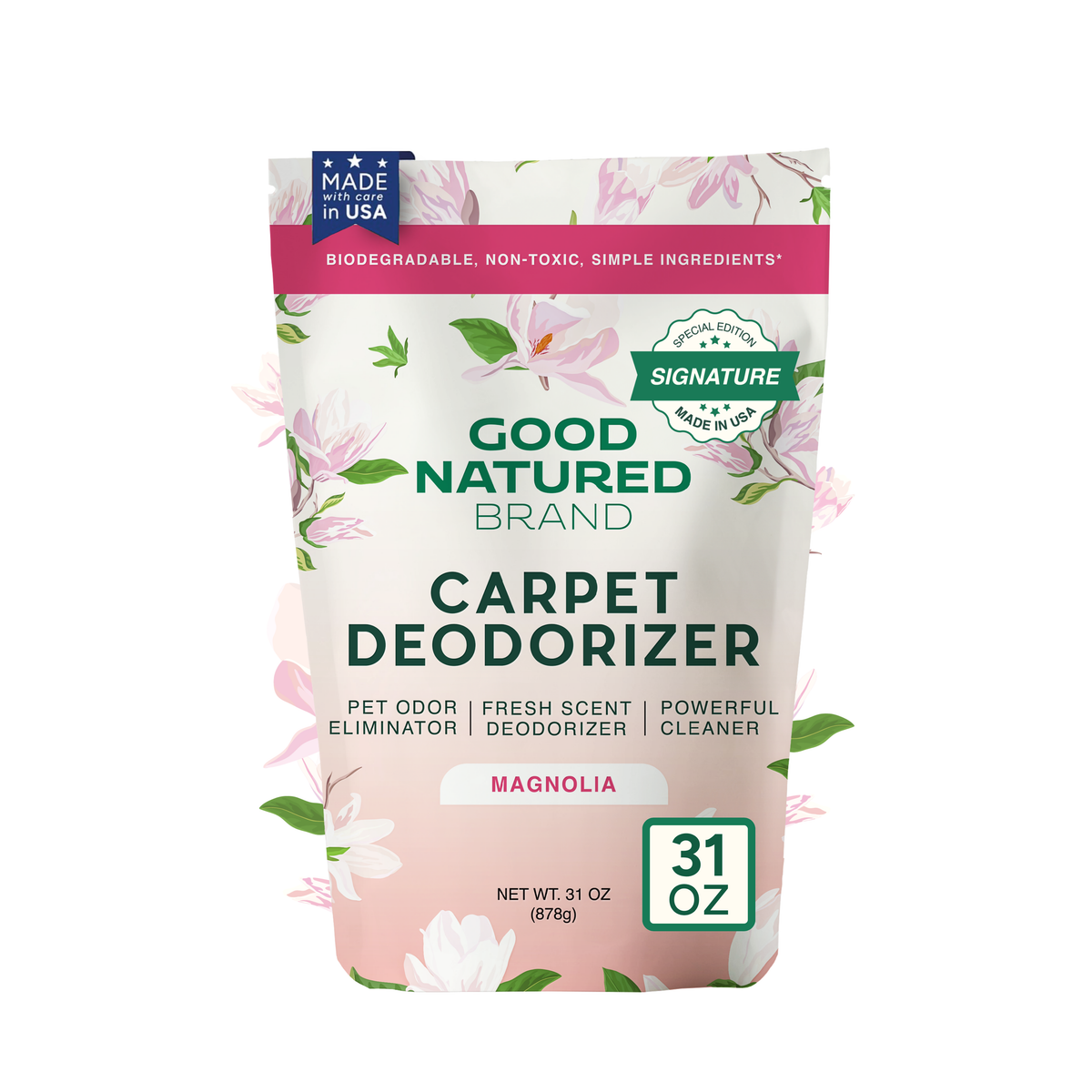
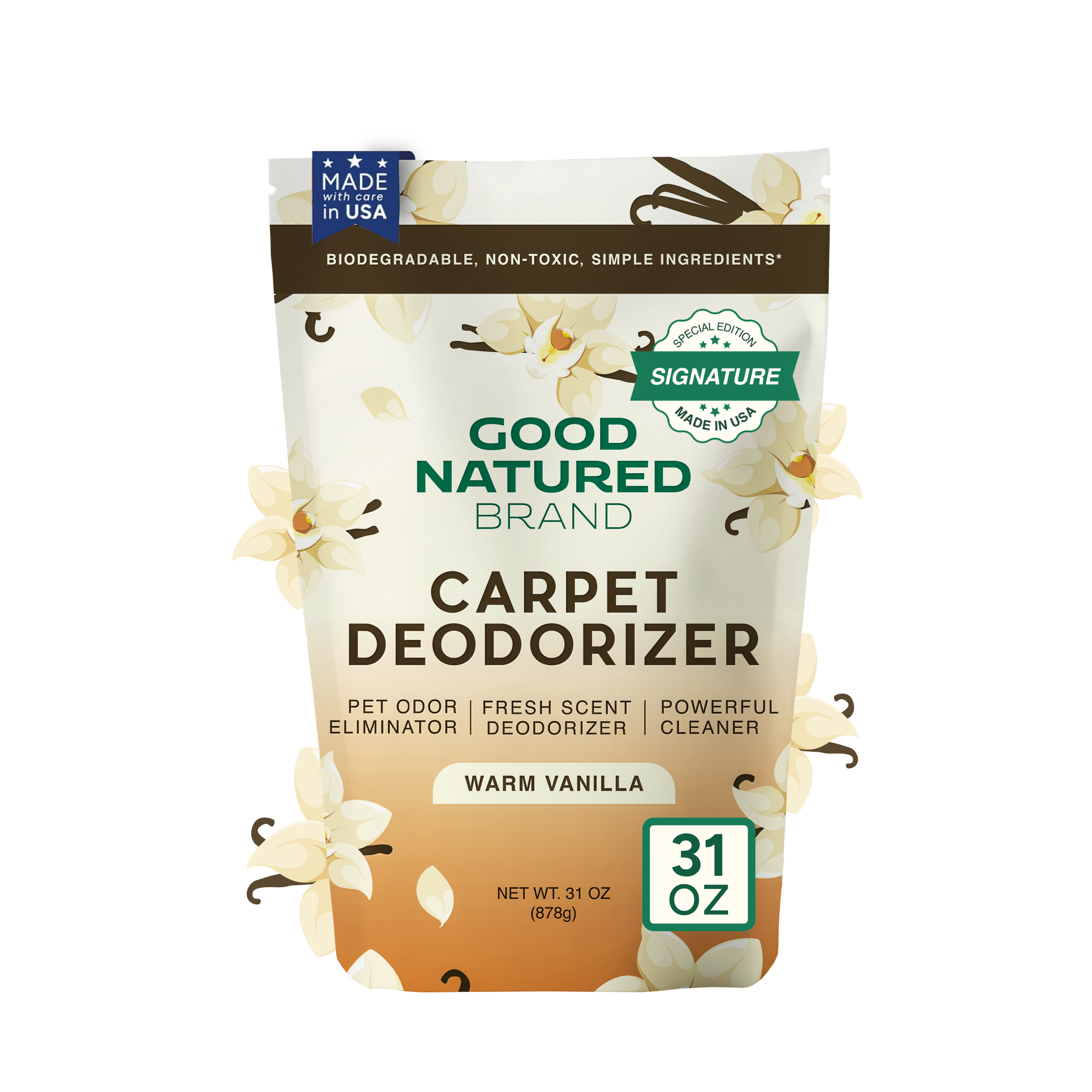
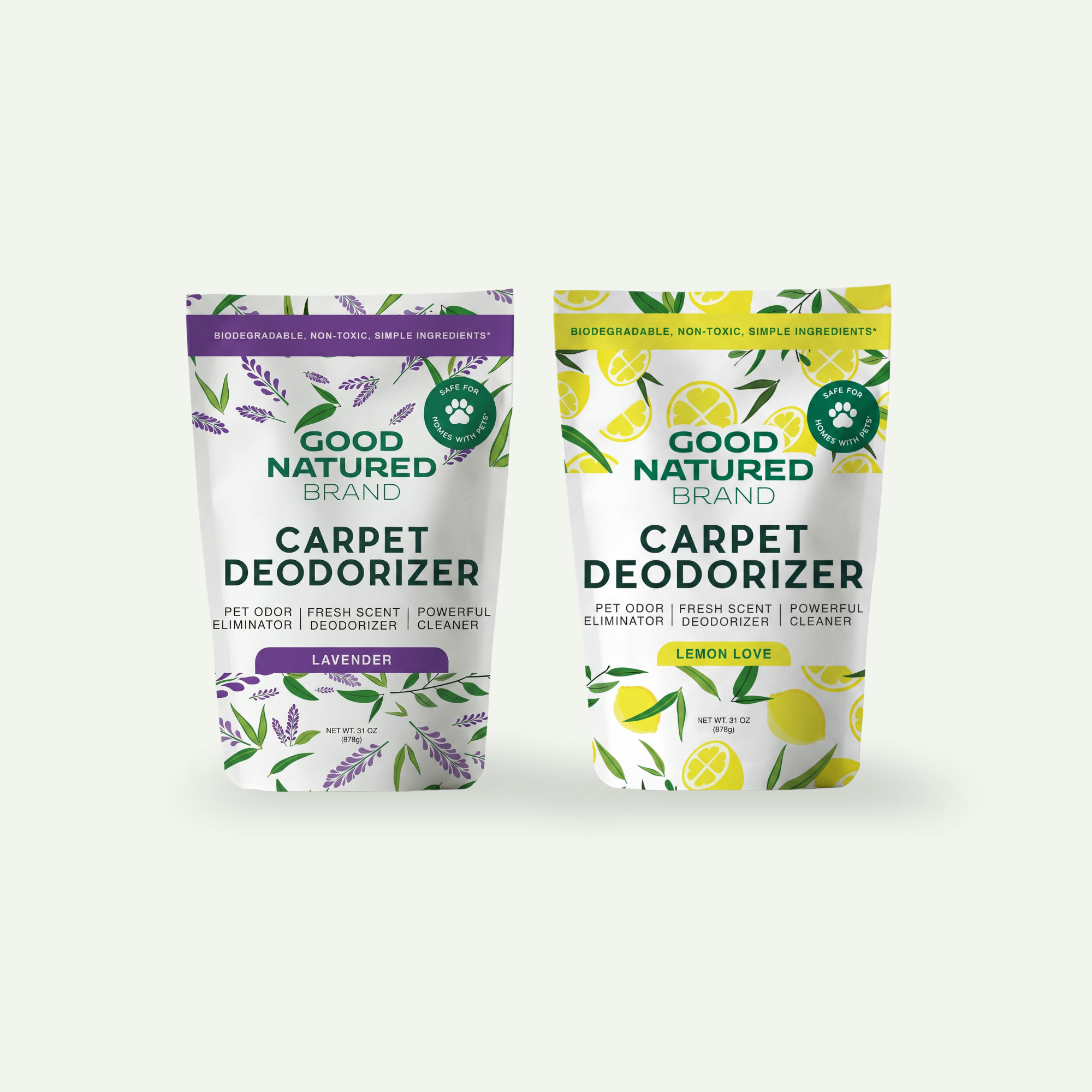
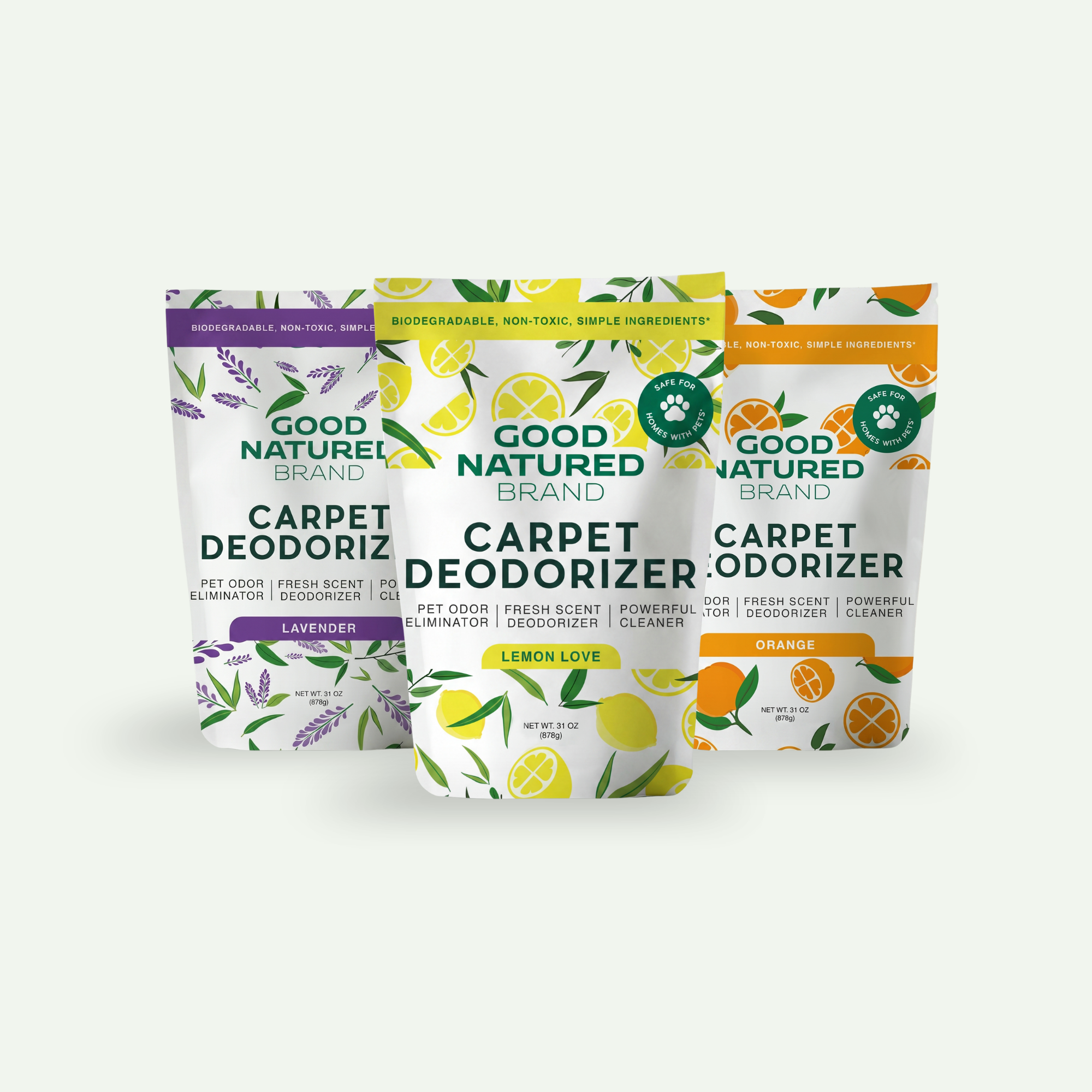
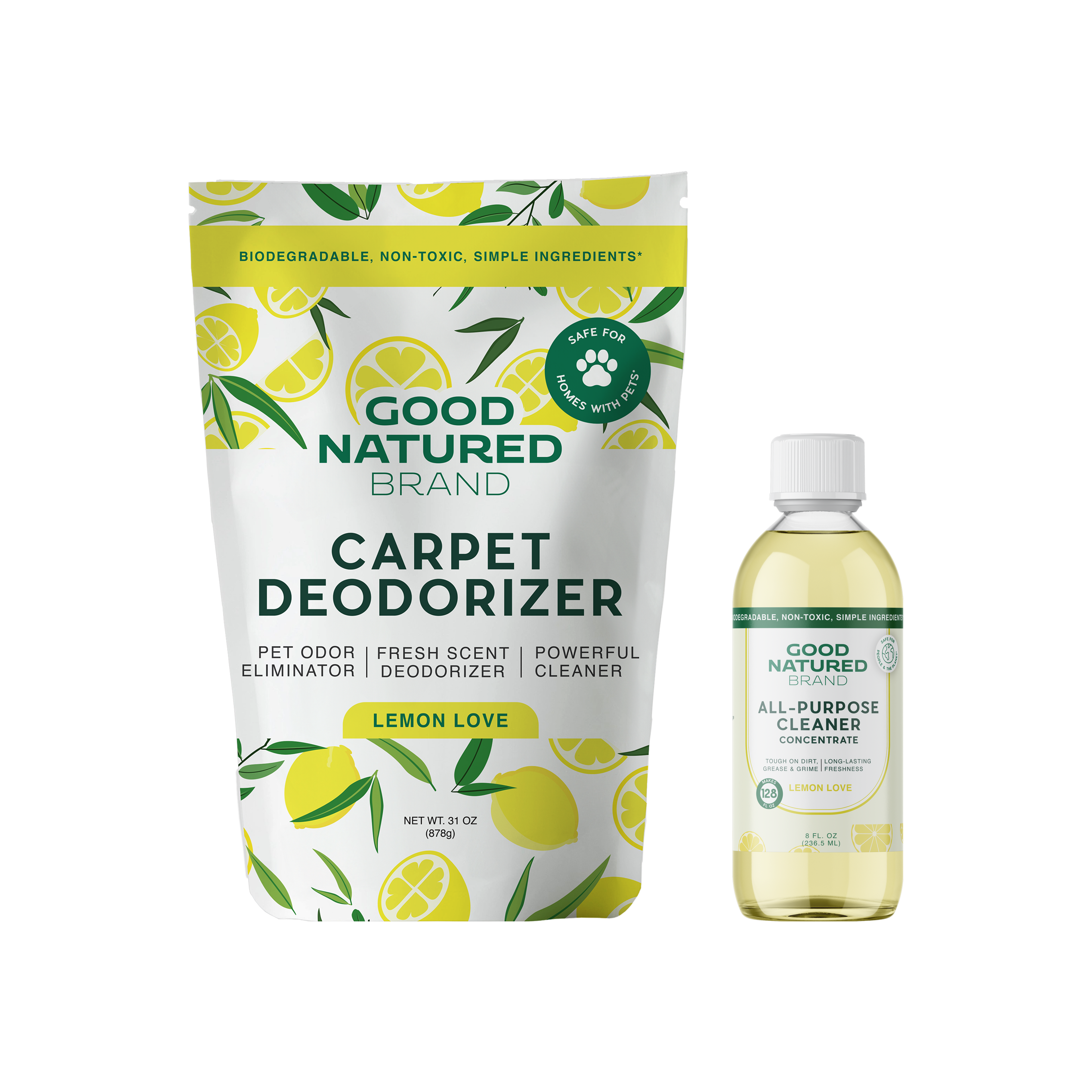
Our carpet deodorizers are formulated with pets in mind - no harsh synthetic fragrances that can overwhelm a cat's sensitive olfactory system, and no toxic residues left in the fibers where your cats sleep, stretch, and groom. For households with dilute or white cats especially, this kind of gentle, considered formula makes a measurable difference to your cat's comfort and health.
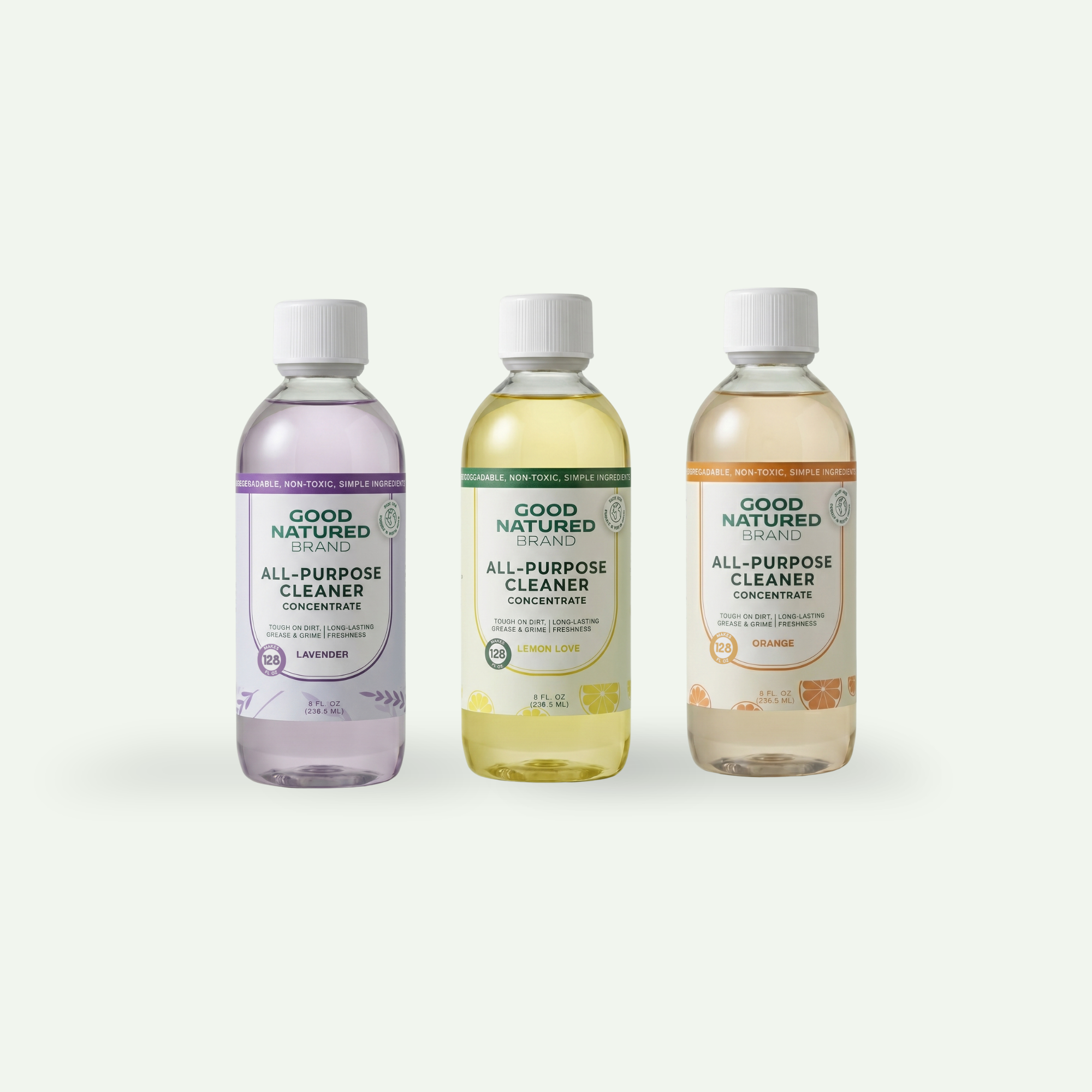
When it comes to washing your cat's bedding, blankets, or any fabric they spend time on, our laundry powders offer an effective clean without the chemical cocktails that linger in fabric fibers and stress out sensitive cats. And for everyday surface cleaning - counters, floors, feeding areas, and litter-adjacent zones - our all-purpose cleaners give you a genuinely clean home without compounds your cat will encounter at nose level (which, for a cat, is floor level).
The At-Home Experiment: Understanding Your Own Cat
The Feline Fanatics video includes a simple but revealing experiment that any cat owner can try right now: sit down, go completely still, say nothing, and observe how your cat reacts. The approach style, speed, and method tell you a great deal about your cat's behavioral wiring.
-
Orange cats approach quickly and directly - often climbing onto you immediately.
-
Black cats approach slowly and indirectly, circling before committing.
-
Torties decide fast - they either engage immediately or move on decisively.
-
White cats watch your body language carefully before making any approach.
-
Calicos may start to approach, then get distracted by something else entirely.
-
Gray cats tend to mirror your energy level - calm begets calm.
-
Dilute cats scan the environment before moving toward you, checking for anything unusual.
-
Pointed cats vocalize their approach - you'll hear them coming before you see them move.
-
Bicolor cats perform a dramatic bid for attention before making their move.
Try this experiment more than once, at different times of day. The consistency of the pattern is what makes it meaningful - it reveals not a mood, but a nature.
Individual Cats Within Their Color Category
The Feline Fanatics video is careful to note - and it's worth emphasizing here - that coat color tendencies are tendencies, not destinies. Every cat is shaped by the intersection of genetics, early socialization, health history, and ongoing environment. A tortoiseshell raised with extraordinary gentleness may be significantly calmer than the "tortitude" stereotype suggests. An orange cat who experienced early trauma may be far more cautious than the archetype implies.
Think of coat color behavioral insights the way you might think of any other trait predisposition: they give you a useful starting framework, a set of reasonable hypotheses to bring to your observations - but they don't replace the lived experience of getting to know your specific cat, with all their particular quirks and preferences.
The real value is in the interpretive shift. When you know that your dilute cat's anxious scanning behavior is linked to a genuine genetic sensitivity rather than stubbornness or fearfulness, you respond with patience rather than frustration. When you understand that your tortie's intensity is an expression of deep loyalty, her demands feel less like a burden and more like a compliment.
Building a Cat-Friendly Home That Suits Their Personality
Once you understand your cat's behavioral profile, you can make more intentional choices about their environment. A highly sensitive dilute cat needs fewer abrupt changes - introduce new furniture gradually, maintain consistent feeding and play schedules, and minimize sudden loud noises where possible. A hypervigilant white cat needs an approach protocol: always visible, always slow, always announced through floor vibration rather than voice.
Orange cats, whose impulsivity sometimes leads to counter-surfing and general chaos, benefit from structured play and designated together time rather than simple redirection. Bicolor cats thrive with interactive enrichment that lets them perform and receive reactions - puzzle feeders, wand toys, and anything that invites engagement.
Cats experience scent with a sensitivity estimated to be fourteen times greater than our own. The products you use to clean carpets, launder fabrics, and wipe down surfaces all contribute to the scent environment your cat lives in. Our carpet deodorizers, laundry powders, and all-purpose cleaners are designed to be effective without overwhelming that sensitive nose - or leaving behind residues that reactive cats encounter at ground level every single day.
Final Thoughts
The Feline Fanatics video, "Why You've Been Choosing the Wrong Cat Color for Years," covers some genuinely interesting cat science. It takes a topic that might seem superficial - fur color - and reveals the deep biological roots underneath, connecting pigmentation genes to neurological development, evolutionary history, and the full spectrum of feline personality.
It's a reminder that cats are not blank slates shaped purely by how we treat them, but beings with their own genetic makeup - and that understanding those architectures is the foundation of a great relationship. Combine that understanding with a home that respects your cat's sensory needs, and you have the foundation for a happy, healthy life together.
That starts with paying attention to what your cat's coat has been trying to tell you all along.
Explore more on our Good Natured Brand blog, or browse our pet-safe home care range including carpet deodorizers, laundry powders, and all-purpose cleaners.