














If you have ever stood up for a moment only to find your dog instantly curled up where you were sitting, you are not alone. In the YouTube video “If Your Dog Takes Your Seat, They’re Trying to Tell You This...” posted on the channel “Canine Mind,” this familiar behavior is unpacked as something far more meaningful than simple opportunism.
Based on the highlights from that video, this article explores what your dog may really be communicating when they claim your spot, why this behavior is rooted in scent, safety, and attachment, and how understanding it can deepen the bond you share. At Good Natured Brand and on our blog, we love helping pet parents better understand the emotional world of their dogs, especially when it shows up in everyday moments like this one.
It Is More Than a Funny Little Habit
To many dog owners, seat stealing looks playful, cheeky, or even a little smug. You stand up for two seconds, and suddenly your dog is in your place as if they had been waiting for the opportunity all day. It is easy to laugh and assume they just wanted the warm cushion.
But the behavior is often much deeper than that.
What looks like a small household habit can actually reflect how strongly your dog is bonded to you. According to the ideas highlighted in the video, your dog is not simply looking for comfort. They are drawn to something uniquely tied to you. Your seat is one of the most concentrated places in your home where your scent, body warmth, and emotional presence linger after you leave.
That means your dog is not just choosing a chair, couch cushion, or side of the bed. They are choosing the place that feels most like their person.







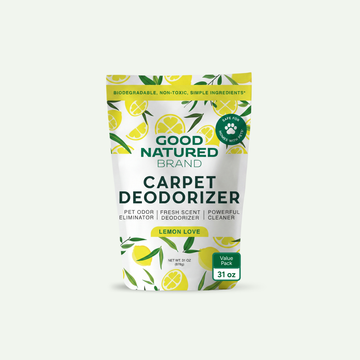
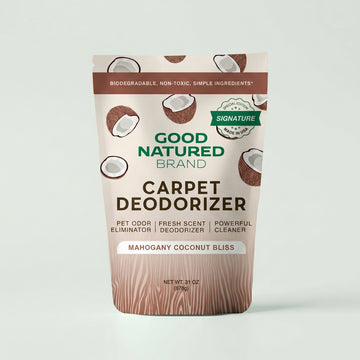
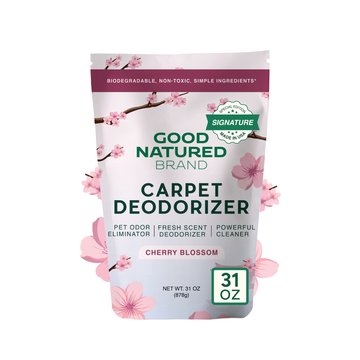
Shop the Product
Lemon freshness for every home.
Lavender calm for every home.
Orange energy for every home.
Mahogany warmth for every home.
Cherry blossom serenity for every home.
Cocoa butter comfort for every home.
Zesty freshness for every carpet.
Your Scent Is the Real Reason Your Seat Matters
One of the most important ideas in the video is that your seat carries something valuable that other spaces do not. It holds your scent.
Dogs experience the world through smell in a way humans simply do not. Their sense of smell is dramatically more advanced than ours, allowing them to detect incredibly subtle chemical signals. The video explains that your seat contains a layered scent profile made up of skin oils, trace hormones, and natural changes in body chemistry. In other words, your favorite spot in the house is full of information about you.
To your dog, this is not abstract. It is meaningful.
Your scent tells your dog that this is your place. It can also carry signals associated with your normal emotional state, your recent activity, and your general presence in the home. When your dog presses their nose into the cushion or settles deeply into your spot, they may be doing something that feels comforting, grounding, and emotionally regulating.
That helps explain why dogs are often so drawn not only to your seat, but also to your shoes, blankets, pillows, and laundry. These are all scent-rich items that help your dog feel closer to you, especially when you are not immediately beside them.
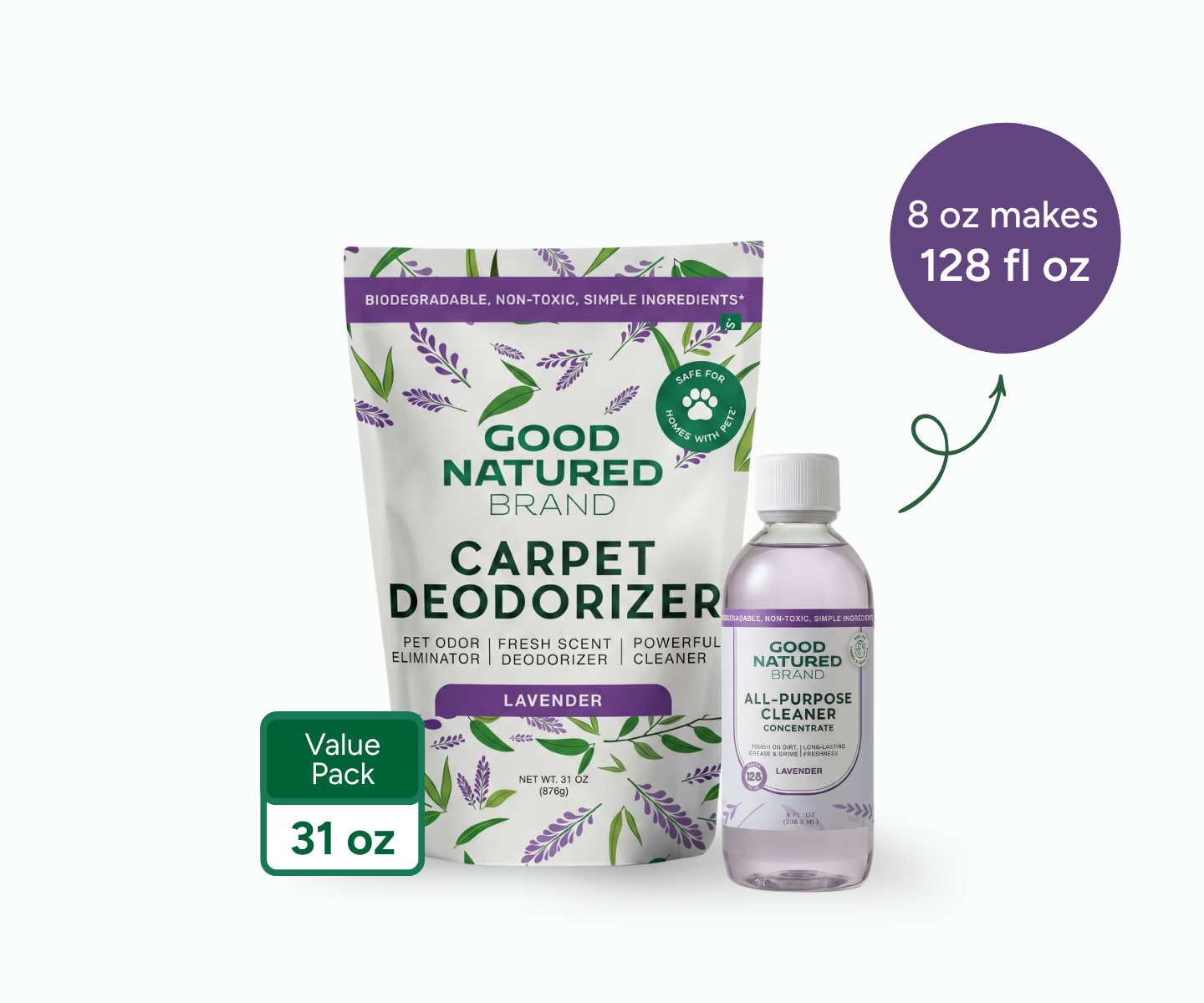
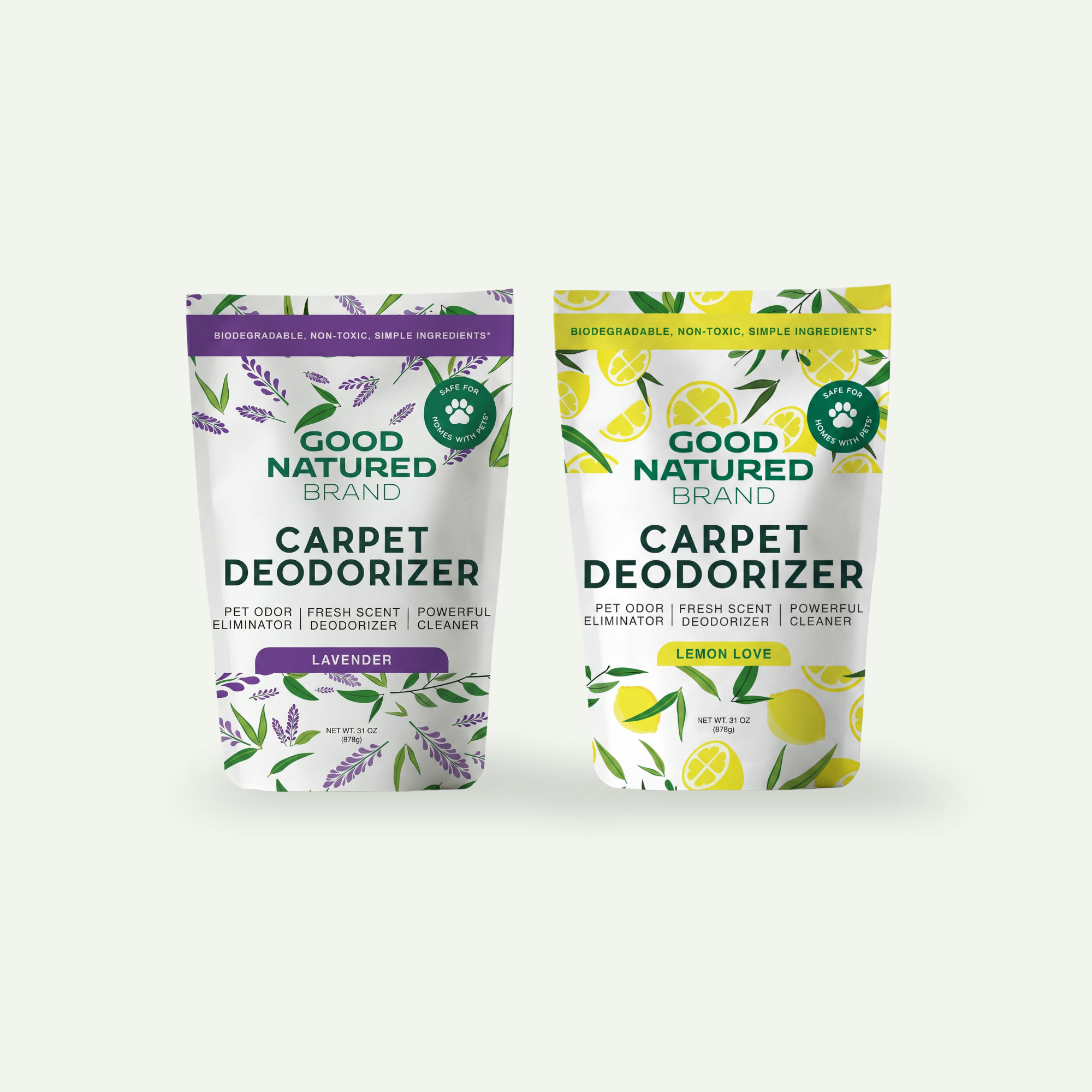
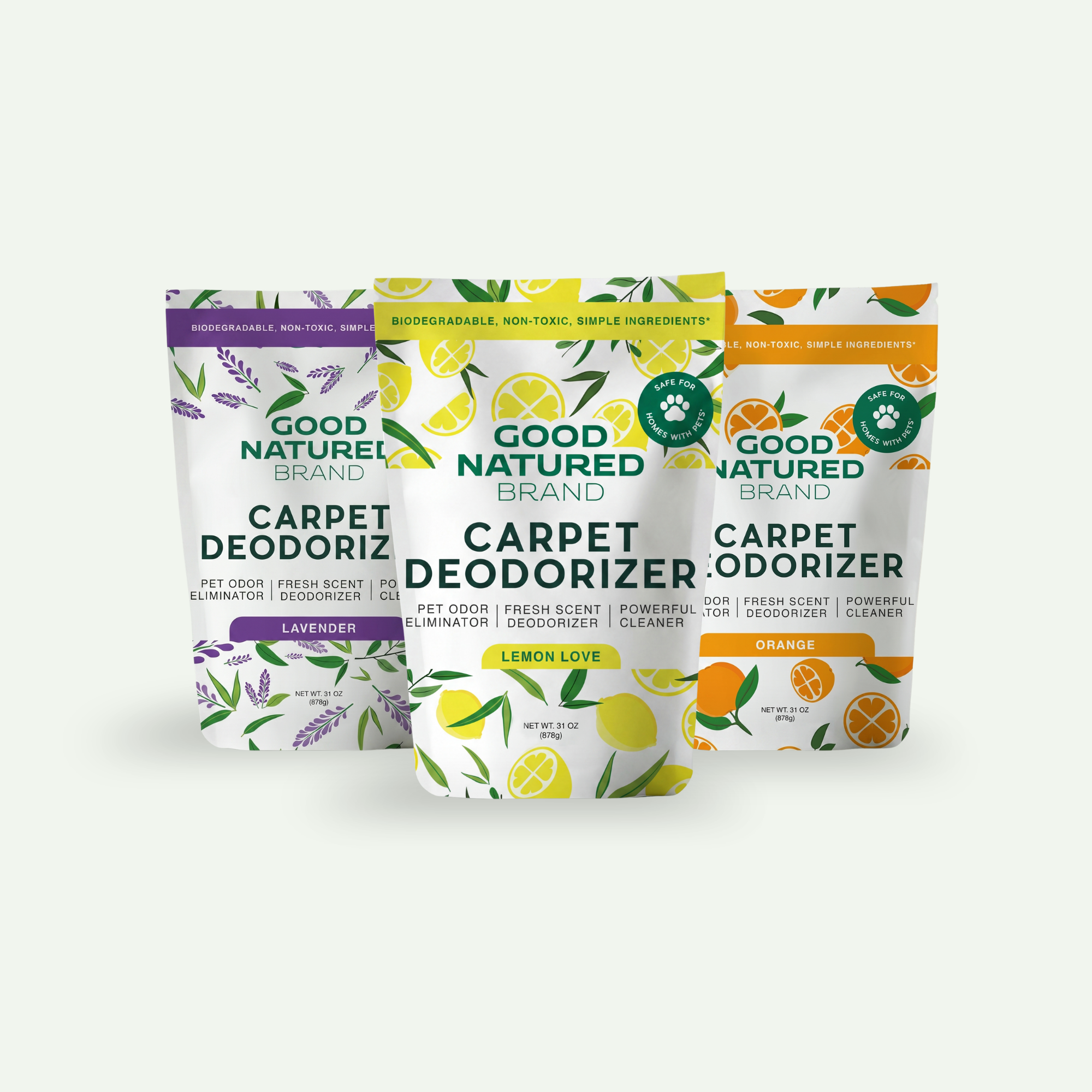
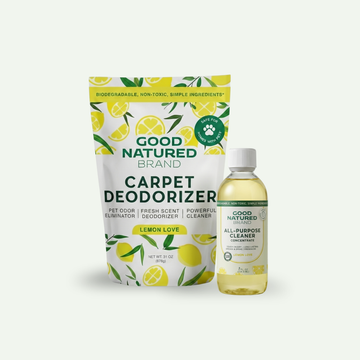
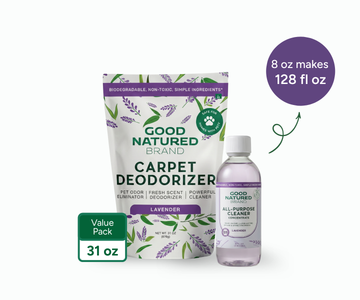
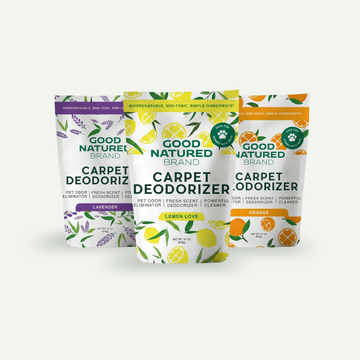
This is also one reason many pet parents are careful about keeping shared soft surfaces fresh. If your dog loves nesting into rugs, sofas, or carpets near you, keeping those areas clean with pet-friendly Carpet Deodorizers can help maintain a comfortable home without taking away the familiar environment your dog enjoys.
This Is Not Dominance
For years, many normal canine behaviors were explained through the lens of dominance. A dog pulling on leash, getting on furniture, or taking someone’s seat was often framed as a power move.
The video challenges that interpretation, and for good reason.
When a dog takes your seat, they are not necessarily trying to outrank you or start a social battle. In many cases, the behavior makes far more sense as an attachment response than a status challenge. Your dog is drawn to the place most associated with you because they are bonded to you, not because they are trying to replace you.
That distinction matters.
If owners misread the behavior as defiance, they may respond with frustration to what is actually a sign of trust and connection. Understanding the emotional meaning behind the action helps shift the response from correction to curiosity.
Rather than asking, “Why is my dog challenging me?” a more helpful question is, “What does my dog find so comforting about being here?”
Very often, the answer is simple. It smells like you. It feels safe. It helps your dog feel close to the most important member of their world.
Your Dog Is Not Choosing Randomly
Dogs are observant. They notice routines, patterns, favorite places, and daily rhythms with incredible precision. Over time, your dog learns where you sit when you relax, where you work, where you unwind, and where you spend the most peaceful moments of your day.
That is why your dog often wants your seat specifically, not just any soft surface in the room.
From your dog’s perspective, your place carries meaning. It is where an important person rests. It is where calmness settles. It is where connection happens. It is associated with your voice, your scent, your posture, and the emotional tone you bring into the room.
This is part of what makes the behavior feel intentional rather than accidental. Your dog may ignore several other comfortable options and wait specifically for your spot to become available. That choice says something. It reflects recognition, preference, and emotional significance.
Warmth Makes It Even More Appealing
Of course, comfort still plays a role.
Your seat is not just scented like you. It is also warm. Dogs naturally seek cozy resting places because warmth helps them conserve energy and feel physically secure. A spot you have just vacated offers an ideal combination of softness, body heat, and familiar scent.
That pairing is powerful.
To your dog, your seat may be the perfect overlap of physical comfort and emotional reassurance. It is warm enough to be inviting and familiar enough to feel safe. That makes it more attractive than many dog beds, open floor spaces, or sunny patches around the house.
This does not mean your dog dislikes their own bed. It simply means that your recently vacated seat offers a special kind of comfort that other places cannot replicate.
If your pup frequently lounges on furniture, blankets, or other fabric-heavy areas, keeping those items clean matters for both comfort and odor control. Washing throws, covers, and dog-used fabrics with gentle Laundry Powders can help freshen shared spaces while still keeping them soft and inviting.
Dogs Anticipate You More Than You Realize
Another fascinating point from the video is that many dogs do not wait until you are fully gone to move in. They often recognize your pre-standing cues before you even leave your seat.
A small shift in posture, a change in breathing, movement of your legs, or the way you lean forward may all act as signals that your dog has learned to read. Over time, dogs become extremely skilled at predicting what humans are about to do.
That is why some dogs begin positioning themselves before you have completely stood up. They are not guessing. They are responding to patterns they have observed again and again.
This kind of anticipation reveals just how tuned in dogs are to the people they live with. They study our habits closely. They learn our rhythms. They connect little cues with likely outcomes. In a home environment, that makes them remarkably good at knowing when your seat is about to become available.
Seen this way, the behavior is not just cute. It is evidence of attention, learning, and social intelligence.
Dogs Learn by Watching You
Dogs do not only respond to scent and warmth. They also learn from observation.
When your dog sees you repeatedly choose the same place to rest, relax, scroll on your phone, watch television, or work quietly, they begin to understand that this spot matters. It becomes associated with calm, safety, and importance.
In a sense, your dog may conclude that if this is where you choose to settle, it must be a good place to be.
This is one reason dogs often mirror our routines and moods. A calm owner may have a dog that settles nearby. A stressed owner may have a dog that becomes more restless or clingy. Dogs are not passive observers of human behavior. They are active learners, constantly building associations between people, places, times, and outcomes.
Your seat can become a symbol of all of that. It is not just a location. It is a learned marker of comfort, stillness, and belonging.
Rest Is a Vulnerable Act for Dogs
One of the most touching ideas in the video is that where a dog chooses to rest says a lot about where they feel safe.
Sleep and deep rest put dogs in a vulnerable state. Even in a modern home, that instinct remains. Dogs still prefer to settle where they feel protected, secure, and emotionally at ease.
When your dog chooses your seat, especially for a nap, they may be choosing the place that feels most secure in the whole house.
That is a powerful expression of trust.
Your scent tells them you belong there. Your warmth tells them you were just there. The familiarity of the spot helps regulate their nervous system. In that environment, your dog can let their guard down.
This is why the behavior can be interpreted as a form of closeness rather than inconvenience. Your dog is not just occupying space. They are relaxing into a place associated with protection, belonging, and love.
What Taking Your Seat Can Reveal About Attachment
The highlights you shared connect this behavior to attachment science, and that makes sense. Dogs with strong bonds to their owners often seek proximity, owner-scented objects, and familiar spaces when those owners are absent or momentarily away.
Taking your seat can be one visible form of that attachment.
Here is a simple way to think about it:
|
Attachment quality |
Common behavioral signs |
Likely effect on the dog |
|
Strong and secure |
Seeking owner scent, occupying owner space, staying close, resting near owner-related objects |
Greater calm, adaptability, resilience, and social comfort |
|
Weak or insecure |
Less interest in owner scent or space, less proximity-seeking |
More stress, less comfort, and more difficulty settling |
This does not mean every dog that avoids your seat is insecure, or every dog that steals it is unusually attached. Dogs are individuals. Temperament, breed tendencies, history, age, and home environment all matter.
Still, when a dog repeatedly seeks out your scent and your space, it often reflects emotional closeness. They are communicating that you are central to their sense of comfort and safety.
Shop the Product
Lemon freshness for every home.
Lavender calm for every home.
Orange energy for every home.
Mahogany warmth for every home.
Cherry blossom serenity for every home.
Cocoa butter comfort for every home.
Zesty freshness for every carpet.
How to Respond to This Behavior in a Healthy Way
Most of the time, this behavior does not need to be punished or treated as a problem. Instead, it can be handled with understanding and a bit of structure.
Here are a few healthy ways to respond:
See it as information, not disobedience
If your dog takes your seat, pause before assuming they are being stubborn. Ask what they may be seeking. In many cases, the answer is comfort, attachment, or reassurance.
Offer a nearby alternative
If you do not want your dog in your seat every time you stand up, place a cozy dog bed or blanket close to where you usually sit. This gives your dog a comforting alternative without removing the social closeness they are looking for.
Use your scent intentionally
A blanket, worn T-shirt, or soft item that smells like you can help some dogs settle elsewhere. This is especially useful for dogs that seem strongly drawn to your favorite chair or side of the couch.
Keep shared areas fresh
Dogs love scent, but pet parents still need a home that feels clean and welcoming. If your dog spends lots of time on carpets, rugs, upholstered surfaces, or bedding, regular upkeep makes a big difference. Refreshing soft surfaces with Carpet Deodorizers, washing dog blankets and couch covers with Laundry Powders, and wiping down nearby furniture or hard surfaces with All Purpose Cleaners can help support a home that feels both pet-loving and guest-ready.
Reinforce calm settling
If your goal is to encourage your dog to rest in a specific place, reward calm behavior there. Soft praise, quiet petting, or a treat for choosing their own bed can gradually build a strong positive association.
When It Might Signal Stress Instead
Although taking your seat is often normal and affectionate, context matters.
If the behavior appears alongside pacing, whining, destructive chewing, constant shadowing, refusal to settle, or visible distress when you leave, it may be part of a larger pattern of separation-related stress. In those cases, the seat itself is not the issue. It may simply be one of the ways your dog tries to cope.
Watch for signs such as:
-
intense clinginess that seems to be escalating
-
inability to relax unless touching you or your belongings
-
distress vocalization when you leave the room or house
-
destruction focused on doors, windows, or owner-scented objects
-
changes in appetite or sleep
If those patterns are present, it may help to speak with a veterinarian, certified trainer, or qualified canine behavior professional. The goal is not to stop seat-taking alone, but to understand the emotional need behind it.
Why This Behavior Resonates With So Many Dog Owners
Part of what makes this topic so compelling is how common it is. Nearly every dog owner has had the experience of standing up for a second and watching their dog move in immediately. It feels funny because it is so fast and so confident.
But it also resonates because, deep down, most people sense there is something affectionate about it.
And there usually is.
When your dog chooses your seat, they are choosing the place where your presence lingers strongest. They are choosing familiarity over novelty, emotional safety over distance, and connection over convenience. They could pick another chair. They could pick the floor. They could pick a sunny patch across the room. Yet again and again, they pick the place that feels most like you.
That choice says a lot.
It reminds us that dogs do not measure closeness the way humans do. They do not need words. They follow scent, routine, warmth, trust, and presence. To them, your seat may be one of the clearest symbols of all five.
The Real Meaning Behind Your Dog Taking Your Seat
The biggest takeaway from “If Your Dog Takes Your Seat, They’re Trying to Tell You This...” on Canine Mind is that this behavior is best understood as an expression of attachment, not attitude.
Your dog is not necessarily trying to win your place in the house. More likely, they are seeking the place that feels the most emotionally meaningful, physically comfortable, and biologically safe. Your scent, your warmth, and your routine all combine to make that spot special.
So the next time you come back to find your dog in your chair, you may want to see it a little differently. What looks like harmless theft may actually be one of the sweetest compliments your dog can give you.
They are telling you that where you have been feels like the best place in the world to them.
For more pet-friendly home care ideas, product guides, and dog-focused reads, explore the Good Natured Brand main page, browse our blog, and check out our Carpet Deodorizers, Laundry Powders, and All Purpose Cleaners to help keep the spaces you and your dog share fresh and comfortable.