If you’ve ever cracked an egg and wondered whether your dog could benefit from what’s left behind, you’re not alone. Many pet parents ask the same question: can dogs eat egg shells safely, and are there real health benefits? Egg shells are often discussed as a natural calcium source for dogs, but like many home remedies, they come with important guidelines and caveats.
In this first part of our in-depth guide, we’ll explore whether dogs can eat egg shells, how safe they really are, and what nutritional value they may offer. By the end, you’ll have a clear, evidence-based understanding of whether egg shells belong in your dog’s diet.
Can Dogs Eat Egg Shells?
Yes, dogs can eat egg shells—but only when they are properly prepared and fed in moderation. Egg shells themselves are not toxic to dogs. In fact, they contain nutrients that can support canine health. However, feeding egg shells incorrectly can pose risks, which is why understanding preparation, portion size, and your dog’s individual needs is essential.
Egg shells should never be given whole or sharp, and they should not be treated as a casual snack. Instead, they are best viewed as a natural supplement that can complement an already balanced diet.
Are Egg Shells Safe for Dogs?
Egg shells are generally safe for dogs when handled and prepared correctly. The main safety concerns are choking hazards, digestive irritation, and bacterial contamination.
Raw, unwashed egg shells may carry bacteria such as salmonella, which can be harmful to both dogs and humans. Large or sharp pieces may irritate your dog’s mouth, throat, or digestive tract. That’s why veterinarians often recommend processing egg shells into a fine powder before feeding them to dogs.
Are Egg Shells Toxic to Dogs?
Egg shells are not toxic. The shell is made primarily of calcium carbonate, a compound commonly found in commercial calcium supplements for dogs. The risk is not toxicity, but rather improper preparation or excessive calcium intake.
When egg shells are cleaned, cooked, and finely ground, they are widely considered safe for healthy adult dogs.
Can Puppies Eat Egg Shells?
Puppies need calcium for healthy growth, but they are also more sensitive to imbalances. Too much calcium during growth stages can interfere with proper bone development, especially in large-breed puppies. Because of this, egg shells should only be given to puppies under veterinary guidance.
For growing dogs, nutrition should primarily come from a complete and balanced puppy food rather than home supplementation.
Can Senior Dogs Eat Egg Shells?
Senior dogs may actually benefit more from egg shells than younger dogs. As dogs age, bone density and joint health often decline. The calcium in egg shells can help support skeletal health when used appropriately. That said, senior dogs with kidney disease or other chronic conditions may need to avoid extra calcium, making professional advice especially important.
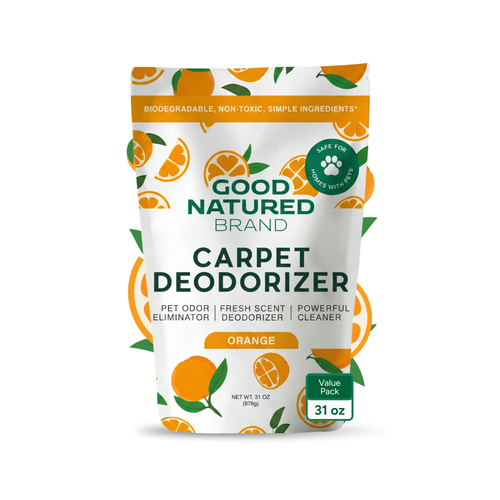
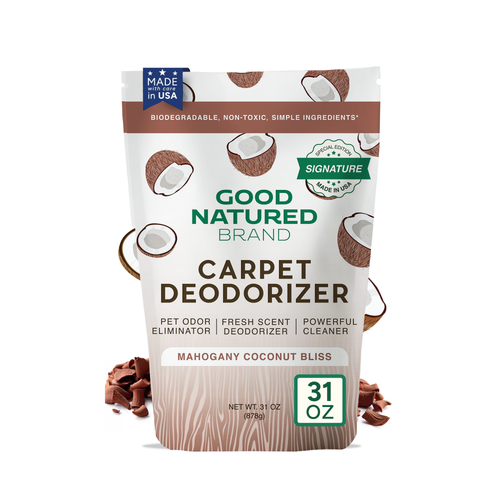
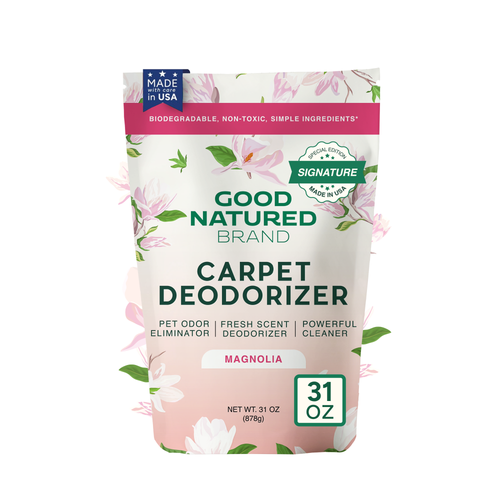
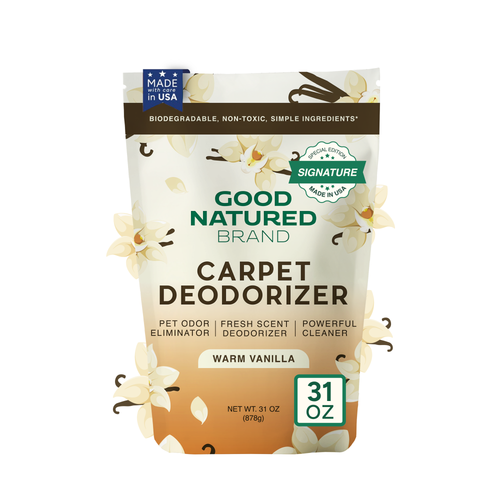
Shop the Product
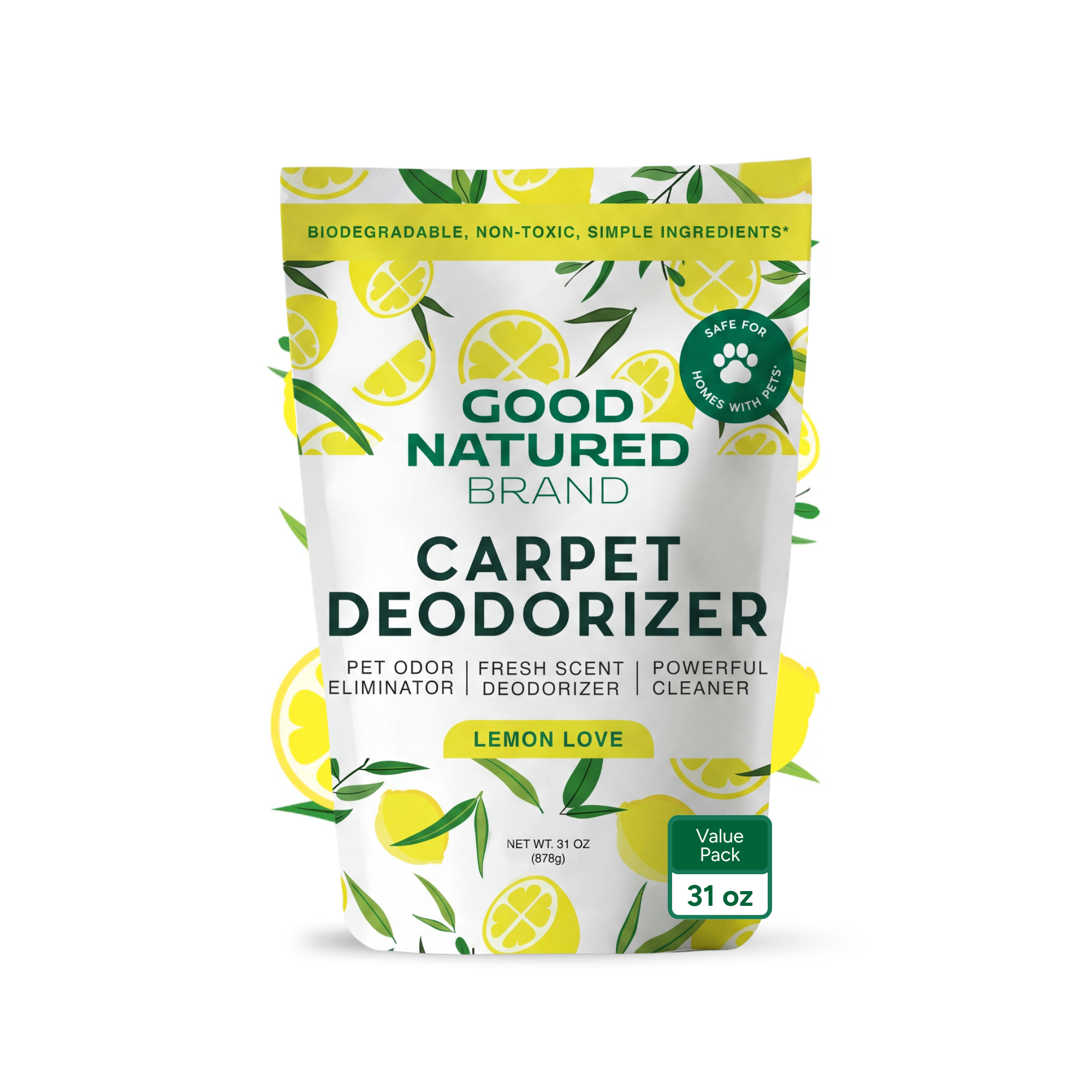
Lemon freshness for every home.
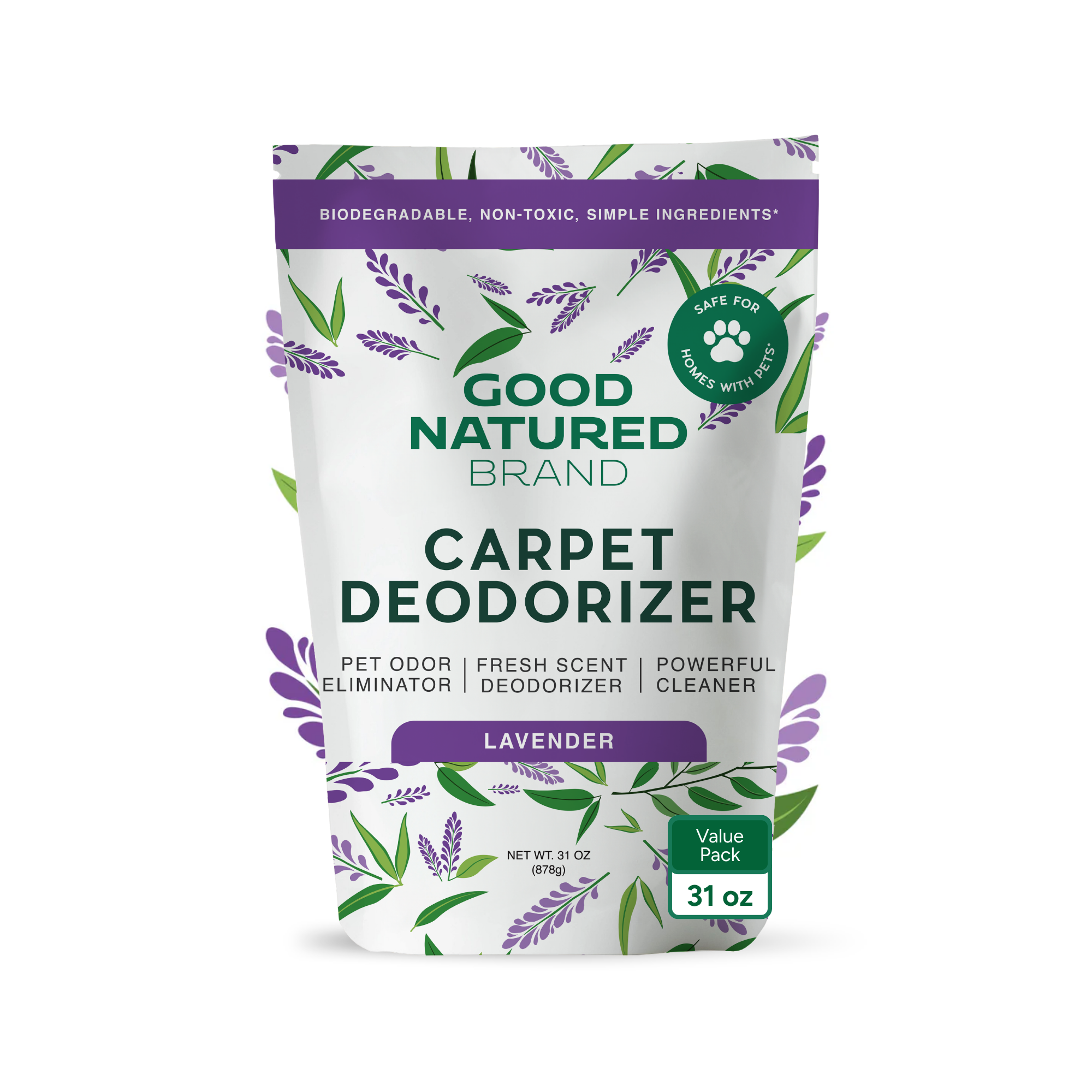
Lavender calm for every home.
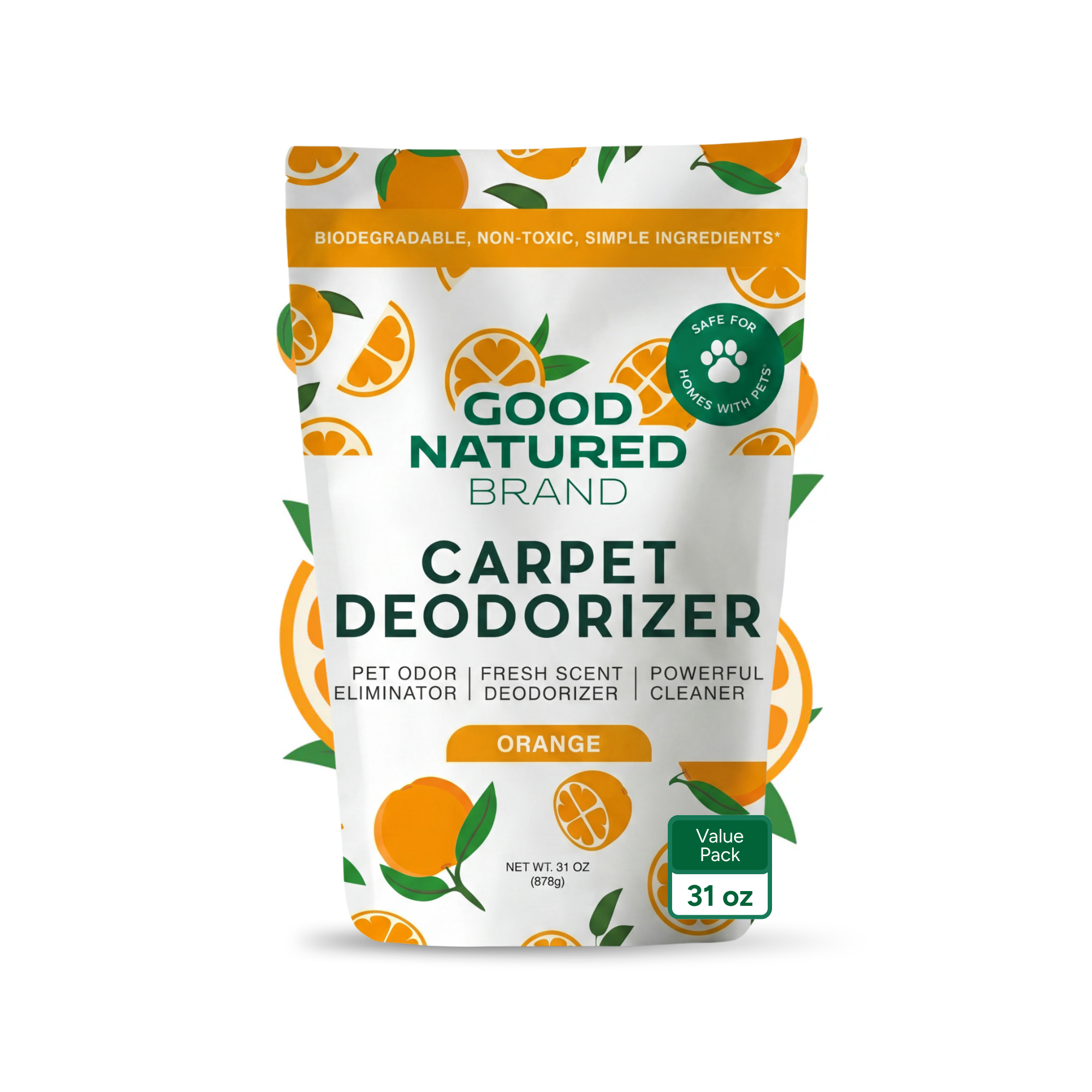
Orange energy for every home.
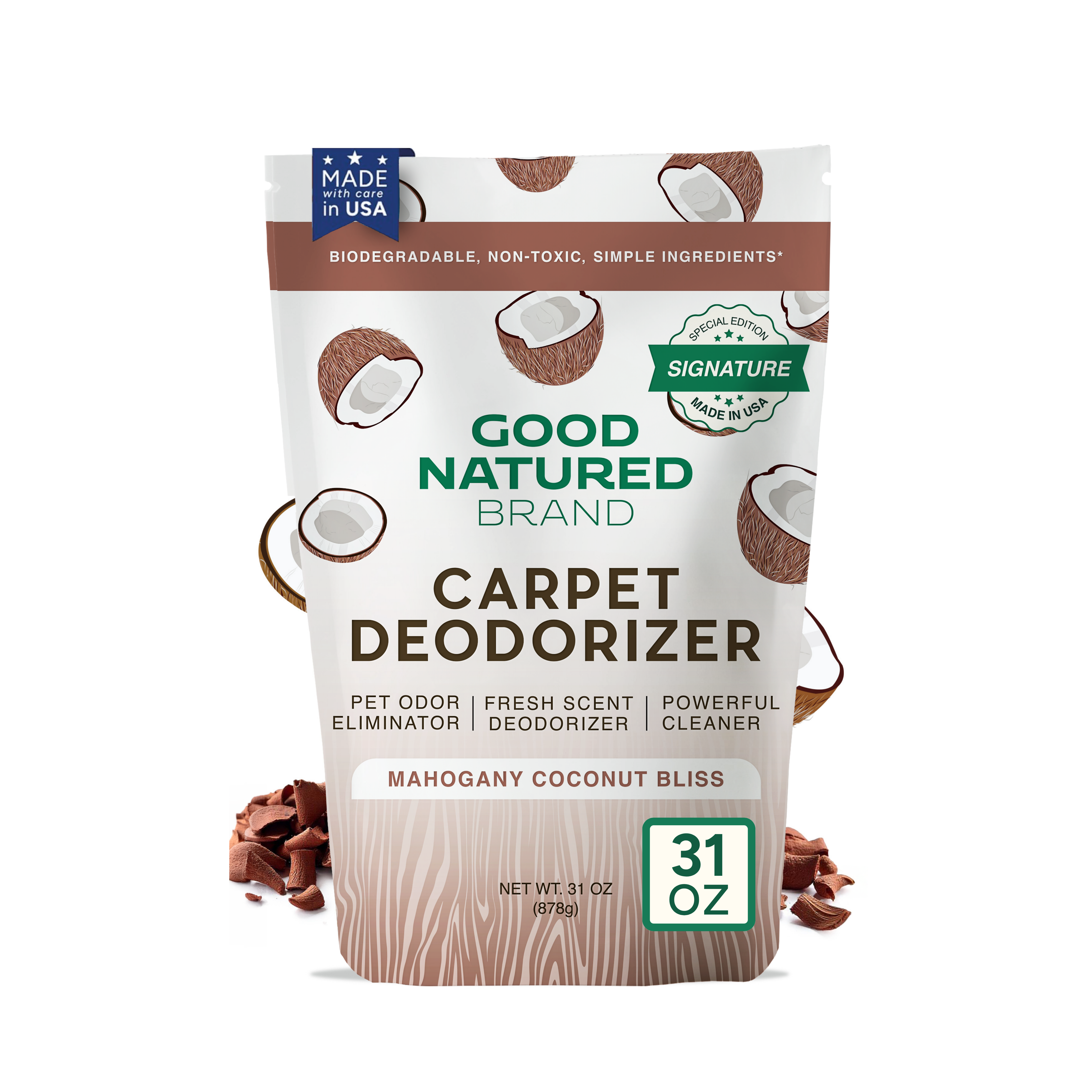
Mahogany warmth for every home.
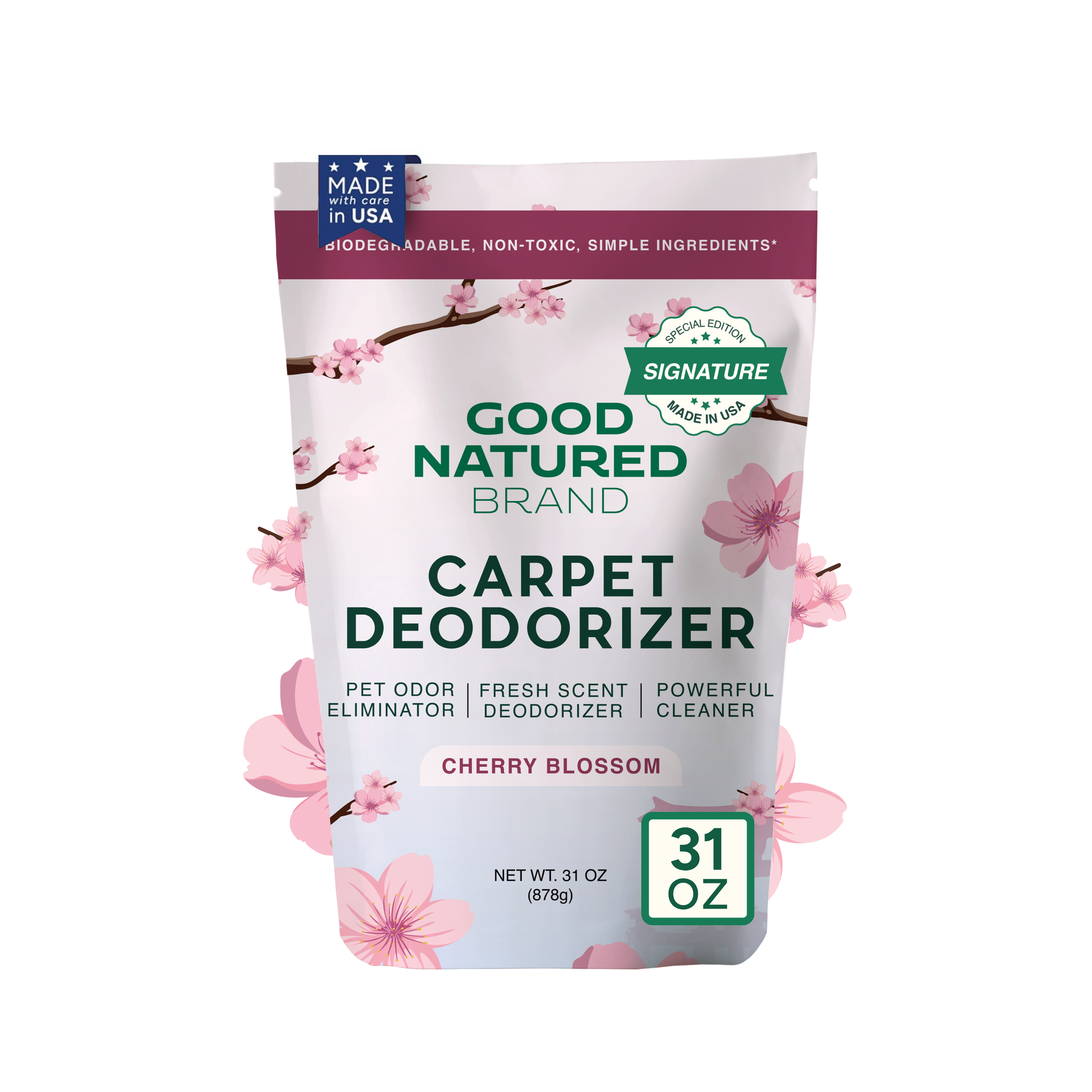
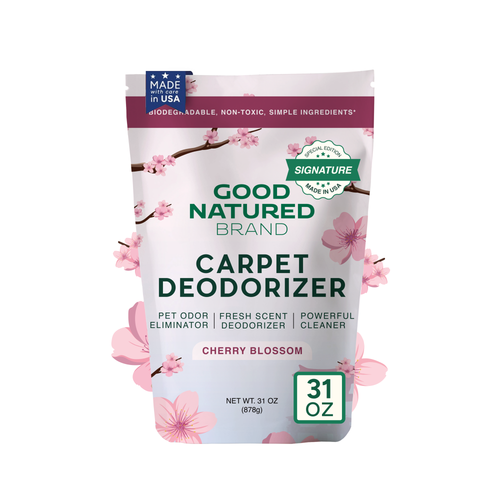
Cherry blossom serenity for every home.
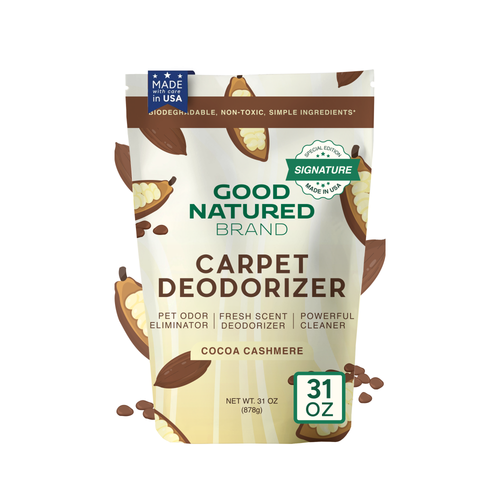
Cocoa butter comfort for every home.
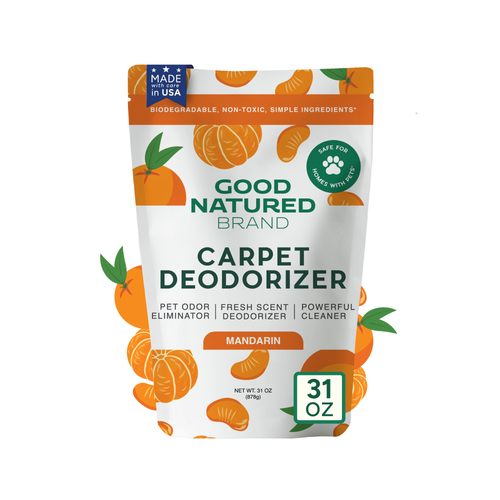
Mandarin freshness for every home.
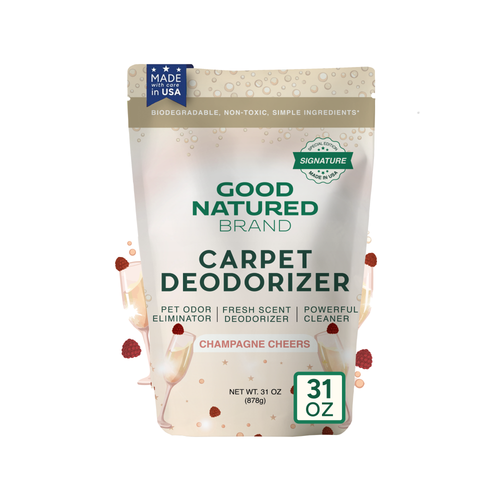
Champagne sparkle for every home.
Zesty freshness for every carpet.
Nutritional Value of Egg Shells for Dogs
Egg shells are much more than waste. They contain a concentrated source of minerals that can support canine health when included correctly.
Calcium Content in Egg Shells for Dogs
Approximately 95 percent of an egg shell is calcium carbonate. Calcium plays a critical role in:
-
Maintaining strong bones and teeth
-
Supporting muscle function
-
Regulating nerve signaling
-
Aiding normal blood clotting
For dogs on homemade diets or raw food diets, egg shells can help fill calcium gaps that may otherwise be difficult to address.
Minerals in Egg Shells That Benefit Dogs
In addition to calcium, egg shells contain trace amounts of magnesium, phosphorus, and sodium. The thin membrane inside the shell also contains collagen and amino acids that may offer additional joint and connective tissue support when included as part of a powdered supplement.
Can Egg Shells Help with Dog Bone Health and Teeth?
Calcium is essential for bone integrity and dental strength. When dogs do not get enough calcium, they may experience weak bones or dental issues over time. Egg shell powder provides a bioavailable form of calcium that the body can absorb efficiently, making it a popular choice among pet parents interested in whole-food nutrition.
Health Benefits of Egg Shells for Dogs
When used correctly, egg shells can offer several potential benefits.
Can Egg Shells Help Dogs with Joint Health?
Egg shells contain calcium and membrane compounds that may support joint stability and mobility. While they are not a treatment for arthritis, they may play a supportive role in an overall joint-health strategy, especially for aging dogs.
Can Egg Shells Support Digestive Health?
Finely ground egg shell powder may help regulate stool consistency in some dogs by providing additional minerals that support digestive function. However, coarse or improperly prepared shells can have the opposite effect, so texture matters greatly.
Can Egg Shells Improve a Dog’s Skin and Coat?
Mineral balance affects many systems in the body, including skin and coat health. While egg shells are not a cure for skin conditions, adequate calcium and trace minerals support overall nutritional balance, which may indirectly contribute to a healthier-looking coat.
Can Dogs Eat Raw Egg Shells or Cooked Egg Shells?
The preparation method makes a significant difference.
Can Dogs Eat Raw Egg Shells Safely?
Raw egg shells carry a higher risk of bacterial contamination. While some raw feeders include raw shells, most veterinarians recommend cooking egg shells to reduce the risk of harmful bacteria, especially in households with children or immunocompromised individuals.
Are Cooked Egg Shells Better for Dogs?
Cooked egg shells are safer and easier to digest. Baking or boiling egg shells kills bacteria and makes them more brittle, which helps when grinding them into a fine powder.
Can Dogs Eat Egg Shell Powder?
Egg shell powder is widely considered the safest and most effective way to feed egg shells to dogs. Powdered shells eliminate sharp edges, improve digestibility, and allow for precise portion control.
Egg shell powder can be mixed easily into your dog’s regular meals, whether they eat kibble, wet food, or a homemade diet.
How Egg Shells Fit into a Natural Dog Lifestyle
Many pet parents who focus on whole-food nutrition also think carefully about their dog’s environment. Diet, hygiene, and home cleanliness all play a role in overall canine well-being.
Maintaining a clean, pet-friendly home reduces unnecessary exposure to harsh chemicals. Using plant-based cleaning solutions—such as All-Purpose Cleaners—helps keep food prep surfaces and feeding areas cleaner without introducing strong toxins.
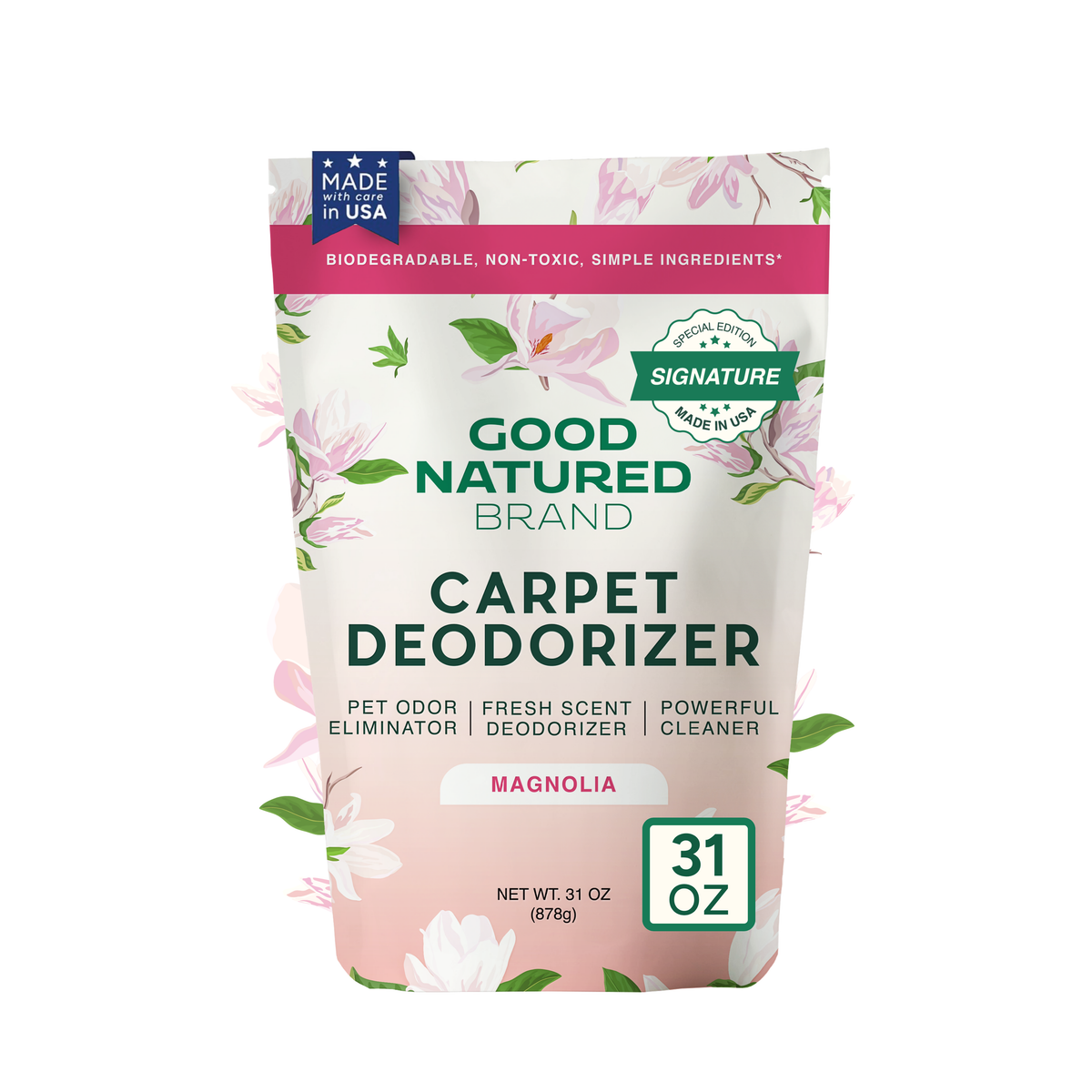
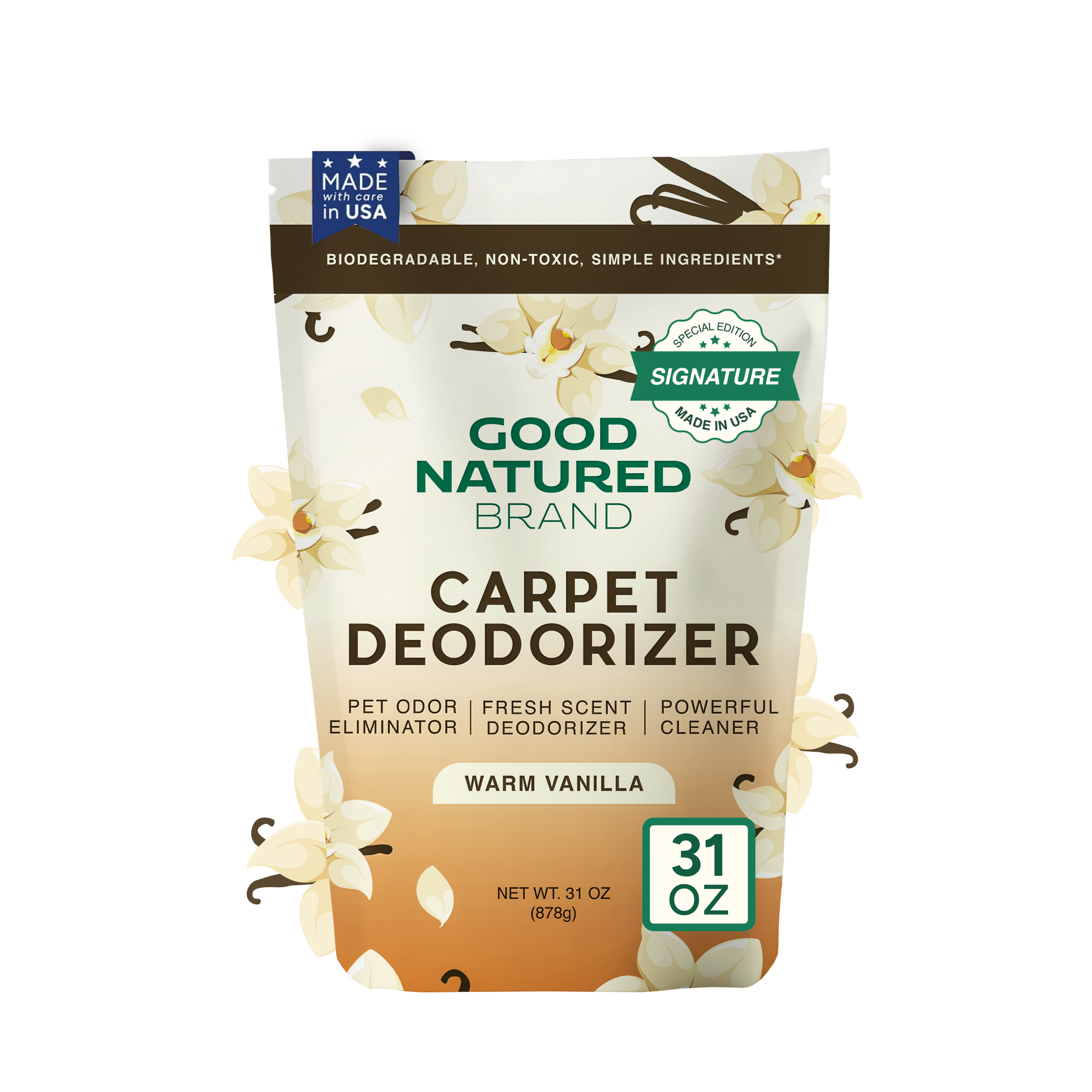
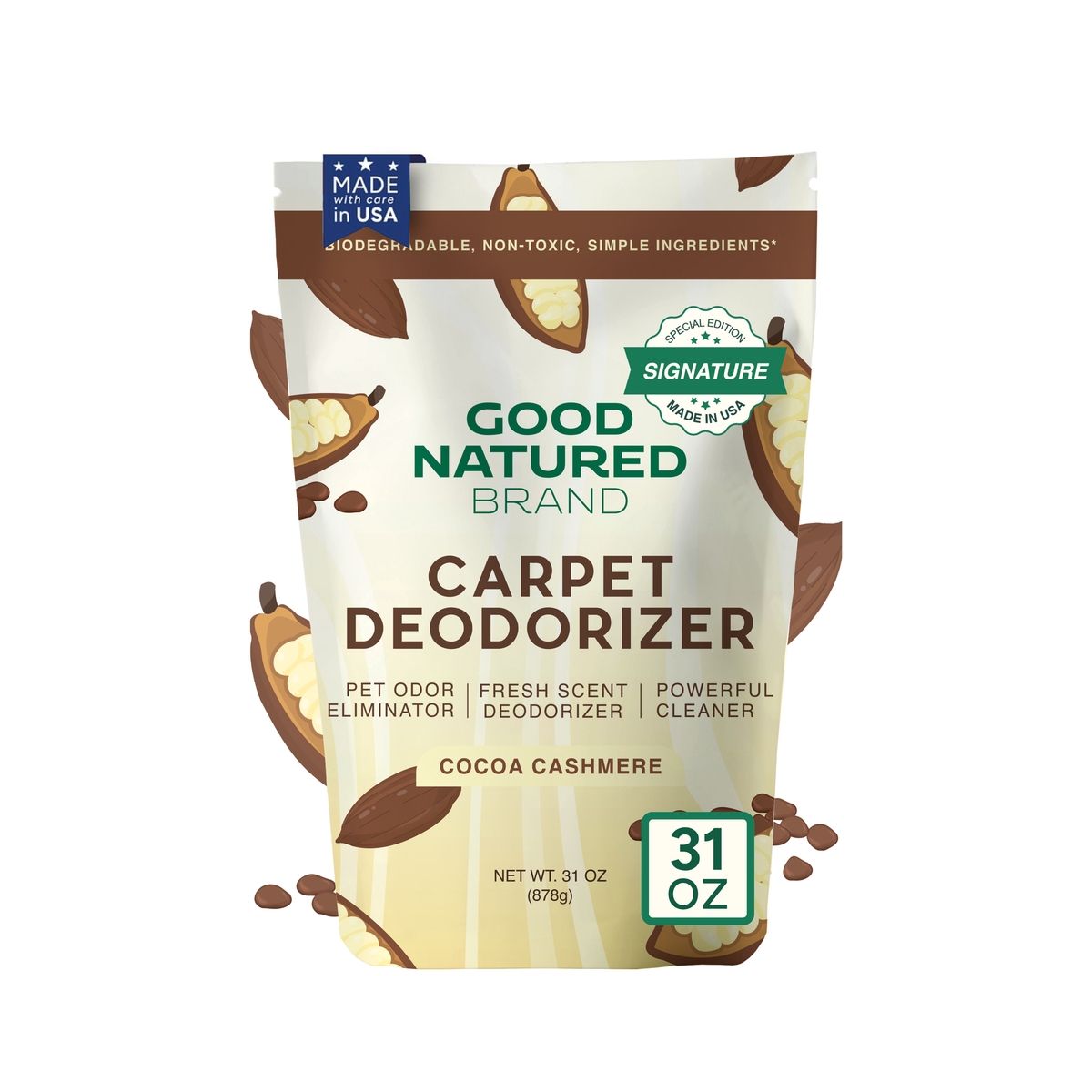
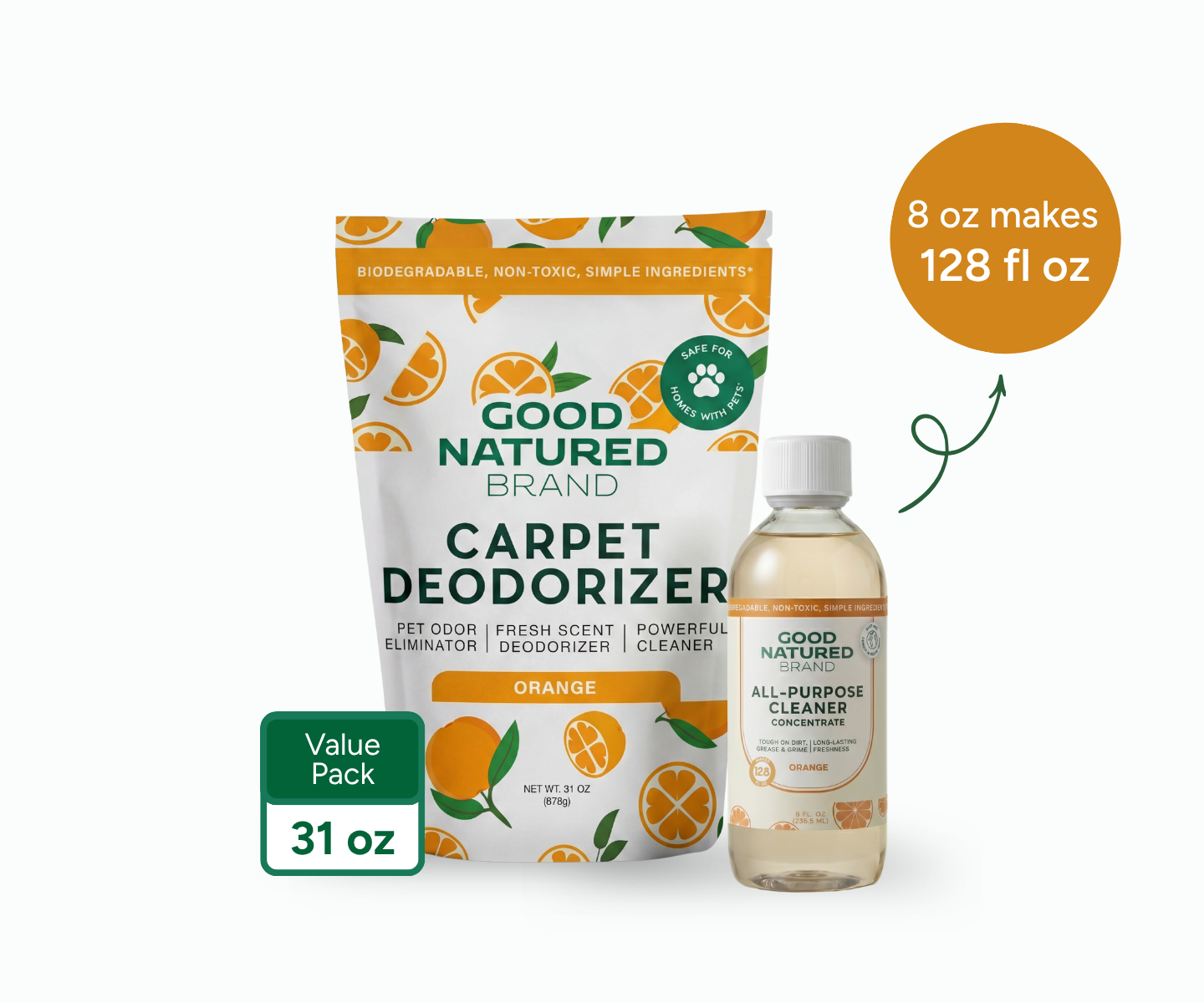
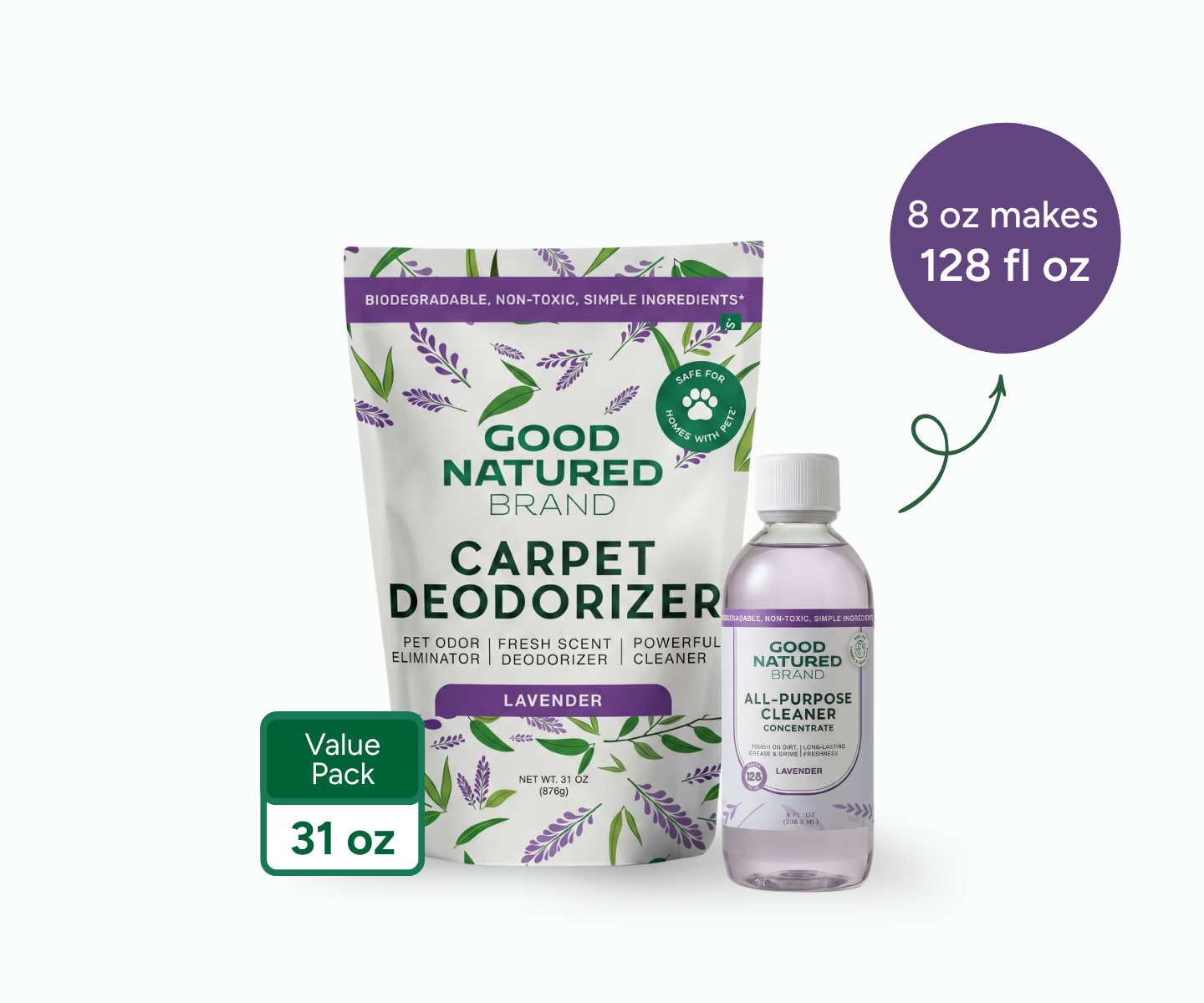
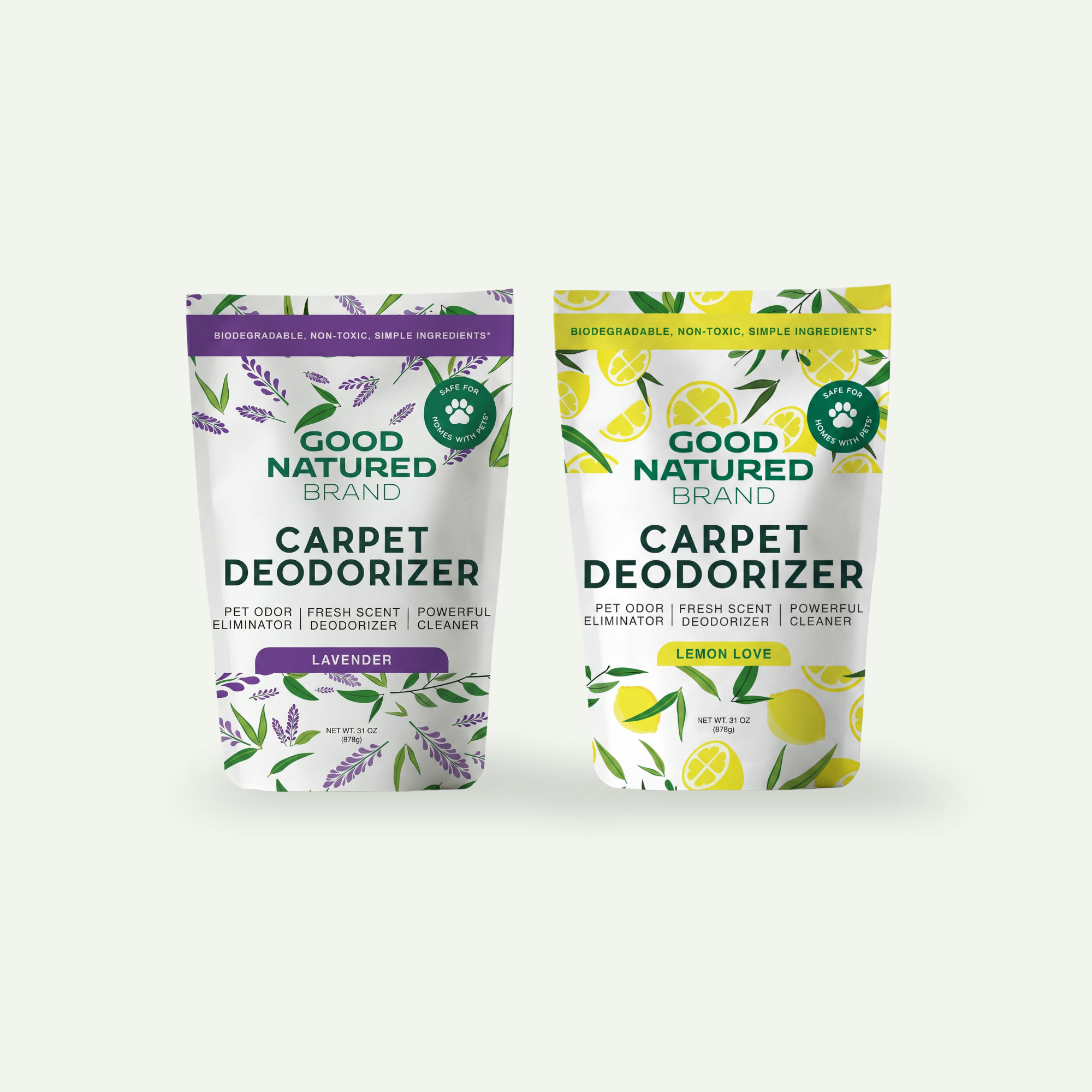
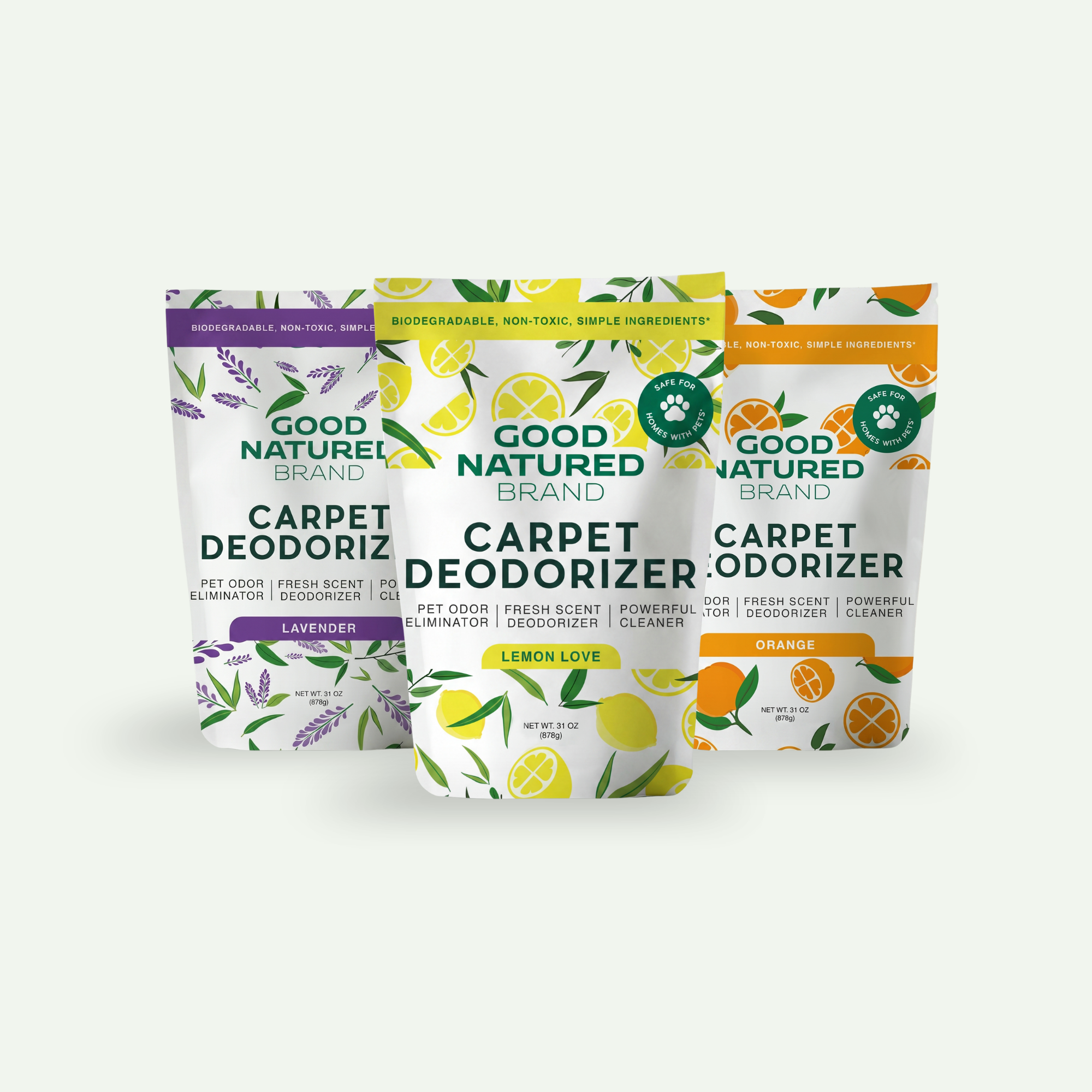
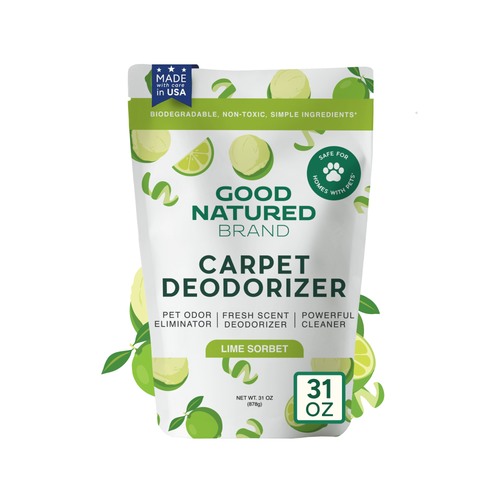
Likewise, managing pet odors with gentle Carpet Deodorizers and washing dog beds with naturally derived Laundry Powders supports a healthier living space for both pets and people.
For more insights on mindful pet care and pet-safe homes, explore the educational resources on the Good Natured Brand blog or visit the Good Natured Brand main site to learn more about creating a cleaner, more conscious home environment.
Risks of Feeding Egg Shells to Dogs
While egg shells can be beneficial, they are not risk-free. Most problems occur when egg shells are fed whole, in large pieces, or in excessive amounts.
Can Egg Shells Cut or Damage a Dog’s Throat?
Yes, sharp egg shell fragments can irritate or injure a dog’s mouth, throat, or digestive tract. Whole or crushed shells that haven’t been finely ground may splinter into jagged edges. This is one of the main reasons veterinarians advise against feeding egg shells in their natural broken form.
Grinding egg shells into a fine, flour-like powder virtually eliminates this risk and makes them far easier for dogs to digest.
Can Too Much Calcium from Egg Shells Harm Dogs?
Yes. Calcium is essential, but excess calcium can cause serious health issues. Over-supplementation may lead to:
-
Abnormal bone growth
-
Joint problems, especially in large-breed dogs
-
Kidney strain
-
Mineral imbalances that interfere with nutrient absorption
This risk is higher for puppies, senior dogs with kidney disease, and dogs already receiving calcium from fortified commercial foods.
Dogs That Should Not Eat Egg Shells
Egg shells are not suitable for every dog. Dogs that should generally avoid egg shell supplementation include:
-
Dogs with kidney disease
-
Dogs with bladder or urinary stones
-
Dogs on prescription or therapeutic diets
-
Dogs with known calcium metabolism disorders
If your dog falls into one of these categories, egg shells should only be given under direct veterinary supervision.
How to Prepare Egg Shells for Dogs Safely
Preparation is the most important step in feeding egg shells to dogs. Proper preparation eliminates bacteria, removes sharp edges, and improves nutrient absorption.
How to Make Egg Shell Powder for Dogs
Start with eggs from a reliable source. After using the eggs, follow these steps:
First, rinse the egg shells thoroughly to remove any remaining egg residue. Next, cook the shells by boiling them in water for several minutes or baking them in the oven. Cooking helps eliminate bacteria and dries the shells.
Once cooked, allow the shells to dry completely. This may take several hours if air-dried or less time if baked at a low temperature. After drying, grind the shells using a blender, coffee grinder, or food processor until they resemble a fine powder.
The final texture should be similar to flour, not gritty or sandy.
How Fine Should Egg Shell Powder Be?
Egg shell powder should be extremely fine. Coarse particles may still irritate the digestive tract or pass through the body without being absorbed. Finer powder allows calcium to be absorbed more efficiently and reduces the risk of gastrointestinal discomfort.
How Much Egg Shell Can Dogs Eat?
Portion control is critical. Egg shells should never be added casually or inconsistently.
Egg Shell Dosage by Dog Size
A commonly referenced guideline is that half a teaspoon of finely ground egg shell powder provides approximately 1,000 milligrams of calcium. That amount may be appropriate for a large adult dog but excessive for a small one.
Small dogs typically require only a pinch. Medium dogs may need a small fraction of a teaspoon. Large dogs may tolerate slightly more, depending on their diet. These amounts should be adjusted based on the calcium content of your dog’s regular food.
How Often Can Dogs Eat Egg Shells?
Egg shells are best used as an occasional supplement rather than a daily staple—unless recommended by a veterinarian. Many pet parents use egg shell powder a few times per week, especially when feeding homemade or lightly supplemented diets.
Can Dogs Eat Egg Shells Every Day?
Daily supplementation is not necessary for most dogs and can increase the risk of calcium overload. Dogs eating complete commercial diets typically already receive sufficient calcium.
If egg shells are used daily, it should be part of a carefully balanced feeding plan reviewed by a veterinary professional.
Vet Opinions on Egg Shells for Dogs
Many veterinarians acknowledge that egg shells can be a natural calcium source when commercial supplements are unavailable. However, they also emphasize that supplementation should be done with caution.
Veterinary professionals generally agree on the following points:
-
Egg shells are not dangerous when properly prepared
-
Calcium balance matters more than calcium quantity
-
Egg shells should never replace a complete diet
-
Medical conditions must be considered before supplementation
Whole-food supplements like egg shells appeal to pet parents who favor minimally processed options, but balance and moderation remain essential.
Egg Shells vs Store-Bought Calcium Supplements for Dogs
Some pet parents wonder whether egg shells are better than commercial calcium supplements.
Natural Egg Shell Calcium vs Synthetic Calcium
Egg shell calcium comes from a natural source and contains trace minerals that may support absorption. Synthetic supplements, on the other hand, are precisely measured and formulated for consistency.
Egg shells can be a helpful option for homemade diets, while store-bought supplements may be better suited for dogs with specific medical needs.
When Store-Bought Supplements Make More Sense
Veterinary-prescribed calcium supplements are often preferable when treating diagnosed deficiencies or managing health conditions. Egg shells are not a medical treatment and should not replace professional care.
Frequently Asked Questions About Dogs Eating Egg Shells
Can dogs eat egg shell membranes?
Yes, when included in finely ground powder, the membrane may offer small amounts of collagen and amino acids.
Can dogs eat egg shells mixed into kibble?
Egg shell powder can be mixed into kibble, but portion control is essential to avoid excess calcium.
What happens if my dog eats a big piece of egg shell?
Monitor your dog closely. While small amounts may pass without issue, sharp pieces can cause irritation. Contact your veterinarian if you notice vomiting, discomfort, or changes in behavior.
Supporting a Healthy Home for Dogs Beyond Diet
Your dog’s health isn’t only influenced by what goes into their bowl. A clean, low-toxin home supports digestion, immunity, and overall comfort—especially for dogs with sensitivities.
Keeping feeding areas clean using gentle All-Purpose Cleaners helps reduce unnecessary chemical exposure. Washing dog beds, blankets, and toys regularly with naturally derived Laundry Powders can minimize allergens that affect skin and digestion.
Managing odors from accidents or pet areas using Carpet Deodorizers also contributes to a healthier living environment for both pets and humans.
For more education on pet-safe living and thoughtful home care, explore articles on the Good Natured Brand blog or learn more about the brand’s approach on the Good Natured Brand main page.
Whether Dogs Can Eat Egg Shells
So, can dogs eat egg shells? The answer is yes—but only when they are properly prepared, finely ground, and fed in appropriate amounts. Egg shells are not a miracle supplement, and they are not necessary for every dog. However, when used thoughtfully, they can serve as a natural calcium source within a balanced diet.
Always consider your dog’s size, age, health status, and existing nutrition before adding egg shells. When in doubt, consult your veterinarian. Responsible supplementation and a clean, pet-conscious home environment go hand in hand when it comes to supporting long-term canine wellness.