For many people, a “clean” home has long been associated with strong scents, lemony kitchens, floral laundry, and pine-scented floors. But for those living with fragrance sensitivities, these smells can turn everyday cleaning into a source of discomfort, stress, or even physical symptoms. Headaches, nausea, breathing irritation, and skin reactions are all common responses to fragranced products, especially when they are used repeatedly in enclosed spaces.
The good news is that keeping a home clean does not require overpowering scents. With the right approach and the right products, it’s possible to maintain a fresh, comfortable living environment that supports health and well-being. This guide will walk you through what fragrance sensitivities are, why cleaning products are often a major trigger, and how to clean safely without sacrificing effectiveness—using principles aligned with the education-first philosophy of Good Natured Brand.
Living with fragrance sensitivities in everyday spaces
Fragrance sensitivities are far more common than most people realize. They can develop gradually or appear suddenly, often after repeated exposure to scented products. Because cleaning products are designed to be used frequently and across many surfaces, they tend to be one of the most consistent sources of fragrance exposure in the home.
Many people with fragrance sensitivities describe feeling overwhelmed by smells that others barely notice. This disconnect can make it challenging to explain why certain products cause discomfort. Understanding how fragrance works in cleaning products is the first step toward creating a safer, more supportive home environment.
For more educational resources on healthy cleaning habits and mindful product choices, the Good Natured Brand blog offers in-depth guides and practical tips:
https://www.goodnaturedbrand.com/pages/blog
What fragrance sensitivities really mean
Fragrance sensitivity is not the same as a traditional allergy, though the symptoms can overlap. Allergies typically involve an immune system response, while fragrance sensitivities often affect the nervous or respiratory systems. That’s why symptoms may include headaches, dizziness, nausea, coughing, or fatigue rather than hives or swelling alone.
Some people also experience skin irritation or flare-ups of existing conditions like eczema. Others notice brain fog or difficulty concentrating after exposure to scented products. These reactions can vary depending on the type of fragrance, the amount used, and how enclosed the space is.
People with asthma, migraines, sensitive skin, or chemical sensitivities are especially vulnerable. Children and pets can also be affected more easily due to their developing or smaller systems.
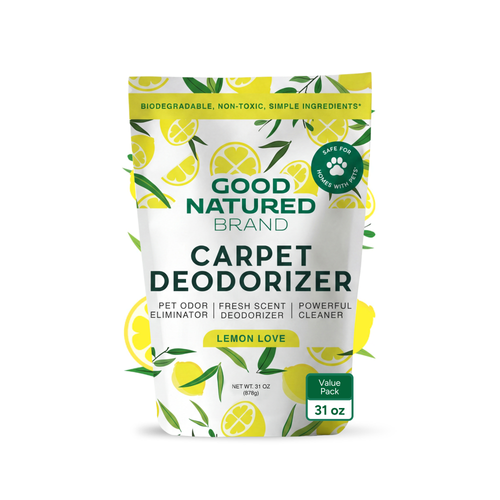
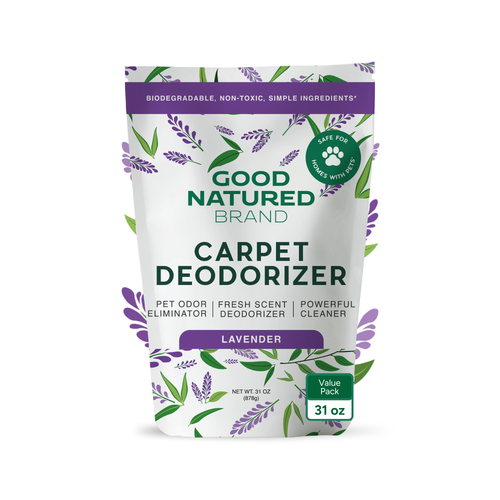
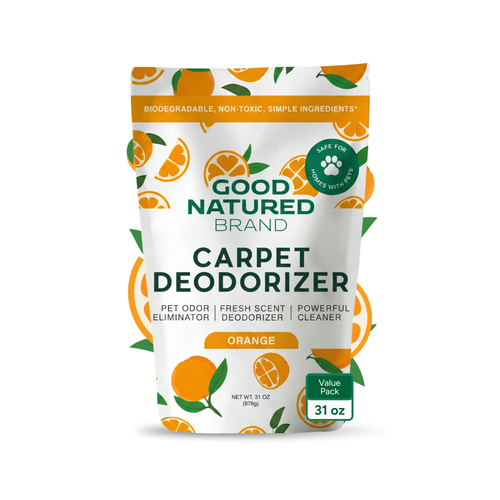
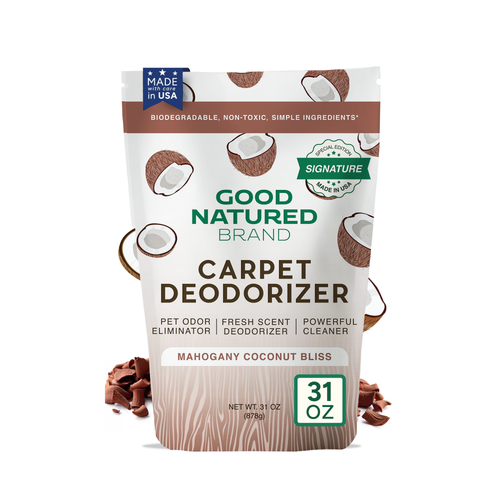
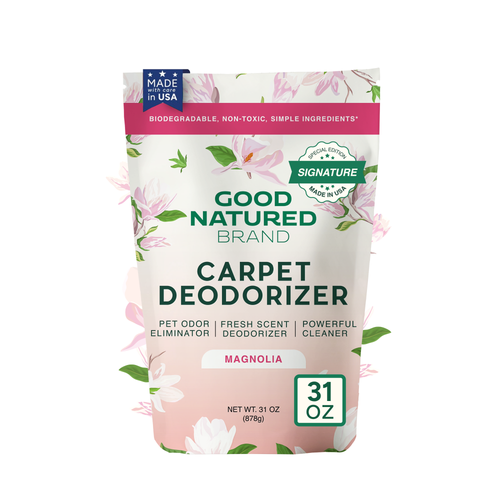
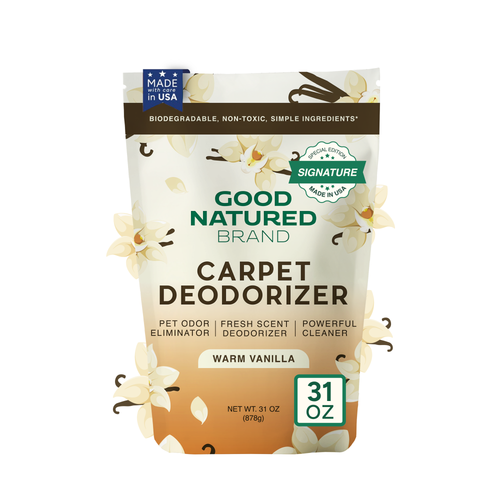
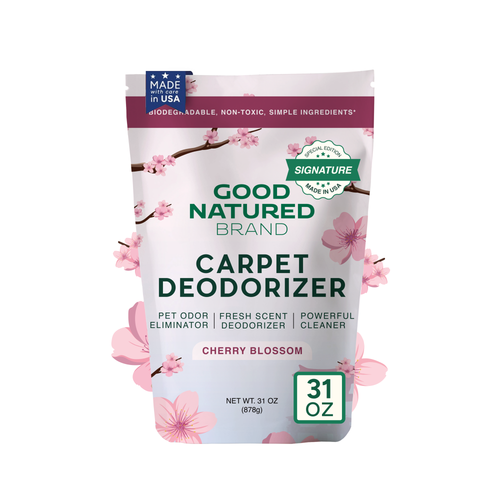

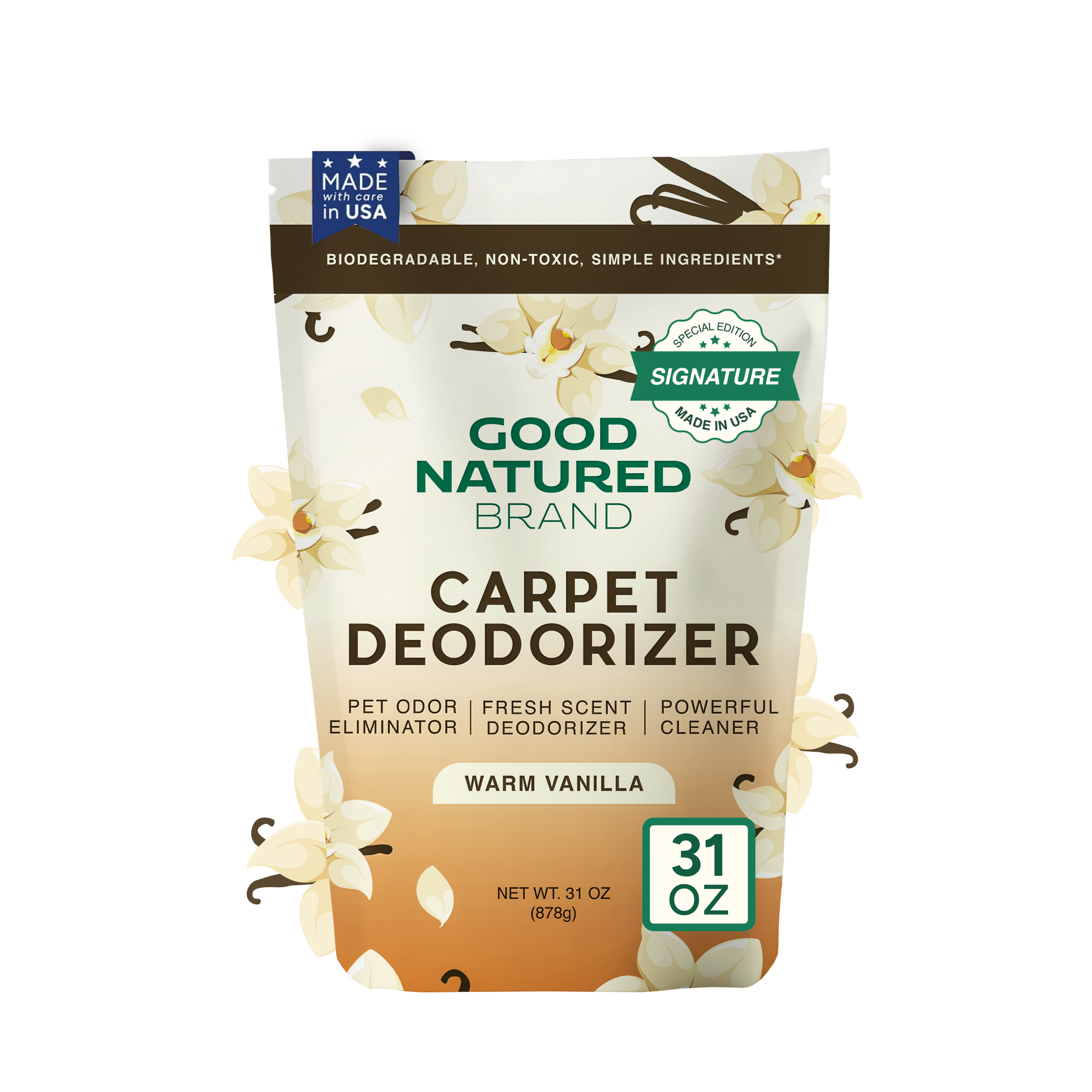
Shop the Product
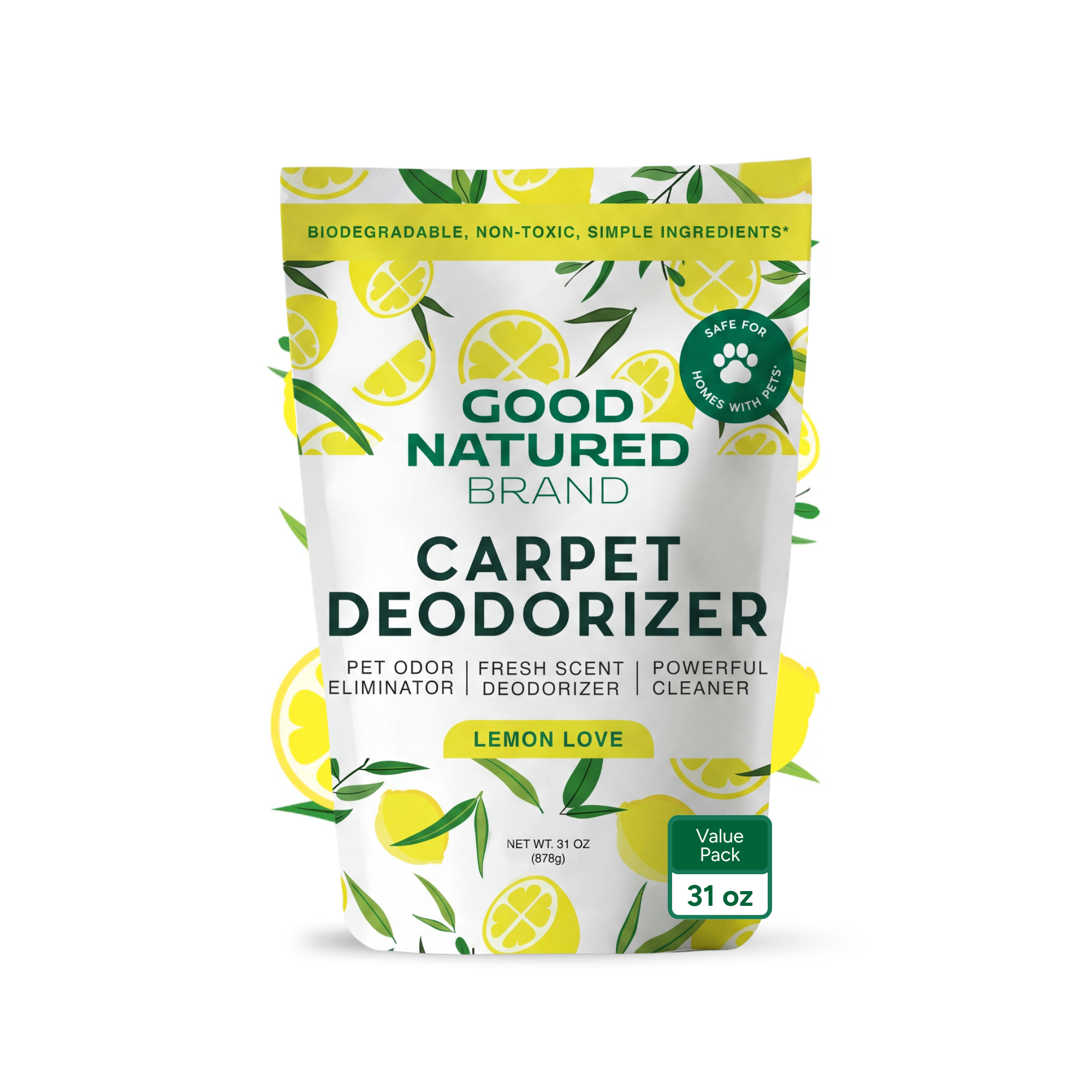
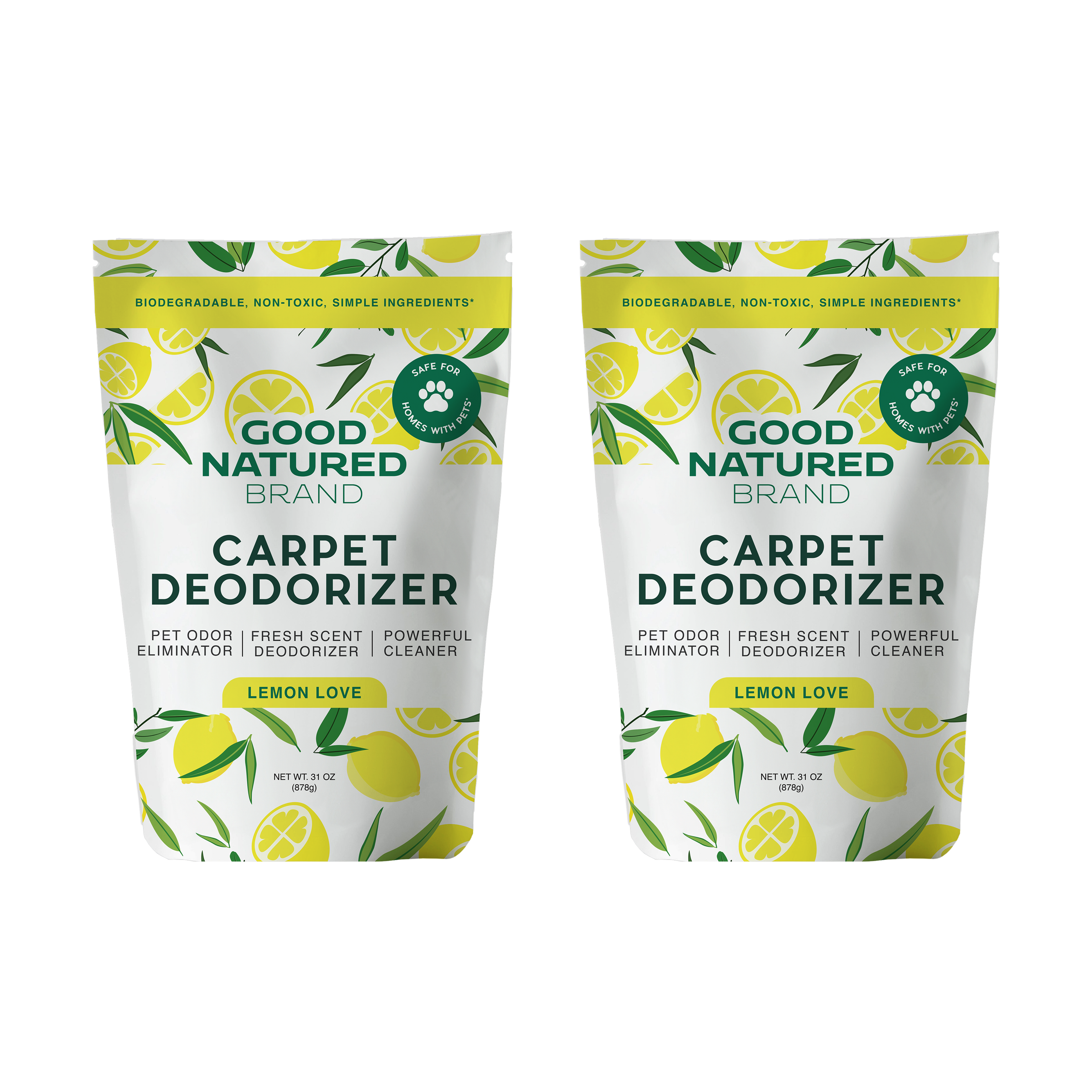
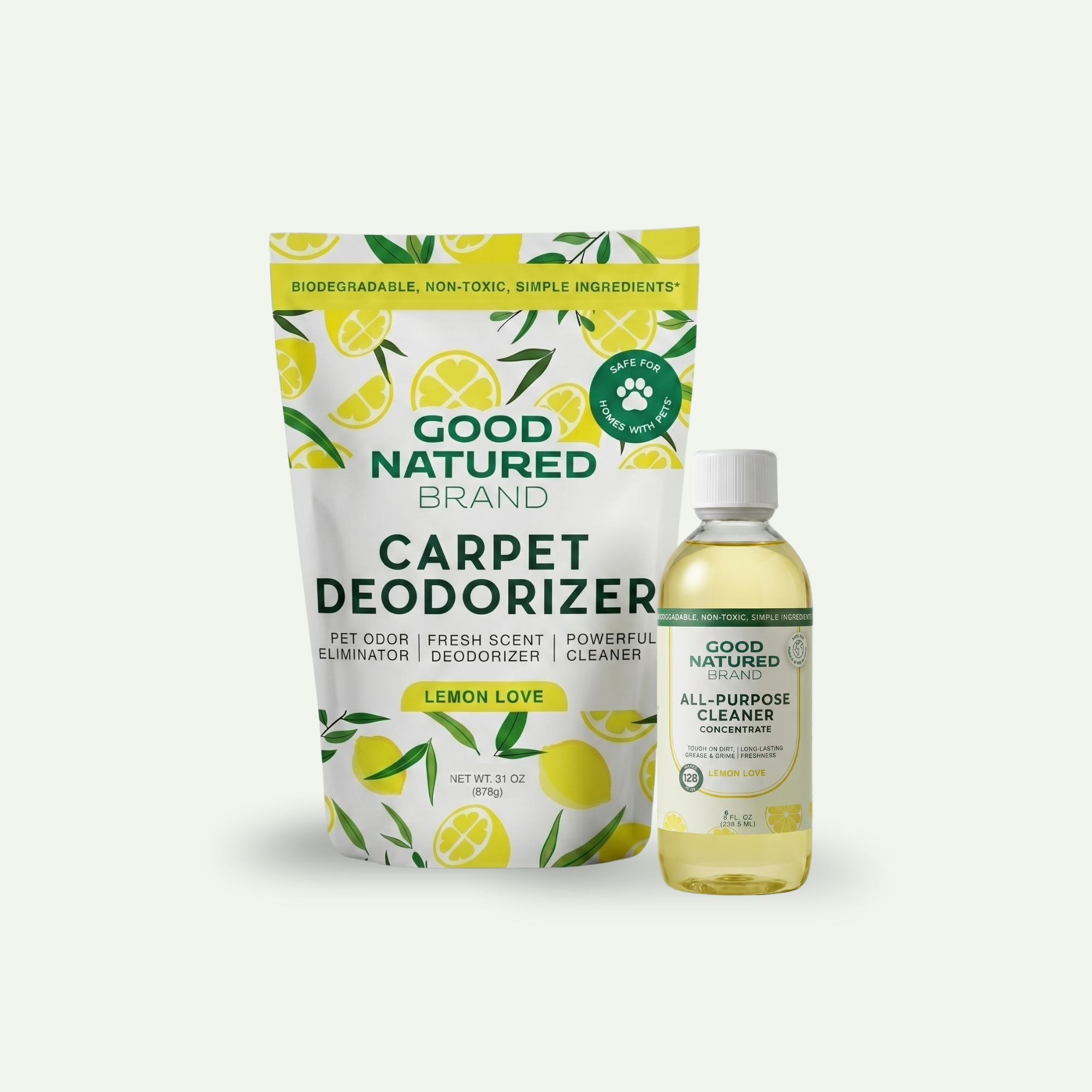
Lemon freshness for every home.
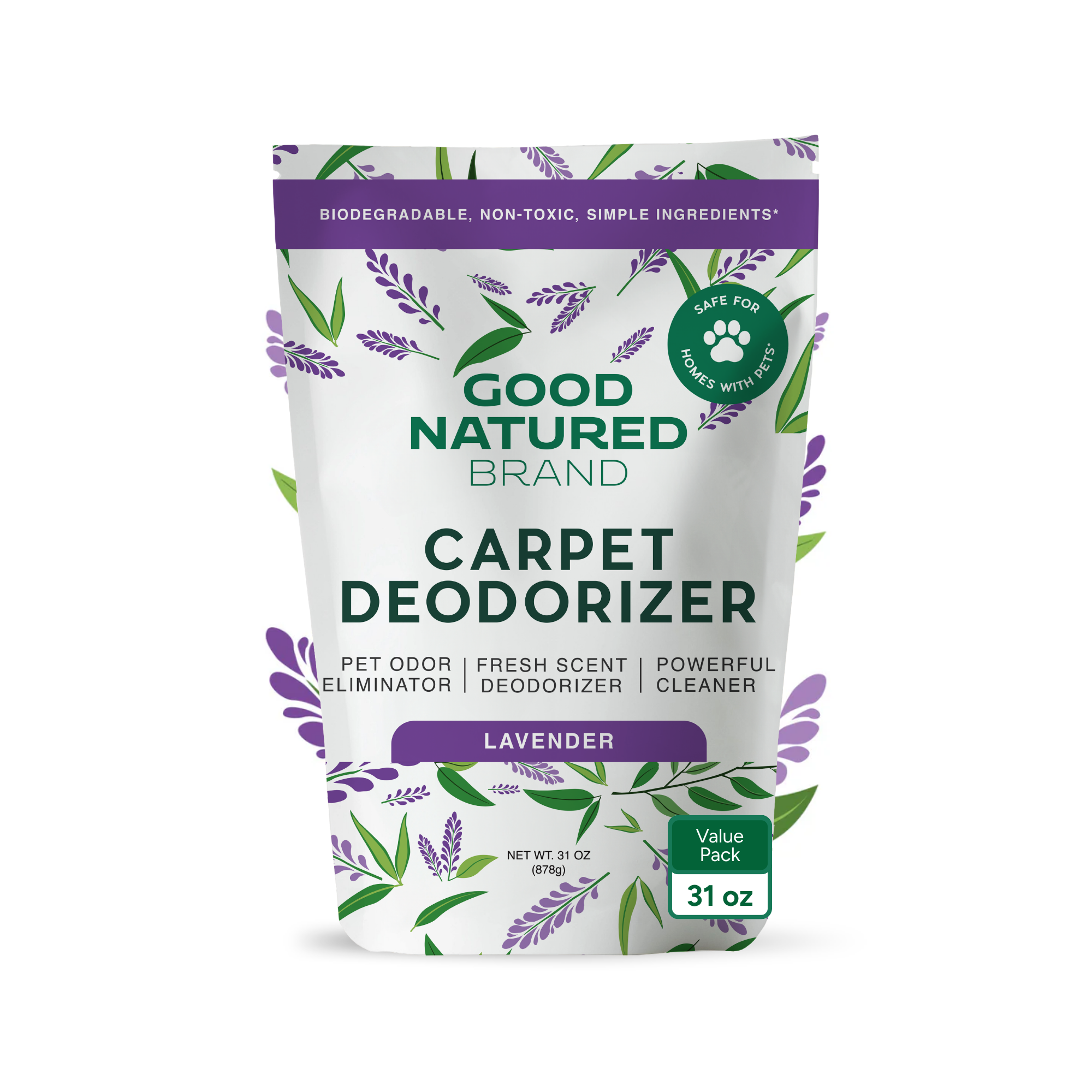
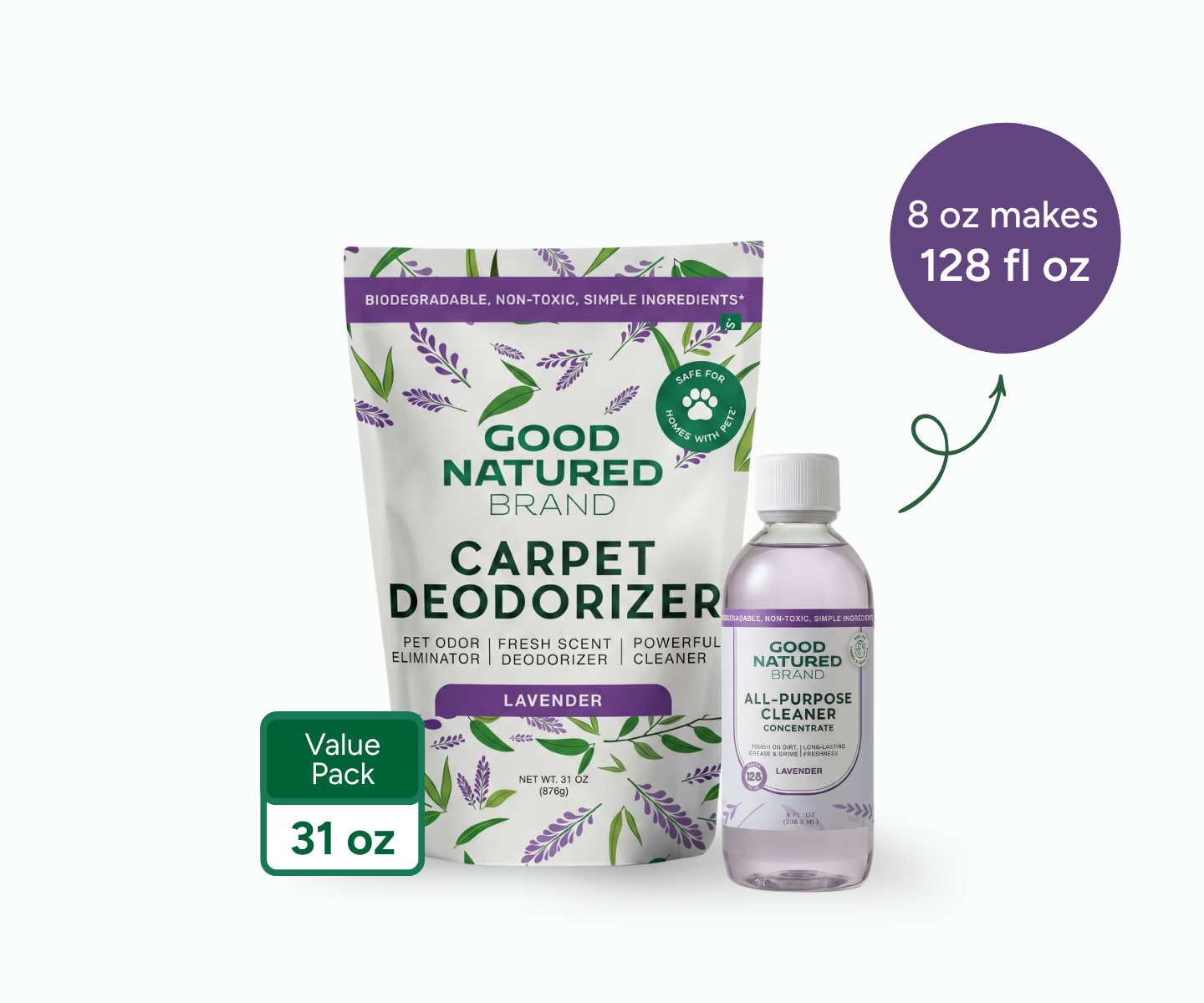
Lavender calm for every home.
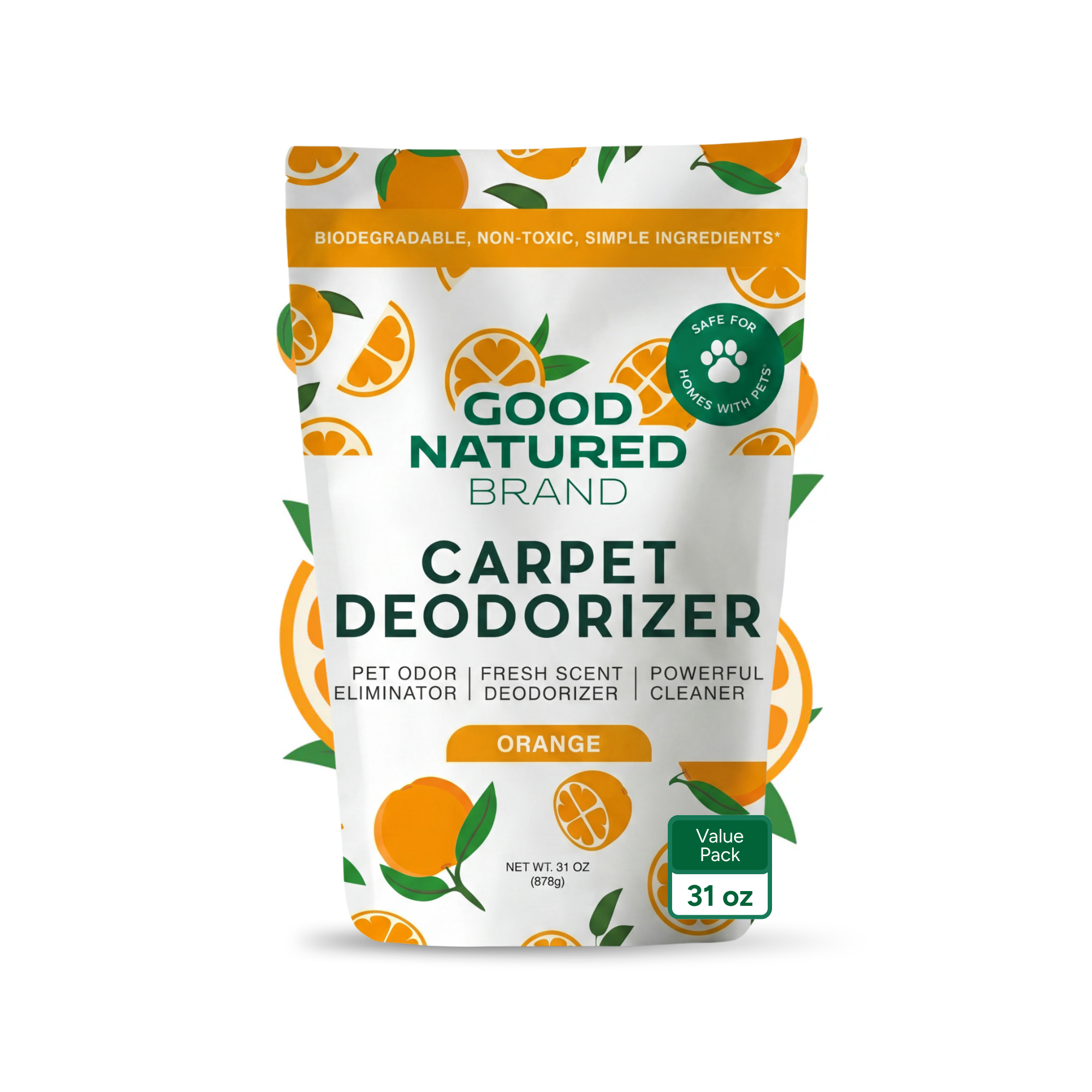
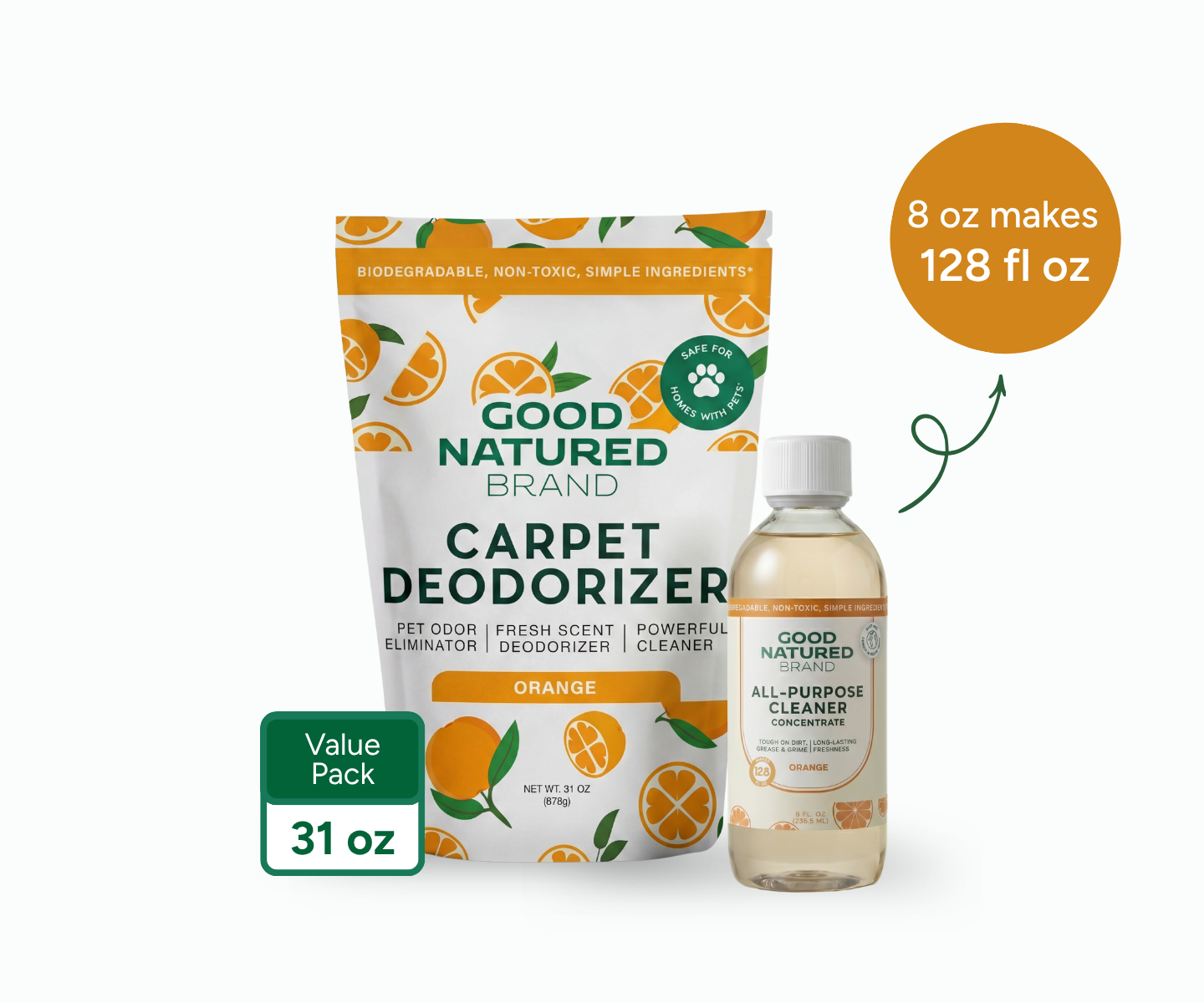
Orange energy for every home.
Mahogany warmth for every home.
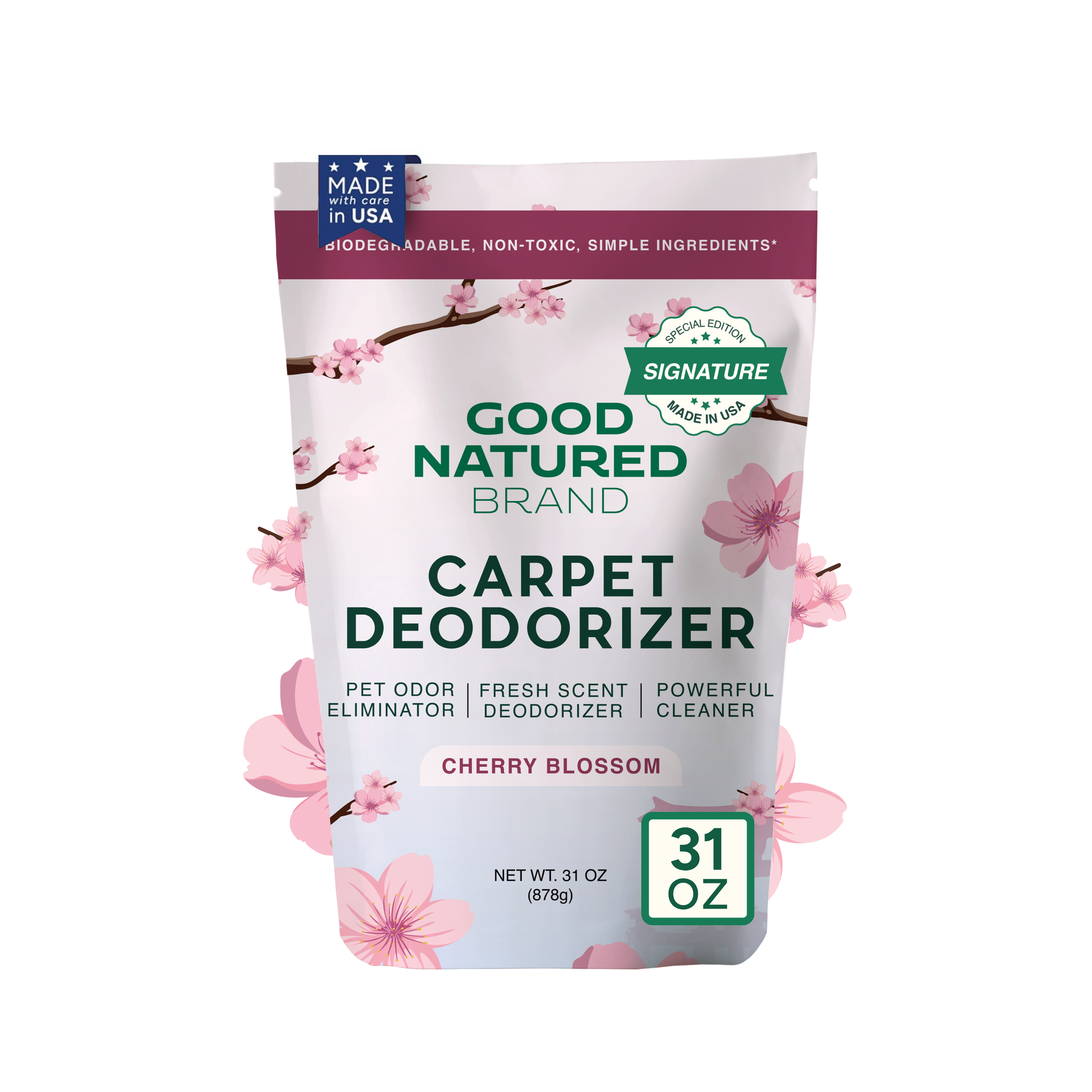
Cherry blossom serenity for every home.
Cocoa butter comfort for every home.
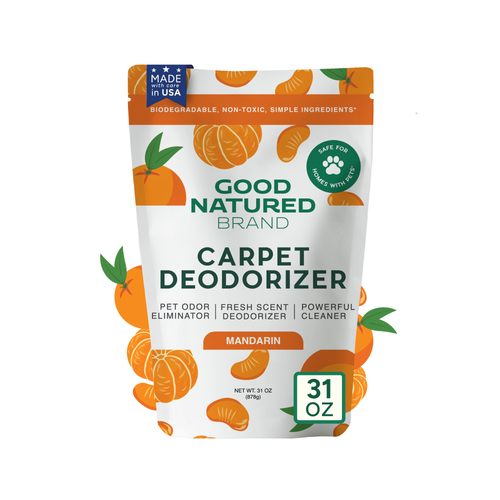
Mandarin freshness for every home.
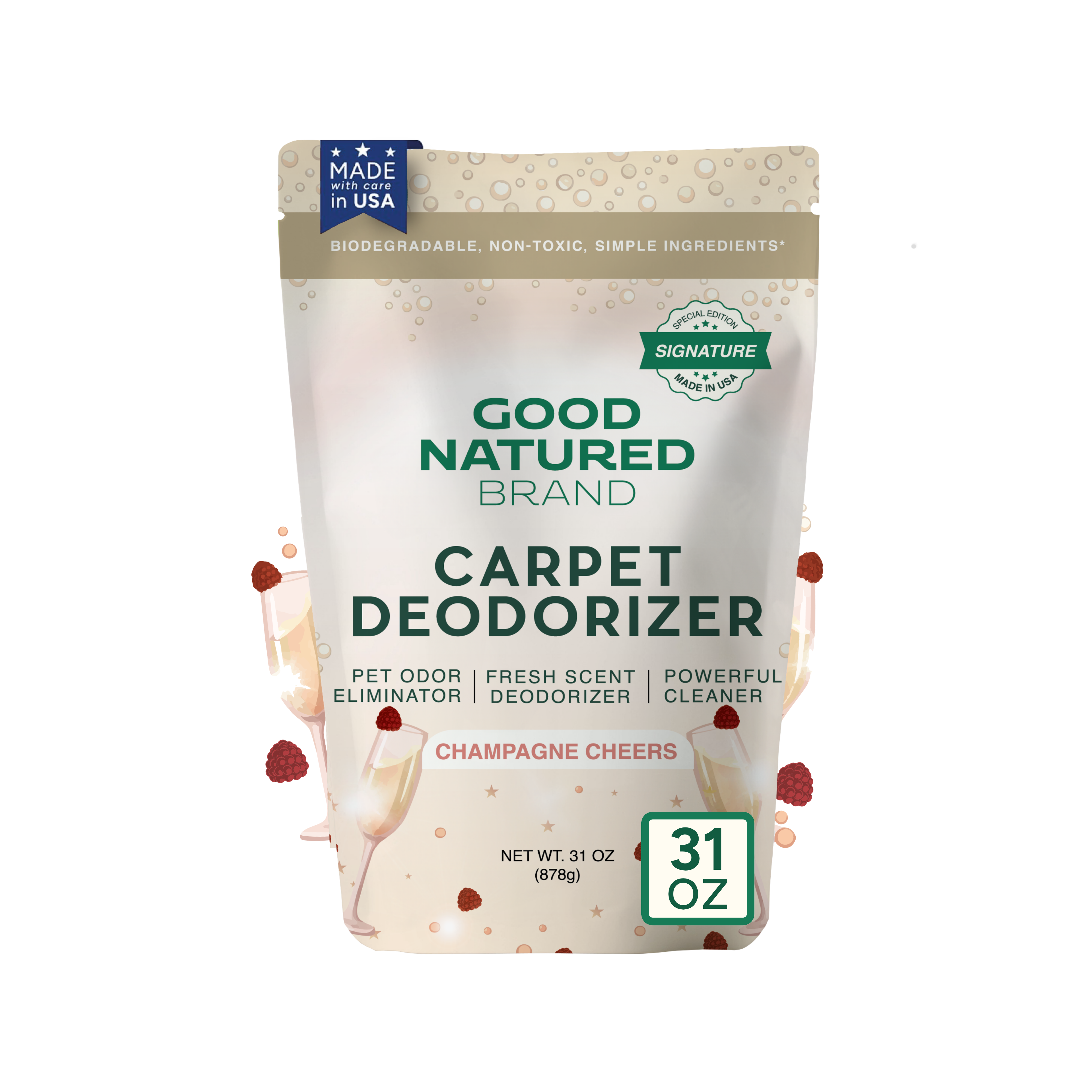
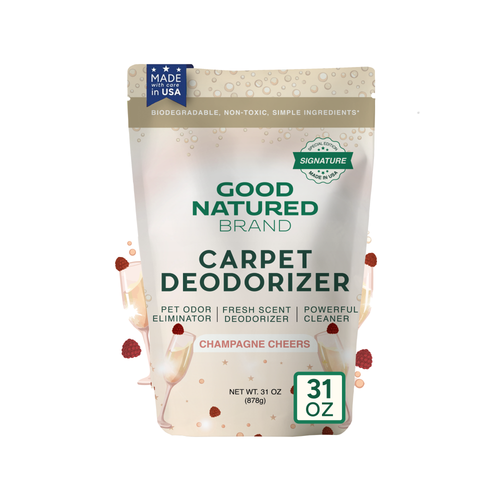
Champagne sparkle for every home.
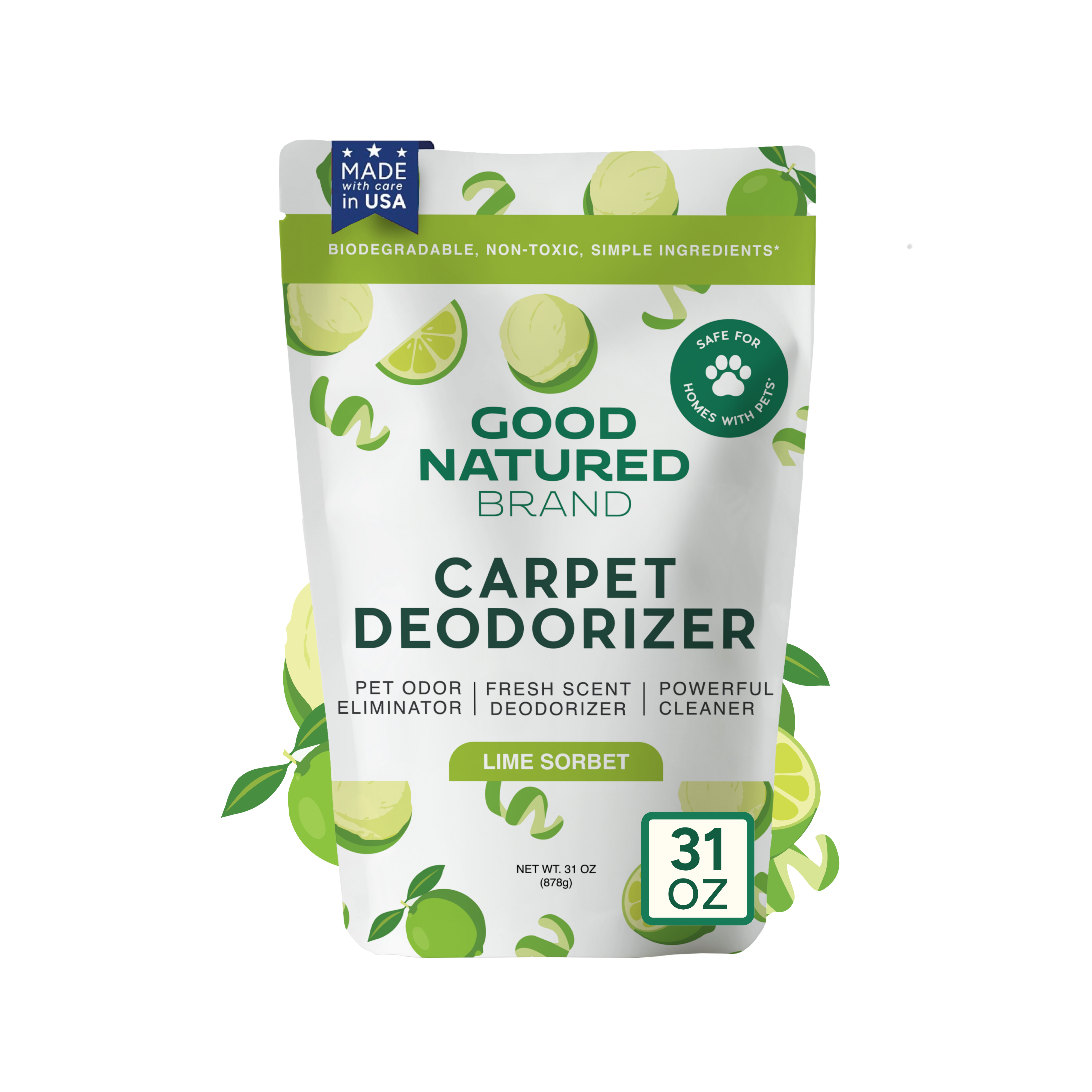
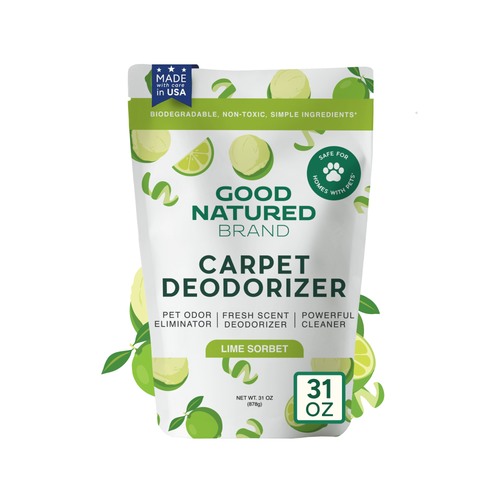
Zesty freshness for every carpet.
Why cleaning products are a major trigger
Cleaning products are one of the most common sources of fragrance exposure because they are designed to leave a lingering scent behind. Ingredients listed simply as “fragrance” or “parfum” can represent complex blends of synthetic scent compounds. These blends are often proprietary, meaning the individual components are not disclosed.
Another reason cleaning products trigger fragrance sensitivities is persistence. Fragrance does not disappear once a surface dries. It can be absorbed into fabrics, carpets, and upholstery, then slowly released back into the air over time. This leads to prolonged exposure, even hours or days after cleaning.
The cultural idea that a strong smell equals cleanliness makes the issue worse. Many products intentionally include bold scents to signal effectiveness, even when scent has nothing to do with actual cleaning performance.
Where fragrance builds up in the home
Fragrance exposure isn’t limited to one room. It accumulates throughout the home, often in places people don’t immediately think about.
Kitchens commonly contain fragranced surface sprays, dish soaps, and degreasers that are used daily. Bathrooms often have the heaviest scent load, with fragranced toilet cleaners, mold sprays, and floor cleaners used in enclosed spaces. Bedrooms can trap fragrance in bedding, mattresses, and carpets, leading to long-term exposure during rest and sleep.
Living areas are another major source of buildup. Carpets, rugs, and upholstered furniture easily absorb scents from powders, sprays, and even previous cleaning routines. Over time, these spaces can become constant sources of fragrance release.
How to clean safely with fragrance sensitivities
The most important principle for fragrance-sensitive cleaning is prioritizing odor neutralization over scent masking. Strong fragrances do not eliminate odors; they simply cover them temporarily. For sensitive individuals, this can lead to layered exposure and worsening symptoms.
Choosing products with minimal or low-impact scents—or those that rely on odor absorption instead of heavy fragrance—can make a significant difference. Ventilation also matters. Cleaning when windows can be opened or using fans to circulate air helps reduce concentration levels of airborne irritants.
Another key strategy is consistency. Cleaning more often with gentler products prevents odors from becoming entrenched, reducing the need for aggressive or heavily scented solutions later.
Cleaning carpets safely with fragrance sensitivities
Carpets are one of the biggest challenges for fragrance-sensitive homes because they trap both odors and fragrances deep within their fibers. Traditional carpet fresheners often rely on intense scent blends that linger long after use, making them uncomfortable for sensitive individuals.
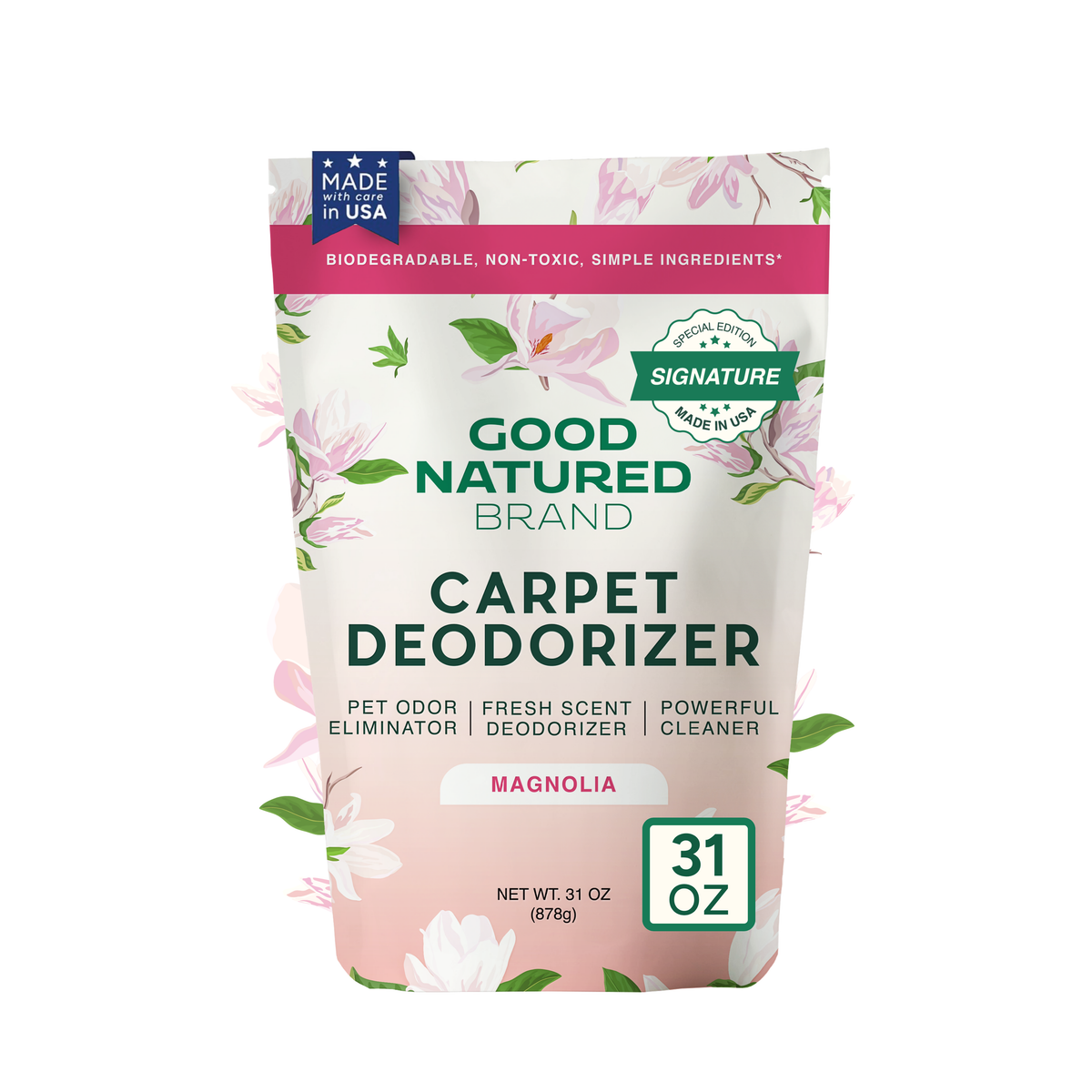
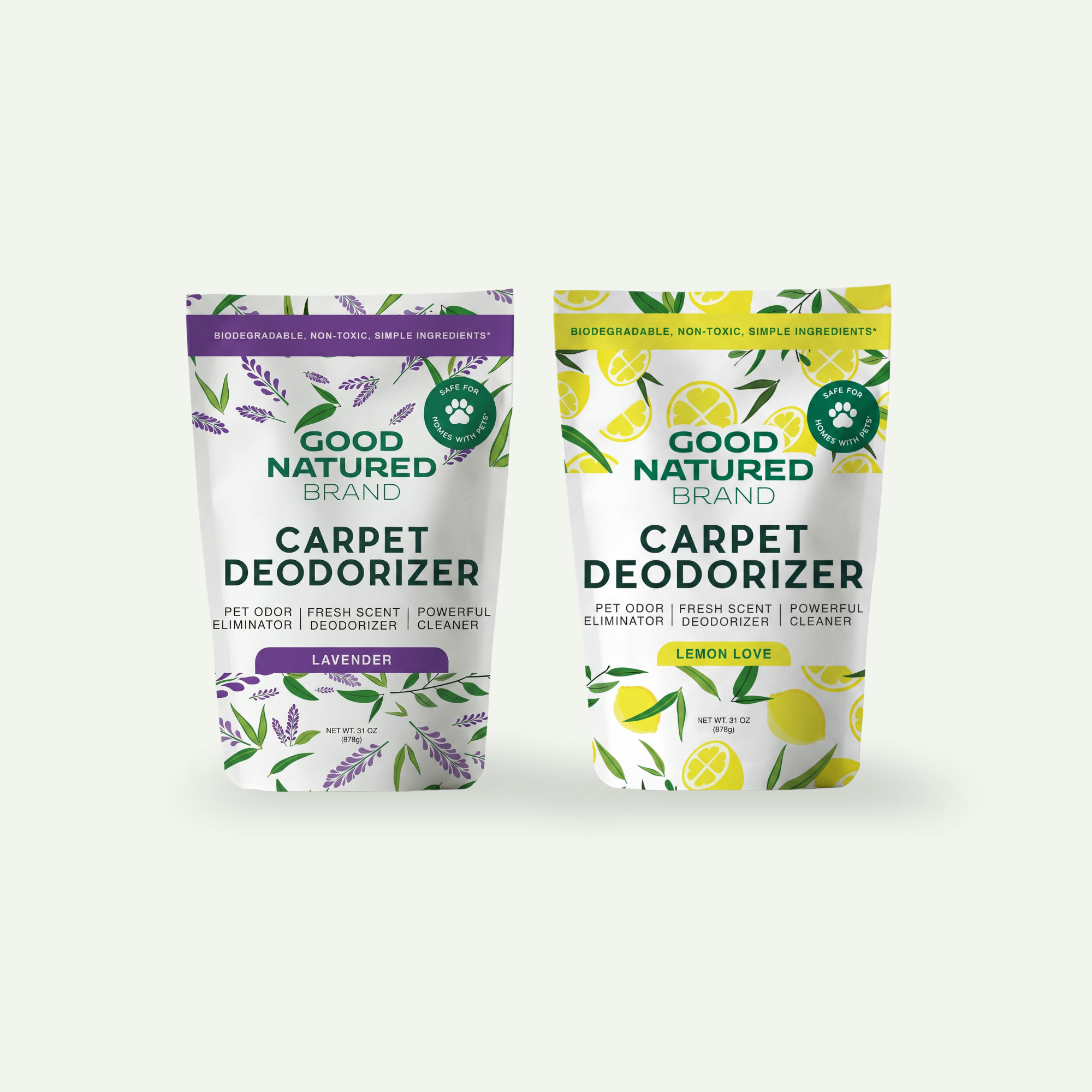
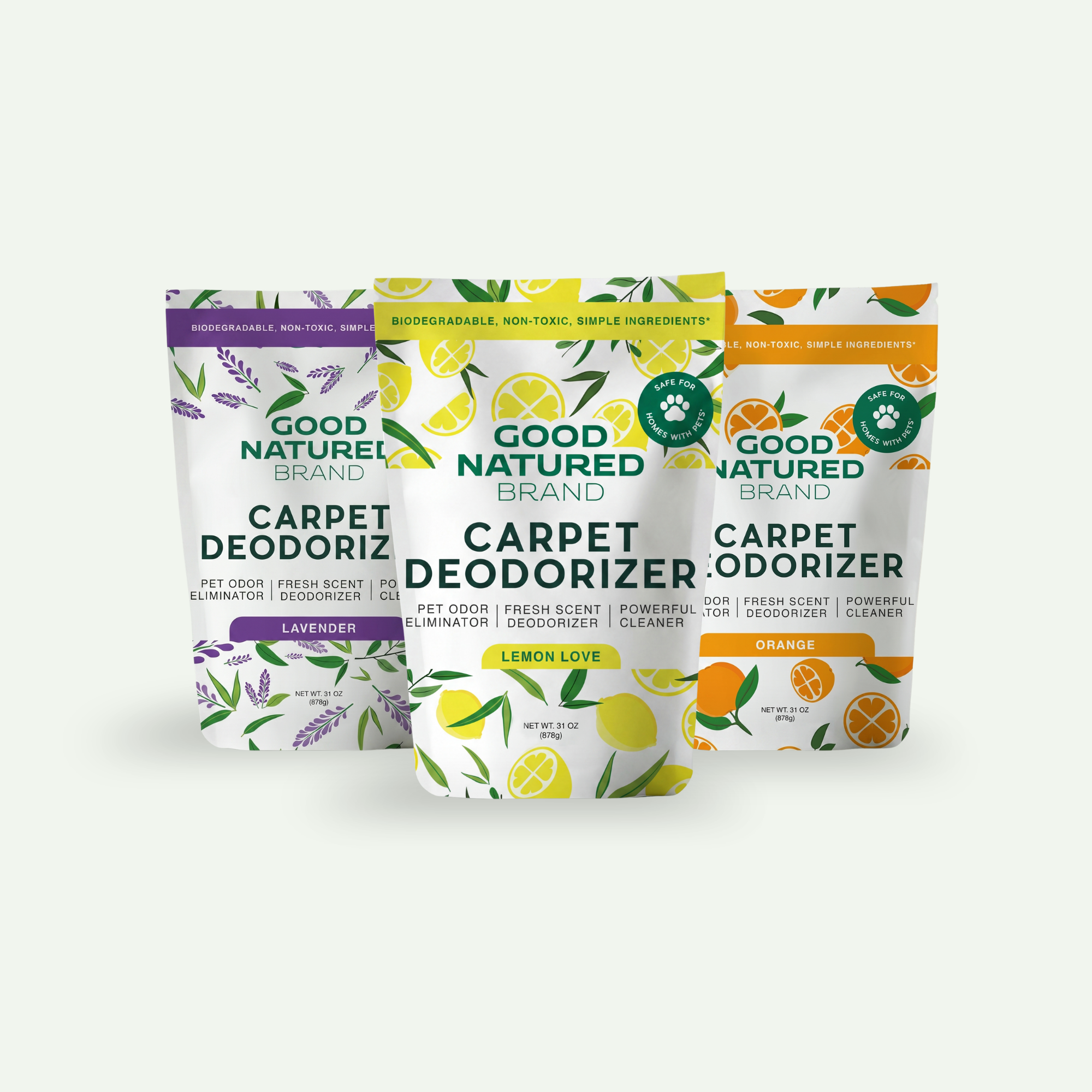
Fragrance-conscious Carpet Deodorizers focus on absorbing and neutralizing odors rather than overwhelming them with perfume. When used properly, a carpet deodorizer can reduce odor-causing particles and then be fully removed through vacuuming, minimizing ongoing exposure.
https://www.goodnaturedbrand.com/collections/carpet-deodorizers
To clean carpets safely, apply a light, even layer to dry carpet, allow it to sit for the recommended time, and vacuum thoroughly. Avoid overapplication, as excess residue can prolong exposure.
Managing laundry without fragrance overload
Laundry is one of the most underestimated sources of fragrance sensitivity. Detergents, fabric softeners, dryer sheets, and scent boosters can all leave residue on clothing that comes into constant contact with skin.
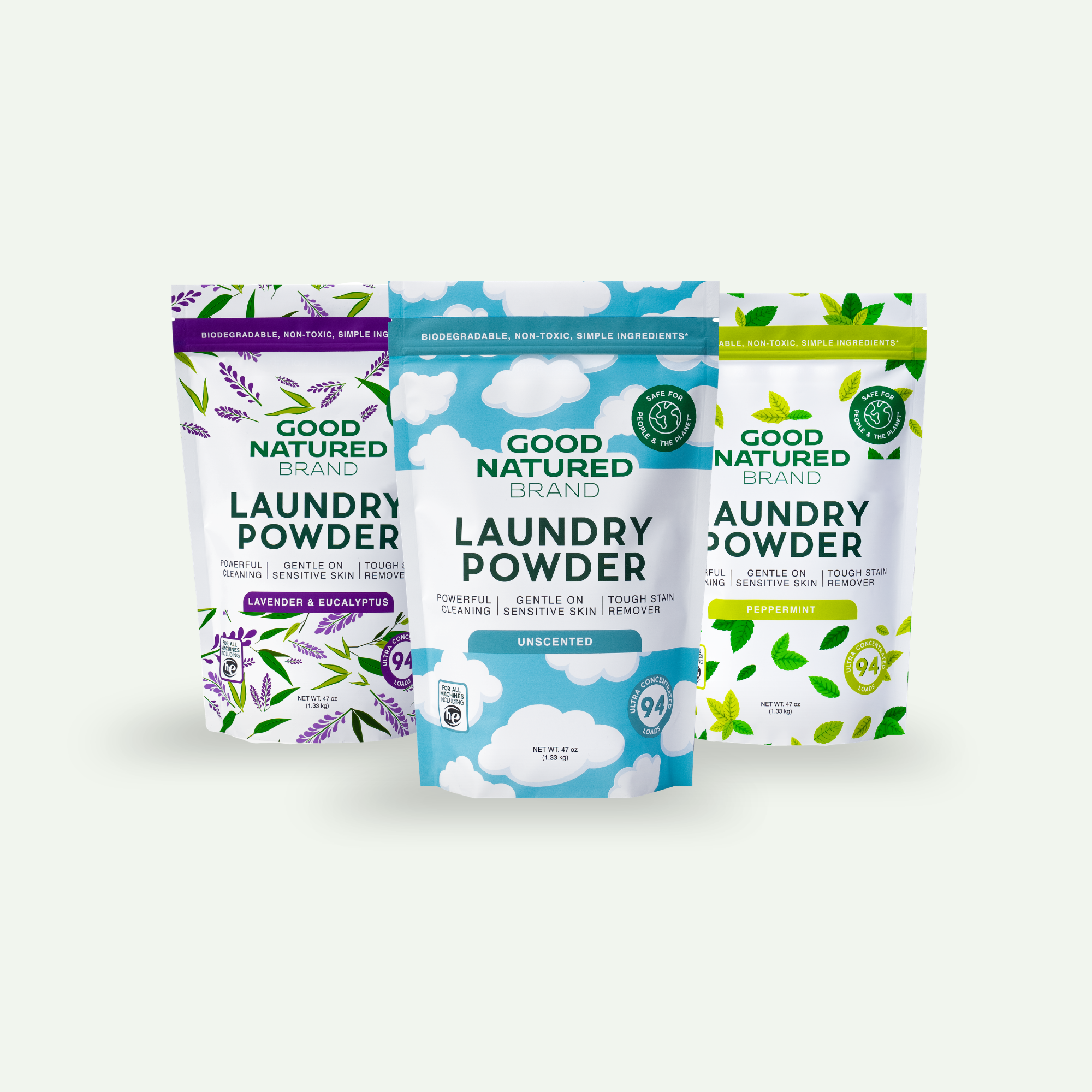
Fragrance-minimal Laundry Powders are often a better choice for sensitive households because they rinse more cleanly and avoid heavy liquid fragrances that cling to fabric fibers.
https://www.goodnaturedbrand.com/collections/laundry-powders
To reduce fragrance exposure through laundry, avoid fabric softeners and dryer sheets, use the recommended amount of detergent rather than extra, and consider an additional rinse cycle. Clean clothes should smell neutral, not perfumed.
Using all purpose cleaners without triggering symptoms
Hard surfaces like countertops, floors, and bathroom fixtures still require effective cleaning, but that doesn’t mean strong scents are necessary. Many multi-surface cleaners rely on artificial citrus, pine, or “fresh” fragrances that can quickly overwhelm enclosed spaces.
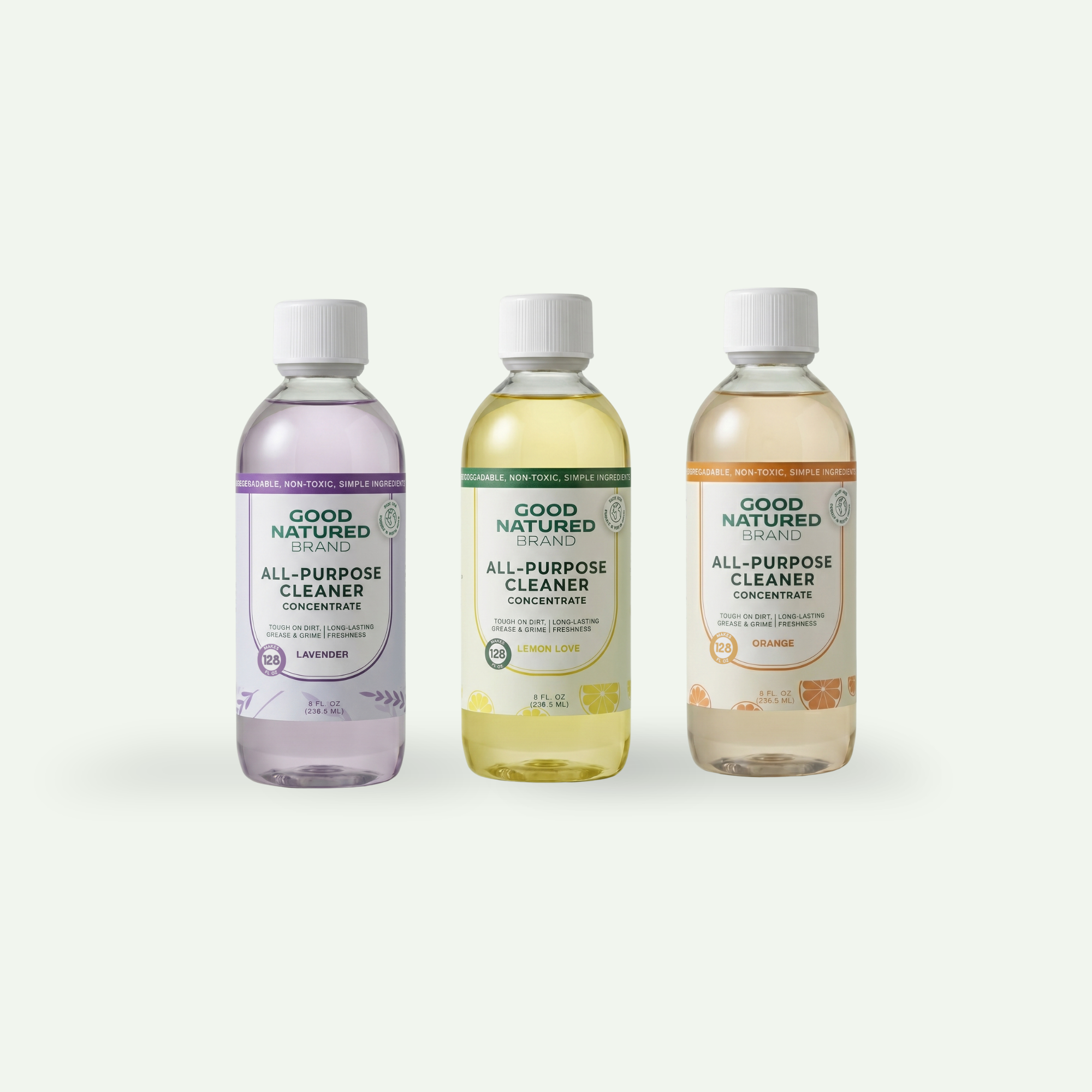
Choosing All-Purpose Cleaners with low fragrance impact or mild, naturally derived scents can help maintain hygiene without aggravating sensitivities.
https://www.goodnaturedbrand.com/collections/all-purpose-cleaners
When using all purpose cleaners, spray directly onto a cloth instead of misting the air, clean efficiently, and ventilate the space. This limits airborne exposure while still delivering effective cleaning results.
Creating a fragrance-safe cleaning routine
A fragrance-safe home doesn’t require dozens of specialized products. In fact, simplifying your cleaning routine often reduces exposure. Fewer products mean fewer fragrance sources and less chemical mixing.
Using gentle, effective cleaners regularly prevents odors from building up, which reduces the temptation to use stronger, more scented products. In shared homes, clear communication about fragrance sensitivities helps set expectations and maintain comfortable living spaces for everyone.
Pet owners should also be mindful, as pets are often more sensitive to airborne irritants than humans. Choosing milder products benefits the entire household.
Common mistakes to avoid with fragrance sensitivities
One common mistake is assuming “natural” always means fragrance-safe. Essential oils and botanical extracts can still be irritating when used heavily. Another mistake is mixing fragranced and fragrance-free products, which can compound exposure rather than reduce it.
Ignoring fabric-based buildup is another issue. Even if surfaces appear clean, lingering fragrance in carpets, couches, and bedding can continue to trigger symptoms. Regular deodorizing and thorough laundering help prevent this cycle.
Frequently asked questions about fragrance sensitivities
Many people wonder whether fragrance sensitivities can worsen over time. In some cases, repeated exposure does increase sensitivity, making early adjustments especially important. Others ask whether “unscented” and “fragrance-free” mean the same thing. They do not—unscented products may still contain fragrance used to mask other smells.
Another common question is how long fragrance residue lasts. In fabrics and carpets, it can persist for weeks or even months, depending on airflow and cleaning habits. Improving indoor air quality and choosing low-scent products can significantly reduce this issue.
Redefining what a clean home smells like
A truly clean home doesn’t need to announce itself with strong fragrance. Neutral air, fresh fabrics, and well-maintained surfaces are signs of effective cleaning, not scented clouds.
By understanding fragrance sensitivities and adjusting cleaning habits accordingly, it’s possible to create a home that feels calm, comfortable, and genuinely clean. Small changes—like switching product types, ventilating more often, and avoiding scent masking—can make a profound difference over time.
To explore more resources and products designed with comfort and effectiveness in mind, visit the Good Natured Brand website:
https://www.goodnaturedbrand.com/
With thoughtful choices, cleaning can support health instead of challenging it, allowing fragrance-sensitive individuals to feel truly at ease in their own homes.