

Carpets make a home feel cozy—but they also act like giant filters. They trap dust, dander, pollen, outdoor grime, cooking odors, and the everyday “life” that drifts through a room. When that trapped mix starts to smell, many people reach for a quick fix: chemical carpet fresheners.
These products are usually marketed as a simple way to “deodorize” a room in minutes. Sprinkle a powder, spray a mist, vacuum it up, and your home smells fresh again—at least temporarily. But the smell-good shortcut can come with tradeoffs. The health risks of chemical carpet fresheners are often tied to the way they’re used (repeatedly, indoors, on soft surfaces) and how exposure happens (inhaling fragrance and particles, skin contact, and even ingestion by pets or small children).
This guide breaks down what chemical carpet fresheners are, how they can affect indoor air and sensitive households, what symptoms to watch for, and safer alternatives that focus on real odor control—not just masking. For more practical cleaning and home-care guidance, you can explore the Good Natured Brand Blog or visit the Good Natured Brand main site for eco-minded home essentials.
Health risks of chemical carpet fresheners: quick summary for busy readers
If you only remember a few things, make it these:
-
Carpet freshener powders can become airborne during sprinkling and vacuuming, increasing inhalation exposure.
-
Strong fragrance doesn’t equal clean. Many carpet fresheners mask odors rather than removing the source.
-
Carpets trap residue, so repeated use can layer product in fibers and padding over time.
-
Sensitive groups are at higher risk, including babies and toddlers, pets, and people with allergies, asthma, or fragrance sensitivity.
-
Ventilation and “less is more” matter if you choose to use any scented carpet product.
-
Safer routines focus on cleaning, drying, and deodorizing with low-residue methods.
A safer “first step” plan:
-
Increase ventilation during and after cleaning
-
Reduce or eliminate heavily fragranced powders and sprays
-
Use routines that address odor sources (vacuuming, spot-cleaning, laundering washable fabrics)
What are chemical carpet fresheners and why are they used so often?
Chemical carpet fresheners are typically powders or sprays designed to make carpets smell better quickly. They’re popular because they’re simple, accessible, and heavily advertised as a “fresh home” essential.
What counts as a chemical carpet freshener?
Common formats include:
-
Powder carpet fresheners: sprinkled onto carpet, left briefly, then vacuumed up
-
Carpet deodorizing sprays: misted over carpet and allowed to dry
-
Foams and spot products: marketed for stains and odor with added fragrance
-
“Odor eliminator” additives: used as a pre-vacuum treatment or fabric refresh
Even though many are described as “deodorizers,” the primary effect for some products is a strong scent overlay. That’s where many health concerns begin—because fragrance and particles behave differently on soft surfaces than they do on a quick wipe-down of a countertop.
Why people rely on chemical carpet fresheners
Most households use them for relatable reasons:
-
A fast fix before guests arrive
-
Pet odors and accidents
-
Musty smells in older carpet
-
Cooking smells or smoke
-
A desire for the “clean house scent”
The issue is that a carpet can smell “fresh” while still holding odor sources (oil, dander, moisture, spills) deeper in the fibers or padding. That can lead to more frequent product use—creating a cycle of repeated exposure.
The difference between deodorizing, cleaning, and odor masking
Understanding these terms changes how you shop and clean:
-
Cleaning removes dirt, residue, and odor sources.
-
Deodorizing neutralizes odors or reduces them without heavy scent.
-
Odor masking covers smell with fragrance, which may fade quickly.
Many chemical carpet fresheners lean heavily toward masking. If you find yourself reapplying often, that’s a clue the odor source is still there.
Health risks of chemical carpet fresheners: how exposure happens in real life
One reason the health risks of chemical carpet fresheners are discussed so often is that carpets are high-contact surfaces in many homes. People sit on them, kids play on them, and pets walk and nap on them. Exposure can happen in multiple ways.
Inhalation exposure from fragrance and airborne particles
Powder products are especially relevant here. When you sprinkle a fine powder onto carpet, some of it can become airborne. Vacuuming can also re-suspend fine particles that were sitting in the fibers.
Possible inhalation exposure includes:
-
Fragrance compounds that evaporate into indoor air (often discussed as VOC-related concerns)
-
Fine particles from the powder itself
-
Dust re-suspension from vacuuming and foot traffic after use
In a small space with closed windows—like a bedroom or basement—airborne exposure may feel more intense.
Skin exposure from crawling, sitting, and barefoot contact
Carpets aren’t just “flooring.” In many homes, they’re a living surface:
-
Babies and toddlers crawl and play close to carpet fibers
-
People sit on rugs during activities or gatherings
-
Bare feet make direct contact with treated areas
If a product leaves residue, skin contact can contribute to irritation—especially for those with sensitive skin.
Ingestion risks for pets and small children
This is a major household reality:
-
Pets walk through powder and then lick their paws
-
Cats groom frequently, increasing the chance of ingesting residue
-
Toddlers touch carpet and then put hands in their mouth
Powders can be more concerning than you’d expect—not because “powder is evil,” but because powders are easier to spread, inhale, and transfer from carpet to bodies.
Long-term repeated exposure vs one-time use
A single use may not cause noticeable issues for everyone. But repeated weekly use (or heavy application) can increase the chance of:
-
Ongoing irritation
-
Fragrance sensitivity over time
-
Residue buildup in carpet that continues to release scent or particles
In other words, frequency matters just as much as the ingredient list.
Common ingredients linked to health risks of chemical carpet fresheners
Not all carpet fresheners use the same formula, but many share categories of ingredients that can contribute to irritation or indoor air concerns.
Fragrance blends and “parfum” (why it’s hard to evaluate)
Many labels list “fragrance” or “parfum” without specifying what’s inside. This can make it difficult for sensitive households to identify triggers.
Potential concerns with fragrance-heavy products include:
-
Headaches or migraines
-
Nausea from strong scents
-
Eye or throat irritation
-
Skin irritation for some individuals
Also, “unscented” and “fragrance-free” are not always the same. “Unscented” may still include masking fragrance to neutralize odor perception, while “fragrance-free” typically indicates no added fragrance.
VOC-related indoor air concerns
Some fragrance ingredients and solvents can contribute to what people describe as “chemical smell” or “off-gassing.” Carpets and rugs can hold onto those compounds, releasing them gradually—especially in warm or humid conditions.
Important note: the term “VOC” covers a wide range of compounds with varying risk levels. The practical takeaway is that heavily scented products used indoors can affect comfort and air quality, particularly in low-ventilation rooms.
Solvents and aerosol-style products
Carpet sprays and foams may include solvents, propellants, or additives designed to help product spread and dry quickly. In enclosed spaces, these can feel intense and may irritate sensitive airways.
Preservatives and surfactants
Sprays often use preservatives and surfactants (cleaning agents) to remain stable and effective. These aren’t automatically “bad,” but they can contribute to irritation depending on concentration and how frequently they’re used on a soft surface.
Powders and particulates (especially when vacuuming)
Powder products can increase airborne particulate load during:
-
Sprinkling
-
Vacuuming
-
Walking through treated areas afterward
If your vacuum has a poor filter (or a full, dusty canister), it may redistribute particles back into the air. This is why HEPA filtration and clean filters matter for carpet care.
Health risks of chemical carpet fresheners for sensitive groups
Some households notice problems immediately, while others only feel “off” over time. Sensitivity varies, but certain groups are more likely to be affected.
Health risks of chemical carpet fresheners for babies and young children
Children spend more time closer to the ground and often breathe faster than adults. They also have more hand-to-mouth behaviors. If a carpet is treated with fragrance powder or spray, kids may experience higher exposure through:
-
inhalation close to the carpet
-
skin contact while crawling or playing
-
incidental ingestion from hands and toys
Health risks of chemical carpet fresheners for pets
Pets are especially relevant because they:
-
walk through treated carpets
-
groom themselves
-
rest with their faces close to carpet fibers
Cats can be particularly sensitive to certain fragrance components and essential oils. Even if a product claims to be “pet-safe,” label transparency and conservative use still matter.
Health risks of chemical carpet fresheners for allergies, asthma, or fragrance sensitivity
Carpet fresheners may bother:
-
people with asthma or reactive airways
-
allergy sufferers who are sensitive to dust and fragrance
-
individuals who experience headaches or nausea from strong scents
Carpet products can trigger symptoms through both fragrance and particles—especially during vacuuming.
Health risks of chemical carpet fresheners for pregnant people and migraine-prone individuals
Strong scents can be nausea-triggering during pregnancy and migraine-triggering for others. Even if a product isn’t “toxic,” it can still be unpleasant or symptom-provoking. Comfort matters, and there are many ways to maintain fresh carpets without intense fragrance.
Signs and symptoms linked to chemical carpet freshener exposure
Symptoms vary widely. Some are mild but still worth taking seriously—especially if they repeat every time you use a product.
Mild symptoms that can still matter
-
Headaches
-
Dizziness or “heavy air” feeling
-
Nausea
-
Watery eyes
-
Scratchy throat
-
Itchy skin or redness after contact
More concerning reactions (when to stop use)
-
Wheezing or chest tightness
-
Persistent coughing after application or vacuuming
-
Rash flare-ups that worsen after contact
-
Pets: vomiting, drooling, intense paw licking, or unusual lethargy
If you notice these, stop using the product and improve ventilation immediately.
When to contact a professional
This article is educational, not medical advice—but it’s wise to seek help if:
-
breathing symptoms persist or worsen
-
a child has significant exposure and becomes unwell
-
a pet shows concerning signs after contact or ingestion
In those situations, contacting a medical professional, local poison control resources, or your veterinarian is the safest path.
Why carpets can make the problem bigger
Carpet fresheners are used on a surface designed to hold onto things. That’s part of what makes carpets comfortable—but it’s also why residues can linger.
Carpets trap residue, fragrance, and allergens
Carpet fibers can hold:
-
fine powders
-
fragrance oils
-
cleaning residues
-
dust and dander that bind to product layers
A “fresh scent” that lasts days may not mean cleanliness—it may mean lingering residue.
Humidity and heat can intensify off-gassing
Warm weather, humid basements, or heated winter homes can intensify smells. That can lead to:
-
stronger perceived “chemical scent”
-
more frequent reapplication
-
more indoor air irritation
The repeated layering effect
If you use carpet freshener weekly, you may unknowingly create a buildup cycle:
-
apply freshener → vacuum → some residue remains → odor returns → apply again
Over time, the carpet can become harder to truly “reset” without deeper cleaning.
How to reduce health risks of chemical carpet fresheners if you still use them
Ideally, you minimize or avoid heavy fragrance products—especially powders. But if you choose to use them, safer handling makes a difference.
Read labels like a pro
Look for:
-
clear ingredient lists (not just “fragrance”)
-
usage warnings about ventilation
-
guidance about pets and children
-
instructions for vacuuming and residue removal
If you’re sensitive, avoid products where fragrance is a major feature.
Ventilation and application best practices
-
Open windows and run fans
-
Use less than the label suggests (many people overapply)
-
Leave the room during dwell time
-
Keep kids and pets off treated carpet until it’s fully vacuumed or dry
Vacuum smarter to reduce airborne particles
-
Clean your vacuum filter regularly
-
Consider a vacuum with better filtration (HEPA helps)
-
Vacuum slowly to reduce particle clouds
-
Empty the canister/bag more frequently than usual
Avoid mixing multiple products
Using a carpet powder plus a spray plus a room deodorizer can create a strong “fragrance load” that increases irritation risk. If you’re trying to reduce health risks, fewer products is almost always better.
Safer alternatives to chemical carpet fresheners that actually work
If you want fresher carpets with fewer downsides, focus on removing odor sources and reducing residue.
Start with the root cause, not the smell
Common odor sources include:
-
pet accidents that reached the padding
-
dampness from spills that never fully dried
-
food crumbs and oils
-
musty humidity (especially in basements)
-
dirty vacuum filters redistributing smell
The golden rule for odor control is clean + dry. Odors thrive when residue and moisture stay trapped.
Natural deodorizing basics
A few simpler strategies can be surprisingly effective:
-
Vacuum consistently: especially in pet areas and entryways
-
Use baking soda occasionally: sprinkle lightly, let sit, vacuum thoroughly
-
Airflow and sunlight for rugs: when possible, let rugs breathe outdoors
-
Spot clean promptly: blot spills, clean gently, then dry fully
Upgrade your routine with low-residue product choices
If you want an easier, repeatable routine without harsh chemical-carpet-freshener vibes, consider a product designed for regular carpet refresh that’s meant to work with normal home life.
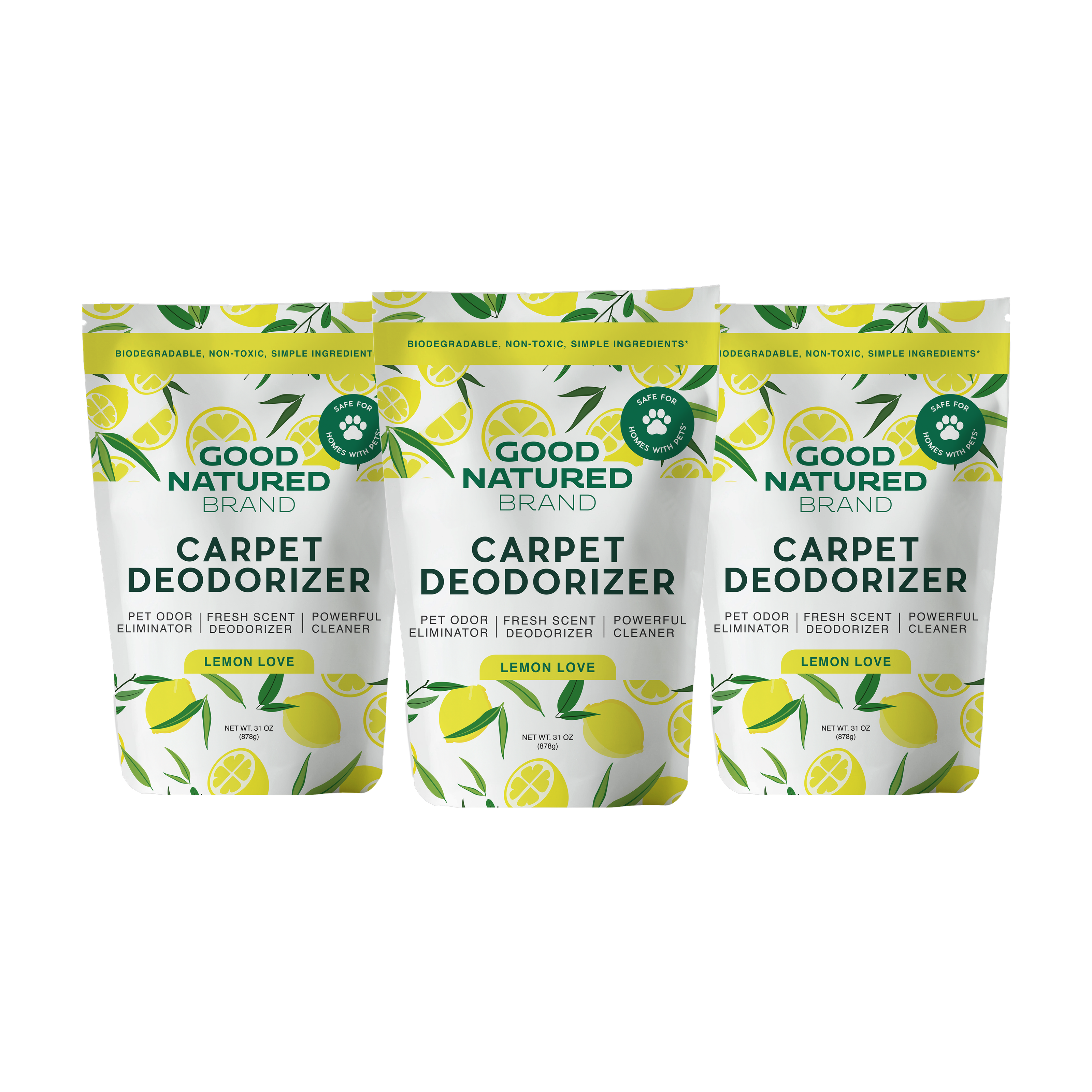
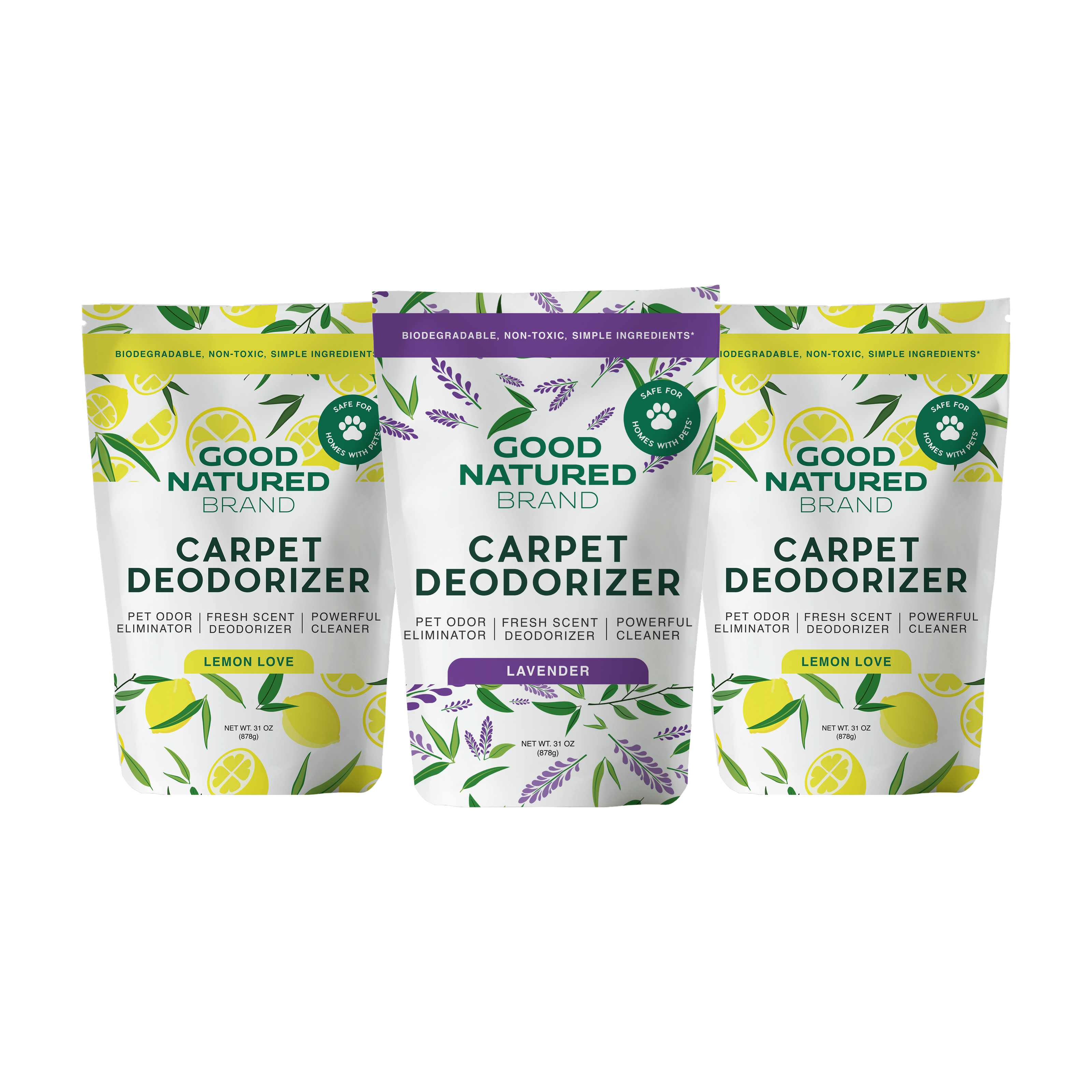
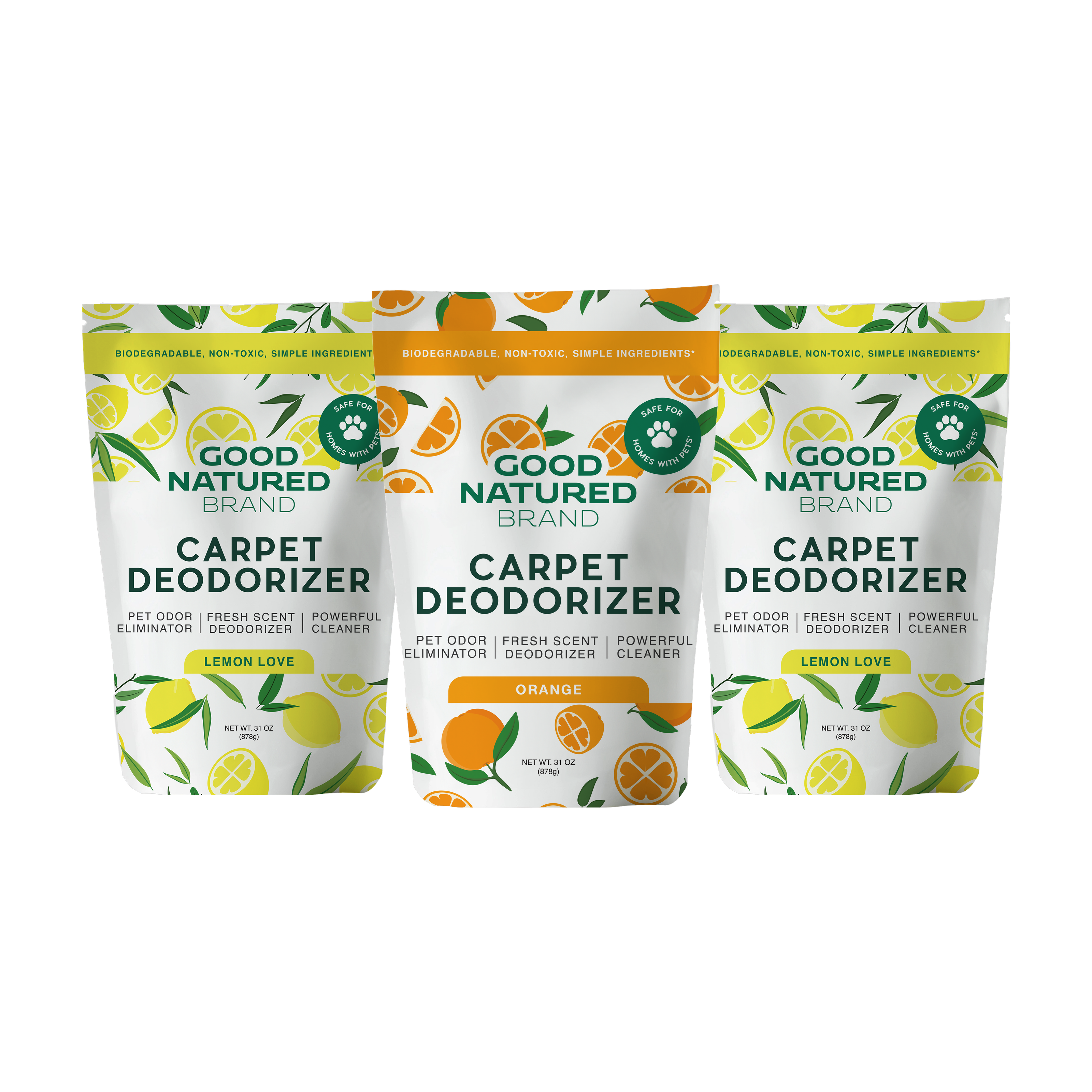
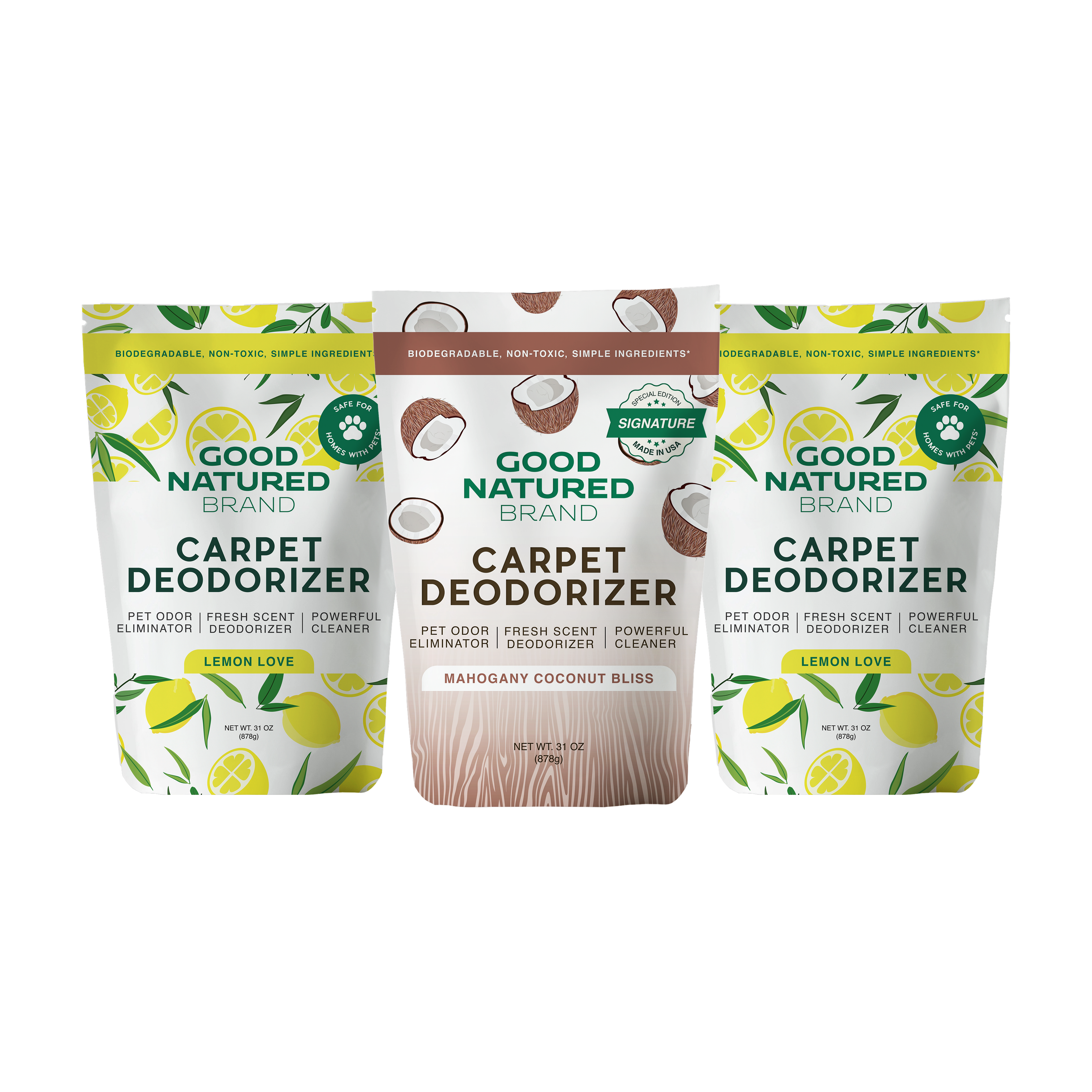
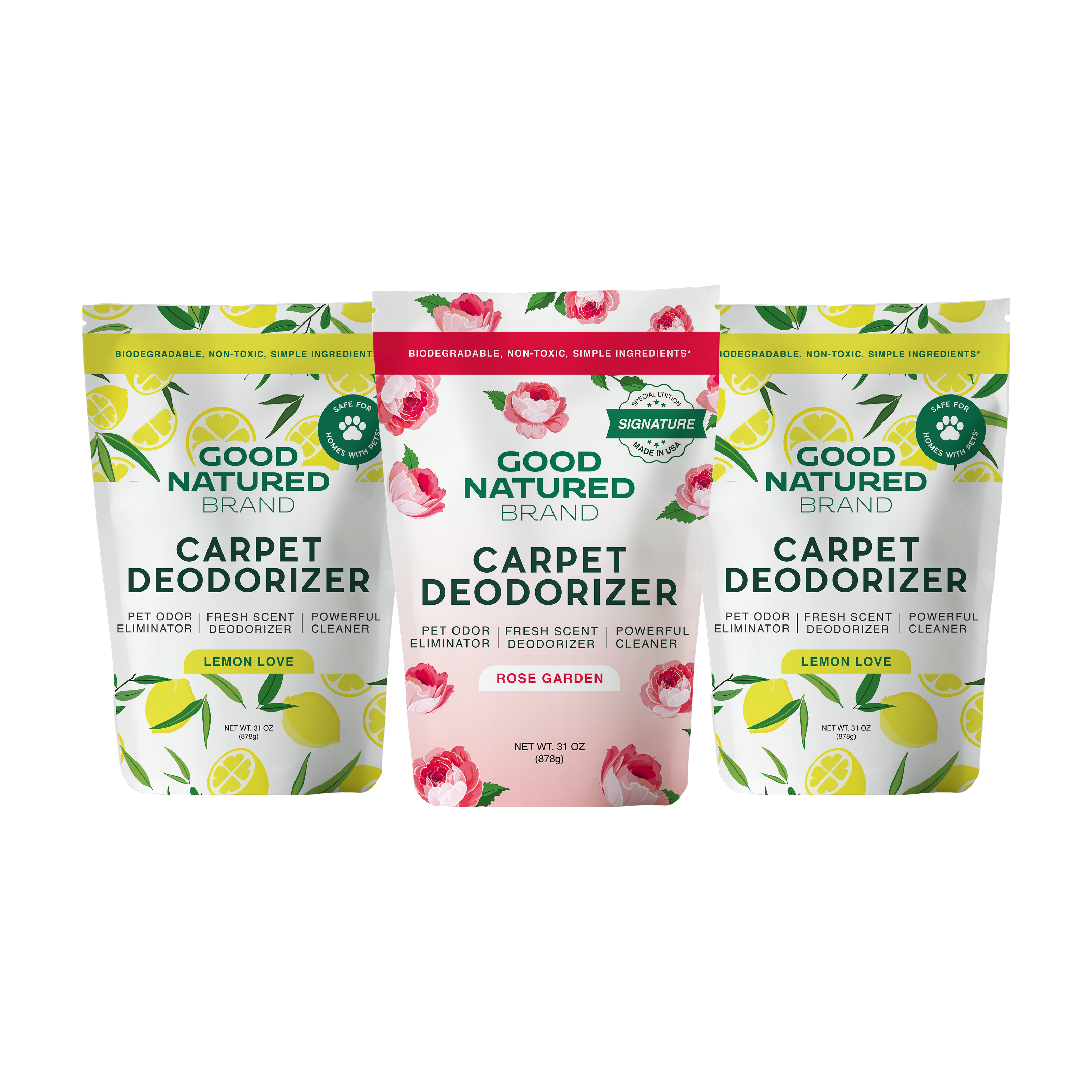
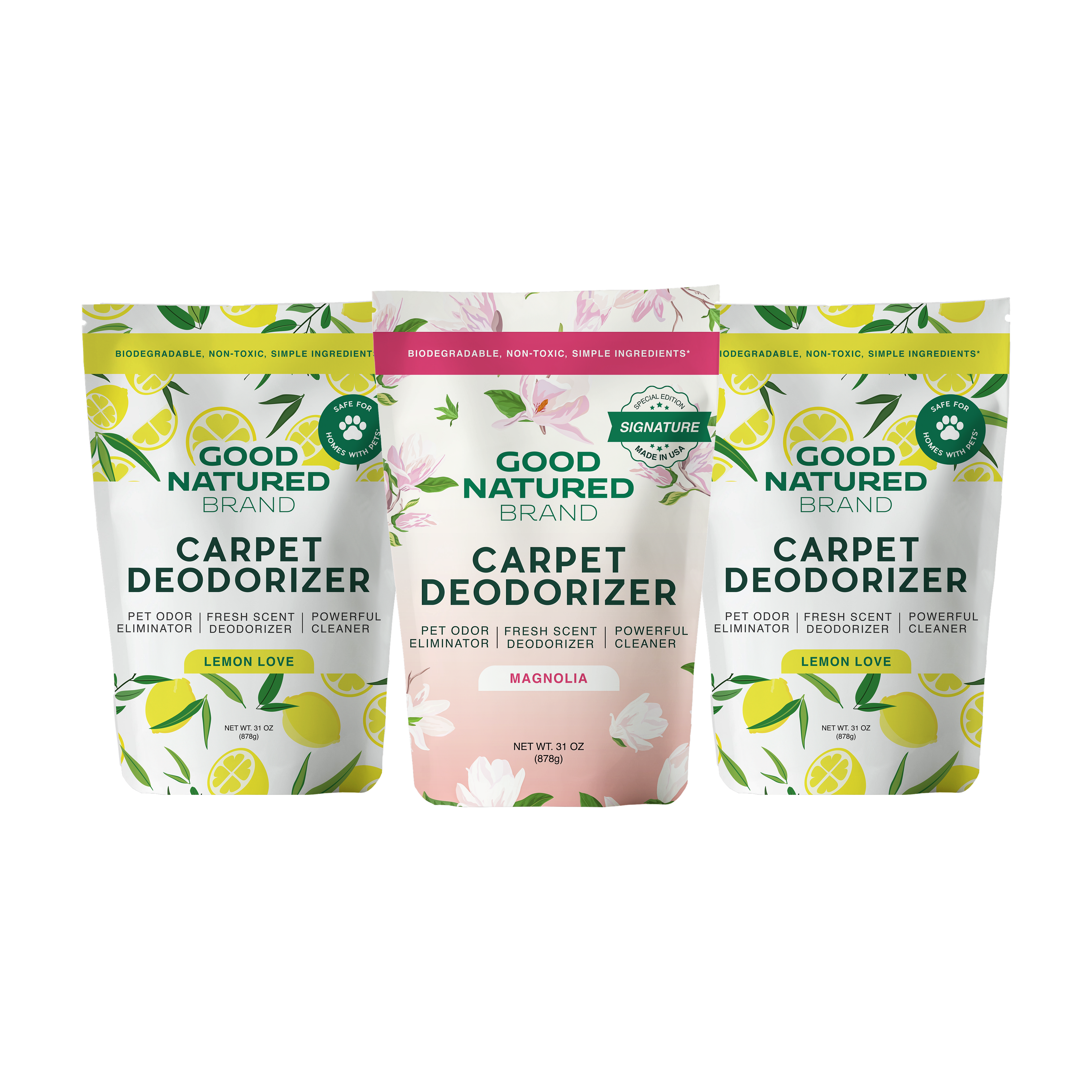
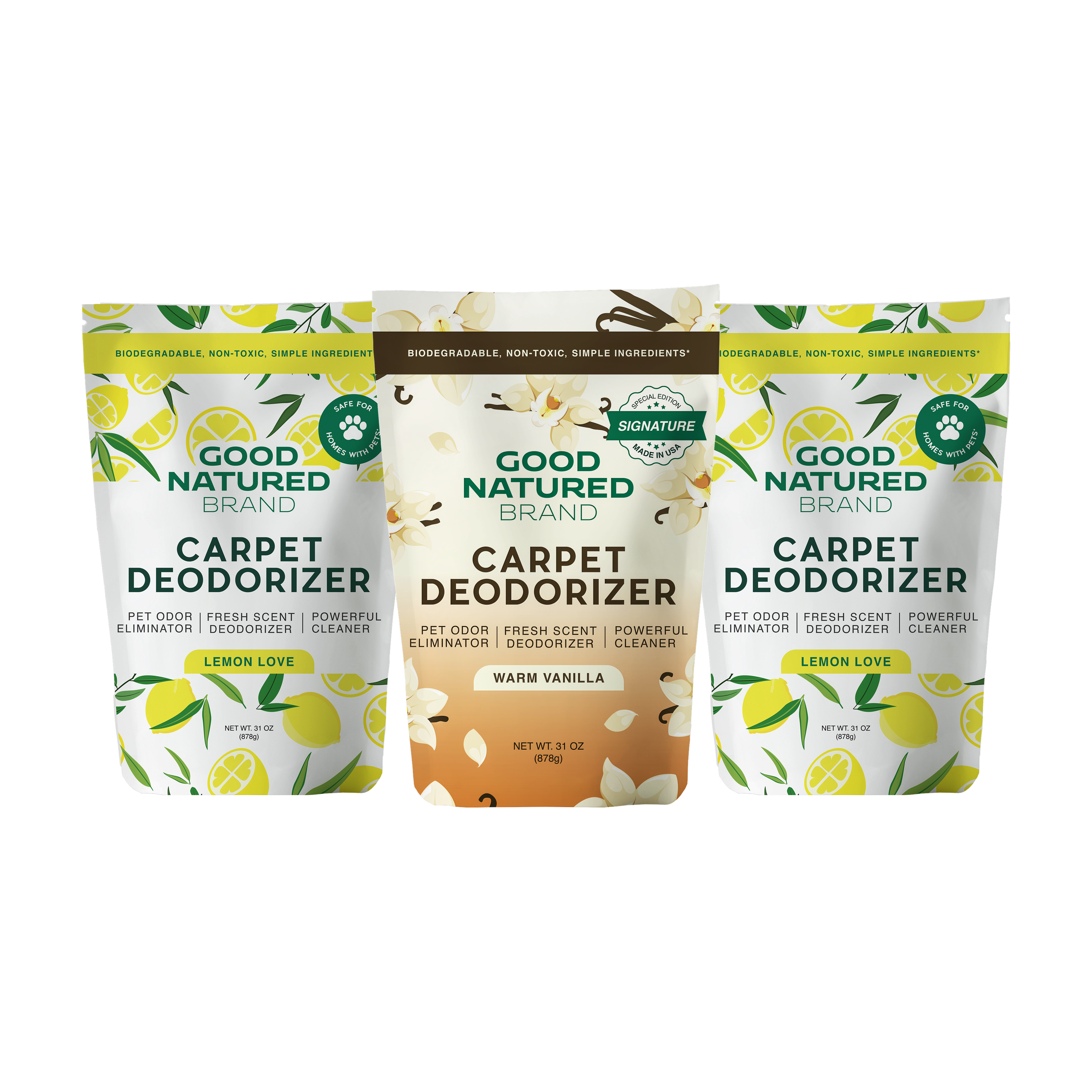
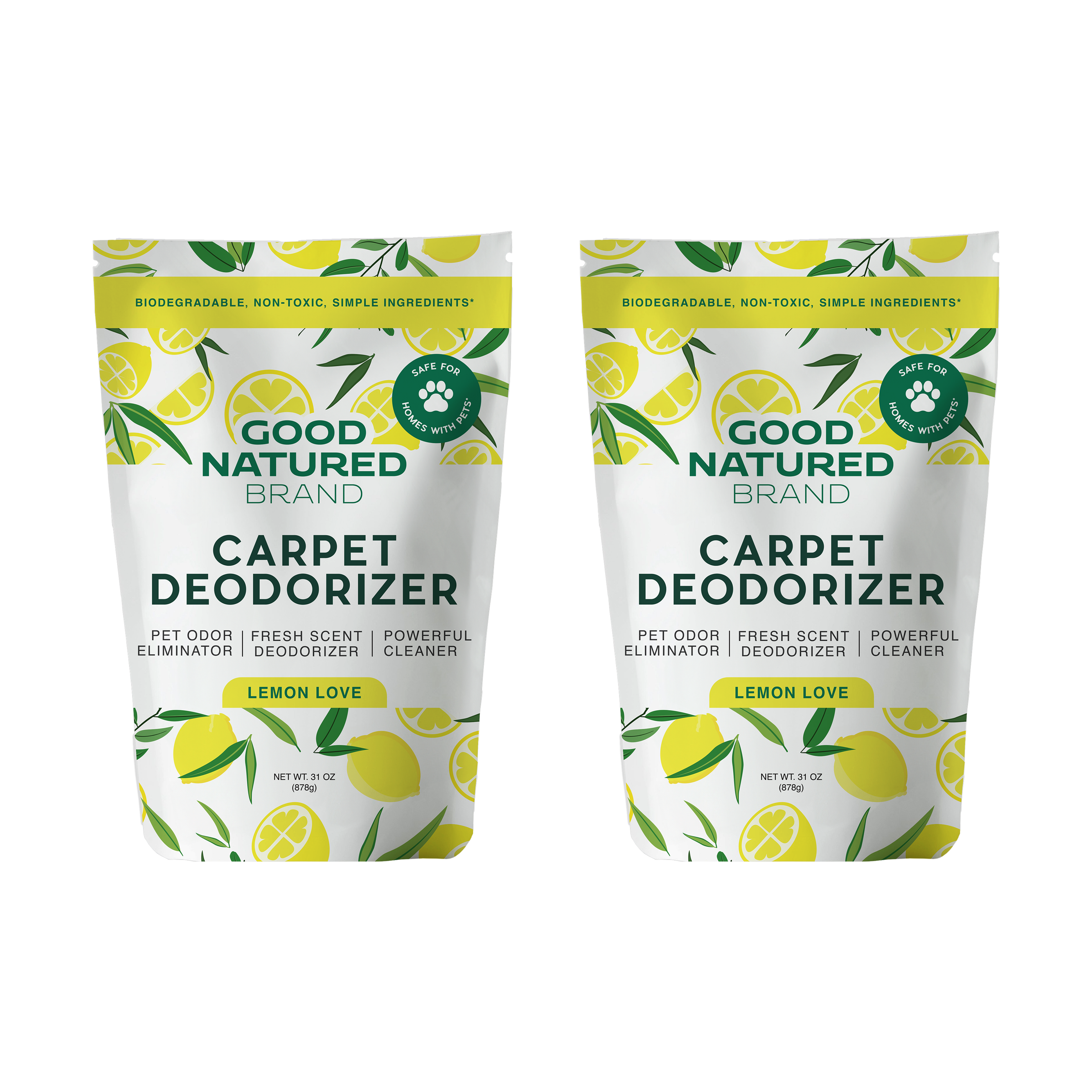
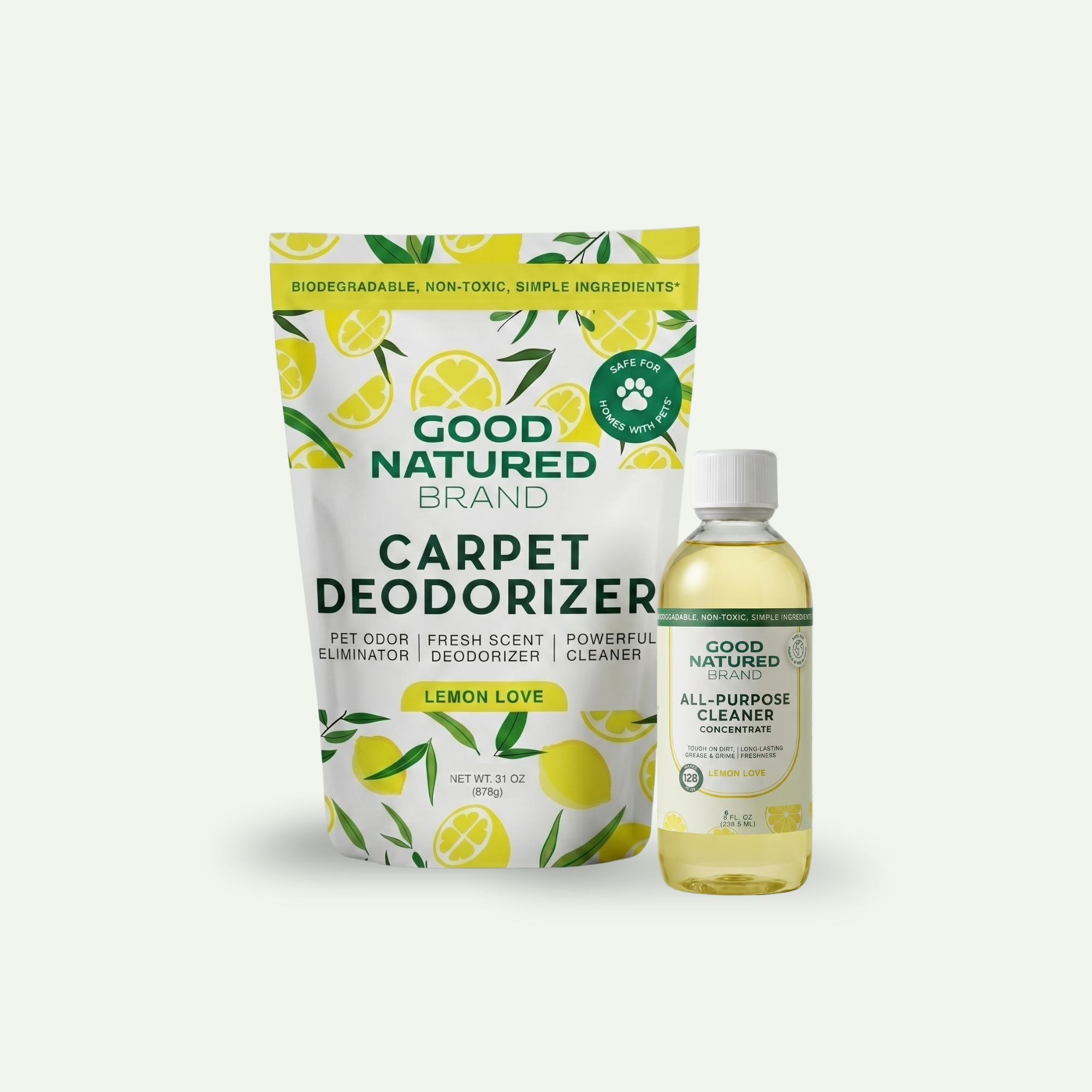
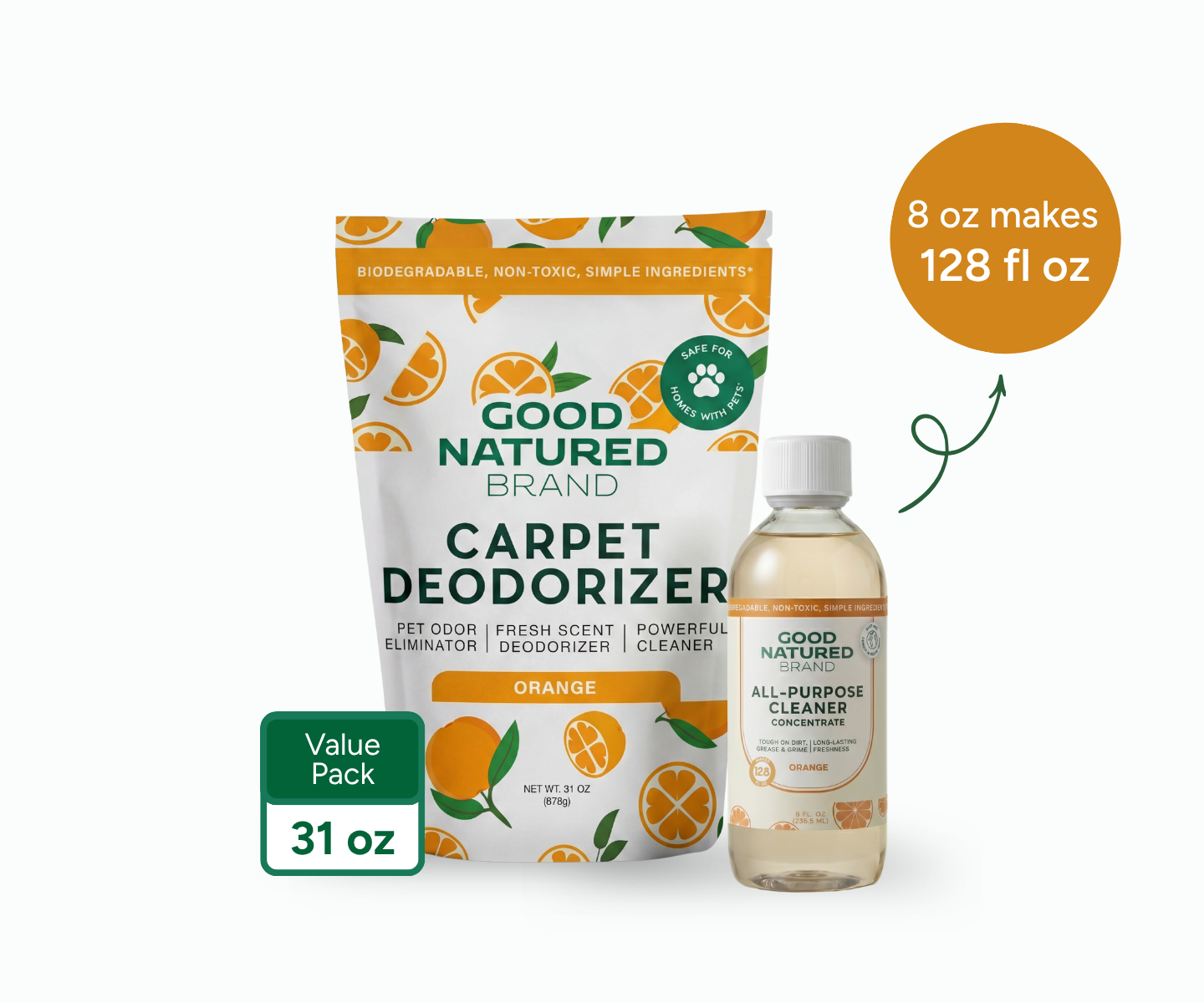
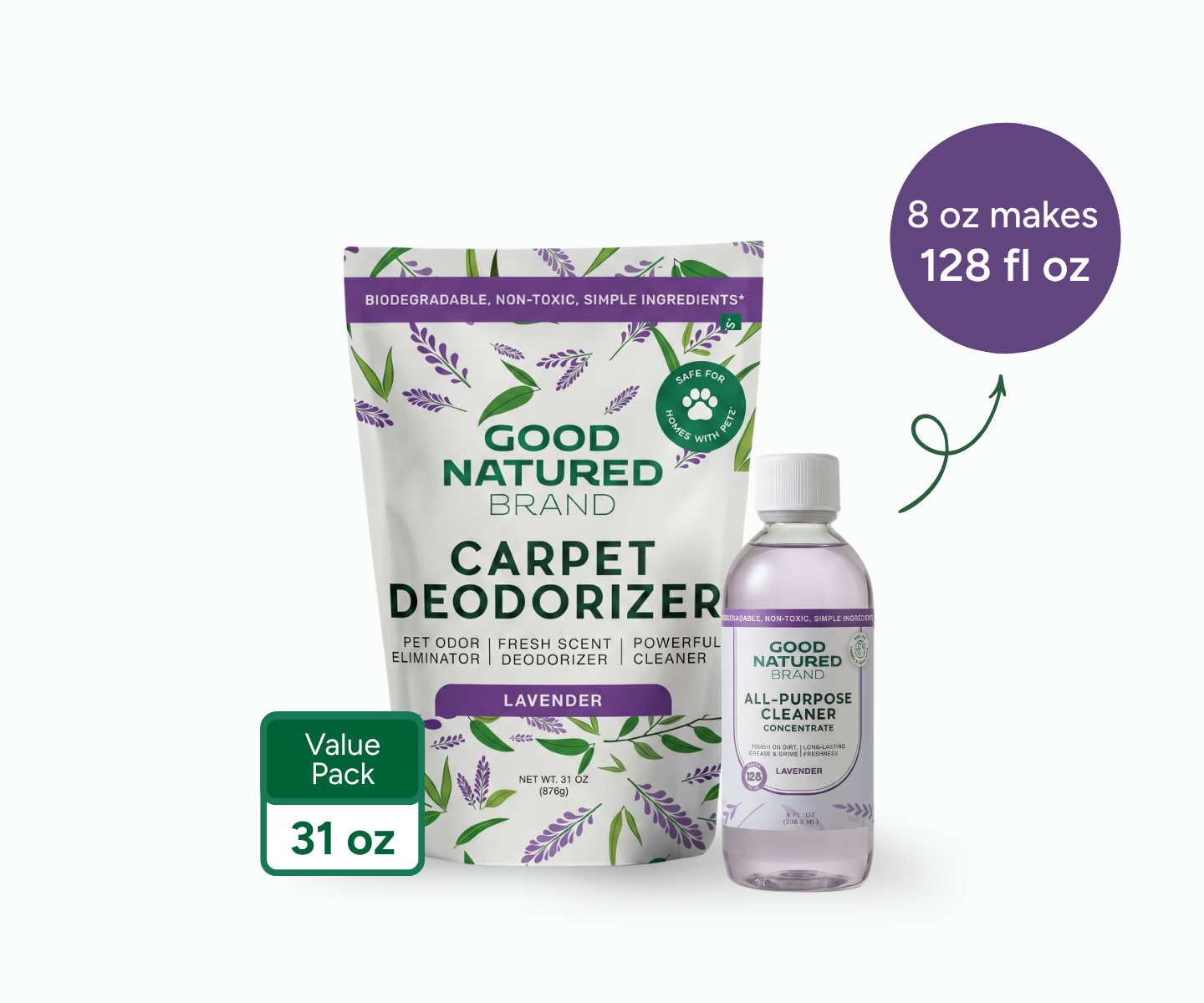
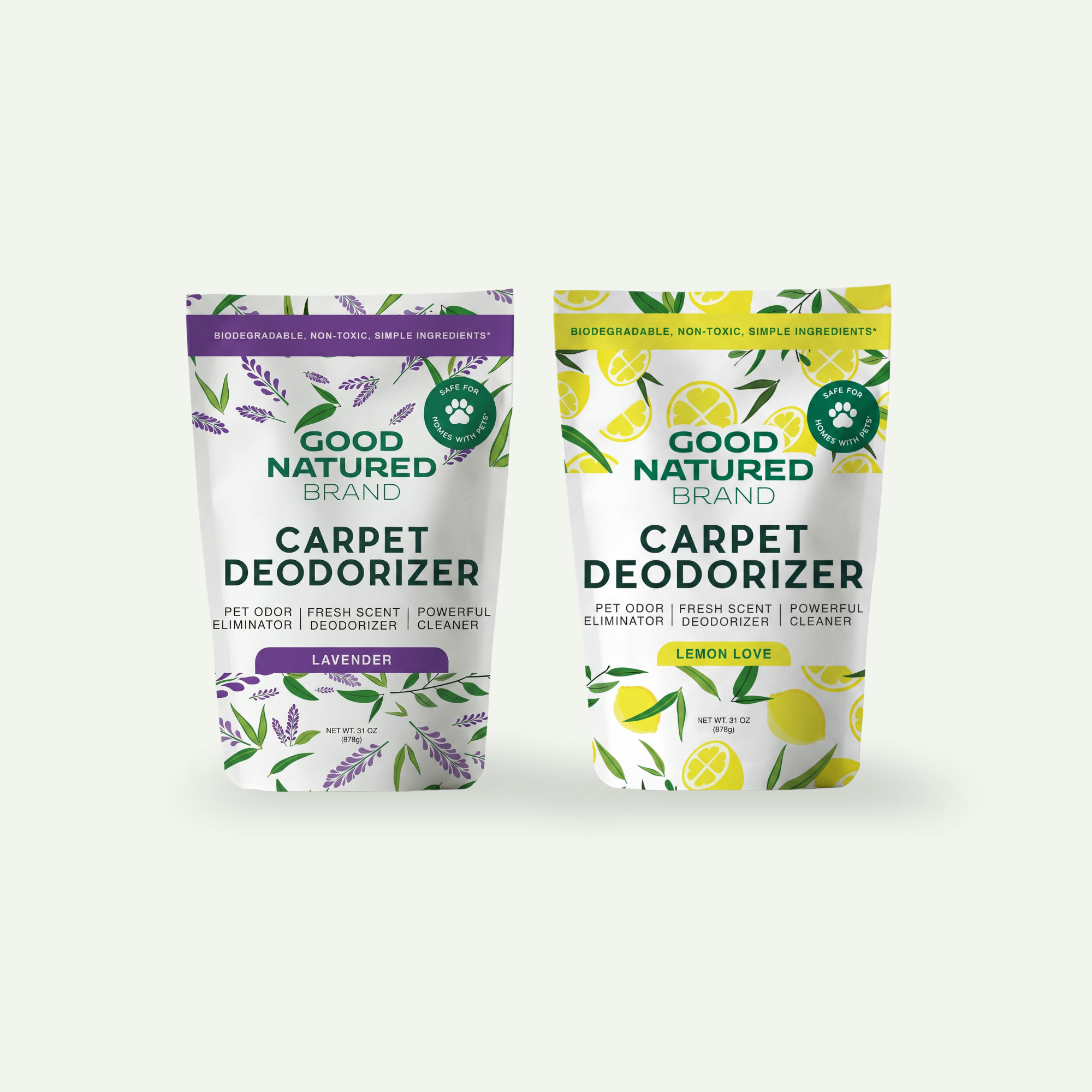
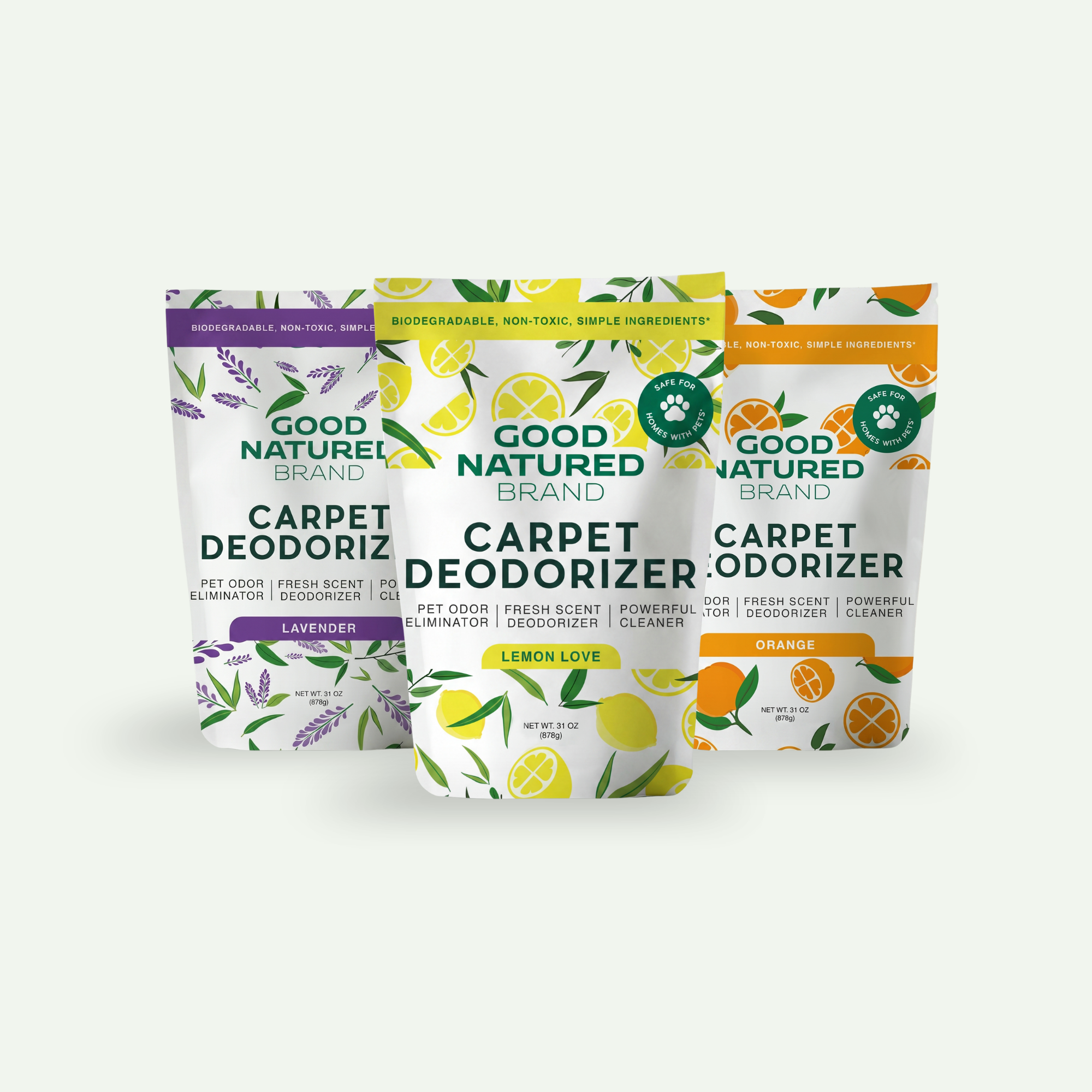
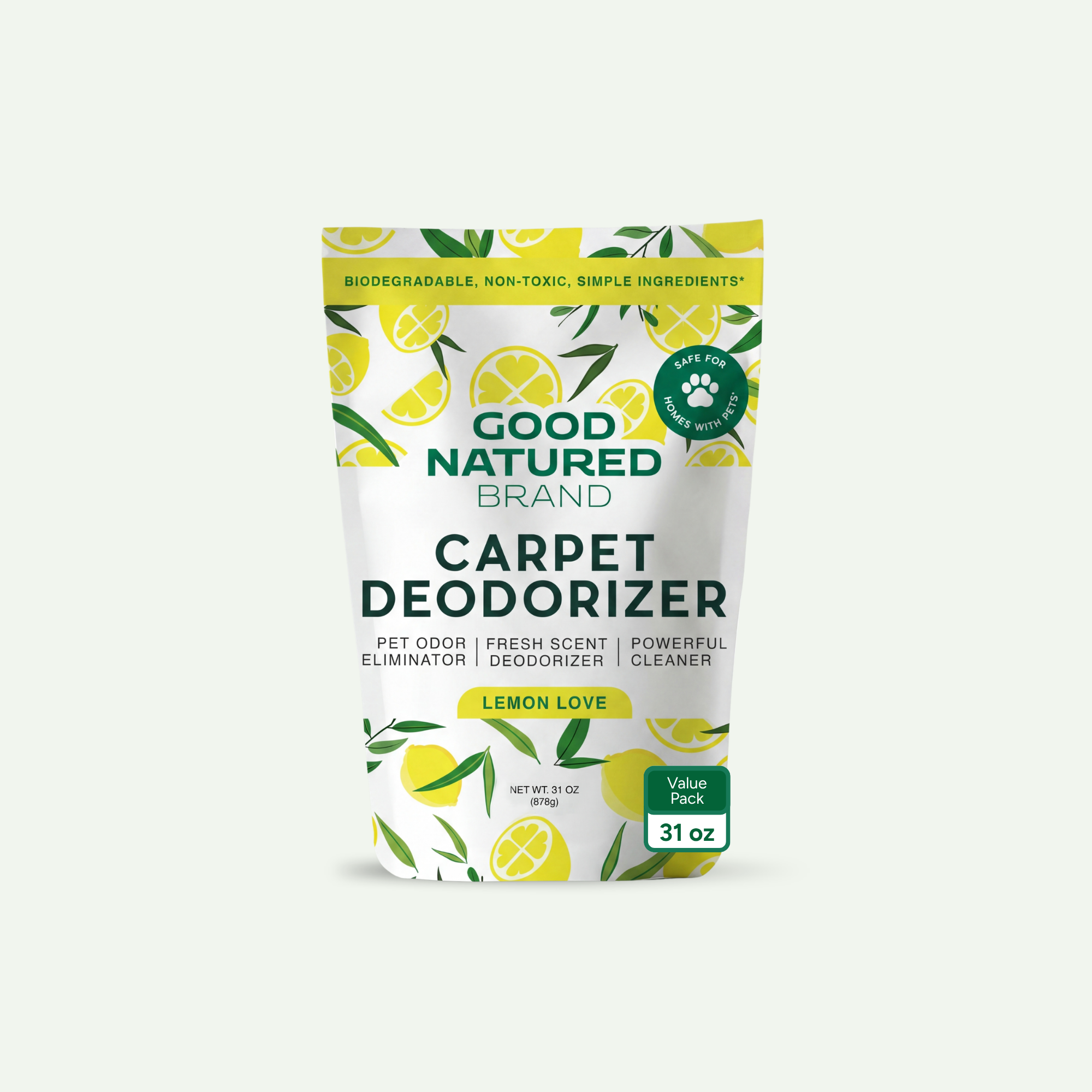
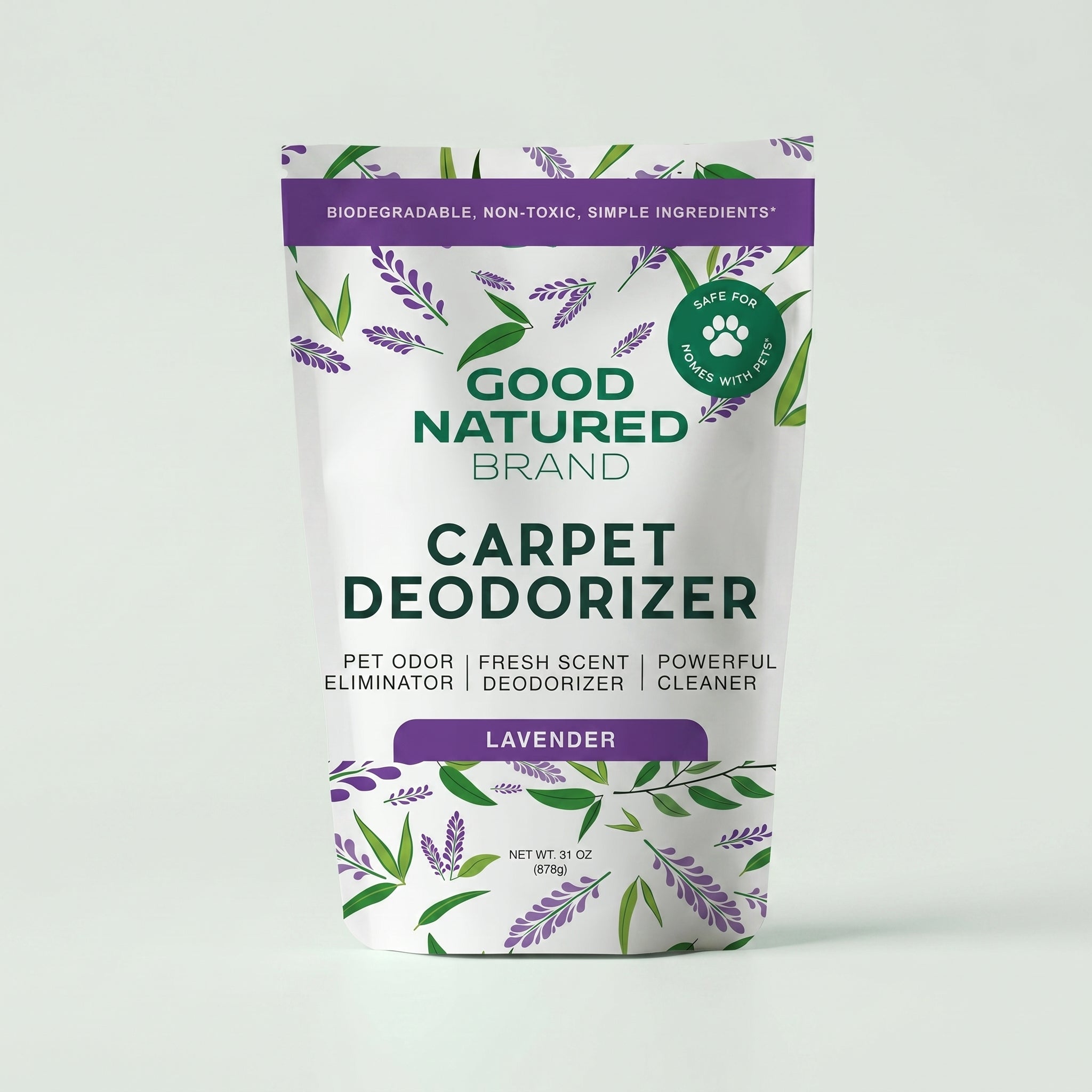
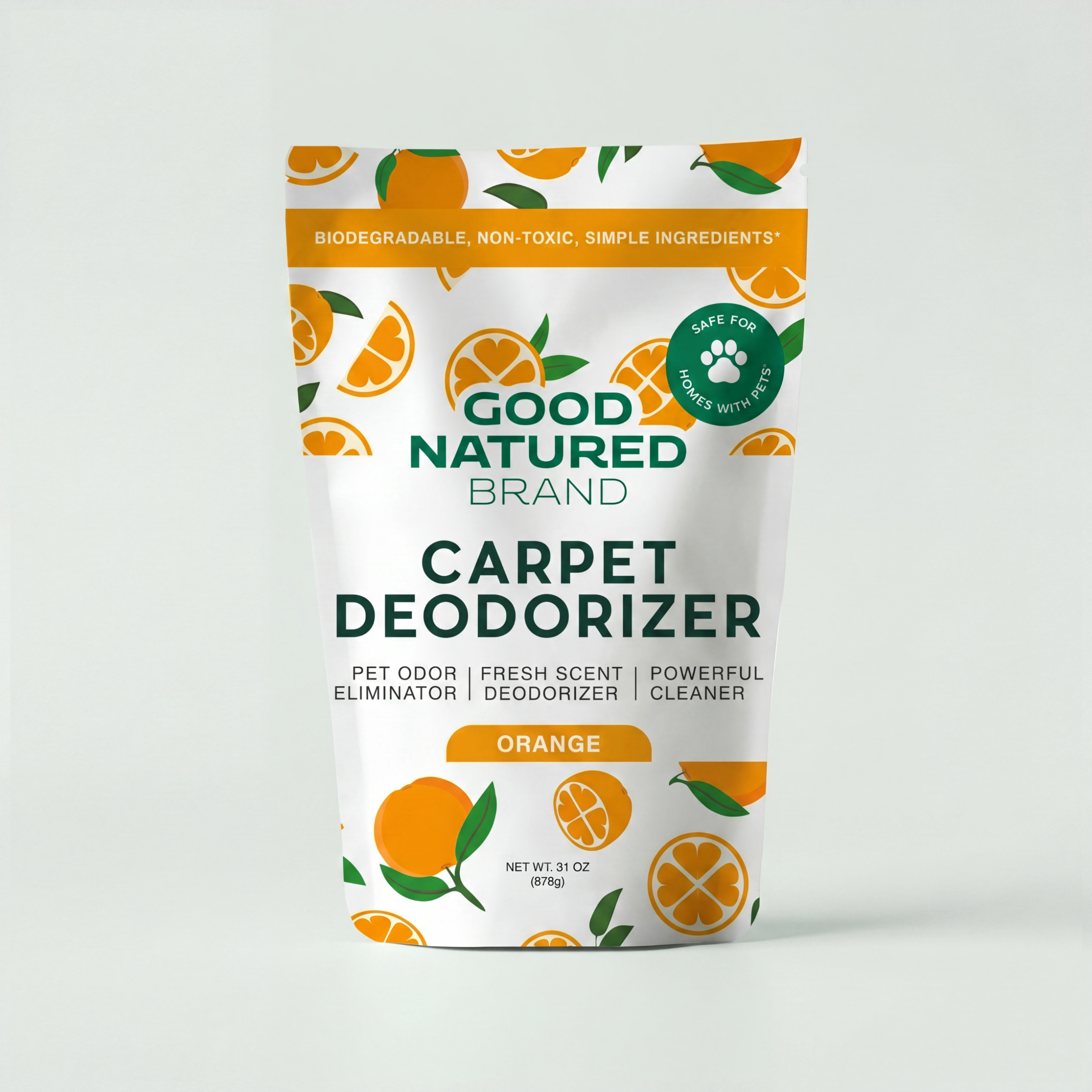
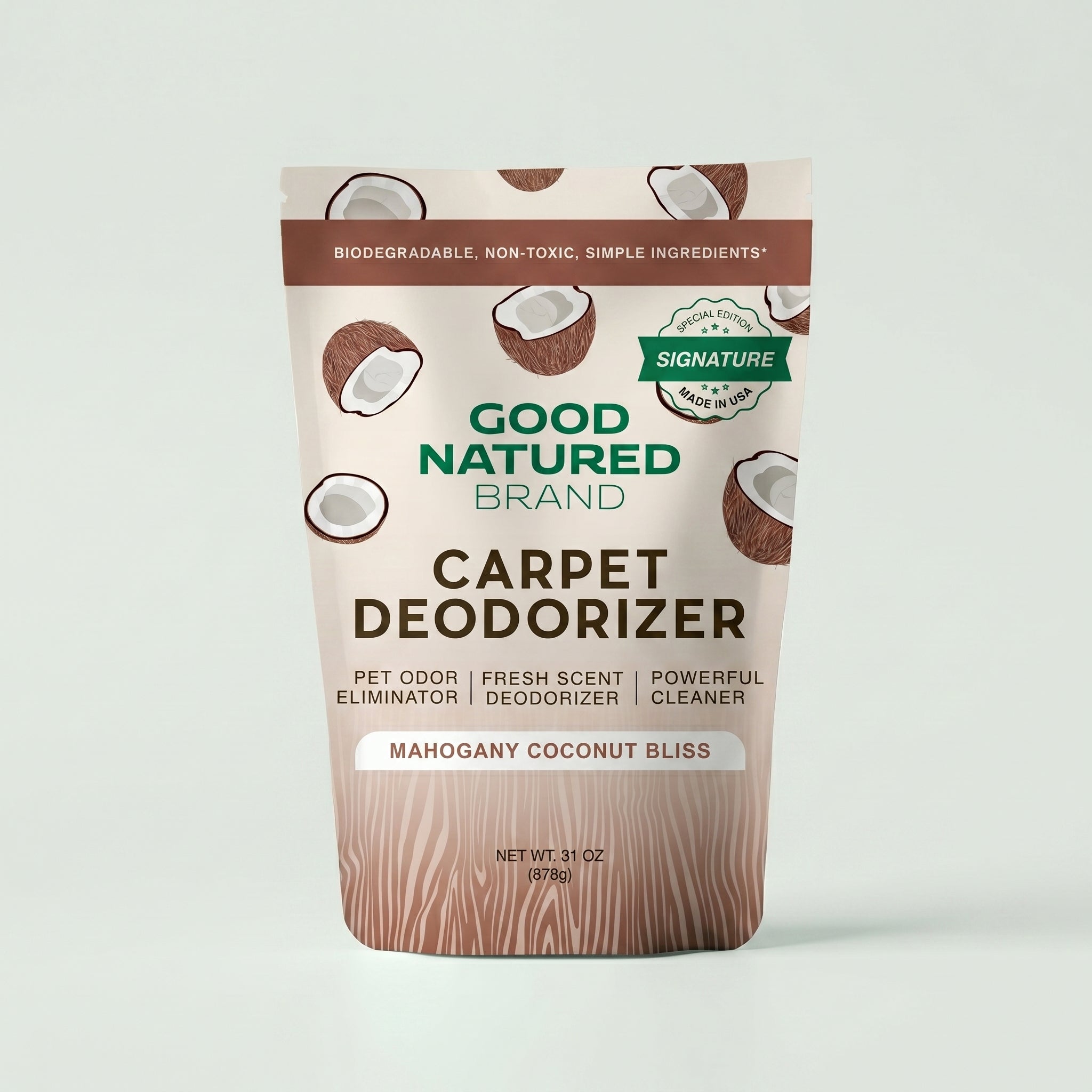
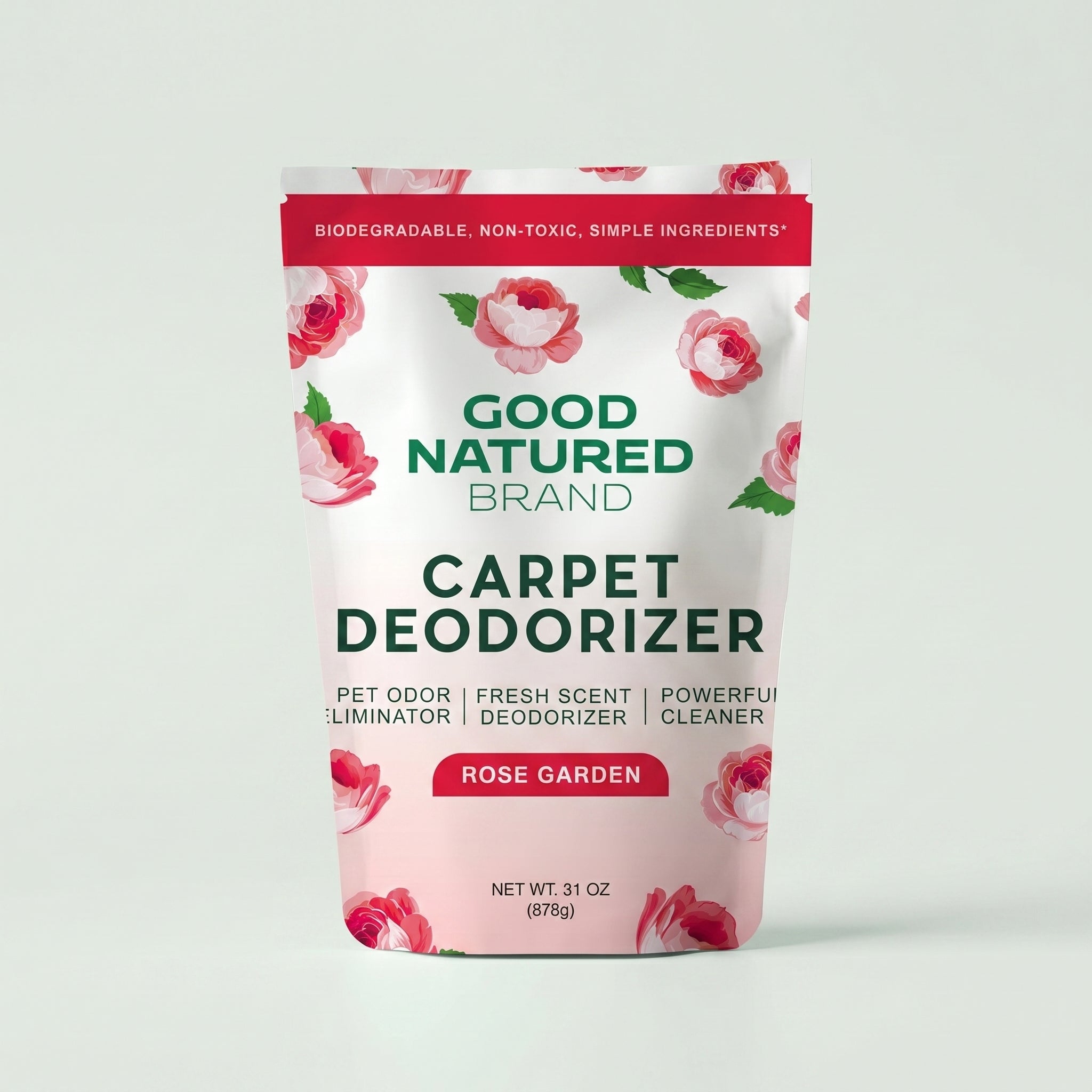
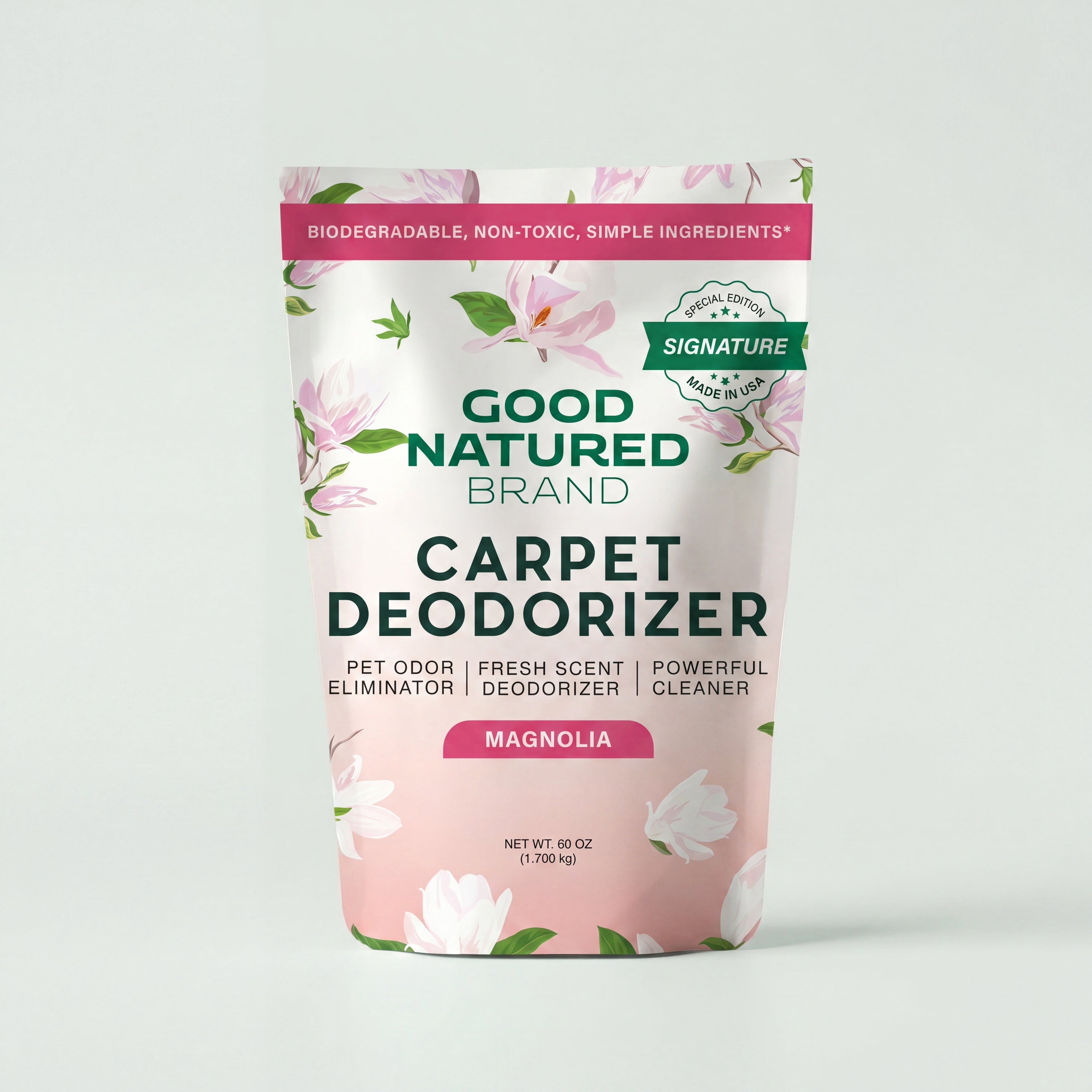
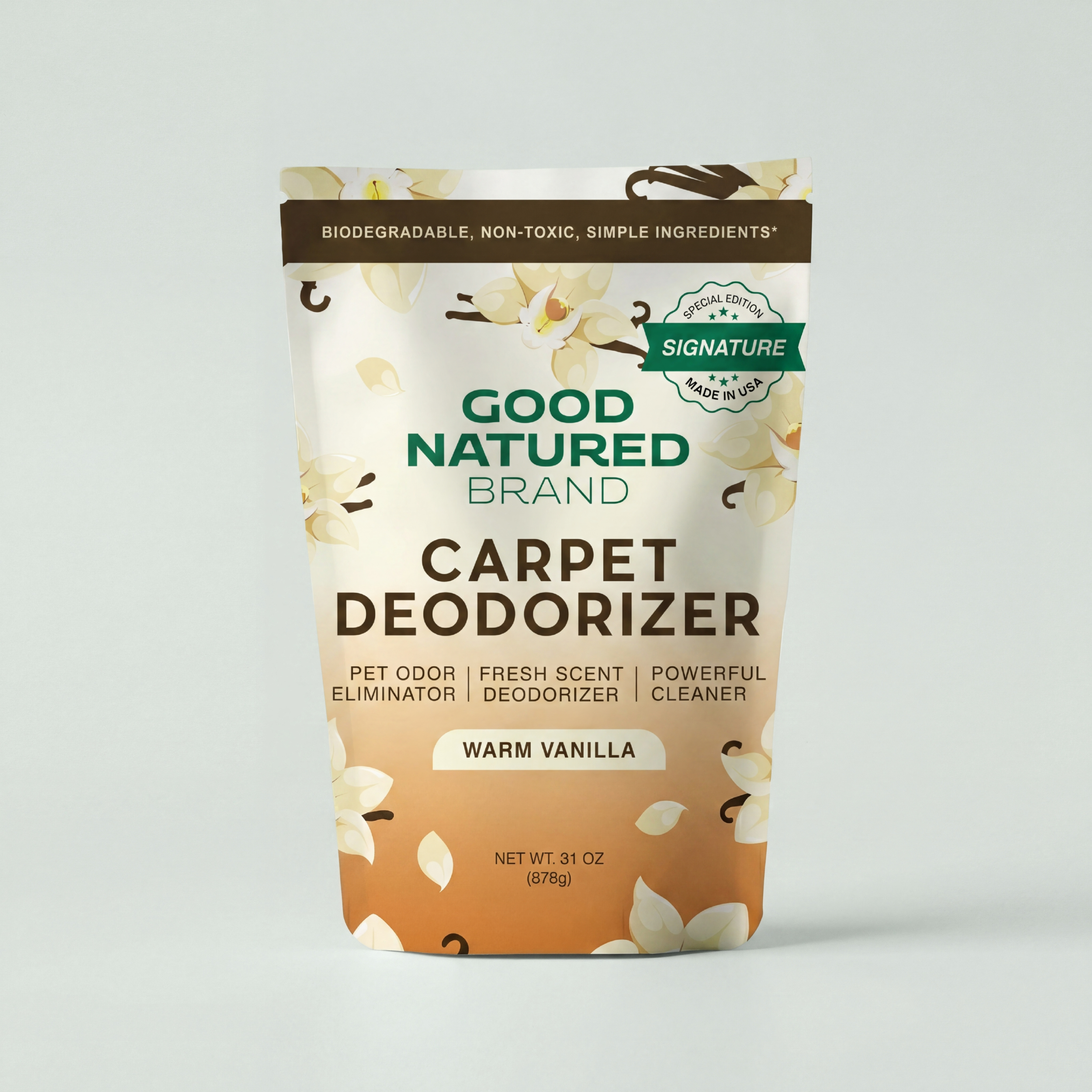
For routine odor control, Carpet Deodorizers can help you keep carpets fresher without relying on heavily fragranced powders that encourage overuse.
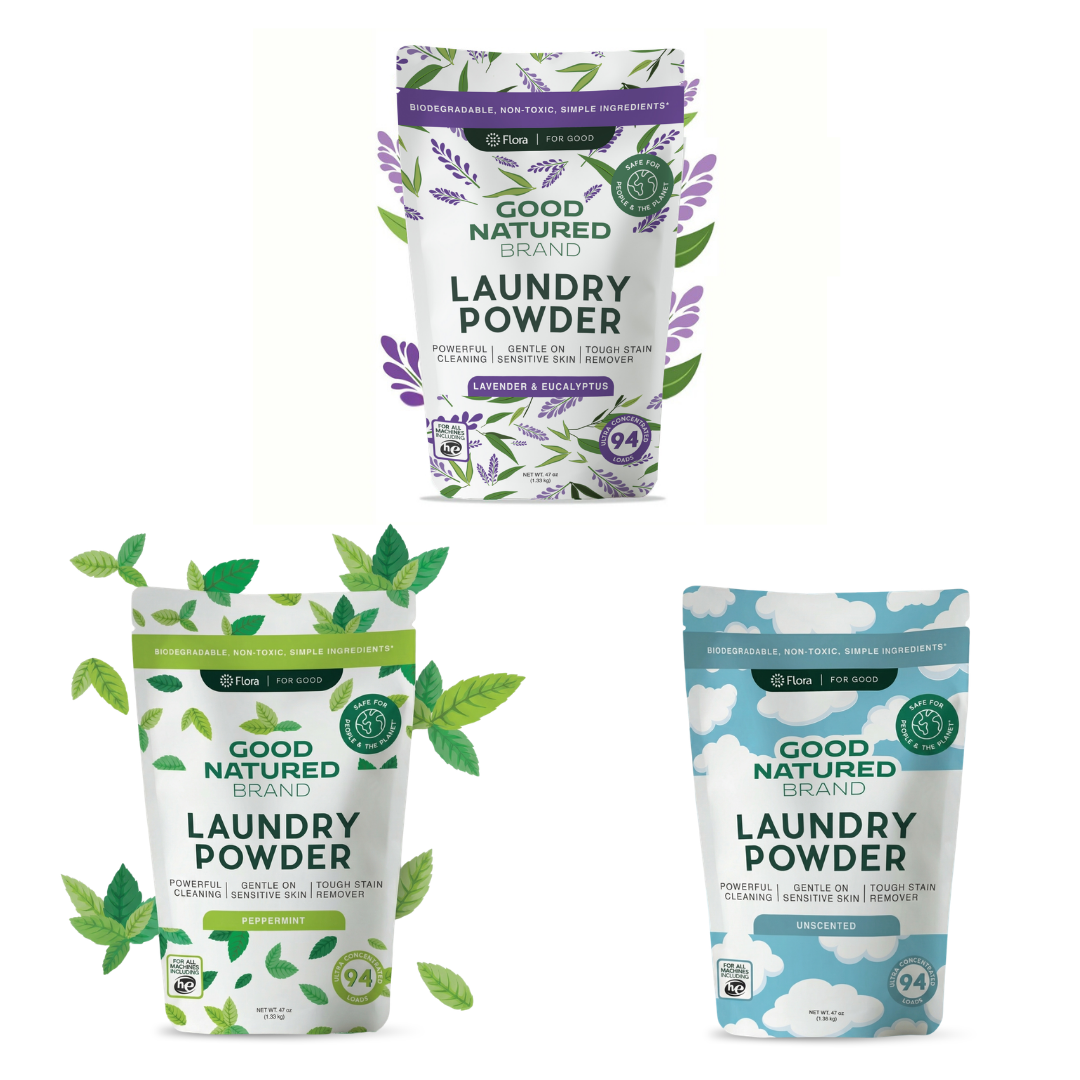
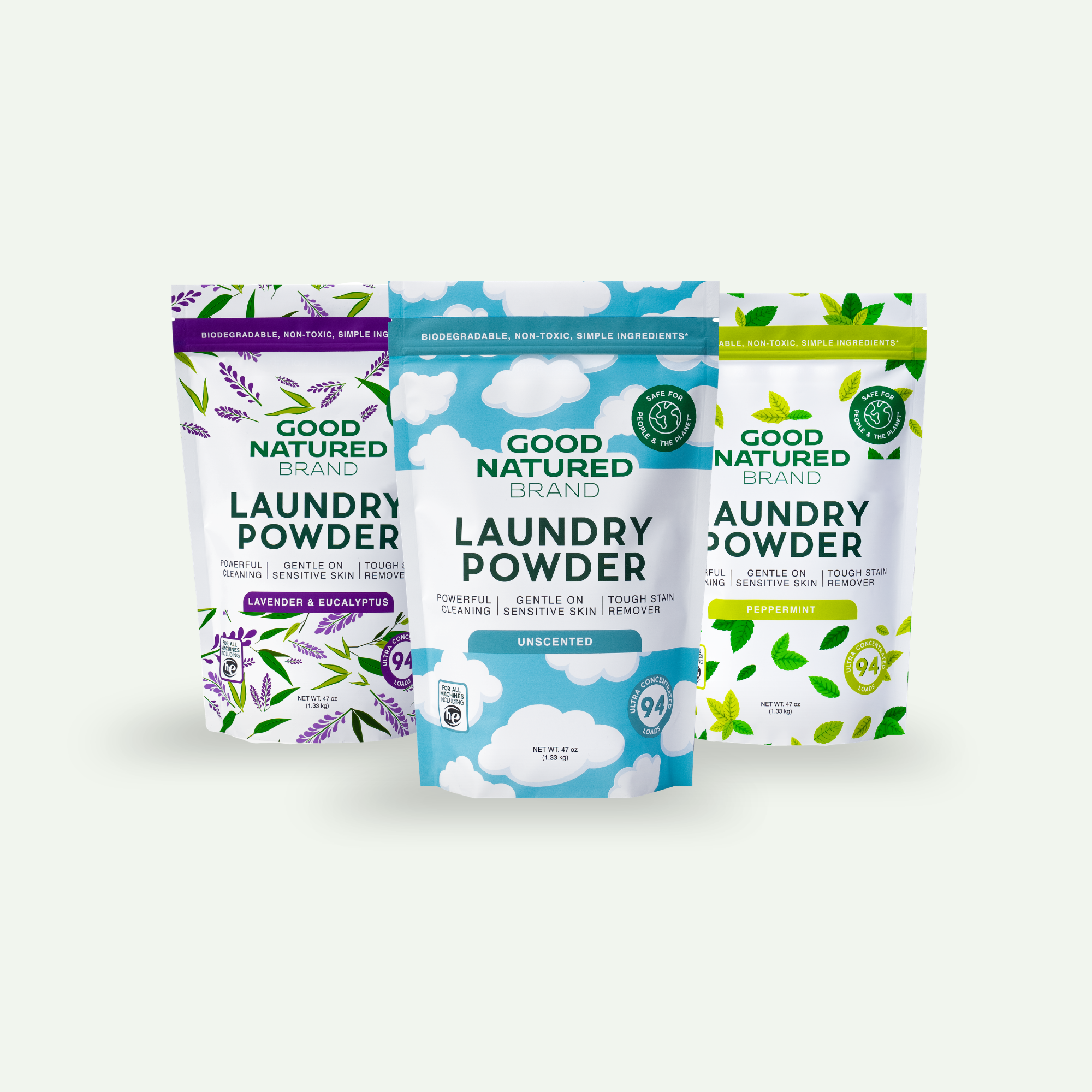
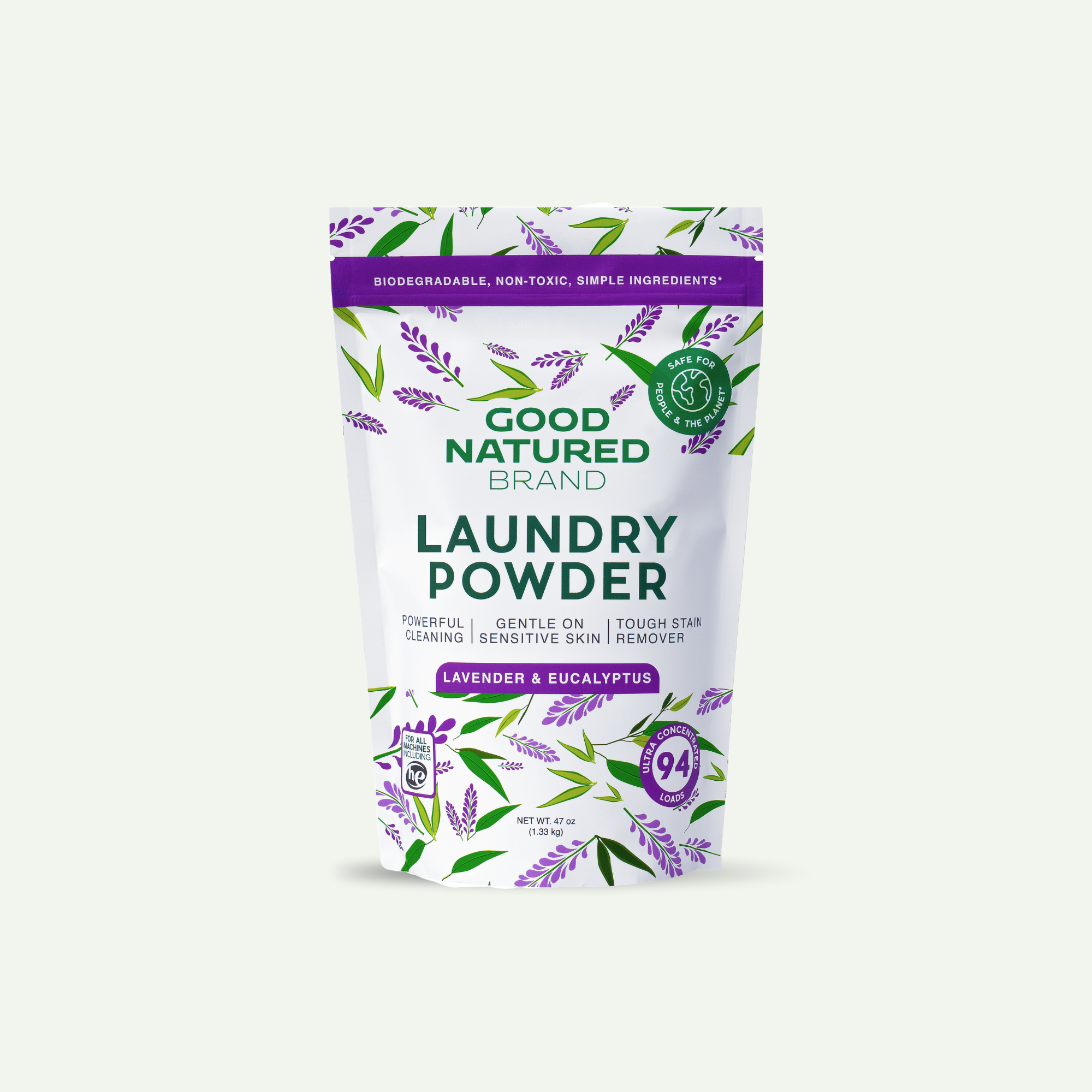
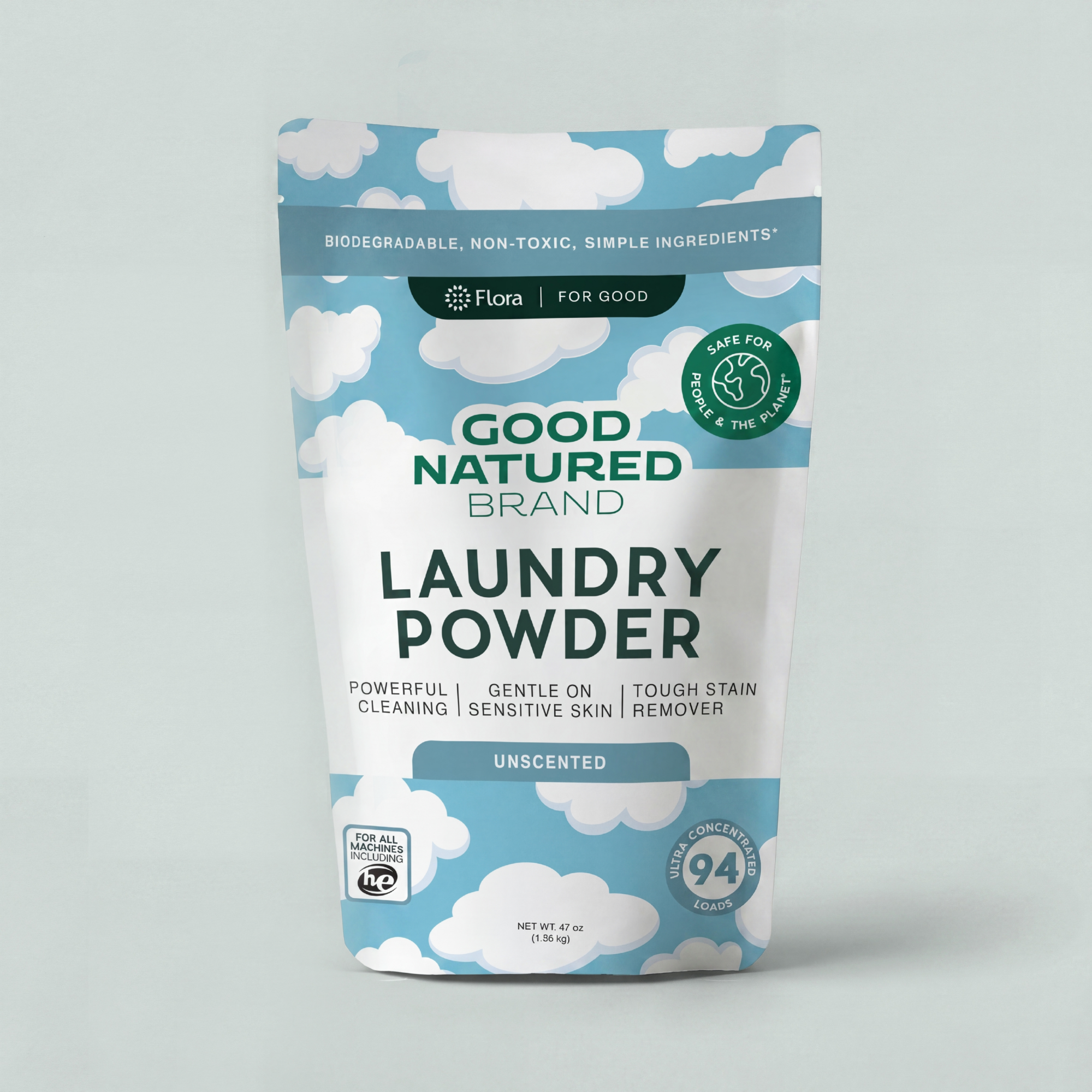
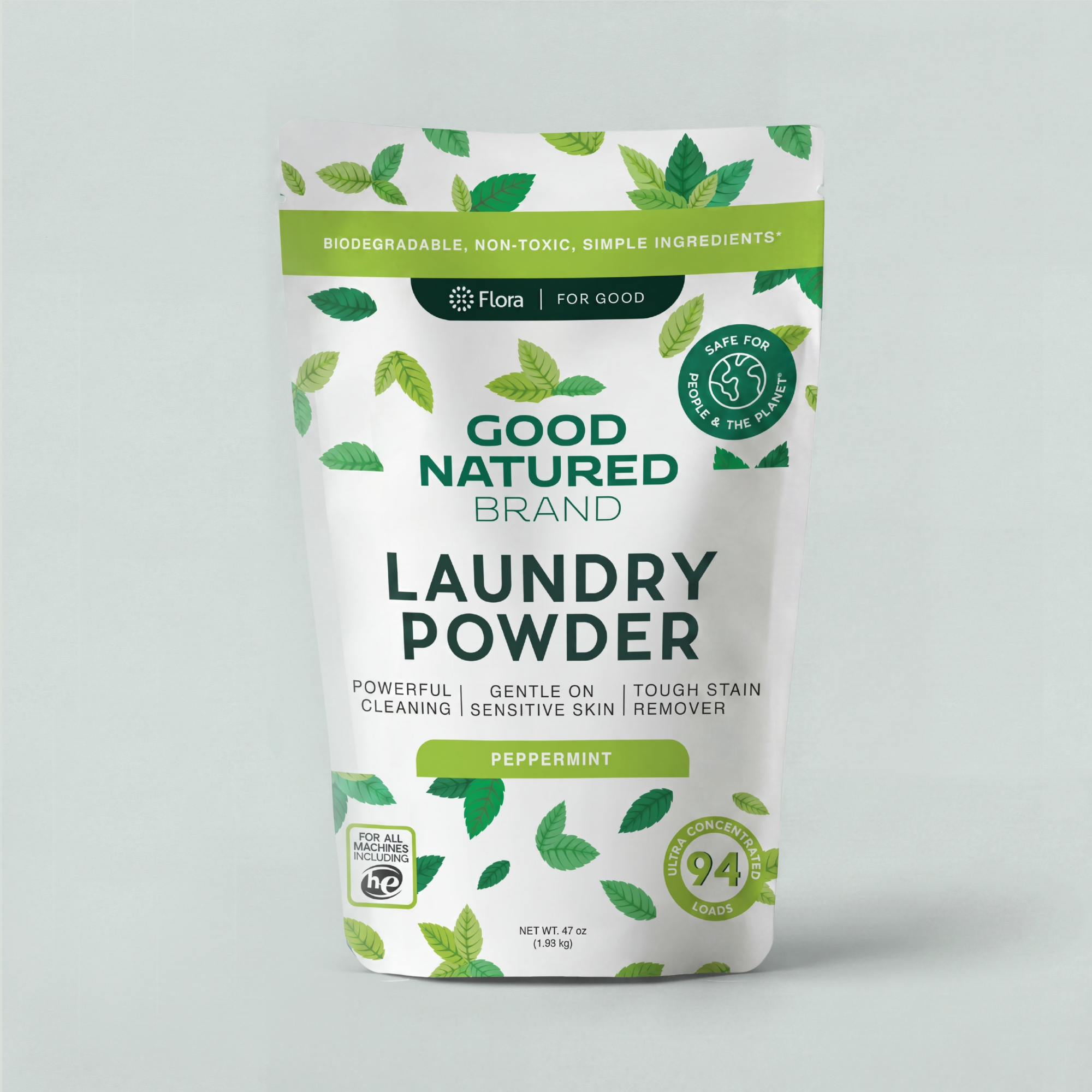
Odors also travel through fabrics—pet bedding, blankets, throws, couch covers—and those fabrics often end up back on the carpet. Keeping washable items truly clean reduces odor transfer. That’s where Laundry Powders can support a simpler “wash clean, dry fully” routine that reduces mustiness and lingering smell.
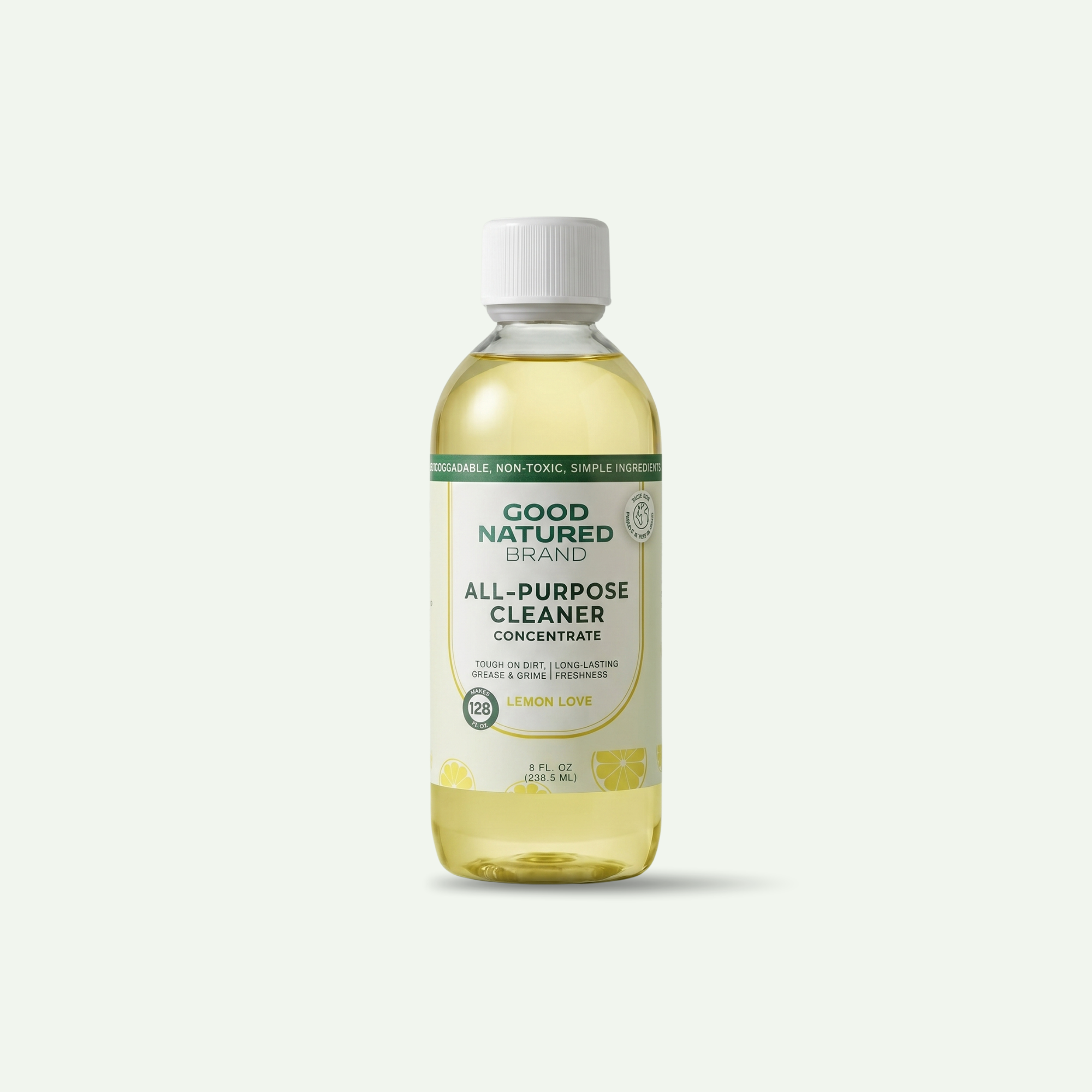
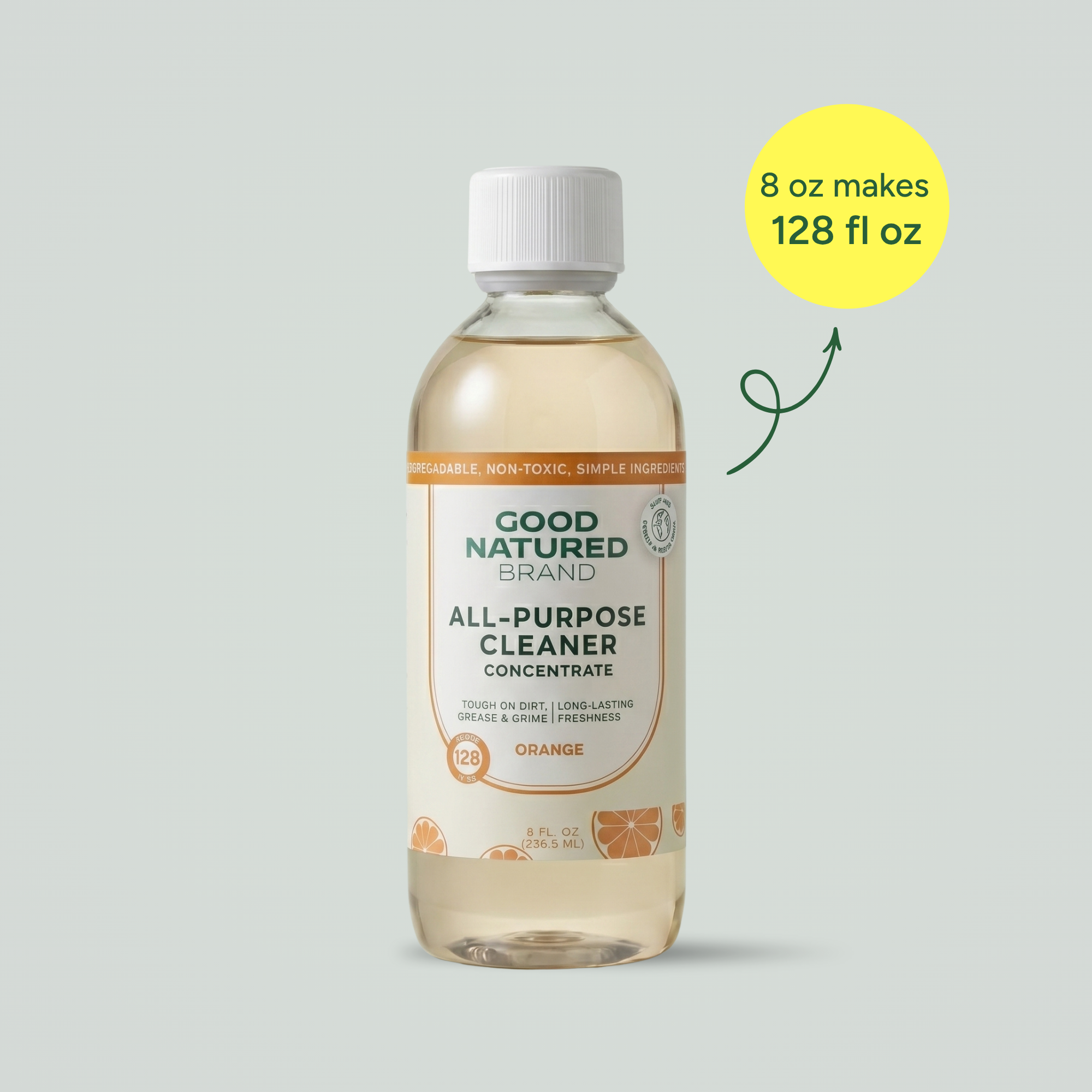
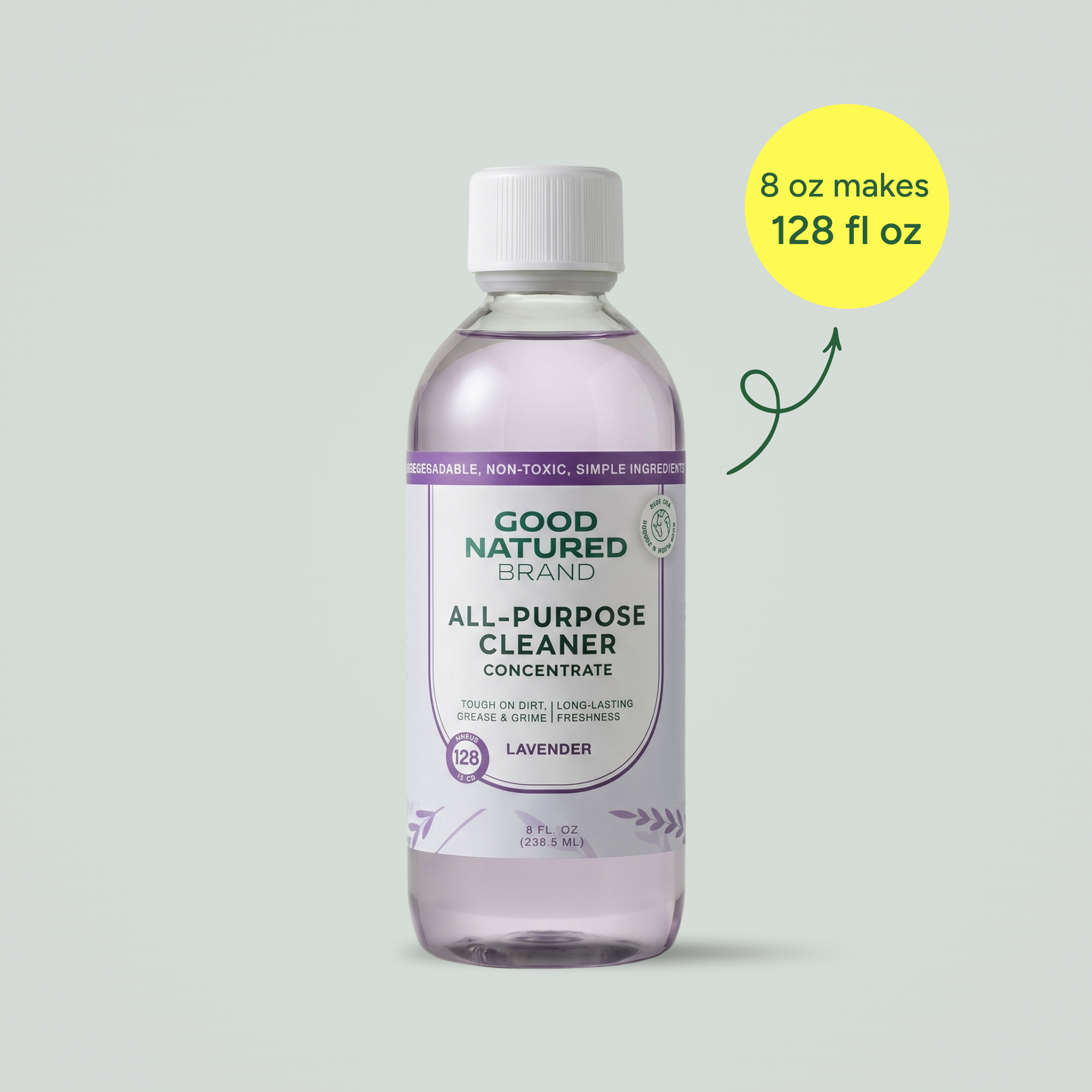
Finally, the areas around your carpet matter more than most people think: entryways, baseboards, pet feeding zones, and high-traffic corners. Regular wiping and maintenance can prevent grime from becoming carpet odor later. All-Purpose Cleaners can help with quick resets in those surrounding zones, keeping the whole space fresher so you rely less on carpet scent products.
When to choose professional carpet cleaning
Some odors won’t resolve with deodorizing alone, especially if:
-
pet urine reached the padding
-
there’s water damage or mold risk
-
musty smells return quickly after cleaning
-
the carpet is older and heavily layered with residues
In those cases, professional cleaning—or, occasionally, replacing padding—may be the most effective solution.
Health risks of chemical carpet fresheners: myths vs facts
A few common beliefs keep people stuck in the “sprinkle and hope” cycle.
Myth: “If it smells clean, it is clean”
Scent is not cleanliness. A strong fragrance can hide odors while residue stays behind.
Myth: “More product means more freshness”
Overapplication increases residue and can intensify airborne particles. It may also make odors rebound faster.
Myth: “Pet-safe means risk-free”
Labels can be vague. The safest approach is minimizing fragrance load and preventing contact/ingestion risk.
Myth: “Carpets need disinfecting every week”
Most households don’t need weekly disinfecting of carpets. Regular vacuuming, spot cleaning, and keeping fabrics washed and dry is often the real solution.
Fact: Ventilation and residue-free routines matter most
Fresh carpets usually come from fewer layers of product, not more. Keep things simple and consistent.
A home odor prevention plan that reduces reliance on chemical carpet fresheners
If you want carpets that stay fresher naturally, build a routine that prevents odor buildup.
A weekly routine for fresher carpets
-
Vacuum high-traffic areas 2–3 times per week (or more with pets)
-
Vacuum slowly and use multiple passes
-
Empty/clean filters so your vacuum doesn’t “smell”
-
Deodorize only when needed, not automatically
Pet odor prevention habits
-
Wash pet bedding regularly and dry fully
-
Clean accidents immediately: blot, clean, dry
-
Wipe paws after muddy or wet walks
-
Rotate washable throws or covers to reduce buildup
Shoe-off and entryway strategy
A large share of carpet odor comes from what we track in:
-
use doormats
-
consider a shoe-off zone
-
clean entryway floors regularly so grime doesn’t migrate into carpet fibers
Humidity control
If your space is humid (basement, rainy climate, winter condensation):
-
run a dehumidifier when needed
-
improve airflow
-
dry spills fast
Humidity can make carpets smell musty even when they’re “clean.”
FAQs about health risks of chemical carpet fresheners
Are chemical carpet fresheners bad for your lungs?
They can be irritating, especially powders that become airborne and products with strong fragrance. People with asthma, allergies, or sensitive airways may notice coughing, wheezing, or throat irritation—particularly during application and vacuuming.
Can chemical carpet fresheners trigger asthma or allergies?
They can, depending on the person and the product. Fragrance, airborne particles, and dust re-suspension can be triggers. If you have asthma or allergies, it’s often safer to reduce fragrance products and focus on vacuuming, filtration, and low-residue routines.
Are chemical carpet fresheners safe for pets?
Pets are at higher risk of exposure because they walk on carpets and groom themselves. If a product leaves residue, it can transfer to paws and fur. Minimizing fragrance and avoiding powders that spread easily is generally a safer approach in pet households.
Do chemical carpet fresheners leave residue in carpet?
Many can, especially powders. Even with vacuuming, some material may remain in fibers and padding, contributing to buildup over time—especially with frequent use.
What’s the safest way to make carpets smell fresh?
Address the source: vacuum consistently, spot clean promptly, keep washable fabrics clean and dry, improve ventilation, and use minimal-residue deodorizing methods. If you want a repeatable routine without heavy fragrance masking, Carpet Deodorizers can be a practical alternative to harsh, heavily perfumed fresheners.
Is baking soda safer than carpet freshener powder?
Baking soda is often used as a simpler deodorizing option because it’s less fragrance-forward. However, it can still become airborne when sprinkled and vacuumed, so apply lightly, ventilate, and vacuum carefully—especially if anyone is sensitive.
How often should you deodorize carpets?
Only as needed. If you feel like you “need” to deodorize weekly, the odor source may be deeper (padding, humidity, dirty vacuum filter, or persistent residue). A prevention routine usually reduces the need for frequent deodorizing.
Conclusion: the safer path forward
The health risks of chemical carpet fresheners don’t come from one single factor—they come from the combination of fragrance-heavy formulas, repeated indoor use, airborne particles, and residue buildup on a high-contact surface. For some households, these products are just unpleasant. For others—especially those with babies, pets, asthma, allergies, or fragrance sensitivity—they can trigger real symptoms.
A fresher home doesn’t require stronger chemicals. It requires a smarter routine: clean the source, dry thoroughly, ventilate well, and avoid layering fragrance over residue. If you’re ready to swap out harsh carpet fresheners for a simpler approach, consider building a routine around Carpet Deodorizers, keeping fabrics truly clean with Laundry Powders, and maintaining surrounding areas with All-Purpose Cleaners—so odor doesn’t spread back into carpet in the first place.
For more practical cleaning tips, habit-based home routines, and fresh-home guidance, visit the Good Natured Brand Blog or explore more resources on the Good Natured Brand website.