






Creating a chemical-reduced home is not about perfection or removing everything overnight. It is about becoming more intentional with what you bring into your space, how often you use it, and how it affects your health, your pets, and your everyday life. Many households rely on dozens of cleaning and home care products without realizing how much chemical residue builds up over time on surfaces, fabrics, and in the air we breathe.
This guide is designed to help you build a chemical-reduced home gradually, realistically, and sustainably. In this blog, we focus on understanding what a chemical-reduced home truly means and laying the foundation during the first half of the 30-day transition.
What Is a Chemical-Reduced Home?
A chemical-reduced home is a living space where unnecessary chemical exposure is intentionally minimized. This does not mean eliminating all chemicals—because chemicals exist in everything—but rather reducing reliance on harsh, synthetic, and residue-heavy products that offer little long-term benefit.
In a chemical-reduced home, you use fewer products overall, choose more thoughtfully formulated options, and prioritize routines that limit buildup on surfaces, fabrics, and in indoor air. The goal is balance, not extremes.
Chemical-Free vs Chemical-Reduced Living
Many people search for “chemical-free” homes, but that standard is often unrealistic and overwhelming. A chemical-reduced home is more achievable and far more sustainable. Instead of throwing everything away, you gradually replace the highest-impact products and adjust habits that contribute to chemical overload.
This approach also reduces waste, prevents unnecessary spending, and helps you maintain consistency long term.
Why Most Homes Accumulate Chemical Buildup
Modern homes are filled with products designed for speed and convenience, not long-term exposure. Multi-product routines, synthetic fragrances, and residue-heavy cleaners slowly accumulate in places we rarely think about, such as carpets, laundry fibers, upholstery, and indoor air.
Even when a product smells “clean,” it may still leave behind residues that linger well after use. Over time, this contributes to a home environment that feels stuffy, overpowering, or difficult to maintain without constant cleaning.
Who Benefits Most From a Chemical-Reduced Home
While everyone can benefit from reducing unnecessary chemical exposure, certain households often notice the biggest improvements:
-
Pet parents, whose pets spend more time close to floors and fabrics
-
Families with children, especially crawling infants and toddlers
-
People sensitive to fragrance or strong scents
-
Anyone seeking a calmer, more breathable living space
A chemical-reduced home supports both physical comfort and mental clarity by simplifying routines and removing sensory overload.
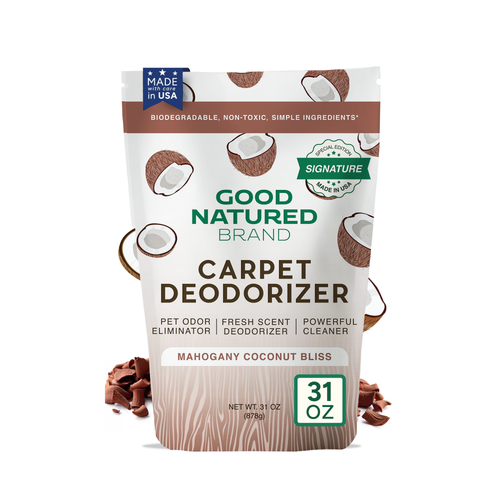

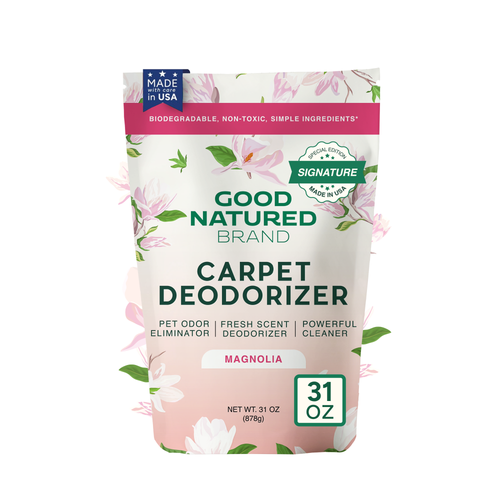
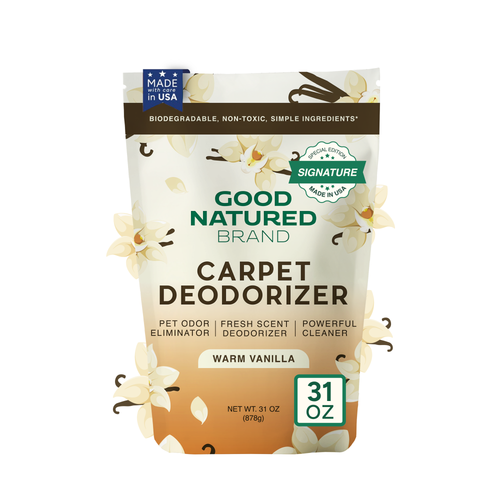
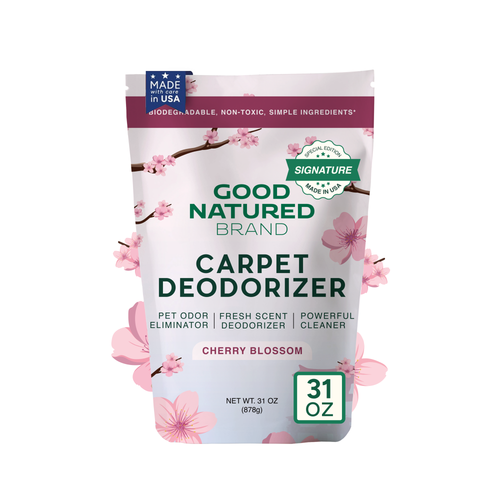

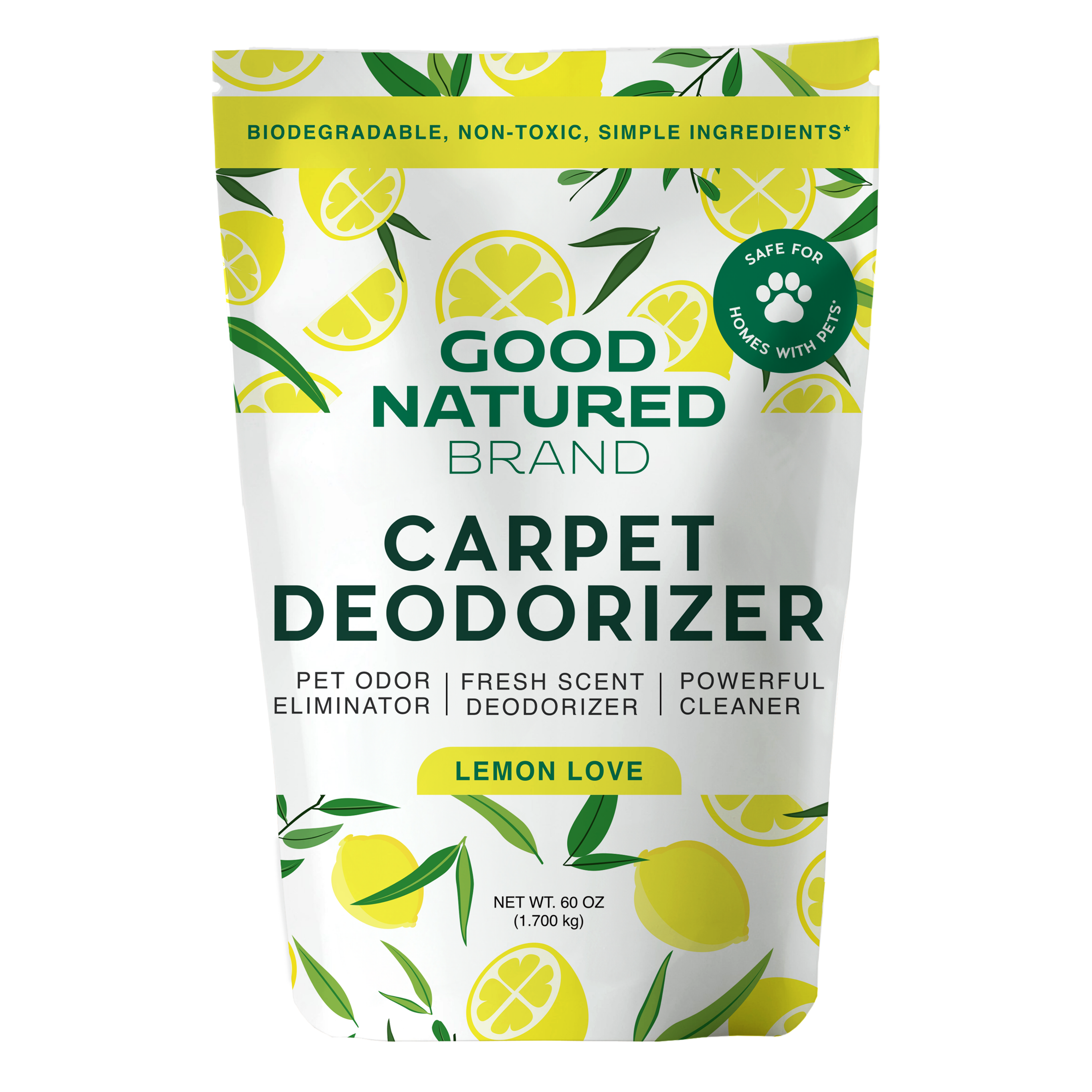
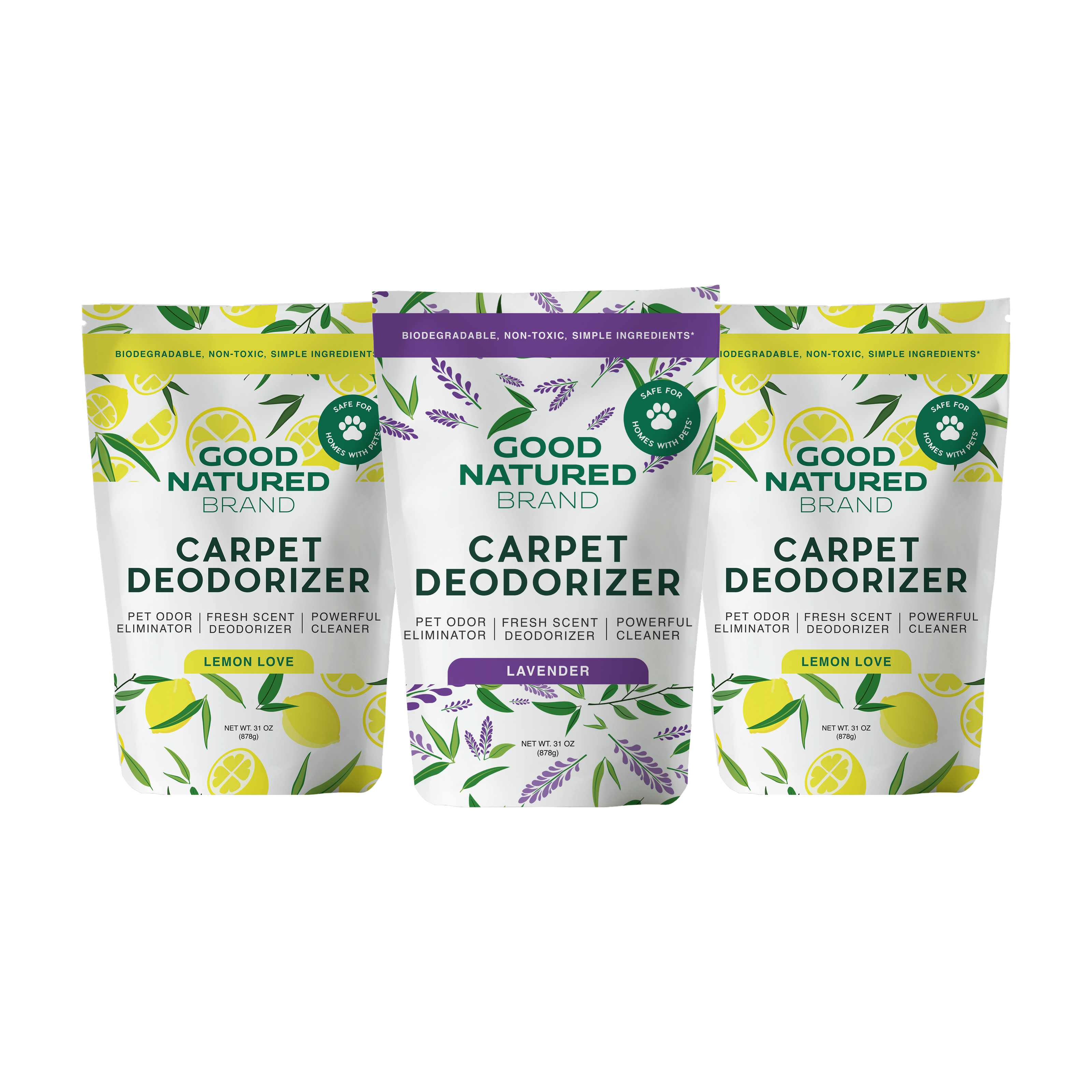
Shop the Product
Lemon freshness for every home.
Lavender calm for every home.
Orange energy for every home.
Mahogany warmth for every home.
Cherry blossom serenity for every home.
Cocoa butter comfort for every home.
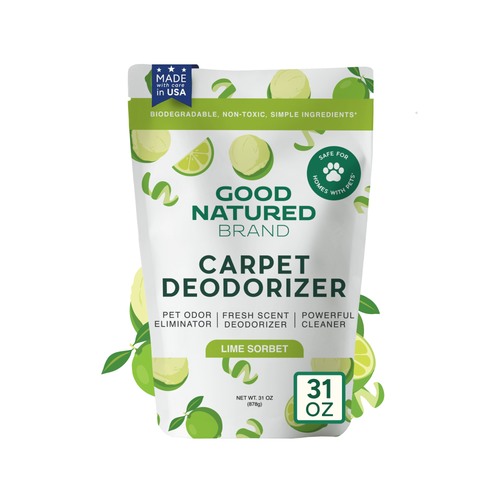
Zesty freshness for every carpet.
Why Building a Chemical-Reduced Home Matters
Our homes are where we spend most of our time, yet indoor environments can contain higher concentrations of chemicals than outdoor spaces. Cleaning products, laundry detergents, carpet treatments, and air fresheners all contribute to indoor exposure.
Building a chemical-reduced home helps address this quietly and consistently. Instead of reacting to odors or messes with stronger products, you focus on prevention, lighter maintenance, and smarter product choices.
Over time, many people notice their homes stay fresher longer, require less frequent deep cleaning, and feel more comfortable overall.
The 30-Day Chemical-Reduced Home Approach
The key to success is pacing. Trying to replace everything at once often leads to burnout, wasted products, and inconsistent habits. A gradual approach allows you to observe how each change affects your space and adjust accordingly.
The first half of the process focuses on awareness, auditing, and resetting the most impactful areas of your home.
The First Phase of a Chemical-Reduced Home
The initial stage is about understanding what you already have and how it affects your environment. This awareness makes later changes easier and more intentional.
Identifying Chemical Hotspots in Your Home
Certain areas contribute more heavily to chemical buildup than others:
-
Kitchens, where multiple cleaners are often layered
-
Bathrooms, where strong disinfectants are common
-
Laundry rooms, where detergent residue transfers to clothing and bedding
-
Carpets and rugs, which trap odors, moisture, and residues
These spaces are the foundation of your chemical-reduced home transition.
Learning to Read Labels With Purpose
Many products use marketing terms that sound reassuring but reveal little about formulation. When transitioning toward a chemical-reduced home, focus less on buzzwords and more on simplicity.
Products with shorter ingredient lists, fewer synthetic fragrances, and clear usage instructions tend to create less buildup over time. Using fewer products consistently often has a bigger impact than switching brands repeatedly.
Letting Go of Redundant Products
One of the most overlooked steps in creating a chemical-reduced home is decluttering. Many households own multiple products that serve the same purpose, which increases overlap and residue.
Removing duplicates helps you see where one well-formulated product can replace several specialized ones.
Resetting Your Home Cleaning Routine
Once you have identified chemical hotspots and reduced product clutter, the next step is resetting how you clean your home.
A chemical-reduced cleaning routine focuses on consistency rather than intensity. Light, regular maintenance prevents odors and buildup better than occasional heavy-duty cleaning.
Chemical-Reduced Carpet and Floor Care
Carpets and rugs are among the biggest contributors to trapped chemical residue. They absorb cleaning agents, fragrances, and moisture, holding onto them long after surface-level cleaning.
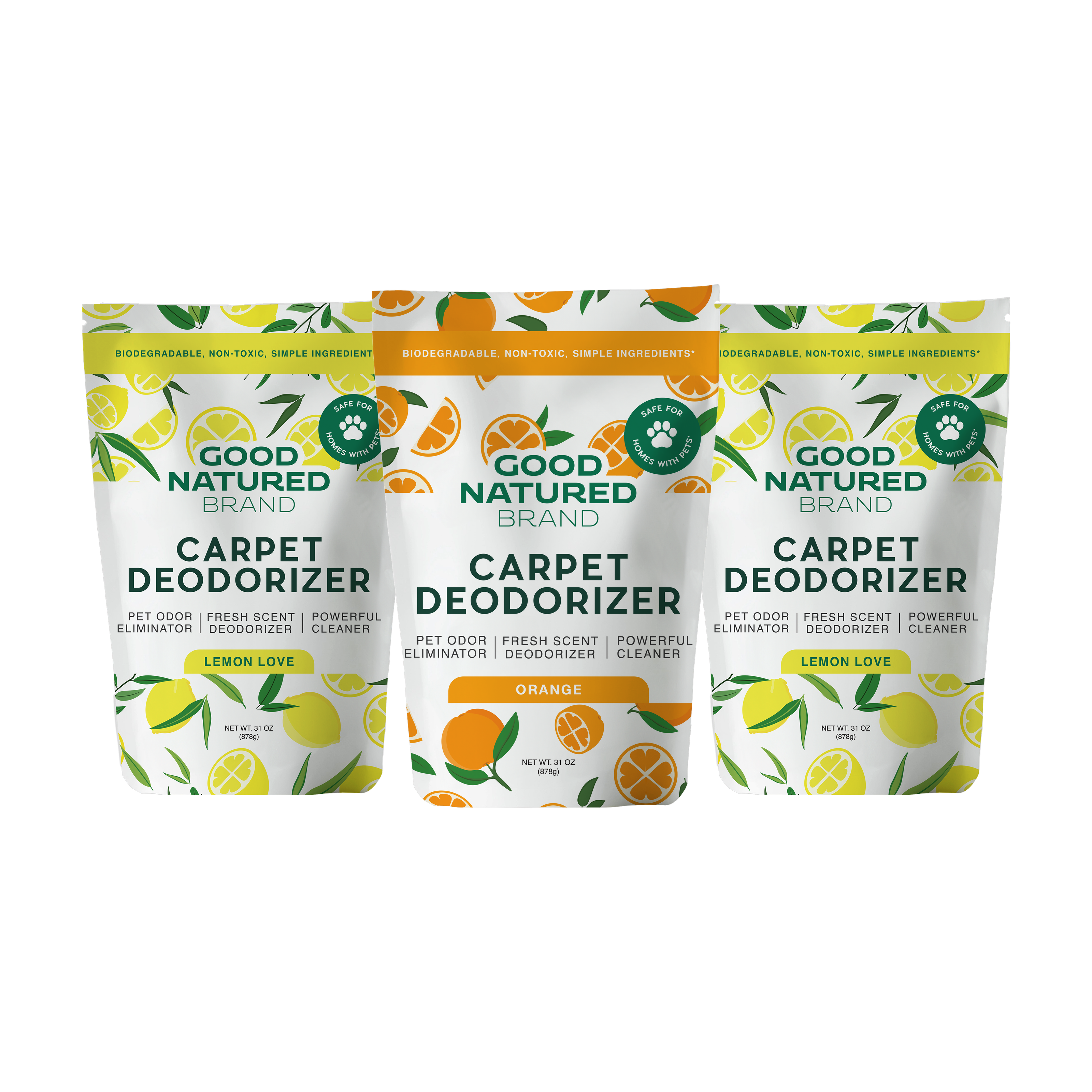
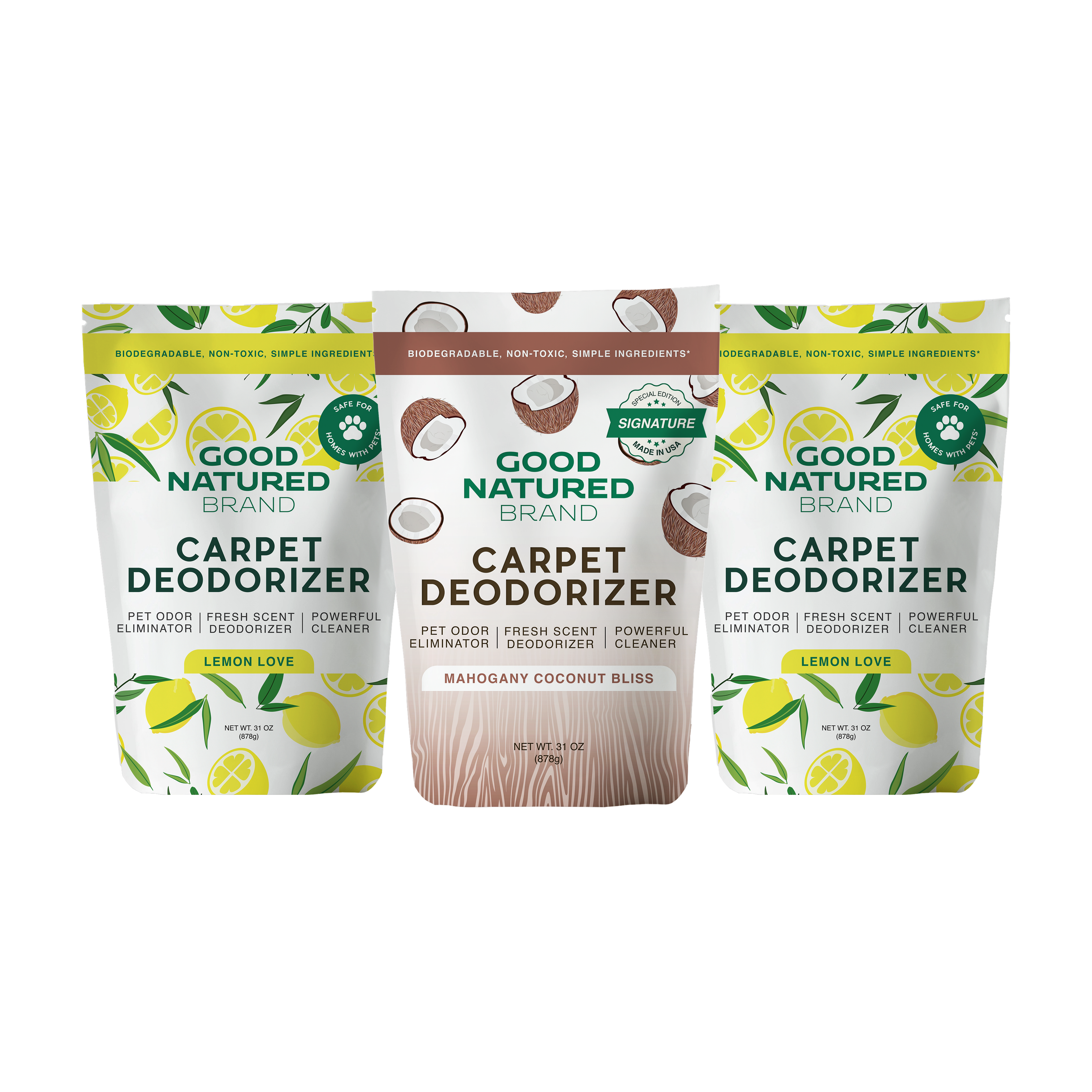
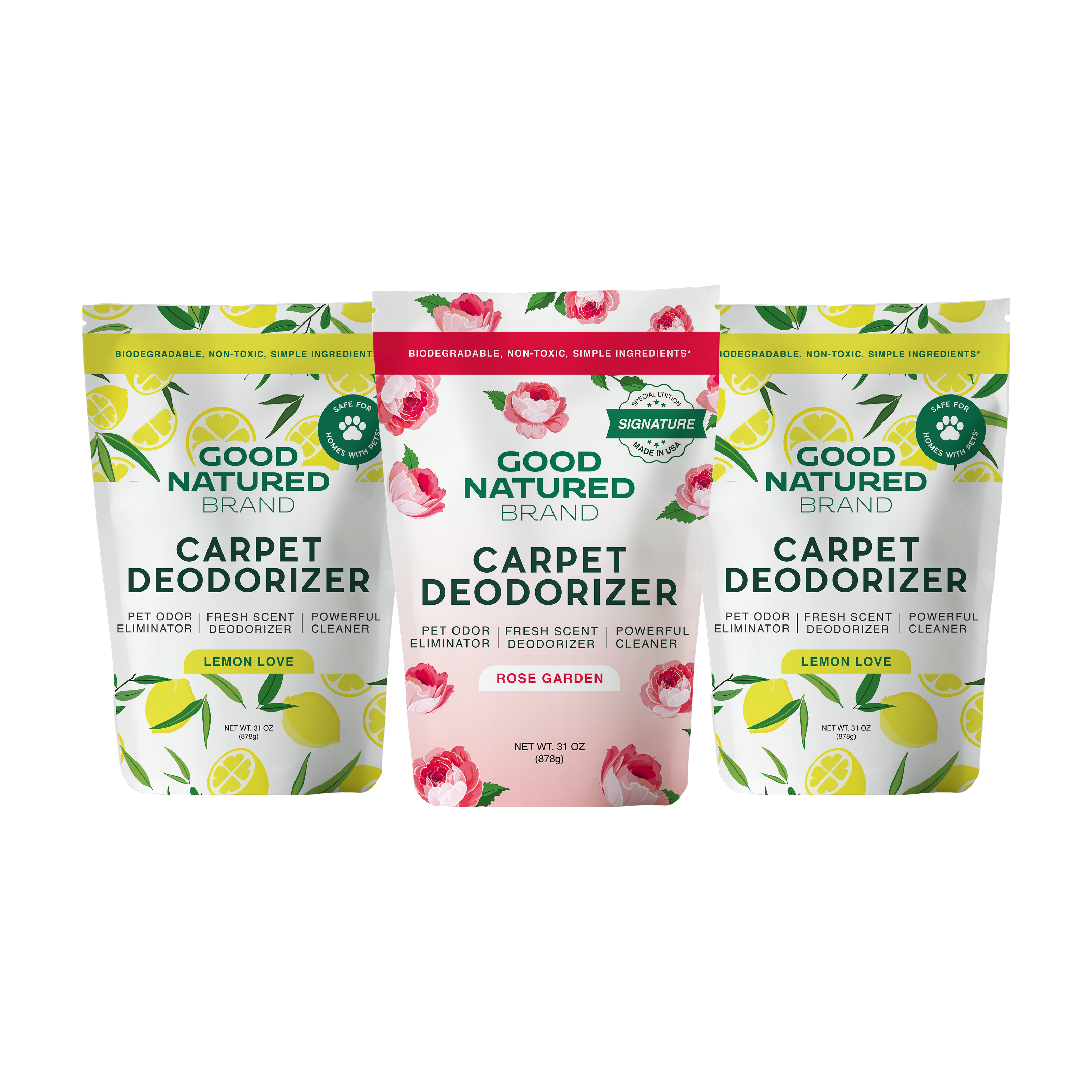
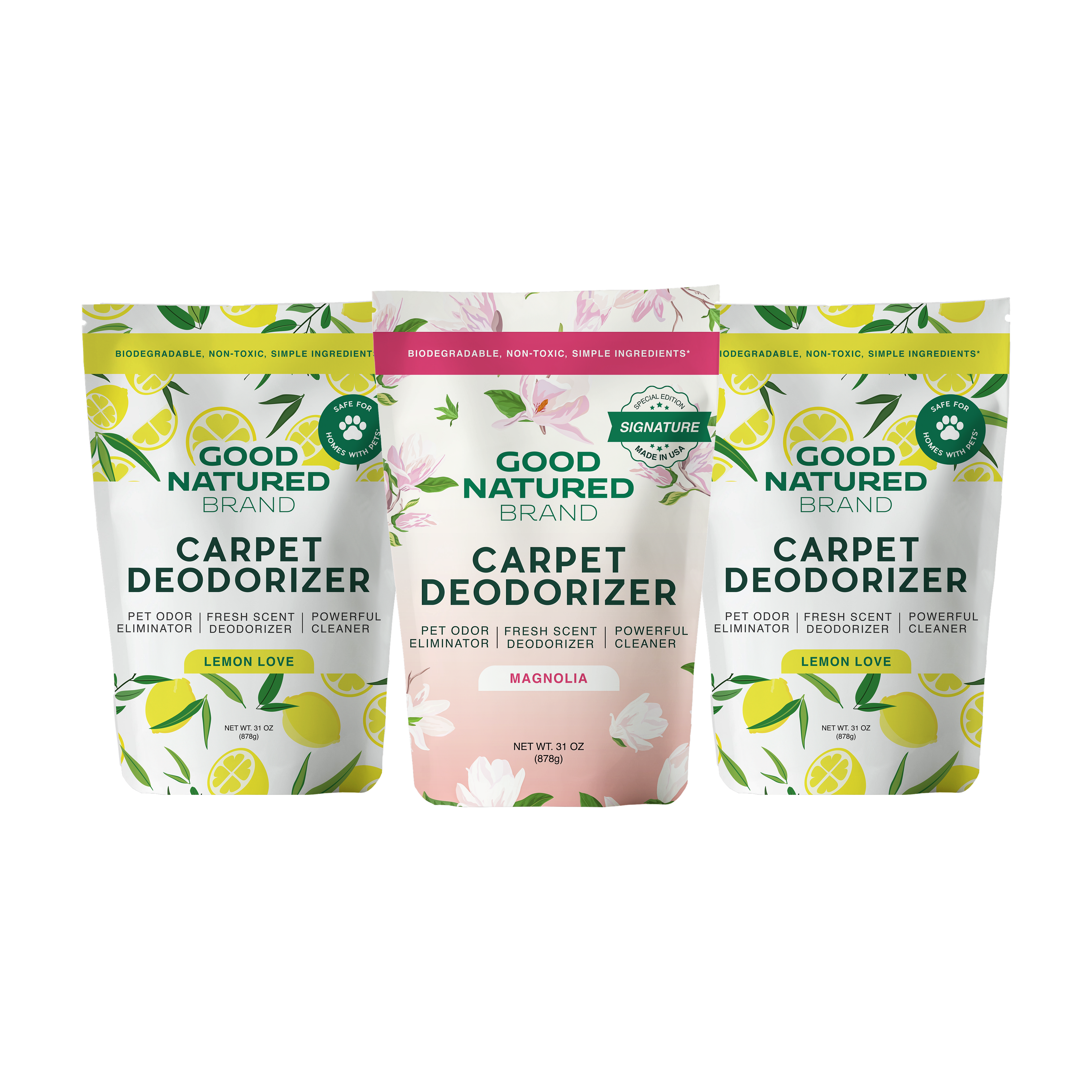
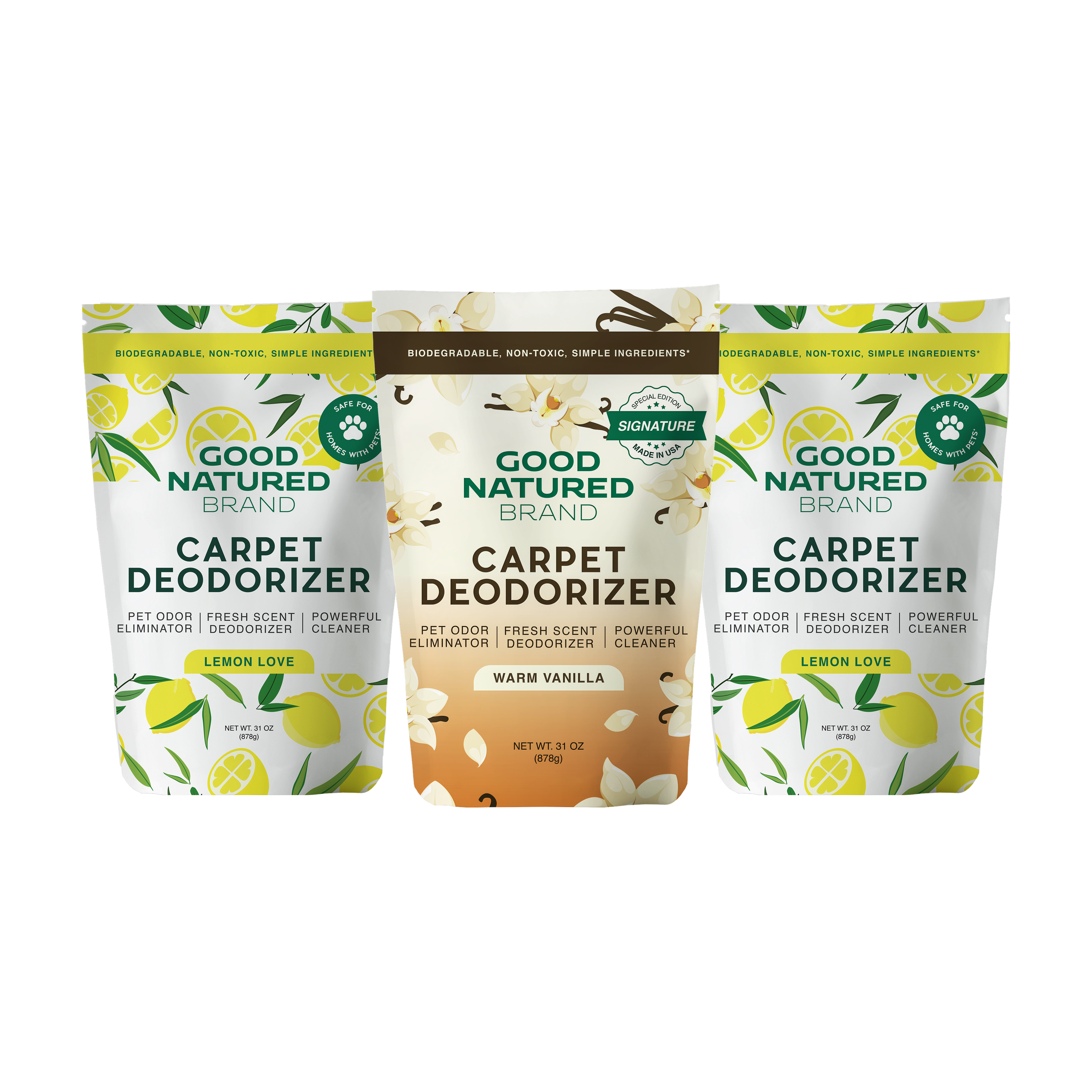
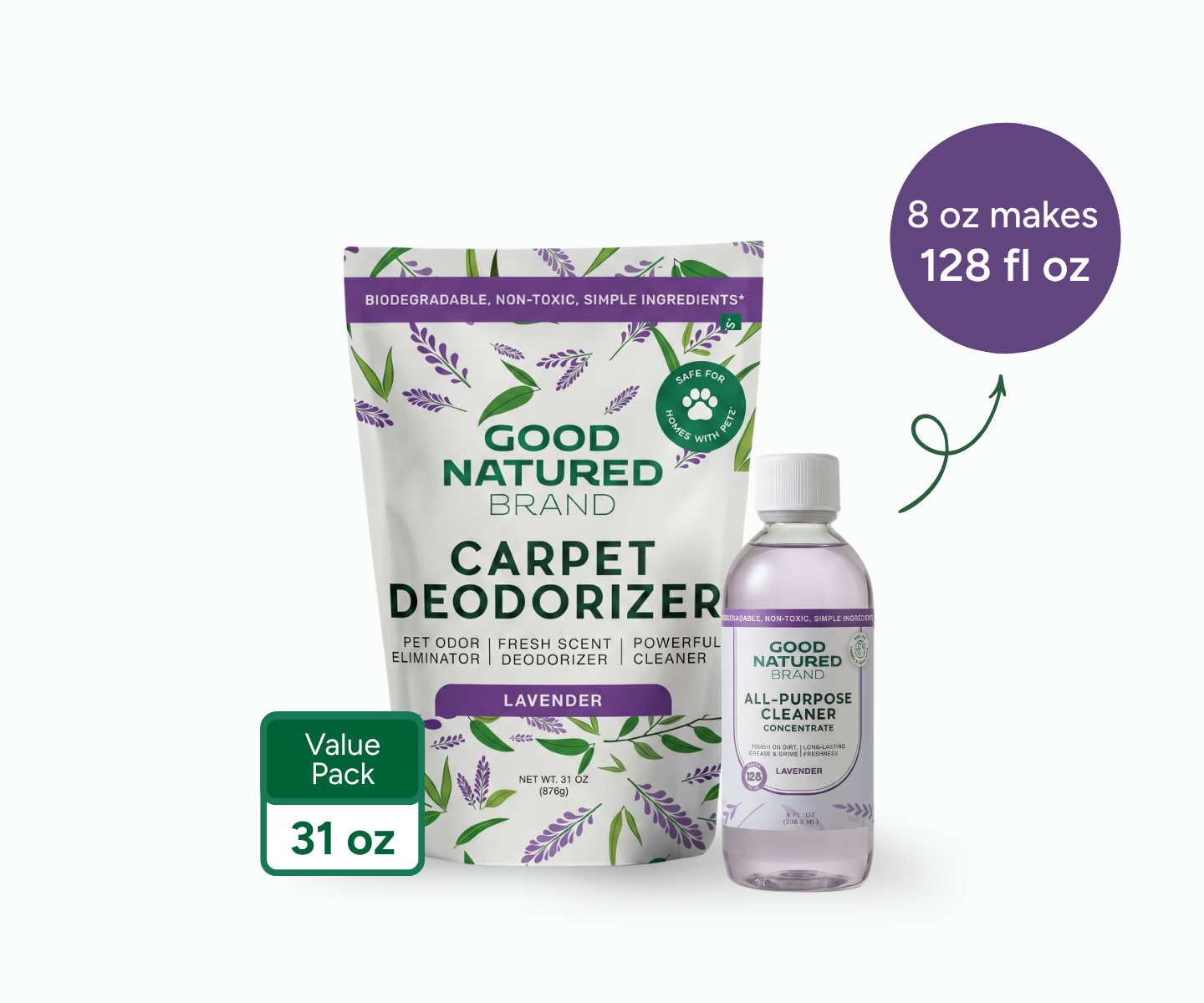
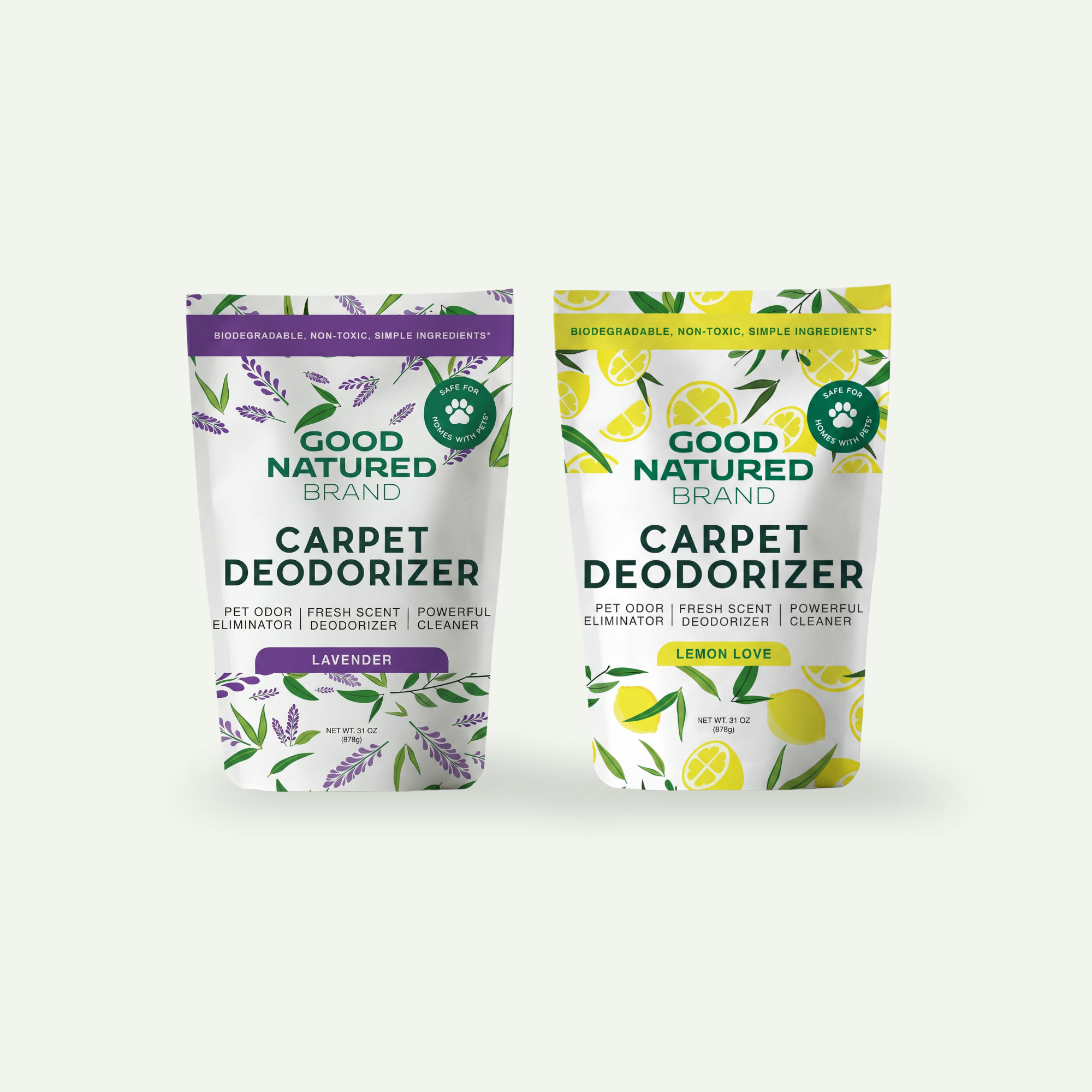
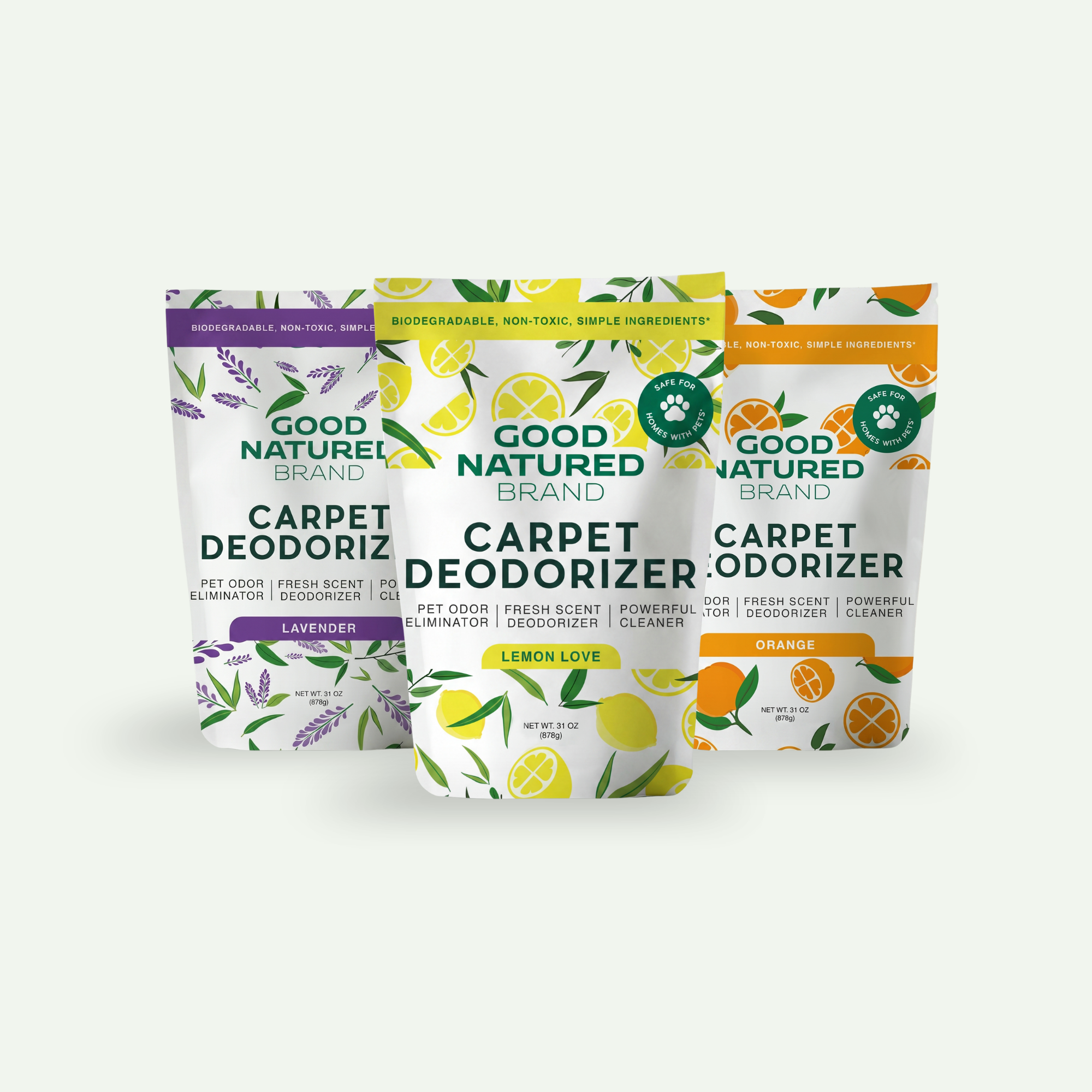
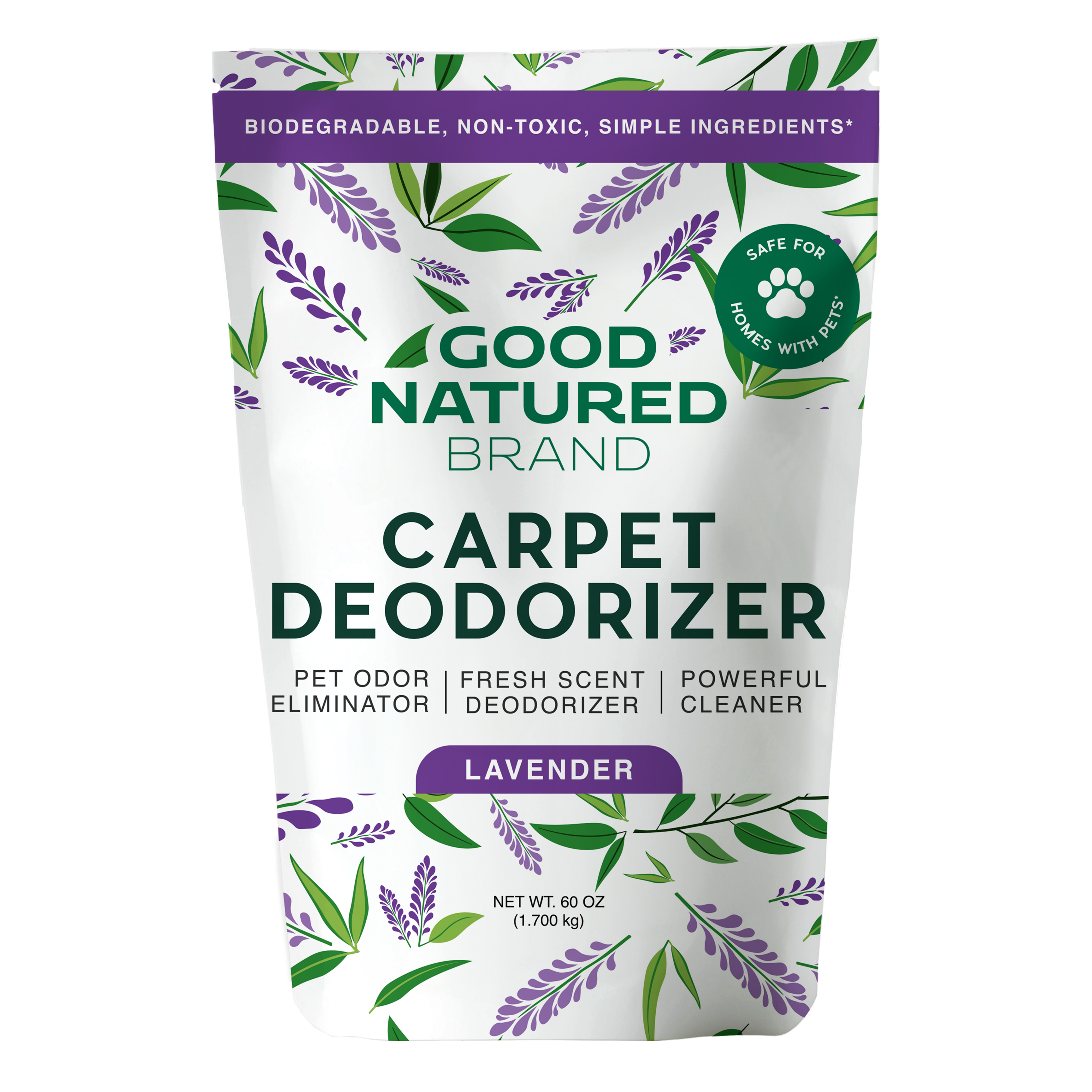
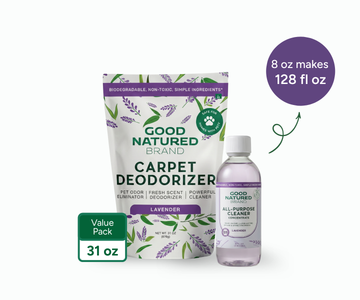
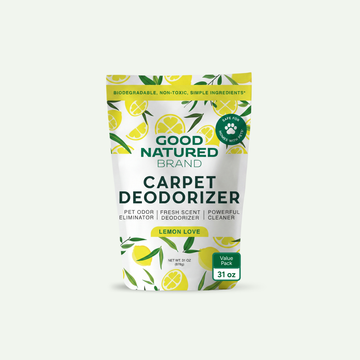
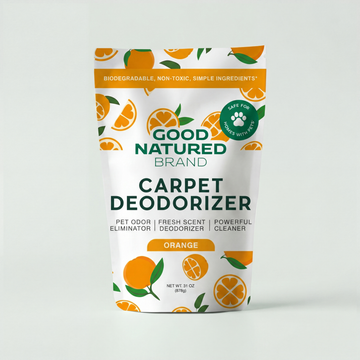
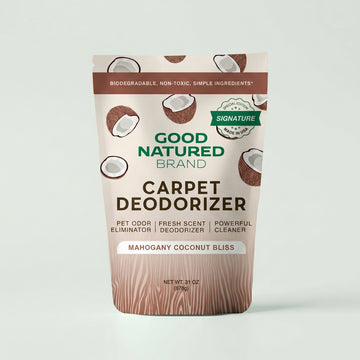
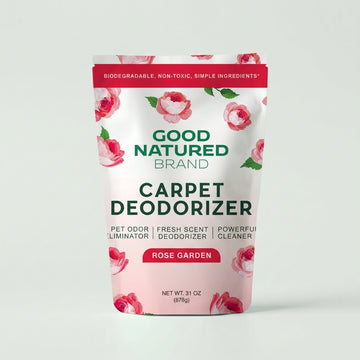
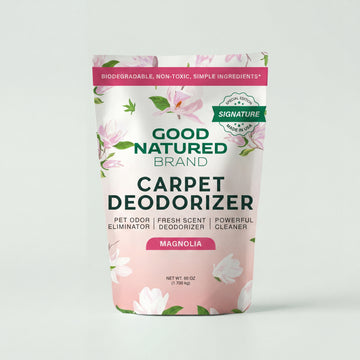
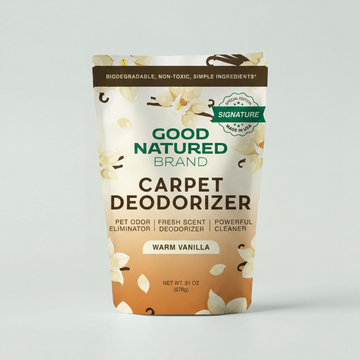
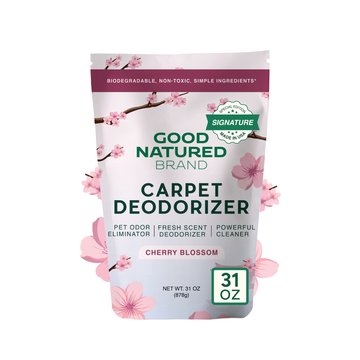
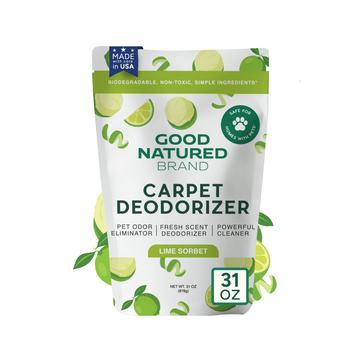
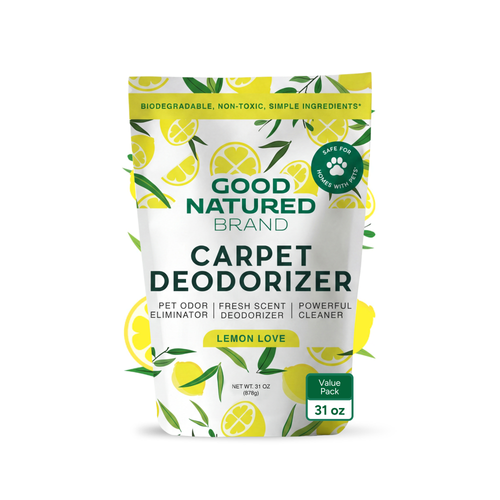
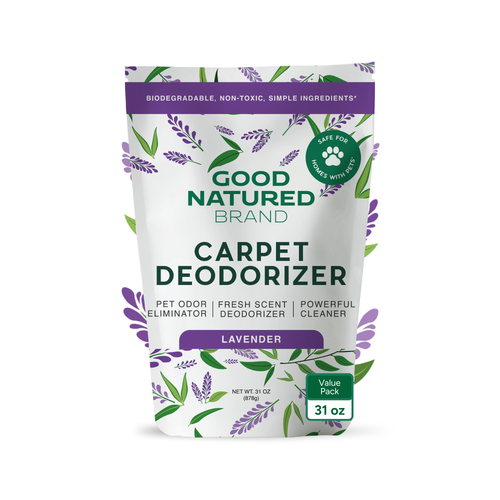
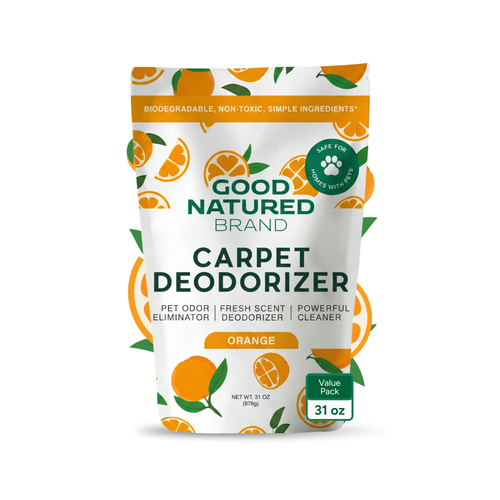
Using Carpet Deodorizers designed to neutralize odors without heavy fragrance can help reset these surfaces while supporting a chemical-reduced home. Over time, consistent use of Carpet Deodorizers reduces the need for stronger treatments and helps maintain a fresher baseline.
You can explore options for Carpet Deodorizers here:
https://www.goodnaturedbrand.com/collections/carpet-deodorizers
Laundry Habits That Support a Chemical-Reduced Home
Laundry plays a larger role in chemical exposure than most people realize. Detergent residue remains on clothing, towels, and bedding, coming into contact with skin throughout the day and night.
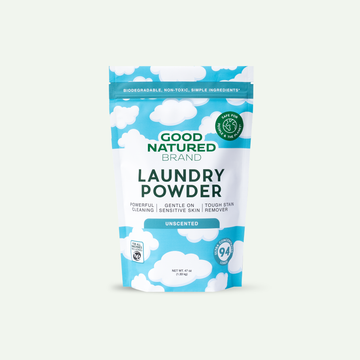
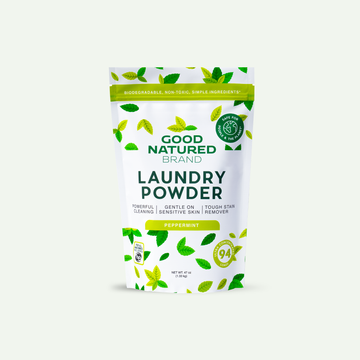
Switching to thoughtfully formulated Laundry Powders helps minimize residue while still delivering effective cleaning. In a chemical-reduced home, laundry should smell clean rather than perfumed, and fabrics should feel breathable rather than coated.
You can learn more about Laundry Powders here:
https://www.goodnaturedbrand.com/collections/laundry-powders
Simplifying Kitchen and Bathroom Cleaning
Kitchens and bathrooms often contain the highest concentration of specialized cleaners. In a chemical-reduced home, one reliable product can often replace several.
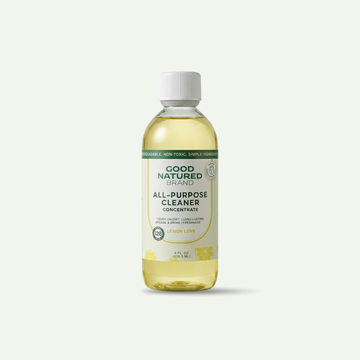
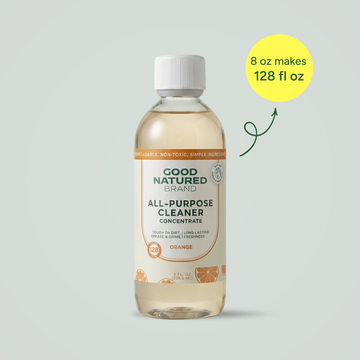
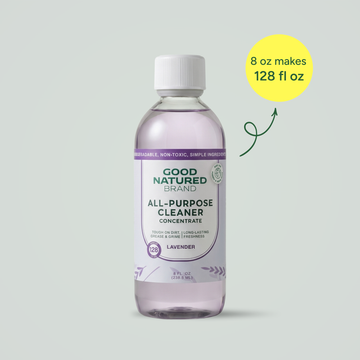
All-Purpose Cleaners are especially valuable because they reduce the need for overlapping formulas on different surfaces. By using All-Purpose Cleaners consistently, you limit buildup while maintaining effective everyday cleaning.
You can explore All-Purpose Cleaners here:
https://www.goodnaturedbrand.com/collections/all-purpose-cleaners
Why Fewer Products Create a More Chemical-Reduced Home
Using fewer products reduces the risk of chemical interactions, overuse, and lingering residue. It also makes cleaning routines more approachable, which encourages consistency.
A chemical-reduced home is easier to maintain when cleaning feels simple rather than overwhelming.
Building Confidence in Chemical-Reduced Living
The first half of your transition is about momentum. As you remove unnecessary products and establish lighter routines, your home begins to feel calmer and easier to manage.
This is also the stage where many people start noticing subtle improvements, such as fewer lingering odors, less frequent cleaning needs, and a more neutral baseline scent throughout the home.
If you want to explore more guidance on intentional, eco-conscious home care, the Good Natured Brand blog offers ongoing insights and educational content:
https://www.goodnaturedbrand.com/pages/blog
Strengthening a Chemical-Reduced Home Through Air and Fabric Care
Many people focus only on surface cleaning when transitioning to a chemical-reduced home, but air and fabrics play an equally important role. Chemicals often linger in soft materials and indoor air long after visible messes are gone.
Improving Indoor Air Quality in a Chemical-Reduced Home
Indoor air quality directly affects how your home feels. Heavy fragrances, cleaning residues, and trapped odors can linger even after cleaning, making spaces feel stuffy or overwhelming.
In a chemical-reduced home, air quality improves by reducing the sources of synthetic scents rather than masking them. Opening windows regularly, allowing fabrics to breathe, and avoiding layered fragrances all help create a lighter environment.
Consistent cleaning with thoughtfully formulated All-Purpose Cleaners helps reduce airborne residue by limiting what evaporates into the air during and after cleaning. Over time, this leads to a more neutral, breathable baseline throughout your home.
You can explore All-Purpose Cleaners here:
https://www.goodnaturedbrand.com/collections/all-purpose-cleaners
Reducing Scent Overload Without Sacrificing Freshness
A common misconception is that a chemical-reduced home lacks freshness. In reality, freshness comes from cleanliness, not strong scent.
When synthetic fragrances are reduced, natural airflow and regular maintenance keep spaces smelling neutral and comfortable. This is especially noticeable in shared spaces like living rooms and bedrooms, where lingering fragrances often accumulate.
Chemical-Reduced Fabric Care Beyond Laundry
Fabrics quietly collect residues from detergents, sprays, and daily use. Curtains, upholstery, throw blankets, and pet bedding all contribute to the overall feel of your home.
Maintaining a chemical-reduced home means extending residue-conscious habits beyond clothing. Washing fabrics regularly using Laundry Powders helps prevent buildup and keeps materials breathable.
Laundry Powders support chemical-reduced living by cleaning effectively without coating fibers. This makes fabrics feel lighter, softer, and less likely to hold onto odors.
You can learn more about Laundry Powders here:
https://www.goodnaturedbrand.com/collections/laundry-powders
Maintaining a Chemical-Reduced Cleaning Rhythm
Once your home has been reset, the focus shifts to maintenance. A chemical-reduced home thrives on consistency rather than intensity.
Creating a Sustainable Cleaning Routine
Short, frequent cleaning sessions prevent messes and odors from becoming problems that require stronger products. This approach keeps your home consistently clean while minimizing chemical use.
Using All-Purpose Cleaners across multiple surfaces simplifies your routine and reduces the temptation to reach for harsher, specialized products. This consistency helps reinforce chemical-reduced habits over time.
Keeping Floors and Carpets Fresh Long Term
Carpets and rugs continue to trap dust, moisture, and odors even after initial resets. Regular maintenance is key to keeping these surfaces aligned with a chemical-reduced home.
Using Carpet Deodorizers consistently helps neutralize odors without overwhelming scent. Instead of masking smells, Carpet Deodorizers support a cleaner baseline that reduces the need for frequent deep treatments.
You can explore Carpet Deodorizers here:
https://www.goodnaturedbrand.com/collections/carpet-deodorizers
Laundry Habits That Prevent Chemical Creep
Over time, it is easy for old habits to return. Overusing detergent or adding unnecessary boosters can slowly reintroduce residue into your home.
Sticking to measured amounts of Laundry Powders and washing fabrics regularly helps maintain balance. Clean laundry should feel fresh and comfortable, not heavily scented.
Establishing Household Habits That Support Chemical Reduction
A chemical-reduced home works best when everyone participates. Small adjustments in daily behavior help protect the progress you have made.
Setting Expectations for Family and Guests
Clear, simple routines make it easier for everyone to contribute. Keeping cleaning products consistent and accessible reduces confusion and prevents accidental reintroduction of harsher options.
Guests often associate cleanliness with strong scent. A neutral-smelling home may feel different at first, but many people quickly appreciate the calmer atmosphere.
Supporting a Chemical-Reduced Home With Pets
Pets spend more time close to floors, fabrics, and bedding, making them especially sensitive to chemical buildup. A chemical-reduced home benefits pets by minimizing what they inhale, touch, and absorb.
Regular use of Carpet Deodorizers helps manage pet odors without overpowering scents, while Laundry Powders keep pet bedding and blankets clean without residue.
Shop the Product
Lemon freshness for every home.
Lavender calm for every home.
Orange energy for every home.
Mahogany warmth for every home.
Cherry blossom serenity for every home.
Cocoa butter comfort for every home.
Zesty freshness for every carpet.
Common Challenges When Maintaining a Chemical-Reduced Home
Even with the best intentions, certain habits can slow progress.
One common mistake is switching products too frequently. Consistency matters more than constant experimentation. Another is assuming stronger products are needed for occasional messes, when regular maintenance would have prevented them.
Overbuying “eco” products can also create clutter and confusion. A truly chemical-reduced home relies on fewer, well-chosen essentials rather than an overflowing cabinet.
Measuring Success in a Chemical-Reduced Home
Success does not always show up immediately. Instead, it appears gradually in how your home feels day to day.
Many people notice that cleaning becomes faster, odors linger less, and spaces feel calmer. These subtle shifts indicate that your chemical-reduced habits are working.
Long-Term Benefits of a Chemical-Reduced Home
Over time, a chemical-reduced home becomes easier to maintain. You spend less time cleaning, fewer products are needed, and your home develops a natural balance.
This approach also supports sustainability by reducing waste, overconsumption, and unnecessary product turnover.
If you are looking for more guidance on intentional home care and sustainable routines, the Good Natured Brand blog offers ongoing educational resources and practical tips:
https://www.goodnaturedbrand.com/pages/blog
Final Thoughts on Building a Chemical-Reduced Home That Lasts
A chemical-reduced home is not a one-time project. It is a mindset that prioritizes balance, simplicity, and long-term comfort. By focusing on gradual improvements and consistent routines, you create a space that supports both your lifestyle and the people and pets who share it with you.
If you want to explore products designed to support chemical-reduced living, you can learn more about the approach and philosophy behind them at the Good Natured Brand main site:
https://www.goodnaturedbrand.com/