Pet dental health is often overlooked—until bad breath, tartar buildup, or expensive vet bills force it into focus. In the YouTube video “How to Care for Your PET'S TEETH: 7 EASY & Essential Tips You Can Practice AT HOME” published on the Veterinary Secrets channel, viewers are given a refreshingly practical and compassionate overview of how to support dogs’ and cats’ oral health at home.
The video tackles a controversial but important topic: anesthesia-free dentistry. While full veterinary dental care under anesthesia remains the gold standard, the presenter acknowledges that cost, access, and fear of anesthesia prevent many pet parents from pursuing professional cleanings. The solution? Consistent, evidence-based home care that can significantly improve oral health and overall wellbeing when professional dentistry isn’t immediately possible.
Below, we break down the core lessons from the video and translate them into a clear, educational guide you can use at home.
Why Dental Health Matters More Than You Think
Dental disease in pets isn’t just about bad breath or yellow teeth. Plaque and tartar buildup can lead to gingivitis, infections, tooth loss, and even systemic health issues affecting the heart, liver, and kidneys.
The video highlights a critical reality:
-
Dental disease is extremely common in both dogs and cats
-
Professional dental treatments can cost thousands of dollars
-
Many pets never receive adequate dental care as a result
While veterinary associations strongly discourage anesthesia-free dentistry due to safety concerns, doing nothing at all often leaves pets suffering. This is where informed, careful home dental care becomes a meaningful middle ground.
The Debate Around Anesthesia-Free Dentistry
The presenter makes an important distinction: anesthesia-free dentistry is not a replacement for proper veterinary dental care. Full exams, X-rays, and extractions can only be safely done under anesthesia.
However, when professional dentistry is inaccessible due to cost or medical risk, limited plaque removal and antibacterial support at home may still reduce pain, inflammation, and bacterial load. The key is understanding the limits of home care while using it responsibly and consistently.
Shop the Product
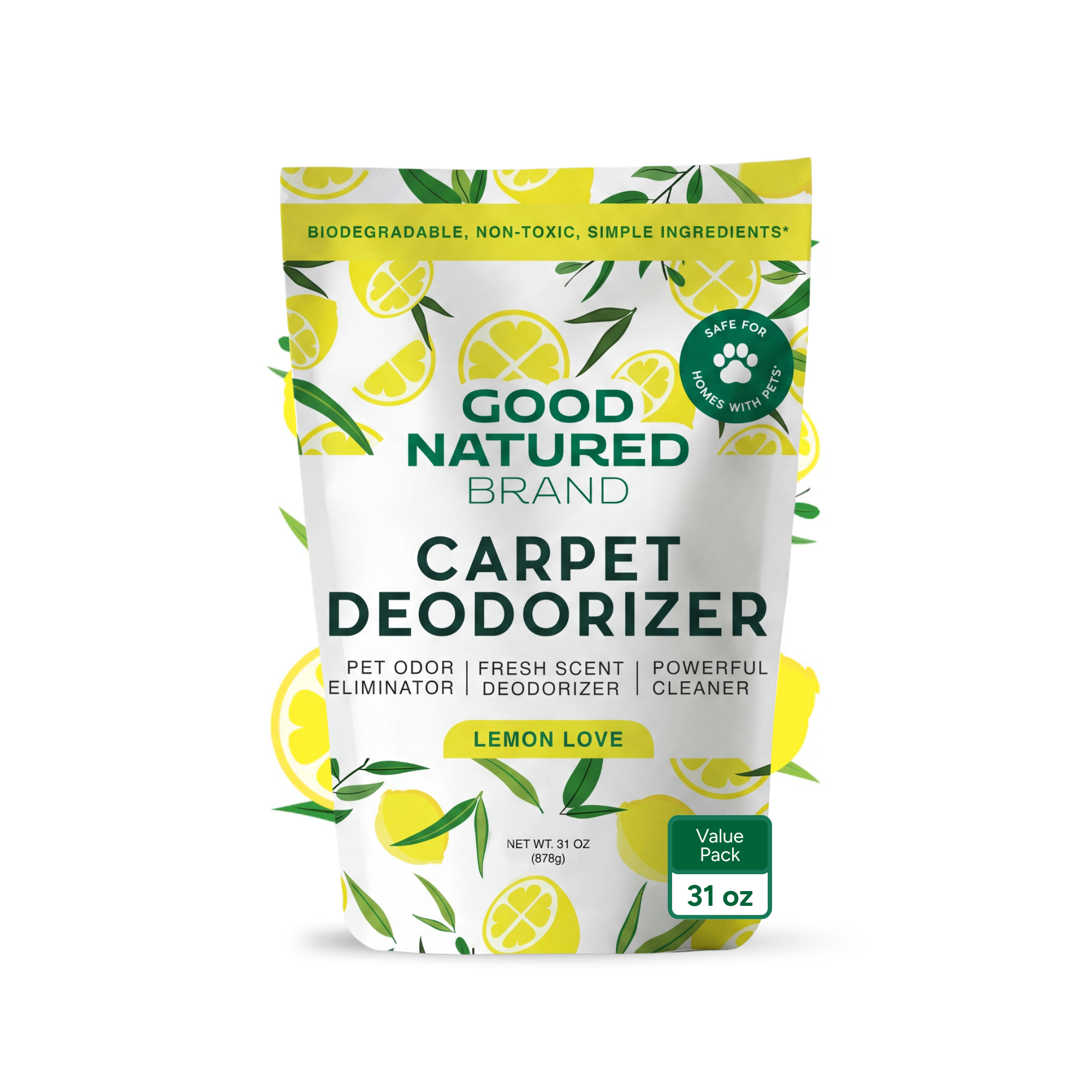
Lemon freshness for every home.
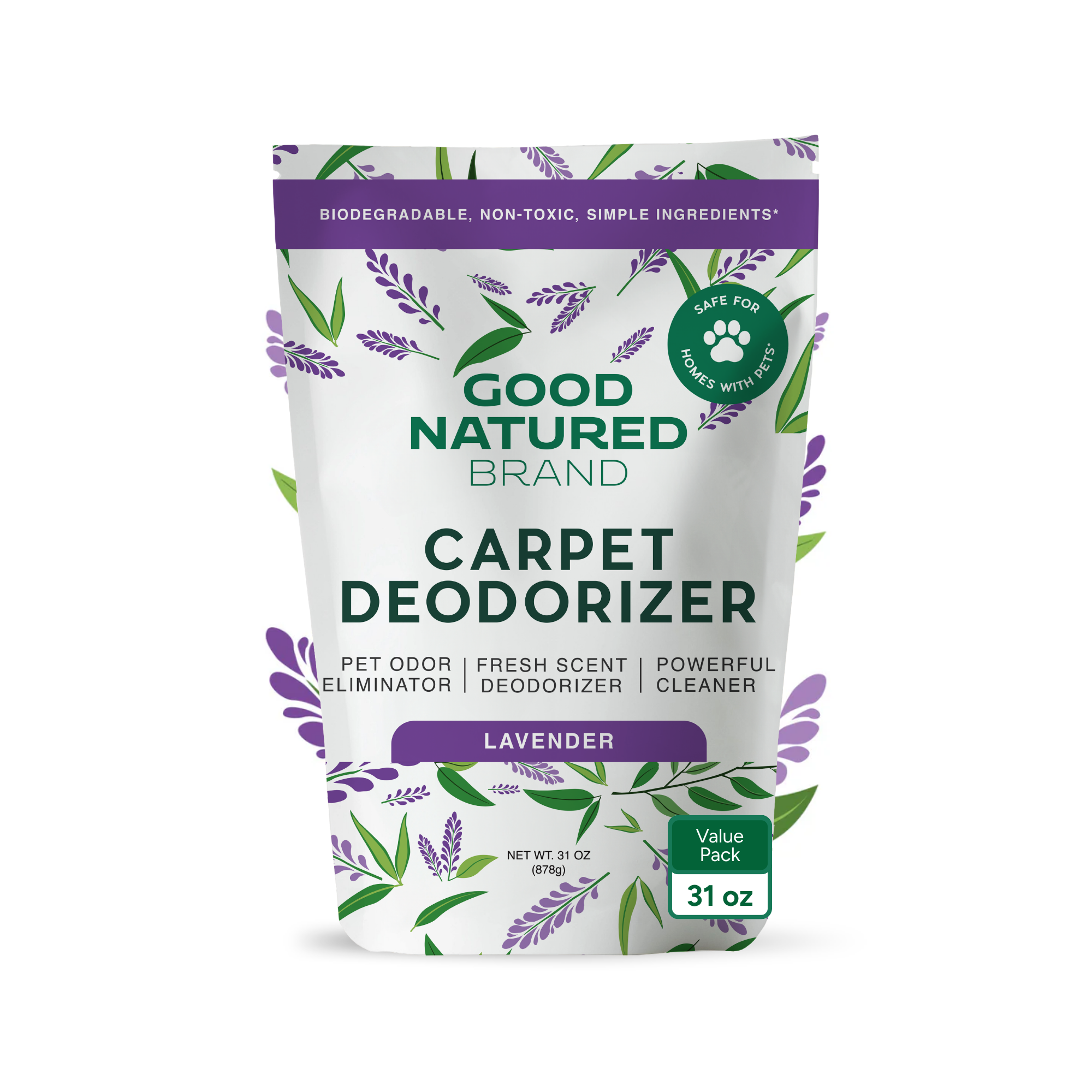
Lavender calm for every home.
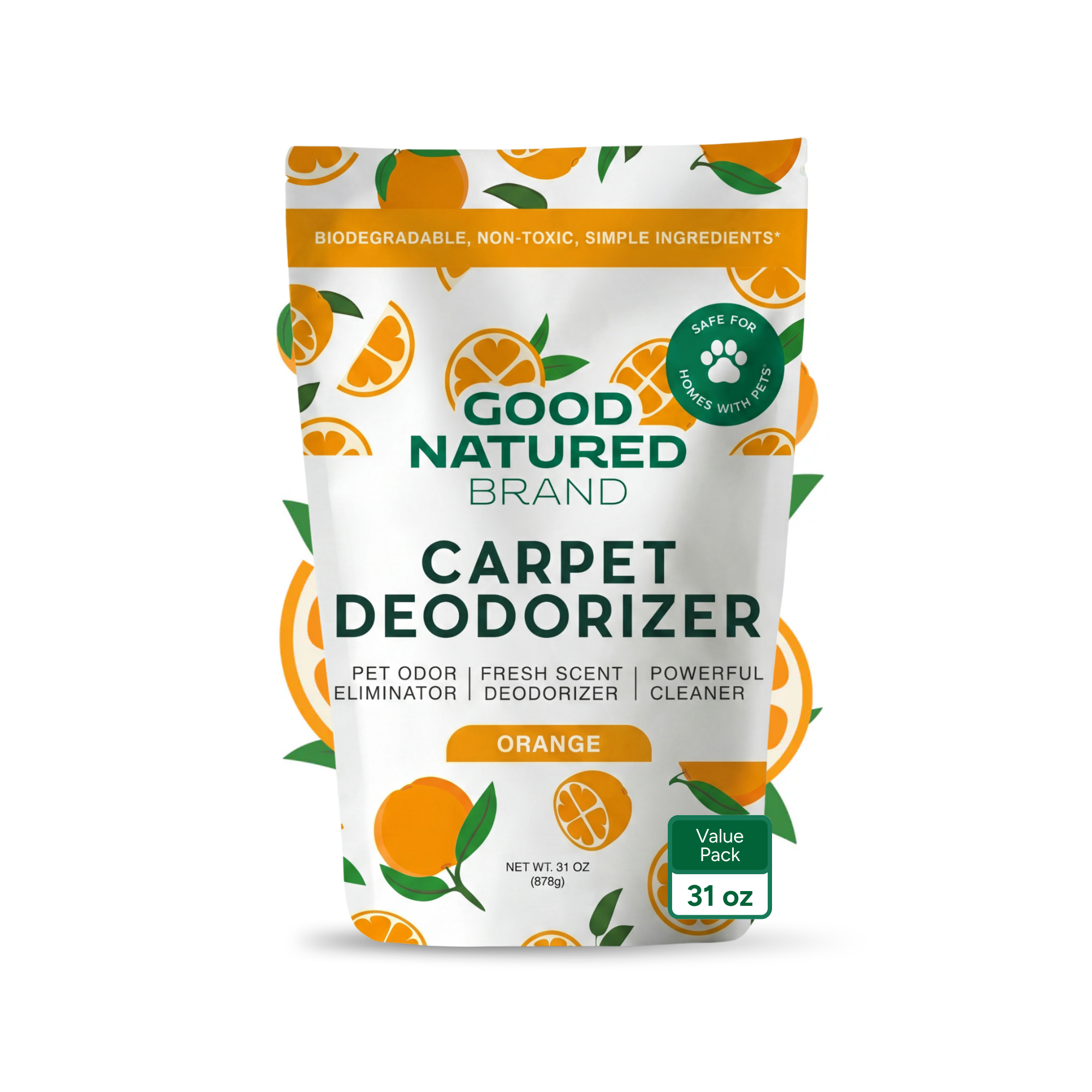
Orange energy for every home.
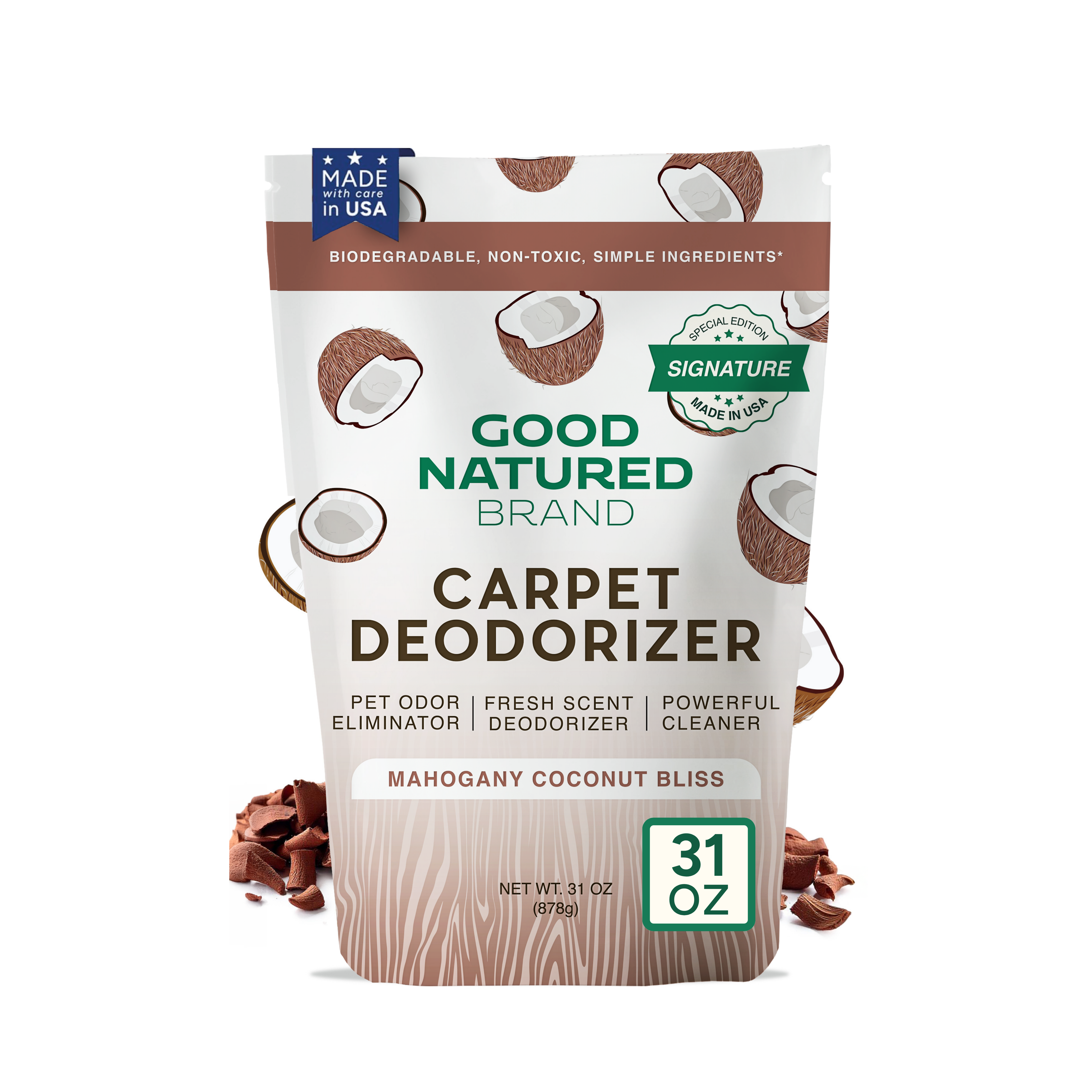
Mahogany warmth for every home.
Cherry blossom serenity for every home.
Cocoa butter comfort for every home.
Mandarin freshness for every home.
Champagne sparkle for every home.
Zesty freshness for every carpet.
Hand Scaling as a Mechanical Solution
One of the most practical tips discussed is hand scaling—manually scraping tartar from teeth using a dental scaler similar to those used in clinics.
This approach:
-
Is inexpensive and accessible
-
Works best on cooperative pets
-
Focuses on visible tartar, especially on canine teeth
Consistency is crucial. Weekly or biweekly scaling can slow tartar accumulation and, in some cases, delay the need for professional dental procedures. It’s not suitable for every pet, but for tolerant dogs or cats, it can make a meaningful difference.
Propolis and the Power of Natural Antibacterials
Propolis, often called “bee glue,” is highlighted for its well-documented antibacterial properties. It helps inhibit the bacteria responsible for plaque and gingivitis.
Available as sprays or capsules, propolis can be:
-
Sprayed directly into the mouth
-
Given orally at approximately 100 mg per 10 lbs of body weight
Its growing popularity reflects a broader shift toward natural, evidence-backed supplements in pet wellness.
Coconut Oil for Gentle Daily Support
Coconut oil is another accessible option with antibacterial effects against plaque-forming bacteria. The video suggests rubbing a small amount along the gum line twice daily for at least a month.
Many pets enjoy the taste, which makes compliance easier. While it won’t remove hardened tartar, it can reduce inflammation and slow plaque formation when used consistently.
Probiotics and the Oral Microbiome
Dental health isn’t just about removing bad bacteria—it’s also about supporting beneficial ones. Research shows that specific probiotic strains can improve oral health by crowding out harmful bacteria.
The strains highlighted include:
-
Lactobacillus rhamnosus
-
Lactobacillus plantarum
-
Streptococcus thermophilus
By sprinkling probiotics onto food and gently rubbing some into the mouth, pet parents can help rebalance the oral microbiome over time. A 60-day trial is recommended to assess results.
Using Food to Support Dental Hygiene
Certain foods provide mild abrasive action that helps mechanically reduce plaque. Carrots, for example, are inexpensive and effective for many dogs. Dental treats containing abrasive ingredients can also help—if your pet will eat them consistently.
This method works best as part of a broader routine rather than as a standalone solution.
Green Tea as an Oral Rinse
Green tea offers antibacterial, antiviral, and anti-inflammatory benefits. When cooled and applied along the gum line with a syringe, it can reduce gingivitis and harmful bacteria such as Porphyromonas species.
Prepared properly and used daily, green tea rinses are a gentle way to support oral health, especially for pets that resist brushing or scaling.
Honey as an Unexpected Dental Ally
Despite common misconceptions, honey does not promote dental disease when used appropriately. In fact, it has been shown to inhibit plaque-forming bacteria and reduce tartar calcification.
Honey can be:
-
Applied directly in small amounts
-
Combined with green tea to create an enhanced oral rinse
This combination offers a natural, palatable option for pets that resist other treatments.
When Home Care Meets Real Life
Dental care often gets messy—drool, residue, treats, and supplements can end up on bedding, rugs, and floors. Maintaining a clean environment supports not just hygiene but your pet’s comfort as well.
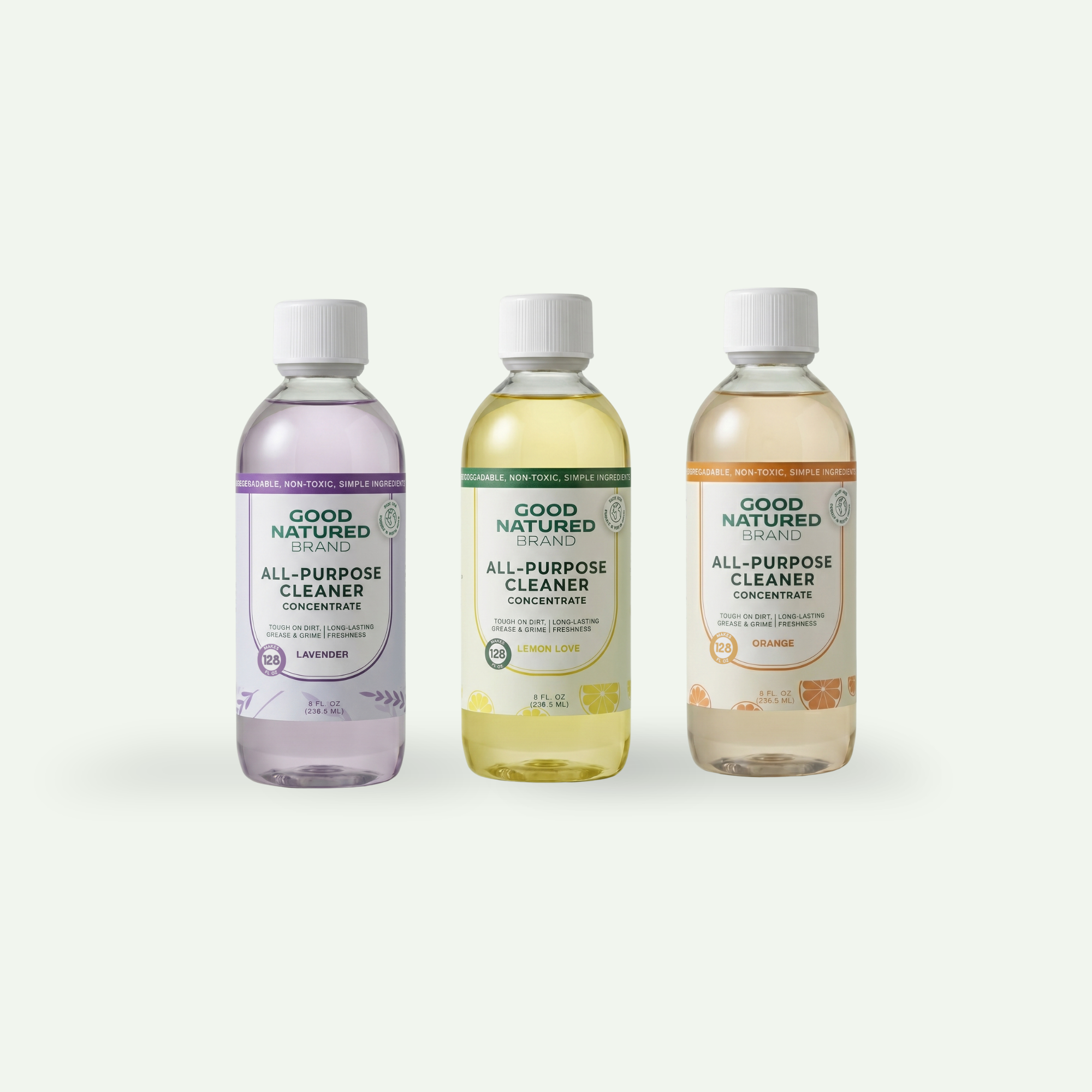
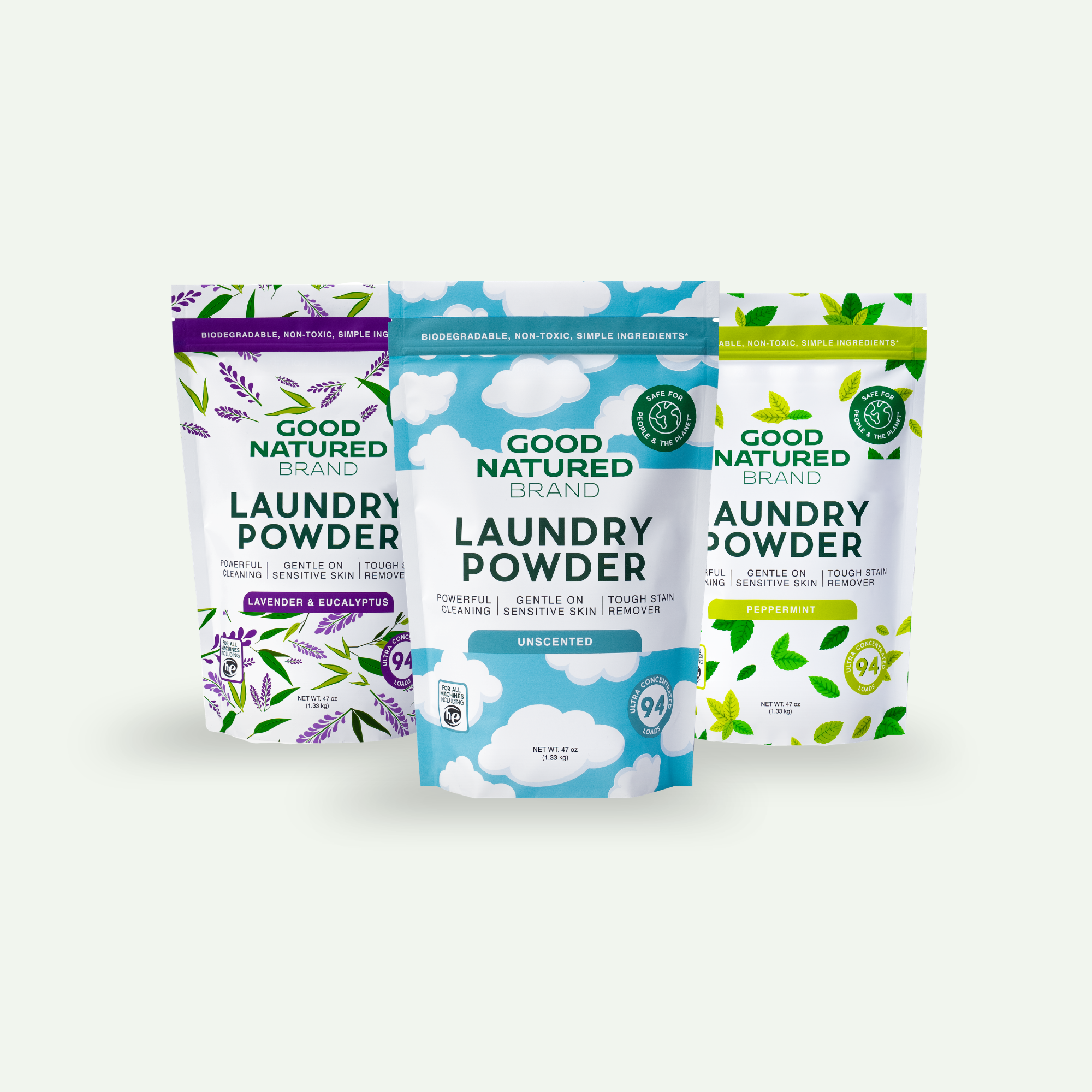
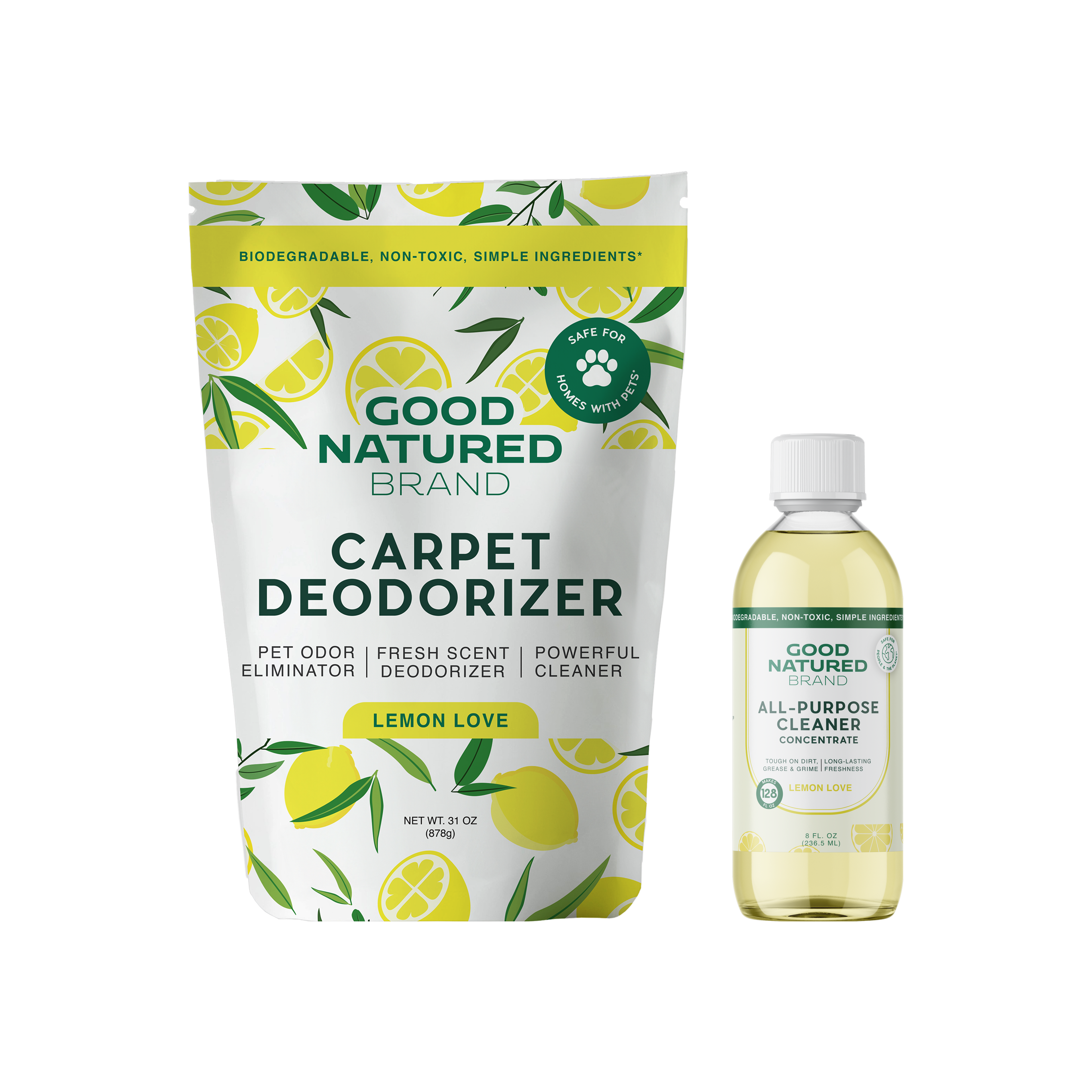
Washing blankets and towels regularly with a gentle Laundry Powder helps remove odors and buildup without harsh residues. For areas around feeding stations or dental-care routines, a mild All-Purpose Cleaner can help maintain cleanliness while being mindful of pets sharing the space.
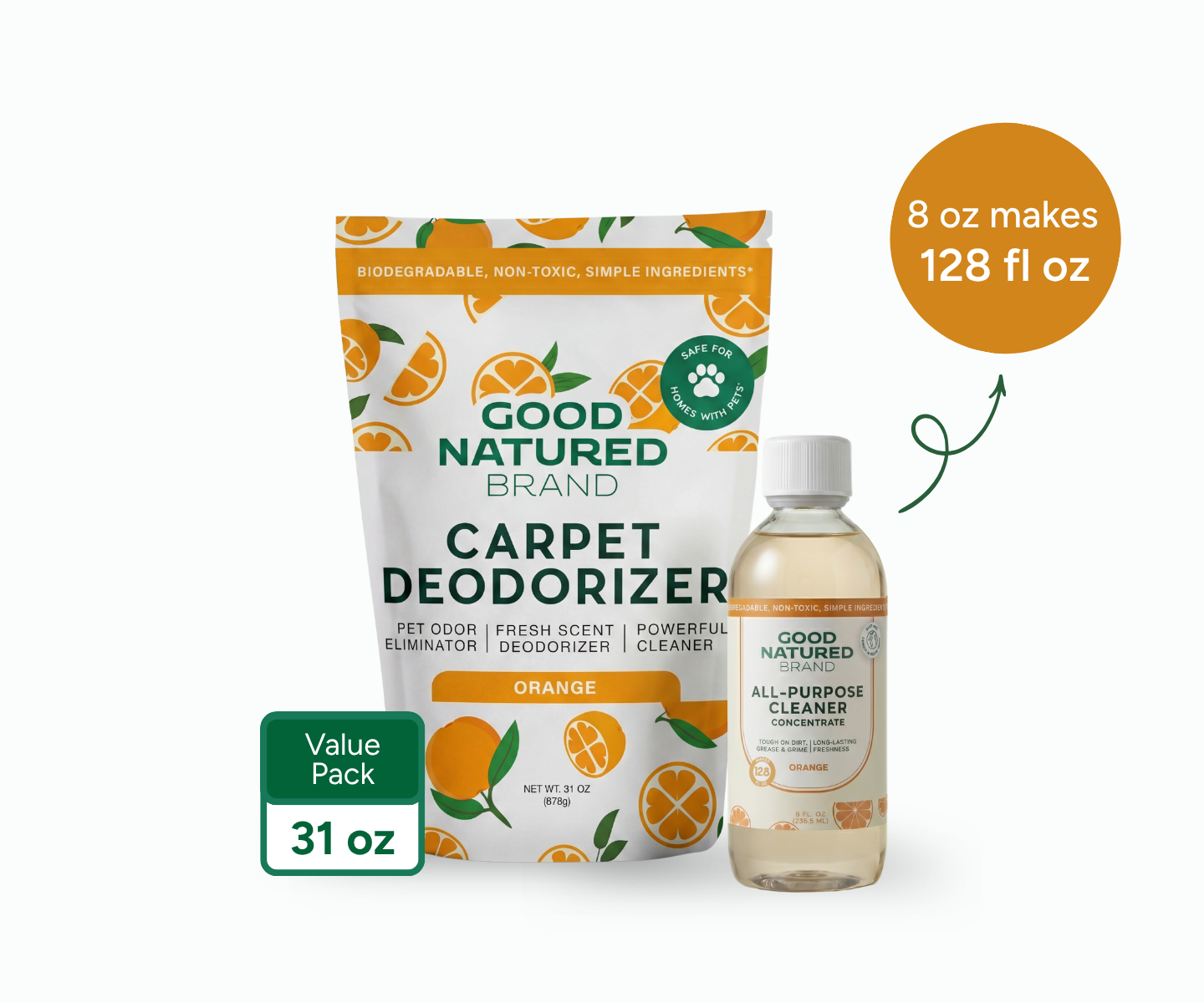
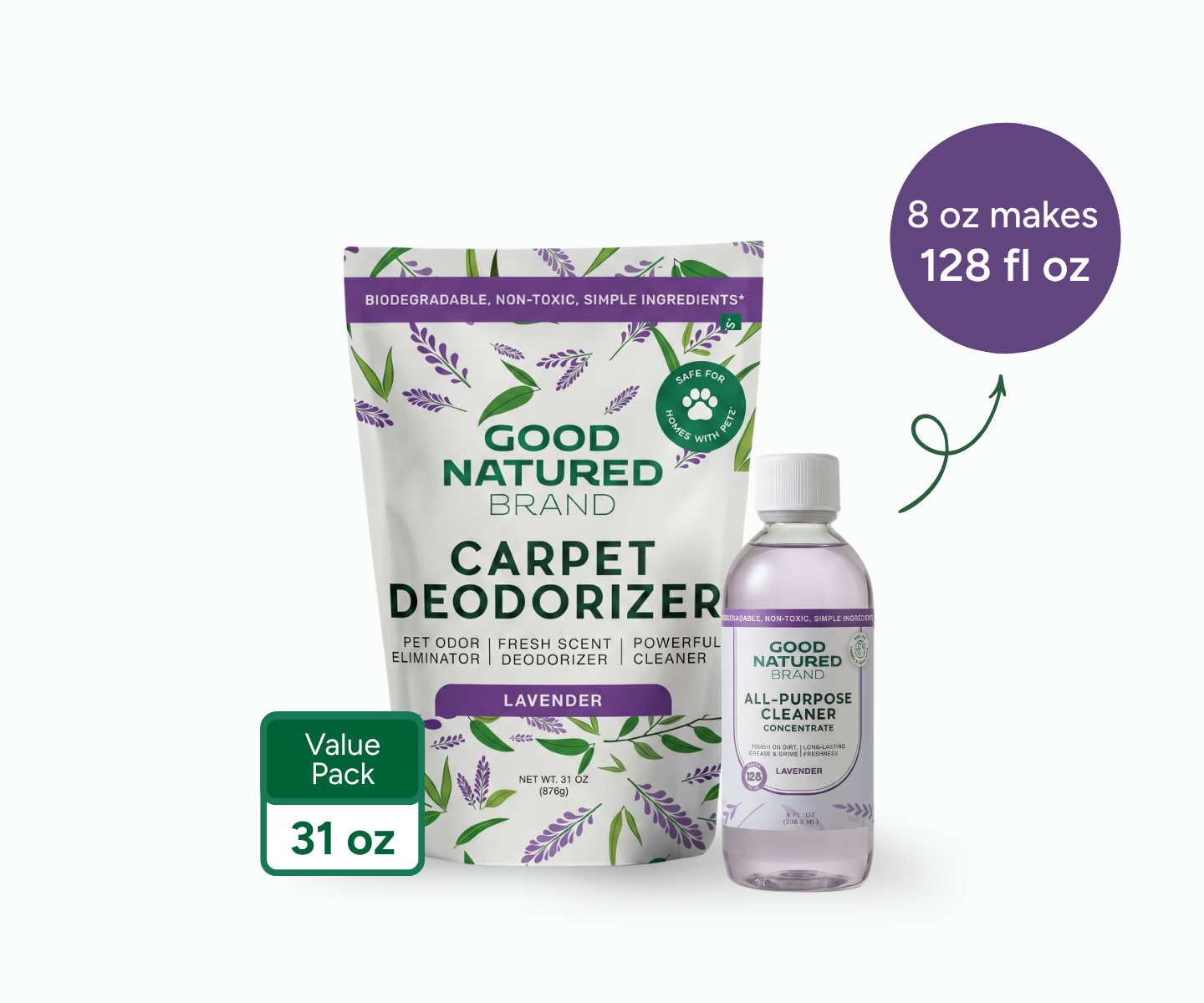
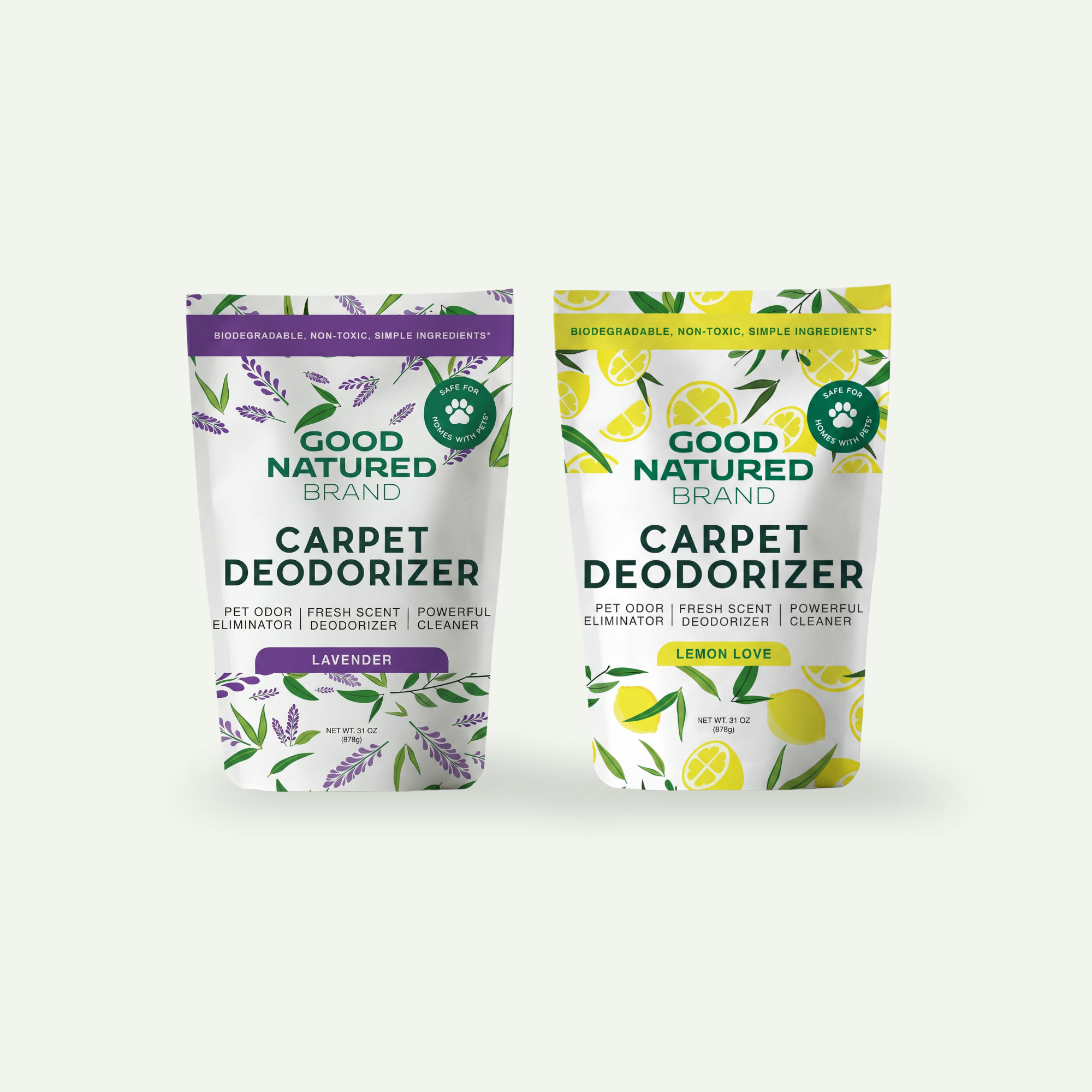
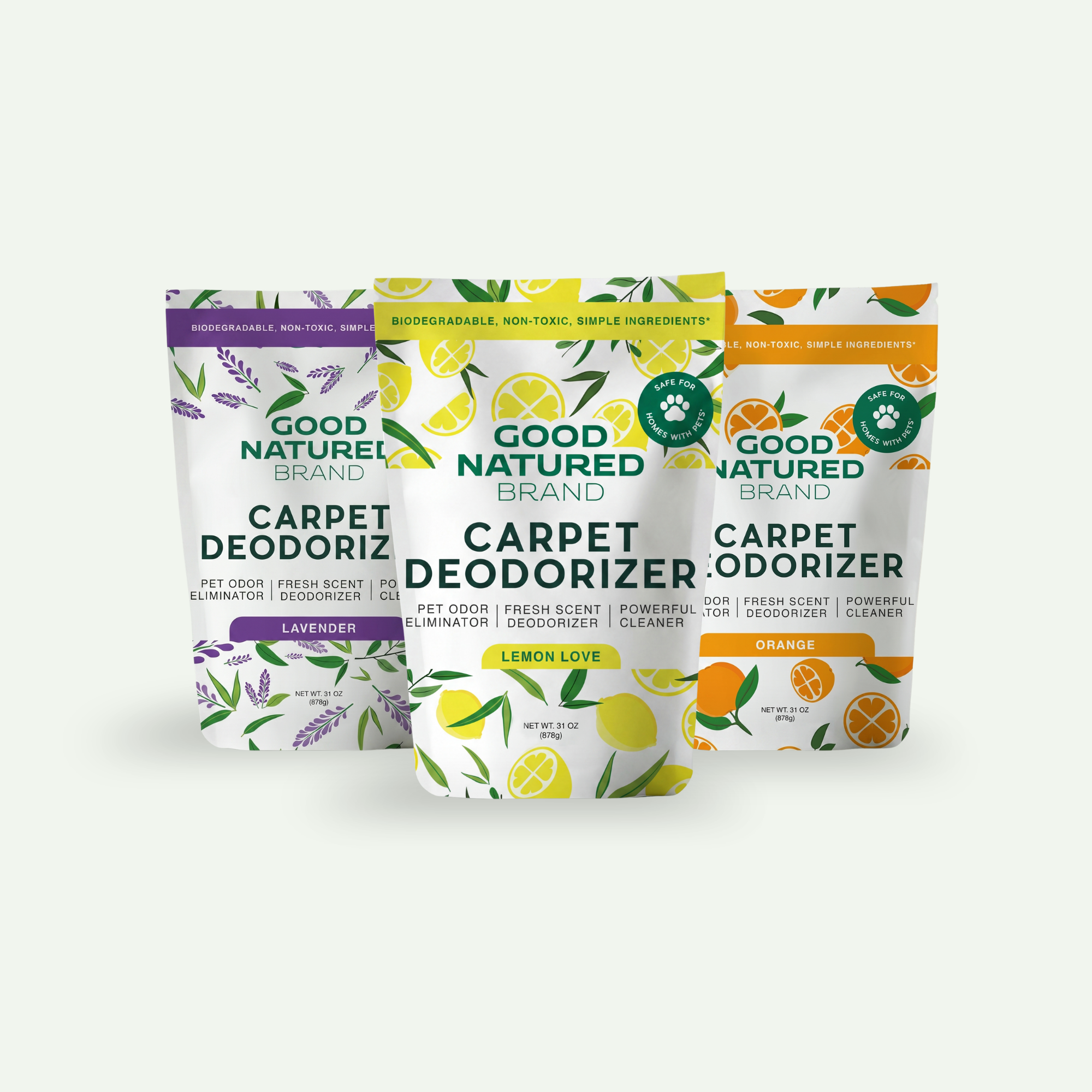
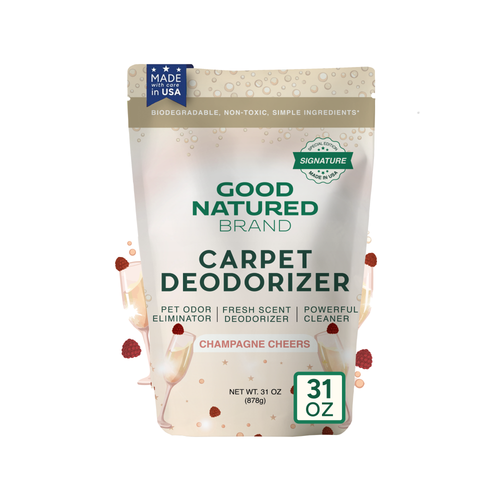
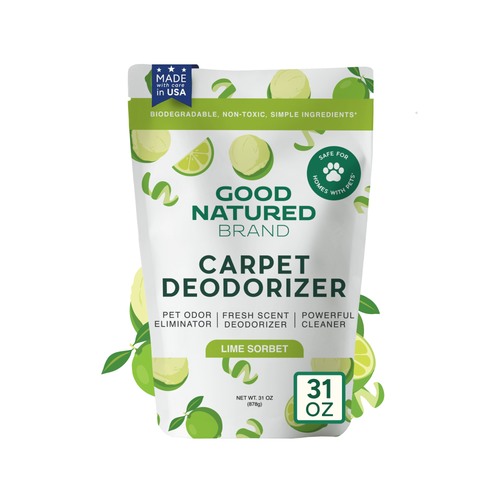
If dental-related odors linger in carpets or upholstery, using a Carpet Deodorizer can help neutralize smells and keep your home feeling fresh during long-term care routines.
Setting Realistic Expectations for Pet Dental Care
The most important message from Veterinary Secrets is balance. Professional veterinary dentistry under anesthesia remains the safest and most thorough option—especially for advanced disease.
However, when that care is unavailable or delayed, informed home remedies:
-
Reduce bacterial load
-
Improve comfort
-
Slow disease progression
Results take weeks or months, not days. Consistency, patience, and gentle handling are essential.
Final Thoughts
“How to Care for Your PET'S TEETH: 7 EASY & Essential Tips You Can Practice AT HOME” offers a thoughtful, compassionate look at real-world pet care. Rather than promoting shortcuts or fear-based decisions, it empowers pet parents with tools, knowledge, and realistic options.
Good dental health isn’t about perfection—it’s about doing something rather than nothing, understanding your pet’s limits, and building habits that support long-term wellbeing. With patience, routine, and the right approach, home dental care can become a meaningful part of your pet’s overall health journey.