


A clean home shouldn’t come with a cloud of harsh fumes, a headache from overpowering fragrance, or irritated hands from scrubbing with aggressive chemicals. If you’ve ever looked at your cleaning cabinet and wondered, “Do I really need all of this?” you’re already on the right track.
Learning how to keep a clean home without toxic cleaners is less about buying dozens of “natural” products and more about using a smarter system: a simplified toolkit, better cleaning methods, and routines that stop messes from building up in the first place. In this guide, you’ll learn what “toxic cleaners” usually refers to, how to build a minimalist non-toxic cleaning kit, and exactly how to clean each room—kitchen, bathroom, bedrooms, carpets, laundry—without relying on harsh chemical-heavy products.
For more cleaning routines and home-care tips, you can also explore the Good Natured Brand Blog and visit the Good Natured Brand main site for eco-minded home essentials.
How to keep a clean home without toxic cleaners: quick summary for busy readers
If you want the short version, here it is:
-
You don’t need “stronger” products—you need a better method: friction, dwell time, and rinse.
-
A clean home without toxic cleaners starts with a small toolkit: microfiber, gentle soap, baking soda, and smart habits.
-
Ventilation matters, even with gentle products.
-
Most homes don’t need constant disinfecting; in many cases, cleaning is enough.
-
Odor control is usually about removing the source, not masking it with fragrance.
-
A simple schedule (daily mini-resets + weekly deeper clean) keeps your home clean without intense chemicals.
Your easiest starting point:
-
Microfiber cloths + warm water
-
One gentle everyday spray
-
One deodorizing solution for soft surfaces
-
A consistent laundry routine
-
A repeatable weekly plan
What “toxic cleaners” usually means and why people want to avoid them
When people say “toxic cleaners,” they usually aren’t talking about the chemistry textbook definition of “chemicals.” Everything is made of chemicals—including water. In everyday conversation, “toxic cleaners” typically refers to products that feel harsh to use or that may contribute to discomfort and irritation in the home.
What counts as a toxic cleaner in everyday conversation
Many people are trying to reduce exposure to:
-
Heavy fragrance formulas that linger and trigger headaches
-
Harsh solvents and degreasers with strong fumes
-
Bleach-based products used frequently for routine cleaning
-
Aerosol sprays and disinfectants applied indoors without ventilation
-
Products with “mystery fragrance” (often listed as fragrance/parfum)
Avoiding these doesn’t mean you’ll have a dirty home. It means you’ll rely on gentler methods that work just as well for everyday cleaning.
Why keeping a clean home without toxic cleaners matters
A low-tox cleaning approach can support:
-
Better comfort in your indoor air (especially in winter when windows are closed)
-
Fewer skin irritation flare-ups (hands are exposed constantly during cleaning)
-
Less residue on high-touch surfaces (counters, handles, kids’ toys)
-
Safer floor routines in homes with babies and pets who spend time close to the ground
The goal: reduce exposure without sacrificing cleanliness
The biggest mindset shift is this: cleaning is not the same as disinfecting.
-
Cleaning removes dirt, grease, and residue using soap, water, and friction.
-
Sanitizing reduces germs to safer levels (helpful in certain food-prep situations).
-
Disinfecting kills a broader range of germs and is most important after illness or in specific high-risk situations.
Most day-to-day messes can be handled with good cleaning alone—meaning you can keep a truly clean home without relying on harsh disinfectants and chemical-heavy sprays.
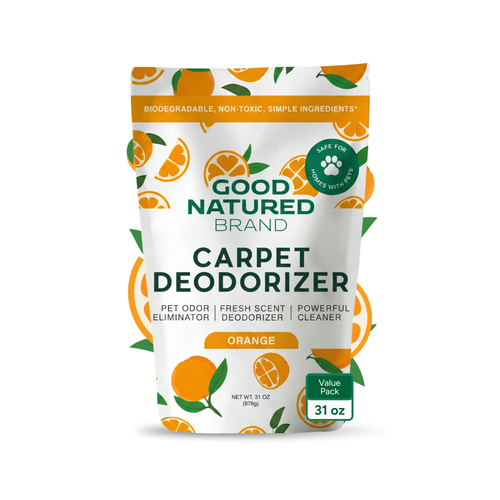
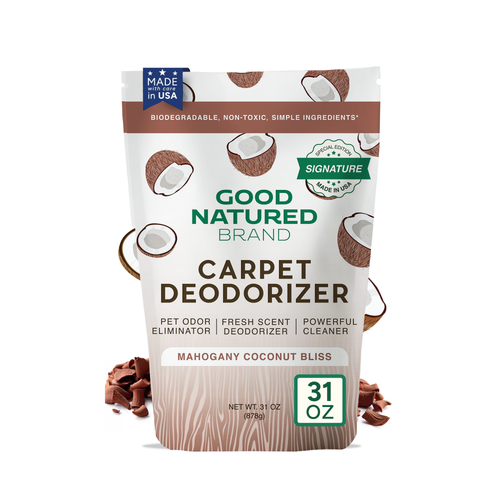
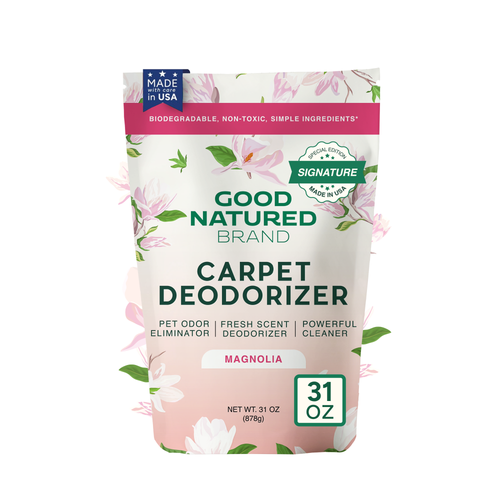
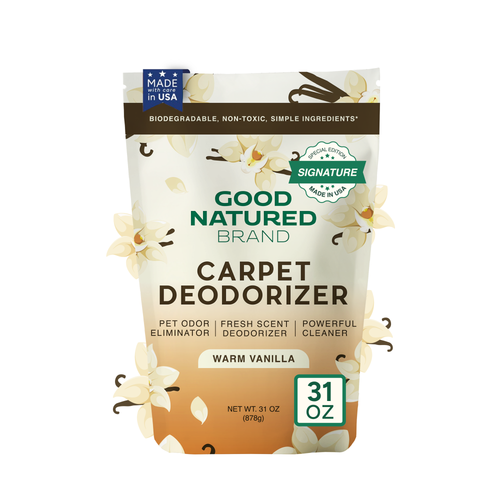
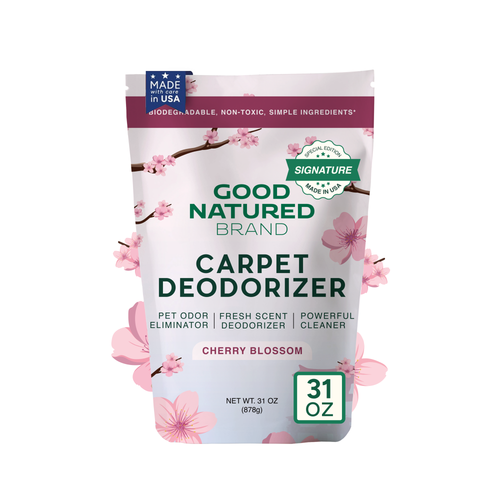
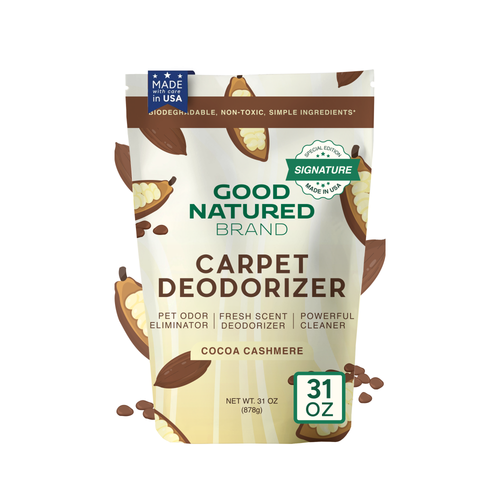
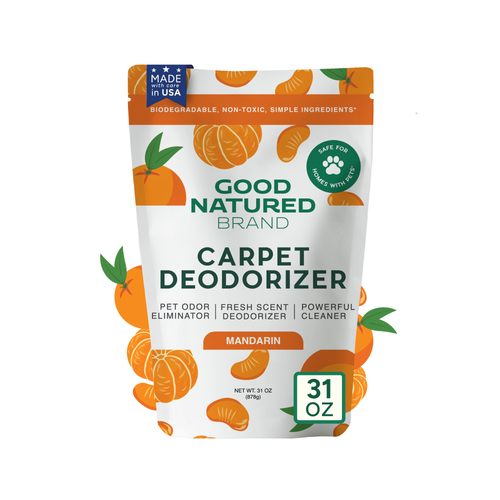
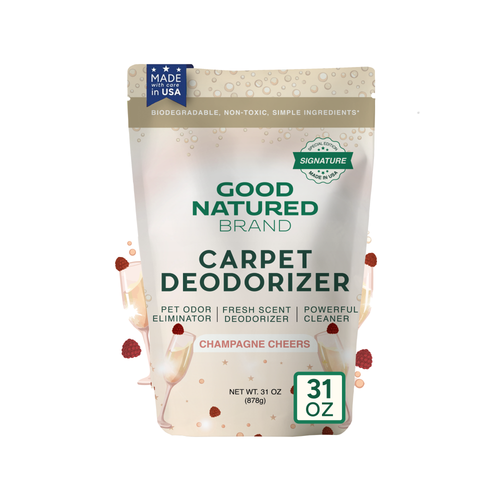
Shop the Product
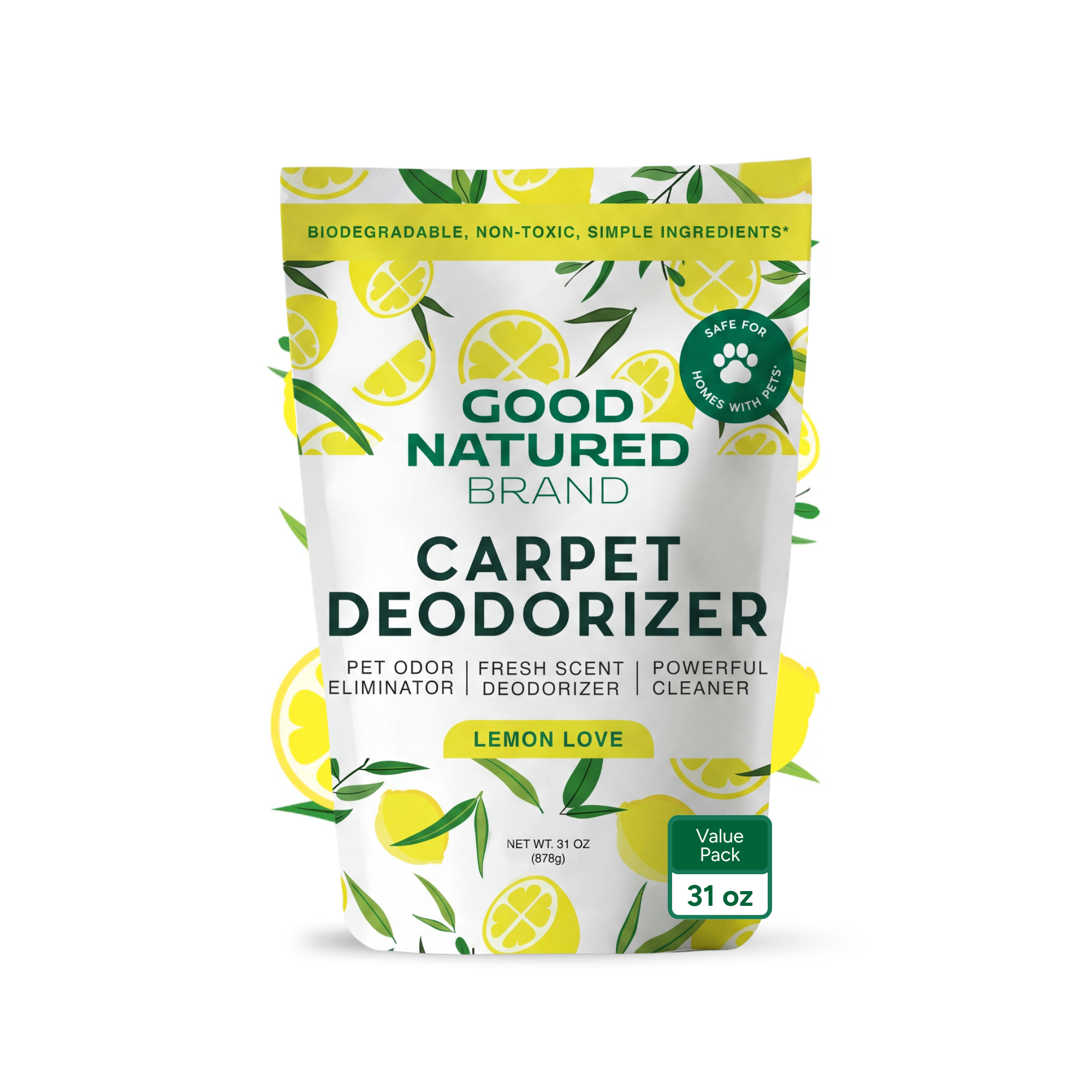
Lemon freshness for every home.
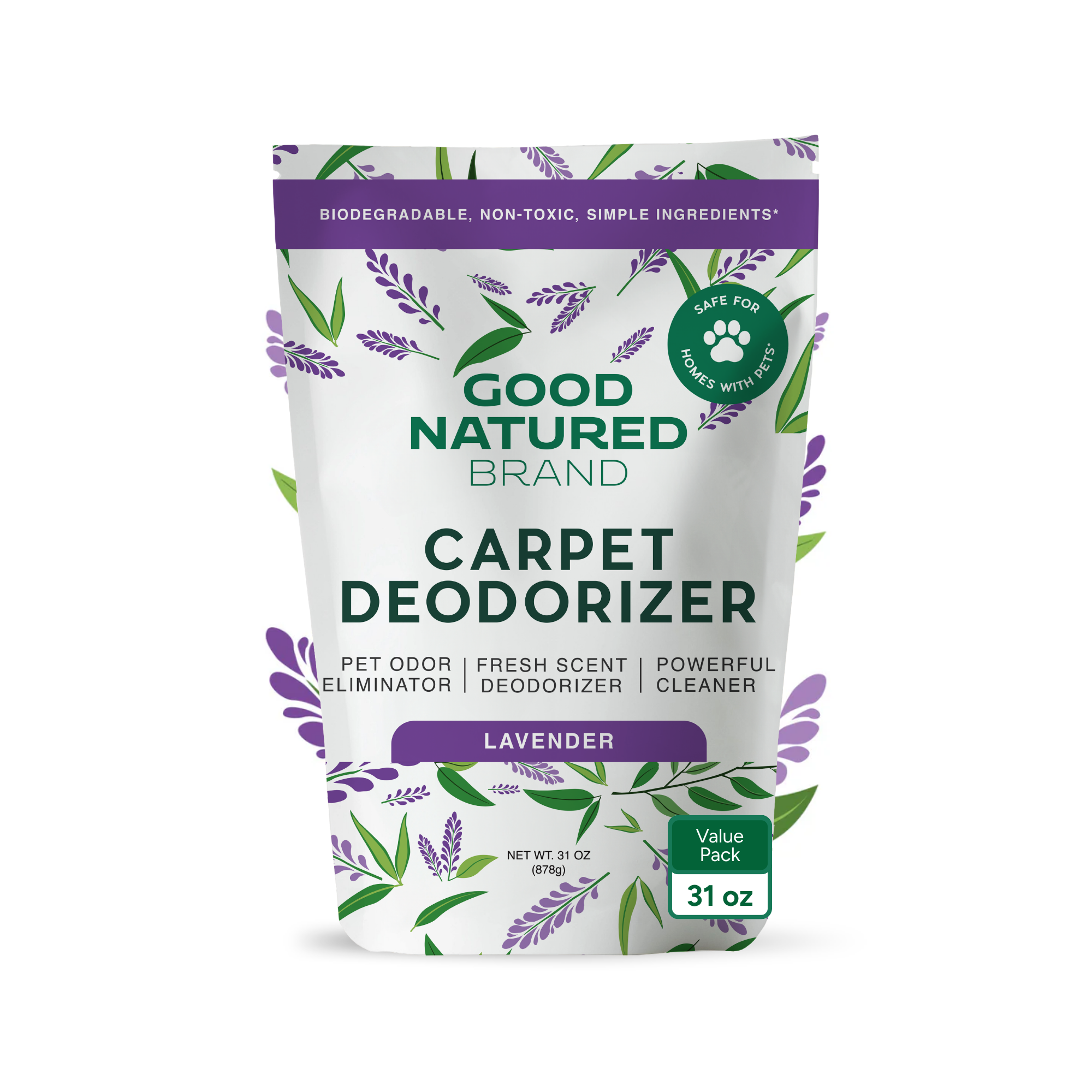
Lavender calm for every home.
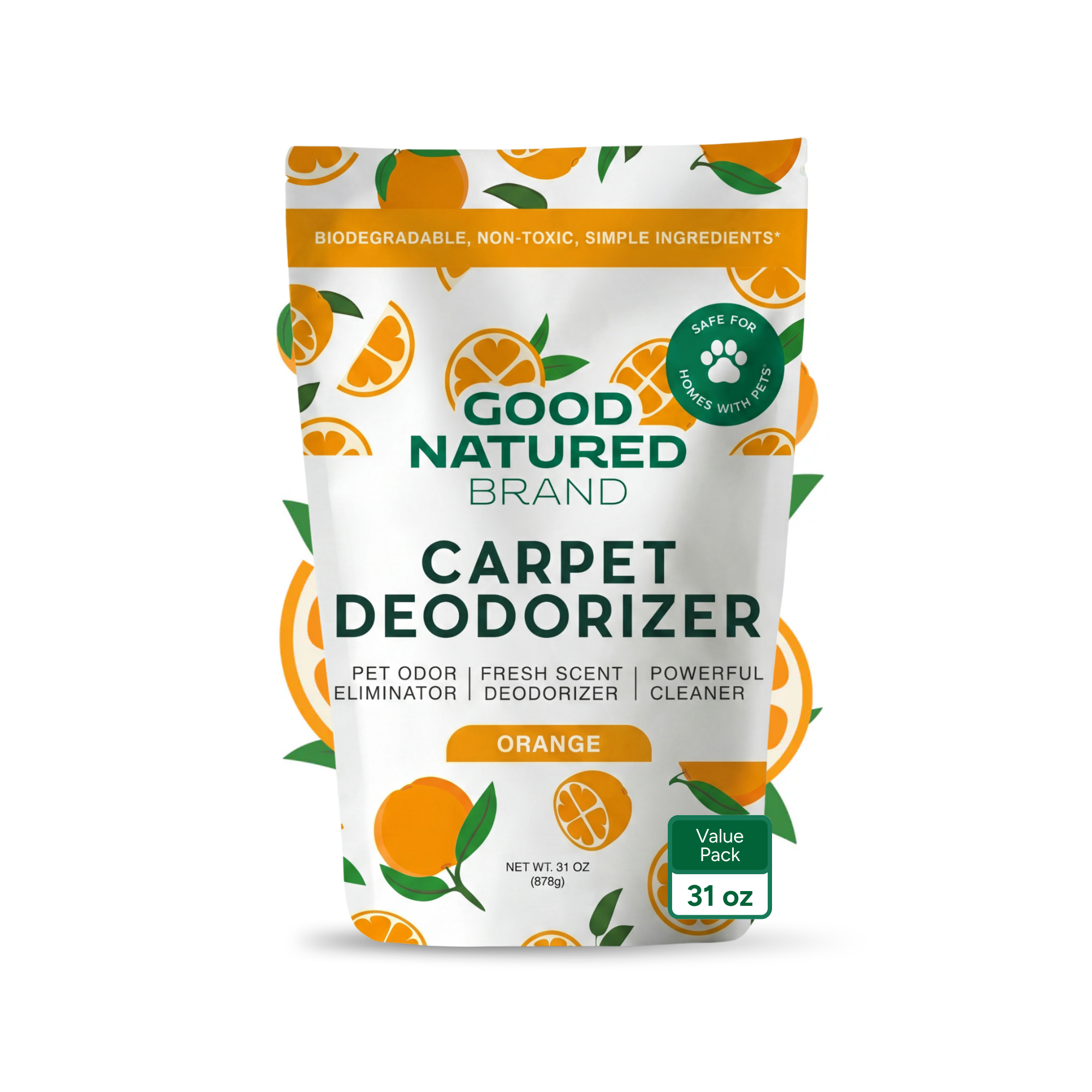
Orange energy for every home.
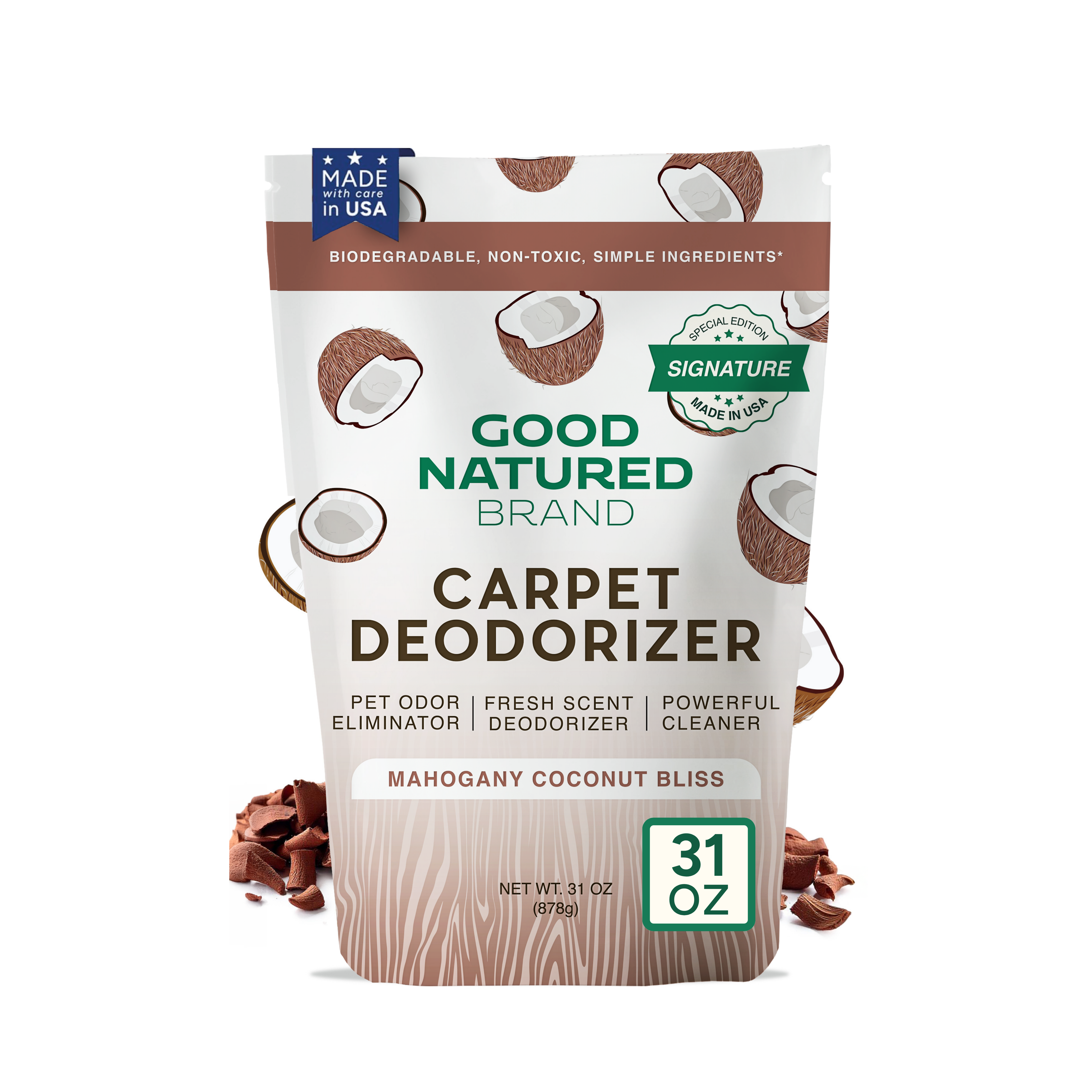
Mahogany warmth for every home.
Cherry blossom serenity for every home.
Cocoa butter comfort for every home.
Mandarin freshness for every home.
Champagne sparkle for every home.
Zesty freshness for every carpet.
How to keep a clean home without toxic cleaners by simplifying your cleaning toolkit
A common mistake is replacing one “toxic” cabinet with another cabinet full of “natural” products. The easiest way to keep a clean home without toxic cleaners is to use fewer products and better techniques.
The minimalist non-toxic cleaning kit
Here’s what most households need:
-
Microfiber cloths (for dust, streak-free wiping, and effective cleaning with less product)
-
Gentle soap or castile soap (your all-purpose workhorse)
-
Baking soda (deodorizing + gentle scrubbing)
-
White vinegar (use where surface-safe; great for glass and some buildup)
-
Hydrogen peroxide 3% (optional for targeted disinfecting; use carefully and don’t mix)
-
Scrub brush + soft sponge
-
Squeegee (bathrooms get easier instantly)
-
Optional upgrades:
-
HEPA vacuum (especially with pets or allergies)
-
Steam cleaner (great for certain tile and grout situations)
The “less product, better method” rule
When you remove harsh cleaners, method matters more:
-
Friction: wipe with purpose instead of mist-and-walk-away
-
Dwell time: let soap sit for a minute on grease or soap scum
-
Rinse and dry: residue causes streaks, stickiness, and odor rebound
Overusing product—whether “toxic” or not—often creates the same issues: buildup, residue, and a home that smells like cleaner instead of feeling fresh.
Label reading basics to avoid greenwashing
If you buy products, look for:
-
Transparent ingredient lists
-
Fragrance-free options if you’re sensitive
-
Clear instructions and safety guidance
-
Avoid mixing products (especially anything with bleach, vinegar, peroxide, or ammonia-type cleaners)
When in doubt, a gentle everyday cleaner plus good technique beats a “miracle” product with a long list of strong additives.
How to keep a clean home without toxic cleaners in the kitchen
The kitchen is where people often reach for harsh degreasers. You usually don’t need them. Soap, warm water, and a microfiber cloth handle most daily messes.
Countertops (granite, quartz, laminate)
Your safest default method:
-
Warm water + a small amount of gentle soap
-
Wipe with a damp microfiber cloth
-
Rinse with a clean damp cloth if needed
-
Dry to prevent streaks
Surface tips:
-
Avoid vinegar on natural stone (granite, marble) because acidity can damage the surface over time.
-
For quartz and laminate, mild soap is typically the most reliable “everyday” approach.
Grease (stove, backsplash, cabinets)
Grease responds best to soap and patience:
-
Apply warm soapy water and let it sit briefly
-
Wipe with microfiber
-
For stuck-on grime, use a baking soda paste (baking soda + water) and gently scrub
-
Rinse and dry
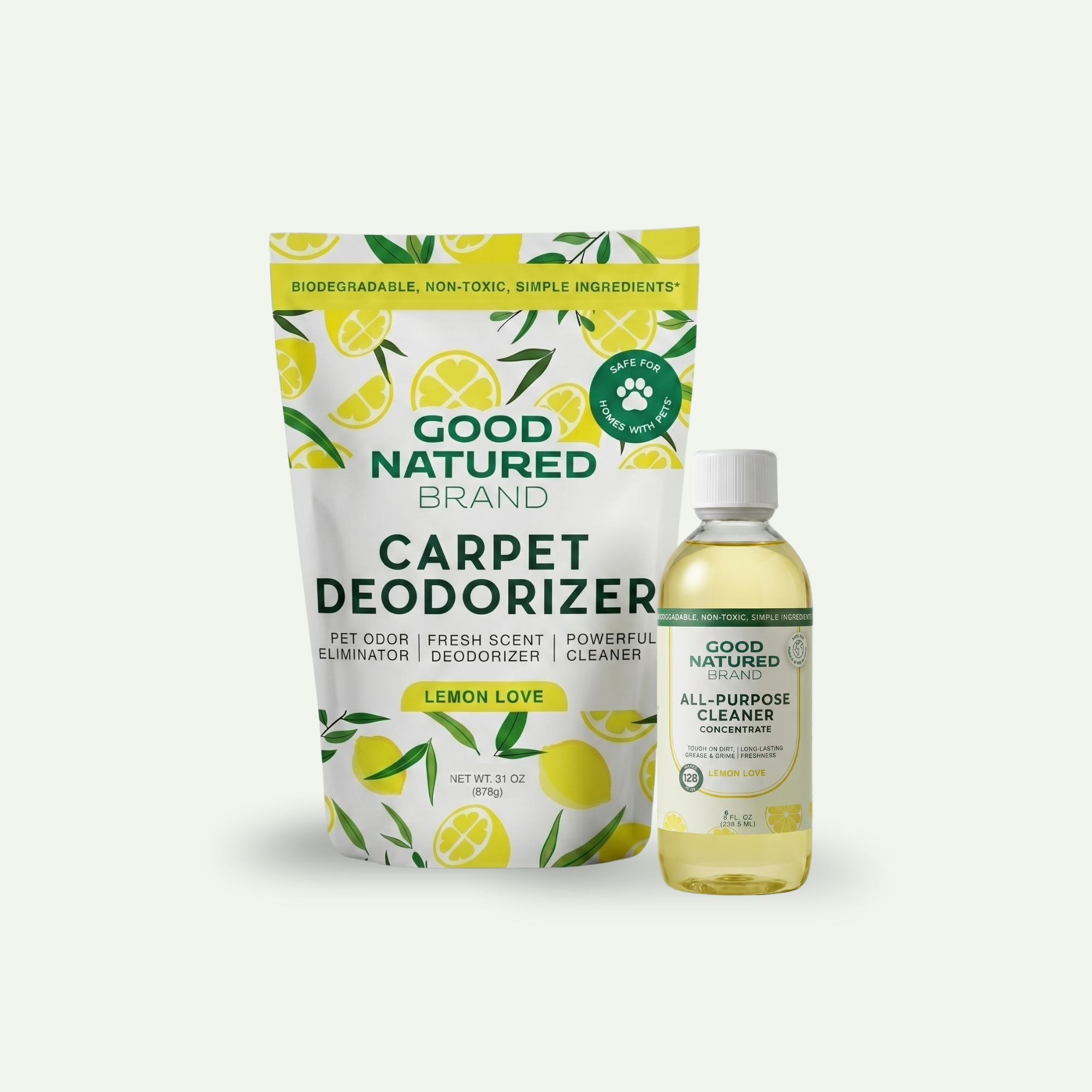
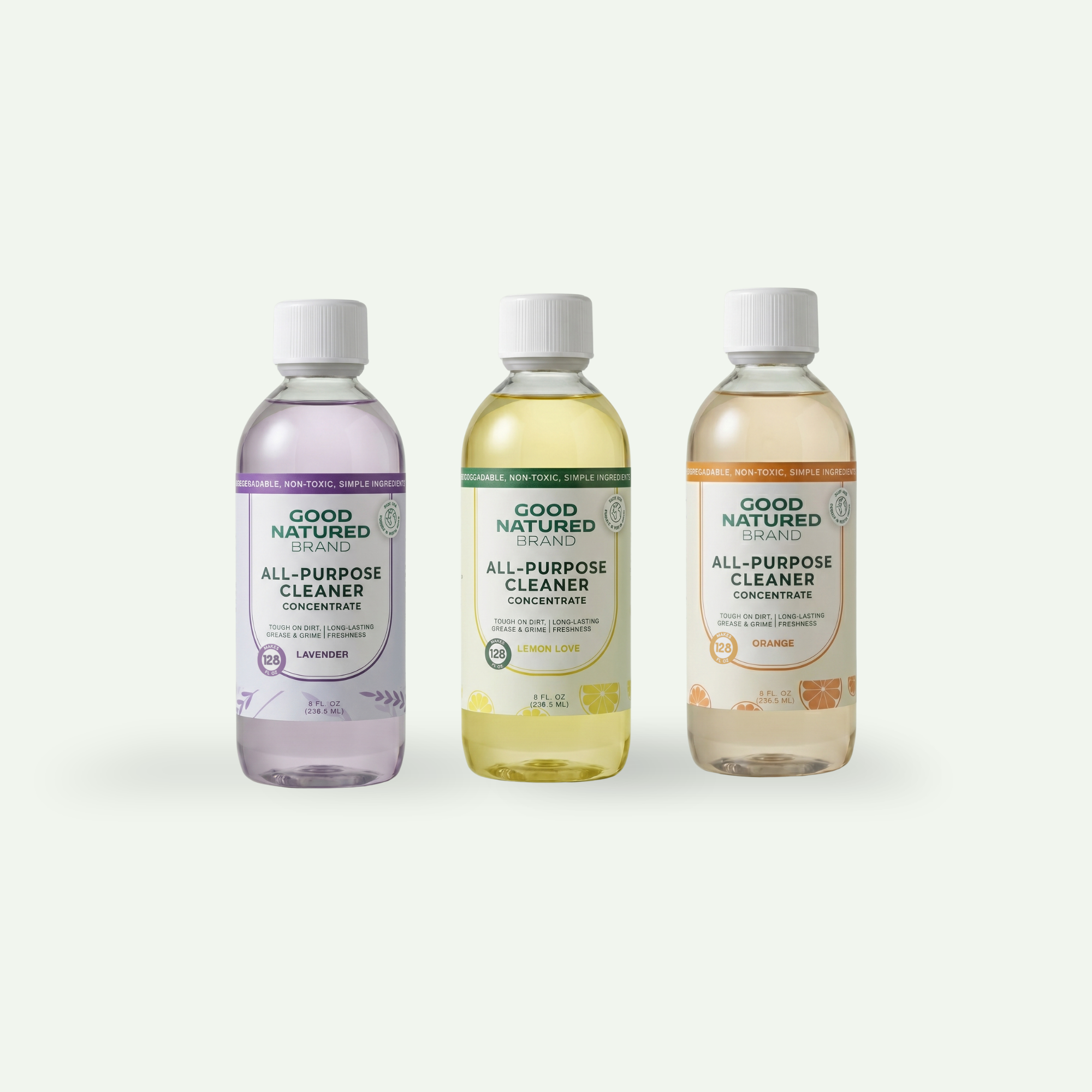
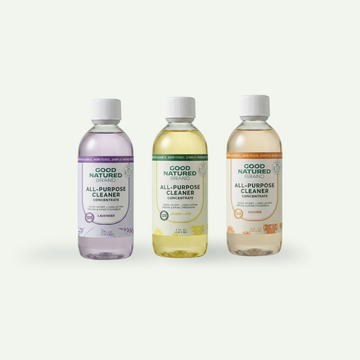
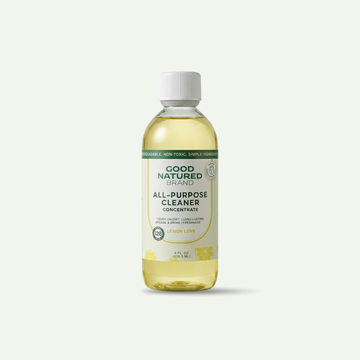
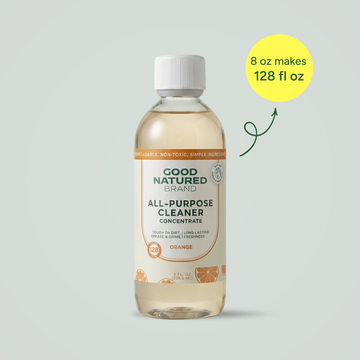
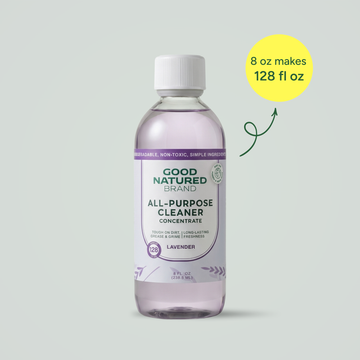
If you prefer a ready-to-use solution for daily kitchen resets, you can simplify your routine with All-Purpose Cleaners that support effective everyday cleaning without the harsh chemical vibe.
Sinks and drains
For the sink:
-
Sprinkle baking soda
-
Scrub with a damp sponge
-
Rinse thoroughly
For drain maintenance:
-
Flush with hot water regularly
-
Use baking soda occasionally as a deodorizing step
Avoid mixing multiple reactive ingredients in the drain. Simple maintenance beats dramatic “homemade volcano” reactions.
Trash and fridge odors
Odor prevention is often more powerful than deodorizing:
-
Wipe the trash can with soapy water and dry completely
-
Use baking soda in the fridge to help absorb odors
-
Store strong-smelling foods in sealed containers
-
Clean spills quickly (especially dairy and meat juices)
How to keep a clean home without toxic cleaners in the bathroom
Bathrooms can feel like they “require” harsh chemicals, but most problems come from buildup—soap scum, hard water, and moisture. Consistency is your best tool.
Soap scum and hard water
For many surfaces, a vinegar-water spray can help with hard water buildup—but only where surface-safe.
-
Spray lightly
-
Let it sit briefly
-
Wipe and rinse well
If vinegar isn’t appropriate for your surface, warm soapy water with a little dwell time can still work well. For heavy soap scum, combine gentle soap with a non-scratch sponge and rinse thoroughly.
Toilets
A simple non-toxic method:
-
Sprinkle baking soda into the bowl
-
Scrub with a toilet brush
-
Flush
For occasional deeper cleaning, hydrogen peroxide can be used carefully, but avoid mixing with other cleaners and ensure good ventilation.
Mirrors and glass
Streak-free glass is about technique:
-
Use a microfiber cloth (or two—one damp, one dry)
-
Lightly apply vinegar-water where appropriate
-
Wipe in one direction and finish with a dry polish pass
Mold-prone areas
Mold prevention is mostly moisture control:
-
Run the fan during and after showers
-
Use a squeegee on shower walls
-
Keep towels and bath mats dry
-
Fix leaks quickly
For persistent mold issues, professional advice may be appropriate. A clean home without toxic cleaners still takes mold seriously—because moisture problems can’t be solved with fragrance or surface-level sprays.
How to keep a clean home without toxic cleaners in living rooms and bedrooms
These areas often look clean but collect dust, allergens, and fabric odors. Your goal is to remove buildup without filling the room with scented sprays.
Dust and allergens
A reliable routine:
-
Dry dust with microfiber (it grabs particles instead of pushing them around)
-
Vacuum regularly, especially edges and under furniture
-
Wash throw blankets and pillow covers on a consistent schedule
If allergies are an issue, vacuum filtration and clean filters matter more than any “dust spray.”
Upholstery and fabrics
For spot cleaning:
-
Blot spills immediately
-
Use a small amount of gentle soap + water
-
Blot again, rinse lightly, and dry thoroughly
Avoid soaking fabric with odor sprays. Moisture trapped in cushions can create musty smells.
Carpets and rugs
Carpets hold onto odor sources—dander, crumbs, spills, and moisture. A clean-home-without-toxic-cleaners approach focuses on removal, not masking.
A practical routine:
-
Vacuum 2–3 times per week in high-traffic zones
-
Treat spills quickly (blot, clean, dry)
-
Deodorize only as needed (not automatically)
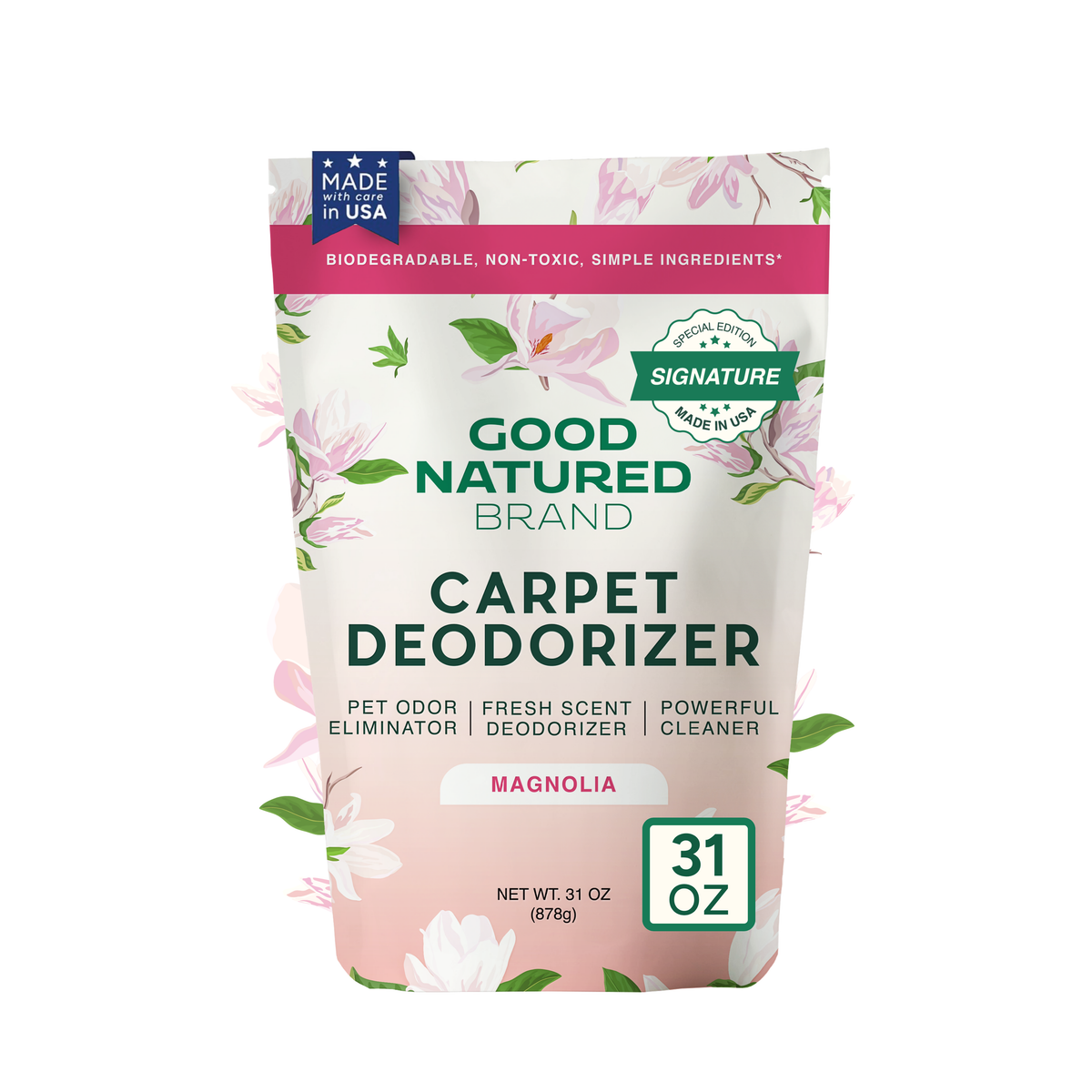
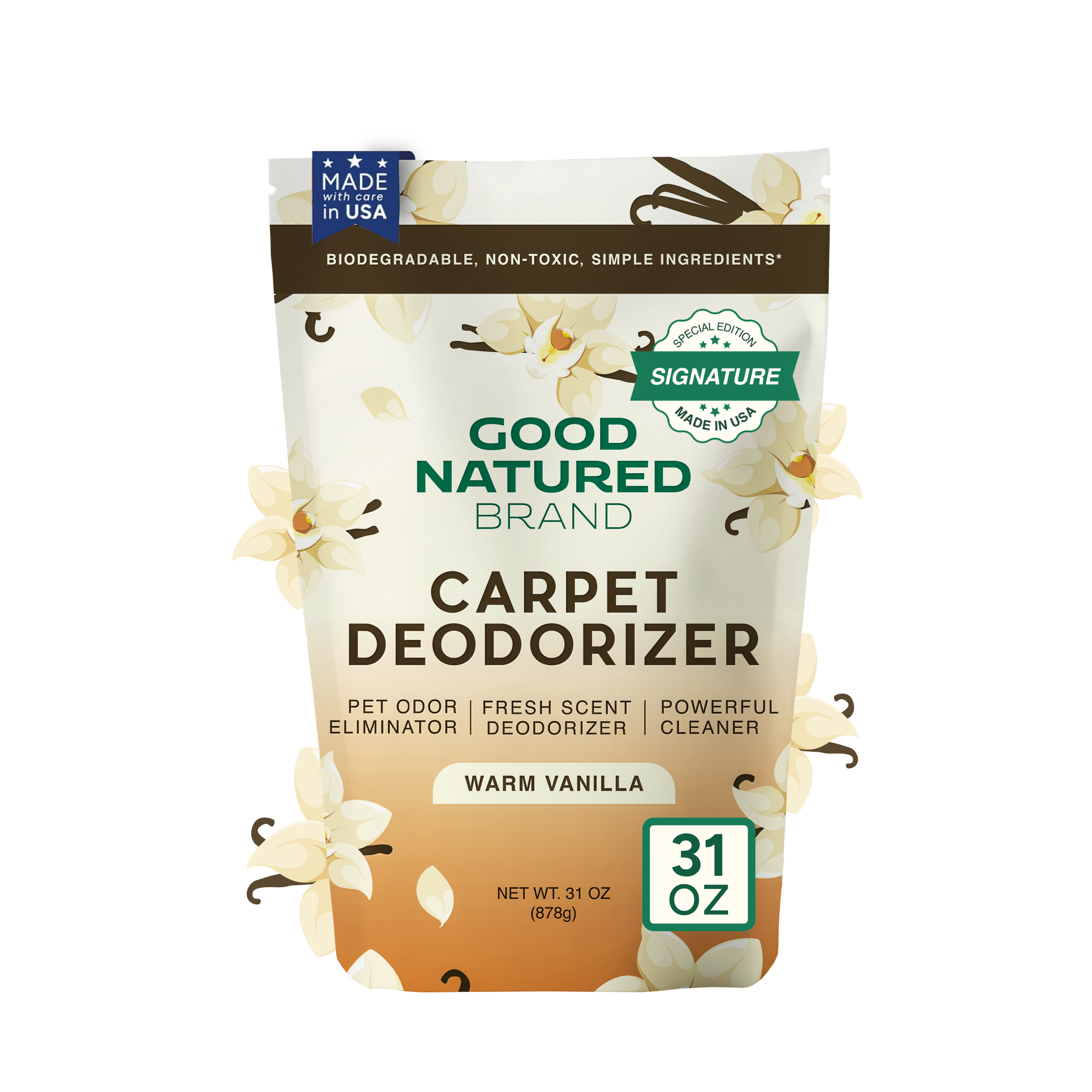
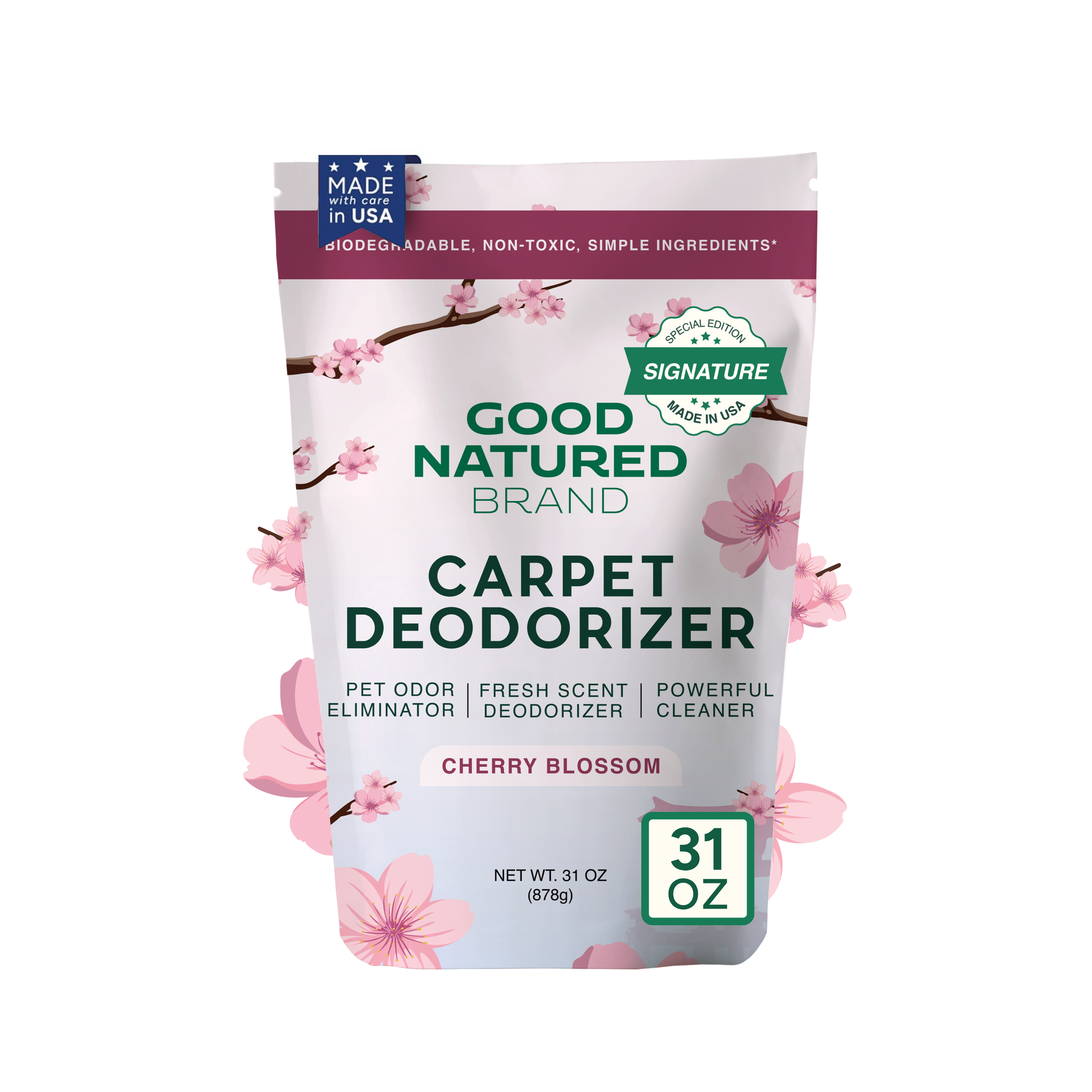
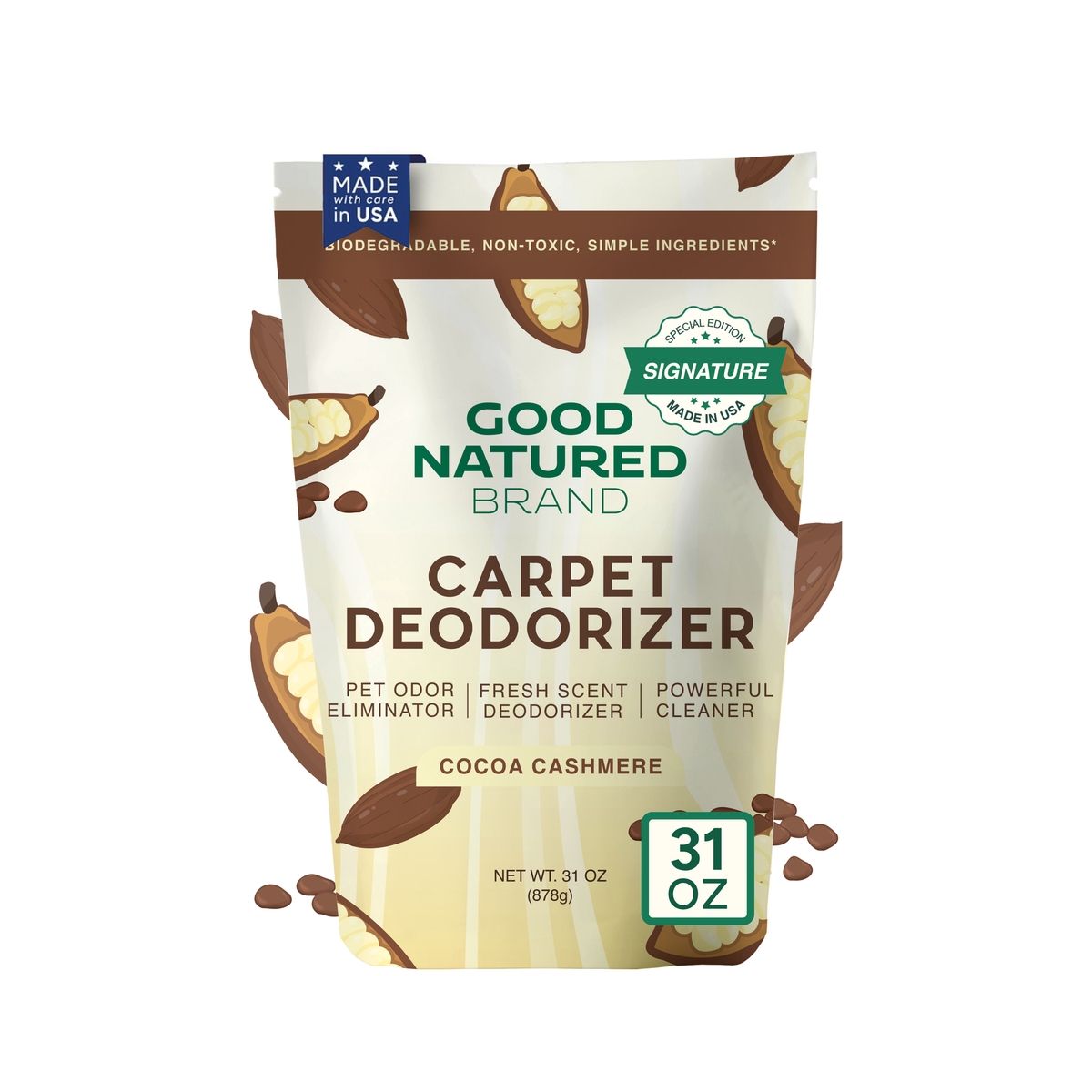
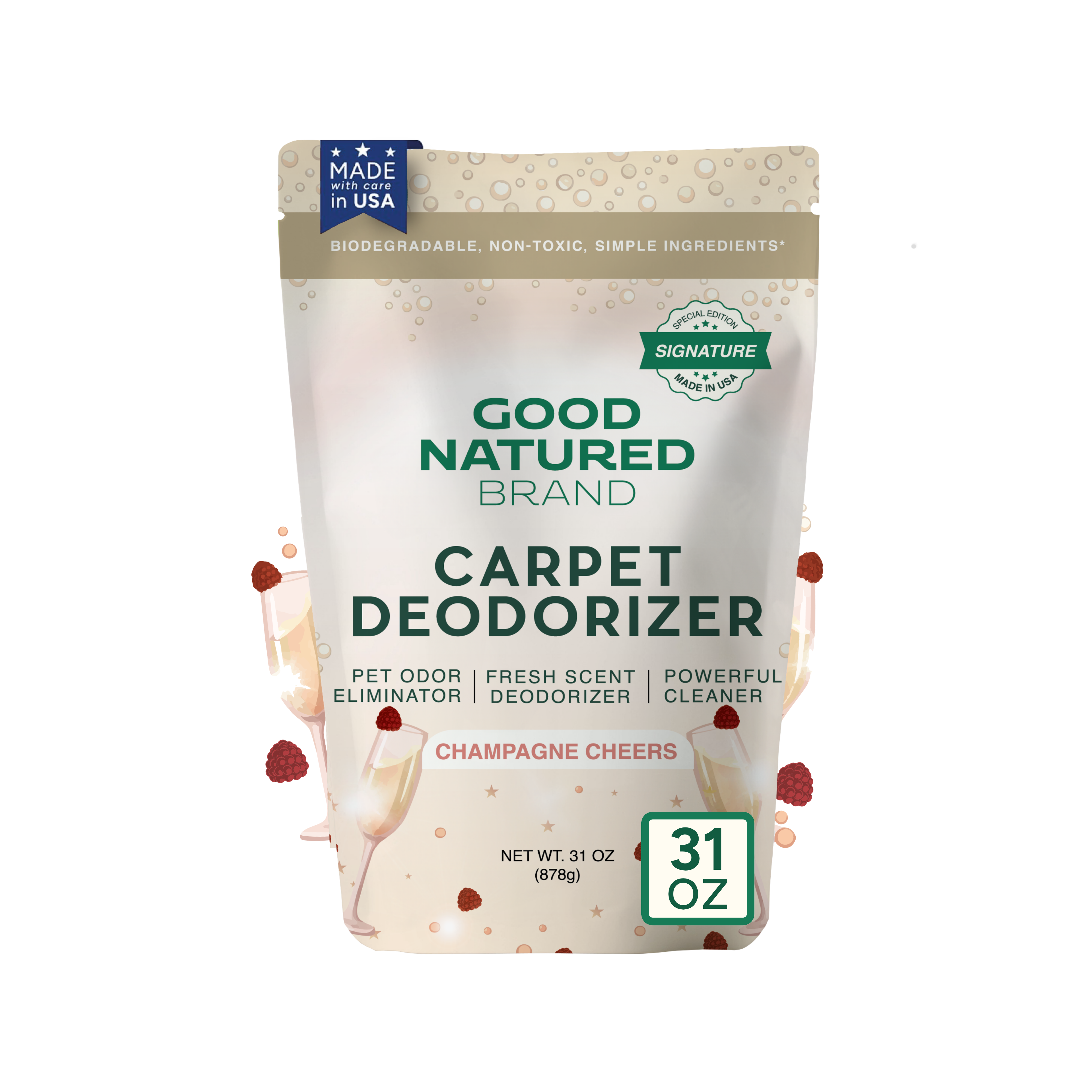
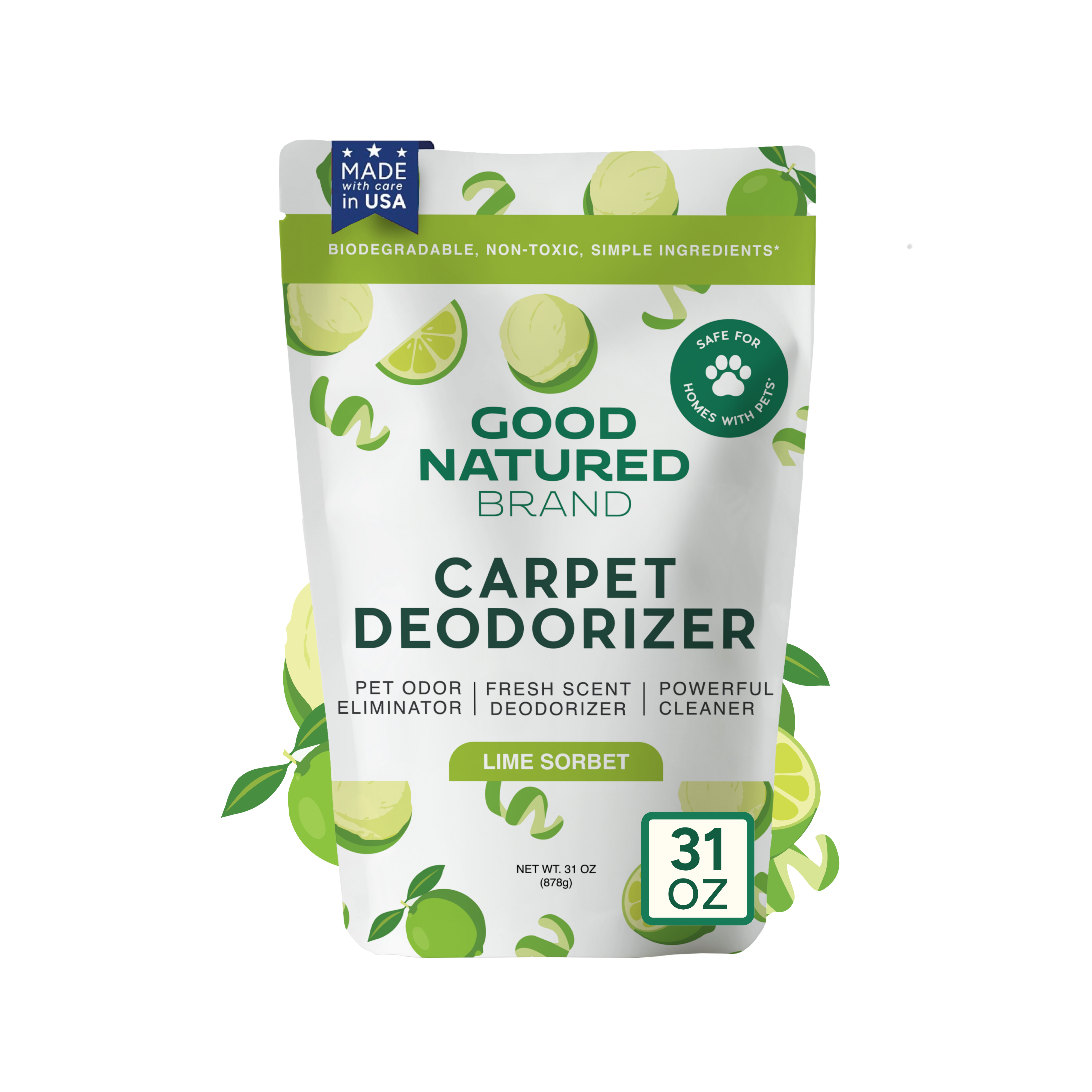
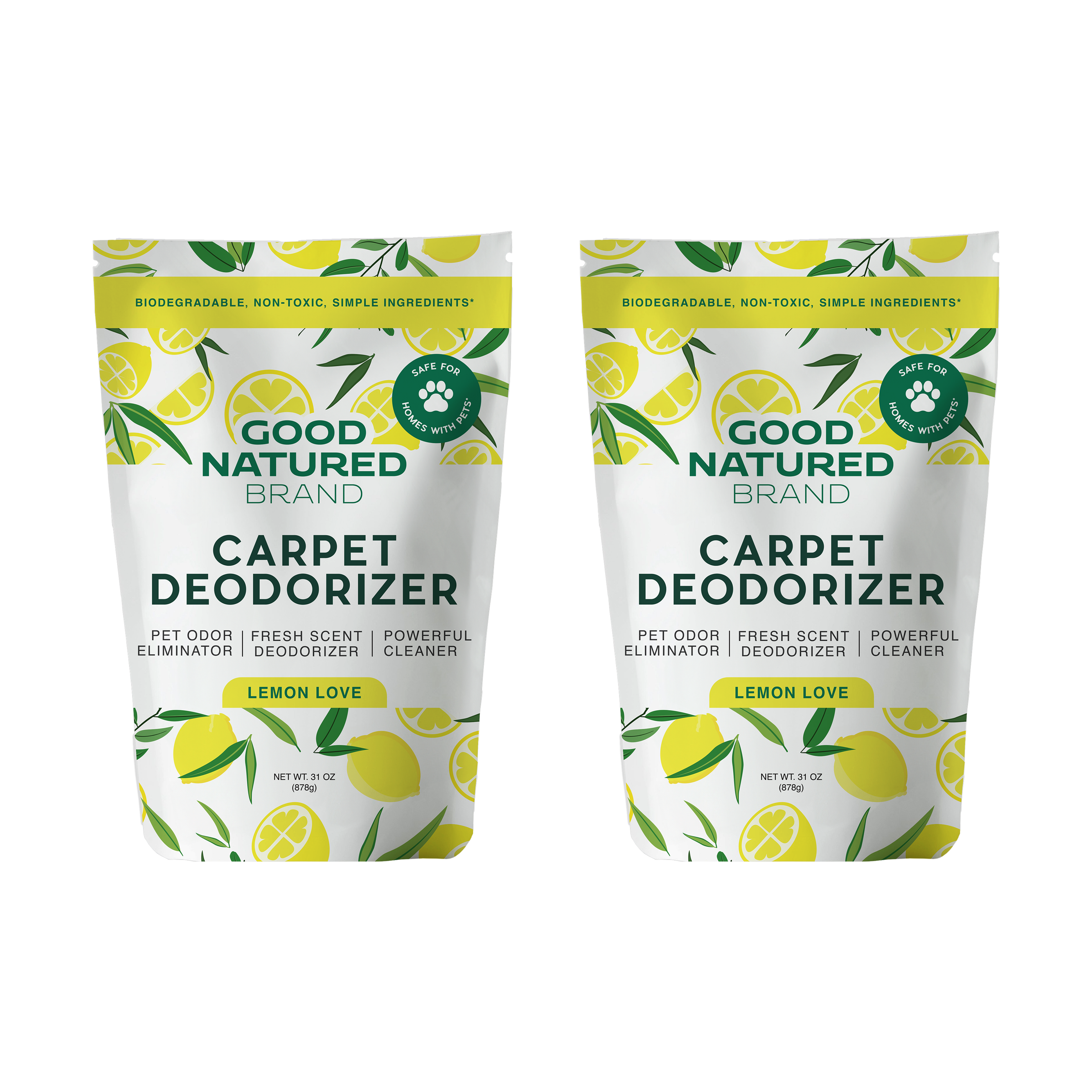
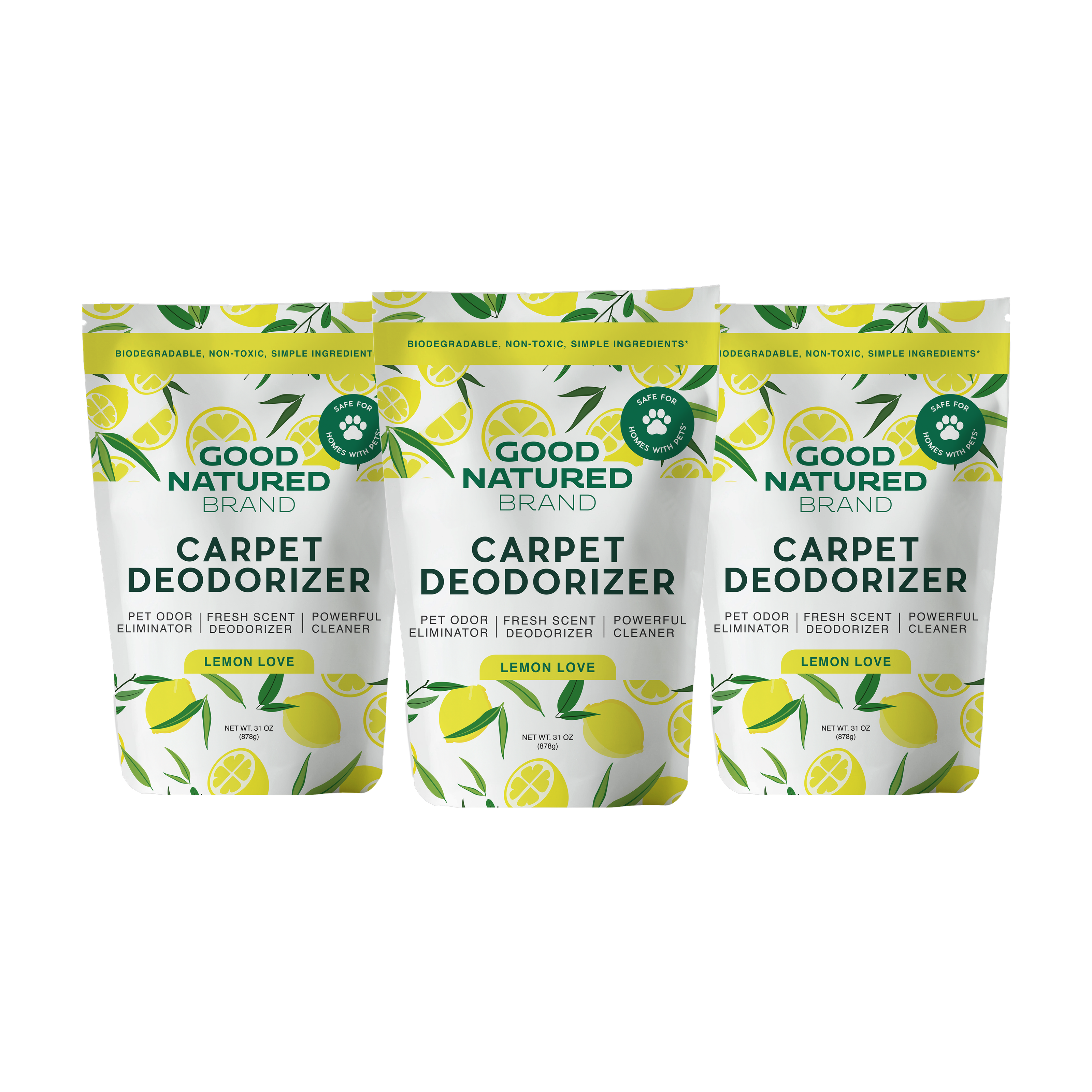
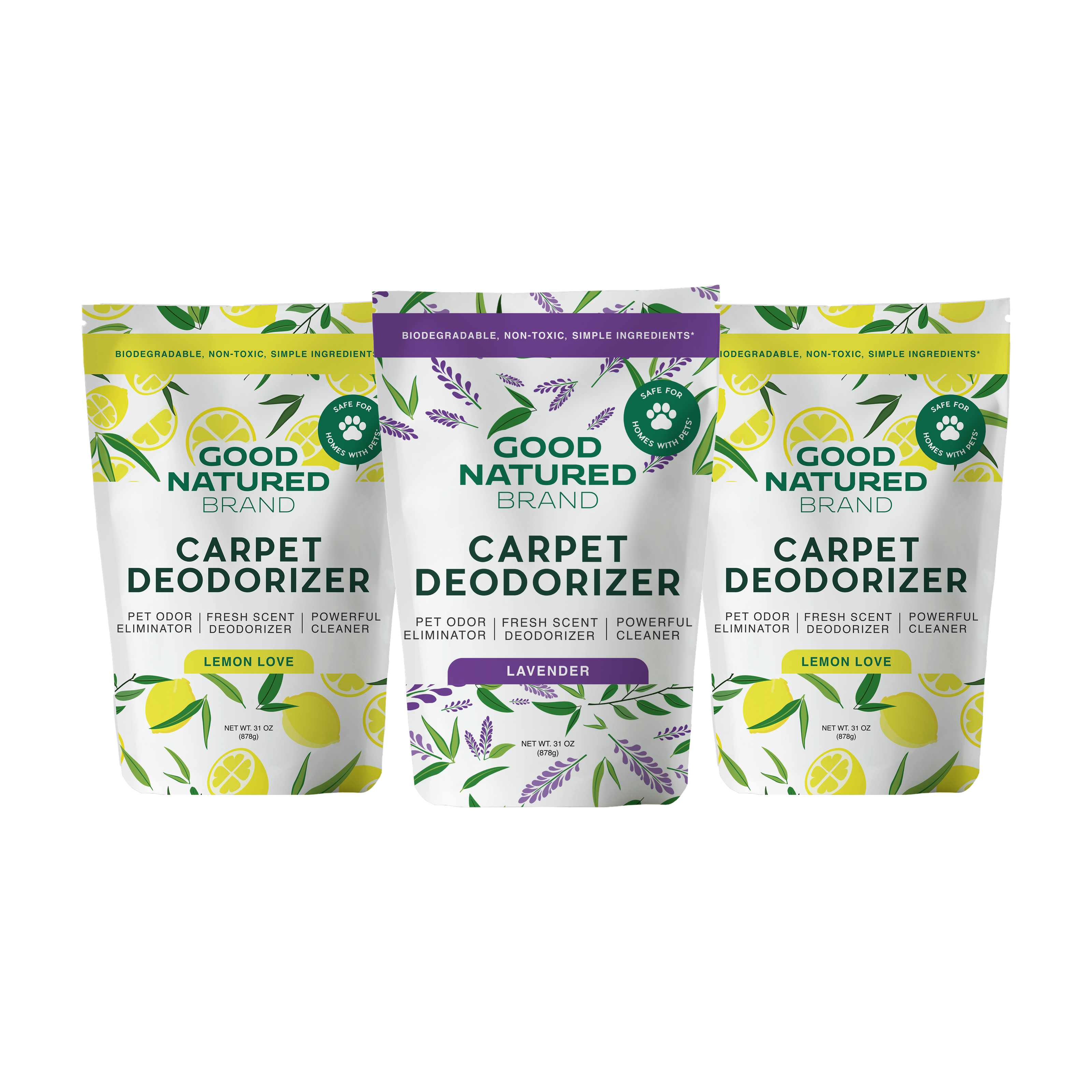
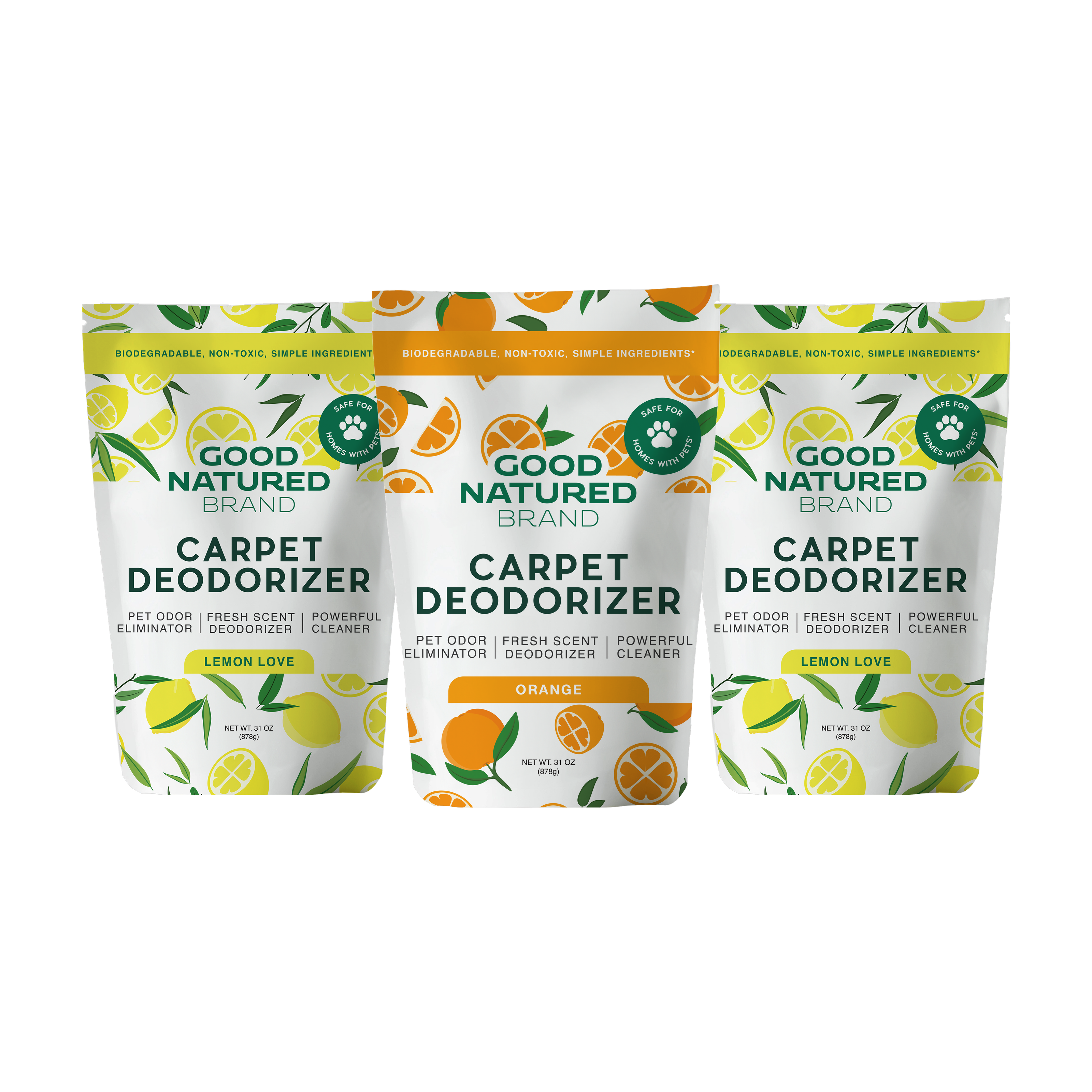
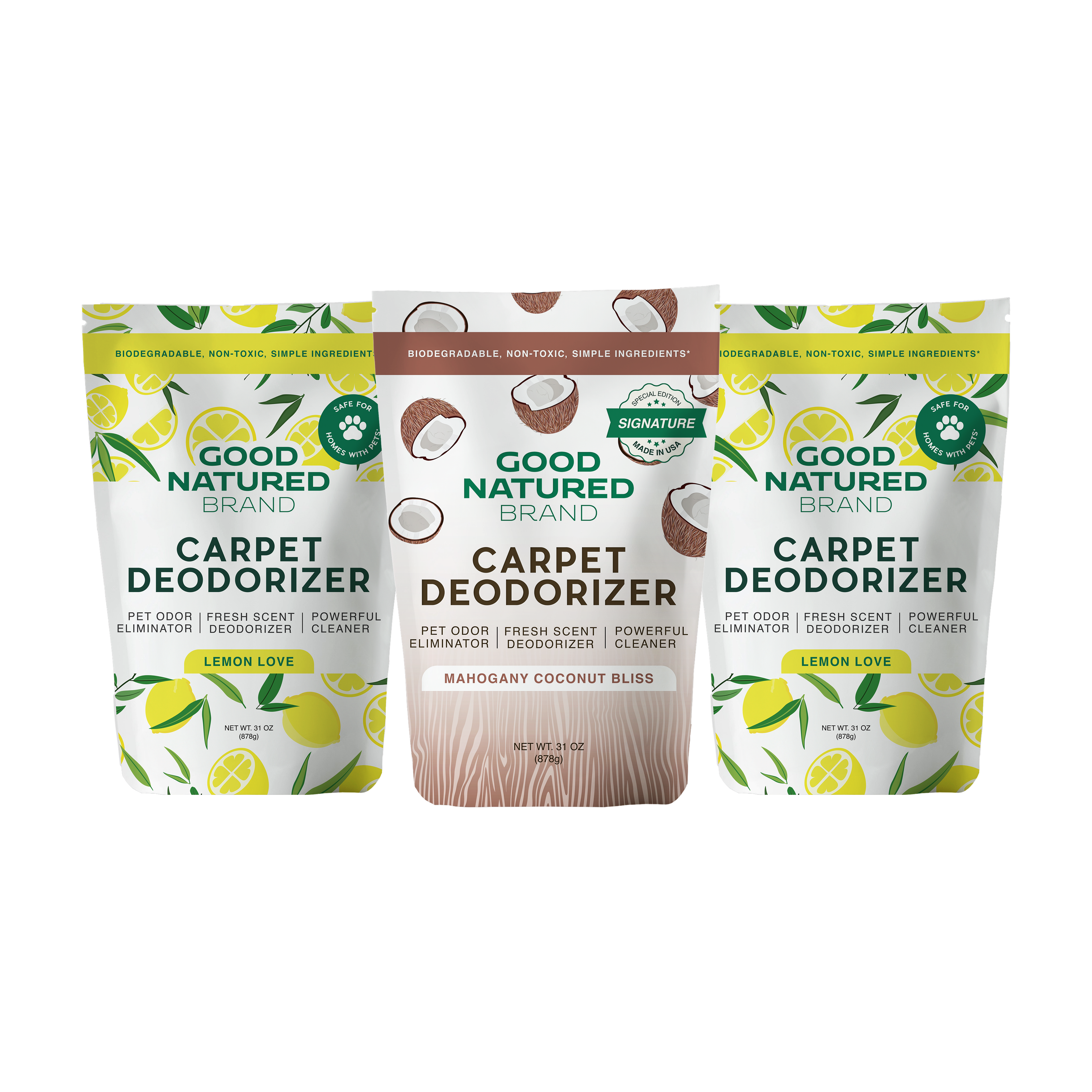
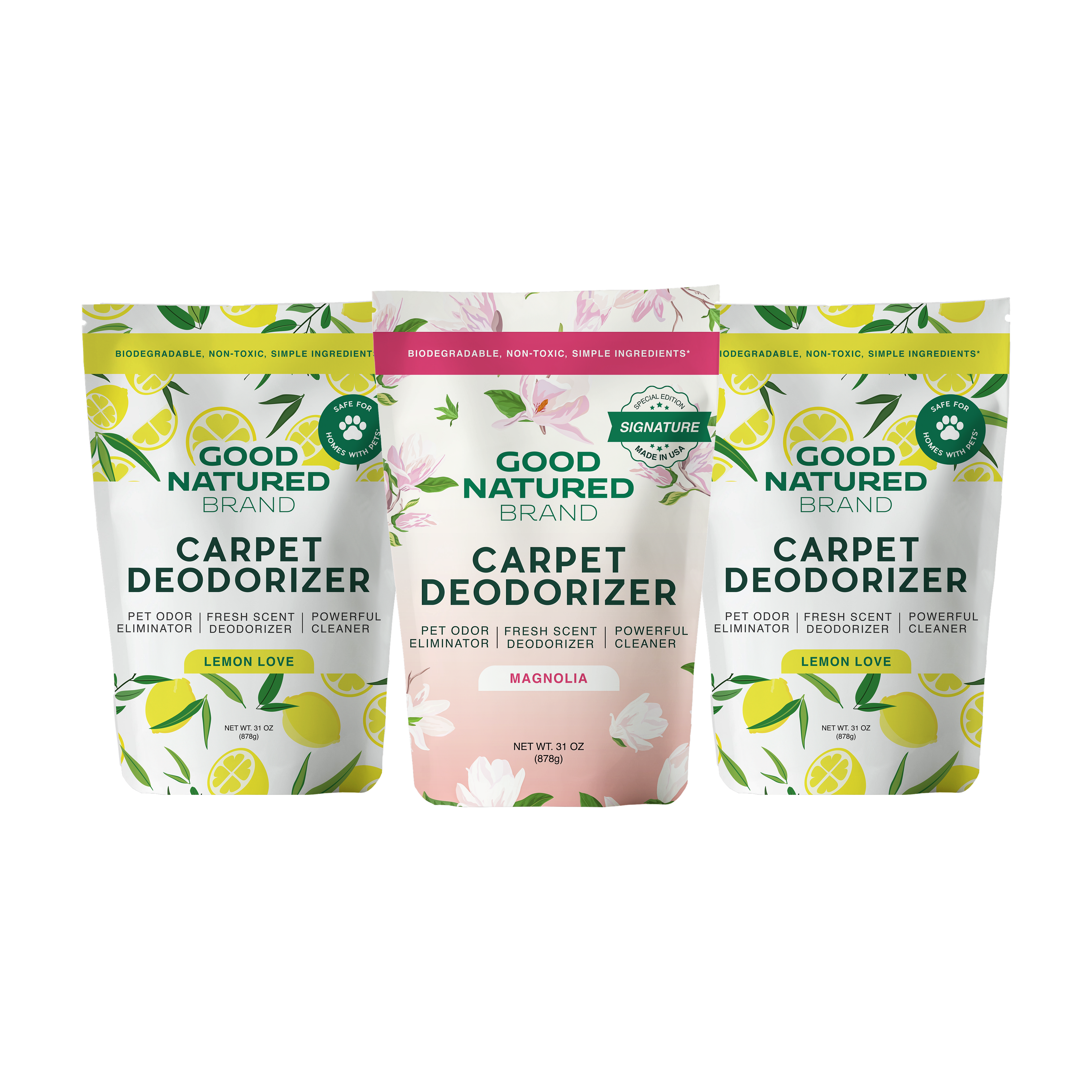
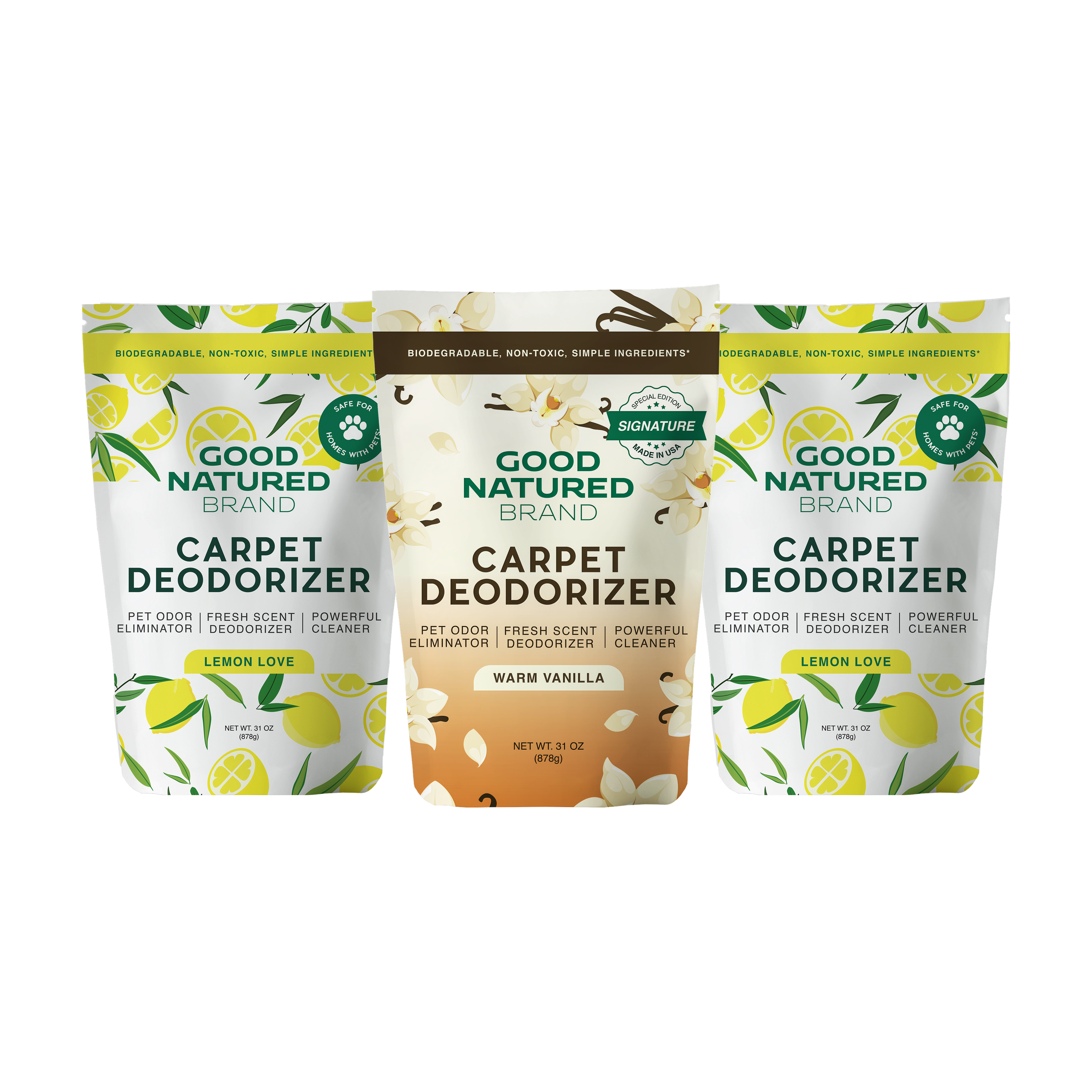
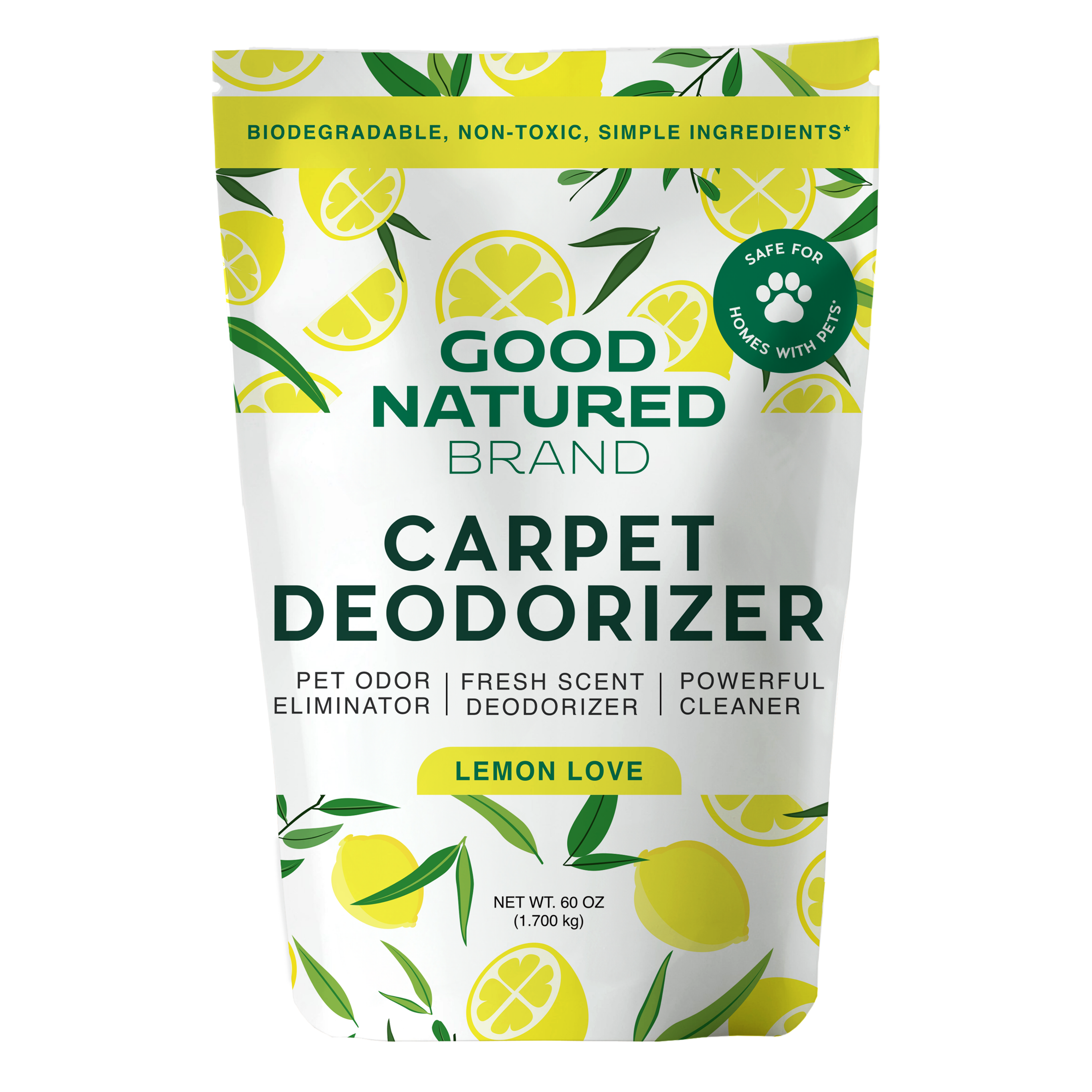
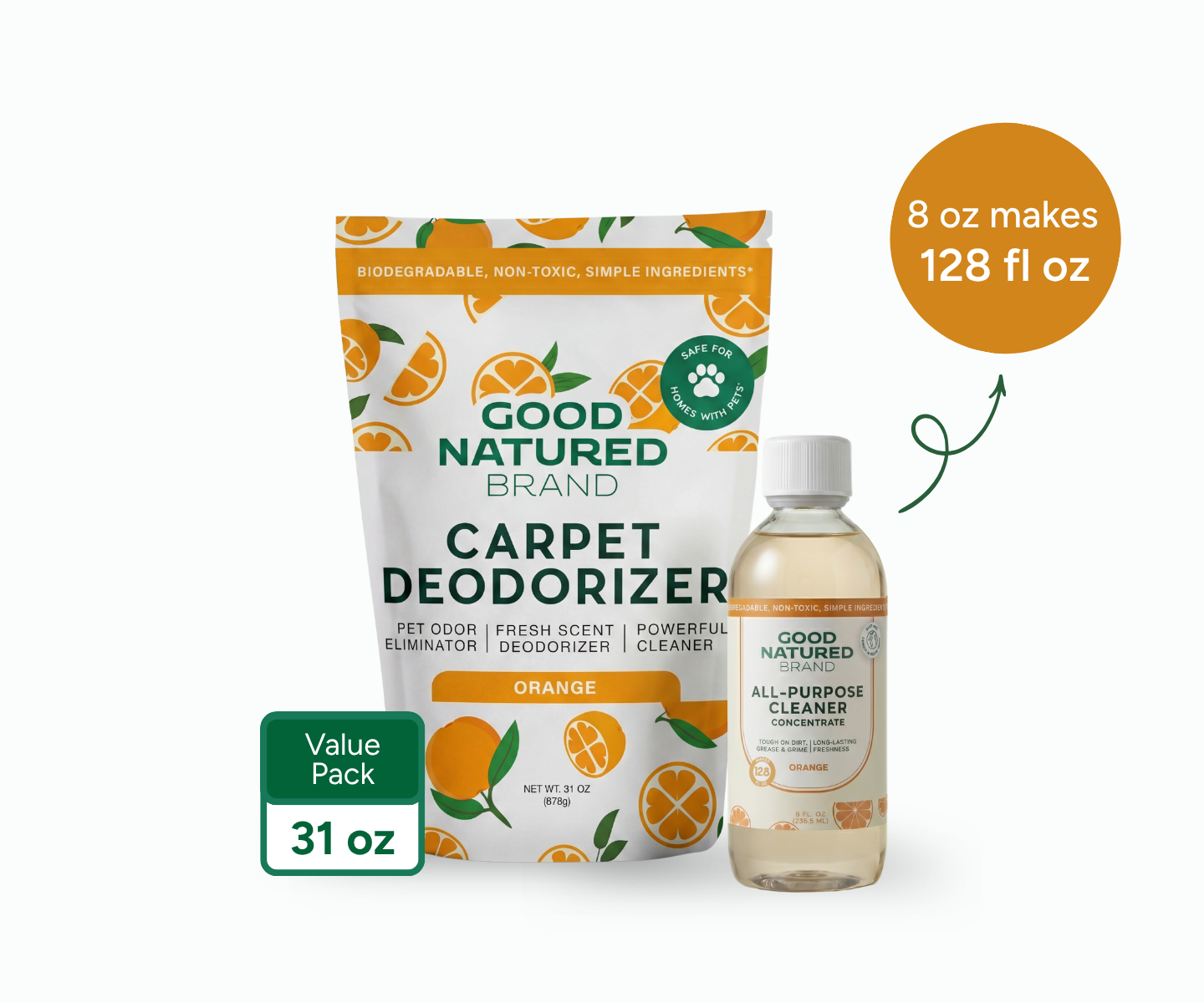
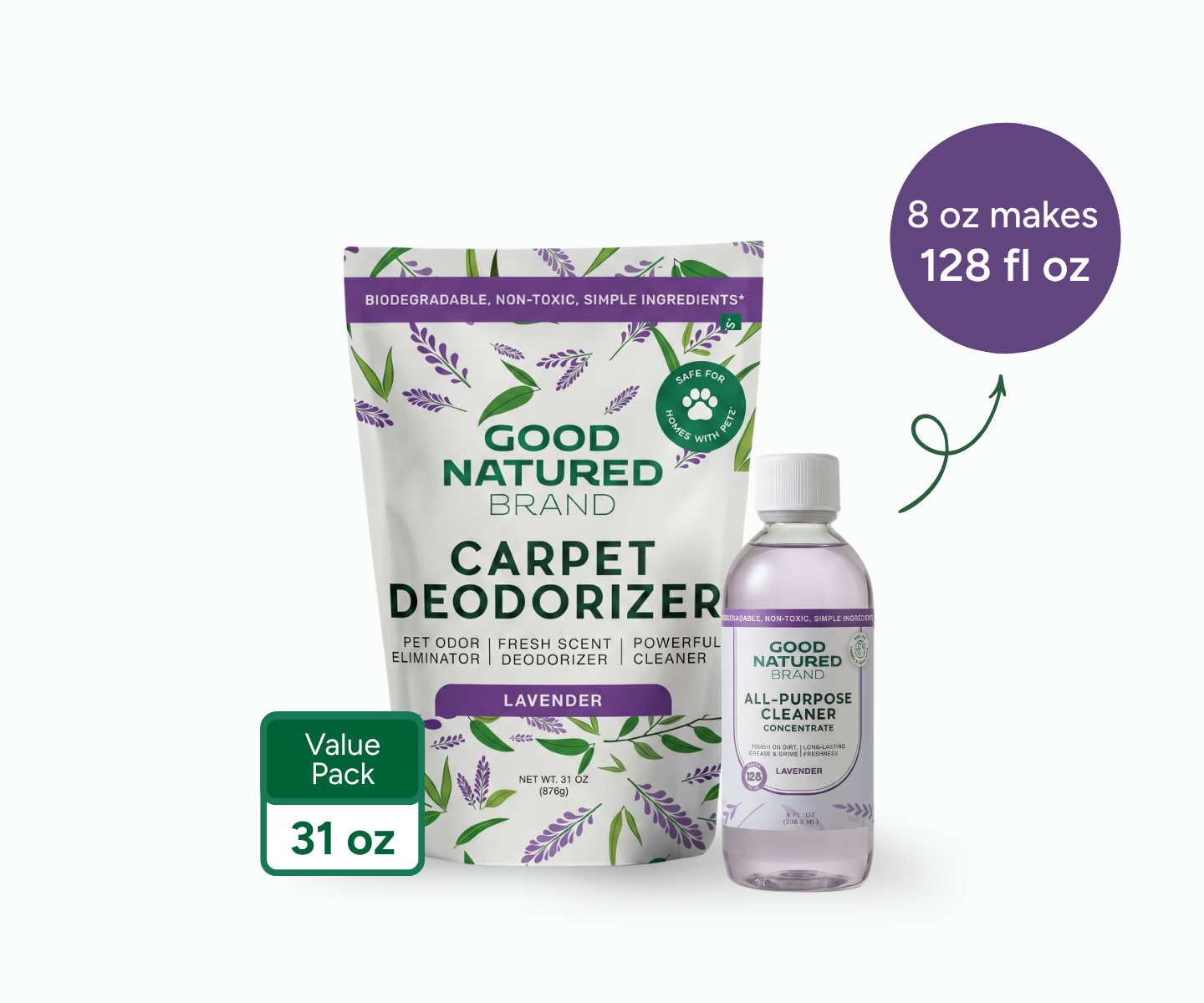
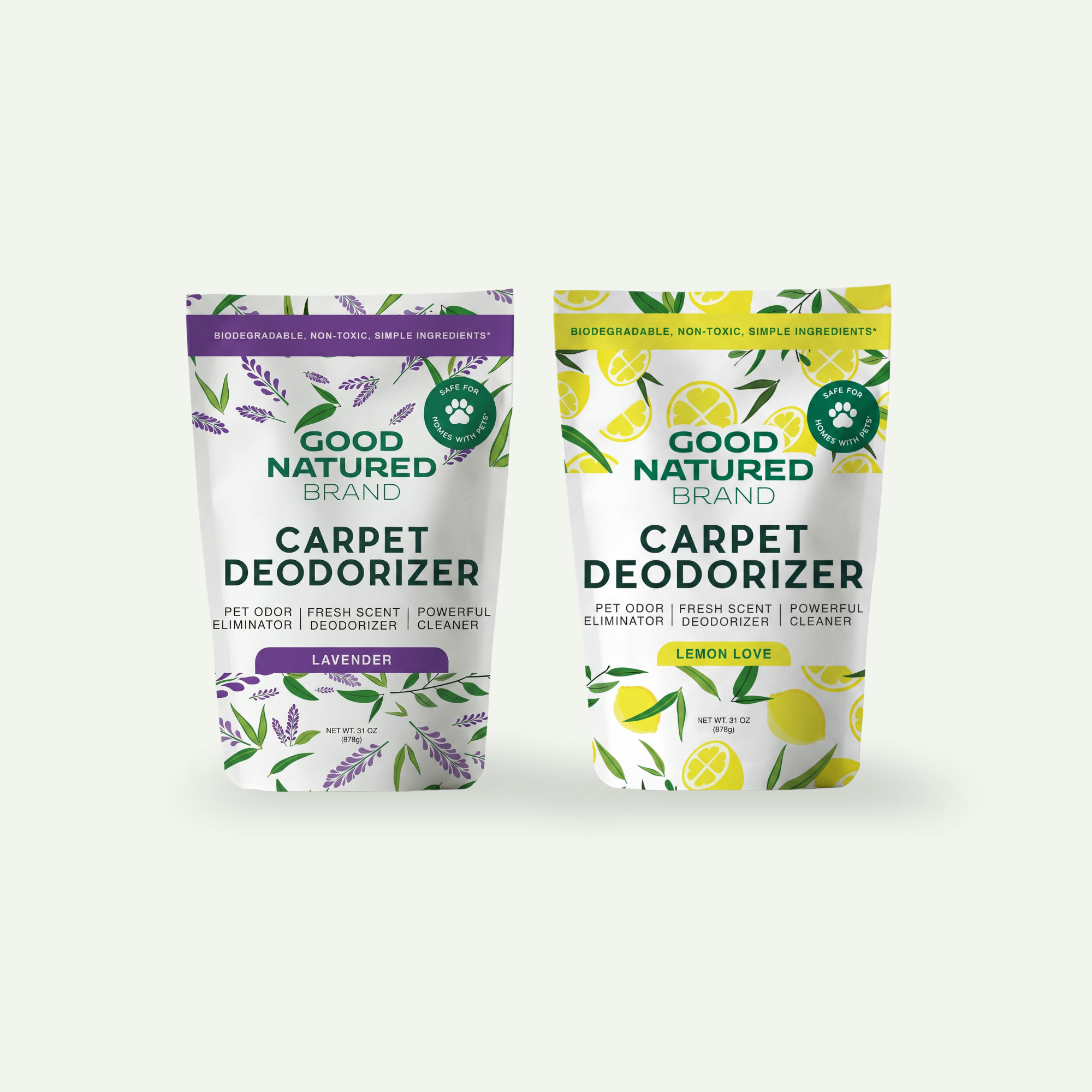
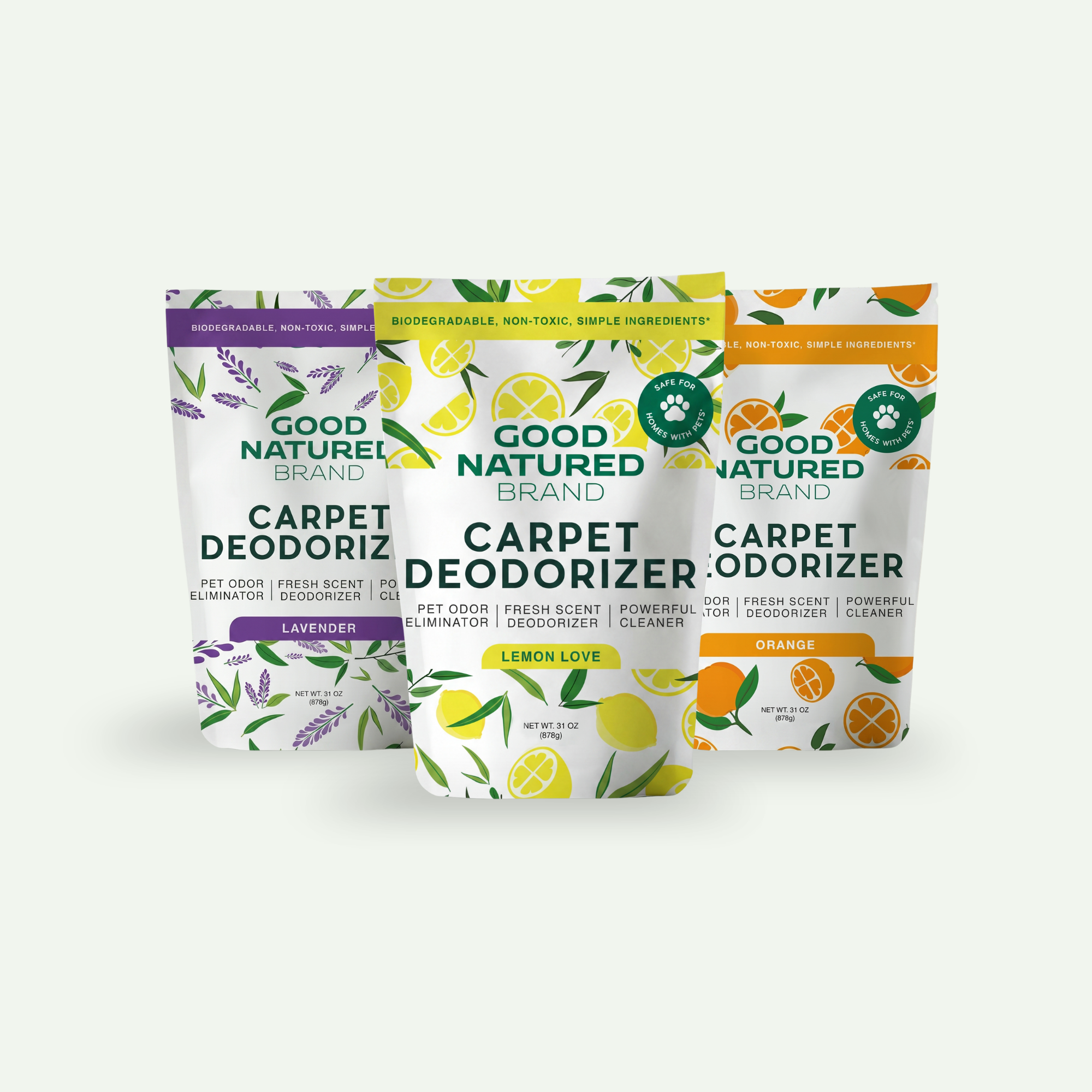
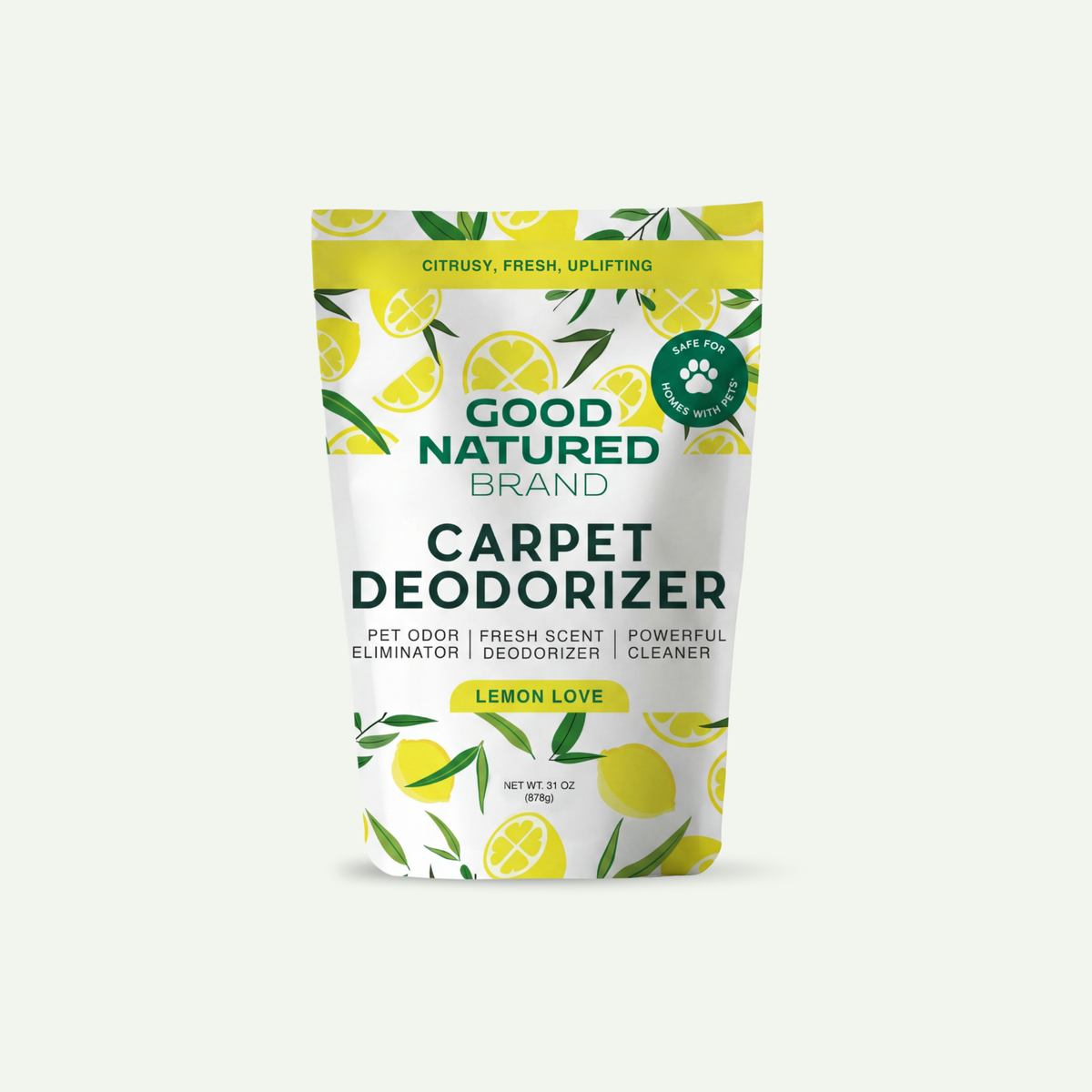
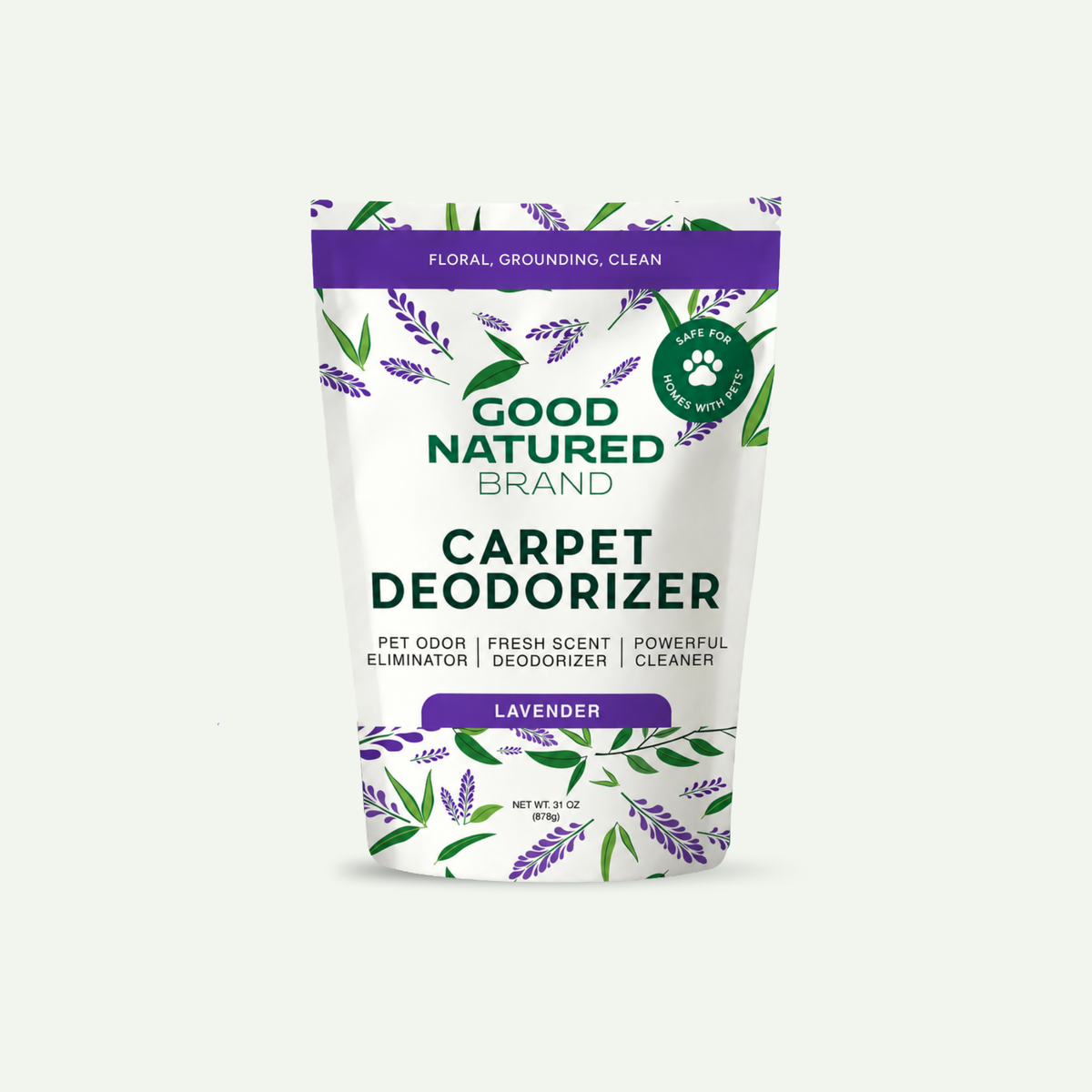
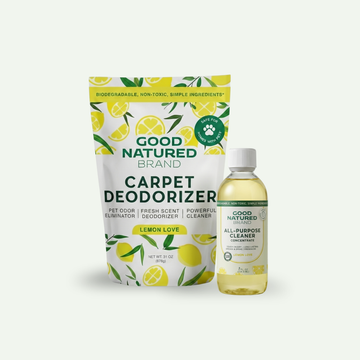
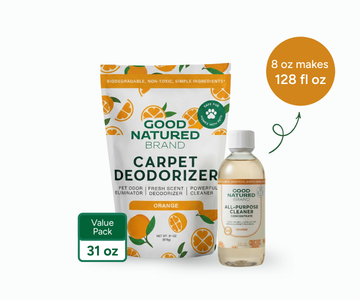
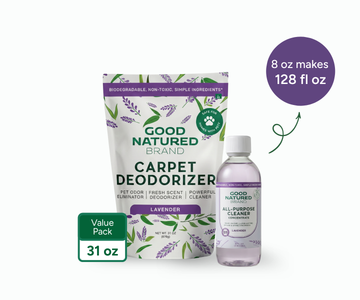
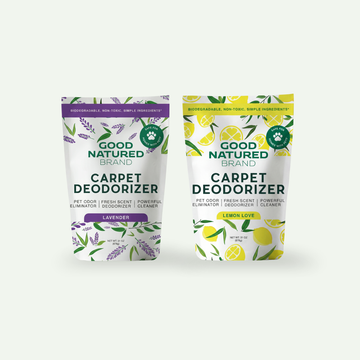
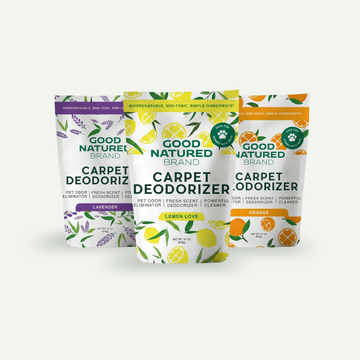
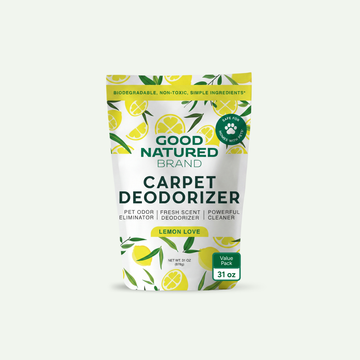
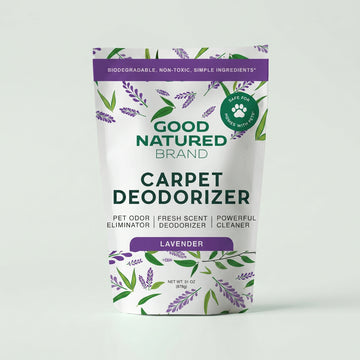
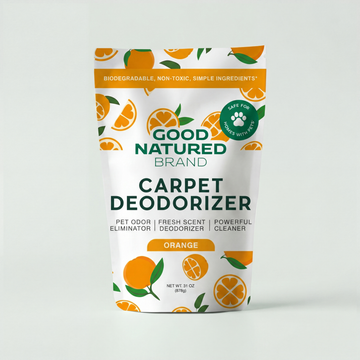
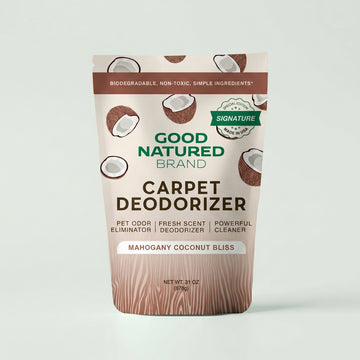
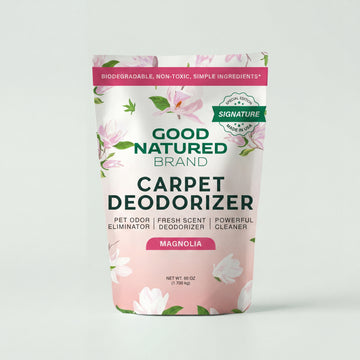
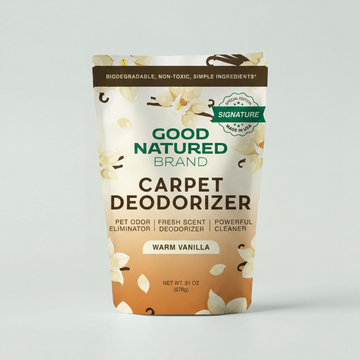
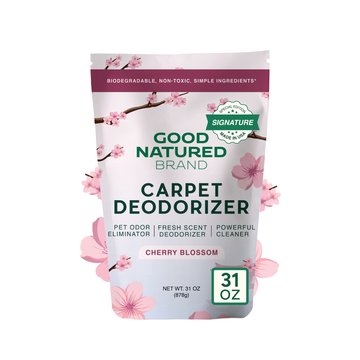
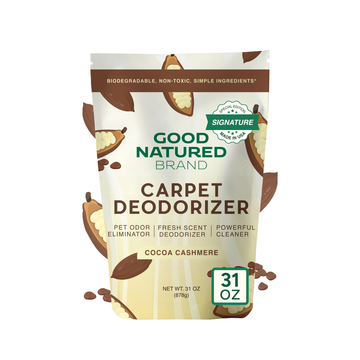
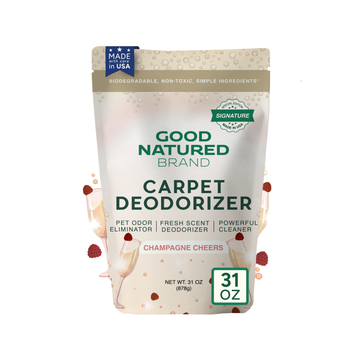
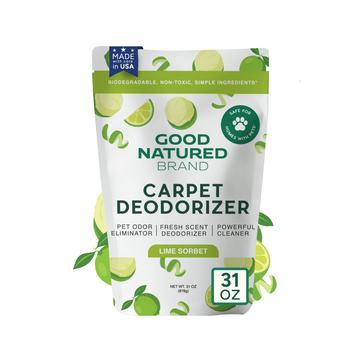
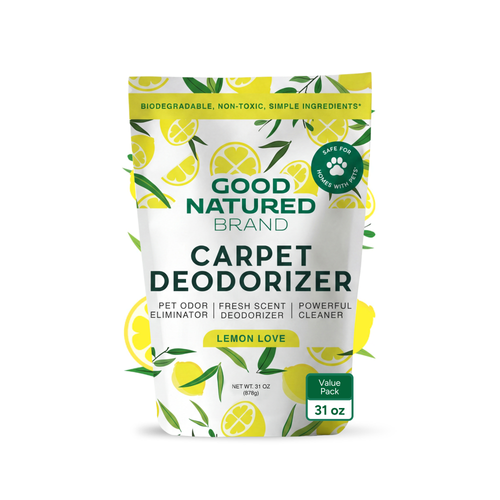
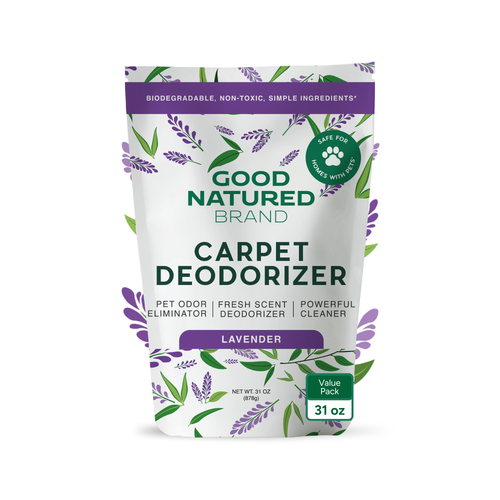
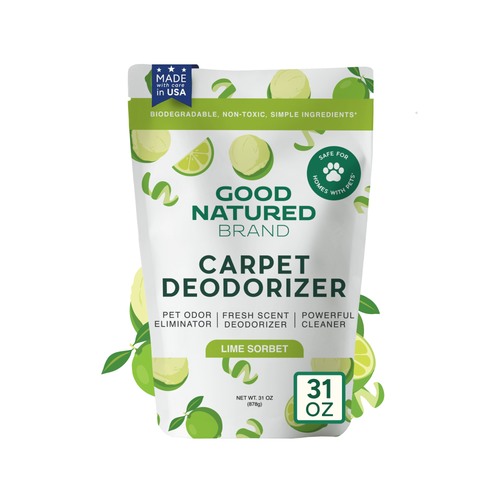
If you want an easy refresh option that fits a gentler routine, Carpet Deodorizers can help keep carpets fresh without relying on heavily fragranced chemical powders.
How to keep a clean home without toxic cleaners in the laundry room
Laundry is often where “toxic cleaner” exposure sneaks in—through heavy fragrance, detergent buildup, and residue trapped in fabrics.
A better laundry routine
A clean laundry system is about balance:
-
Use the correct detergent amount (too much causes buildup)
-
Don’t overload the machine (items need room to rinse)
-
Use an extra rinse when fabrics feel stiff or smell “perfumed”
-
Dry thoroughly to prevent mustiness
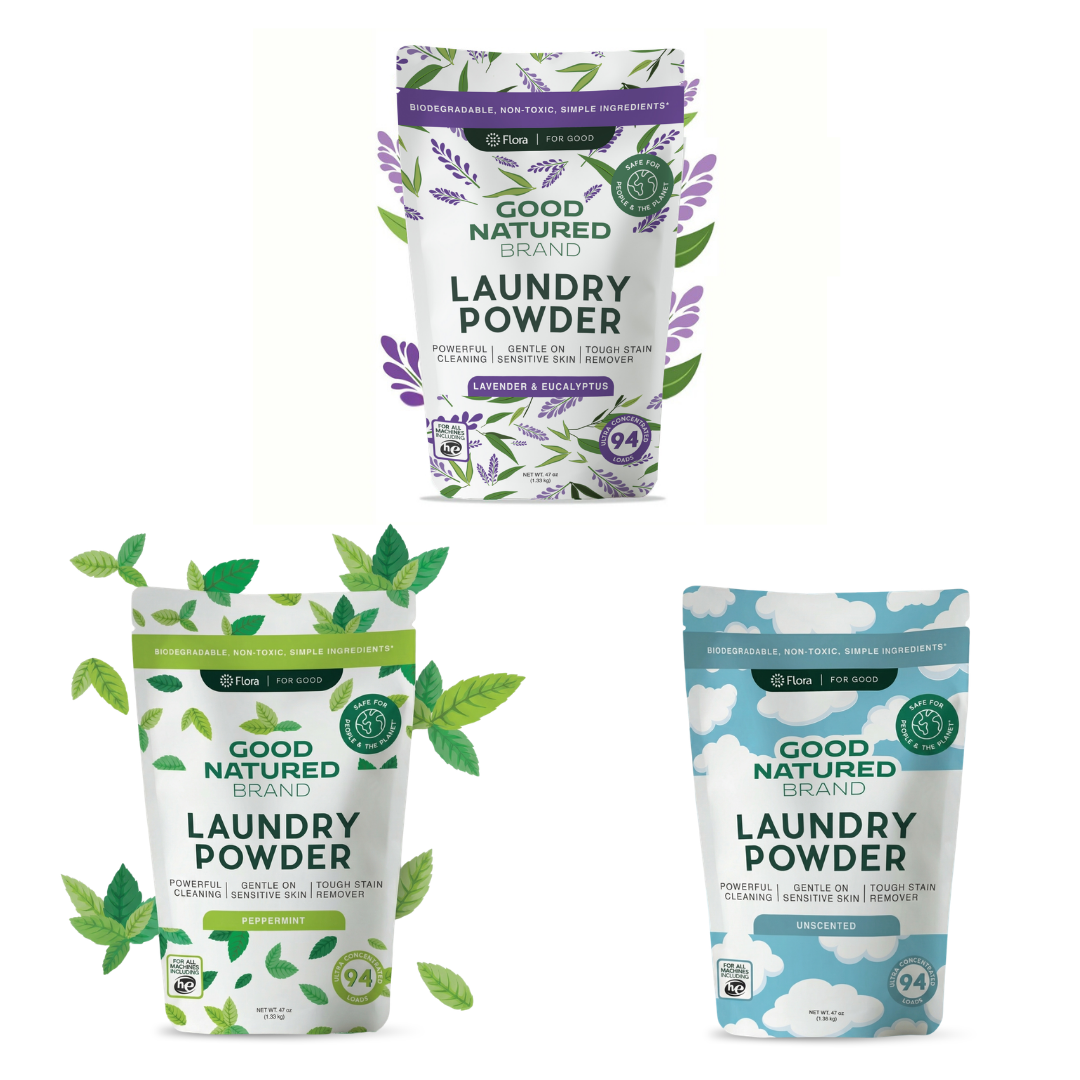
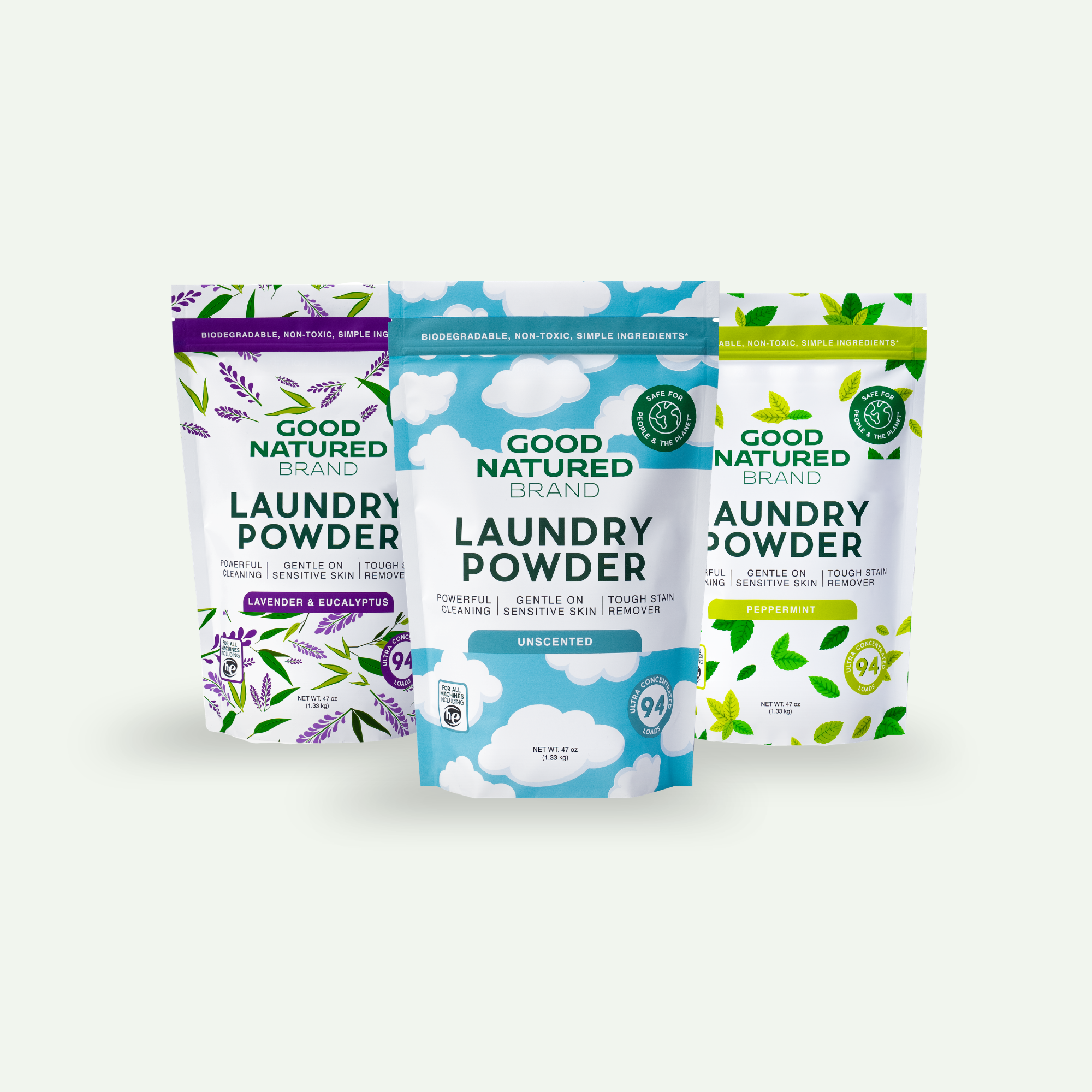
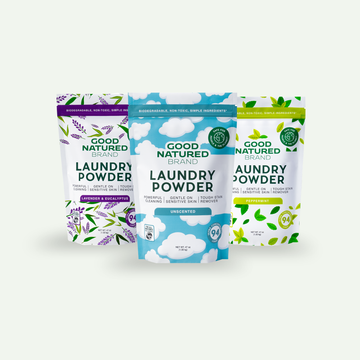
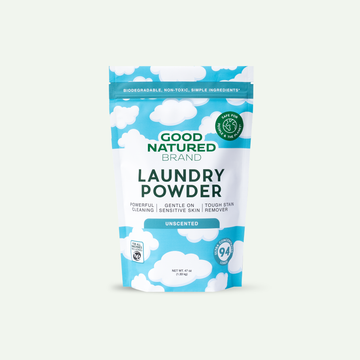
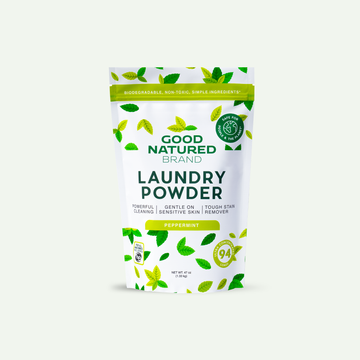
If you want a consistent everyday option for clean fabrics without harsh chemical vibes, Laundry Powders can support a simplified routine—especially for towels, bedding, and pet fabrics.
Pet laundry and smelly linens
Pet bedding and throws hold odors easily:
-
Wash regularly and dry fully
-
Avoid overly fragranced boosters that “mask” rather than clean
-
Rotate washable covers to reduce odor transfer into carpets and upholstery
Cleaning your washing machine
A washing machine can hold residue too:
-
Run a monthly maintenance cycle (follow your machine’s instructions)
-
Clean the gasket and detergent drawer
-
Check and clean filters if your model has them
A cleaner machine = cleaner laundry = fewer odors in your home overall.
How to keep a clean home without toxic cleaners for high-touch surfaces
High-touch surfaces don’t need harsh sprays every day. They need consistent cleaning.
Doorknobs, switches, remotes, phones
A simple approach:
-
Lightly damp microfiber with soapy water
-
Wipe surfaces
-
Dry with a clean cloth
Reserve stronger disinfecting steps for situations that truly call for it, like after illness.
Kids’ toys and pet bowls
The safest method is often:
-
Wash with gentle soap and warm water
-
Rinse thoroughly
-
Dry completely
Residue matters here, so rinse is just as important as cleaning.
How to keep a clean home without toxic cleaners with DIY recipes that actually work
DIY can be helpful when you want control over ingredients. Keep it simple and safe.
A simple all-purpose spray
Basic recipe:
-
Water + a small amount of castile soap (or mild dish soap)
Use it for:
-
sealed counters
-
appliance exteriors
-
quick wipe-downs
Always label your bottles and make small batches.
If you’d rather skip DIY and keep things consistent, All-Purpose Cleaners are a convenient option for maintaining a clean home without relying on harsh chemical cleaners.
A soft scrub paste
For sinks, tubs, and certain grime:
-
Baking soda + water paste
-
Optional: a drop of gentle soap
Avoid on delicate surfaces that scratch easily.
A glass cleaner approach
For many glass surfaces:
-
Vinegar + water (where safe)
-
Microfiber technique for streak-free results
If vinegar isn’t suitable for your surface, plain water with microfiber is often enough for regular maintenance.
Deodorizing and odor prevention
Instead of masking sprays:
-
Use airflow (open windows, fans)
-
Control humidity (especially in basements)
-
Wash fabrics regularly
-
Vacuum consistently
A fresh home is usually a dry, clean, low-residue home.
How to keep a clean home without toxic cleaners if you have pets or kids
Families with pets and kids can still keep a spotless home without harsh chemicals—it just takes routines that match real life.
Pet-safe habits
-
Wipe paws after rainy walks
-
Wash pet bedding and blankets regularly
-
Clean accidents immediately and dry thoroughly
-
Be cautious with essential oils (many pets are sensitive)
Odor control becomes much easier when pet fabrics are consistently cleaned with a reliable routine like Laundry Powders and carpets are refreshed thoughtfully with Carpet Deodorizers instead of heavy masking sprays.
Baby-safe floor routines
-
Mop with gentle soap + water
-
Rinse if needed to avoid residue
-
Allow full dry time before crawling play
-
Vacuum frequently to reduce dust and crumbs
How to keep a clean home without toxic cleaners with a weekly cleaning schedule
A schedule is the difference between “I clean all day” and “my home stays clean.”
A daily 10-minute reset
-
Wipe kitchen counters and sink
-
Quick sweep in high-traffic areas
-
Bathroom sink wipe-down
-
Put items back in their zones (clutter attracts more cleaning)
A weekly plan
-
Kitchen: stovetop, backsplash, trash can wipe-down
-
Bathroom: shower reset, toilet scrub, mirror wipe
-
Floors: vacuum and mop as needed
-
Laundry: towels and bedding rotation
-
Carpets: refresh high-traffic areas if needed
A monthly plan
-
Fridge cleanout and wipe-down
-
Baseboards and door frames
-
Vents and vacuum filters
-
Washing machine maintenance
-
Spot-check humid areas for musty smells
Once you follow a rhythm, you’ll notice you need fewer products—because messes never get the chance to become “chemical-required.”
Common mistakes to avoid
A clean home without toxic cleaners is straightforward, but a few habits can make it harder.
Relying on scent as “clean”
If something smells strongly “fresh,” that’s not the same as removing grime. Focus on cleaning and drying, not perfuming.
Overusing vinegar on sensitive surfaces
Vinegar is useful but acidic. Avoid it on natural stone and be mindful of finishes.
Mixing cleaners
Never combine reactive ingredients (especially bleach with acids). Even “natural” ingredients can become unsafe when mixed incorrectly.
Skipping ventilation
Ventilation improves comfort and reduces irritation, even with gentle products.
Using too much detergent
Laundry residue causes stiff fabrics and lingering smells. Less detergent often cleans better.
FAQs about how to keep a clean home without toxic cleaners
Do non-toxic cleaners actually disinfect?
Many non-toxic routines focus on cleaning, which removes dirt and many microbes through friction and rinsing. Disinfecting is sometimes necessary (like after illness), but most daily household cleaning doesn’t require heavy disinfectants.
What’s the best non-toxic all-purpose cleaner?
The best one is the one you’ll use consistently. Many people succeed with gentle soap + water and a microfiber cloth. If you want a ready-to-use option, All-Purpose Cleaners can simplify daily cleaning.
Is vinegar safe for everything?
No. Vinegar can damage natural stone and some finishes. Use mild soap as your default and vinegar only where it’s known to be safe.
How do I make my home smell good without fragrance sprays?
Remove the source of odors: vacuum, wash fabrics, dry thoroughly, improve airflow, and control humidity. For carpets, Carpet Deodorizers can support freshness without relying on heavy masking sprays.
What’s the safest cleaning routine for pets?
Use gentle products, avoid heavy fragrance, rinse surfaces, and keep floors dry. Wash pet fabrics consistently with a simple routine, and choose lower-residue options when possible—like Laundry Powders for bedding and throws.
Conclusion: your simple action plan for a clean home without toxic cleaners
Keeping a clean home without toxic cleaners isn’t about perfection—it’s about a system you can repeat. Start small: improve ventilation, switch to microfiber and gentle soap, and build a weekly routine that prevents buildup. Focus on removing dirt and odor sources instead of masking them with fragrance.
If you want to simplify your routine even more, you can support key areas of your home with:
-
All-Purpose Cleaners for daily surfaces and quick resets
-
Laundry Powders for fresher fabrics without heavy residue
-
Carpet Deodorizers for soft-surface freshness without harsh carpet powders
For more routines, practical cleaning tips, and home-care guides, visit the Good Natured Brand Blog or explore more at the Good Natured Brand website.