


In the YouTube video “16 Human Foods That Can Fix Your Dog’s Health and Add Years to Their Life” posted on the channel Animal Guide, the main message is simple: small, thoughtful additions from the kitchen may help support a dog’s long-term wellness when used safely and in moderation.
The video focuses on whole foods like sardines, eggs, carrots, blueberries, sweet potatoes, broccoli, turmeric, oats, salmon, plain yogurt, spinach, apples, pineapple, bone broth, mango, and extra virgin olive oil.
Before we begin, one important note: no single food can guarantee a longer life for every dog. A healthy dog’s routine should still be built around a complete and balanced diet, regular vet care, movement, mental stimulation, and a safe home environment. Think of these foods as supportive additions, not replacements for your dog’s regular meals. Many dog-safe fruits and vegetables can be offered as occasional treats, but some human foods are dangerous for dogs, so moderation and preparation matter.
Why Whole Foods Can Be Helpful for Dogs
The idea behind the Animal Guide video is that whole foods offer nutrients in a form dogs can recognize and use. Instead of thinking only about calories, the video looks at foods through the lens of inflammation, immune support, joint comfort, digestive health, brain aging, and everyday vitality.
Whole foods can bring different benefits depending on the ingredient. Fatty fish may provide omega-3 fatty acids. Orange vegetables may offer beta-carotene. Berries may provide antioxidants. Plain yogurt may support digestive balance. Bone broth may add hydration and collagen-rich comfort to mealtime.
Still, more is not always better. Treats and toppers should not take over your dog’s bowl. VCA Animal Hospitals notes that treats should not exceed 10% of a pet’s daily calories, and aiming closer to 5% can be safer for many pets. Too many extras can contribute to stomach upset, weight gain, picky eating, or nutritional imbalance.
Before Adding Human Foods to Your Dog’s Diet
Start slowly. Introduce one new food at a time and watch for changes in stool, itching, vomiting, gas, or appetite. Dogs with pancreatitis, kidney disease, diabetes, food allergies, obesity, sensitive stomachs, or prescription diets should only try new foods after checking with a veterinarian.
Preparation also matters. Avoid salt, sugar, butter, oils, sauces, onion, garlic, artificial sweeteners, and heavy seasoning. Cut foods into small pieces to reduce choking risk. Cook foods when needed. Eggs should be fully cooked, and fish should be fully cooked and cooled before serving.
A good rule is to use these foods as small toppers, occasional snacks, or rotation-based additions. They should complement your dog’s normal diet, not replace it.
Shop the Product
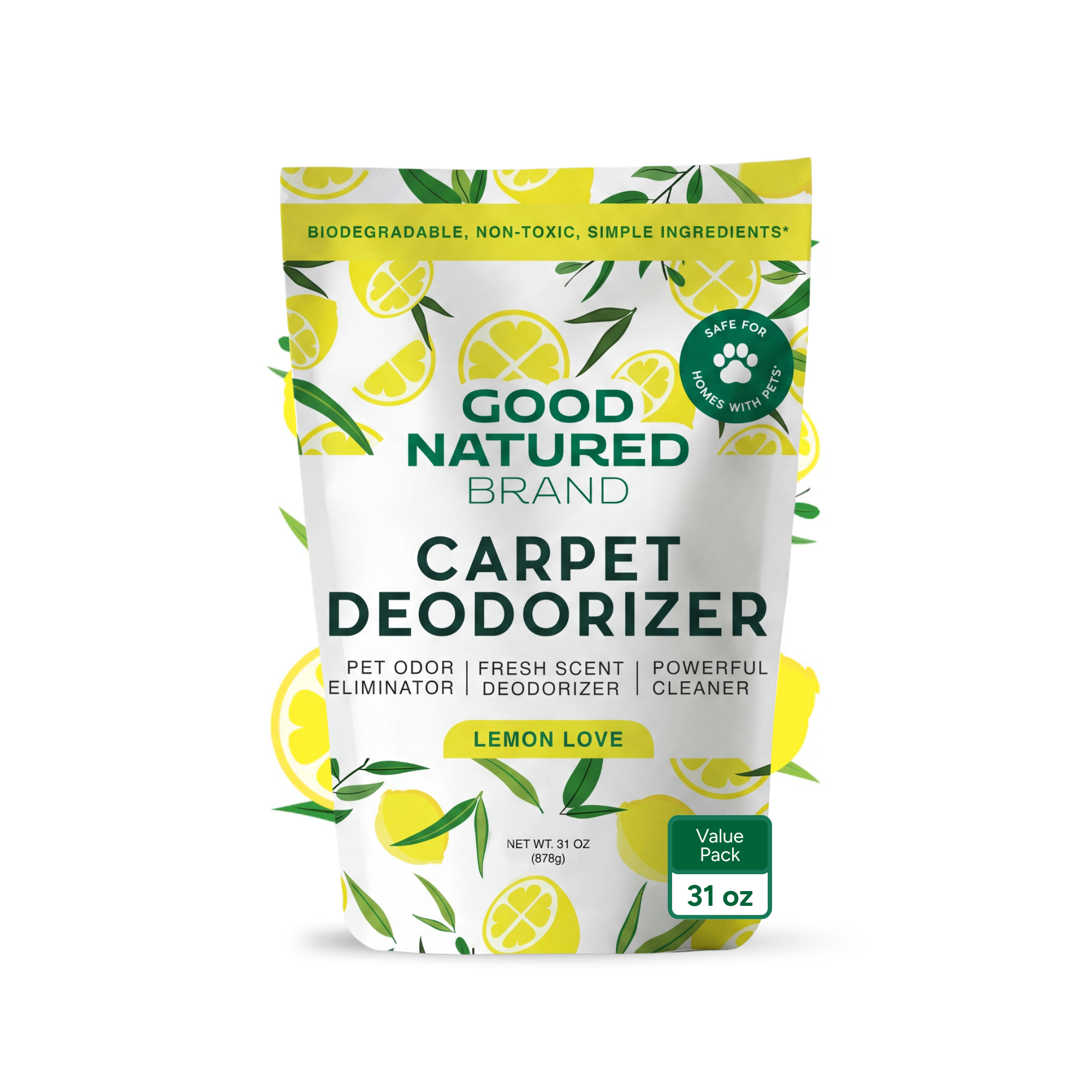
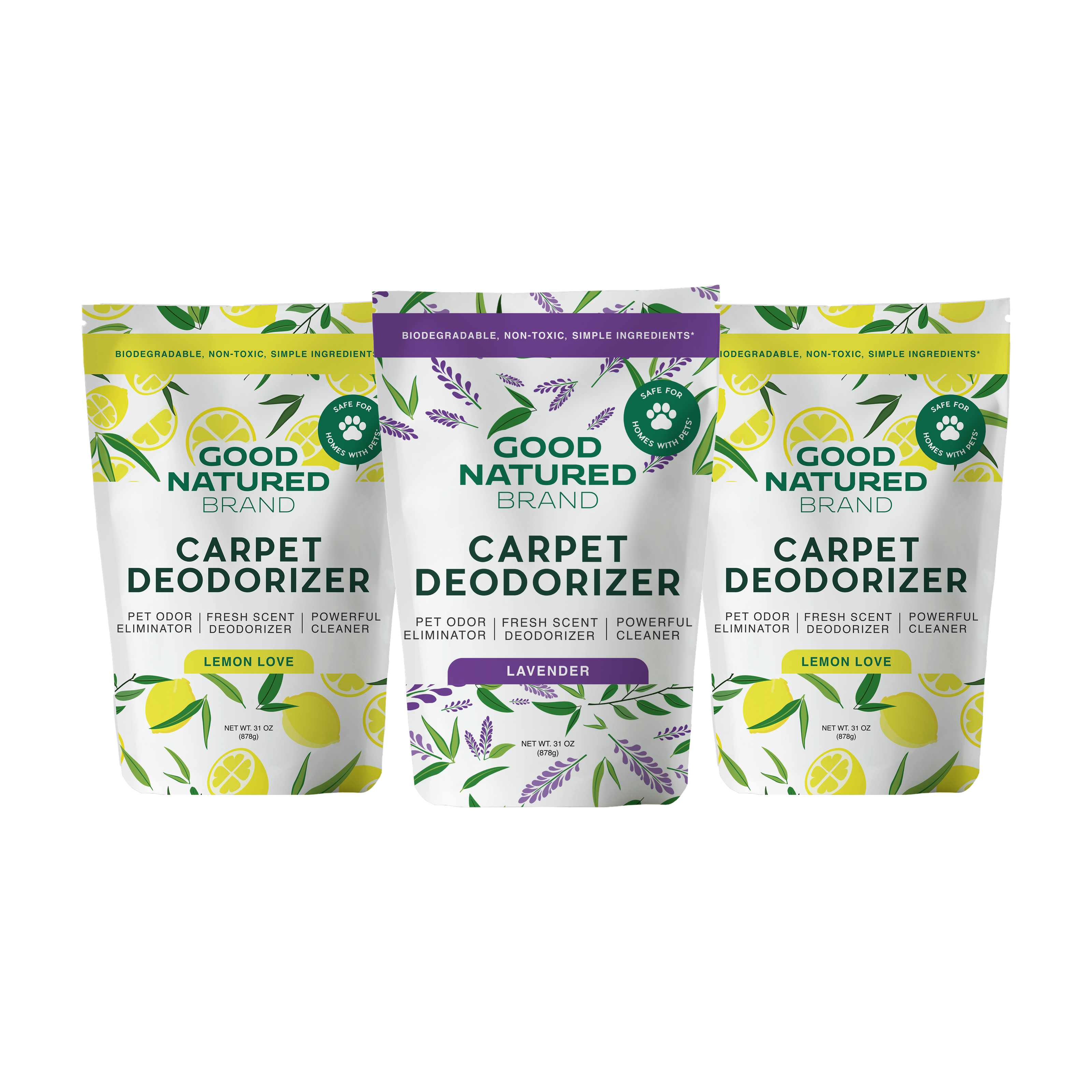
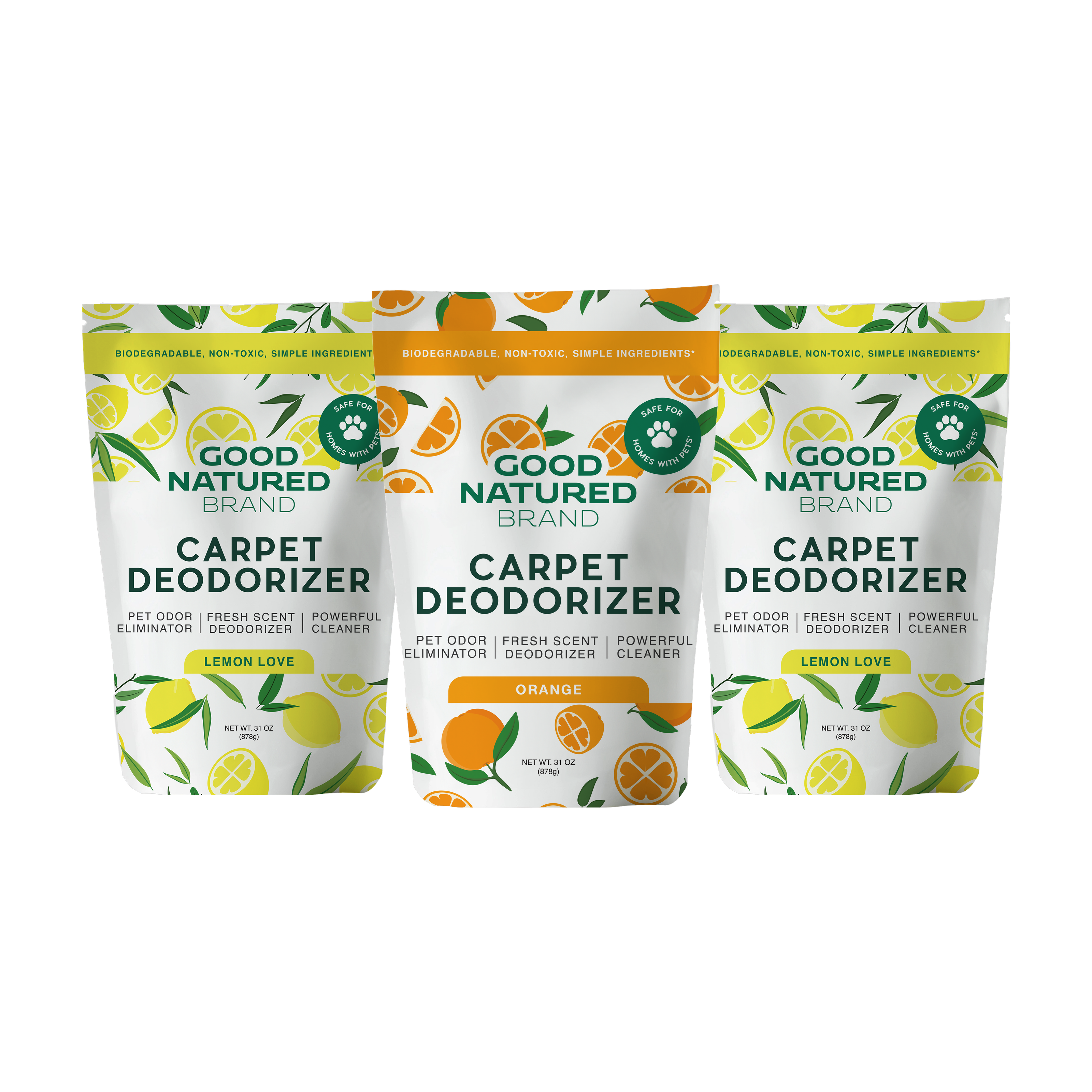
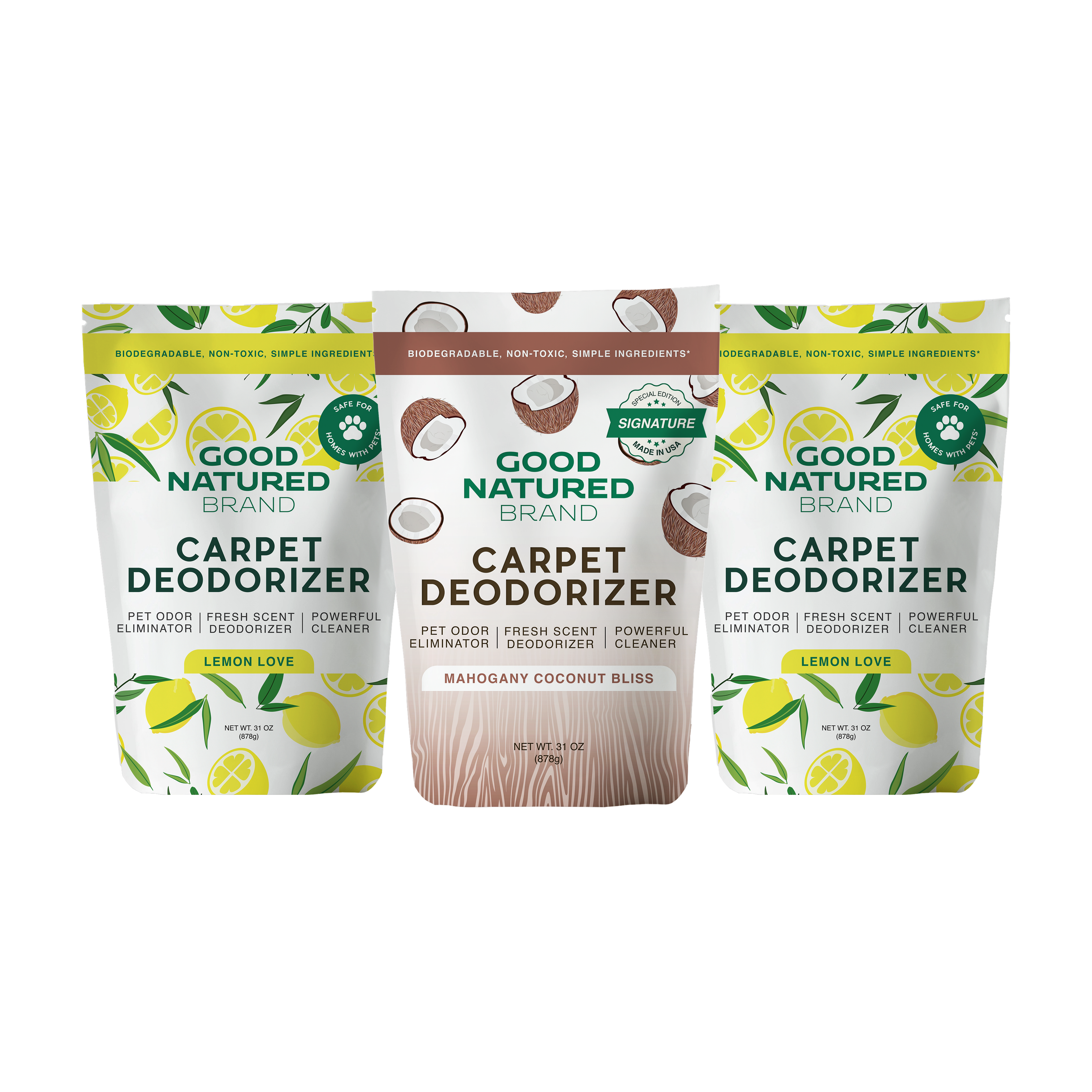
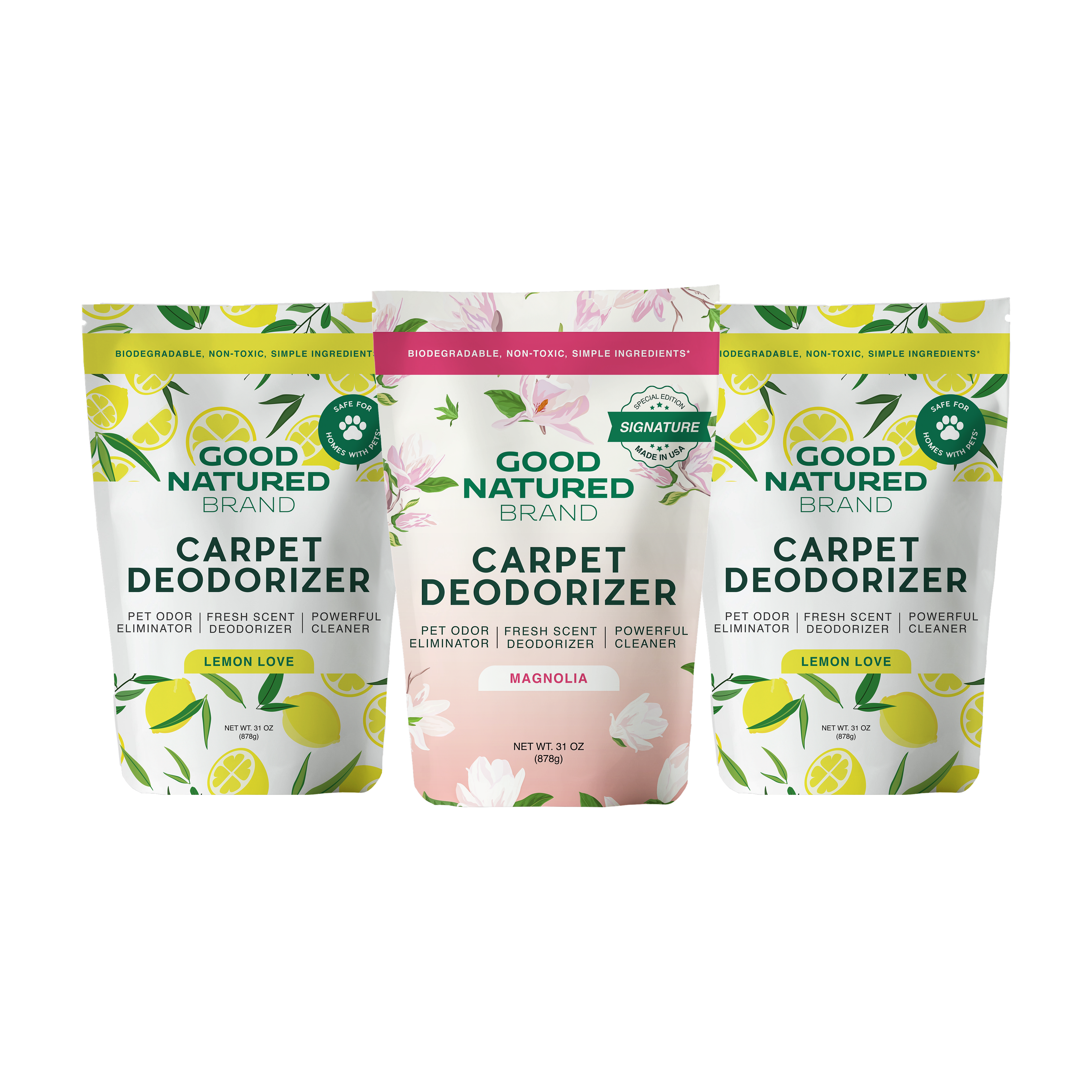
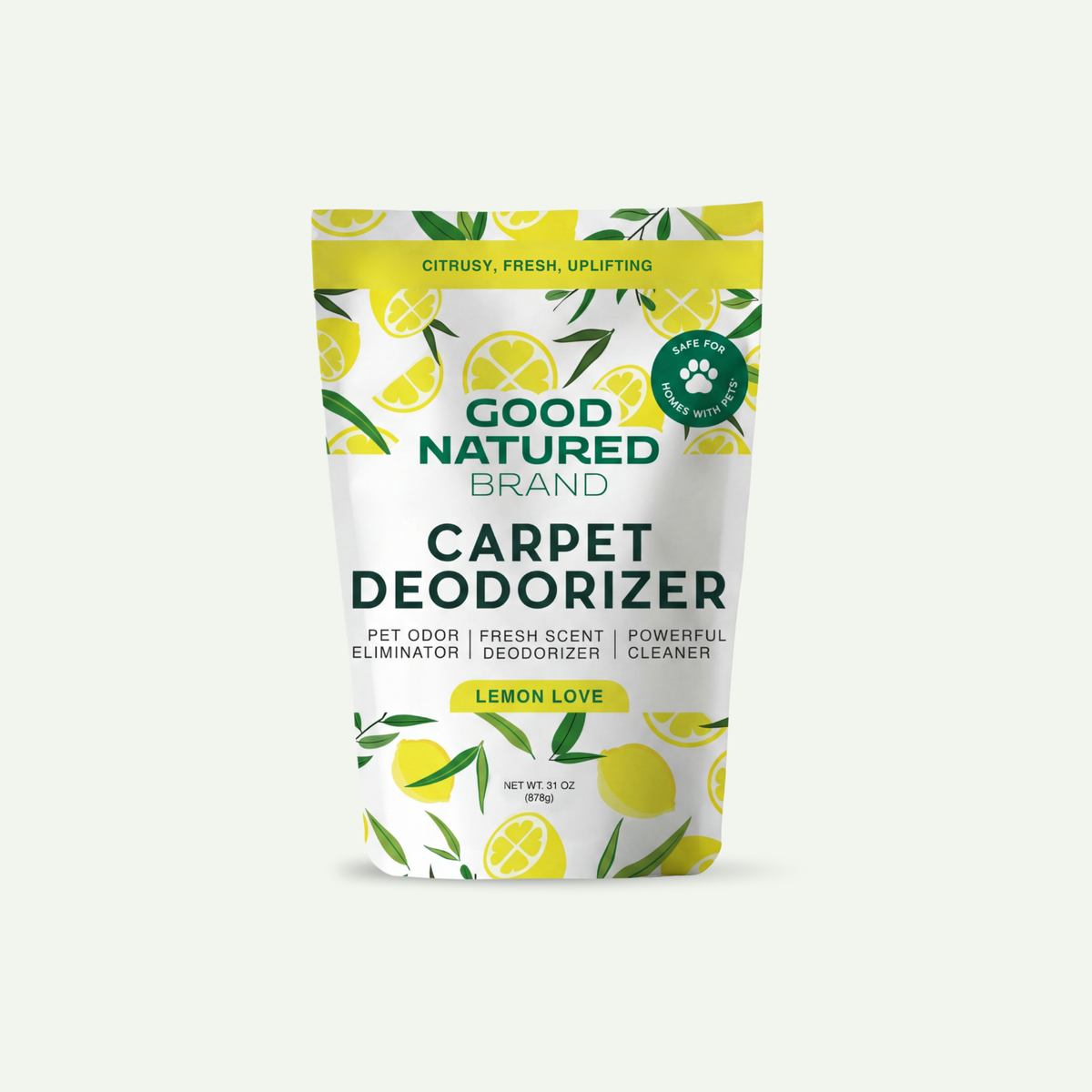
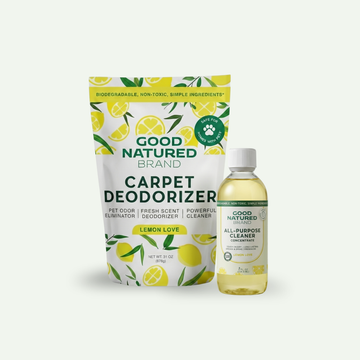
Lemon freshness for every home.
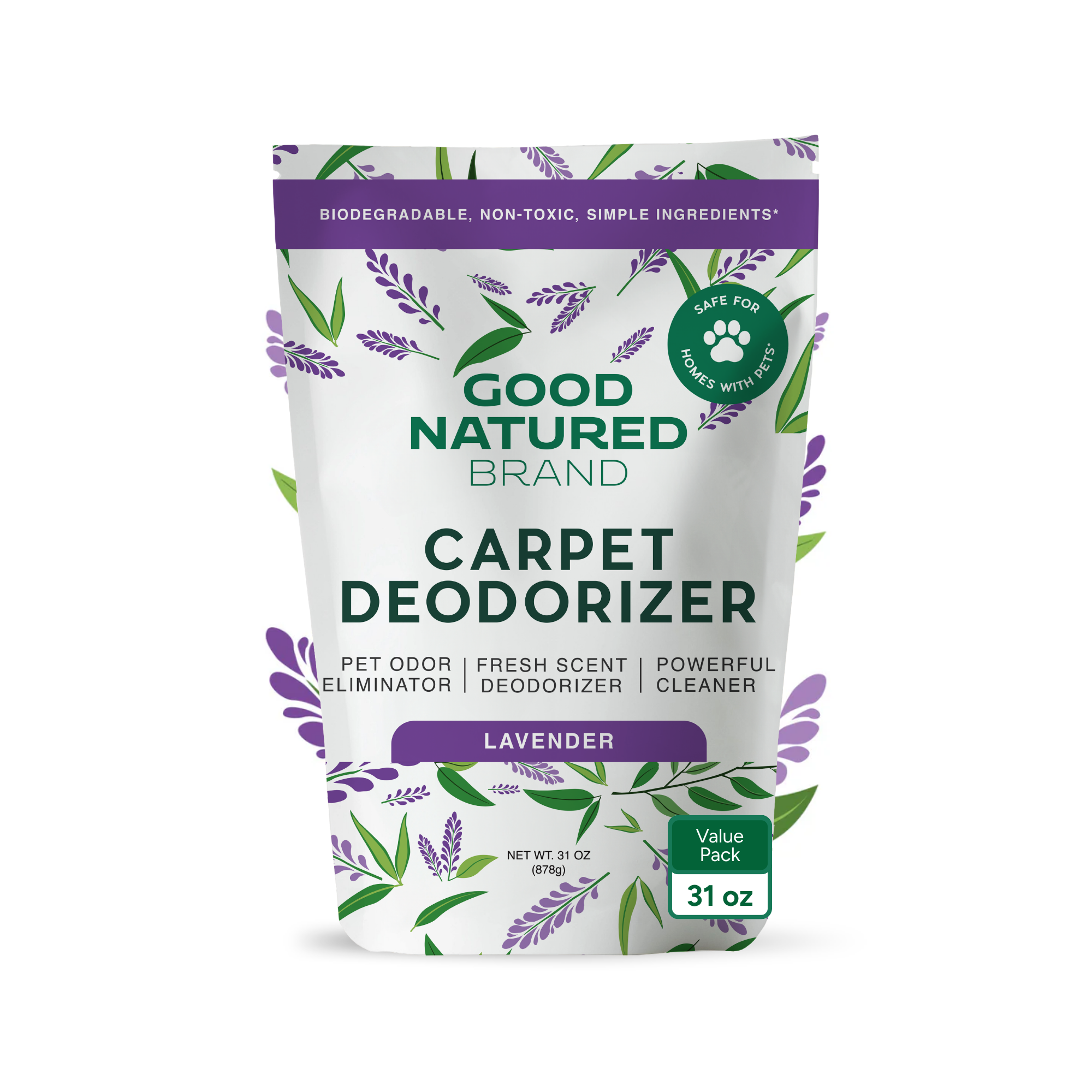
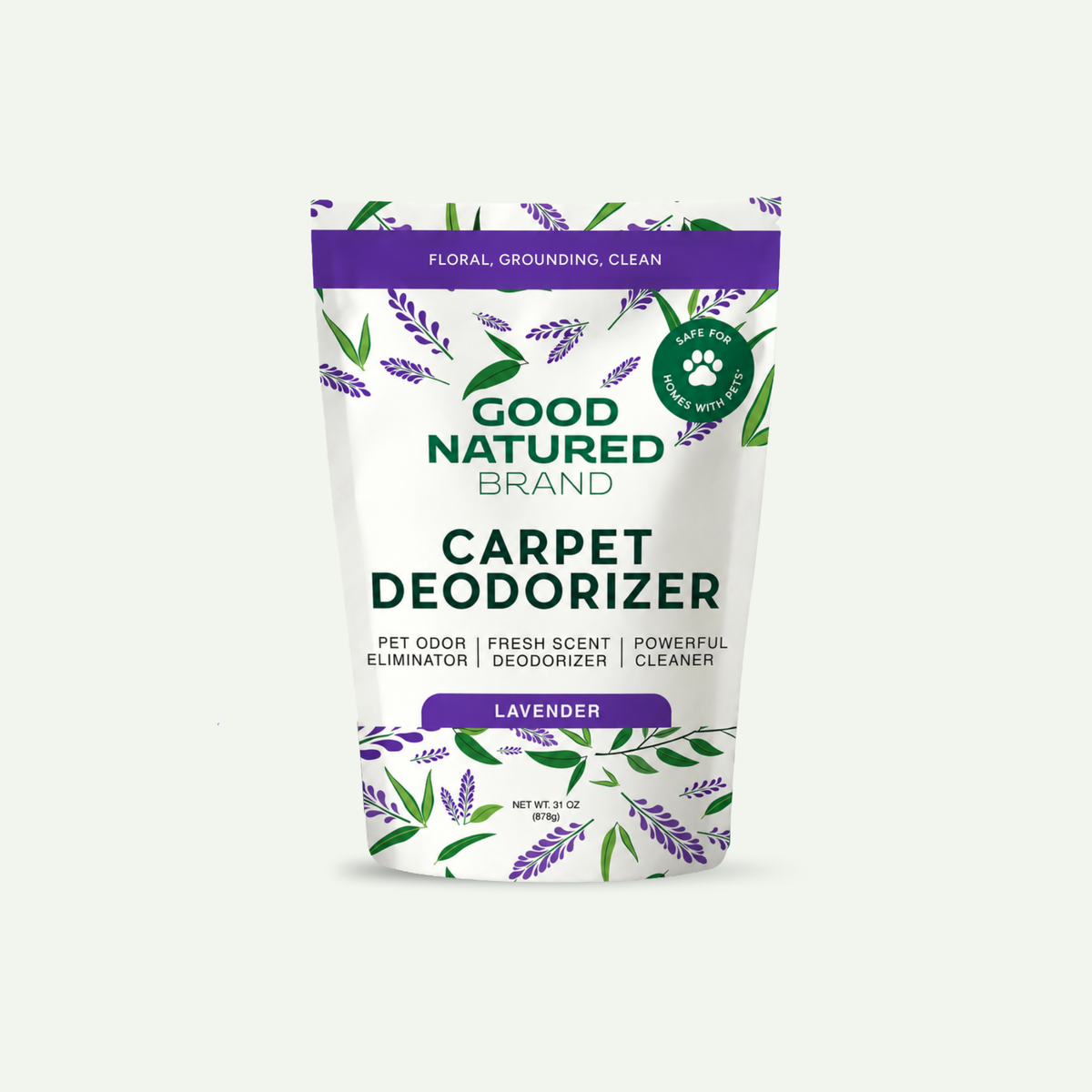
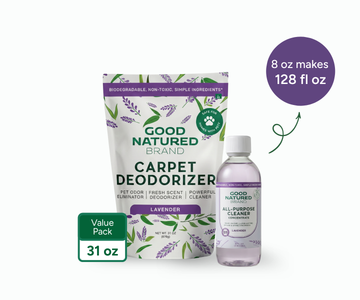
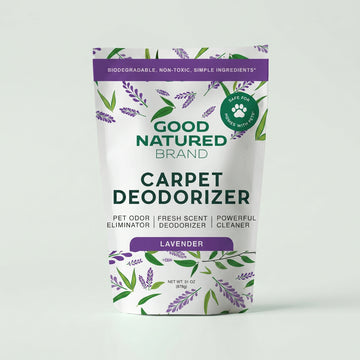
Lavender calm for every home.
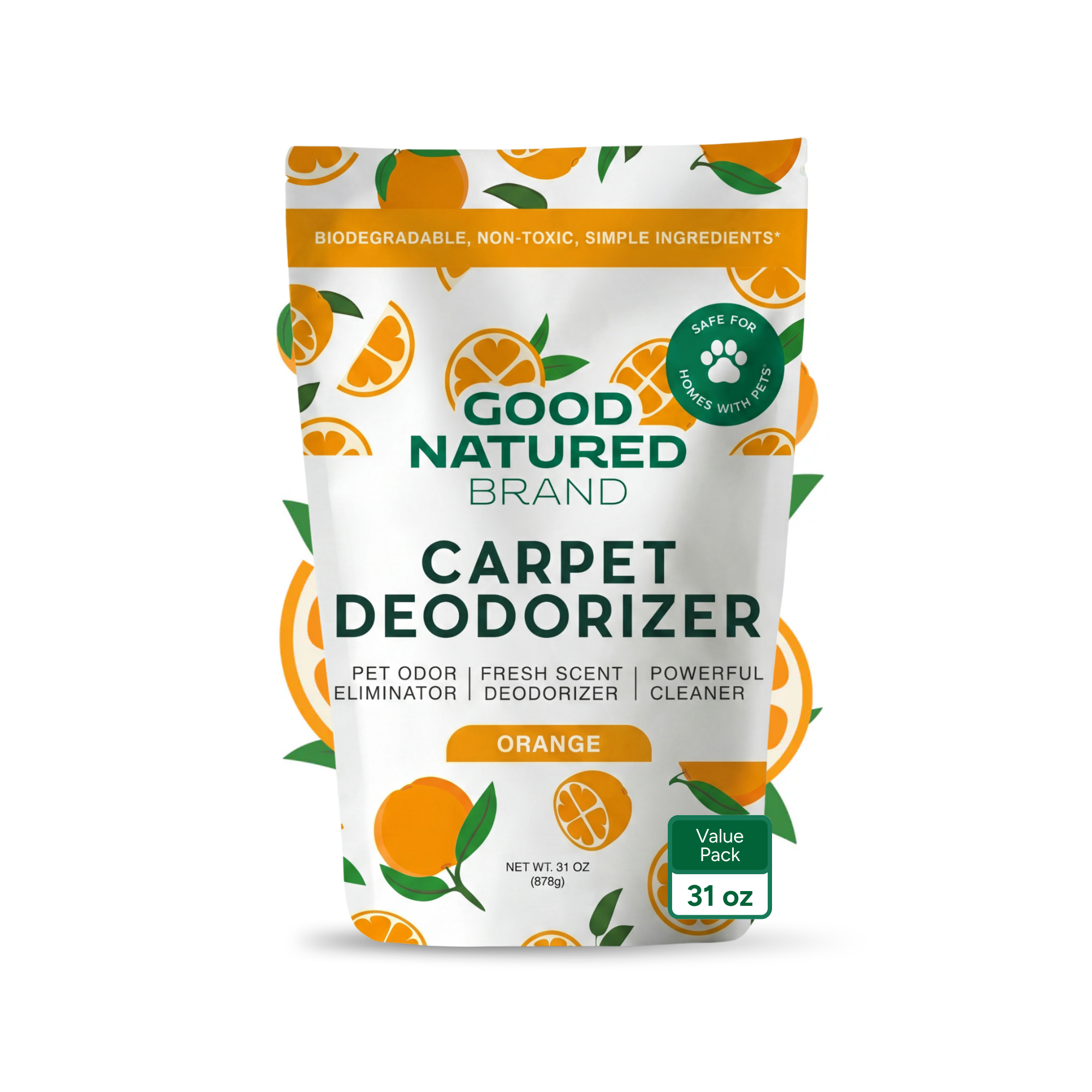
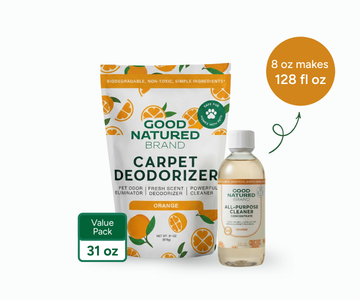
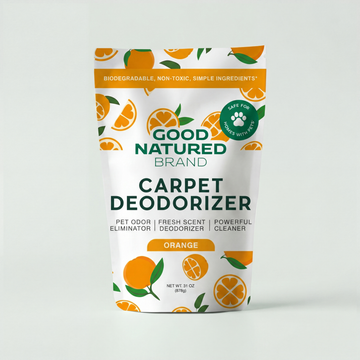
Orange energy for every home.
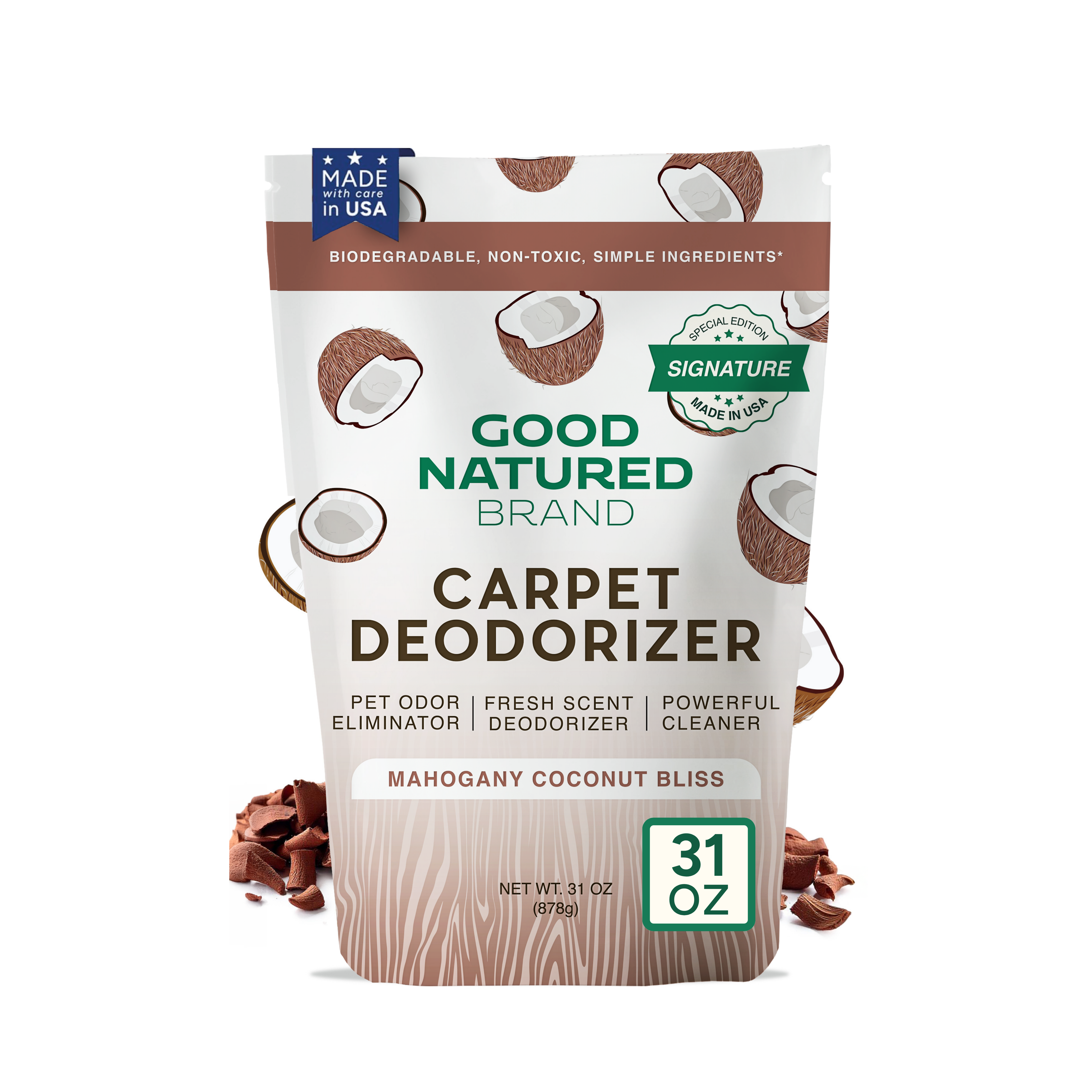
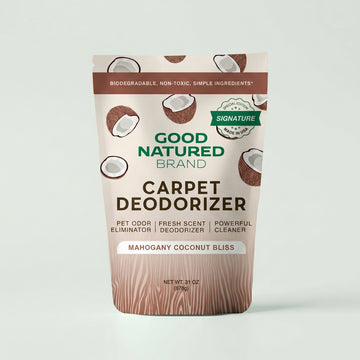
Mahogany warmth for every home.
Cherry blossom serenity for every home.
Cocoa butter comfort for every home.
Mandarin freshness for every home.
Champagne sparkle for every home.
Zesty freshness for every carpet.
The Foods Featured in the Animal Guide Video
Sardines
Sardines are one of the standout foods in the video because they are naturally rich in omega-3 fatty acids. These fats are often associated with skin, coat, joint, heart, and brain support.
For dogs, plain sardines packed in water are usually the best option. Avoid sardines packed in oil, heavy salt, spices, tomato sauce, or other flavored sauces. The video suggests a small sardine twice a week, which makes sense as a modest topper rather than a daily staple. AKC also notes that sardines can be beneficial because their soft bones are digestible and provide calcium, while fish intake should still be limited and prepared safely.
Eggs
Eggs are highlighted in the video as a high-quality protein source. They contain protein, vitamin D, choline, selenium, and other nutrients that can support muscle maintenance, especially as dogs age.
For senior dogs, maintaining muscle matters. Muscle supports mobility, balance, joint stability, and overall strength. A dog that loses muscle may become less active, which can create a cycle of stiffness, weight gain, and reduced quality of life.
Serve eggs plain and fully cooked. Scrambled eggs without butter, salt, or seasoning are a simple option. Boiled eggs can also work when chopped into small pieces. AKC states that cooked eggs are safe for dogs, while raw egg whites can contribute to biotin deficiency, so cooking is the safer choice.
Carrots
Carrots are simple, affordable, and easy to use as a crunchy treat. The video focuses on their beta-carotene content, which the body can convert into vitamin A. Vitamin A plays a role in vision, immune health, and cellular function.
Carrots can also be useful for dogs who love to chew. Their firm texture gives dogs something satisfying to crunch, though they are not a replacement for dental care. AKC describes carrots as a low-calorie snack high in fiber and beta-carotene, and notes that crunching carrots can be good for a dog’s teeth.
Serve carrots raw in manageable pieces or lightly steamed for dogs who need a softer texture.
Blueberries
Blueberries are featured because they contain antioxidants, especially anthocyanins. Antioxidants help protect cells from oxidative stress, which is one of the reasons blueberries are often associated with healthy aging.
For dogs, blueberries are also convenient. They are small, easy to portion, and can be used as a treat during training. AKC describes blueberries as rich in antioxidants, fiber, and phytochemicals.
A small handful twice a week may be plenty for many dogs, but size matters. A small dog may only need a few berries, while a larger dog may tolerate more.
Sweet Potato
Sweet potato is included in the video for its beta-carotene, manganese, vitamin B6, and slow-digesting carbohydrate content. It can be especially useful as a gentle, cooked topper for dogs who enjoy soft textures.
Serve sweet potato cooked, plain, and mashed or cubed. Avoid butter, brown sugar, salt, marshmallows, or spices. A couple tablespoons can add variety without overwhelming your dog’s regular food.
Sweet potato is still a carbohydrate, so portion control matters, especially for dogs who need weight management.
Broccoli
Broccoli appears in the video because of sulforaphane, a plant compound often discussed for its role in supporting natural detoxification pathways. It also contains fiber and vitamin C.
The key with broccoli is moderation. AKC notes that broccoli is safe for dogs in small amounts and is best as an occasional treat, but broccoli florets can cause gastric irritation in some dogs, and tough stalks can be a choking or obstruction risk. Cooked broccoli may be easier for dogs to handle.
Lightly steamed florets are the best option. Keep portions small and avoid making broccoli a large part of your dog’s meal.
Turmeric
Turmeric is included because it contains curcumin, a compound often discussed for inflammatory support. The video pairs turmeric with black pepper because piperine, a compound in black pepper, may help curcumin absorption.
However, turmeric is one of the foods where pet parents should be more cautious. It may not be right for every dog, especially dogs on medication, dogs with bleeding disorders, dogs with gallbladder issues, or dogs scheduled for surgery. It can also upset the stomach in some pets.
The video suggests a small amount a few times per week. If you want to try turmeric, use a tiny amount and ask your vet first if your dog has any medical conditions.
Oats
Oats are highlighted for beta-glucan, a soluble fiber associated with heart and digestive support. Plain cooked oats can be a gentle addition for some dogs, especially when served in small portions.
The best version is plain oatmeal cooked with water. Avoid sugar, milk, cream, flavored packets, cinnamon blends, raisins, chocolate, or artificial sweeteners.
A few tablespoons twice a week can be a simple way to add fiber, but oats should not replace your dog’s balanced food.
Salmon
Salmon is another omega-3-rich food featured in the video. It provides EPA and DHA, two fatty acids commonly associated with skin, coat, joint, heart, and brain health.
Preparation is essential. Salmon should be fully cooked, cooled, plain, and free from bones. AKC warns that raw or undercooked salmon can contain parasites that may make dogs very sick, so cooked salmon is the safer choice.
A small cooked portion once or twice a week can work as a topper for many dogs, depending on their size and calorie needs.
Plain Yogurt
Plain yogurt is included because of its live cultures. The video connects yogurt with gut barrier support, digestion, skin health, and immune balance.
Choose plain, unsweetened yogurt with no artificial sweeteners. This is especially important because some sweeteners are unsafe for dogs. AKC notes that plain yogurt can be an acceptable snack for dogs that tolerate dairy, while some dogs may have trouble digesting dairy products.
Start with a small spoonful. If your dog gets gas, diarrhea, or itching, yogurt may not be the right fit.
Spinach
Spinach is featured for vitamin K, iron, and folate. The video frames it as a food that supports red blood cell production and oxygen delivery.
Spinach should be used sparingly. AKC notes that dogs can eat spinach, but it is high in oxalic acid, which can interfere with calcium absorption and may be a concern in very large amounts.
If you use spinach, finely chop it and lightly steam it. Think of it as a small accent, not a major vegetable serving.
Apples
Apples are highlighted because they contain fiber, vitamin C, and quercetin, a plant compound often associated with immune and inflammatory support.
Always remove the core and seeds. AKC notes that apples can be a good snack for dogs, especially senior dogs, but the seeds and core should be removed first.
Serve one or two thin slices, depending on your dog’s size. Avoid apple pie filling, sweetened applesauce, caramel apples, or anything with spices and sugar.
Pineapple
Pineapple is featured because it contains bromelain, an enzyme often discussed for protein digestion and inflammatory support. It also contains vitamins, minerals, and fiber.
Serve only fresh pineapple flesh in small pieces. Remove the tough outer peel and crown. AKC notes that a few chunks of pineapple can be a sweet treat for dogs, but canned pineapple in syrup should be avoided because dogs do not need added sugar.
Because pineapple is naturally sweet and acidic, keep portions small.
Bone Broth
Bone broth is included for collagen peptides, glycine, glucosamine, hydration, and mealtime appeal. Many dogs enjoy broth poured over their food, especially seniors or picky eaters.
The safest version is plain, dog-safe bone broth with no onion, garlic, excessive sodium, or heavy seasoning. Many broths made for humans contain onion or garlic, so labels matter.
Bone broth can be poured over food a few times per week, but it should not be used as a complete meal.
Mango
Mango is featured for vitamin C, vitamin A, folate, and beta-carotene. It can be a bright, sweet treat for dogs who enjoy fruit.
Remove the skin and pit before serving. AKC notes that mango contains vitamins A, B6, C, and E, along with potassium and carotenoids, but the hard pit should be removed because it can be a choking hazard and contains small amounts of cyanide. Mango is also high in sugar, so it should be occasional.
Two or three small pieces are enough for many dogs.
Extra Virgin Olive Oil
Extra virgin olive oil is included in the video for its polyphenols, including oleocanthal. The video frames it as a simple addition for systemic inflammatory support.
Olive oil is calorie-dense, so small amounts matter. Too much can cause loose stool or contribute to weight gain. For some dogs, especially those prone to pancreatitis or on low-fat diets, added oils may not be appropriate.
A small drizzle may work for some dogs, but check with your vet if your dog has a sensitive stomach, weight concerns, or a history of pancreatitis.
A Simple Weekly Rotation Inspired by the Video
The video’s rotation approach is useful because it prevents pet parents from overusing one ingredient. Rotation also makes it easier to observe how your dog responds to each food.
Here is a gentle version of the idea:
|
Day |
Morning Addition |
Evening Addition |
|
Monday |
Plain cooked egg |
Small sardine packed in water |
|
Tuesday |
Plain unsweetened yogurt |
Plain cooked oats |
|
Wednesday |
Small drizzle of extra virgin olive oil |
Blueberries |
|
Thursday |
Plain cooked sweet potato |
Raw or steamed carrot |
|
Friday |
Plain cooked salmon |
Plain dog-safe bone broth |
|
Saturday |
Tiny amount of turmeric with vet approval |
Plain kefir or yogurt, if tolerated |
|
Sunday |
Lightly steamed broccoli |
Plain pumpkin with blueberries |
This does not mean every dog should eat every item every week. Instead, use it as a flexible inspiration guide. Smaller dogs need much smaller portions. Dogs with health conditions may need to skip certain foods entirely.
Foods to Prepare Carefully
Some foods in the video are safe only when prepared correctly.
Fish should be fully cooked, plain, cooled, and free from bones, except for small water-packed sardines with soft digestible bones. Eggs should be fully cooked. Apples need the seeds and core removed. Mango needs the pit and skin removed. Pineapple needs the peel and crown removed. Broccoli should be offered in small amounts, preferably cooked. Yogurt should be plain and unsweetened. Bone broth should be free from onion, garlic, and heavy sodium.
This is where many pet parents make mistakes. A food can be healthy in one form and unsafe in another. Plain cooked salmon is very different from seasoned salmon with garlic butter. Plain yogurt is very different from sweetened yogurt. Fresh pineapple is very different from canned pineapple in syrup.
Foods to Avoid While Building a Healthier Bowl
The Animal Guide video focuses on beneficial foods, but it is just as important to know what not to share. Grapes and raisins should never be fed to dogs because they can cause acute kidney failure. Onions, garlic, leeks, and chives should also be avoided. Chocolate, macadamia nuts, alcohol, caffeine, xylitol, and heavily salted or fatty foods are also unsafe.
Even with safe foods, avoid seasonings and sauces. Your dog does not need the same flavor complexity humans enjoy. Plain is usually best.
How Nutrition Fits Into a Healthy Home Routine
Food is one part of a dog’s wellness routine. The environment your dog lives in matters too. Dogs spend time on floors, rugs, bedding, blankets, couches, and soft surfaces that can collect odors and messes.
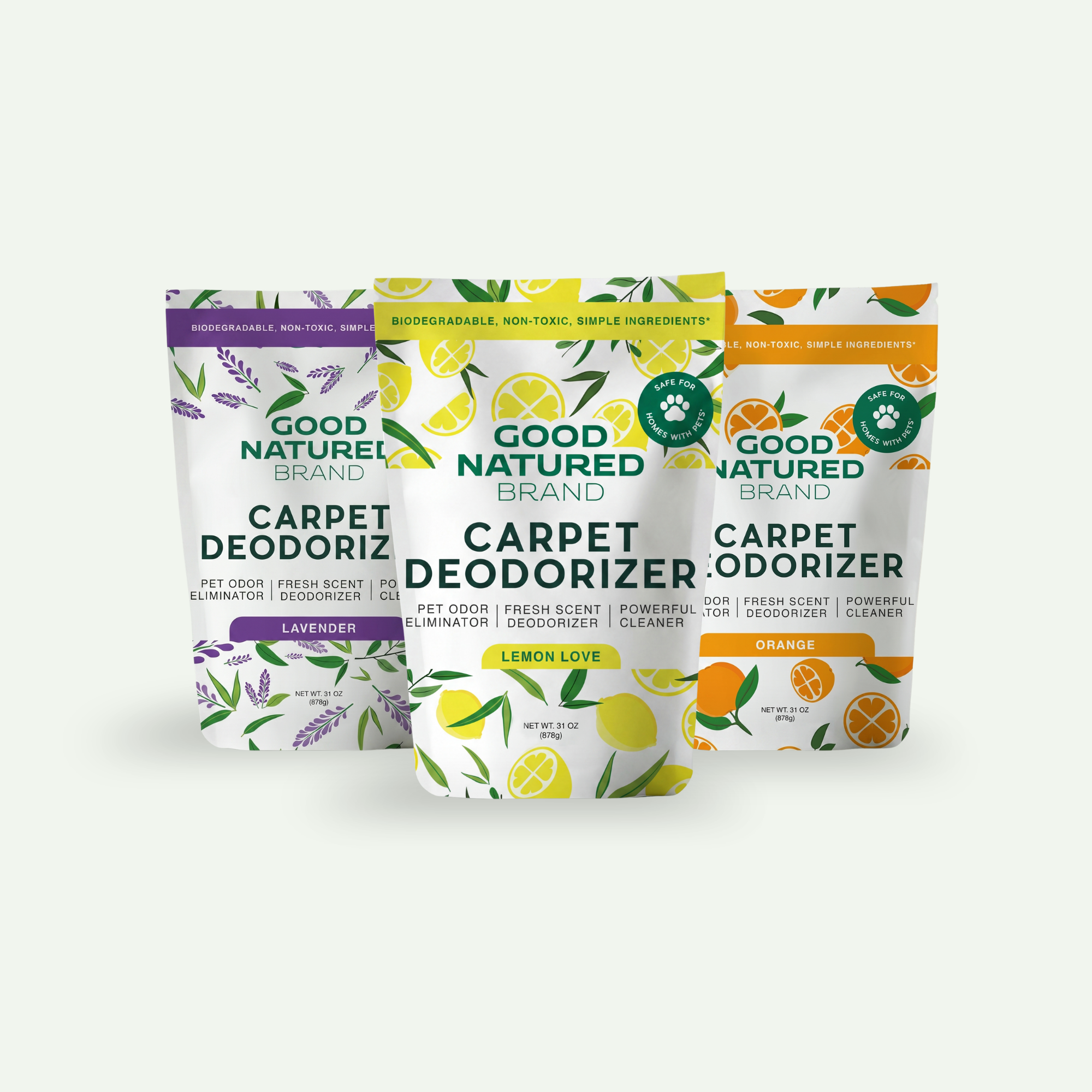
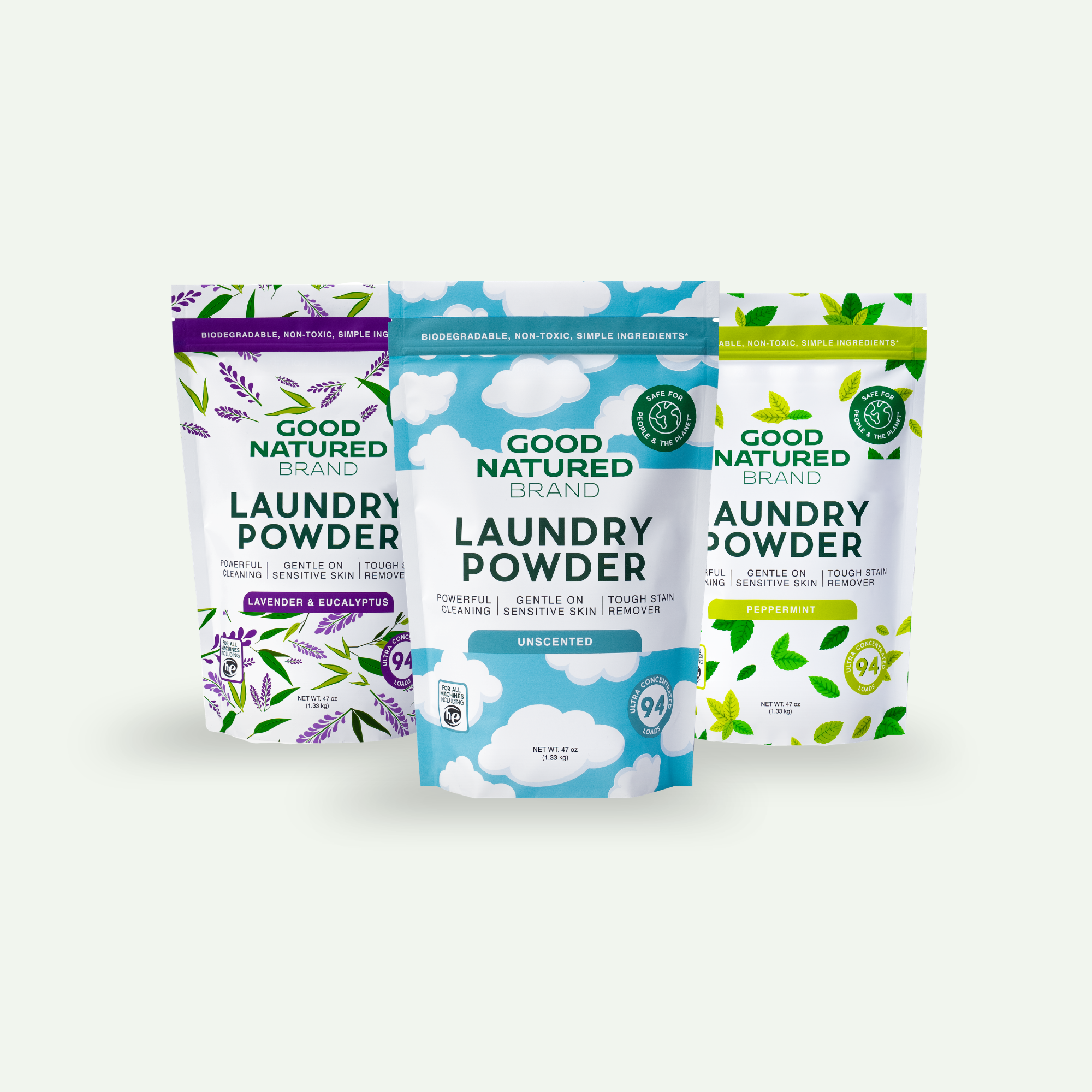
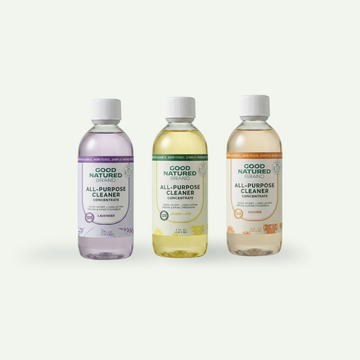
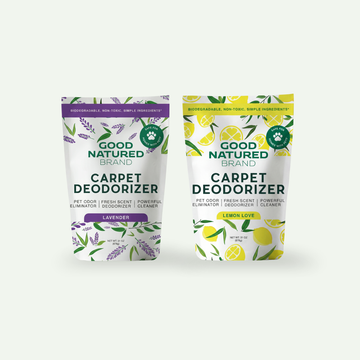
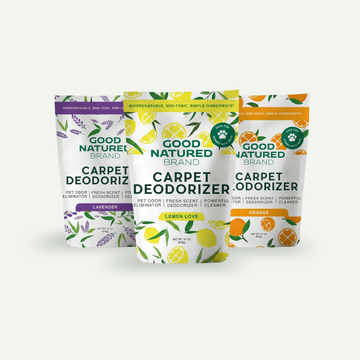
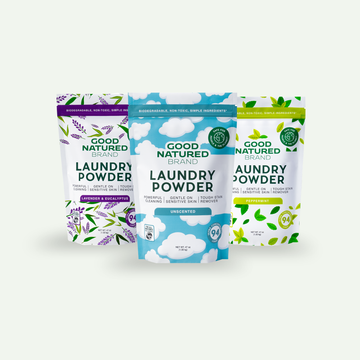
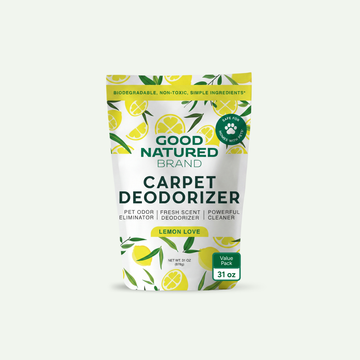
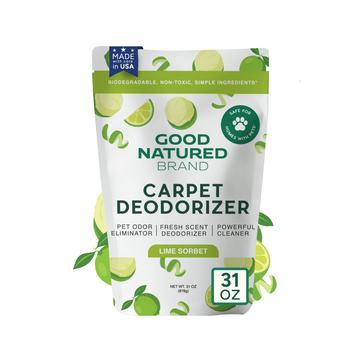
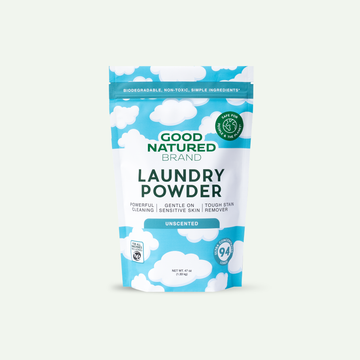
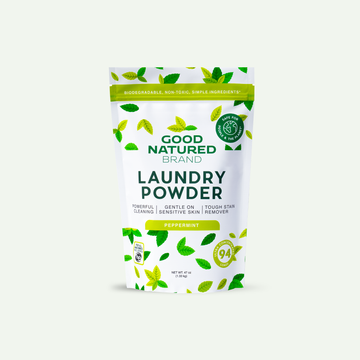
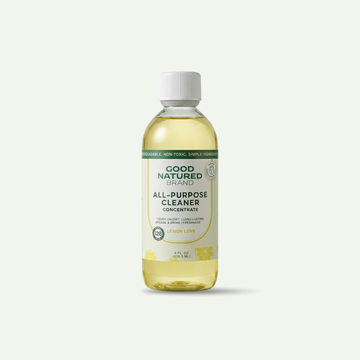
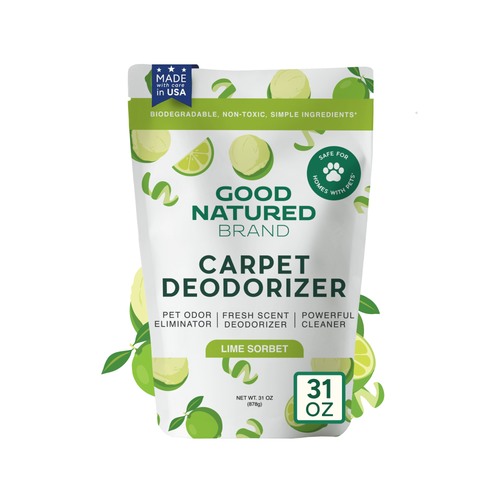
That is why a pet-friendly home routine can support the same care-focused mindset as a thoughtful food routine. After treat time, mealtime, rainy walks, or muddy play sessions, you can freshen your home with Carpet Deodorizers, wash blankets and pet bedding with Laundry Powders, and wipe everyday surfaces with All Purpose Cleaners.
At Good Natured Brand, we believe pet care is not only about what goes in the bowl. It is also about creating a clean, comfortable space where dogs and their families can live well together.
How to Introduce These Foods Without Upsetting Your Dog’s Stomach
The safest way to start is with one food at a time. Choose a small amount, serve it plain, and watch your dog for the next day or two. If everything looks normal, you can try that food again later or move on to another option.
For example, you might start with a few blueberries one week, a spoonful of plain yogurt the next week, and a small piece of cooked salmon after that. This makes it easier to identify what your dog tolerates well.
Avoid introducing several new foods at once. If your dog gets diarrhea after eating yogurt, pineapple, salmon, and turmeric in the same day, you will not know which food caused the issue.
Portion Sizes Should Match Your Dog
The portions in the video are helpful starting points, but they are not universal. A Great Dane and a Chihuahua should not eat the same amount of sweet potato, egg, salmon, or mango.
Use your dog’s size, activity level, weight, and health history as your guide. When in doubt, start smaller than you think. The goal is gentle support, not a loaded bowl.
Here is a simple way to think about it:
Small dogs need tiny tastes.
Medium dogs may tolerate small spoonfuls or small pieces.
Large dogs may handle slightly larger toppers.
Overweight dogs need extra caution with calorie-dense foods like eggs, salmon, sardines, olive oil, mango, and oats.
The Bigger Lesson from the Animal Guide Video
The most valuable takeaway from Animal Guide’s video is not that every dog needs all of these foods. The bigger lesson is that small daily choices can shape long-term wellness.
A dog’s health is built through repeated routines: balanced meals, safe treats, movement, hydration, sleep, clean living spaces, and regular veterinary care. Whole foods can be part of that routine when chosen carefully.
Sardines and salmon may support omega-3 intake. Eggs may support muscle maintenance. Carrots and blueberries can be simple snack upgrades. Sweet potato and oats can add gentle fiber. Yogurt may help dogs who tolerate dairy. Bone broth can make meals more appealing. Fruits like apples, pineapple, and mango can add variety when prepared safely.
The key is balance. These foods should add to your dog’s wellness routine without creating digestive stress, excess calories, or nutritional imbalance.
Final Thoughts
The video “16 Human Foods That Can Fix Your Dog’s Health and Add Years to Their Life” from Animal Guide gives pet parents a helpful reminder: healthy habits do not always have to be complicated. Sometimes, a small piece of carrot, a few blueberries, a spoonful of plain yogurt, or a bit of cooked salmon can make your dog’s bowl more interesting and nutrient-rich.
But the best approach is thoughtful, moderate, and personalized. Start small. Keep foods plain. Avoid unsafe ingredients. Watch your dog’s response. Ask your vet when needed.
And as you care for your dog from the inside out, do not forget the home they live in every day. Explore more pet-friendly home care tips on the Good Natured Brand Blog, or keep your space fresh with Carpet Deodorizers, Laundry Powders, and All Purpose Cleaners.