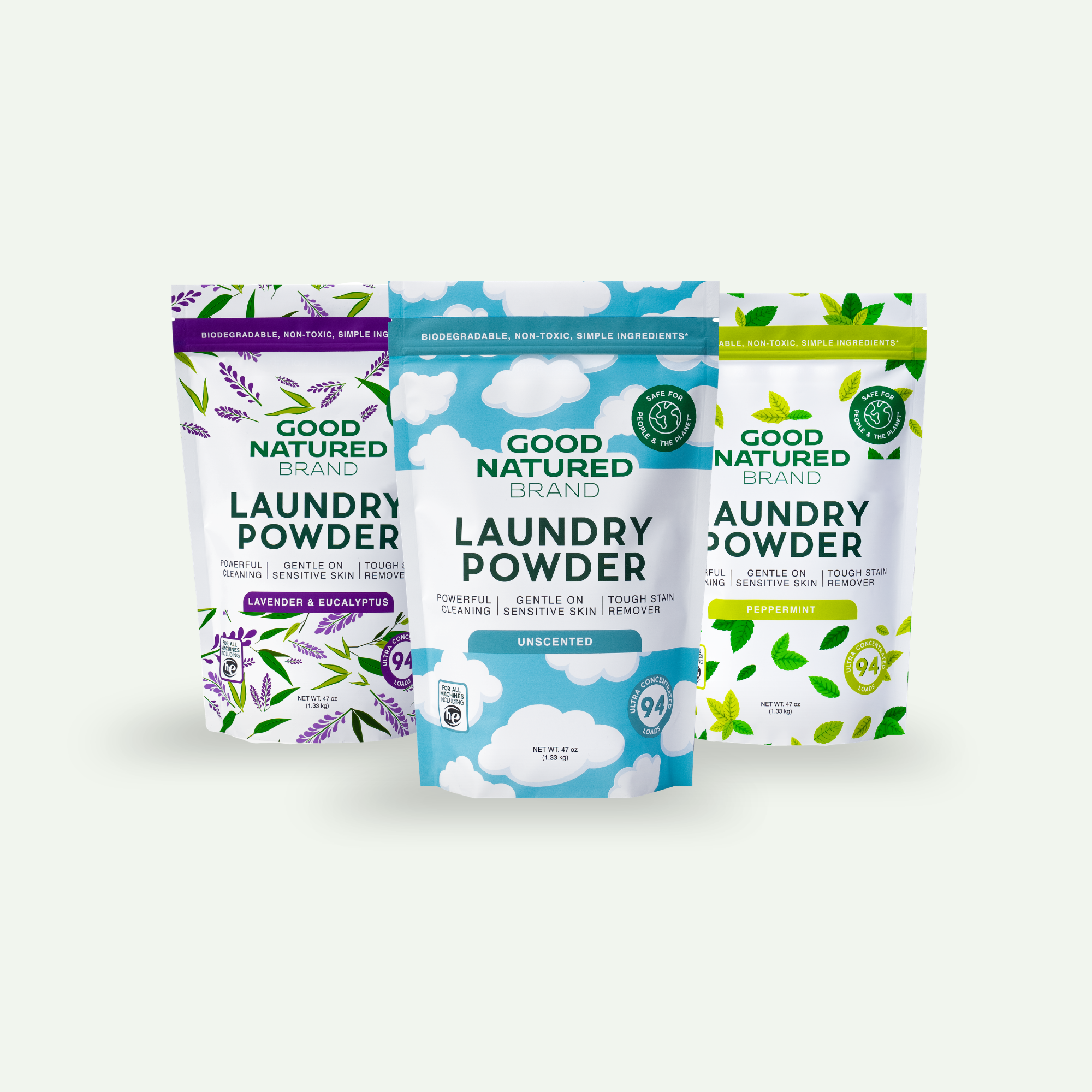
Laundry may seem like a simple part of daily life, but for people with sensitive skin, it can be a major source of irritation. From itchy clothing to rashes triggered by hidden detergent residue, what you wash your laundry with—and how you wash it—matters more than many people realize. Sensitive skin can react to even the smallest amount of leftover detergent, synthetic fragrance, or harsh surfactant, making it essential to choose the right products and routines.
Part 1 of this guide explains everything you need to know about laundry for sensitive skin: the common irritants hiding in detergents, how to avoid them, what to look for in gentle formulas, and why natural products like plant-based Laundry Powders play a key role in making laundry safer for you, your family, and your home.
For more natural living and home-care education, you can explore the Good Natured Brand Blog or browse gentle, plant-based products on the main page.
Why Laundry for Sensitive Skin Requires Special Care
Laundry products have more contact with your skin than nearly any other cleaning product. Clothes, bedding, towels, undergarments, and sleepwear all sit directly on your skin for hours at a time—so any residue left behind by detergents can accumulate and irritate even mildly sensitive skin. Babies, people with eczema or psoriasis, allergy-prone individuals, and those with dry or reactive skin are especially vulnerable.
What Counts as “Sensitive Skin”?
Sensitive skin doesn’t look the same for everyone. You might have:
-
Redness or blotchiness after wearing certain fabrics
-
Itchy or irritated patches on areas that contact clothing
-
Rashes that appear after washing with scented detergents
-
Increased dryness or flakiness
-
Sensitivity to heat, friction, or sweat trapped in fabrics
Even if you do not typically think of your skin as “sensitive,” frequent irritation may indicate a reaction to laundry products rather than a medical skin condition.
How Laundry Residue Irritates Sensitive Skin
Most people assume that laundry detergent rinses out completely—but research shows that many detergents leave behind residue. This residue clings to fibers and rubs against your skin during wear.
Typical irritating residues include:
-
Synthetic fragrances
-
Surfactants
-
Fabric softener coating
-
Preservatives
-
Brighteners
-
Detergent fillers
This is why gentle laundry solutions like plant-based Laundry Powders are preferred—they rinse more cleanly and leave less behind.
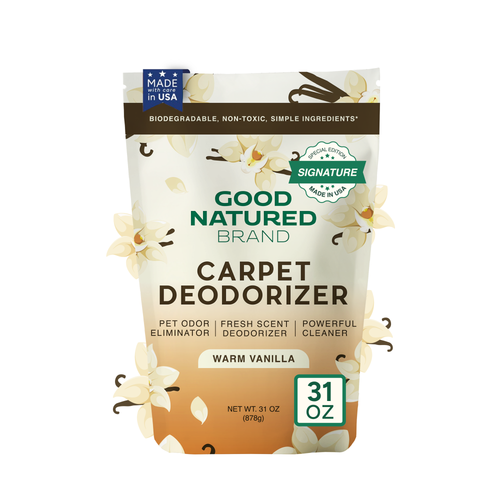
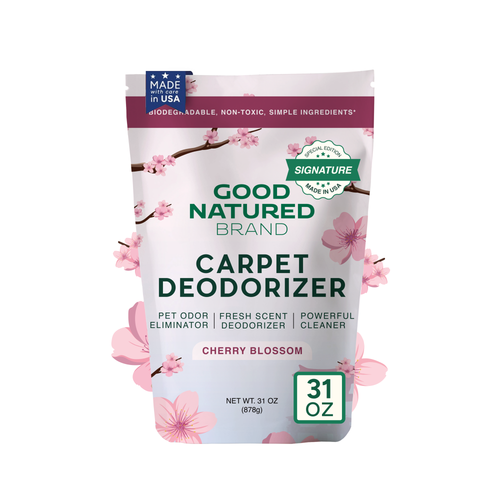
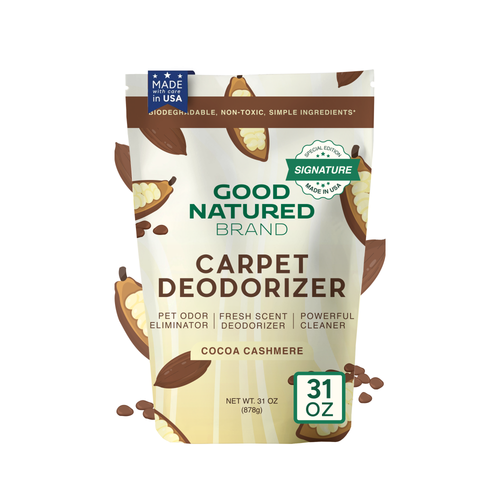
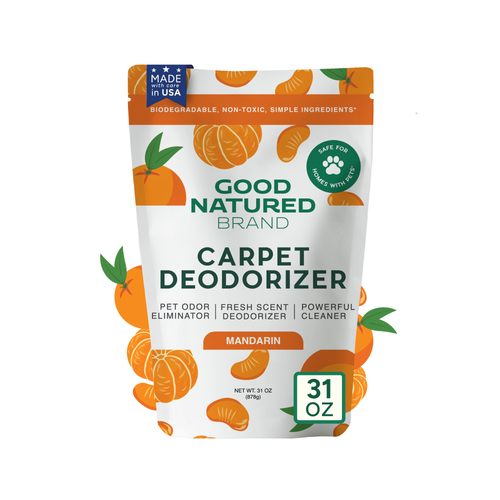
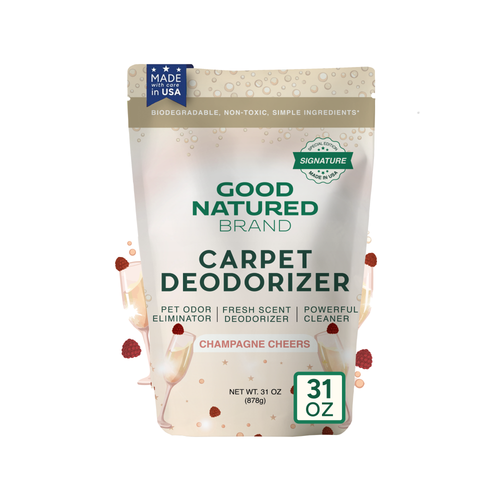
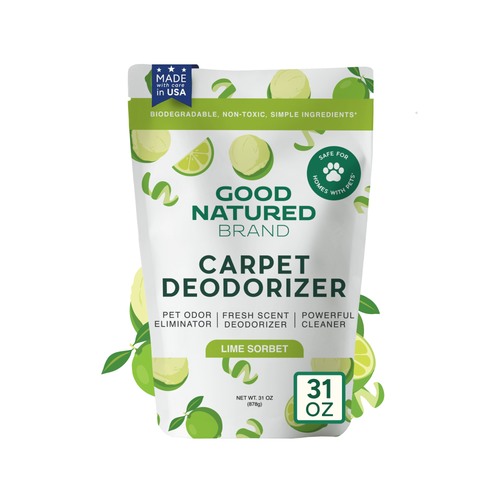
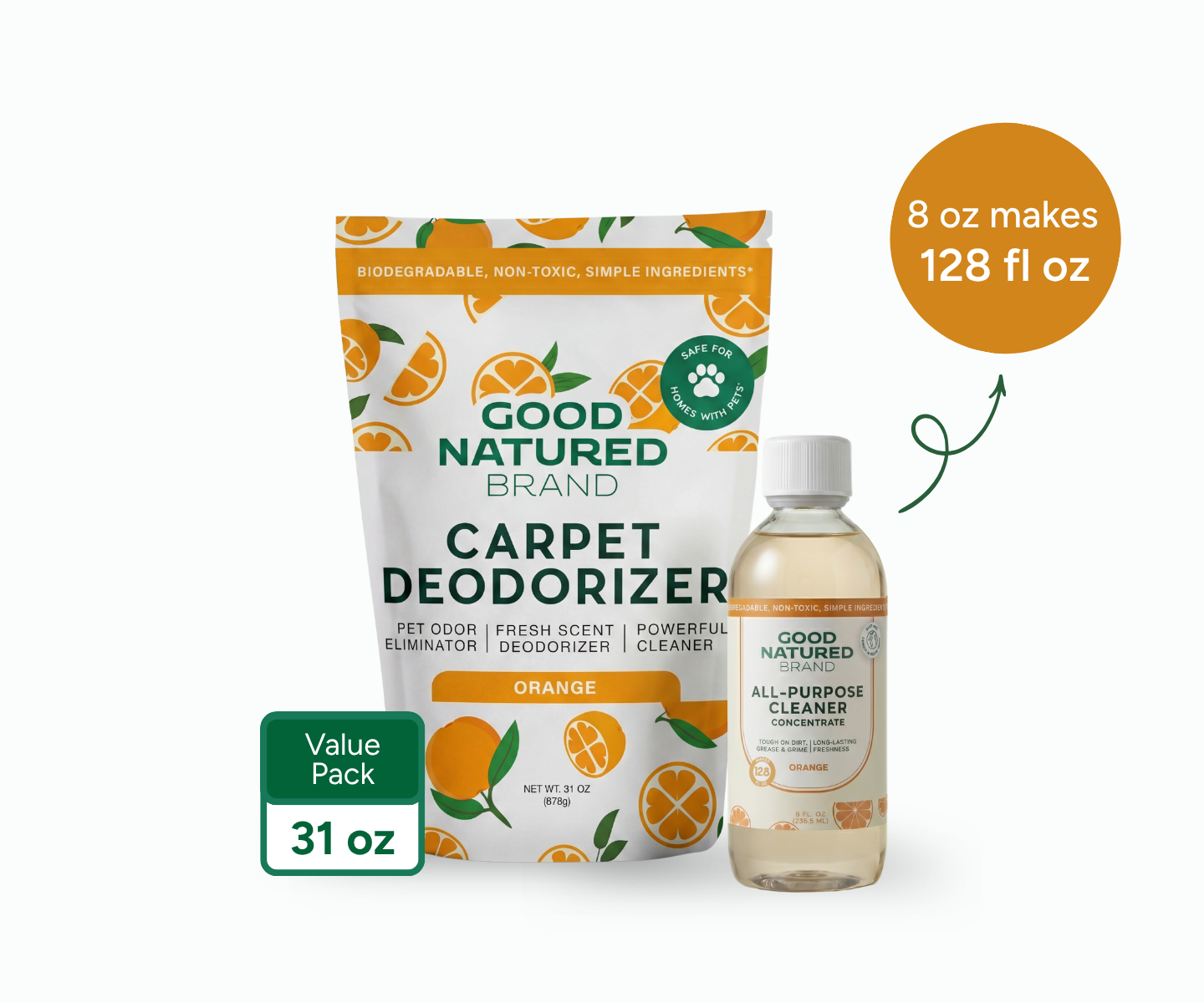
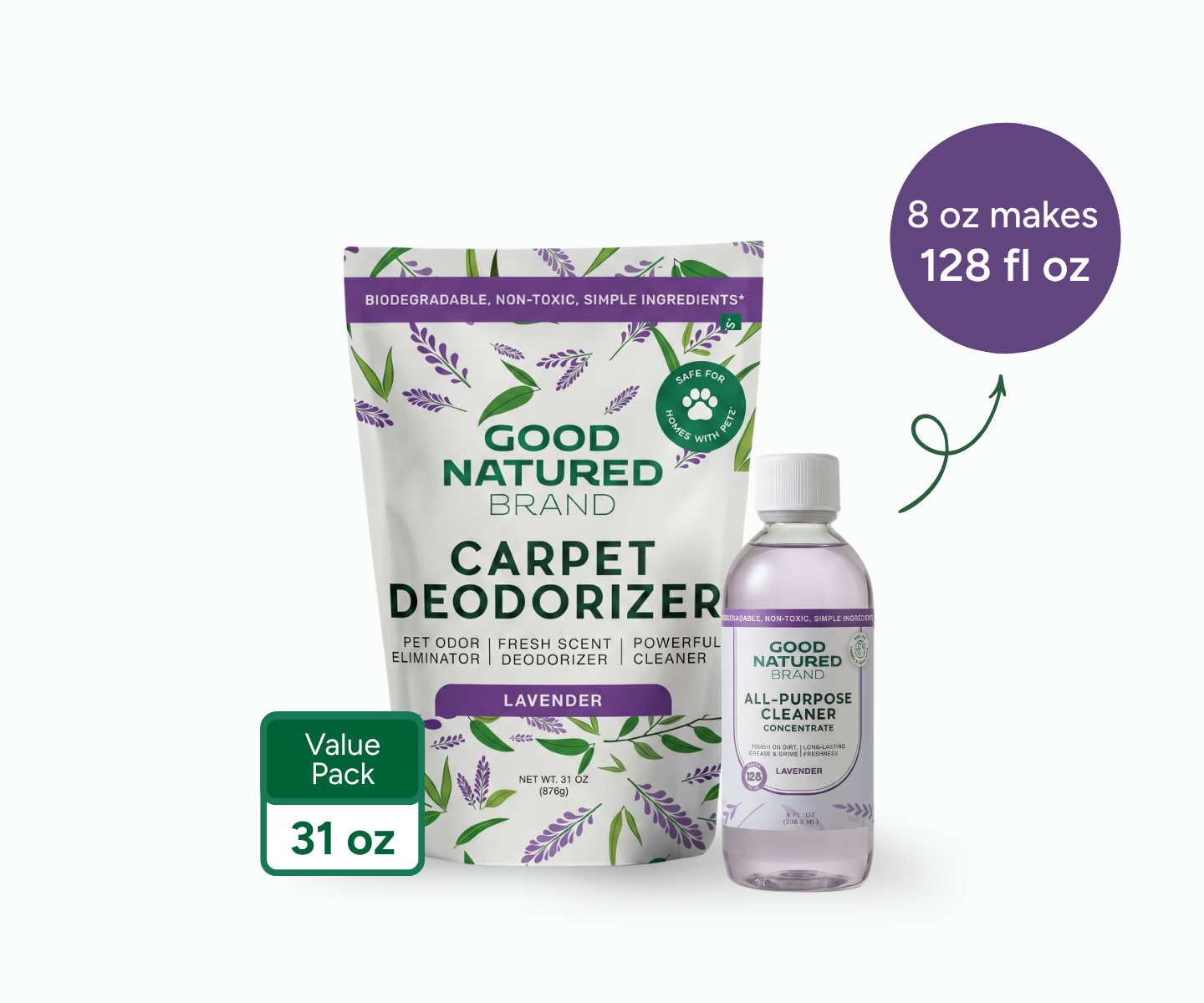
Shop the Product
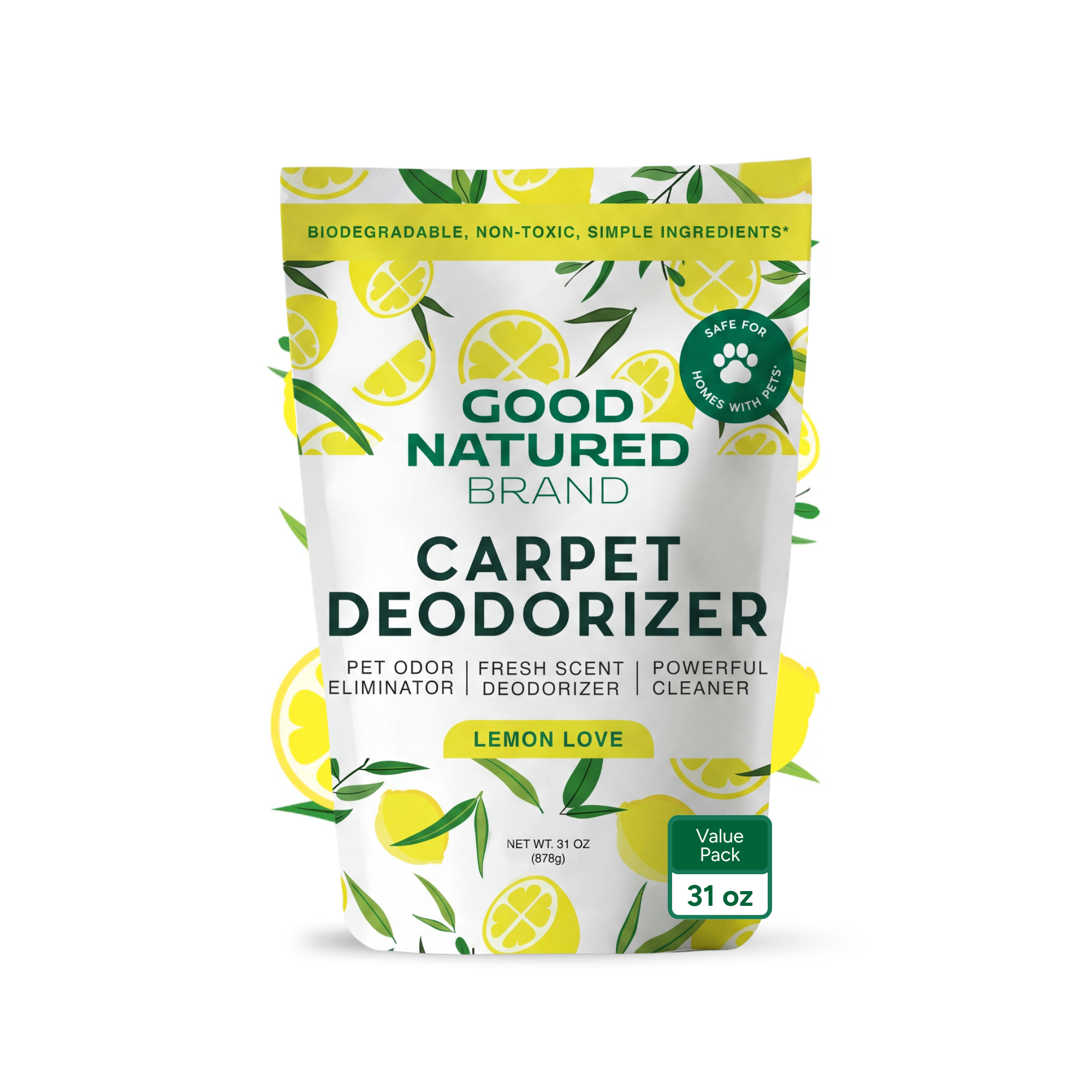
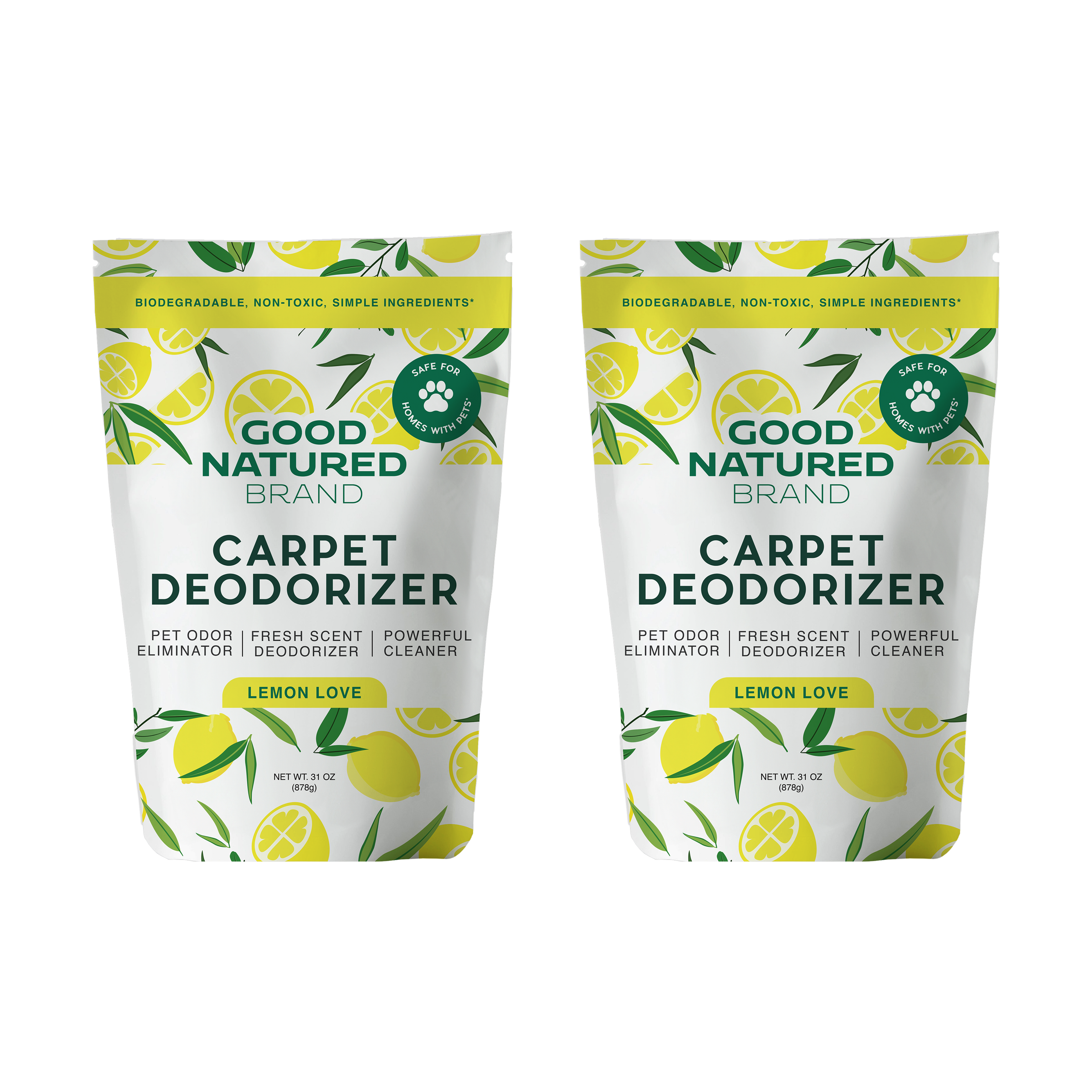
Lemon freshness for every home.
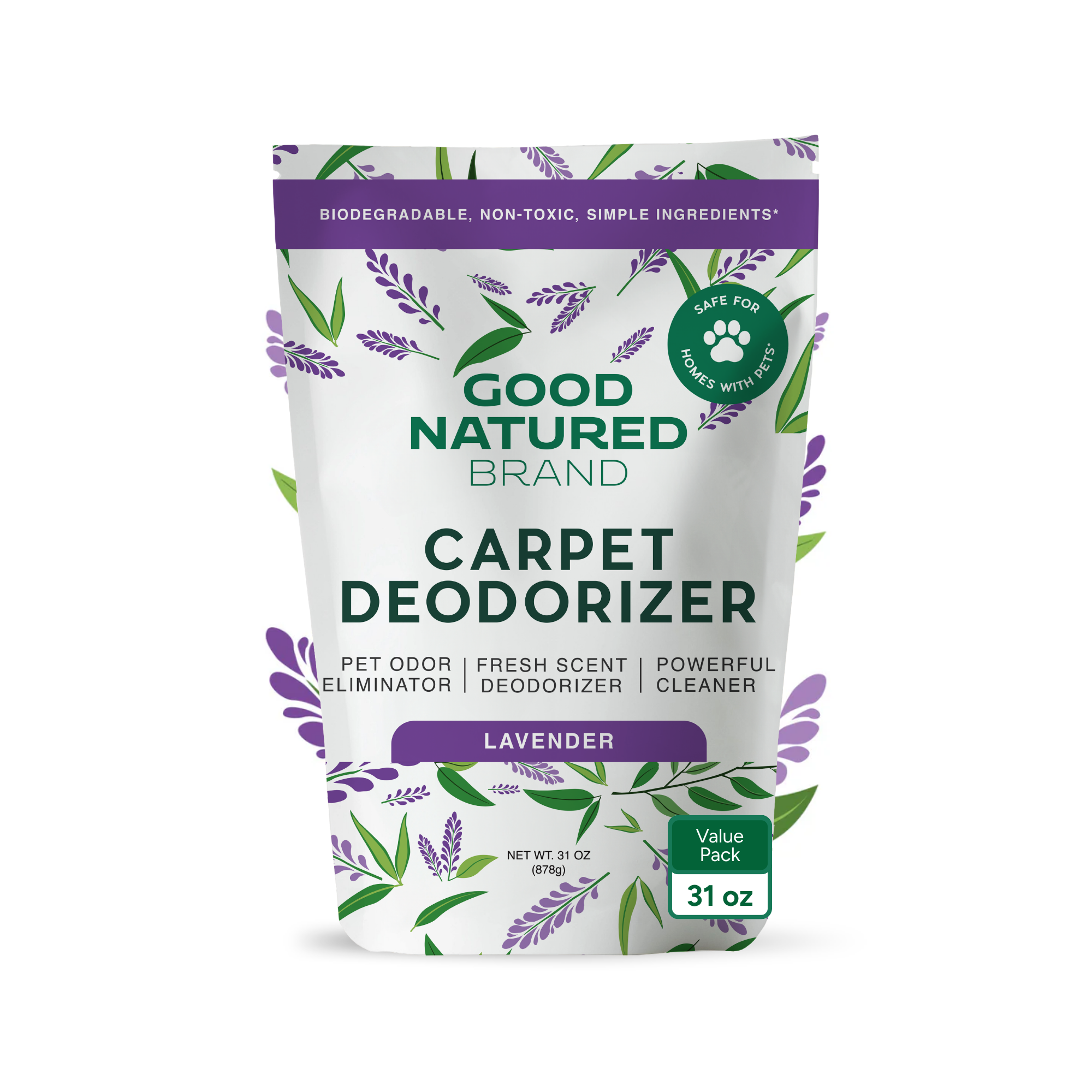
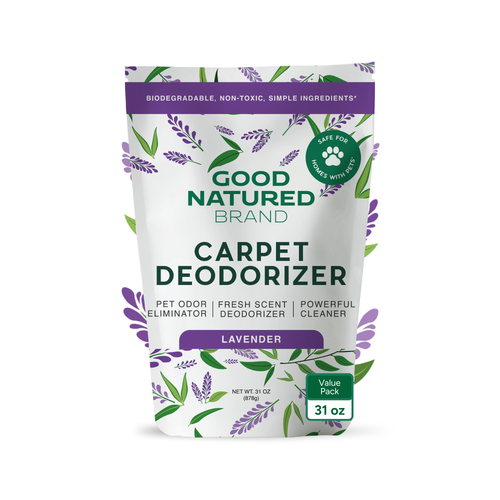
Lavender calm for every home.
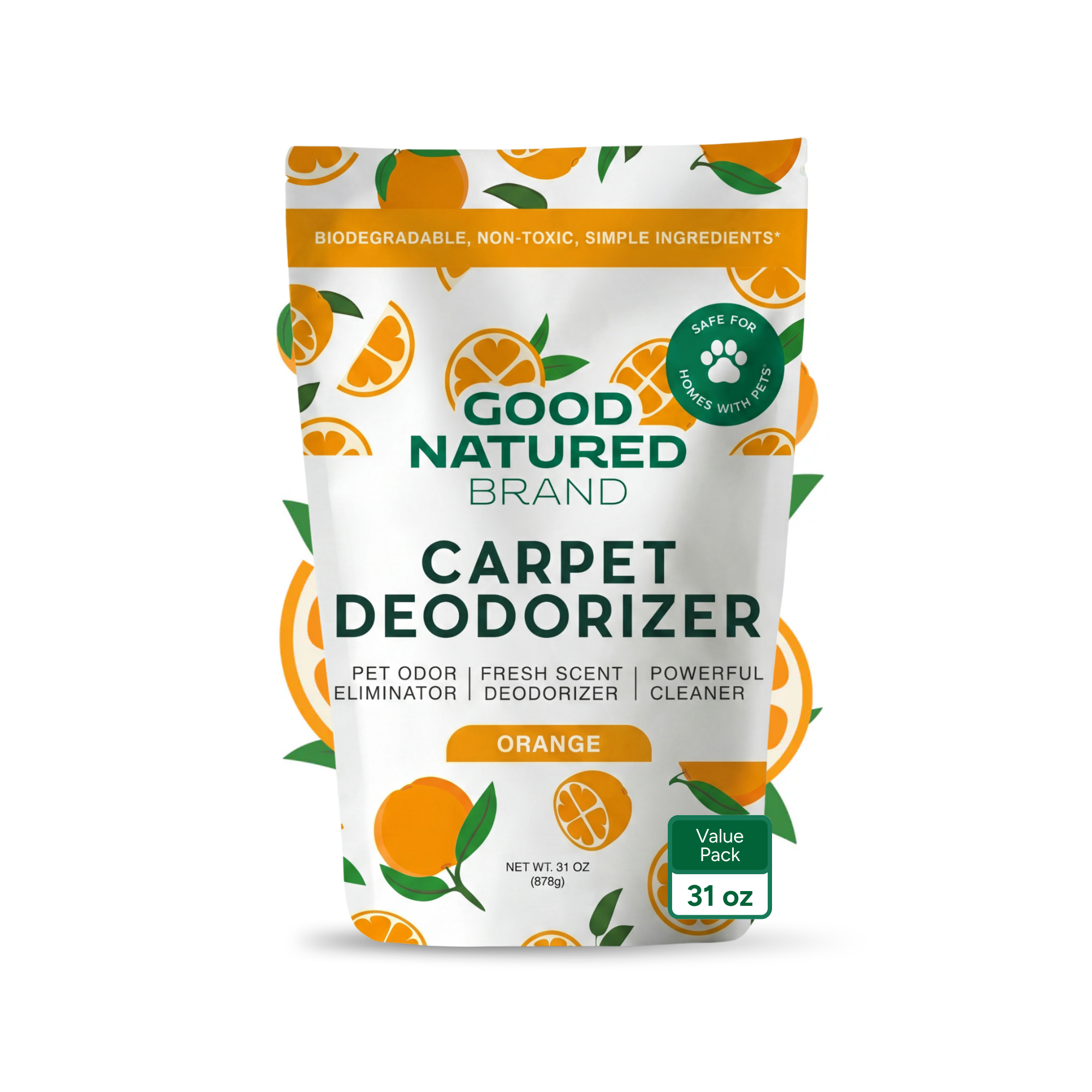
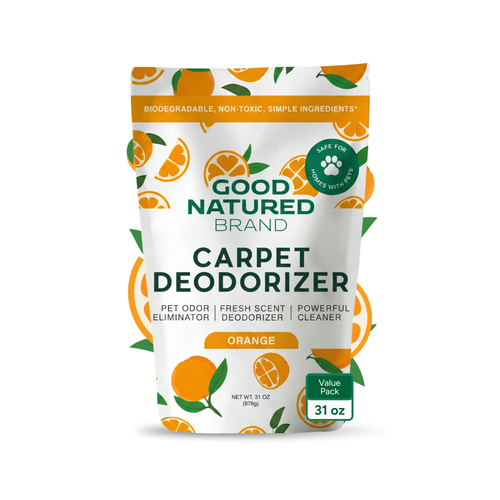
Orange energy for every home.
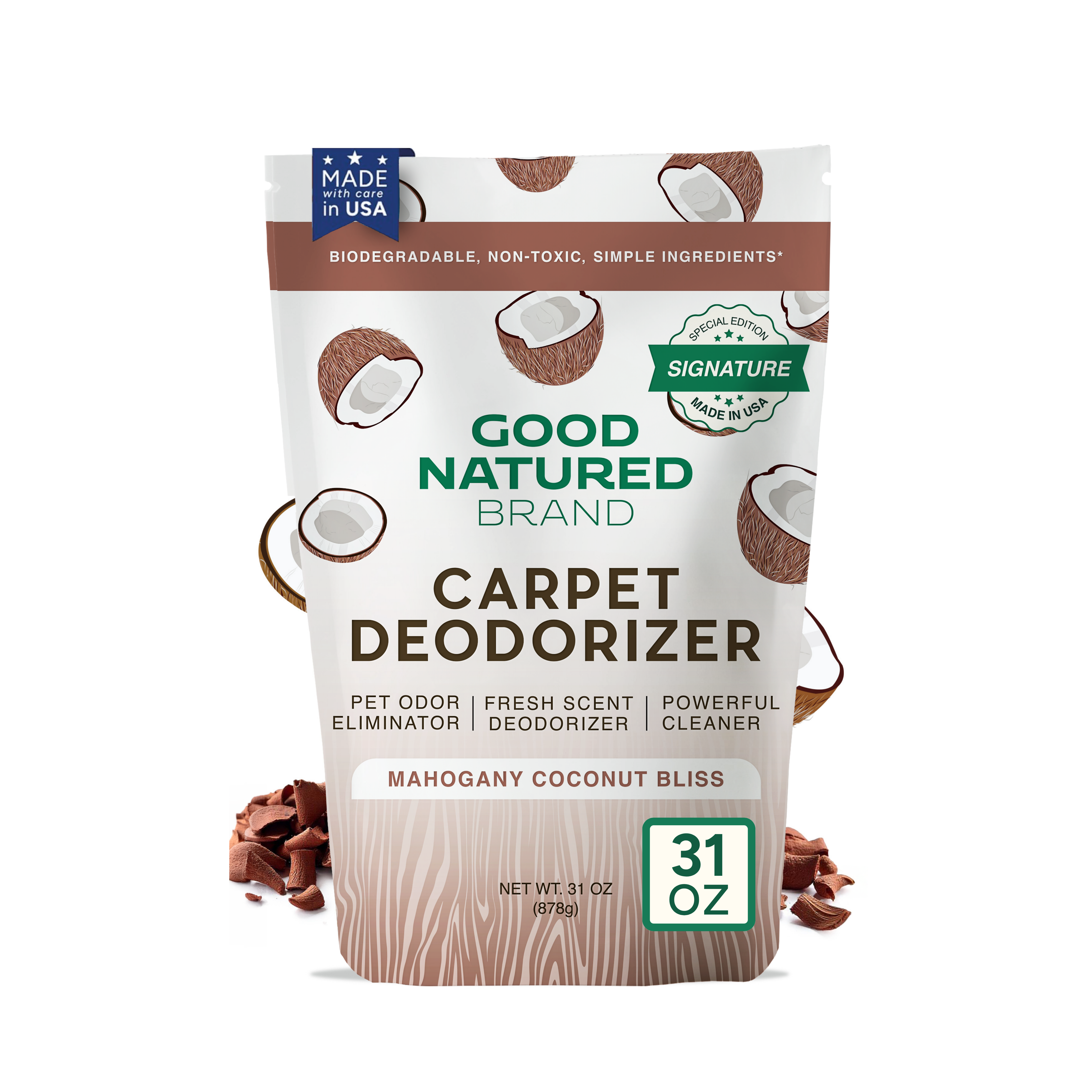
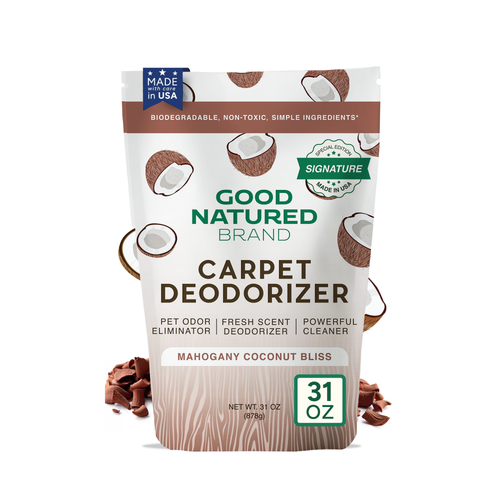
Mahogany warmth for every home.
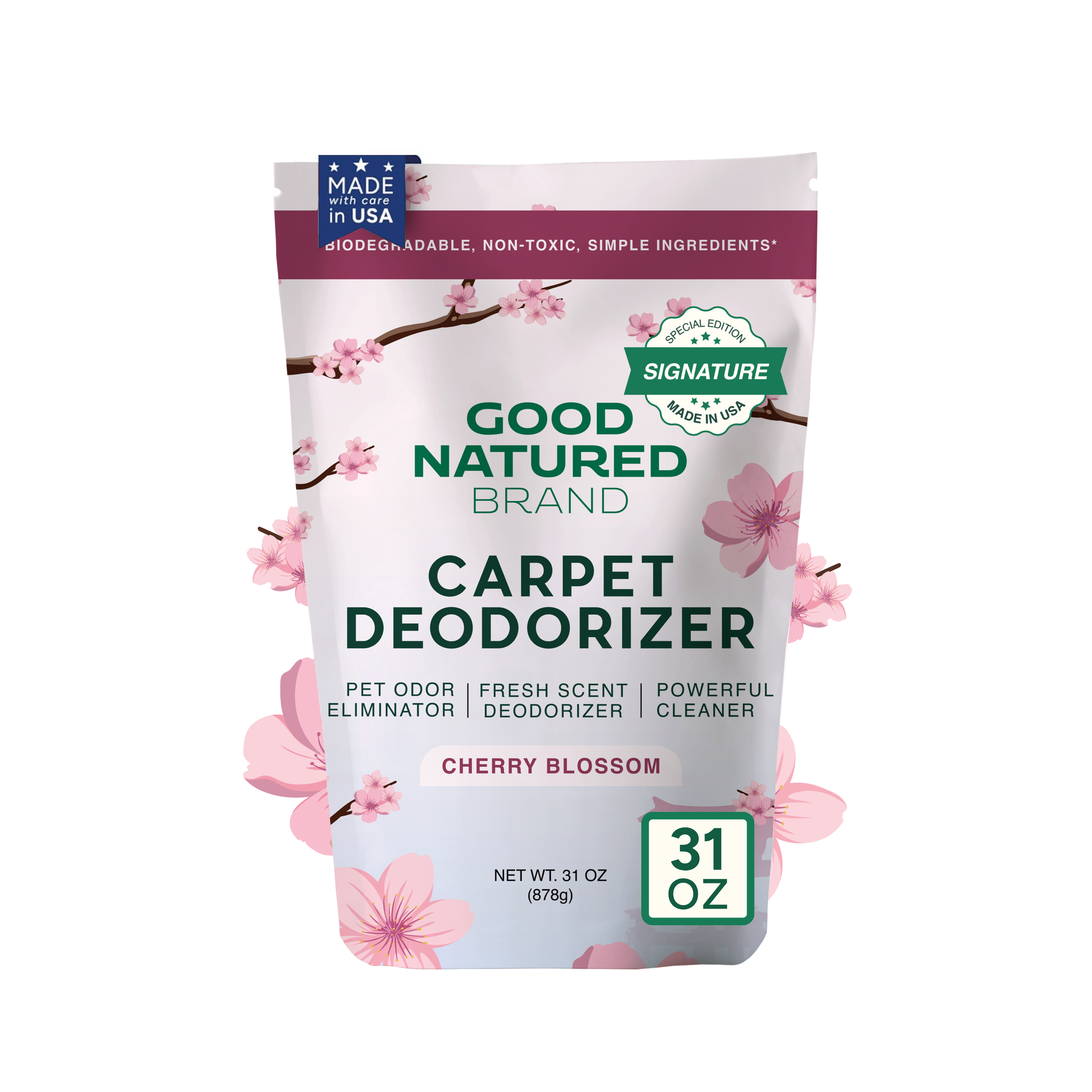
Cherry blossom serenity for every home.
Cocoa butter comfort for every home.
Mandarin freshness for every home.
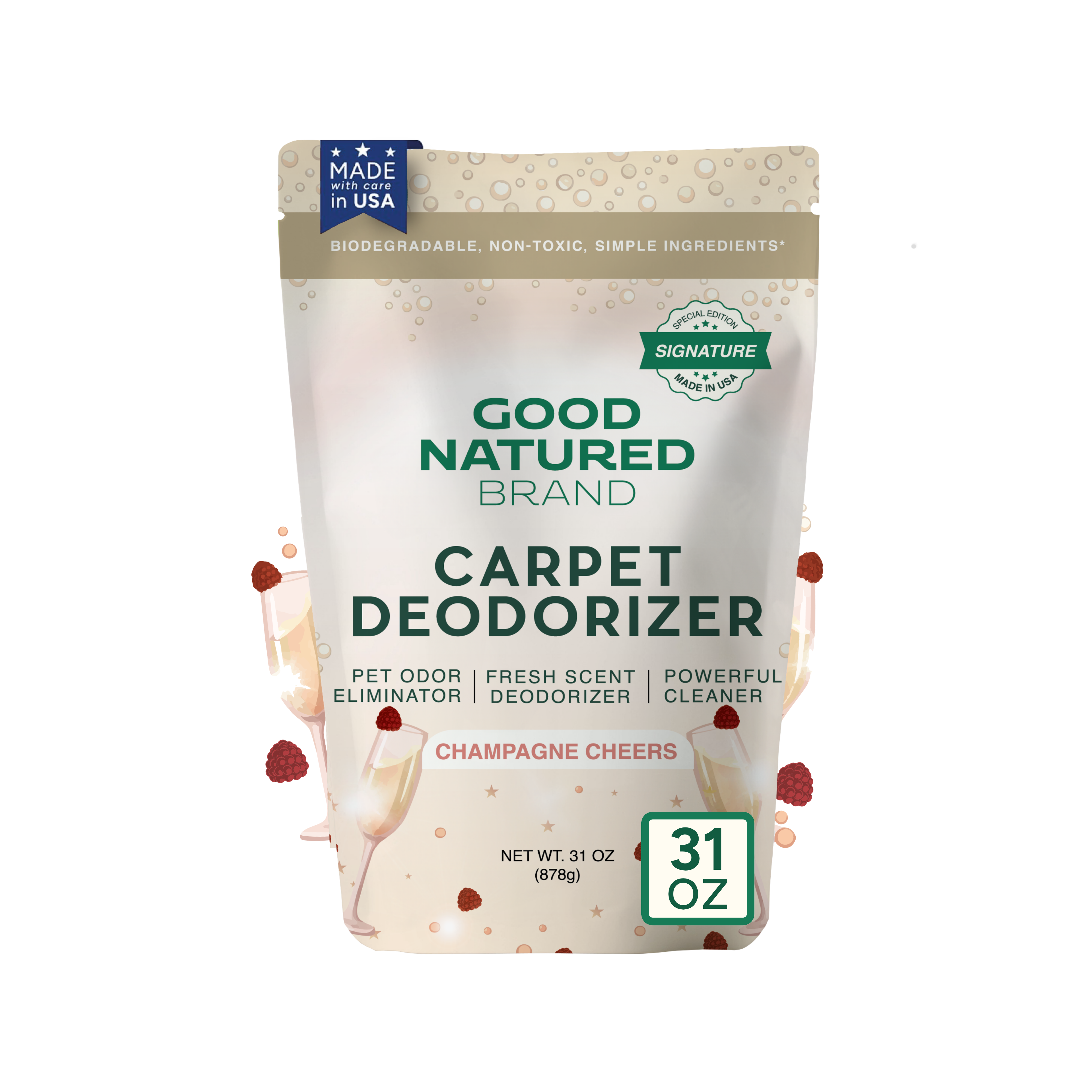
Champagne sparkle for every home.
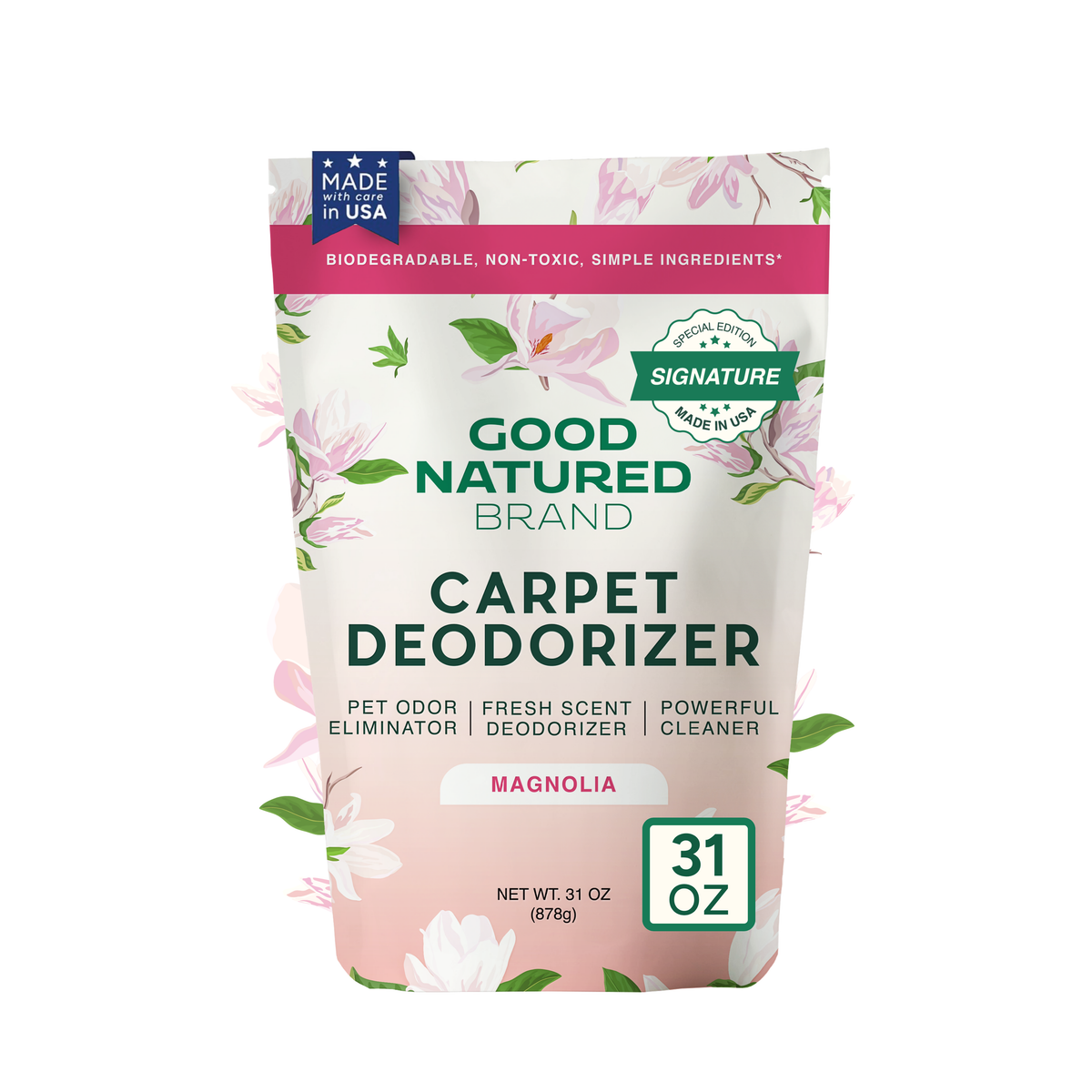
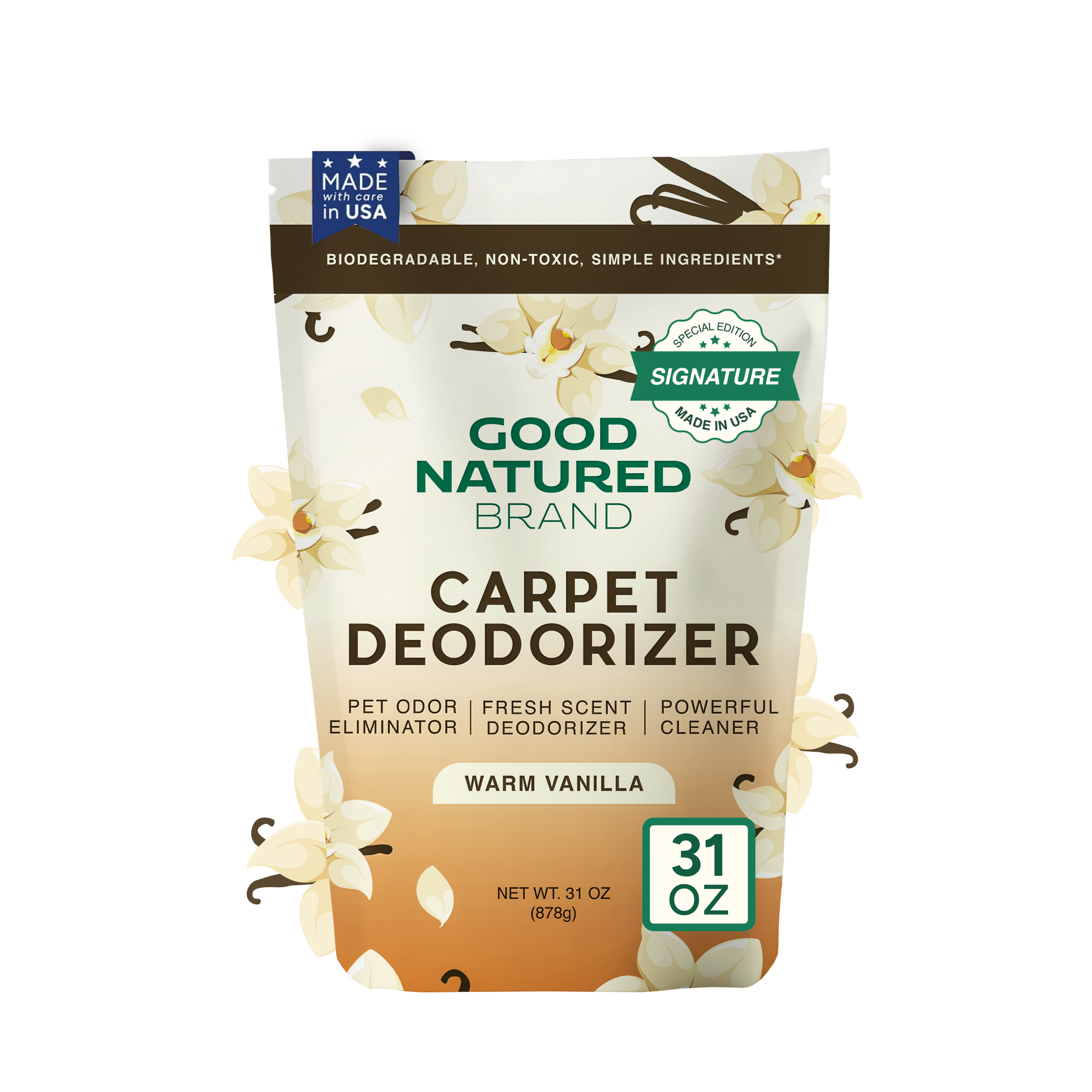
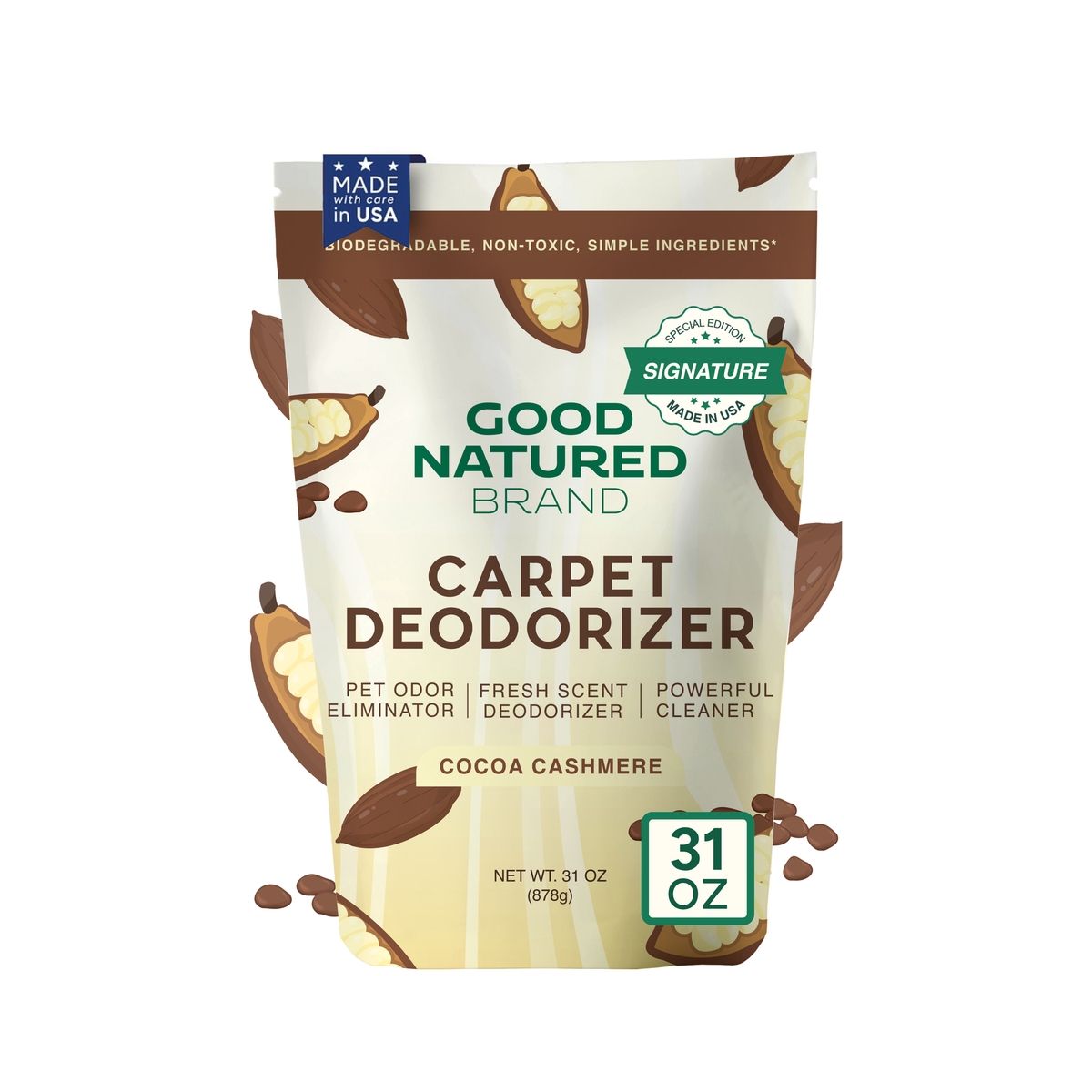
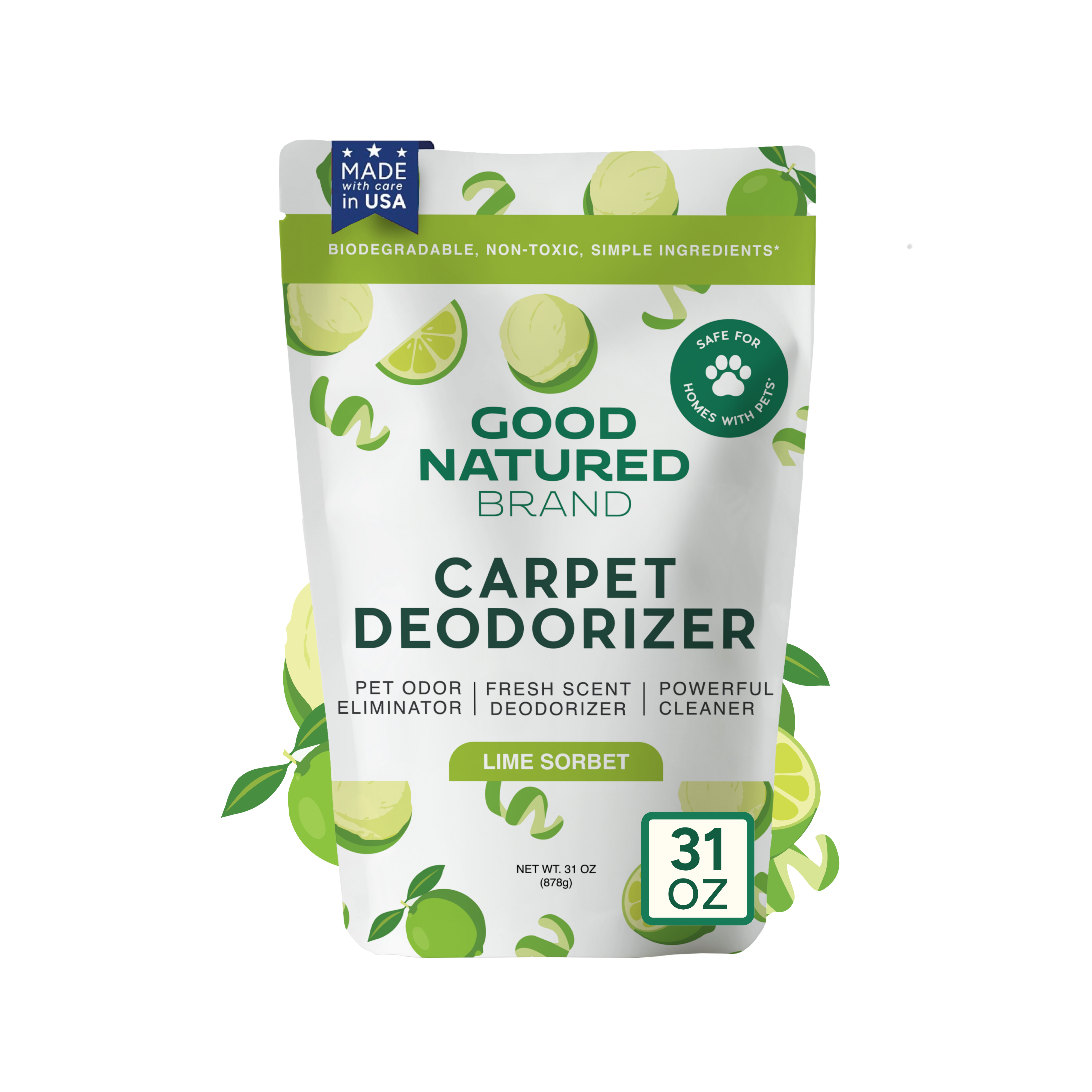
Zesty freshness for every carpet.
Why Choosing the Right Laundry Routine Is Essential
Laundry touches nearly every aspect of your life:
-
Clothing sits against your skin for hours
-
Towels and washcloths rub your face and body
-
Bedding surrounds you for 6–10 hours each night
-
Pet owners wash blankets, pet clothing, and beds regularly
If your laundry routine includes harsh or synthetic products, you’re repeatedly exposing your skin to potential irritants. Changing just your detergent—and your method—can dramatically reduce flare-ups and improve comfort.
Common Laundry Ingredients That Irritate Sensitive Skin
Most conventional laundry detergents contain multiple irritants that can be harsh on the skin, especially for babies, toddlers, and anyone with eczema or allergies. Understanding these ingredients helps you avoid triggers and choose safer alternatives.
Synthetic Fragrances and Perfumes
Fragrance is one of the biggest culprits behind skin irritation. It’s not just one ingredient—it’s often a chemical blend of dozens of undisclosed compounds.
These fragrances can:
-
Cause dermatitis
-
Trigger allergies
-
Increase skin sensitivity
-
Linger in fabrics longer than other ingredients
If a detergent lists “fragrance” without specifying the source, it often includes synthetic chemicals.
Harsh Surfactants and Detergents
Surfactants lift dirt and oils from fabrics, but certain types (like SLS or SLES) can be too aggressive for sensitive skin.
Common irritants include:
-
Sodium laureth sulfate (SLES)
-
Sodium lauryl sulfate (SLS)
-
Petroleum-derived detergents
Gentler alternatives—like plant-derived surfactants found in natural Laundry Powders—are less likely to cause reactions.
Dyes and Colorants
Laundry detergent has no valid need for color. These dyes:
-
Add unnecessary chemicals
-
Can cause rashes
-
Adhere to fabric fibers and transfer to skin
If your detergent is blue, green, or bright-colored, it likely contains dyes.
Preservatives and Stabilizers
Many detergents contain preservatives that help the formula last longer on store shelves, but not all preservatives are gentle.
Irritants include:
-
Parabens
-
MI/MCI (methylisothiazolinone)
-
Formaldehyde-releasing preservatives
These ingredients are known skin irritants and should be avoided when caring for sensitive skin.
Fabric Softeners and Dryer Sheets
Softness does not equal safety.
Softening agents often use:
-
Chemical conditioners
-
Waxy coatings
-
Strong fragrances
These build up in fibers, making clothing more irritating over time. Sensitive skin usually reacts better to laundry done without softeners.
What to Look for in Laundry for Sensitive Skin
Picking a gentle detergent doesn’t have to be complicated. A few key characteristics can help you make safer choices.
Hypoallergenic Laundry Products
Hypoallergenic formulas minimize the risk of irritation. However, “hypoallergenic” is not a regulated term—so always check the ingredient list.
True sensitive-skin-friendly formulas include:
-
No synthetic fragrances
-
No dyes
-
Minimal ingredients
-
Gentle surfactants
Fragrance-Free or Naturally Scented Options
Fragrance-free is best for severe sensitivities, but some natural scents (eucalyptus, lavender, lemon) can be tolerated by many people if used sparingly.
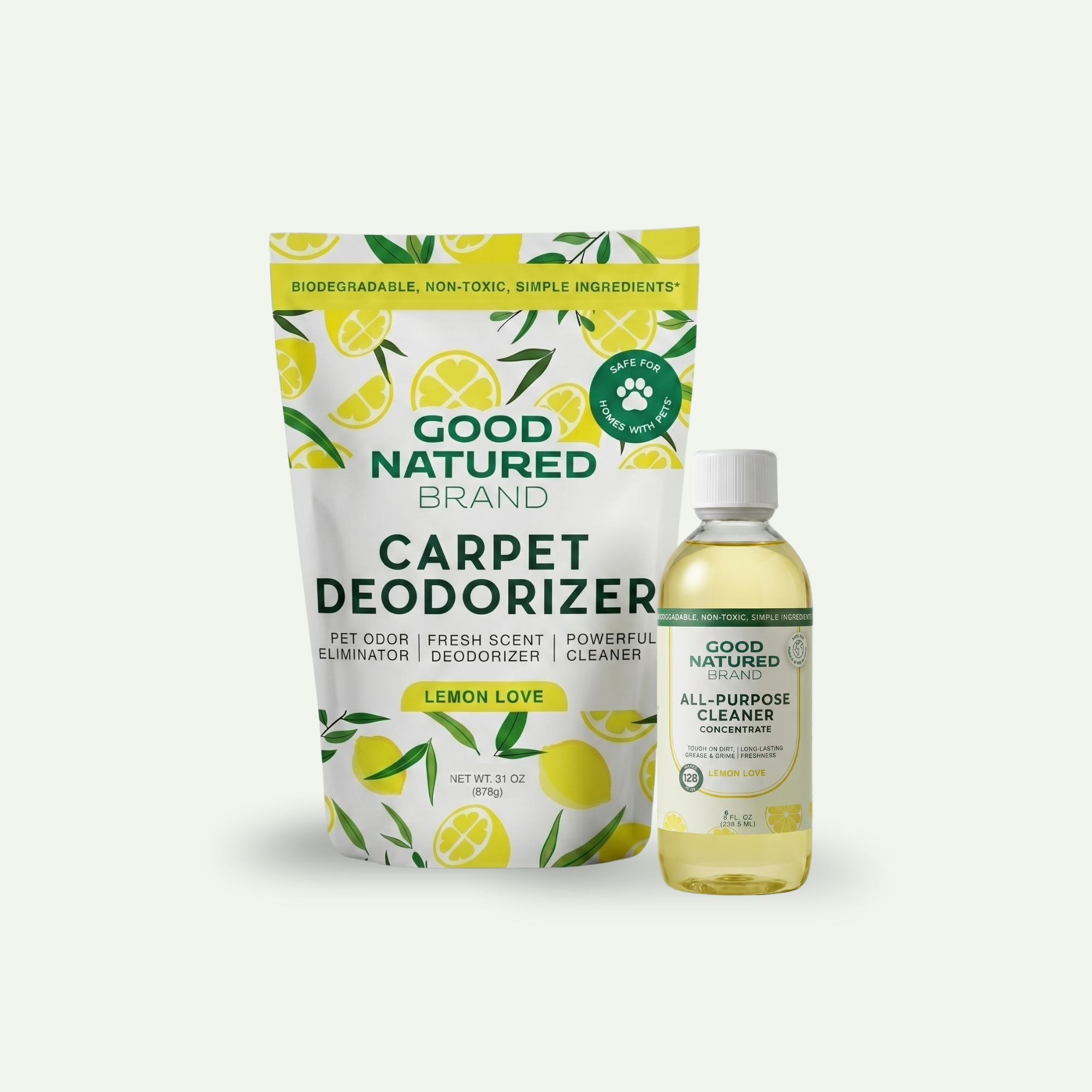
If using a naturally scented product, ensure it’s scented with essential oils, like those in Good Natured Brand’s gentle cleaning products such as naturally formulated All-Purpose Cleaners.
Plant-Based Surfactants
Plant-derived surfactants work similarly to synthetic detergents but without harsh irritation.
They are:
-
Less stripping
-
Biodegradable
-
Safer for babies
-
Kinder to sensitive skin
-
Free of petroleum byproducts
Plant-based Laundry Powders rely on surfactants that break down more easily in water, reducing residue.
Minimal Ingredient Lists
The shorter the ingredient list, the fewer potential irritants.
Good choices include detergents containing:
-
Baking soda or washing soda
-
Plant-based surfactants
-
Mineral-based ingredients
-
Mild essential oils (optional)
Avoid long ingredient lists with preservatives, chemicals, fillers, and dyes.
Natural Laundry Powders for Sensitive Skin
Natural powdered formulas—especially those without fillers—are excellent for sensitive skin because:
-
They rinse away more thoroughly
-
They don’t contain added dyes
-
They rely on natural cleaning power rather than harsh chemicals
-
They are free from unnecessary liquid preservatives
This makes plant-based Laundry Powders one of the top choices for families dealing with irritation or allergies.
The Benefits of Using Natural Laundry Powders for Sensitive Skin
Many people don’t realize that powdered detergents can be gentler than liquids. For sensitive skin, powders offer several advantages.
Low-Residue Formulas
Powdered formulas rinse more completely from fabric fibers. This reduces:
-
Itchiness
-
Friction
-
Redness
-
Trapped detergent buildup
Residue is one of the biggest triggers for sensitive skin—so anything that rinses cleaner is safer.
Biodegradable Ingredients
Natural Laundry Powders use ingredients that break down easily in the environment and on clothing. This makes them safer for people, pets, and the planet.
Gentle Yet Powerful Cleaning
Contrary to common belief, natural powders can effectively remove:
-
Odors
-
Sweat
-
Oils
-
Everyday stains
They achieve this without introducing harsh irritants.
Free of Harsh Chemical Additives
Natural powders avoid:
-
Synthetic fragrance
-
Dyes
-
Bleach
-
Harsh preservatives
This makes them ideal for those with eczema, allergies, or reactive skin.
Why Plant-Based Products Support Sensitive Skin Needs
Using plant-based laundry and home-cleaning products creates a safer environment overall. If your laundry detergent is gentle but your household cleaners still contain harsh chemicals, irritation can still occur.
Natural Cleaning Power Without Irritants
Plant-based cleaners rely on natural surfactants and essential oils to clean effectively without harsh chemical exposure.
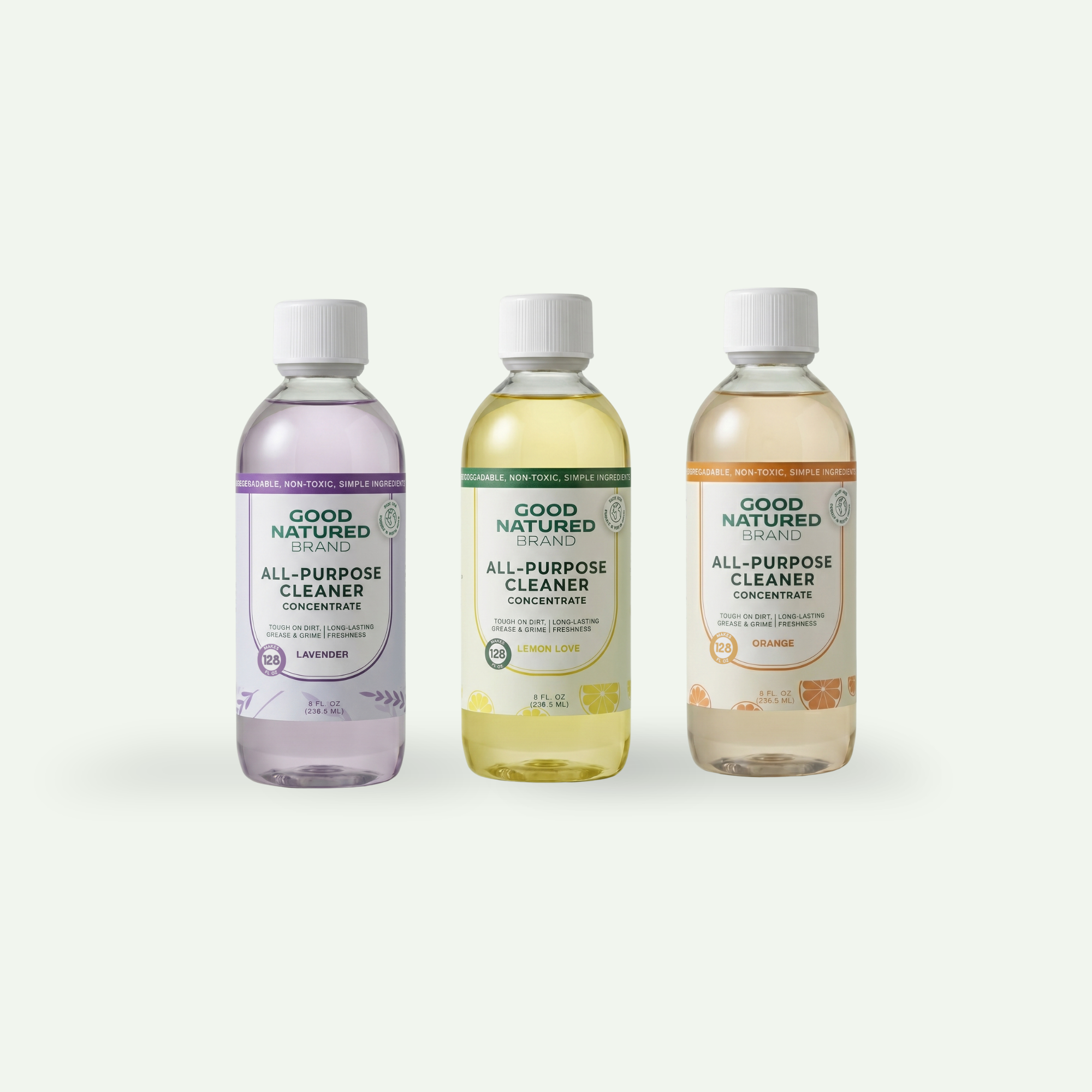
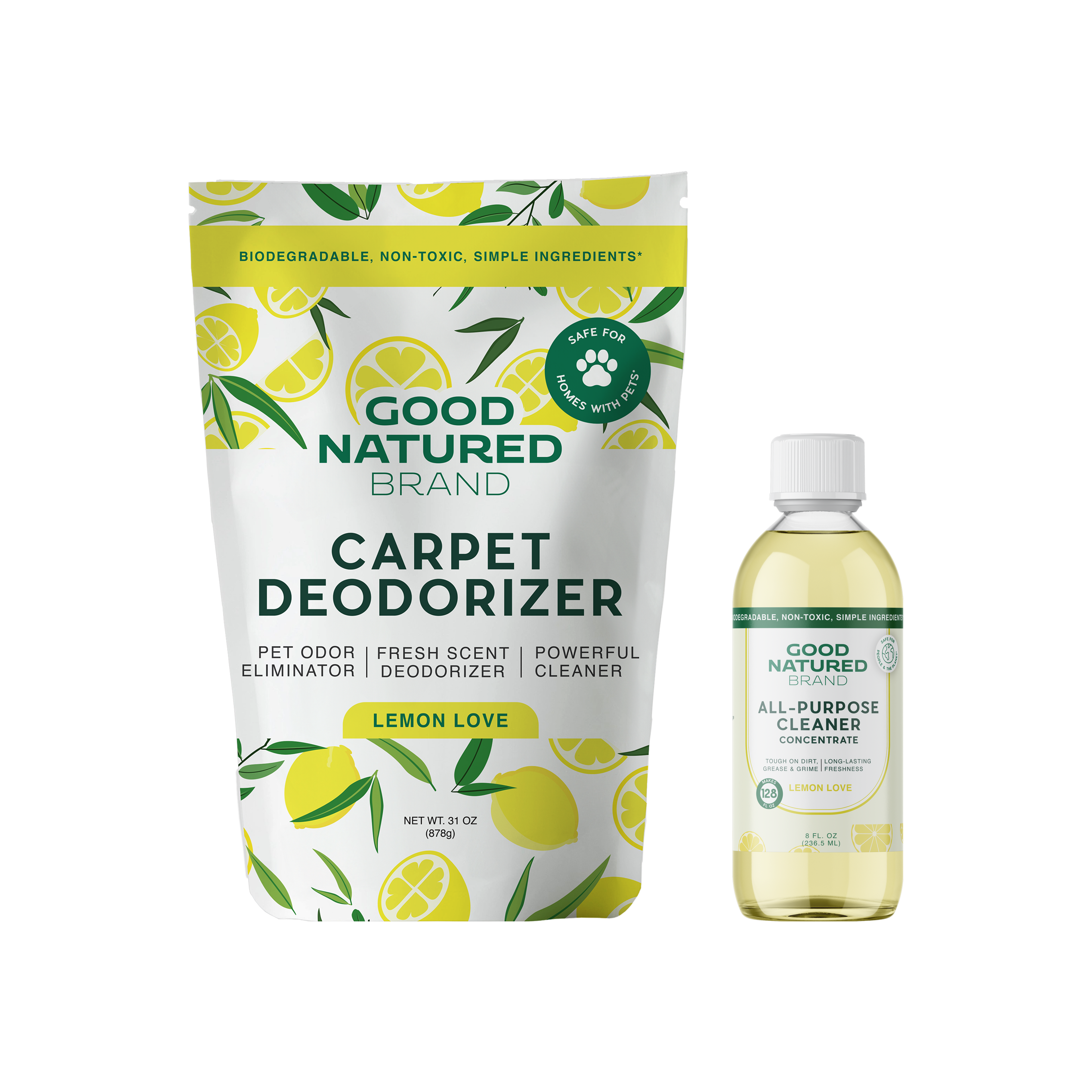
Products like Good Natured Brand’s All-Purpose Cleaners support sensitive-skin households by eliminating synthetic fragrances and irritants from surfaces that come into contact with laundry and clothing.
Shop the Product
Lemon freshness for every home.
Lavender calm for every home.
Orange energy for every home.
Mahogany warmth for every home.
Cherry blossom serenity for every home.
Cocoa butter comfort for every home.
Mandarin freshness for every home.
Champagne sparkle for every home.
Zesty freshness for every carpet.
Better for Households With Babies, Kids, and Pets
Sensitive skin isn’t only a human problem—pets can have reactions too.
Using gentle cleaning supplies like:
-
Plant-based Laundry Powders
-
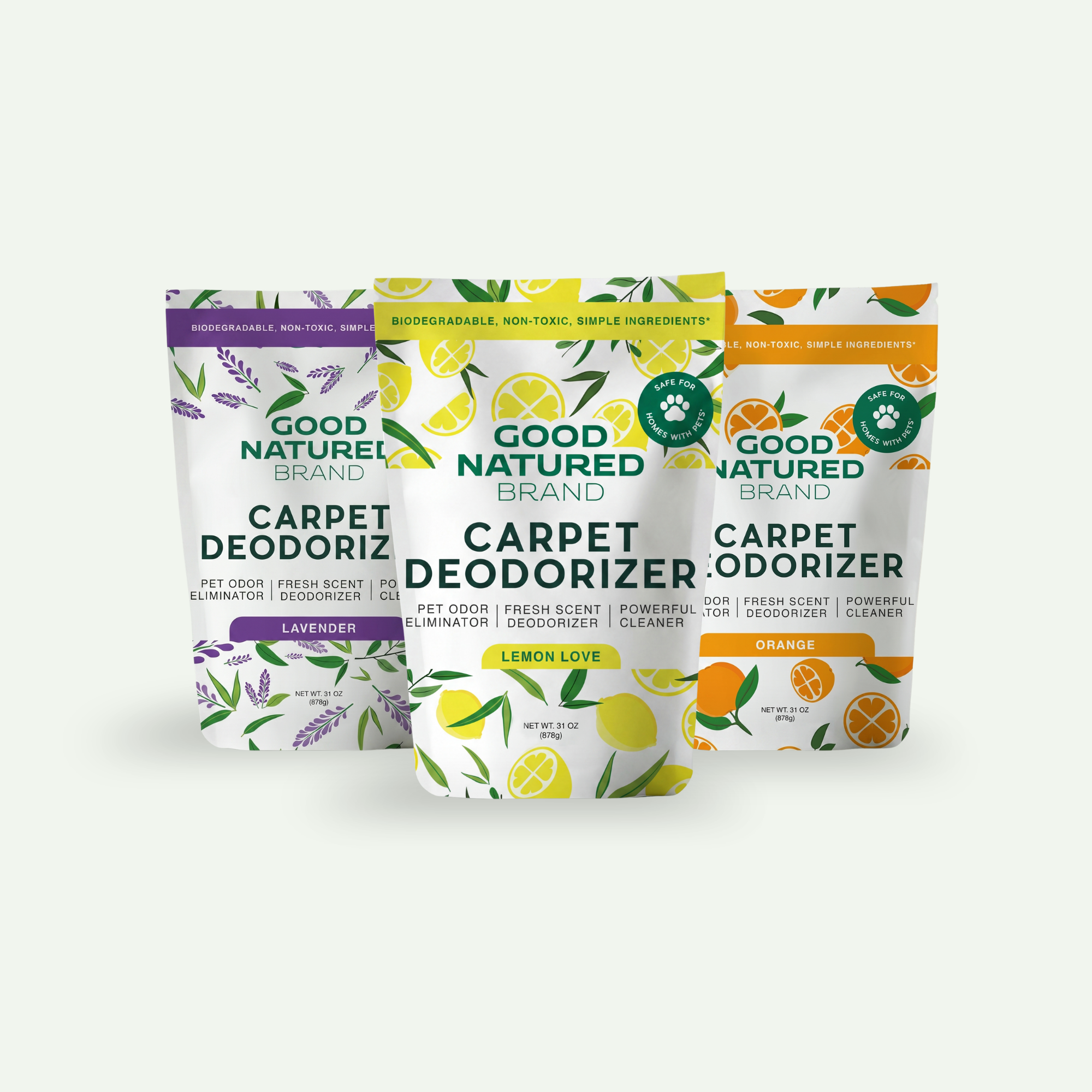
Mild deodorizing Carpet Deodorizers
-
Natural All-Purpose Cleaners
helps reduce irritants throughout the home.
Complementary Benefits for Sensitive Skin Laundry Routines
Laundry for sensitive skin doesn’t exist in isolation; it works best when paired with overall gentle household cleaning practices.
This is why many families choose plant-based home-care systems to support a healthier lifestyle.
Hidden Areas That Trigger Sensitive Skin Reactions
Even when you choose a great detergent, other parts of your laundry routine may still cause irritation.
Towels and Bedding
These high-contact fabrics trap:
-
Detergent residue
-
Fabric softener coatings
-
Skin cells and oils
Switching to a gentle laundry routine drastically reduces itchiness and nighttime irritation.
Pet Bedding and Soft Furnishings
If you have pets, their bedding must be washed with safe products as well. Odor control products like plant-based Carpet Deodorizers help keep soft surfaces fresh without exposing your skin (or pets!) to harsh chemicals.
Athletic Clothing and Synthetics
These fabrics cling to detergents, meaning harsh formulas create more buildup. Natural powders rinse more cleanly.
Laundry Machines
Residue inside the machine may redeposit onto clothing, causing irritation. Cleaning your washing machine regularly with natural All-Purpose Cleaners helps maintain a skin-friendly environment.
Step-by-Step Laundry Process for Sensitive Skin
Choose the Right Laundry Detergent
Start with a detergent specifically designed for sensitive skin. Plant-based Laundry Powders are an excellent choice because they are free from dyes, synthetic fragrances, harsh surfactants, and fillers often found in liquid detergents. Their minimal-ingredient formulas help reduce residue and support better skin comfort.
Measure Carefully—More Is Not Better
Using too much detergent leaves excess residue in fabric fibers, which can irritate even mildly sensitive skin. Always measure according to the load size and soil level. Powdered detergents tend to distribute more evenly in water, making them ideal for sensitive households.
Use Extra Rinse Cycles When Needed
An additional rinse cycle removes remaining detergent particles, especially from thicker fabrics such as towels, hoodies, and bedding. This is one of the simplest ways to reduce irritation without changing your detergent.
Avoid Hot Water for Delicate or Sensitive-Skin Clothing
While hot water helps remove tough stains, it can also:
-
Set irritants deeper into fibers
-
Wear down fabric softness
-
Increase friction against skin
Warm or cold water is gentler on both fabric and skin.
Skip Fabric Softeners Entirely
Fabric softeners coat clothing with chemical conditioners and fragrances, a major trigger for sensitive skin. Instead, consider:
-
Adding a half-cup of plain white vinegar to the rinse cycle
-
Line drying (which naturally softens some fabrics)
-
Choosing softer fabrics for sensitive skin, such as cotton and bamboo
This maintains softness without chemical residue.
How to Wash Baby Clothes, Towels, and Delicate Fabrics for Sensitive Skin
Baby skin is especially vulnerable to detergents because it is thinner, more permeable, and more reactive than adult skin. That’s why laundry for babies and toddlers must be handled with special care.
Choose the Mildest, Most Natural Detergent Possible
Baby-safe formulas should:
-
Be fragrance-free or naturally scented
-
Contain minimal ingredients
-
Be free from dyes, brighteners, and softeners
Natural Laundry Powders work well for baby clothing because they rinse cleanly and do not leave heavy residues.
Use Double-Rinsing for Baby Laundry
Double-rinse cycles help ensure:
-
Less detergent buildup
-
Minimal fragrance retention
-
Reduced irritation from sweat or friction during wear
This is especially helpful for pajamas, onesies, and any fabrics worn close to the skin.
Avoid Fabric Softeners on Baby Items
Softener chemicals cling tightly to fabrics and can trigger:
-
Rashes
-
Eczema flare-ups
-
Dryness
If extra softness is needed, tumble-dry with wool dryer balls as a natural alternative.
How to Treat Odors When You Have Sensitive Skin
Odor removal can be a challenge for sensitive skin, especially when conventional odor-removing detergents contain synthetic fragrances. The key is to eliminate odors naturally rather than masking them with perfumes.
Why Many Deodorizing Sprays Irritate Skin
Most commercial fabric sprays contain:
-
Synthetic fragrance blends
-
Aerosols
-
Alcohol
-
Preservatives
These chemicals cling to fabrics and can transfer to your skin when worn.
Safer Alternatives for Odor Control
Instead of using fragranced products, rely on:
-
Baking soda
-
Vinegar cycles
-
Sunlight (a natural odor-neutralizer)
-
Essential-oil-powered powders
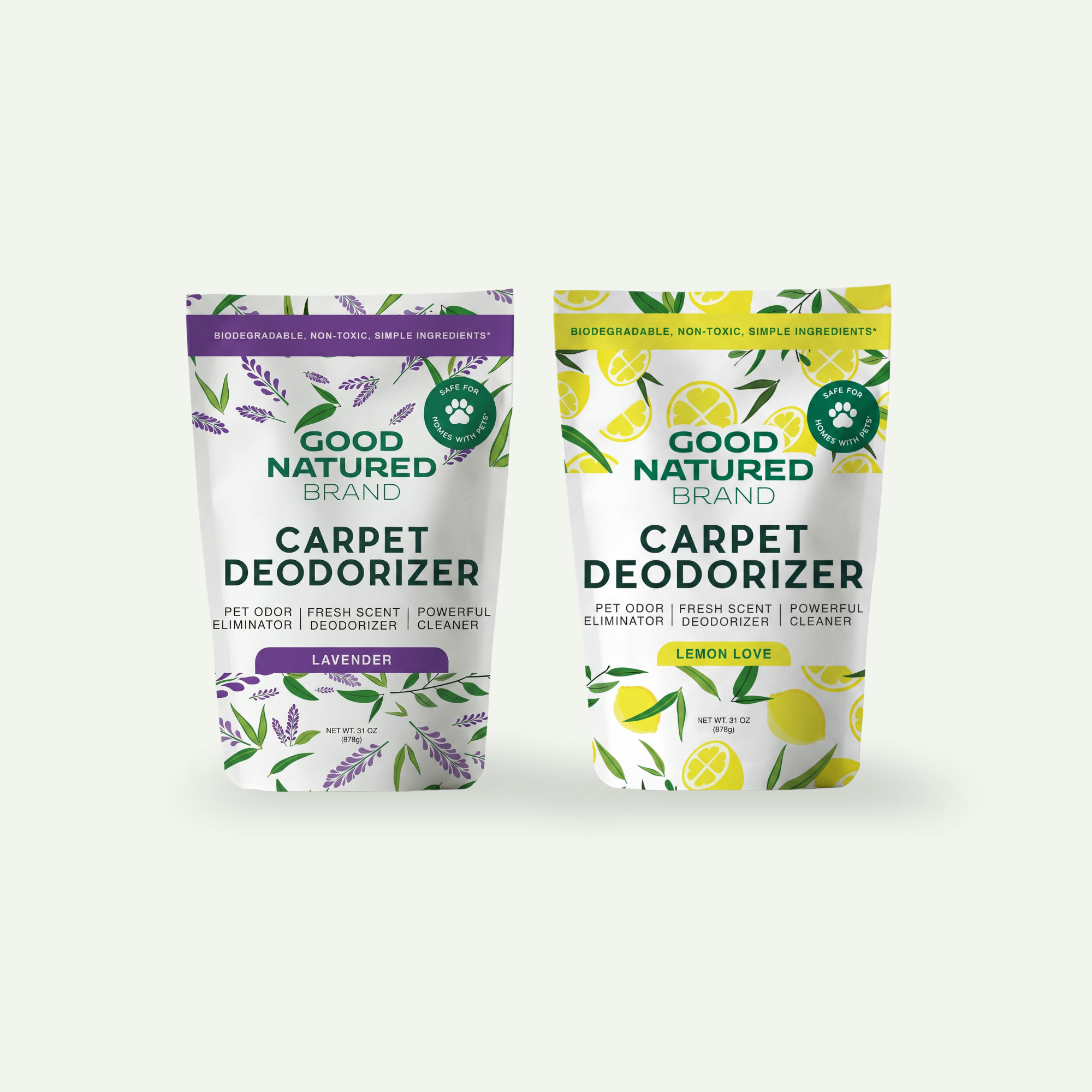
Good Natured Brand’s Carpet Deodorizers use naturally derived essential oils and mineral-based absorbers to remove odors safely, making them ideal for carpets, pet bedding, and other soft surfaces.
Shop the Product
Lemon freshness for every home.
Lavender calm for every home.
Orange energy for every home.
Mahogany warmth for every home.
Cherry blossom serenity for every home.
Cocoa butter comfort for every home.
Mandarin freshness for every home.
Champagne sparkle for every home.
Zesty freshness for every carpet.
Using Carpet Deodorizers for Soft Surfaces
Many households with sensitive skin also struggle with odors embedded in carpets, couches, or upholstered items. Natural Carpet Deodorizers help tackle these smells without irritating chemicals, keeping indoor environments cleaner and safer.
How to Clean Your Laundry Machine for Sensitive Skin Needs
Even if you use the best detergent, a dirty washing machine can redeposit irritants onto your clothes.
Why Washing Machines Accumulate Irritants
Over time, machines gather:
-
Mold and mildew
-
Detergent buildup
-
Fragrance residues
-
Fabric softener residue
These can attach to clothing during washing and trigger irritation.
Monthly Machine-Cleaning Routine
A clean machine is essential for maintaining a sensitive-skin-friendly laundry process. Use a natural cleaner like Good Natured Brand’s plant-based All-Purpose Cleaners to wipe down:
-
The detergent tray
-
The rubber seals
-
The door
-
The drum interior
Then run a hot water cycle with vinegar or baking soda to remove buildup inside the machine.
Additional Sensitive Skin Cleaning Practices Around the Home
Laundry is an important component of reducing irritation, but sensitive skin is also affected by the cleaning products used elsewhere in your home.
Why Whole-Home Cleaning Matters
Skin doesn’t just contact fabrics—it touches:
-
Couches
-
Carpets
-
Bed frames
-
Baby changing tables
-
Pet areas
If harsh cleaners are used on these surfaces, chemicals can transfer onto your skin or clothing.
Safer Surface Cleaners for Sensitive Skin Households
Switching to natural, plant-based All-Purpose Cleaners helps reduce exposure to irritants on high-touch surfaces. These gentle cleaners help maintain a healthy environment while minimizing chemical interactions that may aggravate sensitive skin.
Maintaining Soft Surfaces Like Carpets and Upholstery
Carpets and upholstered furniture trap allergens, sweat, and detergent residue from clothing. Using gentle Carpet Deodorizers helps eliminate odors and refresh surfaces naturally without irritating chemicals.
How to Store Laundry Products Safely in Sensitive Skin Households
Storing detergents and laundry supplements properly ensures they remain effective and uncontaminated.
Preventing Cross-Contamination
Keep sensitive-skin laundry products separate from:
-
Heavy-duty cleaners
-
Scent boosters
-
Air fresheners
-
Chemical-based detergents
Storing them in airtight containers prevents fragrance transfer and maintains purity.
Choosing Non-Toxic, Child- and Pet-Safe Storage
Sensitive skin often goes hand-in-hand with fragrance sensitivity or a desire for cleaner living. Choose storage areas that are:
-
Dry and cool
-
Away from direct sunlight
-
Out of reach of children and pets
This keeps products like Laundry Powders safe and effective.
Frequently Asked Questions About Laundry for Sensitive Skin
Is fragrance-free always better for sensitive skin?
In most cases, yes. Synthetic fragrances are a leading cause of irritation. Naturally scented or essential-oil-based products may work for some people but should be patch-tested.
Do natural detergents clean as effectively as conventional ones?
High-quality natural formulas—especially mineral- and plant-based Laundry Powders—clean exceptionally well without unnecessary chemicals.
Can essential oils irritate sensitive skin?
Yes, if used in high concentrations. However, reputable brands use small, safe levels that do not linger heavily on fabrics.
How do I know if my detergent is causing irritation?
Signs include redness, itching, dry patches, or rashes that appear where fabric contacts skin. Switching to a gentle formula is often the fastest way to test this.
Is powder or liquid better for sensitive skin?
Powders are often gentler because they rinse out more fully and use fewer preservatives.
Best Natural Laundry Products for Sensitive Skin
A sensitive skin routine works best when supported by gentle, transparent, plant-based products.
What Makes a Product “Sensitive Skin Friendly”?
A good sensitive-skin detergent should be:
-
Free of synthetic fragrance
-
Free of dyes
-
Low-residue
-
Made with plant-based or mineral ingredients
-
Suitable for clothing, bedding, and baby items
Why Good Natured Brand Laundry Powders Are a Top Choice
Good Natured Brand’s Laundry Powders stand out because they:
-
Use minimal, non-irritating ingredients
-
Rinse cleanly
-
Avoid harsh chemicals entirely
-
Include natural deodorizing minerals
-
Are pet- and baby-friendly
Supporting Products for a Sensitive Skin Home
Creating a skin-friendly home doesn’t stop at laundry. Complementary products include:
-
Gentle All-Purpose Cleaners for surfaces
-
Natural Carpet Deodorizers for carpets and pet areas
-
Additional guidance on the Good Natured Brand Blog
Conclusion: Choosing the Best Laundry Products for Sensitive Skin
Sensitive skin requires extra care—and laundry is one of the most important places to start. By choosing gentle, plant-based products and adopting a mindful laundry routine, you can dramatically reduce itchiness, redness, and irritation. Switching to clean formulas like Good Natured Brand’s Laundry Powders provides a safer, more comfortable experience for every member of your household.
To explore more sensitive-skin-friendly options, visit the Good Natured Brand main page or browse helpful articles on the blog.