

If you’ve ever opened a bottle of cleaner and felt your nose sting, your eyes water, or your hands dry out, you’re not alone. Many conventional “chemical cleaning products” rely on strong fragrances, harsh solvents, and aggressive ingredients designed to cut through grime fast—but they can also leave lingering odors, irritating residue, and a general sense that your home smells “clean” rather than is clean.
The good news is you don’t need a cabinet full of harsh formulas to keep your home fresh, tidy, and truly comfortable. Natural alternatives to chemical cleaning products can handle everyday messes remarkably well when you understand what each ingredient does, where it shines, and where it doesn’t. In this guide, you’ll learn how to build a simple natural cleaning toolkit, clean by room and surface, use safer DIY recipes, and avoid common safety mistakes—so your routine feels easier, not more complicated.
If you’d like more home-care tips and cleaning routines, you can also explore the resources on the Good Natured Brand Blog and visit the Good Natured Brand main site for eco-minded home essentials.
Natural alternatives to chemical cleaning products: a quick summary
Here’s the short version before we dive in:
-
For everyday cleaning: mild soap + water + friction (microfiber cloths) is often enough.
-
For deodorizing: baking soda is a go-to, especially on soft surfaces.
-
For glass and hard water buildup: diluted vinegar works well on many surfaces (but not all).
-
For targeted disinfecting moments: 3% hydrogen peroxide can be helpful when used carefully.
-
For consistent routines: choose a few reliable products or recipes and repeat them—simplicity wins.
A basic natural cleaning starter kit looks like this:
-
White vinegar (for glass and buildup on safe surfaces)
-
Baking soda (for deodorizing and gentle scrubbing)
-
Castile soap or a mild dish soap (for most surfaces)
-
3% hydrogen peroxide (for occasional targeted disinfecting)
-
Microfiber cloths (to reduce product usage and improve results)

Shop the Product
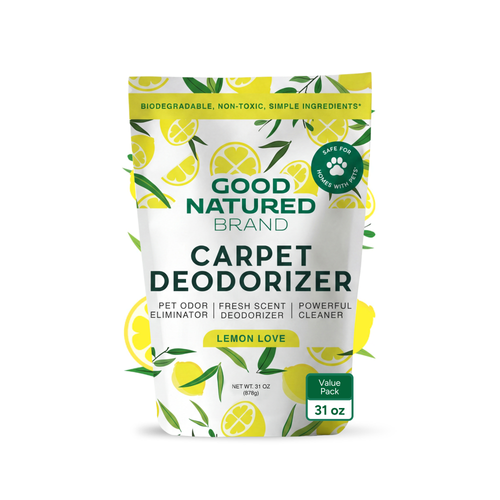
Lemon freshness for every home.
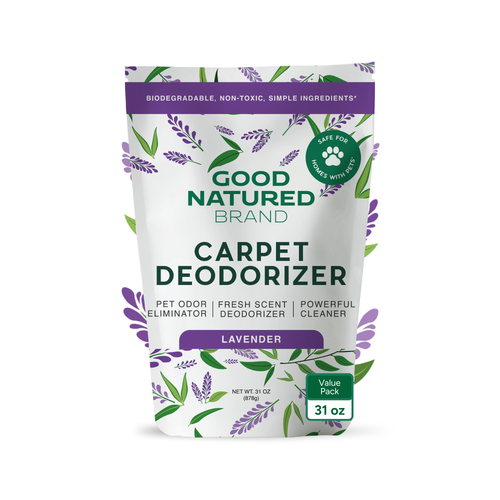
Lavender calm for every home.
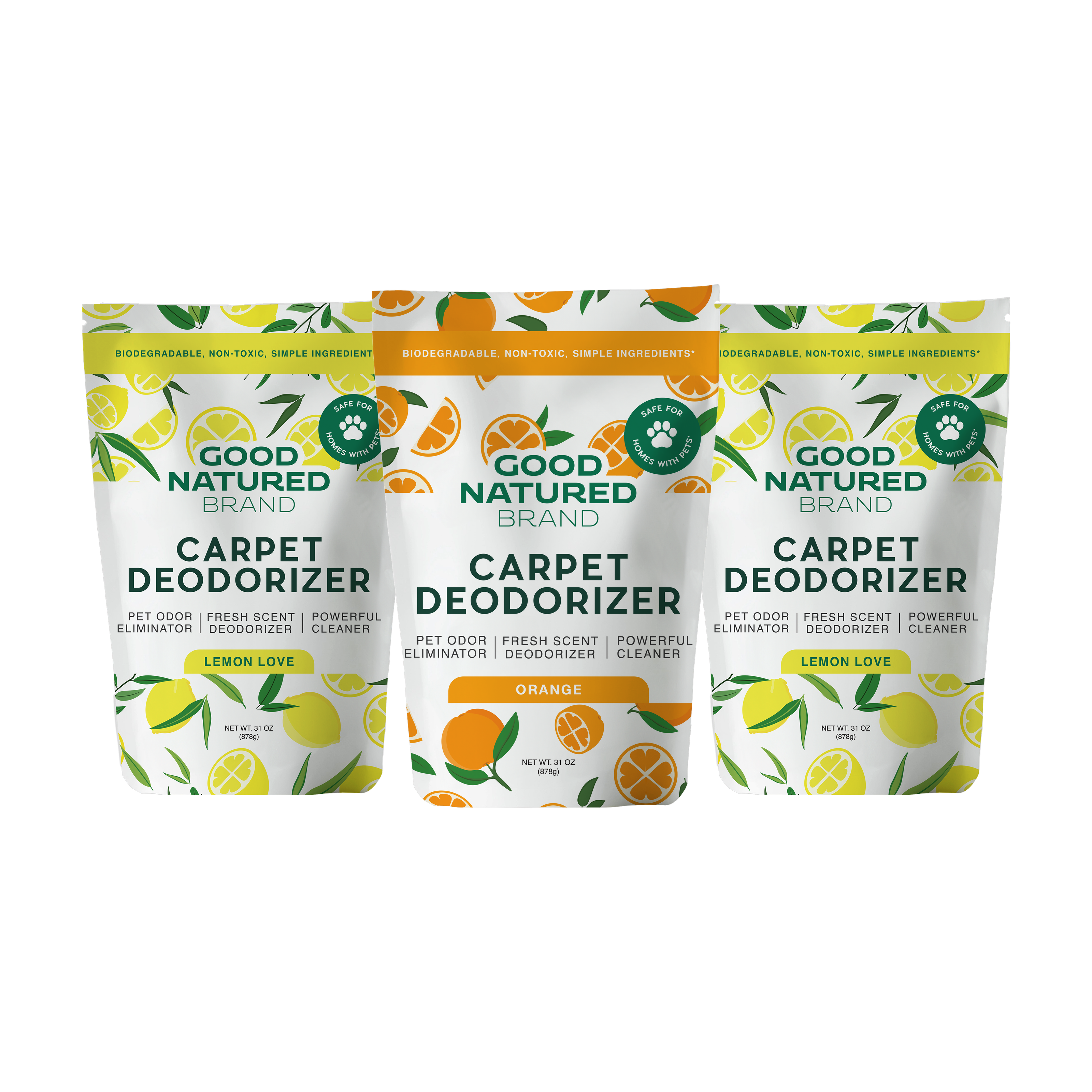
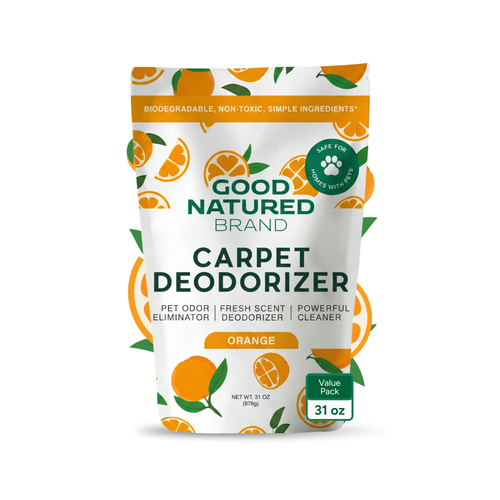
Orange energy for every home.
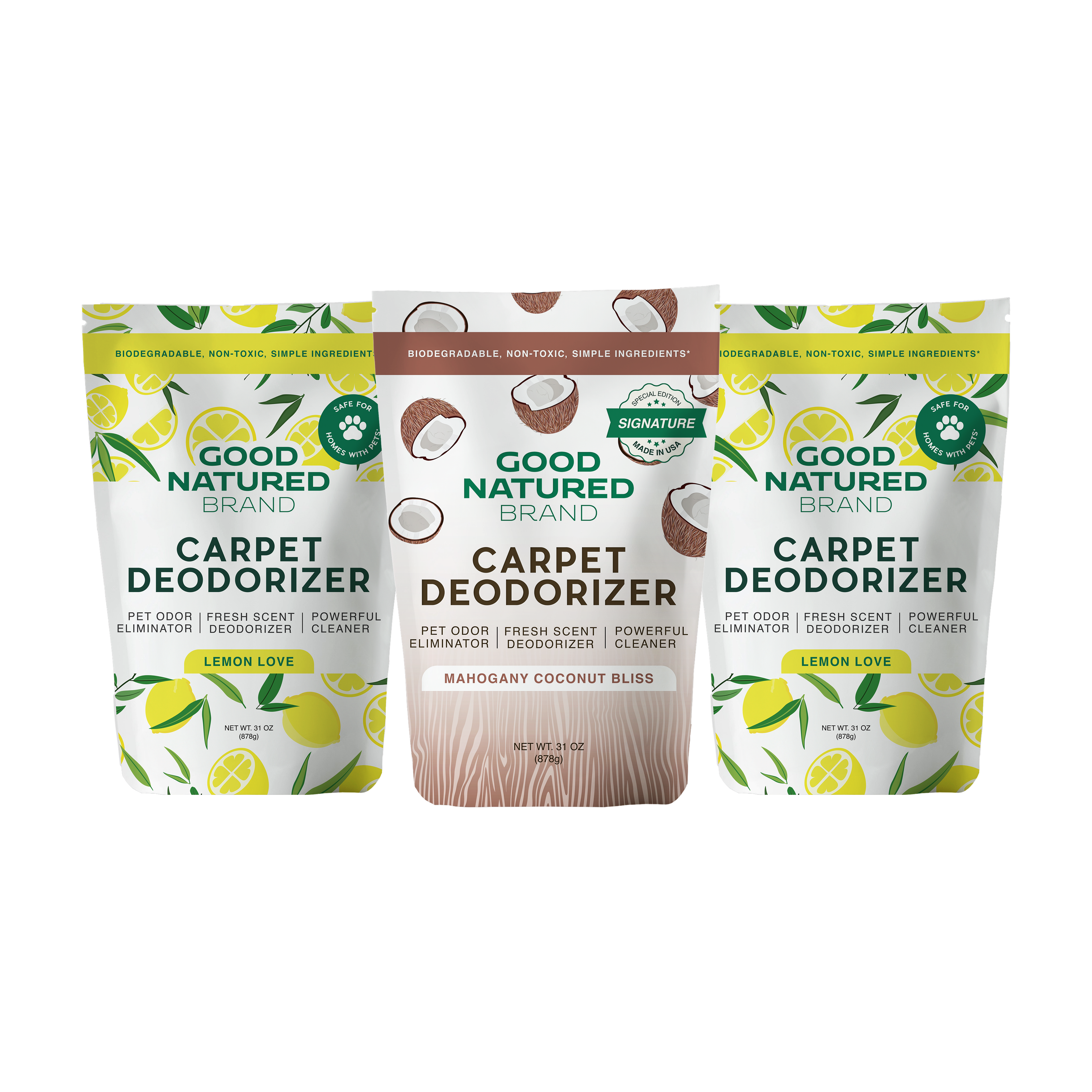
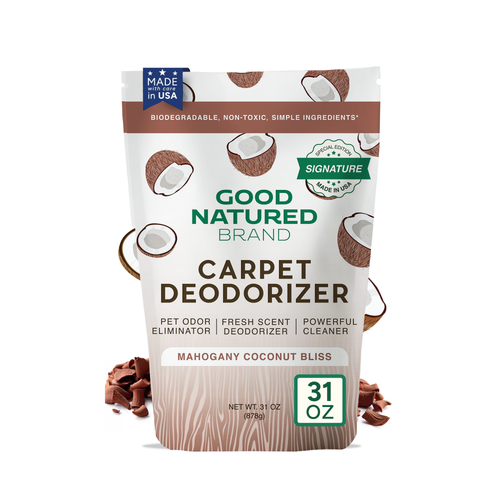
Mahogany warmth for every home.
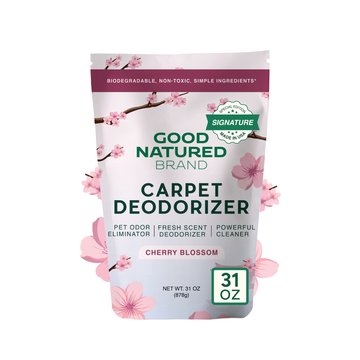
Cherry blossom serenity for every home.
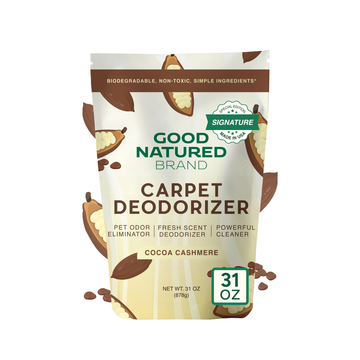
Cocoa butter comfort for every home.
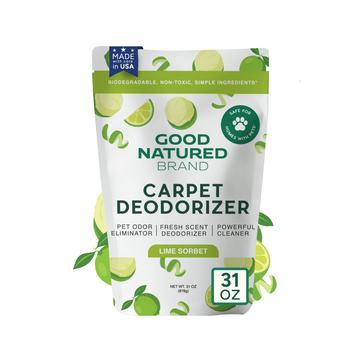
Zesty freshness for every carpet.
Why natural alternatives to chemical cleaning products are trending in modern homes
Choosing natural alternatives doesn’t have to be an “all or nothing” lifestyle. Most people switch because they want a home that feels clean without overpowering fumes, skin irritation, or heavy residue on the surfaces they touch every day.
What people mean by “chemical cleaning products”
Technically, everything is made of chemicals—including water. But when people say “chemical cleaning products,” they usually mean harsh, highly reactive, strongly fragranced cleaners that can feel intense to use. Common examples include heavy-duty degreasers, bleach-based sprays, aerosol disinfectants, and certain bathroom cleaners with strong acids.
Natural alternatives to chemical cleaning products focus on simpler ingredients, milder formulas, and practical methods—like soap, warm water, microfiber, and deodorizing powders—to clean effectively without turning your home into a chemistry lab.
Common problems with conventional chemical cleaning products
Many households want to reduce:
-
Strong fumes that linger after cleaning (especially in small bathrooms or kitchens)
-
Skin irritation from frequent contact with harsh sprays
-
Residue and fragrance buildup on counters, floors, and fabrics
-
Overuse of disinfectants when simple cleaning would be enough for day-to-day messes
Benefits of choosing natural alternatives to chemical cleaning products
When you switch thoughtfully, you can get:
-
A home that smells fresh instead of heavily perfumed
-
Easier daily maintenance (less “deep clean panic”)
-
More ingredient transparency and fewer surprise reactions
-
A calmer routine that’s safer to do regularly—especially around kids, pets, and sensitive noses
Natural alternatives to chemical cleaning products that actually work
Natural cleaning works best when you match the tool to the job. Instead of one harsh spray for everything, you’ll use a few basic ingredients in the right situations.
The natural cleaning toolkit
White vinegar (diluted):
Great for glass, mild buildup, and deodorizing. Avoid on natural stone like marble or granite, and be careful on some finishes.
Baking soda:
A gentle abrasive and odor neutralizer. Perfect for sinks, tubs, and deodorizing carpets and trash cans.
Castile soap or mild dish soap:
Excellent for general cleaning—counters, floors, and many surfaces—because soap lifts grease and dirt so you can wipe it away.
3% hydrogen peroxide:
Useful for targeted disinfecting and occasional deeper cleaning. Always spot test (it can lighten some fabrics) and store in its original bottle.
Lemon (optional):
Adds degreasing power and a fresh scent, but it’s acidic—so you still need surface awareness.
Microfiber cloths:
A natural cleaning “secret weapon.” With water and friction, they remove a surprising amount of grime without extra chemicals.
Cleaning vs sanitizing vs disinfecting
A big misconception is that every wipe-down needs disinfectant. In most daily situations, cleaning is the goal: removing dirt, grease, crumbs, and residue. Soap + water + friction often does this very well.
-
Cleaning: removes dirt and many microbes by physically lifting them.
-
Sanitizing: lowers microbes to safer levels (common for food-prep zones).
-
Disinfecting: kills a broad range of microbes (use when truly necessary, like after illness).
Natural alternatives can support all three, but it’s smart to reserve stronger “disinfecting-style” steps (like hydrogen peroxide) for the moments that truly call for them.
Natural alternatives to chemical cleaning products for the kitchen
Kitchens get messy fast—grease, splatters, sticky handles, and food-prep surfaces. The key is breaking the “everything needs a harsh degreaser” habit.
Greasy stovetops and backsplashes
Start with the simplest method:
-
Mix warm water with a few drops of castile soap or mild dish soap.
-
Wipe with a damp microfiber cloth to lift grease.
-
For stuck-on spots, sprinkle a little baking soda and gently scrub with a soft sponge.
-
Rinse and wipe dry to prevent streaks.
This method is effective because soap binds with grease and helps it lift away cleanly—without filling the air with intense fumes.
Countertops by surface type
Different counters have different needs:
-
Granite and marble (natural stone): avoid vinegar and lemon. Use mild soap + water, then dry.
-
Quartz: mild soap + water works well; avoid abrasive scrubs.
-
Laminate: soap + water; a small amount of baking soda paste can help with stubborn spots.
If you’re unsure, spot test in a hidden area first. “Natural” doesn’t automatically mean “safe for every surface.”
Sinks and drain odor maintenance
For sinks:
-
Sprinkle baking soda and scrub with a damp sponge.
-
Rinse thoroughly.
For drains (maintenance, not a clogged emergency):
-
Add a spoonful of baking soda followed by hot water.
-
Repeat weekly to keep things fresh.
Avoid sealing mixtures in the drain or combining multiple strong reactions at once. Simple, consistent maintenance is more effective than dramatic “volcano” experiments.
Natural alternatives to chemical cleaning products for the bathroom
Bathrooms are where harsh cleaners often feel “necessary,” but many everyday bathroom tasks respond well to natural methods—especially when you clean regularly instead of waiting for buildup.
Soap scum and hard water buildup
For many bathroom surfaces (not natural stone), diluted vinegar can help:
-
Spray diluted vinegar on glass shower doors or fixtures.
-
Let it sit for a few minutes.
-
Wipe and rinse thoroughly.
For heavier soap scum:
-
Use a tiny amount of mild soap along with vinegar (or soap + warm water if vinegar isn’t appropriate for the surface).
-
Scrub gently and rinse.
The real trick is consistency. A quick weekly reset prevents the kind of buildup that forces you to reach for harsher products.
Toilet cleaning and deodorizing
A simple approach:
-
Sprinkle baking soda inside the bowl.
-
Scrub with a toilet brush.
-
Flush.
For occasional deeper cleaning, 3% hydrogen peroxide can be used carefully, but always follow safe handling, ensure ventilation, and avoid mixing it with other cleaners. If you’re prone to sensitivities, even “natural” options benefit from airflow—open a window or run the fan.
Mold-prone zones and ongoing prevention
If you’re dealing with persistent mold, prevention matters just as much as cleaning:
-
Run the bathroom fan during and after showers.
-
Use a squeegee on shower walls.
-
Wash bath mats and towels regularly and dry them fully.
For recurring mold issues or larger patches, it may be appropriate to consult a professional. Natural routines are great for maintenance, but serious mold problems can require specialized remediation.
Natural alternatives to chemical cleaning products for floors
Floors collect dust, oils, and whatever life brings in from outside. Natural cleaning works best when you avoid over-wetting and choose gentle solutions.
Tile and grout
A simple tile floor solution:
-
Warm water + a small amount of castile soap.
-
Mop and avoid leaving puddles.
For grout touch-ups:
-
Make a baking soda paste (baking soda + water).
-
Use a soft brush to scrub.
-
Rinse thoroughly.
Steam cleaning can also be effective for tile and some grout situations, but always confirm your surface is compatible.
Hardwood floors
Hardwood can be sensitive to moisture and acidity:
-
Use a lightly damp mop with mild soap dilution.
-
Dry promptly.
-
Avoid overly wet mops that leave standing water.
If you’ve used vinegar on hardwood before without issues, it may be fine for your finish—but many finishes and sealants can react poorly over time, so mild soap is a safer “default.”
Vinyl and laminate floors
Vinyl and laminate are often easy:
-
Mild soap + warm water.
-
Spot clean sticky areas with a cloth and gentle scrubbing.
-
Avoid abrasive powders if your laminate scratches easily.
Natural alternatives to chemical cleaning products for laundry
Laundry is one of the most overlooked sources of lingering fragrance and residue. Switching to simpler routines can make clothes, towels, and bedding feel fresher.
Everyday laundry routines that work
A few natural-leaning habits can improve results fast:
-
Use the right amount of detergent (too much causes buildup).
-
Wash in cold water for many loads unless you need hot for heavy soil.
-
Don’t overload the machine—items need room to rinse properly.
-
Dry thoroughly to prevent musty smells.
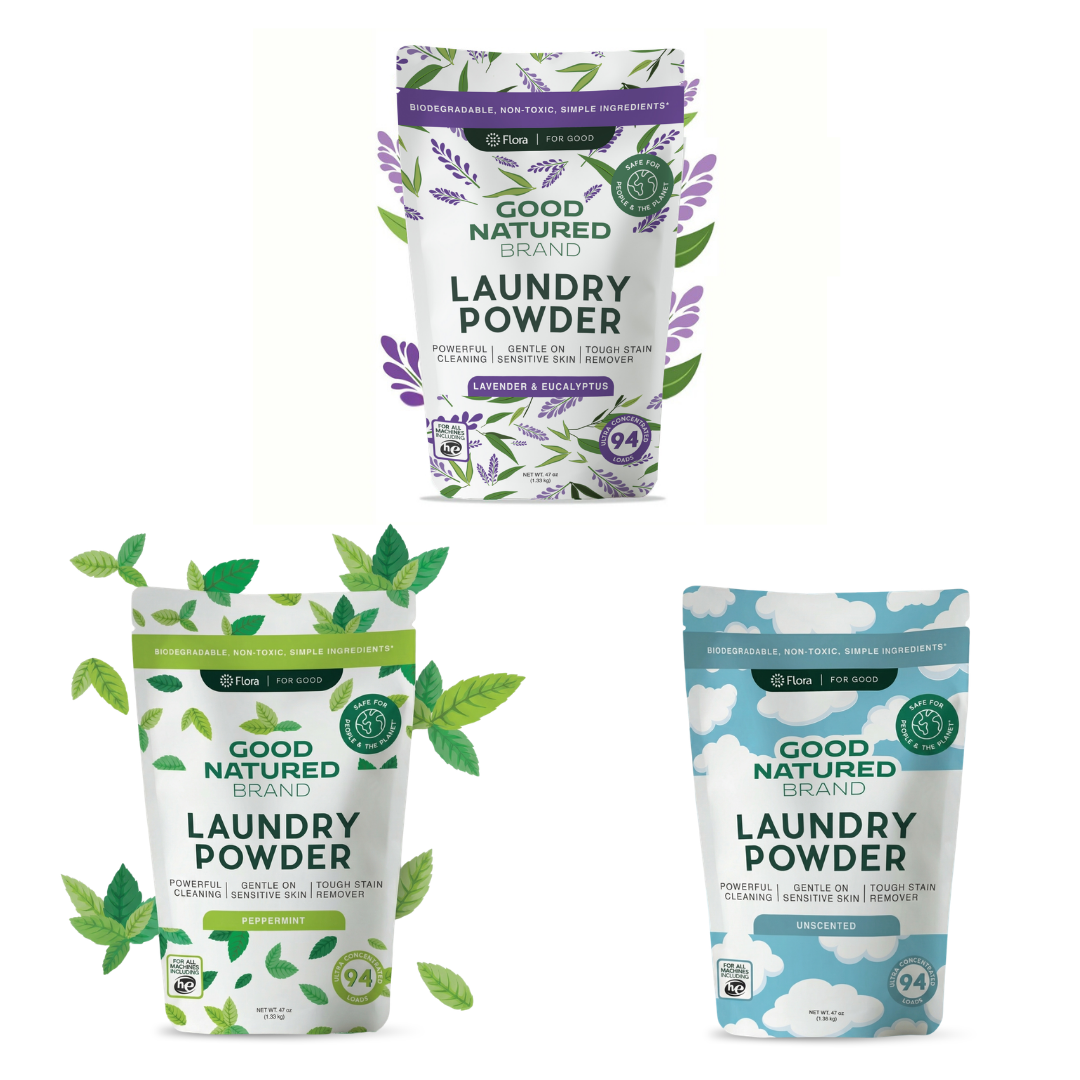
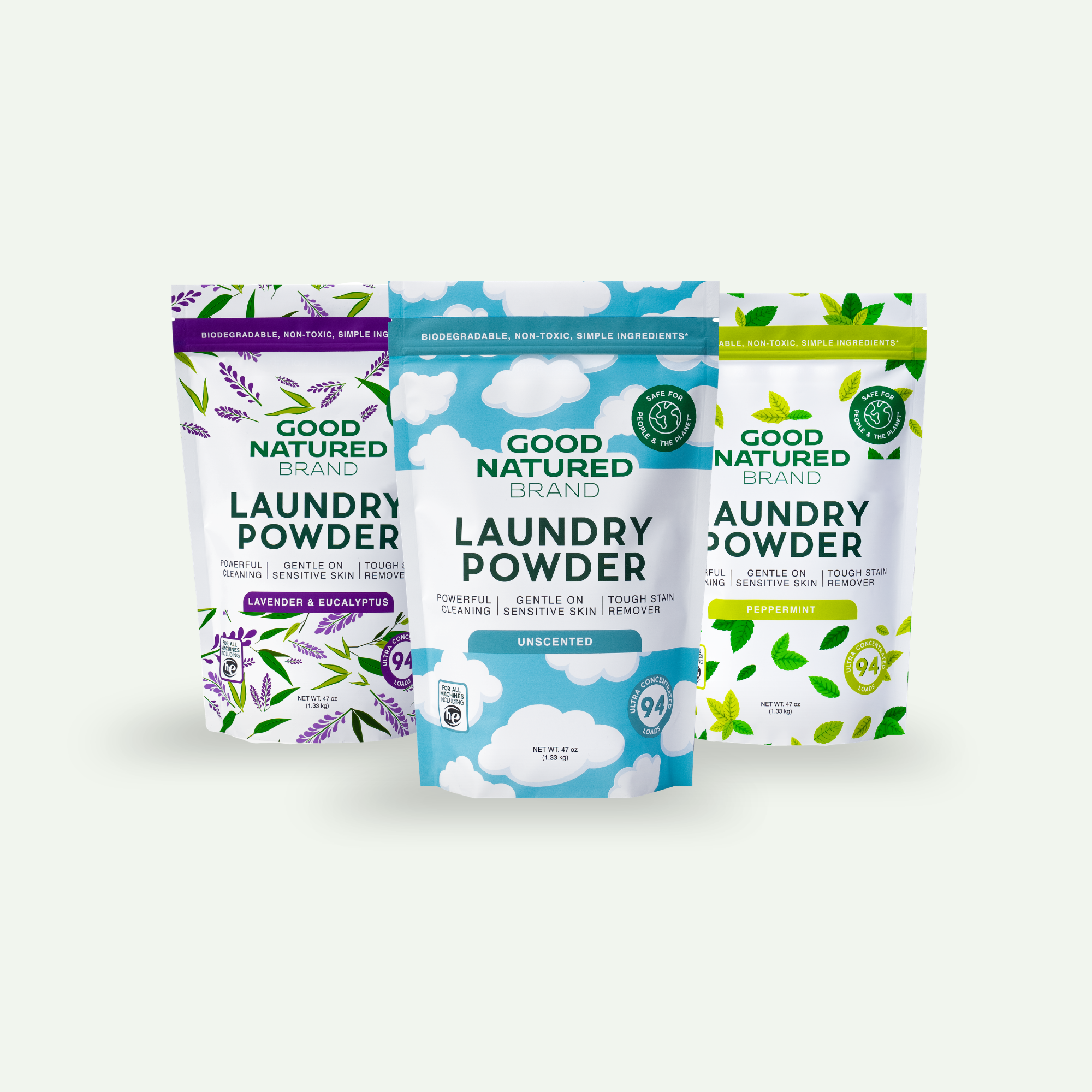
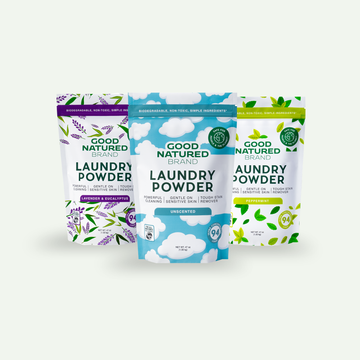
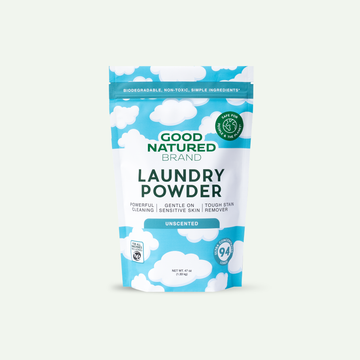
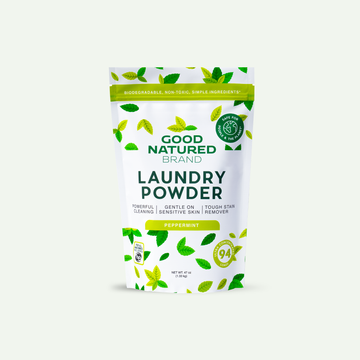
If you prefer a consistent, ready-to-use option over DIY mixing, a solid swap is choosing Laundry Powders that support everyday cleaning without the heavy “chemical cleaner” vibe.
Pet laundry and odor-prone loads
For pet bedding, blankets, or accident-prone fabrics:
-
Pre-rinse or pre-soak if needed.
-
Use a proper dose (not too much).
-
Consider an extra rinse cycle.
-
Dry completely before storing.
The goal isn’t to mask odors with fragrance—it’s to remove the residue that holds odor in the fabric.
Towel mustiness and buildup
Musty towels are often caused by:
-
Too much detergent
-
Not enough drying time
-
Leaving damp towels bunched up
Try:
-
Washing towels separately (so they rinse better)
-
Avoiding excessive product
-
Drying fully and promptly
If mustiness persists, the solution is usually better rinsing and drying habits—not harsher chemicals.
Natural alternatives to chemical cleaning products for carpets, rugs, and upholstery
Soft surfaces hold onto smells. The natural approach is deodorizing + moisture control, rather than saturating fabrics with strong sprays.
Deodorizing carpets naturally
The classic method works for a reason:
-
Sprinkle baking soda lightly over carpet.
-
Let it sit (15–30 minutes, or longer if needed).
-
Vacuum thoroughly.
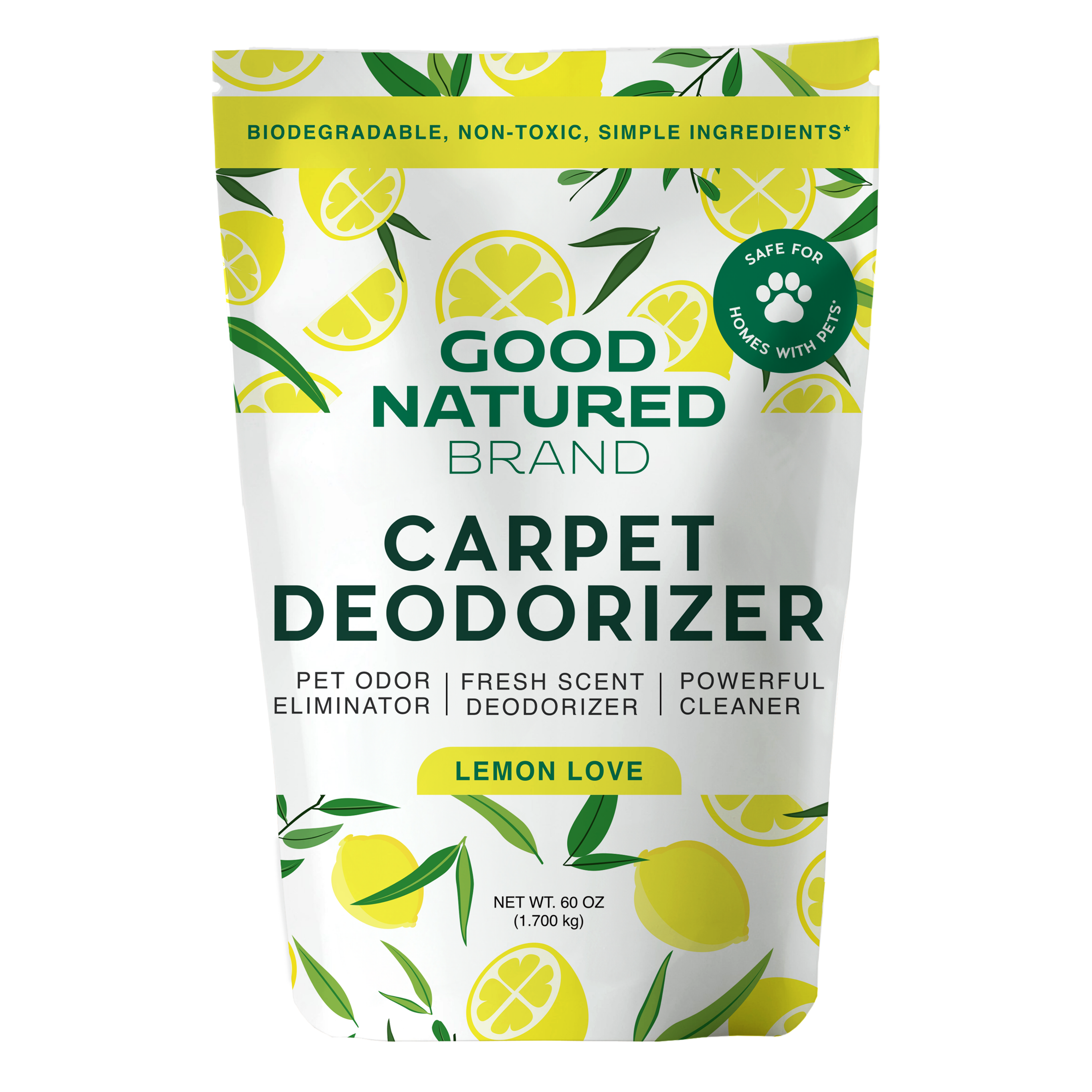
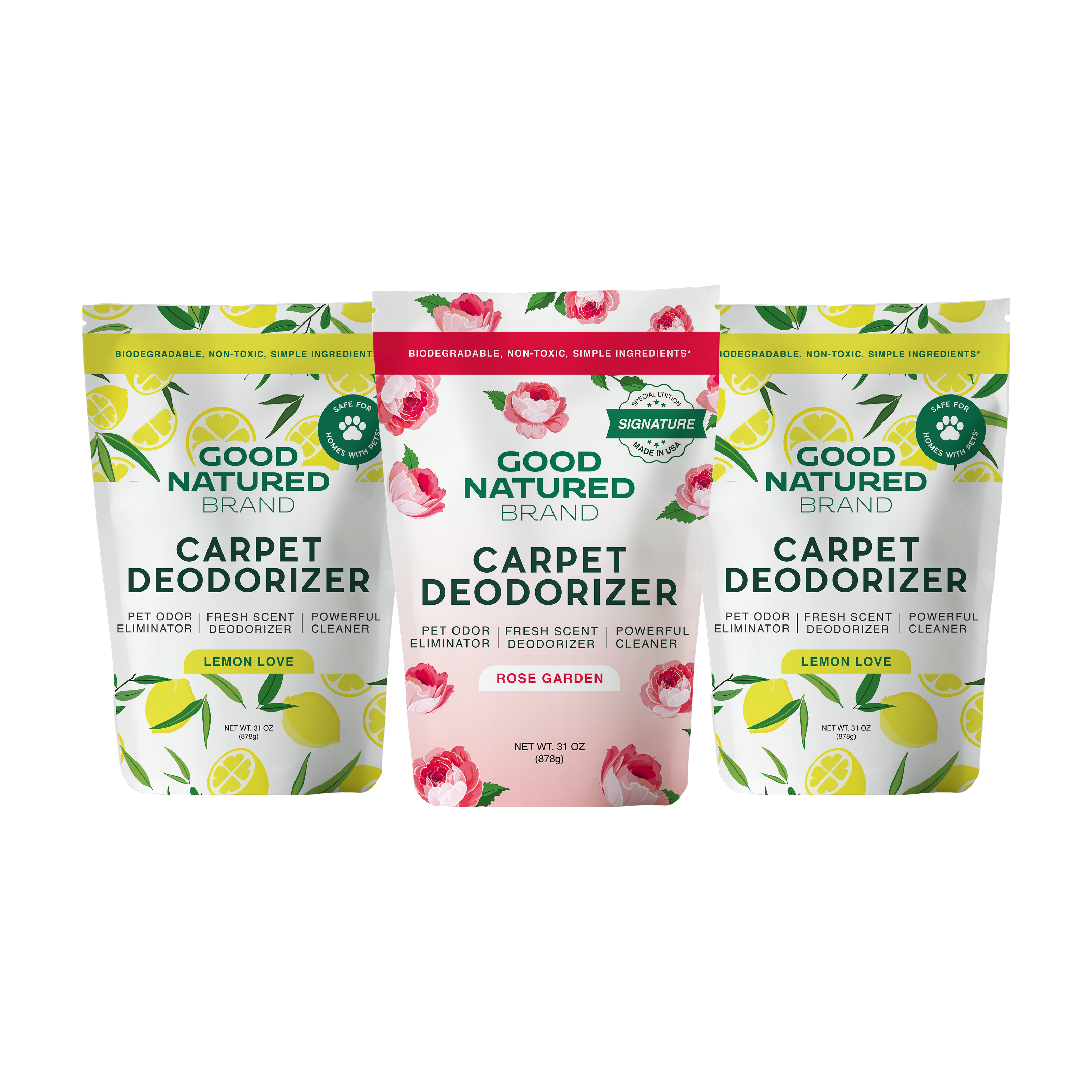
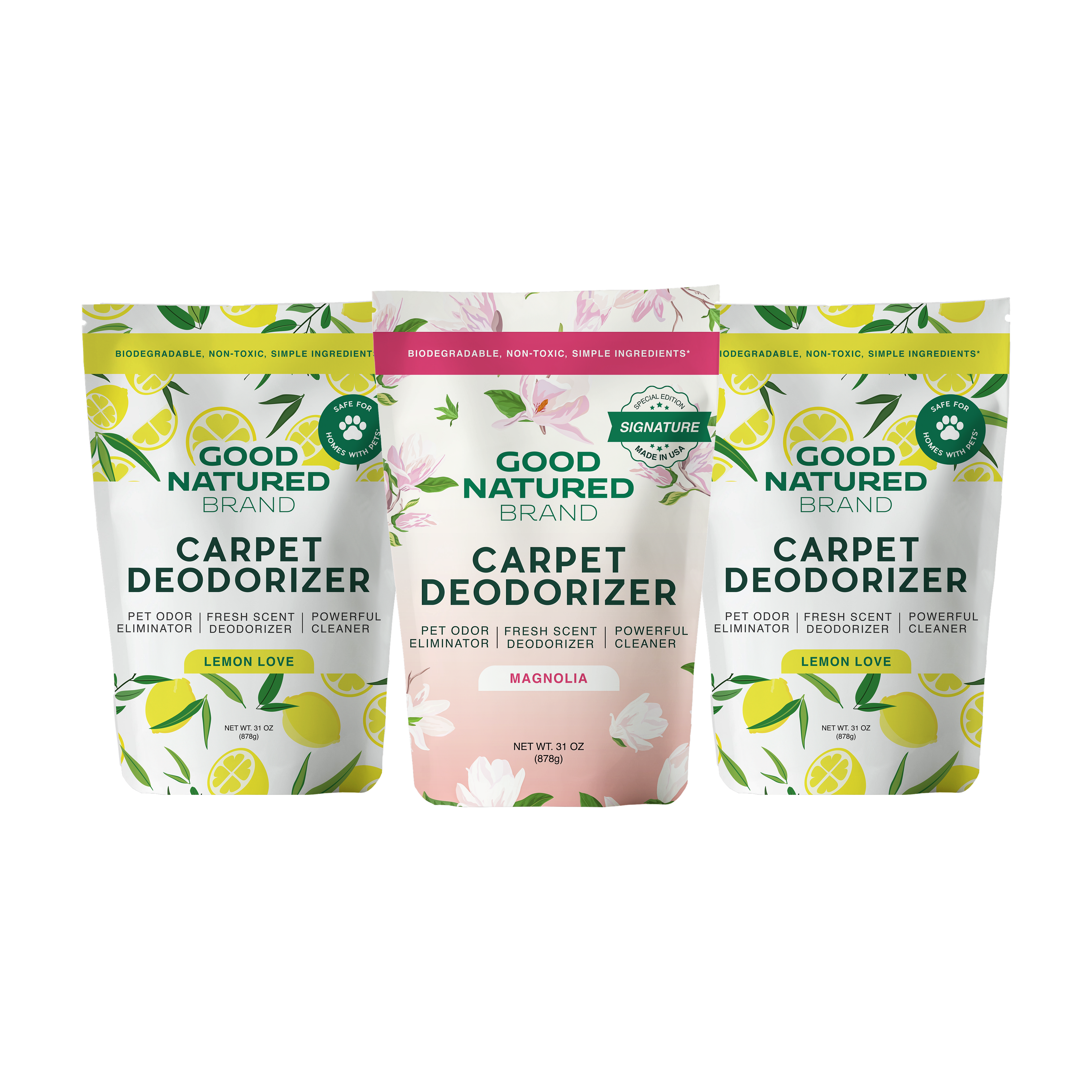
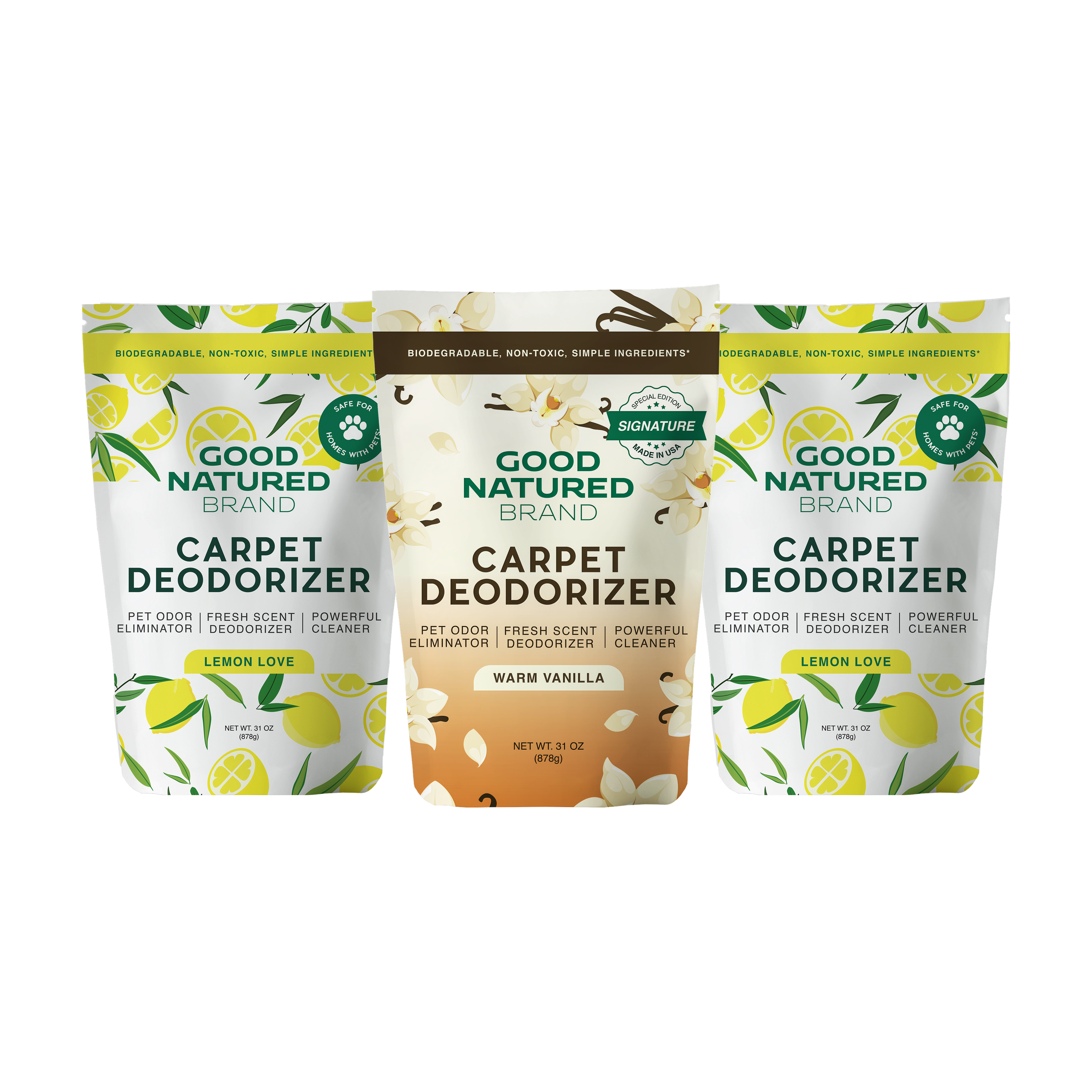
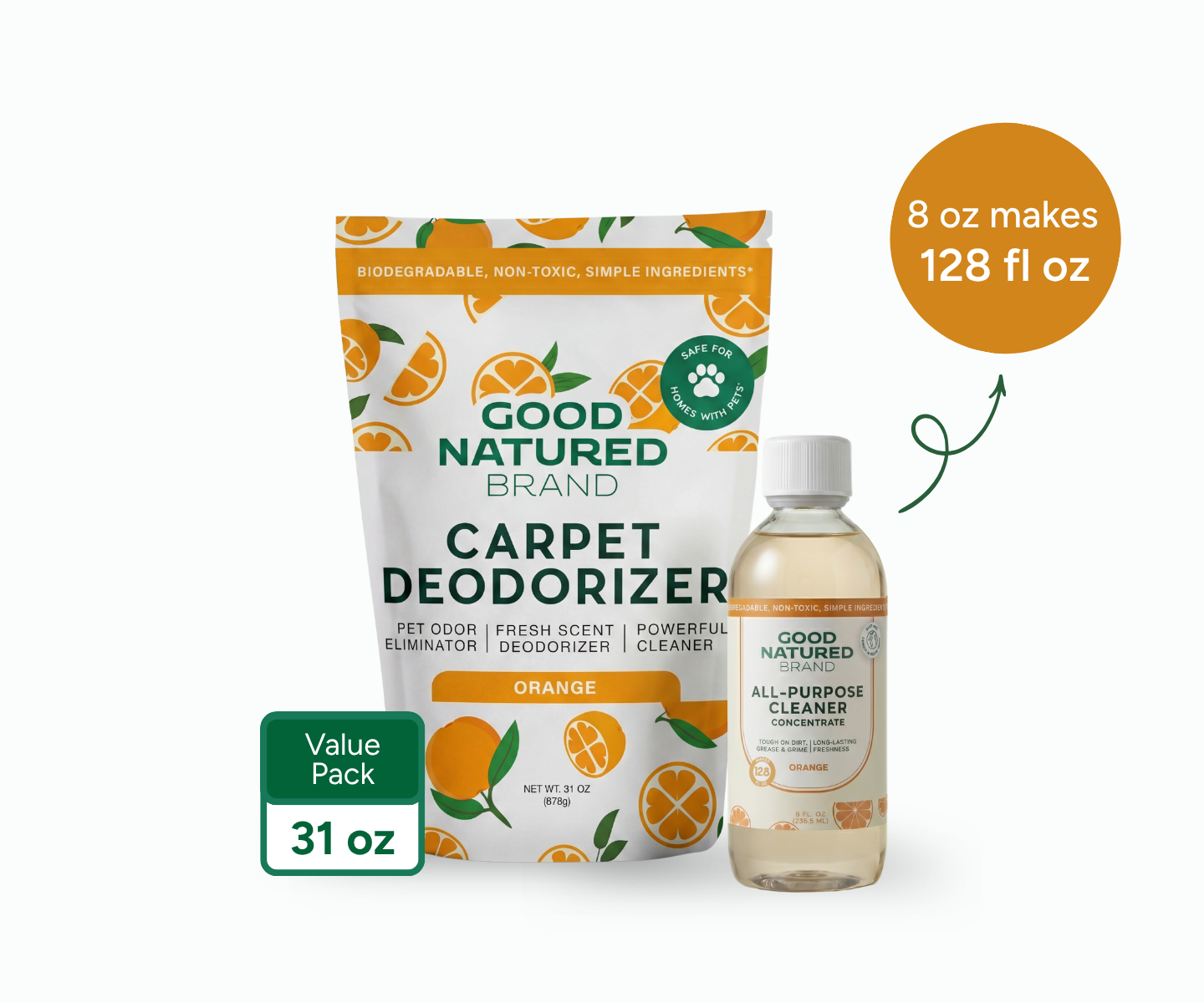
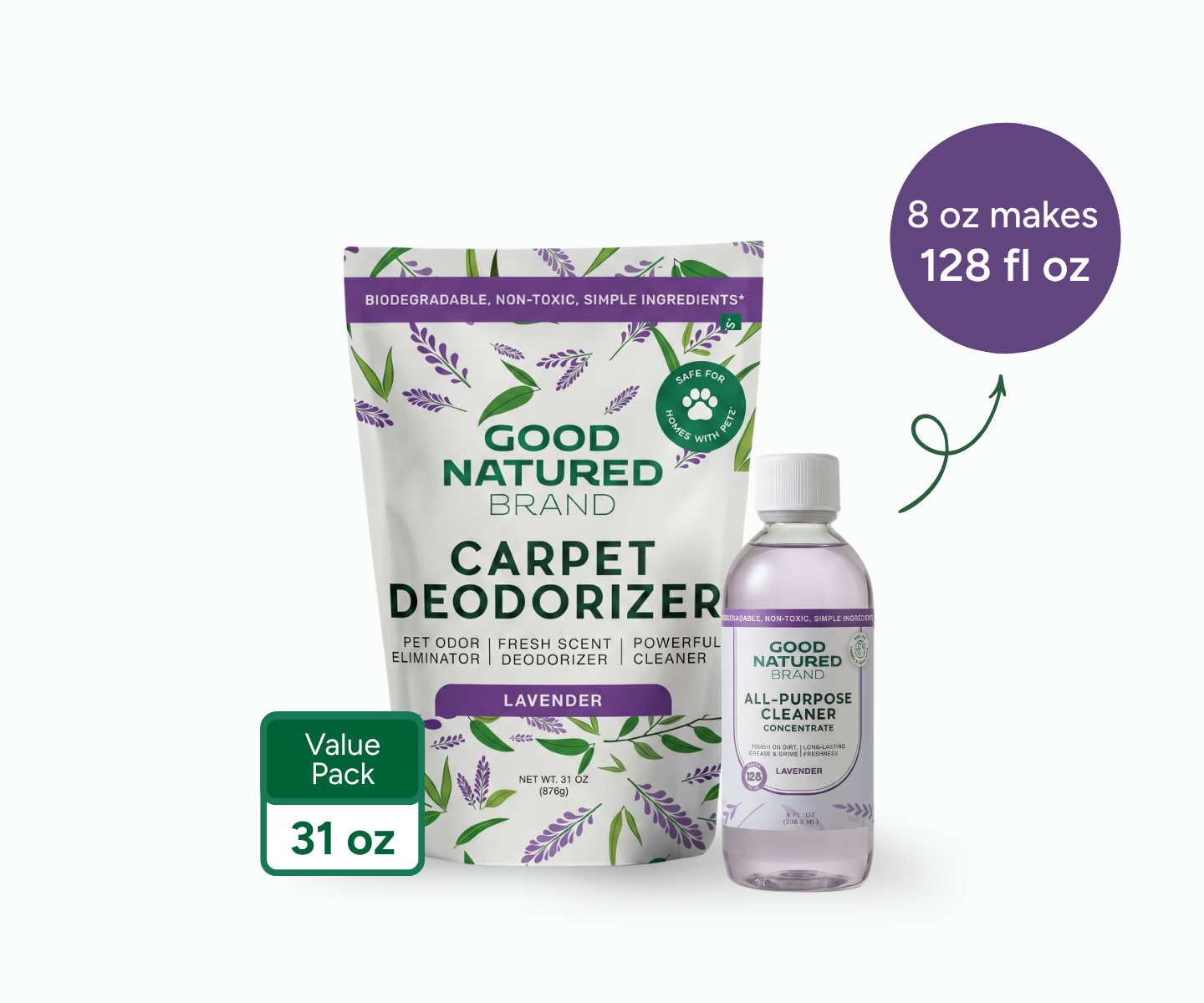
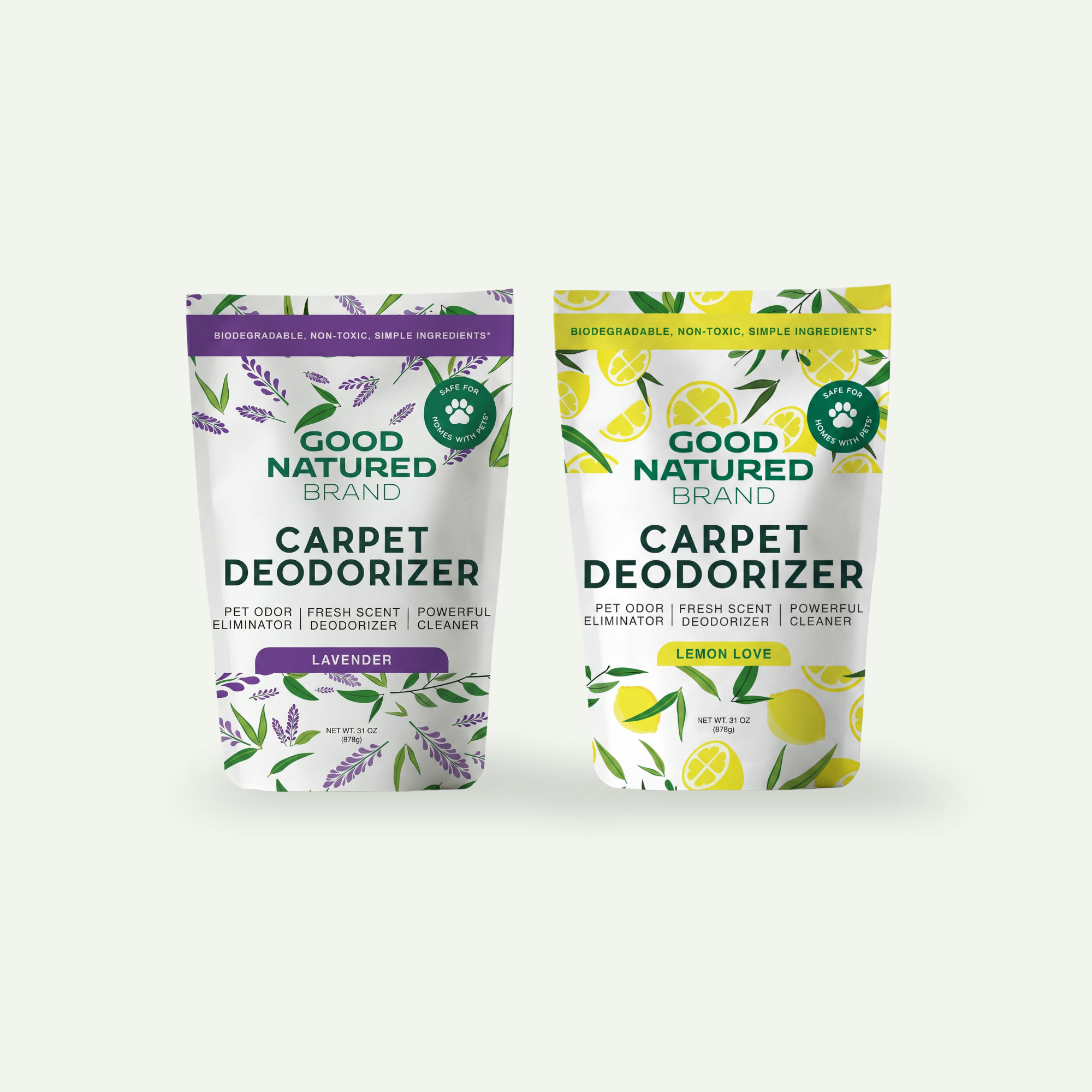
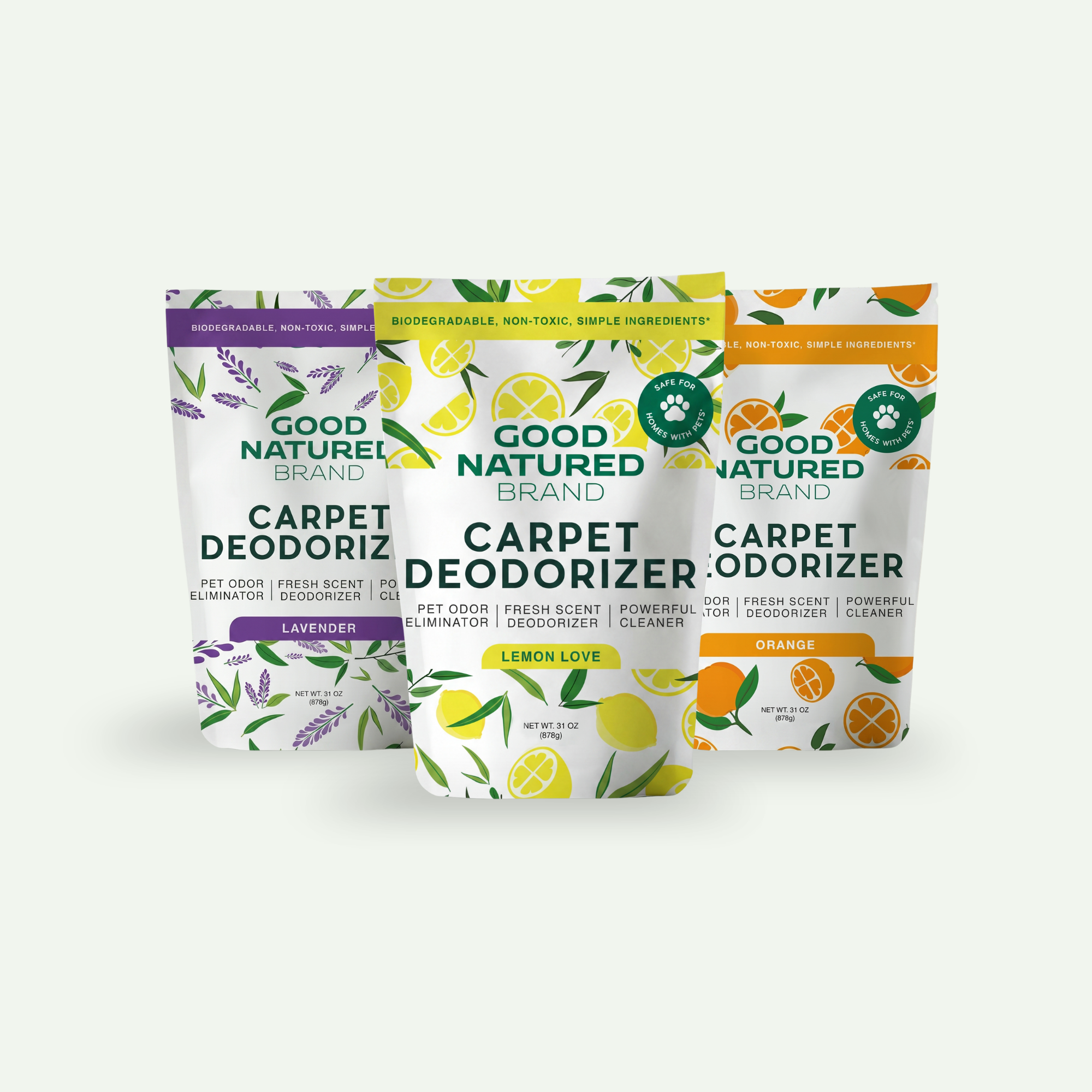
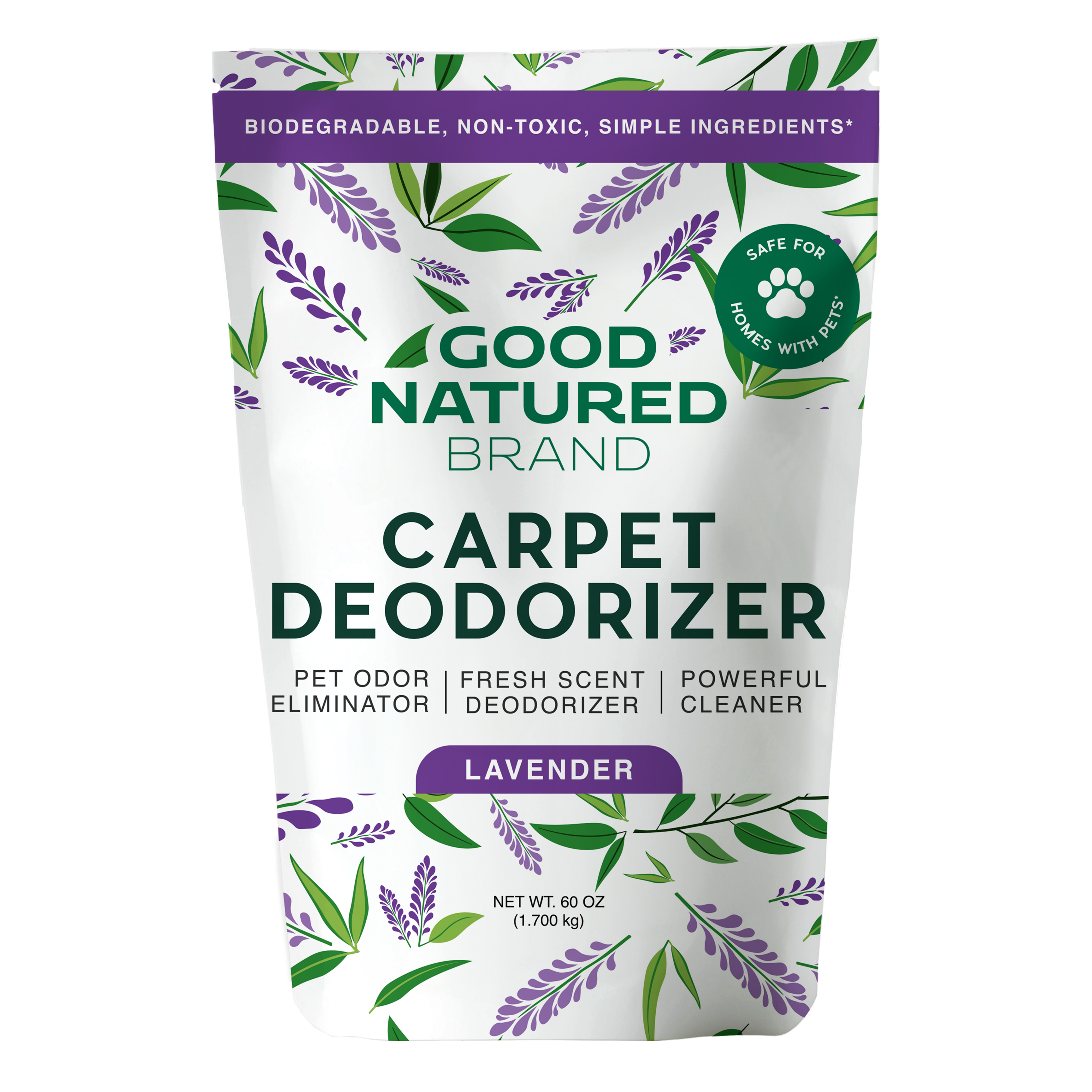
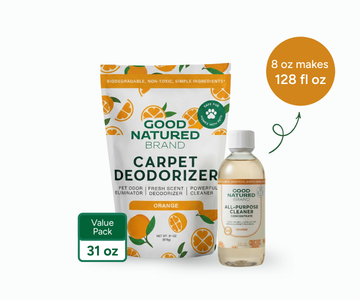
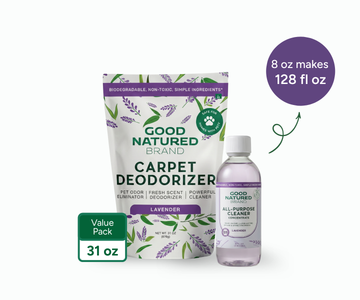
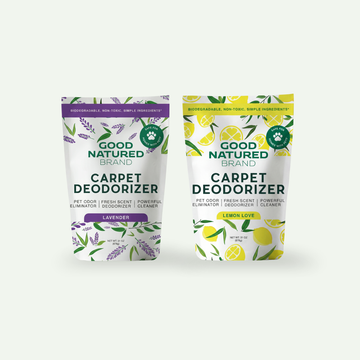
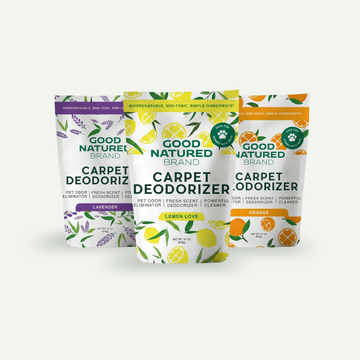
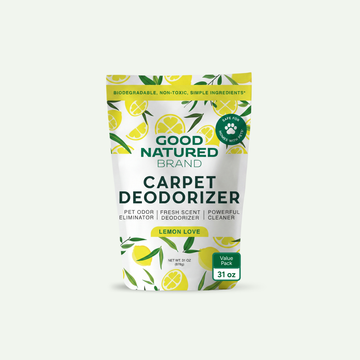
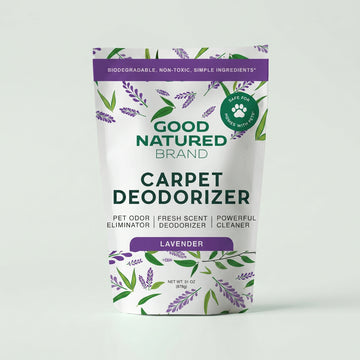
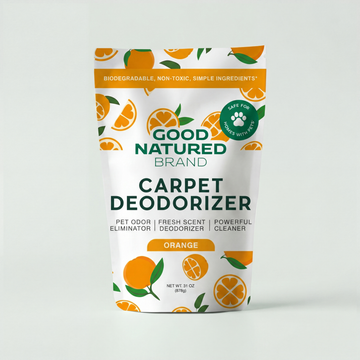
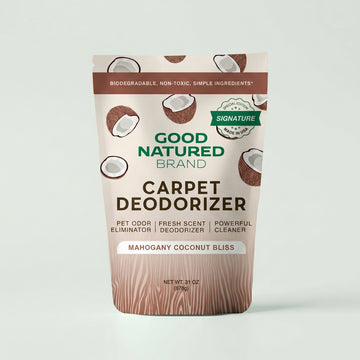
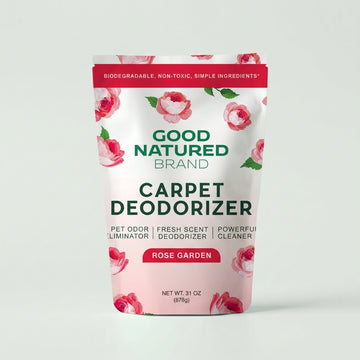
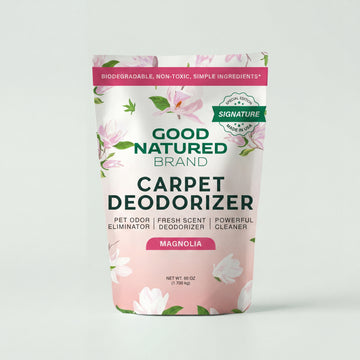
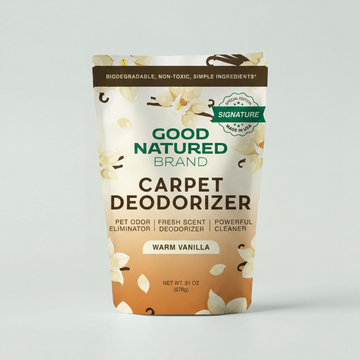
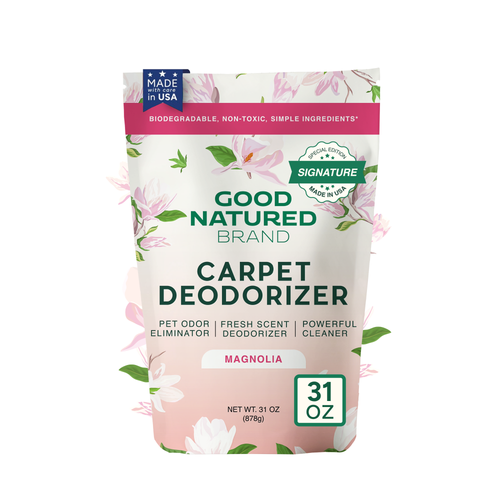
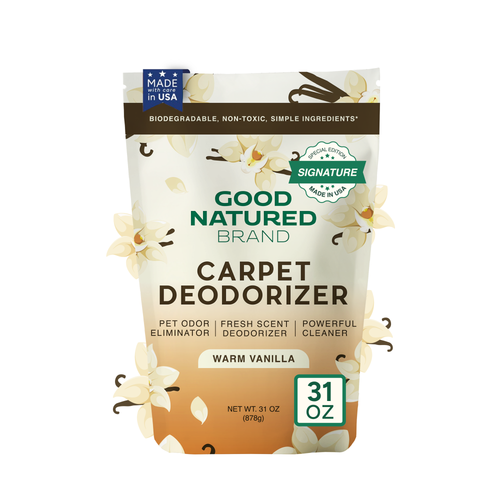
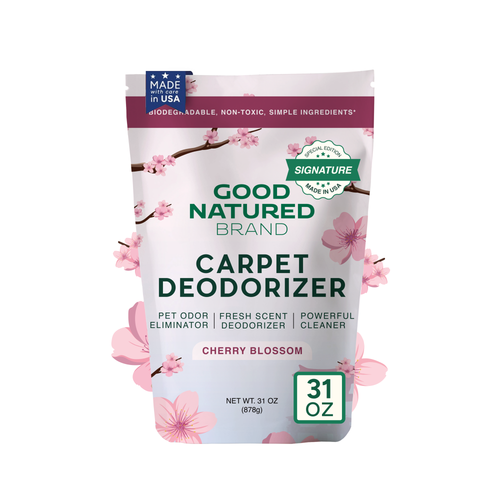
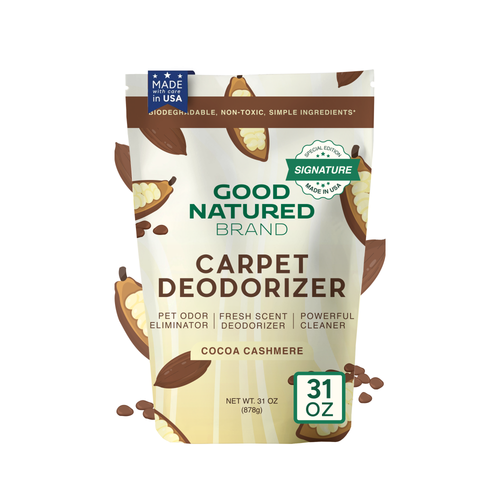
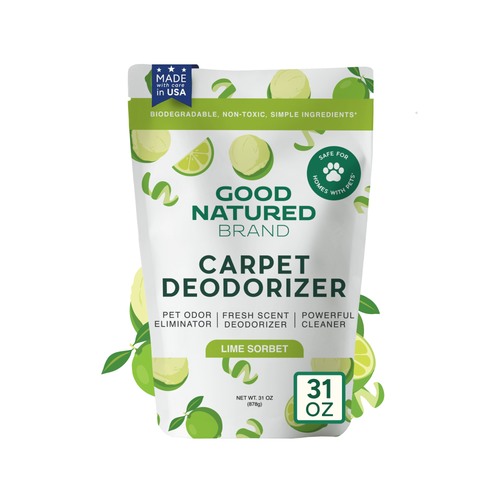
For regular refreshes without heavy fragrances, Carpet Deodorizers can be a convenient alternative to harsher, heavily scented carpet chemicals—especially if you’re trying to keep your home comfortable for pets and sensitive noses.
Stains on rugs and upholstery
Use a calm stain flow:
-
Blot, don’t rub.
-
Apply a small amount of mild soap + water.
-
Blot again with a clean cloth.
-
Rinse lightly (don’t soak).
-
Dry thoroughly.
Hydrogen peroxide can help with certain stains, but it can also lighten fabric. Always spot test in a hidden area and use it only when appropriate.
Natural alternatives to chemical cleaning products for everyday surfaces
High-touch surfaces like doorknobs, light switches, remotes, and handles don’t need harsh chemicals every day. They need consistent cleaning.
High-touch areas
A reliable daily or weekly method:
-
Mild soap + water on a microfiber cloth.
-
Wipe surfaces and dry.
For times you truly want a disinfecting step (like after illness), hydrogen peroxide can be used carefully—without mixing it with other cleaners.
Glass and mirrors
For streak-free glass:
-
Mix diluted vinegar and water.
-
Spray lightly and wipe with a microfiber cloth.
-
Use a second dry cloth if needed for polishing.
Technique matters as much as the formula. Too much liquid causes streaks.
Shop the Product
Lemon freshness for every home.
Lavender calm for every home.
Orange energy for every home.
Mahogany warmth for every home.
Cherry blossom serenity for every home.
Cocoa butter comfort for every home.
Zesty freshness for every carpet.
DIY recipes for natural alternatives to chemical cleaning products
DIY cleaners can be simple, effective, and budget-friendly—when you keep them safe and realistic. Make small batches, label them, and avoid mixing ingredients that shouldn’t be combined.
DIY all-purpose cleaner
A basic everyday spray:
-
Warm water
-
A small amount of castile soap (or mild dish soap)
Use it on sealed counters, appliance exteriors, and many everyday surfaces. Always spot test on painted surfaces.
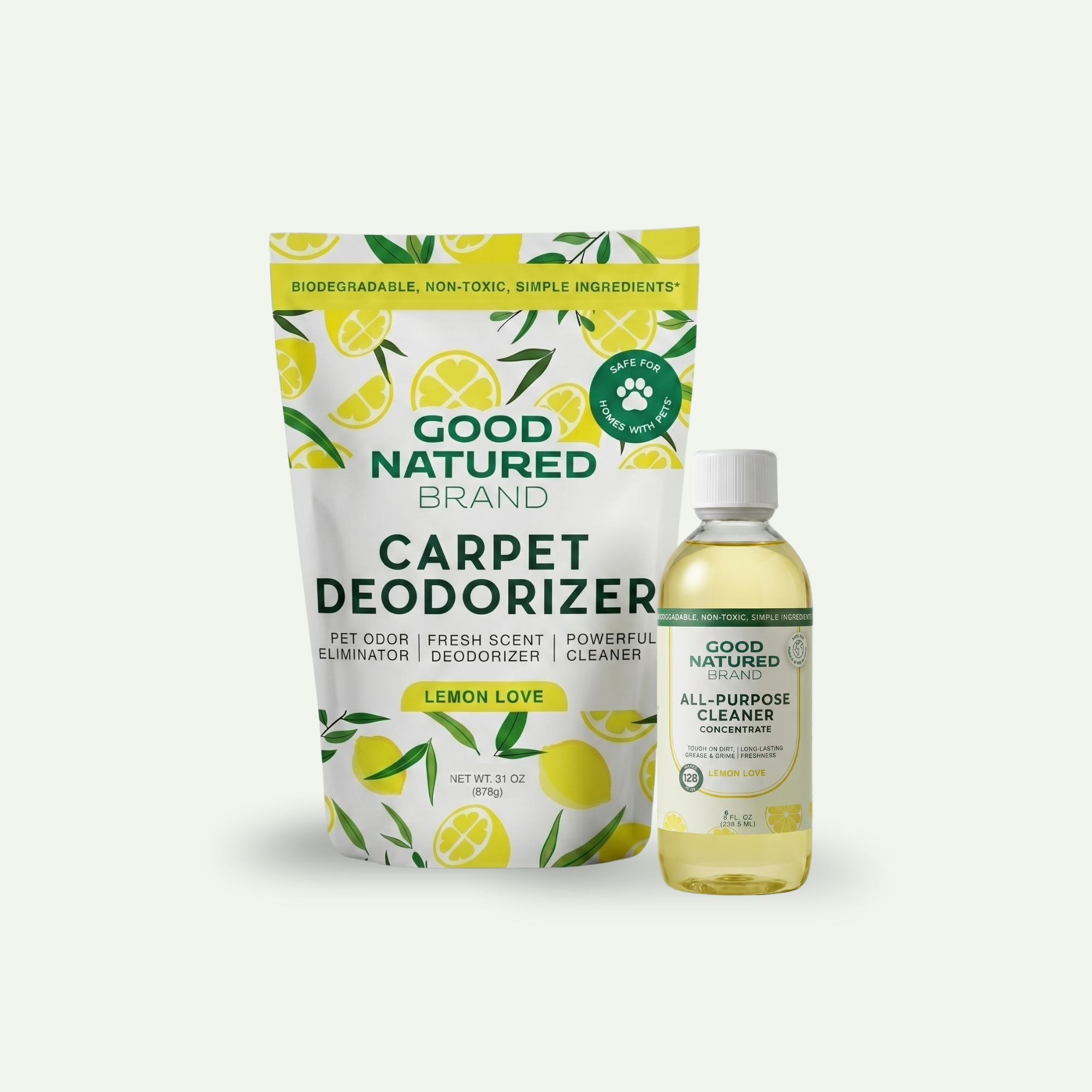
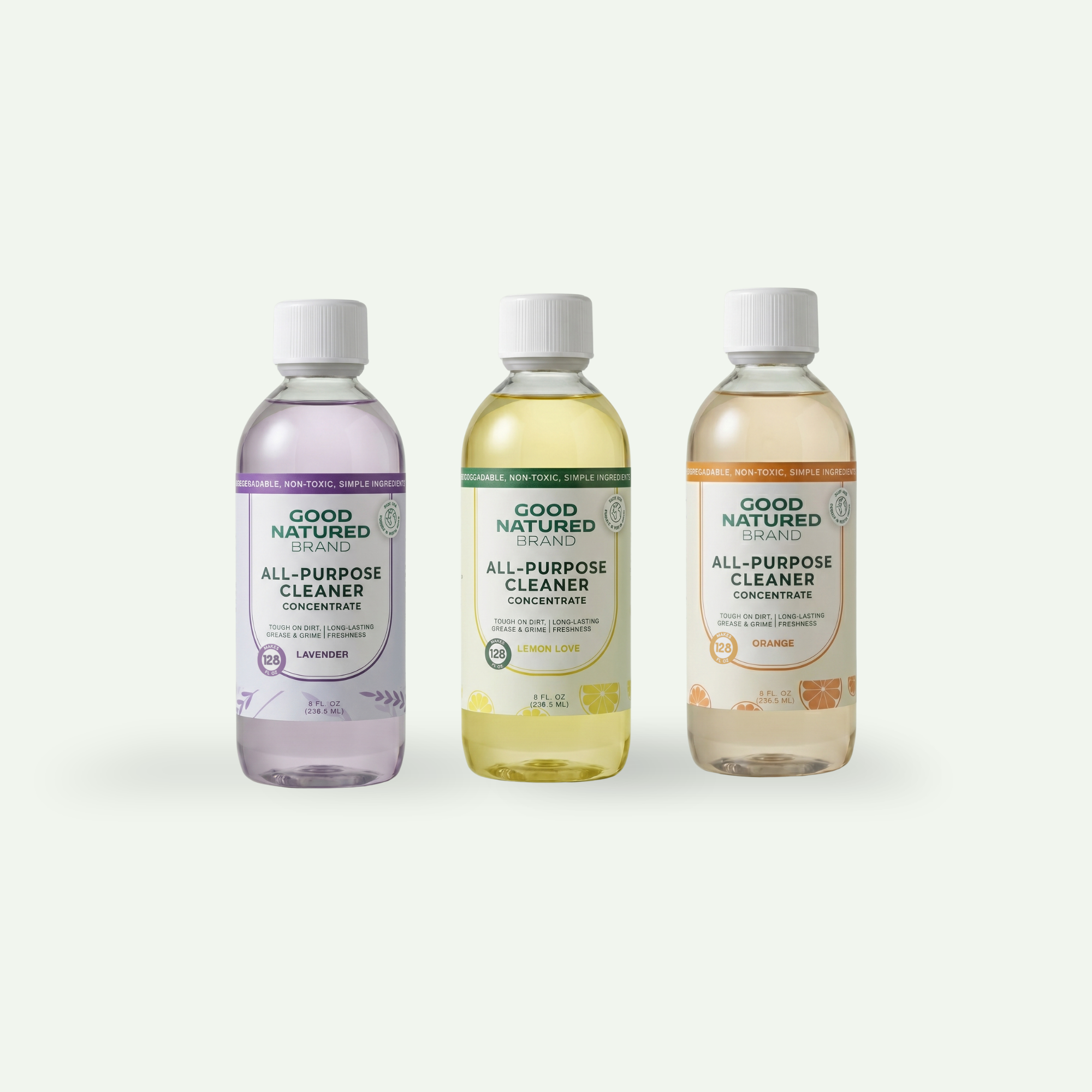
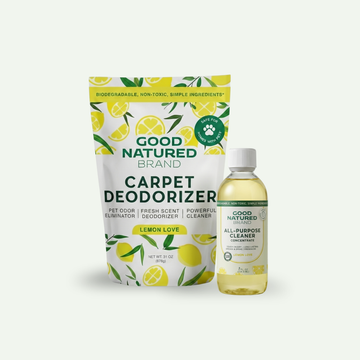
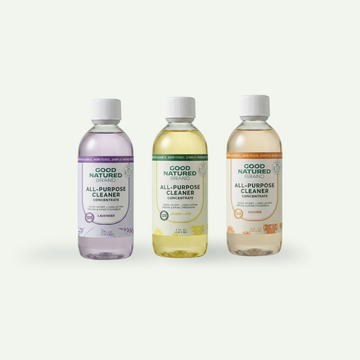
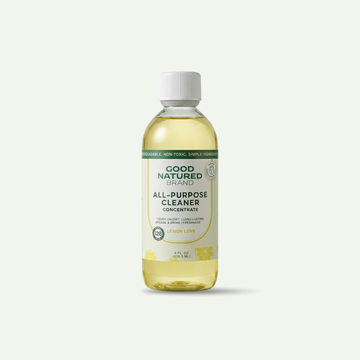
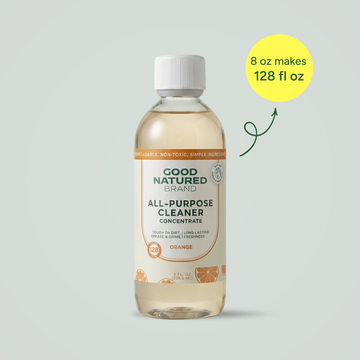
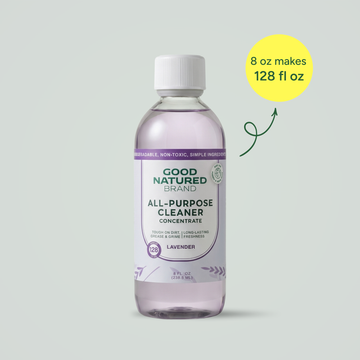
If you prefer a grab-and-go option, explore All-Purpose Cleaners as natural alternatives to chemical cleaning products for daily messes—especially when you want consistency without DIY measuring.
DIY soft scrub paste
For sinks, tubs, and some grout touch-ups:
-
Baking soda + a little water to make a paste
-
Optional: a small drop of mild soap
Apply gently, scrub with a soft sponge, then rinse. Avoid using abrasive paste on surfaces that scratch easily.
DIY deodorizing spray for fabrics
Instead of soaking fabrics with intense sprays:
-
Use ventilation first (fresh air + sunlight when possible).
-
Lightly mist plain water if needed and allow to dry fully.
-
For washable items, laundering is often the best deodorizer.
For upholstery and rugs, moisture control is key—too much spray can create new odors.
Labeling and storage safety
Even natural alternatives should be treated responsibly:
-
Label bottles clearly.
-
Keep them away from kids and pets.
-
Don’t store DIY cleaners in food containers.
-
Make small batches so you don’t keep mixtures sitting around for months.
Safety guide for natural alternatives to chemical cleaning products
Natural cleaning can be safer, but the biggest risks come from mixing and overuse.
What not to mix
Avoid these combinations:
-
Vinegar + bleach (dangerous gases can form)
-
Hydrogen peroxide + vinegar (can create irritating compounds)
-
Overusing essential oils, especially in pet households (sensitivity risk)
If you’re adding essential oils for scent, use minimal amounts—and consider skipping them entirely if anyone in your household is sensitive.
Pet- and kid-aware cleaning habits
A few habits make a big difference:
-
Ventilate while cleaning.
-
Rinse surfaces that will be touched frequently (especially food-prep surfaces).
-
Allow floors and fabrics to dry fully before pets and kids use them.
-
Keep product containers secure and out of reach.
How to choose natural alternatives to chemical cleaning products without falling for greenwashing
Not every product marketed as “green” is automatically gentle or transparent. If you buy instead of DIY, focus on clarity and consistency.
Ingredient transparency checklist
Look for:
-
Clear ingredient lists
-
Minimal “mystery fragrance” language if you’re sensitive
-
Straightforward usage instructions
-
Concentrates or refills if you care about reducing packaging waste
When store-bought natural cleaners beat DIY
DIY is great, but store-bought options can be better when you want:
-
Convenience and speed
-
Consistent performance
-
A routine you’ll actually stick with
If you’re building a simplified routine, it can help to choose one reliable everyday cleaner, one laundry solution, and one deodorizing approach for soft surfaces.
A simple low-tox cleaning routine you can maintain
Try a weekly rhythm:
-
Quick kitchen wipe-downs (soap + water)
-
Bathroom reset once a week (baking soda scrub, safe vinegar where appropriate)
-
Floors as needed (mild soap mop)
-
Laundry routine that avoids buildup
-
Carpets and soft surfaces deodorized regularly
Consistency beats intensity. Most homes don’t need harsh chemicals—they need small habits repeated.
Natural alternatives to chemical cleaning products: FAQs
Are natural alternatives to chemical cleaning products actually effective?
Yes—especially for everyday messes. Most daily “dirty” is made of oils, dust, food residue, and normal buildup. Mild soap, warm water, microfiber cloths, and gentle scrubbing remove grime effectively without relying on strong fumes or heavy fragrance. The key is matching the method to the surface and cleaning more regularly so buildup doesn’t become a bigger problem.
What’s the best natural alternative to chemical cleaning products for disinfecting?
For targeted disinfecting, 3% hydrogen peroxide is a common option when used carefully and appropriately. But for everyday household cleaning, soap and water plus friction often removes most contaminants effectively. Save disinfecting steps for situations that truly call for them—like after illness or when cleaning certain high-risk areas.
Can I use vinegar on every surface?
No. Vinegar is acidic, which helps with certain buildup and streak-free cleaning, but it can damage natural stone (like marble or granite) and may not be ideal for all finishes. Use mild soap + water as your default, and use vinegar only where it’s known to be safe.
What’s safer for pets: DIY sprays or store-bought natural cleaners?
It depends on the formula and how you use it. The safest approach is typically mild soap + water for most cleaning and deodorizing with minimal fragrance. If you use essential oils, do so with extreme caution—many pets are sensitive. Whether DIY or store-bought, ventilation, rinsing, and dry time matter.
How do I switch from chemical cleaning products without wasting what I own?
Start by replacing one category at a time—like your all-purpose spray or laundry product—while using up what you already have responsibly. You can reserve harsher products for rare, specific problems and rely on natural alternatives for daily cleaning. Over time, your cabinet becomes simpler without a sudden “throw everything away” reset.
What natural alternatives to chemical cleaning products help most with odor?
Baking soda is a reliable odor neutralizer, especially for carpets, trash cans, and musty areas. Fresh air, sunlight, and proper drying also help far more than fragrance sprays. For regular carpet refreshes, Carpet Deodorizers can be a practical way to keep soft surfaces fresh without harsh chemical carpet products.
Conclusion: natural alternatives to chemical cleaning products that fit real life
Switching to natural alternatives to chemical cleaning products doesn’t require perfection. It’s about choosing a few methods you can repeat consistently—soap + water for daily surfaces, baking soda for deodorizing, safe vinegar use where appropriate, and targeted peroxide only when needed.
If you want to keep things simple, build your routine around a small set of reliable tools and products. For example, you might choose a dependable daily spray from All-Purpose Cleaners, a consistent laundry option like Laundry Powders, and a soft-surface refresh strategy using Carpet Deodorizers.
For more practical home-care tips, seasonal routines, and cleaning guidance, visit the Good Natured Brand Blog or explore more at the Good Natured Brand main site.