When you think about cleaning your kitchen floors, you likely focus on scrubbing away dirt, grime, and food spills. But have you ever considered the hidden chemicals lurking beneath the surface? Many of the cleaning products we use contain toxic ingredients that can end up on your floors, where they linger and potentially harm your health. The kitchen, often the busiest room in the house, is particularly prone to accumulating these chemicals, making it crucial to understand the risks and take action to create a safer, non-toxic environment.
In this article, we’ll explore the hidden chemicals sitting on your kitchen floors, how they affect your health and the environment, and how you can create a safer, chemical-free cleaning routine.
Learn more about our commitment to non-toxic living at Good Natured Brand.
Understanding the Hidden Chemicals in Your Kitchen
The Types of Chemicals Found in Common Kitchen Cleaners
When it comes to cleaning your kitchen floors, you may not realize that the products you're using can introduce a wide range of harmful chemicals. Some of the most common toxic ingredients found in floor cleaning products include:
-
Ammonia: Often found in all-purpose cleaners, ammonia can irritate the eyes, nose, and throat, and prolonged exposure can lead to respiratory issues.
-
Bleach: While effective at disinfecting, bleach is harsh on your respiratory system and skin. Its fumes can irritate the lungs and worsen asthma or other respiratory conditions.
-
Phthalates: These are often used in cleaning products that contain synthetic fragrances. Phthalates can disrupt hormones and lead to long-term health issues.
-
Sodium Hydroxide (Lye): Used in some floor cleaning products, sodium hydroxide is caustic and can cause severe burns if not handled properly.
These chemicals don’t just evaporate—they linger on your kitchen floors, often getting transferred to shoes, hands, or pets, creating constant exposure. Over time, this can lead to a buildup of harmful substances in your home.
How These Chemicals End Up on Your Kitchen Floors
You might assume that the act of cleaning your floors will remove all traces of chemicals, but this isn’t always the case. Many cleaning products leave behind a residue that’s difficult to remove. Additionally, cleaning agents can seep into porous surfaces like grout, tiles, and wooden floors, making it hard to fully clean away harmful chemicals.
Your kitchen is also prone to cross-contamination. Shoes bring dirt and chemicals from outside, pets track in various substances, and food spills are absorbed into the floors, mixing with chemical residues left by cleaning products. This can create a toxic environment that affects everyone in your household.
The Health Risks of Toxic Chemicals on Kitchen Floors
Short-Term Health Effects of Chemical Exposure
The chemicals found in many kitchen cleaners can cause immediate health issues, especially if you’re in direct contact with them. For example, inhaling ammonia or bleach fumes can cause irritation in the eyes, nose, and throat. Even skin contact with some of these chemicals can result in irritation or burns. Children and pets, who tend to spend a lot of time on the floor, are especially vulnerable to these health risks.
Long-Term Health Consequences of Continuous Exposure
The health effects of long-term exposure to toxic chemicals can be even more severe. Many of the chemicals found in conventional cleaners, such as phthalates and synthetic fragrances, are endocrine disruptors. These chemicals interfere with the body’s hormonal system and have been linked to a variety of health issues, including reproductive problems, developmental issues in children, and an increased risk of certain cancers.
Prolonged exposure to bleach and ammonia can also cause chronic respiratory problems, including asthma and bronchitis. As these chemicals build up over time, they can significantly impact your health and the health of your family.
Learn more about how to create a healthier home with non-toxic products on the Good Natured Brand Blog.
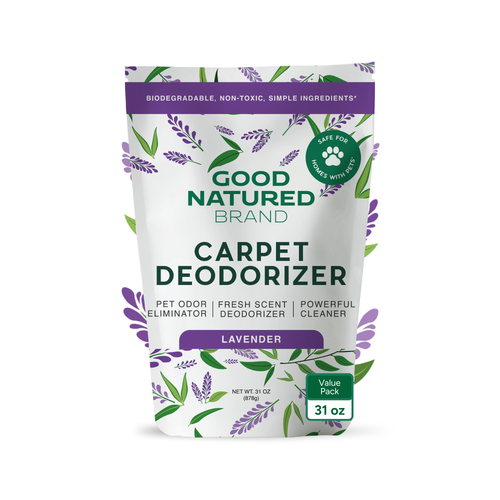
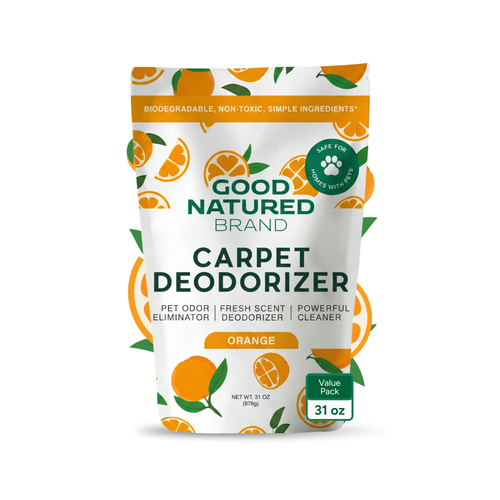
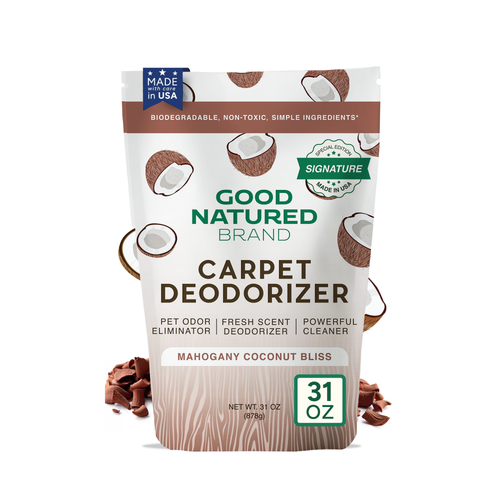
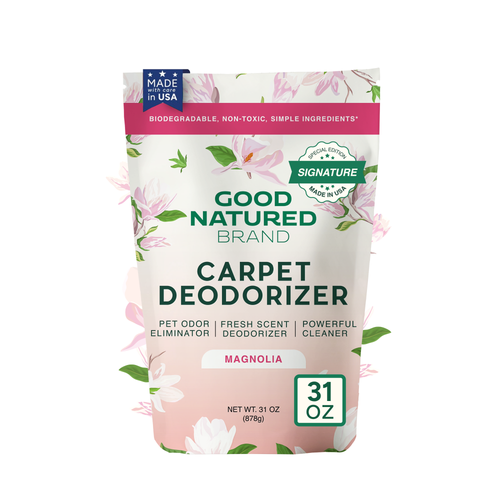
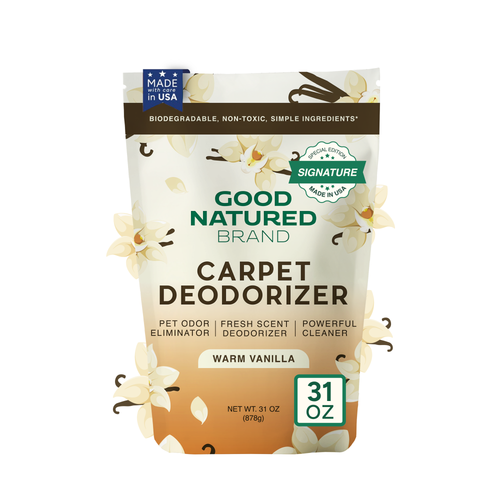
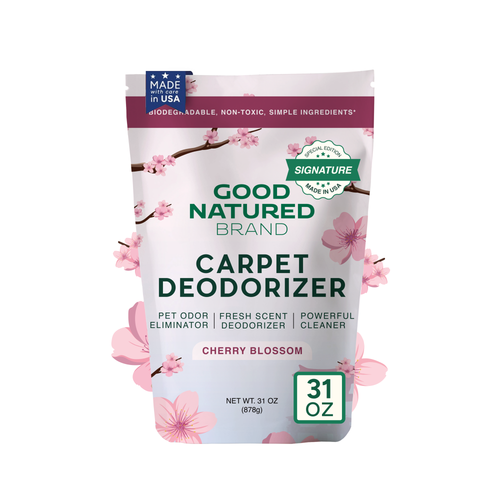
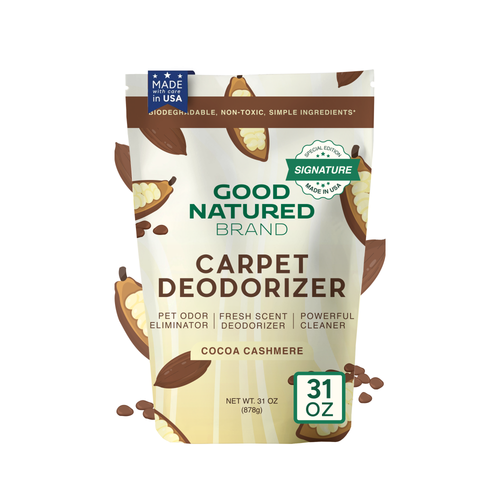
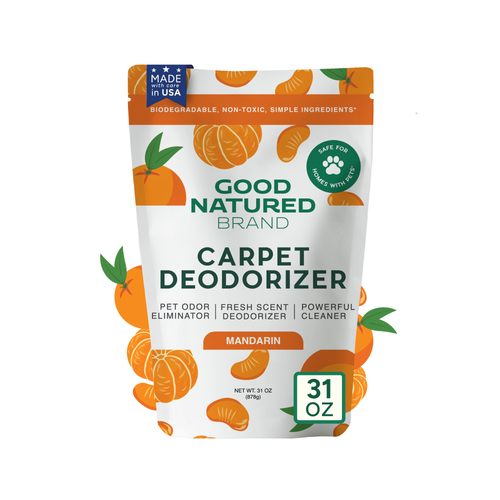
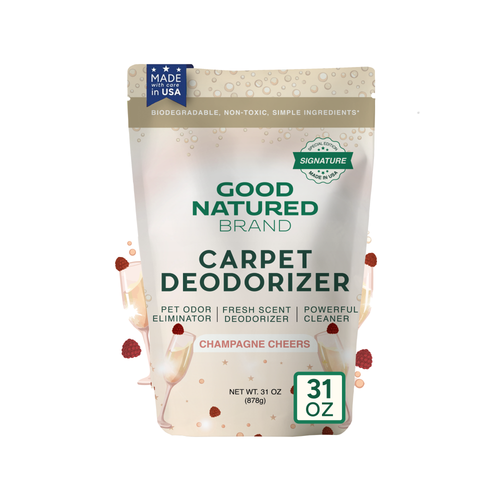
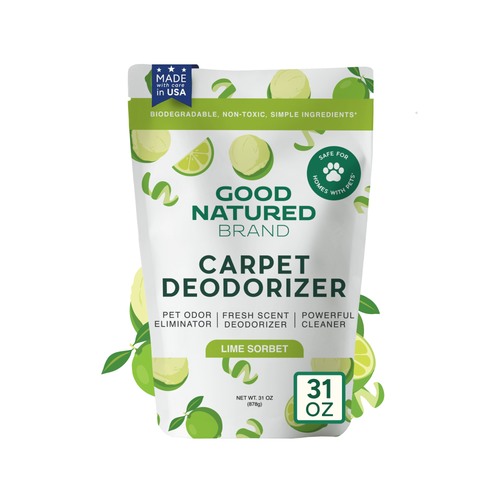
Shop the Product
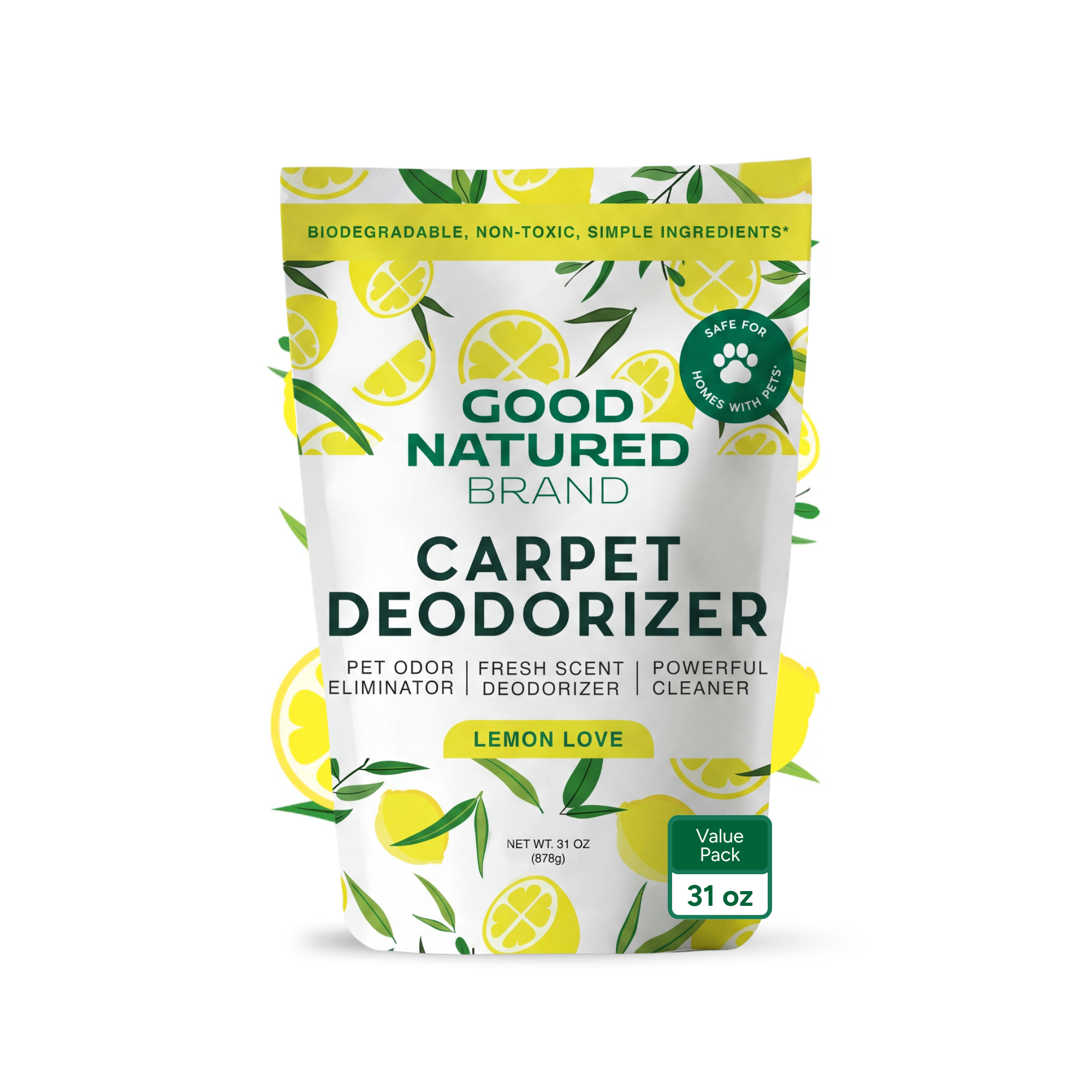
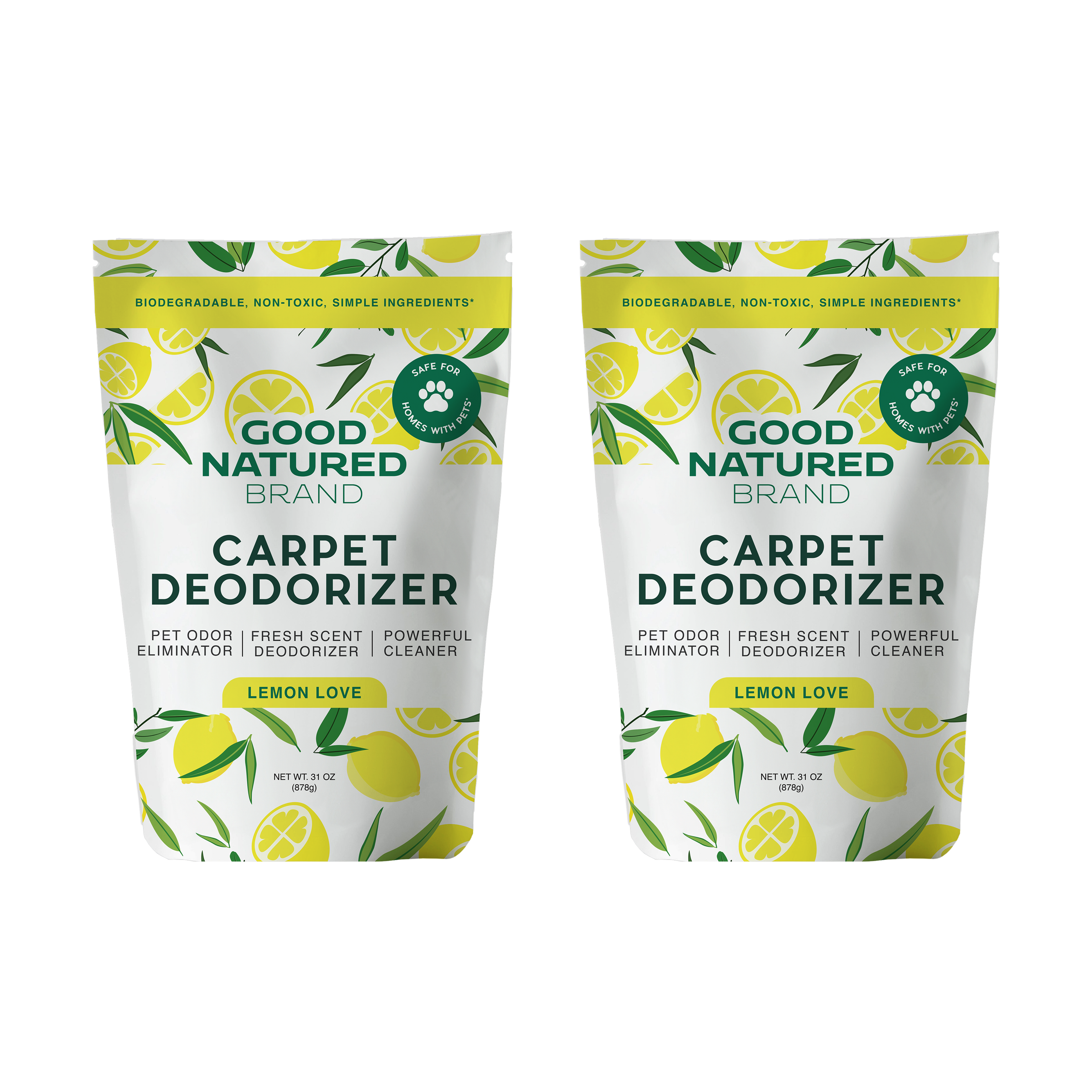
Lemon freshness for every home.
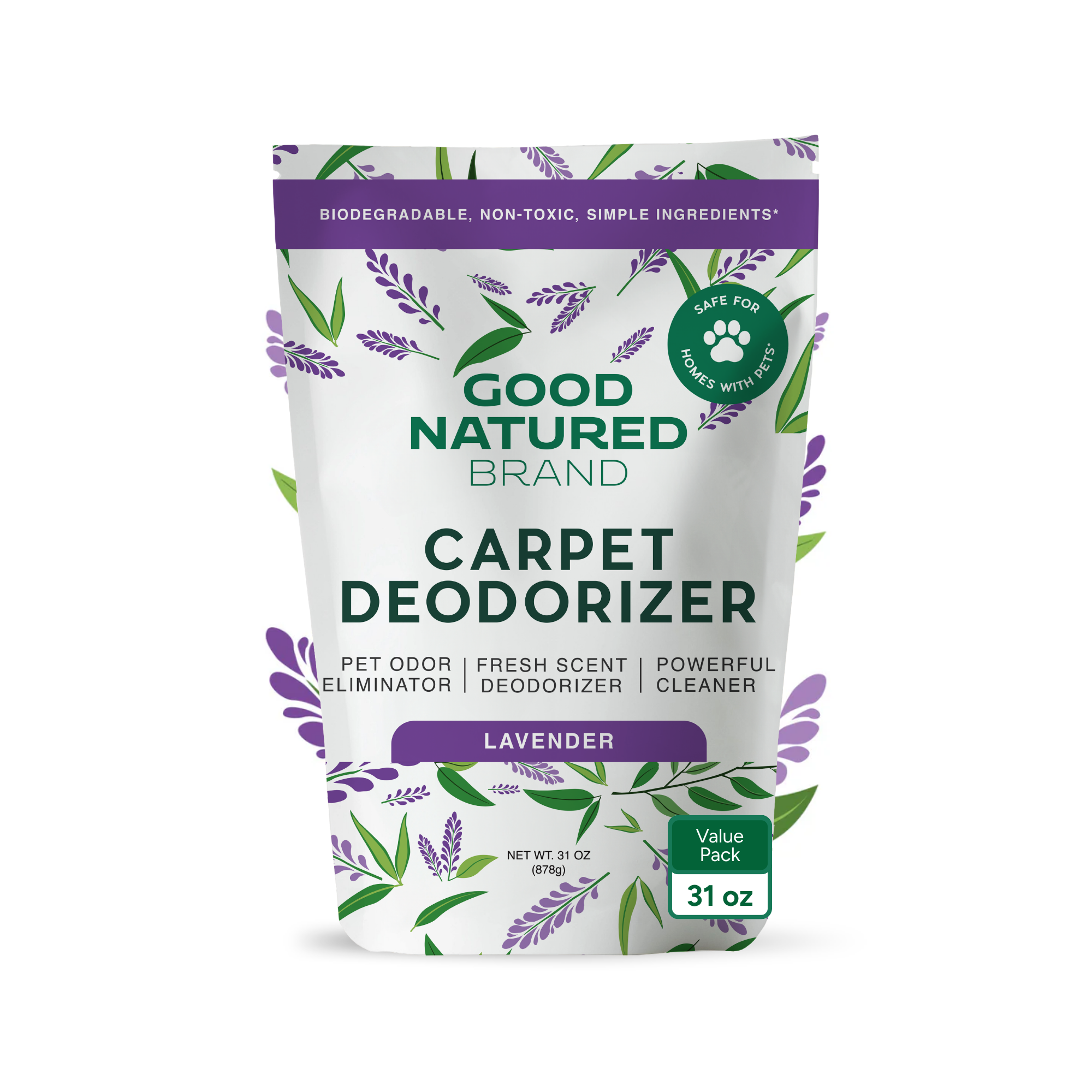
Lavender calm for every home.
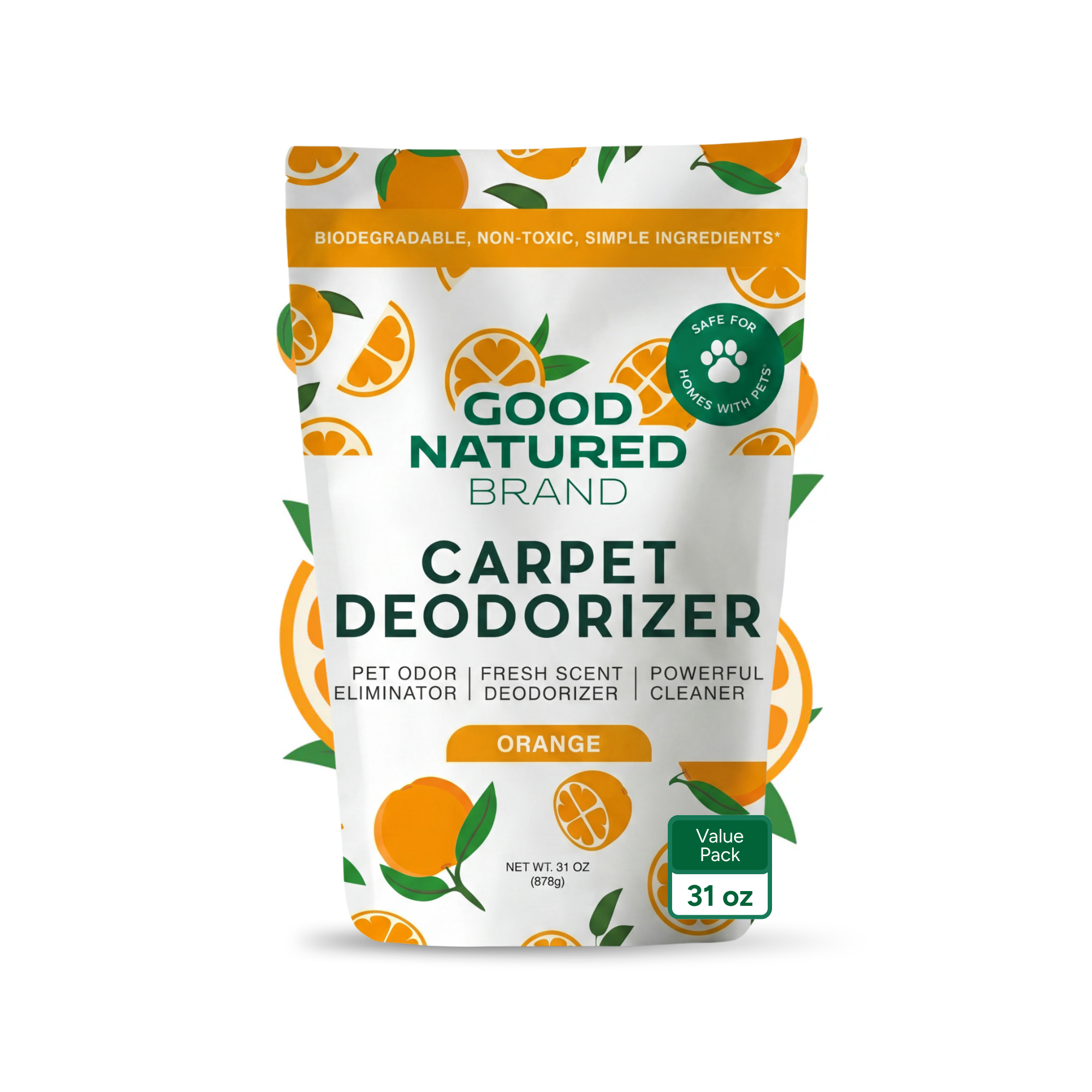
Orange energy for every home.
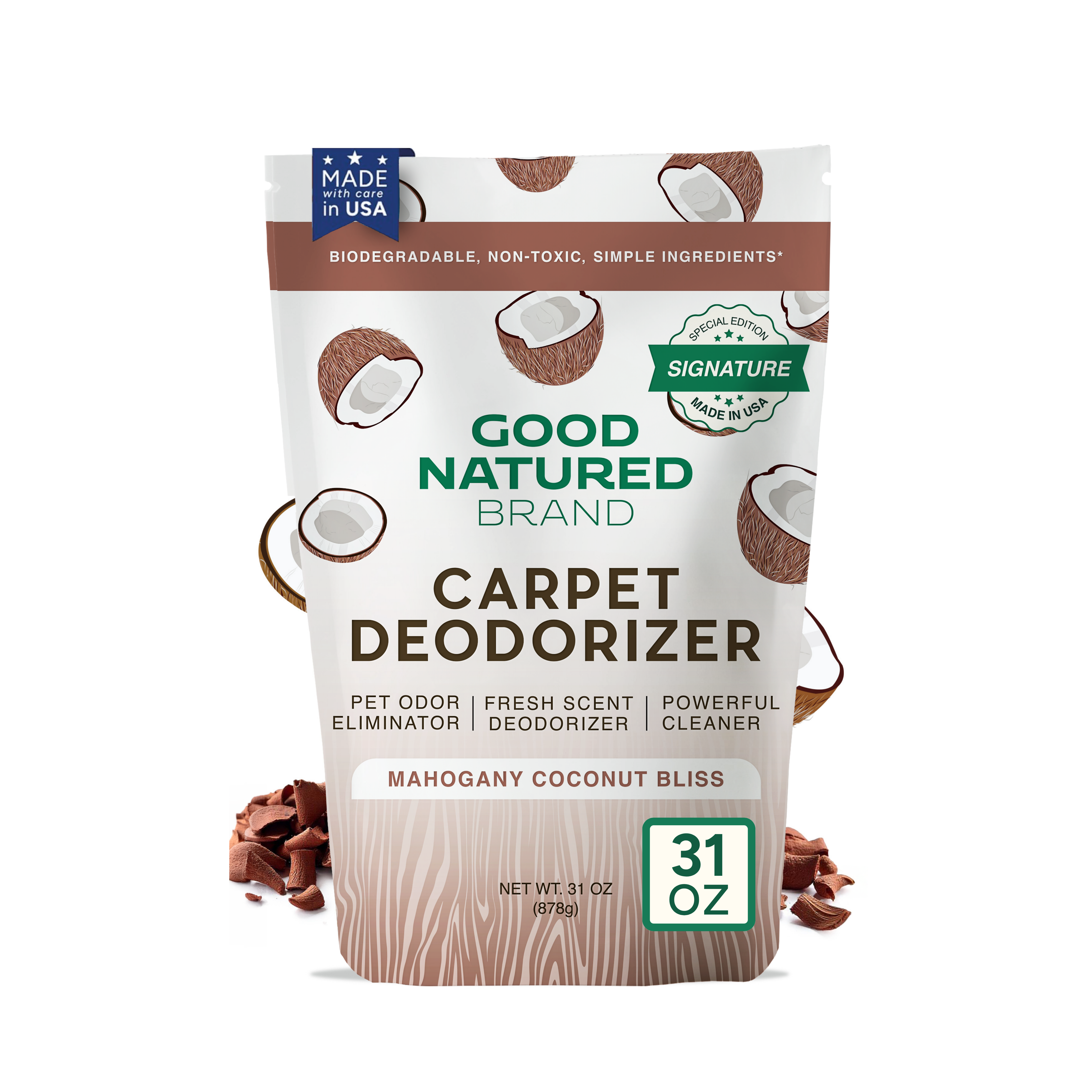
Mahogany warmth for every home.
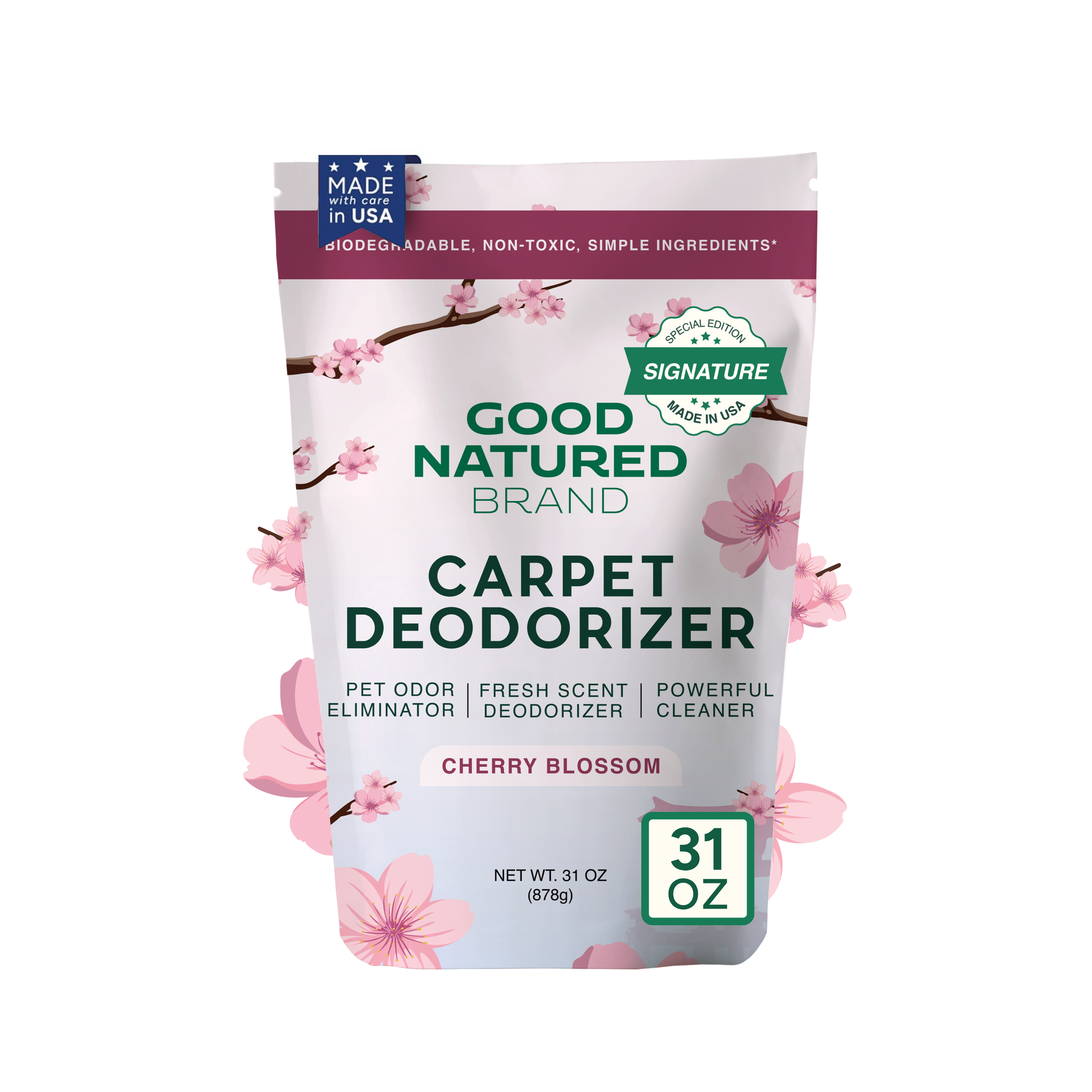
Cherry blossom serenity for every home.
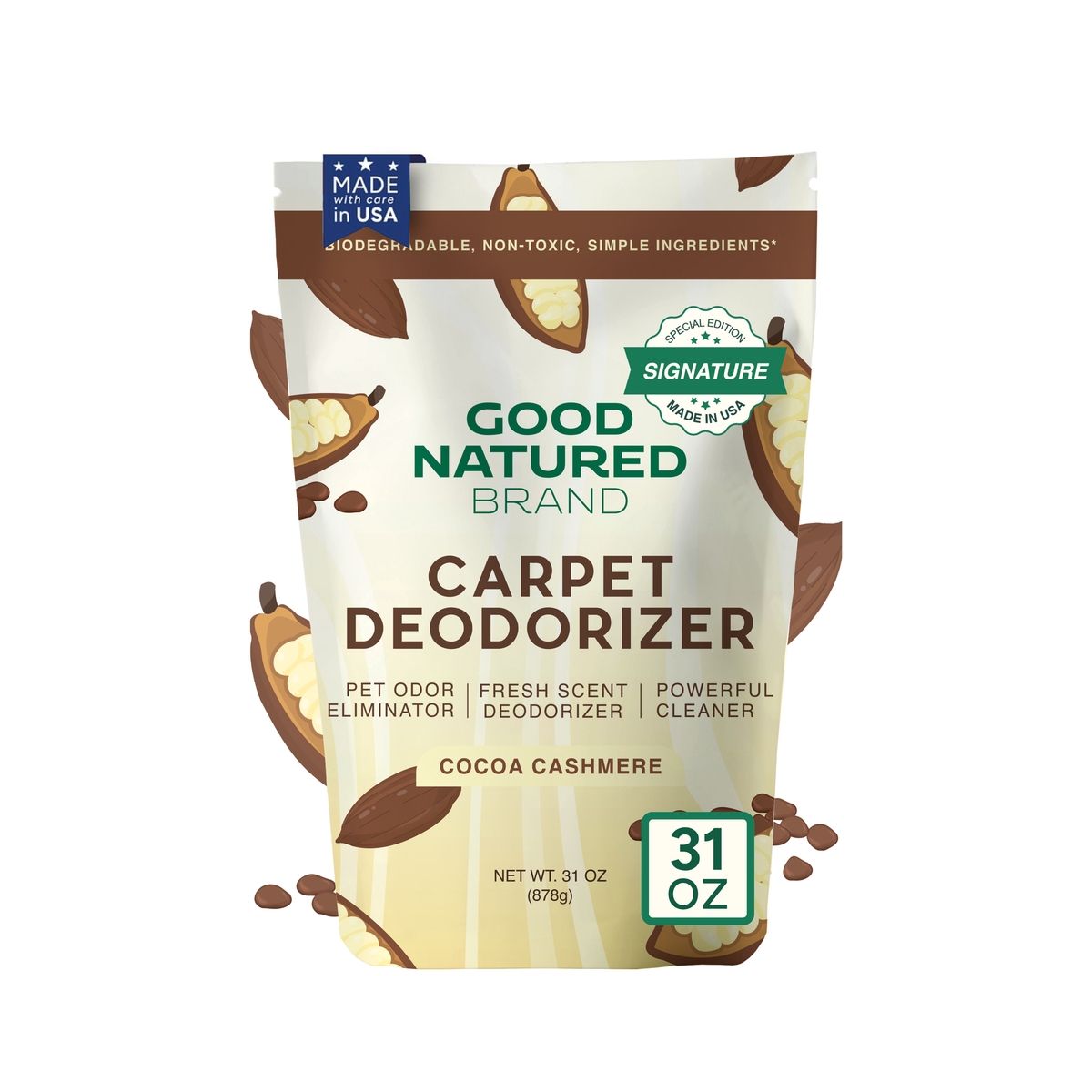
Cocoa butter comfort for every home.
Mandarin freshness for every home.
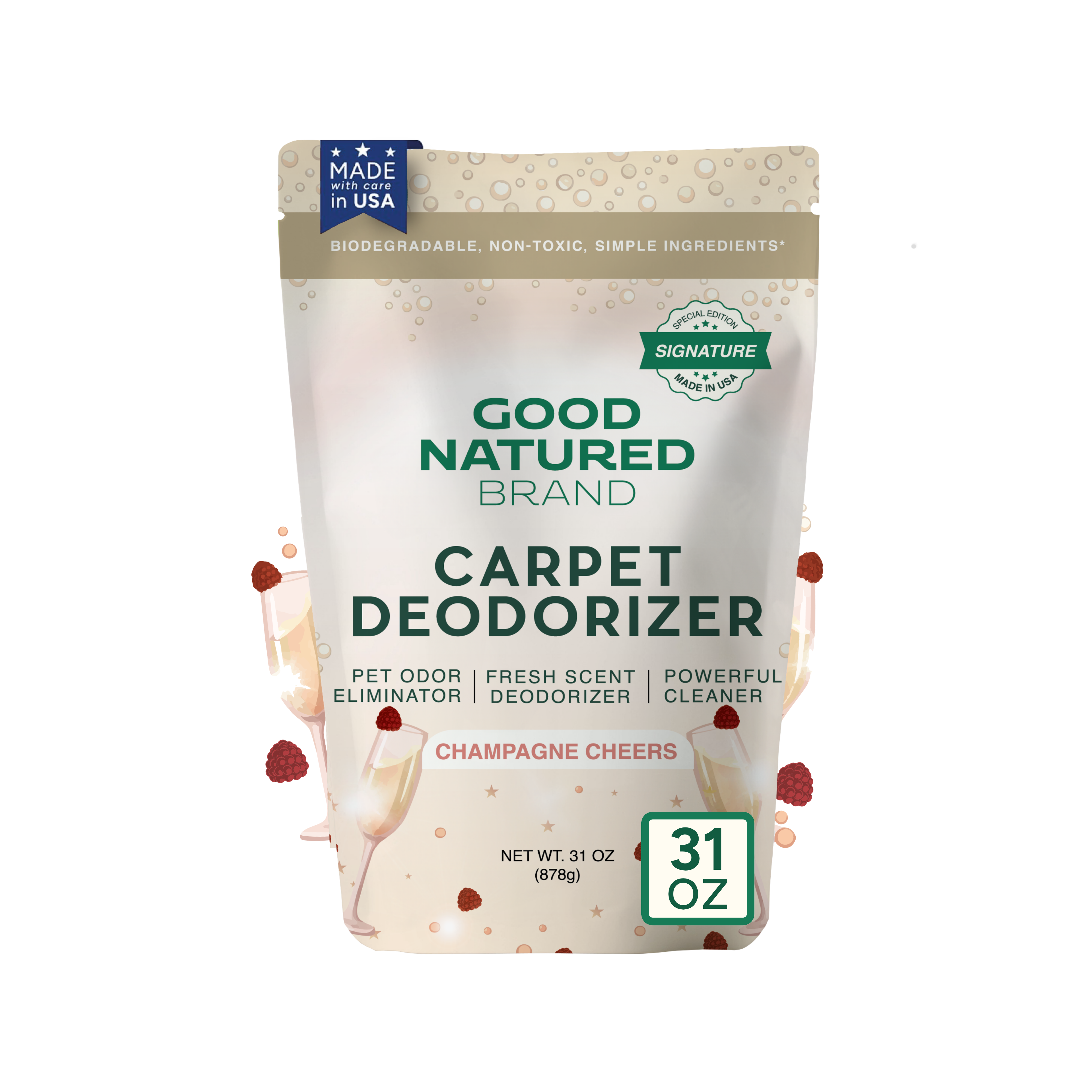
Champagne sparkle for every home.
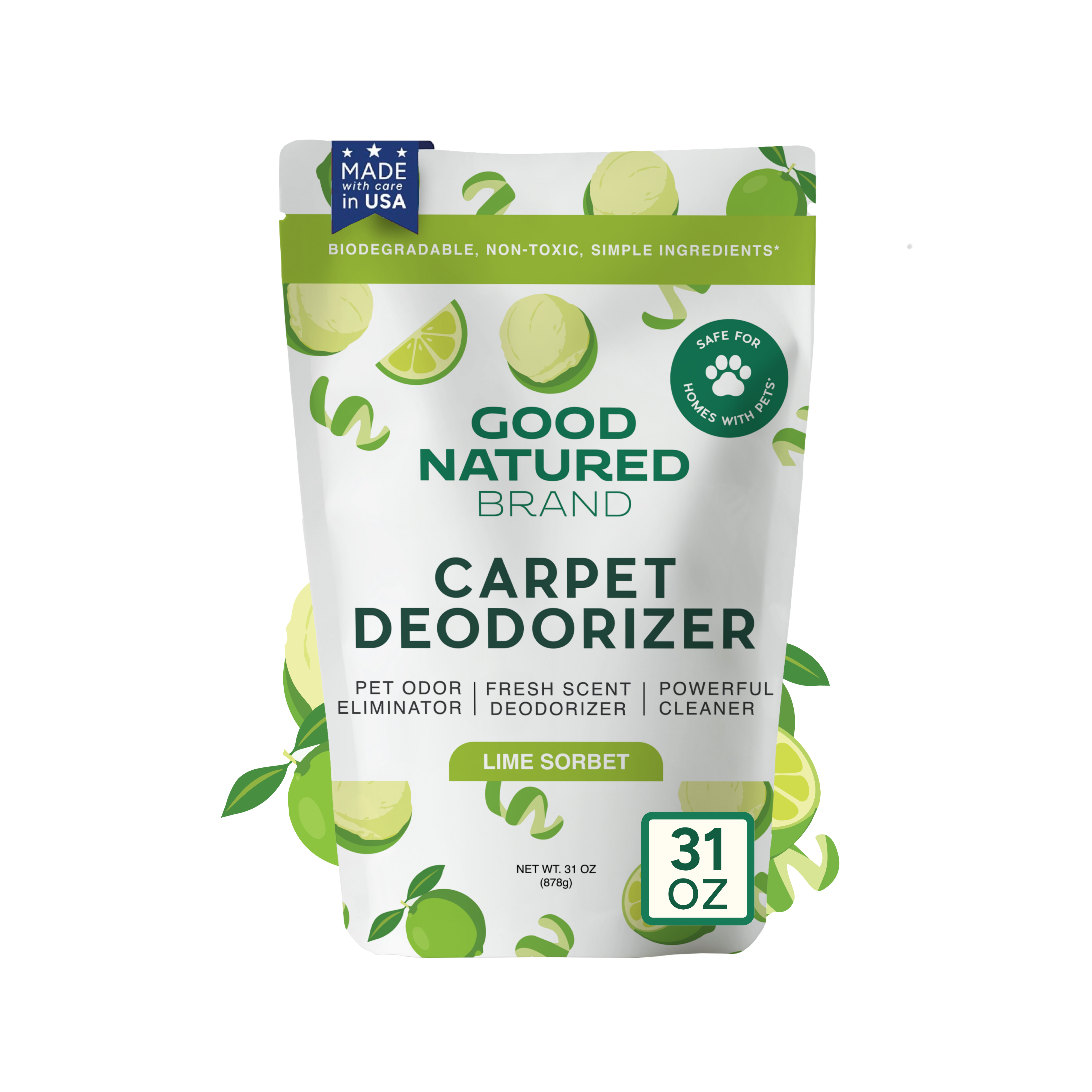
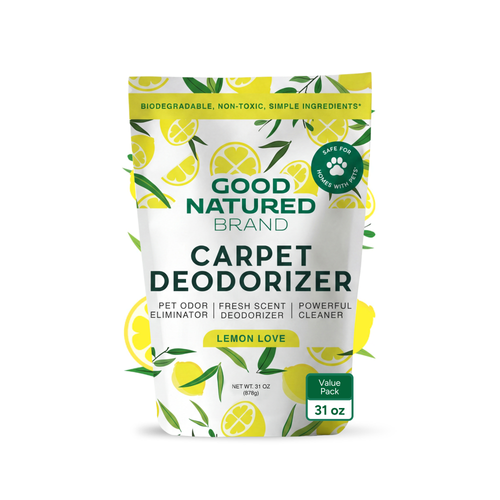
Zesty freshness for every carpet.
The Environmental Impact of Toxic Chemicals in Your Kitchen
How Chemical Cleaning Products Harm the Environment
The environmental impact of toxic chemicals in kitchen cleaning products extends far beyond your home. When these products are used, chemical runoff can make its way into the water supply, harming aquatic life. Additionally, many cleaning products are packaged in plastic bottles, contributing to plastic pollution.
Toxic ingredients like phthalates and ammonia don’t just disappear—they linger in the environment, affecting wildlife and ecosystems. The chemicals that are released into the air during cleaning can also contribute to air pollution, further damaging the planet.
Sustainable and Safe Kitchen Cleaning Practices
By opting for non-toxic cleaning products, you can significantly reduce your environmental footprint. Non-toxic cleaning products are often made from biodegradable ingredients, meaning they break down naturally and don’t pollute the water or air. Furthermore, many eco-friendly brands, including Good Natured Brand, focus on sustainable packaging options, helping to reduce plastic waste.
Choosing natural, non-toxic alternatives for your kitchen floors is a simple yet powerful way to contribute to a healthier planet.
How to Identify Toxic Chemicals in Your Kitchen Cleaning Products
Reading Product Labels: What to Look For
One of the first steps in creating a safer cleaning routine is to learn how to identify toxic ingredients. Look for these terms on labels:
-
Fragrance: Synthetic fragrances often contain phthalates, which can disrupt hormones.
-
Chlorine bleach: While effective at disinfecting, bleach is harsh and can cause respiratory issues.
-
Sodium Hydroxide: A strong base used in some cleaners, sodium hydroxide is caustic and dangerous.
-
Ammonia: Often found in all-purpose cleaners, ammonia can cause irritation to the respiratory system.
Be sure to check the ingredient list carefully, as some toxic chemicals can be hidden under vague terms like “fragrance” or “coloring agents.”
Choosing Safer, Non-Toxic Alternatives
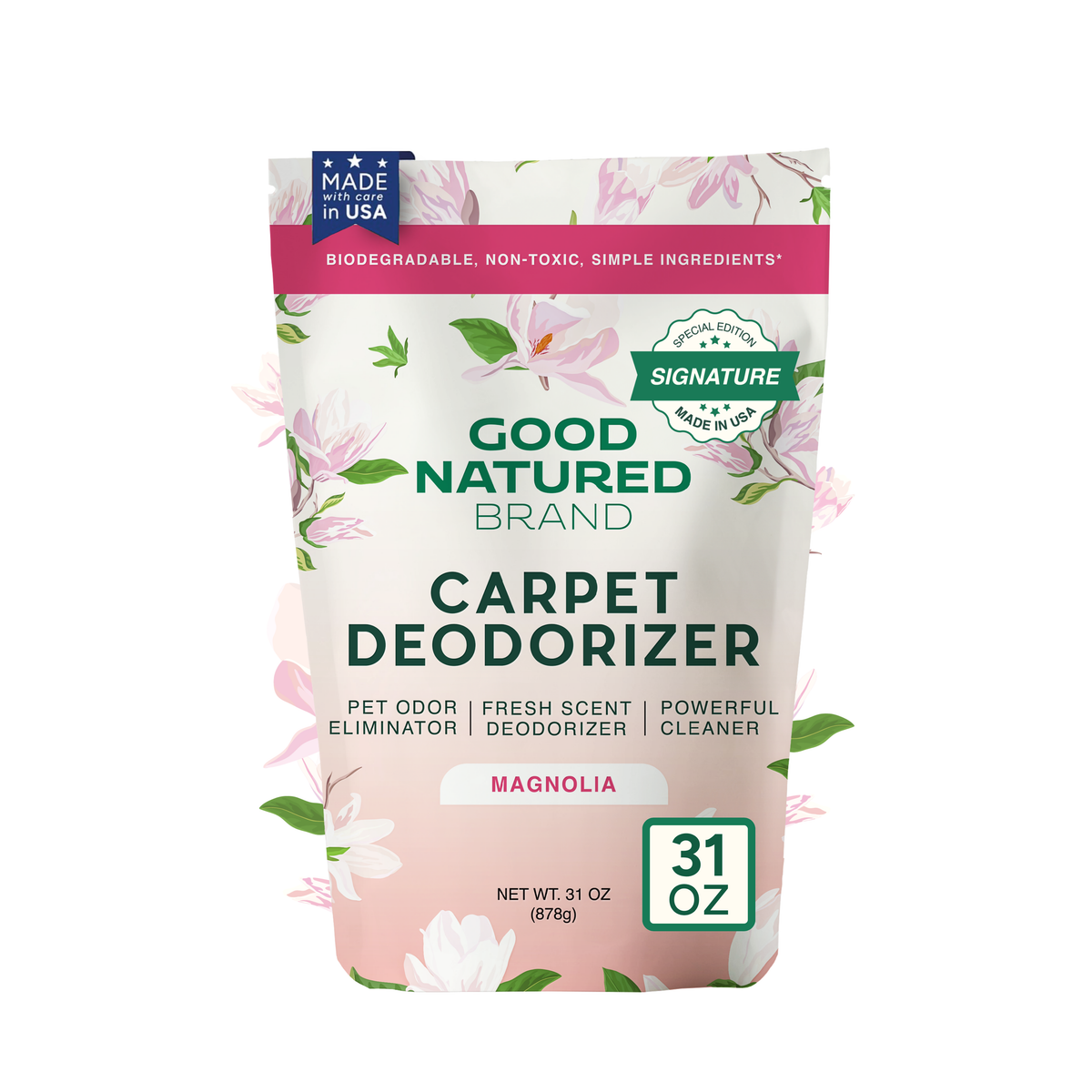
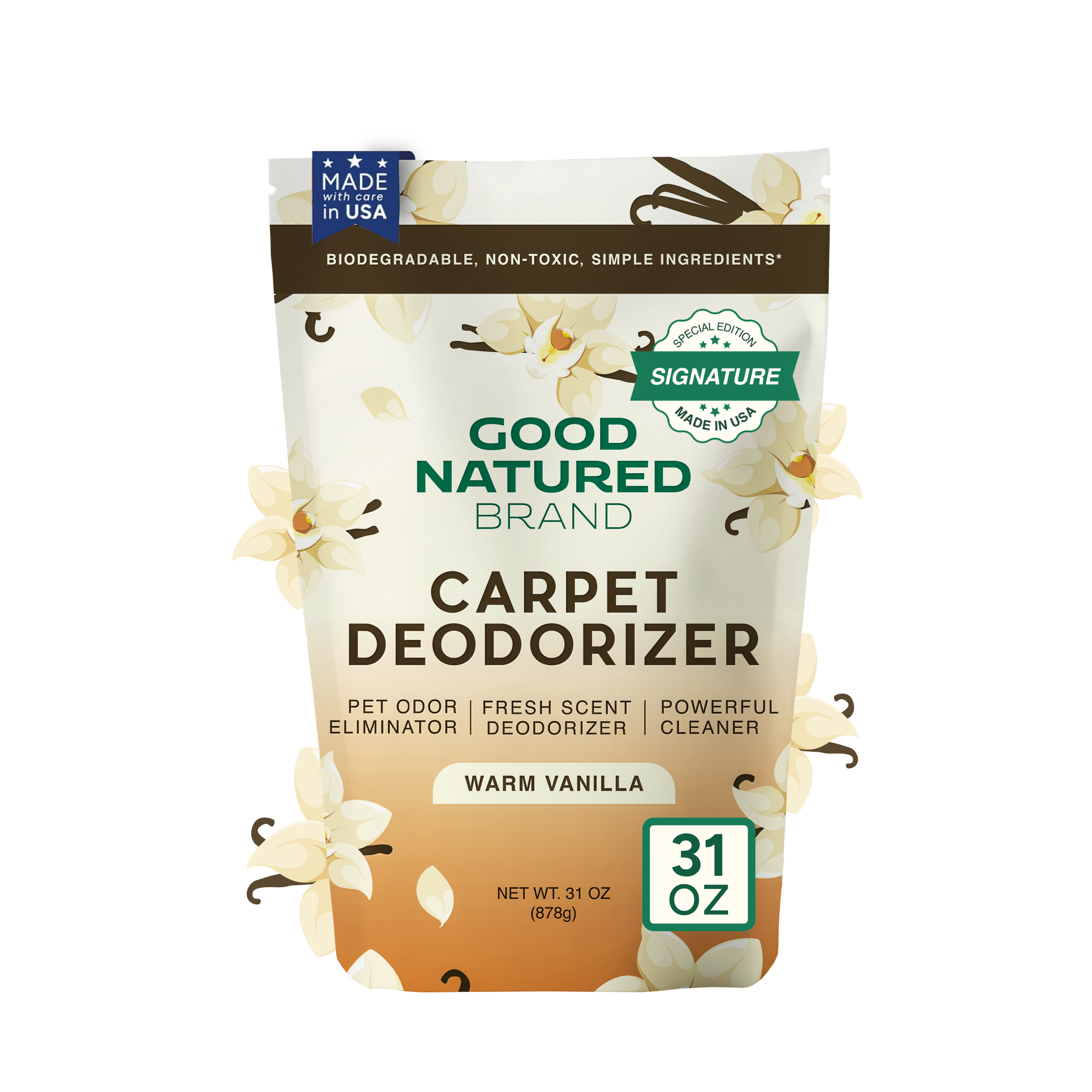
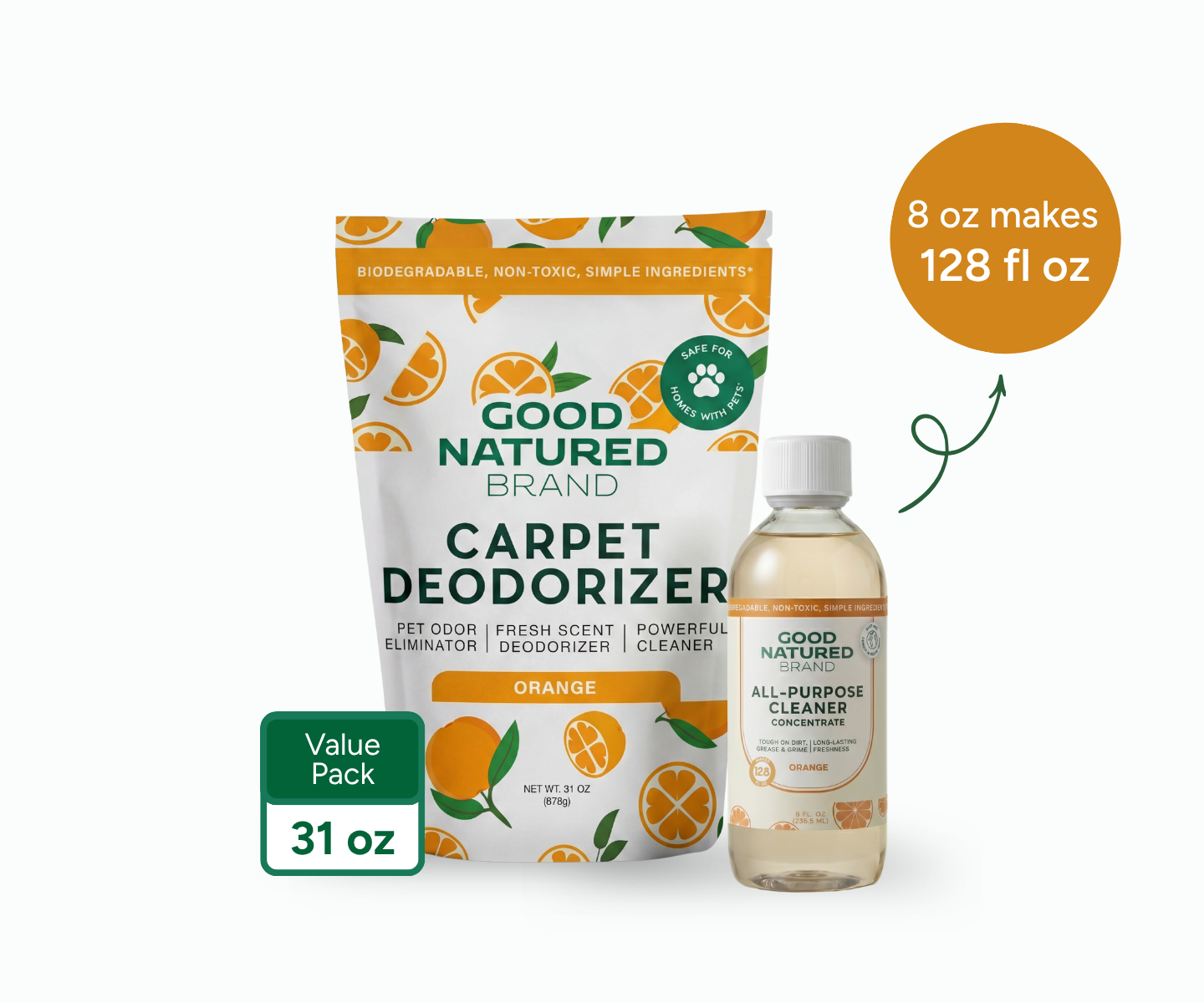
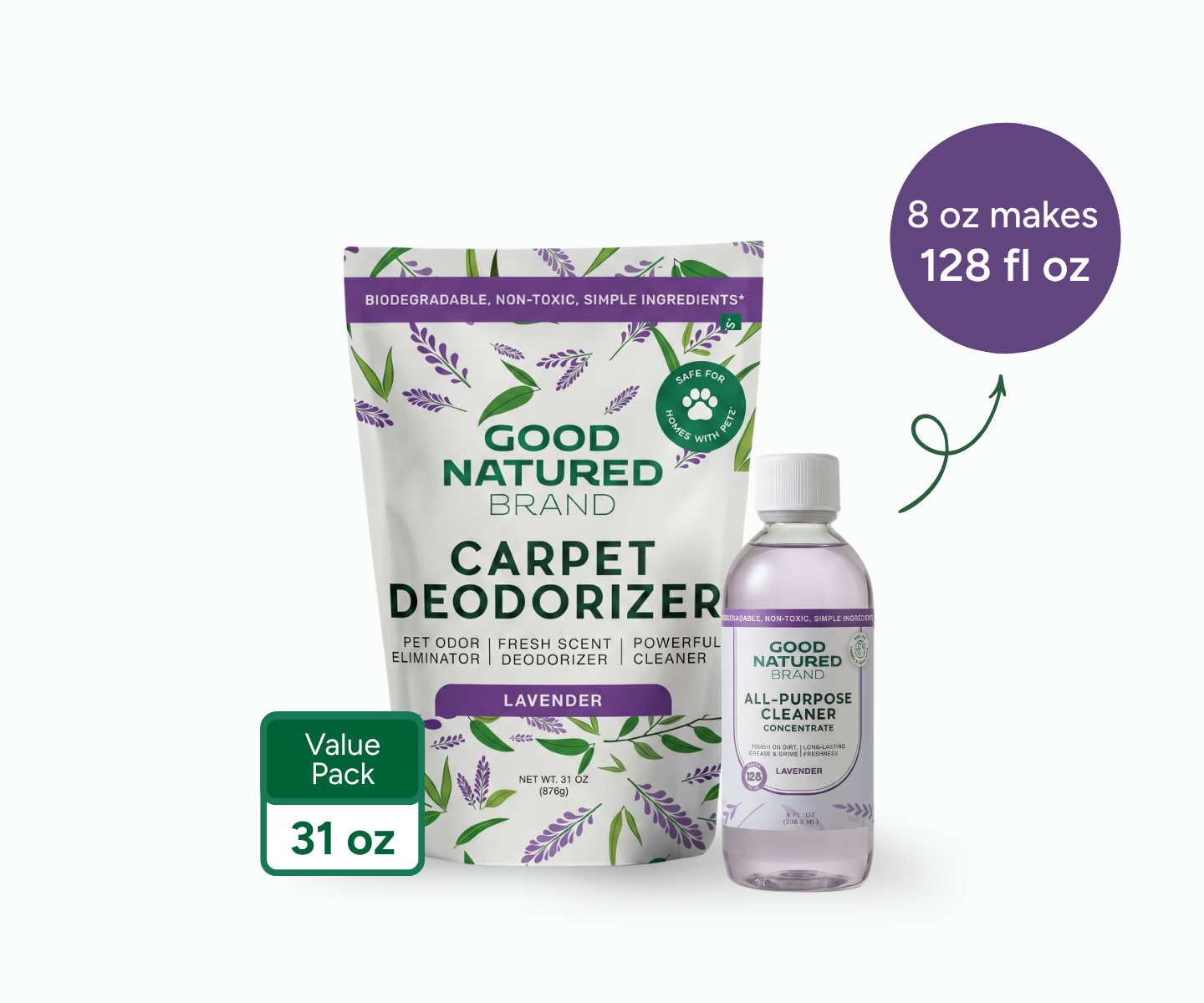
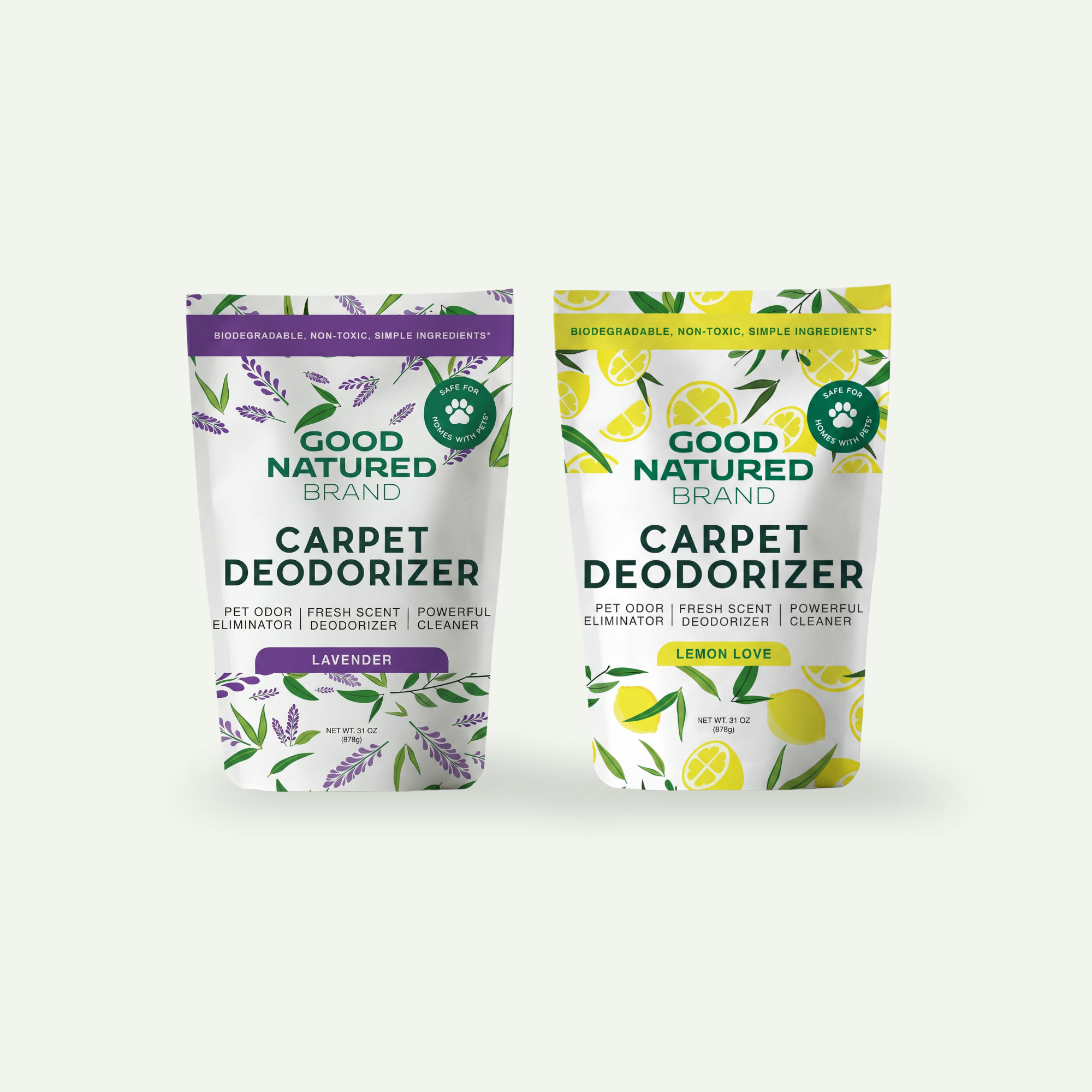
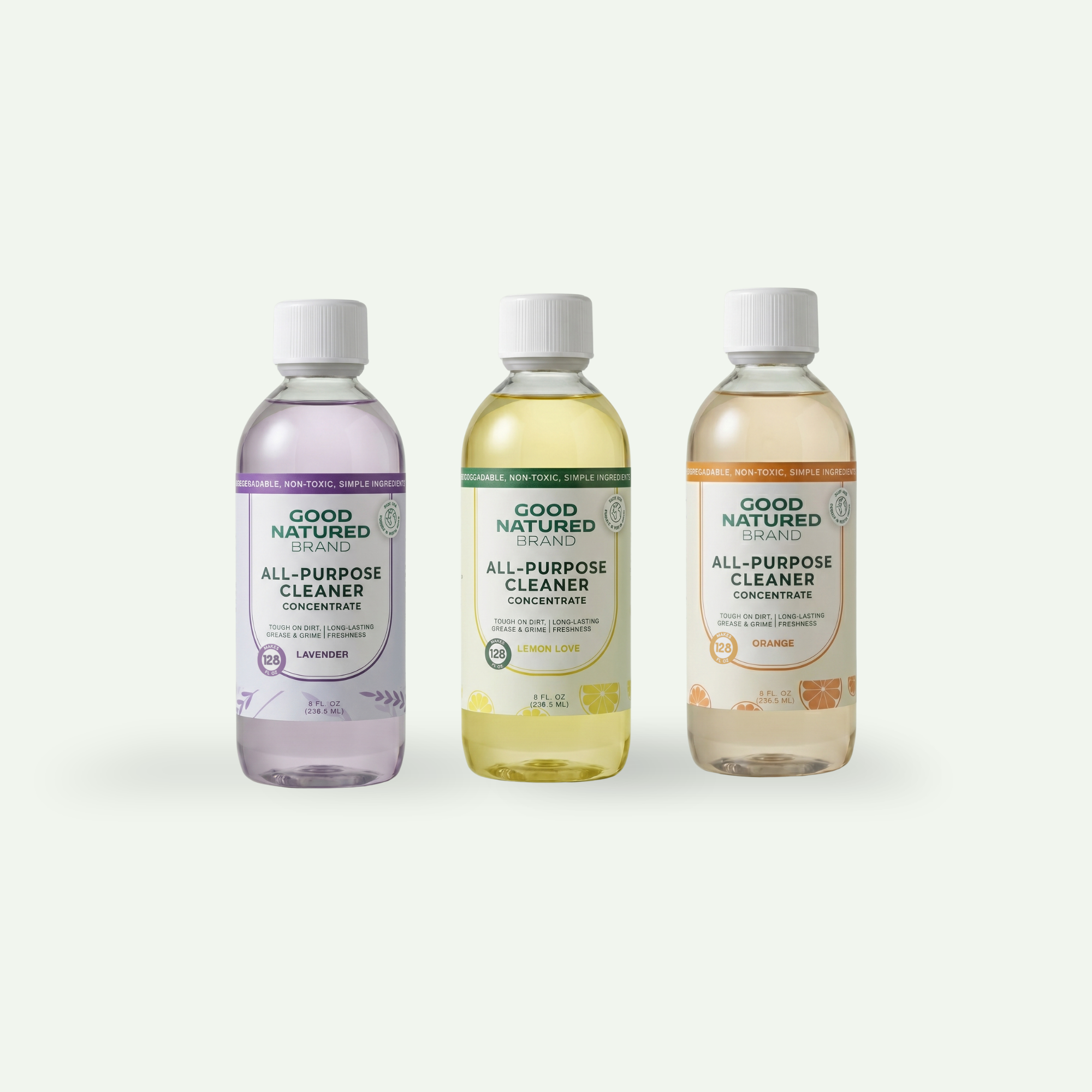
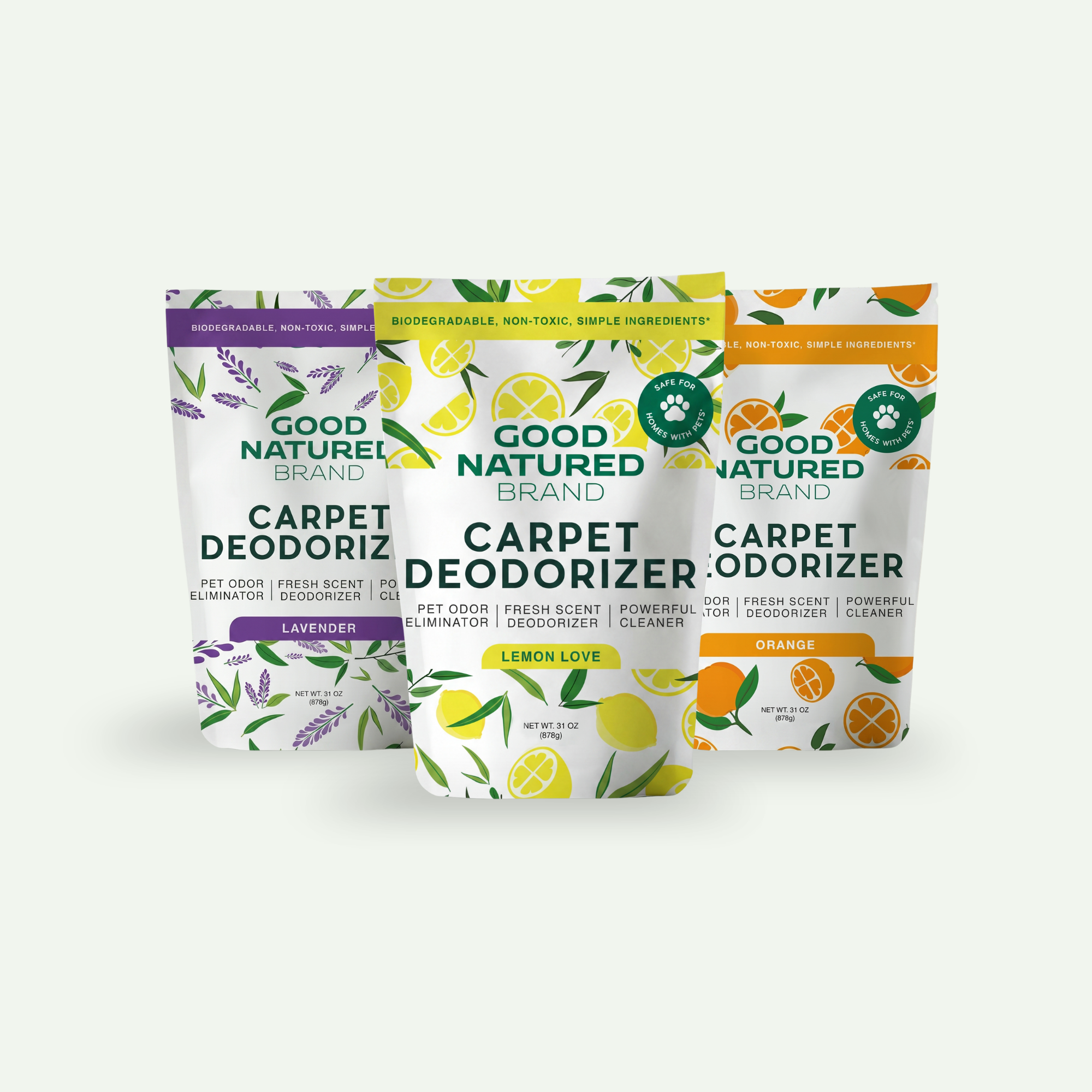
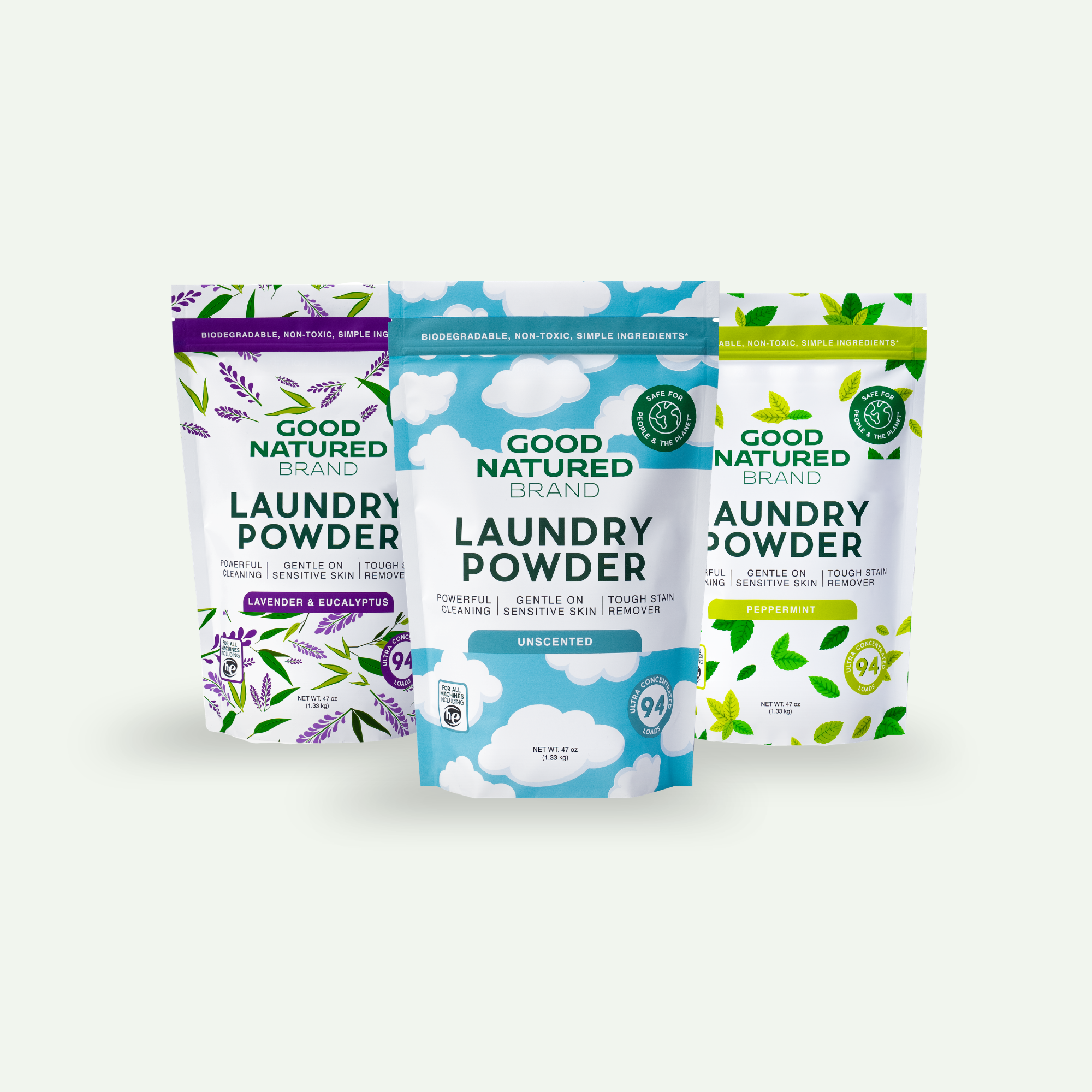
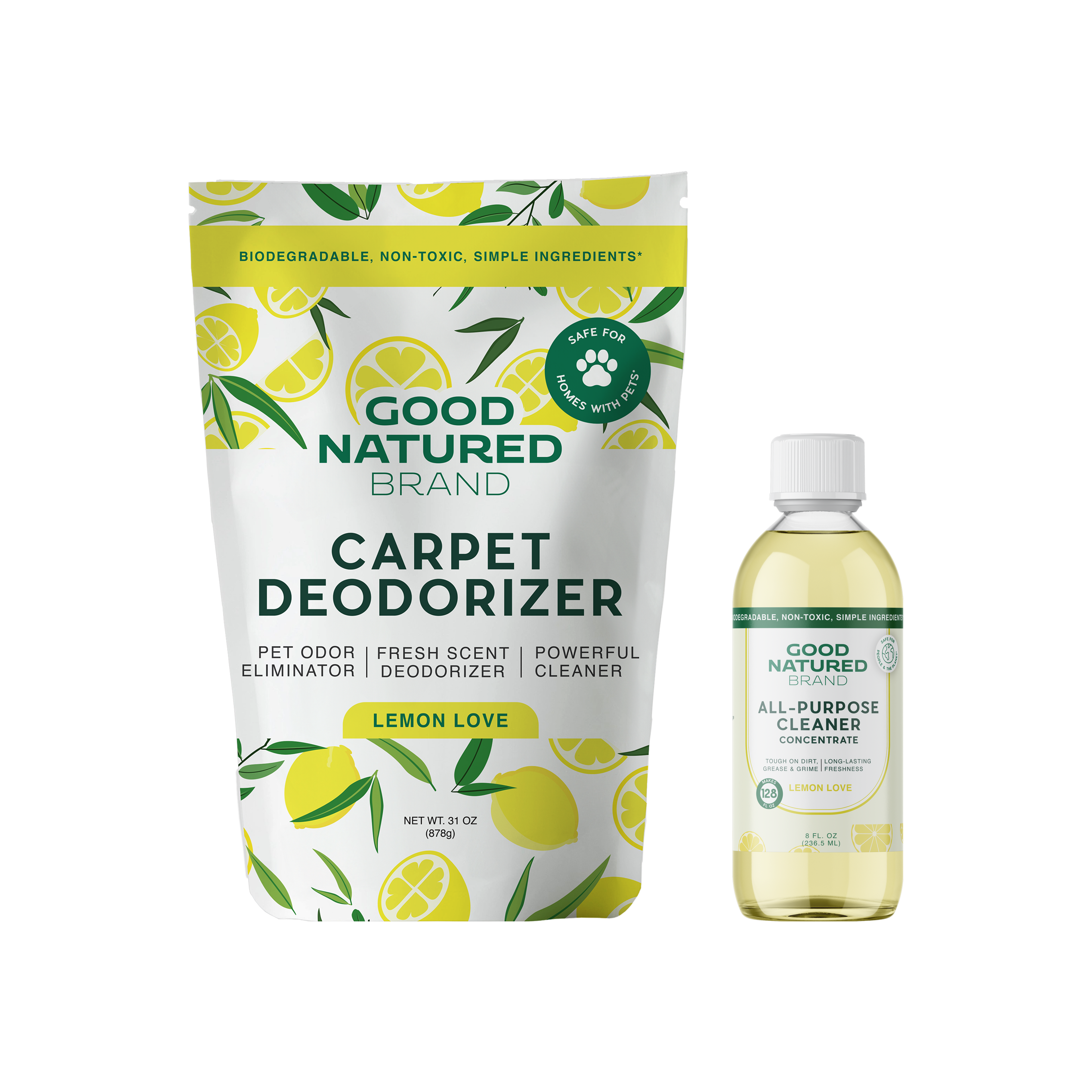
When selecting cleaning products, look for ones that are clearly labeled as “non-toxic,” “biodegradable,” and “free from synthetic fragrances.” Brands like Good Natured Brand offer All-Purpose Cleaners, Carpet Deodorizers, and Laundry Powders that are free from harmful chemicals, making them a safer choice for your kitchen floors and the environment.
Creating a Non-Toxic Kitchen Cleaning Routine
Step 1: Declutter and Choose Multi-Purpose Cleaners
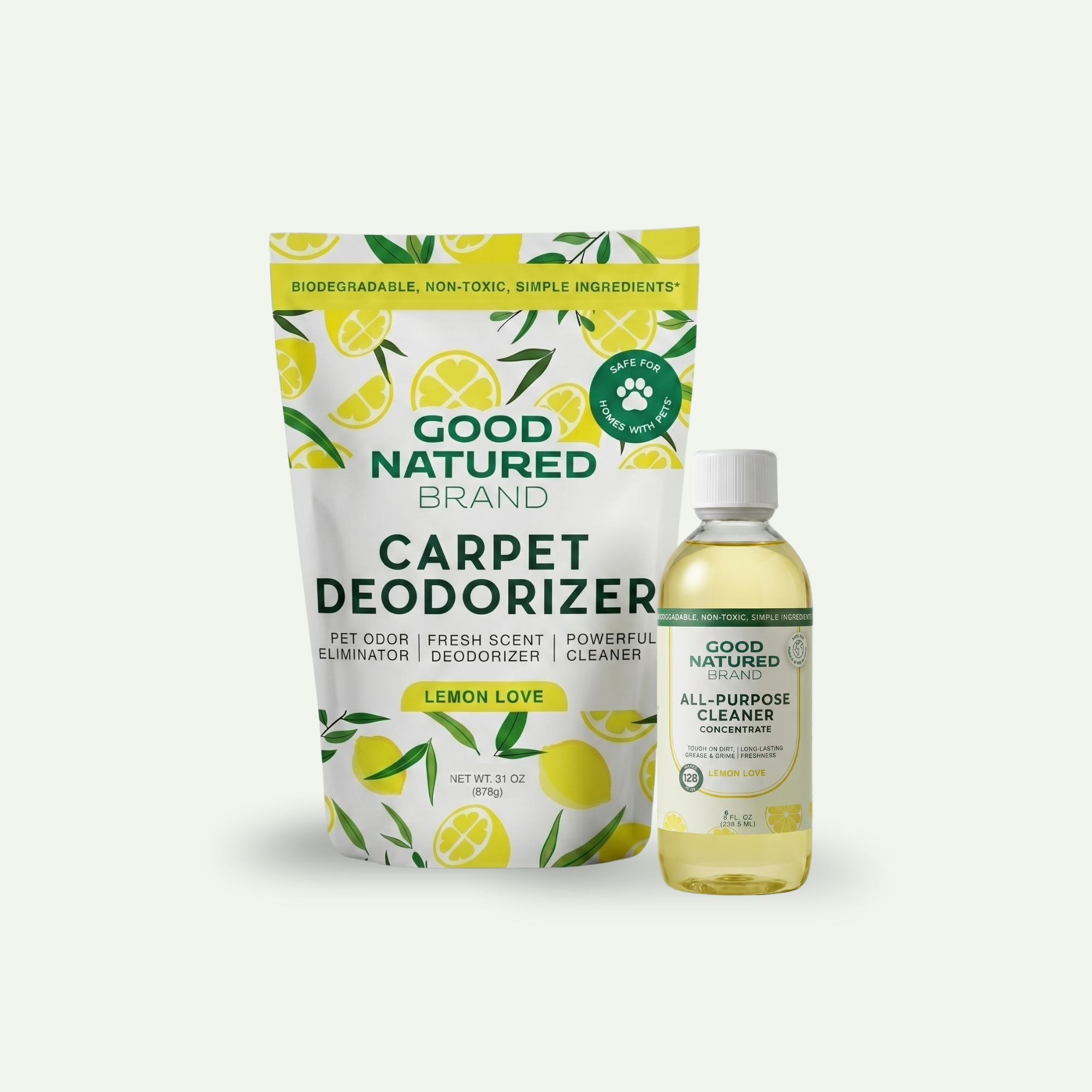
Simplify your cleaning routine by using multi-purpose products that can tackle several tasks at once. All-Purpose Cleaners are designed to clean various surfaces, from countertops to floors, without introducing harmful chemicals into your kitchen. By reducing the number of products you use, you’ll limit your exposure to toxic ingredients while still maintaining a clean, healthy home.
Step 2: Make Your Own Non-Toxic Cleaning Products
Making your own non-toxic cleaners is an easy and cost-effective way to eliminate toxic chemicals from your kitchen. Common ingredients like vinegar, baking soda, and castile soap are powerful cleaners that can handle almost every surface in your kitchen. Add a few drops of essential oils, such as lemon or lavender, to provide natural antibacterial properties and a fresh scent.
Step 3: Choosing Non-Toxic, Eco-Friendly Store-Bought Cleaners
If you prefer to buy ready-made products, look for non-toxic options that are free from harsh chemicals. Brands like Good Natured Brand offer a range of non-toxic cleaning products, including Carpet Deodorizers, Laundry Powders, and All-Purpose Cleaners that are safe for both your family and the environment.
Cleaning Techniques to Safely Clean Your Kitchen Floors
Vacuuming and Sweeping to Reduce Chemical Build-Up
Regular vacuuming and sweeping can help reduce the amount of dirt, dust, and chemical residue that accumulates on your floors. By using a vacuum with a HEPA filter, you can capture even the smallest particles, preventing them from circulating in the air. Sweeping with a broom made of natural materials is also a great way to keep your floors free of chemical residues.
Using the Right Tools for Non-Toxic Cleaning
To maintain a non-toxic kitchen, invest in the right cleaning tools. Microfiber cloths and mop heads are ideal for cleaning without the need for harsh chemicals. These tools effectively trap dust and dirt, allowing you to clean your floors with just water or a natural cleaning solution like All-Purpose Cleaners.
The Importance of Proper Ventilation While Cleaning
Why Ventilation is Key During and After Cleaning
Many cleaning products release fumes that can linger in the air, potentially causing respiratory problems. To avoid inhaling these fumes, always ensure proper ventilation during and after cleaning. Open windows, use fans, or turn on an air purifier to help remove chemical fumes from your home.
How to Maintain Chemical-Free Floors Over Time
Regular Floor Maintenance to Prevent Chemical Buildup
Maintaining chemical-free floors requires regular cleaning with non-toxic products. By using natural alternatives like Carpet Deodorizers and All-Purpose Cleaners, you can keep your floors clean without worrying about harmful chemical buildup.
Investing in Long-Term, Non-Toxic Cleaning Habits
Creating a non-toxic cleaning routine isn’t just a one-time effort—it’s a long-term commitment. By incorporating non-toxic cleaning habits into your daily routine, you can create a healthier, safer kitchen for you and your family.
Why It’s Time to Reevaluate the Chemicals on Your Kitchen Floors
The chemicals found in traditional cleaning products are not only harmful to your health, but they also damage the environment. By switching to non-toxic alternatives like All-Purpose Cleaners and Carpet Deodorizers, you can create a safer, cleaner home. Making the switch to non-toxic cleaning products is an important step in protecting your family and the planet.
Start your journey toward a non-toxic kitchen with products that are safe, effective, and eco-friendly. Explore our full range of natural cleaning solutions at Good Natured Brand.