The Untold Reality Behind Pet Safety Claims
Pet owners trust that products labeled “pet-safe,” “natural,” or “eco-friendly” are harmless for their animals. Unfortunately, the truth is more complicated. Many big brands rely on marketing terms that sound reassuring but offer little real protection. Pet safety is often an afterthought—not the priority—when companies formulate home cleaners, deodorizers, detergents, and sprays. With pets spending most of their lives on floors, carpets, and bedding, even trace amounts of chemical residue can create long-term risks.
This is why understanding genuine pet safety is essential. A truly pet-safe home isn’t created by fancy claims or trendy packaging. It’s built on transparency, clean ingredients, and choosing products specifically made with pets in mind. For readers who want more reliable pet-safe cleaning guidance, the Good Natured Brand Blog (https://www.goodnaturedbrand.com/pages/blog) is a great resource for evidence-based cleaning tips and lifestyle habits.
Part 1 of this article breaks down the myths, hidden chemicals, and overlooked household threats that major brands rarely mention—so you can confidently protect your pets and your home.
What Big Brands Don’t Want You to Know About Pet-Safe Labels
A “pet-safe” label on a bottle doesn’t necessarily mean the formula has been vetted, tested, or evaluated for actual safety around animals. That’s because terms like pet-safe, non-toxic, or eco-friendly are not strictly regulated in household cleaning products. Companies can legally use them without submitting ingredient transparency or proving safety across different pet species.
Most pet owners assume these labels indicate rigorous safety standards. In reality, big brands often rely on marketing tricks:
-
Greenwashed labels featuring leaves, earth tones, or eco-friendly imagery
-
Buzzwords like “natural,” “gentle,” or “plant-derived” that lack precise definitions
-
Ingredient lists that hide irritants under umbrella terms such as “fragrance,” “surfactant blend,” or “proprietary formula”
This lack of clarity makes it nearly impossible for consumers to know what they’re actually using around their pets. Without strict oversight, many “pet-safe” cleaners still contain synthetic dyes, artificial fragrances, petrochemical solvents, or preservatives that can irritate paws, skin, and respiratory systems.
Pet safety starts with transparency. Brands that openly list every ingredient—and use simple, clean formulas—are far more trustworthy than those hiding behind vague claims or marketing-friendly packaging.
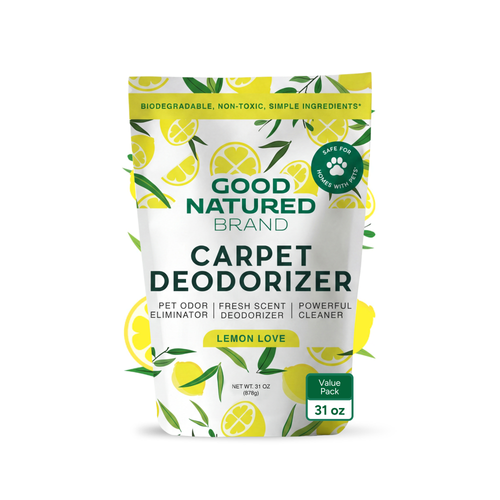
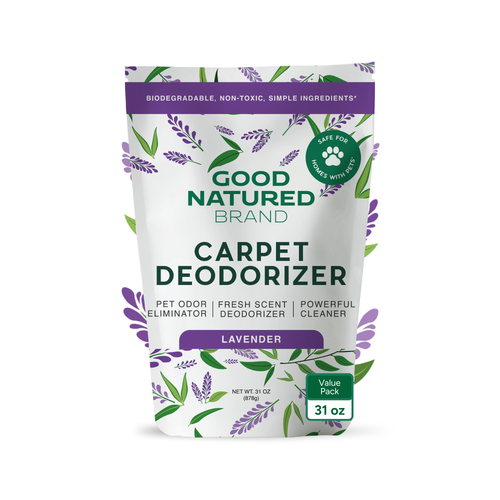
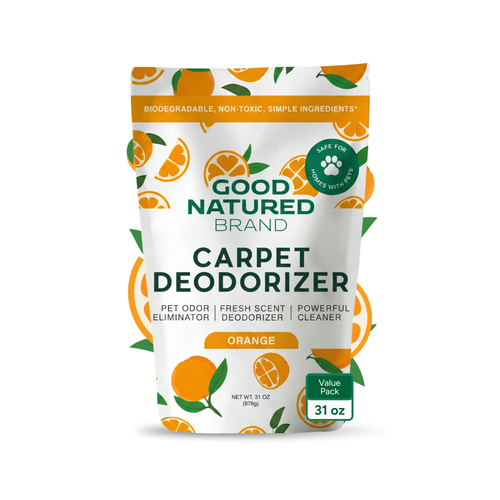
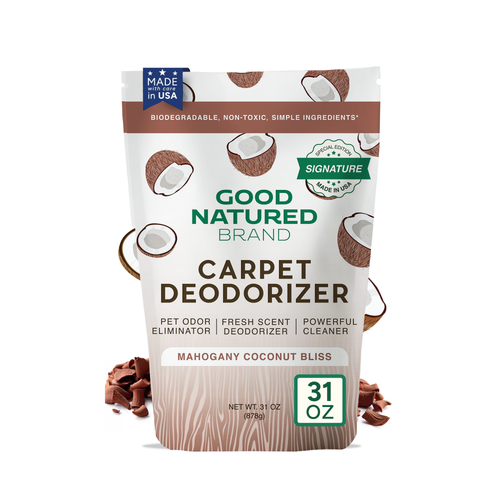
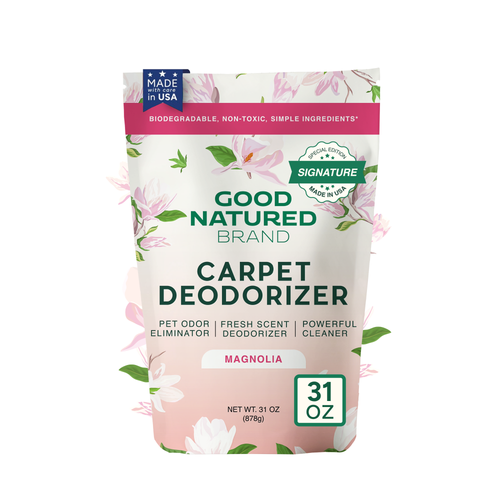
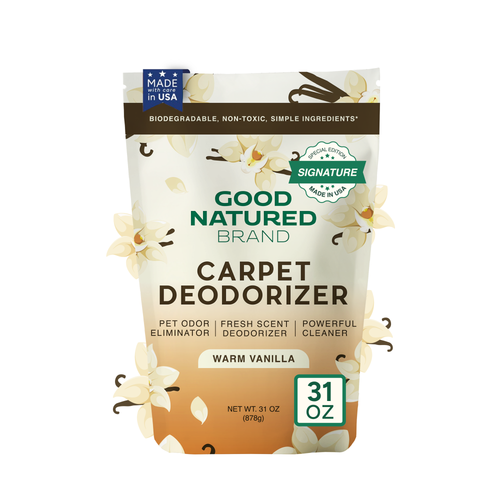
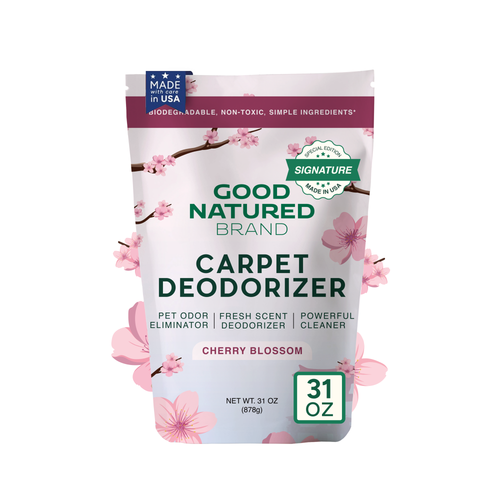
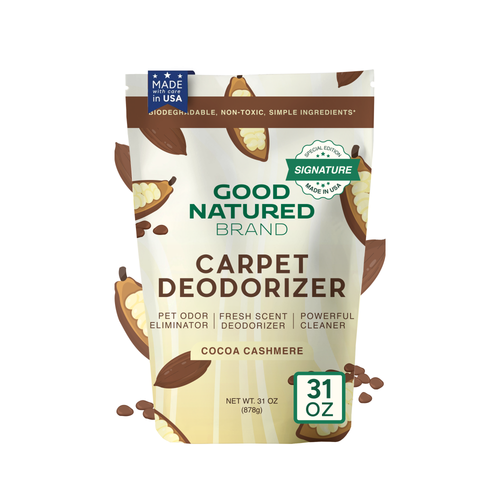
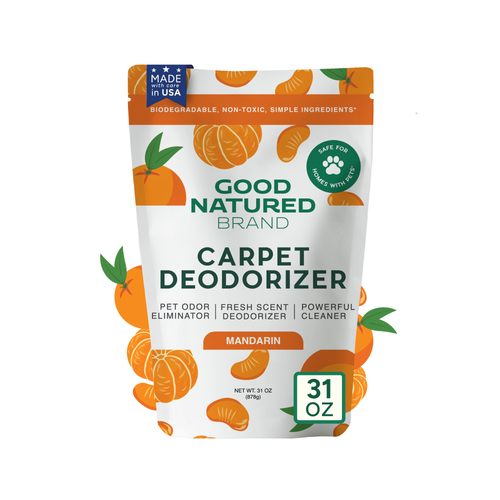
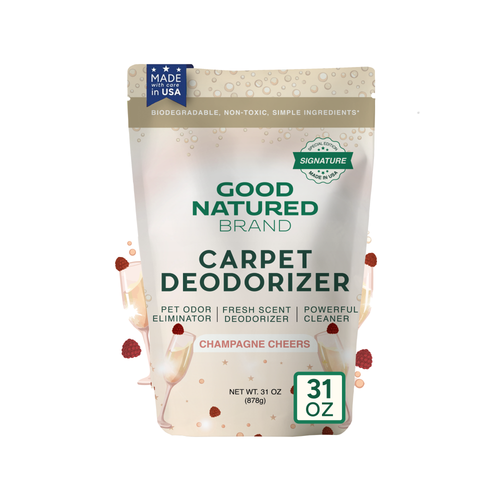
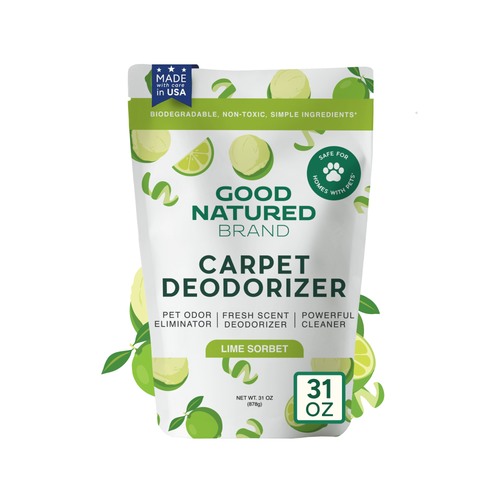
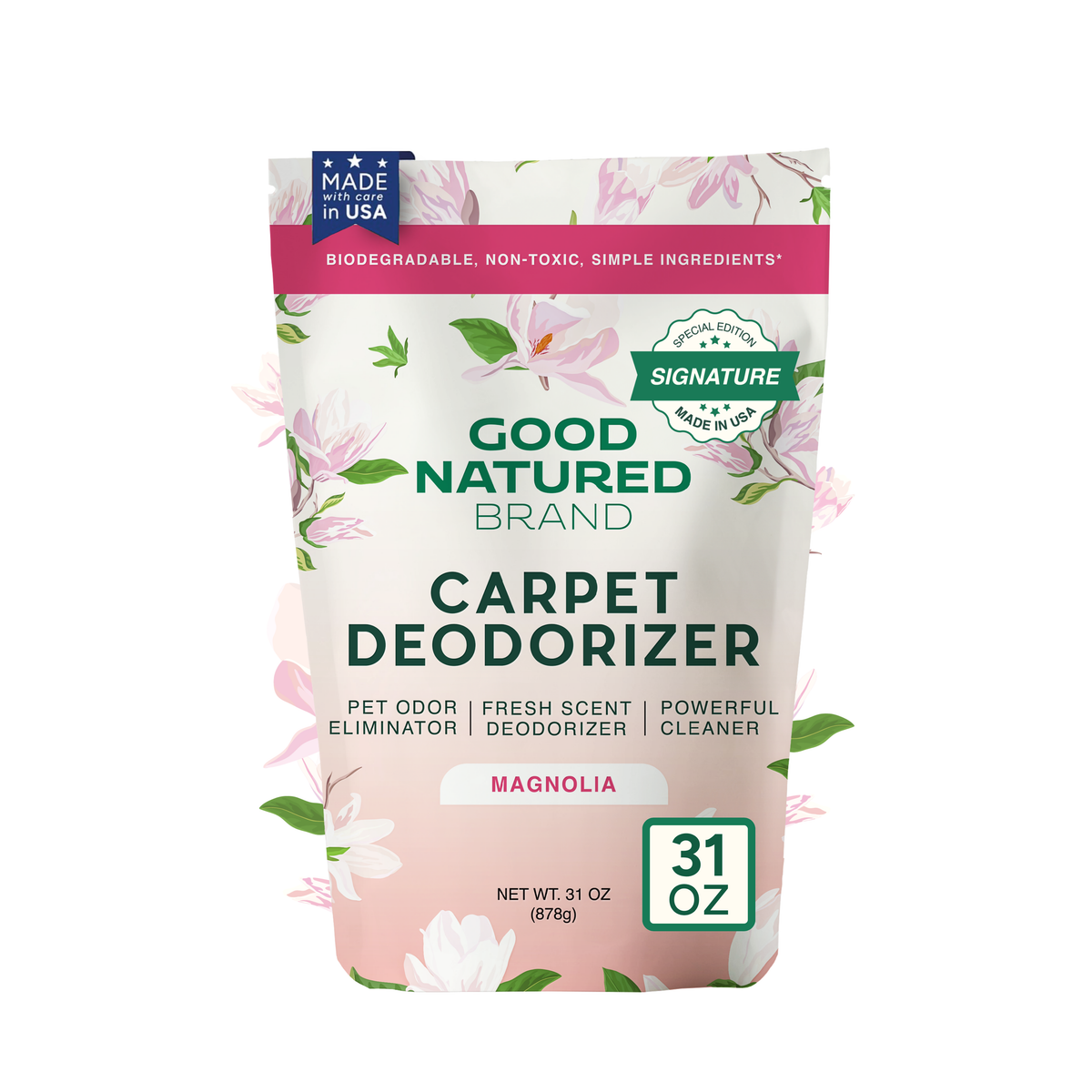
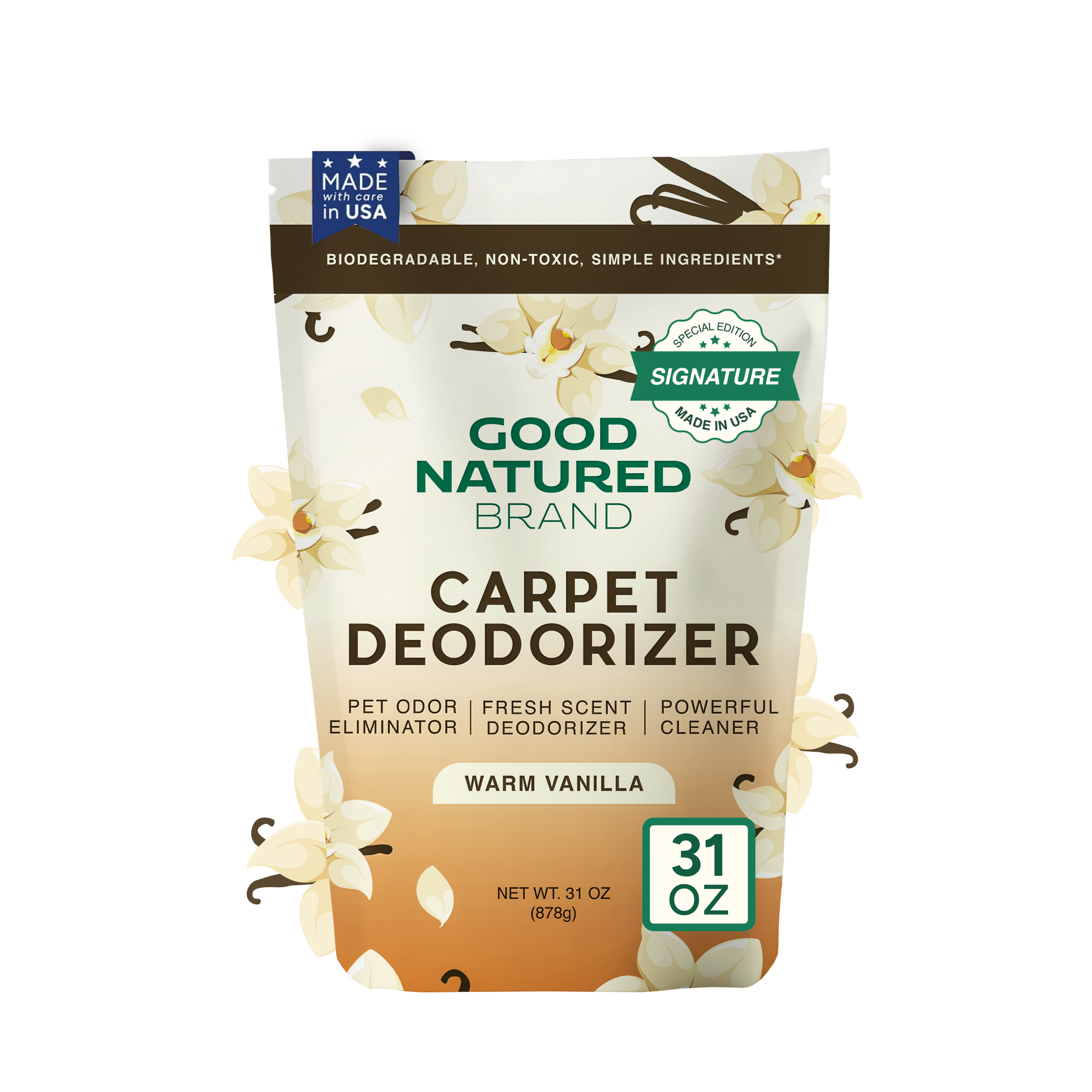
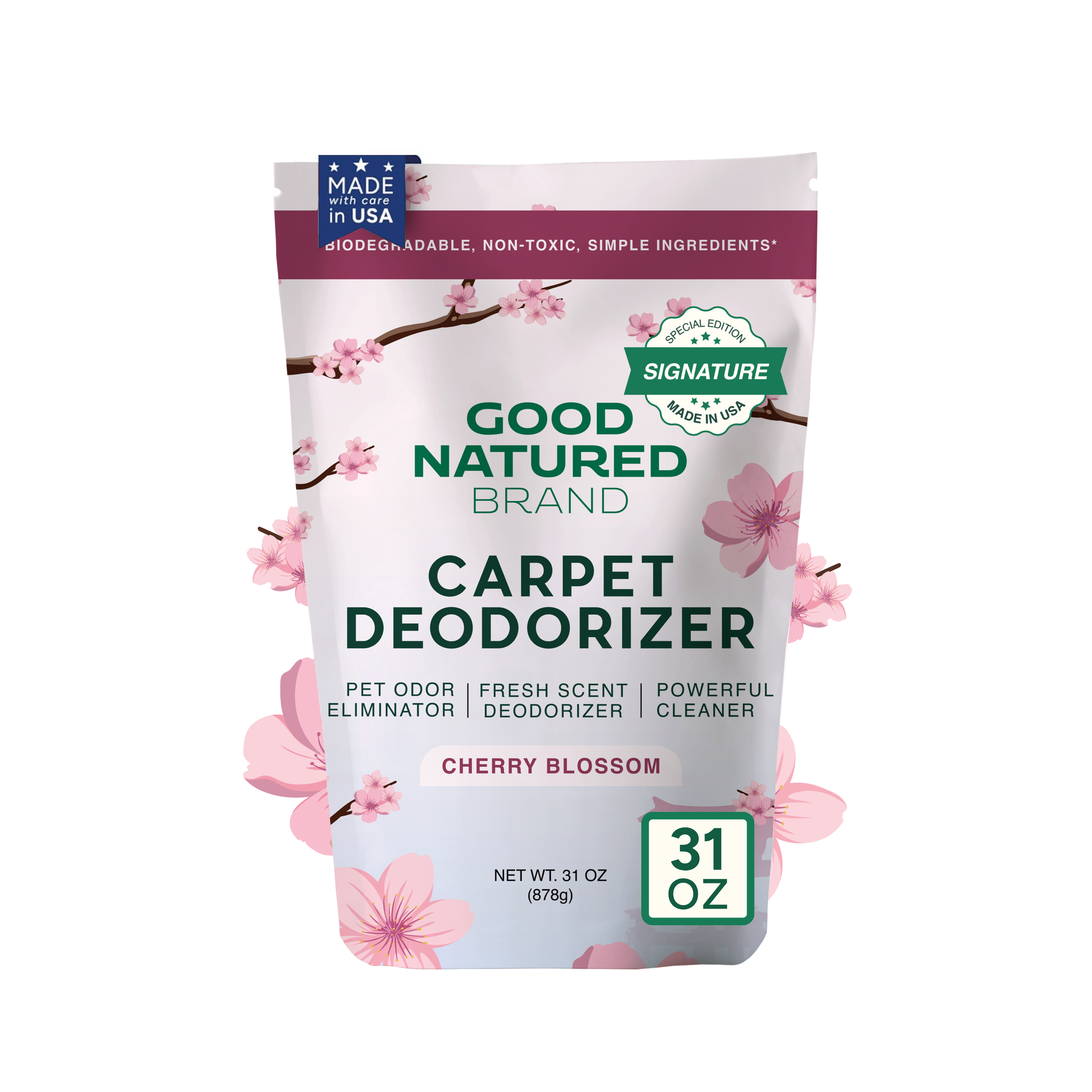
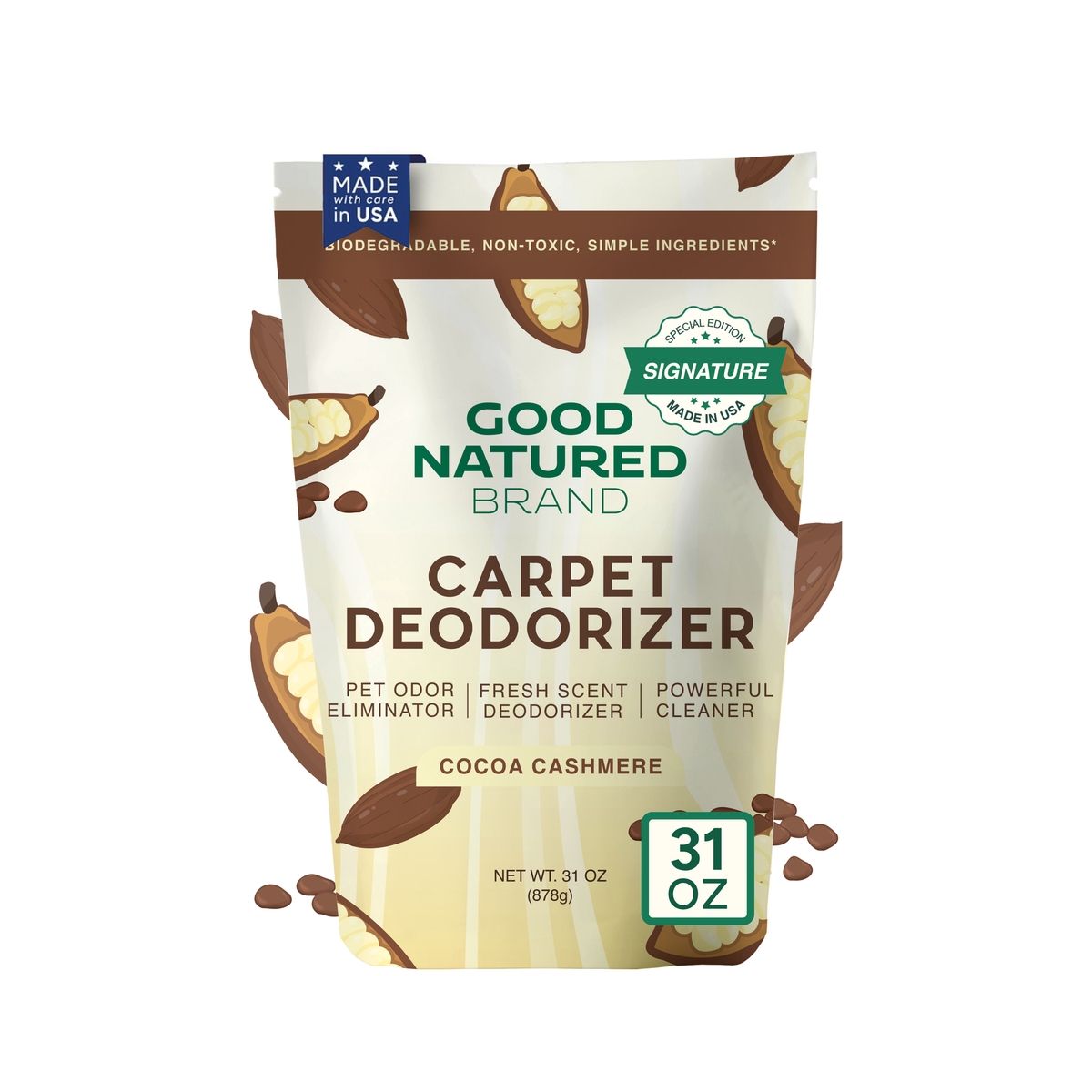
Shop the Product
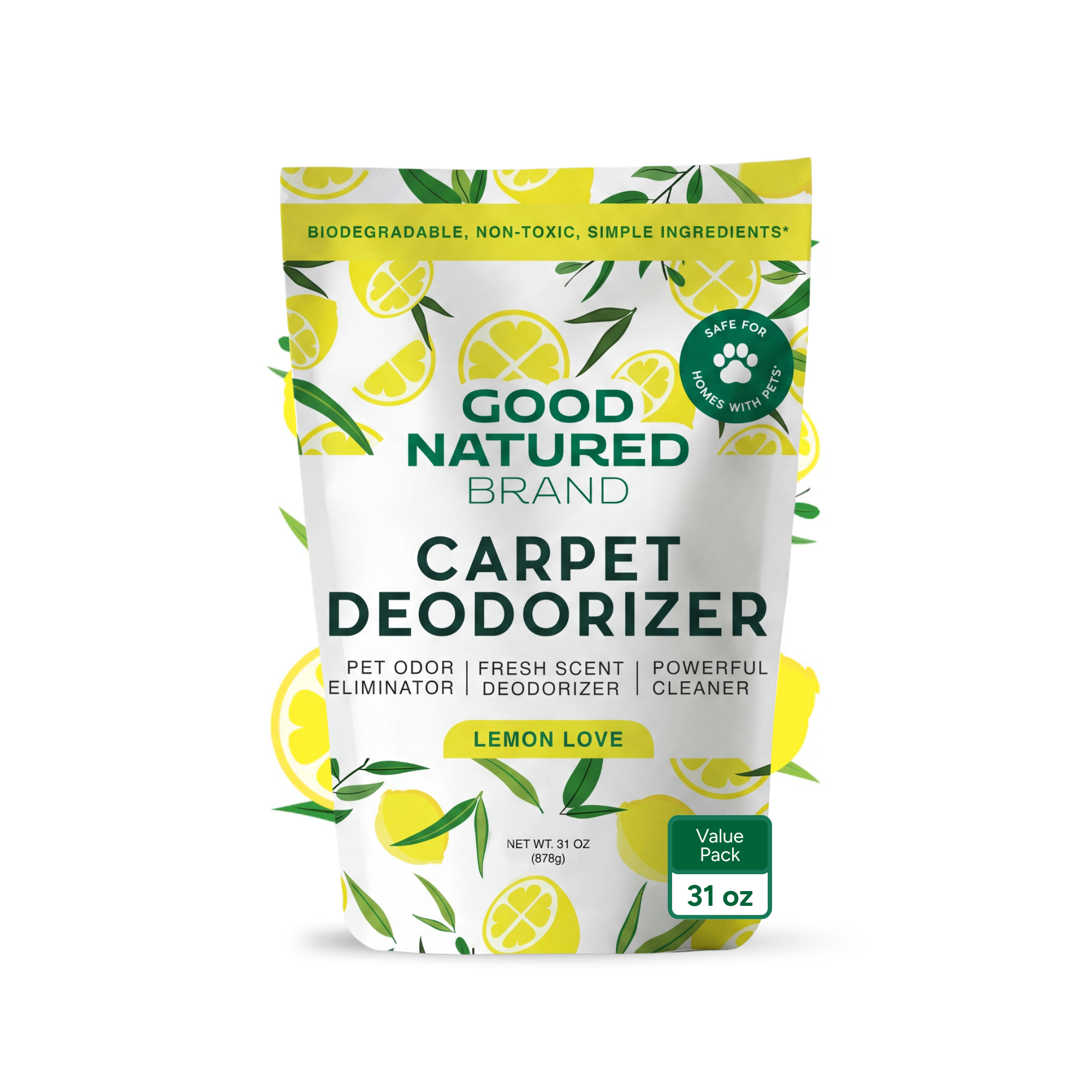
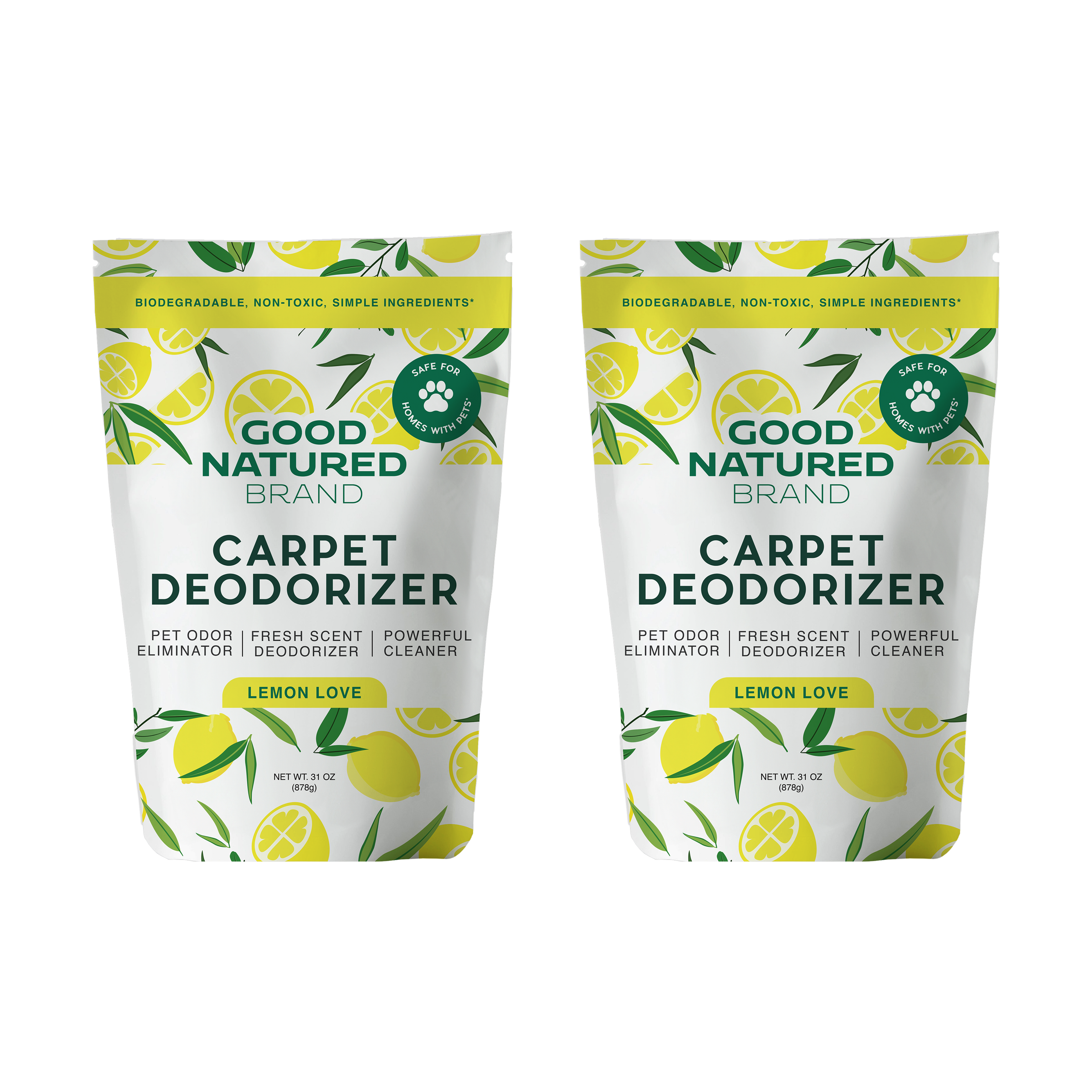
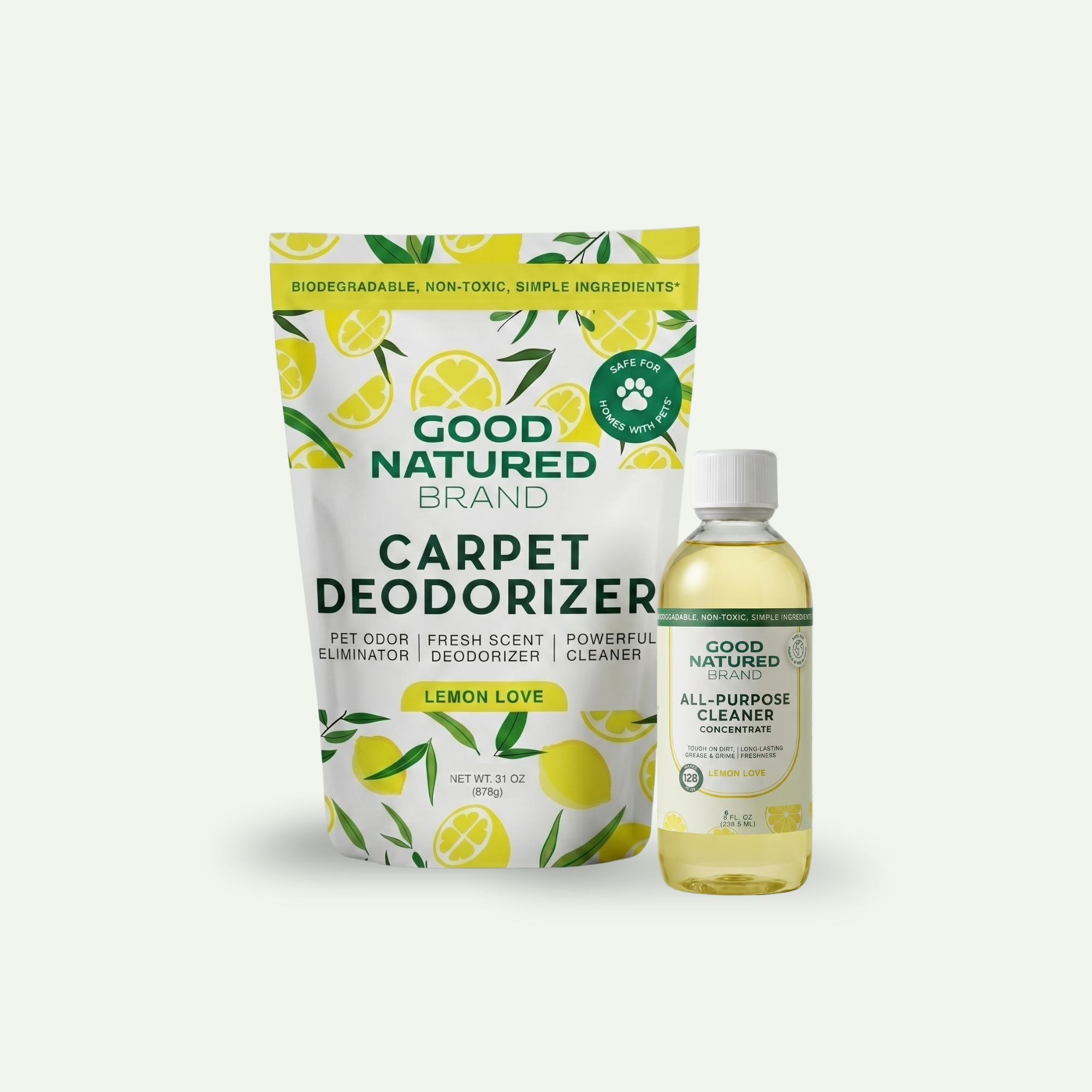
Lemon freshness for every home.
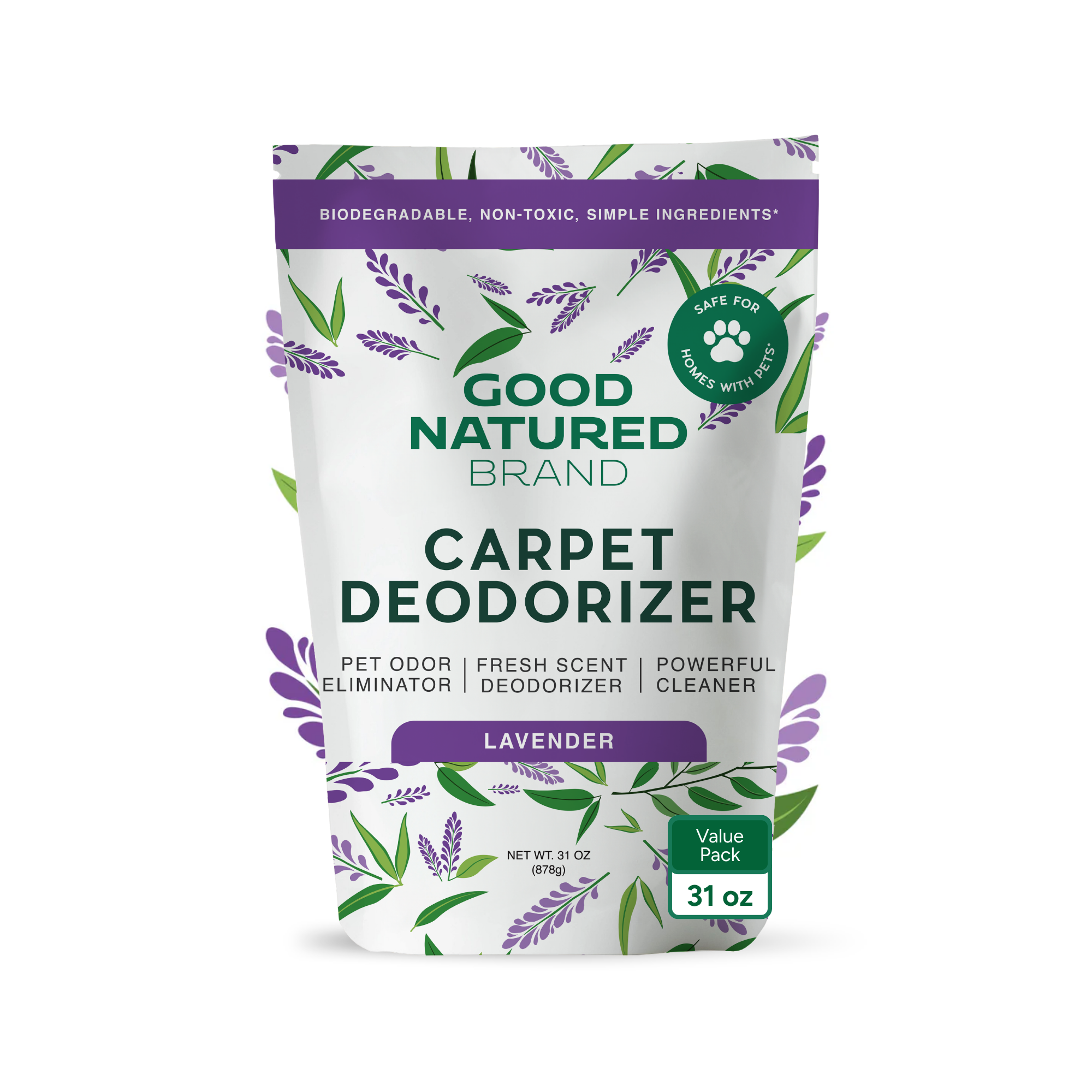
Lavender calm for every home.
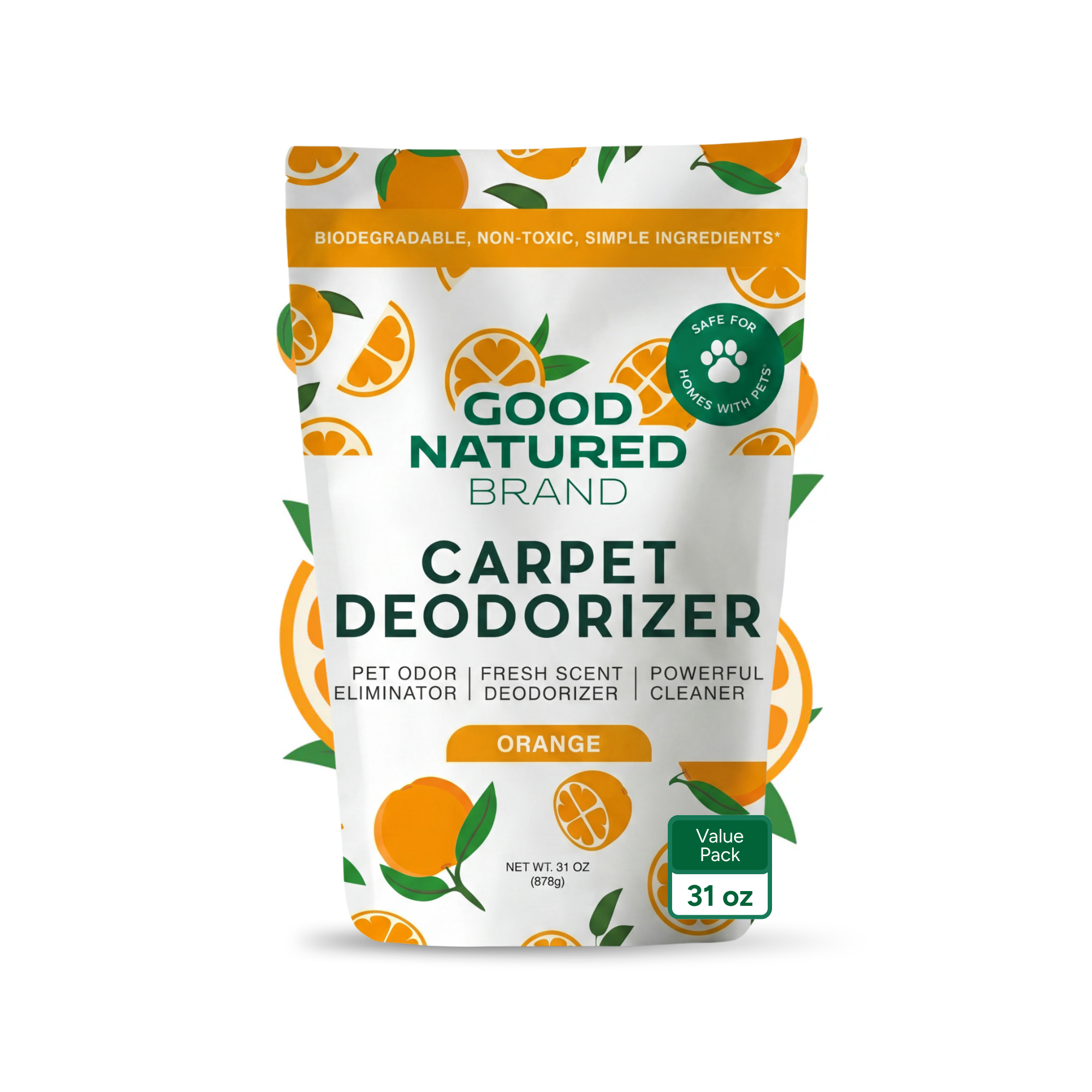
Orange energy for every home.
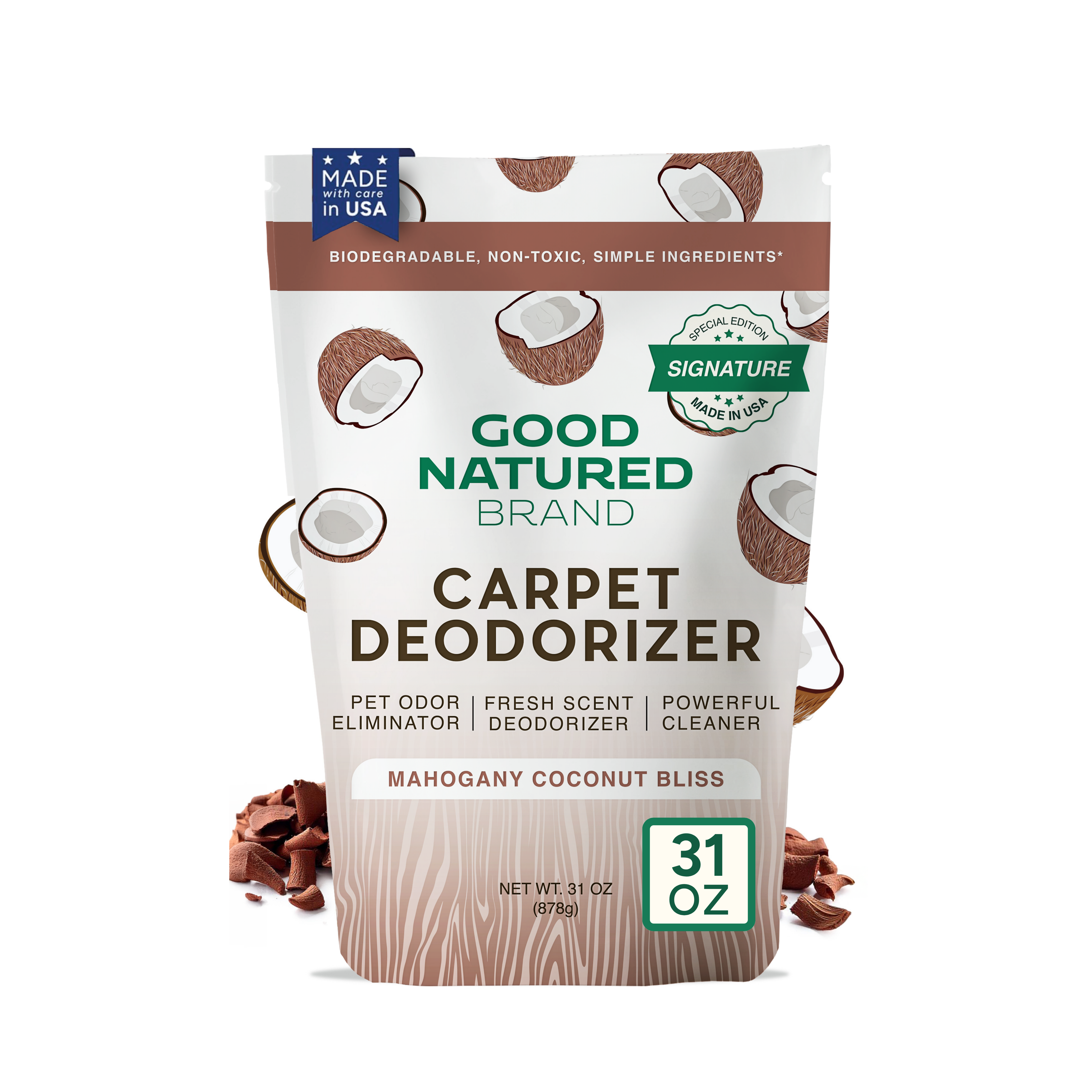
Mahogany warmth for every home.
Cherry blossom serenity for every home.
Cocoa butter comfort for every home.
Mandarin freshness for every home.
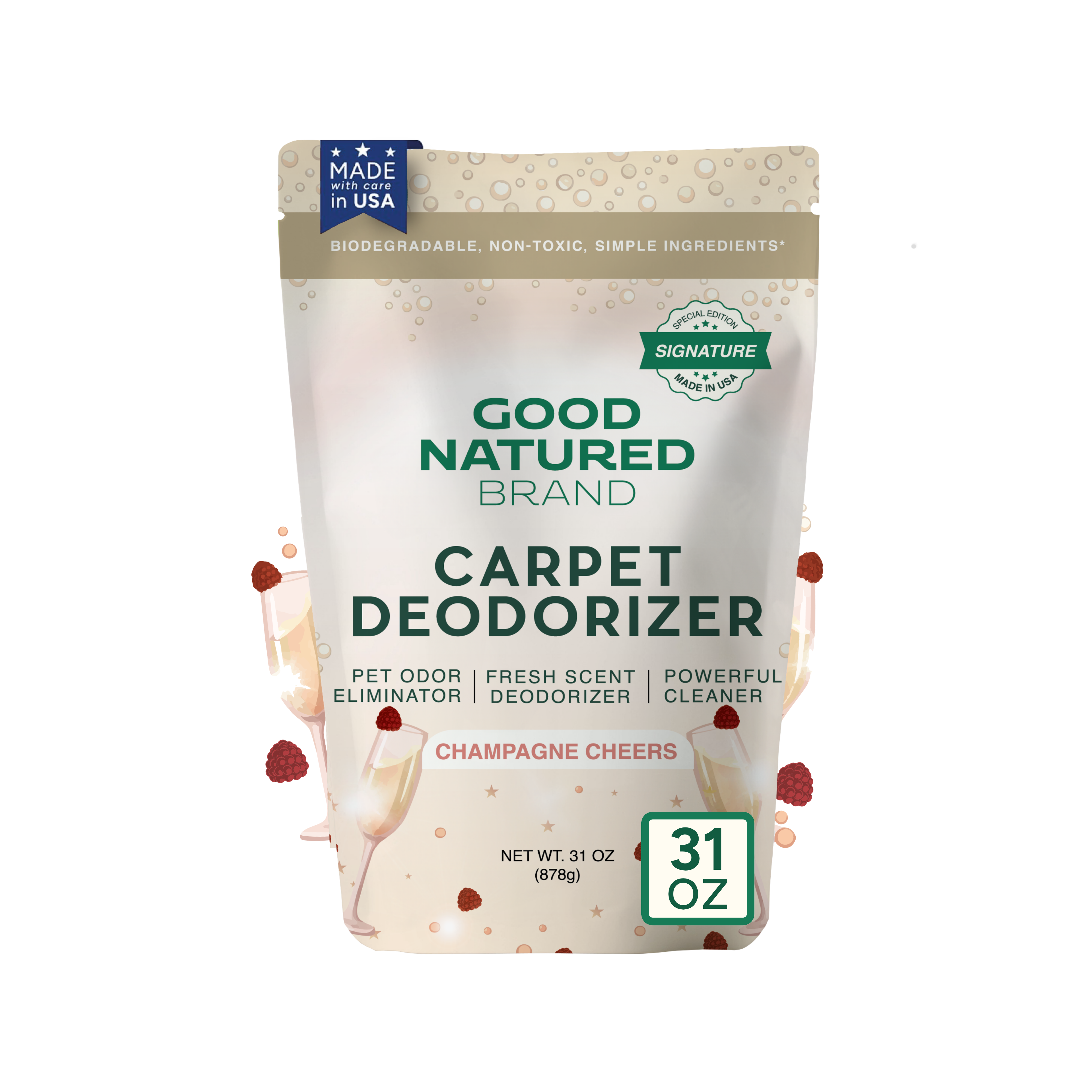
Champagne sparkle for every home.
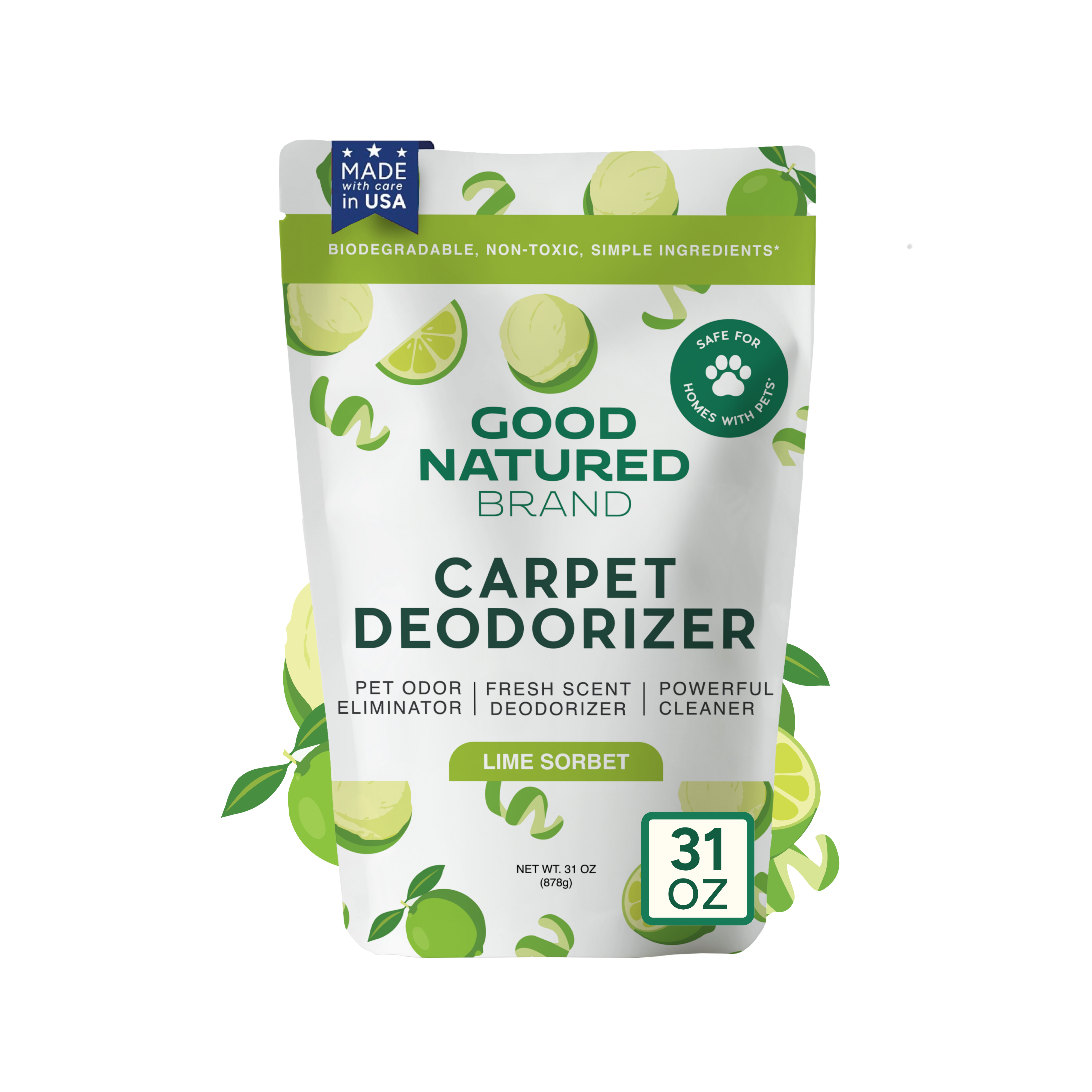
Zesty freshness for every carpet.
The Hidden Chemicals Threatening Pet Safety Inside Your Home
Even if you avoid harsh cleaners, your home may still contain hidden toxins that compromise pet safety. Many everyday household items release chemicals that irritate pets or cause long-term health issues.
Common culprits include:
-
Scented candles with paraffin wax and synthetic fragrances
-
Air fresheners and plug-ins that emit VOCs (volatile organic compounds)
-
Carpet powders made with artificial scent boosters
-
Laundry detergents with optical brighteners, dyes, and chemical softeners
-
All-purpose cleaners that leave behind surface residues pets ingest through grooming
Because pets spend much of their day lying on carpets, bedding, and floors, they’re in constant contact with residues left by traditional cleaning chemicals. Cats and dogs regularly groom themselves, meaning anything on their paws or fur enters their bodies.
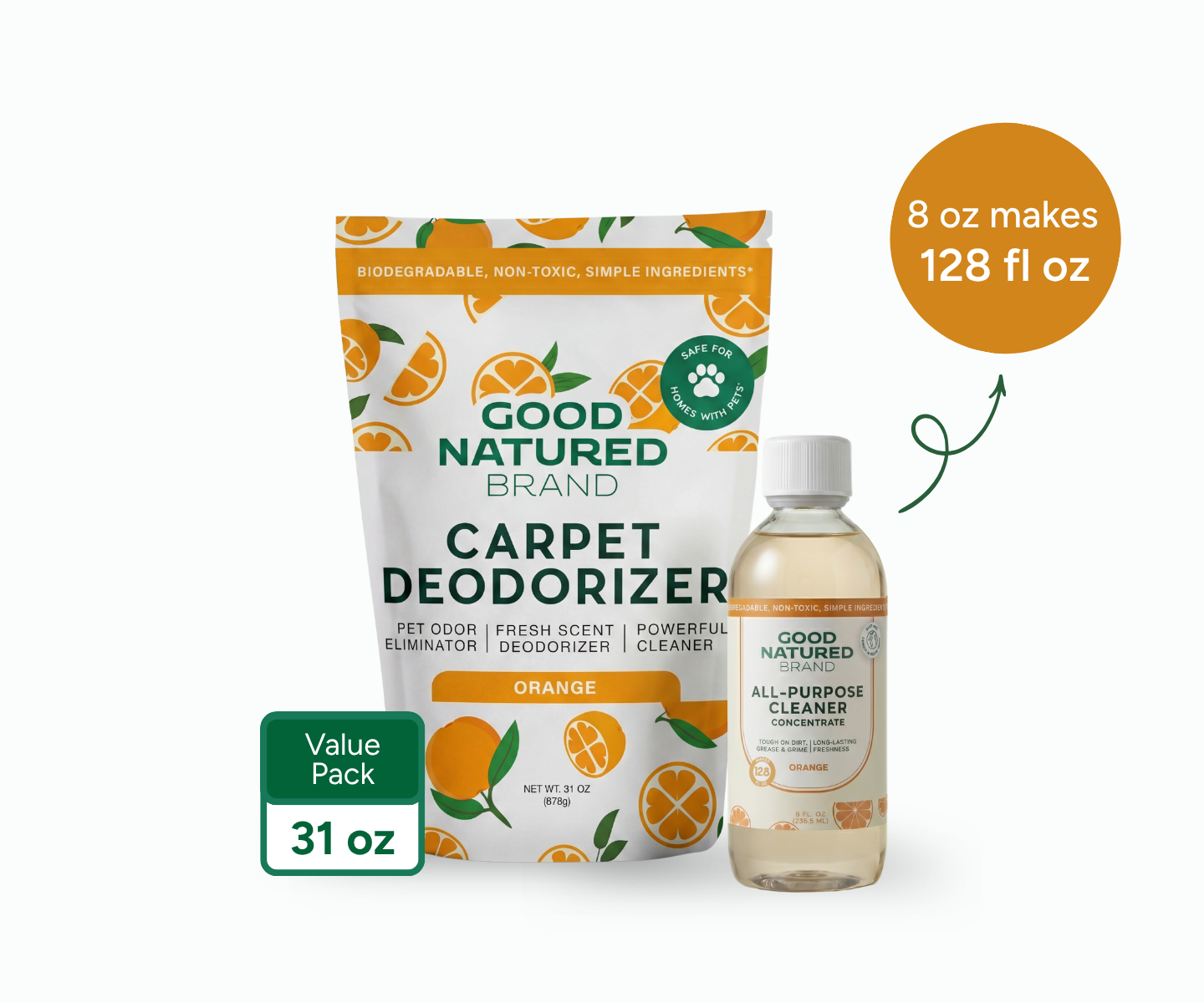
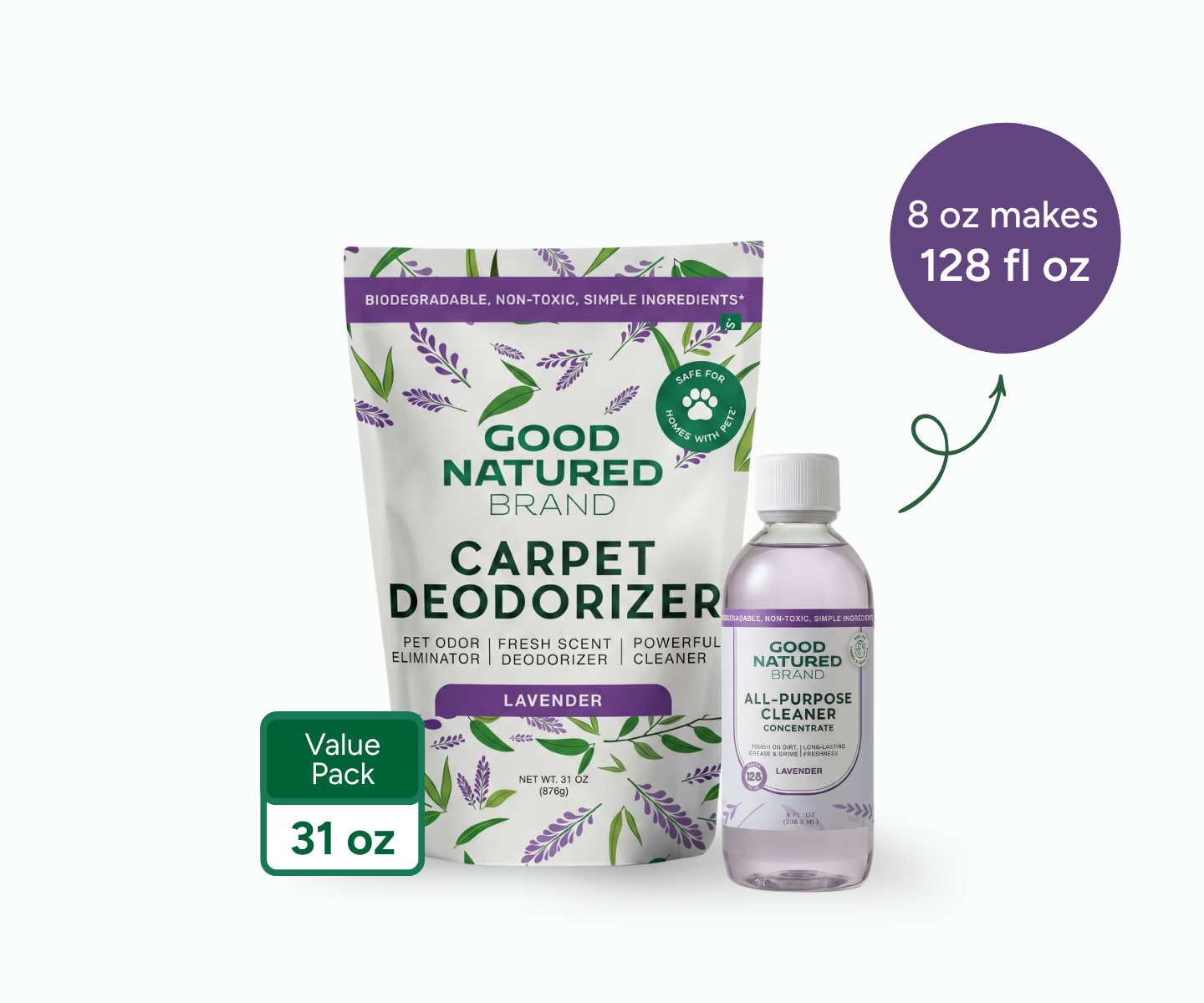
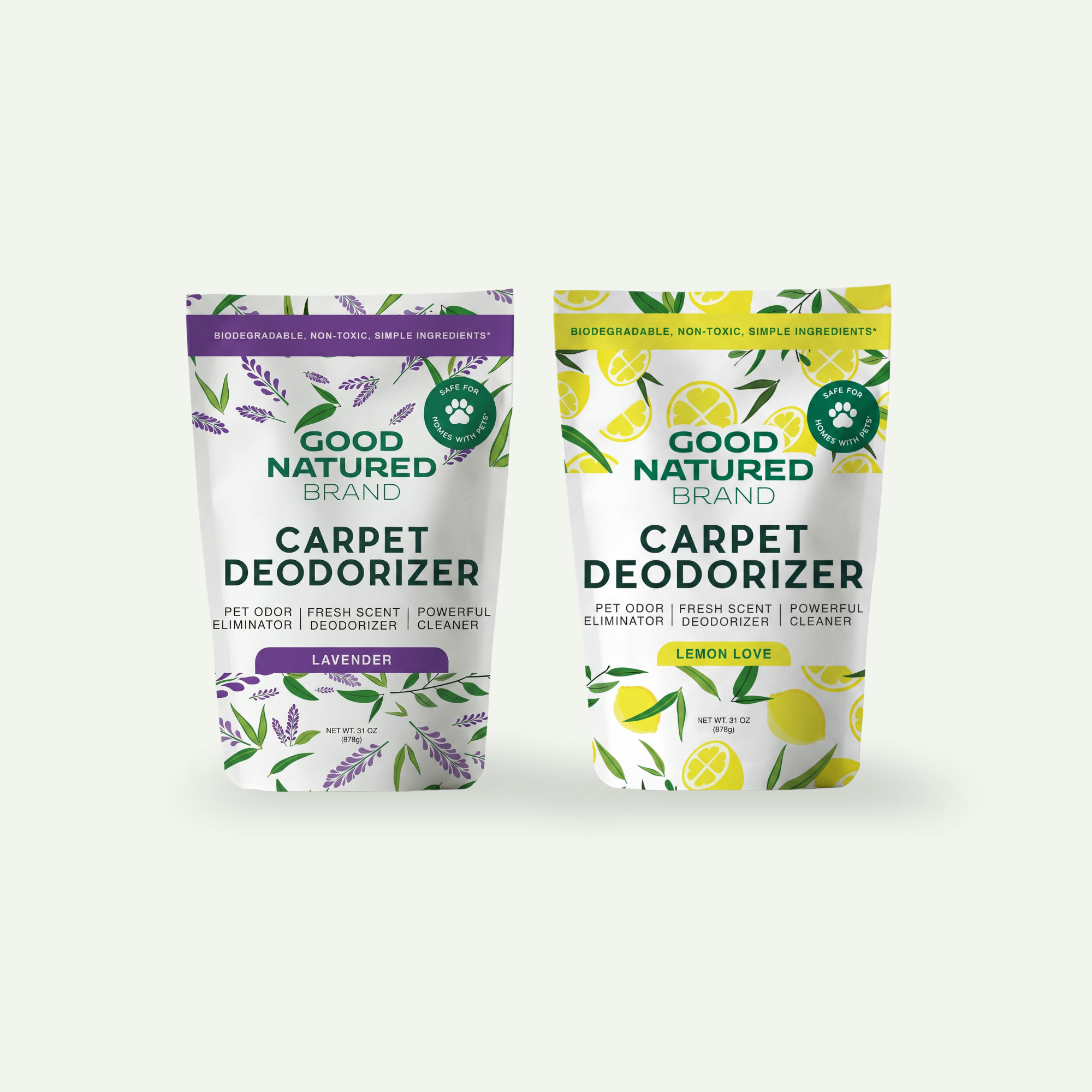
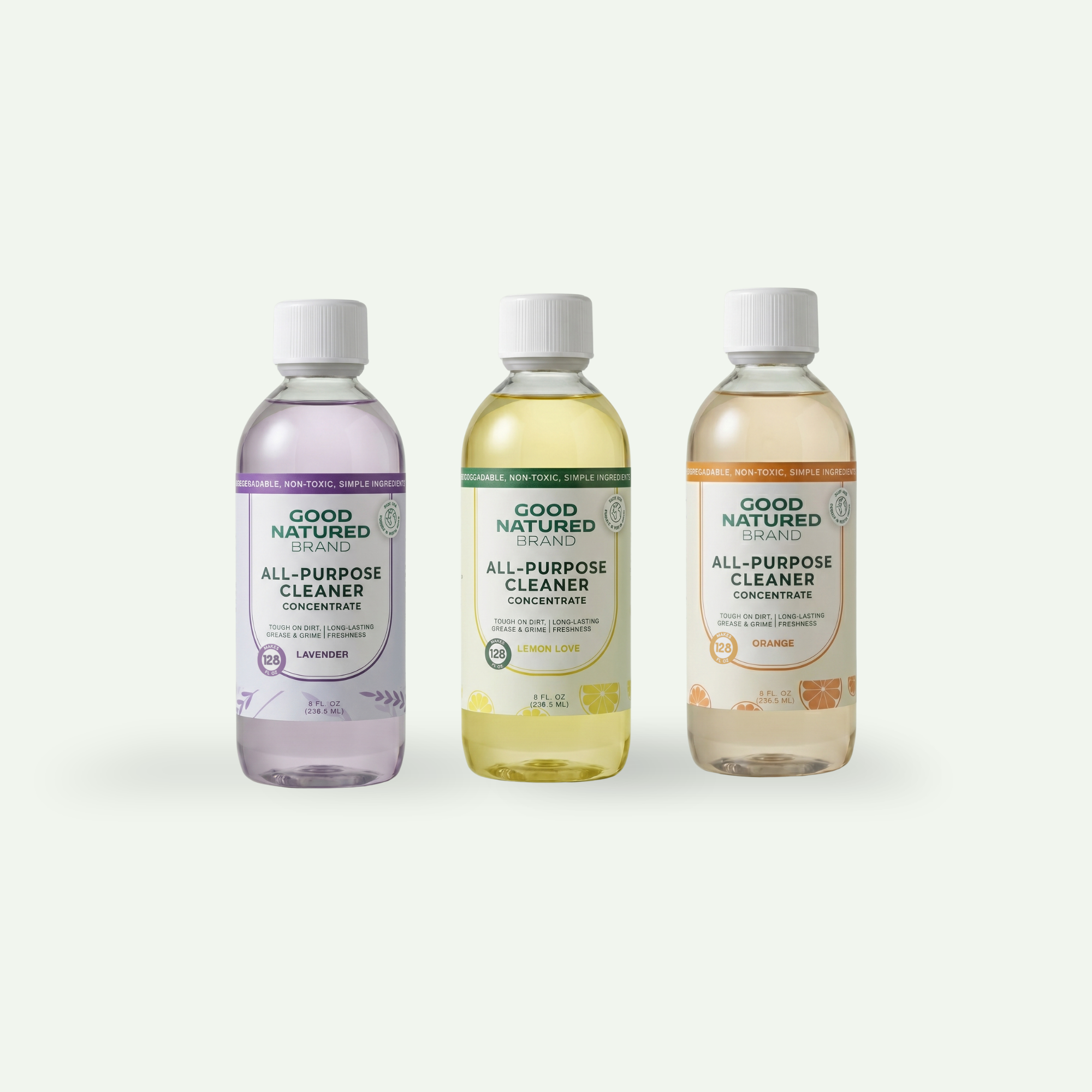
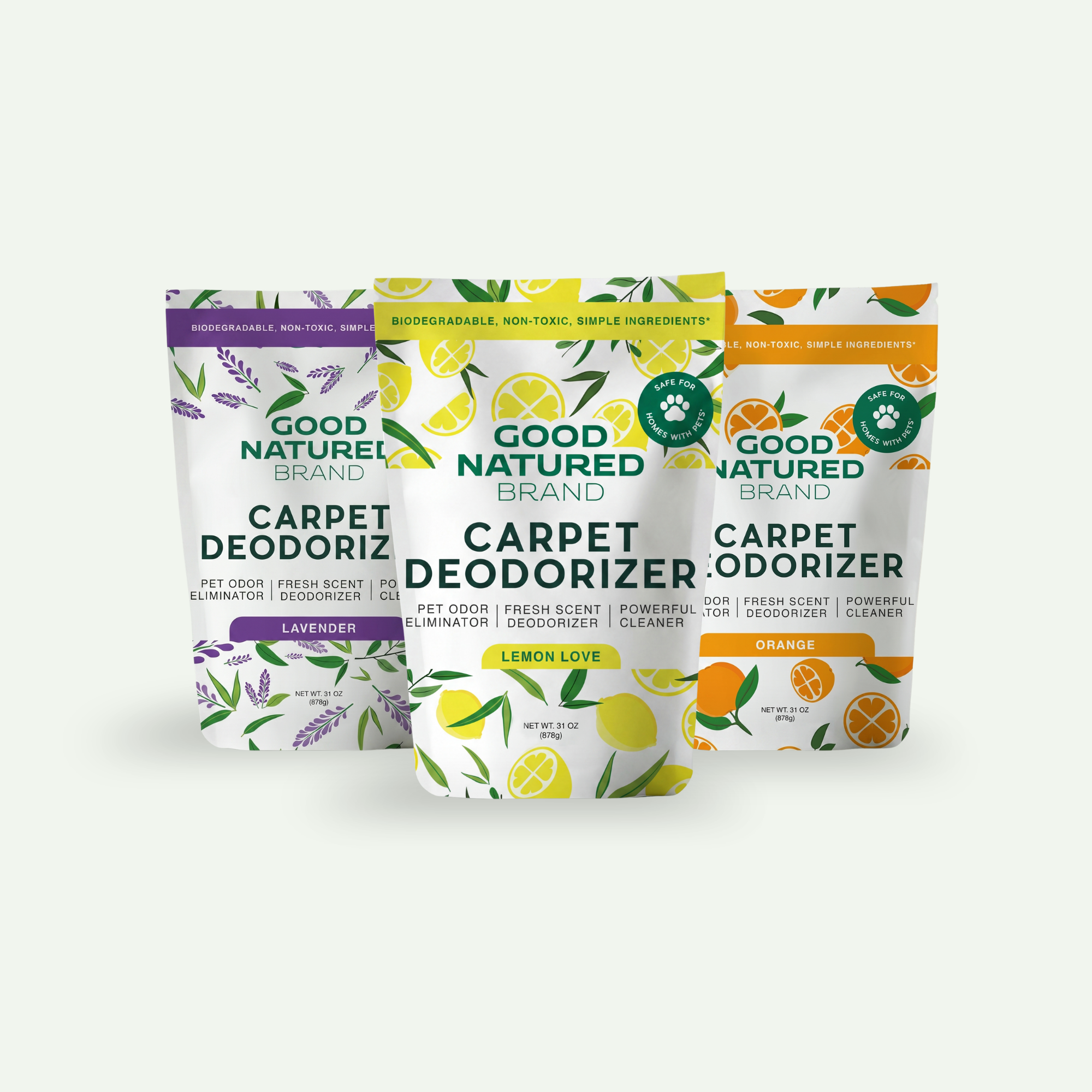
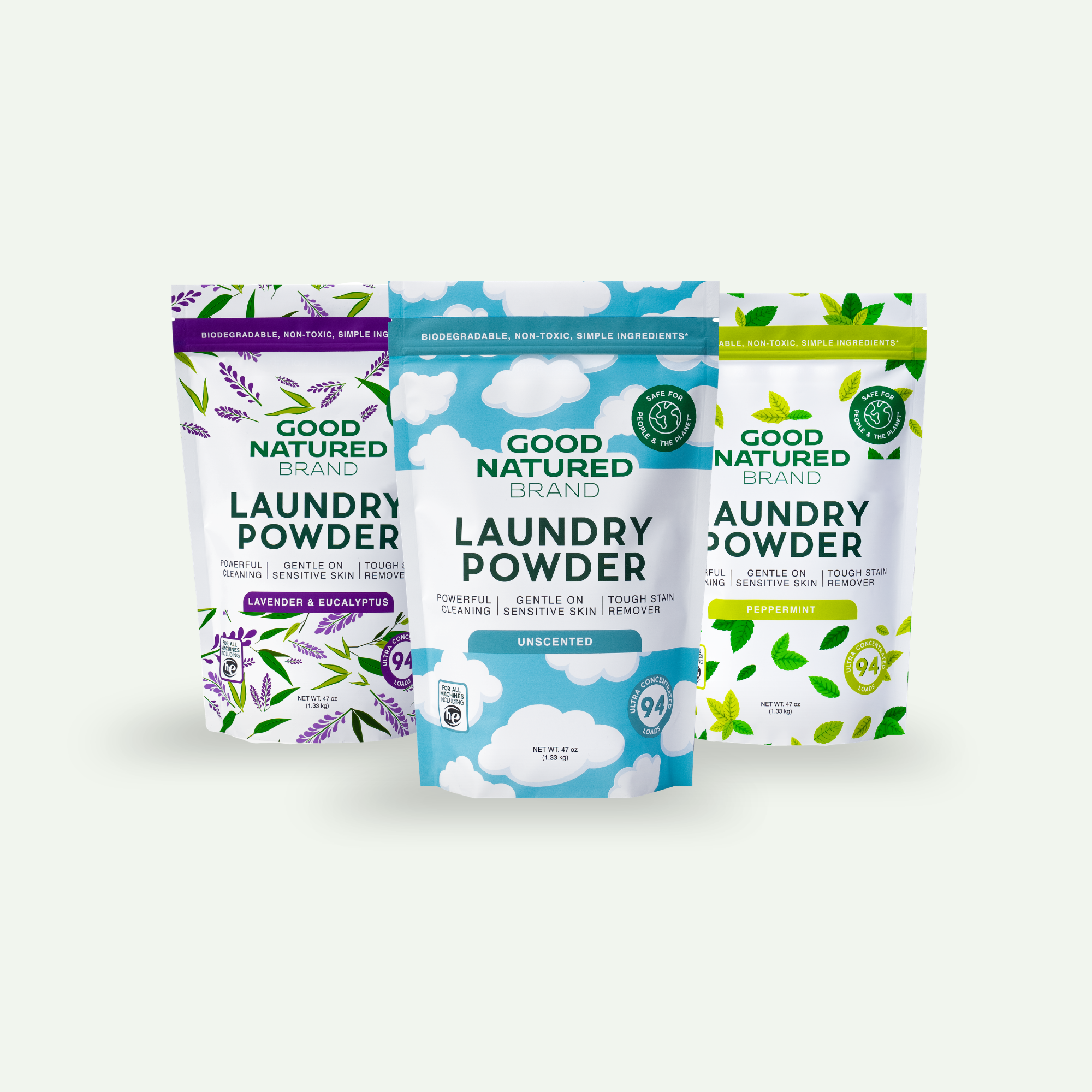
Safer alternatives avoid artificial perfumes and harsh chemicals. Clean-ingredient products—like Good Natured Brand’s Carpet Deodorizers (https://www.goodnaturedbrand.com/collections/carpet-deodorizers), Laundry Powders (https://www.goodnaturedbrand.com/collections/laundry-powders), and All-Purpose Cleaners (https://www.goodnaturedbrand.com/collections/all-purpose-cleaners)—provide effective cleaning without exposing pets to harmful irritants.
Choosing products with simple ingredient lists dramatically reduces the risk of allergens, respiratory irritants, and chemical buildup inside your pet’s environment.
How Big Retailers Overlook Pet Safety in Household Cleaning
Most major household cleaners are formulated for speed, scent, and shine—not for safety around animals. Retailers prioritize powerful performance and long-lasting fragrances because these attributes appeal to consumers. Unfortunately, these same qualities often introduce risks pets are far more sensitive to than humans.
Many conventional cleaners include ingredients like:
-
Bleach, which releases fumes that irritate lungs and eyes
-
Ammonia, a harsh irritant especially dangerous for cats
-
QUATs (quaternary ammonium compounds), which linger on surfaces and can cause skin reactions
-
Petrochemical solvents, which contribute to respiratory stress
-
High-VOC fragrance blends that affect indoor air quality
Residue from these products settles on surfaces pets touch daily: floors, food bowls, crates, toys, and furniture. Even after drying, microscopic traces remain. Dogs and cats then ingest these residues when licking their paws or grooming their fur.
Brands that prioritize pet safety avoid these ingredients entirely or use safer alternatives. This is why selecting cleaners formulated with short, transparent ingredient lists makes a measurable difference in your home’s safety.
Why “Fragrance” Poses a Serious Risk to Pet Safety
“Fragrance” might seem harmless, but in product labeling, it’s a loophole that allows companies to hide hundreds of synthetic chemicals under a single term. These chemicals are often proprietary, meaning brands don’t disclose what’s inside.
Common fragrance chemicals known to irritate pets include:
-
Phthalates, used to extend scent longevity
-
Synthetic musks, linked to allergies and respiratory irritation
-
Volatile organic compounds (VOCs), which worsen indoor air quality
Pets, especially cats and small-breed dogs, are extremely sensitive to airborne irritants. Their smaller lungs and faster breathing rates mean they absorb more chemicals relative to their size.
Even essential oils, though natural, can be problematic if brands use poor-quality extracts or apply them at unsafe concentrations. While some botanical oils like lemon, lavender, and eucalyptus are safe in low concentrations, others—such as tea tree oil or wintergreen—can cause toxicity when diluted improperly.
The safest approach is choosing products made with high-quality oils in minimal, controlled amounts and avoiding synthetic fragrance blends altogether.
Pet Safety in High-Traffic Areas: Floors, Carpets, and Bedding
Carpets, floors, and bedding are where pet safety matters most—yet they are often where hidden chemicals accumulate. Pets spend the majority of their time on low-level surfaces, making them highly vulnerable to residues from cleaning products, carpet fresheners, and scented sprays.
Key risks include:
-
Carpet deodorizers with artificial fragrance, which cling to fibers and release irritants over time
-
Floor cleaners with solvents, leaving behind invisible residue
-
Scented laundry detergents, which embed chemicals in pet blankets and beds
Switching to safer options makes a significant difference. For example:
-
Good Natured Brand’s Carpet Deodorizers (https://www.goodnaturedbrand.com/collections/carpet-deodorizers) freshen carpets using natural, pet-safe ingredients.
-
Good Natured Brand’s Laundry Powders (https://www.goodnaturedbrand.com/collections/laundry-powders) eliminate grime and odors from pet bedding without dyes or synthetic perfumes.
-
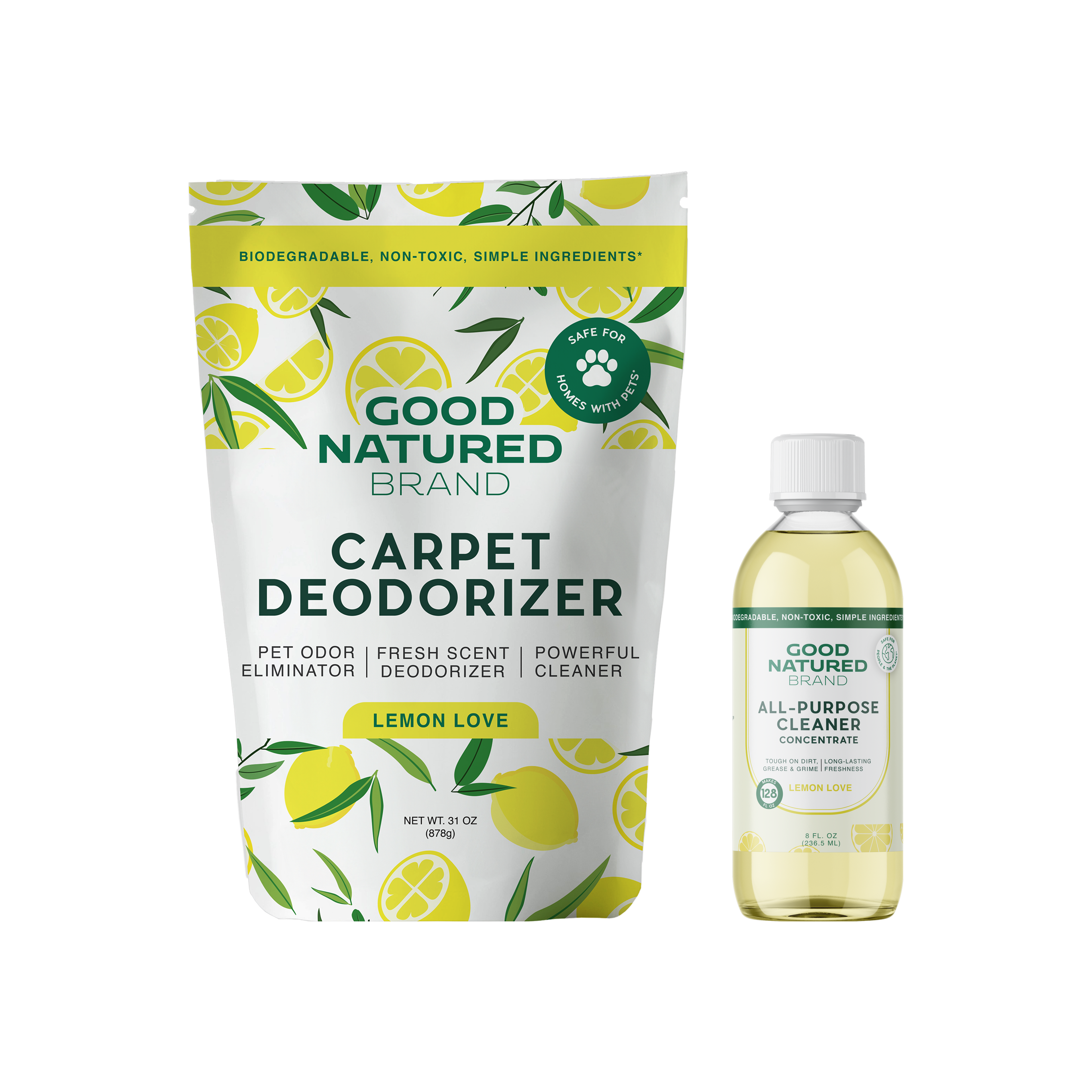
Good Natured Brand’s All-Purpose Cleaners (https://www.goodnaturedbrand.com/collections/all-purpose-cleaners) keep surfaces clean without harsh chemicals.
Keeping these high-traffic zones toxin-free is one of the easiest and most effective ways to protect your pet’s long-term health.
Are “Pet-Safe” Disinfectants Actually Safe?
Many disinfectants marketed as “botanical,” “non-toxic,” or “gentle” still contain aggressive chemicals that can irritate animals. This is especially true for products using quaternary ammonium compounds (QUATs) or phenols, which are unsafe for pets at certain concentrations.
Even natural disinfectants can cause issues if:
-
They use essential oils at unsafe dilutions
-
They are sprayed into the air where pets can inhale them
-
They leave residue on bowls, litter boxes, or food surfaces
Veterinarians often advise limiting disinfectant use around pets unless absolutely necessary (e.g., during illness). For everyday cleaning, it’s safer to rely on non-toxic cleaners and microfiber cloths rather than harsh disinfectants.
Brands that avoid pet-irritating disinfectant chemicals entirely offer a safer alternative, particularly in multi-pet or allergy-sensitive households.
The Real Pet Safety Checklist Big Brands Won’t Give You
One of the biggest gaps in the pet safety conversation is the absence of a practical, transparent checklist that pet parents can follow every day. Big brands tend to avoid offering anything too specific because once you start learning how to evaluate pet-safe products, you begin to notice how many mainstream cleaners rely on harsh chemicals, artificial fragrances, or residue-heavy formulas. A real pet safety checklist empowers you to make smarter, healthier decisions for your home.
A complete pet-safe cleaning routine starts with ingredient awareness. Look beyond buzzwords like “green,” “eco,” or “natural” and evaluate the actual substances listed. Avoid long ingredient lists, especially those containing unpronounceable preservatives, optical brighteners, or synthetic fragrance blends. Favor cleaning essentials with transparent, plant-based formulas—especially on surfaces your pets sniff, lick, roll on, or sleep on.
Ventilation is another frequently overlooked part of pet safety. Even gentle cleaners can temporarily increase indoor humidity or airborne particles, and proper airflow keeps your home comfortable and reduces respiratory stress for sensitive pets like cats, rabbits, or brachycephalic dog breeds.
Safe cleaning practices also include proper storage habits. Pets can easily chew through bottles, knock over sprays, or get into laundry cabinets. Keep all cleaning products—especially concentrated solutions—stored high, locked, or fully out of reach.
When possible, stay away from aerosol cleaners, which disperse particles into the air in extremely fine droplets. Pets, especially cats and birds, inhale these droplets far more efficiently than humans. Choosing plant-based, residue-free cleaners helps you maintain a home that genuinely supports pet safety. When cleaning floors, fabrics, bedding, or carpets, more pet parents are now switching to products like Good Natured Brand’s Carpet Deodorizers (https://www.goodnaturedbrand.com/collections/carpet-deodorizers), naturally derived Laundry Powders (https://www.goodnaturedbrand.com/collections/laundry-powders), and plant-powered All-Purpose Cleaners (https://www.goodnaturedbrand.com/collections/all-purpose-cleaners) to reduce chemical exposure without sacrificing performance.
Finally, incorporate regular checks of pet zones—food bowls, litter areas, crate pads, bedding, and high-traffic play spots. A pet-safe home is not the result of one “deep clean” but of consistent, mindful daily habits.
How to Create a Truly Pet-Safe Home Without Overpaying for Fancy Labels
A major myth pushed by big brands is the idea that a pet-safe household requires expensive specialty products or complicated cleaning routines. In reality, pet safety is grounded in simplicity, consistency, and ingredient transparency rather than inflated price tags or exaggerated marketing claims.
Start by reducing unnecessary fragrance sources in your home. Candles, plug-ins, carpet powders with synthetic scents, and aerosol sprays all contribute to indoor VOC buildup, which affects pets far more intensely than humans. Instead of masking odors, prioritize eliminating them at the source—especially in carpets and fabrics where smells accumulate. That’s why many pet owners transition to naturally scented or scent-free alternatives such as plant-based Carpet Deodorizers from Good Natured Brand.
Next, take a minimalist approach to surface cleaning. You don’t need a separate cleaner for every room or surface. A high-quality, gentle All-Purpose Cleaner can handle most daily messes without leaving behind irritants. Choosing a formula made from clean, biodegradable ingredients helps maintain an environment where pets can safely roam, nap, and explore.
When it comes to laundry—especially pet bedding, blankets, and soft toys—avoid detergents with fillers, dyes, and brighteners. Not only do these compounds remain in the fabric, but they also irritate paws and skin. Opt for simple, clean formulas like Good Natured Brand’s Laundry Powders, which clean effectively without the chemical overload. This shift alone eliminates one of the biggest hidden sources of irritants in pet households.
Pet safety doesn’t have to be complicated or expensive. It comes from choosing the right foundational products and staying consistent with them. For more natural, transparent home-care alternatives, you can explore the full range of gentle, pet-safe cleaning solutions directly at the Good Natured Brand website (https://www.goodnaturedbrand.com/).
Pet Safety for Multi-Pet Households: Special Considerations
A home with multiple pets introduces unique challenges for maintaining a safe, comfortable environment. Different species—and even different breeds—have different sensitivities. What works for a Labrador may not be ideal for a senior cat or a pair of guinea pigs.
Cats, for example, groom themselves obsessively, meaning any residue on their paws, coats, or sleeping areas ends up inside their bodies. This makes the use of low-residue cleaning options even more important. Choosing plant-based All-Purpose Cleaners without hidden solvents or masking agents reduces their exposure dramatically.
Dogs, especially large breeds or active, curious pups, are more likely to ingest residue from floors or carpets while playing or sniffing. Regular vacuuming, frequent washing of bedding, and the use of gentle Carpet Deodorizers help maintain a safer home environment. For dogs with allergies or sensitive skin, switching to mild Laundry Powders for blankets, shirts, and harnesses can significantly reduce irritation.
Small mammals—rabbits, guinea pigs, hamsters—are extremely sensitive to fragrance and air quality. Avoid scented litters, heavily fragranced products, and harsh disinfectants around their enclosures. Even minor airborne irritants can cause serious respiratory complications for them.
Birds are among the most sensitive companion animals on earth when it comes to chemical exposure. Aerosols, fumes, fragrances, and chemical cleaners can be harmful even in small quantities. Use fragrance-free or naturally scented cleaning solutions and ensure proper ventilation whenever cleaning near bird cages or play areas.
Creating a safe environment for a multi-pet household means choosing gentle, simple cleaning products and establishing routines that minimize chemical buildup—especially in shared spaces like living rooms, hallways, and bedrooms.
How to Read Ingredient Labels Like a Pet Safety Expert
Perhaps the most powerful skill a pet parent can develop is the ability to decode ingredient labels. Big companies rely on the assumption that most consumers don’t understand chemical names, which makes it easier to hide irritating or unsafe compounds behind unfamiliar terminology.
Start by scanning for fragrance-related terms like “parfum,” “fragrance,” or “aroma.” These words often hide complex blends of synthetic chemicals—sometimes dozens or even hundreds—under a single term. The safest products will either avoid these umbrella terms or use specific, transparent botanical oils instead.
Next, look for surfactants and solvents commonly used in mainstream cleaners. Ingredients like sodium lauryl sulfate (SLS), sodium laureth sulfate (SLES), and harsh glycol ethers may cause skin and respiratory irritation in pets. While not all surfactants are harmful, pet-safe alternatives keep formulations simple and plant-derived.
Preservatives are essential in many products, but some—like methylisothiazolinone (MIT), benzisothiazolinone (BIT), or parabens—are known allergens. Short ingredient lists with recognizable components tend to be safer and more transparent.
Optical brighteners in laundry detergents, used to make fabrics appear “whiter,” are unnecessary for cleaning pet bedding and may irritate the skin. This is why many pet households choose a clean, simple option such as Good Natured Brand’s Laundry Powders, which avoid synthetic fillers and prioritize pet-safe ingredients.
Once you understand labels, marketing language becomes easier to interpret—and easier to question. You begin to distinguish between truly safe formulations and simply well-branded ones.
Vet-Approved Pet Safety Habits Most Pet Owners Don’t Know
Veterinarians often emphasize that pet safety is not only about choosing the right products—it’s about how you use them. Even safe cleaners should be used responsibly.
One of the most important habits vets recommend is washing pet bedding weekly. Blankets, covers, and beds collect dander, saliva, oils, dirt, and allergens. Washing them regularly with gentle Laundry Powders minimizes skin irritation, reduces allergen buildup, and helps prevent dust mites.
Another key habit is wiping paws after outdoor walks. Paws collect pollen, pesticides, road salt, allergens, and bacteria. A simple wipe-down helps keep harmful substances out of your home, reducing exposure for pets and humans alike.
Vets also recommend rinsing food and water bowls daily, as stagnant water and residue can harbor bacteria. Using a gentle, plant-based All-Purpose Cleaner ensures that bowls are cleaned without chemical traces that pets could ingest.
Regular vacuuming—especially in homes with carpet or rugs—helps reduce dust, hair, and allergens. When deodorizing carpets, pet owners should avoid heavily perfumed powders and instead choose gentle options like Good Natured Brand’s Carpet Deodorizers, which refresh fibers without leaving behind hidden irritants.
Finally, vets remind pet parents to always allow surfaces to dry fully before pets walk across them. Even safe cleaning solutions work best when used as intended.
Pet Safety During Seasonal Changes
Pet safety needs shift throughout the year as indoor environments change. Seasonal awareness helps pet parents maintain a healthy home regardless of the weather.
In spring, pollen levels rise and pets bring allergens indoors on their fur and paws. Weekly washing of bedding with safe Laundry Powders helps reduce flare-ups for sensitive animals. Vacuuming more often and wiping surfaces with a gentle All-Purpose Cleaner keeps allergens manageable.
In summer, heat increases the release of VOCs from fragranced products, furniture adhesives, plastics, and chemical cleaners. Keeping indoor temperatures stable, increasing ventilation, and using low-VOC cleaning options like naturally scented Carpet Deodorizers help maintain comfort.
In fall, shedding increases and indoor allergens accumulate. Regular grooming and washing of soft fabrics help prevent skin irritation and respiratory stress.
In winter, heaters circulate dust, fragrance residues, and dry air, making sensitive pets more prone to sneezing or itchy skin. Humidifiers, consistent cleaning, and plant-powered products reduce these issues.
By adjusting home-care routines seasonally, pet parents can create a consistently comfortable and safe environment year-round.
The Pet Safety Myths Spread by Big Brands
The pet care and cleaning industries are full of myths, many created or amplified by major corporations. These myths shape consumer behavior and distract from real pet safety practices.
One of the most common myths is “If it’s sold in stores, it must be safe.” In reality, pet safety regulations for cleaning products are minimal. Companies can market products as “pet-friendly” without third-party verification.
Another myth is “Fragrance-free means chemical-free.” Even fragrance-free products can contain solvents, stabilizers, or reactive compounds that irritate pets. Understanding ingredient lists is far more effective than relying on labels.
A third myth is “Natural products can’t harm pets.” Essential oils, botanical extracts, and even natural surfactants can be unsafe in the wrong concentrations.
Finally, many consumers still believe that disinfectants equal cleanliness. While disinfectants have their place, overusing them—especially those containing harsh chemicals—can harm pets.
Pet parents who want ongoing education can reference the Good Natured Brand Blog (https://www.goodnaturedbrand.com/pages/blog) for practical cleaning guides, tips, and routines with real pet-safe insight.
What Truly Pet-Safe Brands Do Differently
Brands that genuinely prioritize pet safety stand out through transparency, simplicity, and trust. They choose ingredients carefully rather than relying on chemical shortcuts. They avoid vague fragrance blends and formulate products that won’t leave behind heavy residues. They focus on creating a safer home environment rather than dazzling shoppers with shiny packaging.
Truly pet-safe brands are also honest about what they include—and what they don’t. They avoid overly complex formulas and opt for short, plant-powered ingredient lists that pet parents can understand without a chemistry degree.
Good Natured Brand reflects these values through its commitment to clean formulations, gentle ingredients, and ease of use. Their Carpet Deodorizers, Laundry Powders, and All-Purpose Cleaners are developed with simplicity in mind, offering pet parents peace of mind without compromising performance.
Conclusion: The Future of Pet Safety Is Honest, Transparent, and Simple
Pet safety is not a marketing claim—it’s a commitment to transparency and thoughtful daily habits. The more you understand about hidden chemicals, labeling loopholes, and the realities of indoor pet health, the more empowered you become to protect your furry family members.
By focusing on clean ingredients, gentle cleaning habits, and safer alternatives, pet parents can easily transform their homes into truly pet-safe environments. And for those looking for reliable resources, naturally formulated cleaning products, and ongoing education, exploring the Good Natured Brand main page (https://www.goodnaturedbrand.com/) is an excellent place to start.