


If you share your home with a dog, you probably already sense it: that feeling of being watched, evaluated, quietly figured out. That instinct is correct. Dogs are constantly reading the humans they live with, and the ones they trust most get a very specific set of silent tests.
The YouTube channel The Dog Spirit recently published a video called "6 Tests Dogs Give Their Favorite Human" that gets into exactly this. Drawing on canine behavioral science and evolutionary instinct, it breaks down six subtle but revealing ways dogs assess the trustworthiness, patience, and emotional availability of their closest people. The findings are worth sitting with.
Whether you've had dogs your whole life or you're still getting to know your first one, understanding what your dog is actually communicating changes how you show up for them. Along the way, we'll also talk about why the physical environment your dog lives in matters more than most people realize, and what a genuinely pet-safe home looks like in practice.
Here's a look at all six tests, what they mean, and how to respond.
The Soft Gaze of Emotional Safety
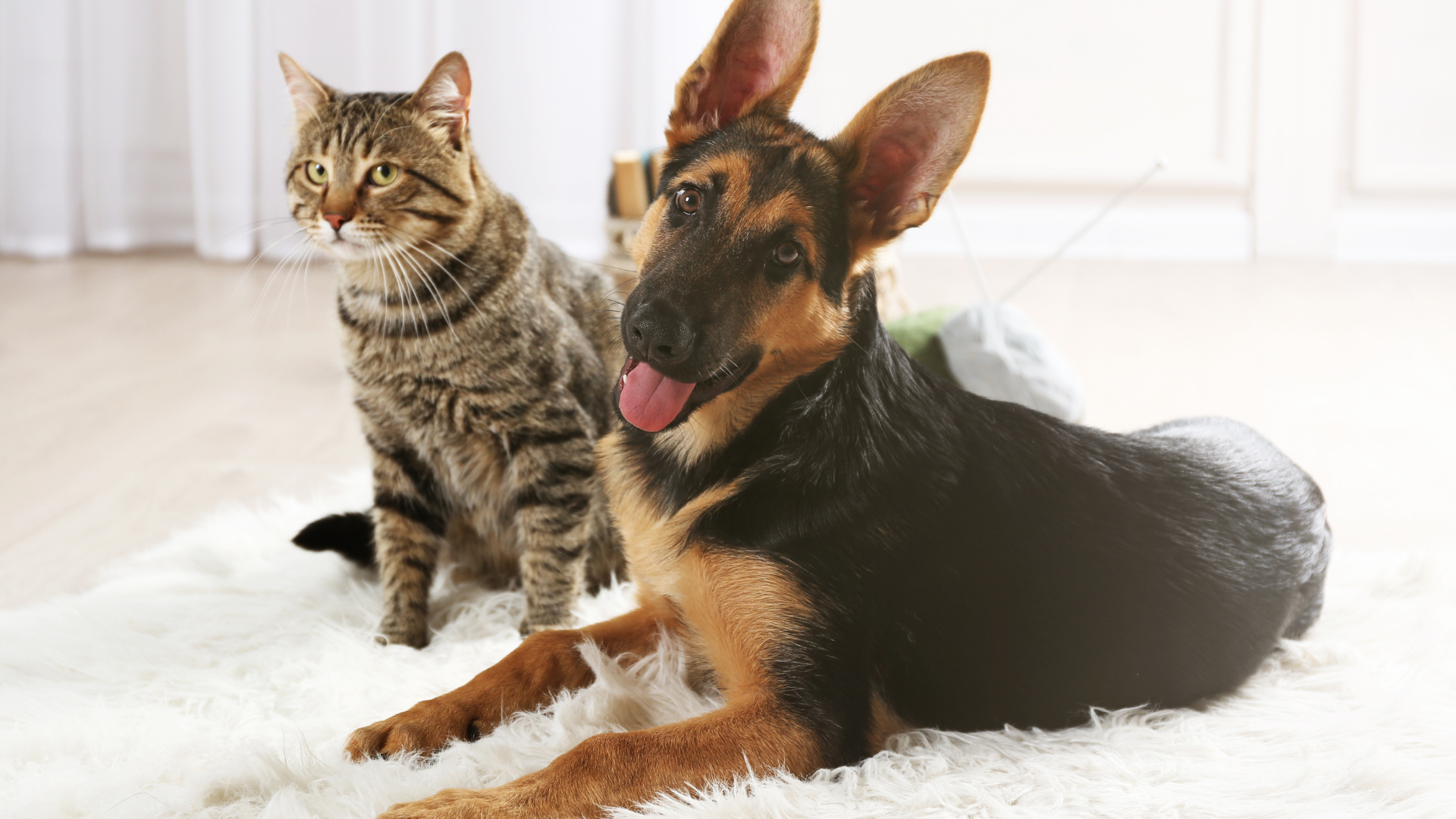
Of all six tests, this one carries the most biological weight. When your dog looks at you with soft, slightly squinted eyes (sometimes described as an almond-shaped, relaxed gaze), they are doing something that cuts against millions of years of animal instinct.
In most species, direct eye contact signals dominance or threat. A dog locking eyes with another animal in the wild is almost certainly issuing a challenge. So when a dog softens their gaze and holds it with you, they are actively overriding survival wiring. They are saying, in the clearest way their body knows how: I am safe with you. You are safe with me.
Researchers have confirmed that this mutual gaze between dogs and their trusted humans triggers a release of oxytocin in both parties. It is the same bonding hormone that drives connection between parents and infants. Biologically speaking, it is a love signal.
How to pass this test: When your dog offers you this soft gaze, meet it gently. Soften your own eyes, blink slowly, and let a quiet smile settle on your face. Avoid staring hard or leaning in. The goal is to match their energy: calm, open, and in no rush.
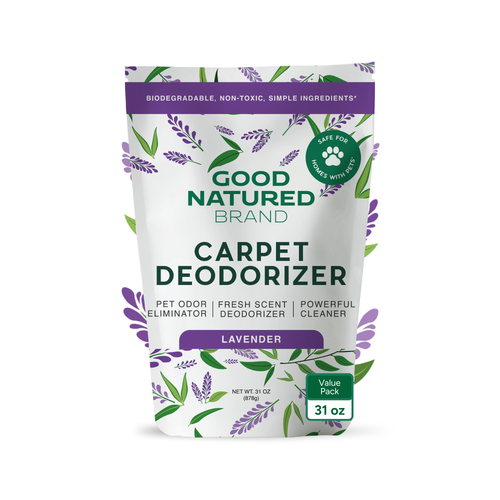
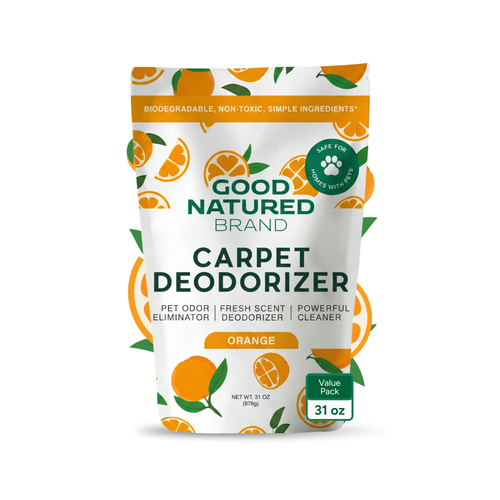
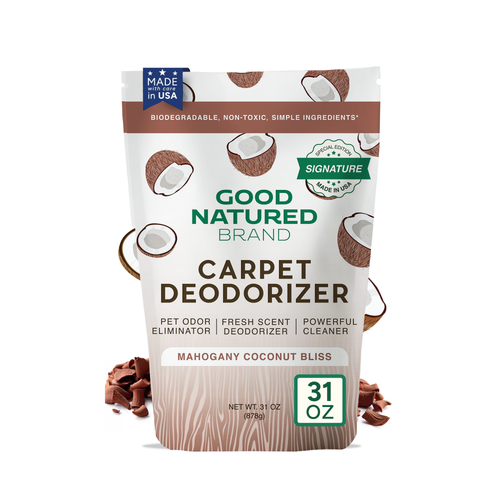

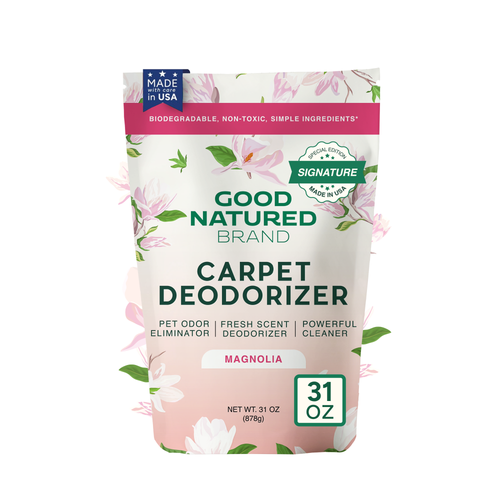
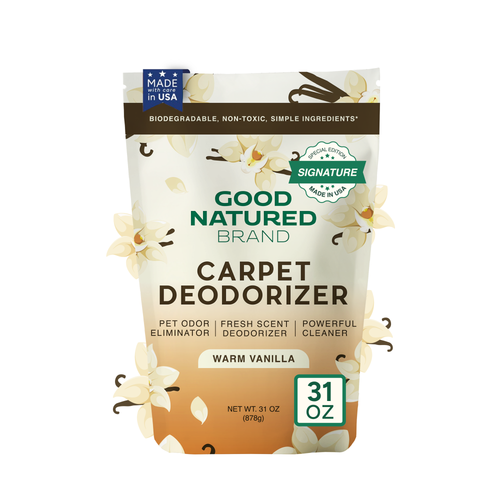
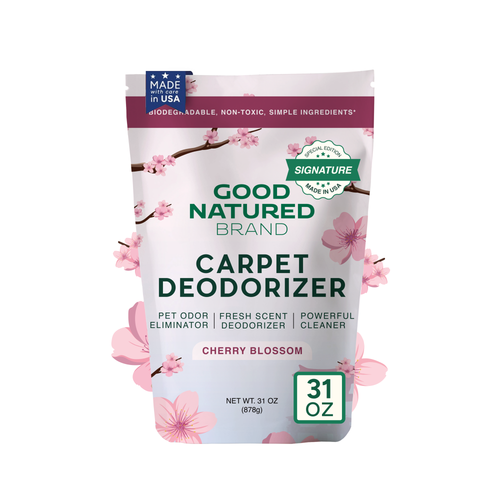
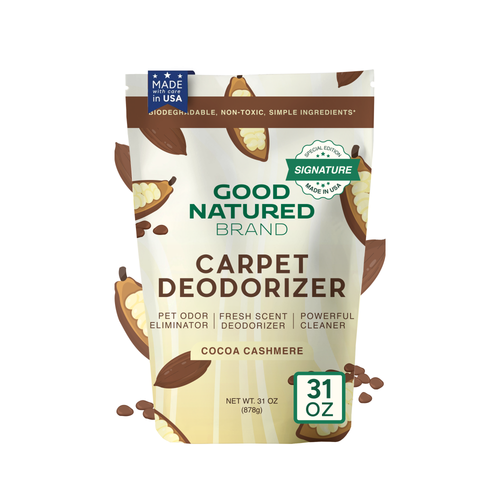
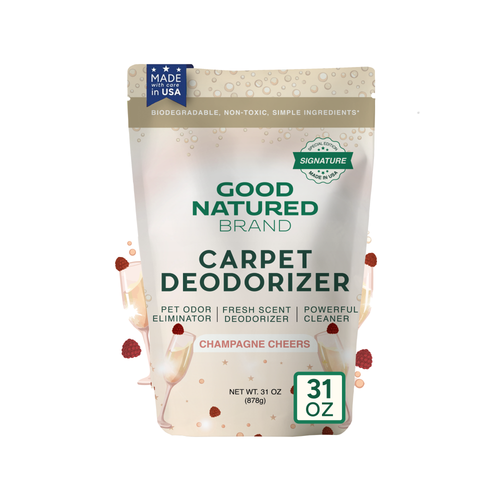
Shop the Product
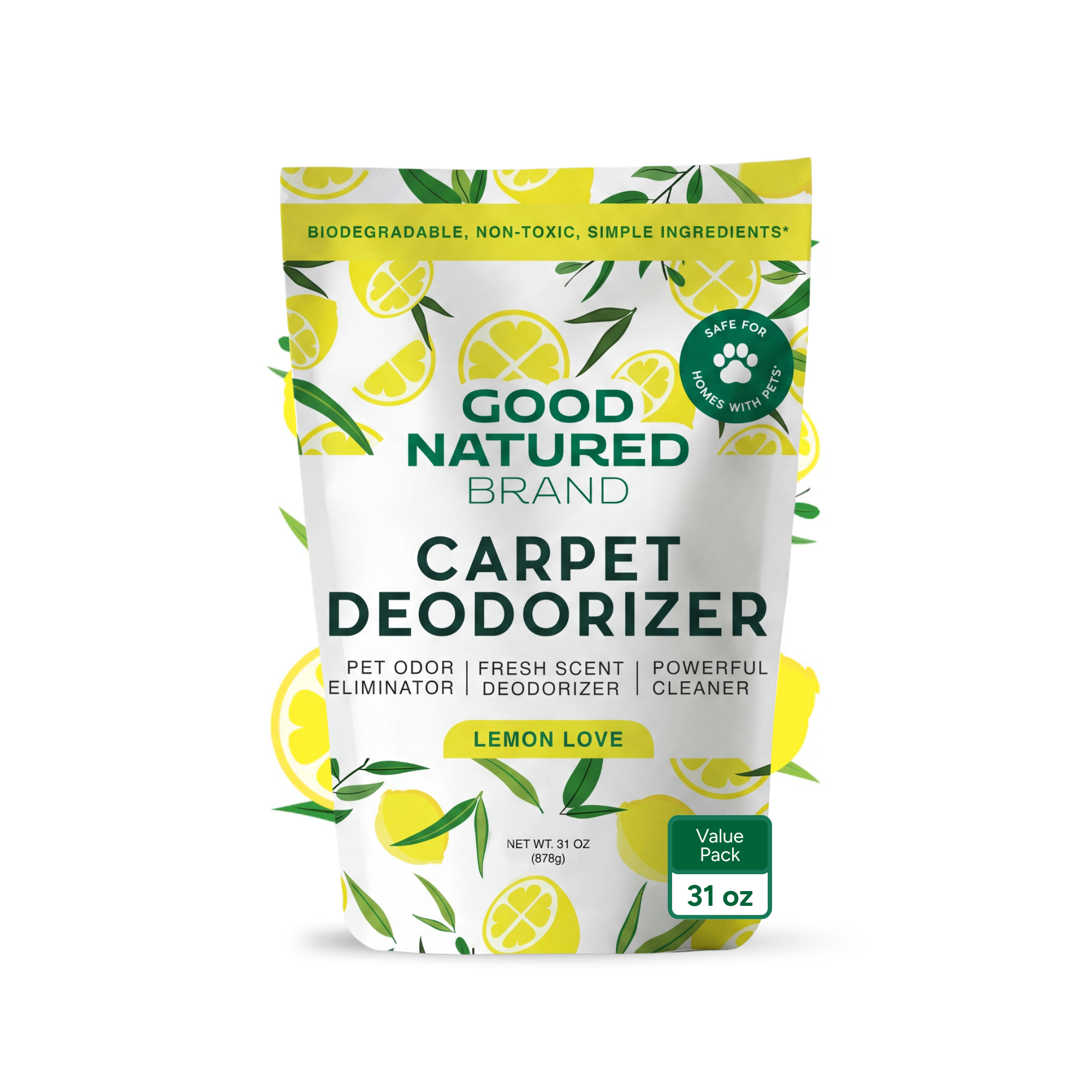
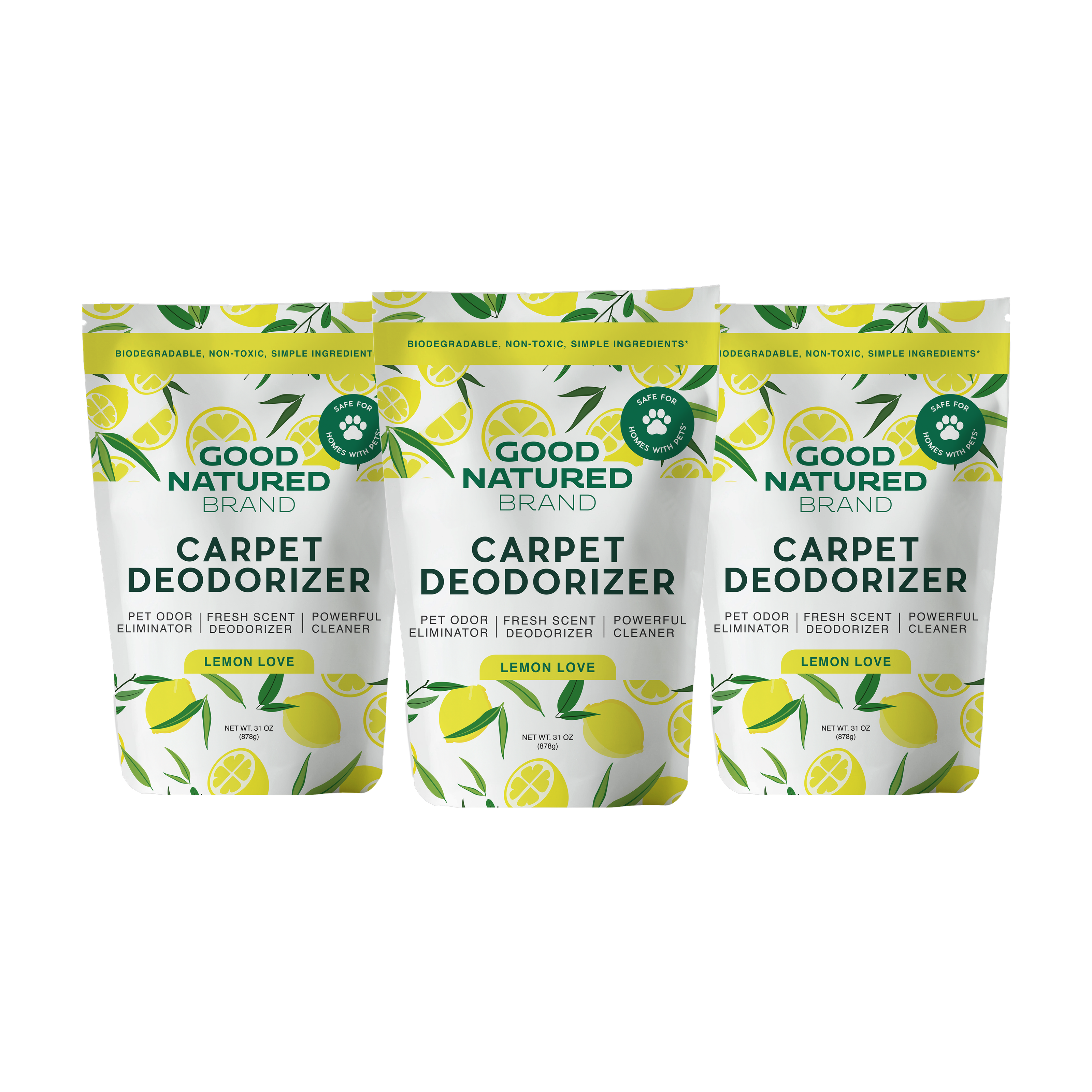
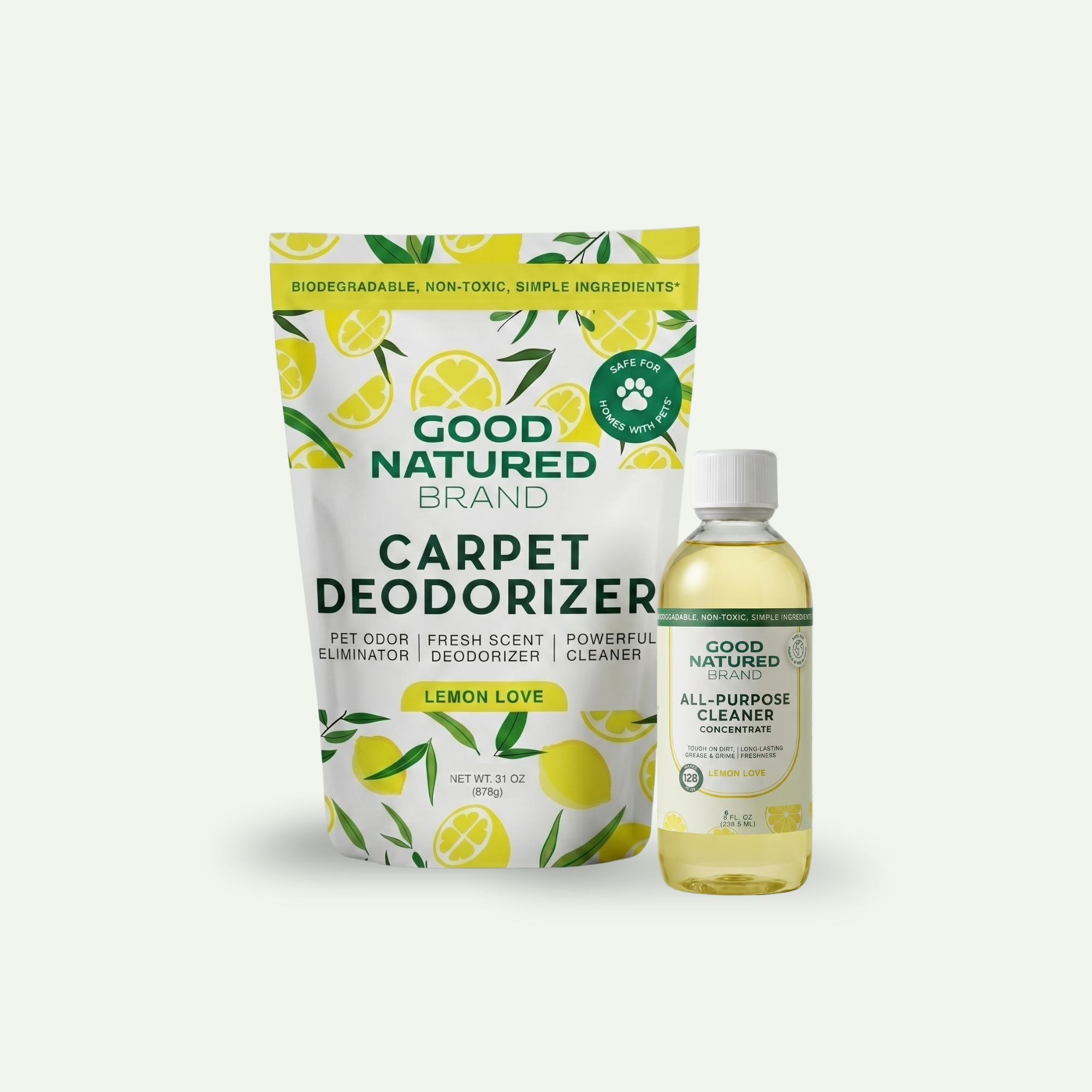
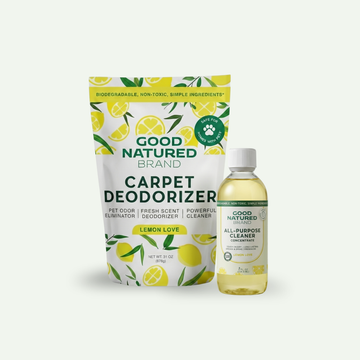
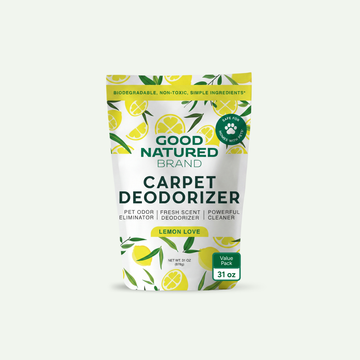
Lemon freshness for every home.
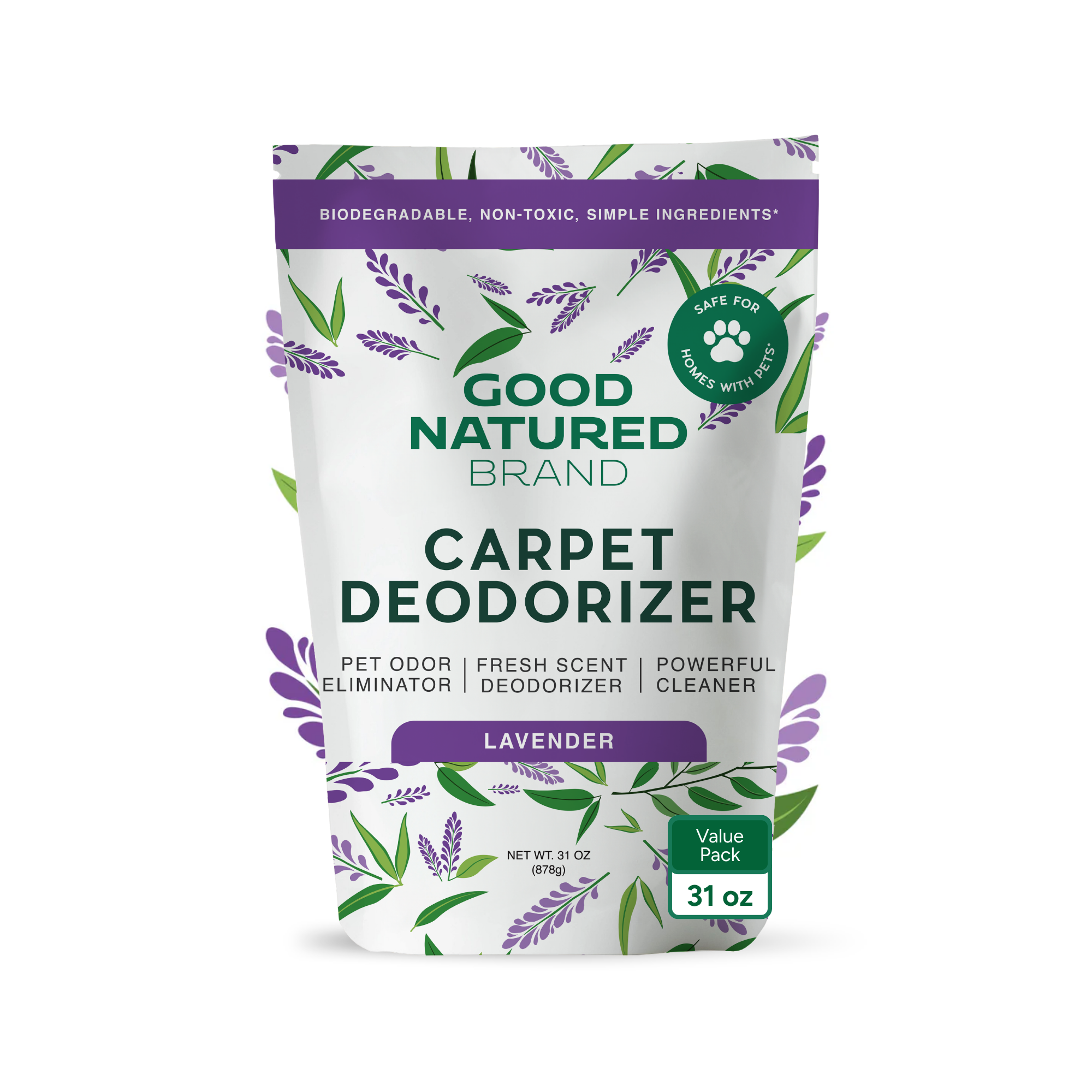
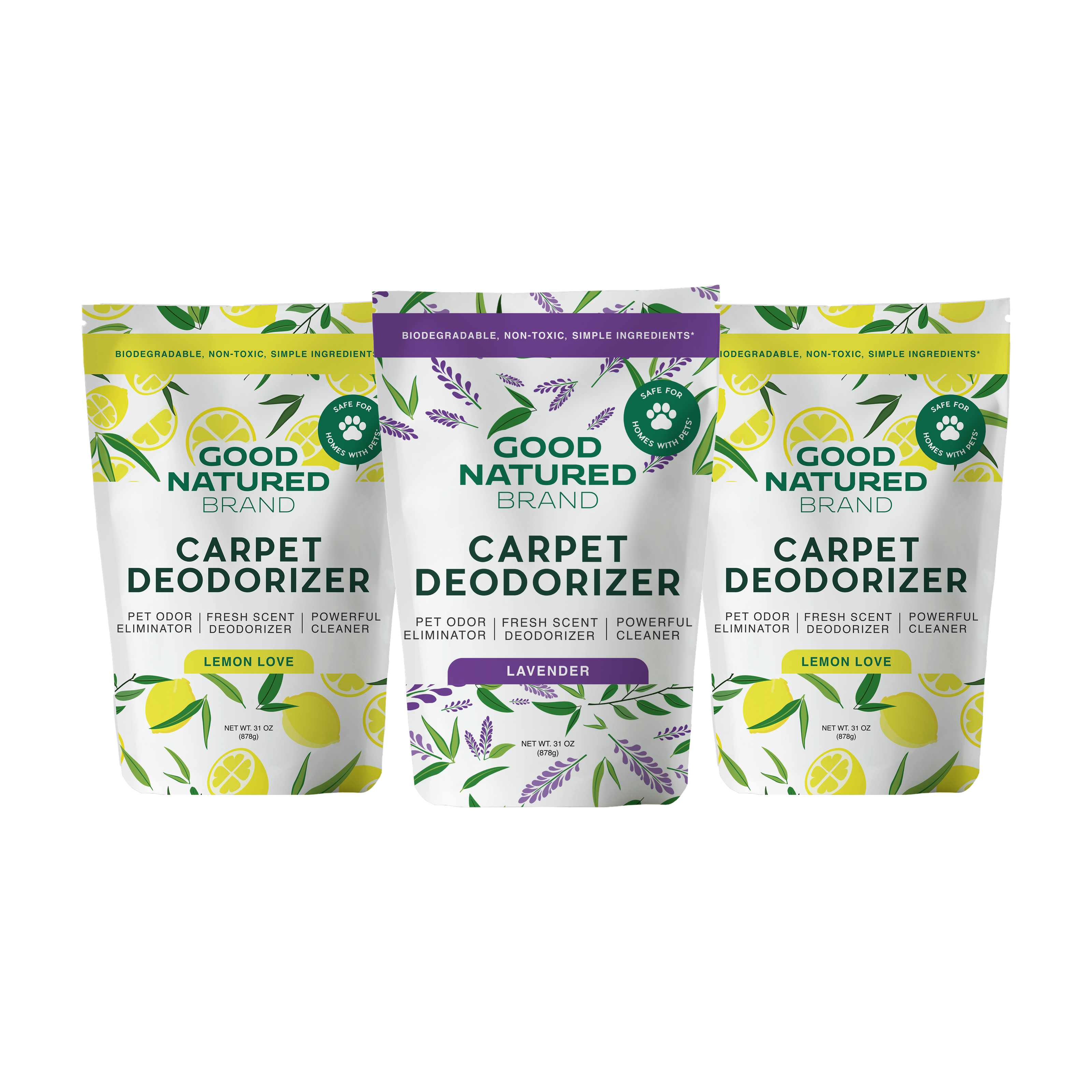
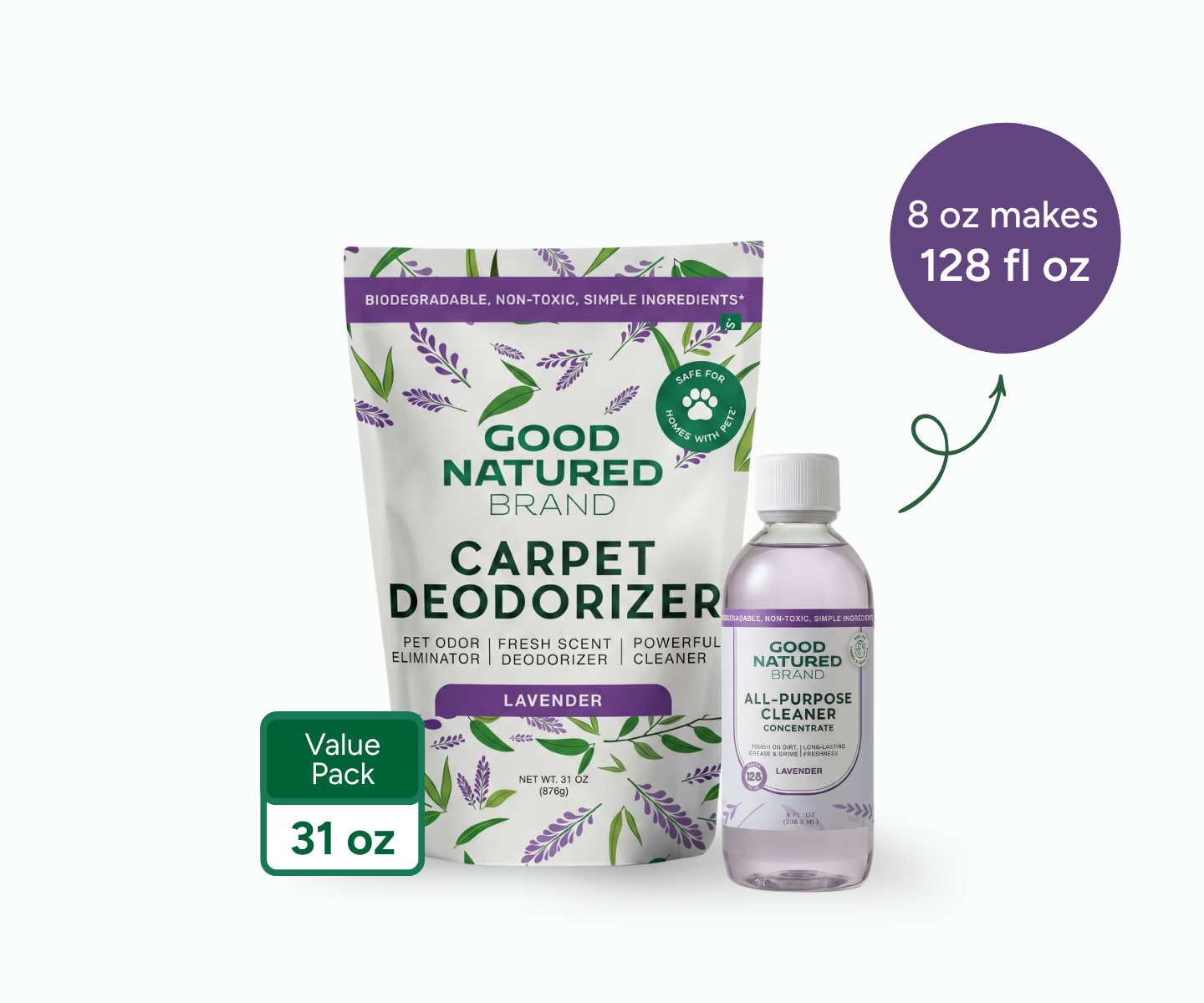
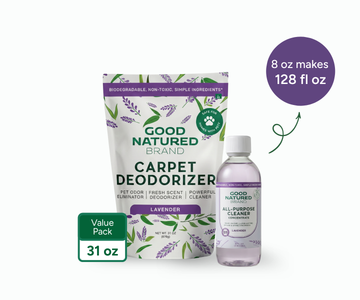
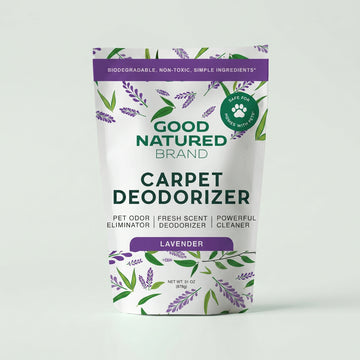
Lavender calm for every home.
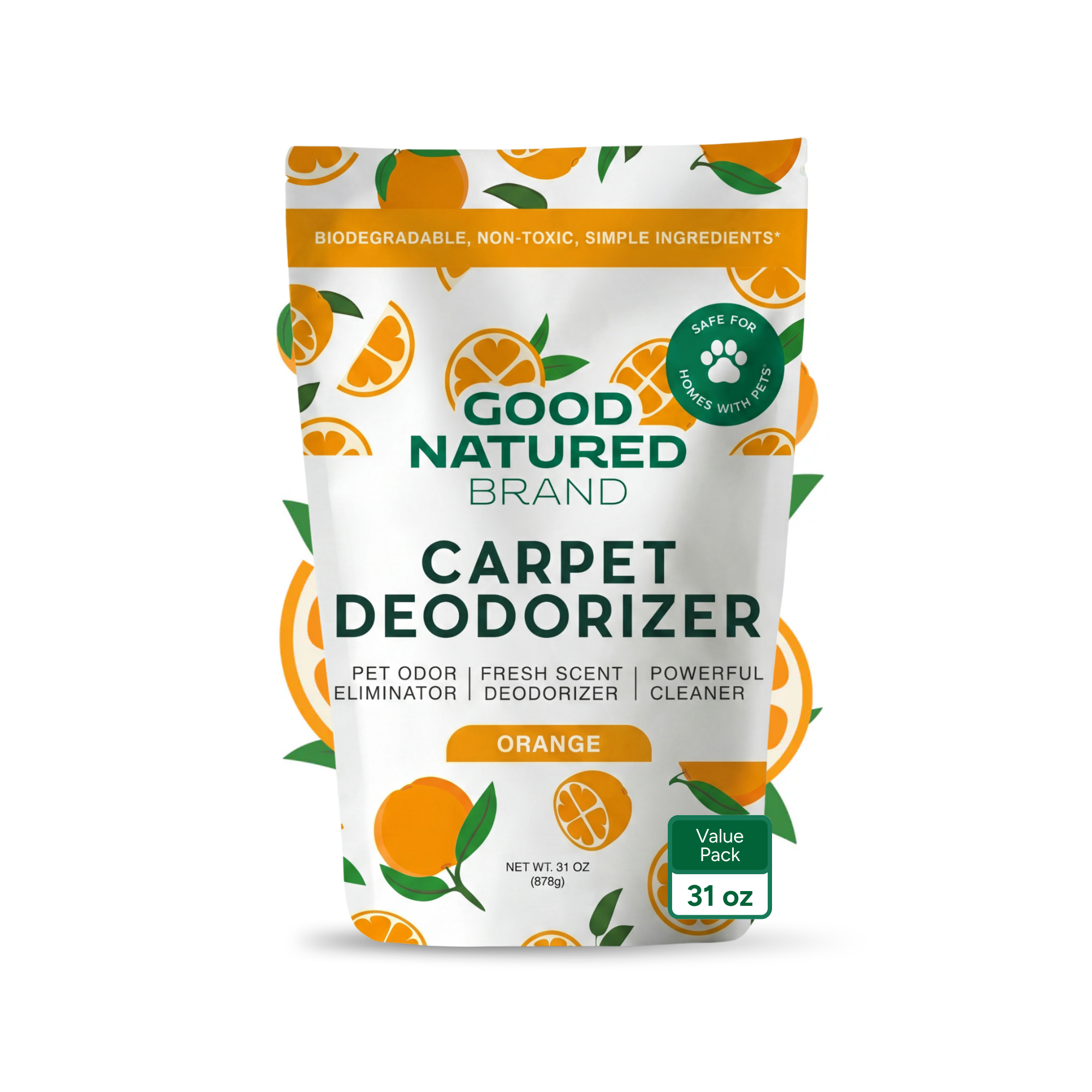
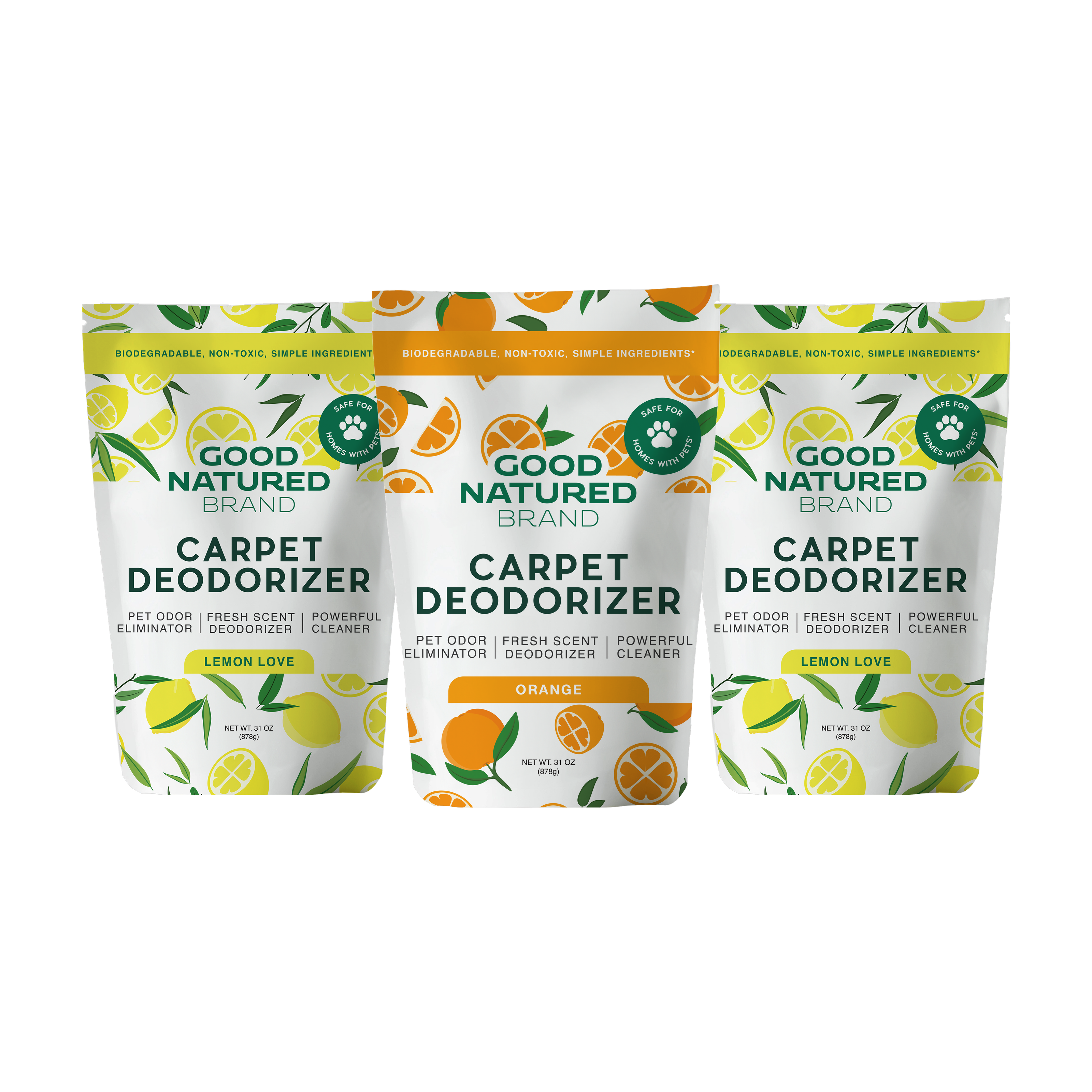
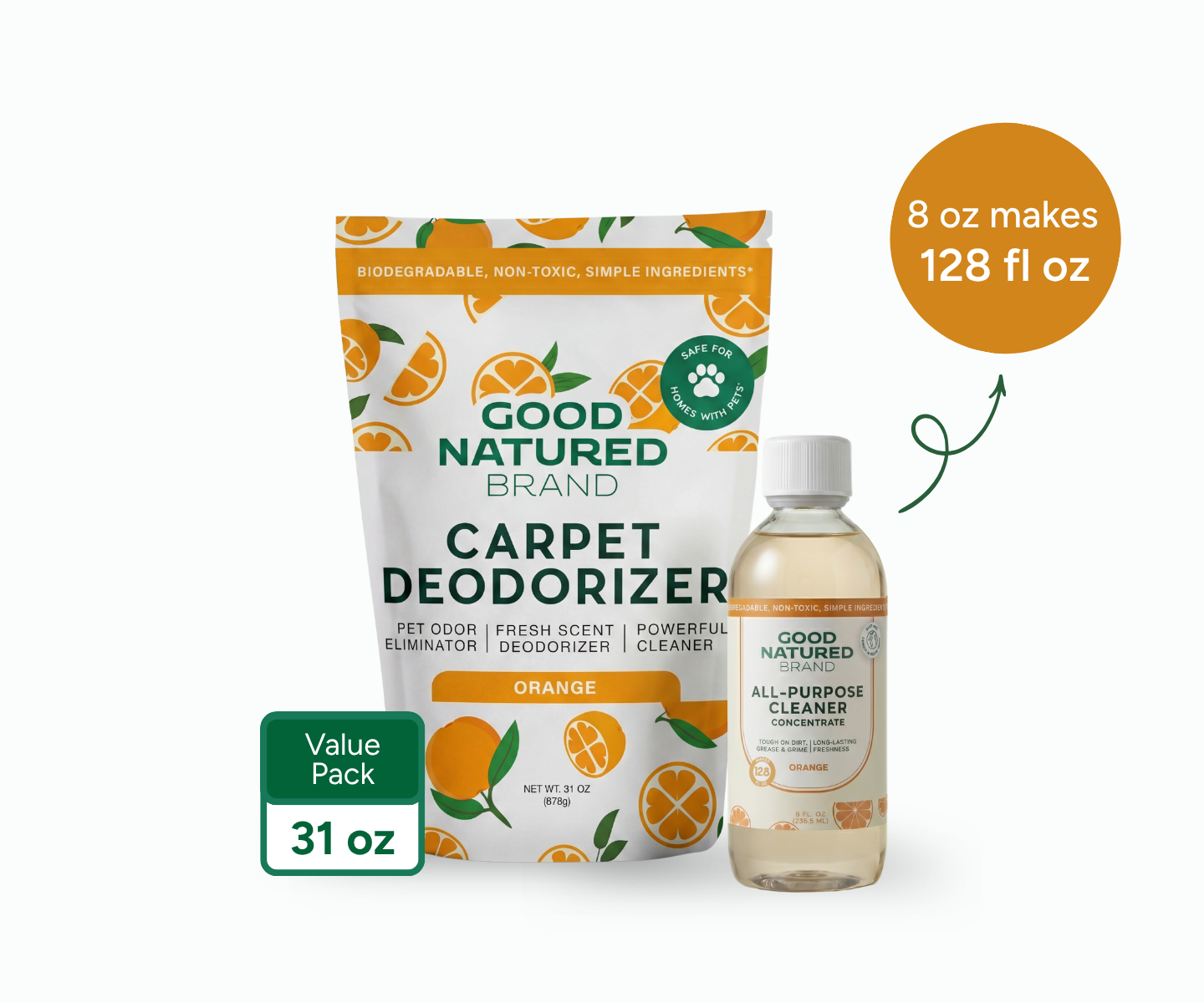
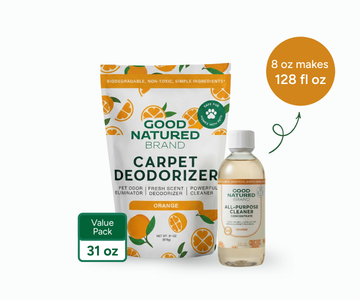
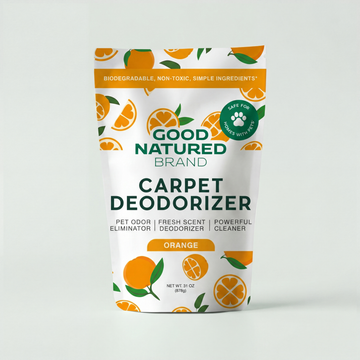
Orange energy for every home.
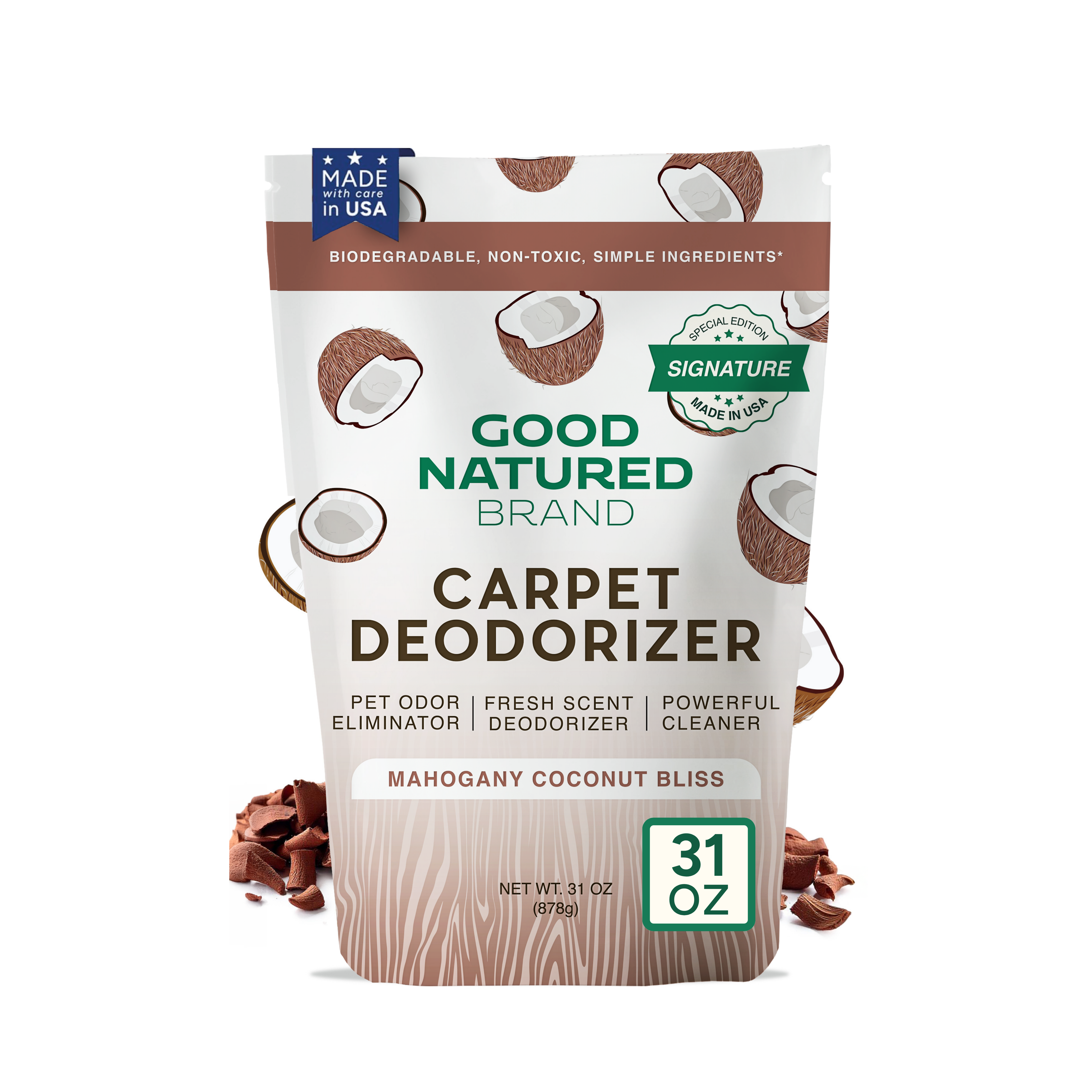
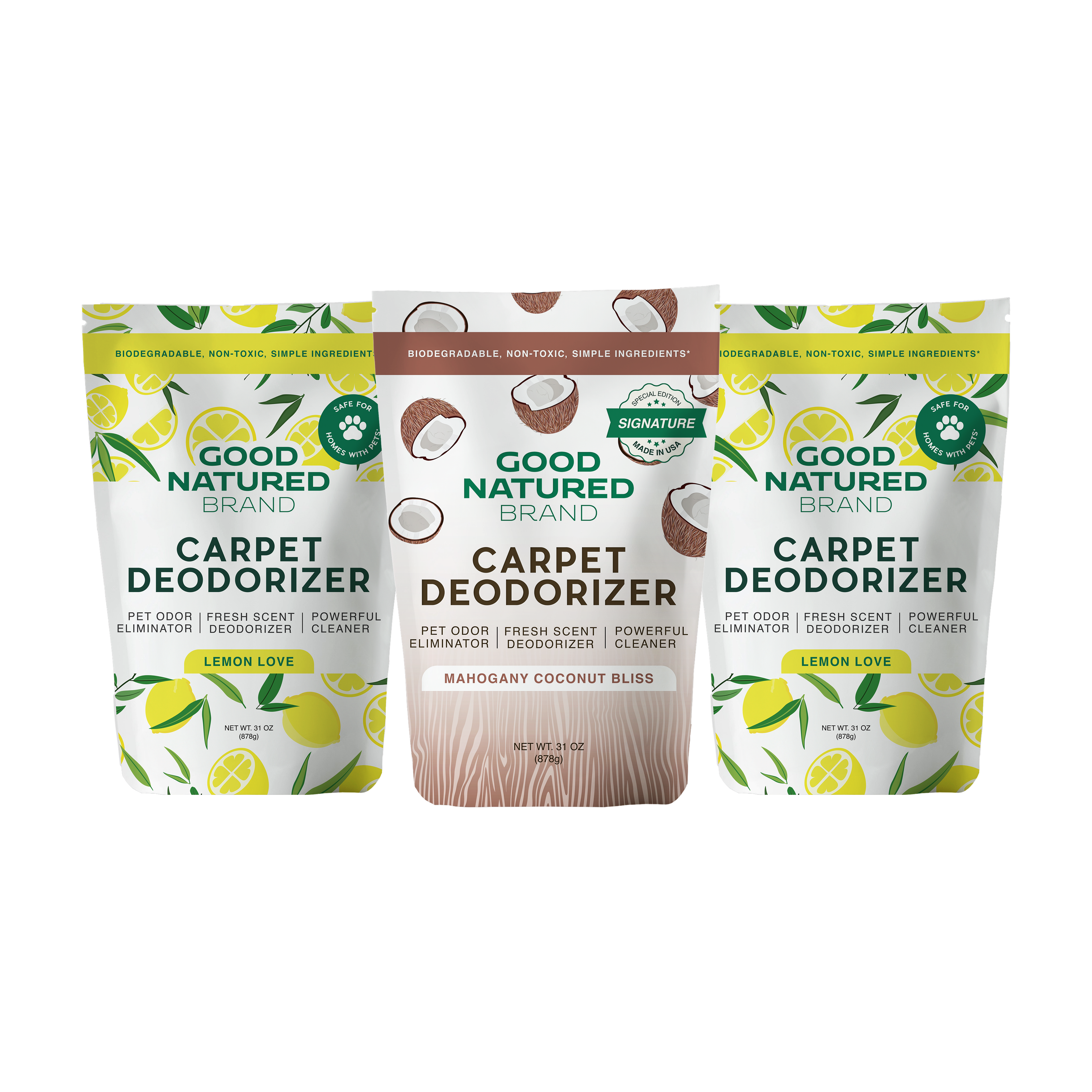
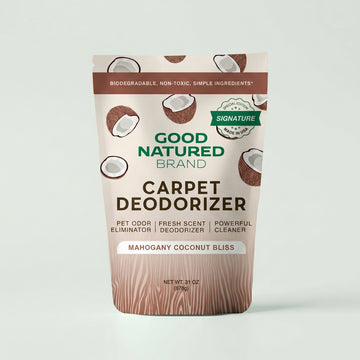
Mahogany warmth for every home.
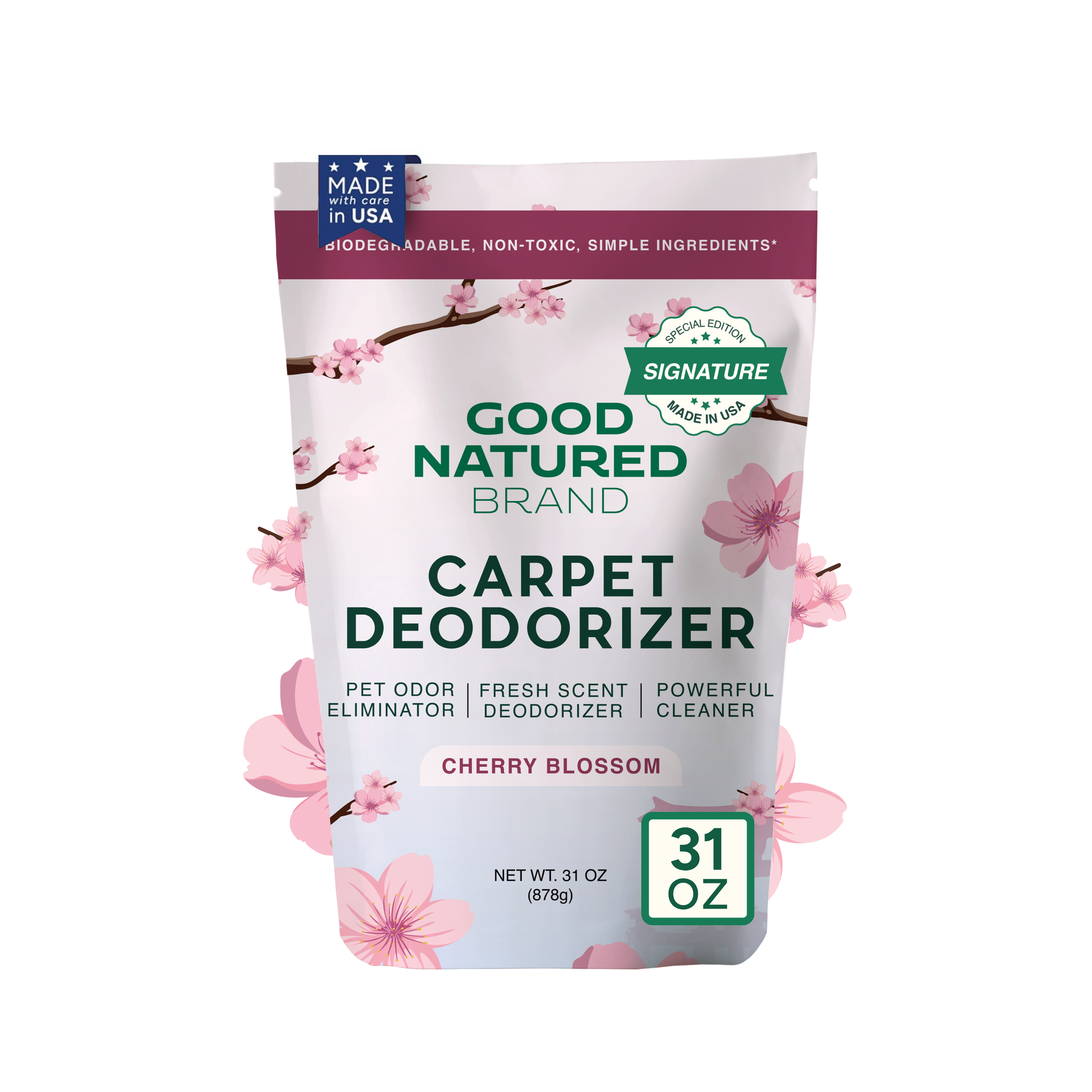
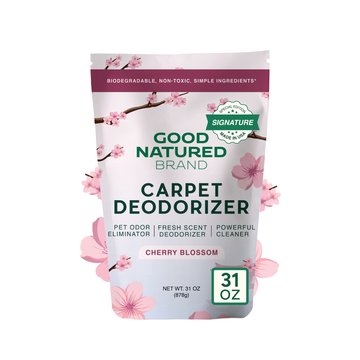
Cherry blossom serenity for every home.
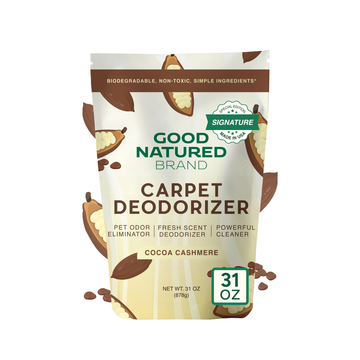
Cocoa butter comfort for every home.
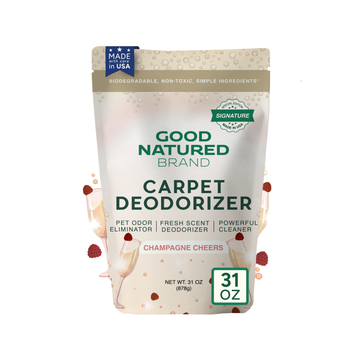
Champagne sparkle for every home.
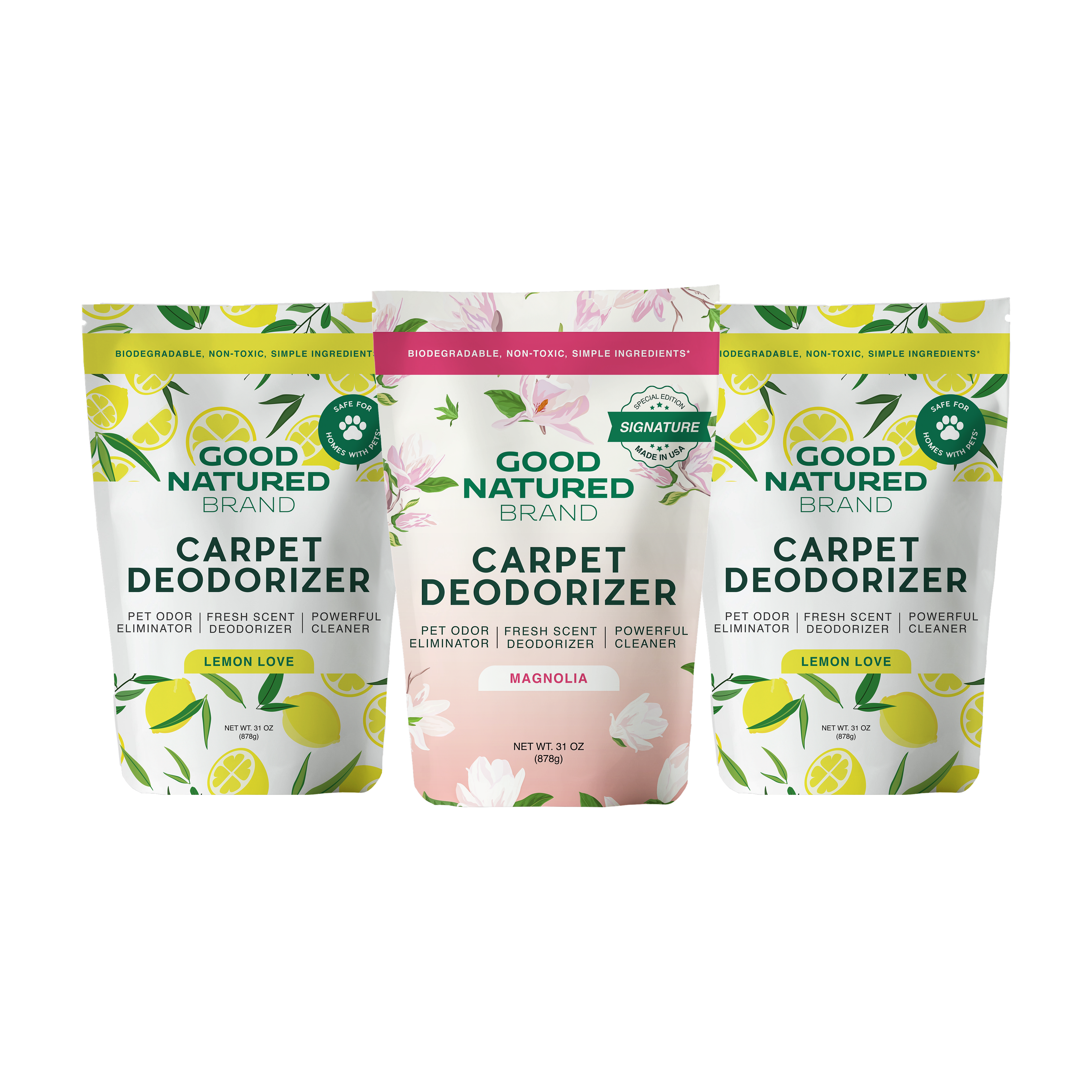
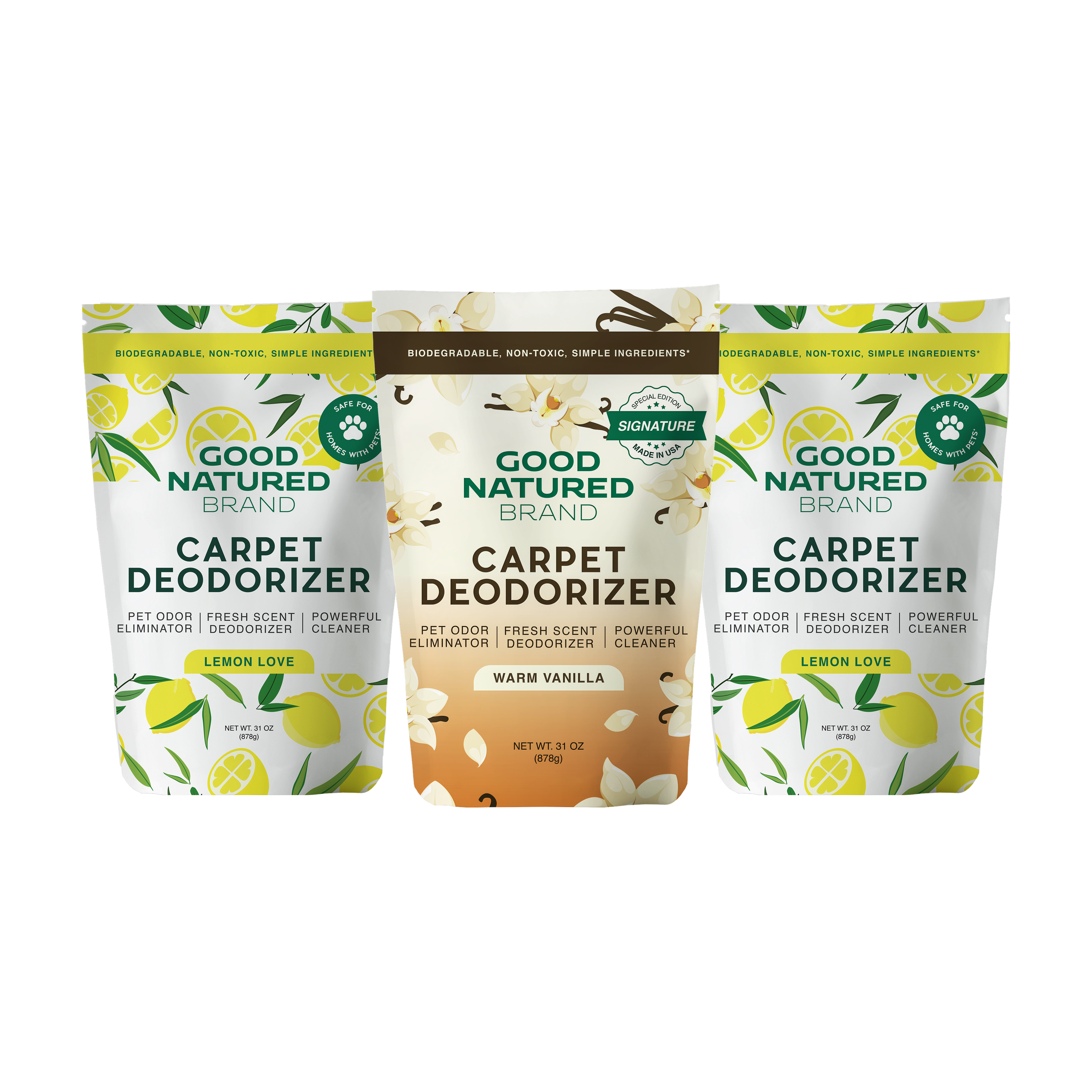
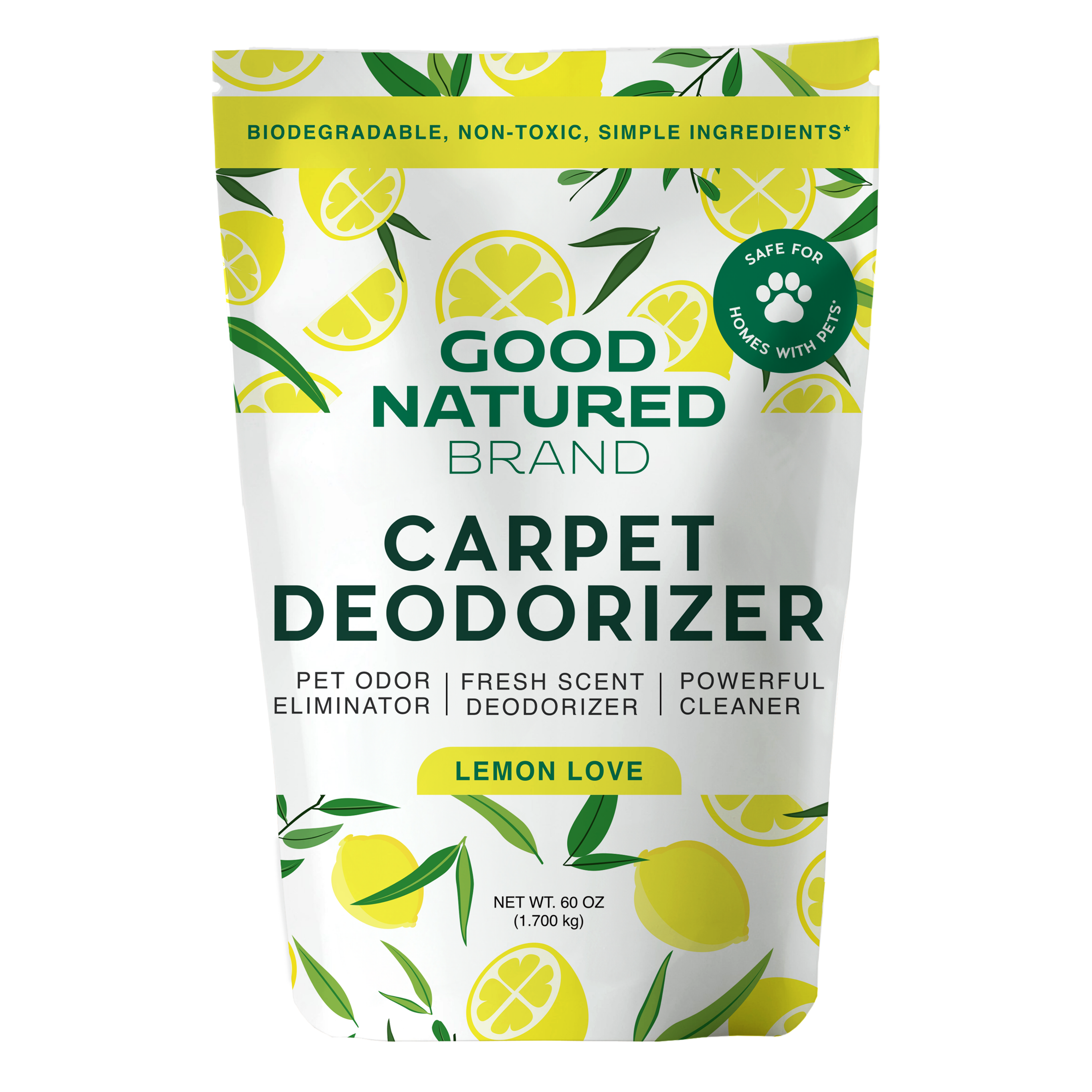
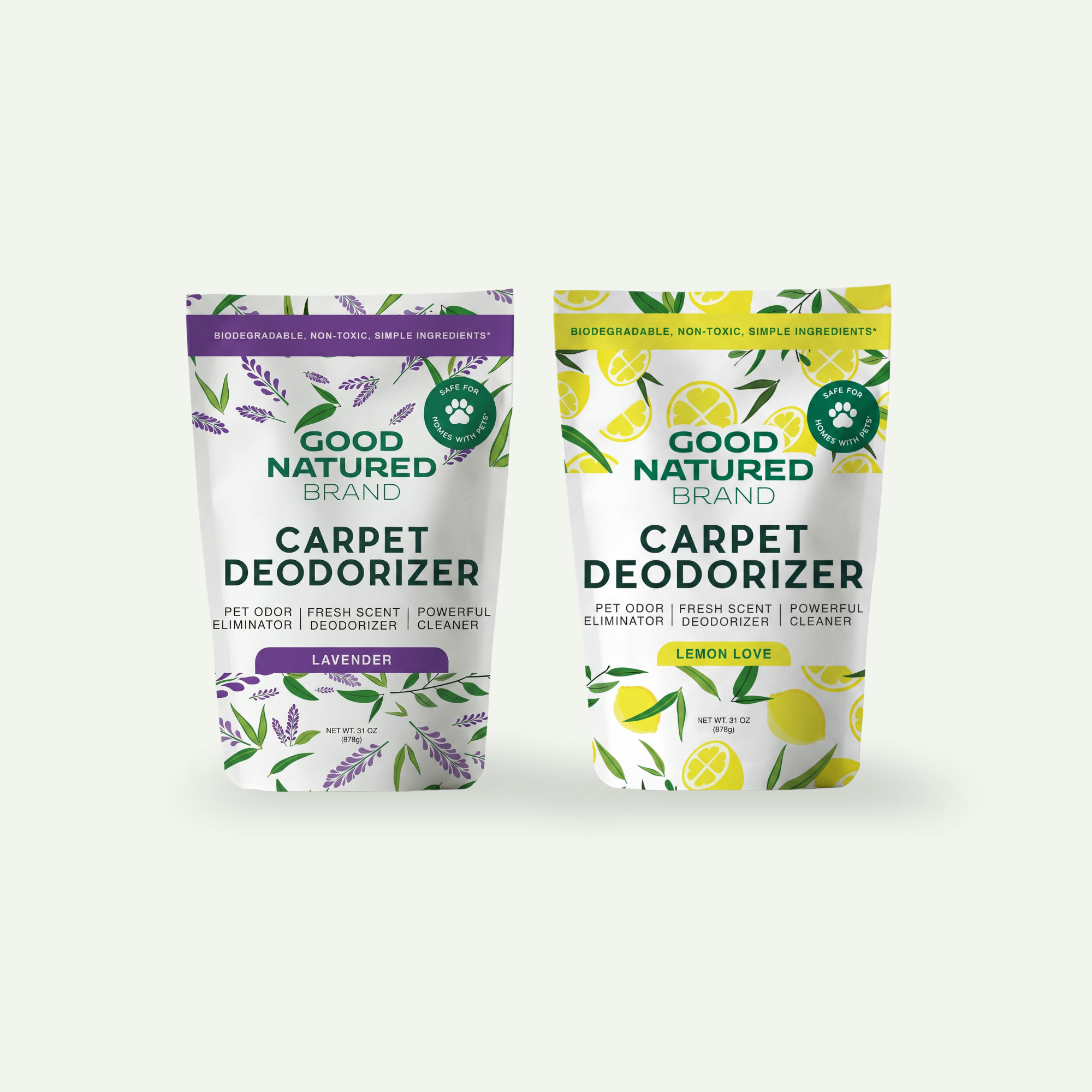
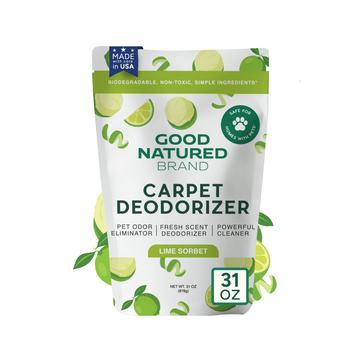
Zesty freshness for every carpet.
The Proximity and Pressure Test
Your dog approaches you, then stops. Maybe they pause a foot away, maybe they circle, maybe they take two steps forward and one step back. This is not nervousness for its own sake. It is a deliberate test.
Dogs are keenly attuned to personal space and autonomy. When they approach someone, they are watching whether that person will respect the pace they set or whether they will lunge forward, reach out too quickly, or try to force contact. In dog society, patience is a social currency. A human who waits and lets the dog close the distance on their own terms is one who understands canine social norms.
Rushing this moment, however well-intentioned, reads as unpredictable behavior. And unpredictable humans are unsafe humans, from your dog's point of view.
How to pass this test: Stay still. Keep your body language open and loose. Let your dog lead the approach entirely. When they do make contact, respond with calm warmth rather than excitement that tips into nervous energy.
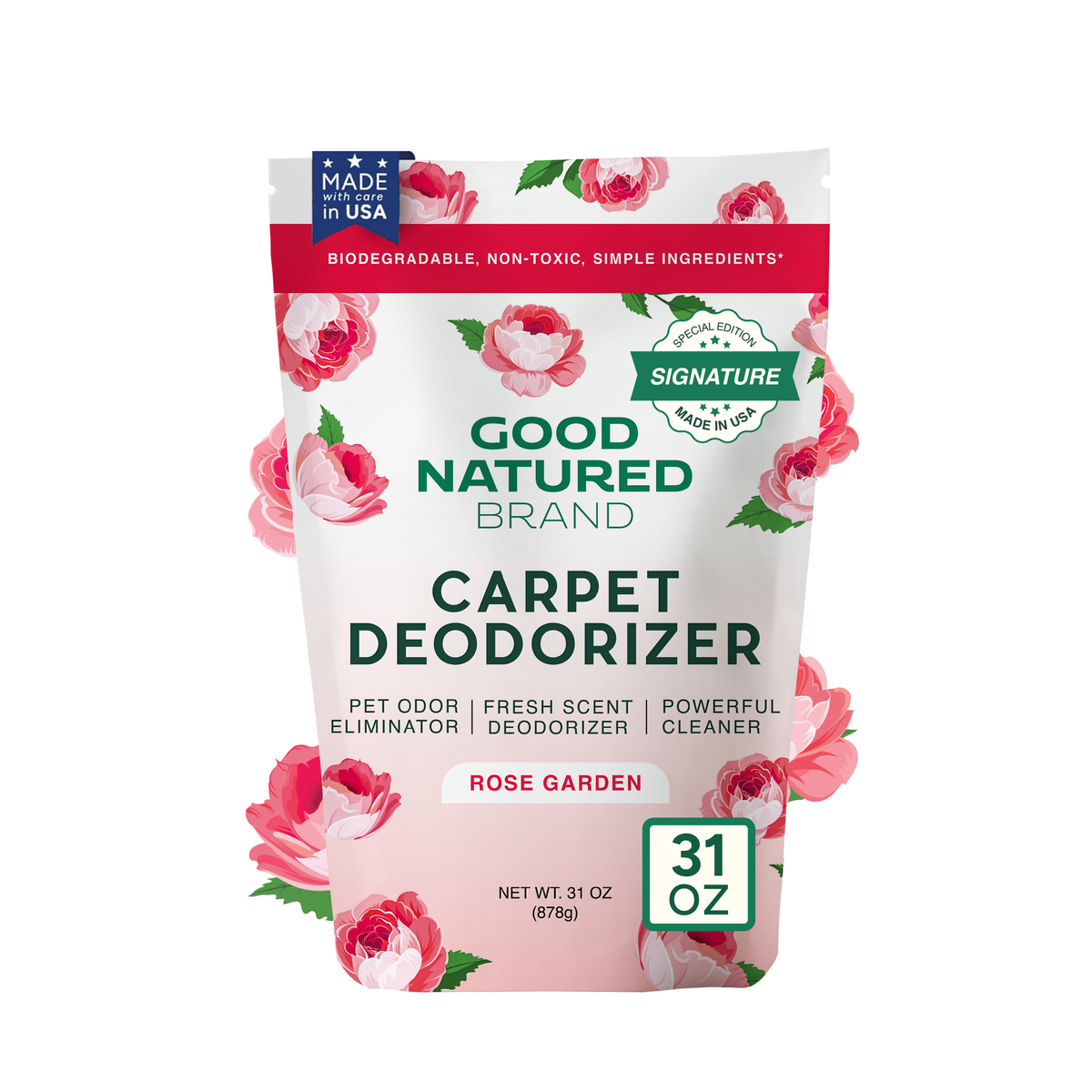
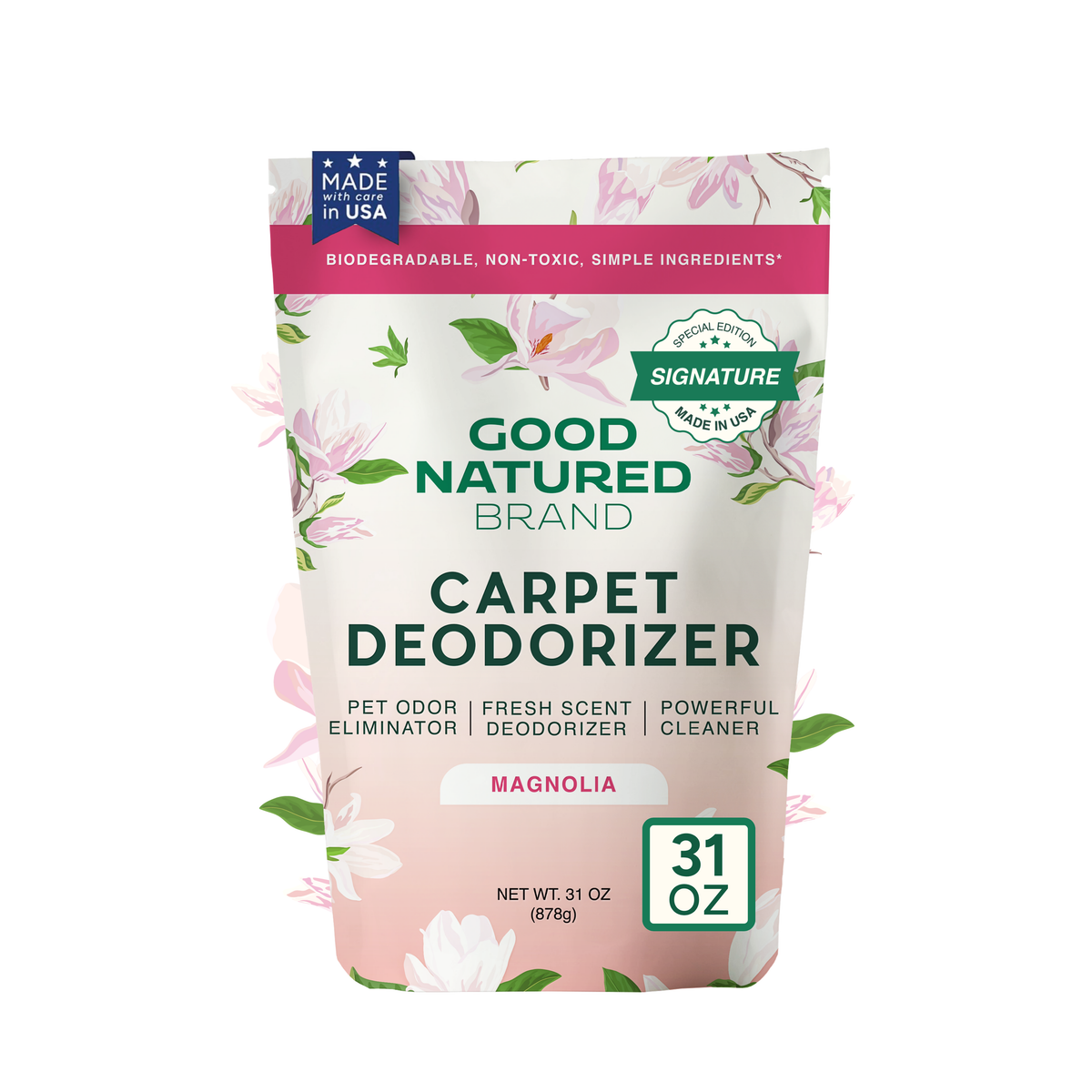
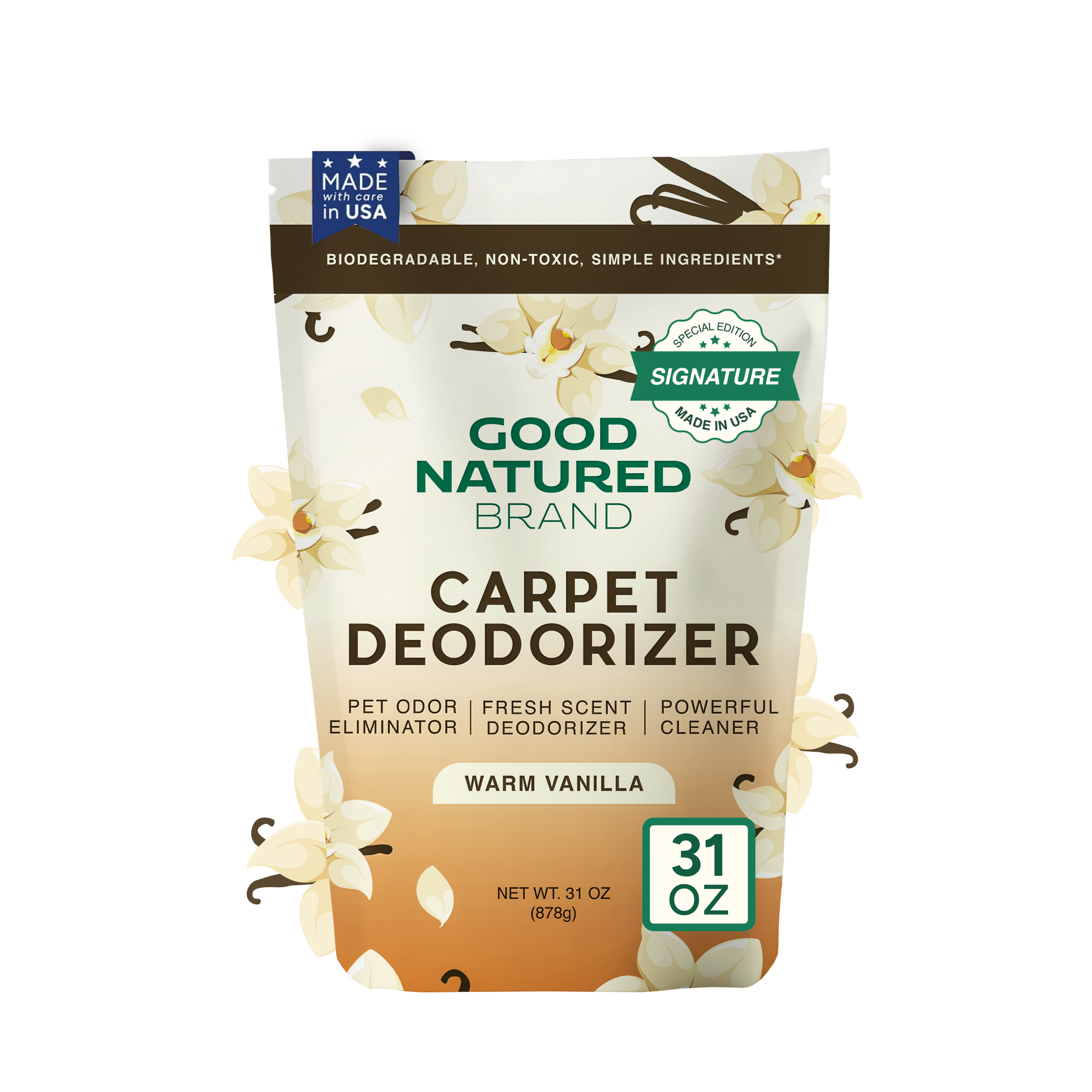
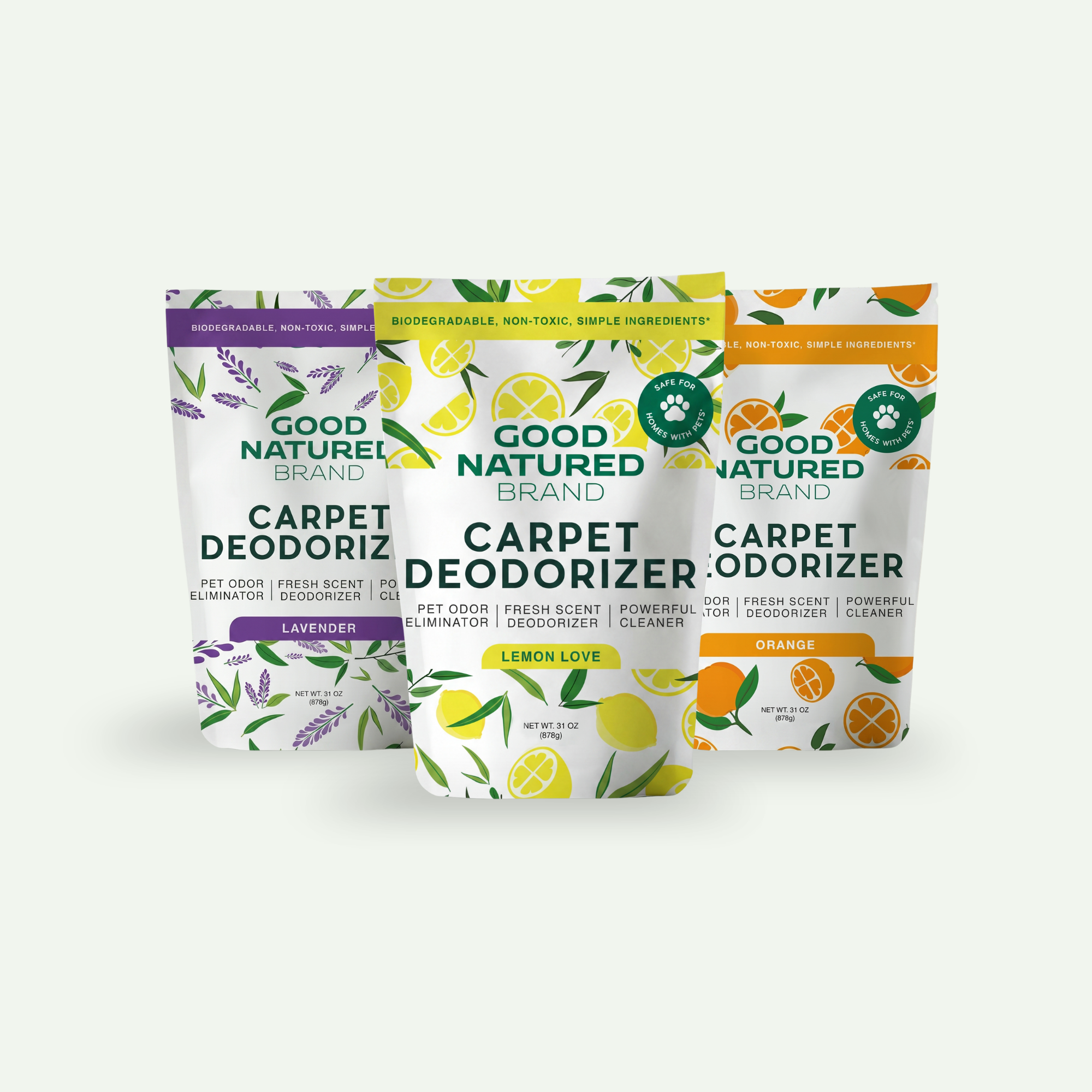
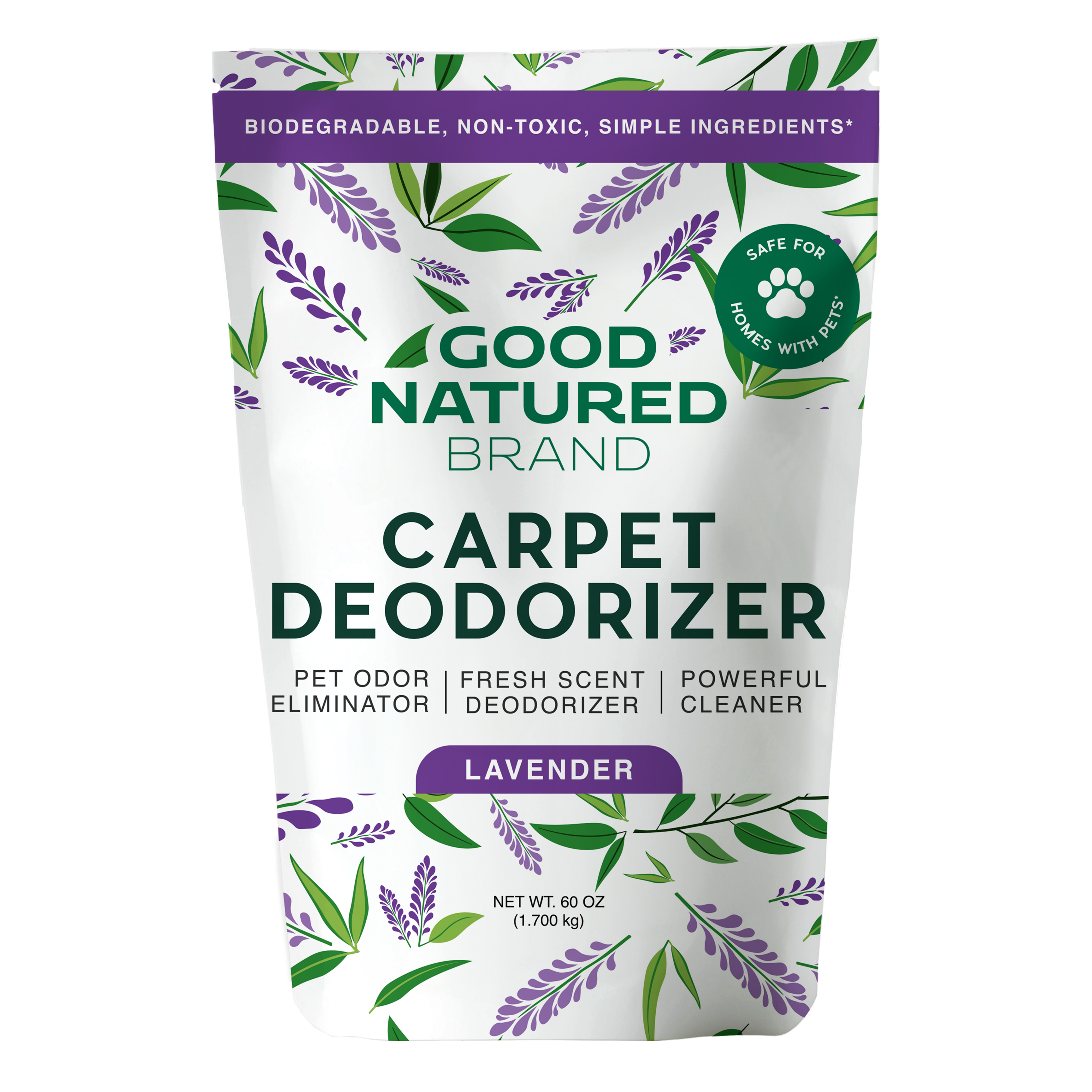
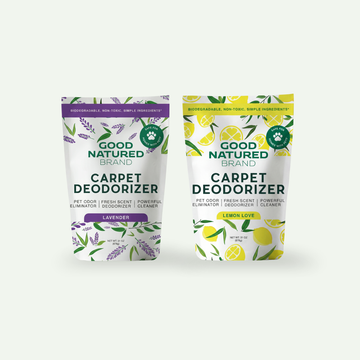
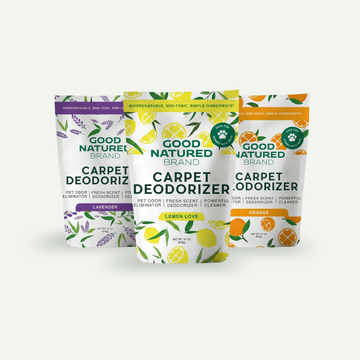
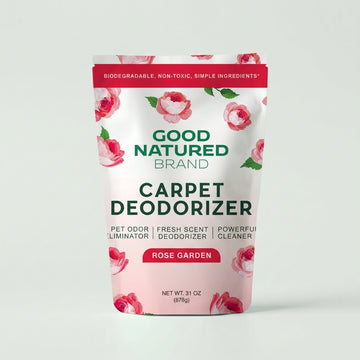
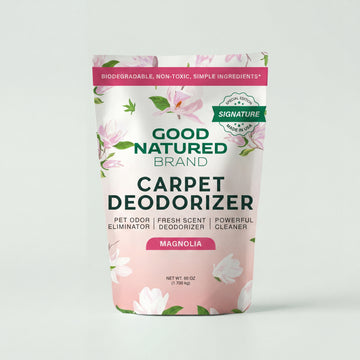
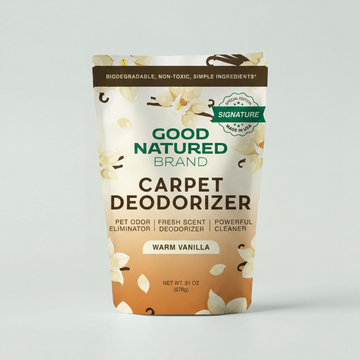
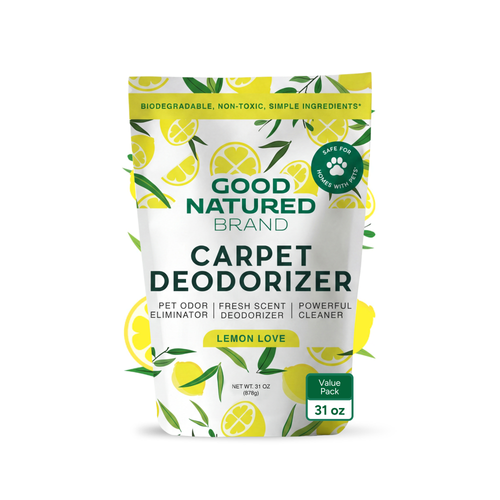
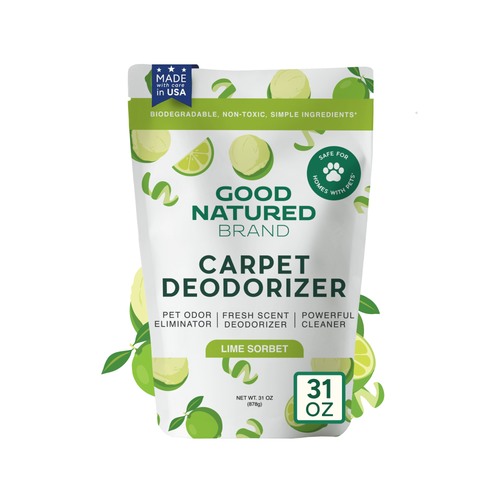
This kind of unhurried interaction matters especially to dogs with sensitive temperaments or rescue histories. The same principle extends to the home environment. A space that feels calm and smells clean without being aggressively fragranced is one where a dog can genuinely settle. Our plant-based carpet deodorizers are formulated to neutralize pet odors at the source, without the heavy synthetic fragrance load that can put a dog's senses on edge.
The Greeting Ritual Test
You walk through the front door. Your dog loses it: tail going, possibly carrying a toy, possibly doing that full-body wiggle that seems physically improbable. This is not just excitement. It is a test.
Behavioral scientists trace this ritual back to wolf pack behavior. When pack members reunite after time apart, they engage in a structured greeting that reaffirms social bonds and group cohesion. Your dog is doing the same thing every time you come home. They are checking in, confirming the bond is still intact, making sure you still see them.
When owners dismiss this ritual by walking past without engagement, scolding the dog for their excitement, or simply not acknowledging what is happening, dogs register it as social rejection. Over time, repeated dismissals can erode the emotional security of even a confident, well-adjusted dog.
How to pass this test: Greet your dog with warmth. You do not need to match their energy level (and probably should not if it feeds anxious behavior), but acknowledge them. A soft voice, a gentle touch, a moment of eye contact. Let them know the bond held while you were gone.
The Vocalization and Sigh Response Test
Your dog whines softly. Lets out a long sigh. Makes a low grumble that is not quite a bark. Then they watch you.
This is a call-and-response test, and one of the more sophisticated ones on the list. Dogs use these quiet vocalizations to probe your emotional availability. They are essentially asking: Are you paying attention? Do you care? How do you respond when I reach out?
What makes this test particularly telling is that dogs do not just track whether you respond. They track how you respond. Their ability to read micro-changes in human vocal tone is remarkable. They can detect irritation masked by a pleasant word, or genuine warmth delivered in a tired voice. They are reading the whole picture.
A response delivered with impatience fails the test, even if the words themselves are technically kind. Ignoring the vocalization entirely also fails it. What passes is a calm, engaged acknowledgment: the emotional equivalent of saying I heard you. I am here. You are okay.
How to pass this test: When your dog makes these quiet sounds, respond with a gentle word or a soft look in their direction. You do not need to launch into a full conversation. Just let them know you received the message and that you are not bothered by it.
The Toy Offering Trap Test
Your dog trots over with their favorite toy. Maybe it is the rope they have had for two years, maybe it is the squeaky thing they guard with unusual intensity. They present it to you, and then when you reach for it, they pull back.
A lot of owners interpret this as an invitation to play tug. Sometimes it is. But when a dog brings a particularly prized possession, it is often something more deliberate than that.
Dogs who bring high-value items to their trusted humans are making a real social gesture. They are showing you something they care about. The test is not whether you can take it. The test is whether you will try. Reaching out and grabbing the toy assertively registers as a dominance move and signals to the dog that their possessions are not safe around you. Over time, this kind of interaction can contribute to resource guarding, an anxious and defensive behavior that develops when a dog does not trust that their valued items will be respected.
How to pass this test: Admire the toy. Speak warmly about it. Let the dog set the terms. If they want to play, they will signal it clearly. If they just wanted to show you something that matters to them, honor that by not forcing the exchange.
The Belly Surrender Test
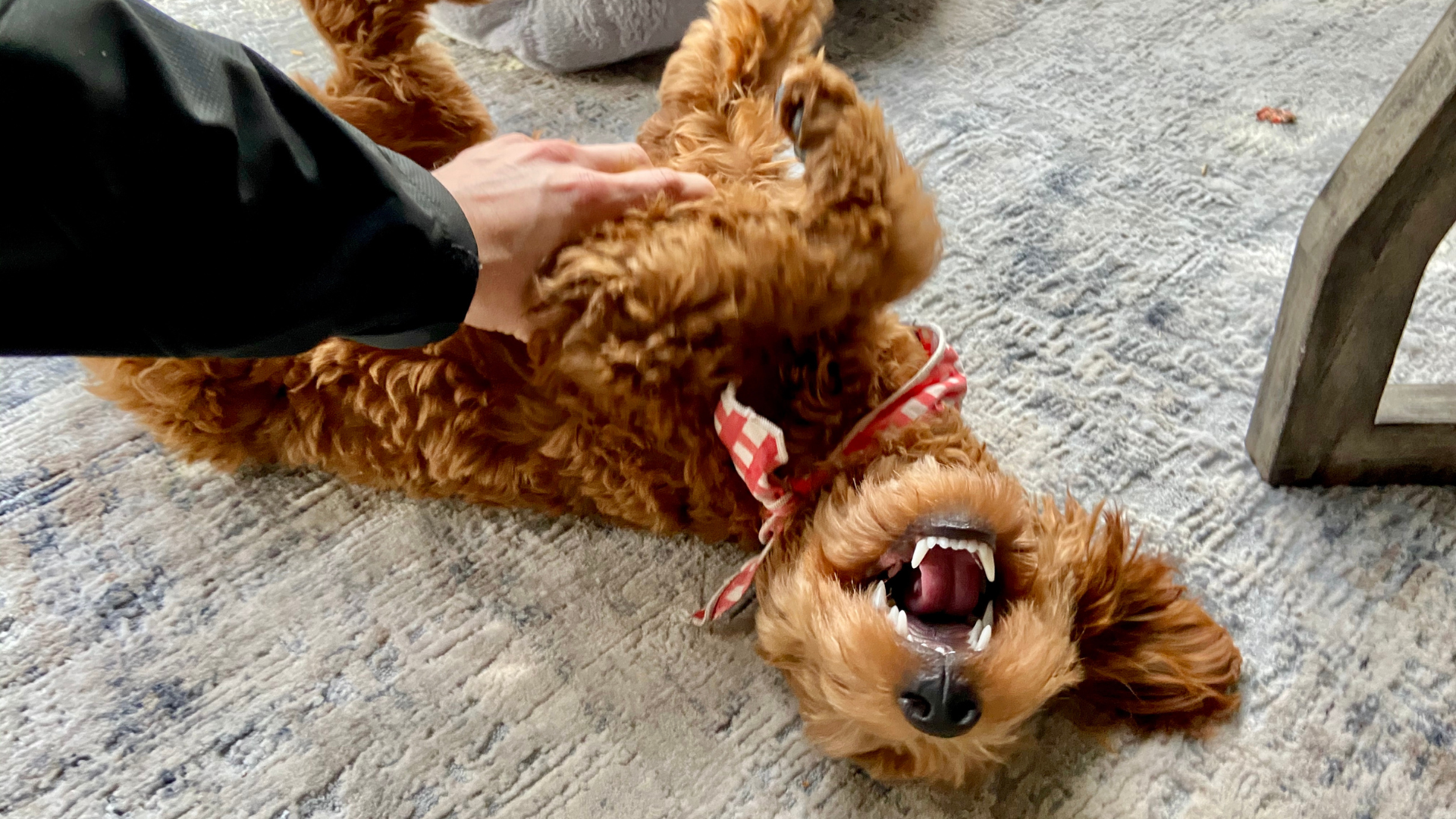
A dog rolls onto their back and exposes their belly. Most owners read this as a universal invitation for belly rubs, and sometimes it absolutely is. But the belly-up position carries two very different meanings depending on what the rest of the dog's body is doing.
Relaxed belly exposure (loose muscles, a gently wagging tail, soft eyes, maybe even a little leg kick) is an invitation. Your dog is comfortable enough with you to expose the most vulnerable part of their body. Go ahead and give those belly rubs.
Tense belly exposure (stiff muscles, a tucked tail, pinned ears, a closed mouth) is something else entirely. This is an appeasement gesture, a submissive signal that means: I am not a threat. Please do not escalate. This posture often appears when a dog feels uncertain or mildly threatened. Responding by reaching in to pet them anyway, however well-meaning, ignores what they are actually communicating and can increase their anxiety rather than ease it.
How to pass this test: Read the full picture, not just the belly. When the body is loose and happy, pet freely. When the body is tense, give them space and let them come back to you when they are ready.
What All Six Tests Have in Common
Pull back from the specific scenarios and you find the same core principles running through every one of these tests: patience, attentiveness, emotional availability, and genuine respect for your dog's autonomy.
Dogs are not testing us to find reasons to distrust us. They are looking for reassurance that we are safe to be around, that we will not be unpredictable, forceful, or dismissive. Every time we pass one of these tests, we add to a reservoir of trust that quietly shapes how our dogs move through the world. Dogs who feel deeply secure with their humans tend to be calmer, more confident, and more resilient across the board.
None of this requires a trainer or a structured program. It requires showing up for your dog the way you would want someone to show up for you: with consistency, patience, and real attention.
Creating a Home That Supports Your Dog
Understanding your dog's emotional world is one piece of this. The physical environment they live in is another, and it matters more than most people consider.
Dogs have a sense of smell that researchers estimate is anywhere from 10,000 to 100,000 times more sensitive than ours. They are acutely aware of everything their home smells like, and conventional cleaning products can be genuinely disruptive for them. Strong synthetic fragrances, harsh solvents, and chemical detergents can overwhelm a dog's olfactory system and contribute to stress and disorientation. If your dog seems unsettled after you have cleaned, or consistently avoids a freshly laundered blanket, scent sensitivity may be the reason.
Good Natured Brand's plant-based cleaning products are built with this in mind: effective enough to handle a real, lived-in home with pets in it, and gentle enough not to make that home harder to live in.
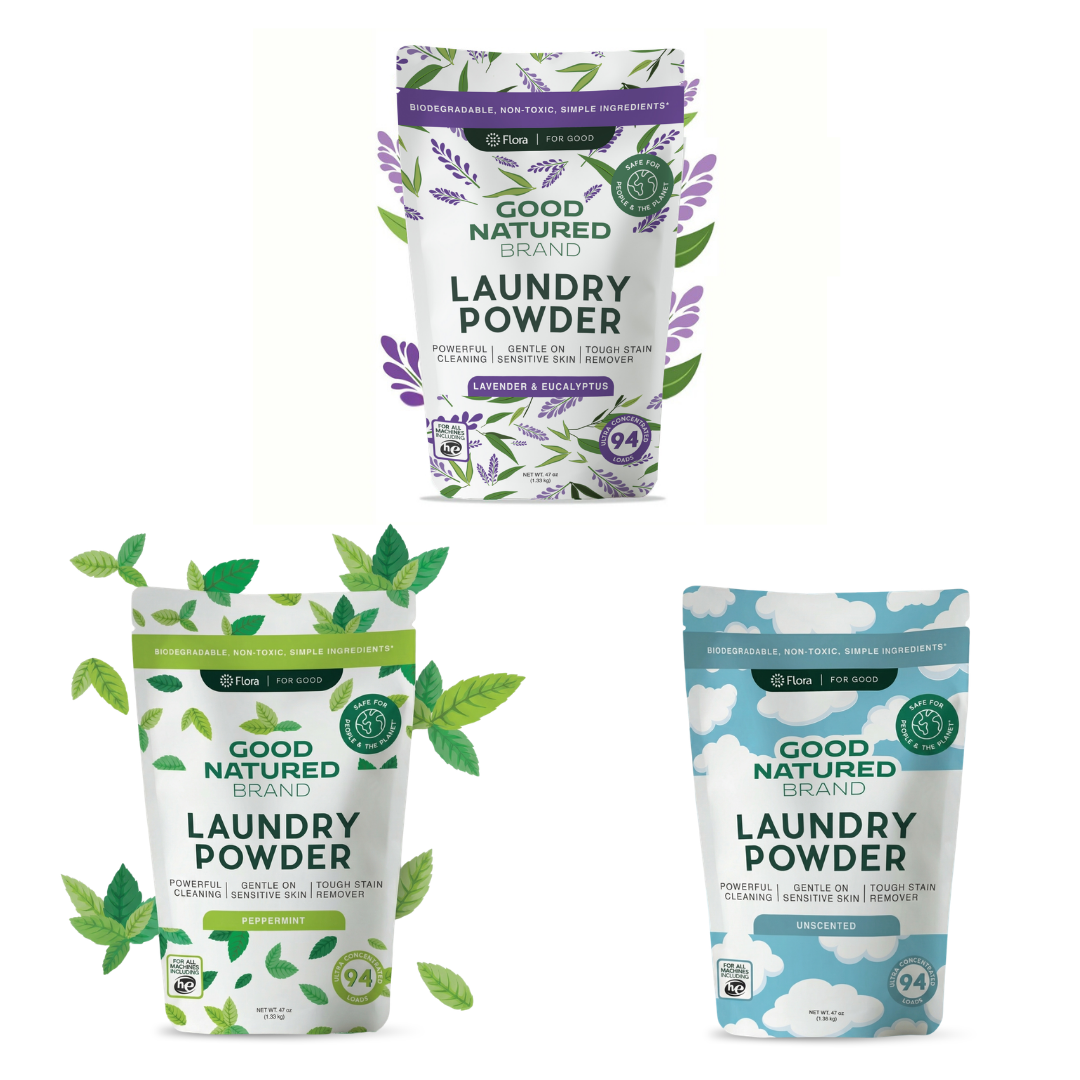
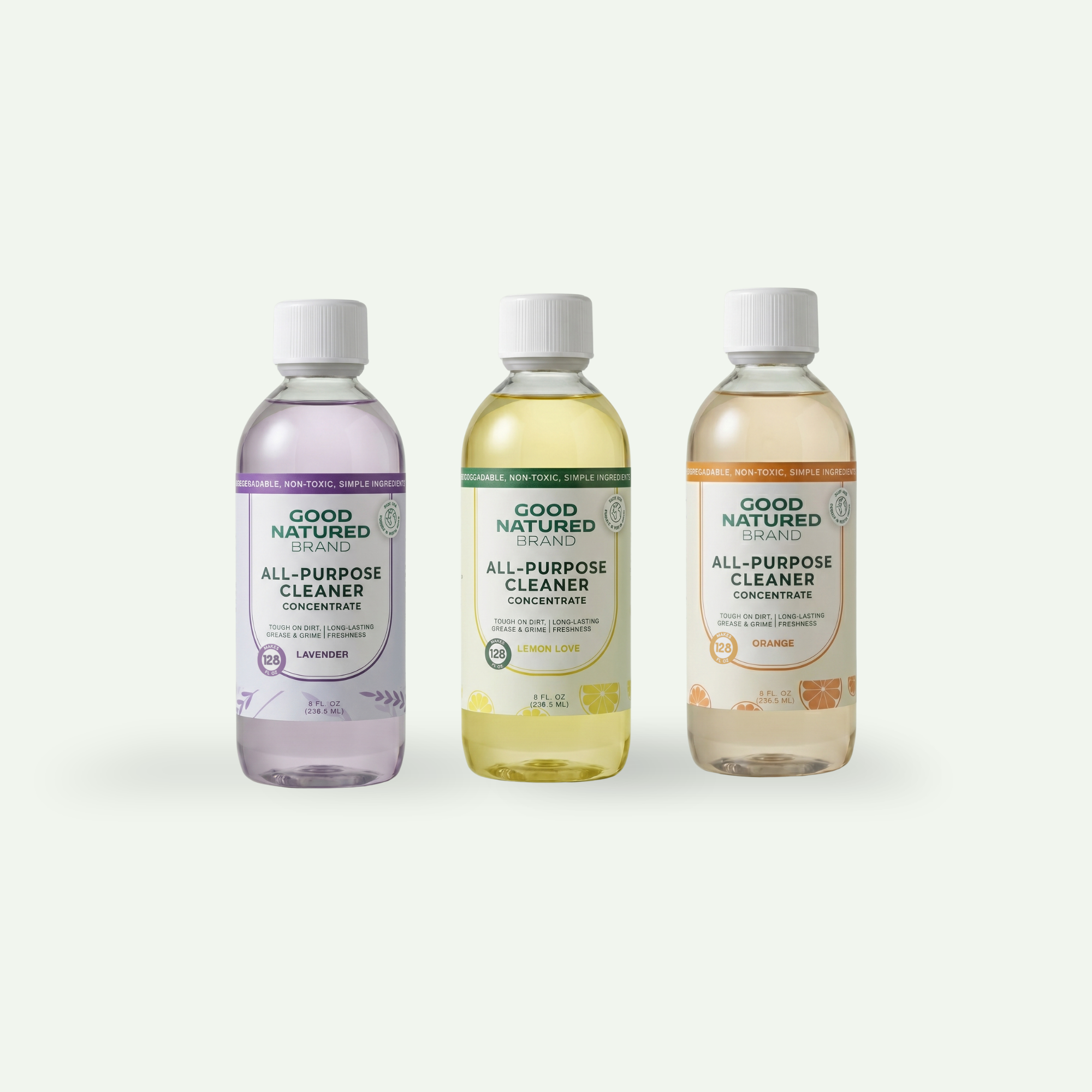
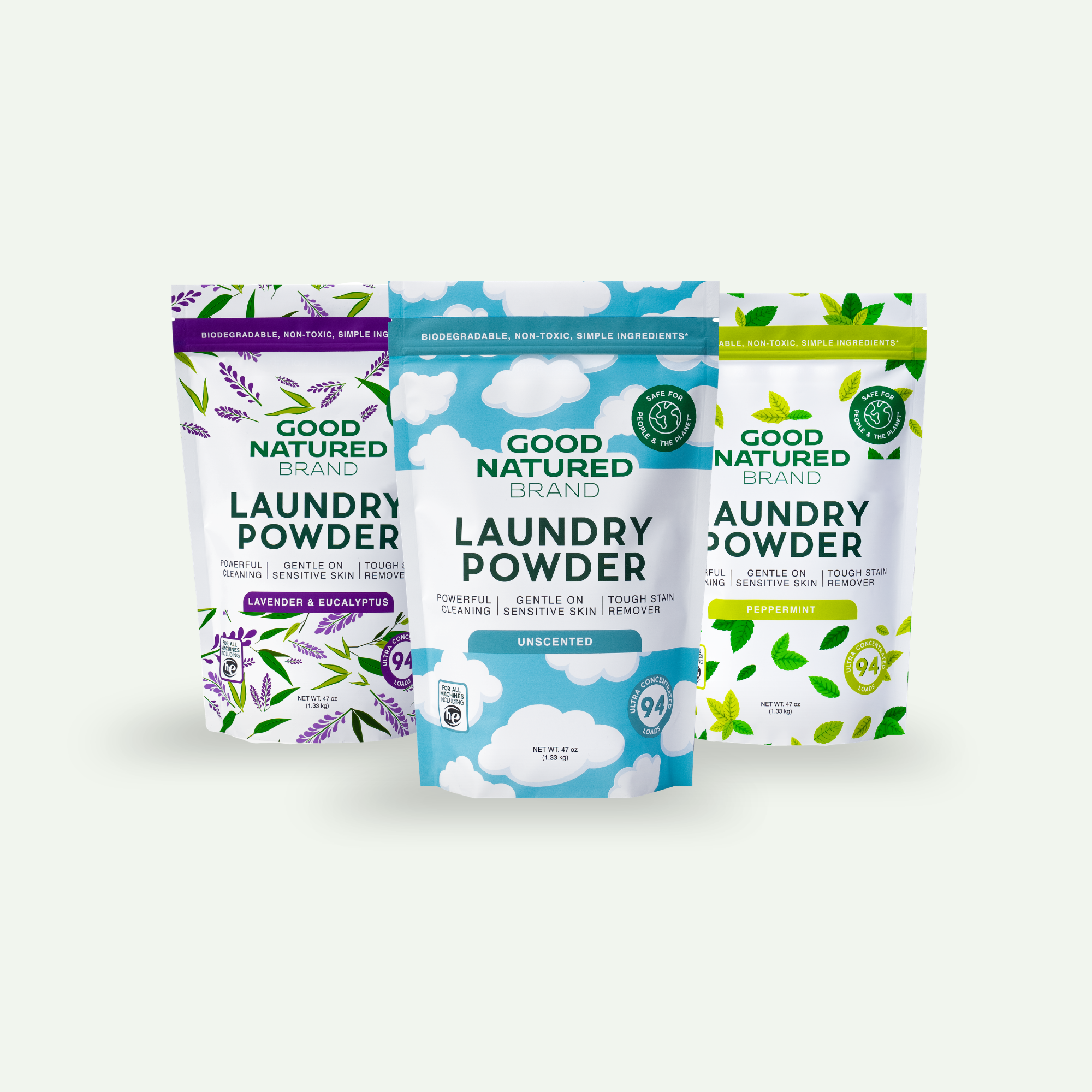
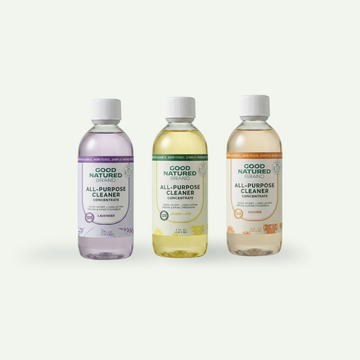
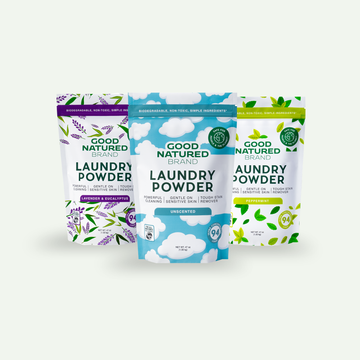
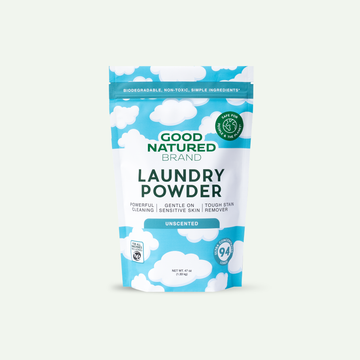
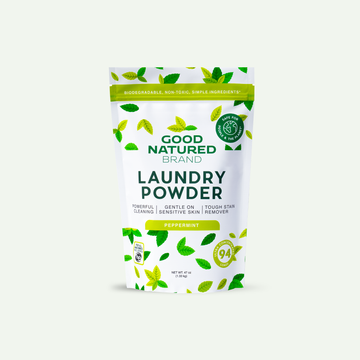
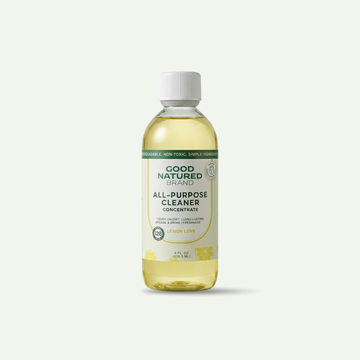
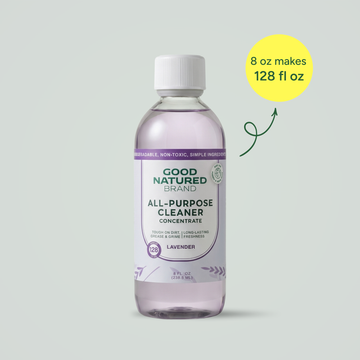
Our carpet deodorizers neutralize pet odors at the source rather than layering heavy fragrance over them, which makes a real difference for dogs who spend most of their time at floor level. Our laundry powders clean bedding, blankets, and soft toys without leaving behind residue that can bother sensitive noses. And our all-purpose cleaners take care of everyday surfaces your dog interacts with (floors, counters, food prep areas) using plant-derived ingredients that do not come with a list of things to keep away from pets.
A home that smells genuinely clean, rather than chemically masked, is one where your dog can truly relax. And a dog who is relaxed and secure is far more able to trust you, bond with you, and pass those quiet little tests right back.
The Bottom Line
The six tests described in the Dog Facts & Fun video (the soft gaze, the proximity approach, the greeting ritual, the vocalization check-in, the toy offering, and the belly surrender) are not random behaviors. They are a running conversation about safety and trust. Your dog is asking you, in the only language available to them, whether you are someone they can fully rely on.
Passing these tests is simpler than most people expect. It does not require a special program or hours of structured work. It requires presence. Patience. The willingness to slow down and actually read what your dog is saying rather than what you assume they mean.
Pay attention to the soft gaze. Let your dog set the pace. Show up at the door. Respond to the sigh. Admire the toy. Read the belly.
Do those things consistently, and your dog will know you are their person.
Looking for cleaning products that are safe for your pets and your home? Explore Good Natured Brand and find plant-based formulas made for real households, including the ones with paws.