






If you share your home with a cat, few decisions carry as much long-term weight as what goes in their food bowl. In the YouTube video "What Happens to Your Cat When You Feed Them Wet Food Every Day" by the channel Felune, the question of wet food versus dry kibble is explored with genuine depth, drawing on feline evolutionary biology, peer-reviewed studies, and practical food safety guidance.
The findings are hard to ignore. Whether you are a lifelong cat owner or a new pet parent, this guide expands on those insights so you can make truly informed decisions for your cat's health and happiness.
Understanding Your Cat's Evolutionary Biology
To understand why diet matters so much for cats, you first need to understand what cats actually are at a biological level: obligate carnivores. Unlike dogs or humans, cats have evolved over millennia to derive all of their essential nutrients from animal-based sources. Their bodies are not designed to process large amounts of carbohydrates. Their livers lack the enzyme pathways to efficiently metabolize plant-based sugars and starches, and their digestive tracts are shorter than those of omnivores, built for quick processing of protein and fat rather than slow fermentation of plant fiber.
Beyond their carnivorous nature, cats also carry a unique evolutionary trait tied to hydration. Their wild ancestors were desert hunters, most notably the African wildcat (Felis silvestris lybica), the closest wild relative of the domestic cat. In arid environments, open water sources were scarce and unreliable. Cats adapted by developing a low thirst drive, meaning they do not feel the urge to drink water the way dogs or humans do. Instead, they evolved to extract most of their moisture from the prey they consumed, small rodents, birds, and reptiles whose bodies are roughly 65 to 75 percent water.
This biological inheritance has enormous implications for how we feed domestic cats today. When you place a bowl of dry kibble in front of a cat, you are asking an animal with a naturally suppressed thirst drive to compensate for a food source that contains only about 10 percent moisture. The result is a chronic, low-grade state of dehydration that puts real strain on their internal organs over time, and it is entirely preventable.


Shop the Product
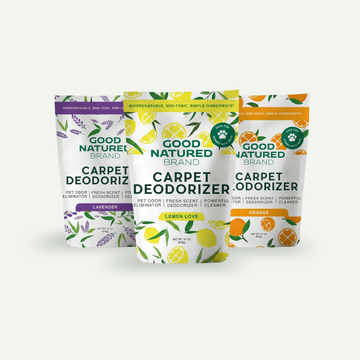
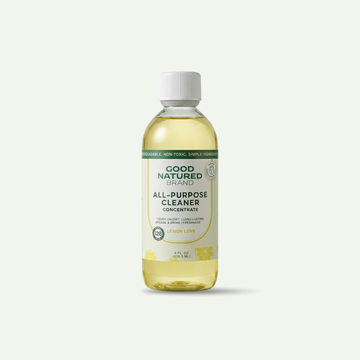
Lemon freshness for every home.
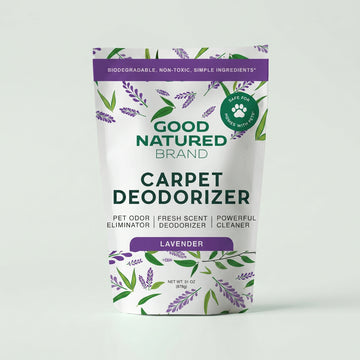
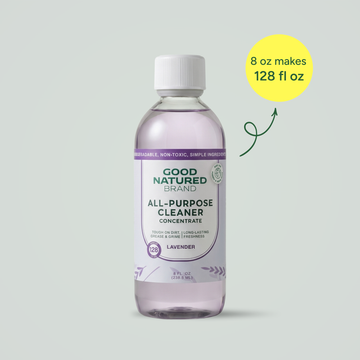
Lavender calm for every home.
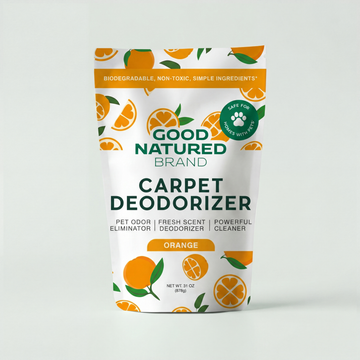
Orange energy for every home.
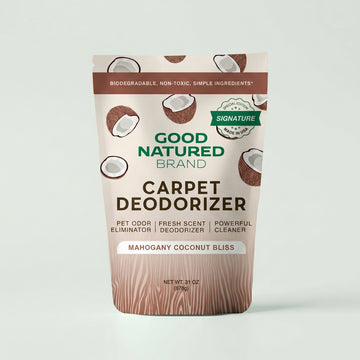
Mahogany warmth for every home.
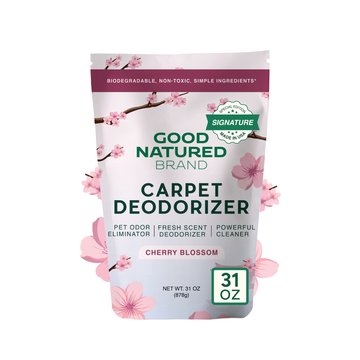
Cherry blossom serenity for every home.
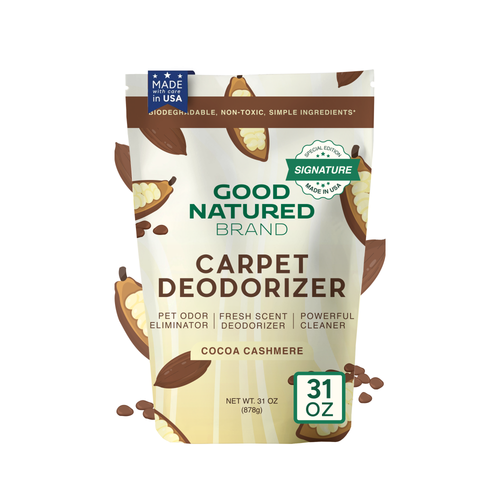
Cocoa butter comfort for every home.
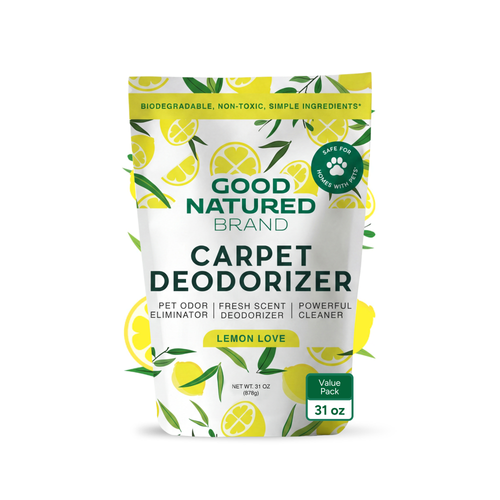
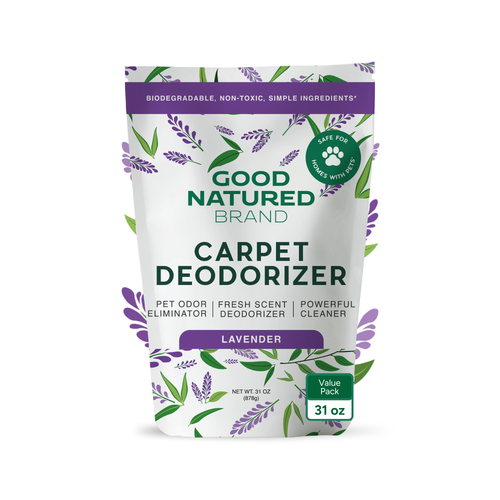
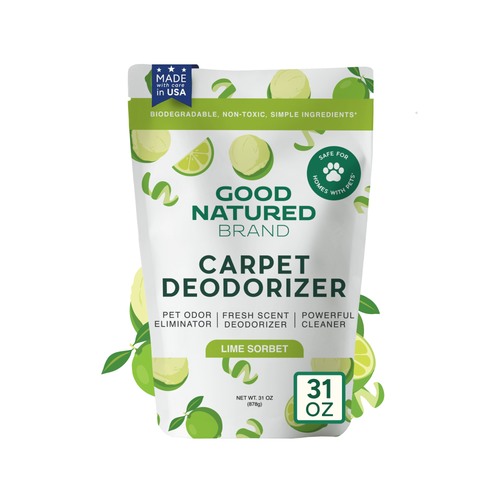
Zesty freshness for every carpet.
The Hydration Problem with Dry Kibble
One of the most striking revelations from the Felune video is how dramatically wet food and dry kibble differ in moisture content. Dry kibble contains approximately 10 percent moisture, while wet food delivers 75 to 80 percent moisture, a difference of nearly eight times. For a small animal with suppressed thirst instincts, that gap is not trivial. It is biologically significant.
When cats are chronically under-hydrated, the consequences accumulate quietly over time. The kidneys, responsible for filtering waste products from the blood, must work significantly harder when urine is concentrated. Concentrated urine is also a risk factor for the formation of urinary crystals and stones, which can lead to painful and potentially life-threatening urinary blockages, particularly in male cats whose urethras are narrower.
Research published in the Journal of Feline Medicine and Surgery found that cats fed wet food consistently produced higher volumes of urine with lower concentration compared to cats fed dry food. This is not a minor quality-of-life improvement. It is a measurable, physiological indicator of improved kidney function and urinary tract health. Lower urine concentration means fewer minerals available to crystallize, and more fluid to flush the system regularly.
If your cat is on an exclusively dry food diet, their kidneys may be working harder than they need to, every single day. Switching to wet food addresses this at the source, providing hydration in the most biologically natural form possible, embedded in the food itself, just as it would be in prey.
Wet Food and Weight Management: The Carbohydrate Problem
Weight management in cats is one of the most misunderstood areas of feline nutrition. Many pet owners assume that overweight cats simply eat too much, but the reality is more nuanced. It is often not just about quantity but about what the cat is eating.
Most commercial dry kibble formulations contain upwards of 40 percent carbohydrates. This is not because cats thrive on carbohydrates but because starches like corn, wheat, rice, and potato are inexpensive and serve a critical manufacturing function: they bind the kibble together during the extrusion process. Without starch, the nugget shape would not hold.
The problem is that cats metabolize carbohydrates very inefficiently. When a cat consumes a high-carbohydrate meal, much of what cannot be used immediately is converted to fat and stored. Over time, this leads to gradual weight gain that can progress to obesity, which is itself a risk factor for diabetes, joint disease, and shortened lifespan.
Wet food, by contrast, is typically very low in carbohydrates and high in animal-based proteins and fats. Protein provides a dual advantage for weight management in cats. It is the macronutrient their bodies are designed to use for energy, and it triggers stronger satiety signals, the biochemical cues that tell the brain the body is full. Fat is also highly satiating and calorically efficient for a carnivore.
A study from the Waltham Centre for Pet Nutrition found that cats maintained on wet food diets kept leaner body compositions even when food was freely available, meaning they did not overeat simply because the food was there. This is in stark contrast to the frantic overconsumption sometimes observed in dry-food-fed cats, who may eat past the point of satiety because their bodies are seeking nutrients their kibble does not efficiently deliver.
How Wet Food Transforms Your Cat's Coat and Skin
If you have ever noticed that a cat's fur looks dull, feels rough, or sheds excessively, diet is often a significant contributing factor. The condition of a cat's coat is a direct window into the quality of their nutrition, specifically their intake of animal-based proteins and fatty acids.
High-quality animal proteins provide the amino acids that form the structural proteins of hair, primarily keratin. Omega-3 and omega-6 fatty acids, found abundantly in animal tissues, support the skin's lipid barrier, reduce inflammation, and contribute to the glossy, soft texture of a healthy coat. When these nutrients are present in adequate quantities and in bioavailable forms, the results are visible: softer fur, less shedding, reduced dandruff, and healthier skin.
The challenge with dry kibble is twofold. First, the high-heat extrusion process used to manufacture kibble degrades heat-sensitive nutrients, including many of the beneficial fatty acids and amino acids that would otherwise support coat health. Second, the lower protein content and higher carbohydrate ratios mean cats on dry food diets may simply be getting fewer of the building blocks their coats need.
Research published in the Journal of Nutritional Science found that cats on high-protein, moisture-rich diets showed measurable improvements in both coat quality and skin health compared to those on lower-protein diets. Most cat owners who switch their pets to wet food report noticing a difference in coat texture and shedding within one to three weeks, making it one of the most encouraging and visible early indicators that the dietary change is working.
The Behavioral Benefits: Calmer Cats and Less Food Anxiety
One dimension of daily wet food feeding that the Felune video highlights, and that is often overlooked in nutrition discussions, is the behavioral impact of diet on cats. This is not just about what goes into the body but about how that food shapes your cat's mood, stress levels, and daily interactions.
Many dry-food-fed cats exhibit what might be described as frantic or anxious eating behavior: gobbling food rapidly, pacing near the food bowl between meals, vocalizing insistently, or showing what owners sometimes call "food obsession." This behavior is not a personality quirk. It is a physiological response to inadequate satiety.
Dry kibble, being high in carbohydrates, digests and passes through the stomach relatively quickly. The resulting blood sugar spike is followed by a dip, and the stomach empties faster than a protein-rich meal would allow. The cat's body interprets this as hunger and triggers food-seeking behaviors.
Wet food, rich in protein and moisture, takes longer to digest and produces sustained, stronger satiety signals. When cats eat a meal that genuinely satisfies their nutritional needs, their stress around food decreases noticeably. Research cited in the Journal of Veterinary Behavior found that high-protein diets reduced food-seeking and frustration behaviors in cats, meaning the improvement is not just perceived by owners but is measurable in the cat's actual stress responses.
This behavioral shift has real quality-of-life implications for both cats and their owners. A cat that is genuinely satisfied after a meal is calmer, less likely to wake you at 3 a.m. demanding breakfast, less likely to beg persistently throughout the day, and more inclined toward the relaxed, natural behaviors that make sharing a home with a cat genuinely enjoyable.
A Realistic Timeline of Changes After Switching to Wet Food
One of the most practical elements of the Felune video is its breakdown of the timeline of changes cats experience after transitioning to daily wet food. Knowing what to expect helps you stay the course when changes are not immediately visible.
Day 1 brings the most immediate change, though it is entirely internal. Hydration levels increase, urine becomes more dilute, and the kidneys experience less strain. You will not see this happening, but it begins on the first day. This is precisely why wet food is often the first dietary recommendation for cats with urinary tract issues or early-stage kidney disease.
Weeks 1 to 3 are when coat changes start to become noticeable. The fur may feel softer to the touch, shed less, and develop a healthier sheen. Skin flakiness may also decrease. These changes reflect the body's gradual incorporation of higher-quality proteins and fatty acids into the regeneration cycle of hair and skin.
Over the longer term, weight stabilizes at a leaner composition as the cat's body is consistently fueled with macronutrients it can efficiently use. Eating behavior also calms progressively as the cat adjusts to more reliable, satisfying meals. Frantic eating diminishes, and a more relaxed relationship with food can develop, especially when wet food is paired with enrichment strategies like puzzle feeders.
Safe Handling of Wet Food: What Every Cat Owner Must Know
No discussion of wet food would be complete without addressing food safety. Unlike dry kibble, which is shelf-stable at room temperature for extended periods, wet cat food is a perishable product and must be treated accordingly.
Wet food should not be left out at room temperature for more than one to two hours. Bacteria multiply rapidly in moist, protein-rich environments, and food left out longer than this window can pose genuine health risks to your cat. This is not theoretical caution. It is basic food microbiology applied to pet care.
Any uneaten portion should be covered and refrigerated promptly. Refrigerated wet food should be used within 48 hours. Beyond that window, even refrigerated food may begin to spoil.
One practical challenge with refrigeration is that cold wet food is often unpalatable to cats. The aroma diminishes significantly when chilled, and many cats will refuse it outright. The solution recommended in the Felune video is to gently warm refrigerated portions before serving. You can place the food in a small dish and warm it briefly in the microwave, always stirring and checking the temperature to avoid hot spots, or set the dish in a bowl of warm water for a few minutes. Warming the food releases its natural aromas and brings it closer to the temperature of fresh prey, which is an instinctive signal of desirability for cats.
Keeping Your Home Clean When You Feed Cats Wet Food
Feeding wet food is excellent for your cat's health, but it does come with a more hands-on cleanup routine. Spills happen, and the smell of wet food can linger on surfaces, mats, and flooring near feeding areas. Maintaining a clean, hygienic feeding environment is as much a part of good cat care as choosing the right food.
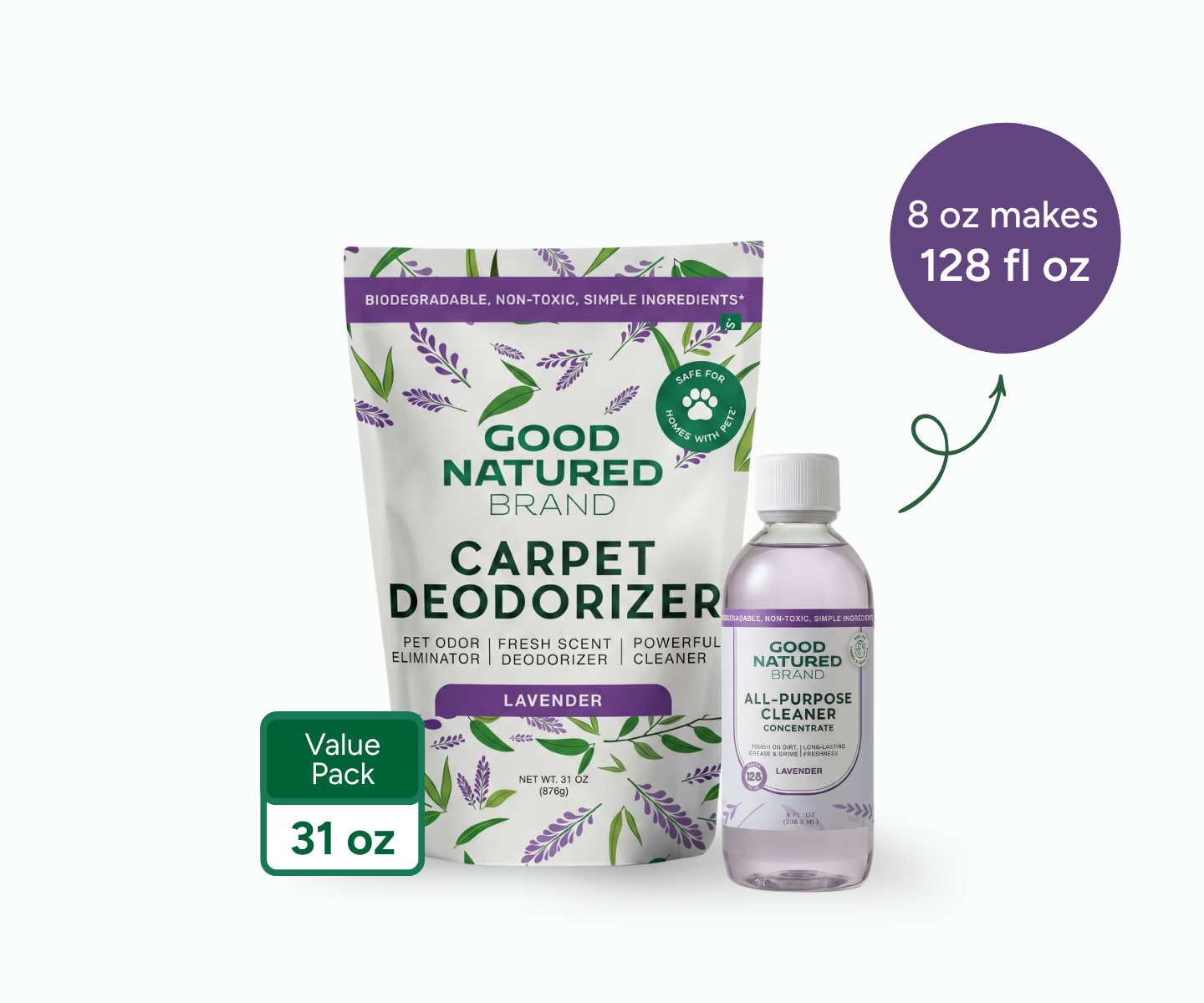
For general surface cleanup around feeding stations and throughout your home, a reliable all-purpose cleaner is essential. Look for formulas that cut through food residue on hard surfaces without leaving behind harsh chemical odors that might discourage your cat from returning to their feeding area.
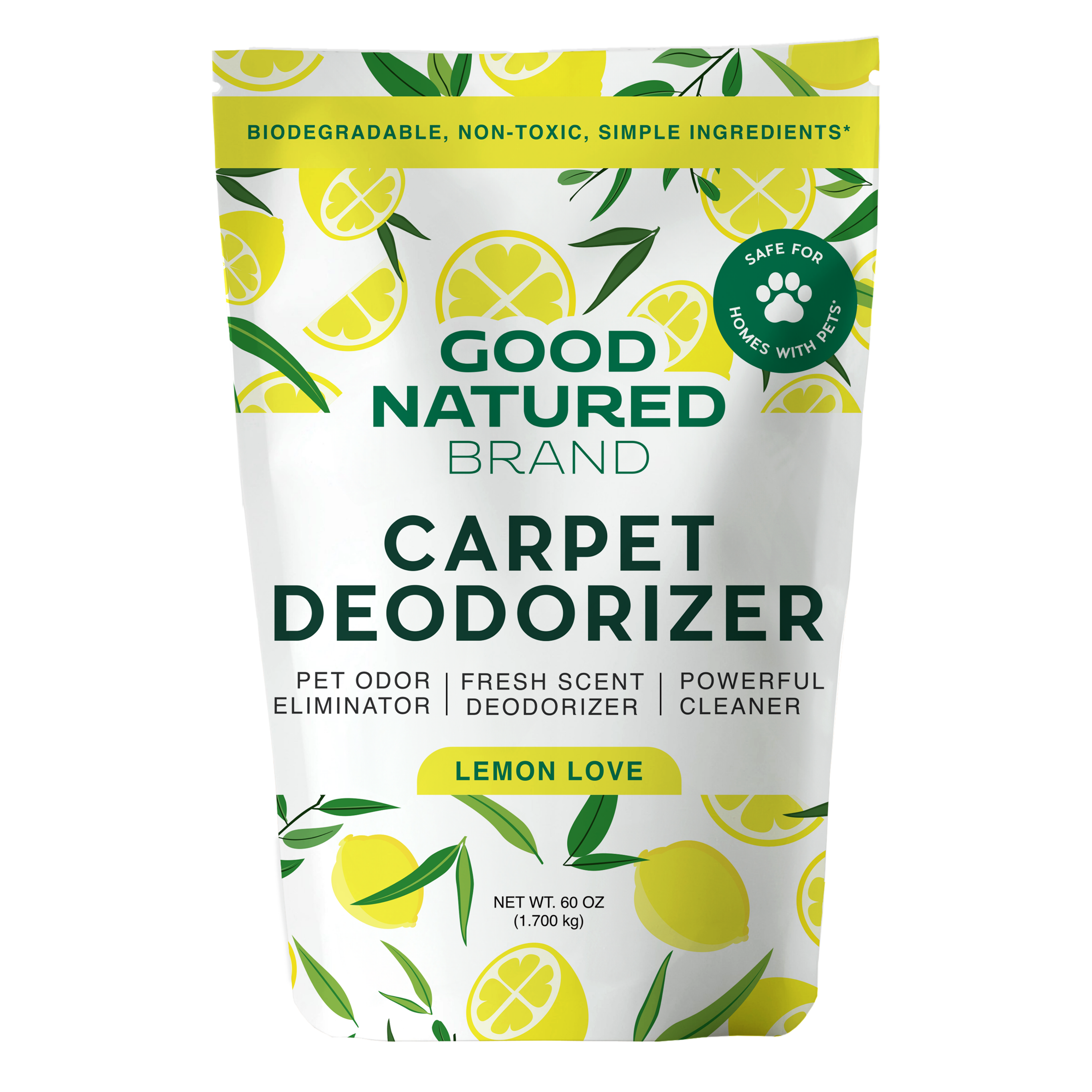
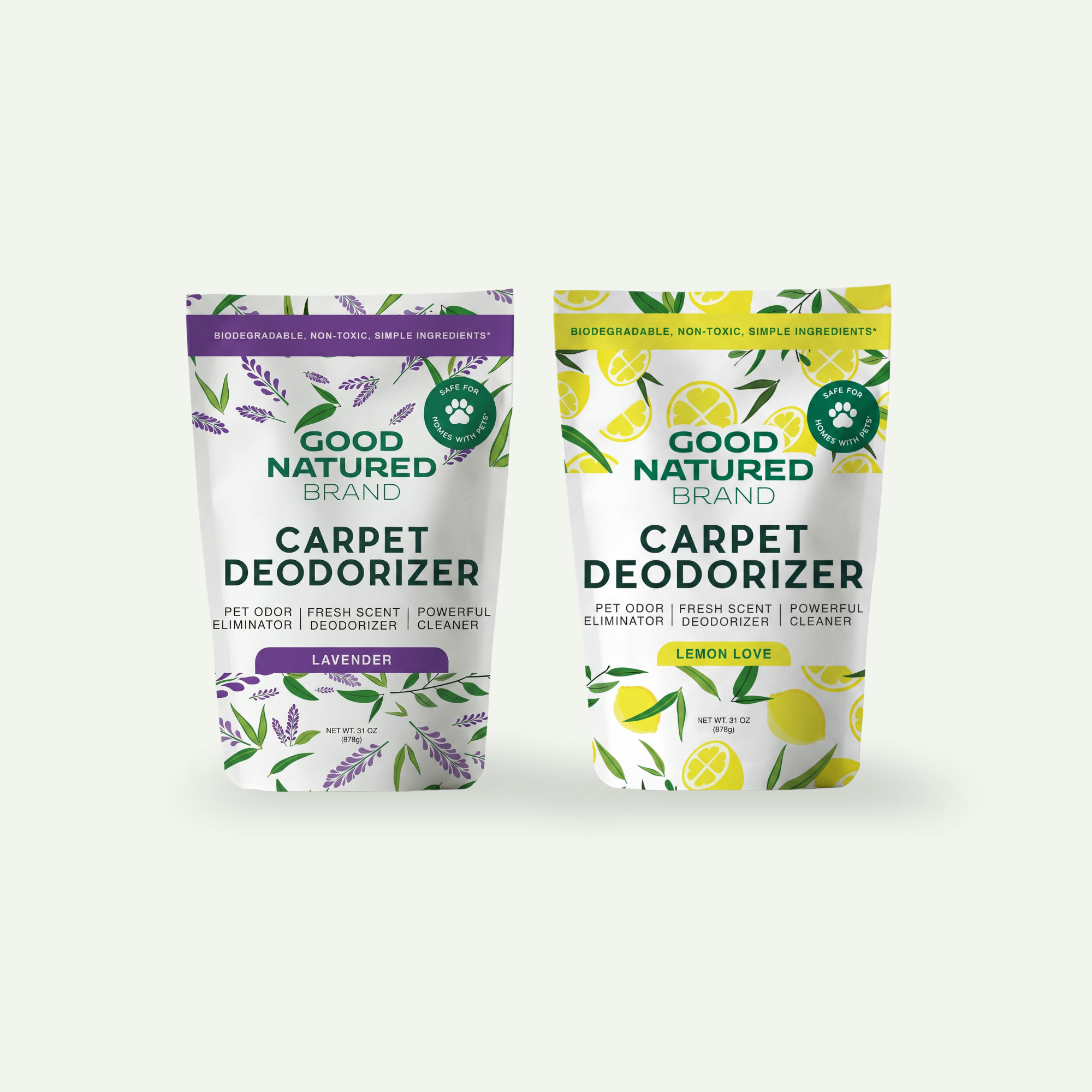
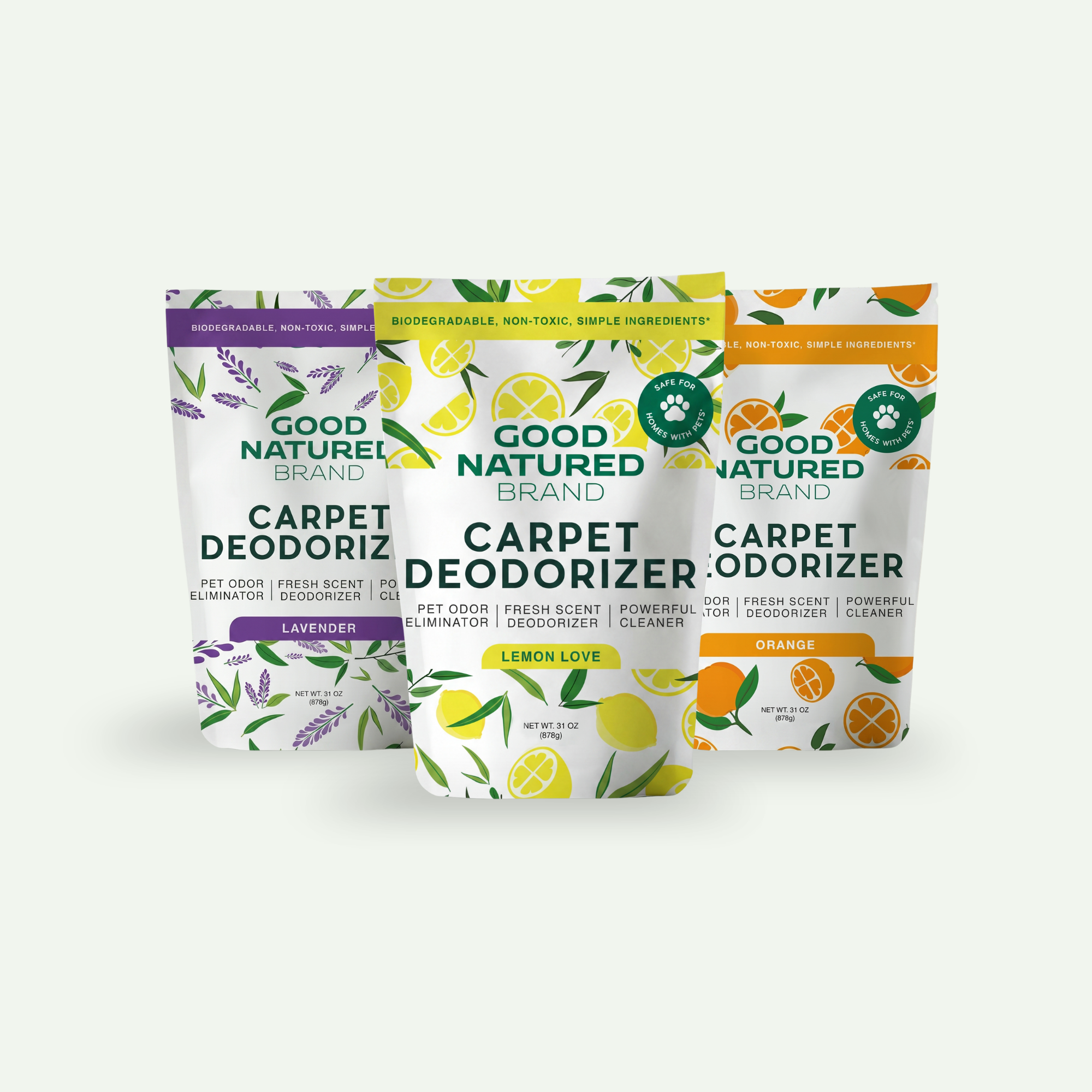
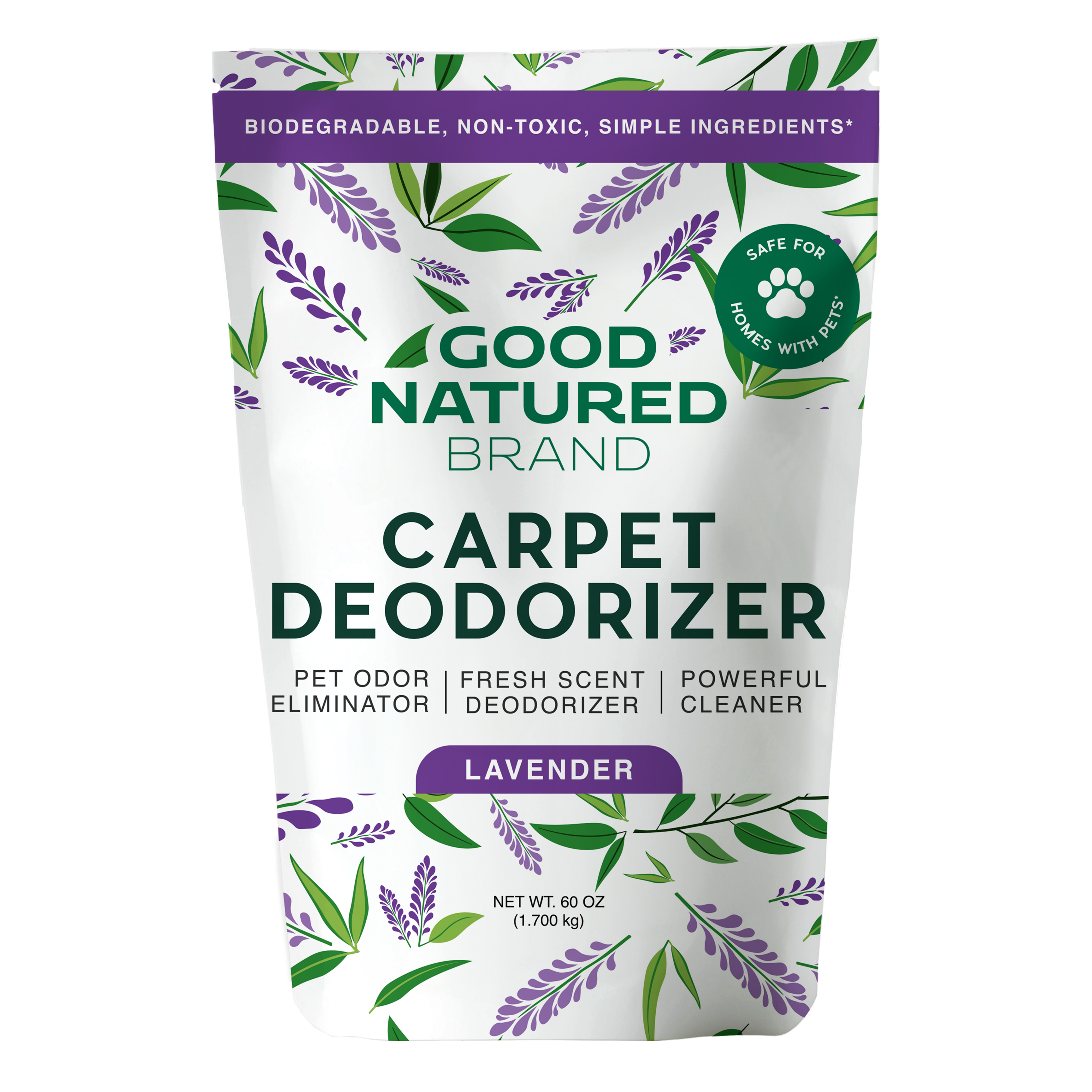
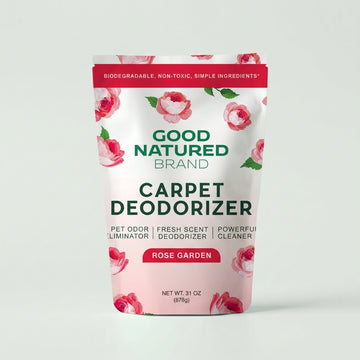
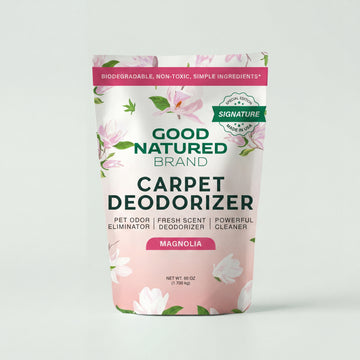
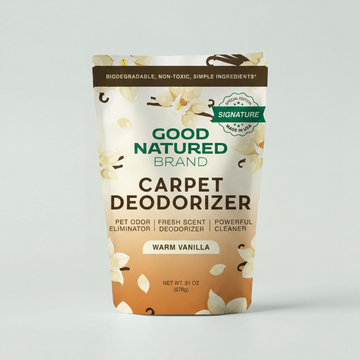
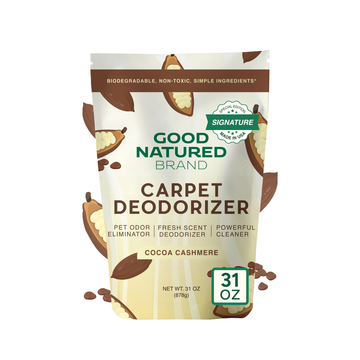
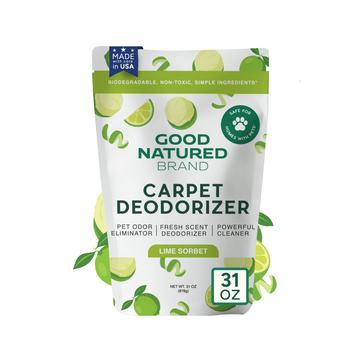
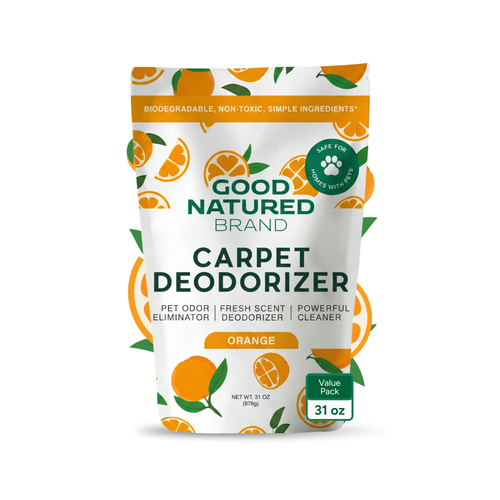
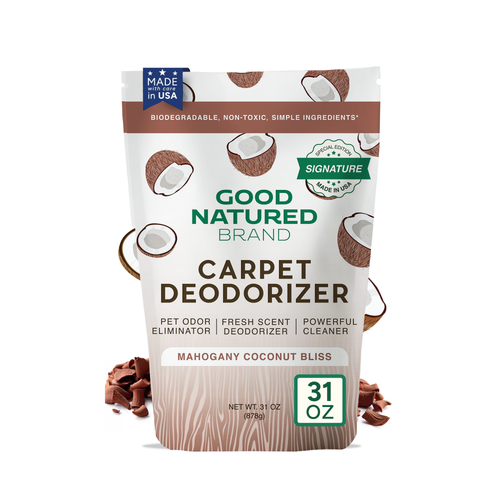
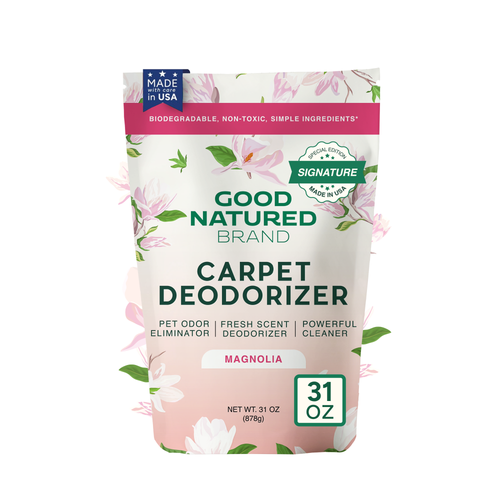
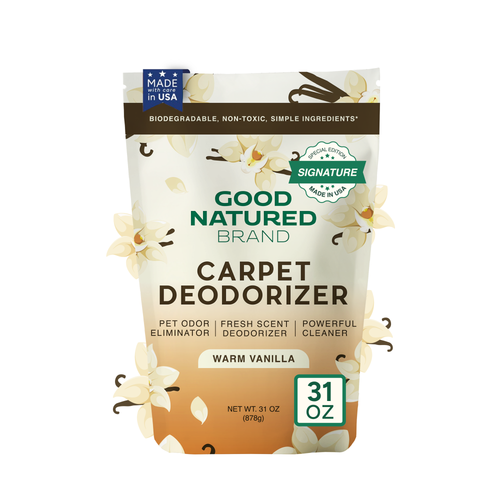
Cats spend a great deal of time on the floor, and their fur picks up whatever is in the carpet. If your cat sheds, and most do, your carpets and rugs can accumulate pet dander, hair, and odor over time. Using a quality carpet deodorizer regularly keeps living spaces fresh and addresses the buildup of pet-related odors, which is particularly valuable in homes where cats spend long hours lounging on carpeted surfaces.
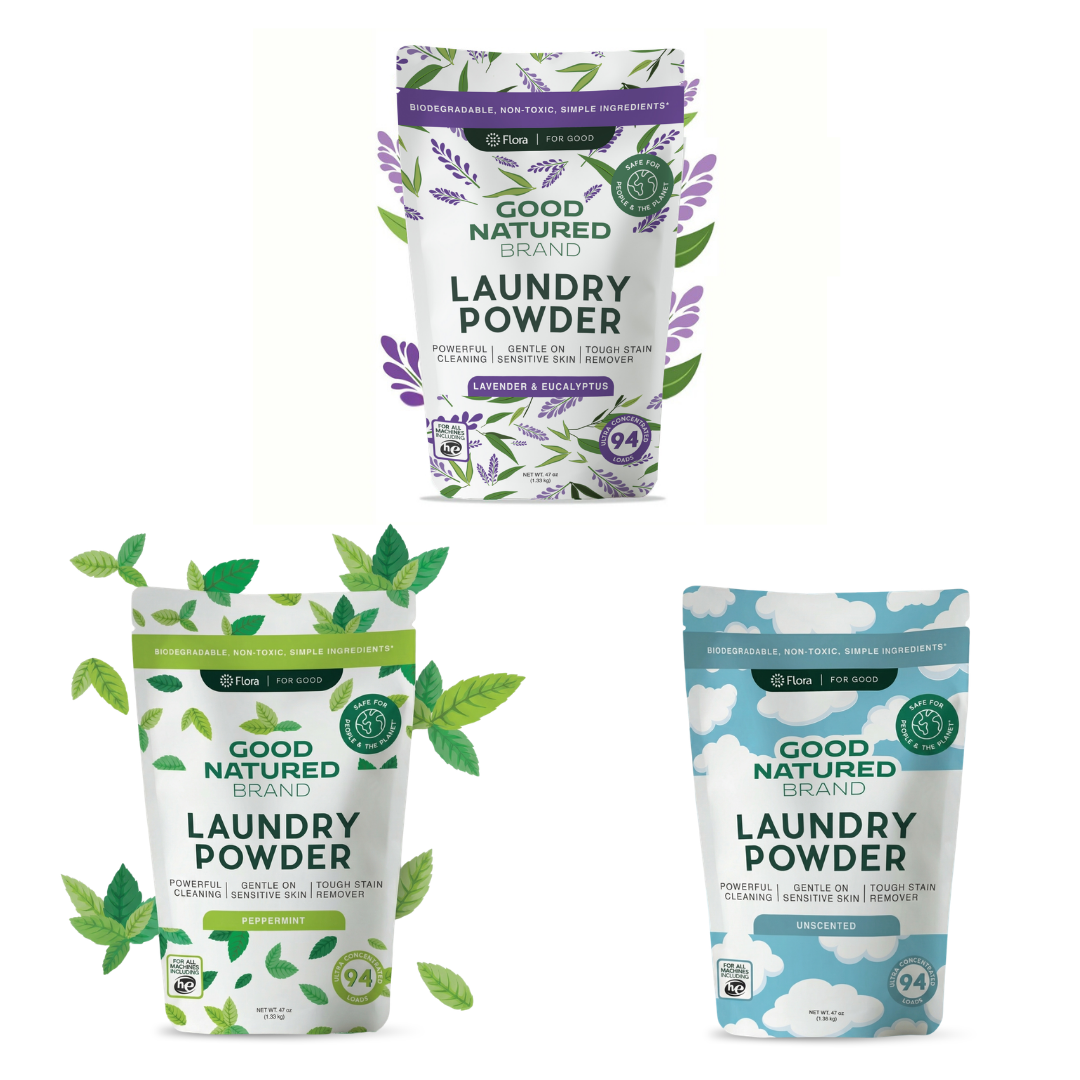
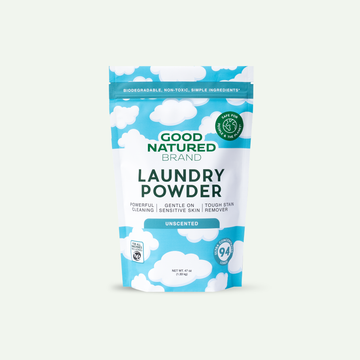
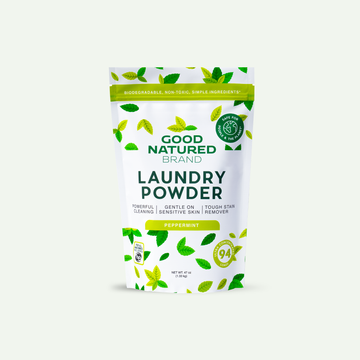
Cat bedding, blankets, and any fabric your cat sleeps on should be washed regularly as well. A gentle but effective laundry powder suited for pet households helps remove dander, fur, and odor from fabrics without leaving behind synthetic fragrance residues that can irritate sensitive feline respiratory systems.
For more tips on keeping a pet-friendly home clean and healthy, explore the Good Natured Brand blog or browse the full product range at goodnaturedbrand.com.
How to Transition Your Cat to Wet Food Without the Stress
If your cat has been on dry food for most of their life, an abrupt switch to wet food is unlikely to go smoothly. Cats are famously neophobic, meaning they are wary of new foods, and a sudden change can cause digestive upset or flat-out refusal. A gradual transition is almost always more successful and less stressful for both of you.
Start by mixing a small amount of wet food into their regular dry food, gradually increasing the ratio of wet to dry over the course of one to two weeks. This gives your cat's palate and digestive system time to adjust. Some cats take to the change immediately. Others require patience and experimentation with different flavors or textures, such as pate versus chunks in gravy.
For cats with persistent frantic eating habits, combining wet food feeding with food enrichment tools like puzzle feeders, lick mats, or slow feeders can be highly effective. These tools slow the pace of eating and engage your cat's natural foraging instincts, making mealtime both more satisfying and more mentally stimulating.
It is also worth consulting your veterinarian, especially if your cat has any existing health conditions. Cats with kidney disease, urinary issues, or diabetes are often specifically recommended for wet food diets by their vets, but individual guidance ensures you are choosing the right formulation for your cat's specific needs.
Shop the Product
Lemon freshness for every home.
Lavender calm for every home.
Orange energy for every home.
Mahogany warmth for every home.
Cherry blossom serenity for every home.
Cocoa butter comfort for every home.
Zesty freshness for every carpet.
The Bottom Line on Feeding Cats Wet Food Every Day
The evidence, both from the Felune video and from the scientific literature it references, points in a consistent direction. For most cats, wet food is a meaningfully better dietary choice than dry kibble, addressing core physiological needs that dry food simply cannot meet.
The benefits are real, measurable, and begin quickly. Hydration improves from day one, reducing kidney strain and urinary tract risk. Weight management becomes easier as the cat's body is fueled with what it is designed to process. Coat and skin health visibly improve within weeks as higher-quality proteins and fats are incorporated. Eating behavior becomes calmer and less anxious as genuine satiety is achieved.
None of this requires elaborate meal preparation or premium-priced specialty foods. Even mid-range commercial wet food formulations typically outperform dry kibble across these key nutritional metrics. The most important shift is the commitment to prioritizing moisture and protein over convenience.
Alongside a high-quality diet, keeping your home clean with trusted products such as carpet deodorizers, laundry powders, and all-purpose cleaners ensures your cat lives in an environment as healthy as the food you feed them. Good nutrition and a clean home are two sides of the same commitment to your cat's wellbeing.
Your cat cannot advocate for their own nutritional needs, but you can. Now you have the information to do it well.
Inspired by the YouTube video "What Happens to Your Cat When You Feed Them Wet Food Every Day" by Felune. This blog is for informational purposes only. Always consult your veterinarian for personalized dietary guidance for your cat.