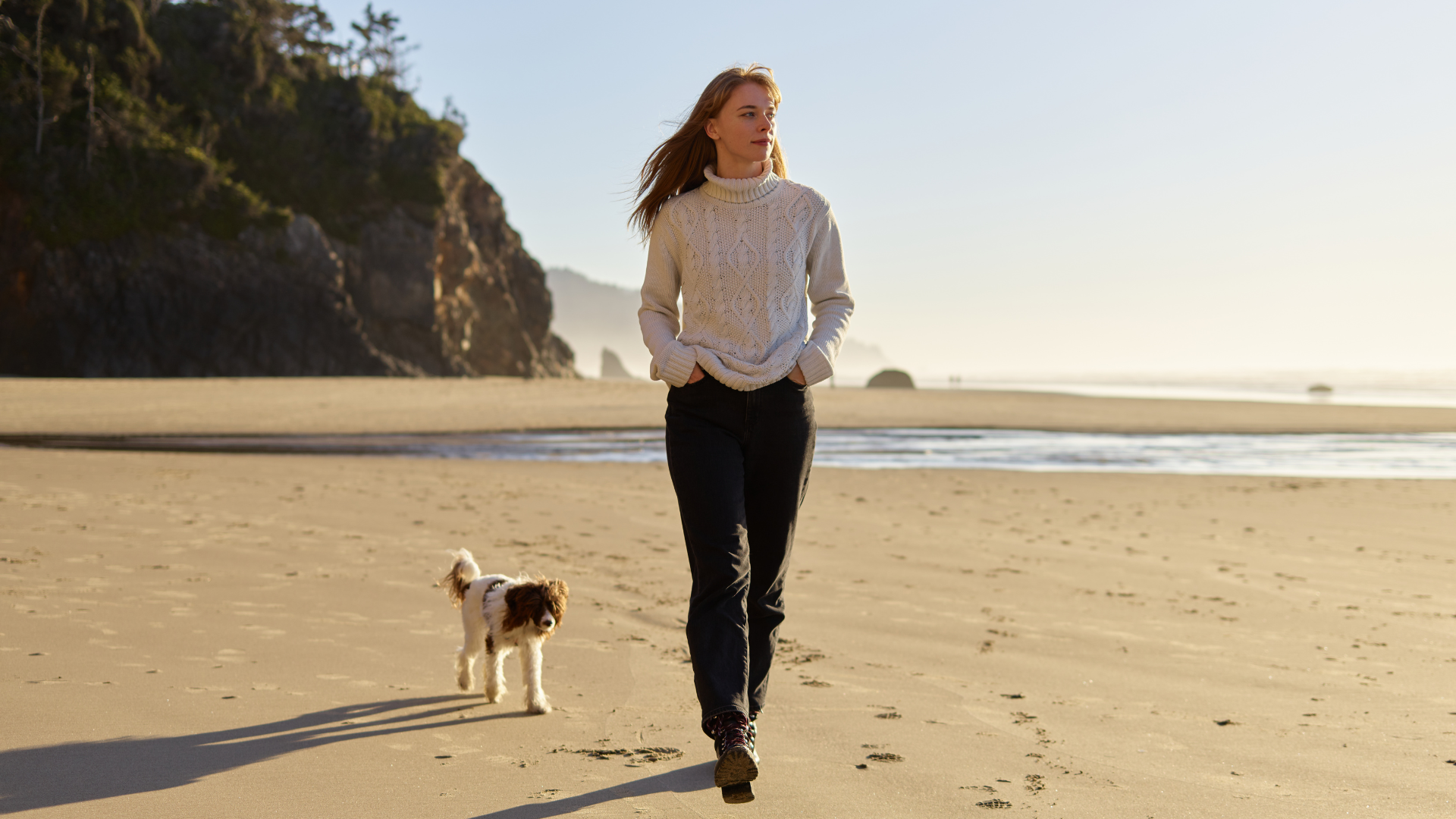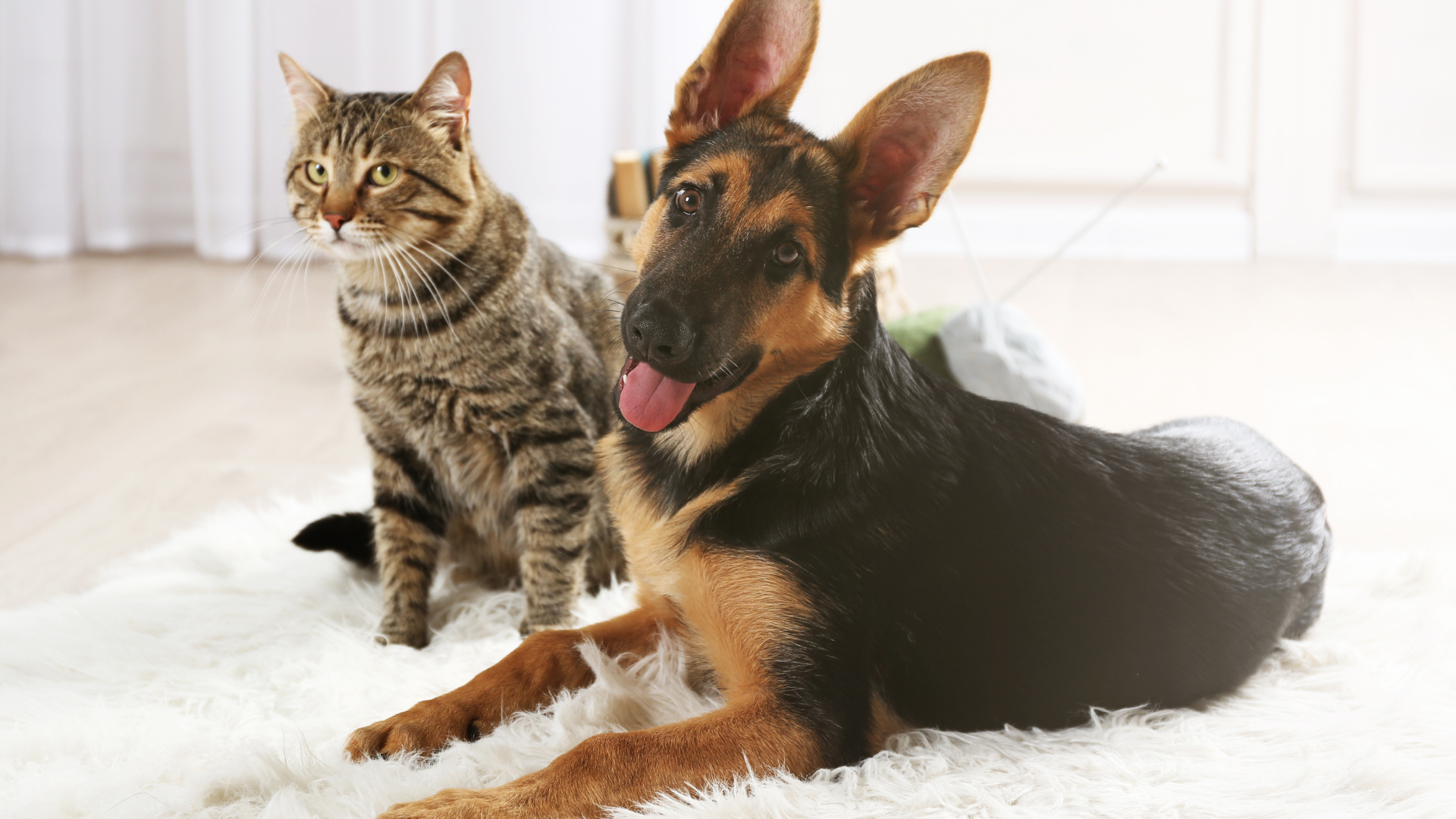






















If you have ever stood up to grab a glass of water and noticed your dog immediately trailing behind you, you are not alone. In the YouTube video “Why Your Dog Follows You Everywhere? Psychology Explains It.” from the channel Mindful Paws, this everyday behavior is reframed through the lens of animal cognition, attachment science, and domestication research.
Instead of treating room to room following as a sign of neediness or emotional fragility, the video presents a much more fascinating explanation: your dog may be staying close because you are their most trusted reference point, their best source of information, and one of the most meaningful features of their environment. For dog parents who want to better understand canine behavior while building a cleaner, calmer home, resources on the Good Natured Brand main page and the Good Natured Brand blog can also help connect behavior, routine, and everyday pet-friendly living.
The Dog Shadow Phenomenon Most People Misread
Many dog owners describe the same routine. Their dog waits outside the bathroom door, follows them into the kitchen, lies nearby while they work, and gets up the moment they move. Because the behavior is so constant, it is easy to assume the dog is overly dependent, anxious, or unable to cope alone.
But the explanation offered in the Mindful Paws video is much more nuanced. Dogs that closely shadow their owners are often described in scientific discussions as Velcro dogs. The phrase sounds casual, and sometimes even a little negative, but it does not automatically signal a problem. In fact, the behavior may reflect something deeply normal about how dogs are wired to relate to humans.
That distinction matters. When people mislabel healthy following as unhealthy attachment, they may worry unnecessarily or interpret affectionate, intelligent behavior as dysfunction. Understanding the difference can help owners respond more appropriately and appreciate the bond for what it really is.











Shop the Product
Lemon freshness for every home.
Lavender calm for every home.
Orange energy for every home.
Mahogany warmth for every home.
Cherry blossom serenity for every home.
Cocoa butter comfort for every home.
Champagne sparkle for every home.
Zesty freshness for every carpet.
Why Following Does Not Automatically Mean Separation Anxiety
One of the most valuable points in the video is the clear separation between following behavior and separation anxiety. These two things can look similar at first glance, but they are not the same.
A dog with separation anxiety does not simply enjoy being near their person. That dog experiences distress when left alone. They may pace, vocalize, destroy objects, have accidents indoors, or struggle to settle even during short absences. The issue is not proximity itself. The issue is panic when proximity is lost.
A Velcro dog, by contrast, may choose to be near their favorite person often, but still remain capable of resting, settling, and coping when apart. That dog is not necessarily distressed by separation. They simply prefer to stay connected when the opportunity is available.
This difference is clinically important. A dog following you from room to room is not enough evidence to conclude anything is wrong. Context matters. Recovery time matters. Emotional regulation matters. The ability to relax when alone matters most of all.
The Secure Base Effect Helps Explain Why Dogs Stay Close
One of the central ideas highlighted in the video is the secure base effect. This concept comes from attachment research and helps explain why a trusted figure can increase confidence rather than dependency.
In the dog research discussed, dogs were given a food puzzle they could not solve on their own. The key variable was whether the owner was present. When the owner stayed nearby, dogs remained engaged longer, explored more, and persisted more. When the owner left, dogs gave up sooner. Importantly, the presence of an unfamiliar person did not create the same result.
That tells us something powerful. The owner’s presence was not acting like a crutch. It was acting like a stabilizing anchor. The dog felt more confident attempting a challenge because their trusted person was nearby.
This is a crucial mindset shift for dog owners. A dog outside the bathroom door is not necessarily emotionally falling apart. They may simply function with greater confidence, curiosity, and willingness to engage when their secure base is close.
In everyday life, this can show up in subtle ways. A dog may explore a new room more willingly when their person enters first. They may investigate a strange sound after glancing at you. They may settle faster in a new place once they know where you are. The dog is not weak. The dog is orienting around security.
Dogs Look to Humans for Emotional Information
Another concept emphasized in the video is referential looking, which describes a dog’s habit of checking back with a human when something unfamiliar or uncertain appears in the environment.
This is more than a cute glance. It is an active decision-making strategy.
When dogs encounter something confusing, strange, or potentially important, many of them look toward their owner as if asking, “How should I interpret this?” The owner’s facial expression, posture, and emotional tone can influence what the dog does next. If the human seems relaxed and positive, the dog may approach. If the human appears tense or hesitant, the dog may back away.
That means dogs do not just love being around us. They use us as real-time interpreters of the world.
Once you understand this, room to room following starts to make more sense. Your dog may not be trying to crowd you. They may be trying to maintain access to their most reliable emotional and environmental guide.
Why Your Dog Wants to Keep You in Sight
The video makes an especially compelling point here: if dogs rely on human emotional cues to understand the world, then staying visually connected to their person becomes highly practical.
A dog following you through the house may be preserving access to information.
That perspective changes everything. What looks like clinginess may actually be strategic. Your dog wants to know what is happening, where things are going, what matters next, and whether anything important is about to occur. Dogs are excellent pattern readers. They notice routines, body language, timing, and tiny changes in movement. They learn that when you stand up, walk toward the closet, reach for the keys, or head to the kitchen, something relevant may follow.
From the dog’s point of view, staying close is efficient. It helps them read the environment better. It allows them to respond sooner. It keeps them linked to the person who makes the household more understandable.
Dogs Often Follow the Person Who Predicts Important Events
Many families notice that the dog does not follow everyone equally. Sometimes the dog chooses one person over the others, even in a loving household where all family members care for them.
According to the video, this may have less to do with sentimentality than with predictability.
Dogs tend to orient toward the person who most reliably predicts meaningful events. That may be the person who takes them outside, fills the food bowl, opens the treat drawer, clips on the leash, works from home, or simply creates the most consistent daily rhythm. The dog learns who is most informative and most relevant to what happens next.
This idea is deeply consistent with how dogs process the world. Dogs are not passive. They are attentive observers. They notice who moves first, who signals transitions, and who tends to be connected to rewarding experiences.
So if your dog follows one person more than another, it does not always mean they love one family member more. It may mean that one individual has become the strongest predictor of action, change, or opportunity.
Dogs Manage Uncertainty by Staying Close to Knowledgeable Humans
The video also discusses a newer concept: intelligent uncertainty management. In unfamiliar situations, dogs may choose to copy their caregiver’s behavior rather than act independently, even if a shortcut seems available.
This is a remarkable idea because it shows that canine closeness is not mindless imitation. It is adaptive behavior.
When the environment feels uncertain, sticking close to the knowledgeable human can be the smart move. From an evolutionary standpoint, this makes sense. Humans often control access to safety, movement, food, shelter, and interpretation of unfamiliar settings. A dog that tracks the caregiver’s behavior may reduce risk and improve outcomes.
Seen this way, following is not submission, helplessness, or confusion. It is a strategy. Your dog stays close because closeness has informational value.
That is one reason dogs may shadow us more in new homes, unfamiliar parks, hotels, veterinary settings, or crowded spaces. Proximity helps reduce ambiguity.
The Genetic Roots of Human Focus in Dogs
One of the most striking elements in the video is the discussion of genetics. The behavior of staying close to humans is not presented as a habit produced only by training or early experience. It is framed as something shaped by domestication itself.
The video points to research connecting sociability-related gene variants in dogs, including GTF2I and GTF2IRD1, to patterns associated with intense social orientation. These variants are discussed alongside their connection to Williams-Beuren Syndrome in humans, a condition known for unusually strong social drive. Wolves do not show the same genetic pattern.
The broader implication is important: domestic dogs were not simply taught to be near us. Across thousands of years, they were selected for traits that made human proximity more natural, more rewarding, and more adaptive.
That means your dog’s urge to follow you may run far deeper than household habit. It may reflect the long evolutionary story of dogs becoming specialists in human connection.
This is part of what makes the dog-human bond so extraordinary. Dogs are not merely animals who tolerate our presence. They are animals shaped, in part, to seek it.
The Emotional Meaning Behind the Bathroom Door
The bathroom door example resonates with so many pet parents because it feels both funny and deeply familiar. Why does the dog need to be there? Why wait outside the door? Why shift position the moment the human moves?
The video’s answer is elegant: the dog is not necessarily demanding attention. The dog is maintaining optimal sensory access.
That means they want access to your sounds, your movement, your reappearance, and whatever cue may come next. They are staying tuned in.
For dogs, information has value. Knowing where you are and what you are doing helps them organize expectations. It helps them stay connected to the living center of the household. That is especially true for dogs who are highly bonded, highly observant, and deeply integrated into daily family life.
So the next time you see your dog stationed outside the door, it may help to view the moment differently. They are not just waiting. They are watching the story of the household continue.
Shop the Product
Lemon freshness for every home.
Lavender calm for every home.
Orange energy for every home.
Mahogany warmth for every home.
Cherry blossom serenity for every home.
Cocoa butter comfort for every home.
Champagne sparkle for every home.
Zesty freshness for every carpet.
What Healthy Following Looks Like
Because following is so common, it helps to know what normal, healthy behavior usually looks like.
A healthy follower often shows these patterns:
- They choose proximity when you are available.
- They can settle in the same room without demanding constant interaction.
- They may get up when you move, especially if movement predicts an activity they care about.
- They remain capable of resting alone when nothing exciting is happening.
- They recover normally when you leave and do not spiral into panic.
Healthy following often looks calm, organized, observant, and flexible. The dog is interested in you, not consumed by distress.
In many cases, these dogs are simply socially tuned in. They are bonded, attentive, and engaged with the rhythm of the home.
When Following Might Point to a Deeper Problem
Although following itself is usually not a red flag, it should not be evaluated in isolation. Owners should pay attention to the emotional quality of the behavior.
Concern may be more justified when following is paired with signs such as:
- panic during departures
- destructive behavior when alone
- frantic vocalizing
- inability to settle even briefly without access to the owner
- excessive drooling, pacing, or self-injury during absences
- escalating distress around pre-departure cues
In those cases, the issue may extend beyond ordinary attachment and into separation-related distress. That does not mean the dog is “bad” or “spoiled.” It means the dog may need support, management, and possibly professional guidance.
The key lesson from the video is not that all following is harmless in every context. It is that following alone is not enough to diagnose anxiety.
How This Science Changes the Way We See Our Dogs
One of the best outcomes of understanding this research is that it invites a more respectful view of canine behavior.
Instead of describing dogs as clingy, dramatic, or needy, we can recognize that they are often doing something cognitively sophisticated. They are reading the social environment, tracking trusted individuals, using emotional information strategically, and orienting around the person who makes the world most predictable.
This is not just affection. It is attachment mixed with intelligence.
Dogs have evolved to cooperate with humans in ways that are rare in the animal world. Their following behavior is part of that cooperative design. It reflects trust, attention, social learning, and the expectation that humans matter.
For owners, that can be a deeply moving realization. Your dog follows you not simply because they want something, but because you are a meaningful part of how they understand life around them.
Living Well With a Dog Who Likes to Stay Close
If you share your home with a dog who follows you often, the goal is not to reject the behavior or automatically “fix” it. The goal is to understand it and respond thoughtfully.
That can mean:
- appreciating proximity without reinforcing panic
- helping your dog build confidence in short, calm moments apart
- maintaining predictable routines
- using neutral departures and returns
- rewarding relaxation, not just excitement
- creating comfortable resting areas in shared spaces
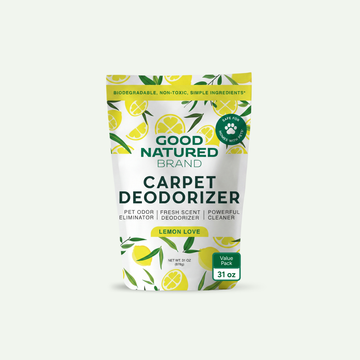
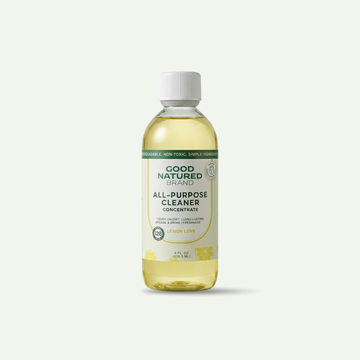
It also means building a home environment that feels clean, calm, and supportive for both people and pets. In homes where dogs spend time on rugs, furniture, bedding, and laundry, everyday care matters. Keeping shared spaces fresh with Carpet Deodorizers, washable essentials clean with Laundry Powders, and surfaces tidy with All Purpose Cleaners can help create a more comfortable environment for close-living pets and their families.
That kind of routine does not just support cleanliness. It supports the rhythm of domestic life that dogs learn so well.
Why This Behavior Feels So Special to Dog Owners
There is a reason so many people feel touched by being followed. Even when it is inconvenient, it often feels meaningful. The science in the Mindful Paws video helps explain why.
To be followed is to be trusted.
Your dog is not simply orbiting your body. They are orienting around your relevance. They see you as a source of safety, information, emotional guidance, and predicted outcomes. In a very real sense, your presence helps structure their world.
That is why this behavior often feels so intimate. It reflects a bond built through repetition, caregiving, observation, and shared life.
The dog is saying, in behavioral terms, “You matter in the way I make sense of things.”
The Role of Routine in the Dog Human Bond
Dogs thrive on repeated associations. Over time, households become maps of meaning. The kitchen is where food might happen. The front door predicts walks. The laundry basket may signal changing scents and activity. The office chair may predict a long stretch of settled companionship.
Because dogs are so skilled at reading patterns, routines become one of the foundations of attachment. They do not just know where things are. They know what things usually lead to.
This is one reason close-following dogs can seem especially tuned in to domestic movement. They have learned that even ordinary actions may carry important information. A dog may rise when you reach for a towel, open a cabinet, or move toward a hallway not because they are obsessed with you, but because they have learned that your actions often organize the day.
In pet households, that rhythm extends to care tasks as well. Washing blankets with Laundry Powders, refreshing soft surfaces with Carpet Deodorizers, and wiping down high-traffic areas with All Purpose Cleaners all become part of the shared environment dogs experience and learn from.
Frequently Asked Questions About Dogs Who Follow Their Owners
Is my dog overly attached if they follow me everywhere?
Not necessarily. Many dogs follow their owners because the owner functions as a secure base and a valuable source of information. If your dog can still relax when left alone, the behavior may be completely normal.
Do dogs follow the person they love the most?
Sometimes they follow the person they are most bonded to, but just as often they follow the person who most reliably predicts meaningful events such as walks, food, routines, and activity.
Is following a sign of intelligence?
It can reflect intelligent social behavior. Dogs often use human emotional cues, movement patterns, and routines to interpret what is happening around them. Staying close may help them gather information efficiently.
Should I stop my dog from following me room to room?
Usually, no. If the behavior is calm and flexible, it is often part of a healthy attachment pattern. Intervention is more important when the dog shows distress, panic, or inability to cope during separation.
When should I worry?
You should look more closely if following comes with destructive behavior, nonstop vocalizing, panic during departures, inability to settle, or other signs of serious distress when apart.
The Bigger Story Behind Your Dog’s Need to Stay Near You
The most memorable takeaway from “Why Your Dog Follows You Everywhere? Psychology Explains It.” by Mindful Paws is that this familiar household behavior is not small at all. It connects everyday life to the deepest layers of canine psychology.
Your dog follows you because you are not just a person in the room. You are a secure base. You are a source of cues. You are a predictor of events. You are part of the evolved social system dogs are uniquely built to engage with.
That means the dog behind you in the hallway, beside you in the kitchen, or waiting outside the bathroom door may be expressing something far richer than dependency. They may be showing the living result of attachment, cognition, domestication, and trust.
And that is a beautiful way to understand one of the most common things dogs do.
Shop the Product
Lemon freshness for every home.
Lavender calm for every home.
Orange energy for every home.
Mahogany warmth for every home.
Cherry blossom serenity for every home.
Cocoa butter comfort for every home.
Champagne sparkle for every home.
Zesty freshness for every carpet.
Final Thoughts
For many dog parents, the impulse to follow can feel funny, puzzling, or even excessive. But as the Mindful Paws video makes clear, this behavior deserves a more generous interpretation. Dogs do not stay close only because they are anxious. Very often, they stay close because humans are their most trusted and informative companions.
That is not a weakness in dogs. It is one of the clearest signs of the extraordinary partnership between our species.
When we understand that, we can move away from the myth of clinginess and toward a more accurate, compassionate view of canine behavior. And in doing so, we learn something important not only about dogs, but about the relationship we have built with them inside our homes, our routines, and our daily lives.