


If you’ve ever caught your dog sniffing around the fruit bowl or stealing a piece of plum that dropped on the floor, you’ve likely wondered — can dogs eat plums safely? While plums might seem like a harmless, juicy treat, the truth is more complicated. Some parts of the fruit are safe in tiny amounts, while others can be extremely dangerous.
This detailed guide will help you understand the risks, benefits, and safe handling practices surrounding plums and your dog’s diet. You’ll also find practical advice for what to do if your dog accidentally eats a plum and how to keep your home clean and pet-safe using natural products.
For more in-depth pet health and cleaning guides, visit the Good Natured Brand Blog.
Can Dogs Eat Plums Safely?
The short answer: dogs should not eat plums.
While the flesh of a plum isn’t inherently toxic, other parts — especially the pit, stem, and leaves — can pose serious health risks. Plums belong to the Prunus genus (like cherries, peaches, and apricots), and all of these fruits contain compounds that can turn into cyanide when digested.
Cyanide interferes with your dog’s ability to absorb oxygen, which can quickly become life-threatening. Even if your dog only chews on the pit without swallowing it, the toxic compounds can still cause harm.
To make matters worse, the pit itself is a choking hazard, particularly for smaller dogs. It can also cause intestinal blockage if swallowed.
If your dog eats a whole plum — pit and all — it’s essential to contact your veterinarian or an animal poison control center immediately.
What Parts of a Plum Are Dangerous for Dogs?
Plums are divided into three parts: the flesh, pit, and skin — each with different safety levels for dogs.
The Flesh
The soft, juicy flesh of a ripe plum is technically safe in tiny quantities. It contains vitamins A and C, fiber, and antioxidants. However, due to its high sugar content, it can upset your dog’s stomach, especially if they’re prone to sensitive digestion or diabetes.
Even without the pit, it’s best to limit consumption to an occasional, small bite as a rare treat.
The Pit
The pit is the most dangerous part of the fruit. It contains amygdalin, which turns into cyanide when broken down inside the body. In addition to toxicity, the pit can cause choking or internal blockages that may require surgery to remove.
You should never let your dog chew on plum pits, even if they seem to enjoy gnawing.
The Skin
The skin isn’t toxic but can be tough for dogs to digest, leading to mild stomach upset or diarrhea. The waxy coating on some store-bought plums may also contain pesticide residue, which is another reason to keep it out of your pet’s diet.
Shop the Product
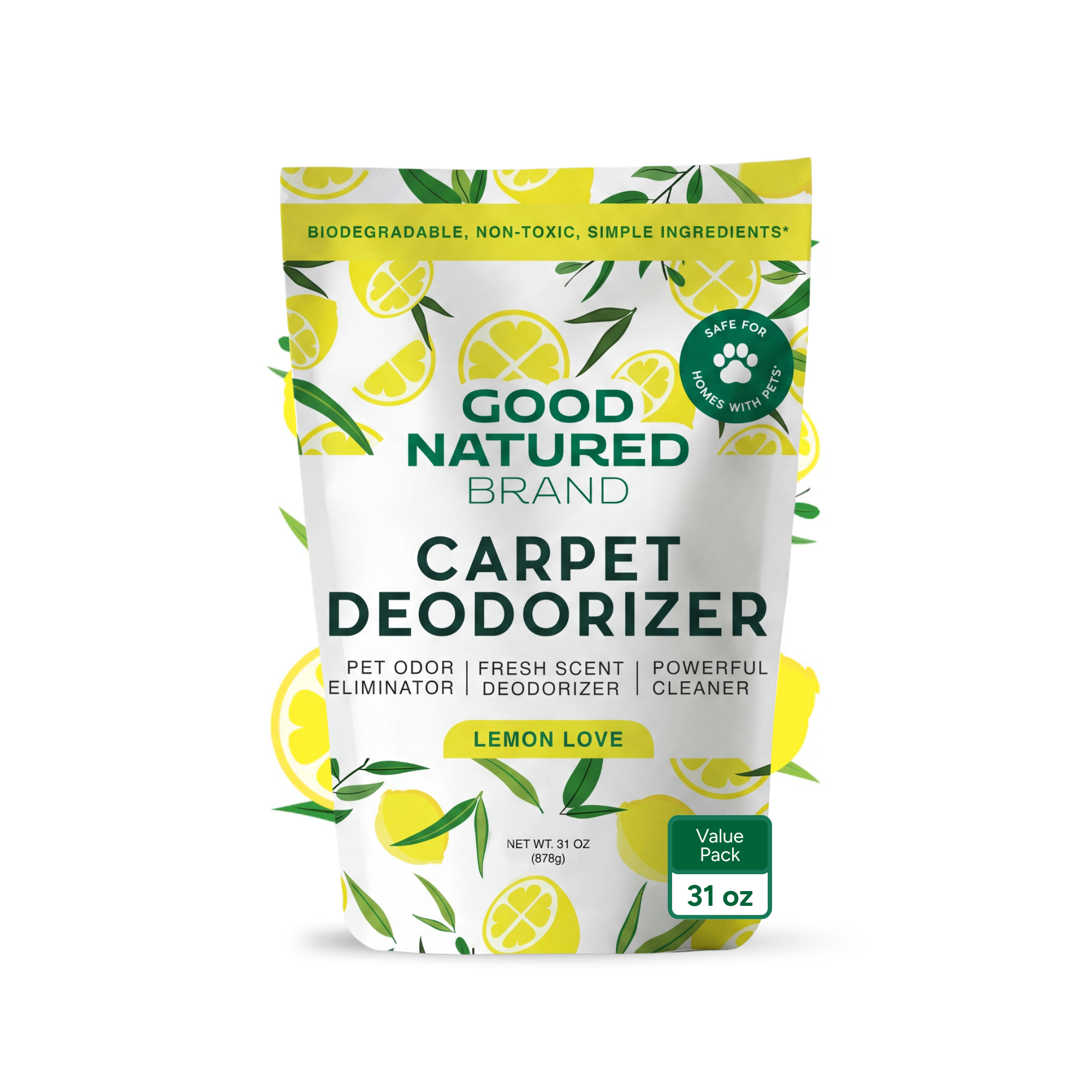
Lemon freshness for every home.
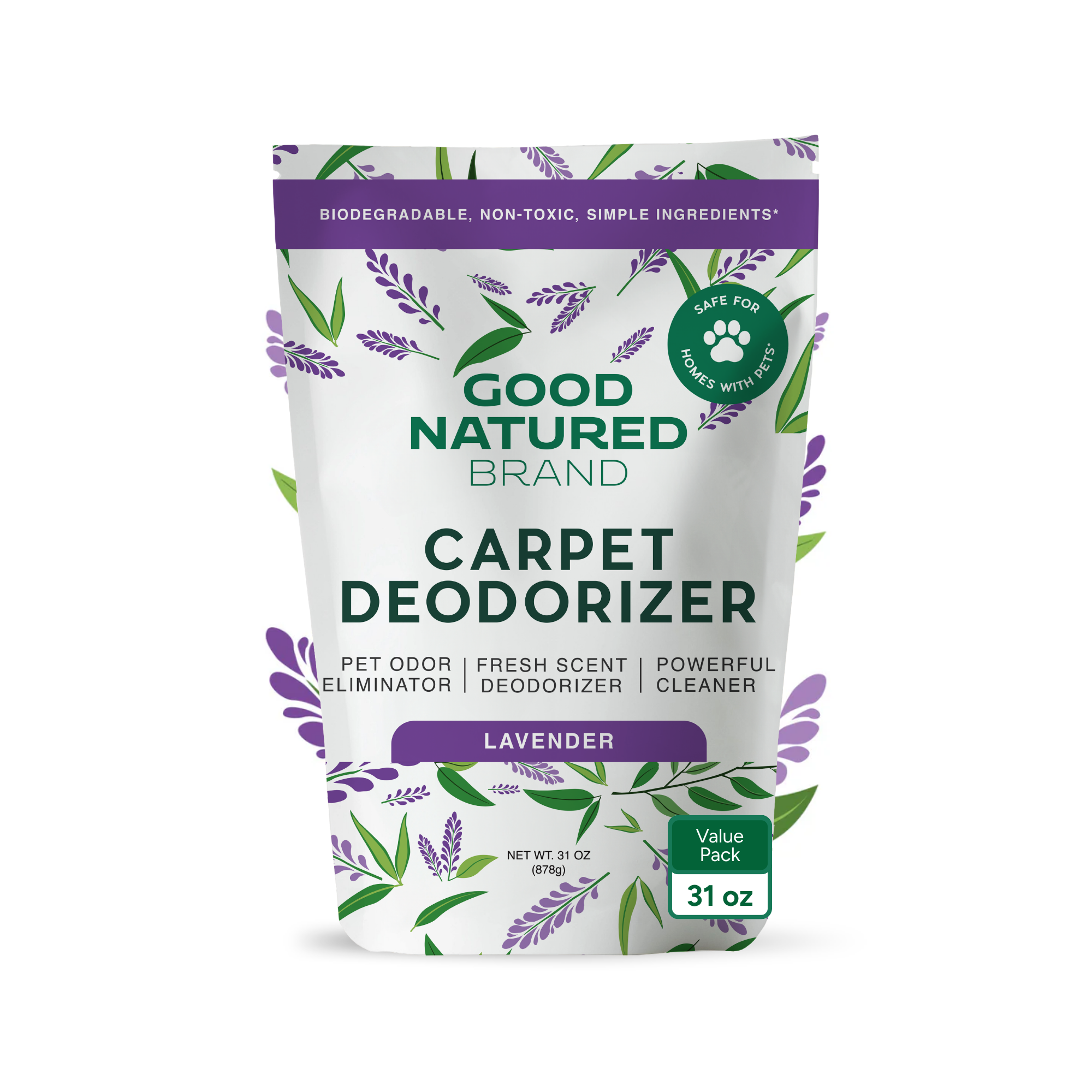
Lavender calm for every home.
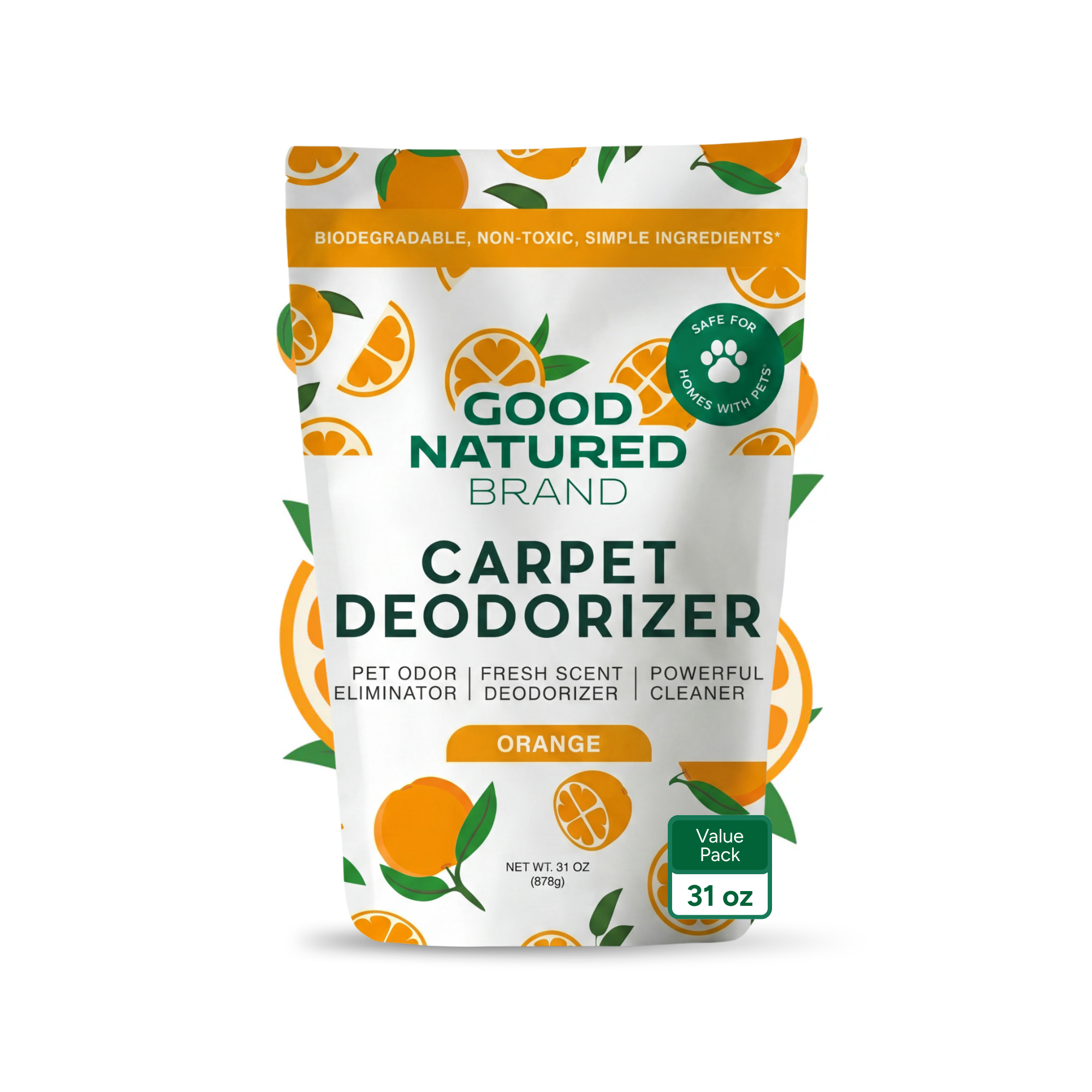
Orange energy for every home.
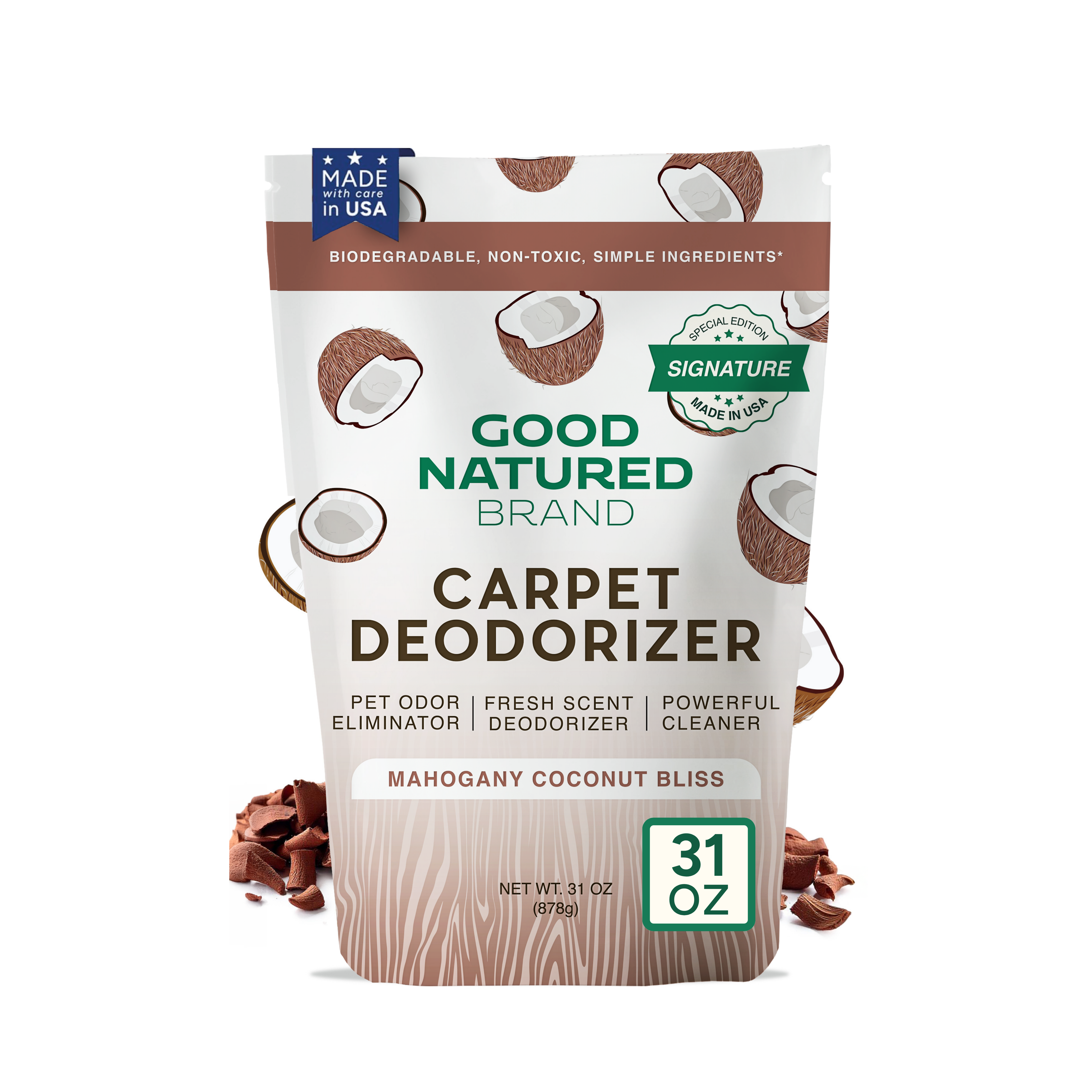
Mahogany warmth for every home.
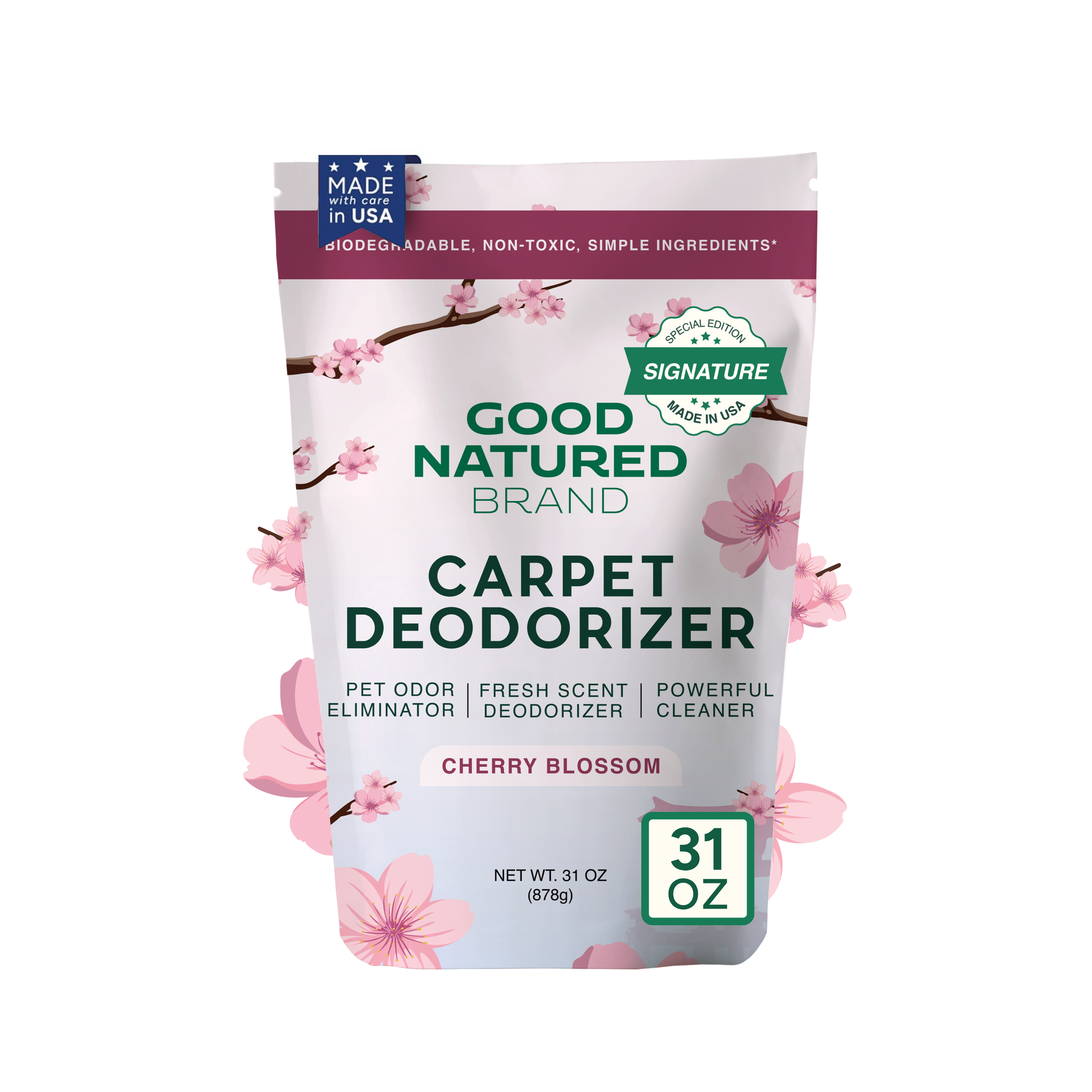
Cherry blossom serenity for every home.
Cocoa butter comfort for every home.
Mandarin freshness for every home.
Champagne sparkle for every home.
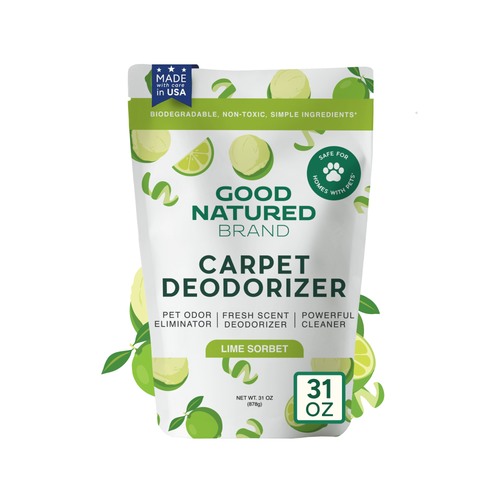
Zesty freshness for every carpet.
Why Are Plums Dangerous for Dogs?
Several factors make plums risky for dogs — and understanding these can help you recognize potential symptoms faster.
Cyanide Toxicity
The most serious danger is cyanide poisoning, which comes from the compounds found in plum pits, leaves, and stems. When ingested, cyanide blocks the body’s ability to transport oxygen through the bloodstream, leading to suffocation at a cellular level.
Symptoms of cyanide poisoning in dogs include:
-
Difficulty breathing
-
Bright red gums
-
Dilated pupils
-
Seizures or collapse
-
Excessive drooling
-
Vomiting or weakness
If you see any of these signs and suspect your dog has eaten a plum pit, seek emergency veterinary care immediately.
Choking and Blockage
Even if cyanide doesn’t come into play, the pit itself can get lodged in your dog’s throat or digestive tract. Small and medium-sized dogs are at greater risk. Blockages can lead to vomiting, loss of appetite, constipation, and abdominal pain.
Sugar Overload
Plums are naturally sweet, but dogs don’t need added sugar in their diet. Too much sugar can lead to digestive upset, gas, and diarrhea. Over time, excess sugar can also contribute to obesity, diabetes, and dental issues.
Gastrointestinal Upset
Even plum flesh — if given in excess — can cause stomach discomfort, especially in dogs not used to eating fruit. You may notice temporary diarrhea, vomiting, or decreased appetite.
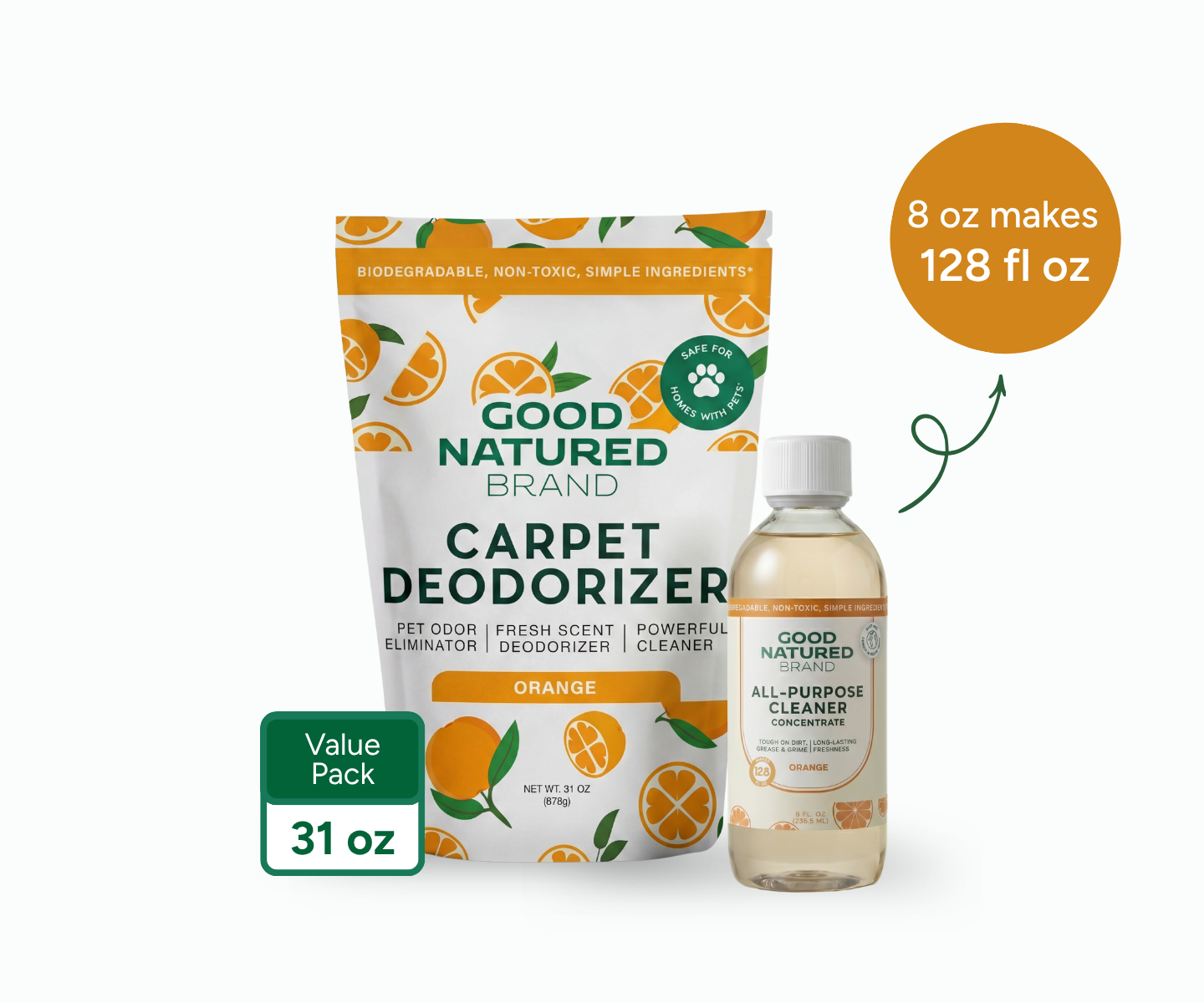
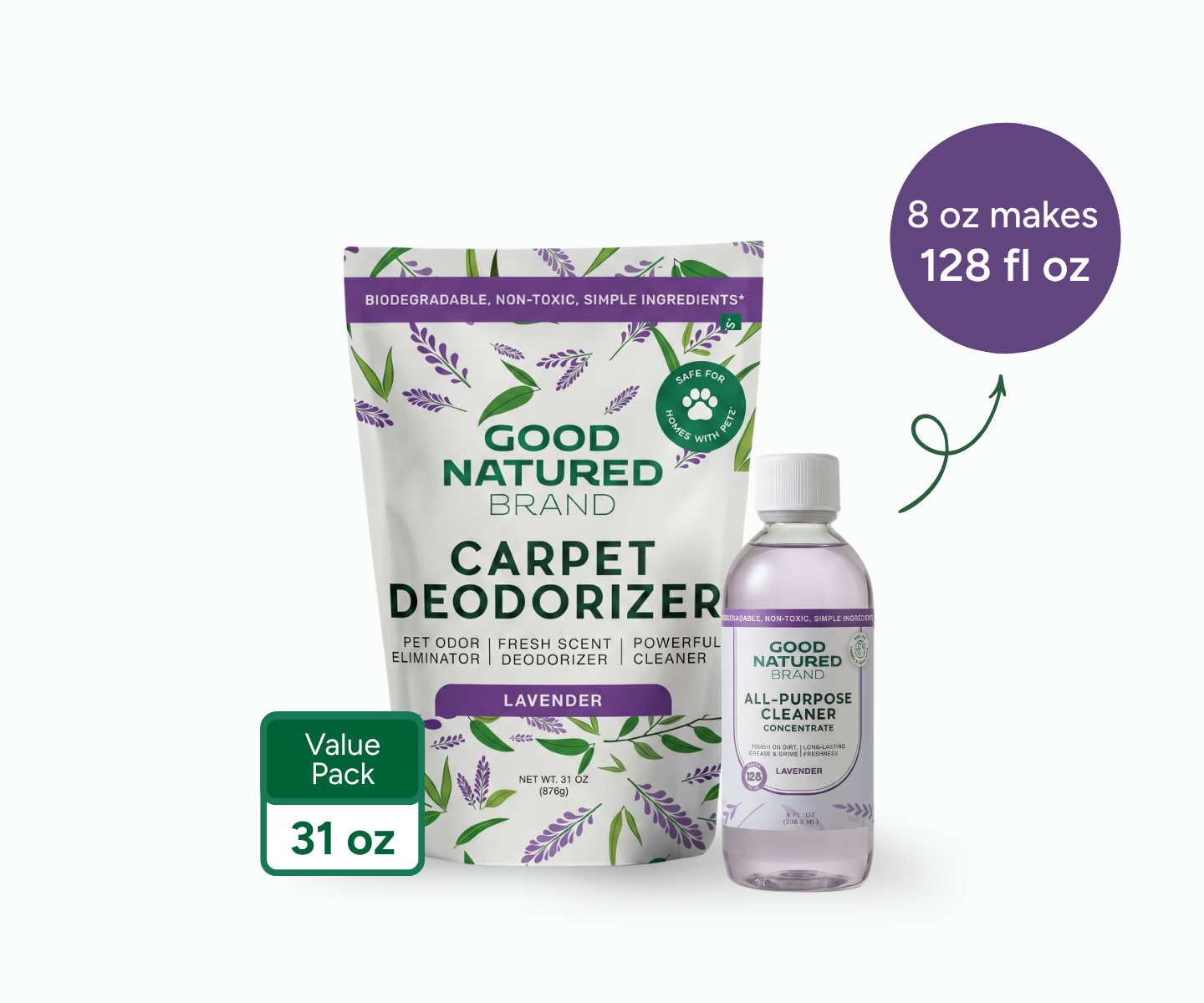
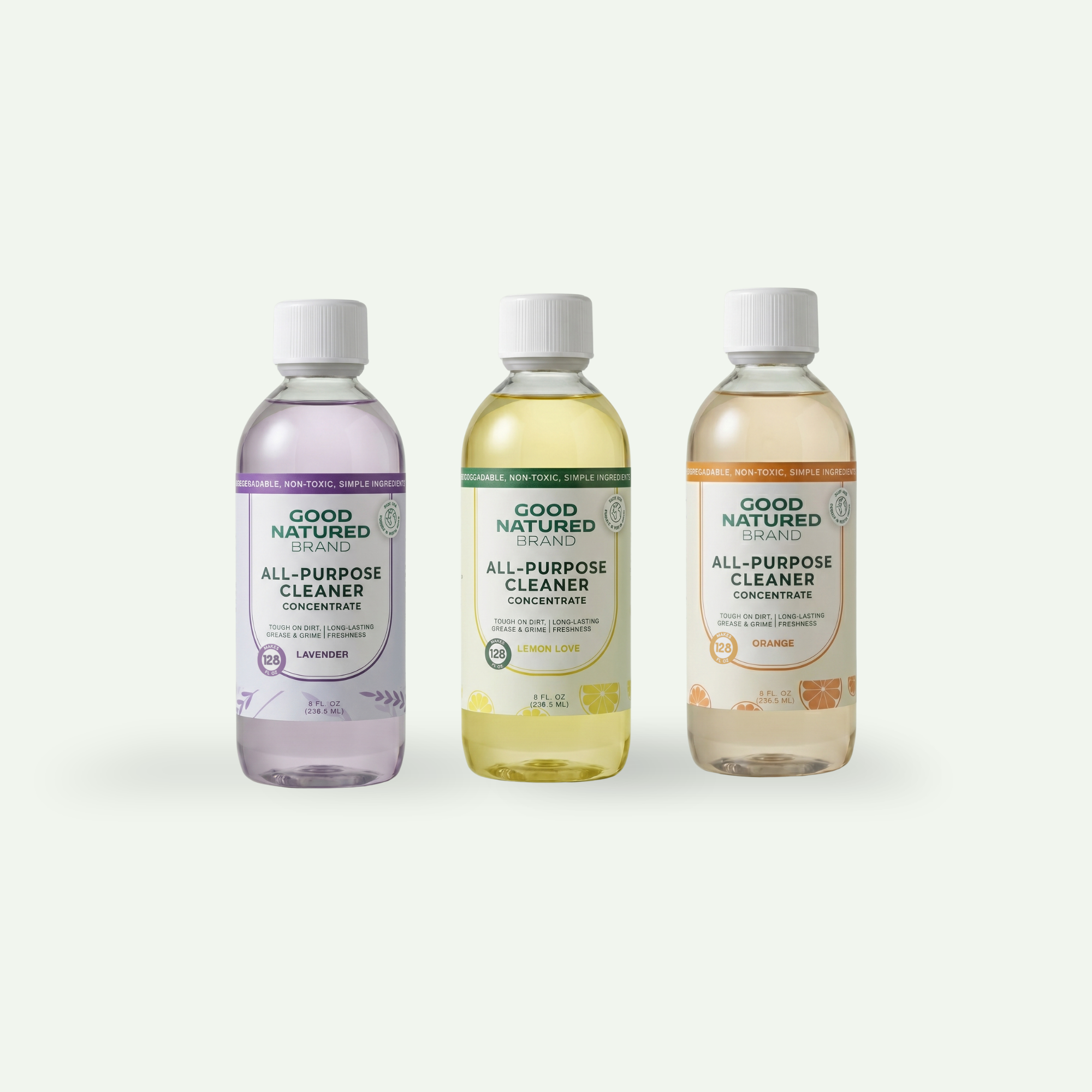
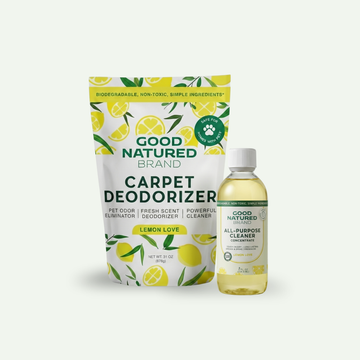
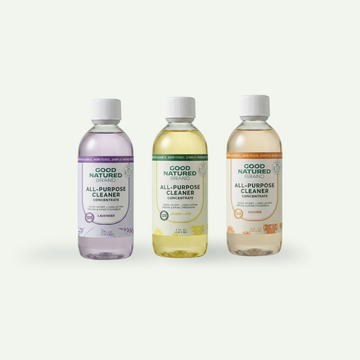
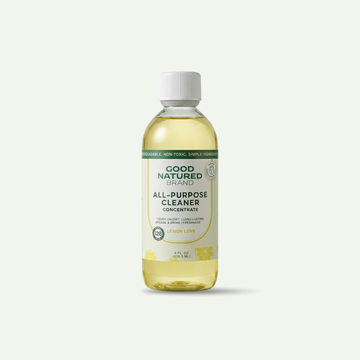
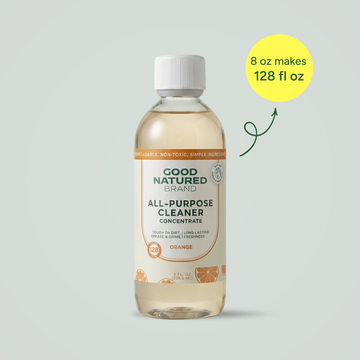
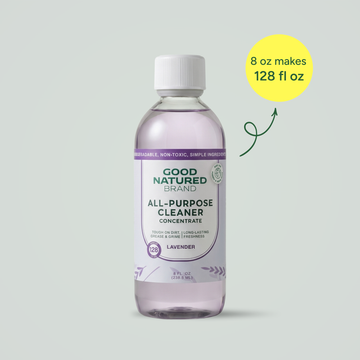
If your dog vomits indoors, it’s important to clean up quickly and safely using a pet-safe cleaner like Good Natured Brand All-Purpose Cleaners. These cleaners remove stains and odors without the use of harsh chemicals that could irritate your dog’s nose or paws.
What to Do If Your Dog Eats a Plum
Even the most vigilant pet parent can’t prevent every accident. If your dog manages to snatch a plum, here’s what to do:
-
Determine what part of the plum was eaten.
-
If it was just a small piece of flesh, monitor for mild symptoms like upset stomach or loose stool.
-
If your dog ate the pit, act immediately — call your vet or a pet poison hotline.
-
Check your dog’s breathing and behavior.
-
Look for signs of choking or distress.
-
Keep your dog calm and prevent further eating.
-
Do not try to induce vomiting without consulting a vet, especially if you’re unsure how much was eaten.
-
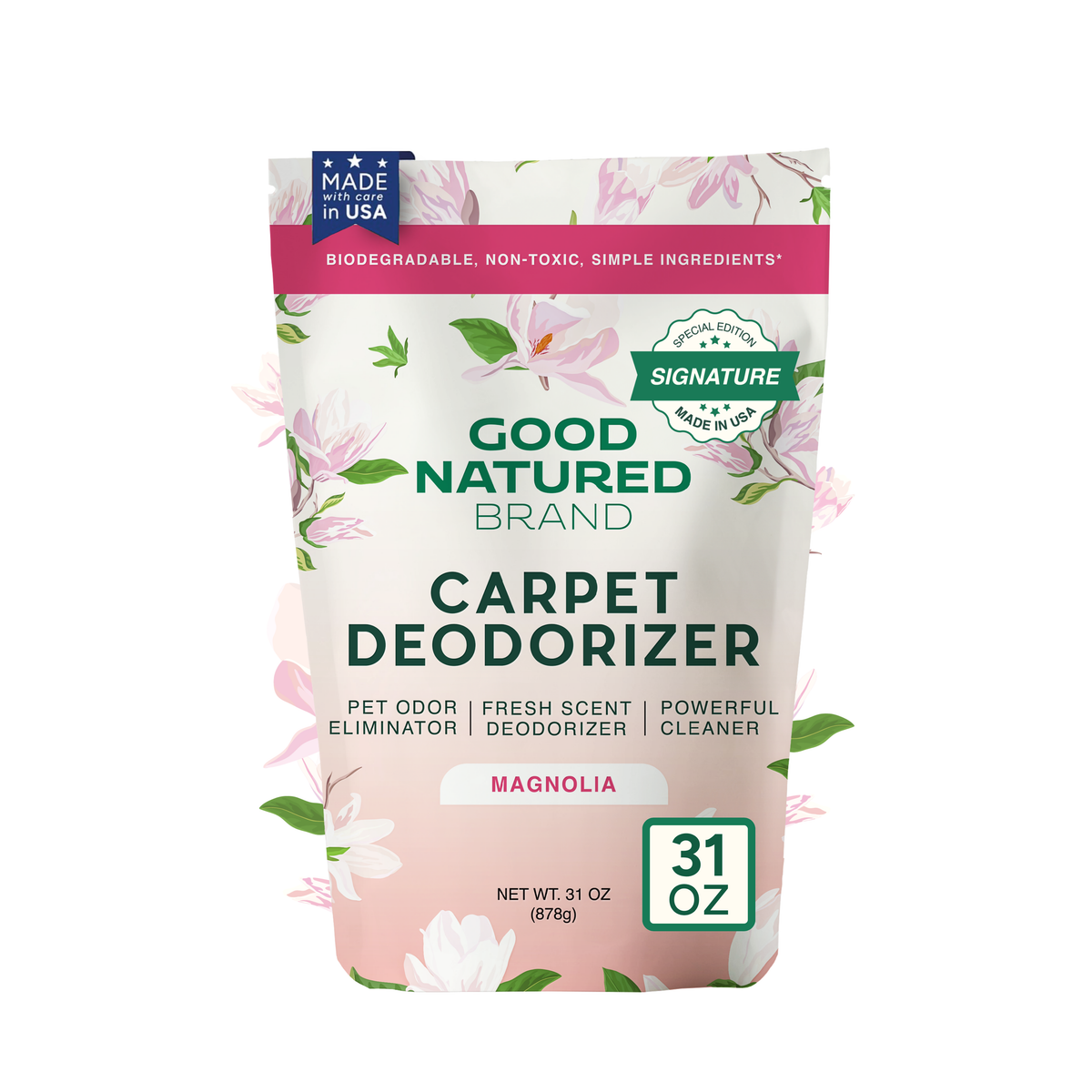
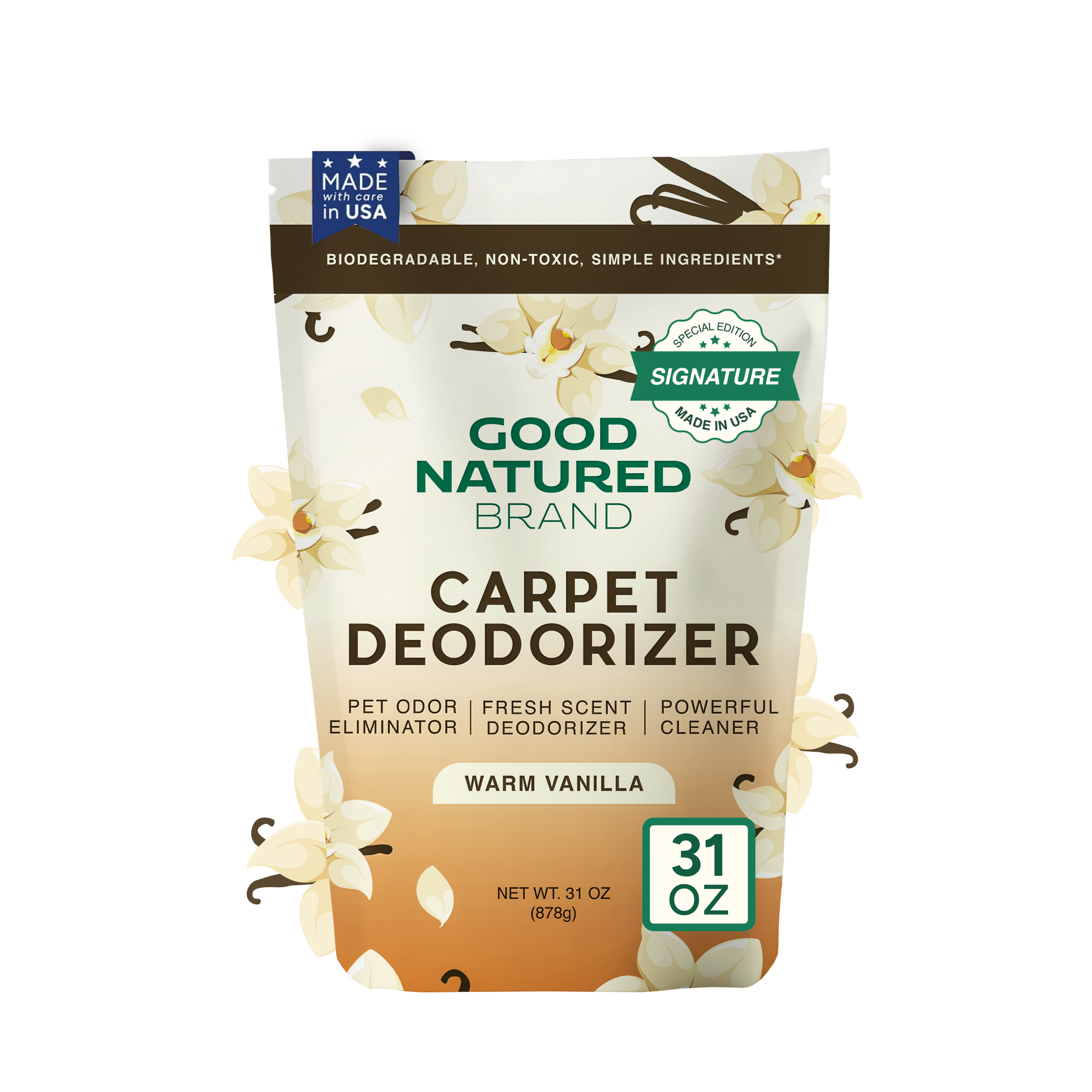
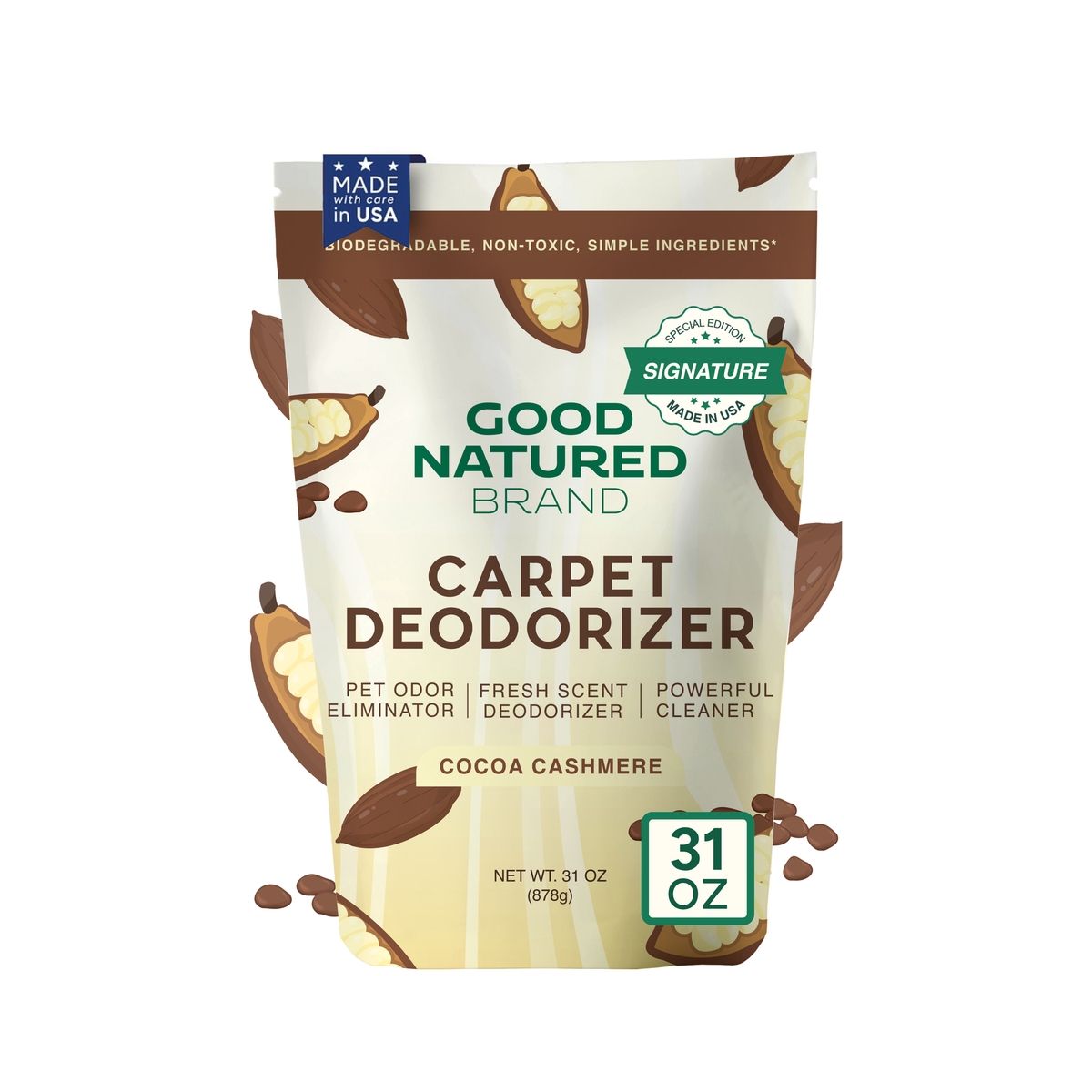
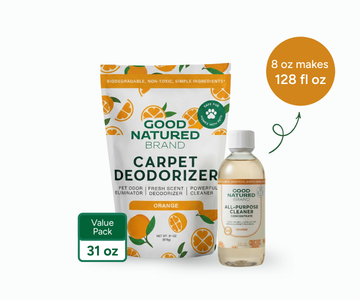
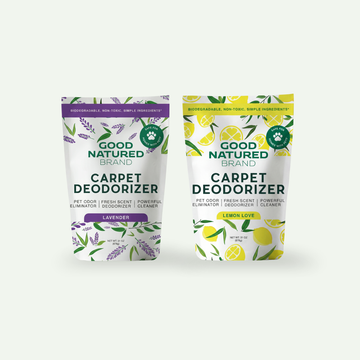
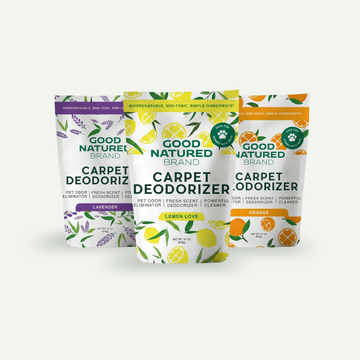
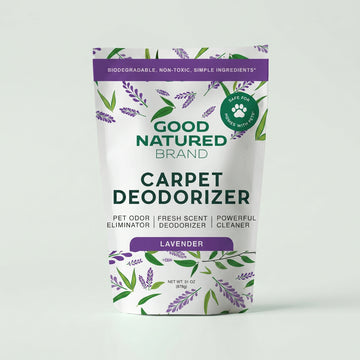
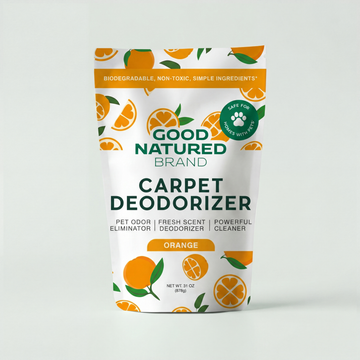
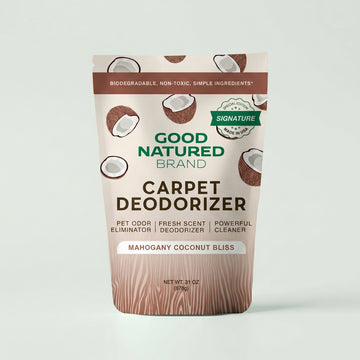
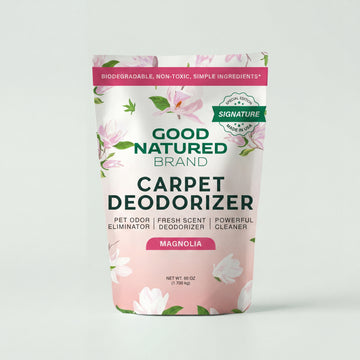
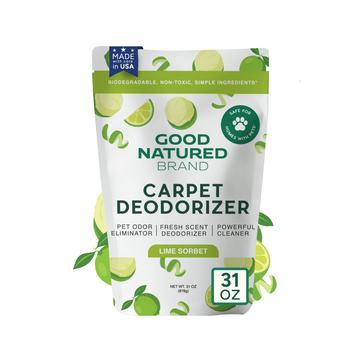
Clean the area to prevent your dog from licking residues or returning to the scene. You can safely sanitize the space with Good Natured Brand All-Purpose Cleaners and eliminate lingering smells using Good Natured Brand Carpet Deodorizers.
-
Watch for symptoms over the next 24 hours: excessive drooling, fatigue, vomiting, diarrhea, or breathing difficulty.
If you notice any concerning changes, it’s always better to seek veterinary attention sooner rather than later.
Can Dogs Eat Dried Plums (Prunes)?
It might seem harmless to share dried fruit, but dogs should not eat prunes either. Prunes are simply dried plums — and drying concentrates their sugar and fiber content.
Too many prunes can lead to:
-
Severe diarrhea or loose stools
-
Abdominal bloating
-
Dehydration
-
Electrolyte imbalance
Because dried fruit often contains preservatives or added sweeteners, it’s even less suitable for dogs.
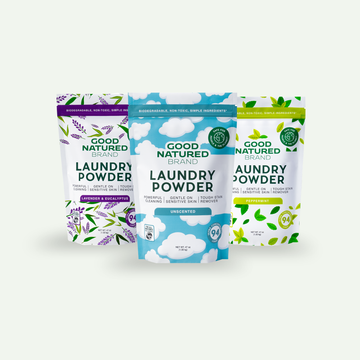
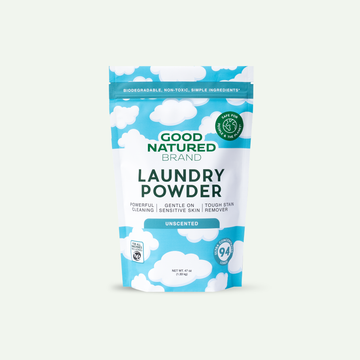
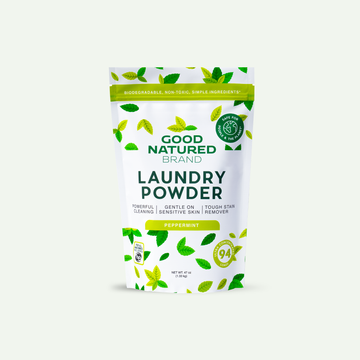
If your dog accidentally eats prunes and has an upset stomach, keep them hydrated and offer small amounts of bland food, such as plain boiled rice or chicken. Clean up any messes promptly with Good Natured Brand Laundry Powders if fabrics are soiled — these powders are pet-safe, hypoallergenic, and eco-friendly, ideal for washing your dog’s bedding or blankets.
Are Plum-Flavored Foods Safe for Dogs?
It’s not just whole plums you need to watch out for — plum-flavored treats, jams, or yogurts can also be dangerous. These products often contain:
-
Xylitol — a sugar substitute extremely toxic to dogs, even in small amounts.
-
Added sugars — which can upset digestion and increase obesity risk.
-
Artificial colors and preservatives — which may cause allergic reactions or liver strain over time.
Avoid giving your dog anything that contains plum flavoring unless it’s specifically made for pets and approved by your veterinarian.
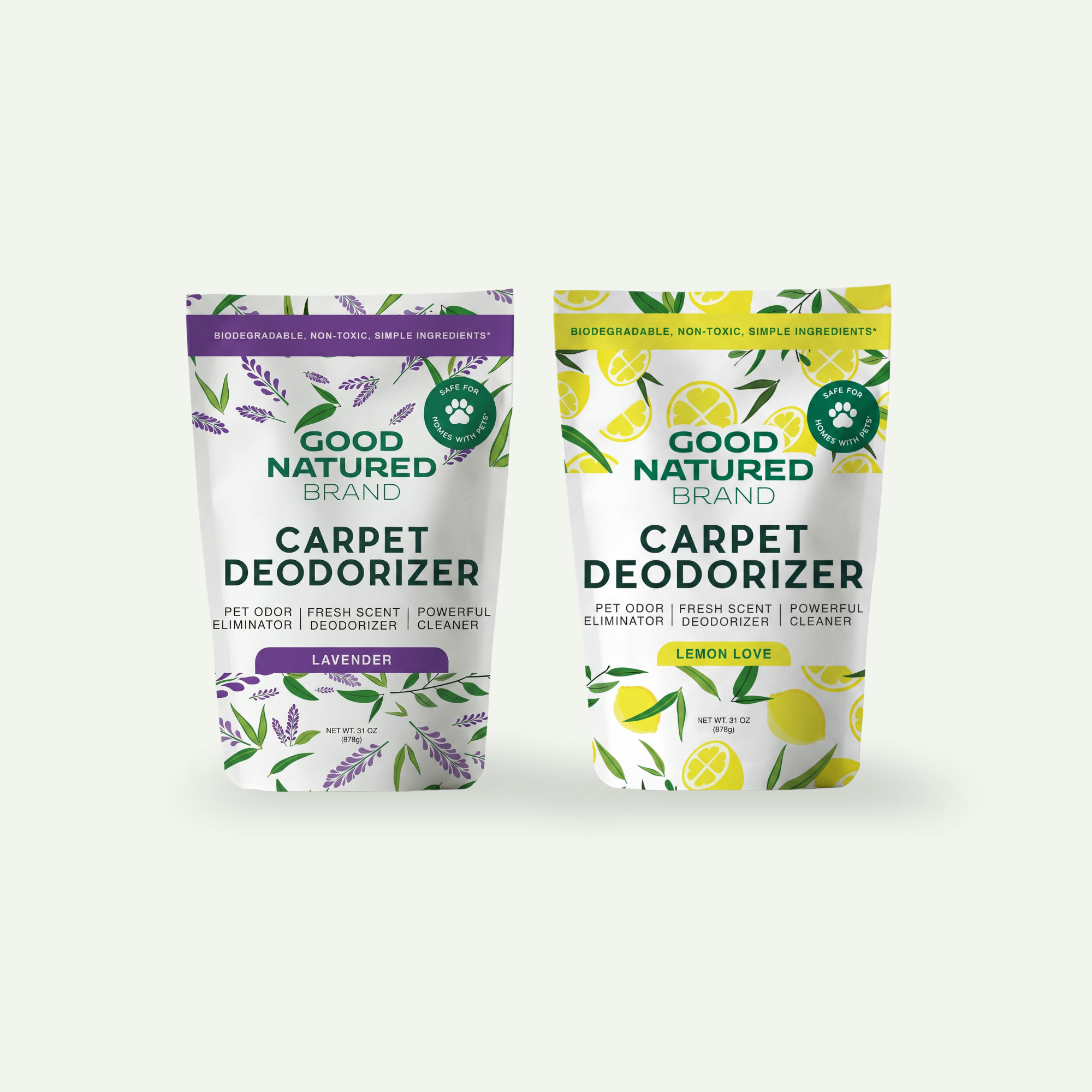
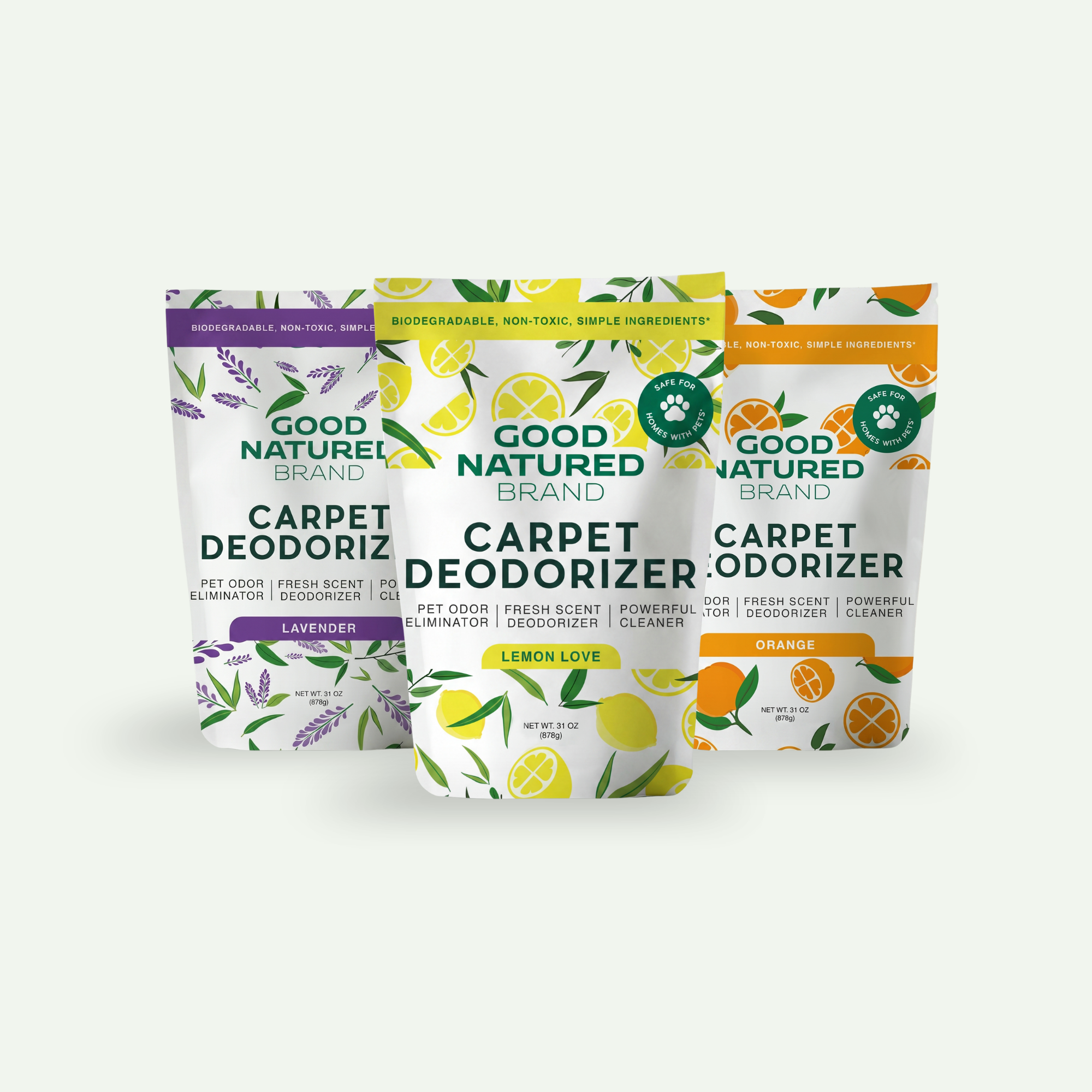
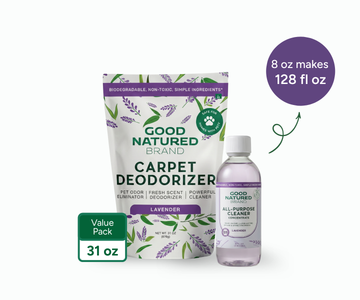
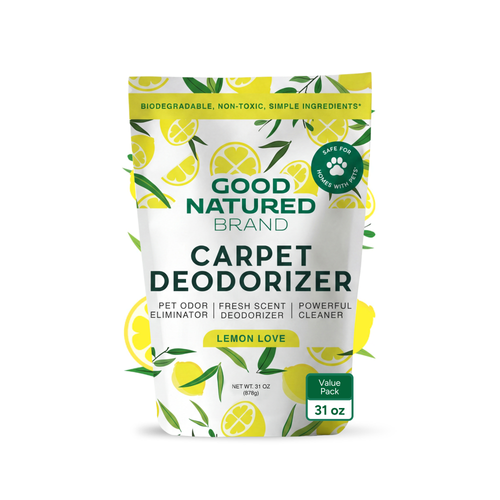
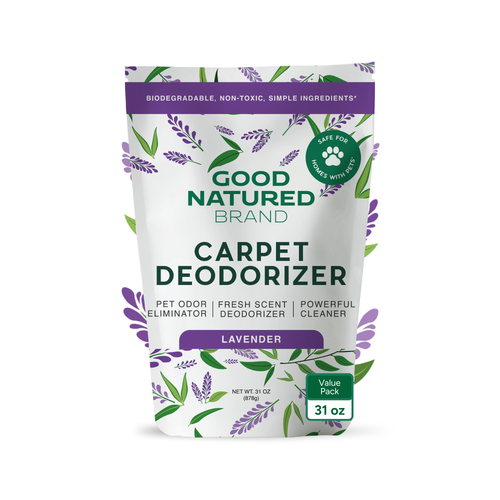
For natural ways to freshen your home after dog messes — without using artificial fragrances — you can rely on Good Natured Brand Carpet Deodorizers. They neutralize odors using baking soda and essential oils, keeping your environment safe for pets and family alike.
How Much Plum Is Too Much?
Even if your dog manages to eat a small piece of ripe plum flesh without the pit, moderation is key. Dogs don’t process fruit sugars the same way humans do.
General rule:
-
A few tiny pieces once in a while are fine for larger dogs, but not daily.
-
For small dogs, even a single bite may cause stomach irritation.
Always remove the pit, skin, and leaves, and serve only a small, seed-free portion — though most veterinarians would recommend avoiding plums entirely to prevent risk.
If your dog enjoys fruit, you can offer safer alternatives like blueberries, apple slices (without seeds), or watermelon chunks instead.
When to Call the Vet
Certain signs should never be ignored after a dog eats a plum. Contact your veterinarian immediately if you observe:
-
Heavy drooling or gagging
-
Labored breathing or coughing
-
Vomiting or diarrhea
-
Weakness or confusion
-
Bright red gums
-
Seizures or collapse
These could signal cyanide poisoning or internal blockage, both of which are medical emergencies.
While waiting for your vet appointment, keep your dog calm and hydrated. If vomiting occurs, use Good Natured Brand All-Purpose Cleaners to safely clean up hard surfaces and Good Natured Brand Carpet Deodorizers for rugs or fabric areas. Keeping your space clean helps minimize stress and odor during recovery.
Healthy Fruits Dogs Can Eat Instead of Plums
If your dog enjoys a juicy treat, don’t worry — there are plenty of fruits that are safe and beneficial for them. Unlike plums, these alternatives don’t contain toxic pits or high sugar levels that can upset your pup’s stomach.
Apples (Without Seeds)
Apples are rich in vitamin C, fiber, and antioxidants. The crunchy texture also helps clean your dog’s teeth naturally. Just make sure to remove all seeds and the core, as apple seeds contain trace amounts of cyanide.
Blueberries
These small but mighty berries are packed with antioxidants that support immune health and cell repair. They’re low in calories and make an excellent training reward or frozen summer treat.
Bananas
Bananas provide potassium, magnesium, and fiber. However, due to their natural sugars, they should be offered in moderation — a few small pieces at a time.
Watermelon (Seedless)
Watermelon is hydrating, light, and safe when the seeds and rind are removed. It’s a perfect snack during warm weather to keep your dog cool and refreshed.
Strawberries
Strawberries are high in fiber and vitamin C but also slightly sugary. Offer a few small pieces as an occasional treat to boost your dog’s diet with antioxidants.
These fruits make great additions to your dog’s diet in moderation — but remember, fruit should never replace their main balanced dog food.
DIY Dog Treat Ideas with Safe Fruits
Homemade fruit-based treats are a fun and healthy way to spoil your dog while avoiding harmful ingredients like preservatives or artificial sweeteners. Here are some easy ideas:
Frozen Blueberry Bites
Mix plain, unsweetened yogurt with fresh blueberries and spoon into silicone molds. Freeze overnight for a refreshing snack your dog will love.
Apple & Pumpkin Biscuits
Blend mashed pumpkin, unsweetened applesauce, and whole wheat flour. Roll out the dough and cut into bone shapes before baking. These biscuits are rich in fiber and gentle on digestion.
Banana “Ice Cream” for Dogs
Mash ripe bananas and freeze the puree in an ice cube tray. It’s a cool, creamy, and sugar-free treat perfect for hot days.
Whenever you prepare food for your pup, remember to clean surfaces with Good Natured Brand All-Purpose Cleaners. This natural cleaner removes food residue, grease, and sticky fruit juice safely — without synthetic chemicals that could irritate your dog’s sensitive nose or paws.
Preventing Accidental Plum Consumption
Keeping your dog safe means staying one step ahead. Dogs are curious and often get into things they shouldn’t, especially when it comes to tasty-smelling fruits. Here’s how to prevent accidents:
Store Fruit Safely
Keep plums, peaches, and other stone fruits on high counters or inside closed cabinets. Never leave them in fruit bowls within reach of your dog.
Supervise Outdoor Time
If you have a plum tree in your yard, fallen fruit can become a hidden danger. Pick up dropped plums promptly to prevent your dog from eating them.
Educate the Household
Everyone in your home — family members, guests, or kids — should know that dogs can’t eat plums. Encourage them to give dog-safe snacks instead, such as apple slices or carrot sticks.
Dispose of Pits Properly
Always throw fruit pits in a covered trash can your dog can’t access. Dogs have a strong sense of smell and might dig into garbage bins if they sense leftover fruit.
A clean, clutter-free environment is key to prevention. Wipe down kitchen areas regularly with Good Natured Brand All-Purpose Cleaners to eliminate fruit odors that attract dogs.
Cleaning Up After a Dog Eats Fruit or Vomits
Even when you’re careful, accidents happen — and dogs can vomit after eating fruit that doesn’t agree with them. The good news is that cleaning up after your pet doesn’t have to mean exposing your home to harsh chemicals.
Here’s how to clean effectively and safely using Good Natured Brand’s eco-friendly products:
Carpet and Upholstery
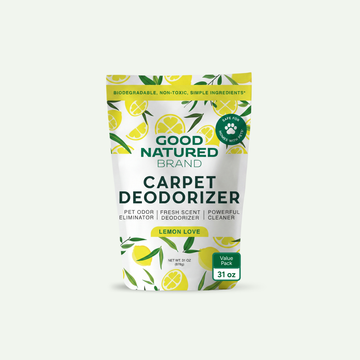
If your dog vomits or drools on the carpet, gently blot the area with a dry towel to absorb excess liquid. Then, sprinkle Good Natured Brand Carpet Deodorizers over the spot. Let it sit for 10–15 minutes before vacuuming. This neutralizes odors naturally and leaves your home smelling fresh.
These deodorizers are made with baking soda and essential oils, making them safe for use around pets and children.
Laundry and Pet Bedding
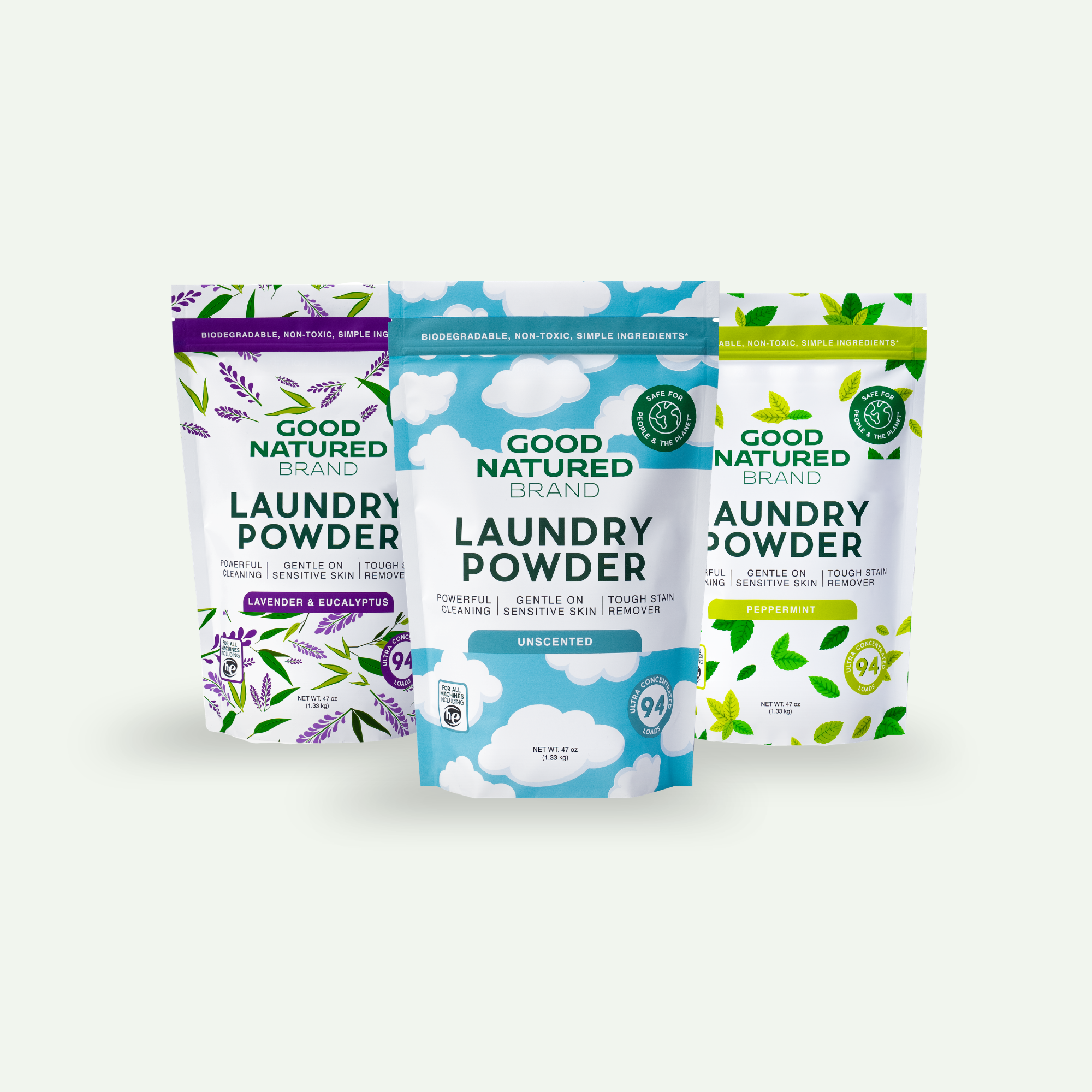
If your dog soils their blanket or bed cover, wash it using Good Natured Brand Laundry Powders. Unlike conventional detergents, these powders are free from artificial fragrances, dyes, and chemicals — making them ideal for pets with sensitive skin or allergies.
They lift stains effectively while leaving fabrics naturally clean and soft.
Floors and Hard Surfaces
For hardwood, laminate, or tile floors, use Good Natured Brand All-Purpose Cleaners. Spray, let it sit for a few seconds, and wipe away with a microfiber cloth. It cuts through sticky fruit residue, dirt, and odor-causing bacteria without leaving chemical traces behind.
This cleaning approach helps protect your dog’s paws from toxic residues commonly found in commercial cleaners — keeping both your pet and your home healthy.
Comparing Plums to Other Stone Fruits
Plums belong to a family of fruits known as stone fruits — including cherries, peaches, nectarines, and apricots. These fruits share a similar internal structure: a fleshy exterior surrounding a hard pit that contains potentially toxic compounds.
Peaches and Nectarines
Like plums, the flesh of peaches is safe in moderation but the pit is dangerous. Cyanide compounds and choking hazards make them risky for dogs.
Cherries
Cherries pose an even higher risk because the entire fruit (pit, stem, and leaves) contains cyanide. A single cherry pit can cause toxicity in small dogs.
Apricots
Apricot pits also contain amygdalin, just like plums. Although the flesh is sweet, it’s best to avoid feeding apricots altogether.
The general rule of thumb: if it has a pit, skip it. There are plenty of safer fruit choices available for your furry friend.
Frequently Asked Questions About Dogs and Plums
Can dogs eat plum jam or jelly?
No. Plum jam and jelly contain high amounts of sugar and sometimes xylitol, a sweetener that’s highly toxic to dogs. Even small doses can cause seizures, liver failure, or death.
Can dogs eat plum skin?
While the skin isn’t toxic, it can irritate your dog’s stomach and may contain pesticide residue. It’s best to avoid it.
What if my dog ate a whole plum?
If your dog ate a whole plum — including the pit — contact your vet immediately. The pit may cause cyanide poisoning or intestinal blockage, which can become life-threatening if untreated.
Can small dogs eat plums?
Smaller dogs are more susceptible to toxicity and choking hazards. They should not eat plums at all.
Can dogs eat prunes or dried plums?
No. Prunes are high in sugar and fiber, which can lead to severe diarrhea and dehydration in dogs.
Final Thoughts: Keeping Your Dog Healthy and Your Home Fresh
Plums may be delicious for humans, but they’re not a safe treat for dogs. Between the risk of cyanide poisoning, choking, and digestive issues, it’s best to skip plums altogether and opt for safer fruits like apples, blueberries, and watermelon instead.
Keeping your dog safe goes beyond their diet — it’s also about creating a healthy, chemical-free environment where they can thrive. That’s why many pet parents trust Good Natured Brand products, which are crafted with natural ingredients to clean effectively while staying gentle on pets.
To make your home safer and fresher for your dog, explore:
-
Good Natured Brand Carpet Deodorizers for neutralizing odors naturally.
-
Good Natured Brand Laundry Powders for washing dog bedding and fabrics safely.
-
Good Natured Brand All-Purpose Cleaners for daily cleaning without harmful chemicals.
For more tips on eco-friendly pet care and natural home cleaning, visit the Good Natured Brand Main Page or explore the Good Natured Brand Blog.
Your dog’s safety starts with informed choices — and together, you can enjoy a clean, healthy, and naturally happy home.