You’re enjoying movie night, a bowl of buttery popcorn in hand, and your dog gives you that irresistible “please share” look. It’s tempting to toss a few pieces their way—but before you do, you might wonder: is popcorn bad for dogs?
The answer isn’t as simple as yes or no. While plain, air-popped popcorn might seem harmless, not all popcorn is created equal. Depending on how it’s prepared and what it’s seasoned with, popcorn can range from a safe occasional treat to a potential health hazard for your furry friend.
This guide explores everything you need to know about dogs and popcorn—from nutritional facts to potential dangers—so you can make an informed decision the next time you reach for that bowl. For more pet-safe living tips, visit the Good Natured Brand Blog.
Can Dogs Eat Popcorn Safely?
Popcorn itself isn’t toxic to dogs, but that doesn’t mean it’s entirely safe. The core issue lies in the preparation and toppings.
Plain, air-popped popcorn (without butter, salt, or seasoning) is technically safe for dogs to eat in moderation. It contains a small amount of fiber, magnesium, and zinc, which are harmless in tiny doses. However, most popcorn you’ll find—especially movie theater, microwave, or pre-flavored kinds—is packed with ingredients that can cause problems for dogs.
So, while an unbuttered piece or two won’t harm your pup, it’s best to think of popcorn as an occasional snack, not a regular treat.
Why Popcorn Can Be Bad for Dogs
Popcorn becomes a problem when additives, oils, or kernels get involved. Here’s why feeding popcorn to dogs can lead to health issues:
Butter, Oil, and Salt
Most popcorn is coated with butter, oil, and salt—all of which can upset your dog’s digestive system. High-fat butter and oil can lead to pancreatitis, while too much sodium can cause dehydration or, in extreme cases, sodium poisoning.
Dogs don’t process fats and salts the same way humans do, so even a small portion of buttery popcorn can leave them feeling nauseous or lethargic.
Flavorings and Additives
Flavored popcorn—such as cheese, caramel, or garlic varieties—can be particularly harmful. Ingredients like onion powder, garlic powder, and artificial butter flavoring (diacetyl) are toxic to dogs and can damage the liver or lungs.
Even “healthy” popcorn options aren’t necessarily safe. Many microwave popcorn brands contain preservatives and artificial oils that aren’t pet-friendly.
Unpopped Kernels and Choking Hazard
One of the biggest physical risks comes from unpopped or partially popped kernels. These hard pieces can crack a dog’s tooth, get lodged between their teeth, or become a choking hazard—especially for smaller breeds.
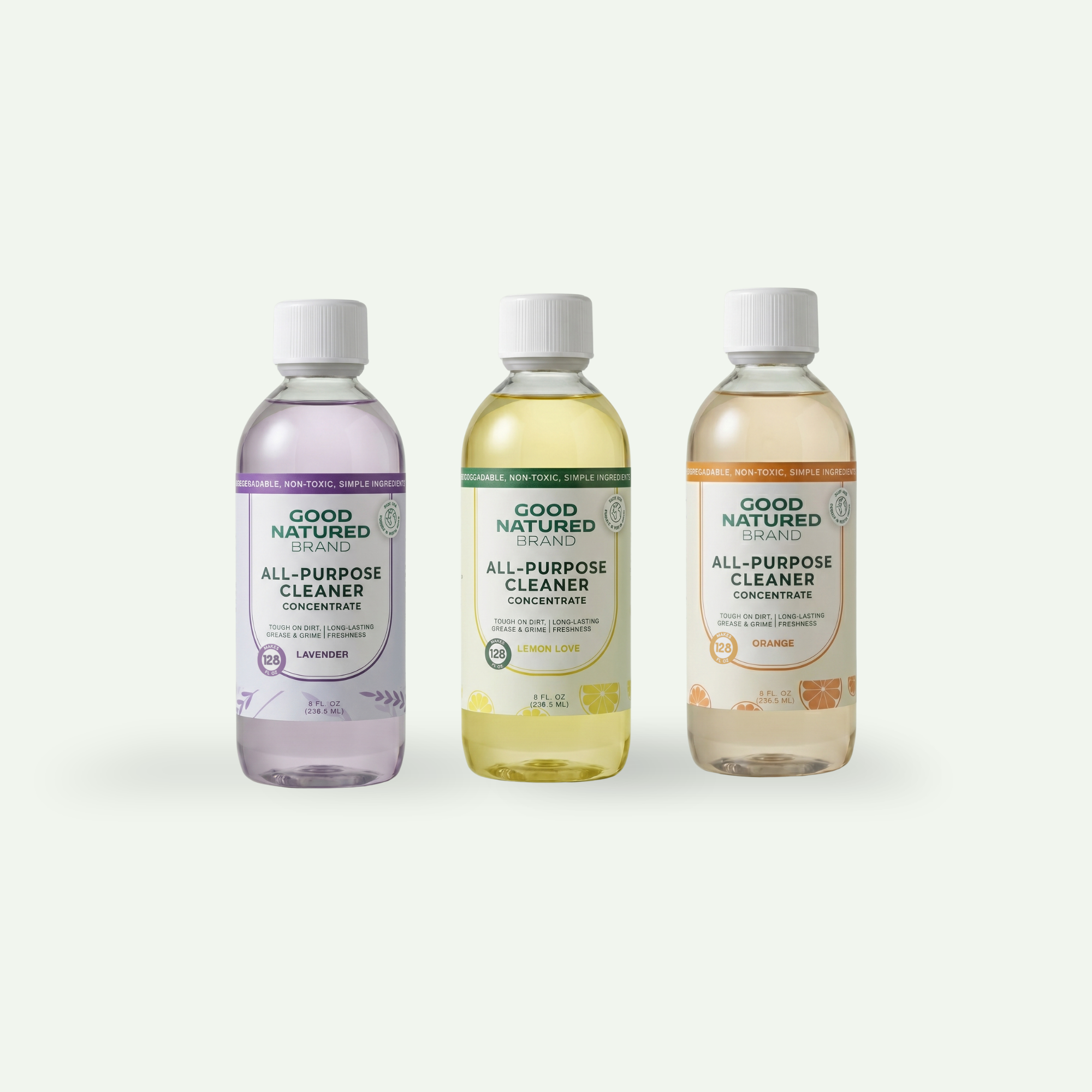
If your dog likes to scavenge under the couch or in snack bowls, it’s best to clean up stray popcorn pieces immediately. You can safely wipe up any spills using Good Natured Brand All-Purpose Cleaners, which remove residue and crumbs without exposing your pet to harsh chemicals or strong artificial scents.
Stale Popcorn and Mold
Popcorn that’s been left out for days can grow mold or bacteria, particularly in humid environments. If your dog sneaks some stale popcorn, they might experience stomach pain or vomiting due to bacterial contamination.
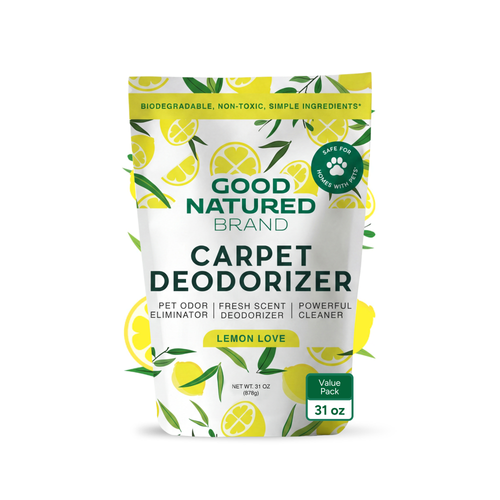
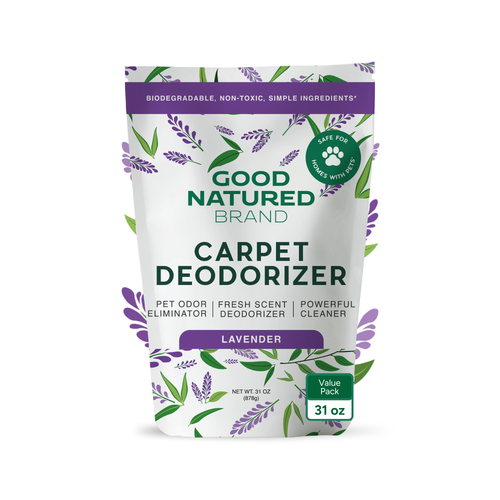
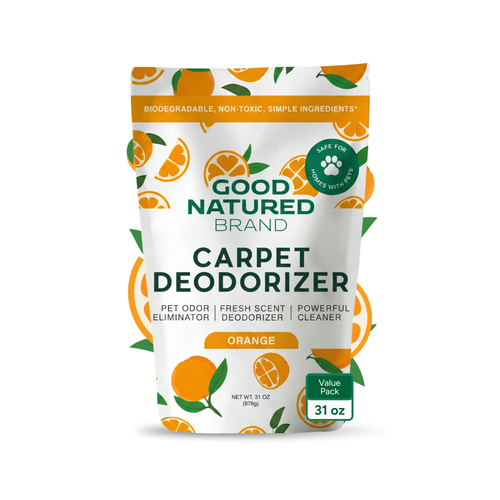
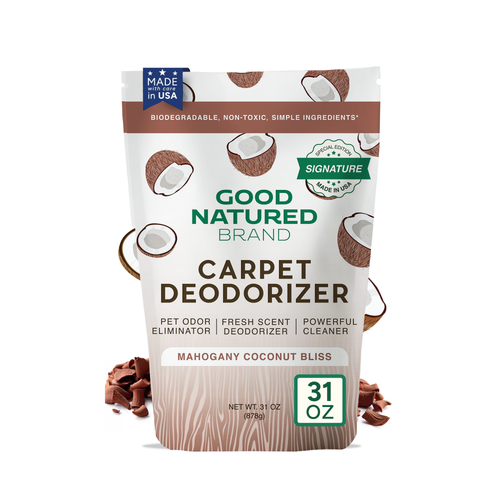
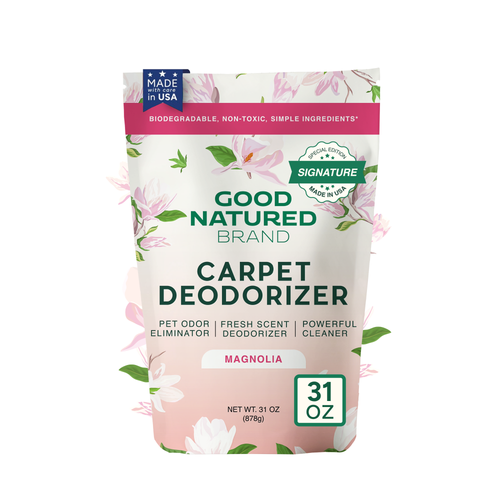
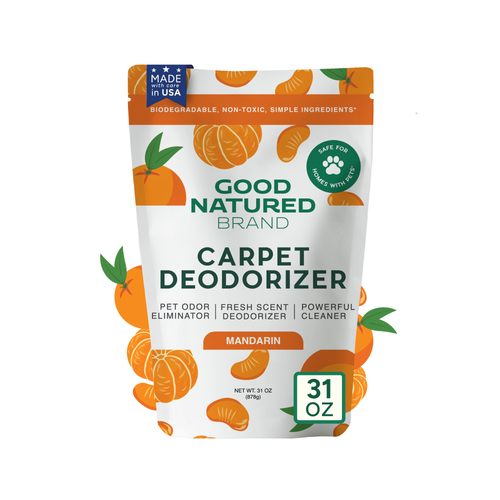
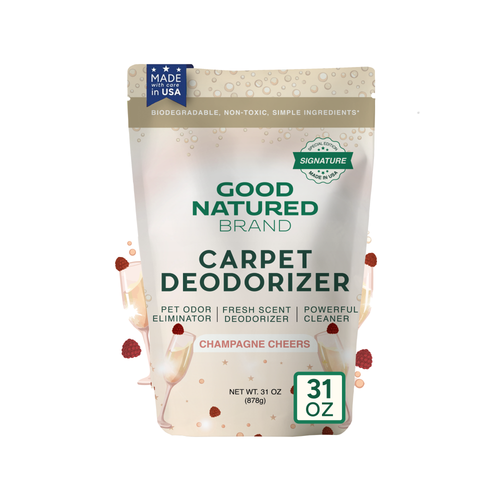
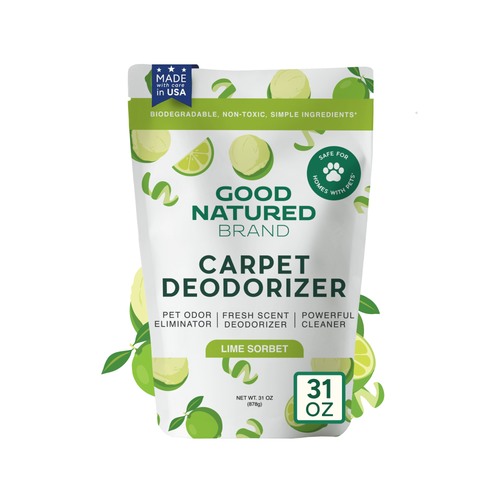
Shop the Product
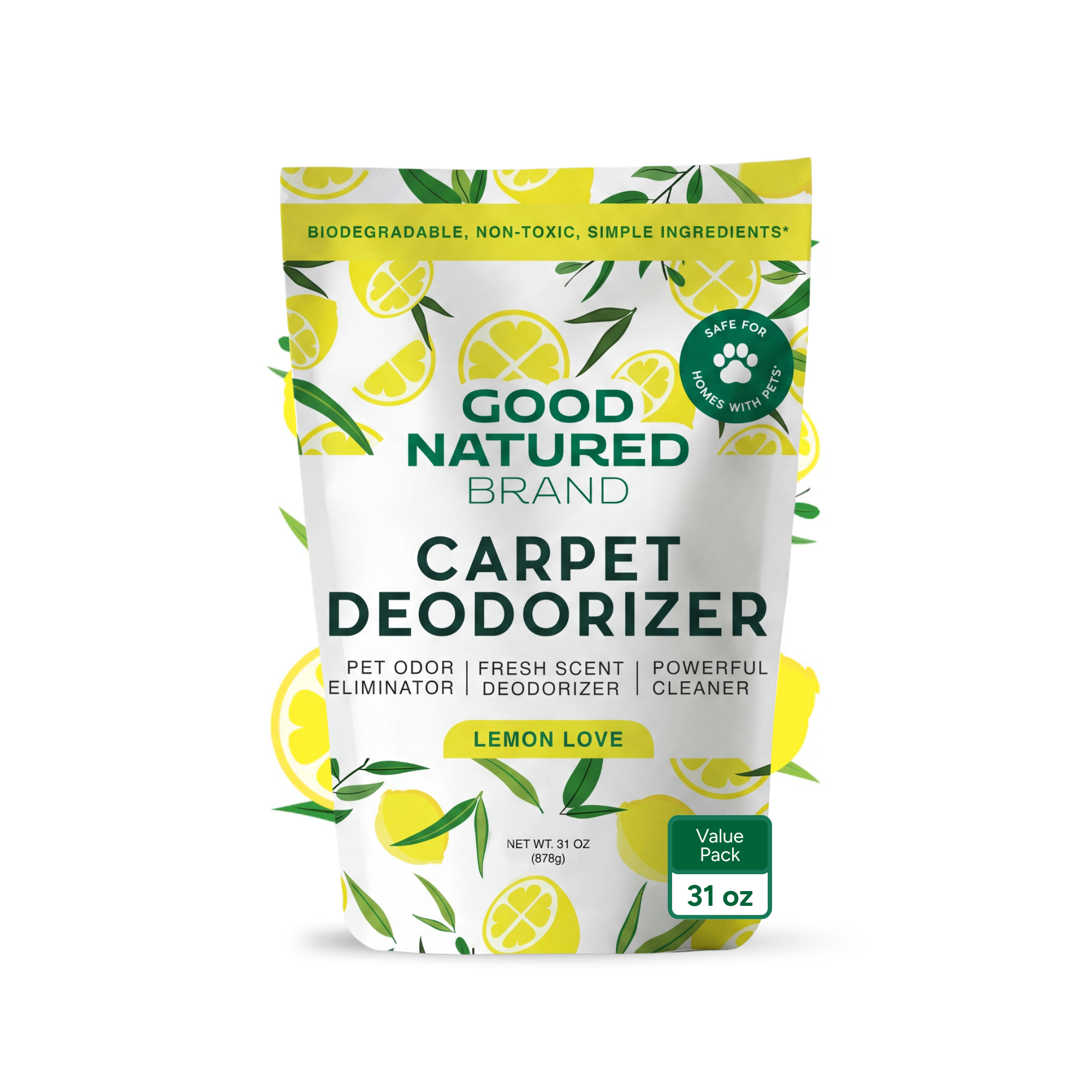
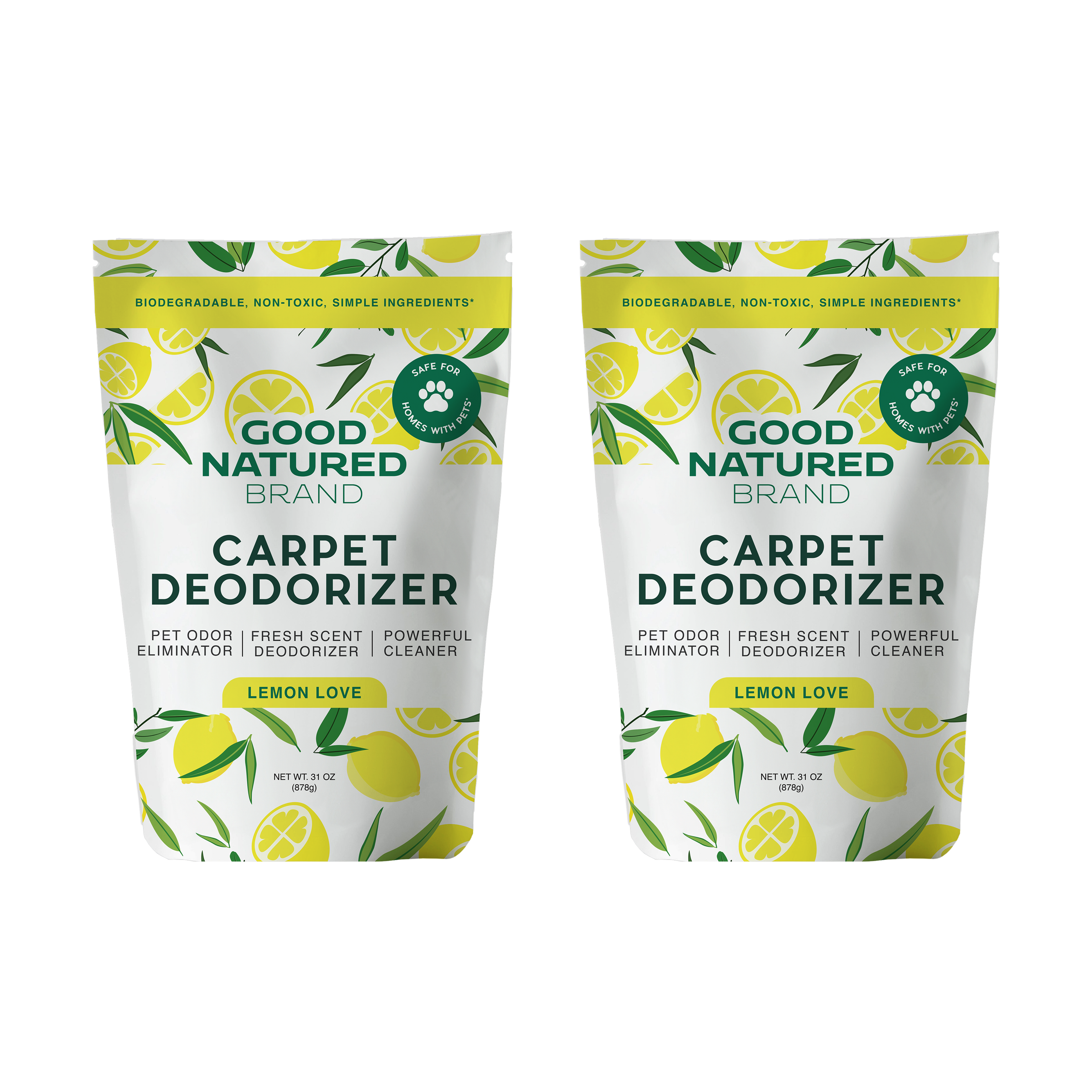
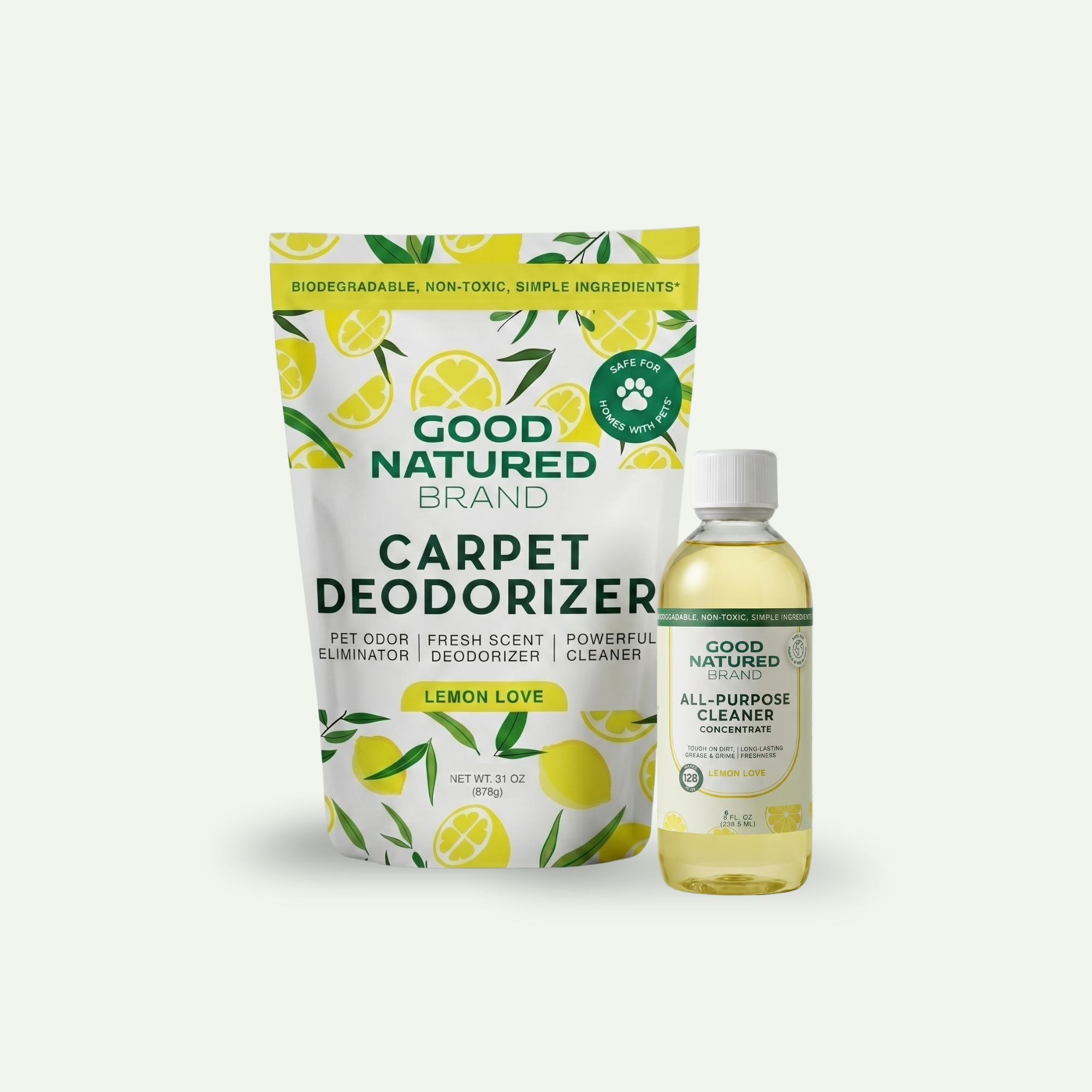
Lemon freshness for every home.
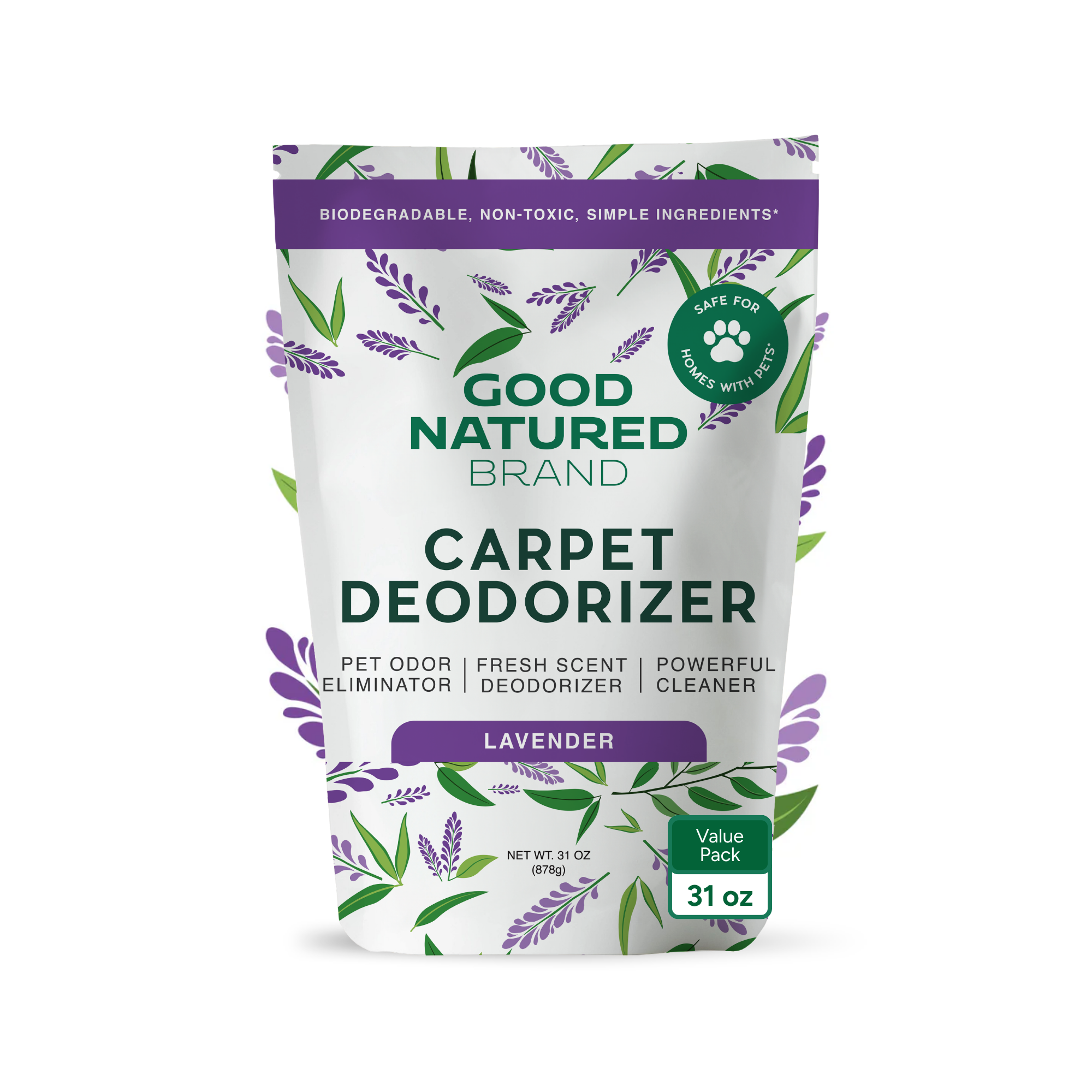
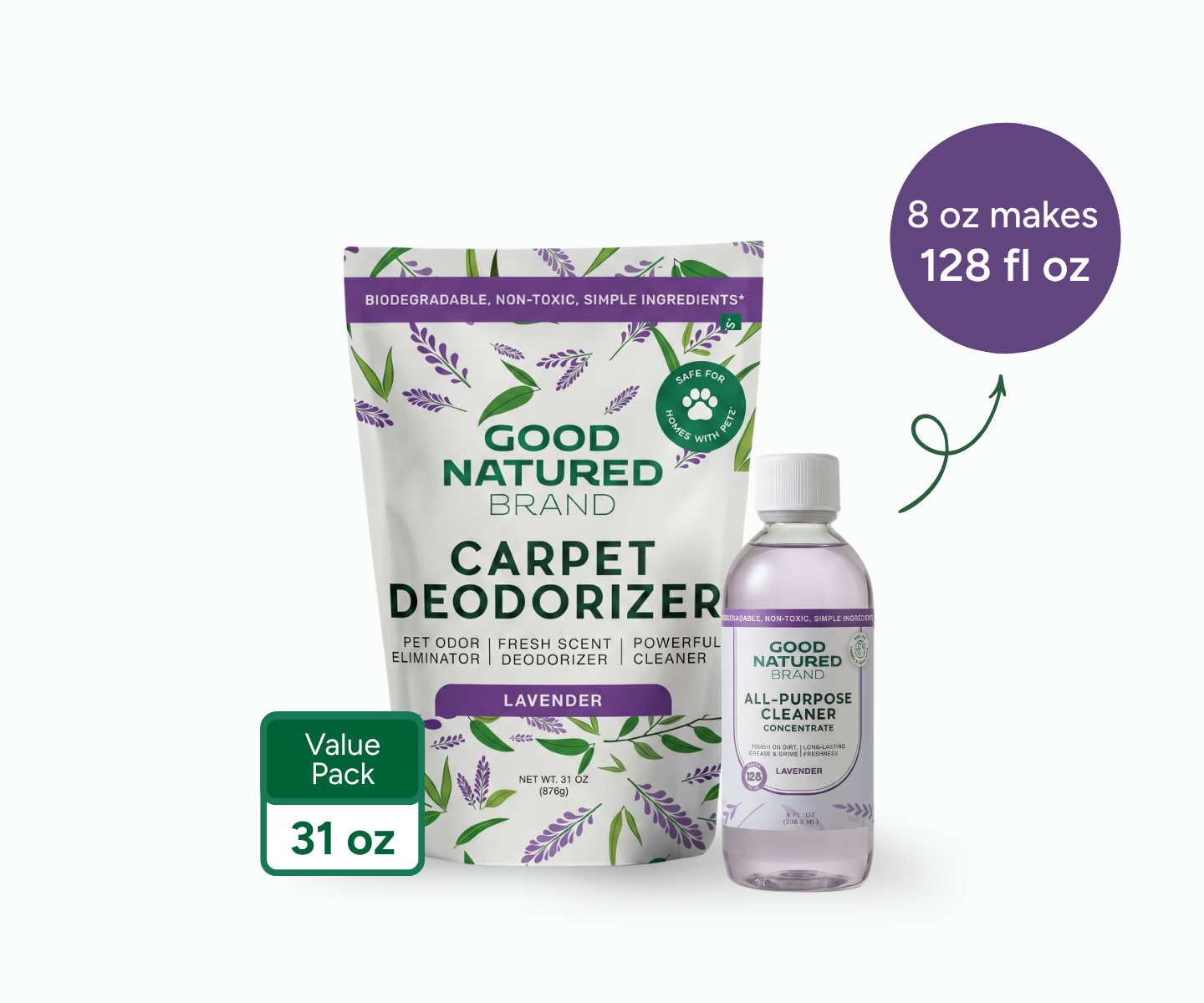
Lavender calm for every home.
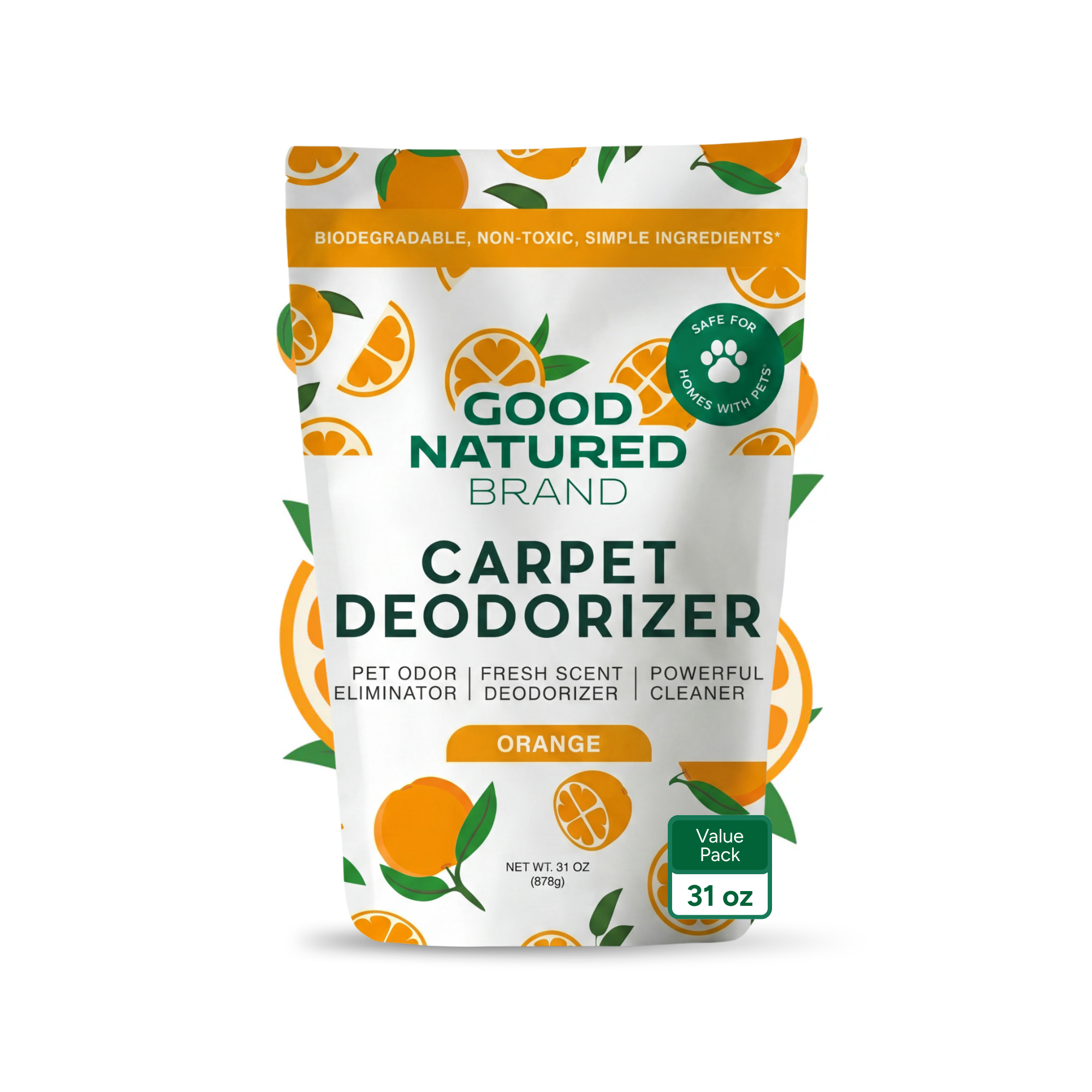
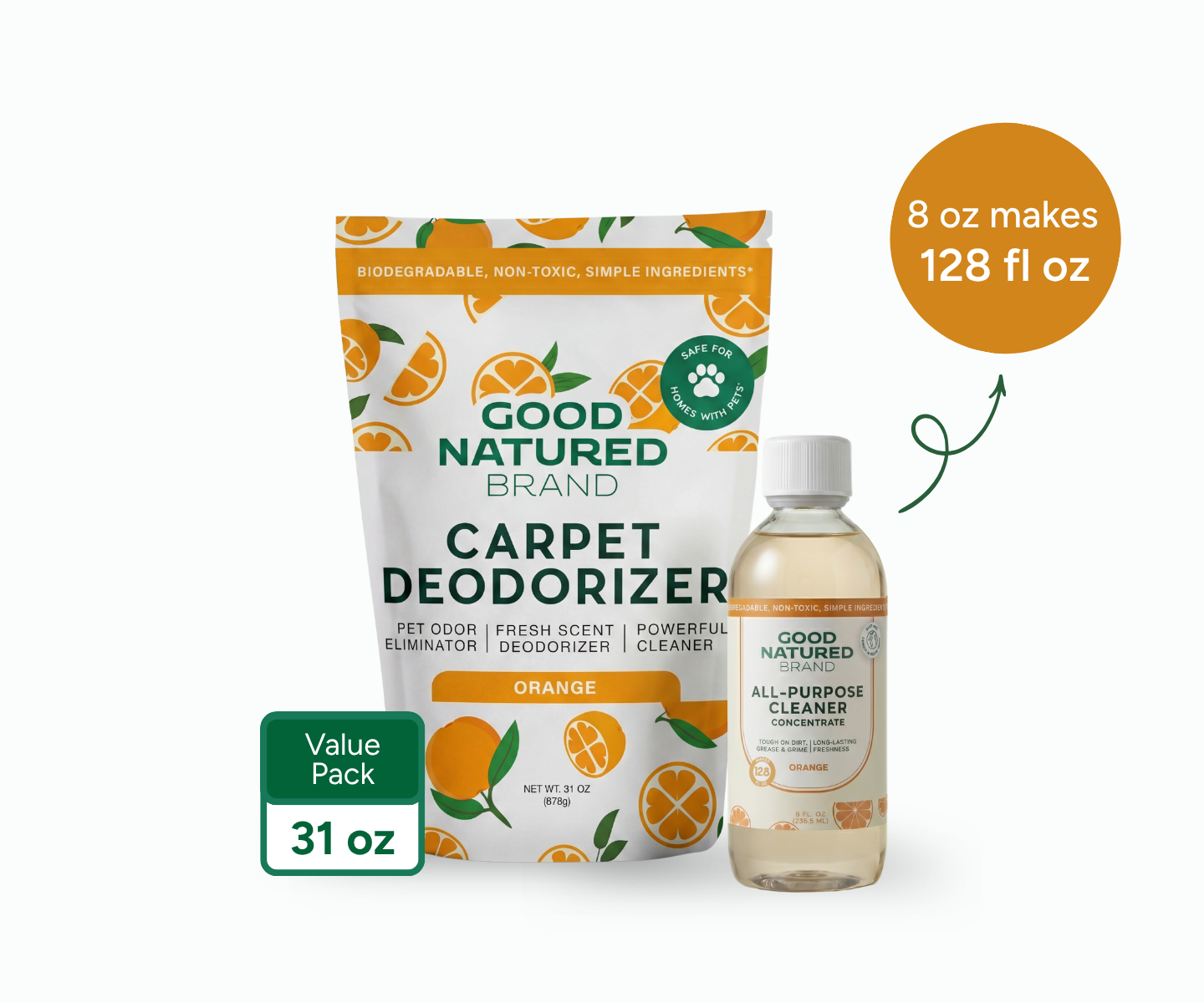
Orange energy for every home.
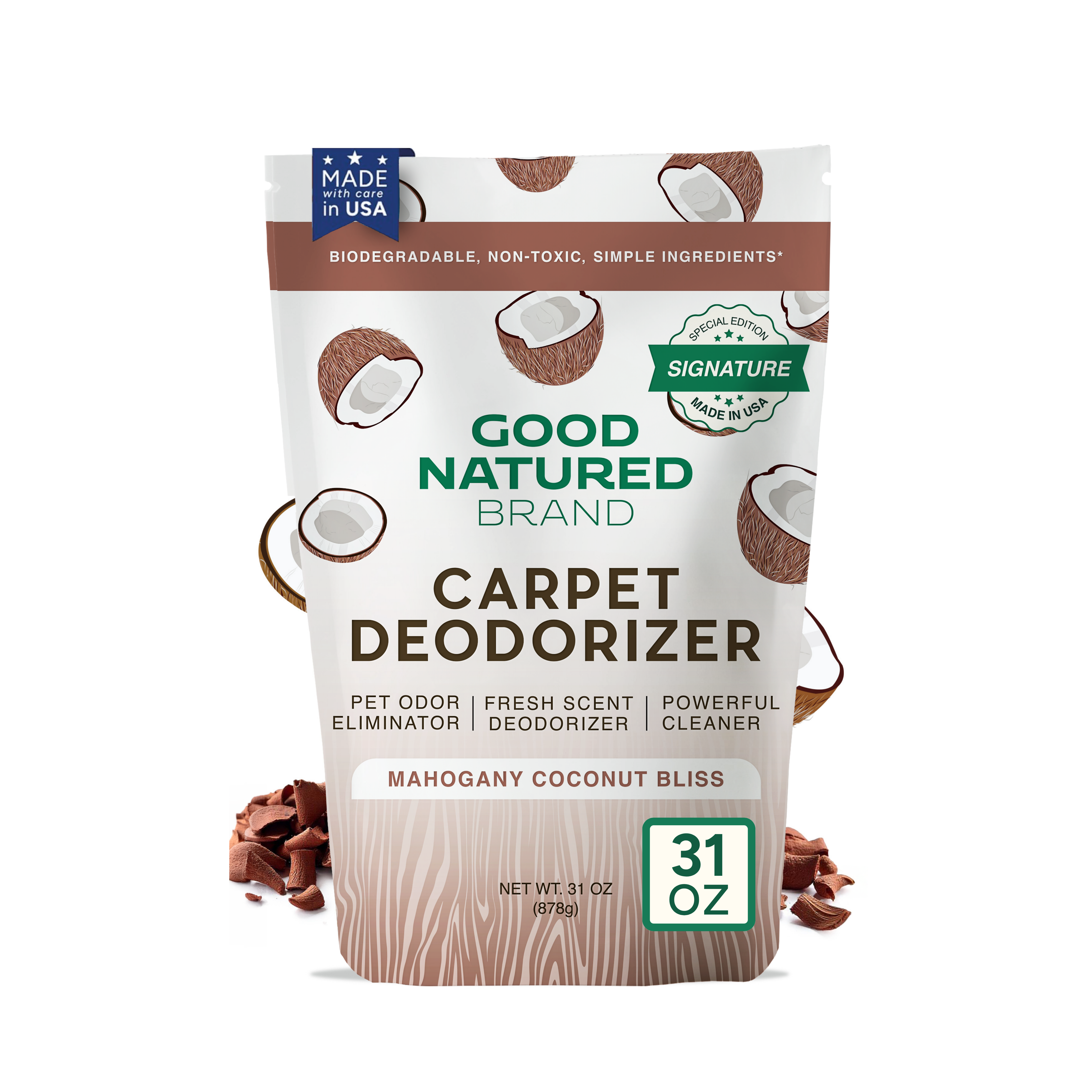
Mahogany warmth for every home.
Mandarin freshness for every home.
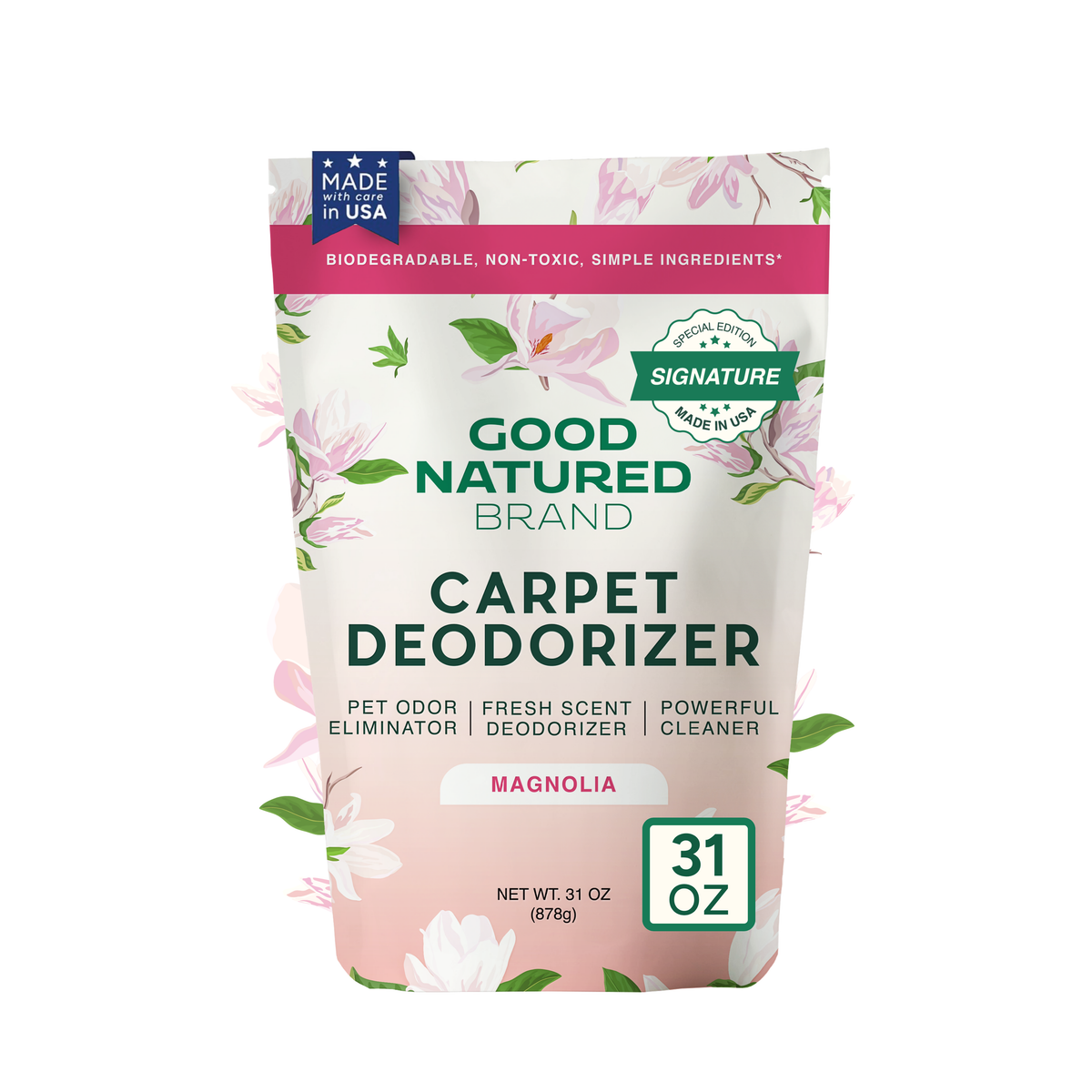
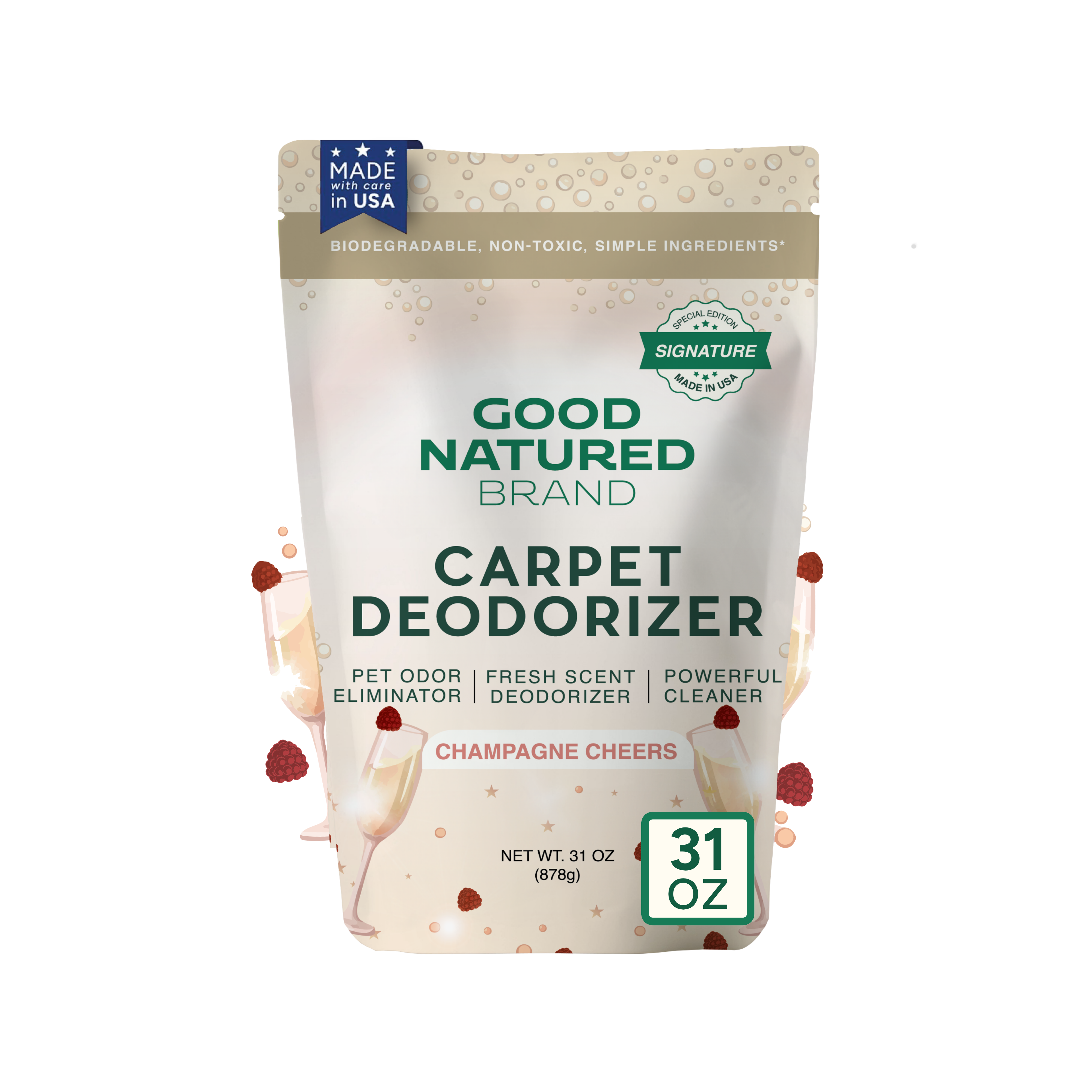
Champagne sparkle for every home.
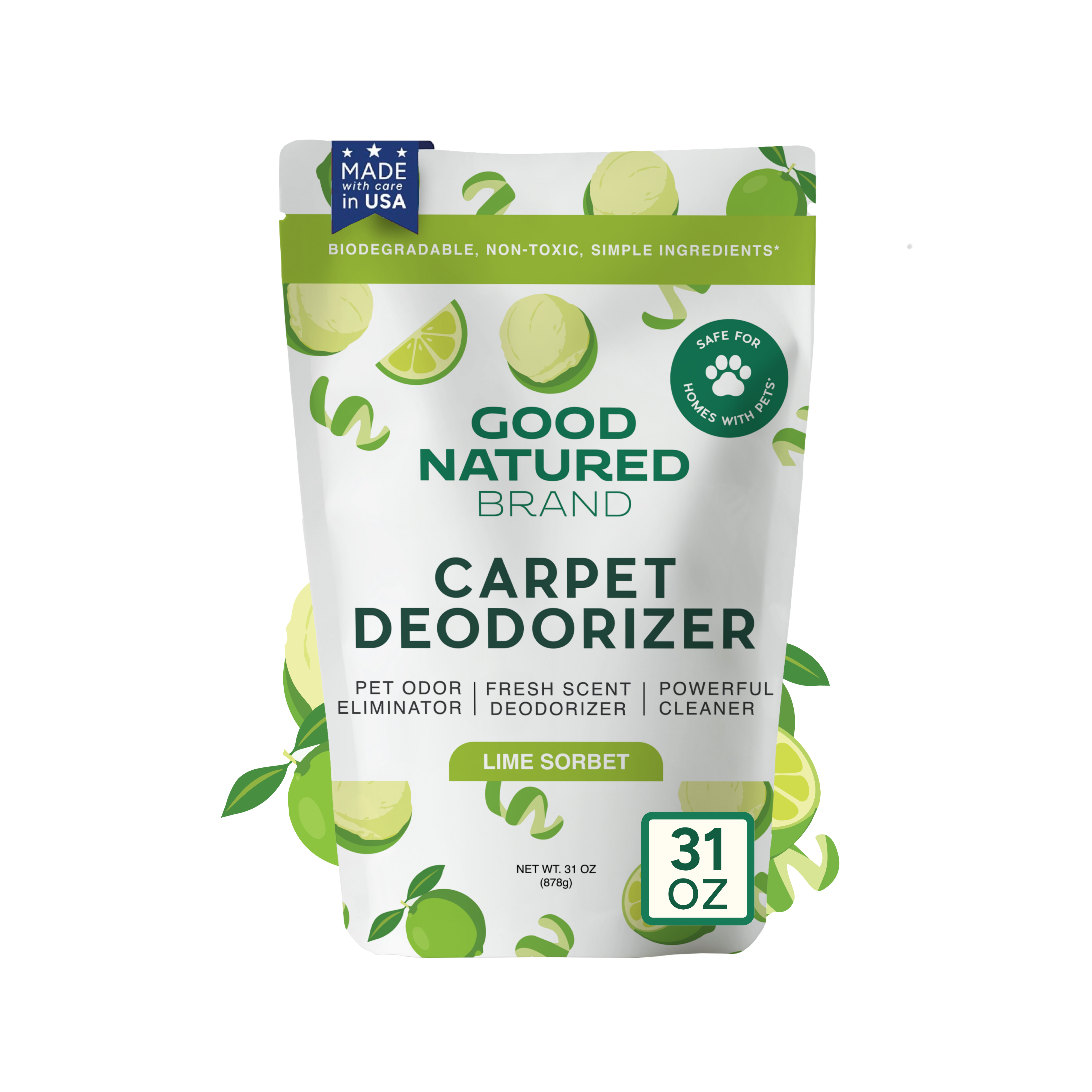
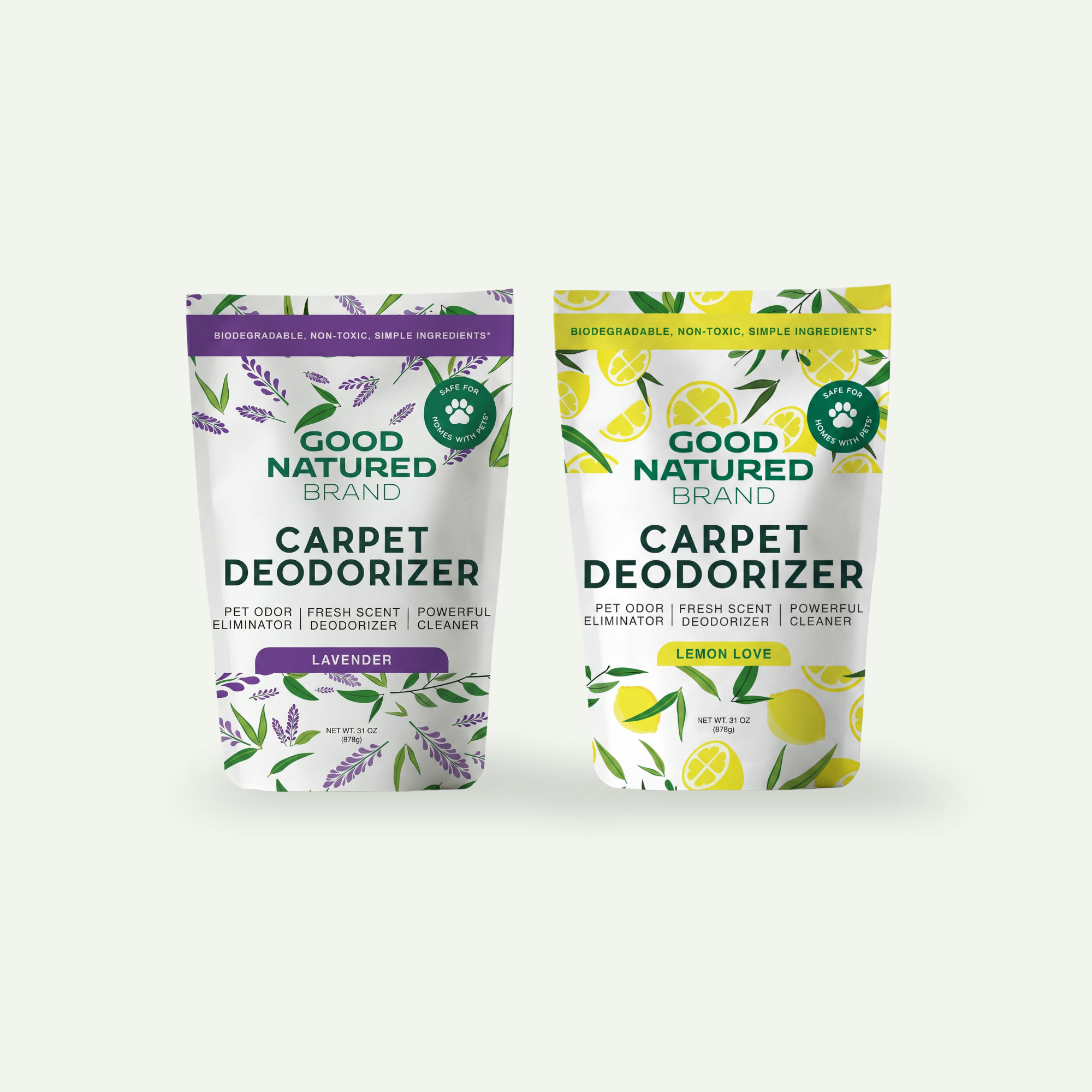
Zesty freshness for every carpet.
What Happens If a Dog Eats Popcorn Accidentally?
Dogs are opportunistic eaters. Even if you’ve never intentionally given them popcorn, accidents happen—especially during family movie night. If your dog eats a few pieces of plain popcorn, there’s no need to panic.
However, if they’ve consumed a large amount or popcorn flavored with butter, salt, or caramel, you should watch for signs of gastrointestinal distress or choking.
Symptoms to monitor include:
-
Excessive drooling
-
Vomiting or diarrhea
-
Restlessness or fatigue
-
Gagging or coughing
-
Difficulty breathing (possible choking hazard)
If your dog ate an entire bag of popcorn or is struggling to breathe, contact your veterinarian immediately.
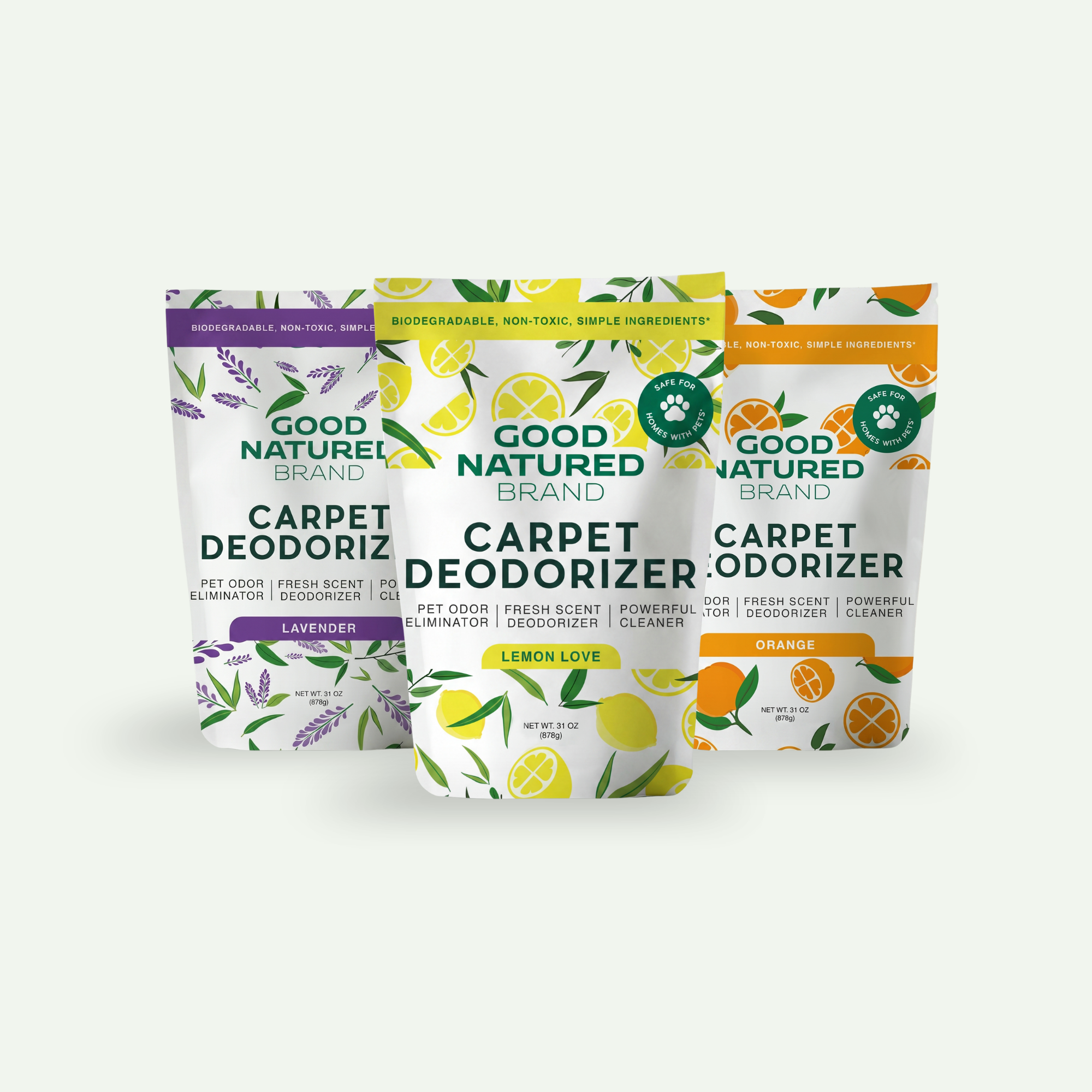
To minimize cleanup after an upset stomach incident, use Good Natured Brand All-Purpose Cleaners to sanitize hard surfaces and Good Natured Brand Carpet Deodorizers to remove lingering odors from carpets or rugs. These products are pet-safe, biodegradable, and effective, keeping your home fresh and worry-free.
Nutritional Facts: Is Popcorn Healthy for Dogs?
When stripped of butter, salt, and toppings, popcorn does have a few nutritional qualities—but not enough to make it a necessary part of your dog’s diet.
Nutrients found in plain popcorn:
-
Fiber: Supports digestion in small amounts.
-
Magnesium & Zinc: Helps with muscle and immune function.
-
Carbohydrates: Provide quick energy, though not ideal in excess.
However, the health benefits are minimal, and most dogs already receive the nutrients they need from their regular diet. Feeding popcorn too often may simply add unnecessary calories.
The Difference Between Air-Popped and Microwave Popcorn
If you’re determined to share popcorn with your pup, air-popped popcorn is the only acceptable option—and even then, only in moderation.
Air-Popped Popcorn
Air-popped popcorn is made without oil or additives. It’s the safest way to make popcorn for dogs, as long as it’s plain and served in tiny portions.
You can make it using an air popper or a stovetop pan with a tight-fitting lid. Once it cools, remove any unpopped kernels before giving a few pieces to your dog.
Microwave Popcorn
Microwave popcorn, on the other hand, is usually loaded with oils, salt, and artificial butter flavoring. Some bags even contain perfluorochemicals (PFCs), which are linked to toxic reactions in both humans and animals.
Even “light” or “low-fat” versions may include flavoring agents unsafe for pets. Avoid giving microwave popcorn to your dog under any circumstances.
When Popcorn Becomes Dangerous: Allergies and Sensitivities
While uncommon, some dogs may have corn allergies or sensitivities. Popcorn is made from corn kernels, so allergic reactions are possible, especially in dogs with grain intolerances.
Symptoms of a corn allergy may include:
-
Itchy skin or ears
-
Constant licking or paw chewing
-
Digestive issues (vomiting, diarrhea)
-
Ear infections or hair loss
If your dog shows these signs after eating popcorn, stop feeding it immediately and consult your veterinarian.
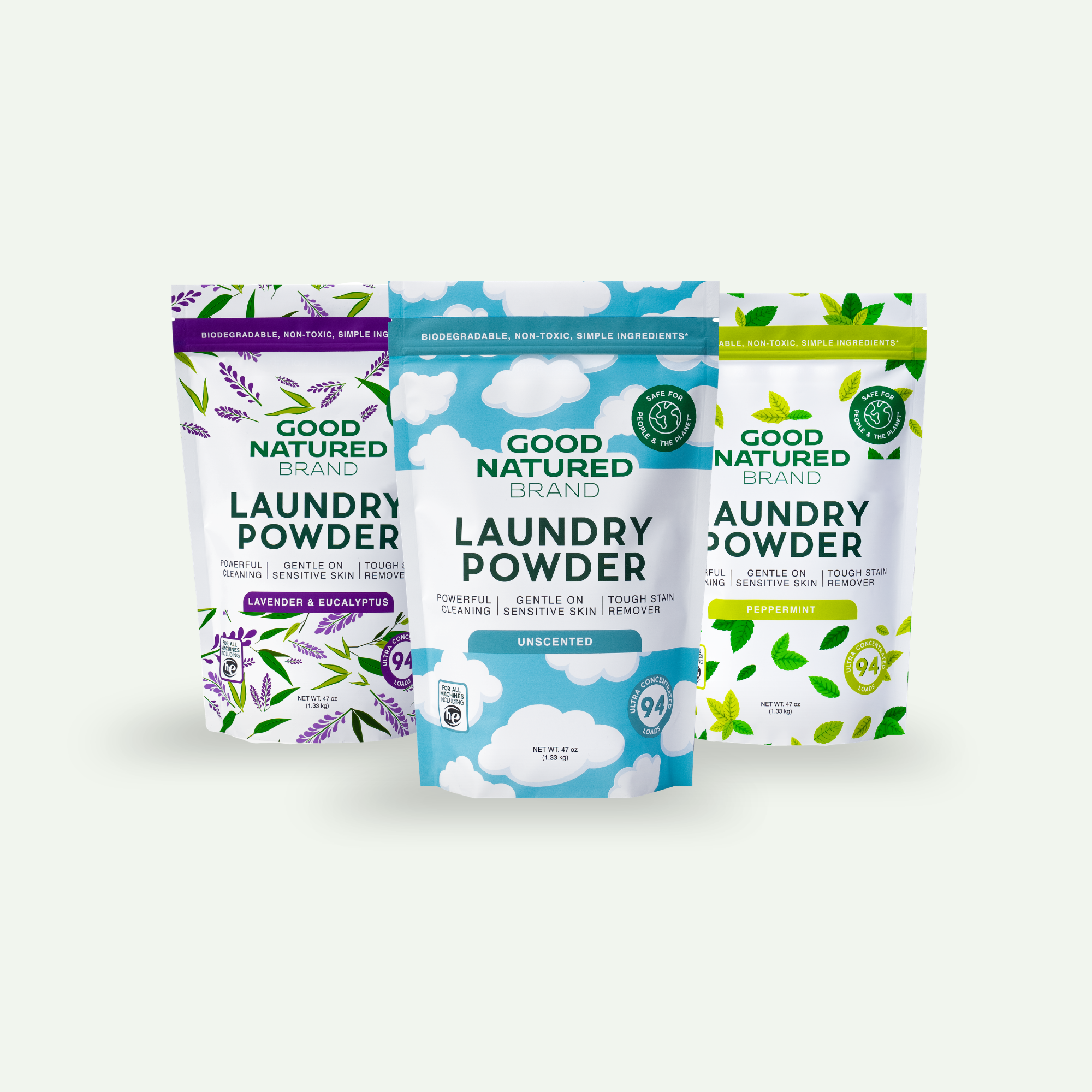
You can wash your dog’s bedding or blanket with Good Natured Brand Laundry Powders to remove allergens and keep their sleeping area fresh. These plant-based, fragrance-free powders are gentle on sensitive skin and safe for both pets and the planet.
Is Popcorn Ever Good for Dogs?
While it’s not necessary or particularly nutritious, plain air-popped popcorn can serve as a low-calorie training reward for dogs who tolerate grains well. The texture and crunch can be satisfying, but it shouldn’t replace high-quality dog treats.
If you decide to offer popcorn occasionally, keep the serving small—a few pieces at most—and ensure it’s completely plain and free from butter, oil, salt, or toppings.
Think of it as the equivalent of letting your dog lick the spoon after baking—a fun but rare indulgence.
When to Call the Vet
Even though popcorn itself isn’t toxic, there are scenarios when professional care is needed. Contact your vet right away if your dog:
-
Ate a large amount of buttered or flavored popcorn
-
Is coughing or gagging (possible choking)
-
Shows signs of dehydration or weakness
-
Has vomiting or diarrhea lasting more than 24 hours
Dogs with existing health conditions—such as pancreatitis, diabetes, or food sensitivities—should avoid popcorn entirely.
Keeping your home clean after popcorn mishaps or sick episodes is easy with Good Natured Brand Carpet Deodorizers and Good Natured Brand All-Purpose Cleaners, both made from natural, non-toxic ingredients that are safe for your furry family members.
How to Feed Popcorn to Dogs Safely
If you decide to give your dog popcorn once in a while, safety and moderation are essential. While the goal is to limit unnecessary calories, a few simple precautions can make this snack much safer.
Choose Air-Popped Popcorn Only
Skip the microwave and opt for air-popped popcorn instead. You can use an air popper or stovetop pan without oil. This ensures your dog isn’t exposed to additives like diacetyl (found in artificial butter flavoring) or excess sodium.
Let the popcorn cool before serving and double-check that every piece is fully popped. Even one unpopped kernel can become a choking hazard or get lodged between your dog’s teeth.
Keep Portions Small
Treat popcorn like a reward, not a meal. A few pieces for a large dog or one or two for a smaller breed is plenty. Feeding too much—even plain popcorn—can lead to digestive upset, bloating, or weight gain over time.
Never Add Butter, Oil, or Salt
Butter and oil can cause stomach irritation and increase the risk of pancreatitis, while salt can cause dehydration or sodium poisoning. If your dog’s diet already includes commercial treats, additional salt is unnecessary and unsafe.
Clean Up Any Leftovers
Dogs have excellent noses and will often sniff out leftover popcorn. To prevent overeating, clean up promptly using Good Natured Brand All-Purpose Cleaners. This natural, non-toxic cleaner removes greasy residue and crumbs from surfaces without leaving chemical traces that could irritate your pet’s paws or skin.
Healthier Snack Alternatives to Popcorn
If your dog loves crunchy or chewy snacks, there are many safe and nutritious alternatives that don’t carry the risks associated with popcorn. Here are a few vet-approved options:
Apples (No Seeds or Core)
Crisp apple slices make an excellent low-calorie treat. They’re rich in fiber, vitamin C, and antioxidants. Just remember to remove the core and seeds, which contain trace amounts of cyanide.
Carrots
Raw or lightly steamed carrots are great for dental health and provide a satisfying crunch. They’re high in beta-carotene and low in calories, making them perfect training treats.
Blueberries
These small superfoods are full of antioxidants that support cell health and immunity. Blueberries can be given fresh or frozen for a refreshing snack on warm days.
Bananas
Bananas are packed with potassium, but they’re also high in sugar, so serve them in moderation. Try mashing a small piece onto a lick mat for a fun enrichment activity.
Watermelon (Seedless)
A hydrating treat that’s safe for dogs when the seeds and rind are removed. Watermelon is perfect for summer and helps replenish fluids after exercise.
Plain Cooked Pumpkin
Pumpkin is gentle on digestion and supports gut health. You can mix a spoonful with your dog’s food or freeze it into small cubes as a cooling snack.
When preparing fruits or veggies, keep your counters clean using Good Natured Brand All-Purpose Cleaners. The gentle, plant-based formula removes sticky juice residue without exposing your dog to toxic fumes or chemicals.
Homemade Popcorn Treats for Dogs
If you still want to share the popcorn experience safely, try making homemade dog popcorn with simple, dog-safe ingredients.
Dog-Safe Popcorn Recipe
Ingredients:
-
½ cup plain popcorn kernels (air-popped)
-
1 teaspoon unsalted chicken broth (optional, for flavor)
-
Optional add-ons: crushed freeze-dried liver treats or a pinch of turmeric for color
Instructions:
-
Pop the kernels using an air popper—no oil or salt.
-
Let them cool completely.
-
Lightly mist with a bit of unsalted chicken broth for flavor.
-
Sprinkle with your chosen dog-safe topping.
-
Serve in small portions and store leftovers in an airtight container for up to 3 days.
Always clean your cooking area afterward with Good Natured Brand All-Purpose Cleaners to ensure no residue is left behind.
Cleaning Up After a Popcorn Mess (Dog Edition)
Dogs are curious by nature — they may paw at the popcorn bowl, drool, or knock it over. The good news? You can handle the mess safely and sustainably.
Cleaning Carpets and Rugs
If buttered popcorn lands on your carpet or rug, sprinkle Good Natured Brand Carpet Deodorizers over the affected area. These natural deodorizers use baking soda and essential oils to absorb odors and lift greasy residue without masking smells with harsh perfumes.
Allow the product to sit for about 15 minutes before vacuuming thoroughly. It leaves your home smelling fresh and your carpets safe for pets to walk (or nap) on.
Washing Dog Bedding or Blankets
If your dog got sick after overeating popcorn or made a mess on their bedding, clean it immediately with Good Natured Brand Laundry Powders. Unlike chemical detergents, these powders are made from plant-based ingredients and are free of synthetic fragrances or dyes — perfect for pets with sensitive skin or allergies.
They’re effective at removing stains, oils, and odors naturally, making them a must-have for pet parents who value sustainability.
Cleaning Hard Surfaces
Popcorn butter and oils can leave greasy fingerprints or smears on hard surfaces. Spray Good Natured Brand All-Purpose Cleaners onto the area, let it sit briefly, and wipe it clean with a soft cloth.
This cleaner is non-toxic, streak-free, and completely safe to use around food-prep zones, pets, and kids.
Is Popcorn Bad for Puppies?
Puppies are even more vulnerable than adult dogs when it comes to popcorn. Their smaller throats and digestive systems make them prone to choking and blockages. Additionally, their developing bodies are more sensitive to fats, salts, and artificial flavorings.
If you want to reward your puppy, choose softer options like small pieces of cooked sweet potato or banana. These treats are gentle on their stomachs and easy to chew.
Signs Your Dog Should Avoid Popcorn Entirely
Even if your dog has eaten popcorn without issue in the past, some dogs are better off skipping it altogether. Avoid feeding popcorn if your dog:
-
Has a history of pancreatitis or obesity
-
Is sensitive to grains or corn
-
Has dental problems (kernels can damage teeth)
-
Suffers from allergies or chronic ear infections
-
Is a puppy or small breed at higher risk of choking
For these dogs, focus on grain-free snacks or fruits and vegetables as alternatives.
What to Do If Your Dog Shows Symptoms After Eating Popcorn
If your dog shows signs of illness after eating popcorn, monitor them closely and contact your veterinarian if symptoms persist.
Common warning signs include:
-
Persistent vomiting or diarrhea
-
Excessive drooling or pawing at the mouth
-
Swollen belly or signs of discomfort
-
Coughing or choking sounds
-
Lethargy or dehydration
In cases where your dog vomits indoors, clean up safely and quickly using Good Natured Brand All-Purpose Cleaners for hard floors or Good Natured Brand Carpet Deodorizers for fabric surfaces. This not only removes stains and odors but ensures your home stays free from chemicals that could further irritate your pet.
Frequently Asked Questions About Dogs and Popcorn
Can dogs eat plain popcorn?
Yes, but only plain, air-popped popcorn in moderation. Avoid butter, salt, or oil.
Can dogs eat popcorn with cheese or caramel flavoring?
No. These toppings are high in fat, sugar, and sodium, which can cause serious health issues.
Can popcorn cause diarrhea in dogs?
Yes, especially if it’s flavored or your dog eats too much at once. Excess salt and oil can upset digestion.
Is popcorn safe for small dogs?
Small breeds face a higher risk of choking on kernels. It’s best to avoid popcorn altogether.
Can popcorn cause allergies in dogs?
Some dogs have corn allergies. Watch for itching, ear infections, or digestive problems after eating popcorn.
The Bottom Line: Is Popcorn Bad for Dogs?
So, is popcorn bad for dogs? Not entirely — but it’s not exactly good for them either. Plain, air-popped popcorn in moderation is fine as an occasional snack, but buttered or flavored varieties should always be off-limits.
Remember that your dog’s health depends not only on what they eat but also on the environment they live in. Maintaining a clean, chemical-free home helps prevent irritants, allergies, and stress.
That’s why pet owners trust:
-
Good Natured Brand Carpet Deodorizers to freshen up carpets naturally,
-
Good Natured Brand Laundry Powders to clean pet bedding safely, and
-
Good Natured Brand All-Purpose Cleaners to sanitize surfaces without harmful toxins.
For more natural pet care guides, sustainability tips, and home cleaning inspiration, visit the Good Natured Brand Main Page and explore the Good Natured Brand Blog.
Because a clean, healthy home means more cuddles, fewer worries, and a happier dog by your side.