If you’ve been searching for plant-based cleaning brands, you’ve probably noticed two things right away: there are more options than ever, and the label doesn’t always tell you what you actually want to know. “Plant-based” can mean different things across the cleaning aisle, and it’s easy to end up with a product that smells great but underperforms, or one that cleans well but doesn’t match your ingredient preferences or lifestyle.
This guide is designed to make plant-based cleaning simpler. You’ll learn what “plant-based” really means in cleaning products, how to evaluate labels and marketing claims, which ingredients matter, and how to build a practical routine that keeps your home fresh without overcomplicating your life. Along the way, you’ll also find helpful resources from the Good Natured Brand ecosystem—starting with the main site here: https://www.goodnaturedbrand.com/
What Plant-Based Cleaning Brands Actually Means and What It Doesn’t
“Plant-based cleaning brands” typically refers to brands that use a significant amount of plant-derived ingredients in their formulas—especially in the cleaning agents responsible for lifting and removing dirt, oils, and grime. In many cases, plant-based cleaners rely on plant-derived surfactants (the ingredients that help water “grab” grease and soils so they can be rinsed or wiped away), plus a mix of mineral helpers and other functional ingredients.
That said, plant-based does not have a single universal legal definition in every market or for every product type. That’s why it’s important to understand the language surrounding it.
Plant-based vs natural vs eco-friendly vs green cleaning
These terms are often used interchangeably, but they’re not the same:
-
Plant-based usually points to source: the formula includes ingredients derived from plants (like coconut, corn, sugarcane, or citrus).
-
Natural is often a broader marketing term that can mean many things. Some “natural” products still include synthetic components.
-
Eco-friendly typically speaks to the impact: biodegradability, reduced packaging, concentrates, refill systems, or responsible sourcing.
-
Green cleaning is a lifestyle umbrella—often combining plant-based ingredients, low-waste packaging, and gentler routines.
You can think of “plant-based” as one piece of the puzzle. A strong plant-based cleaning brand also tends to focus on transparency, performance, and practical use.
The real meaning in practice
Most plant-based cleaning brands build their formulas around:
-
Plant-derived surfactants for everyday cleaning performance
-
Mineral-based helpers like baking soda or washing soda to support deodorizing or lifting soils
-
Thoughtful fragrance choices, often including essential oil blends or lower-intensity scent profiles
-
Concentrated formats (in some cases) to reduce shipping water and packaging volume
What plant-based doesn’t automatically guarantee
Even if a cleaner is plant-based, it doesn’t automatically mean it is:
-
Fragrance-free (many plant-based cleaners are scented)
-
Allergen-free (essential oils can still be irritating for some people)
-
Disinfecting (cleaning and disinfecting are different goals)
-
Zero-waste (some brands still use single-use plastic)
-
Perfect for every surface (always follow label directions and spot-test)
The best approach is to use plant-based as a starting filter—then evaluate the product and brand based on your real needs.
Why People Choose Plant-Based Cleaning Brands
Plant-based cleaning brands have grown in popularity because they speak to how people want to care for their homes today: with effective products that align with cleaner ingredient preferences, simpler routines, and more mindful consumption.
A cleaner ingredient profile when formulated responsibly
Many shoppers choose plant-based cleaners because the formulas often avoid some of the harsher “traditional cleaner” categories like aggressive solvents or heavy dyes. While “plant-based” doesn’t guarantee a specific safety profile, the category often aligns with simpler, more transparent formulations.
A better fit for everyday living
A realistic cleaning routine is one you can actually keep up with. Plant-based cleaning brands often focus on multipurpose staples—like an all-purpose spray, a laundry powder, and a deodorizing solution—so you can cover most household needs without a cabinet full of specialized chemicals.
Less waste in the long run with the right formats
Powders and concentrates can stretch further per use. If you like the idea of buying fewer bottles, fewer refills, and less “water shipped to your door,” plant-based brands that offer concentrated options may fit nicely into your lifestyle.
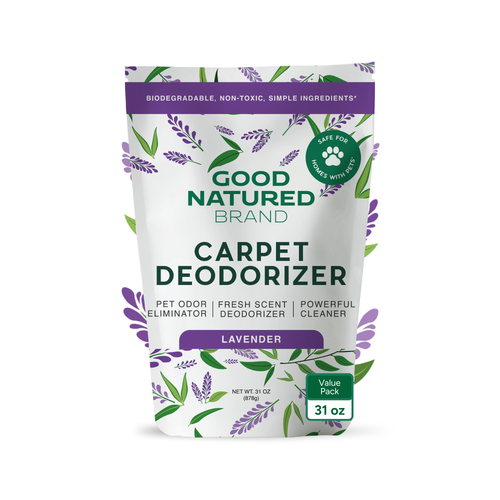
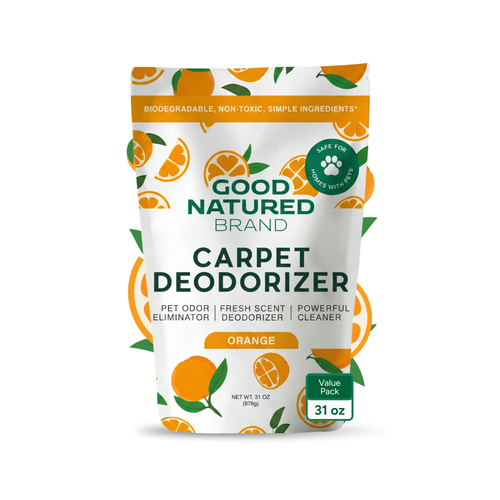
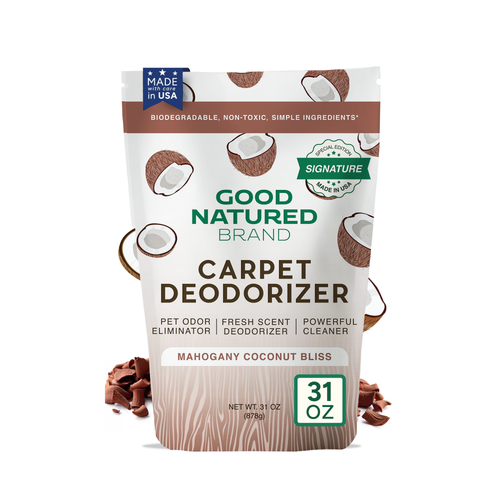
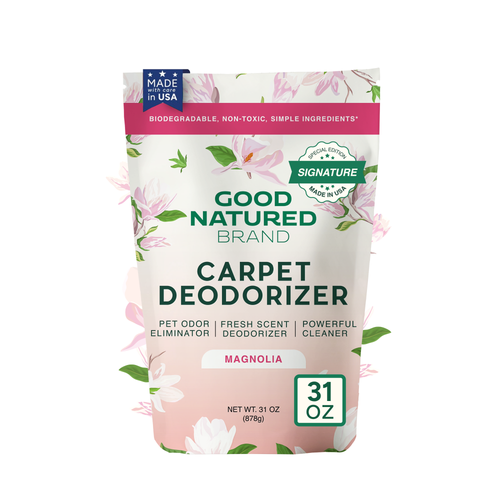
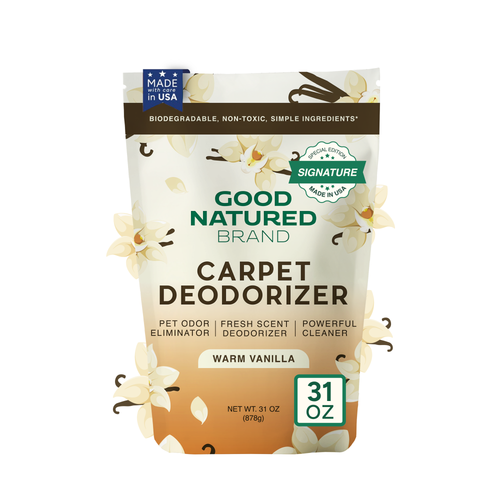
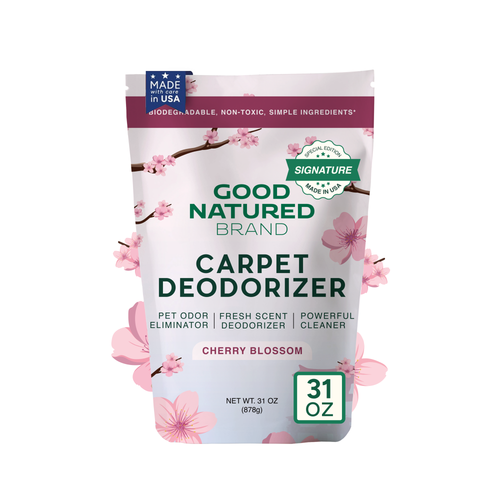
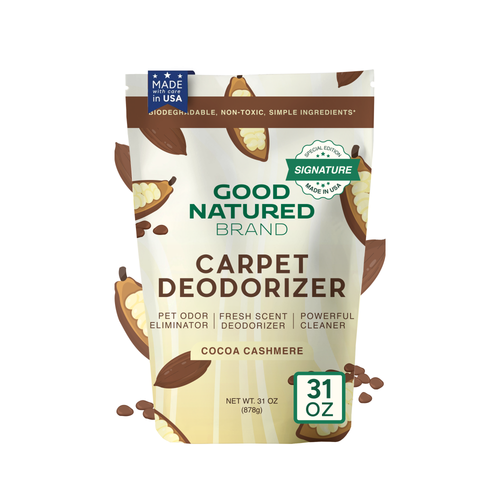
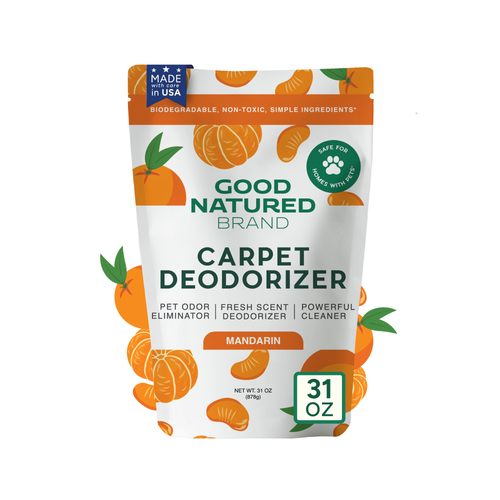
Shop the Product
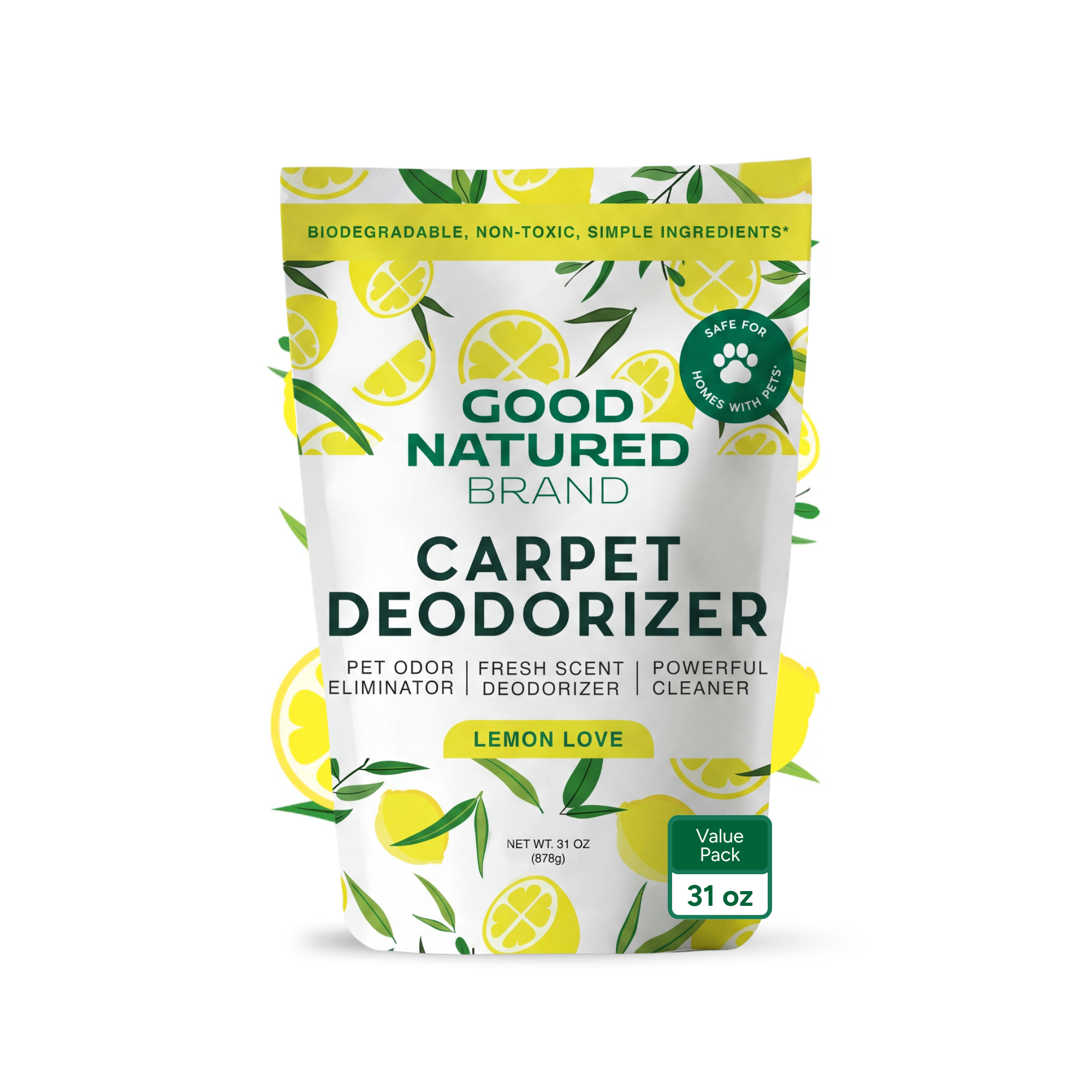
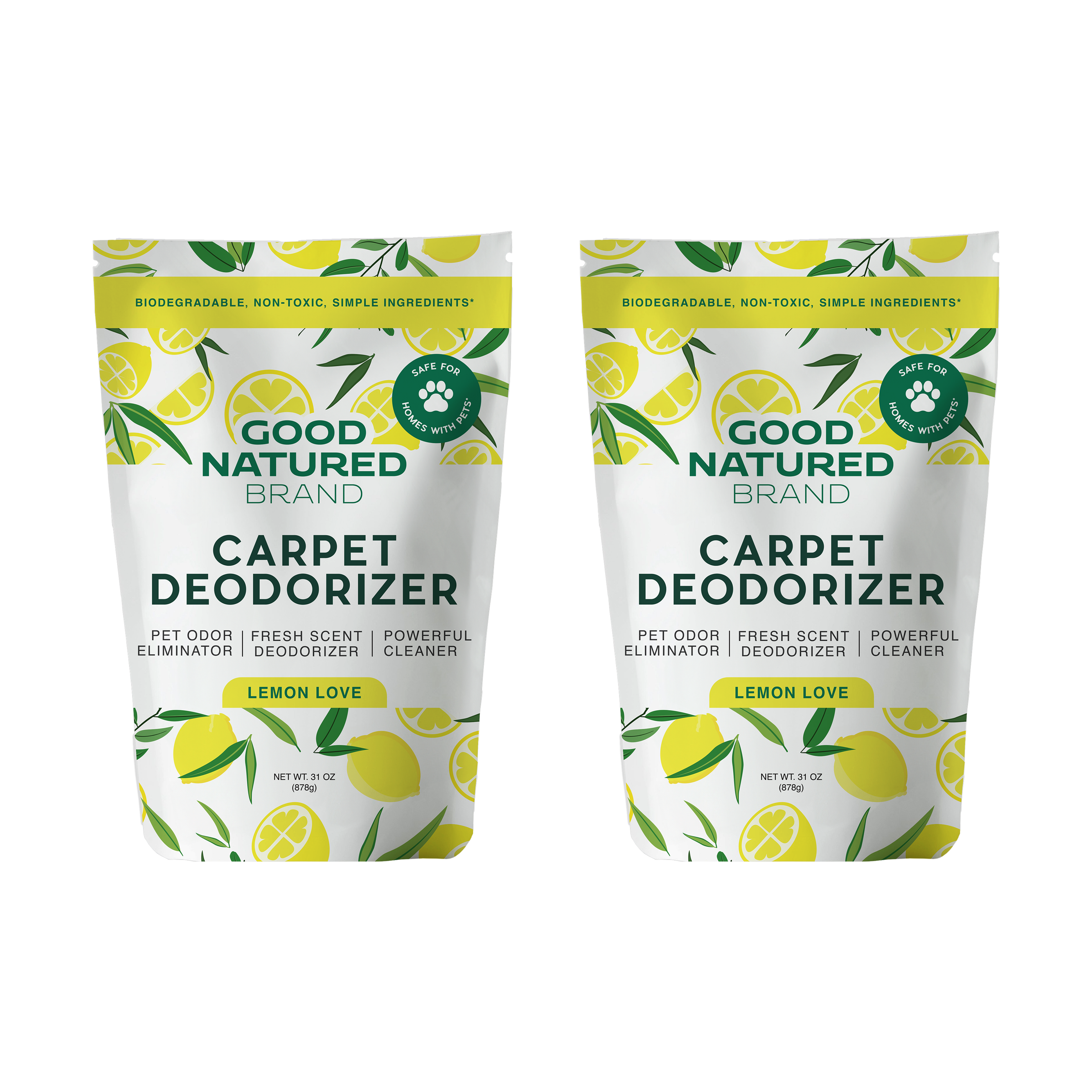
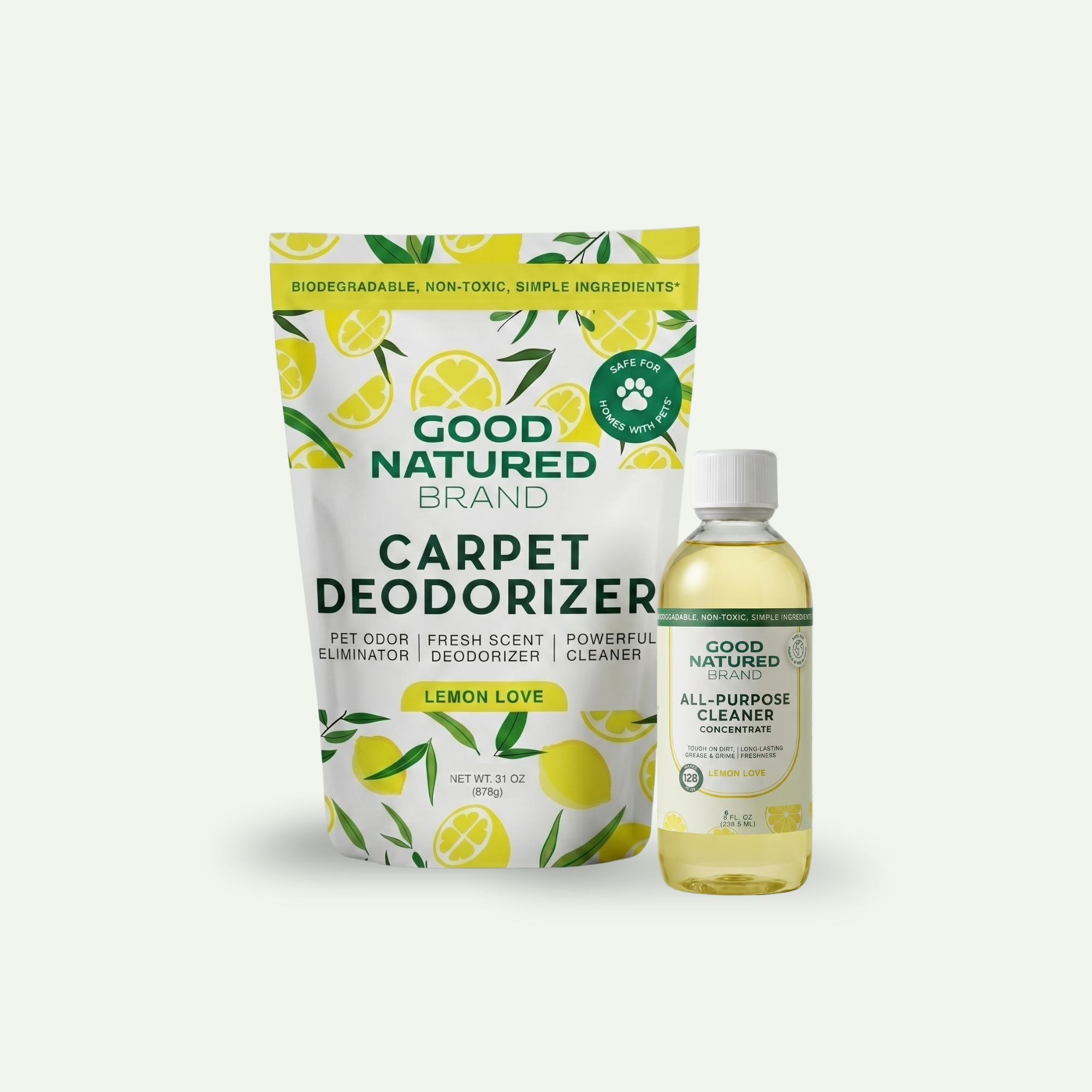
Lemon freshness for every home.
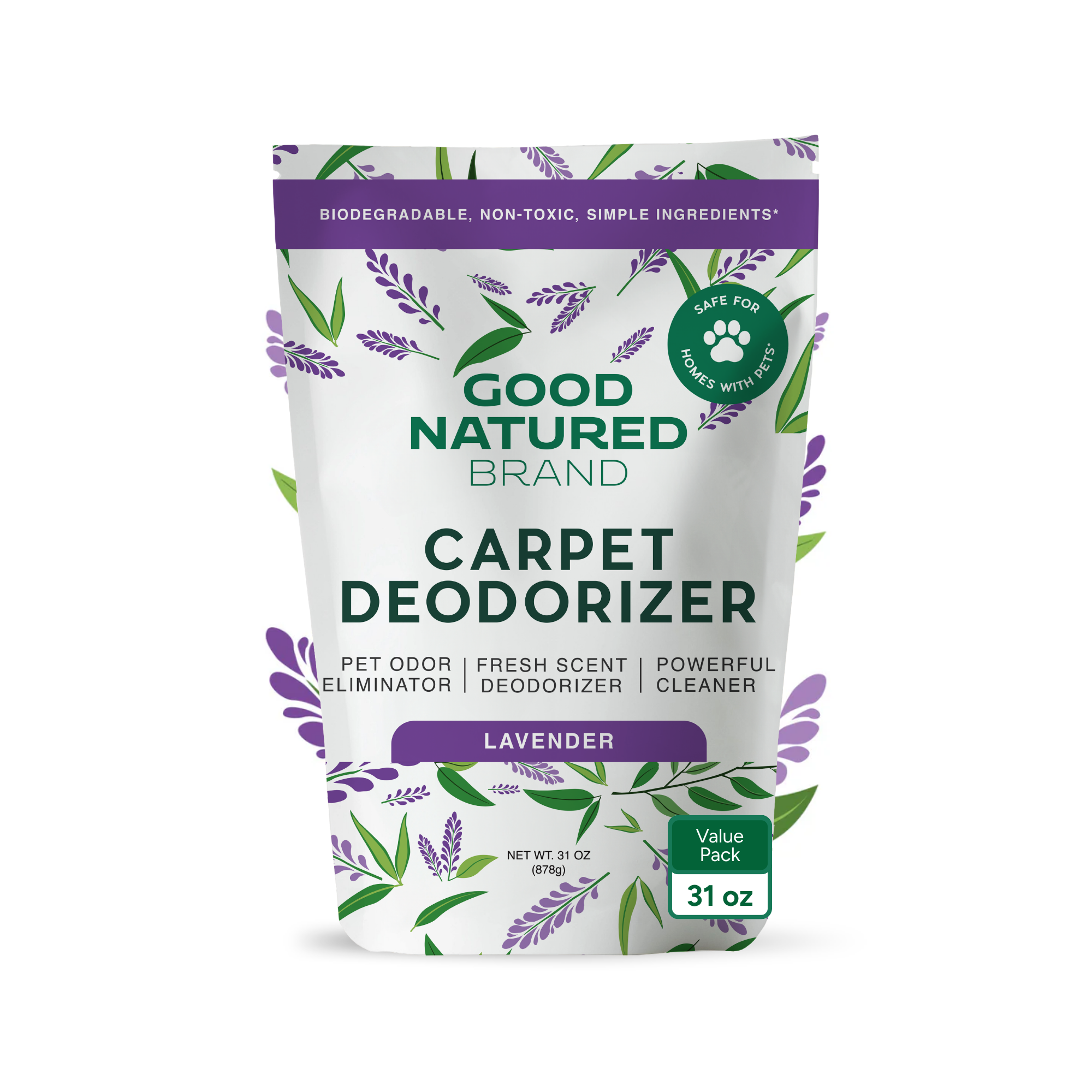
Lavender calm for every home.
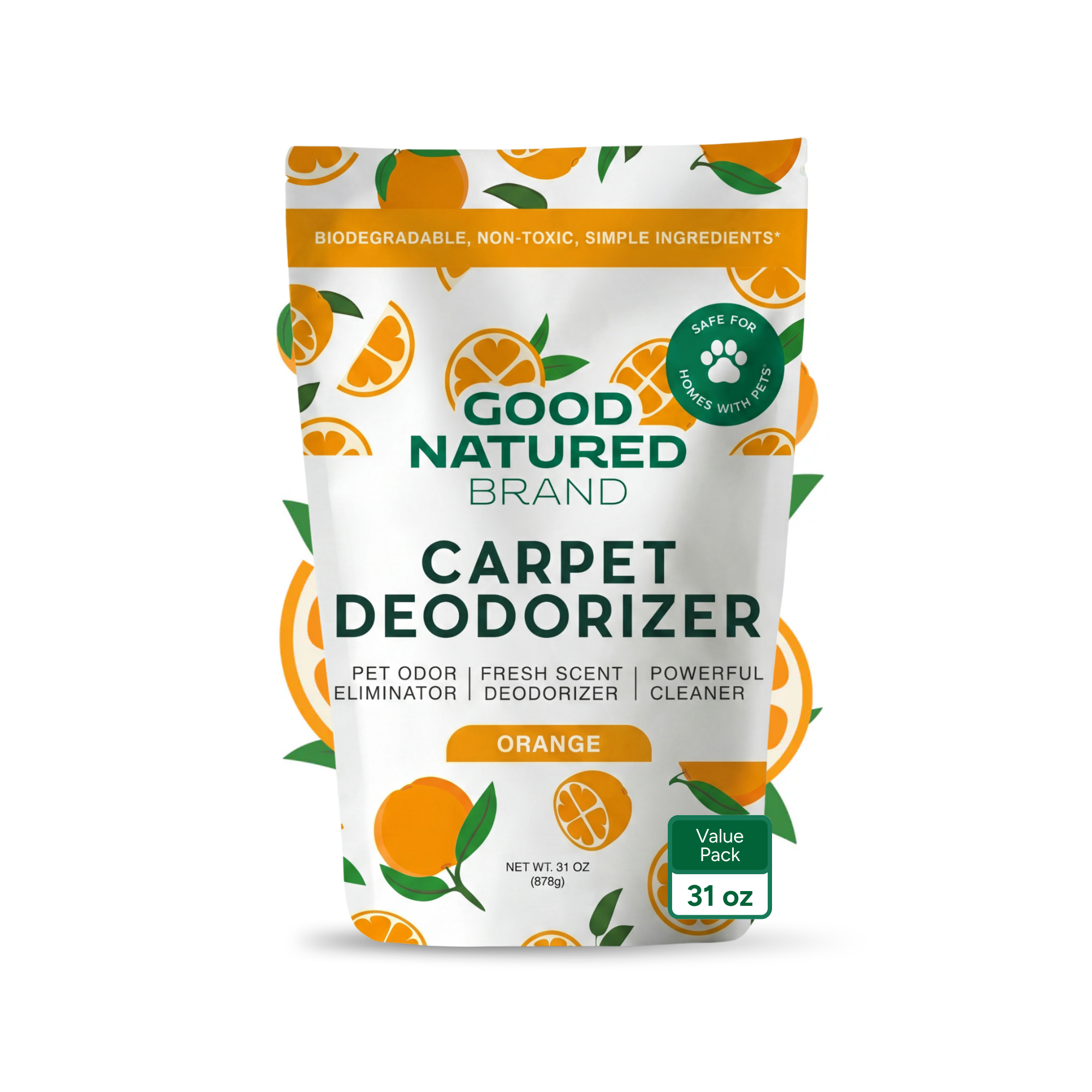
Orange energy for every home.
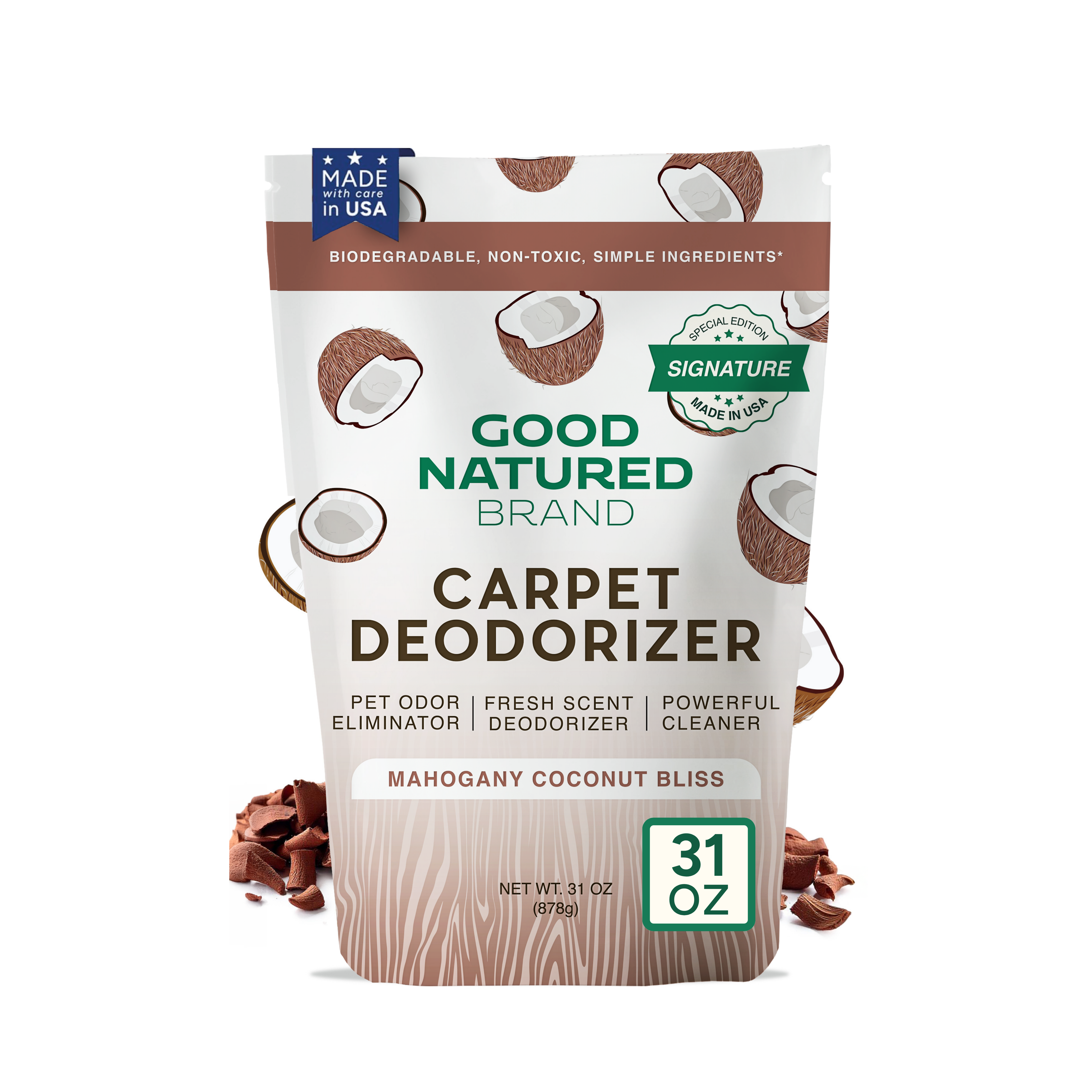
Mahogany warmth for every home.
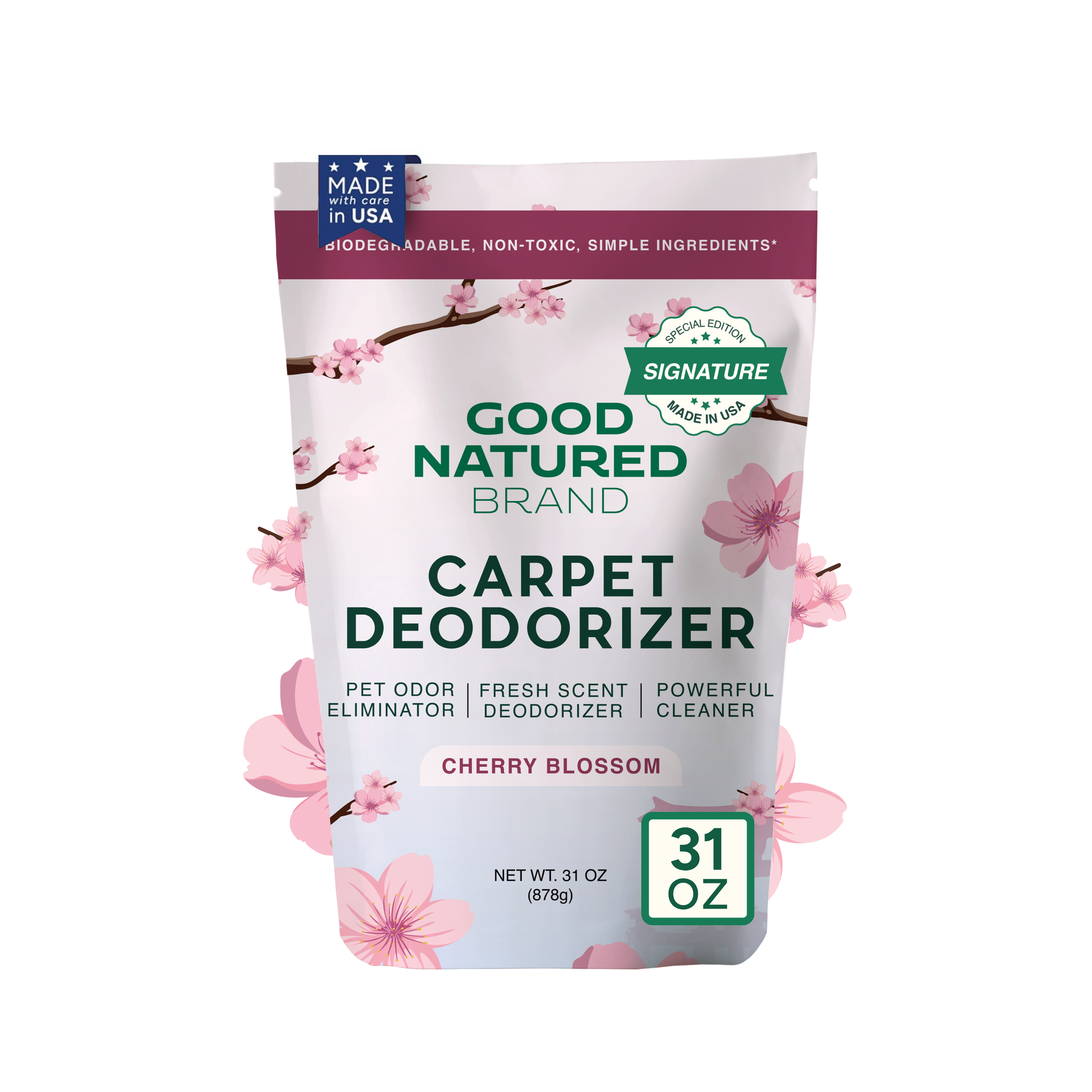
Cherry blossom serenity for every home.
Cocoa butter comfort for every home.
Mandarin freshness for every home.
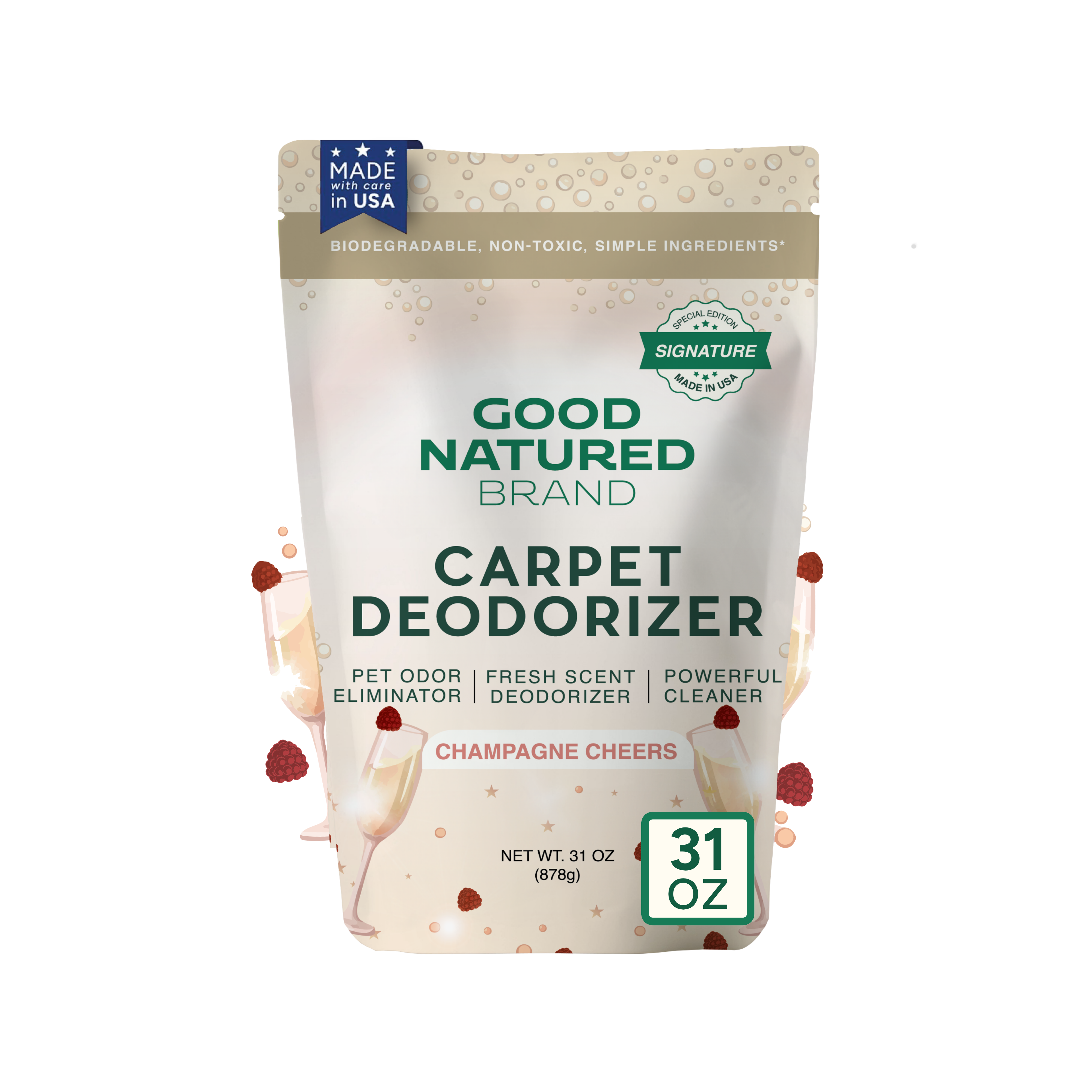
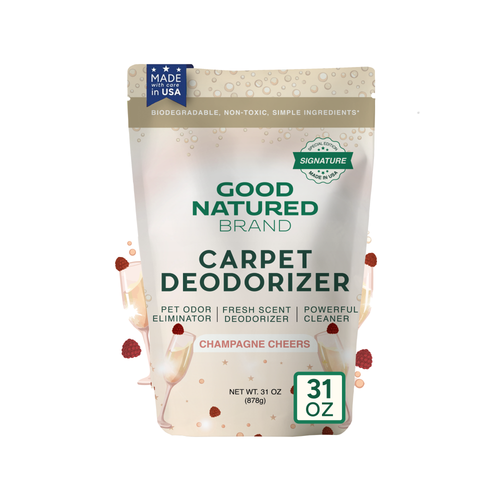
Champagne sparkle for every home.
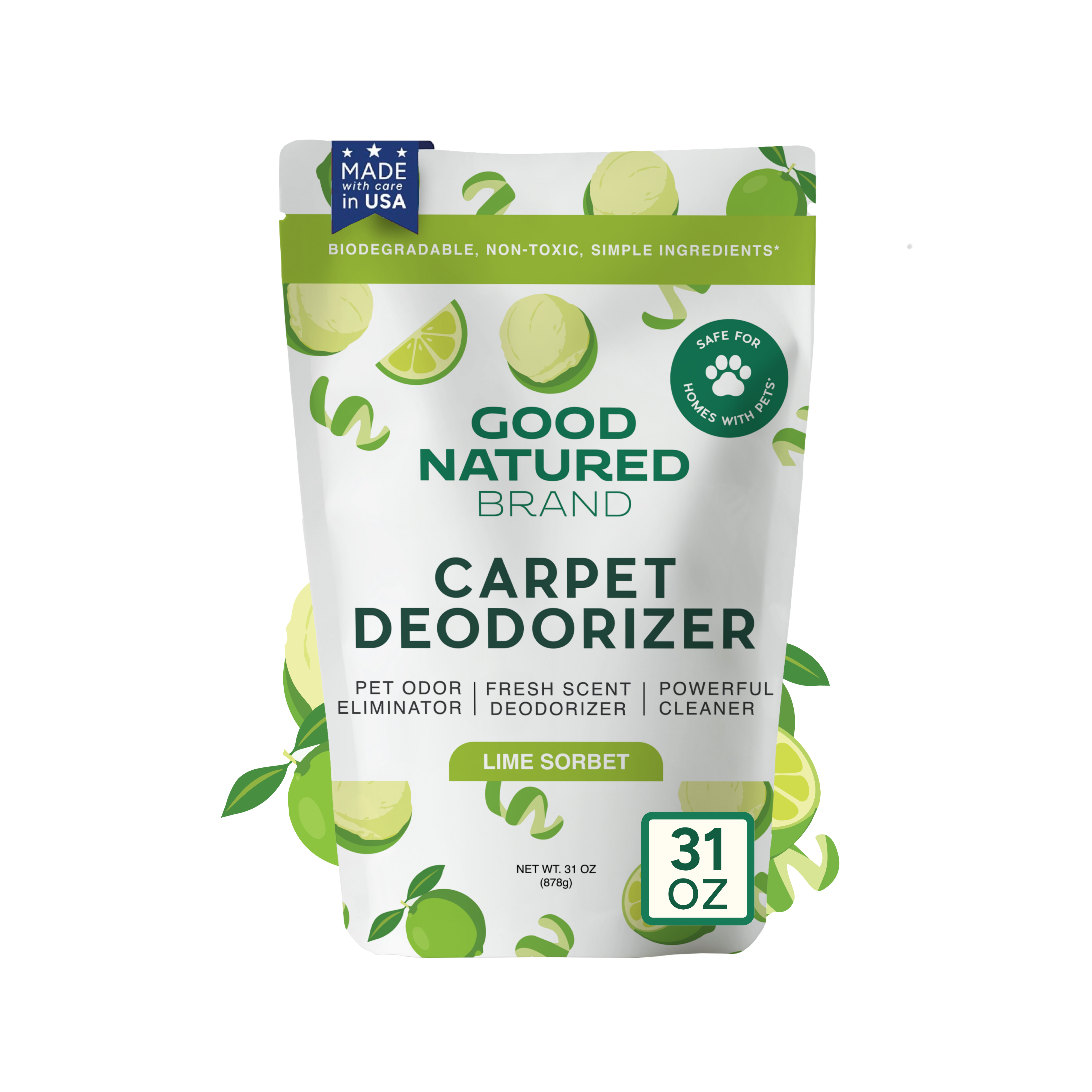
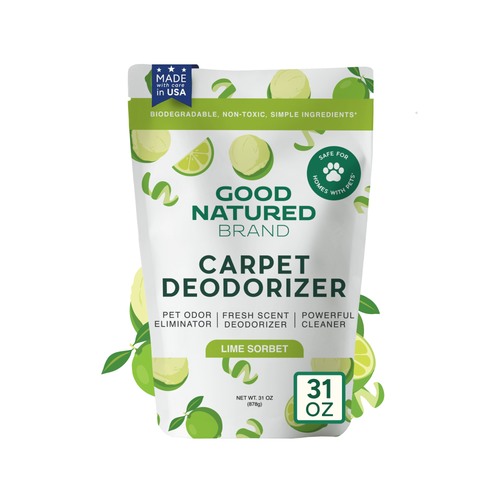
Zesty freshness for every carpet.
Plant-Based Cleaning Brands Ingredients Guide
If you want to choose the best plant-based cleaning brands, learning to read a label is your superpower. You don’t need a chemistry degree. You just need to know the ingredient “families” that matter.
Plant-derived cleaning agents
Most everyday cleaning products rely on surfactants. These are the workhorses that help remove oils, food residue, soap scum, and grime. In plant-based cleaners, surfactants are often derived from renewable sources such as coconut or corn. You may see terms like “glucosides” or plant-derived surfactant blends.
What this means for you: plant-derived surfactants can be highly effective for routine cleaning, especially when paired with the right supporting ingredients and used according to directions.
Mineral helpers commonly used in plant-forward formulas
Many plant-based cleaning brands also use minerals to support cleaning performance and odor control, including:
-
Baking soda (sodium bicarbonate): commonly used for deodorizing support and mild cleaning
-
Washing soda (sodium carbonate): often used for stronger cleaning and lifting soils
-
Other mineral builders that help water work more efficiently in cleaning tasks
These ingredients matter because they support performance in real homes—especially in kitchens, bathrooms, and laundry rooms where odors, residue, and buildup are common.
Fragrance choices and what to look for
Plant-based cleaning brands often use either essential oil blends or fragrance components that align with their formula goals. Some people love a fresh, botanical scent. Others prefer minimal fragrance.
Quick tips:
-
If you’re sensitive to scent, look for fragrance-free explicitly.
-
“Unscented” can sometimes mean a masking scent is used to neutralize odor—so fragrance-free is the clearer term.
A transparency checklist you can use in seconds
When evaluating plant-based cleaning brands, look for:
-
A clearly listed ingredient panel (or easy-to-find ingredient info on the website)
-
Clear usage directions and dilution guidance (if concentrated)
-
Practical safety info (storage, surface compatibility, ventilation)
-
Customer Q&A that answers real questions rather than marketing slogans
For ongoing education on routines and home care topics, the Good Natured Brand blog hub can be a helpful resource: https://www.goodnaturedbrand.com/pages/blog
Ingredients Many People Prefer to Avoid in Traditional Cleaners
This section isn’t about fear—it’s about fit. Many people seeking plant-based cleaning brands are trying to reduce exposure to certain ingredient categories or avoid the “harsh cleaner” experience (strong fumes, heavy fragrance, or overly aggressive formulations).
Cleaning vs disinfecting vs sanitizing
One of the most common misunderstandings is assuming a product must disinfect to be “effective.” In reality:
-
Cleaning removes dirt, grime, oils, and many germs by physically lifting and wiping away soils.
-
Disinfecting aims to kill specific pathogens and usually requires a registered disinfectant with strict directions and dwell times.
For day-to-day home maintenance—wiping counters, cleaning sinks, doing laundry—effective cleaning is often the priority. When you need disinfecting (like during illness or for specific situations), you can choose a product intended for that purpose and follow directions carefully.
Strong solvents and aggressive degreasers
Traditional cleaners sometimes rely on powerful solvents for fast degreasing. They can work, but they may also come with intense fumes or a harsher user experience. Many plant-based cleaning brands aim for a more balanced approach: effective everyday cleaning without feeling like you need to “air out the house.”
Heavy fragrance and dyes
Some shoppers move toward plant-based cleaning brands because they want a cleaner scent experience or fewer added dyes. Fragrance isn’t inherently “bad,” but if you’re trying to keep your cleaning routine simple and comfortable, it’s worth choosing products that match your preference—whether that means light scent, natural-style scent, or fragrance-free.
Certifications and Labels That Help You Evaluate Plant-Based Cleaning Brands
Certifications aren’t mandatory for a product to be good, but they can provide helpful signals—especially when a market is crowded.
Helpful signals you may see
Depending on the brand and product, you may encounter certifications or labels that speak to ingredient sourcing, transparency, or safer formulation goals. Some shoppers look for:
-
USDA Certified Biobased Product (indicates a verified biobased content percentage)
-
EPA Safer Choice (a program that evaluates product ingredients against specific criteria)
-
Cruelty-free and vegan labels (for shoppers prioritizing animal welfare considerations)
If you don’t see certifications, you can still evaluate the brand through ingredient transparency, clear directions, and consistent customer feedback.
Packaging and sustainability claims to sanity-check
Plant-based cleaning brands often talk about sustainability. Look for specifics:
-
Is the product a concentrate or powder that lasts longer per use?
-
Are there refills available?
-
Is packaging recyclable, minimal, or designed to reduce waste?
A practical rule: trust brands that explain the “how,” not just the “why.”
How to Choose Plant-Based Cleaning Brands
Here’s a simple framework you can use to choose plant-based cleaning brands that actually work for your home.
Match the product format to the job
Different formats shine in different roles:
-
All-purpose sprays or concentrates for daily wipe-downs
-
Powders for laundry or odor-focused routines
-
Targeted deodorizing products for carpets, rugs, and soft surfaces
-
Specialty products for occasional deep-clean needs
If you want to build a simplified routine, start with essentials and expand only if a real need shows up.
Decide on scent preferences early
Scent is one of the fastest ways to love—or regret—a product. If you know you prefer light fragrance, botanical profiles, or fragrance-free options, make that one of your first filters.
Look for performance proof, not just marketing
When you read reviews, search for specifics:
-
Does it handle greasy stove splatter?
-
Does it remove soap scum with normal scrubbing?
-
Does it rinse clean without residue?
-
Do people repurchase it?
Also consider your own habits. The best plant-based cleaning brands are the ones you’ll use consistently, not the ones that look best on a shelf.
Compare cost per use
A bottle’s price doesn’t tell the whole story. A concentrate or powder that lasts longer can be a better value—even if it costs more upfront. If a product makes your routine easier and you actually use it, it’s usually “worth it” in the ways that matter.
Make sure it fits your routine
Ask: will you remember to use it? Will you keep it stocked? Does it match your cleaning rhythm? A great product that doesn’t fit your lifestyle becomes clutter.
If you want to browse a plant-forward selection designed for real routines, you can explore Good Natured Brand’s main site here: https://www.goodnaturedbrand.com/
Best Plant-Based Cleaning Brands by Use Case
Instead of chasing a single “best brand,” think in terms of best use case. Your home has different cleaning zones, and each zone benefits from the right staple.
Plant-based cleaning brands for everyday surfaces
For counters, sinks, bathroom vanities, and quick messes, the goal is simple: a product that cleans effectively, wipes away easily, and feels good to use regularly.
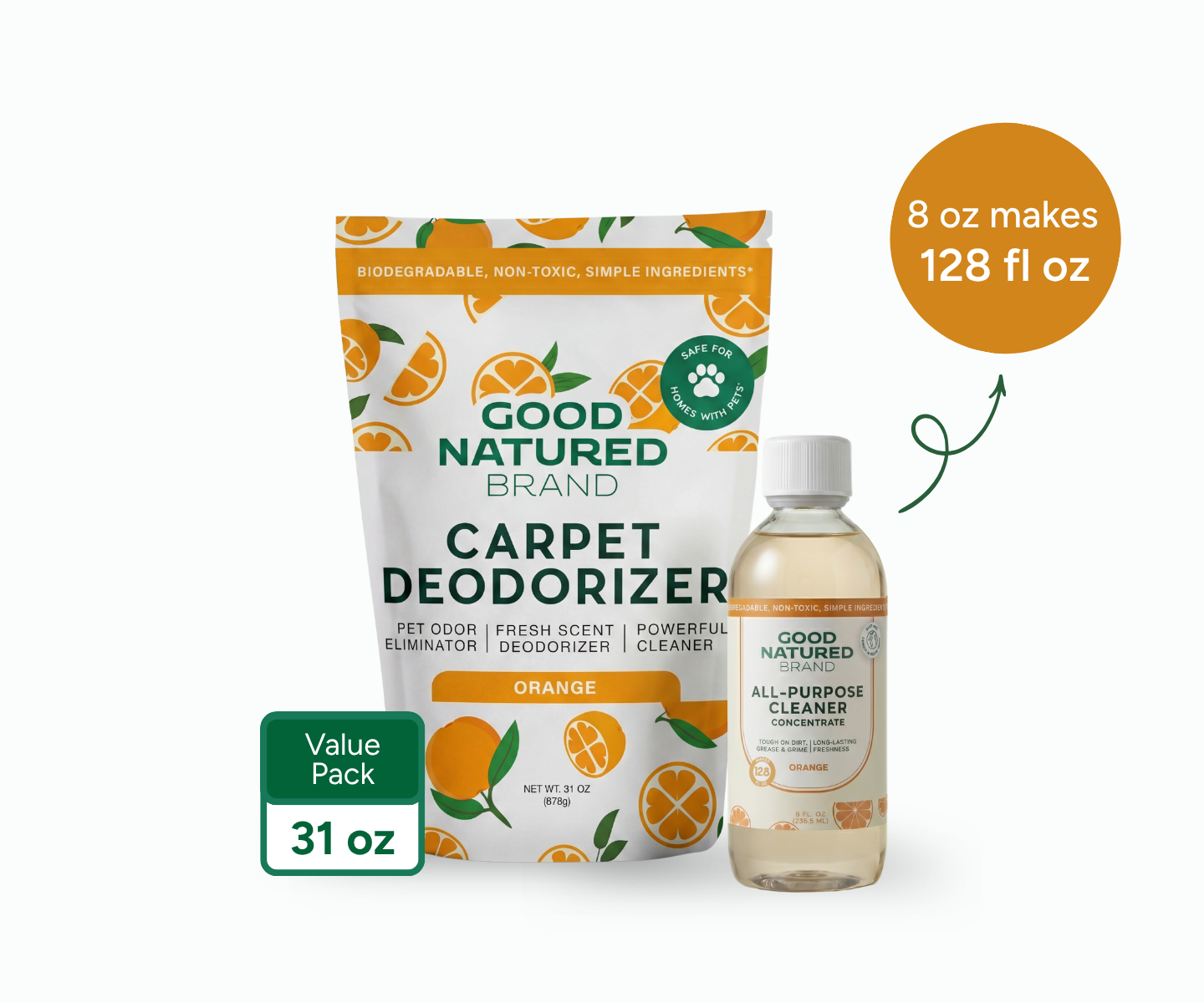
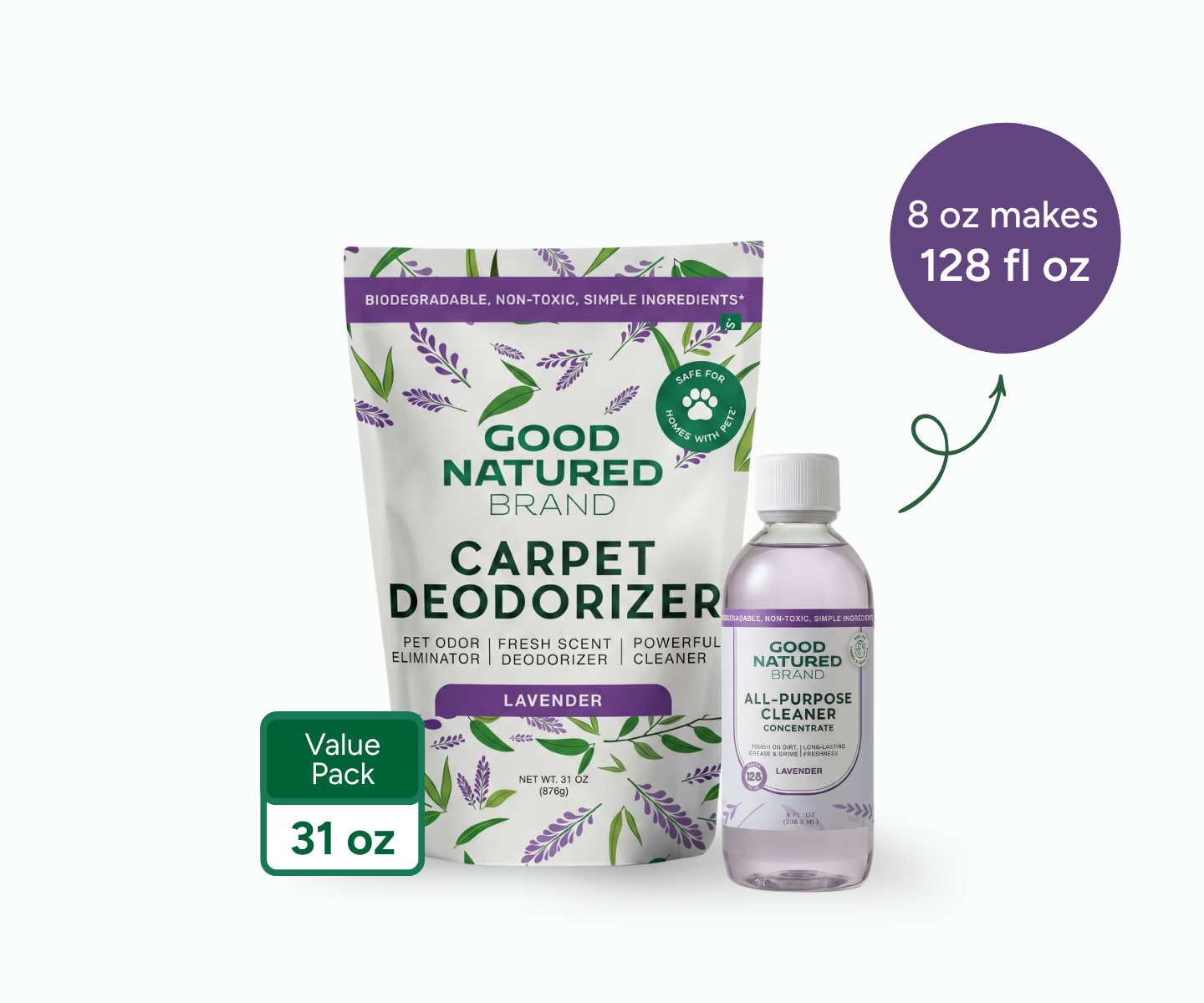
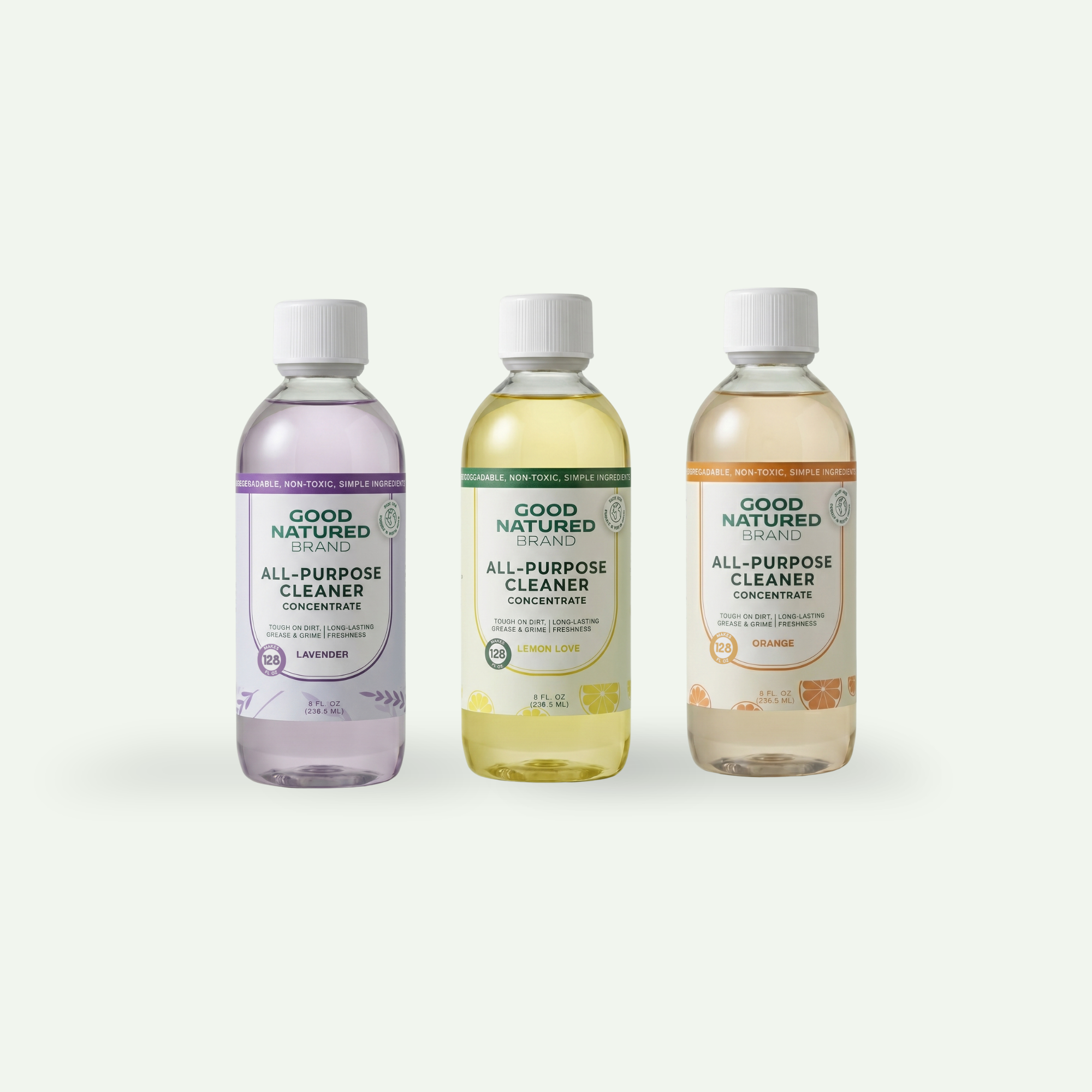
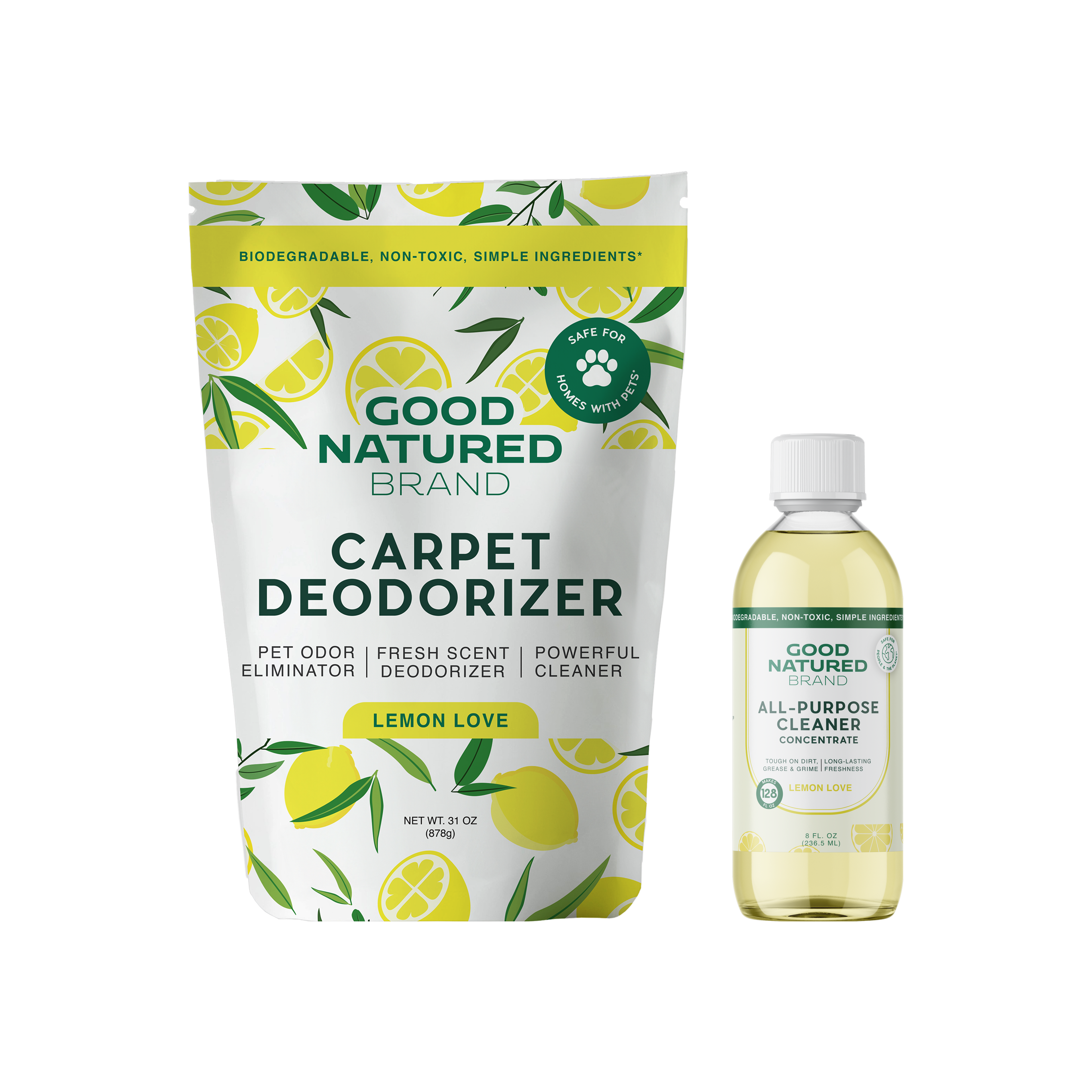
A versatile staple here is an all-purpose cleaner that can handle daily grime without turning cleaning into a “project.” If you’re building a routine around reliable basics, All-Purpose Cleaners are a natural starting point for wipe-downs, kitchen resets, and bathroom refreshes.
Helpful tips for everyday surfaces:
-
Use a microfiber cloth for better pickup and fewer streaks.
-
Let the product sit briefly on sticky grime before wiping.
-
Keep one bottle in the kitchen and one in the bathroom to make cleaning effortless.
Plant-based cleaning brands for laundry
Laundry is where you often notice the difference between “smells nice” and “actually works.” People searching for plant-based cleaning brands for laundry often care about:
-
Odor removal for towels, gym wear, or pet bedding
-
Rinsing clean without heavy residue
-
A consistent routine that doesn’t require multiple add-ons
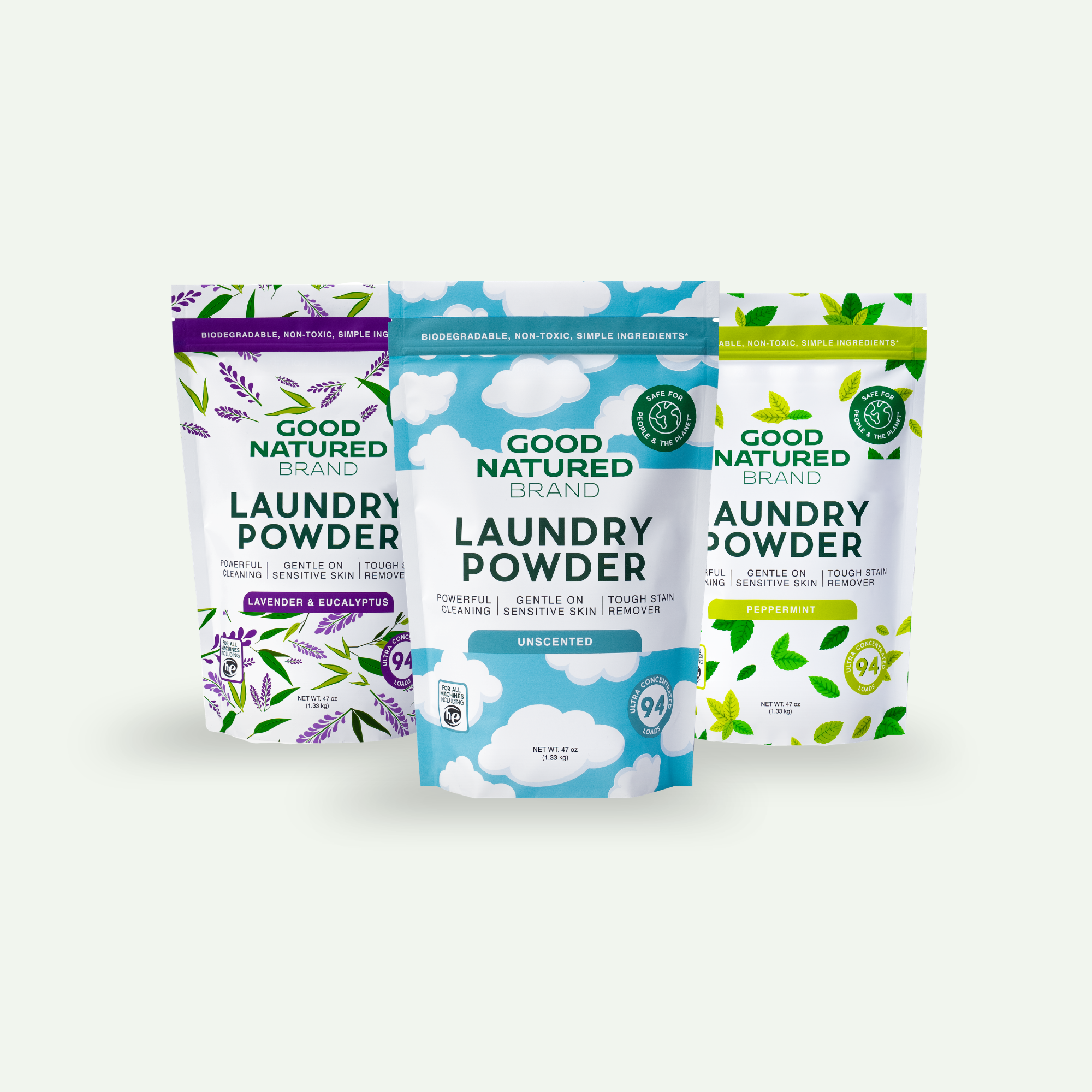
Powder formats are especially popular because they can be long-lasting and easier to store. If you’re looking to build a streamlined routine, Laundry Powders can be a practical way to cover everyday loads while keeping your supply closet simple.
Laundry success tips:
-
Don’t overload the washer—water needs room to circulate.
-
For strong odors, wash promptly and fully dry items.
-
Use the recommended amount; more product isn’t always better.
Plant-based cleaning brands for carpets, rugs, and soft-surface odors
Soft surfaces hold onto odors—especially in high-traffic areas, entryways, and homes with pets. Vacuuming helps, but sometimes you need a routine deodorizing step in between deeper cleans.
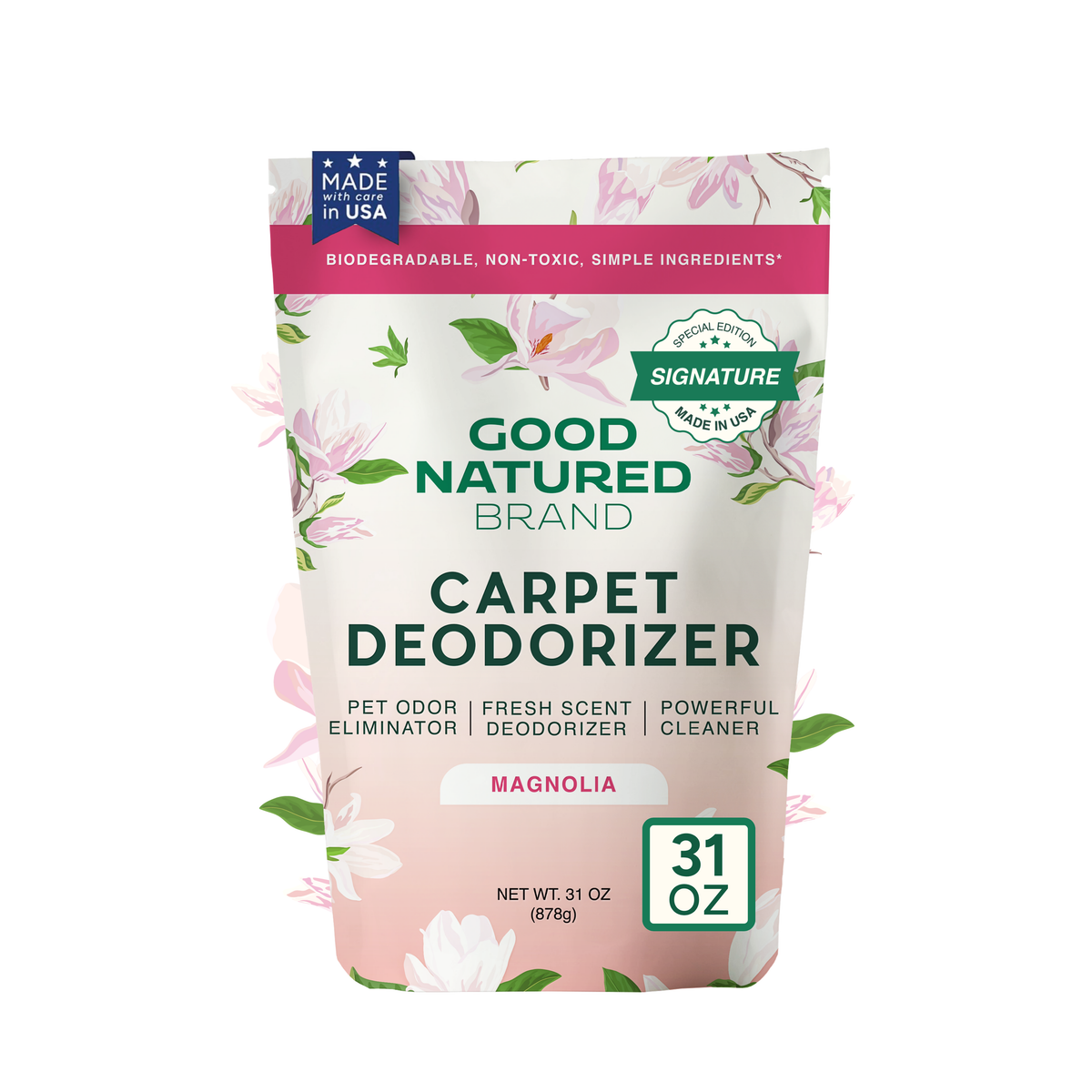
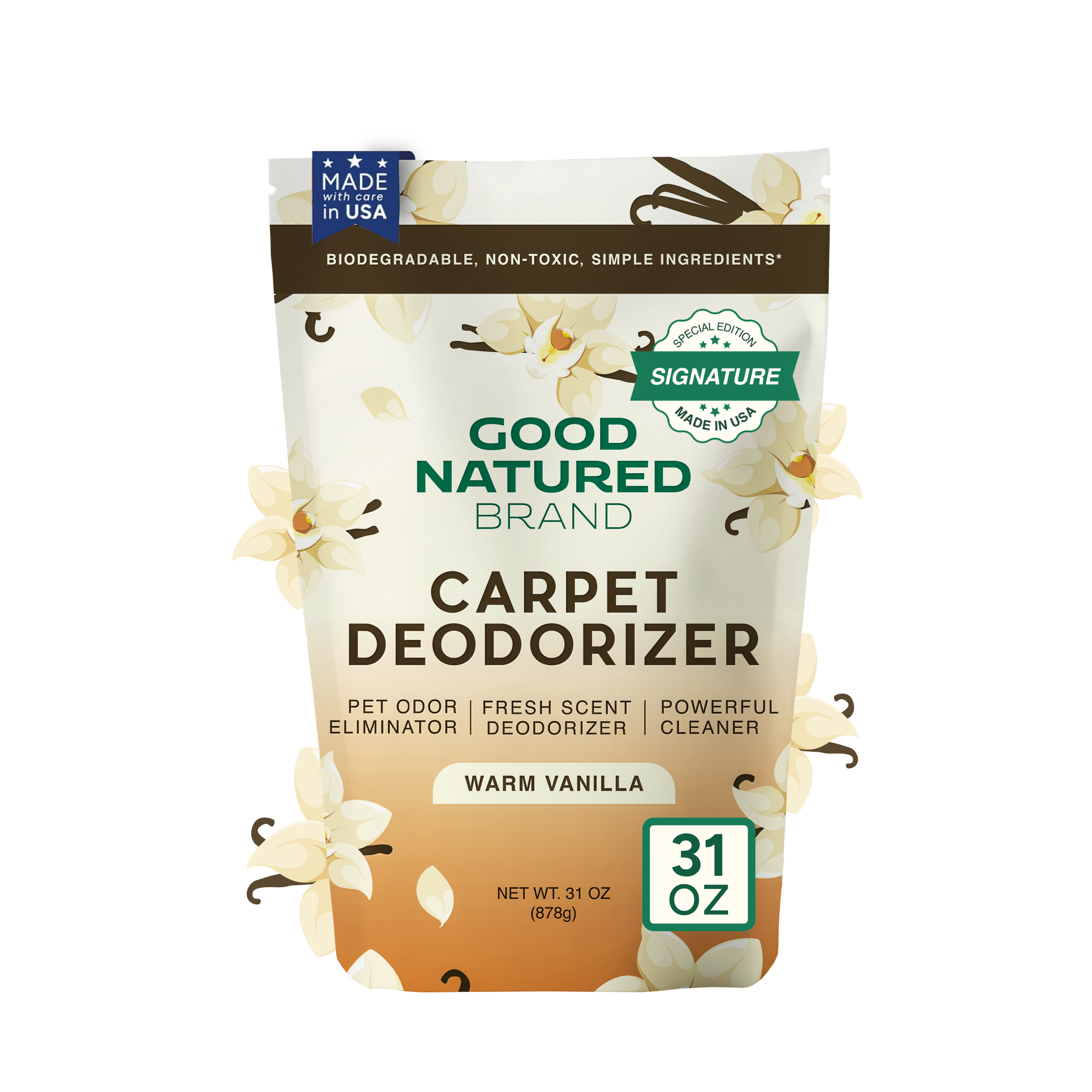
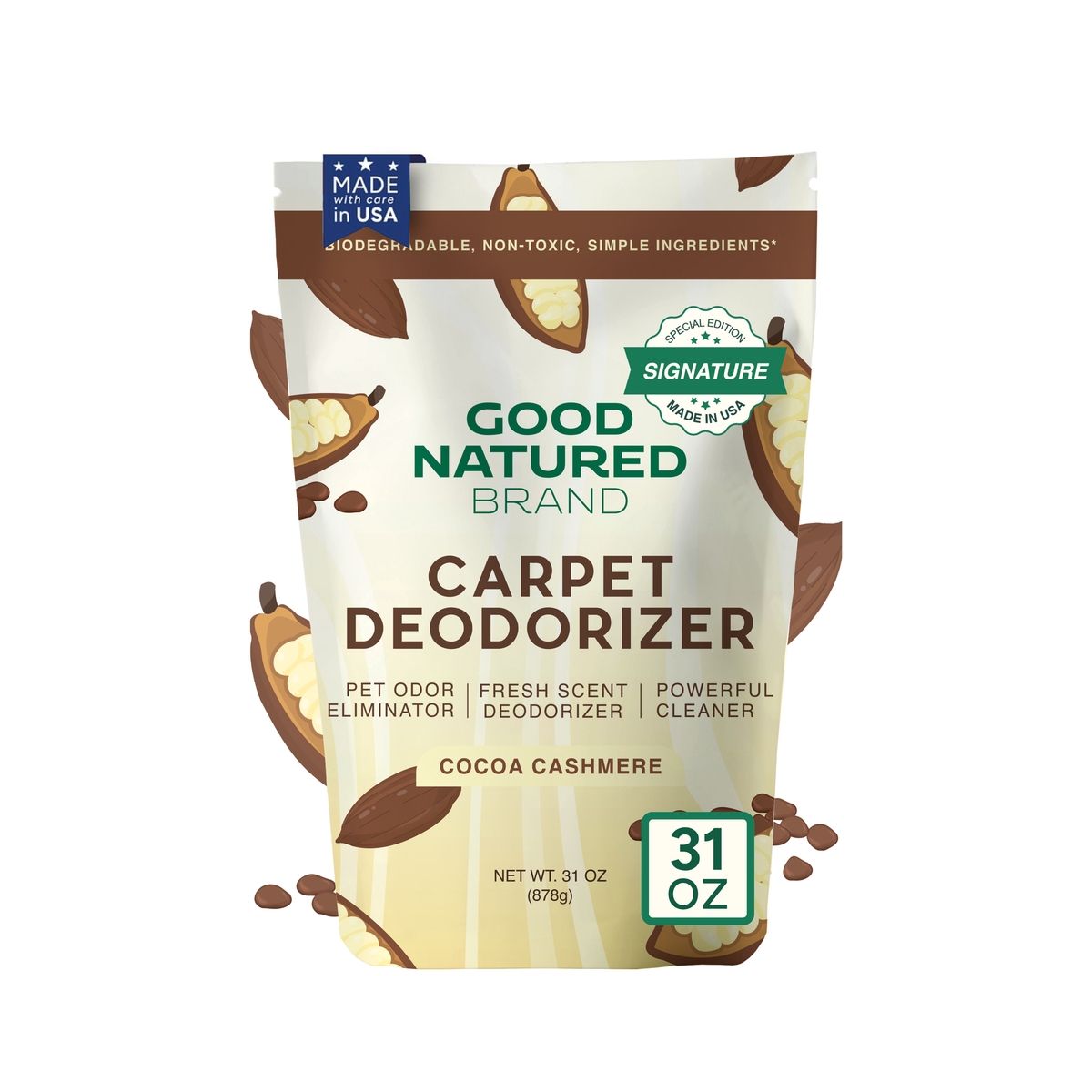
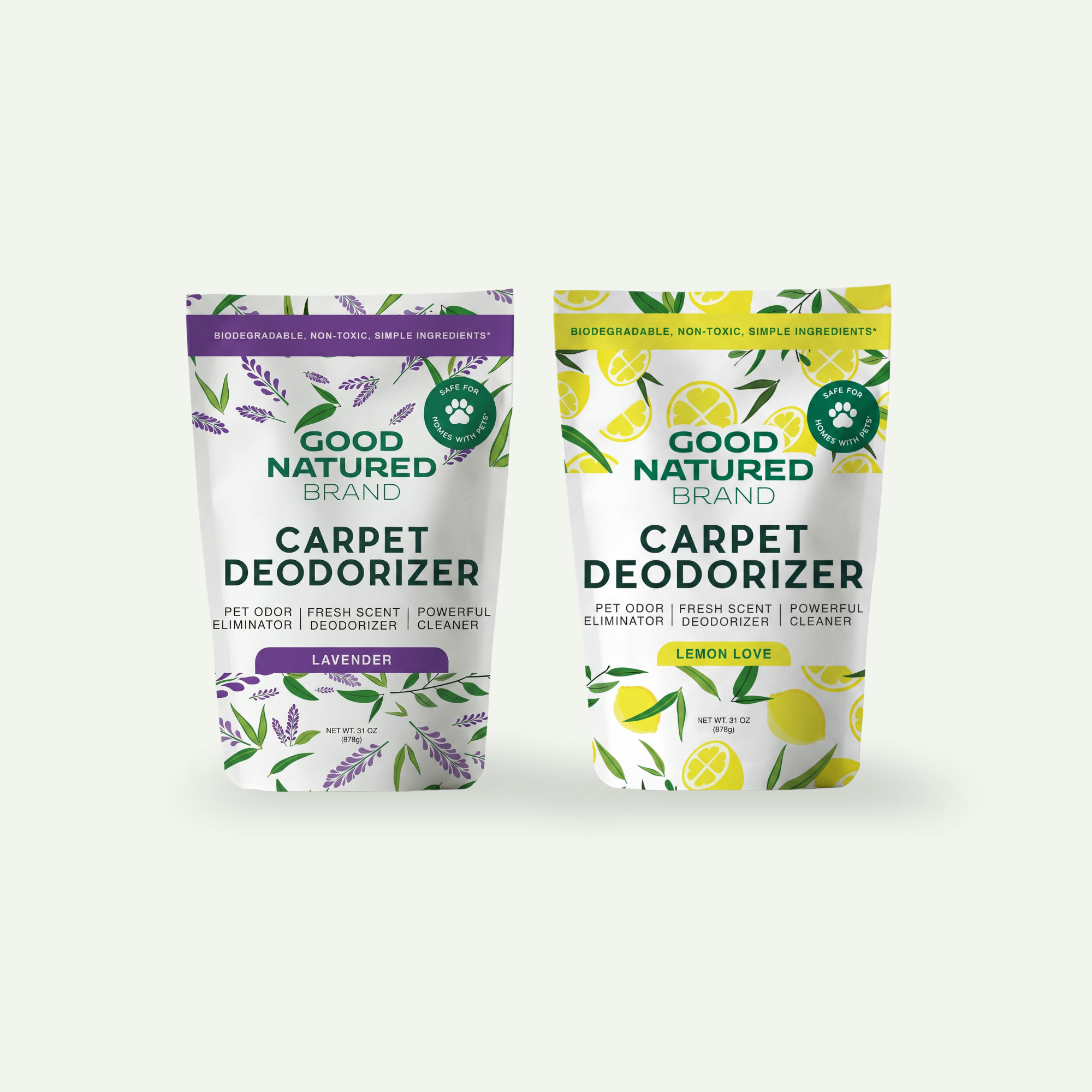
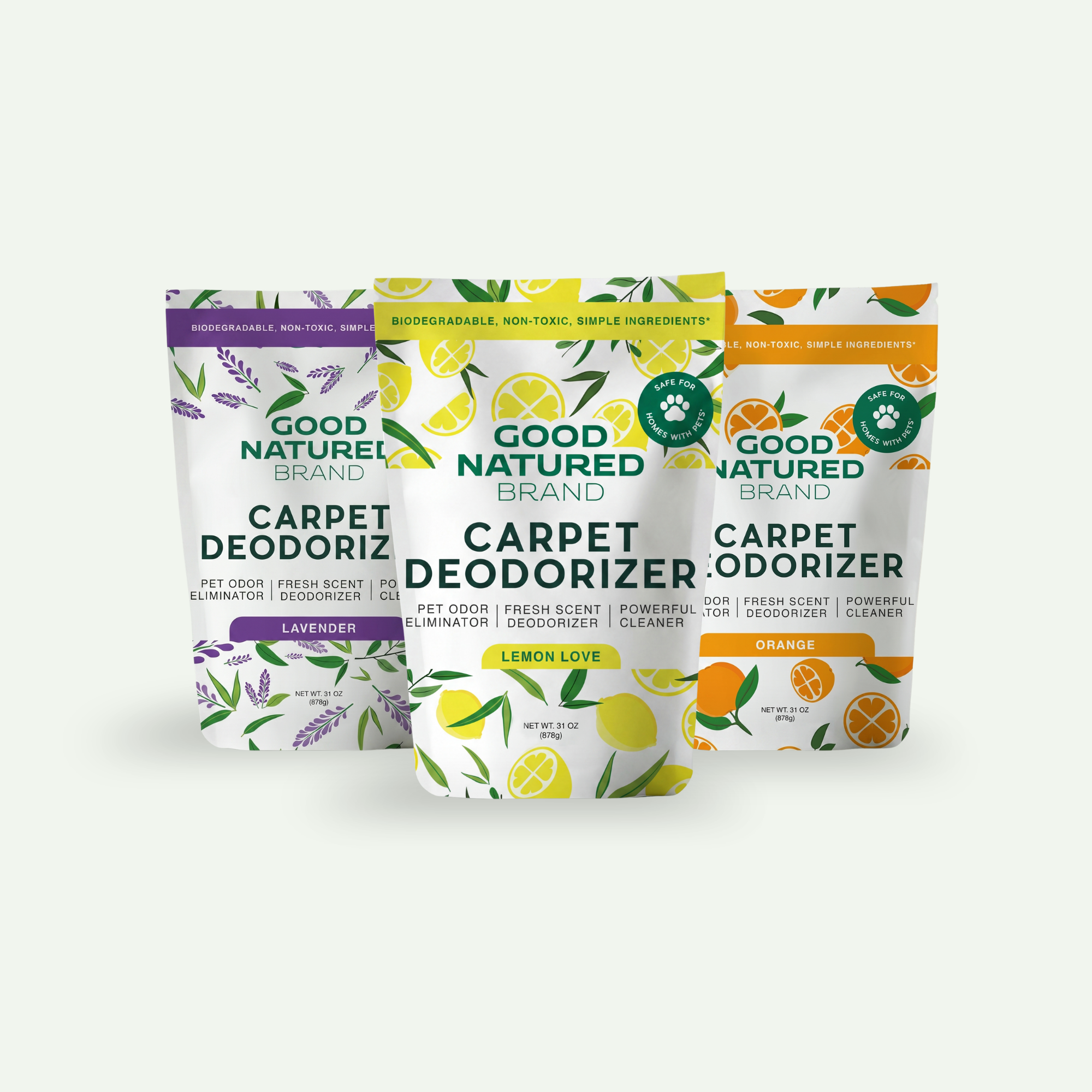
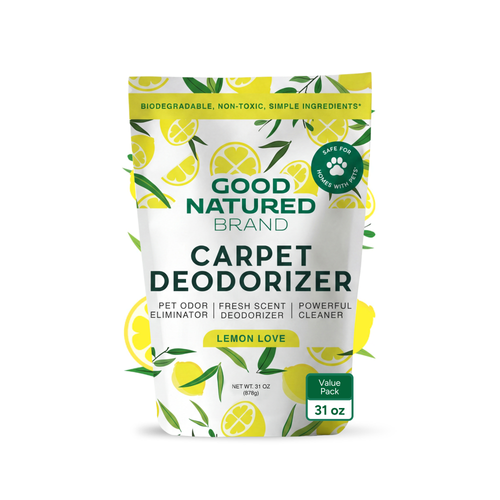
That’s where deodorizing products designed for carpets and rugs can make a noticeable difference. For regular freshness support, Carpet Deodorizers are a helpful option for keeping carpets and rugs smelling clean—especially when paired with consistent vacuuming.
Soft-surface freshness tips:
-
Vacuum slowly to lift debris more effectively.
-
Focus on areas where odors build up (near doors, couches, pet beds).
-
Always follow label directions and spot-test on delicate materials.
Plant-based cleaning brands for pet-friendly homes
Many households searching for plant-based cleaning brands are trying to keep routines comfortable for everyone in the home, including pets. The key here is not “one magic product,” but a repeatable system:
-
Wipe down floors and entryways regularly with All-Purpose Cleaners to manage everyday grime
-
Keep pet bedding and blankets on a laundry rotation using Laundry Powders
-
Refresh rugs and carpeted areas between deep cleans with Carpet Deodorizers
Good habits matter as much as product choice: ventilation, proper storage, and following directions are always part of a safer, smarter routine.
Plant-based cleaning brands for sensitive-scent households
If you’re scent-sensitive, focus on:
-
fragrance-free options where possible
-
light, non-lingering scent profiles
-
good ventilation during and after cleaning
A small strategy that helps: keep scented products out of bedrooms and use fragrance-free (or very lightly scented) items in smaller spaces.
A Simple Weekly Routine Using Plant-Based Cleaning Brands
The easiest way to love your plant-based cleaning brands is to build a routine that doesn’t require motivation—just momentum.
Daily rhythm
-
Quick kitchen wipe-down after meals using All-Purpose Cleaners
-
Bathroom sink and mirror touch-up as needed
-
Spot-clean high-touch areas (door handles, counters)
This takes minutes, but it prevents buildup.
Weekly reset
-
Clean bathroom surfaces and shower edges
-
Launder towels, bedding, and frequently used fabrics with Laundry Powders
-
Refresh rugs and carpeted rooms with Carpet Deodorizers
-
Empty trash bins and wipe them down
Monthly deep clean
-
Clean baseboards and corners
-
Wipe cabinet fronts, light switches, and vents
-
Deep clean fridge shelves and pantry edges
-
Do a more thorough carpet and rug refresh as needed
If you want more cleaning habit ideas and routine inspiration, the Good Natured Brand blog hub is a good place to explore: https://www.goodnaturedbrand.com/pages/blog
DIY vs Plant-Based Cleaning Brands
DIY cleaning can be useful, but it isn’t always the best answer for every household.
When DIY works well
DIY can be great for:
-
quick deodorizing (like baking soda in a fridge)
-
light wipe-downs with simple ingredients
-
a minimalist approach for low-mess spaces
When plant-based cleaning brands win
Plant-based cleaning brands tend to shine when you want:
-
consistent results without constant mixing
-
products engineered for specific tasks (like laundry or deodorizing)
-
convenience you can repeat week after week
A practical hybrid approach often works best: keep one or two DIY staples, and rely on a few strong products for everyday performance.
Common Mistakes People Make When Buying Plant-Based Cleaning Brands
Even great products can disappoint if they’re used the wrong way. Here are common pitfalls to avoid:
-
Assuming plant-based equals disinfecting: cleaning and disinfecting are different goals
-
Using too much product: it can leave residue and waste money
-
Skipping dwell time: sticky grime often needs a short moment before wiping
-
Not spot-testing: especially on delicate fabrics or specialty surfaces
-
Chasing trends instead of routines: the “best” product is the one you use consistently
FAQs About Plant-Based Cleaning Brands
What are plant-based cleaning brands made from?
Plant-based cleaning brands typically use plant-derived ingredients for key cleaning agents, especially surfactants, and may combine them with mineral-based helpers and functional ingredients for performance.
Are plant-based cleaning brands safer than traditional cleaners?
They can be a better fit for many households, especially if you prefer simpler formulas and a gentler cleaning experience. However, “plant-based” doesn’t automatically mean irritation-free or perfect for everyone, so it’s still important to read labels and follow directions.
Do plant-based cleaning brands disinfect?
Many plant-based cleaners are designed primarily for cleaning rather than disinfecting. If you need disinfecting, look for products specifically intended for that purpose and follow the required dwell time and directions.
What’s the difference between plant-based and non-toxic?
“Plant-based” refers more to ingredient sourcing, while “non-toxic” is a broader claim that can vary widely depending on how a brand defines it. When in doubt, focus on ingredient transparency and intended use.
Are plant-based cleaning brands effective on grease and soap scum?
Yes, many are highly effective—especially for everyday levels of grease and soap scum—when used correctly. Letting the product sit briefly and using the right cloth or scrubber can make a big difference.
Do plant-based cleaning brands work for pet odors?
Many households use plant-based cleaning brands successfully for routine odor control by combining laundry habits, surface wipe-downs, and soft-surface deodorizing. Tools like Laundry Powders and Carpet Deodorizers can support consistent freshness as part of a routine.
Can plant-based cleaning brands be used on hardwood or stone?
Sometimes, but it depends on the product and the surface. Always follow label guidance, avoid over-wetting wood, and spot-test if you’re unsure—especially for sealed vs unsealed surfaces.
Are powders better than liquids?
Powders can be a great choice for many households because they often last longer per use and can reduce packaging waste. For laundry specifically, Laundry Powders are a popular option for consistent loads and easier storage.
How can I tell if a plant-based claim is real?
Look for a clear ingredient list, straightforward directions, and specific product information. Certifications can help, but even without them, transparency and consistent customer feedback are strong signals.
What’s the best way to build a full plant-based cleaning routine?
Start with a small set of essentials: an everyday surface cleaner, a reliable laundry product, and a deodorizing solution for soft surfaces. For example, pairing All-Purpose Cleaners with Laundry Powders and Carpet Deodorizers can cover most routine needs without clutter.
Conclusion
The best plant-based cleaning brands aren’t defined by hype—they’re defined by how well they fit your real life. When you focus on transparent ingredients, practical performance, and a routine you can maintain, you’ll end up with products you trust and actually use.
If you’re building a plant-forward home care routine and want to explore options designed around daily habits, you can browse Good Natured Brand here: https://www.goodnaturedbrand.com/ and find more routine ideas on the blog: https://www.goodnaturedbrand.com/pages/blog