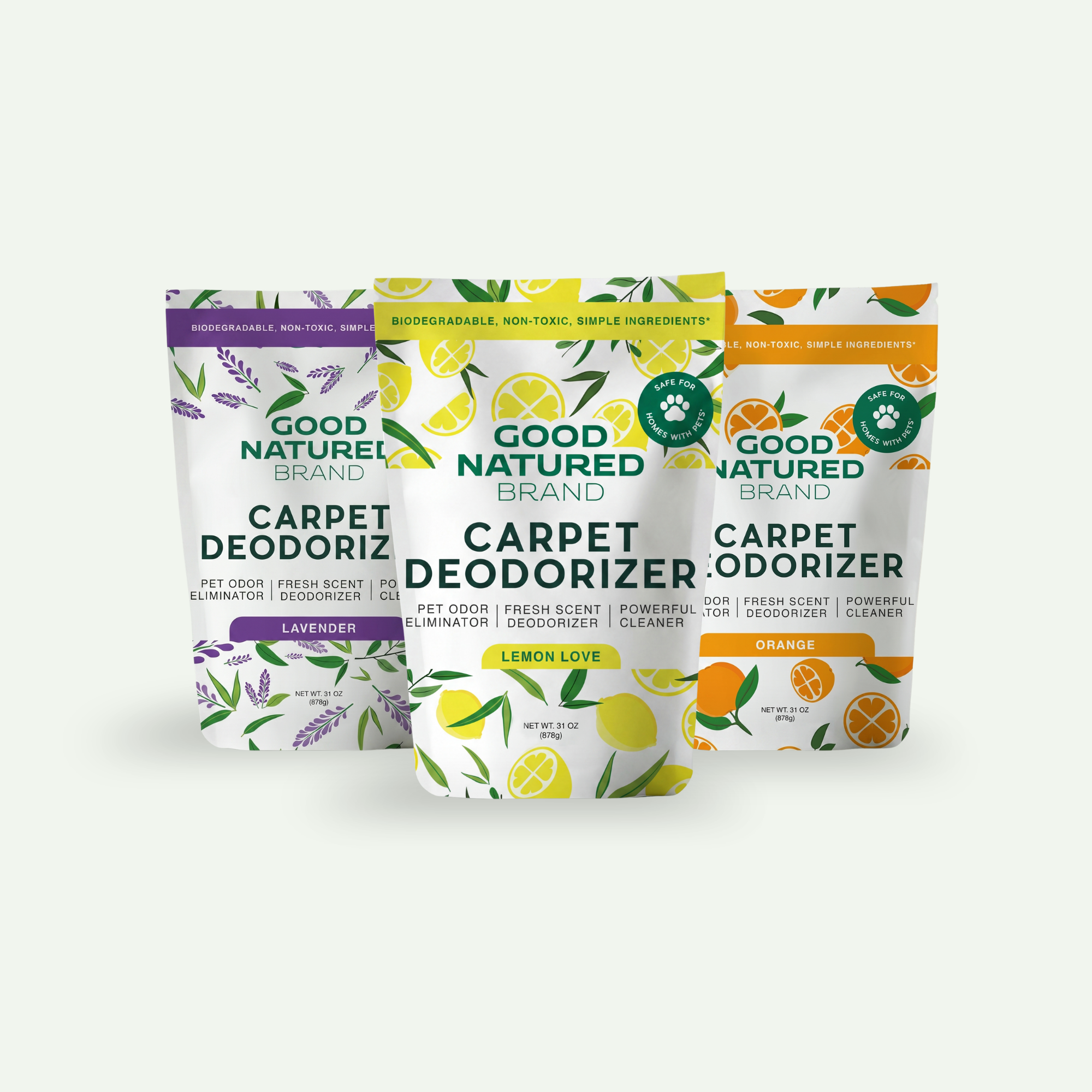
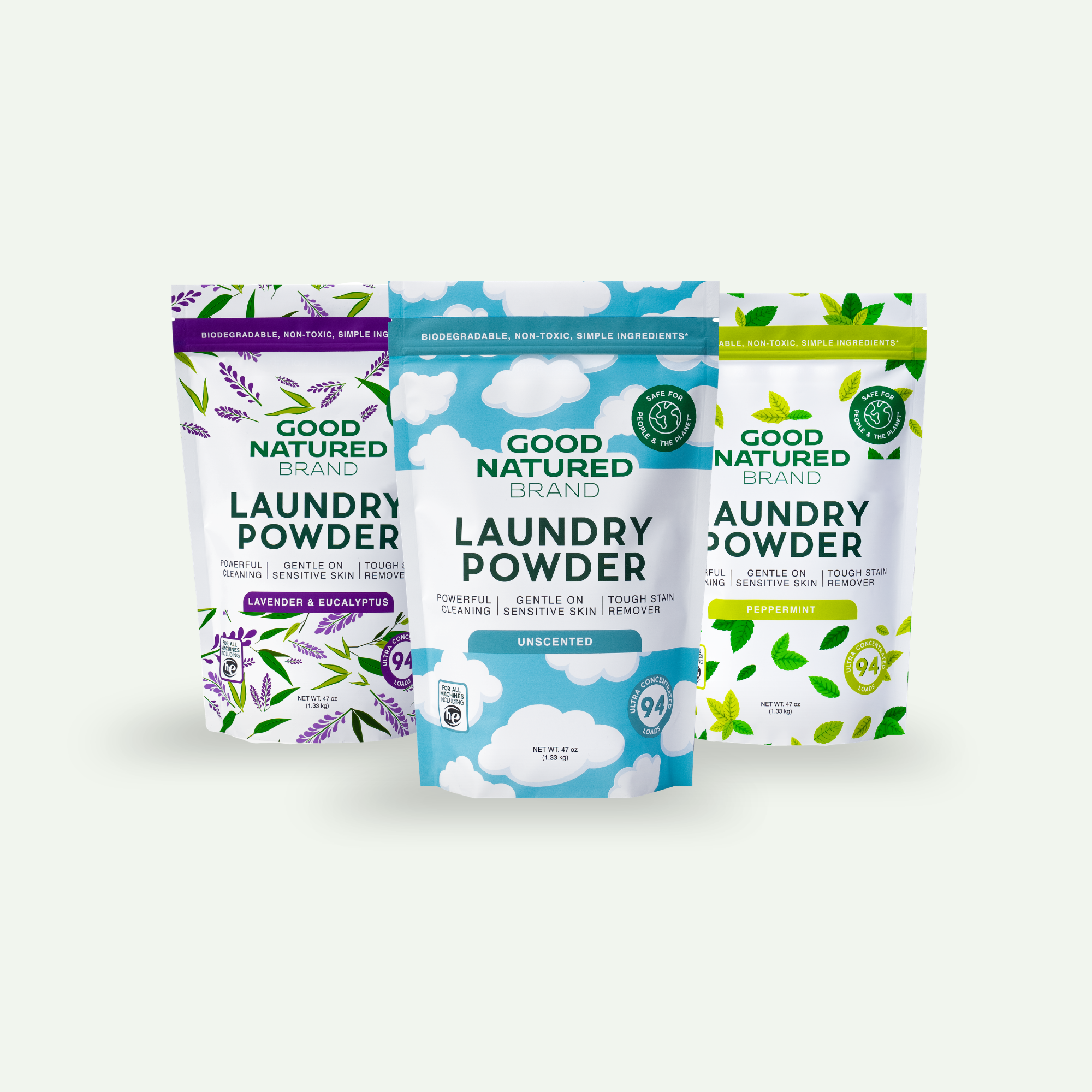
“Safe for most surfaces” is one of the most common claims you’ll see on modern cleaning products—especially plant-based or non-toxic formulas. But what does this phrase actually mean? Does it guarantee that a cleaner won’t damage wood, stone, tile, fabrics, or specialty finishes? And how do you know when a product is genuinely safe versus when it’s used as a broad marketing term?
Part 1 of this guide breaks down the science, the terminology, and the real-world meaning behind “safe for most surfaces.” Whether you’re a homeowner, renter, pet parent, or someone simply looking to care for your home more responsibly, this section will help you understand what to look for, what to avoid, and how to clean confidently without guesswork.
For more articles on sustainable and safe home-care, you can visit the Good Natured Brand Blog or explore naturally formulated, surface-safe cleaning essentials on the main page.
What “Safe for Most Surfaces” Really Means in Cleaning
The phrase “safe for most surfaces” is intended to reassure users that a product can be used throughout the home without causing discoloration, residue, dulling, or damage. However, the nuance lies in most. Not all.
A genuinely surface-safe cleaner is one formulated with gentle surfactants, balanced pH, and non-abrasive ingredients that work well across sealed surfaces, resilient materials, and typical household finishes.
What Does “Safe for Most Surfaces” Really Mean?
Definition of “Safe for Most Surfaces”
When manufacturers use this phrase, they typically mean:
-
The product will not degrade common household surfaces such as sealed countertops, tile, glass, wood finishes, stainless steel, and laminate.
-
The formula is gentle enough for everyday use without causing buildup or wear.
-
The cleaner does not contain harsh chemicals such as chlorine, ammonia, or abrasive particles.
However, because every home has unique materials, manufacturers cannot claim “safe for all surfaces,” so the more cautious phrase is used.
Why It's Not a Universal Guarantee
Every surface reacts differently to cleaning products:
-
Some materials are porous and absorb ingredients quickly.
-
Certain finishes like matte coatings or unsealed stone can be highly reactive.
-
Essential oils may cause discoloration on unfinished wood or natural stone.
That's why “safe for most surfaces” still requires users to understand their home’s materials and follow best practices—like spot-testing.
Factors That Determine Whether a Cleaner Is Surface-Safe
Several formulation elements affect whether a cleaner is genuinely safe for widespread use.
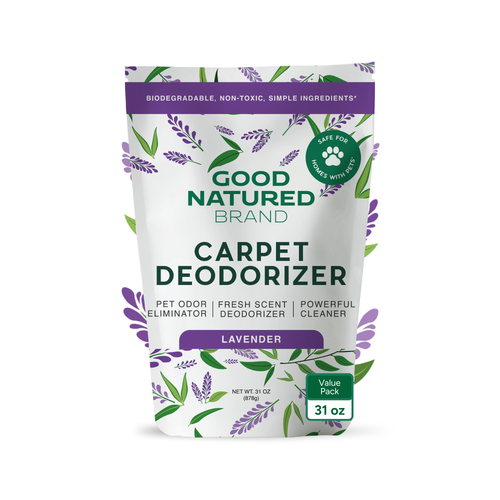
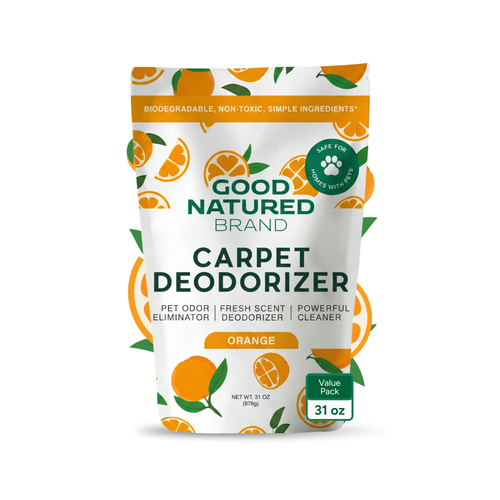
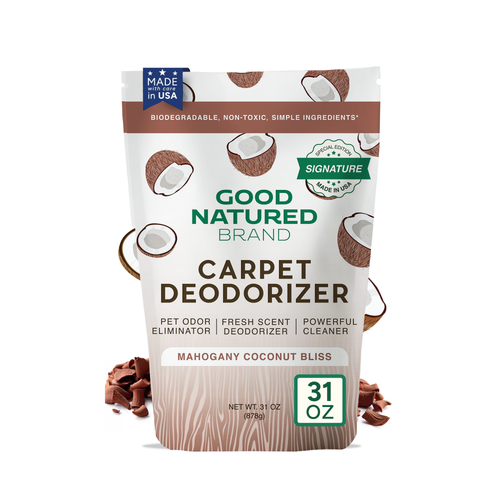
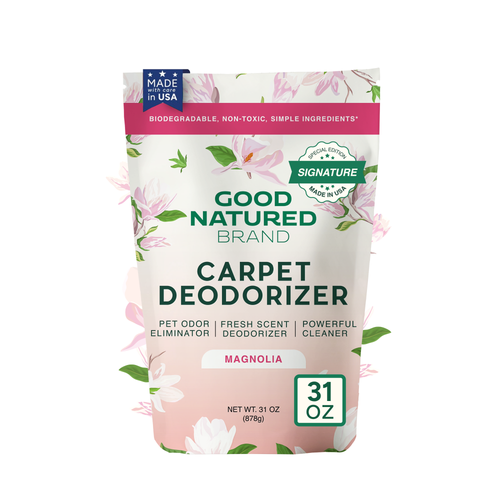
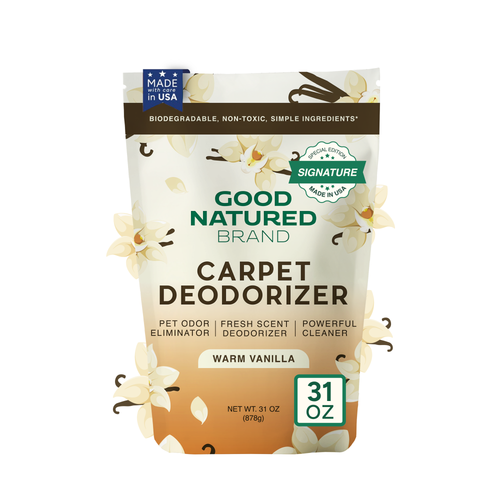
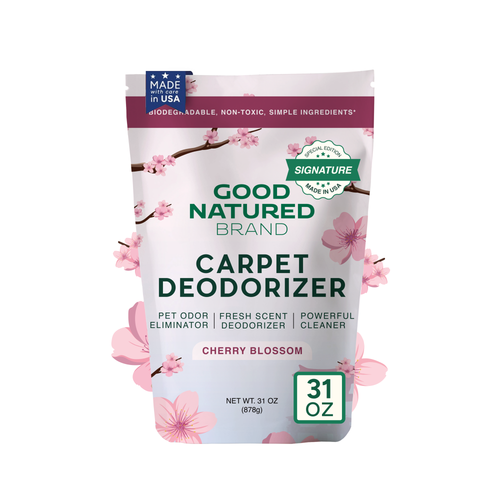
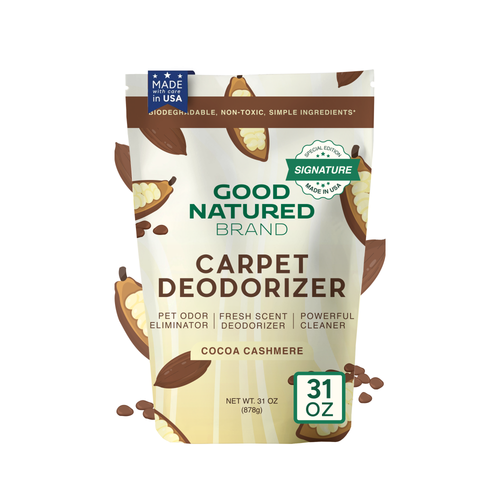
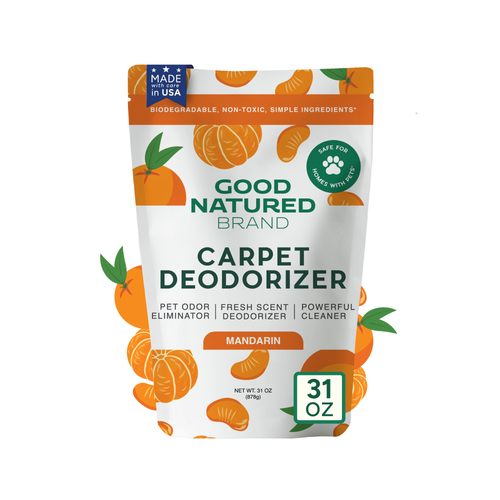
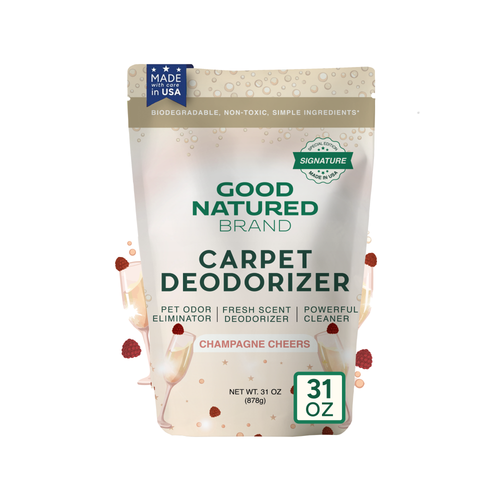
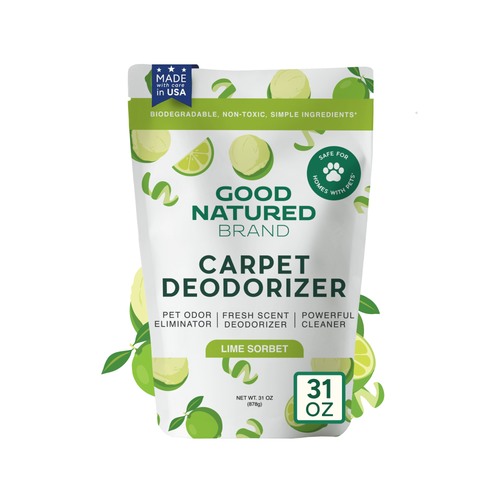
Shop the Product
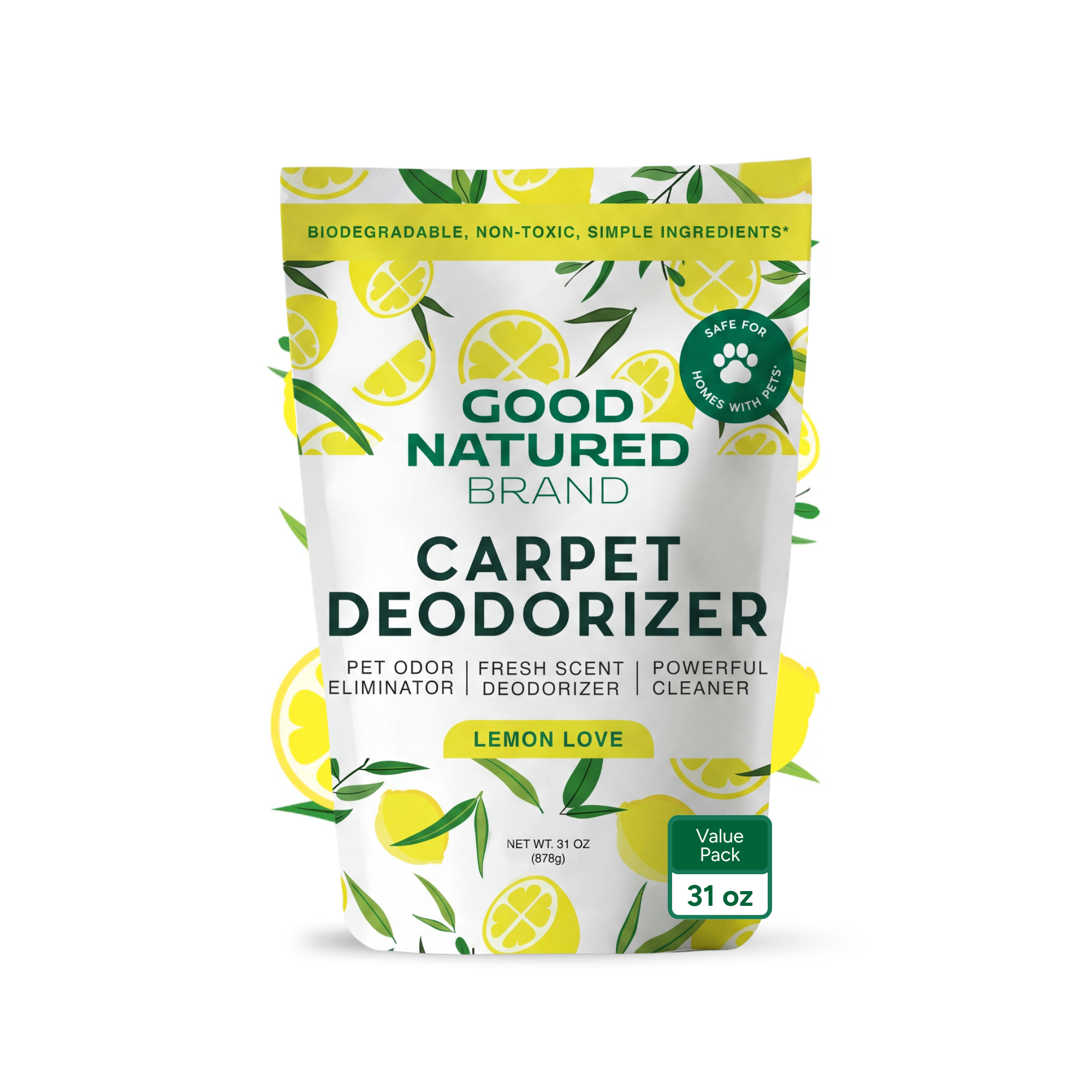
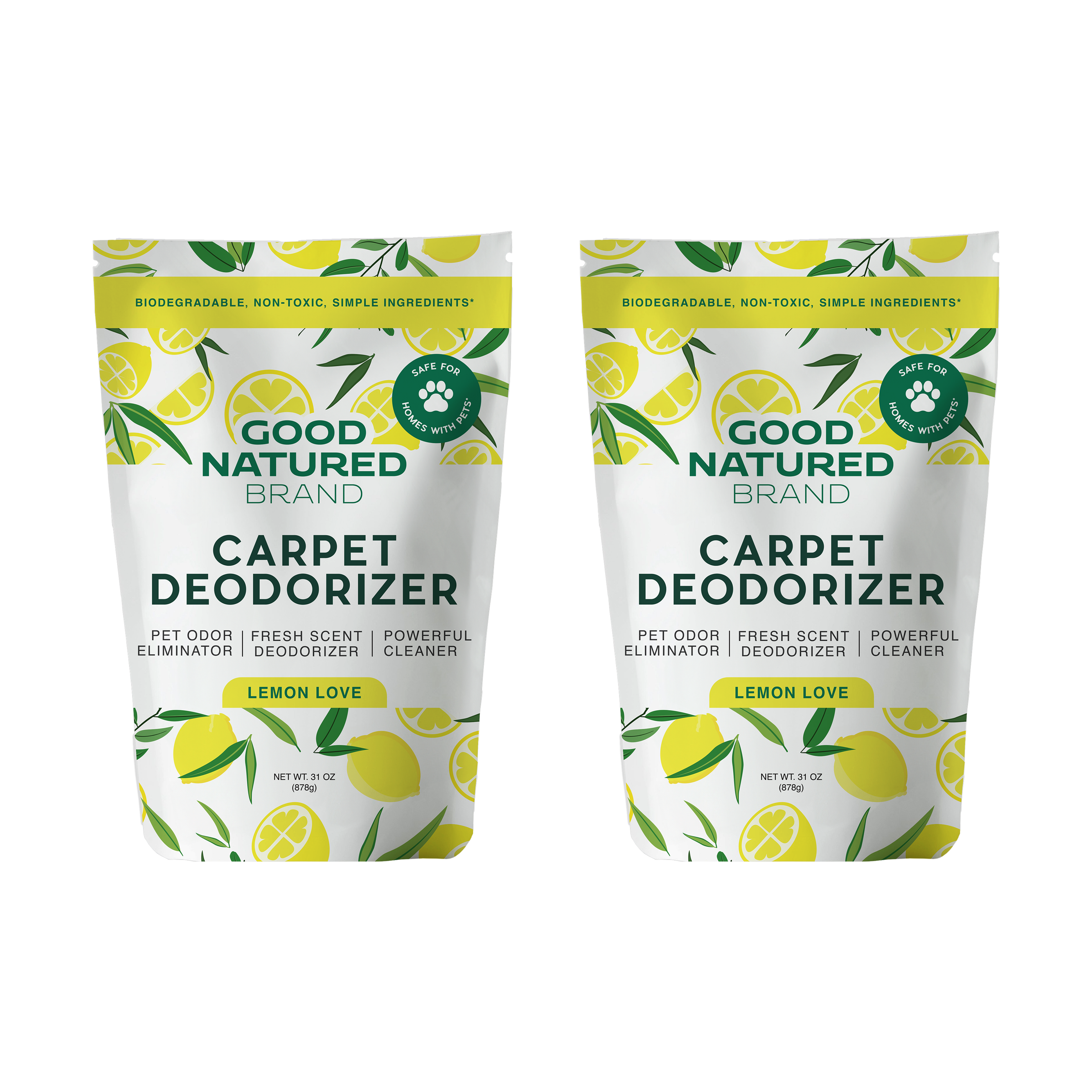
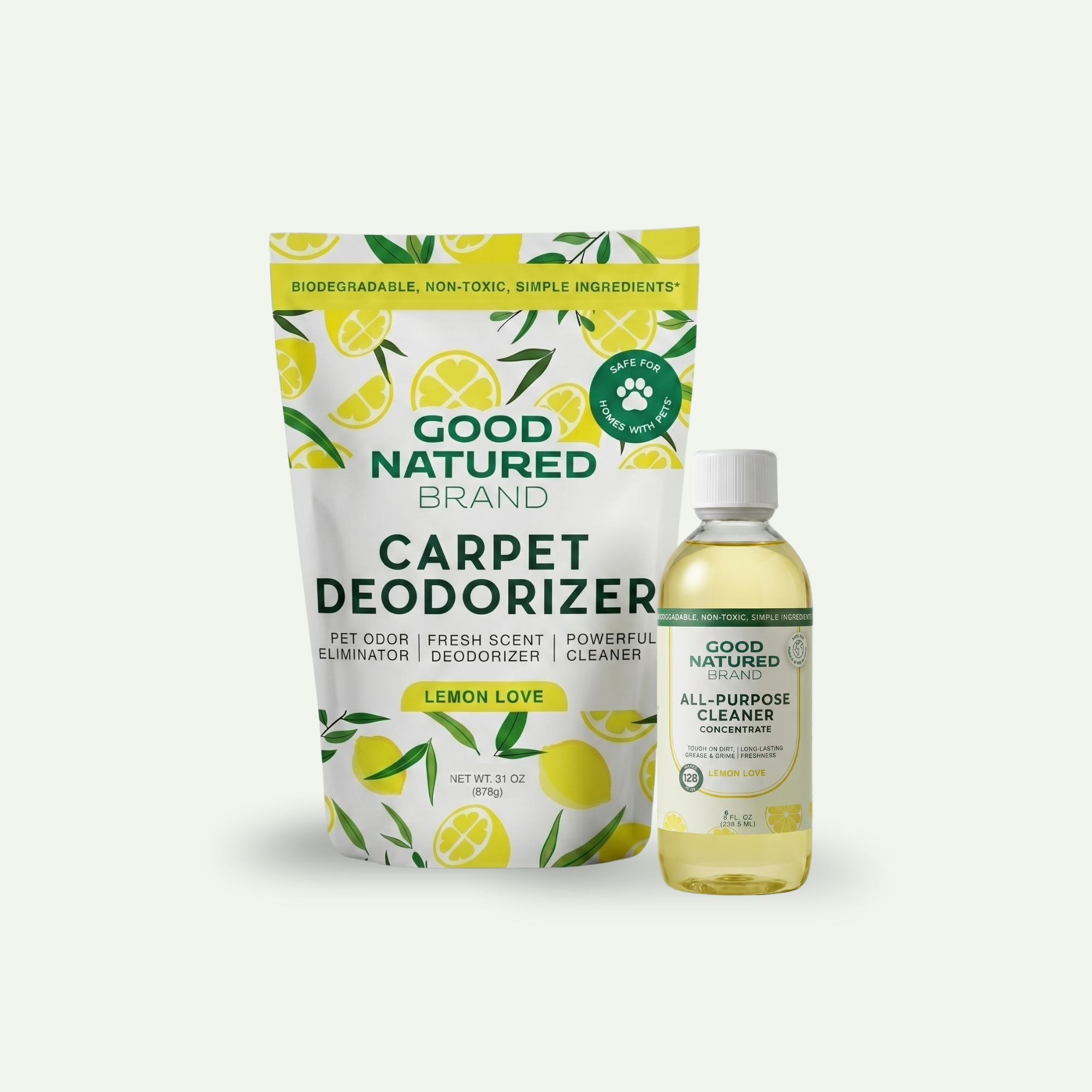
Lemon freshness for every home.
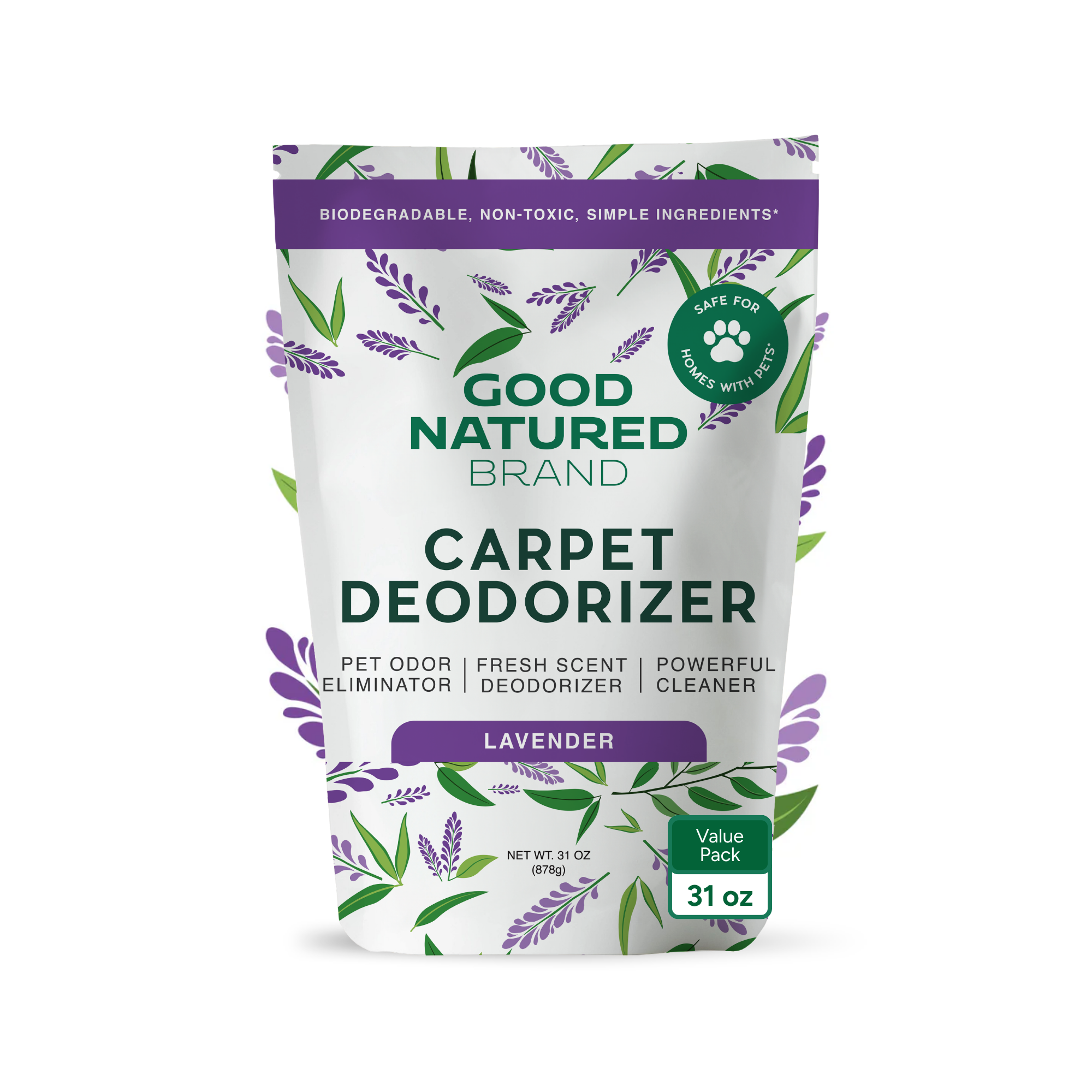
Lavender calm for every home.
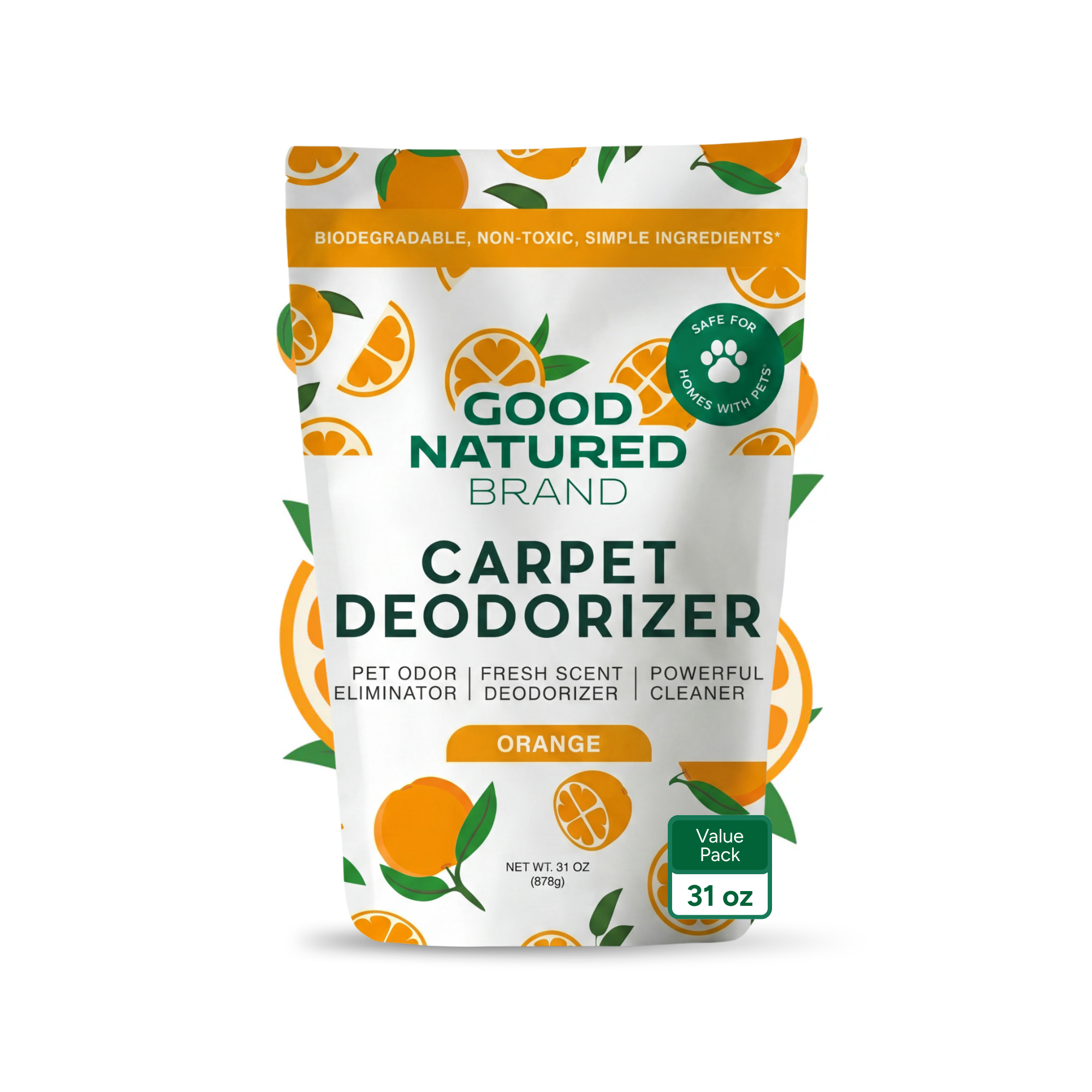
Orange energy for every home.
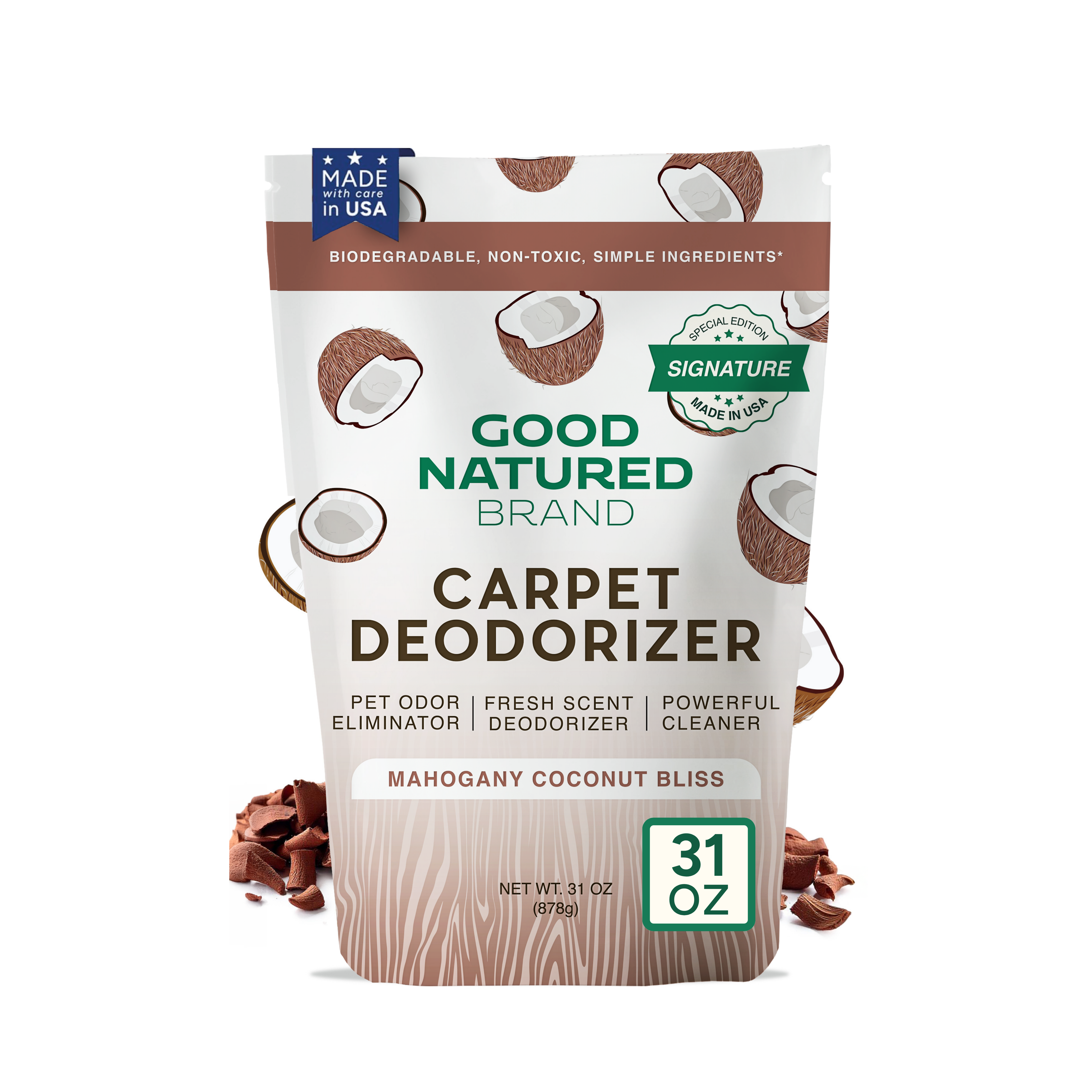
Mahogany warmth for every home.
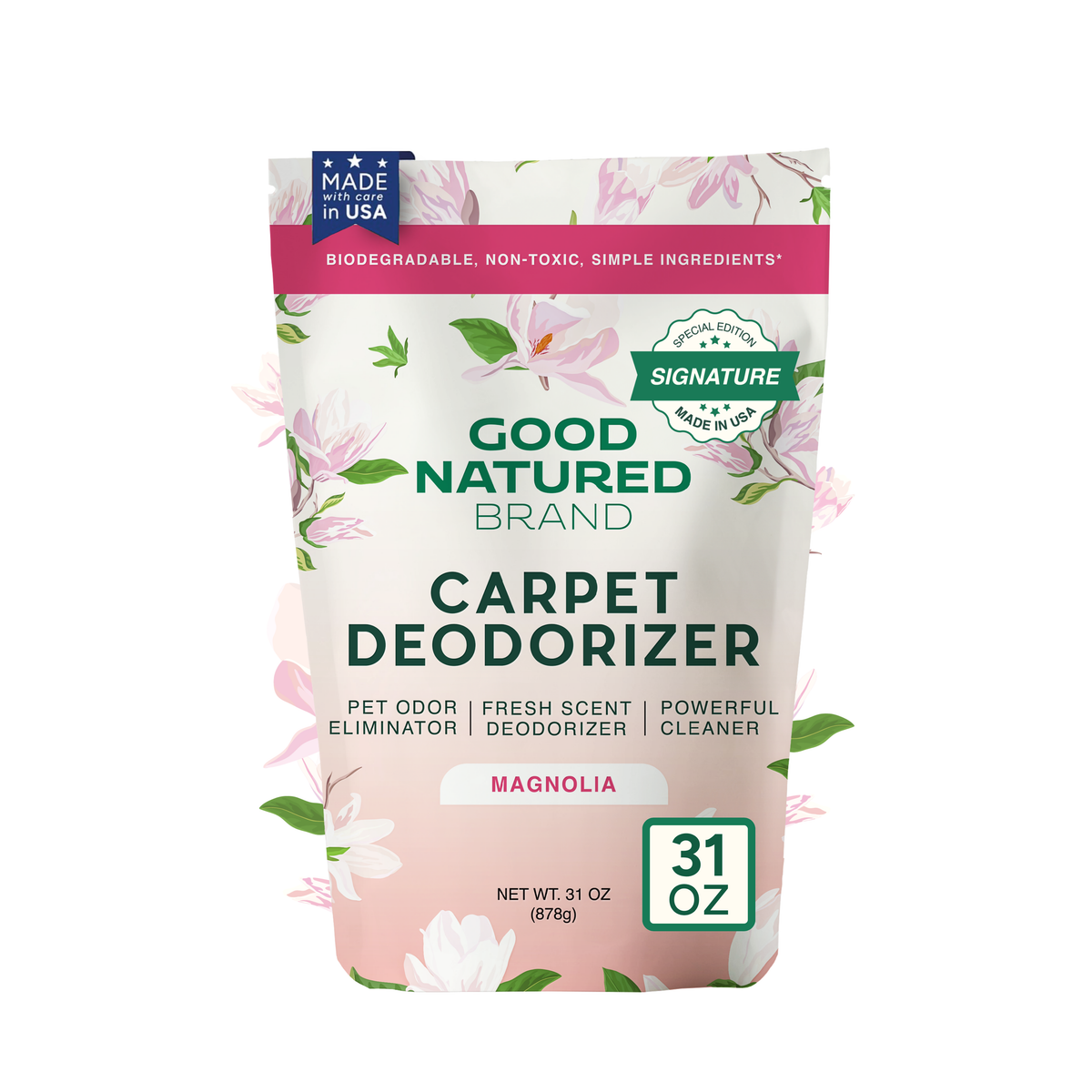
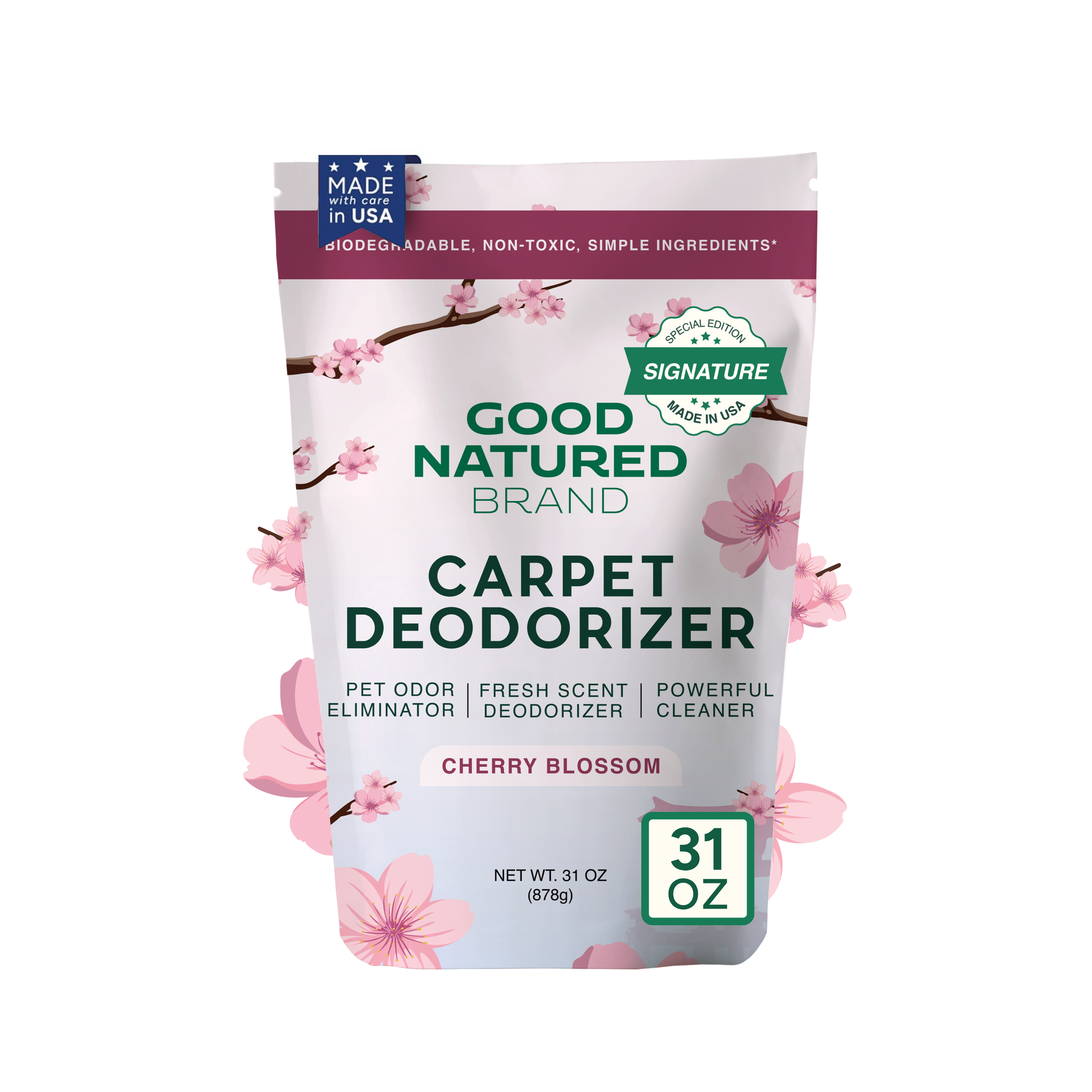
Cherry blossom serenity for every home.
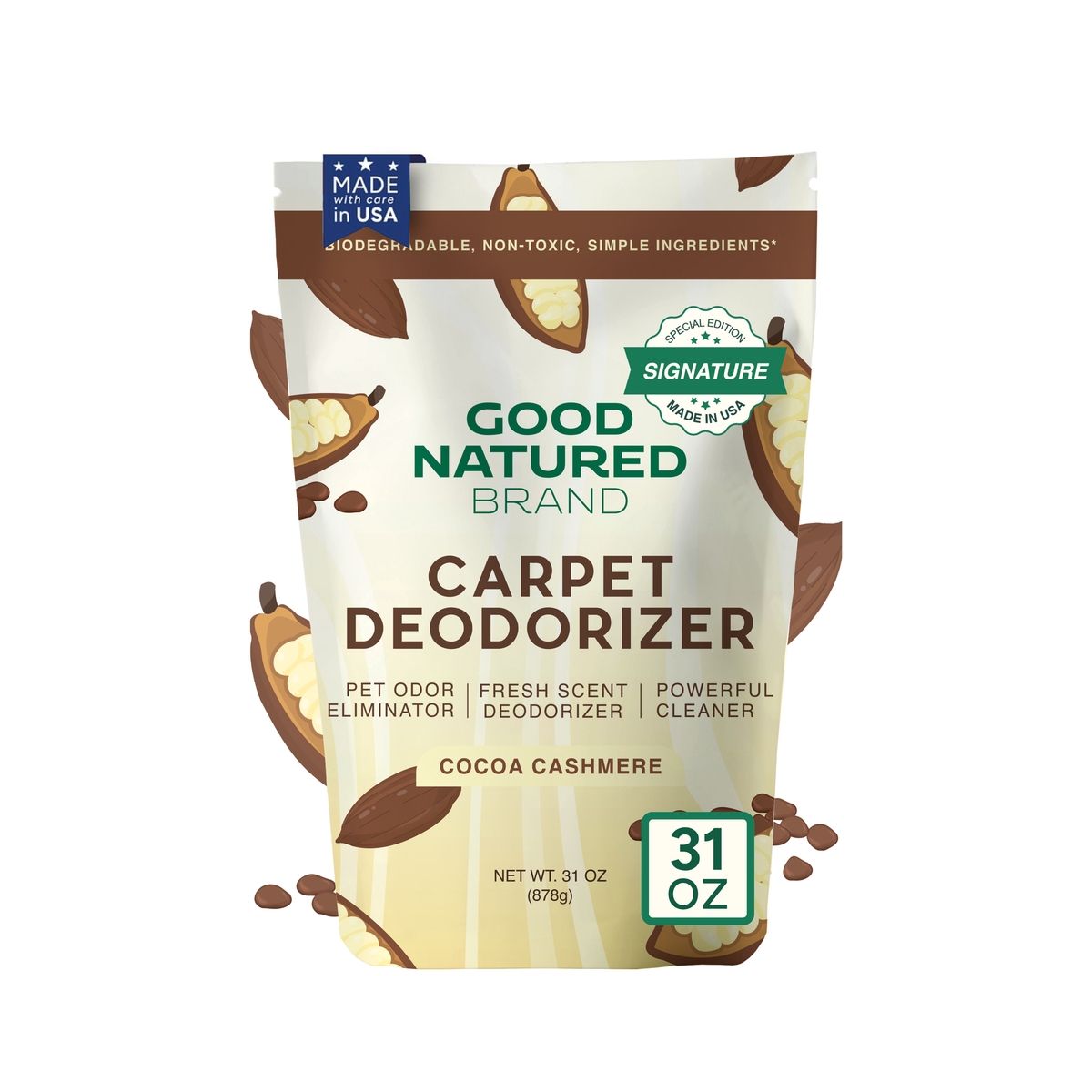
Cocoa butter comfort for every home.
Mandarin freshness for every home.
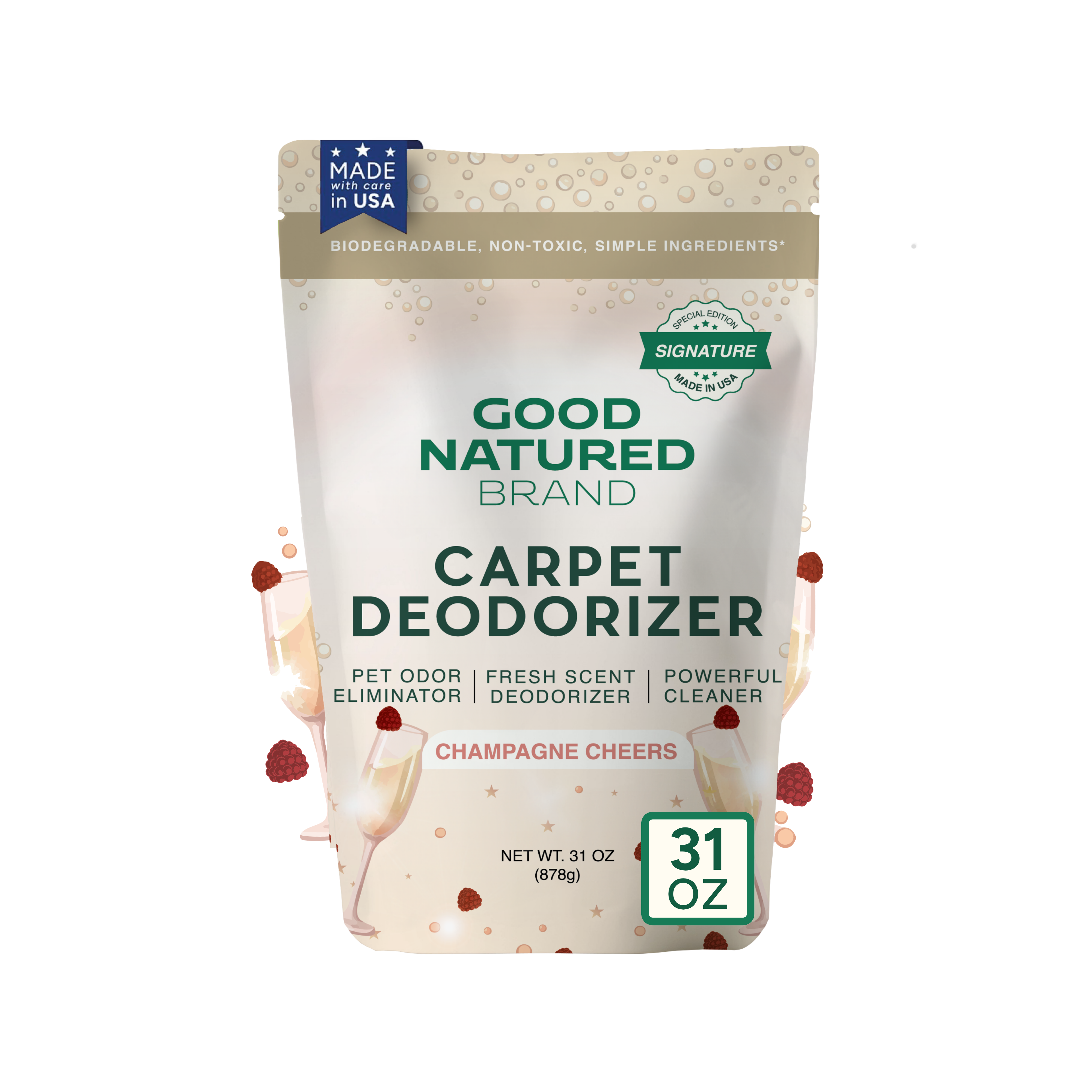
Champagne sparkle for every home.
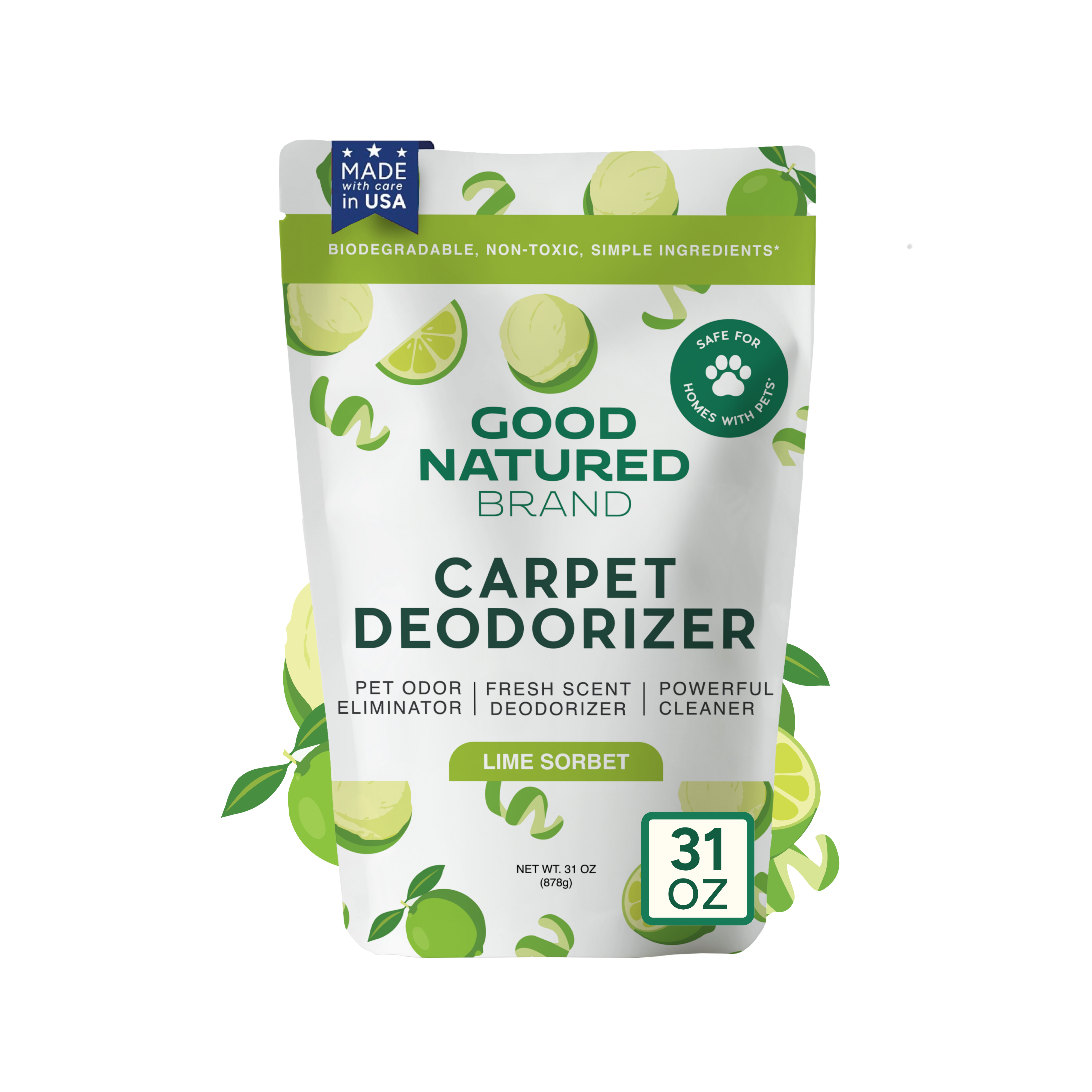
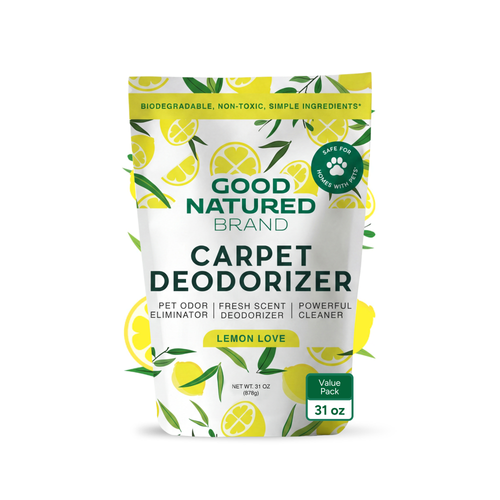
Zesty freshness for every carpet.
How pH Levels Influence Surface Safety
The pH scale ranges from 0 (acidic) to 14 (alkaline), and the ideal pH for most household surfaces is near-neutral.
-
Acidic cleaners (like vinegar or citrus-heavy formulas) may etch natural stone.
-
Alkaline cleaners may dull certain wood finishes or specialty coatings.
-
Neutral cleaners—including many plant-based formulas—are gentler and safer across various surfaces.
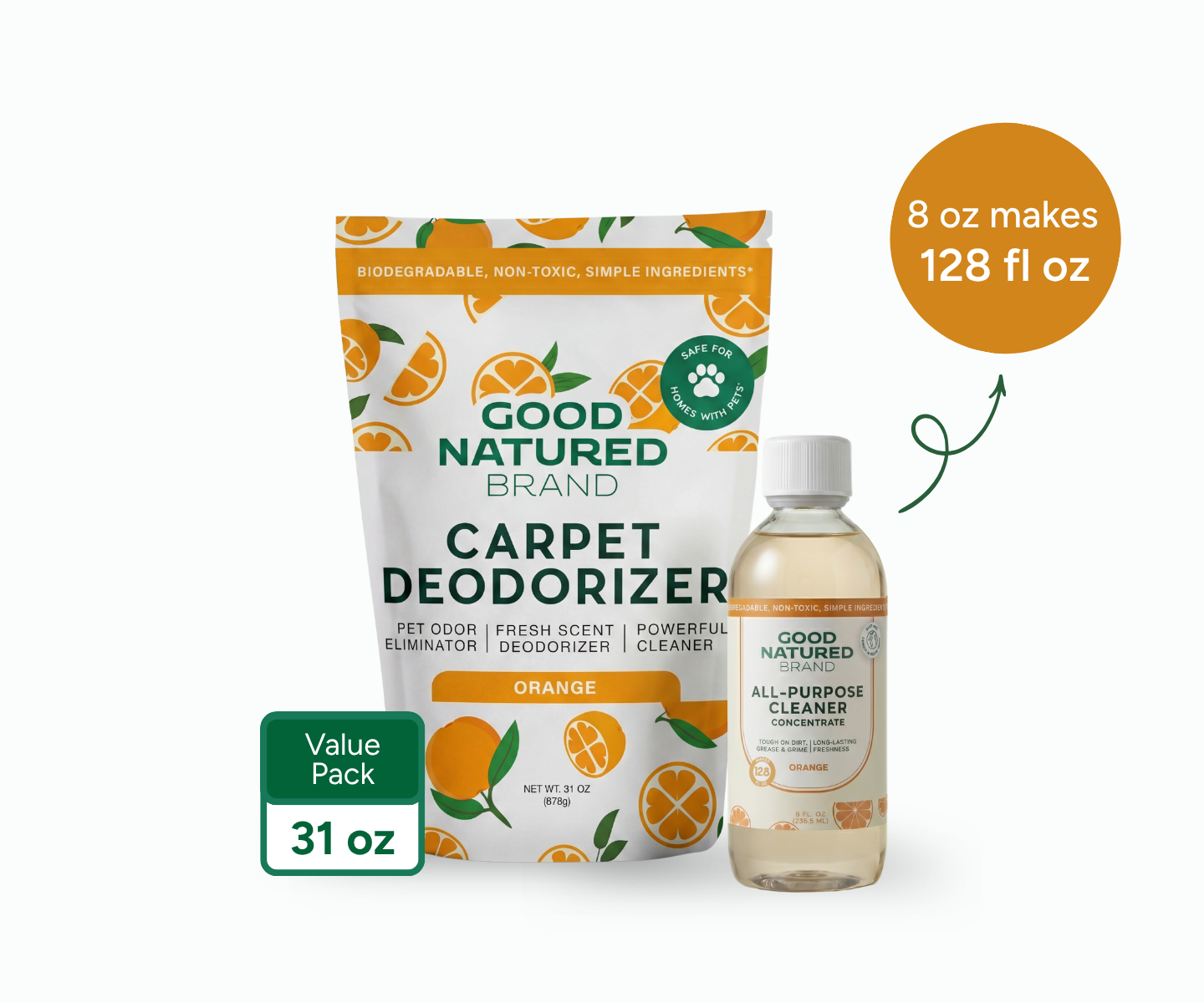
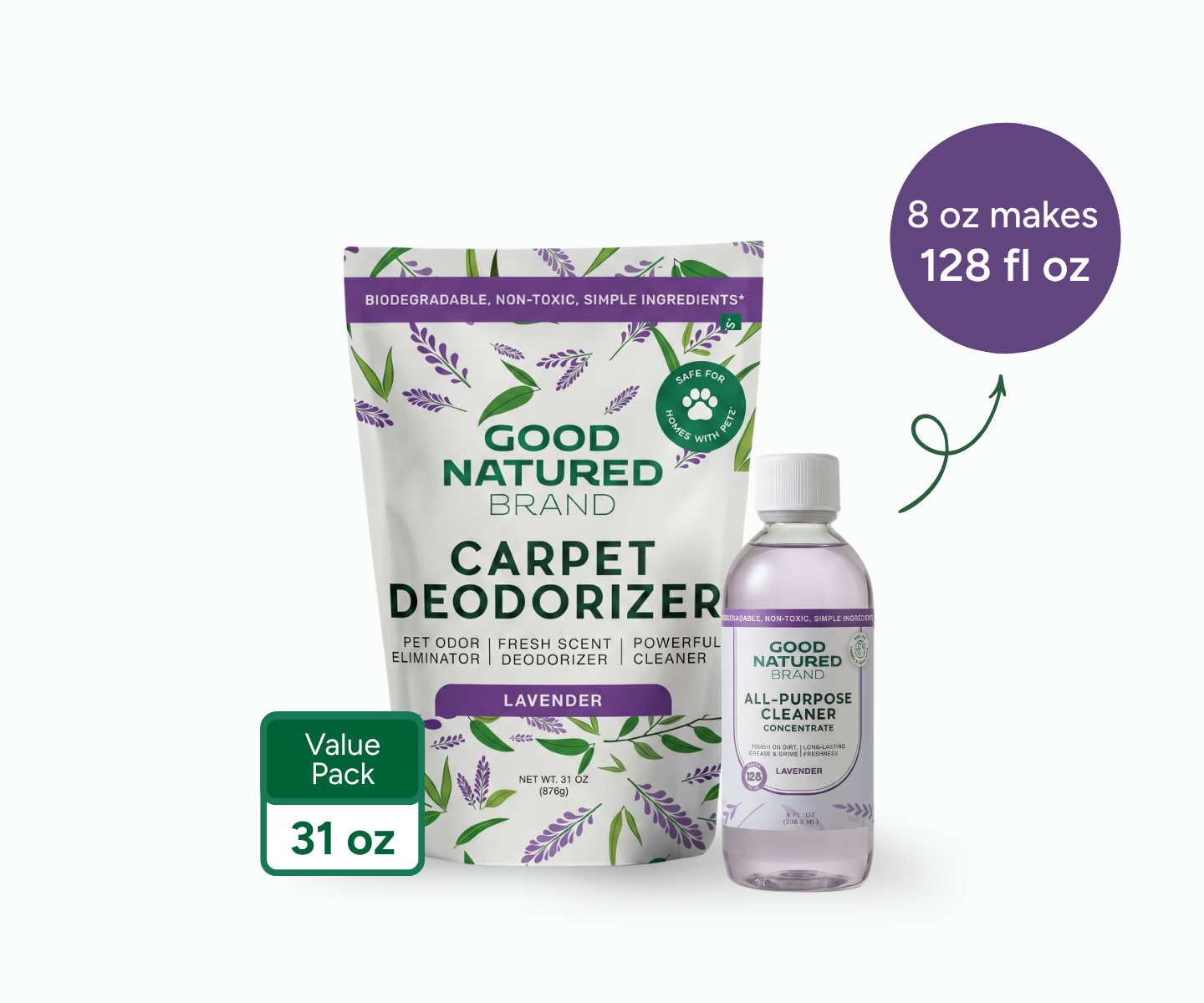
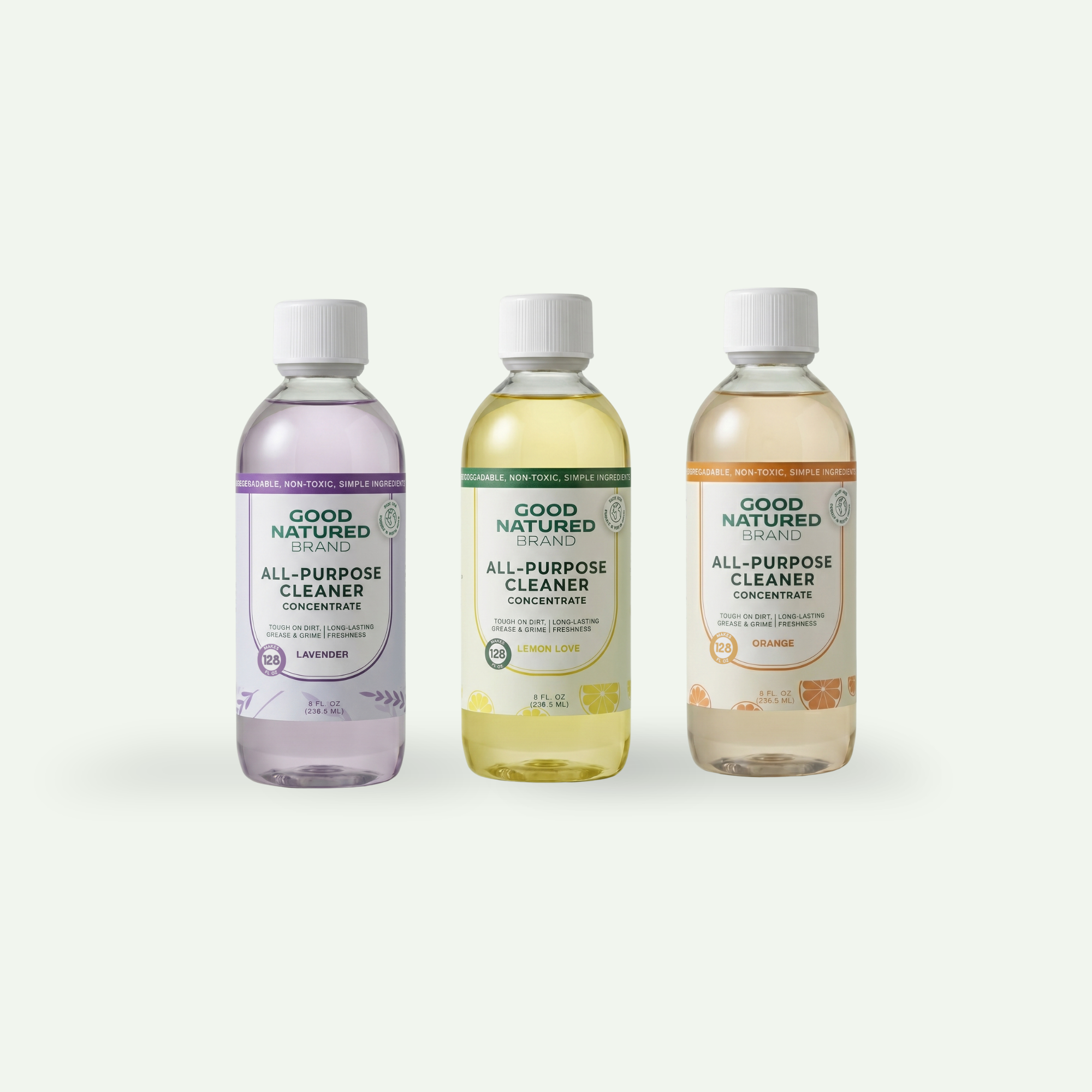
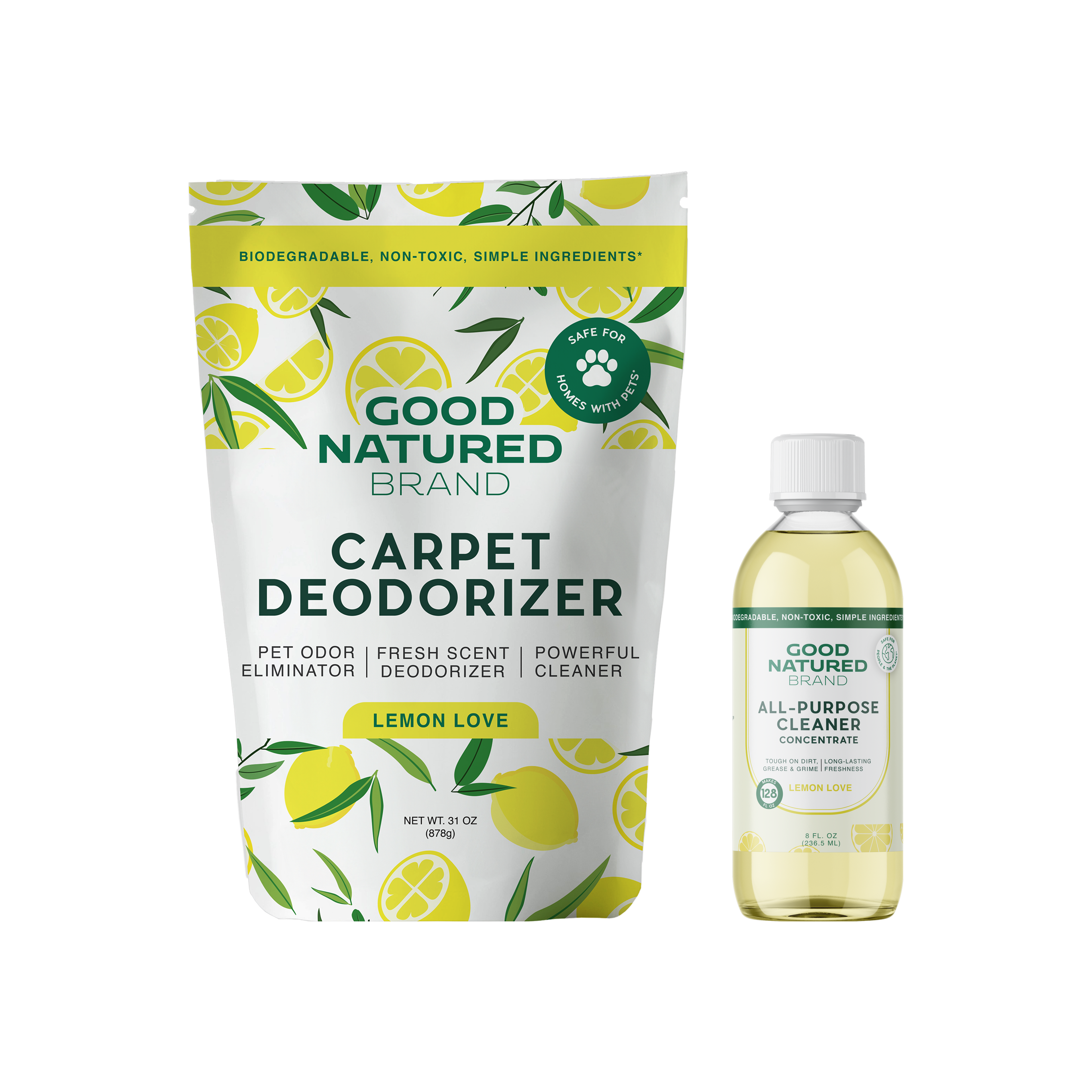
Good Natured Brand’s naturally formulated All-Purpose Cleaners are an example of pH-balanced, plant-powered products that work across kitchens, bathrooms, floors, and pet areas.
Surfactant Type
A product’s surfactants determine how it lifts dirt and grease:
-
Plant-derived surfactants such as decyl glucoside and coco-glucoside are mild and biodegradable.
-
Harsh surfactants (often petroleum-based) can damage coatings and finishes.
Plant-based cleaners are especially popular because they offer effective cleaning without corrosive additives.
Abrasiveness
Surface-safe products avoid:
-
Scouring agents
-
Gritty powders
-
Harsh scrubbing particles
Abrasive formulas can visibly scratch softer materials like acrylic, stainless steel, and sealed wood.
Presence of Essential Oils or Solvents
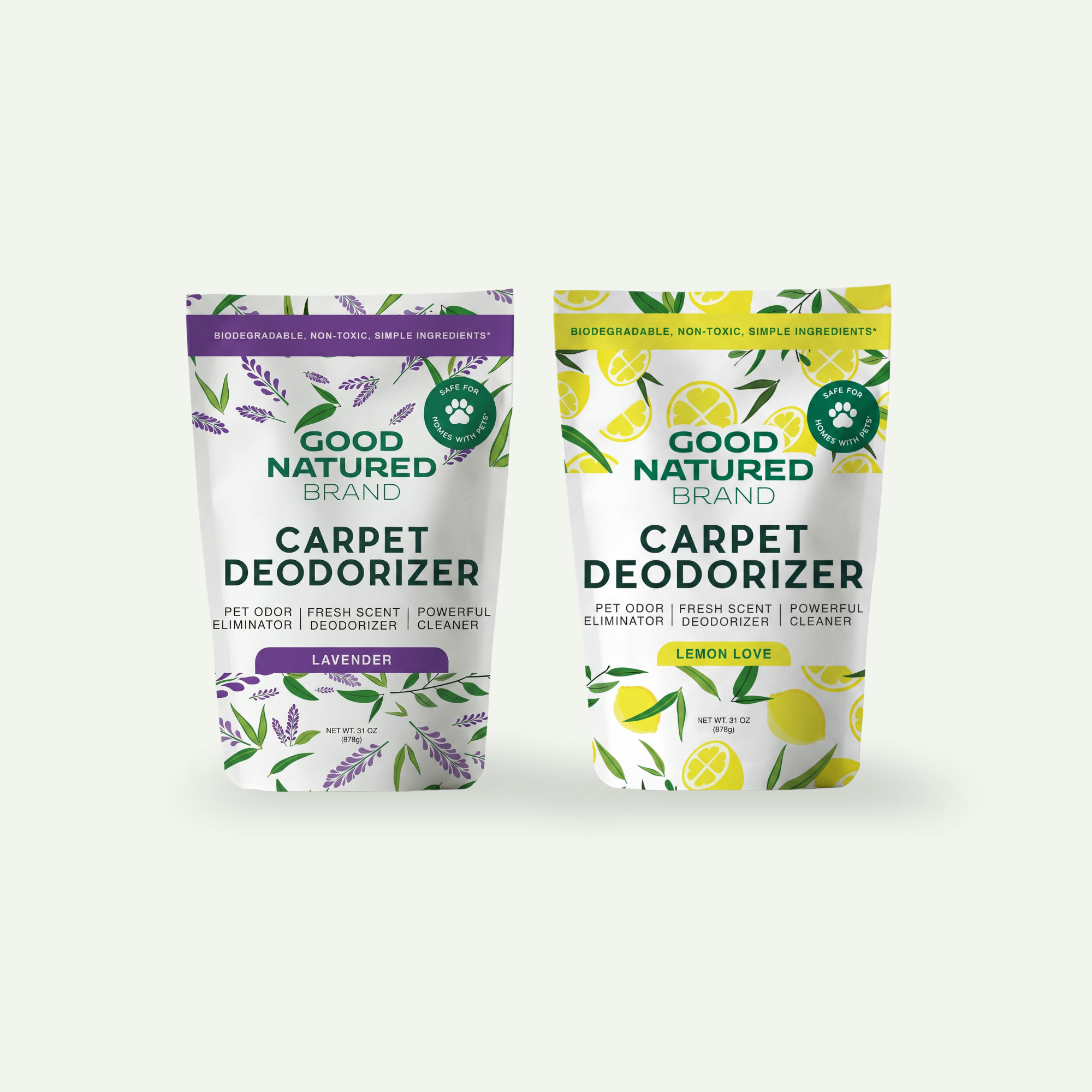
While natural and pleasant-smelling, certain oils (like citrus) can discolor porous surfaces. When essential oils are used responsibly—including in natural deodorizing products like Carpet Deodorizers—they enhance cleaning power without unnecessary risk.
The Science Behind Surface-Safe Cleaners
Understanding the science helps clarify why some products earn the label “safe for most surfaces.”
How Plant-Based Surfactants Work
Plant-based surfactants gently break the bond between dirt and the surface without stripping or damaging finishes. They create a mild lifting action that works on:
-
Counters
-
Floors
-
Bathroom surfaces
-
Wood furniture (sealed)
-
Stainless steel
This makes gentle solutions like natural All-Purpose Cleaners excellent candidates for regular, whole-home use.
Natural Acids and Stabilizers
Citric acid may appear in surface-safe cleaners because:
-
It dissolves mineral deposits and soap scum.
-
It helps maintain product stability.
In small, controlled amounts, citric acid does not damage most sealed surfaces.
Essential Oils and Botanical Ingredients
These are often used for:
-
Natural fragrance
-
Mild antimicrobial properties
-
Deodorizing
For example, eucalyptus and lemon—commonly found in plant-based Carpet Deodorizers—naturally freshen fabrics without synthetic scents.
What Surfaces Are Usually Included in “Most Surfaces”?
Most cleaners labeled “safe for most surfaces” are appropriate for a wide range of household materials.
Sealed Stone Surfaces
Examples include:
-
Sealed granite
-
Sealed marble
-
Quartz
-
Engineered stone
These surfaces can safely handle mild, neutral cleaners.
Tile, Porcelain, and Ceramic Surfaces
Because they are non-porous and durable, plant-based cleaners work extremely well on:
-
Shower tile
-
Backsplashes
-
Ceramic countertops
-
Bathroom floors
Stainless Steel, Chrome, and Other Metals
Gentle cleaners remove:
-
Fingerprints
-
Water spots
-
Grease
without scratching or dulling metal finishes.
Glass and Mirrors
Surface-safe cleaners typically don’t leave streaks or residues when used correctly.
Wood Surfaces (Sealed or Finished)
Safe for:
-
Polished wood furniture
-
Finished cabinets
-
Sealed floors
Neutral formulas protect the finish while removing dirt.
Carpets and Soft Surfaces
While not every multi-surface cleaner can be applied directly to fabrics, many natural freshening products—like Good Natured Brand’s Carpet Deodorizers—are designed to be safe for most soft surfaces.
Laundry and Fabrics
Surface-safe doesn’t stop at hard surfaces. Gentle, fragrance-free options like plant-based Laundry Powders are safe for:
-
Clothing
-
Pet bedding
-
Towels
-
Linens
-
Baby clothing
especially for households seeking lower-irritant washing options.
Surfaces That Are Not Included in “Most Surfaces”
Certain materials require special care and are not typically covered under “safe for most surfaces.”
Unsealed Stone
Unsealed granite, marble, limestone, and natural stone can absorb cleaners and become etched by acidic ingredients.
Unfinished or Raw Wood
Since it absorbs liquids, unfinished wood may stain, warp, or develop texture changes.
Shop the Product
Lemon freshness for every home.
Lavender calm for every home.
Orange energy for every home.
Mahogany warmth for every home.
Cherry blossom serenity for every home.
Cocoa butter comfort for every home.
Mandarin freshness for every home.
Champagne sparkle for every home.
Zesty freshness for every carpet.
Brass, Copper, and Specialty Metals
These reactive metals can lose their patina or tarnish quickly when exposed to some natural acids or essential oils.
Electronics and Screens
Even mild cleaners can damage anti-glare coatings or seep into device edges.
Matte or Specialty Coatings
Some cleaners cause streaking or gloss changes, especially on matte appliances or painted furniture.
Why “Safe for Most Surfaces” Matters for Pet Parents and Families
Surface safety is more than a convenience—it directly impacts the well-being of the people and pets who live in your home.
Safer for Paws, Skin, and Sensitive Households
Many conventional cleaners leave behind residues that may irritate skin or paws. Surface-safe, plant-based cleaners minimize these risks while still effectively cleaning.
Better Indoor Air Quality
Surface-safe cleaners tend to be free of unnecessary chemicals, reducing exposure to fumes, harsh fragrances, or volatile organic compounds (VOCs).
Broader Use Across the Home
Products like:
-
Natural All-Purpose Cleaners for counters, floors, and appliances
-
Plant-powered Laundry Powders for clothing and fabrics
-
Gentle Carpet Deodorizers for soft surfaces
provide a cohesive cleaning system that aligns with safety-conscious households.
How to Tell if a Cleaner Is Truly Surface-Safe
Not every product claiming to be “safe for most surfaces” lives up to it. Here's how to evaluate them.
Check the Ingredient List
Look for:
-
Plant-derived surfactants
-
Essential oils
-
Biodegradable cleaning agents
Avoid:
-
Chlorine
-
Ammonia
-
Harsh solvents
-
Abrasive particles
Review Brand Transparency
Brands that are genuinely surface-safe are open about:
-
Ingredient sourcing
-
Product testing
-
Safety guidelines
Good Natured Brand offers transparent, educational content on their blog to help homeowners understand safe cleaning.
Certifications That Support Safety
While not required, these signals help:
-
EPA Safer Choice
-
USDA BioPreferred
-
Cruelty-free certifications
-
Hypoallergenic testing for sensitive households
The Importance of Spot-Testing Before Full Use
Spot-testing is a simple step that most people skip, but it’s one of the smartest ways to protect your surfaces—especially those that are porous, delicate, or expensive to repair.
Why Spot-Testing Matters
Even a surface-safe formula may react differently depending on:
-
Sealants
-
Age of the surface
-
Porosity
-
Chemical residues from previous cleaners
-
Heat exposure or wear
Spot-testing prevents surprises such as discoloration, streaking, or dulling.
How to Spot-Test Properly
-
Choose a small, hidden area (under an appliance, behind décor, along an edge).
-
Apply a tiny amount of the cleaner.
-
Wait 1–2 minutes.
-
Wipe clean and inspect for changes in texture, shine, or color.
-
After 24 hours, double-check that the finish still looks normal.
This simple method is essential for surfaces like natural stone, stainless steel, matte finishes, leather, and exotic woods.
Which Surfaces Require Extra Caution
Even with gentle cleaners—especially plant-based options—you should understand which materials need additional care.
Natural Stone With Unsealed or Worn Sealants
Unsealed stone absorbs liquid quickly, and acidic components—like natural citrus oils—can etch marble, limestone, and granite.
Unfinished or Bare Wood
Water can swell or warp unprotected wood. Surface-safe doesn’t mean "safe for raw materials."
Matte, Satin, or Specialty Finishes
Matte appliances, cabinetry, and furniture can streak or develop shiny spots if the wrong cleaner dissolves part of the finish.
Polished Metals and Specialty Hardware
Brass, copper, and lived-in metals develop patina; cleaners may strip or alter it unintentionally.
Textiles and Carpets
Always confirm that a product is fabric-safe before using. For deodorizing purposes, naturally derived Carpet Deodorizers are designed specifically to freshen soft surfaces without damaging the fibers.
Pairing the Right Cleaner With the Right Surface
Choosing the correct product for the task is just as important as choosing a safe formula. Even the gentlest cleaner performs best when paired with the appropriate surface.
Shop the Product
Lemon freshness for every home.
Lavender calm for every home.
Orange energy for every home.
Mahogany warmth for every home.
Cherry blossom serenity for every home.
Cocoa butter comfort for every home.
Mandarin freshness for every home.
Champagne sparkle for every home.
Zesty freshness for every carpet.
When to Use All-Purpose Cleaners
Plant-based All-Purpose Cleaners shine in everyday cleaning tasks such as:
-
Kitchen countertops
-
Backsplashes
-
Stainless steel appliances
-
Bathroom counters
-
Sealed wood furniture
-
High-touch surfaces
They are ideal for removing fingerprints, smudges, food residue, and everyday grime without damaging finishes.
When Carpet Deodorizers Are the Better Choice
For carpets, rugs, pet bedding, car upholstery, and fabric sofas, powders like Carpet Deodorizers provide natural odor absorption without wetting the material. They’re perfect for:
-
Neutralizing pet odors
-
Refreshing high-traffic areas
-
Deodorizing upholstered furniture
When Laundry Powders Should Be Used Instead of Surface Sprays
Some surfaces are porous or fabric-based, making laundering a safer approach. Plant-based Laundry Powders are ideal for:
-
Clothes
-
Curtains
-
Couch slipcovers
-
Towels
-
Bedding
-
Pet blankets
These powders clean deeply while avoiding harsh fragrances or irritants, making them excellent for households with children or pets.
How to Avoid Damaging Sensitive Surfaces
Even with surface-safe formulas, misuse can cause unintended damage. Following these guidelines protects your home’s most delicate materials.
Understanding Surface Porosity
Porous materials (stone, raw wood, grout, concrete) absorb liquids and may react chemically. Always check whether the surface is sealed, and clean with gentle, balanced formulas when possible.
Avoid Using Abrasive Tools
Even surface-safe cleaners can cause damage when paired with the wrong tool. Avoid:
-
Steel wool
-
Harsh scouring pads
-
Abrasive powder cleaners
-
Tools with metal edges
Instead, use:
-
Microfiber cloths
-
Soft sponges
-
Soft-bristle brushes
These clean effectively without scratching.
The Risk of Over-Cleaning
Using too much cleaner or cleaning too frequently can:
-
Strip finishes
-
Dull shine
-
Cause buildup
-
Weaken wood sealants
Moderation and product rotation are key.
How Plant-Based Brands Maintain “Surface-Safe” Quality
Not all "surface-safe" cleaners are created equal. The best brands ensure their formulas are non-toxic, gentle, and extensively tested.
Ingredient Selection Focused on Gentleness
High-quality cleaners use:
-
Plant-derived surfactants
-
Neutral pH balances
-
Biodegradable ingredients
-
Naturally sourced fragrance components
Good Natured Brand’s All-Purpose Cleaners and other products are formulated this way to ensure safety across a wide variety of surfaces.
Testing and Quality Control
Reliable plant-based brands perform:
-
Surface compatibility testing
-
Material-specific evaluations
-
Safety checks for residue and streaking
-
Long-term durability studies
This ensures consistent performance.
Why Good Natured Brand Is Trusted
Good Natured Brand’s entire cleaning collection prioritizes:
-
Transparency
-
Natural ingredients
-
Family and pet safety
-
Performance without compromise
Households appreciate the ability to clean extensively using only a few versatile, non-toxic products, such as Carpet Deodorizers, Laundry Powders, and All-Purpose Cleaners.
Real-World Scenarios: What “Surface-Safe” Means in Daily Cleaning
Understanding how surface-safe cleaners function in everyday life helps clarify when they should—and shouldn’t—be used.
Cleaning Kitchen Counters
Surface-safe cleaners are excellent for:
-
Food spills
-
Oil splatters
-
Crumbs
-
Sticky residues
Always ensure that marble or granite is sealed to prevent etching.
Cleaning Floors in High-Traffic Areas
Whether cleaning children’s play areas or pet zones, surface-safe cleaners protect flooring from moisture damage and dullness while effectively removing dirt.
Cleaning Carpets and Soft Surfaces
Using surface sprays on carpets is not always ideal—stick to products formulated for fabric odor removal such as Carpet Deodorizers.
Cleaning Laundry and Fabric Items
When dealing with anything fabric-based, including pet beds and blankets, relying on gentle Laundry Powders ensures deep cleaning without surface damage.
Common Mistakes When Using “Surface-Safe” Cleaners
Avoid these frequent errors to protect your home:
Assuming All Surfaces React the Same
Even sealed surfaces vary. Quartz and granite behave differently; laminate and hardwood require different moisture levels.
Using Too Much Product
More cleaner does not equal a cleaner surface—it may leave streaks, build-up, or sticky residue.
Not Allowing Surfaces to Dry Properly
Standing moisture is one of the top causes of:
-
Swelling in wood
-
Water spots
-
Bacteria growth
-
Surface streaking
Always wipe dry after cleaning.
How to Build a Surface-Safe Cleaning Routine
A consistent routine ensures every area of your home is cleaned safely and effectively.
Shop the Product
Lemon freshness for every home.
Lavender calm for every home.
Orange energy for every home.
Mahogany warmth for every home.
Cherry blossom serenity for every home.
Cocoa butter comfort for every home.
Mandarin freshness for every home.
Champagne sparkle for every home.
Zesty freshness for every carpet.
Create Cleaning Zones
Divide your home into:
-
Kitchen and food-prep zones
-
High-touch areas
-
Bathrooms and wet zones
-
Bedrooms and fabrics
-
Pet areas
This helps you choose the right product for each space.
Choose the Right Natural Product for Each Zone
-
Kitchen & bathroom surfaces:
Use All-Purpose Cleaners for counters, appliances, stainless steel, and tiles. -
Fabric and laundry items:
Use Laundry Powders for linens, clothing, and pet bedding. -
Carpeted and upholstered areas:
Refresh with Carpet Deodorizers to eliminate odors naturally.
Maintain Surfaces With Preventive Care
-
Use mats and coasters
-
Avoid abrasive scrubbing
-
Keep surfaces dry
-
Reseal stone regularly
These habits reduce long-term wear.
What “Safe for Most Surfaces” Really Means
Understanding what “safe for most surfaces” really means empowers you to choose cleaners confidently and use them correctly. By learning how surfaces react to different ingredients, how to spot-test, and which products to use where, you protect your home’s materials and ensure long-lasting cleanliness.
For families and pet parents who want safe, effective cleaning without harsh chemicals, exploring natural cleaning solutions—from versatile All-Purpose Cleaners to gentle Laundry Powders and refreshing Carpet Deodorizers—can transform everyday cleaning.