Insights Inspired by “3 Mistakes That RUIN Your Dog’s RECALL” by Hamilton Dog Training
A reliable recall, your dog coming when called every time, is one of the most important skills you can teach your dog. It keeps them safe, builds trust, and makes off-leash adventures far more enjoyable. But as simple as the command may sound, many dog owners unknowingly sabotage their own recall training efforts.
In the YouTube video “3 Mistakes That RUIN Your Dog’s RECALL” from the channel Hamilton Dog Training, viewers gain an in-depth look at the most common errors that prevent dogs from developing consistent recall skills. In this blog, we expand on those insights, break down the behavioral science behind effective training, and explain practical solutions you can use to build strong and dependable recall—both on and off leash.
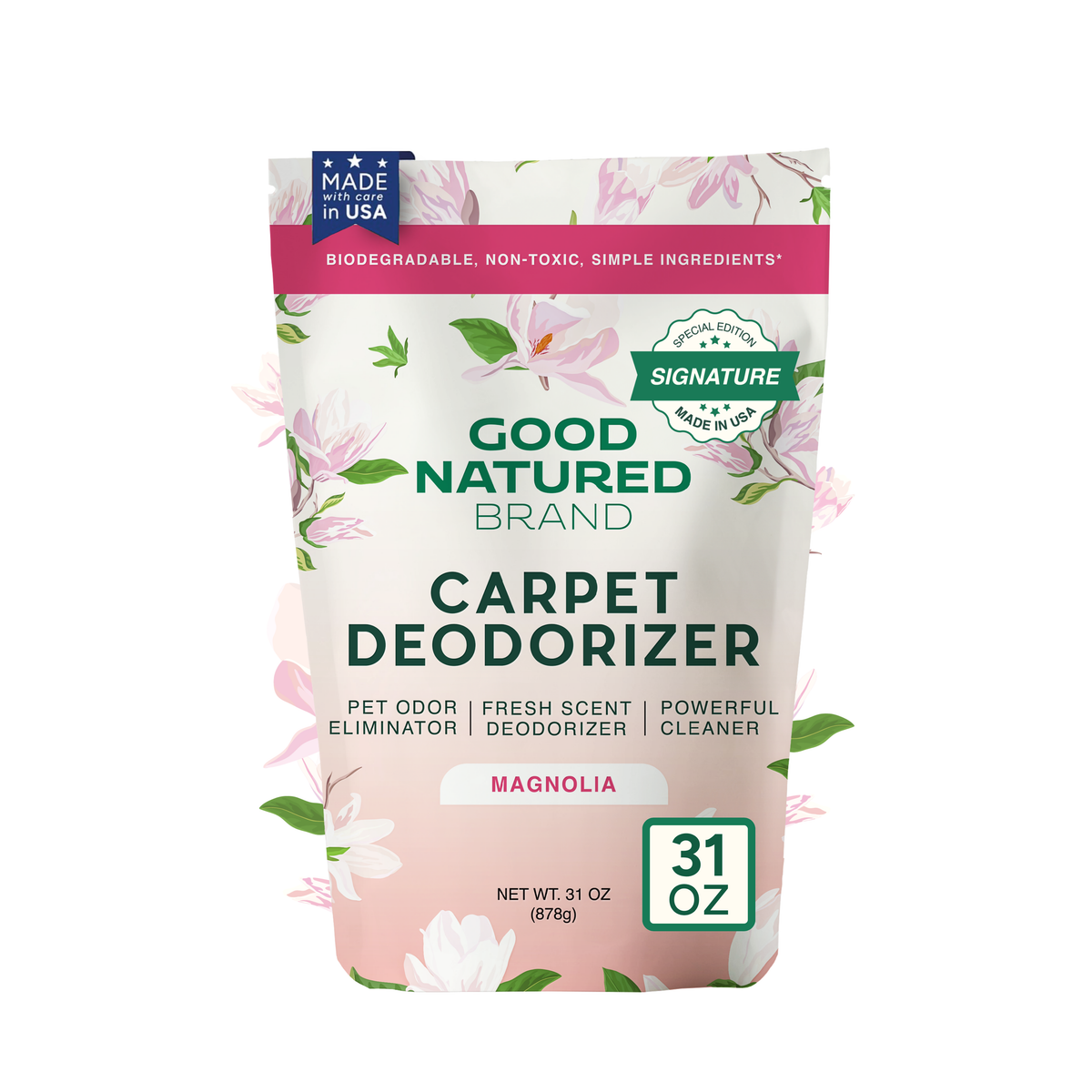
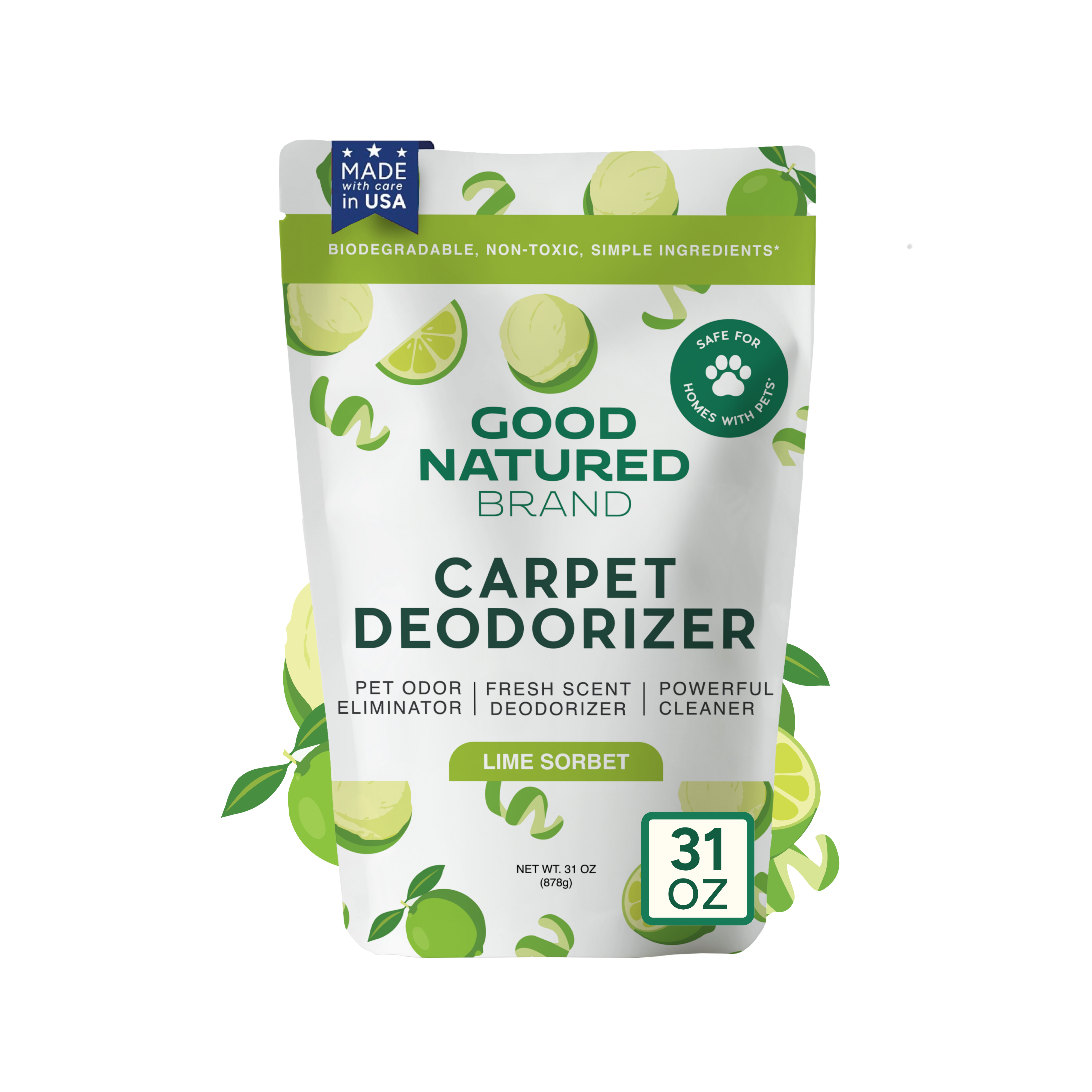
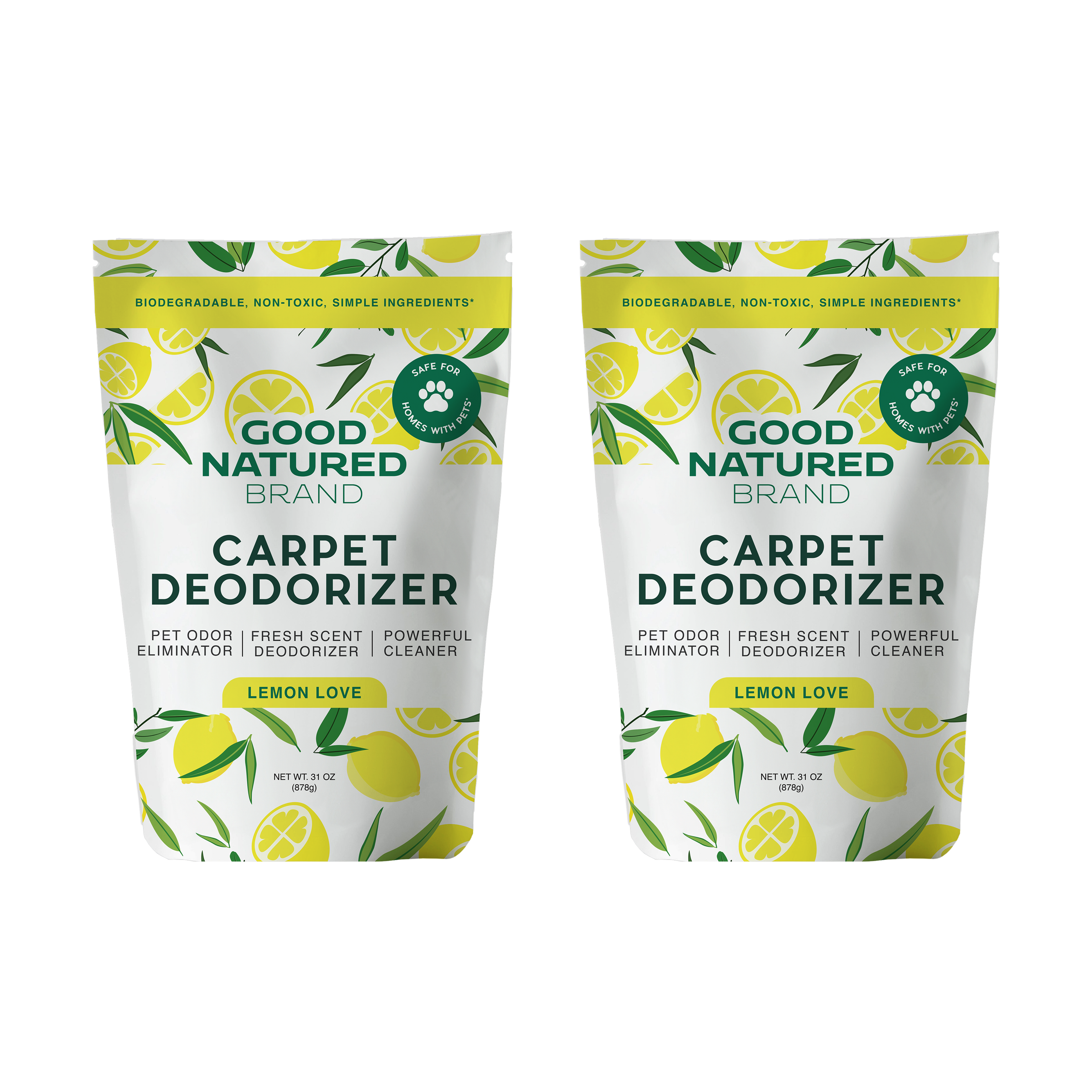
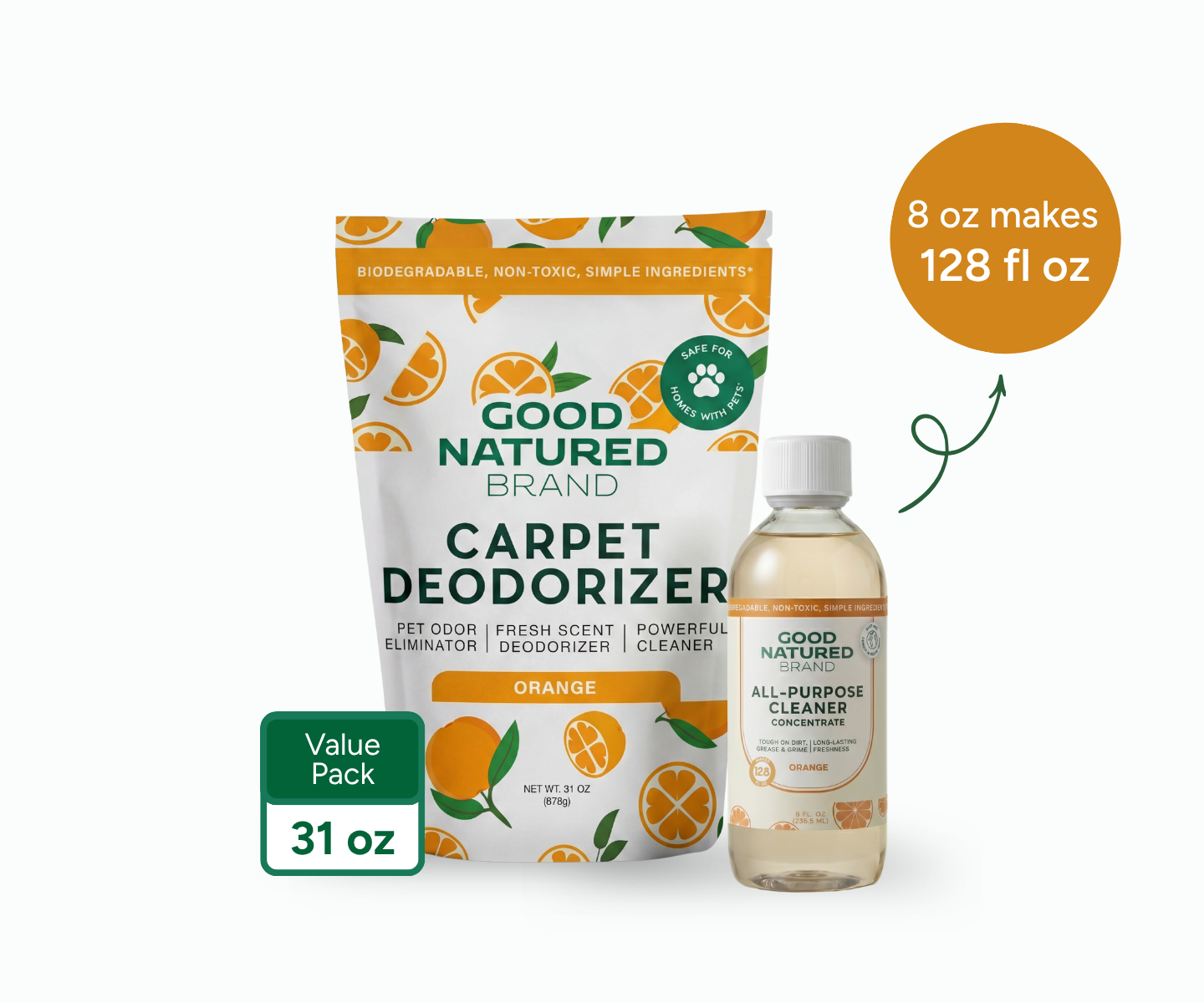
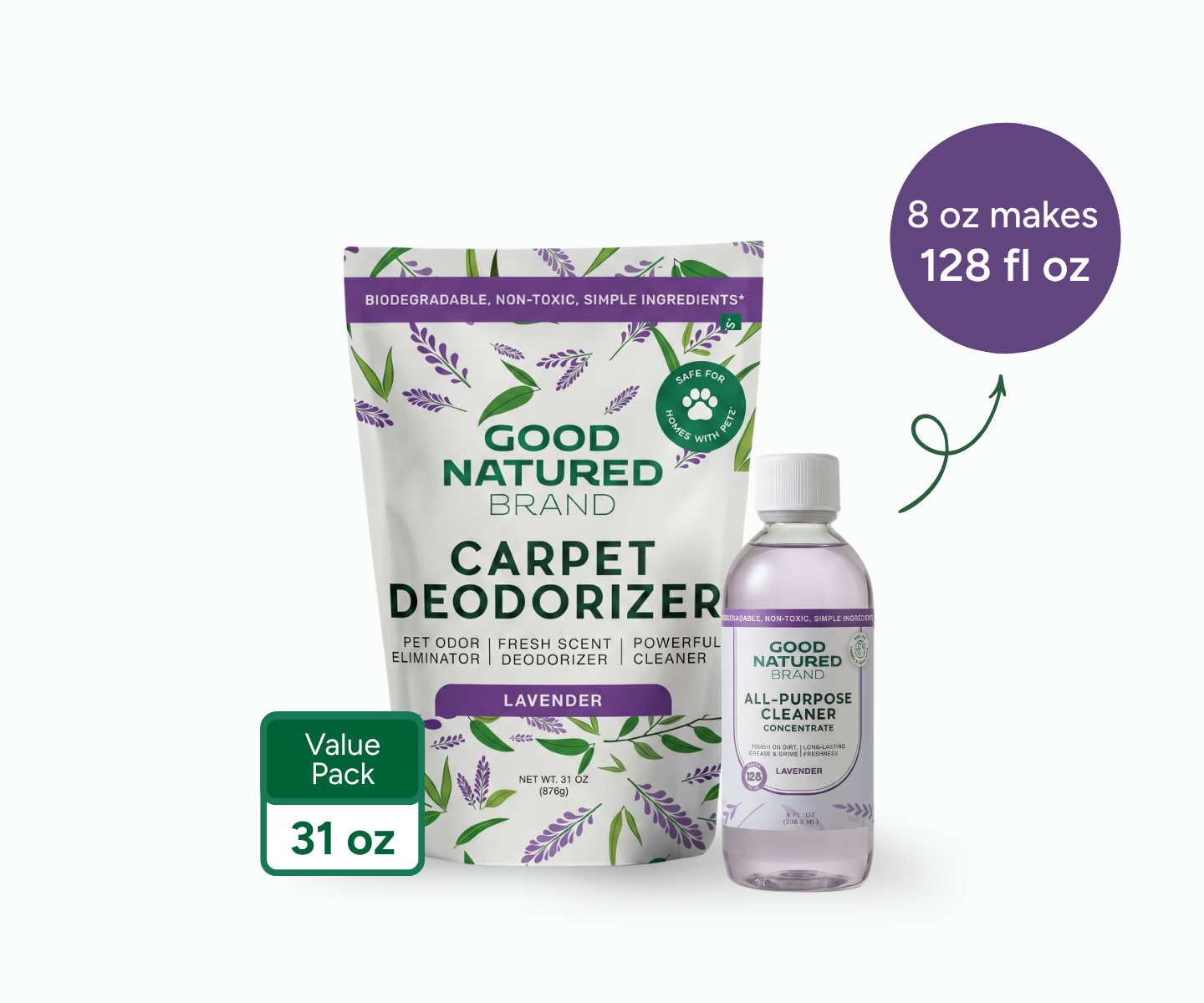
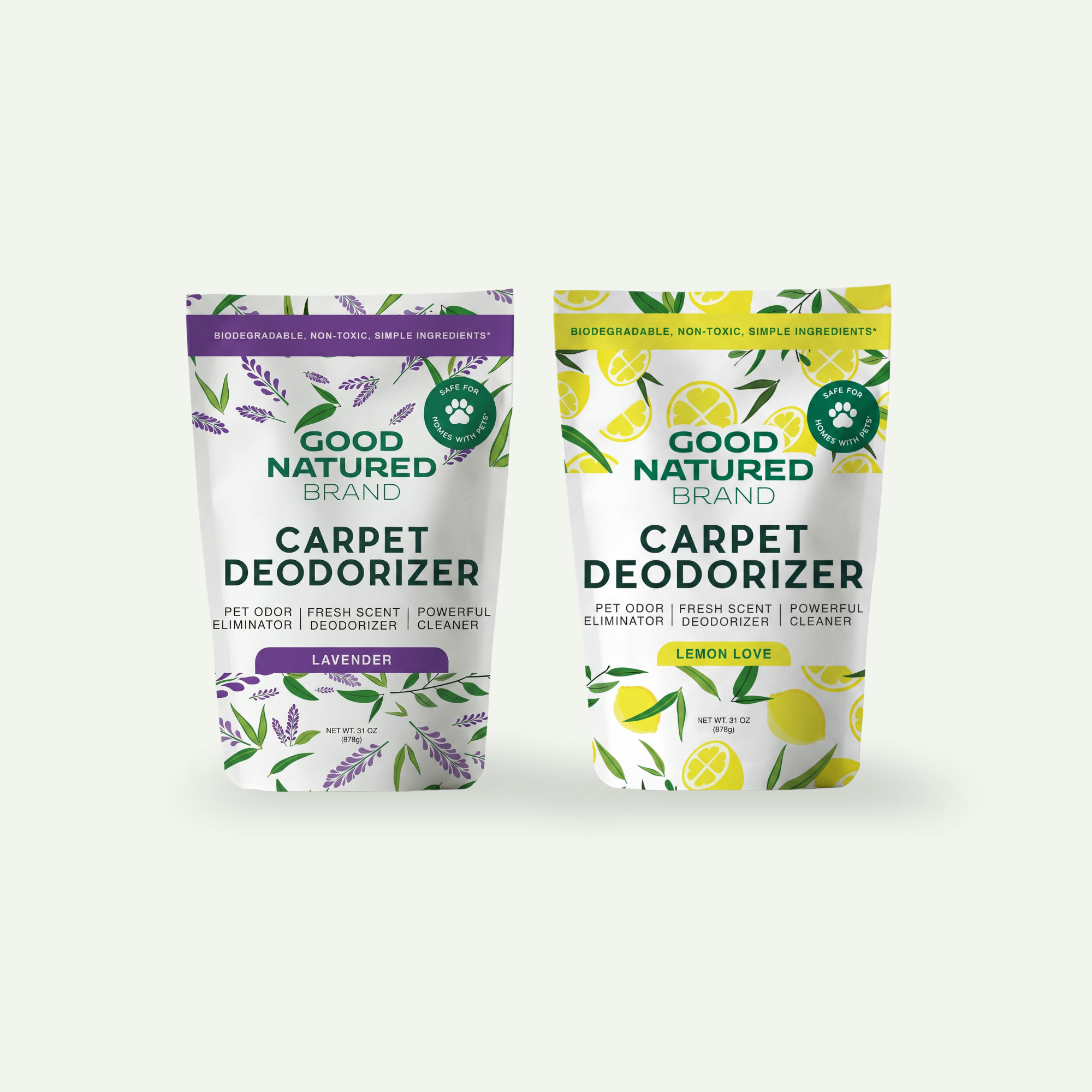
Whether your dog loves exploring the woods, tearing around dog parks, or racing through your living room before flopping on your freshly cleaned carpets (thank goodness for Carpet Deodorizers), reliable recall is a must-have skill.
Let’s dive into what truly makes or breaks recall training.
Why Recall Training Fails for So Many Dogs
Training recall isn’t just about your dog learning the word “come.” It’s about teaching your dog that returning to you is always rewarding—no matter what distractions are around or how much fun they’re already having.
But three major mistakes can completely unravel all your hard work.
Mistake One: Punishing the Recall
One of the most damaging errors dog owners make is punishing their dog after the dog finally comes back. The video illustrates this perfectly with a relatable story:
A golden retriever is running joyfully through a busy park, ignoring its owner’s repeated calls. When the dog eventually returns, the frustrated owner immediately leashes the dog and leaves the park.
What the Dog Learns
Not what you think.
To the dog, “coming when called” resulted in:
-
Fun ending
-
Freedom disappearing
-
Owner frustration
Meanwhile, ignoring the call was rewarded with:
-
More running
-
More play
-
More freedom
So next time, the dog is even less motivated to come back.
Why This Happens
This is rooted deeply in behavioral science:
-
Behaviors that are rewarded increase.
-
Behaviors that are punished decrease.
When you punish your dog after they come to you, you’re effectively punishing the recall itself.
The Fix
-
Always reinforce recall—every time.
-
Even if the dog took too long, celebrate the return.
-
Never punish the dog for coming to you, even if their timing frustrates you.
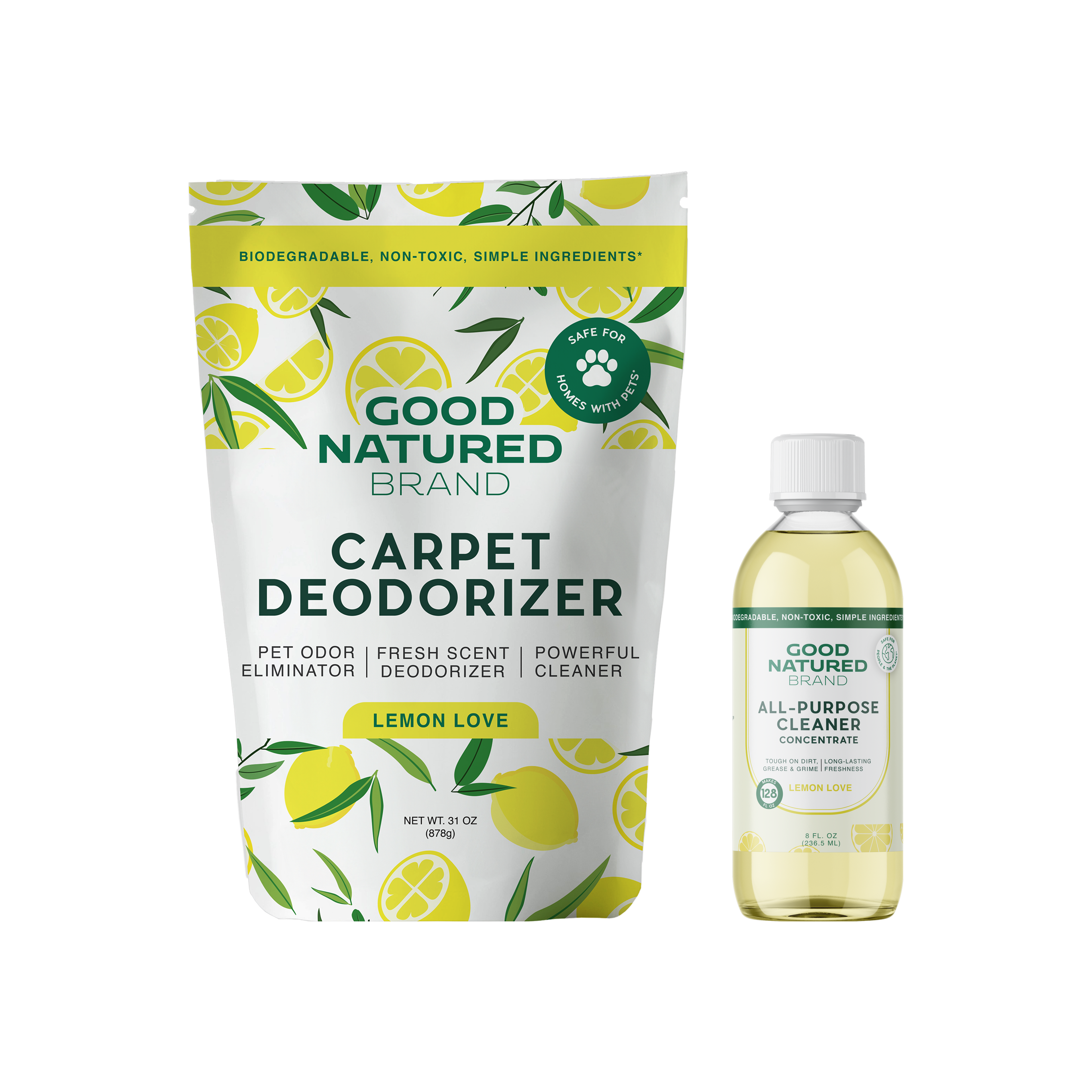
And if park dirt or grass sticks to your dog during training, a quick wipe-down with gentle, pet-safe products like an All-Purpose Cleaner helps keep your home clean when you return.
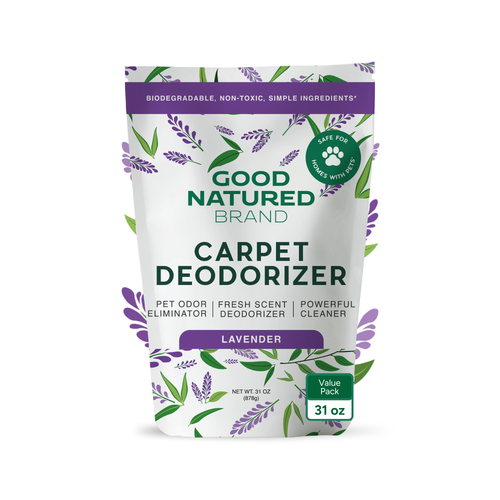
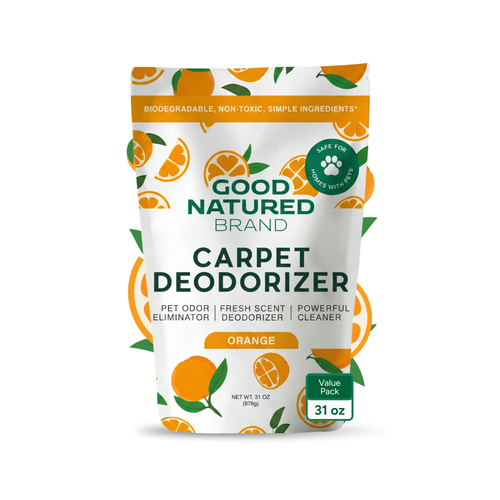
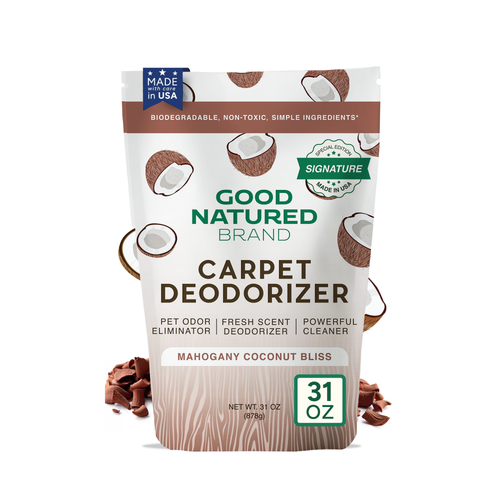
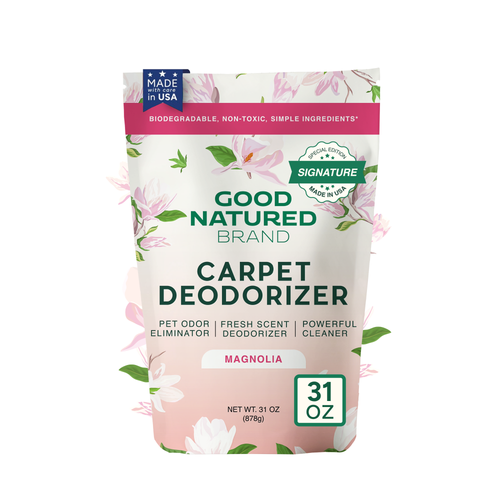
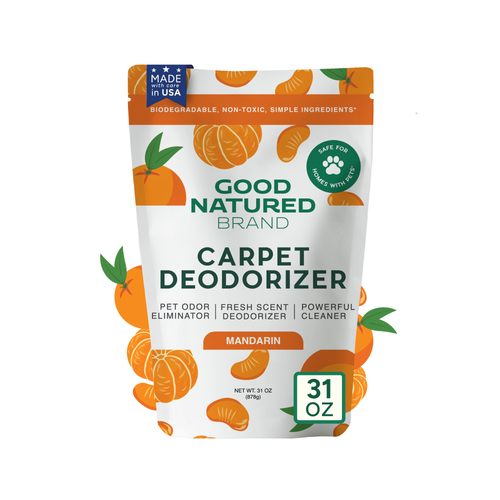

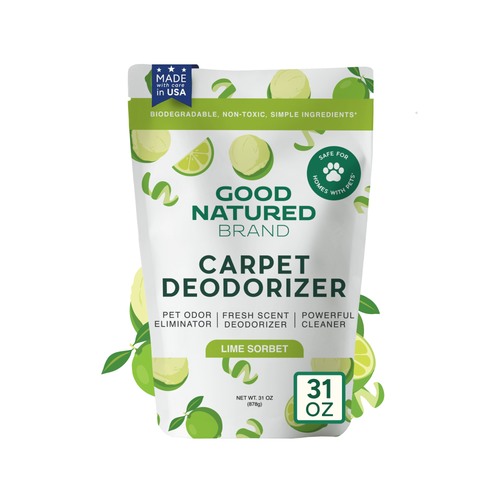
Shop the Product
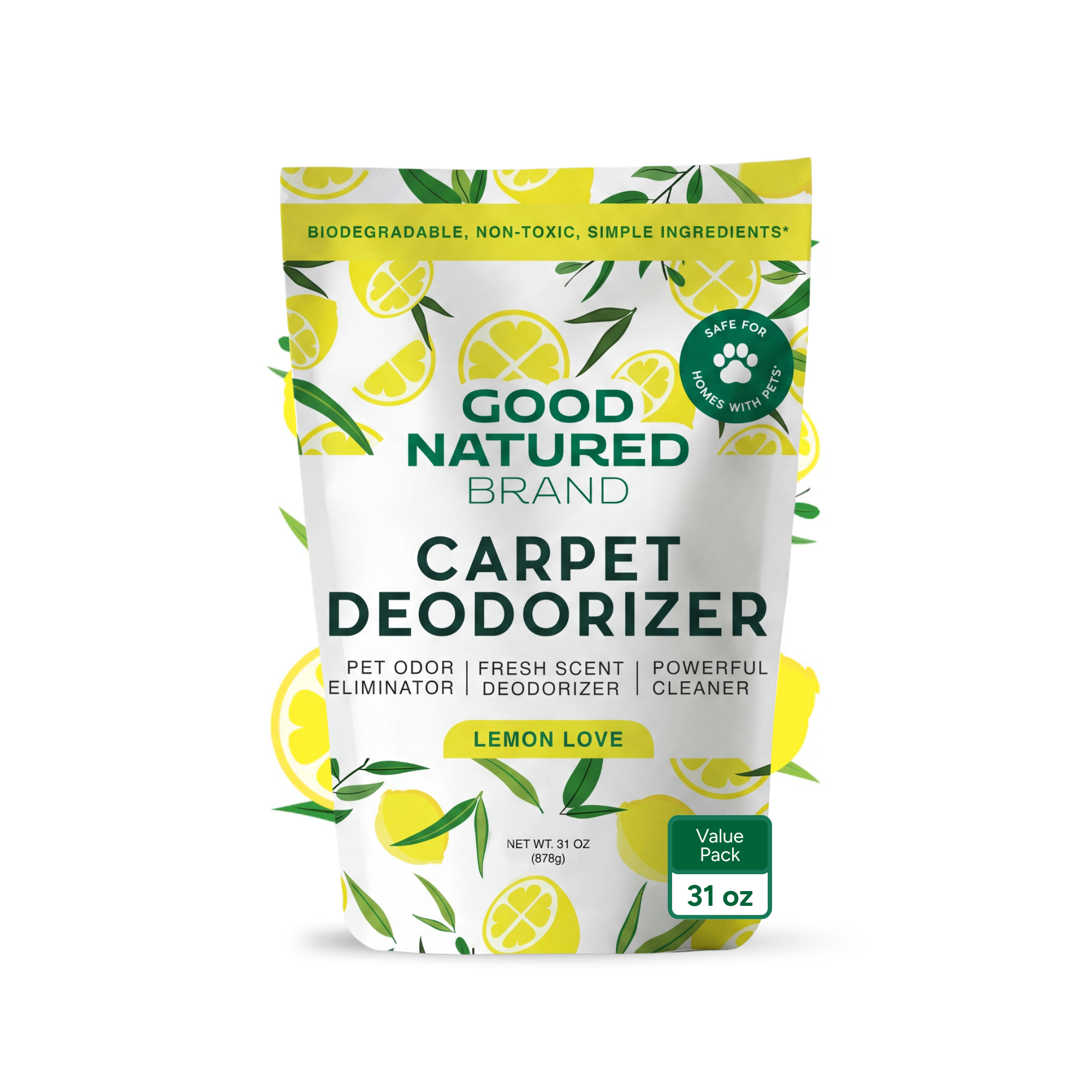
Lemon freshness for every home.
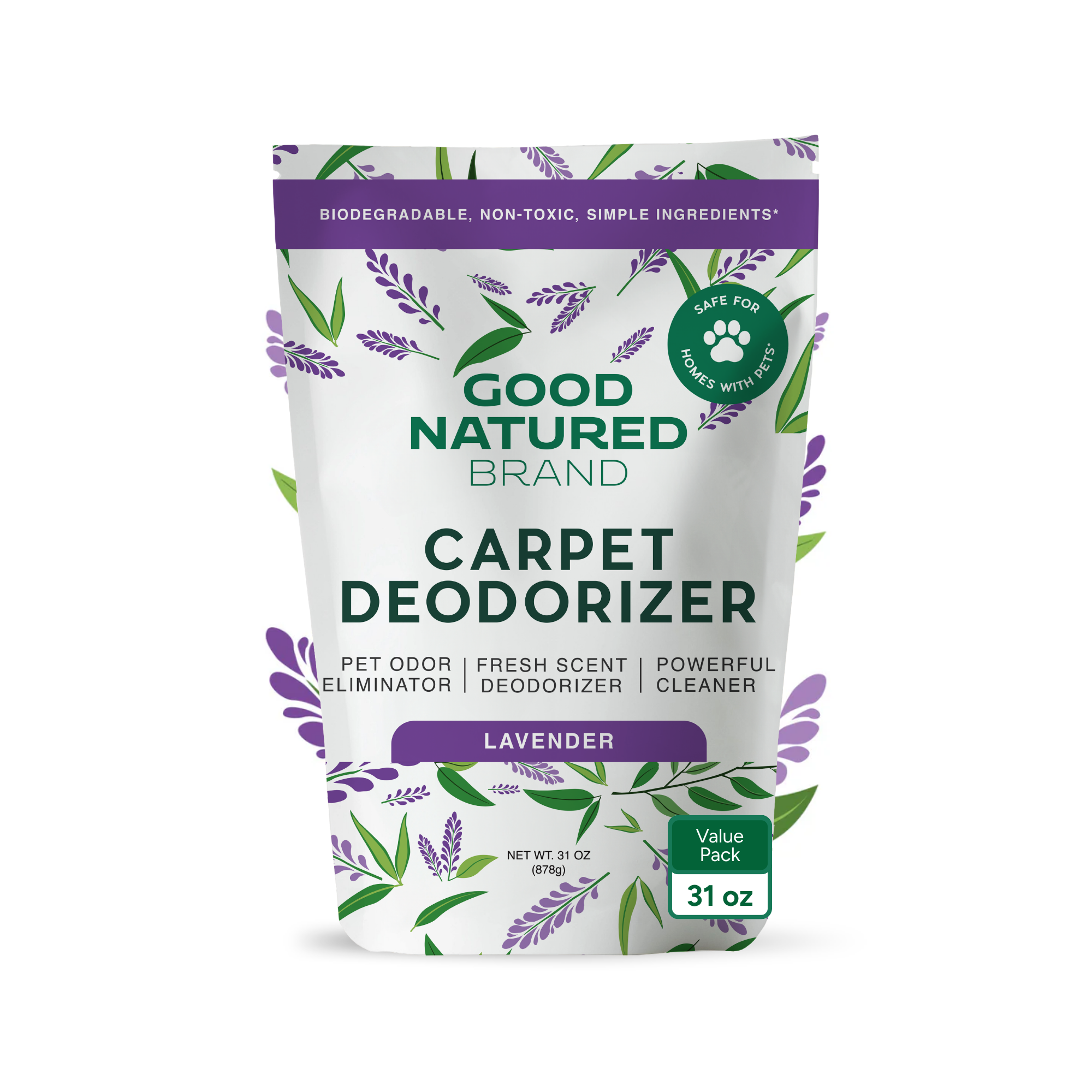
Lavender calm for every home.
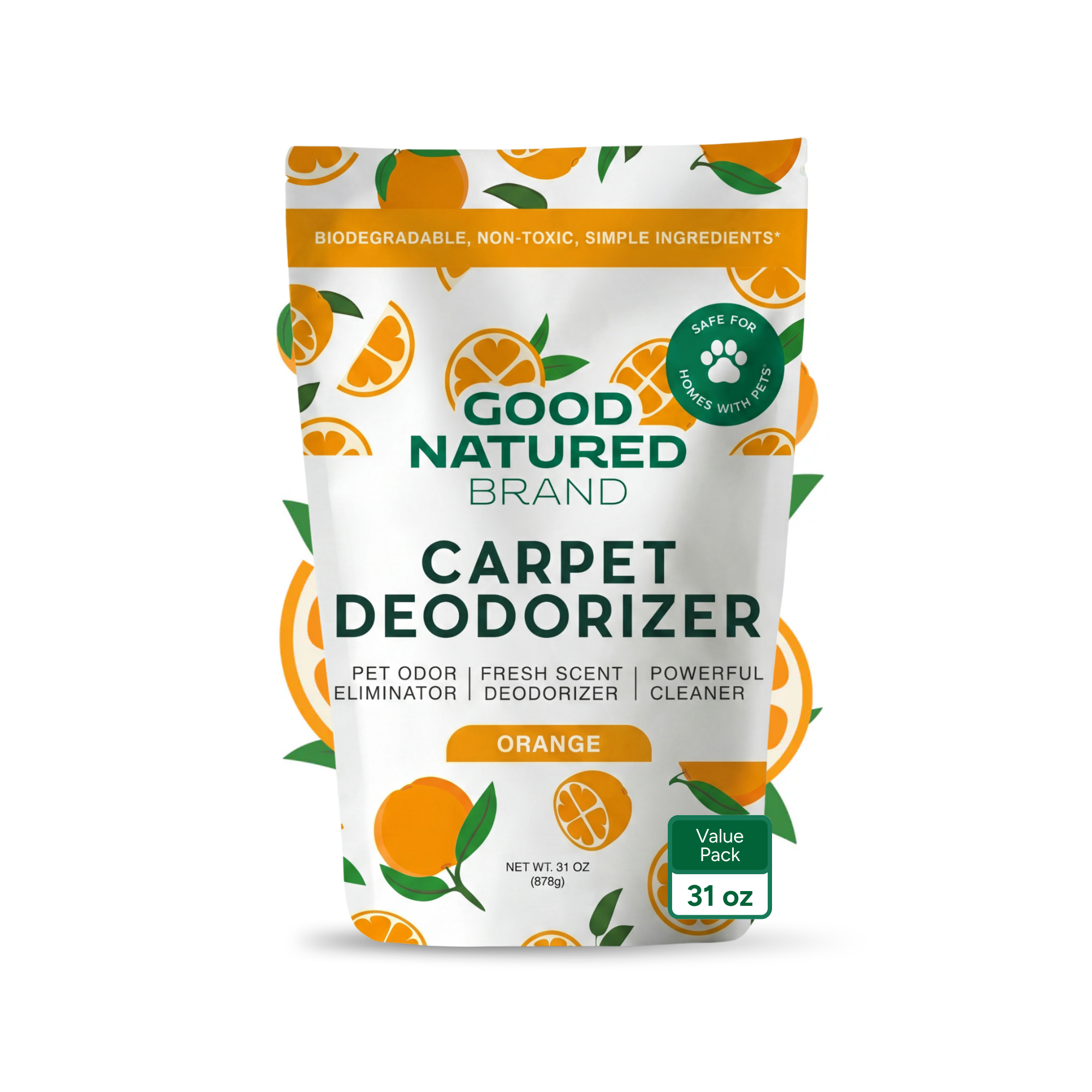
Orange energy for every home.
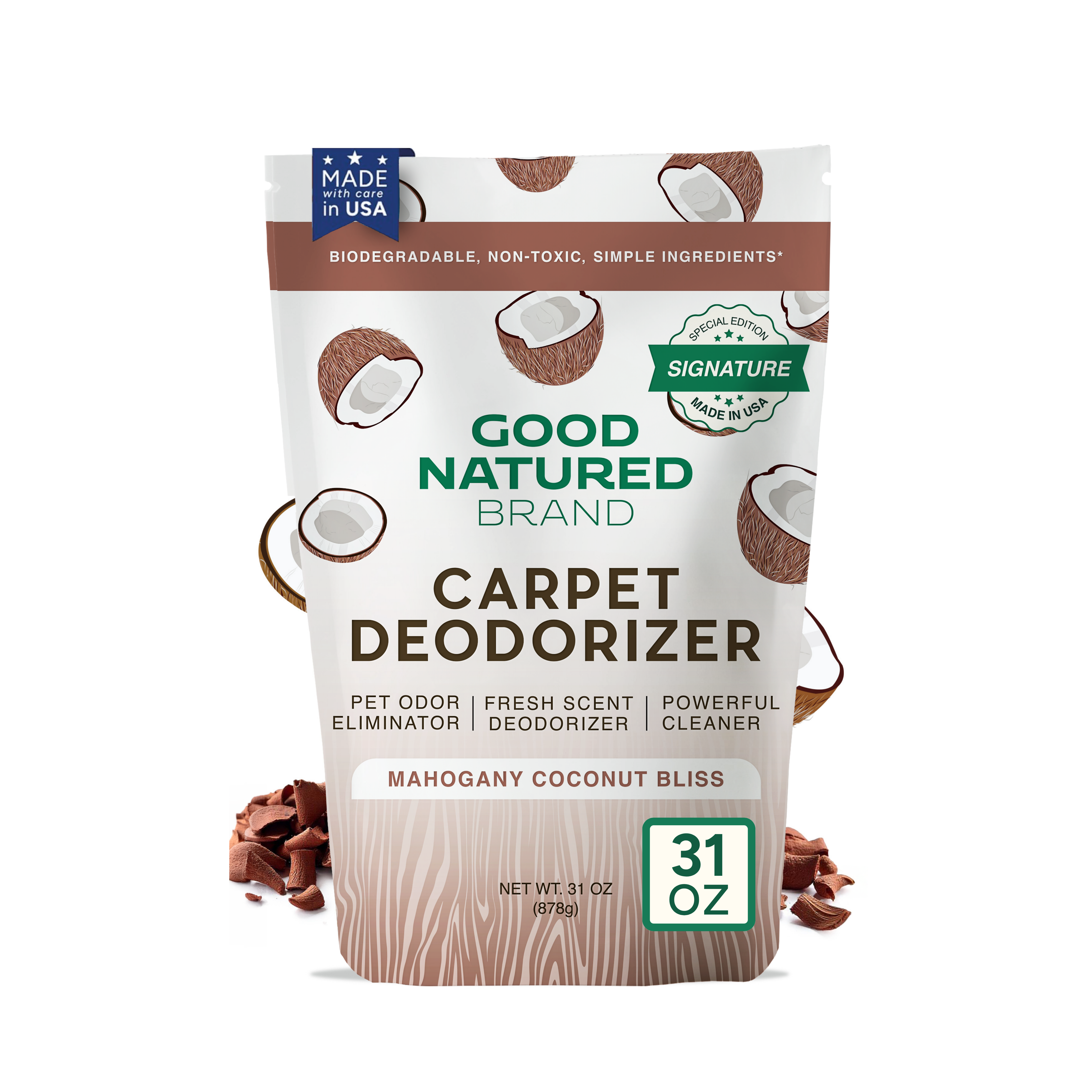
Mahogany warmth for every home.
Mandarin freshness for every home.
Champagne sparkle for every home.
Zesty freshness for every carpet.
Mistake Two: Training Only in Low-Distraction Environments
Many owners teach recall in the living room, backyard, or quiet areas with treats in hand. And the dog does respond—beautifully!
But the moment the dog sees a squirrel or another dog at the park?
Suddenly, “come” means nothing.
Why Treats Stop Working
In real-world environments, distractions offer stronger reinforcement than your treats.
To the dog, the trade-off looks like this:
-
Squirrel = thrilling, natural reward
-
Treat = predictable, low-level reward
No amount of cheese can compete with the joy of zoomies.
The Fix: Combining Positive and Negative Reinforcement
The video recommends pairing:
-
Positive reinforcement → treats for coming
-
Negative reinforcement → gentle leash pressure on a long line when the dog ignores the cue
Here’s how it works:
-
You call your dog.
-
If they ignore you, apply controlled pressure on a long line.
-
The moment they turn toward you, release the pressure.
-
When they reach you, reward with treats.
This creates a meaningful contrast:
-
Coming to you = treats + relief
-
Ignoring you = gentle, consistent pressure
Over time, this builds recall habits that hold up against distractions.
Just remember to wash muddy long lines or training clothes at the end of each session—our Laundry Powders are perfect for removing outdoor dirt and dog odors safely.
Mistake Three: Assuming Long-Line Success Means Off-Leash Reliability
Owners often feel confident after several successful weeks of long-line recall training. The dog seems responsive, attentive, and consistent.
So they try off leash—and suddenly, it’s like the dog has never heard the word “come” before.
Why This Happens
Dogs know the difference between being on leash and off leash. When on a long line:
-
There are consequences for ignoring recall.
-
Reinforcement happens consistently.
But off leash:
-
Many dogs learn there are no consequences for ignoring recall.
-
Reinforcement becomes optional—or nonexistent.
The Fix: Introducing an E-Collar (Properly)
The presenter emphasizes that an e-collar is the only tool capable of creating immediate negative reinforcement at a distance.
When used correctly:
-
It is not a punishment tool
-
It is not used harshly
-
It is used at low, consistent levels as guidance
Combined with treats, training becomes:
-
Clear
-
Fair
-
Remote-controlled
-
Reliable in all settings
Owners are encouraged to watch the follow-up video on proper e-collar introduction before using one.
The Science Behind Effective Recall Training
Reinforcement, Defined
Positive reinforcement: Adding something the dog likes (treats) to increase behavior.
Negative reinforcement: Removing pressure or discomfort to increase behavior.
Punishment: Adding an aversive consequence to decrease a behavior.
Effective recall blends both reinforcement types, never punishment.
Tools Used in the Video
-
Long line: Allows controlled pressure from a distance.
-
E-collar: Enables immediate feedback off leash.
Why Context Matters
Dogs do not generalize well.
Training in your living room does not automatically translate to:
-
Parks
-
Forests
-
Beaches
-
Trails
Recall must be practiced progressively, not suddenly.
Practical Recall Tips for Dog Owners
Here is a breakdown of actionable steps you can incorporate today:
-
Reward your dog every time they come.
-
Start in low-distraction environments, then gradually increase difficulty.
-
Introduce a long line to add meaningful, fair negative reinforcement.
-
Practice in multiple locations—indoors, outdoors, near distractions.
-
Recognize that long-line success does not equal off-leash readiness.
-
Introduce an e-collar responsibly and only after proper conditioning.
-
Be patient—reliable recall takes time, layers, and consistency.
And as with all training activities, expect dirty paws, grass stains, and the occasional muddy hug. Thankfully, you can refresh your home with safe, effective cleaning essentials like:
Great training often results in great messes—so we’ve got your back at home.
Building a Reliable Recall Is a Lifelong Skill
The insights from Hamilton Dog Training’s video offer an invaluable reminder: recall is more than a command—it’s a life-saving behavior that requires strategy, consistency, and an understanding of canine psychology.
By avoiding the three major mistakes outlined in the video and adopting the balanced methods recommended, you can build a dog that responds reliably in any environment—whether chasing birds in the yard or exploring wide-open trails.
For more pet-friendly training insights, home-care tips, and guides, visit our Good Natured Brand Main Page or browse the Good Natured Brand Blog.
A well-trained dog and a clean home can absolutely coexist—and we’re here to help you achieve both.