In the YouTube video “7 Things Dogs Love That Most Owners Never Do” from the channel Dog Mind, viewers are reminded of something many loving dog owners rarely hear clearly enough: caring for a dog is not just about feeding them, walking them, and keeping them safe. It is also about understanding how dogs actually experience the world. The video explains that dogs are not simply furry companions living inside a human routine. They are sensory, emotional, highly social beings whose brains are built around scent, pattern, instinct, and connection.
That means many of the things humans assume dogs want are not always what matters most to them. At the same time, many small and deeply meaningful experiences that dogs crave often go unnoticed. This article expands on the video’s key ideas and turns them into a practical guide for pet parents who want to build a calmer, more trusting, and more emotionally connected relationship with their dogs.
Understanding the Gap Between Loving Dogs and Truly Knowing Them
Most dog owners love their dogs deeply. They buy treats, toys, beds, leashes, and accessories. They worry about nutrition, exercise, and safety. They celebrate birthdays and speak to their dogs like family members. In many homes, dogs are not just pets. They are emotional companions, daily comfort, and part of the family identity.
But love and understanding are not always the same thing.
Dogs do not interpret the world the way humans do. Humans rely heavily on words, visual cues, schedules, and abstract thinking. Dogs, on the other hand, move through life with a much stronger dependence on smell, bodily signals, emotional tone, routine, proximity, and instinctive patterns. A well-meaning human may think a fast walk around the block is enough because the dog got exercise. The dog may experience that same walk as frustrating because they were rushed past all the information they were trying to process through scent.
This is where many disconnects begin.
A dog can be well cared for in the traditional sense and still be missing important forms of fulfillment. That does not make the owner careless. It simply means canine needs often exist at a level many people were never taught to notice. When owners learn to see these needs more clearly, they often find that behavior improves, stress decreases, and the bond becomes more natural and secure.
Dogs Need More Than Care They Need Emotional Anchoring
One of the strongest ideas in the Dog Mind video is that dogs are biologically oriented around a social anchor. In the home, that anchor is usually the owner. This is a powerful concept because it explains why so many small interactions matter more than people realize.
Dogs do not just coexist with us. They organize much of their emotional world around us.
Your presence, tone, predictability, and attention all help shape how safe your dog feels. This is especially important because dogs are constantly reading the environment for cues about what is normal, safe, threatening, rewarding, or uncertain. When you move through the day with awareness, your dog is not only following you physically. They are also calibrating emotionally around you.
That helps explain why brief moments of connection can have such outsized effects. A calm acknowledgment in the morning, a patient walk that honors the dog’s pace, or a quiet moment of shared rest can all communicate stability. To a dog, that stability is not a bonus. It is foundational.





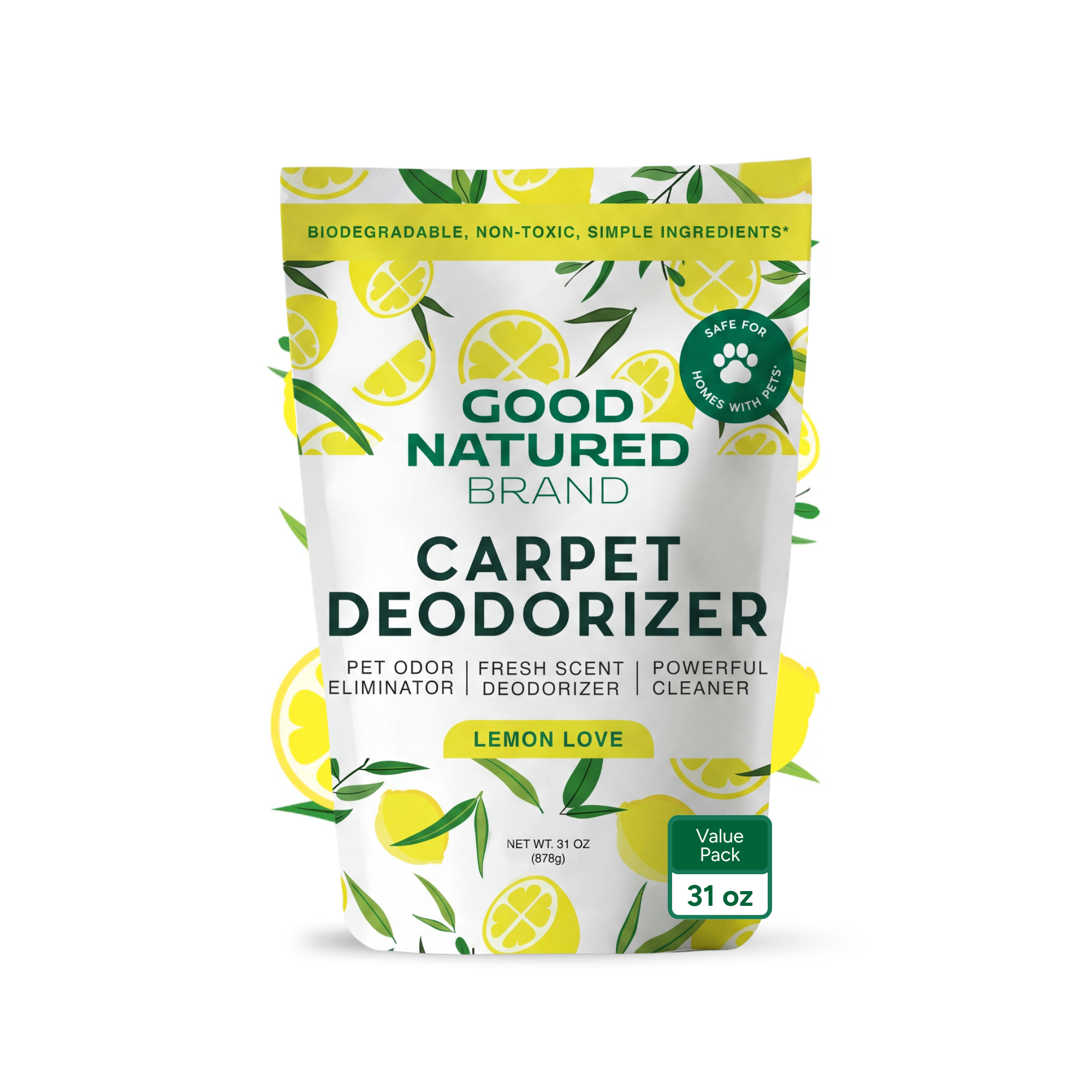
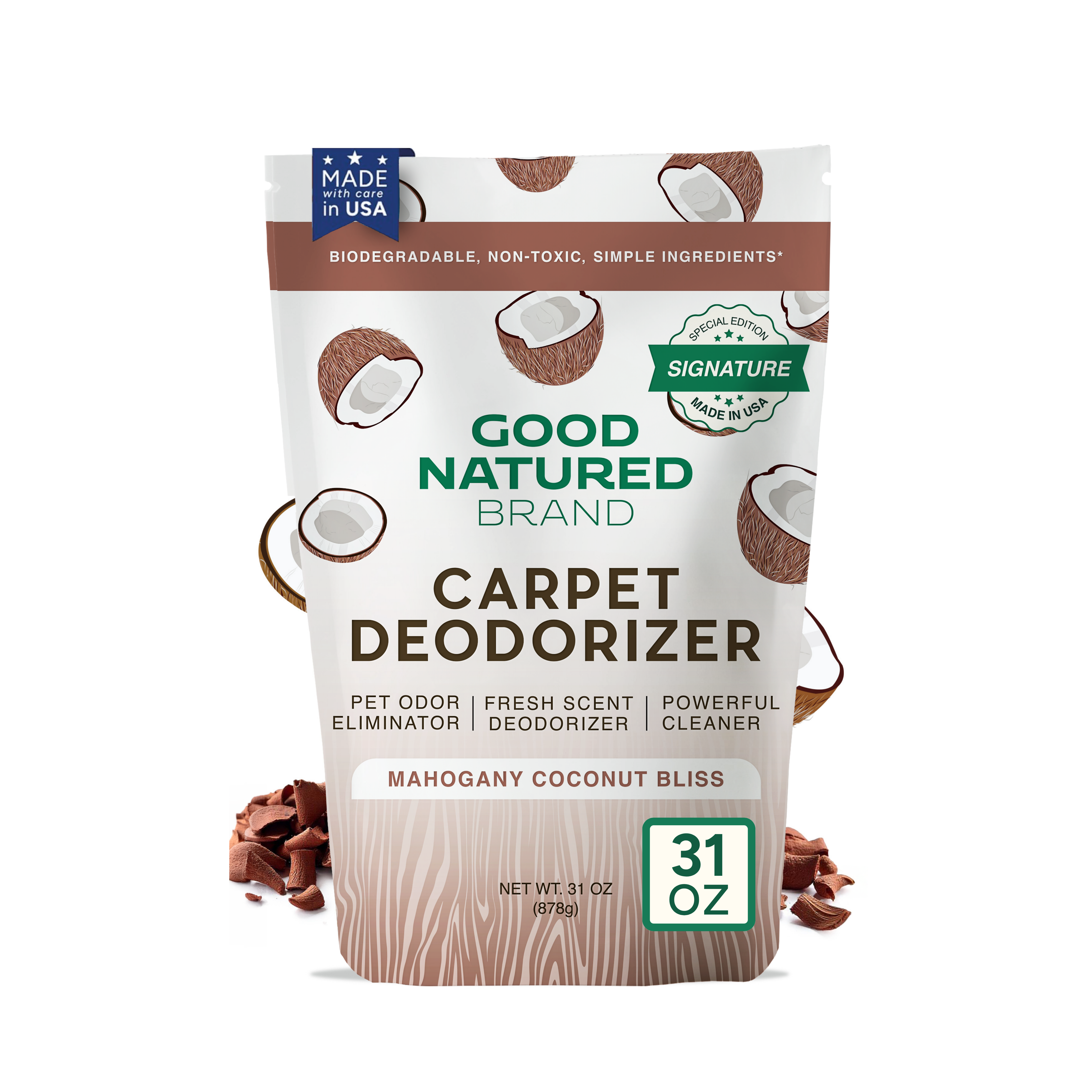
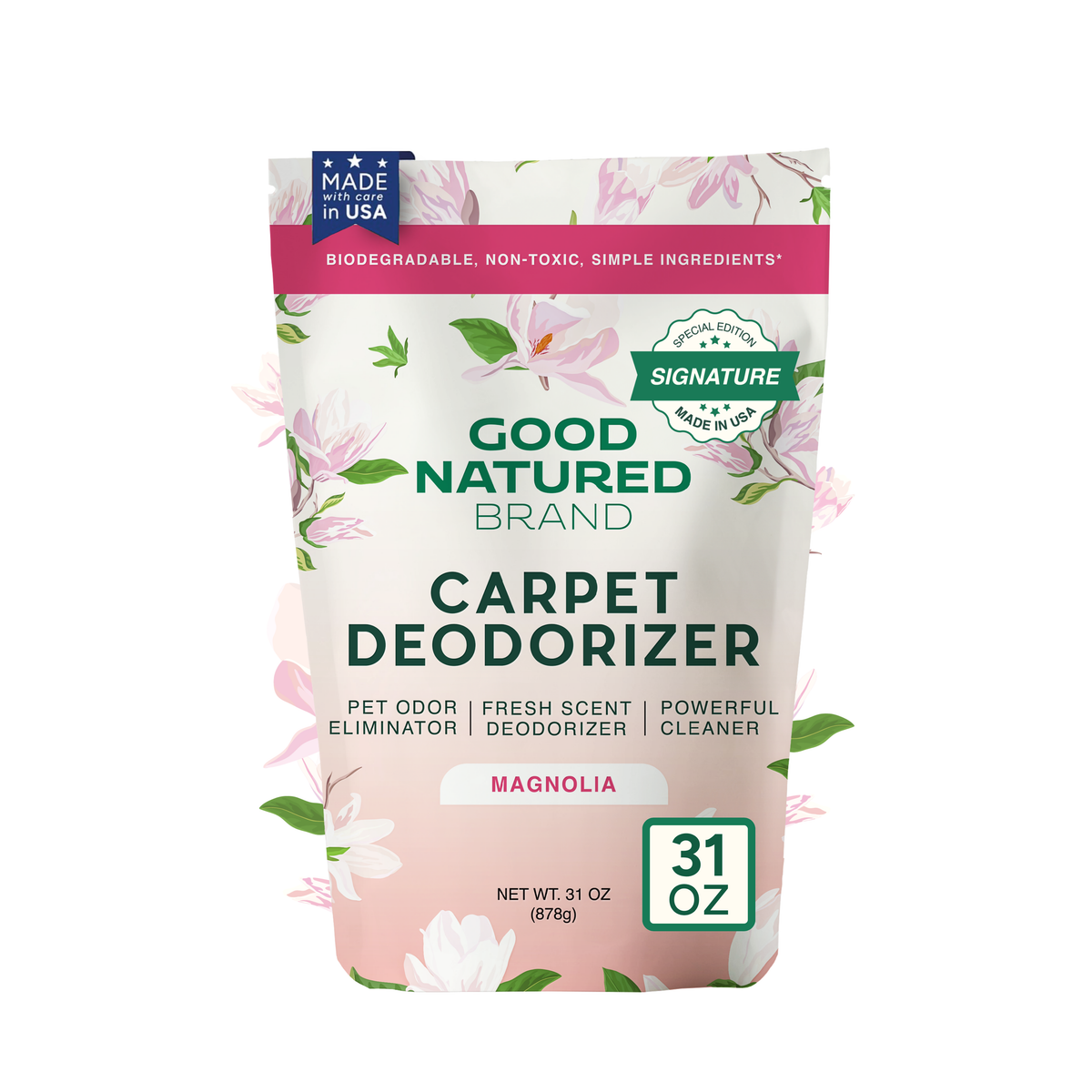
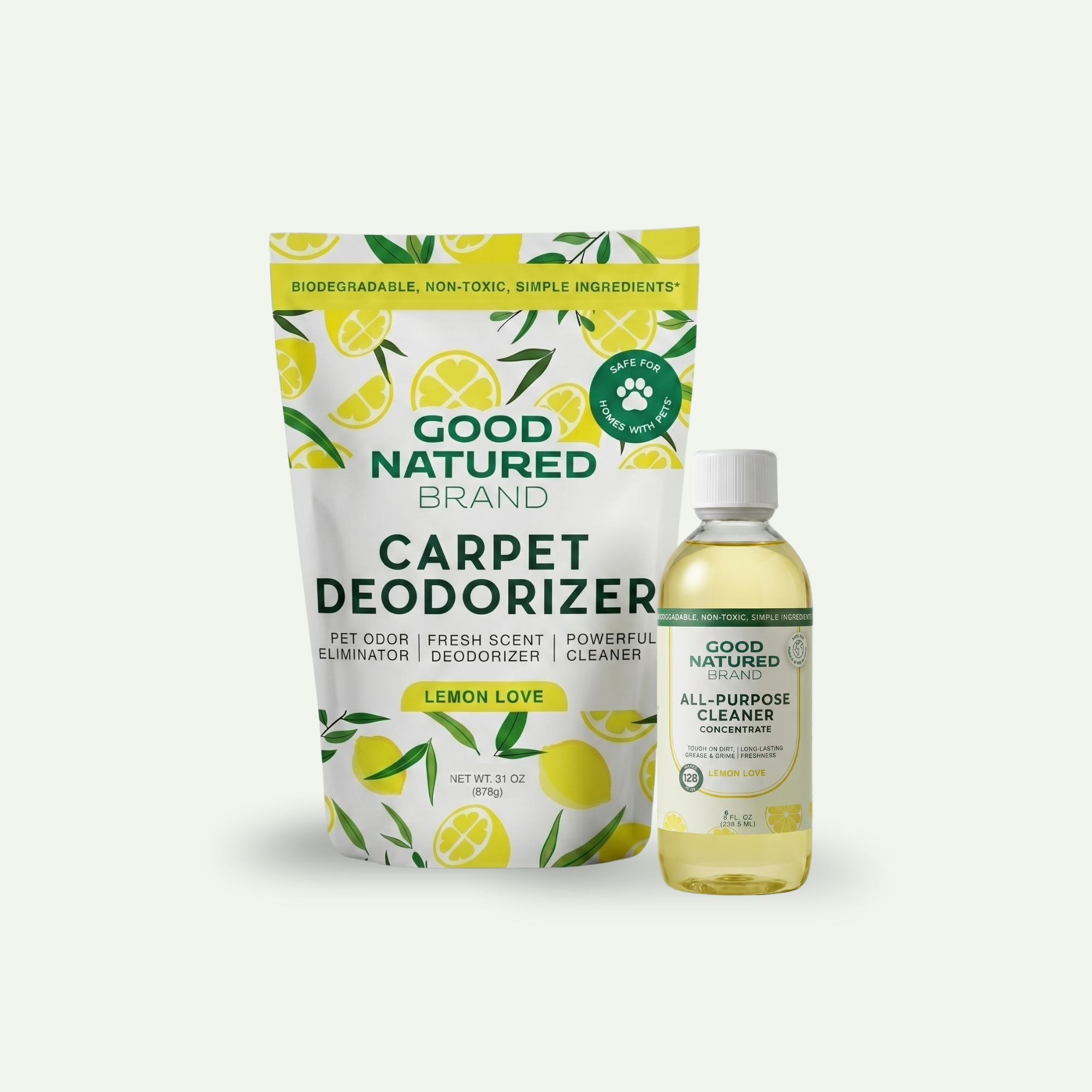
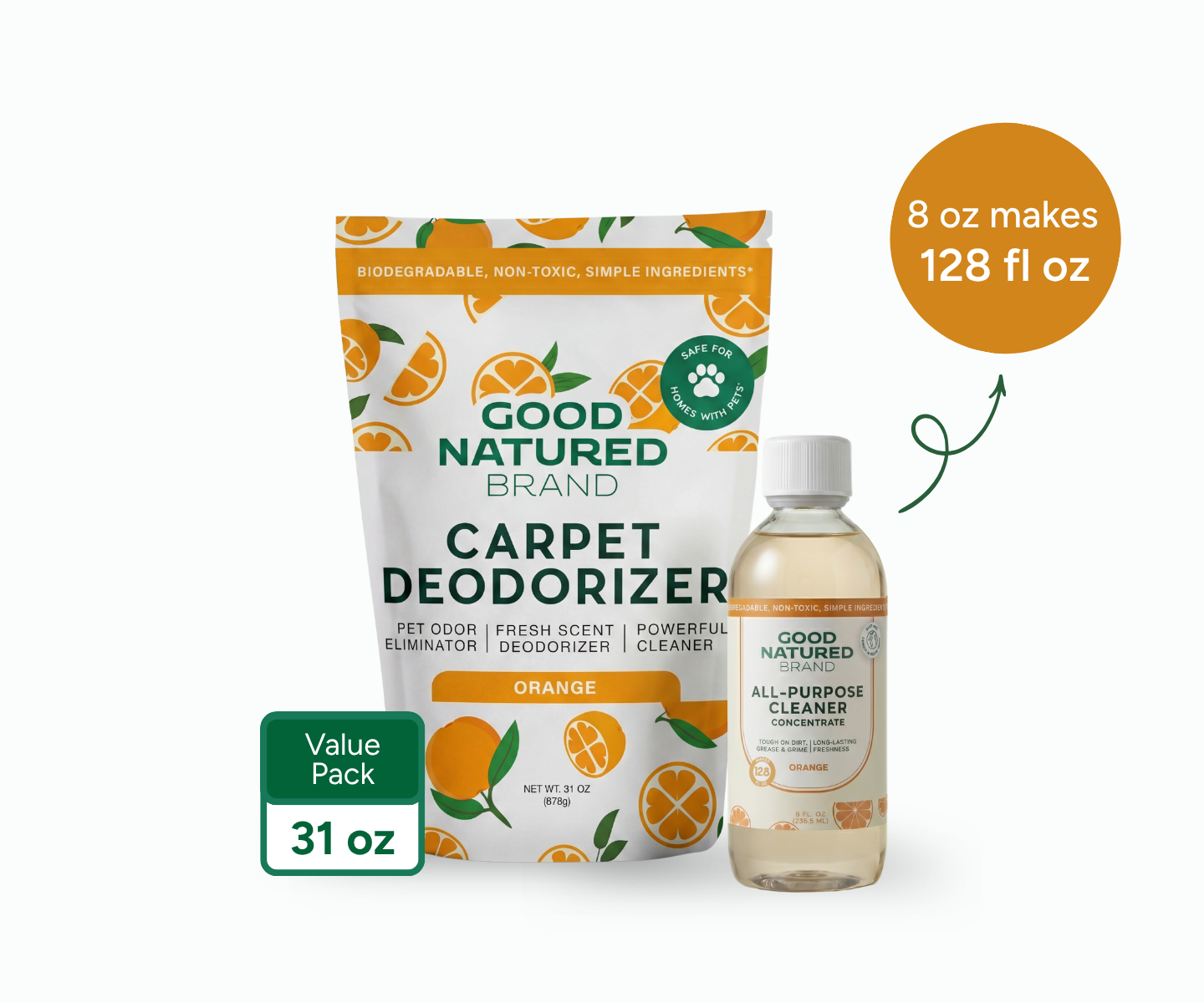
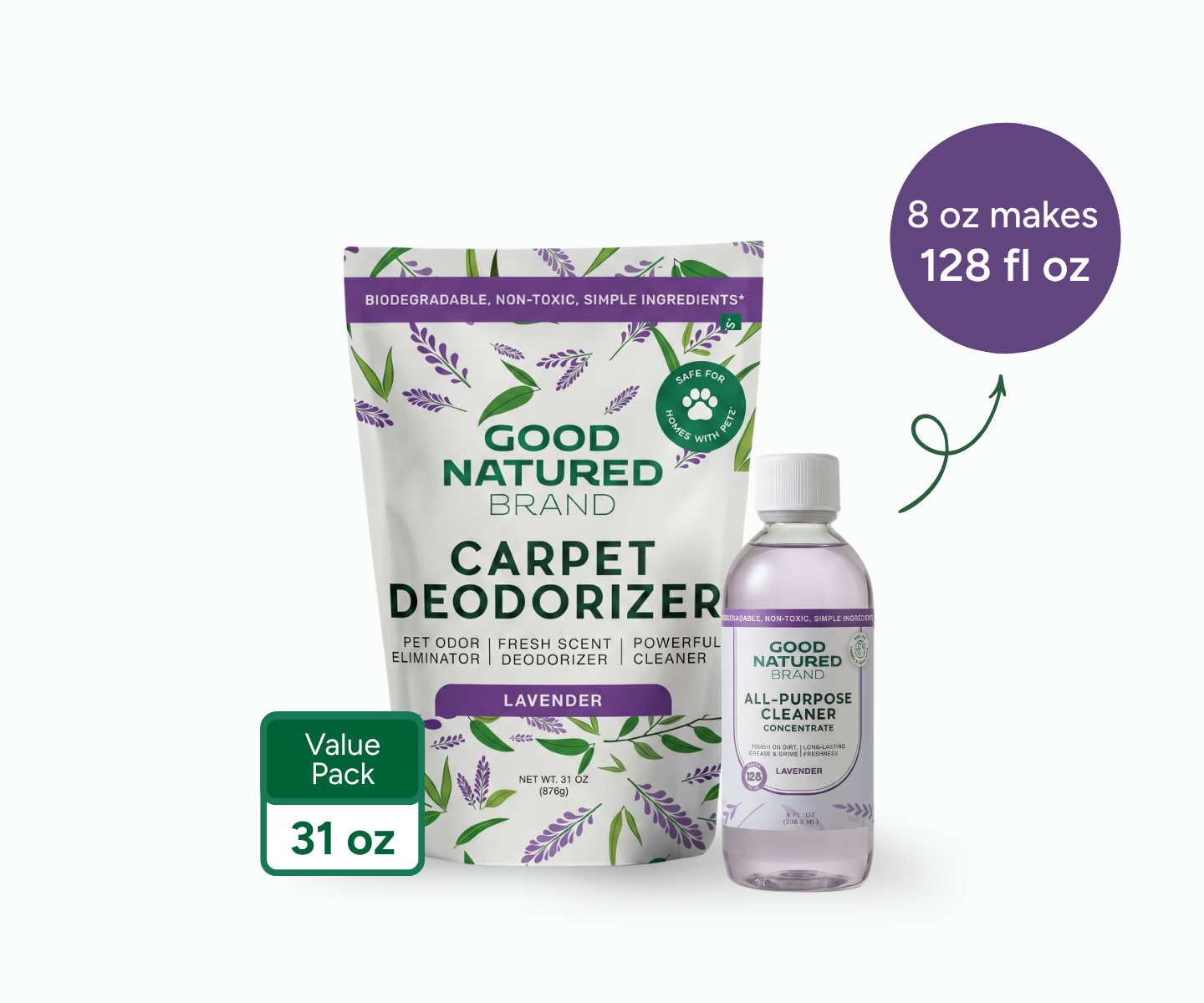
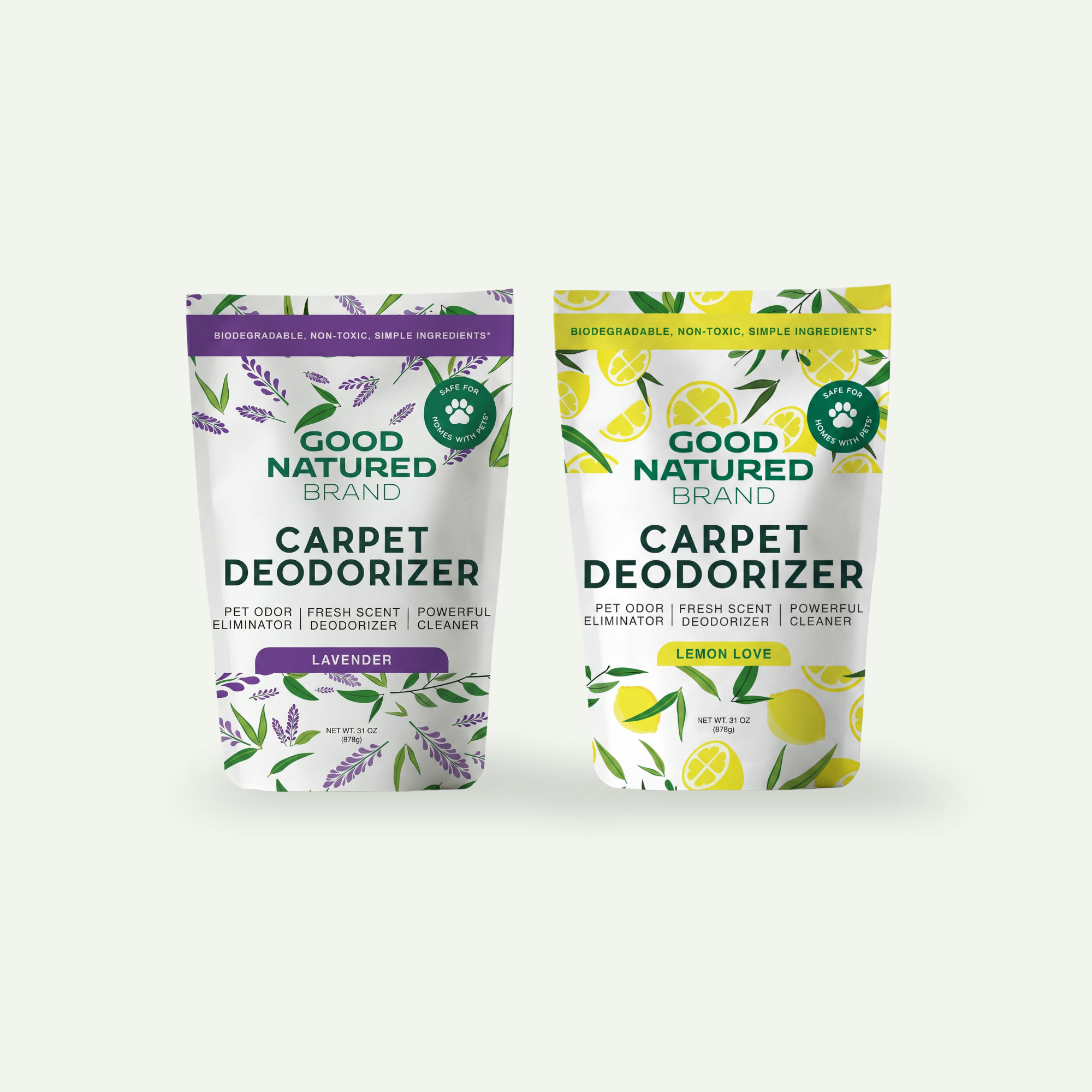
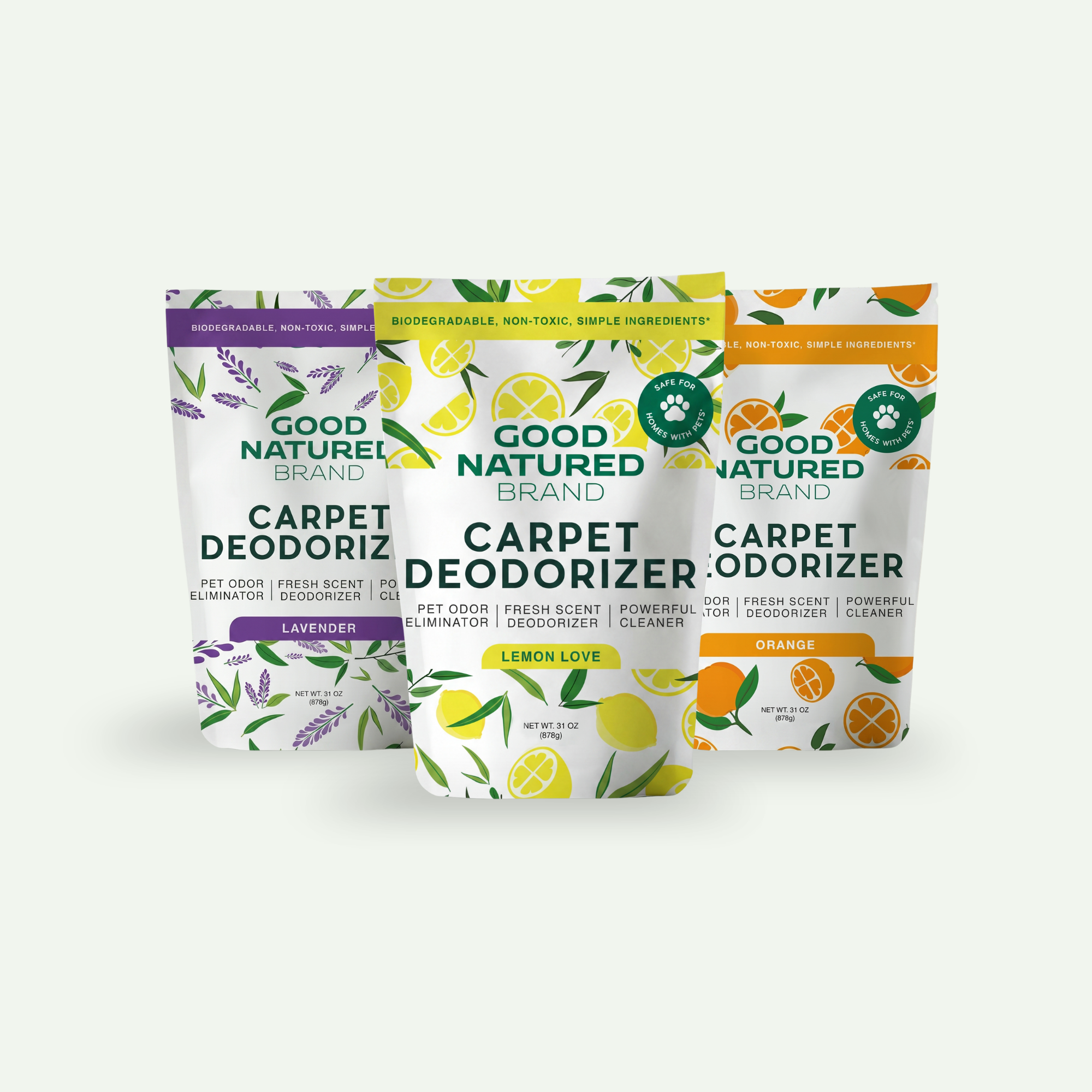
Shop the Product
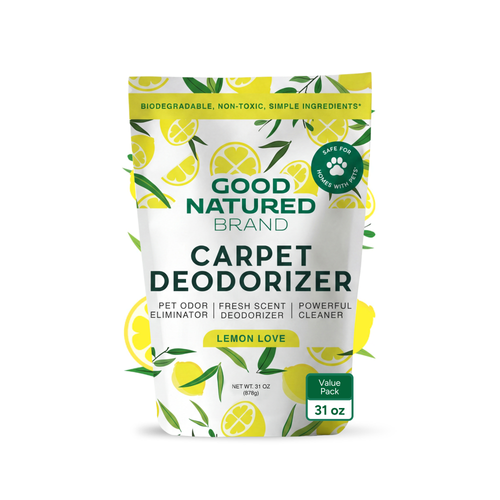
Lemon freshness for every home.
Lavender calm for every home.
Orange energy for every home.
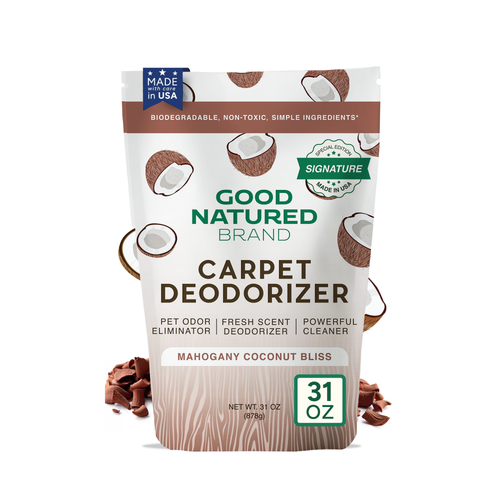
Mahogany warmth for every home.
Mandarin freshness for every home.
Champagne sparkle for every home.
Zesty freshness for every carpet.
The Power of Greeting Your Dog in the Morning
The first interaction of the day can shape a dog’s emotional state more than many owners realize. For people, mornings often begin with alarms, notifications, rushing, and mental lists. For dogs, mornings begin with the return of their central person into the active world.
That moment matters.
When an owner immediately checks their phone, starts multitasking, or moves around without acknowledging the dog, the dog may feel emotionally sidelined. By contrast, when the owner pauses, makes eye contact, says the dog’s name warmly, and allows the dog to approach and connect, it sends a very different message. It tells the dog that their presence is recognized and that the relationship is intact.
This is not about dramatic affection or a long play session before coffee. It is about intentional acknowledgment.
That small ritual can help create calm and predictability. Dogs that begin the day feeling seen may carry more emotional stability into the rest of their routine. They are not starting the day by guessing whether they matter. They already know.
A gentle morning greeting can be especially valuable for dogs that are anxious, clingy, highly sensitive, or reactive. For these dogs, emotional security often begins with routine signals that the household is safe and that their person is emotionally available.
Why Slow Walks Matter More Than Fast Walks
Many humans think of walks as exercise. Dogs often experience them as information gathering.
This difference is huge.
Dogs live through their noses. Smell is not just one sense among many. It is one of their primary tools for understanding the world. A patch of grass is not just grass. It is a map of who passed by, what happened recently, how old a scent is, whether another animal was stressed, healthy, male, female, familiar, or unknown. A rushed walk can strip away the entire point of the experience from the dog’s perspective.
When owners constantly pull the leash, rush the pace, or discourage sniffing, they may accidentally turn a rich mental experience into a frustrating one. The dog’s body is moving, but their mind is not getting what it needs.
A slower, sniff-led walk can change everything.
Allowing a dog to investigate, pause, and follow scent trails provides mental stimulation that plain exercise cannot replace. It supports curiosity, engagement, and a more natural canine rhythm. In many cases, a dog who is allowed to sniff adequately on walks comes home more settled than a dog who was marched quickly for longer.
This is an important reminder for owners who feel their dog is still restless despite regular outings. The issue may not be lack of movement. It may be lack of meaningful sensory fulfillment.
Letting Dogs Read the World Through Smell
Humans often underestimate how emotionally regulating sniffing can be for dogs. Sniffing is not laziness. It is not distraction. It is participation.
When a dog sniffs, they are doing what their brain was designed to do. They are processing the world in a way that feels natural, intelligent, and grounding. That is why scent-based opportunities are so important not only on walks but throughout the day.
You can support this need by creating moments where sniffing is encouraged rather than interrupted. Let your dog linger at interesting spots when it is safe. Offer novel but manageable scent experiences in the yard. Hide treats for them to find. Rotate enrichment objects with different textures and smells. Even small changes can make daily life more mentally satisfying.
A dog that gets to use their nose regularly is often more content because they are being allowed to engage with the world as a dog, not just as a pet being managed through a human timetable.
Why Food Should Sometimes Be Earned Not Just Served
Feeding is another area where convenience often overrides instinct. Many owners pour kibble into a bowl and move on. There is nothing inherently wrong with that, but it may not satisfy a dog’s natural drive to search, solve, and work for food.
Dogs evolved with behaviors tied to foraging, tracking, sniffing, and problem solving. When every meal is delivered instantly with no effort, an opportunity for mental engagement is lost. Food becomes quick consumption instead of a meaningful activity.
That matters because working for food can support confidence, focus, and emotional balance. It gives dogs a chance to complete a task, use their senses, and experience reward through effort. This can be particularly helpful for energetic dogs, easily bored dogs, and dogs that show signs of anxiety or frustration.
Food enrichment does not need to be complicated. You can use puzzle feeders, snuffle mats, treat-dispensing toys, or simply scatter kibble across a safe area so your dog has to sniff it out. Even a few meals a week delivered this way can increase daily stimulation significantly.
This kind of enrichment is especially helpful on rainy days, busy days, or days when outdoor time is reduced. It gives dogs a productive outlet indoors and encourages natural behaviors in a low-pressure way.
Turning Mealtime Into Mental Enrichment
One of the most useful shifts owners can make is to stop viewing food enrichment as extra work and start viewing it as part of emotional wellness.
When dogs use their brain during meals, they often slow down, engage more fully, and leave the experience more satisfied. They are not just full. They are fulfilled.
This can also support better household behavior. Dogs that have appropriate outlets for mental effort are often less likely to channel unspent energy into chewing, digging, barking, pacing, or grabbing random items around the home. Their minds have had a job to do.
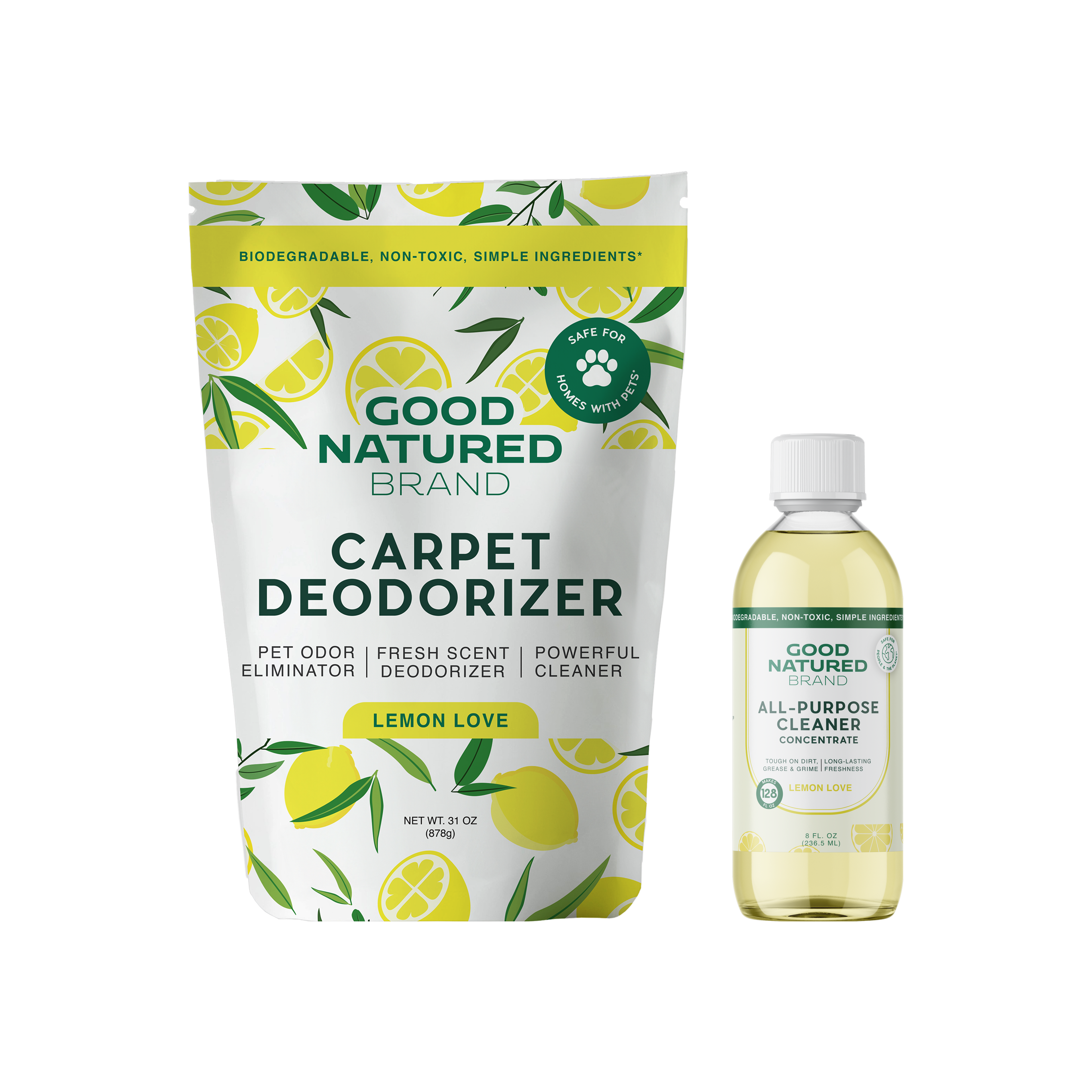
For pet parents trying to build a calmer living environment, enrichment can go hand in hand with a cleaner and more peaceful space. After enrichment sessions, it is common to freshen up areas where dogs rest, sniff, and play. Keeping soft surfaces smelling fresh with Carpet Deodorizers, washing dog blankets and household fabrics with Laundry Powders, and wiping enrichment zones or feeding areas with All Purpose Cleaners can help maintain a comfortable home without losing sight of the dog’s natural needs.
Dogs Find Comfort in Your Scent
Many owners notice that their dog steals their seat, curls up on a recently used blanket, or gravitates toward worn clothing left on a chair or bed. This is often treated as cute, mischievous, or mildly inconvenient. But for dogs, scent-rich spaces can carry deep emotional meaning.
Dogs experience scent as information and reassurance.
Your scent is familiar, emotionally loaded, and stabilizing. It can communicate safety, closeness, and belonging. When a dog lies in your usual spot, they may not be trying to challenge you or claim dominance in the simplistic ways people sometimes assume. More often, they are seeking comfort through proximity to your scent.
This is especially meaningful when you are away from home. A dog may rest more peacefully when they have access to a scent-associated object like a worn shirt or blanket. That familiar smell can reduce the emotional distance created by your absence.
Intentional scent sharing is a powerful but simple way to support dogs that are attached, sensitive, newly adopted, or adjusting to change. It tells them that the social bond still exists even when direct contact is temporarily unavailable.
Building Security Through Familiar Spaces
Dogs do not need luxury to feel secure. They need cues that help them understand where they belong.
A bed that carries familiar scent, a blanket that smells like home, or a favorite resting place that remains consistent can all support emotional stability. This is particularly helpful during transitions such as moving homes, traveling, introducing a new family member, or adjusting to a new schedule.
Cleanliness still matters, of course, especially in homes shared closely with pets. The goal is not to erase all scent but to maintain a comfortable balance. Soft household items that dogs use often can be refreshed with Laundry Powders, and common pet zones such as rugs, sofas, or resting corners can be kept fresher with Carpet Deodorizers. For crates, side tables, or surrounding surfaces, All Purpose Cleaners can help support a tidy environment while you continue preserving the dog’s sense of familiarity and belonging.
Dogs Need a Retreat Not Constant Interaction
Because dogs are social, many owners assume they always want engagement. But social need and constant stimulation are not the same thing.
Dogs also need protected downtime.
A dog lying in a corner, on a bed, in a crate, or under a table may not be asking to be entertained. They may be self-regulating. They may be decompressing, observing, or recovering from stimulation. When owners repeatedly interrupt this rest with petting, calling, or inviting activity, dogs can lose an important chance to reset.
A respected retreat space gives dogs a place where nothing is expected of them. No commands. No sudden touch. No pressure to respond. Just rest.
This kind of protected space can be especially beneficial in busy households, homes with children, multi-pet homes, or environments with a lot of noise and movement. Even highly social dogs benefit from having a place they can choose when they need calm.
The goal is to teach the household that when the dog is in that space, their rest is honored. Over time, this can improve emotional resilience because the dog learns they have control over access to peace.
Rest Is Part of Behavioral Health
Owners sometimes focus so heavily on activity that they forget recovery is equally important. A dog that never truly decompresses may appear needy, jumpy, irritable, or overstimulated. In reality, they may simply be missing uninterrupted rest.
This is one reason why a thoughtfully arranged home environment matters. Clean, comfortable rest zones encourage relaxation. Fresh bedding washed with Laundry Powders, odor-managed surrounding carpets with Carpet Deodorizers, and easy-to-maintain resting areas cleaned with All Purpose Cleaners can help create a retreat that feels calm for both dog and owner.
A peaceful space is not just aesthetically pleasing. It can support better recovery, better sleep, and more balanced daily behavior.
Why Meaningful Play Is Different From Distracted Play
Play is often treated as a task to check off. Throw the ball. Toss the toy. Keep half an eye on the dog while looking at a screen. But many dogs want more than repetitive motion. They want interaction that taps into instinct.
For dogs with chase, retrieve, tug, or prey-related tendencies, play has emotional and biological value when it includes engagement, unpredictability, and shared attention. This is why a fully present owner can make the same toy far more exciting than a distracted one can.
Meaningful play often includes anticipation, pursuit, capture, and release. It lets the dog feel competent. It lets them use their body and brain. It also deepens the relationship because the owner is no longer just dispensing entertainment. They are participating in an instinctive ritual the dog understands.
This kind of play can be especially important for dogs that seem hyper, destructive, or impossible to tire out. Often, those dogs do not simply need more movement. They need better quality interaction.
When dogs get to chase, grab, tug, and win appropriately, their energy is given shape. It is not just burned off. It is expressed in a satisfying way.
Being Present Changes the Meaning of Play
A toy on its own is not the magic. Presence is.
When you are truly involved in play, your dog receives more than excitement. They receive confirmation that you are responsive to their nature. You understand what activates them, what motivates them, and what makes the experience feel real.
That level of engagement can strengthen trust and communication. It can also make training easier because the dog learns that interacting with you is rewarding in a deep way, not just a functional one.
Play also affects the home environment. Active dogs bring joy, but they also bring muddy paws, fur, fabric messes, and scent buildup around favorite play zones. After a fun session, many pet parents appreciate having practical ways to keep the home fresh, whether that means refreshing rugs and upholstery with Carpet Deodorizers, washing blankets and tug toys with Laundry Powders, or wiping down surfaces and crates with All Purpose Cleaners.
Trust Sometimes Looks Like Stillness
Not all bonding happens through activity. Some of the deepest moments with dogs are quiet.
A dog that leans against you, presses into you, or sleeps touching you is doing something powerful. Rest is vulnerability. When a dog chooses to settle their body against yours, they are often expressing profound trust. They are saying, in the language of the body, that your presence feels safe enough for them to let go.
Many owners recognize this instinctively because these moments feel special. But they are worth appreciating more deliberately.
Allowing a dog to rest against you when possible, rather than always shifting them away, can become a form of reciprocated trust. It tells the dog that their closeness is welcome and that safety flows both ways.
Of course, every dog is different. Some dogs show trust through contact, while others show it by resting nearby rather than directly on you. The point is not to force closeness. It is to notice the form of closeness your dog naturally offers and respond with respect.
The Small Signals Dogs Use to Speak to Us
One of the most valuable lessons in the Dog Mind video is that dogs are constantly communicating, even when they are quiet. They do not need language to express stress, trust, uncertainty, anticipation, or connection.
A yawn, a lip lick, a lean, a pause, a glance away, a sigh, or a gentle follow across the room can all mean something. When owners become more observant, they often discover that their dogs have been “speaking” all along.
This awareness transforms the relationship.
Instead of reacting only to obvious behavior like barking or jumping, owners start noticing earlier, subtler emotional cues. That can help prevent overstimulation, reduce misunderstandings, and create a more cooperative home life.
The dog feels less managed and more understood.
Creating a Home That Matches a Dog’s Emotional Needs
A dog’s emotional wellness is not built from one single routine or product. It is built from patterns. It comes from being greeted warmly, walked thoughtfully, fed in engaging ways, allowed to rest undisturbed, comforted by familiar scent, invited into meaningful play, and trusted in quiet moments of closeness.
The home environment plays a big role in supporting all of this. Dogs thrive in spaces that feel calm, safe, familiar, and manageable. That does not mean a home must be perfect. It means it should support the rhythms of real life with dogs.
For many pet households, that includes balancing enrichment and cleanliness in a practical way. Sniffing, play, food work, napping, and cuddling all leave their mark on a home, and that is part of living with dogs. The goal is not to erase their presence but to make shared spaces feel fresh and comfortable. Pet parents can support that balance by refreshing soft surfaces with Carpet Deodorizers, keeping bedding, throw blankets, and washable fabrics clean with Laundry Powders, and wiping down everyday pet areas with All Purpose Cleaners.
What Dogs Really Want From Us
When people think about giving dogs a good life, they often picture more things: more toys, more treats, more gear, more accessories. But what dogs often want most is less about volume and more about quality.
They want quality of attention.
They want quality of presence.
They want quality of understanding.
A dog does not need an owner who performs perfection. They need an owner who notices. An owner who sees that a sniff is not wasted time, that rest is not laziness, that closeness is communication, and that small rituals of acknowledgment can shape emotional security in lasting ways.
When owners begin to meet those deeper needs, dogs often respond with calmer behavior, stronger confidence, and a more visible sense of ease. The relationship becomes less about control and more about connection.
A More Thoughtful Way to Love Your Dog
The message behind “7 Things Dogs Love That Most Owners Never Do” is simple but powerful: dogs are already showing us what matters to them. The challenge is learning how to recognize it.
Greet them like they matter in the morning. Let them slow down and smell the world. Turn meals into moments of purpose. Share comfort through familiar scent. Protect their rest. Play with real presence. Honor the trust they show in stillness.
These are not flashy changes. They are quiet, consistent acts of understanding. But that is exactly why they matter so much.
For dog owners who want a deeper bond, a more relaxed companion, and a home that supports both emotional wellness and everyday pet life, this mindset can change everything. And sometimes, the most meaningful improvement does not come from doing more. It comes from seeing your dog more clearly than ever before.
For more pet-friendly tips, routines, and home care ideas, explore the Good Natured Brand blog or visit the main page to discover more ways to create a cleaner, calmer home for both you and your dog.