Bringing home a new puppy is one of life’s most exciting moments—but it can also feel overwhelming fast. In the YouTube video “How To Survive The First 24 Hours With a New Puppy!” published on the Will Atherton Canine Training channel, viewers get a clear, calm, and realistic look at what truly matters during a puppy’s very first day at home.
Rather than focusing on flashy tricks or overwhelming schedules, the video walks through the first 24 hours with an 8-week-old Corgi puppy named Zelda, showing how simple, consistent habits can shape a dog’s long-term behavior. This article breaks down those lessons into an easy-to-follow guide so you can start your puppy parenting journey with confidence, clarity, and calm leadership.
Why the First Day With Your Puppy Matters So Much
The first 24 hours are less about “training” in the traditional sense and more about setting expectations—for both you and your puppy. Puppies are constantly learning, even when you aren’t actively teaching. From where they go to the bathroom to how they settle down to sleep, day one quietly establishes patterns that can last for years.
Instead of trying to do everything at once, this approach focuses on:
-
Preventing bad habits before they form
-
Teaching calmness and structure from the beginning
-
Creating clarity through consistency
This mindset is especially helpful for first-time puppy parents who may feel pressure to “get everything right” immediately.
Building Strong Toilet Training Habits From Day One
Toilet training is the single most important focus during your puppy’s first day. The core principle is simple: make the right behavior easy and predictable.
Puppy pads are discouraged because they can blur the line between acceptable indoor and outdoor toileting. Instead, puppies are gently guided to understand that grass is the place to go.
What successful toilet training looks like early on
-
Taking your puppy outside every hour on the hour, no exceptions
-
Going out immediately after naps, meals, and playtime
-
Watching for cues like sniffing or circling
-
Calmly praising and rewarding immediately after they go
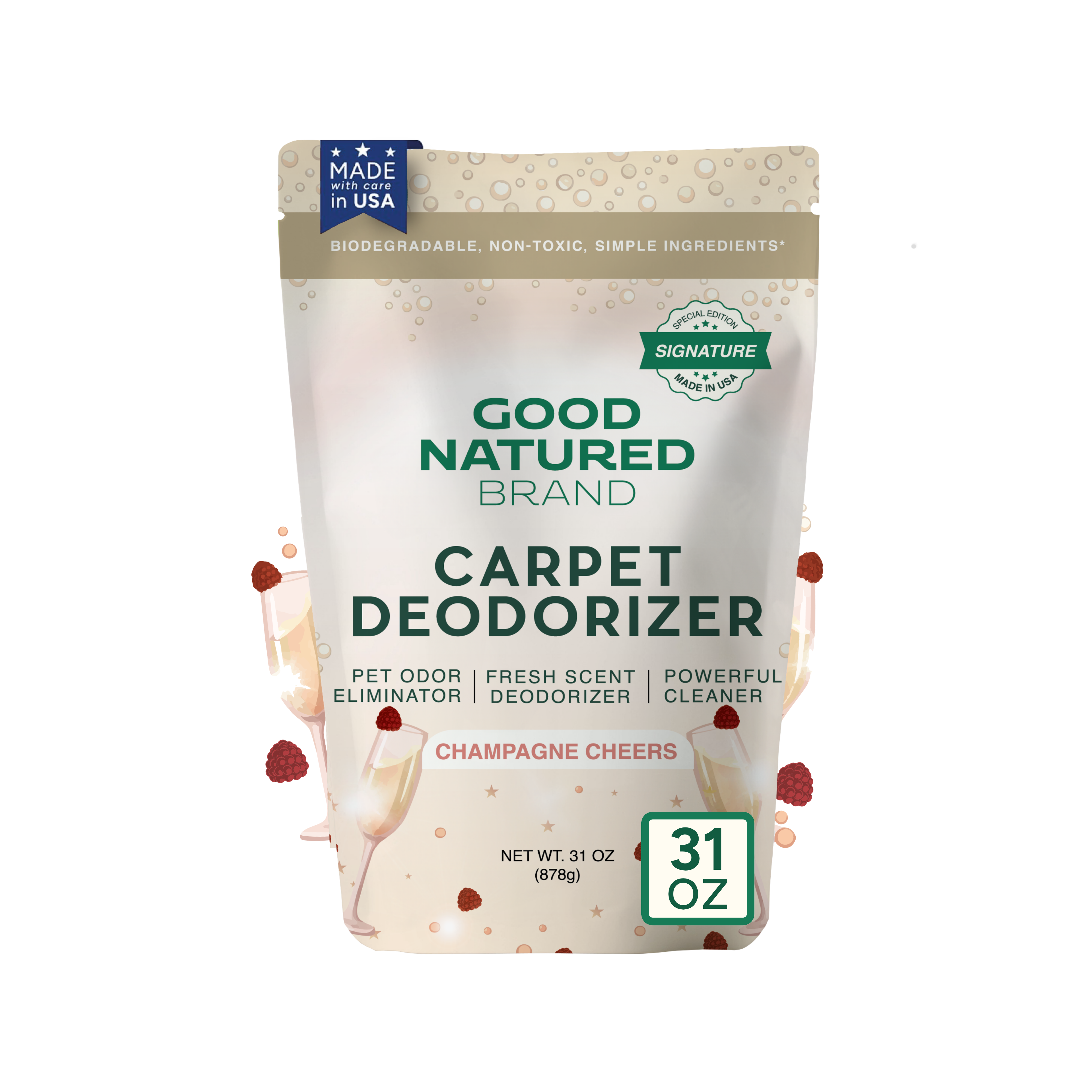
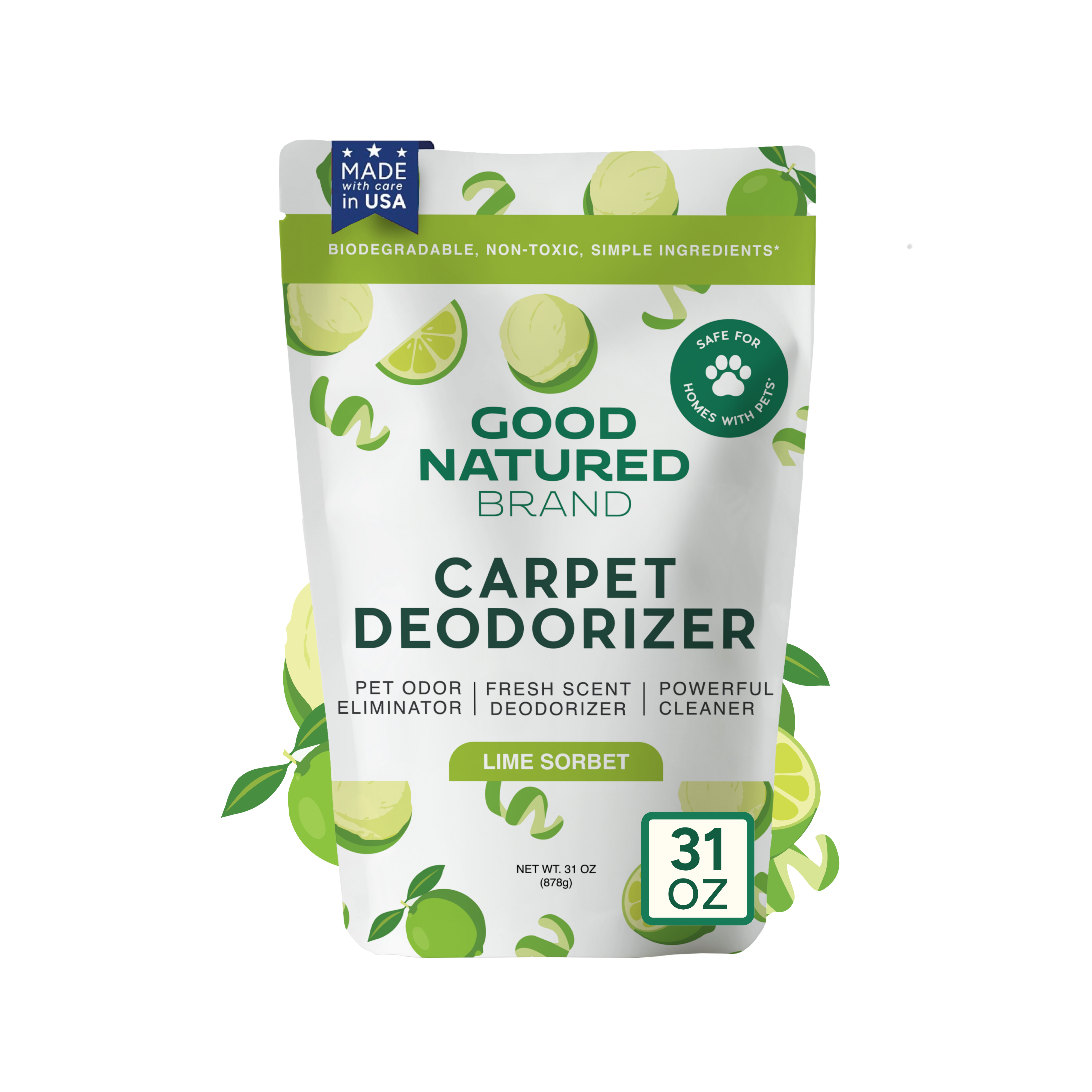
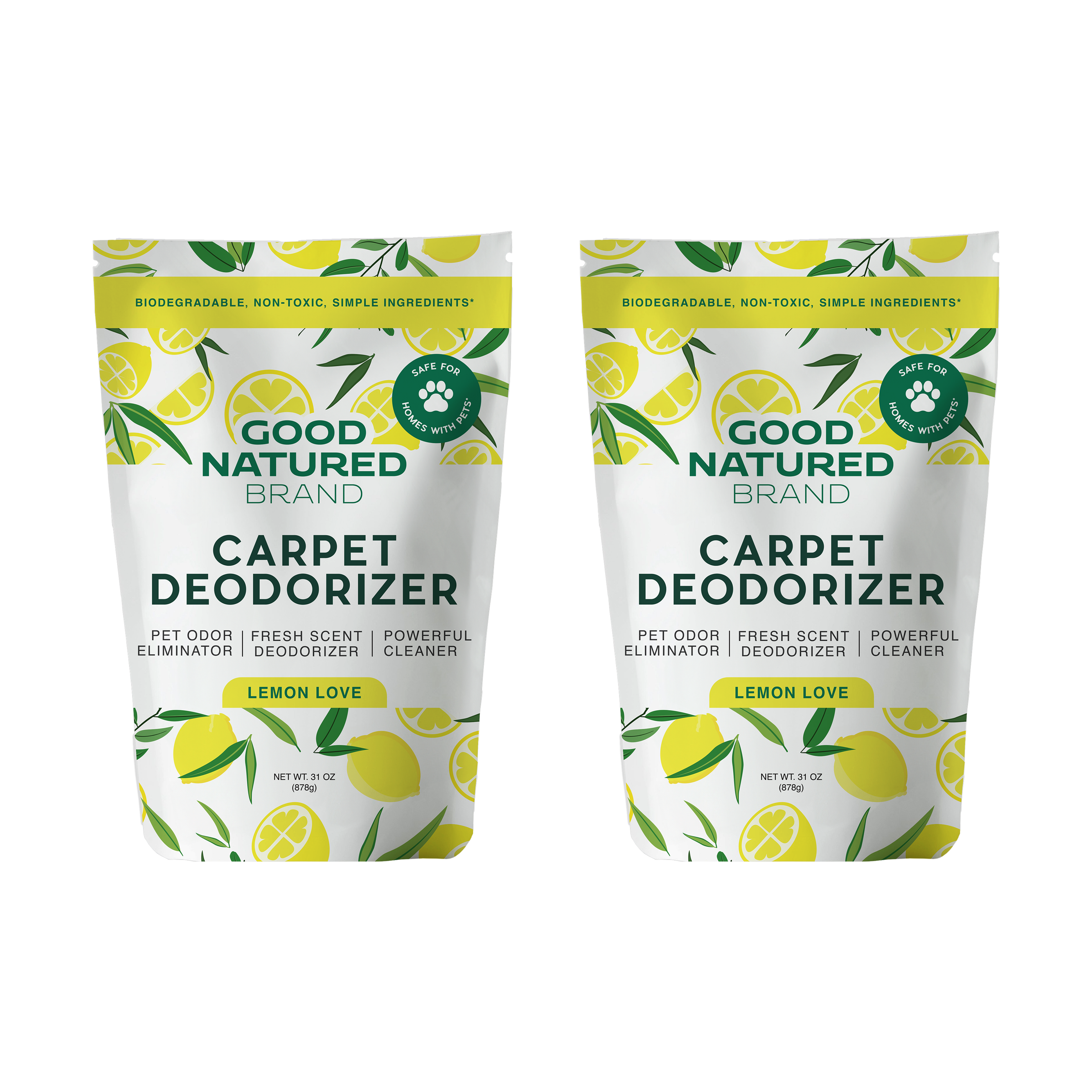
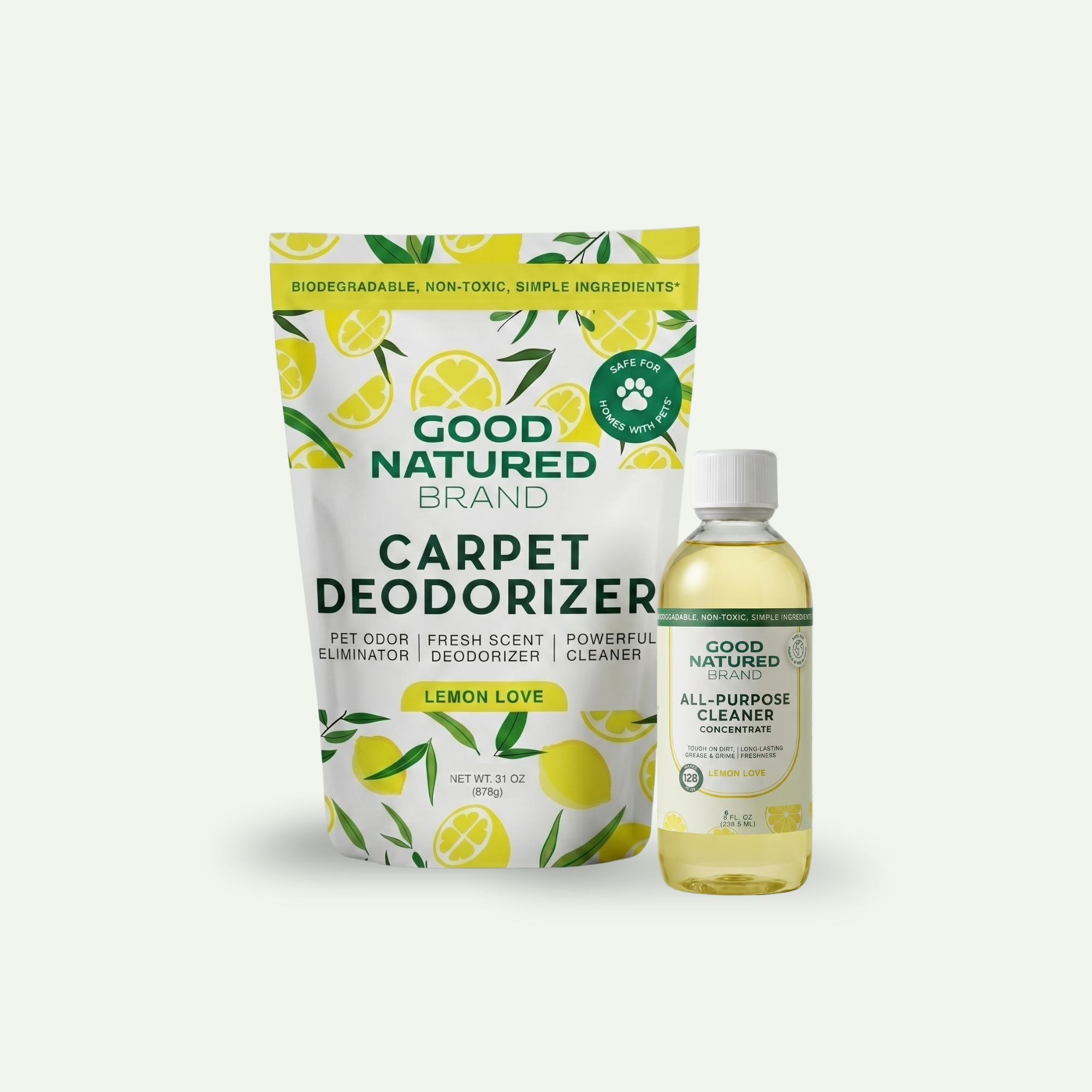
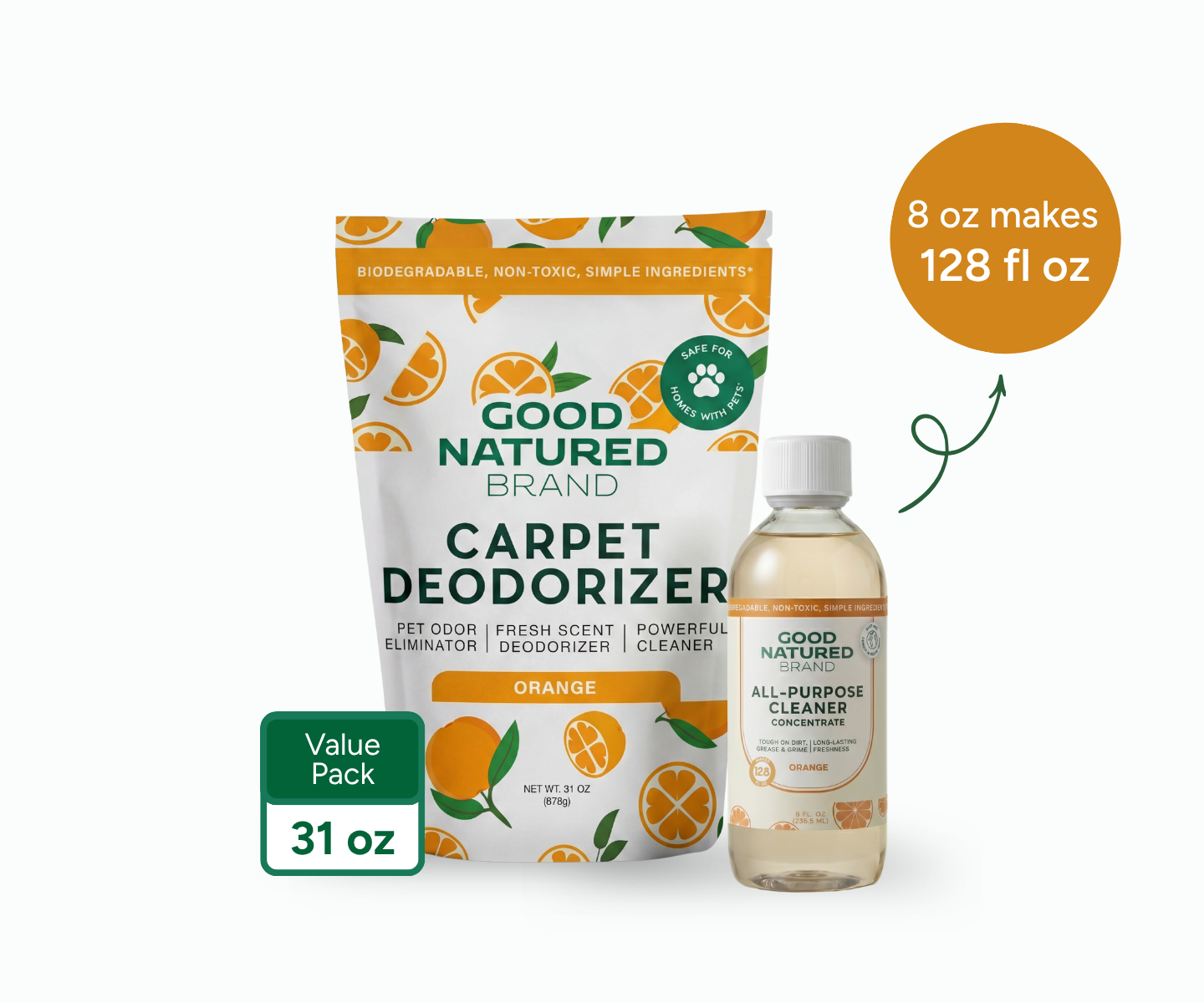
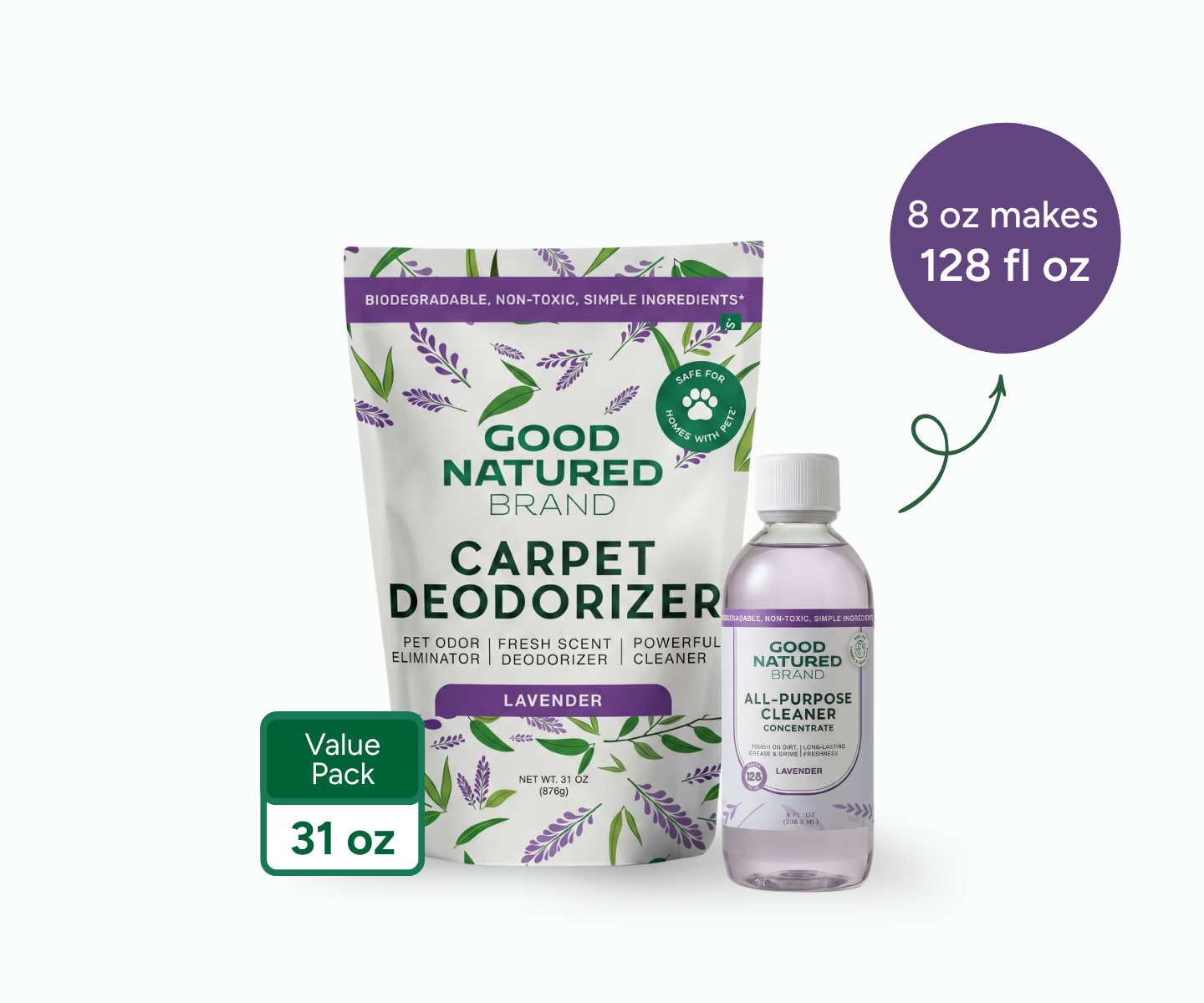
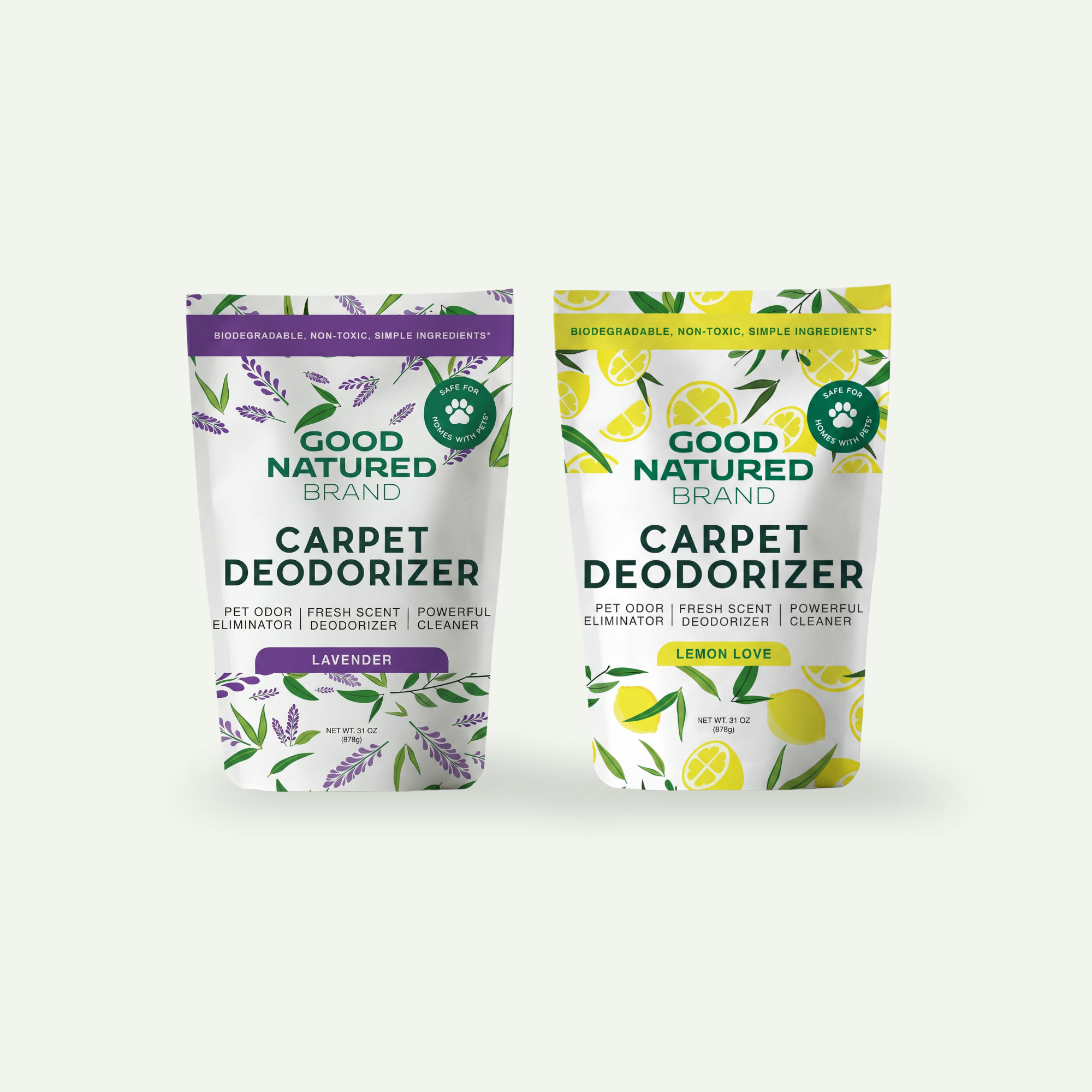
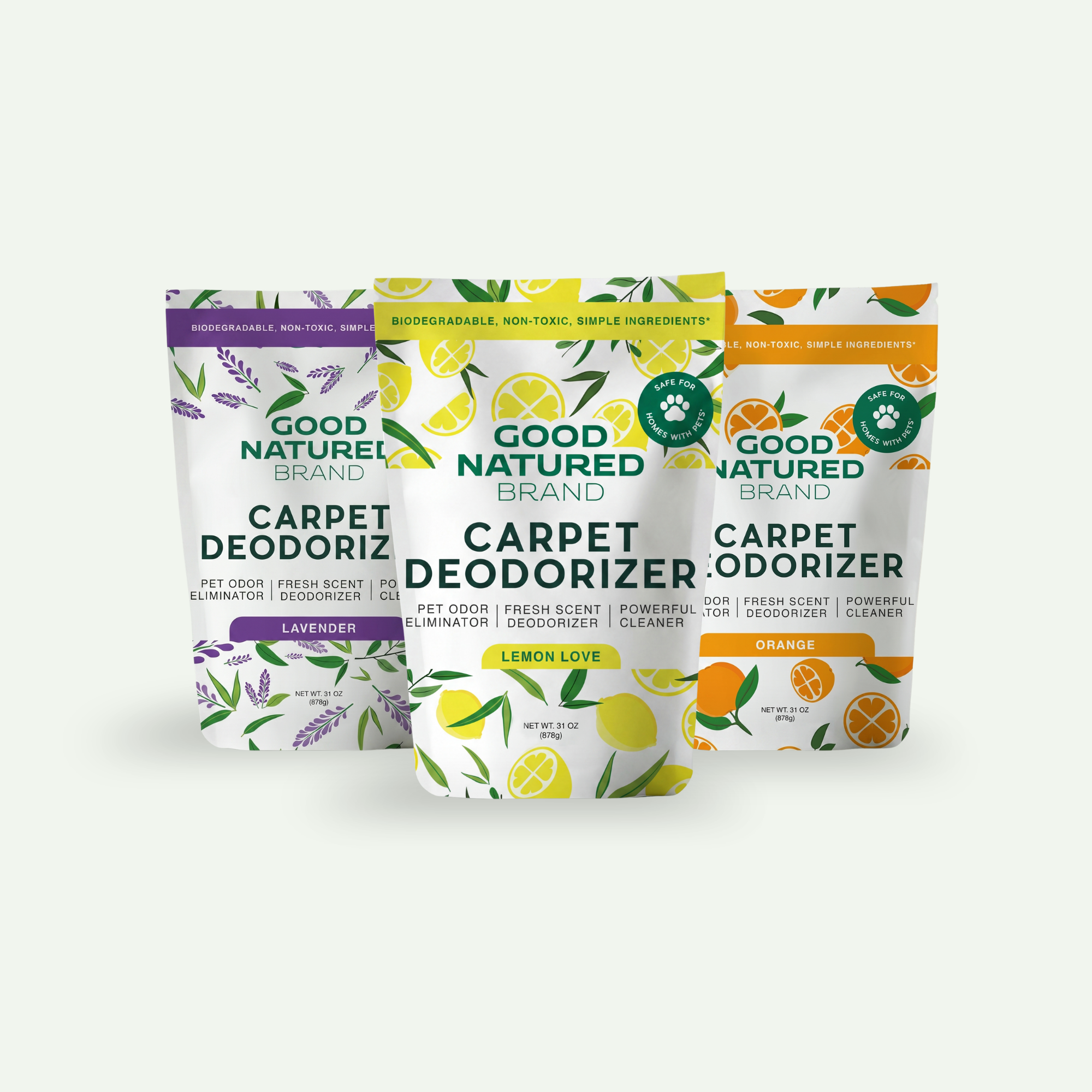
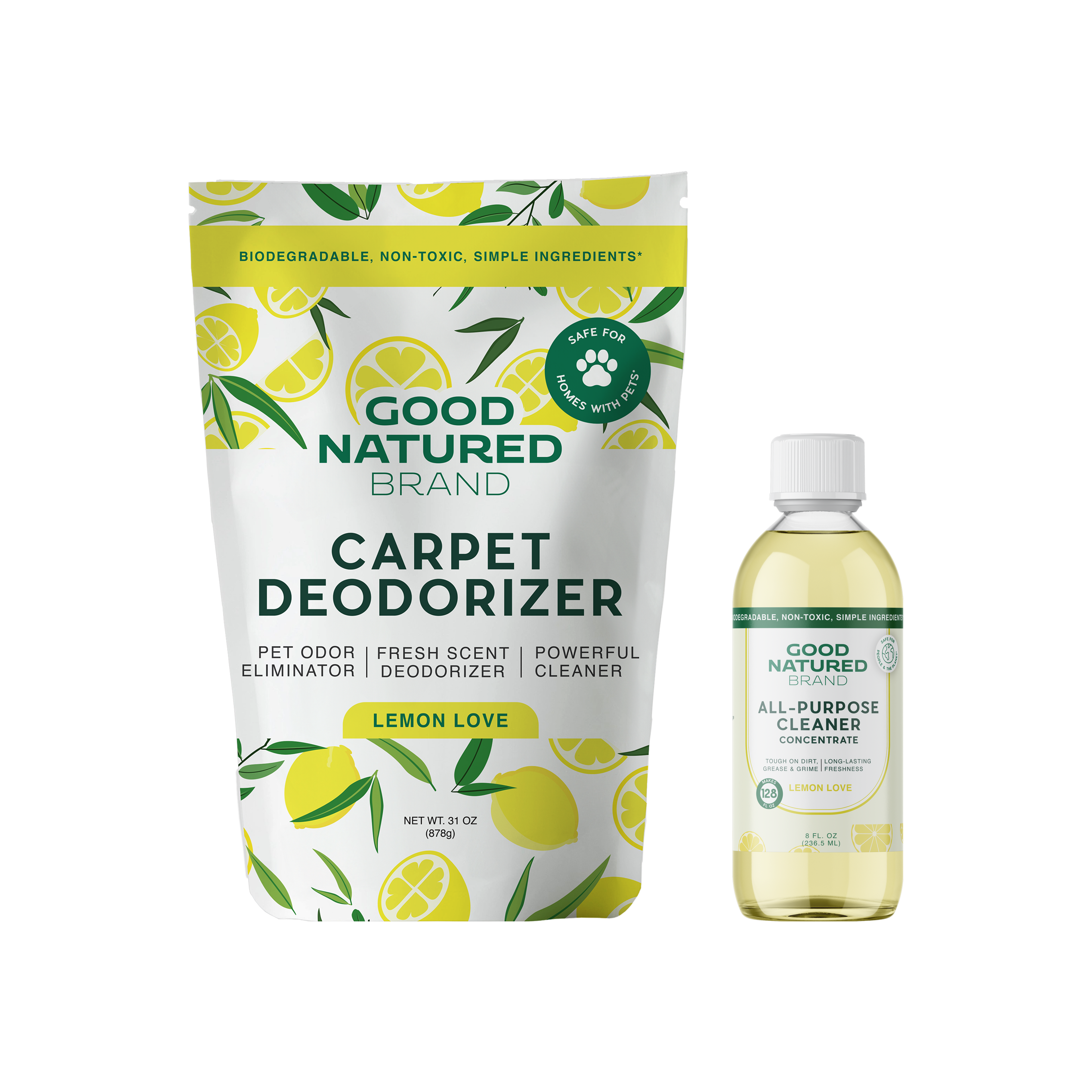
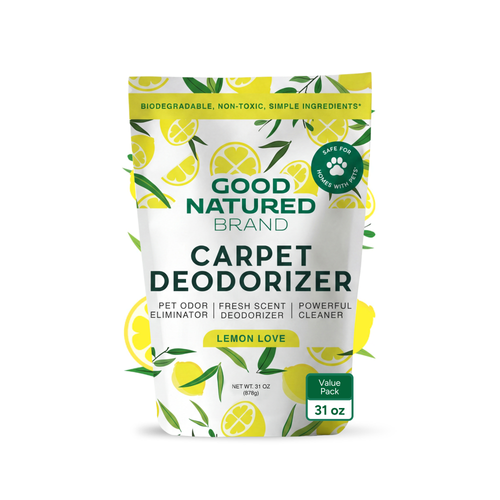
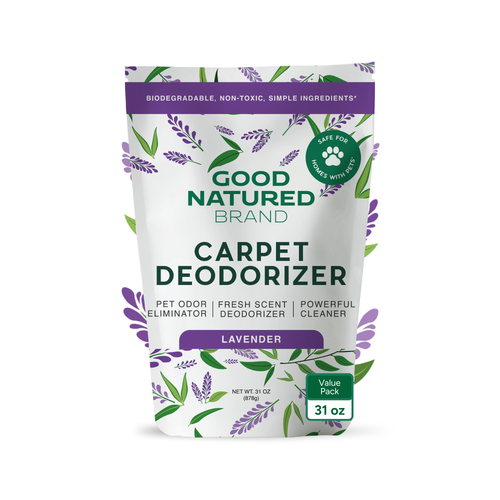
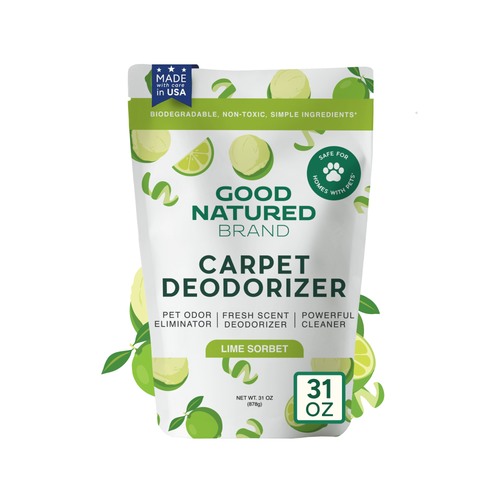
Accidents will happen—and when they do, the responsibility lies with the human, not the puppy. The key is thorough cleaning to remove scent markers and adjusting your observation going forward. This is also where having a fresh, pet-safe home environment matters. Regular use of Carpet Deodorizers can help neutralize lingering odors during the early toilet-training stage, making it easier to reset your space without stress.
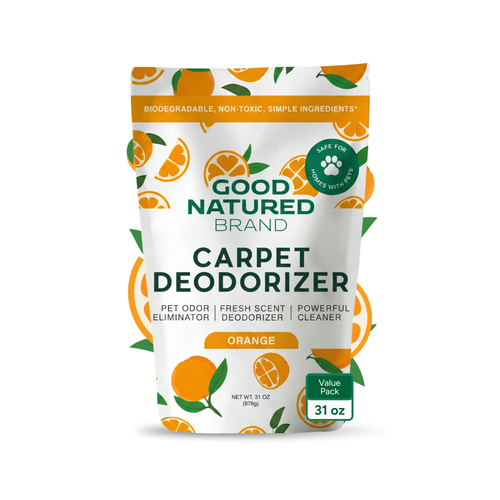
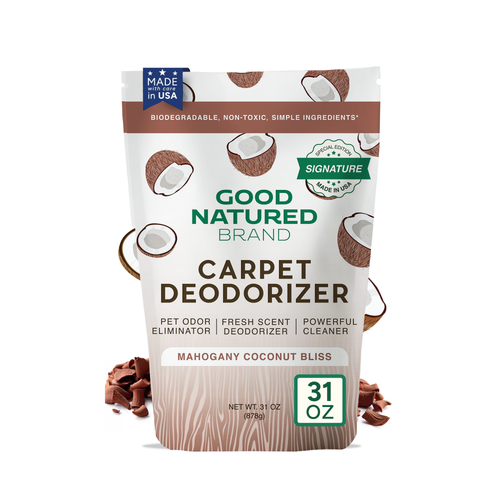
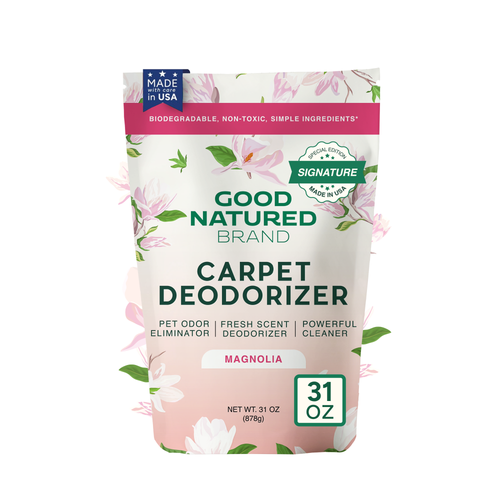

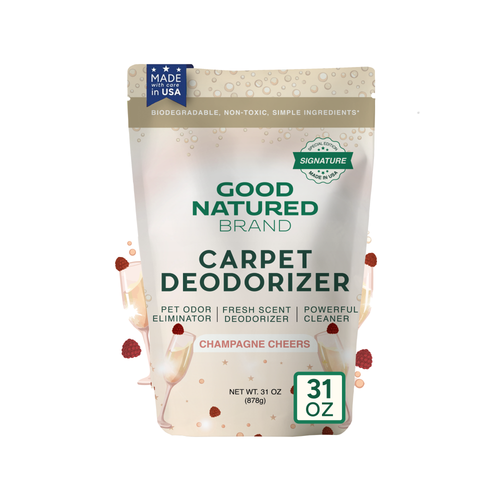
Shop the Product
Lemon freshness for every home.
Lavender calm for every home.
Orange energy for every home.
Mahogany warmth for every home.
Mandarin freshness for every home.
Champagne sparkle for every home.
Zesty freshness for every carpet.
Crate Training as a Tool for Calm and Confidence
Crate training often gets misunderstood, but when done correctly, it becomes one of the most powerful tools for a puppy’s emotional wellbeing. On day one, the crate is introduced as a safe, relaxing space, not a form of confinement or punishment.
Short, positive crate sessions throughout the day teach the puppy how to:
-
Settle down after activity
-
Self-soothe
-
Sleep deeply and calmly
Instead of constant interaction, allowing the puppy to transition naturally from play to rest helps prevent overtiredness—a common cause of nipping, zoomies, and frustration.
Over time, repeated calm crate experiences create a puppy who is comfortable being alone, reducing the likelihood of separation anxiety later in life.
Teaching Puppies That Calmness Is Rewarding
One of the most valuable lessons from the video is how crate crying is handled. Puppies cry because it has worked for them before—but what works once can quickly become a habit.
The strategy is clear:
-
Interrupt crying early rather than waiting for it to escalate
-
Reward quiet, calm behavior, not noise
-
Wait briefly for stillness before opening the crate
This teaches the puppy the “path of least resistance”: calm behavior gets attention, freedom, and rewards. Over time, the puppy begins to choose calmness naturally.
Gentle Obedience Foundations Without Pressure
Day one obedience training isn’t about perfection—it’s about communication. Short, playful sessions introduce concepts without overwhelming the puppy.
Key elements include:
-
Teaching the puppy to follow a loose lead using food rewards
-
Introducing a marker word like “yes” to clearly signal correct behavior
-
Rewarding a sit the moment the puppy’s bottom touches the floor
These early sessions are intentionally brief and upbeat. The goal is not mastery, but confidence and trust. Puppies who enjoy learning early on are far more motivated to train consistently as they grow.
Early Socialization With the Right Role Model
One of the most powerful moments in the video is Zelda’s interaction with a calm, confident adult dog. Early socialization doesn’t mean overwhelming exposure—it means quality over quantity.
A well-mannered adult dog can:
-
Gently regulate a puppy’s energy
-
Teach social boundaries naturally
-
Build confidence without fear
This kind of interaction helps puppies understand dog-to-dog communication in a way humans simply can’t replicate.
Creating a Calm Evening Routine
As the day winds down, routine becomes everything. A predictable sequence of:
-
A final toilet break
-
Evening meal
-
Another calm toilet trip
-
Settling into the crate
helps the puppy transition smoothly into nighttime. Keeping the crate near the bed at first provides reassurance, with gradual distance added over time.
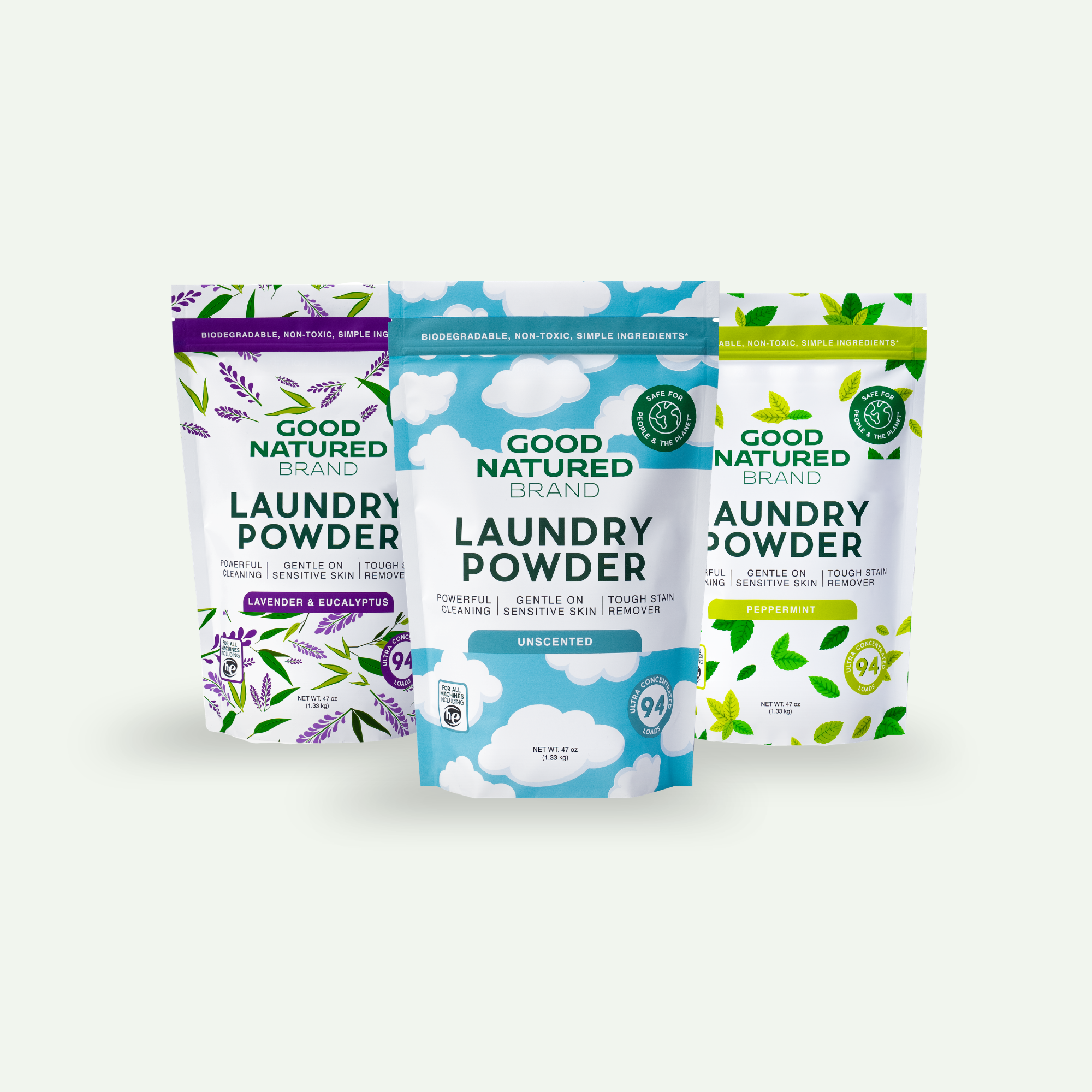
Nighttime accidents are part of the process, so maintaining a clean sleep environment is essential. Washing bedding, blankets, and crate liners with a gentle, effective option like Laundry Powders helps keep your puppy’s space fresh without harsh residues.
Keeping Your Home Puppy-Ready and Stress-Free
Between toilet training, accidents, and increased cleaning, the first week with a puppy can put your home to the test. Using a thoughtfully formulated All-Purpose Cleaner can make daily cleanups easier while supporting a healthier indoor environment for both pets and humans.
A clean space reduces stress—for you and your puppy—allowing everyone to settle into this new chapter more comfortably.
Why Consistency Beats Perfection
The biggest takeaway from “How To Survive The First 24 Hours With a New Puppy!” is that success doesn’t come from doing everything—it comes from doing a few things consistently.
Strong foundations in:
-
Toilet training
-
Crate calmness
-
Gentle communication
-
Early social learning
set the tone for a confident, well-adjusted companion. The first 24 hours aren’t about control—they’re about leadership, patience, and clarity.
Final Thoughts for New Puppy Parents
Your puppy doesn’t need you to be perfect. They need you to be calm, consistent, and present. The habits you build on day one quietly shape the dog your puppy will become—and with the right mindset, those first 24 hours can feel empowering instead of overwhelming.
If you’re preparing for life with a new puppy, take it slow, keep your routine simple, and remember: you’re not just raising a dog—you’re building a relationship that will last for years.