Creating a non-toxic home cleaning routine is one of the most effective steps you can take for the health and well-being of your family, pets, and the environment. As consumers become more aware of the chemicals in household products, many are making the switch to non-toxic, eco-friendly alternatives. A non-toxic cleaning routine not only reduces exposure to harmful substances but also promotes a cleaner, healthier home. This guide will help you understand how to build a non-toxic cleaning routine and why it matters.
What is a Non-Toxic Home Cleaning Routine?
A non-toxic home cleaning routine is one that avoids harmful chemicals and instead focuses on safe, natural alternatives. Conventional cleaning products often contain toxic chemicals such as bleach, ammonia, and synthetic fragrances, which can cause respiratory issues, skin irritation, and long-term health problems. Non-toxic cleaning products are made from ingredients that are safe for you, your family, and the environment. The goal is to reduce exposure to chemicals while maintaining a clean, fresh home.
The benefits of a non-toxic home cleaning routine are numerous: healthier indoor air quality, fewer allergens, reduced environmental impact, and a safer home for pets and children. With so many non-toxic options available today, it’s easier than ever to make the switch.
Learn more about non-toxic living at Good Natured Brand.
Why Non-Toxic Home Cleaning Matters
The Hidden Dangers of Conventional Cleaning Products
Many conventional cleaning products contain harsh chemicals that pose a significant risk to your health. Some of the most common harmful ingredients in these products include:
-
Phthalates: Often found in air fresheners and cleaning products, phthalates are linked to hormone disruption and respiratory problems.
-
Formaldehyde: Used in many cleaning agents, formaldehyde is a carcinogen that can cause irritation to the eyes, skin, and throat.
-
Ammonia: A common ingredient in glass and bathroom cleaners, ammonia can irritate the eyes, nose, and throat and may cause respiratory issues with long-term exposure.
-
Synthetic Fragrances: These fragrances, often used in household cleaning products, can trigger allergies, asthma attacks, and skin irritation.
The impact of these chemicals on indoor air quality is significant, as they can linger long after the cleaning process is complete, creating an unhealthy living environment. With long-term exposure, the risks only increase.
Benefits of Switching to Non-Toxic Cleaning Products
Switching to non-toxic cleaning products brings immediate and long-term health benefits. Some of the key advantages include:
-
Healthier indoor air quality: Non-toxic products reduce the amount of airborne pollutants in your home.
-
Safer for children and pets: Non-toxic cleaners are much gentler and free of harmful chemicals that could be ingested or absorbed through the skin.
-
Environmentally friendly: Many non-toxic cleaning products are biodegradable and use eco-friendly packaging, reducing waste and pollution.
-
Fewer irritants: Non-toxic products are less likely to cause skin irritation, respiratory issues, or allergic reactions.
Non-toxic cleaning products can help you create a safer, cleaner home environment, supporting your family's health while also benefiting the planet.
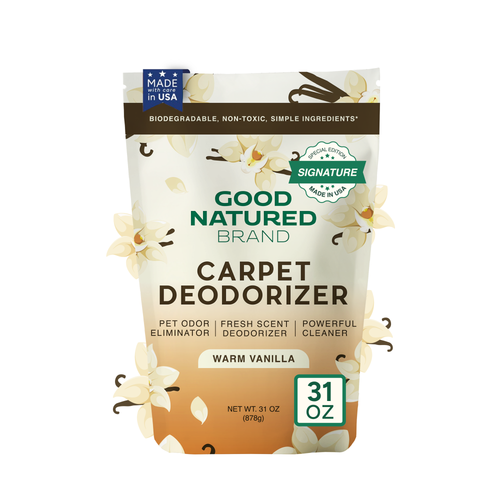
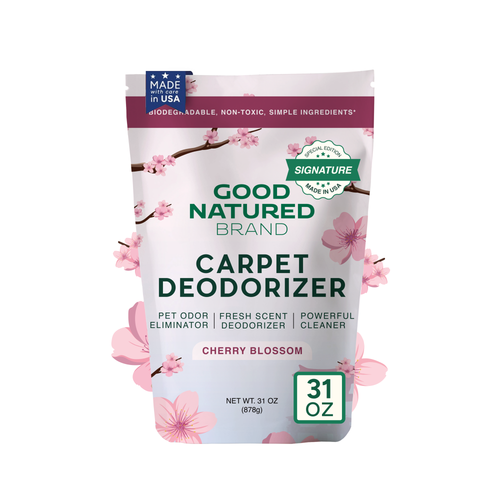
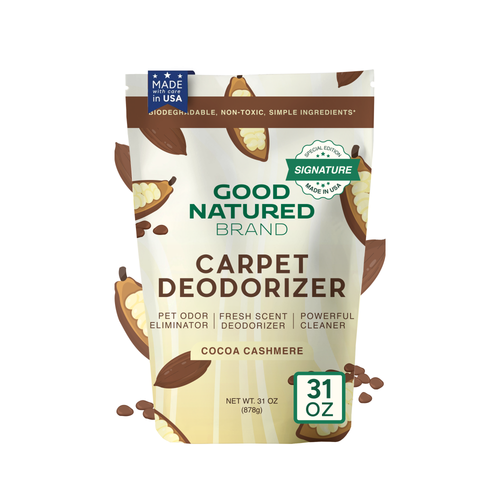
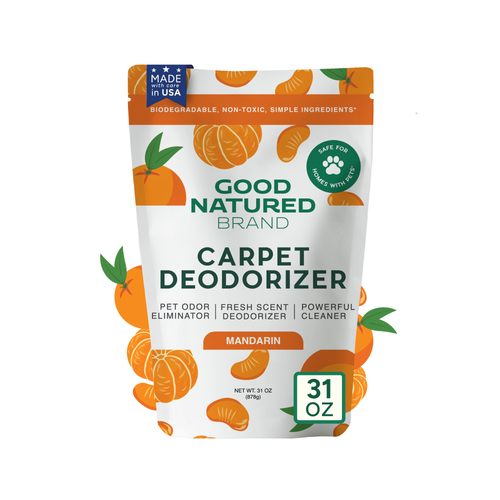
Shop the Product
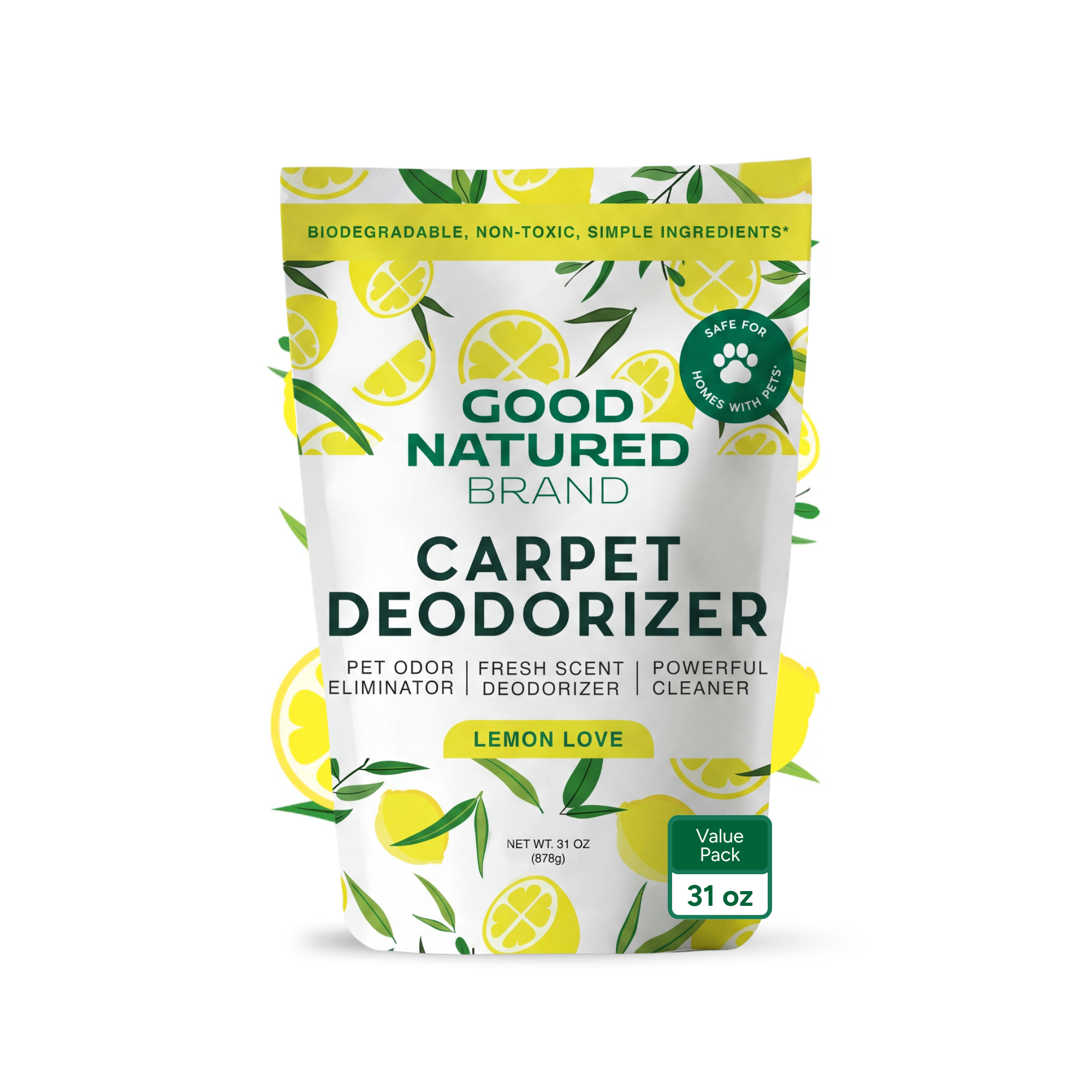
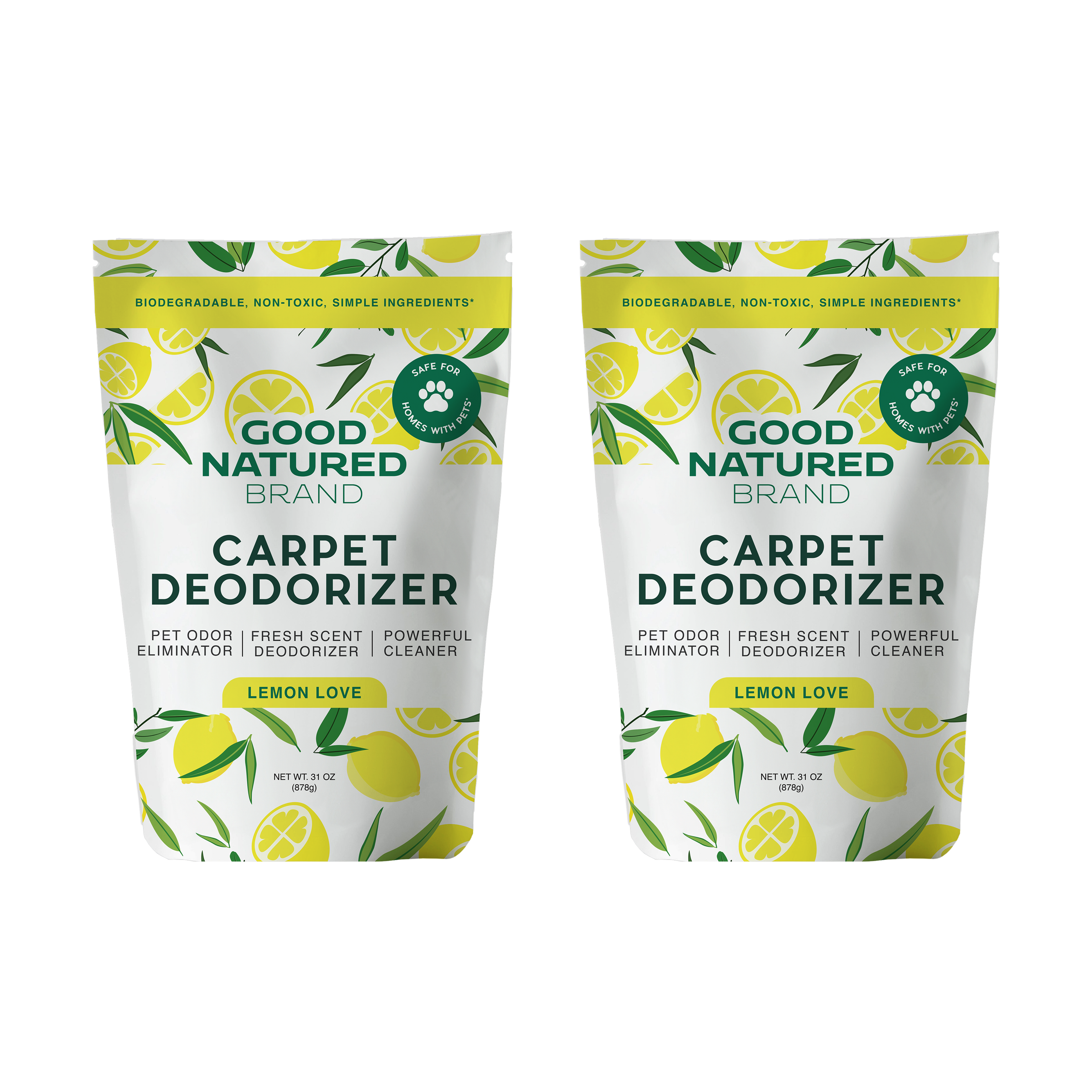
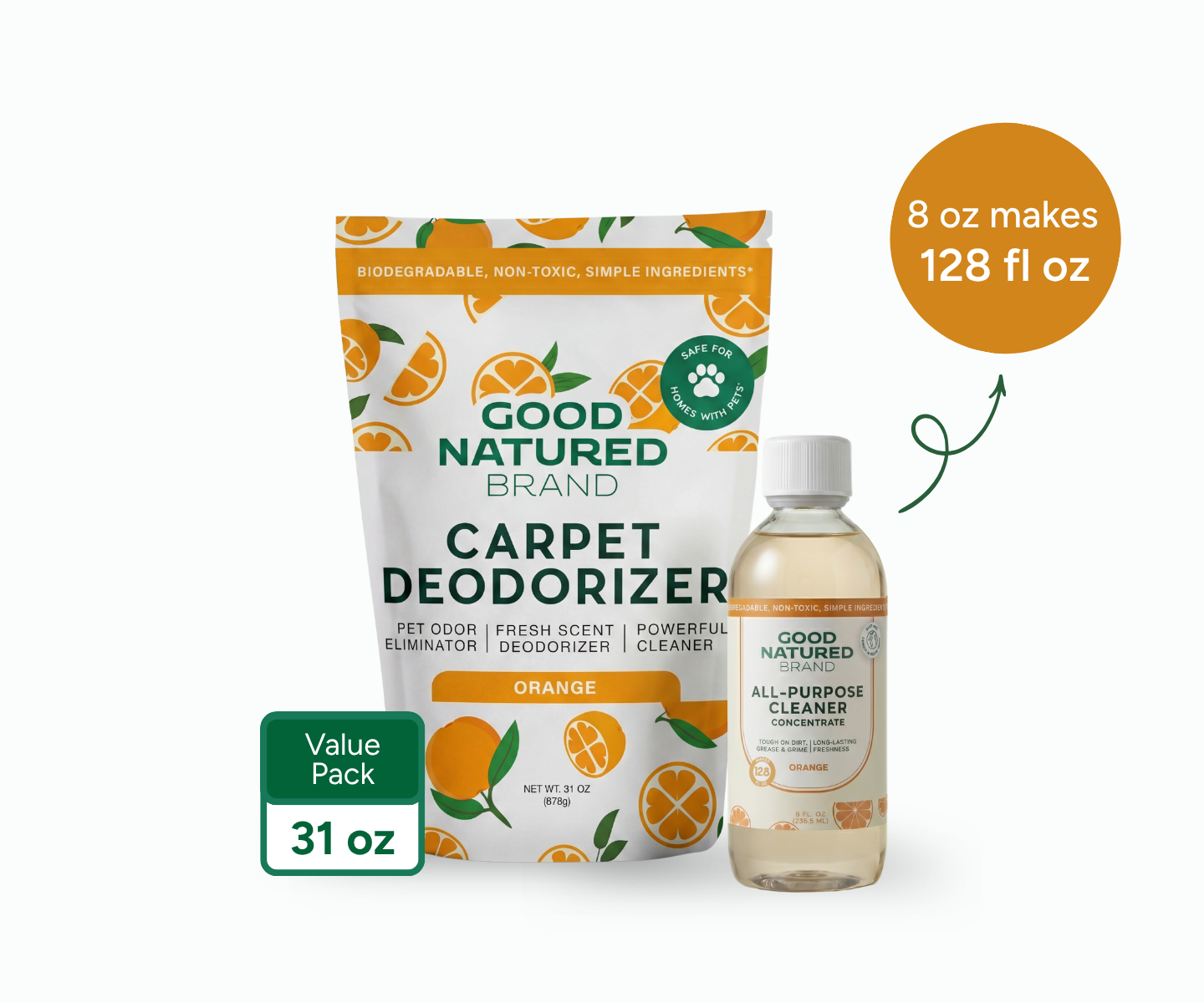
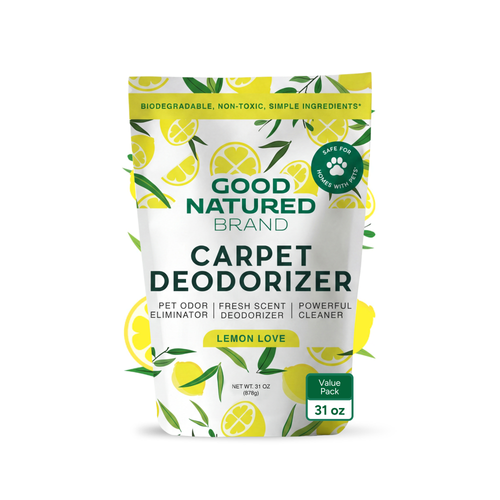
Lemon freshness for every home.
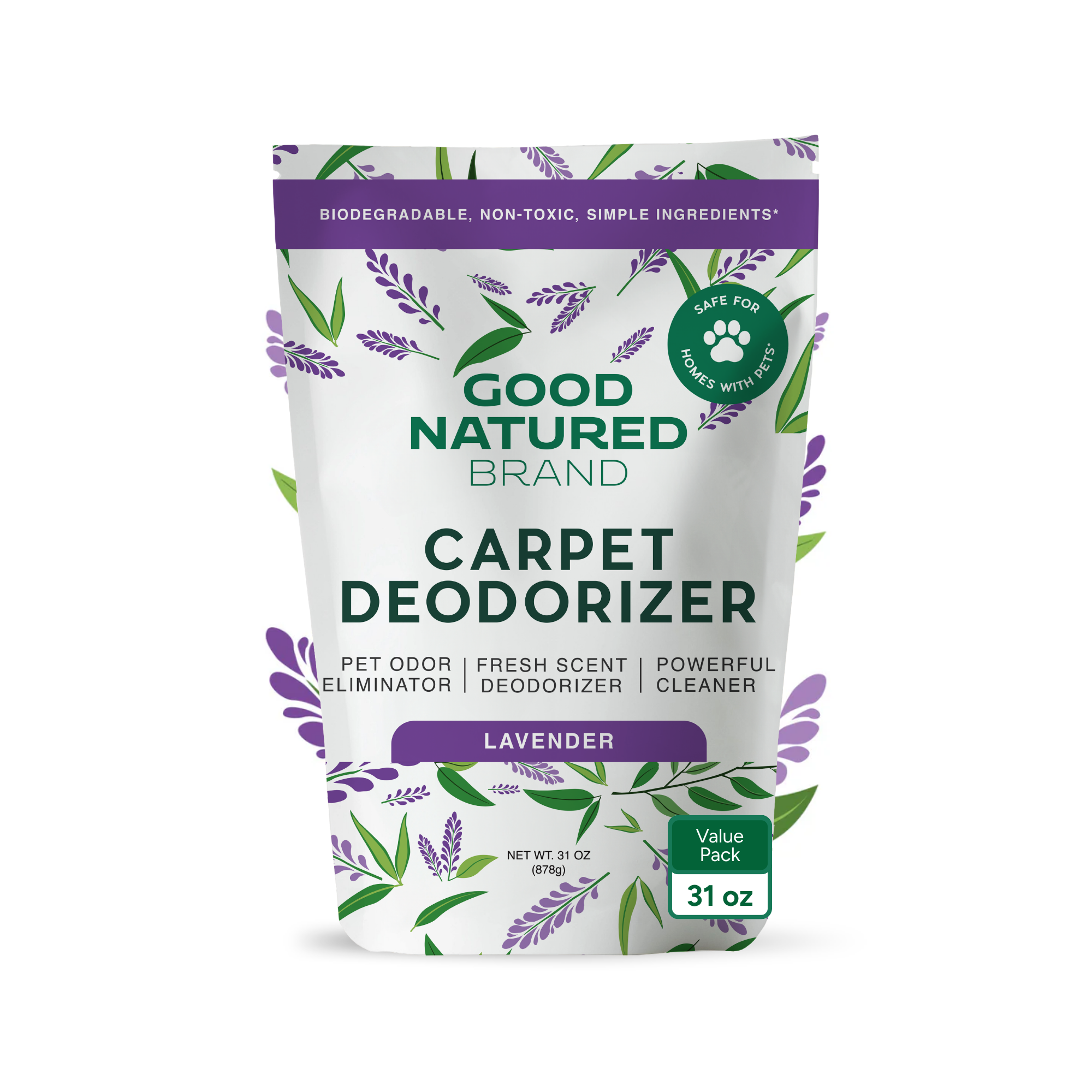
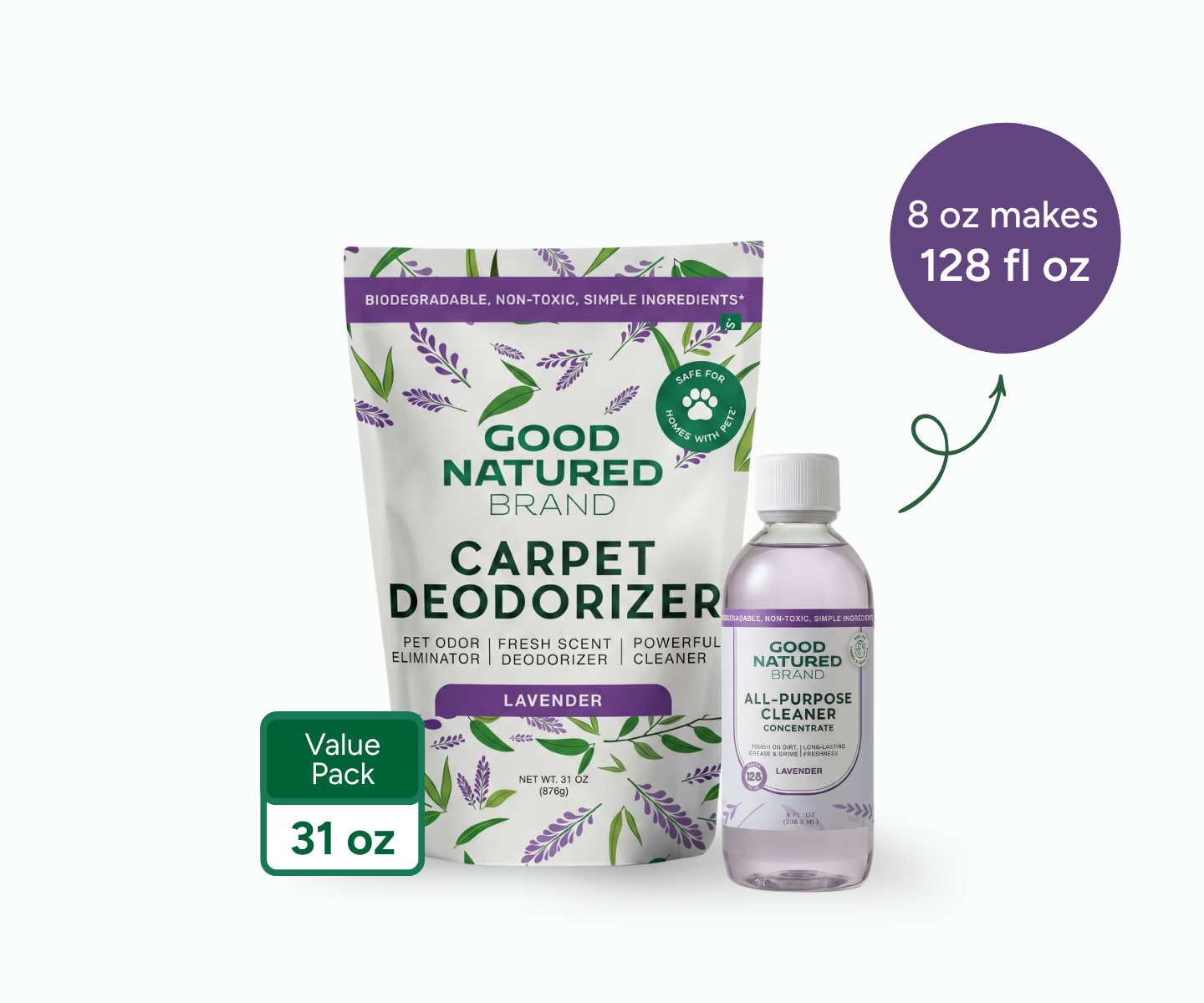
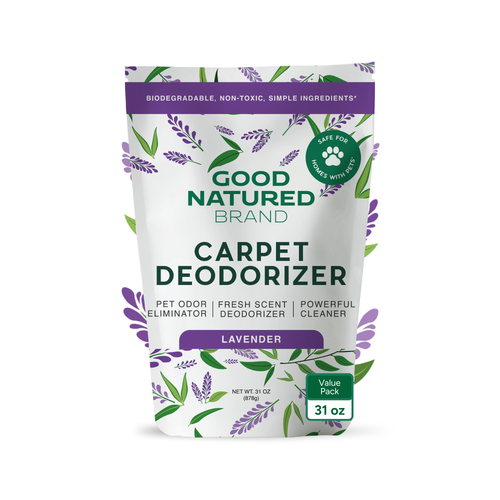
Lavender calm for every home.
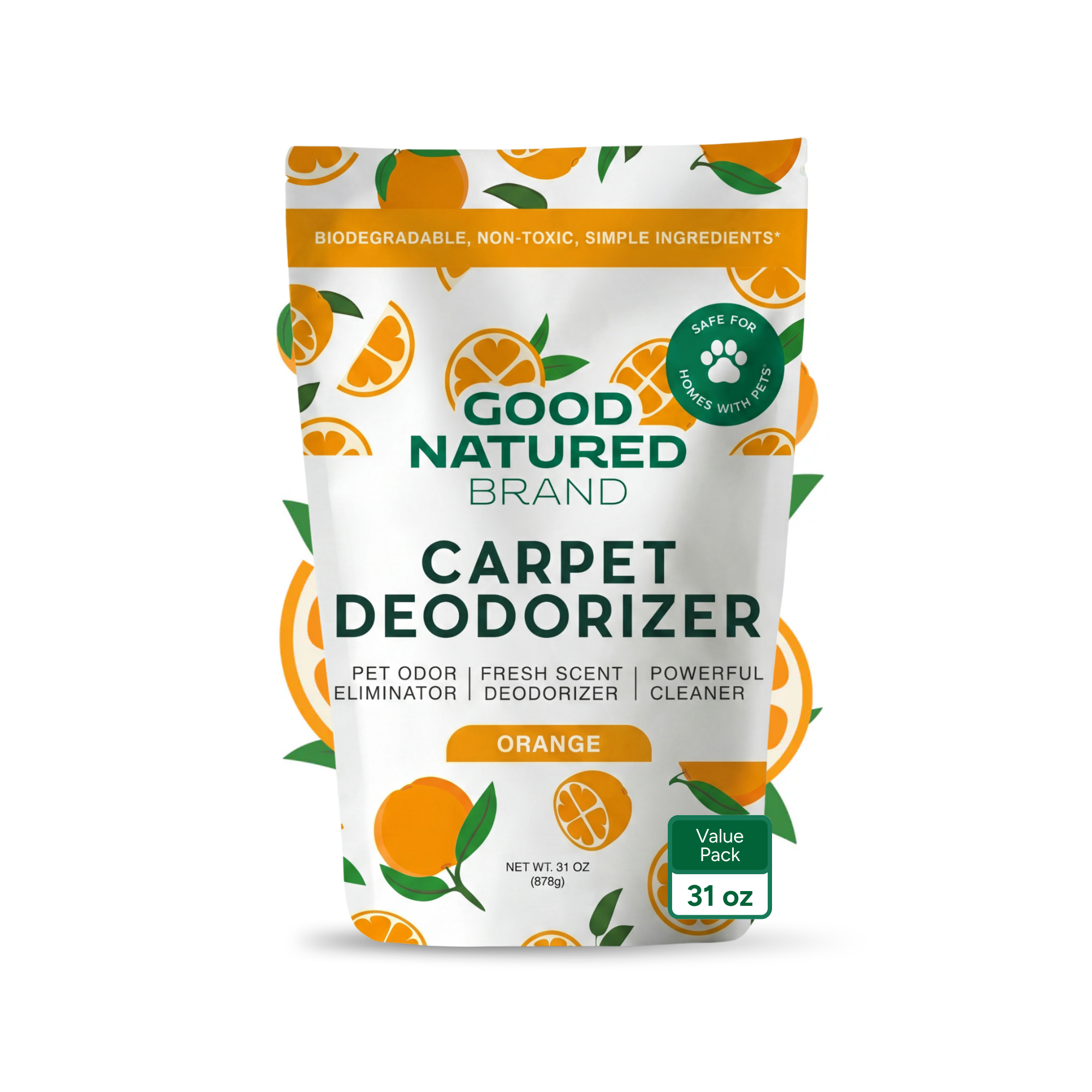
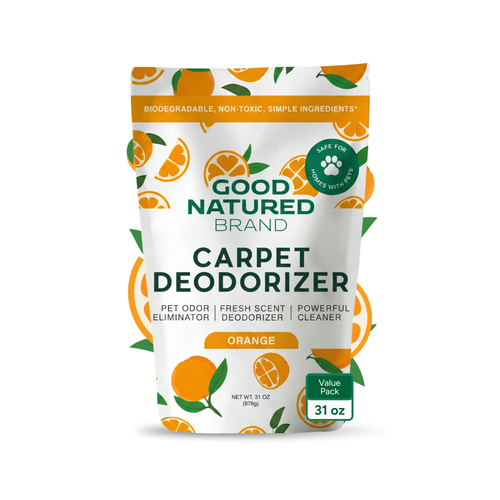
Orange energy for every home.
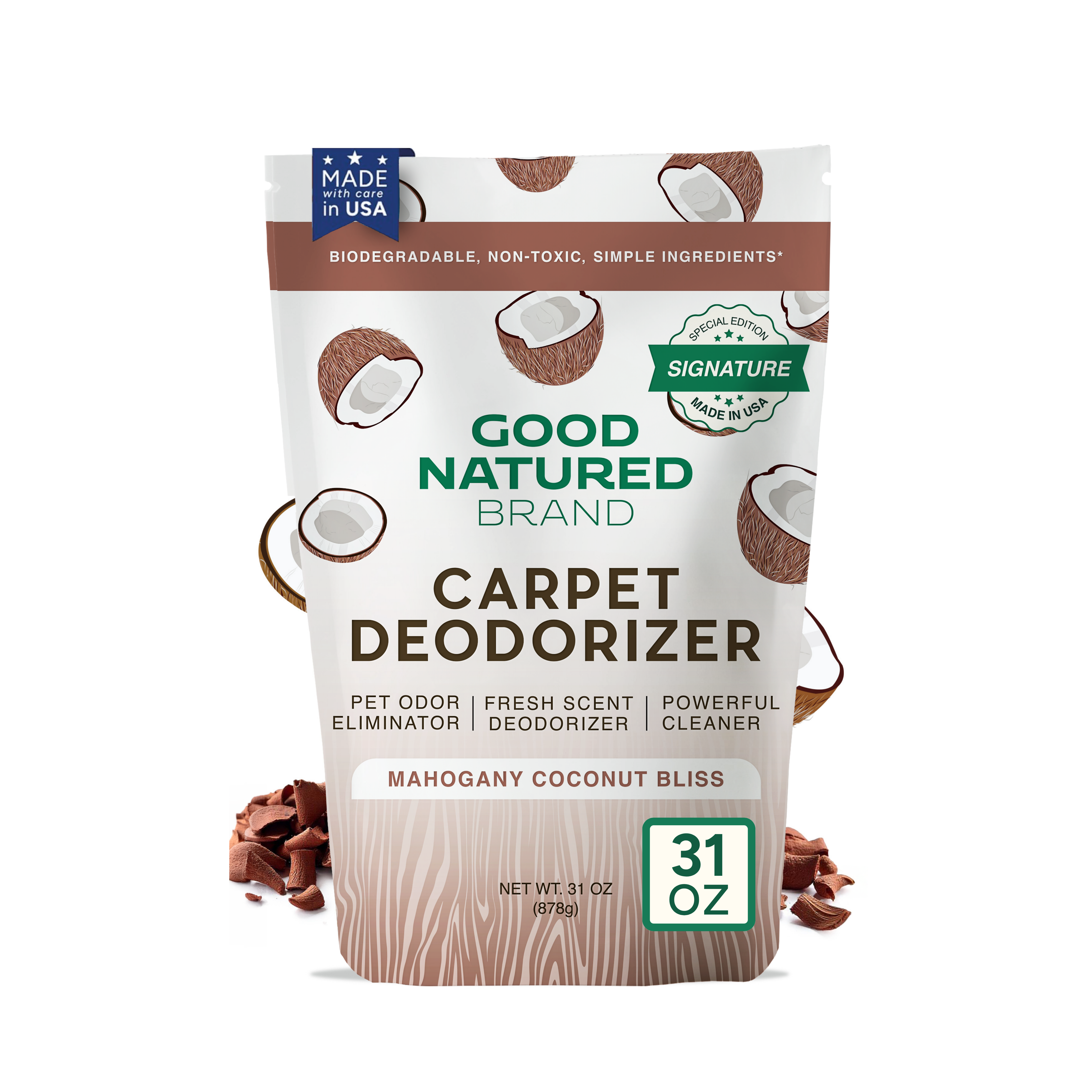
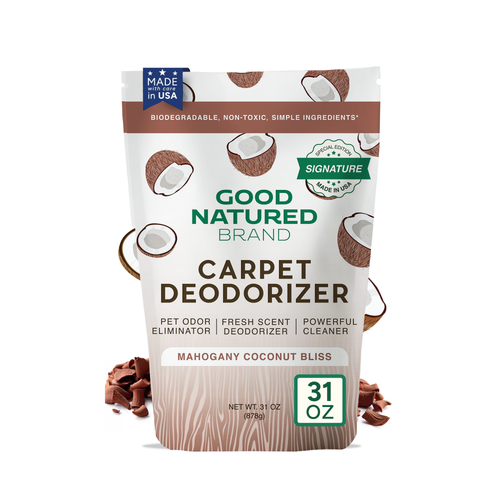
Mahogany warmth for every home.
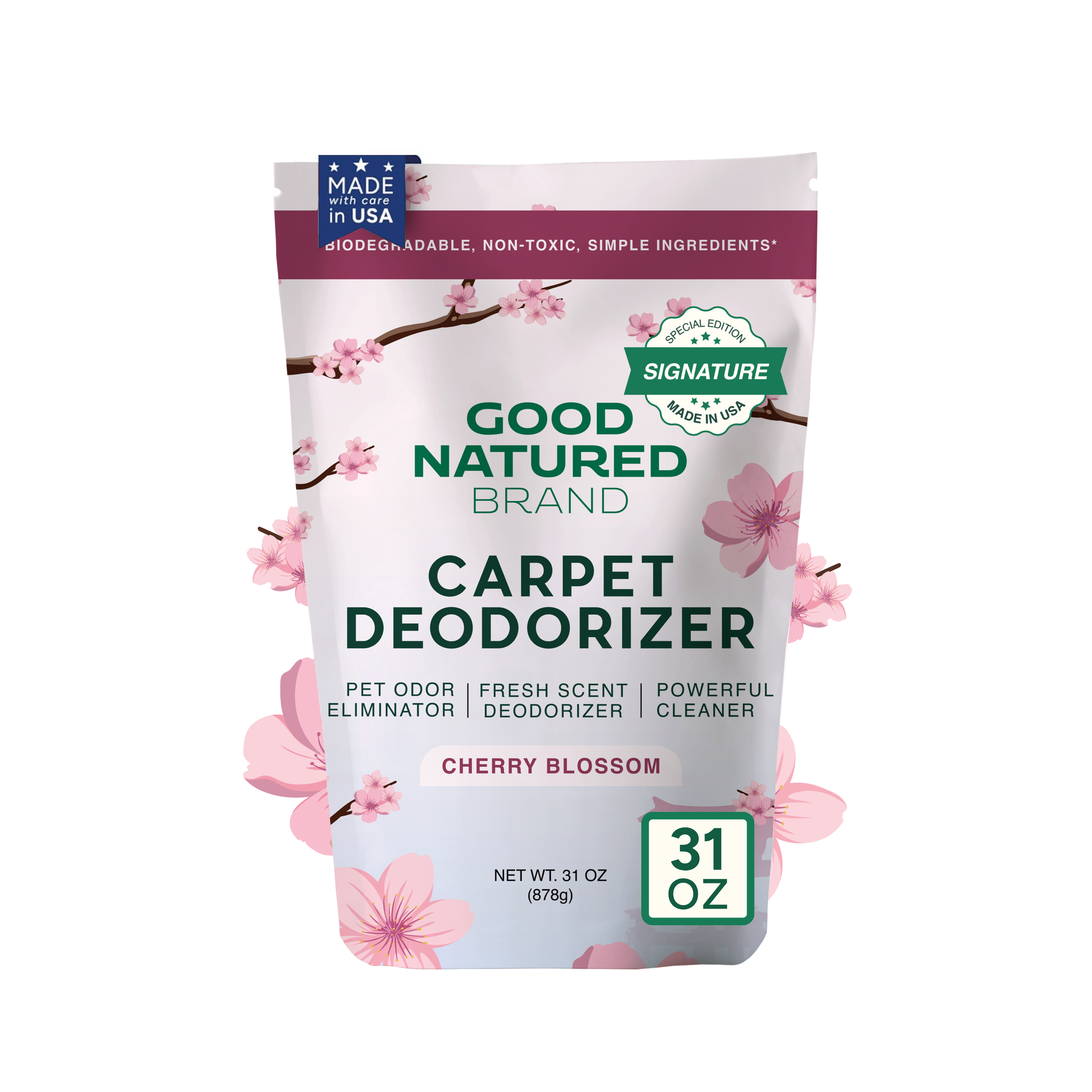
Cherry blossom serenity for every home.
Cocoa butter comfort for every home.
Mandarin freshness for every home.
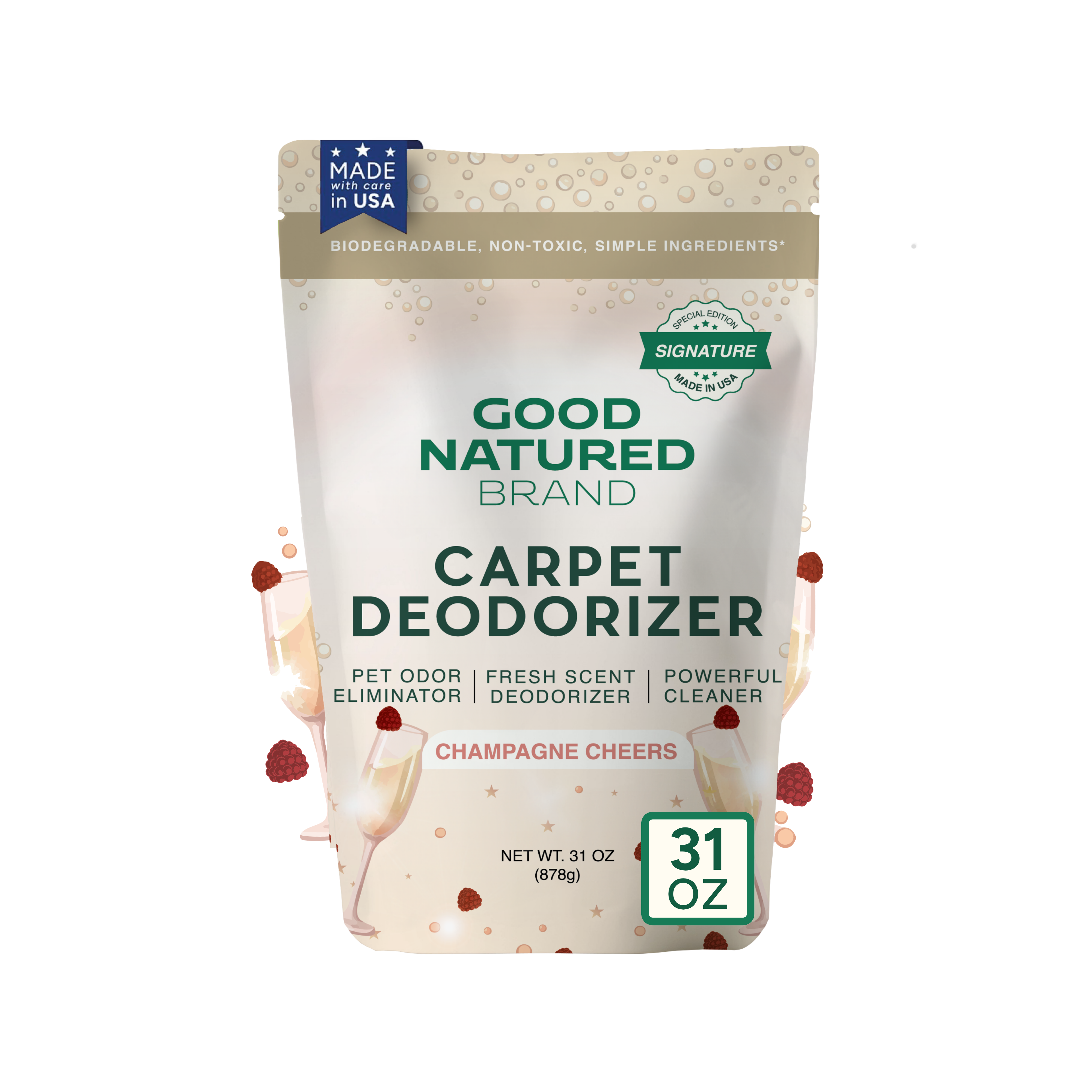
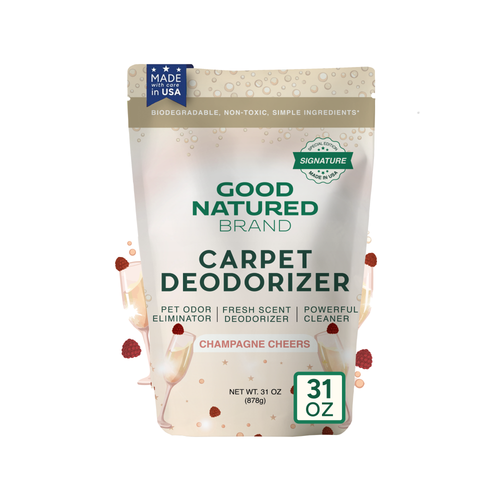
Champagne sparkle for every home.
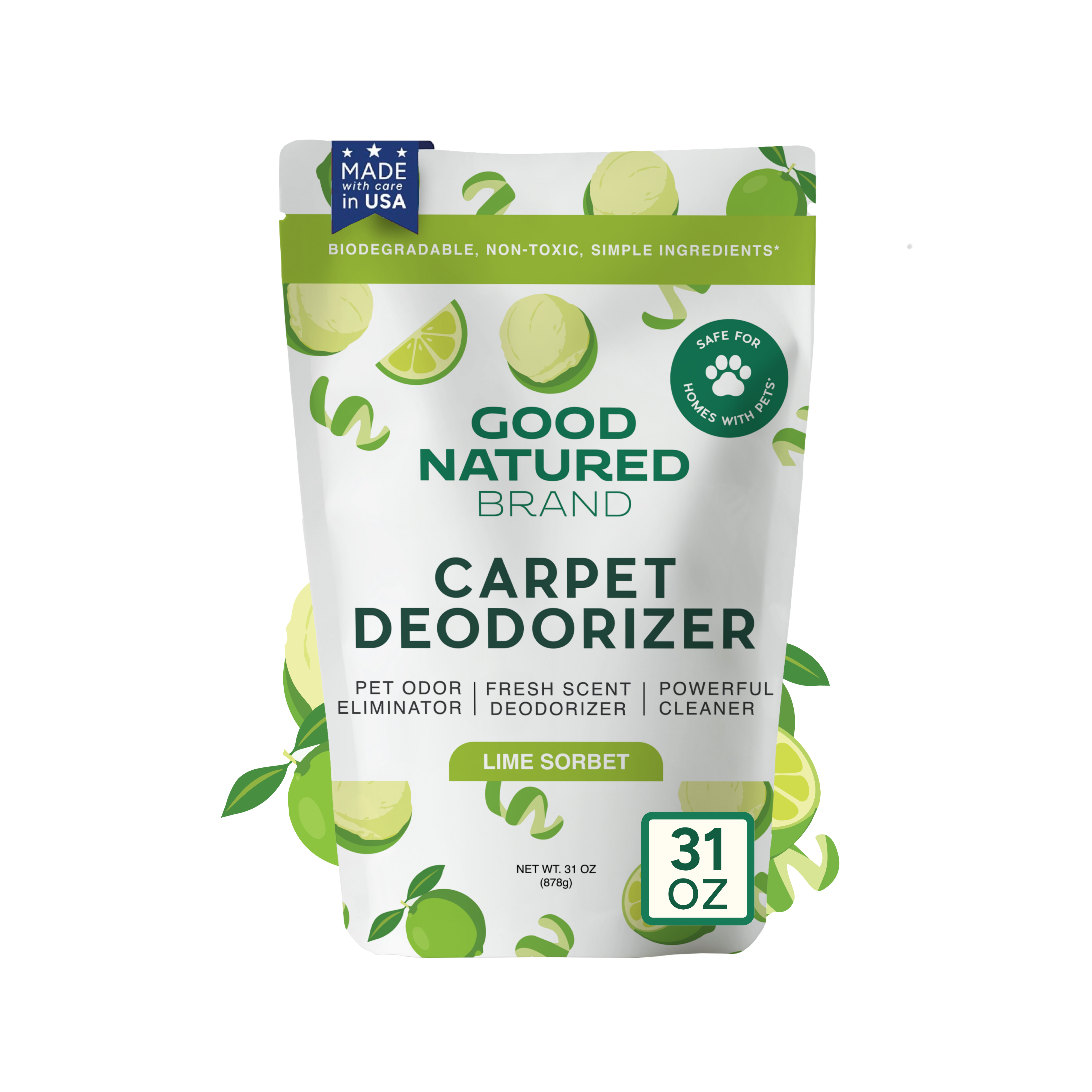
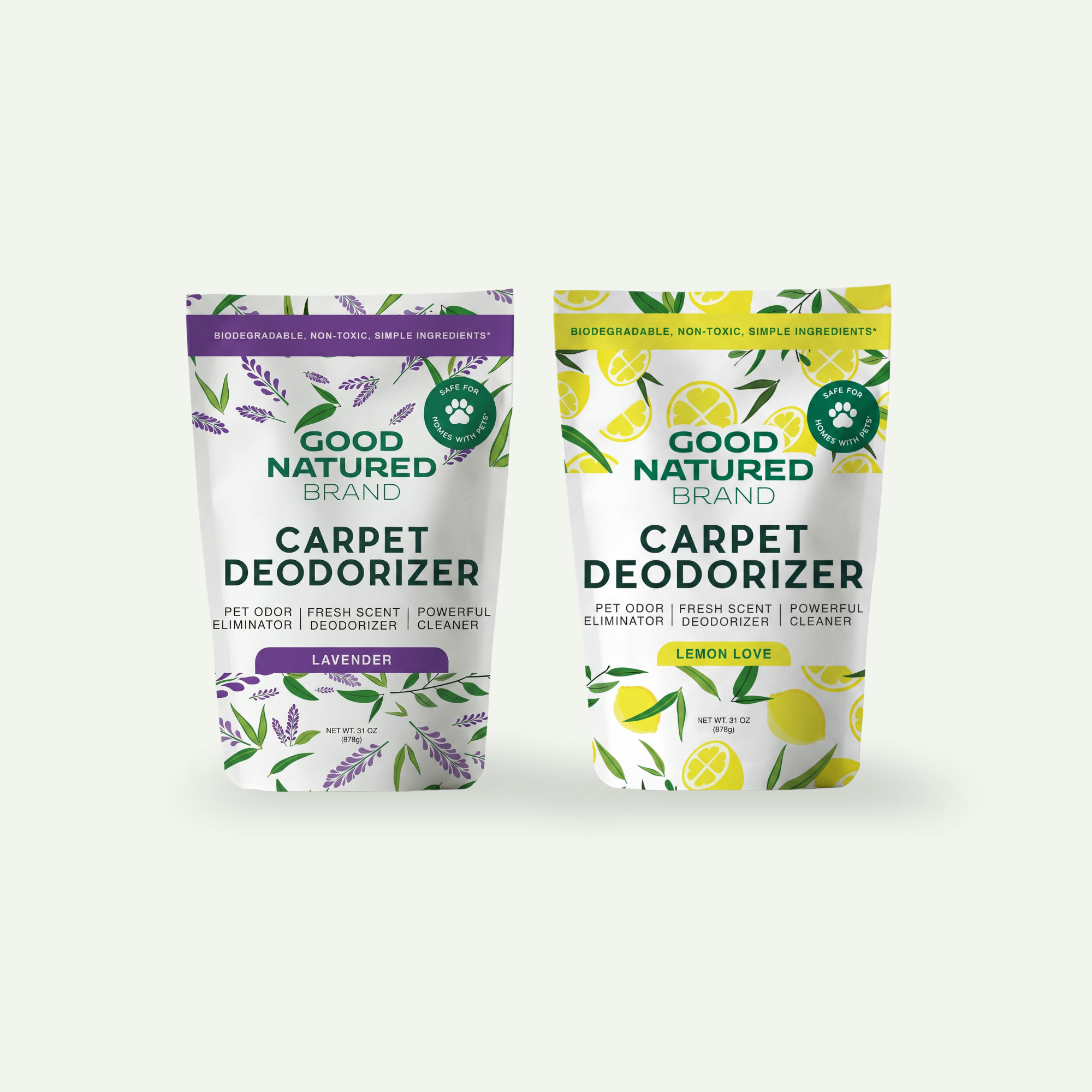
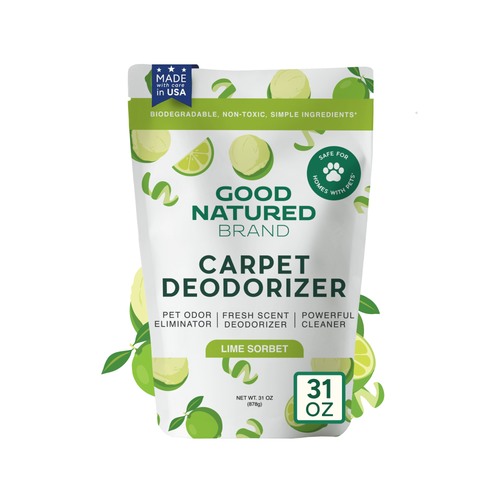
Zesty freshness for every carpet.
How to Identify Non-Toxic Cleaning Products
Understanding Labels: What to Look For
The first step in creating a non-toxic home cleaning routine is learning how to identify safe products. Labels can be tricky, but here’s what to look for:
-
Non-toxic or toxin-free: These labels indicate that the product is free from harmful chemicals.
-
Biodegradable: Look for products that break down naturally in the environment, reducing their impact on the planet.
-
Free from synthetic fragrances: Many non-toxic products use natural scents like essential oils, which are safer than synthetic fragrances.
-
Plant-based ingredients: Many non-toxic products are made from natural ingredients derived from plants, such as citric acid, vinegar, or essential oils.
It’s important to read the ingredient list carefully to ensure that a product is truly non-toxic. Avoid products that contain chemicals like bleach, ammonia, and phthalates, as these can cause health problems.
How Brands Commit to Non-Toxic Standards
When choosing non-toxic products, transparency is key. Brands that are committed to using non-toxic ingredients will often provide clear, detailed information about their formulations. Look for brands that offer ingredient transparency and certifications such as:
-
Leaping Bunny Certified (cruelty-free)
-
ECOLOGO (environmentally certified)
-
Green Seal Certified (sustainable cleaning products)
Brands that prioritize non-toxic standards are not only better for your health, but they also care about the environmental impact of their products. Good Natured Brand is one such brand that offers high-quality, safe cleaning products made with simple, non-toxic ingredients.
Learn more about sustainable and non-toxic cleaning at Good Natured Brand Blog.
Building a Non-Toxic Cleaning Routine
Step 1: Declutter and Choose Simple, Multi-Use Products
One of the first steps to creating a non-toxic cleaning routine is simplifying your cleaning supplies. Instead of relying on multiple specialized products, choose versatile, multi-purpose items. By reducing the number of products you use, you’ll not only save space but also avoid unnecessary chemicals.
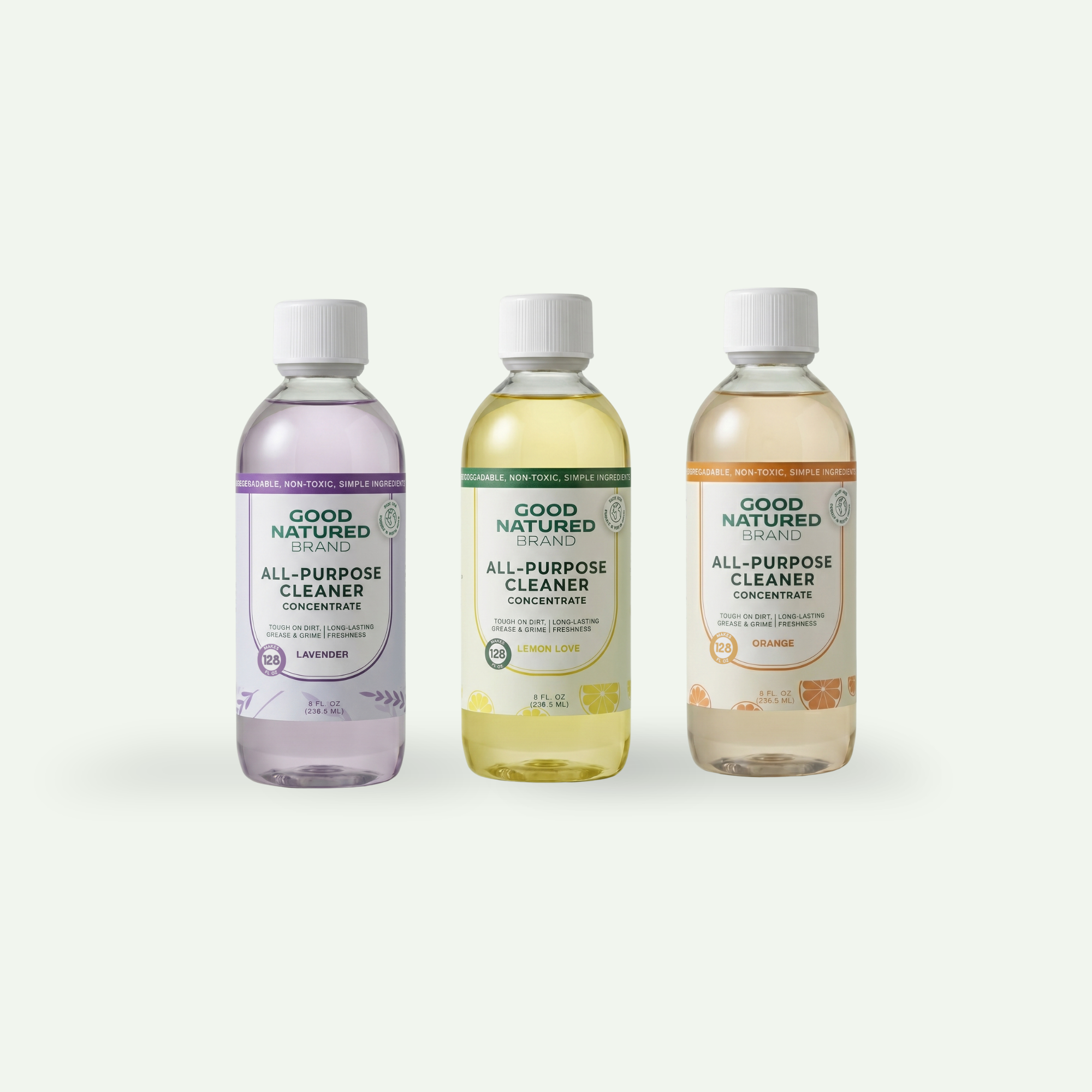
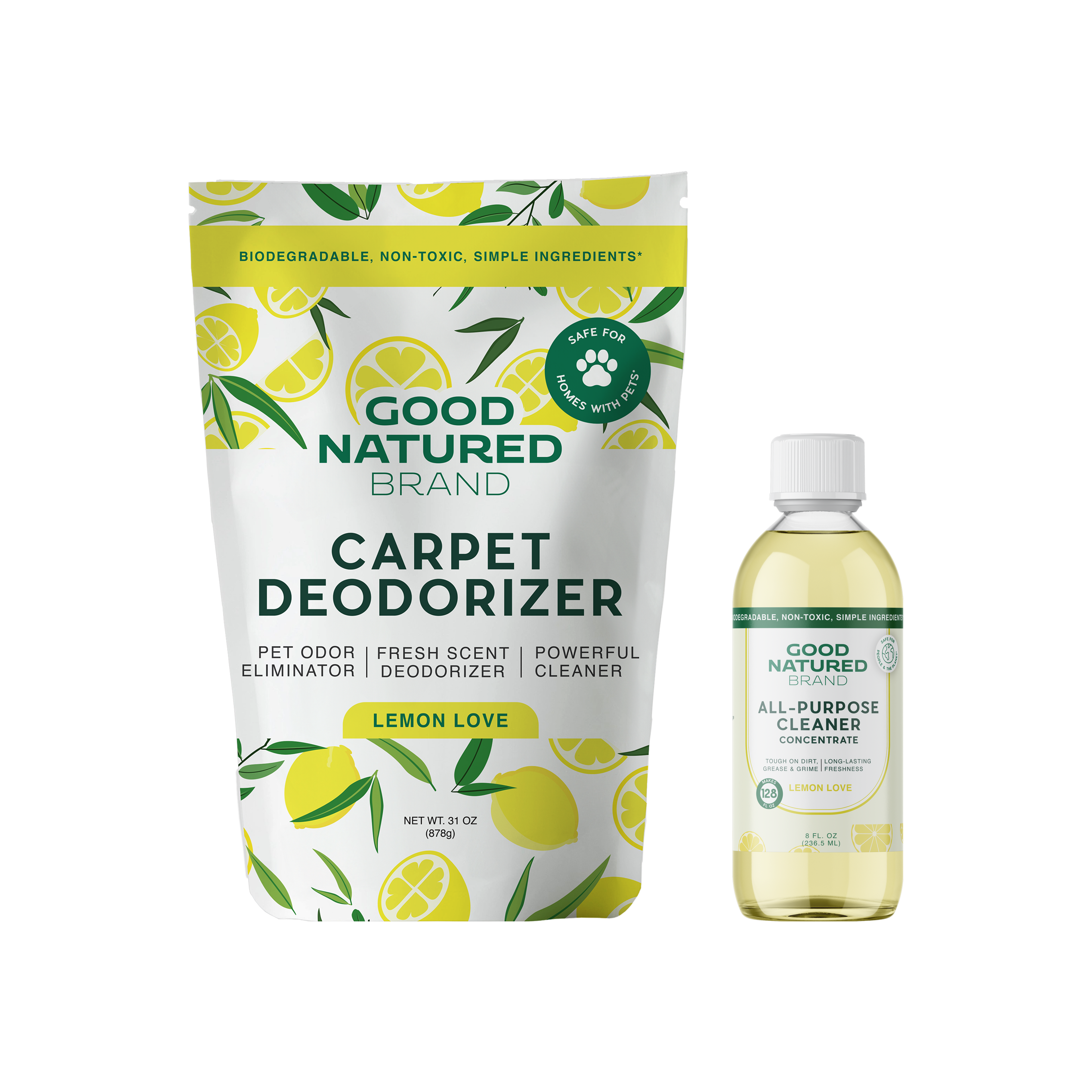
For example, All-Purpose Cleaners are designed to tackle a variety of surfaces, from countertops to bathrooms to floors. These cleaners can handle a wide range of tasks without the need for multiple products. Simplifying your cleaning supplies will make it easier to maintain your non-toxic routine.
Step 2: Make Your Own Non-Toxic Cleaners at Home
Making your own non-toxic cleaners is an effective and affordable way to avoid harmful chemicals. With just a few simple ingredients, you can create safe, effective cleaning solutions for every area of your home. Common ingredients for homemade cleaners include:
-
Vinegar: A natural disinfectant that works well for cleaning glass, mirrors, and countertops.
-
Baking soda: A gentle abrasive that helps scrub tough stains and deodorize carpets and upholstery.
-
Castile soap: A plant-based soap that works as a base for many DIY cleaning solutions.
-
Essential oils: Lavender, lemon, and tea tree oils add a pleasant scent and offer antibacterial properties.
Making your own cleaning products also ensures that you have full control over the ingredients you’re using in your home. Plus, homemade cleaners are often more cost-effective than store-bought alternatives.
Top Non-Toxic Ingredients for Homemade Cleaners
Essential Oils for Freshness and Cleanliness
Essential oils are not only great for adding fragrance to your cleaning routine, but they also have antibacterial, antiviral, and antifungal properties. Some popular essential oils for cleaning include:
-
Lavender oil: Known for its calming scent, lavender oil also has antibacterial properties that make it effective in cleaning.
-
Lemon oil: A natural disinfectant with a refreshing scent, lemon oil is ideal for cutting through grease and grime.
-
Tea tree oil: This oil has powerful antimicrobial properties, making it perfect for tackling germs and bacteria.
Adding essential oils to your homemade cleaners not only makes them smell great but also boosts their cleaning power.
Other Simple Ingredients: Baking Soda, Vinegar, and Beyond
Baking soda and vinegar are two of the most effective ingredients for non-toxic cleaning. Here’s how they work:
-
Baking soda: It acts as a mild abrasive and deodorizer. Use it to clean tough stains on countertops, remove odors from carpets, and scrub sinks and tubs.
-
Vinegar: It’s an excellent natural disinfectant that can remove stains, dissolve soap scum, and clean glass and mirrors without leaving streaks.
By combining these simple ingredients, you can create a range of non-toxic cleaning solutions that are safe, effective, and affordable.
How to Transition Your Entire Home to Non-Toxic Cleaning
Step 3: Start With High-Traffic Areas
When transitioning to a non-toxic cleaning routine, start with high-traffic areas like the kitchen, bathrooms, and living spaces. These areas often require the most attention, and using non-toxic products here will have the greatest immediate impact.
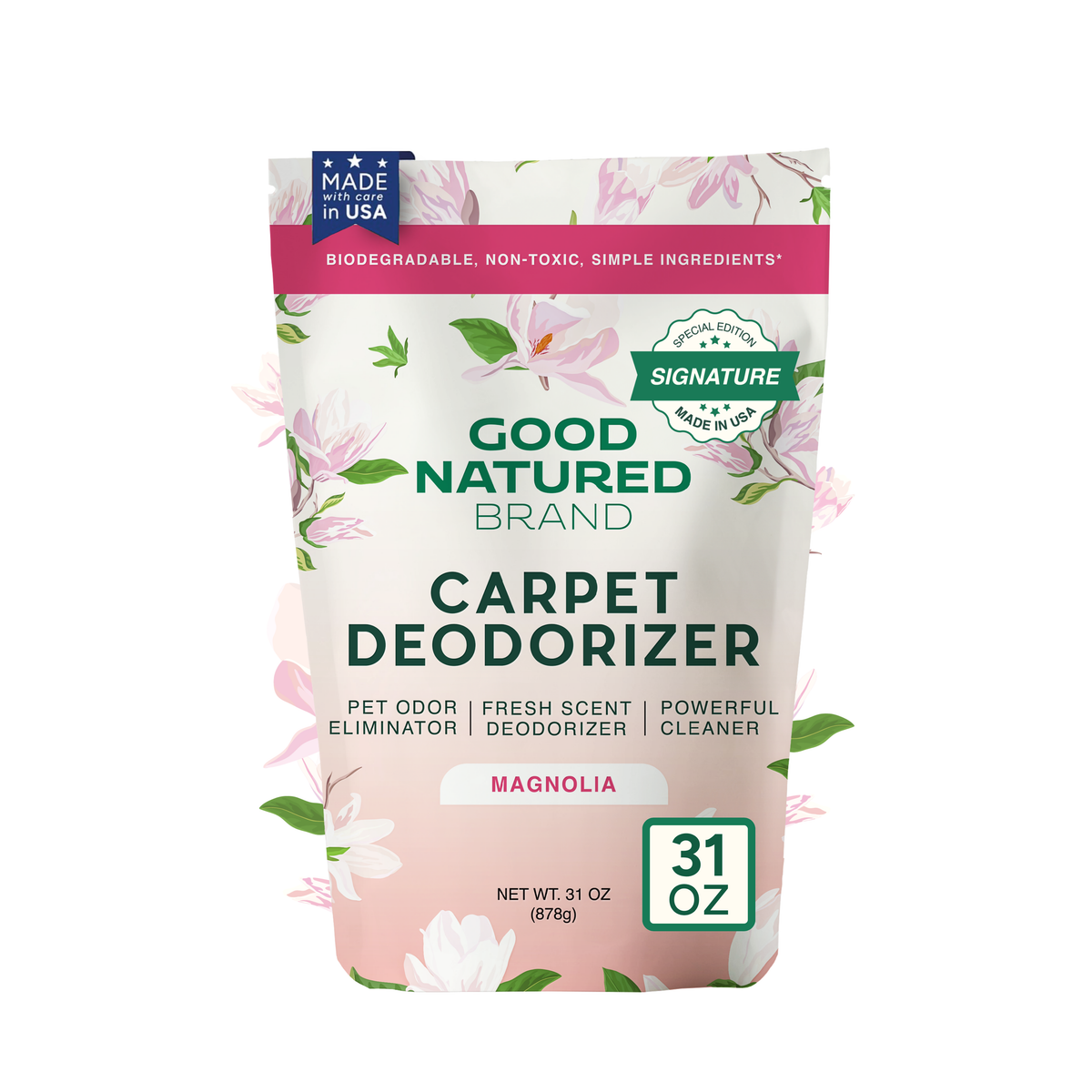
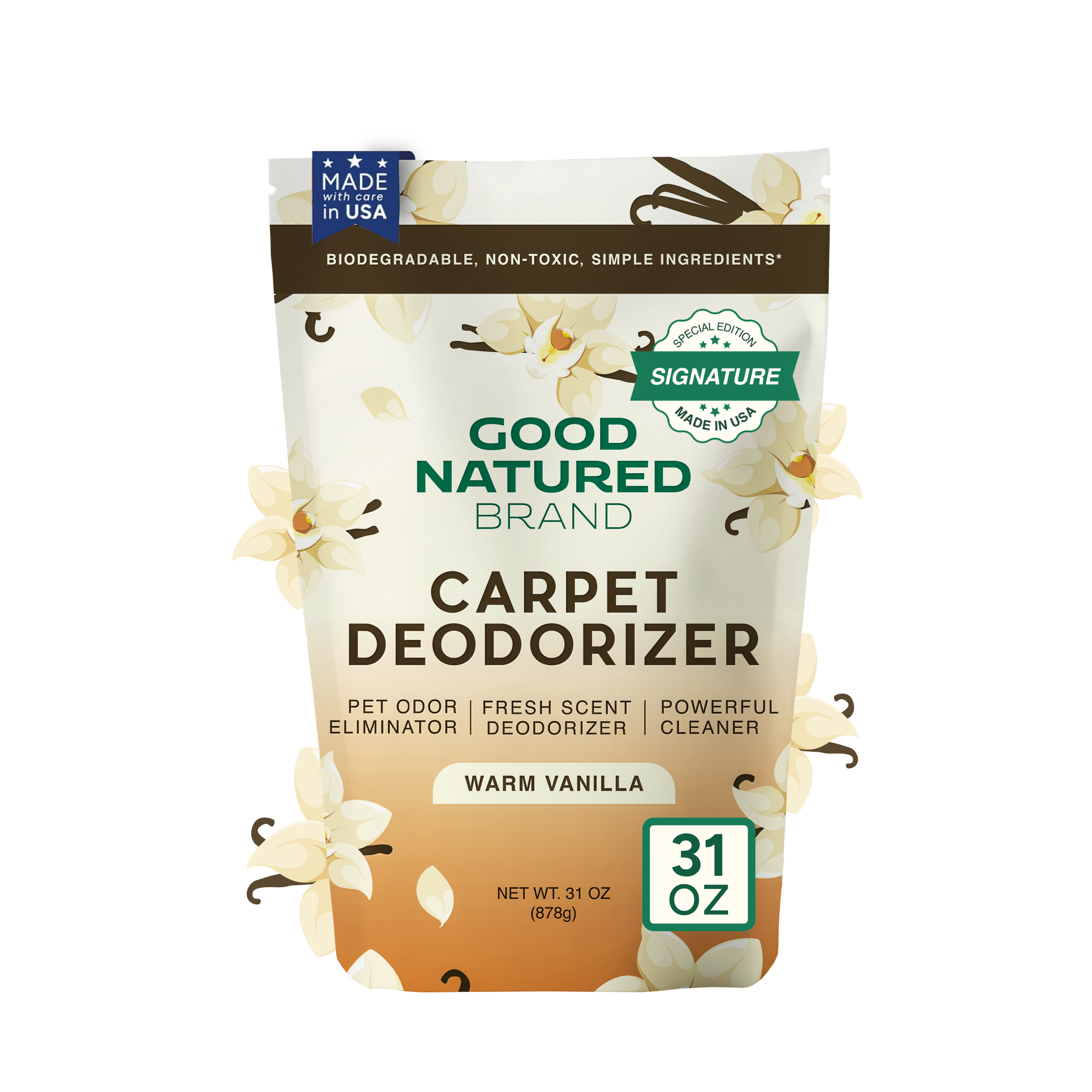
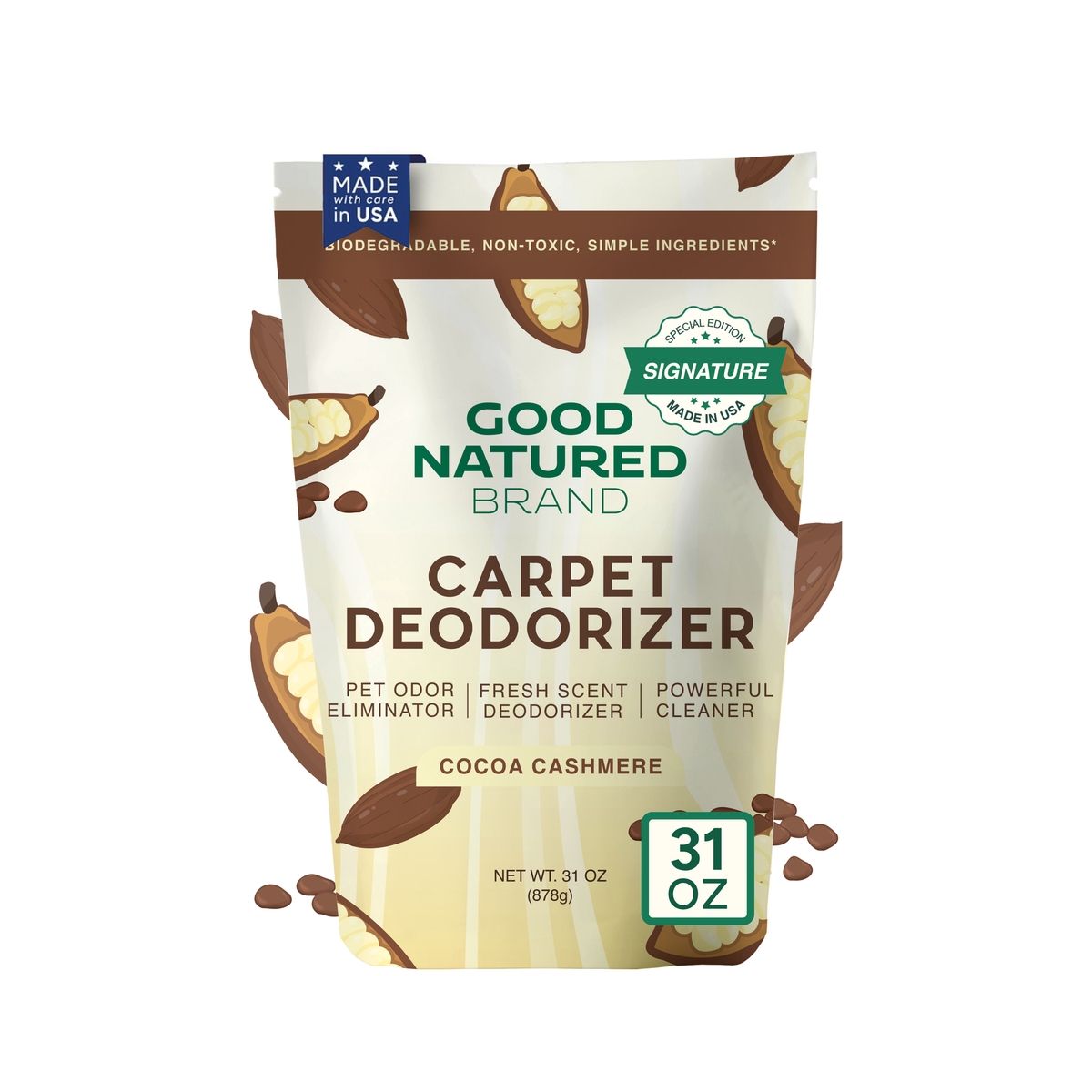
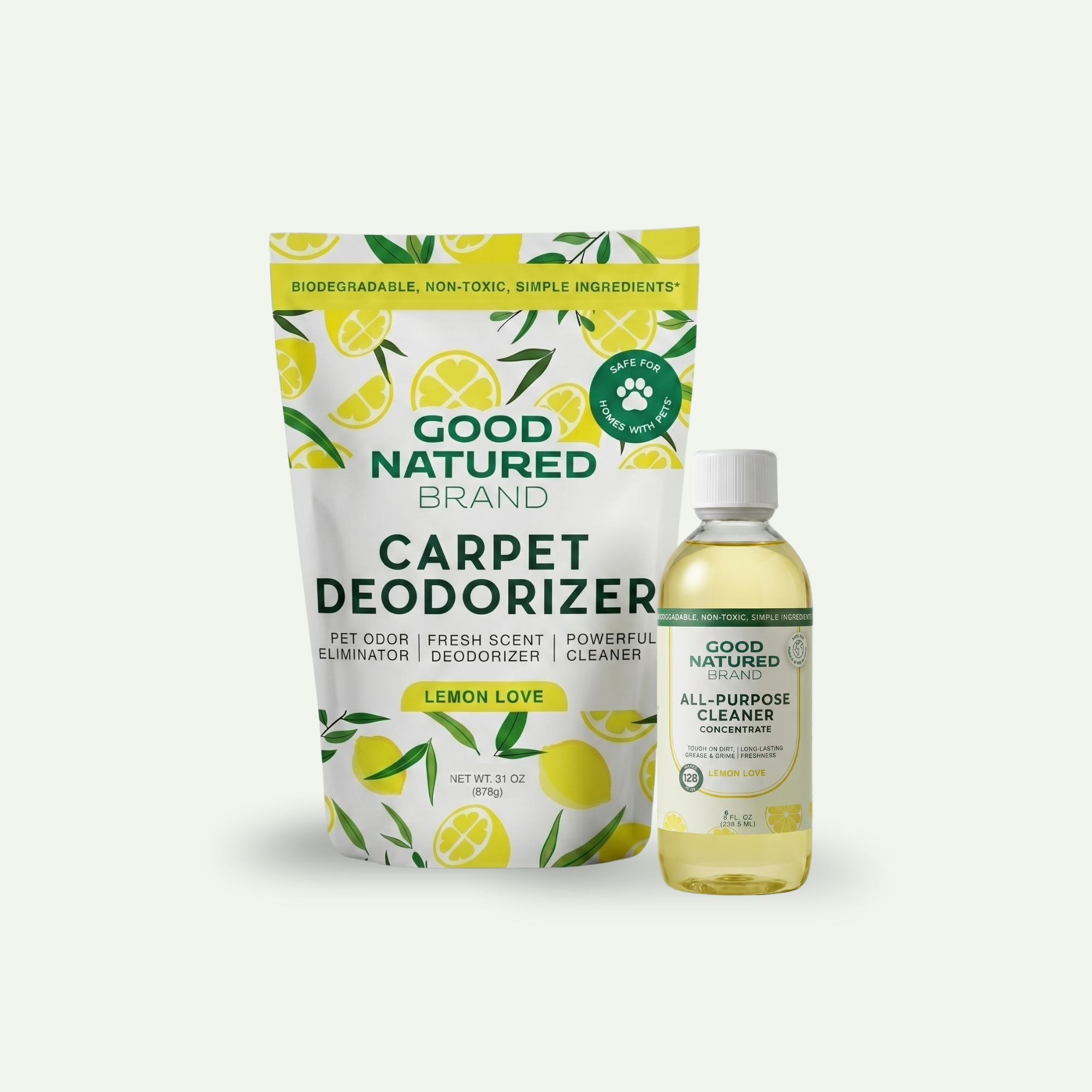
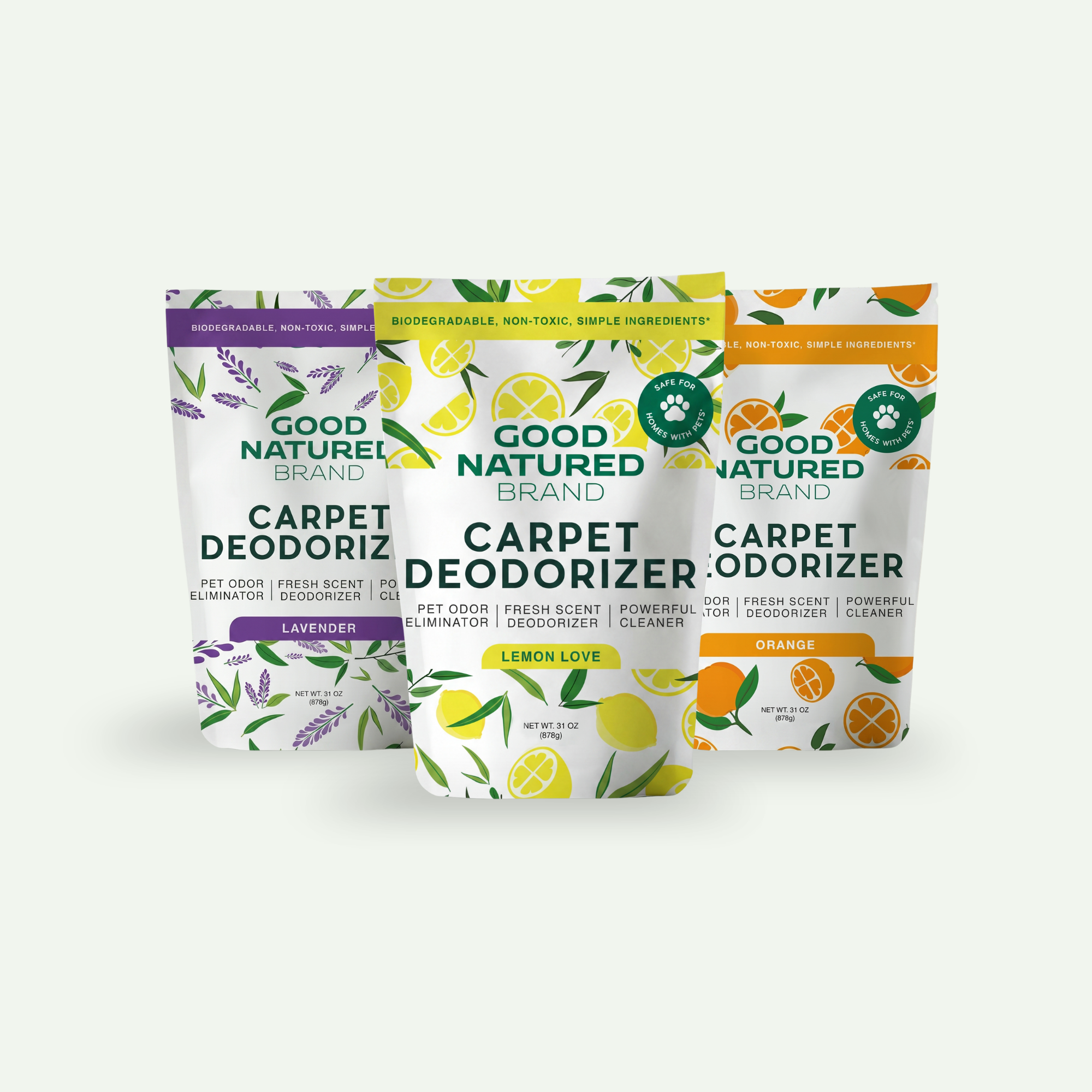
In the kitchen, for example, you can use a non-toxic All-Purpose Cleaner to clean countertops, sinks, and appliances. In the bathroom, choose a natural toilet cleaner and disinfectant. For carpets, use a non-toxic Carpet Deodorizer to eliminate odors and keep your home smelling fresh.
Step 4: Incorporate Non-Toxic Products into Your Laundry Routine
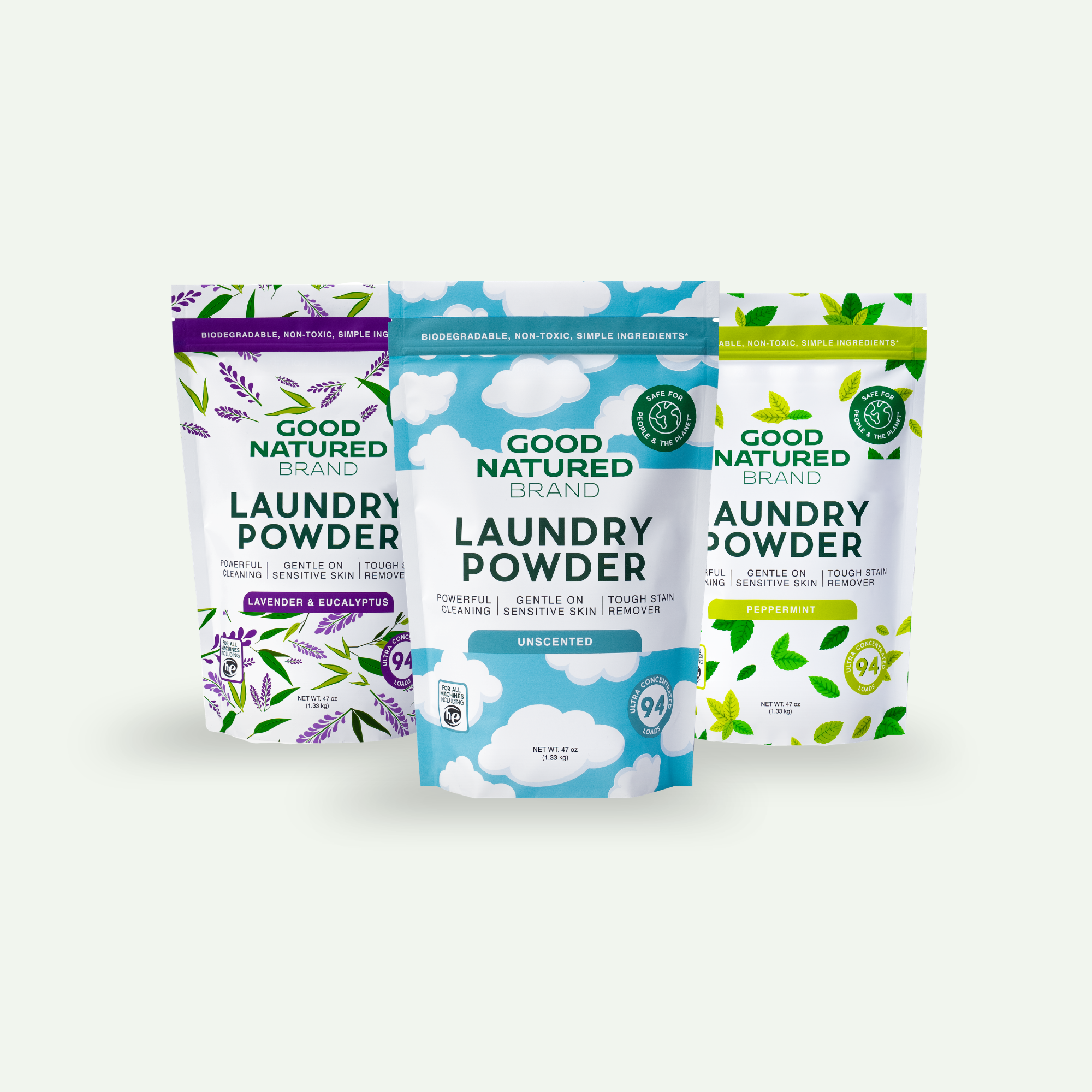
Your laundry routine is another important area where non-toxic products can make a big difference. Traditional laundry detergents often contain harsh chemicals that linger on your clothing, towels, and sheets. By switching to non-toxic Laundry Powders, you can avoid exposing your skin to these harmful substances.
Non-toxic Laundry Powders are gentle on fabrics but tough on stains. They’re perfect for washing clothes, bedding, and even pet laundry, keeping your family safe from harmful chemicals.
How Non-Toxic Cleaning Enhances Your Health
Healthier Indoor Air Quality
Using non-toxic cleaning products improves indoor air quality by reducing the amount of airborne pollutants and chemicals in your home. Many conventional cleaning products emit volatile organic compounds (VOCs), which can cause respiratory problems and trigger allergies. Non-toxic cleaners, on the other hand, are free from these harmful chemicals, allowing you to breathe easier and reduce indoor pollution.
Safer Spaces for Children and Pets
Non-toxic cleaning products are especially important in homes with children and pets. Young children and pets are more vulnerable to the effects of toxic chemicals, as they often spend time on the floor or put objects in their mouths. Using non-toxic products, like Carpet Deodorizers and All-Purpose Cleaners, helps ensure that your home is safe for everyone.
Eco-Friendly and Sustainable Aspects of Non-Toxic Cleaning
Lower Environmental Impact of Non-Toxic Products
Non-toxic cleaning products are often biodegradable and eco-friendly, making them less harmful to the environment. Unlike conventional cleaners, which can contribute to water pollution and soil contamination, non-toxic products break down naturally without leaving harmful residues.
Reducing Plastic Waste with Reusable Containers
Many non-toxic cleaning brands offer products with refillable containers, helping you reduce plastic waste. Instead of buying a new plastic bottle every time you run out of cleaner, you can purchase refills and reuse the same bottle, reducing your carbon footprint.
Enjoy the Benefits of a Non-Toxic Home Cleaning Routine
Switching to a non-toxic cleaning routine is one of the easiest and most impactful ways to create a healthier home. By choosing non-toxic products and adopting simple, natural cleaning habits, you can improve the air quality in your home, protect your family and pets from harmful chemicals, and contribute to a cleaner, more sustainable planet.
Explore more non-toxic cleaning options at Good Natured Brand and start building your healthier, non-toxic cleaning routine today.