People use the words mold and mildew as if they are the same thing, and most of the time it does not matter. But when one shows up in your home, the difference suddenly matters a lot, because one is usually a quick clean and the other can be a real problem. They are related, both are types of fungus that grow in damp conditions, but they look different, smell different, and ask for very different responses. Here is how to tell mold from mildew, including by the smell, and what each one actually calls for.
What Mildew Is
Mildew is the milder of the two, and the one you meet most often.
What it looks like
Mildew usually appears as a flat, powdery or fuzzy patch, typically white, grey, or light yellow. It stays on the surface rather than growing into it, which is why it is common on things like shower tiles, windowsills, fabric, and damp walls.
Where it shows up
Anywhere that gets damp and does not dry out well, bathrooms, kitchens, basements, and fabrics that have been left slightly wet. It is a surface issue, so it tends to wipe away more easily than mold.
What Mold Is
Mold is the more serious one, and the one worth taking seriously.
What it looks like
Mold tends to look fuzzy or slimy and raised rather than flat, and it comes in darker colors, green, black, and deep brown. Crucially, it grows into whatever it is on, not just across the surface, which is what makes it harder to remove and more damaging.
Why it is different
Because mold roots into materials, it can affect the structure of what it grows on and is considered a health matter, not just a cleaning one. Widespread or black mold in particular is not a DIY wipe-down. It is a job for proper mold remediation, and if anyone in the home is sensitive to it, worth acting on promptly and getting professional advice.
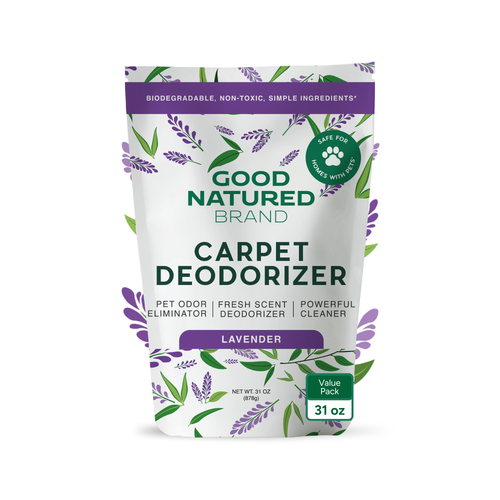
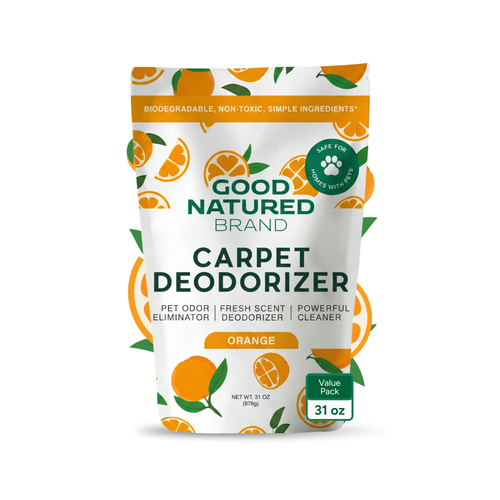
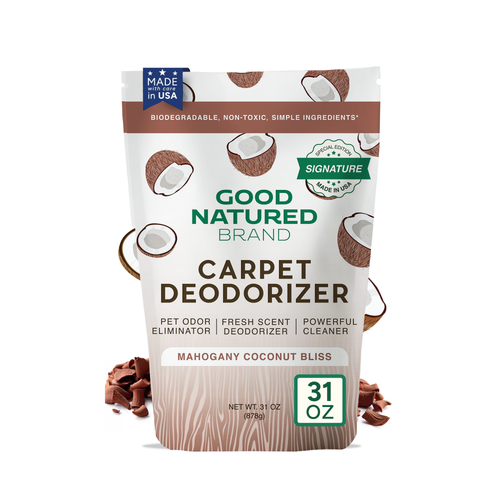
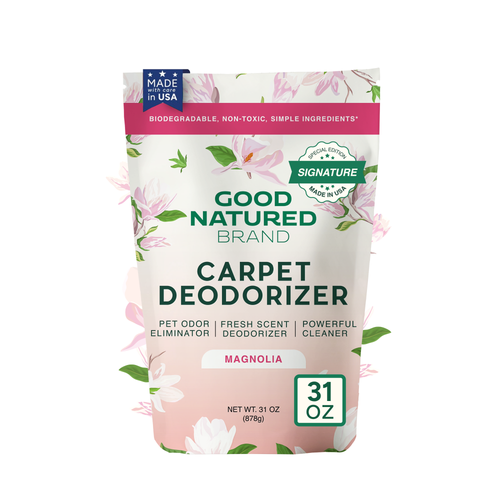
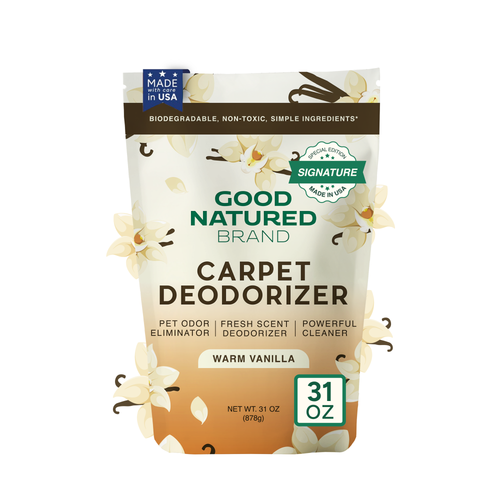
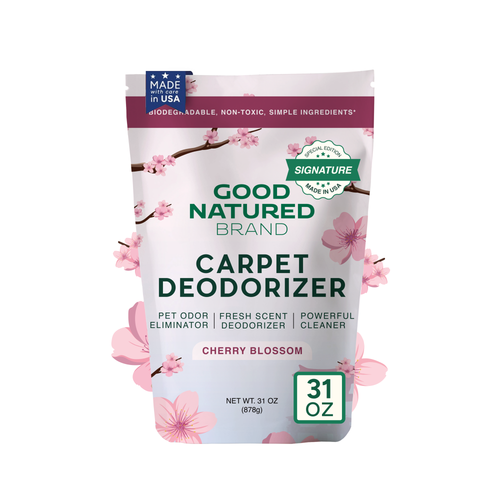
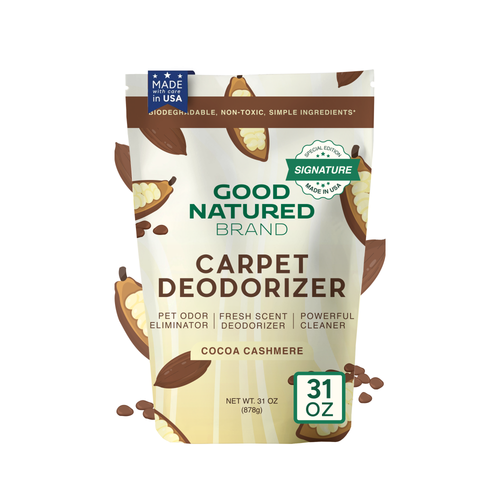
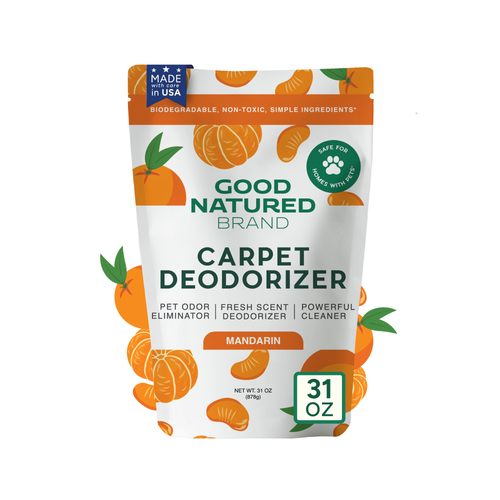
Shop the Product
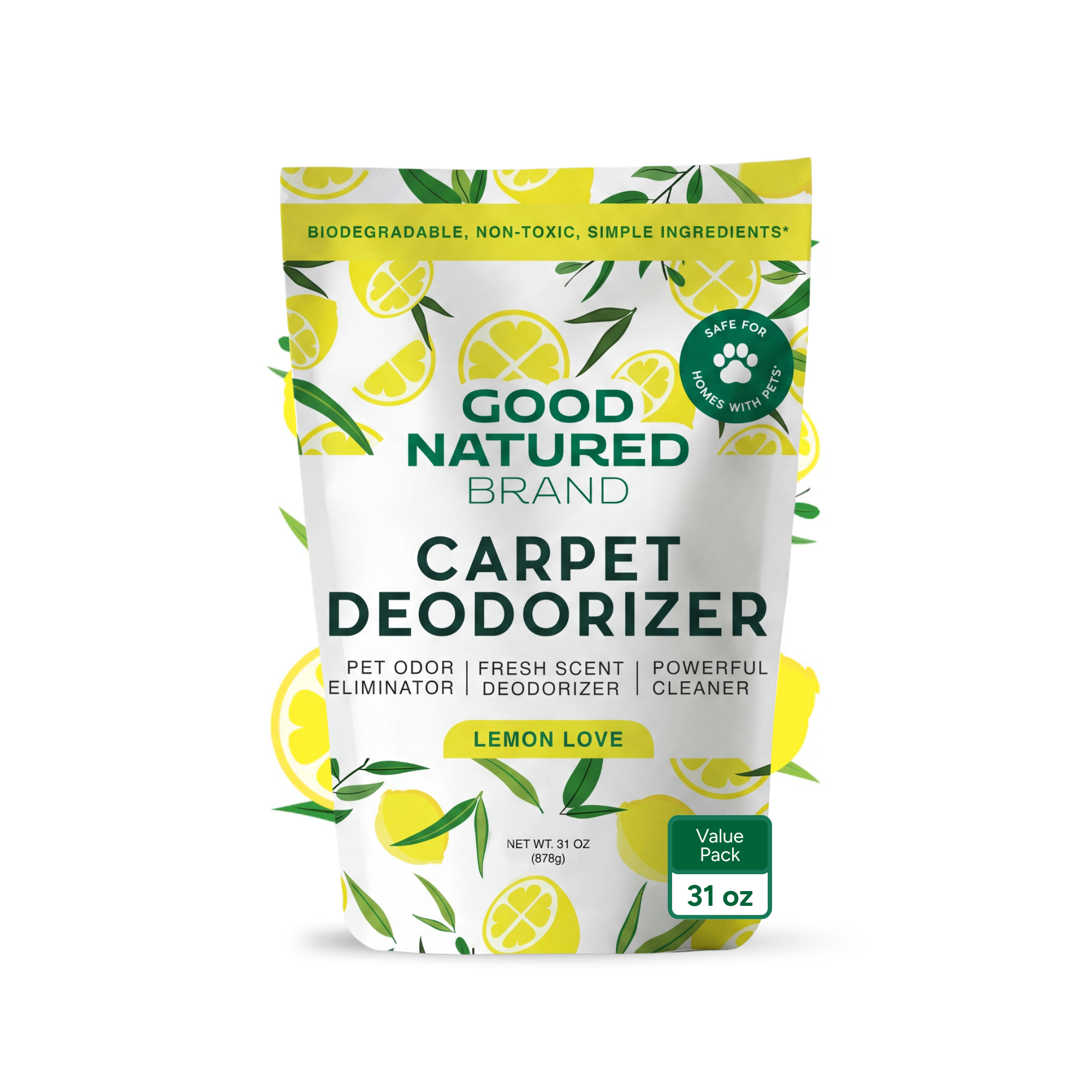
Lemon freshness for every home.
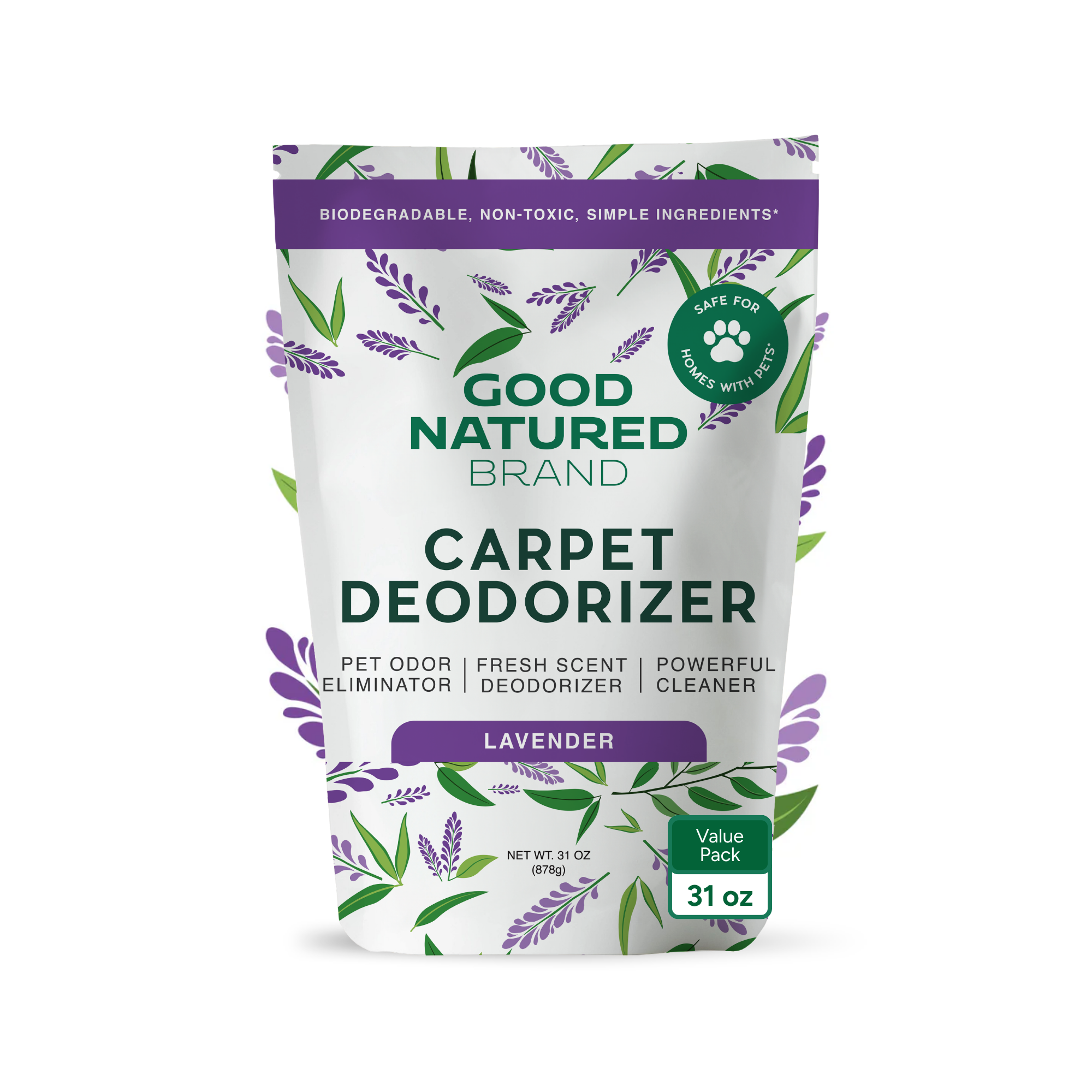
Lavender calm for every home.
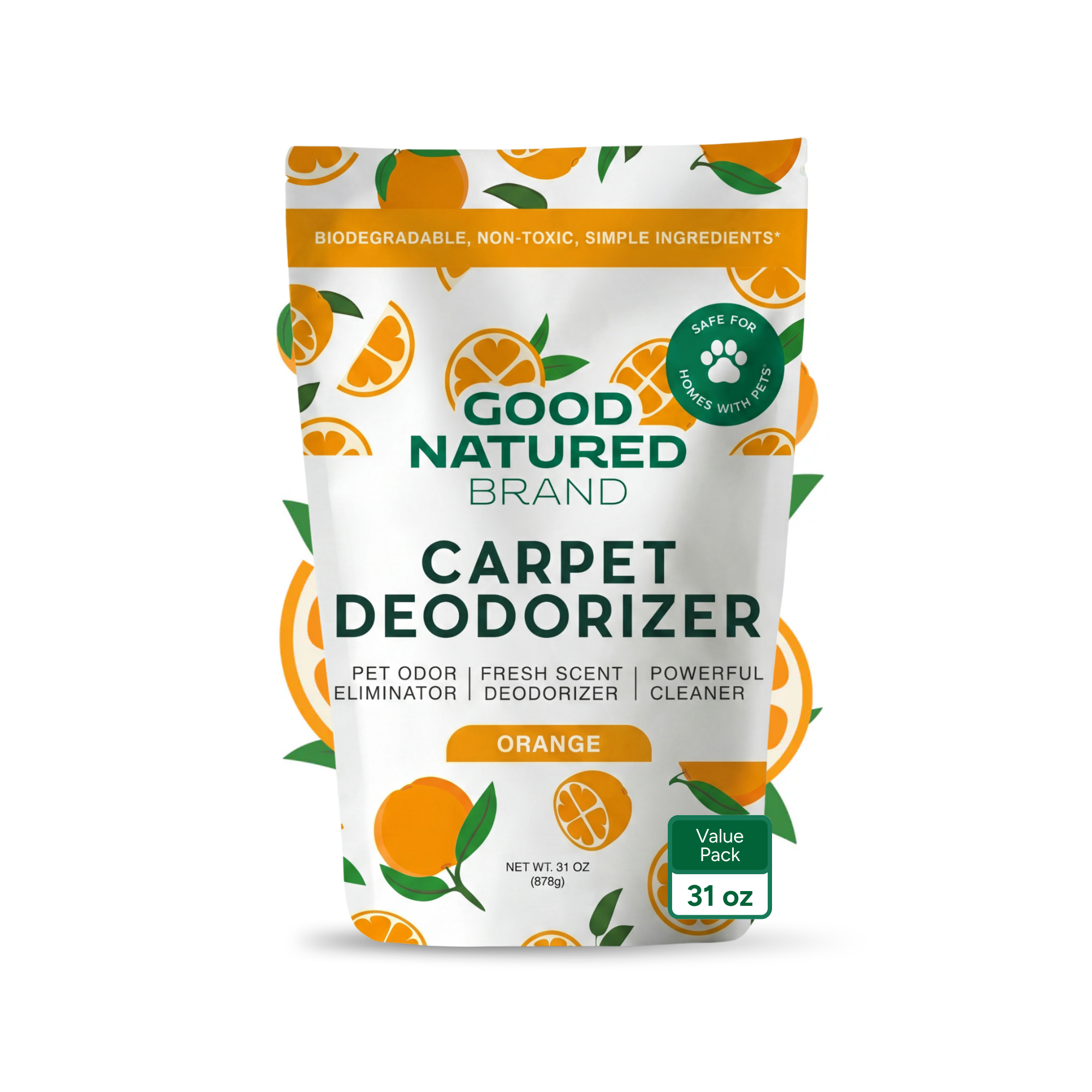
Orange energy for every home.
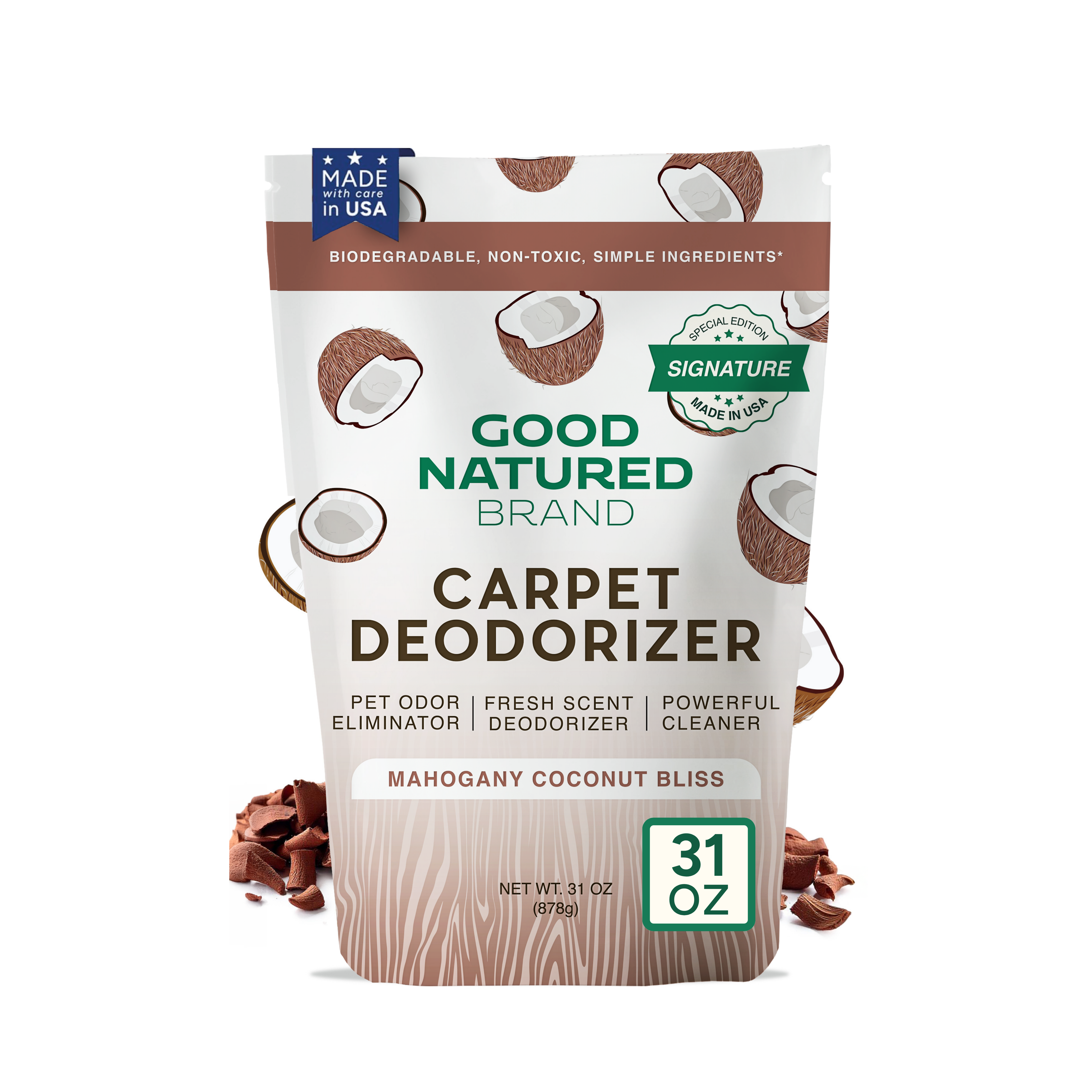
Mahogany warmth for every home.
Cherry blossom serenity for every home.
Cocoa butter comfort for every home.
Mandarin freshness for every home.
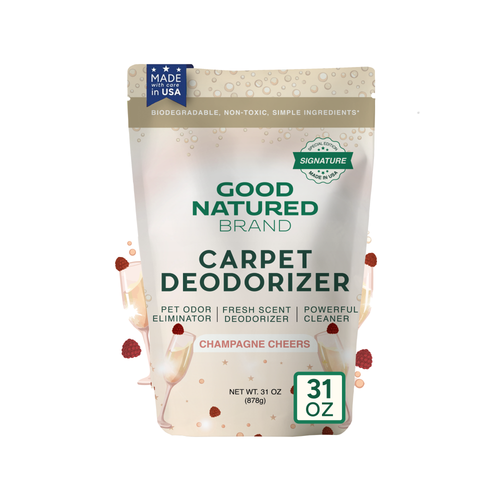
Champagne sparkle for every home.
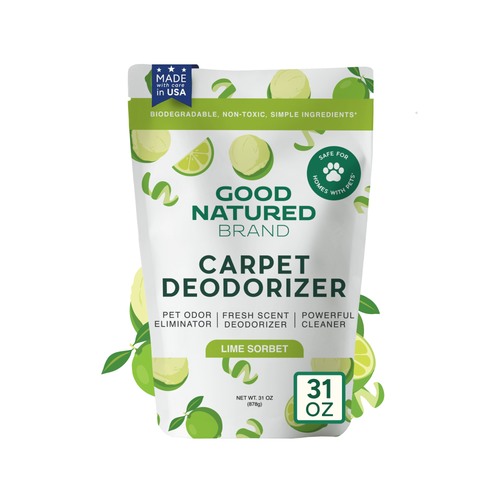
Zesty freshness for every carpet.
How to Tell by the Smell
You can often tell which one you are dealing with before you even find it, because the smell is a real clue.
Both produce that classic musty, damp smell, but there is a difference of degree. Mildew tends to smell milder and more stale, the "old towel left in the machine" kind of smell. Mold is usually stronger, more pungent and earthy, sometimes closer to rotting or wet dirt. A sharp, heavy musty smell with no mildew patch in sight is often a sign of hidden mold somewhere you cannot see, inside a wall, under flooring, behind furniture, which is worth investigating rather than just freshening over.
What to Do About Each
This is where the difference really matters, because they need different responses.
For mildew
Mildew is usually manageable. Clean the affected surface, fix whatever is keeping the area damp, and dry it out fully so it does not come straight back. On fabrics, wash and fully dry the item. The key in every case is the moisture, since mildew cannot survive without it.
For mold
Take it more seriously. Small patches on a hard, non-porous surface can sometimes be cleaned, but widespread mold, black mold, or mold on porous materials like drywall usually needs professional remediation. It is a health and structural issue, not a smell issue, so it is the one case where reaching for a cleaner or a freshener is the wrong instinct. Deal with the mold properly first.
Dealing With the Smell They Leave Behind
Here is the honest part about where a deodorizer fits, and where it does not. A deodorizer does not kill or remove mold or mildew, and nothing about a pleasant scent fixes the underlying problem. What it does do, once the mildew is cleaned and the moisture is handled, is clear the musty smell that lingers in soft surfaces, a rug, a mat, fabric, after the source is gone.
So the order matters: treat the mildew or mold and fix the damp first, then use a baking soda based carpet deodorizer on any soft surfaces holding the leftover smell. It neutralizes the odor in the fibers rather than covering it. The method is in Baking Soda for Carpet and Rug Odor, and if the musty smell is through the house, getting rid of a musty smell in your house covers the moisture side room by room.
Frequently Asked Questions
What is the main difference between mold and mildew?
Mildew is a surface fungus, usually flat, powdery, and light-colored, and it generally wipes away. Mold grows into materials, tends to be fuzzy or slimy and darker, green, black, or brown, and is more damaging and more of a health concern. Mildew is usually a clean-up; mold can be a remediation job.
Do mold and mildew smell different?
Both smell musty, but mildew is milder and more stale, while mold is stronger, earthier, and more pungent. A strong musty smell with nothing visible often points to hidden mold worth investigating.
Is mildew as dangerous as mold?
Generally no. Mildew is the milder, more surface-level of the two and is usually manageable at home. Mold, especially widespread or black mold, is more of a health and structural concern and often needs professional attention. If you are unsure which you have, treat it cautiously.
How do you get rid of the musty smell after cleaning mildew?
Once the mildew is cleaned and the area is dry, deodorize any soft surfaces that held the smell, a rug, a mat, fabric, with a baking soda based deodorizer, which absorbs the lingering odor from the fibers. The smell only stays gone if the moisture that caused it is handled too.
Can a deodorizer get rid of mold?
No, and it should not be used as if it can. A deodorizer addresses smell, not the fungus itself. Mold needs to be properly removed or remediated, and mildew cleaned and dried. A deodorizer only comes in afterward, for the odor left behind in soft surfaces.
The short version: mildew is the milder, surface-level one you can usually handle yourself, and mold is the more serious one that often needs professional help. Both come down to moisture, and both leave a musty smell behind, which is the only part a deodorizer is for, and only once the real problem is dealt with. When you are at that final freshening step, explore the range of scents at Good Natured Brand.