








The teacup Pomeranian is one of the most eye-catching and talked-about small dogs in the world. With its cloud-like coat, fox-like face, and tiny size, it’s easy to see why so many people are drawn to this pint-sized pup. But behind the adorable appearance lies a dog that requires thoughtful care, realistic expectations, and a deep understanding of what “teacup” truly means.
Part 1 of this guide focuses on understanding the teacup Pomeranian—what it is, how it differs from standard Pomeranians, what its temperament is like, and what you should consider before bringing one into your home.
Teacup Pomeranian Overview: What Makes This Tiny Dog So Popular
The teacup Pomeranian has gained massive popularity through social media, celebrity ownership, and viral videos. Often photographed sitting in handbags or teacups, these dogs appear almost unreal in size. This visual appeal has driven interest, but it has also led to confusion and misinformation.
A teacup Pomeranian is essentially a very small Pomeranian bred to be significantly tinier than the breed standard. While their size may be charming, it also comes with unique responsibilities and risks that potential owners should understand before making a decision.
What Is a Teacup Pomeranian?
The term “teacup Pomeranian” is not an officially recognized breed classification. Kennel clubs only recognize the Pomeranian as a single breed with a standard size range. Teacup is a marketing term used to describe Pomeranians that are bred to be exceptionally small.
In most cases, a teacup Pomeranian is a Pomeranian that weighs well below the breed standard as an adult. This smaller size is often achieved through selective breeding of the smallest dogs in a litter. While this creates a very tiny companion, it can also increase the likelihood of health challenges.
Understanding this distinction is crucial. A teacup Pomeranian is still a Pomeranian in personality and needs—but with added fragility.
Teacup Pomeranian Size, Weight, and Appearance
Teacup Pomeranians typically weigh significantly less than standard Pomeranians. Their bodies are compact, their bones are finer, and their overall structure is more delicate.
Despite their tiny frame, teacup Pomeranians usually retain the signature fluffy double coat that makes the breed so recognizable. Their coats can come in a wide variety of colors, including orange, cream, white, black, sable, and parti-color.
Because of their size, everyday environments can appear much larger and potentially more hazardous to them. Furniture edges, stairs, and even other pets need to be carefully managed to reduce the risk of injury.
Teacup Pomeranian Temperament and Personality
Don’t let the small size fool you—teacup Pomeranians often have big personalities. They are typically alert, curious, affectionate, and confident. Many are deeply bonded to their owners and enjoy being the center of attention.
Teacup Pomeranians are known for being vocal, which can be both a charm and a challenge. Early training and socialization play a critical role in preventing excessive barking.
Their intelligence and eagerness to engage make them enjoyable companions, but their emotional sensitivity means they respond best to gentle, positive reinforcement rather than harsh correction.
Teacup Pomeranian vs Standard Pomeranian
The primary difference between a teacup Pomeranian and a standard Pomeranian is size, but that difference affects nearly every aspect of care.
Standard Pomeranians are generally sturdier and better suited to active households. Teacup Pomeranians, on the other hand, require more supervision, gentler handling, and a carefully controlled environment.
Health risks tend to be higher in teacup-sized dogs, which makes preventive care and responsible ownership even more important. From training to exercise, everything must be scaled appropriately for their small stature.
Are Teacup Pomeranians Good Family Dogs?
Teacup Pomeranians can be wonderful companions in the right household, but they are not ideal for every family. Homes with very young children may struggle, as accidental rough handling can easily lead to injuries.
They are better suited to adults, seniors, or families with older children who understand how to interact gently with small dogs. Teacup Pomeranians often thrive in apartments or smaller living spaces where their environment can be easily controlled.
With proper supervision, they can get along well with other pets, though care must be taken when introducing larger animals.
Teacup Pomeranian Lifespan and Long-Term Expectations
A well-cared-for teacup Pomeranian can live a long and fulfilling life, but longevity depends heavily on responsible breeding, preventive veterinary care, and daily management.
Smaller size can mean higher vulnerability, so owners should be prepared for ongoing attentiveness. This includes monitoring weight, energy levels, and behavior changes, as well as maintaining a safe and clean living environment.
Investing time and effort early pays off in improved quality of life over the long term.
Bringing a Teacup Pomeranian Home
Preparing your home before bringing a teacup Pomeranian home is essential. Because of their tiny size, even minor messes or hazards can have outsized impacts.
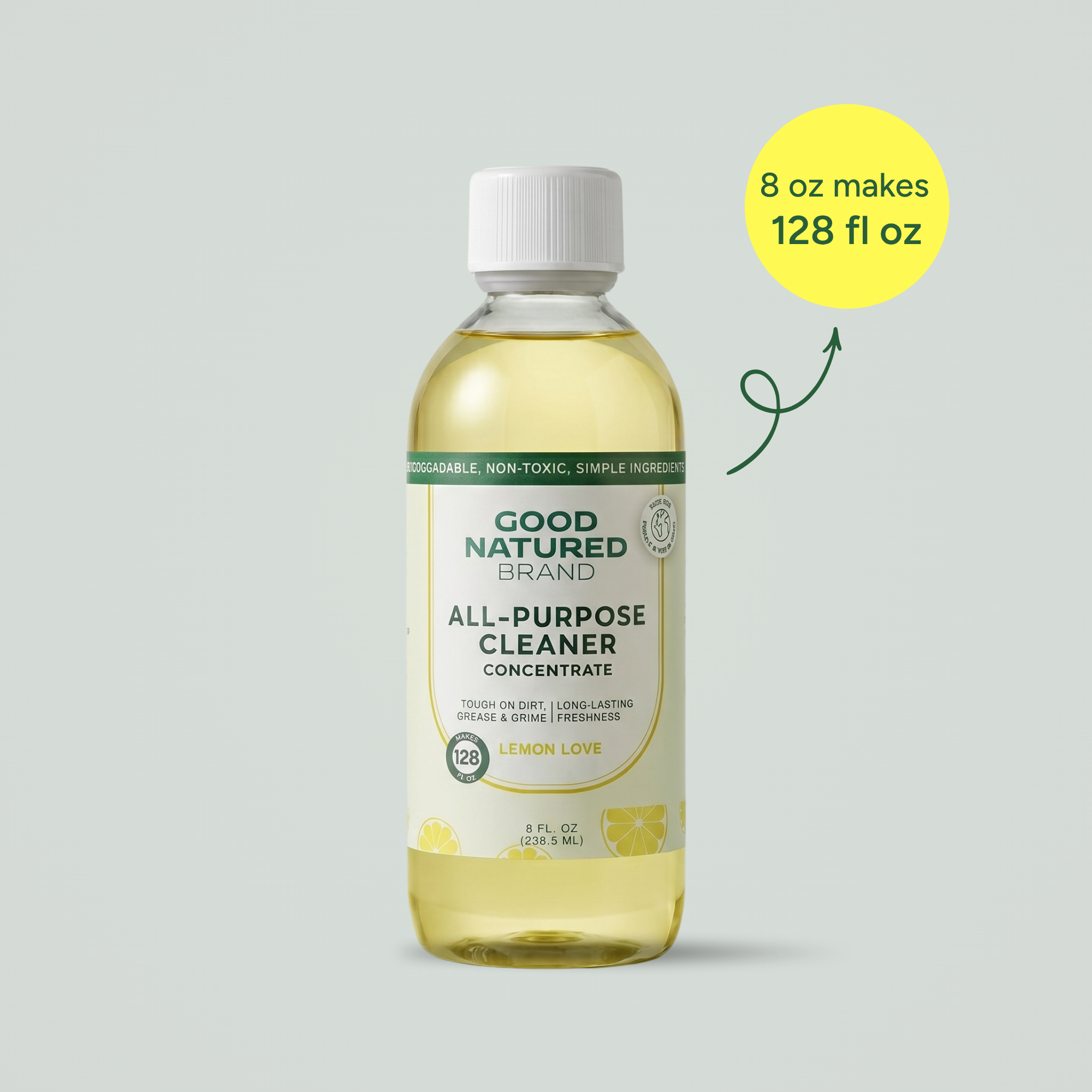
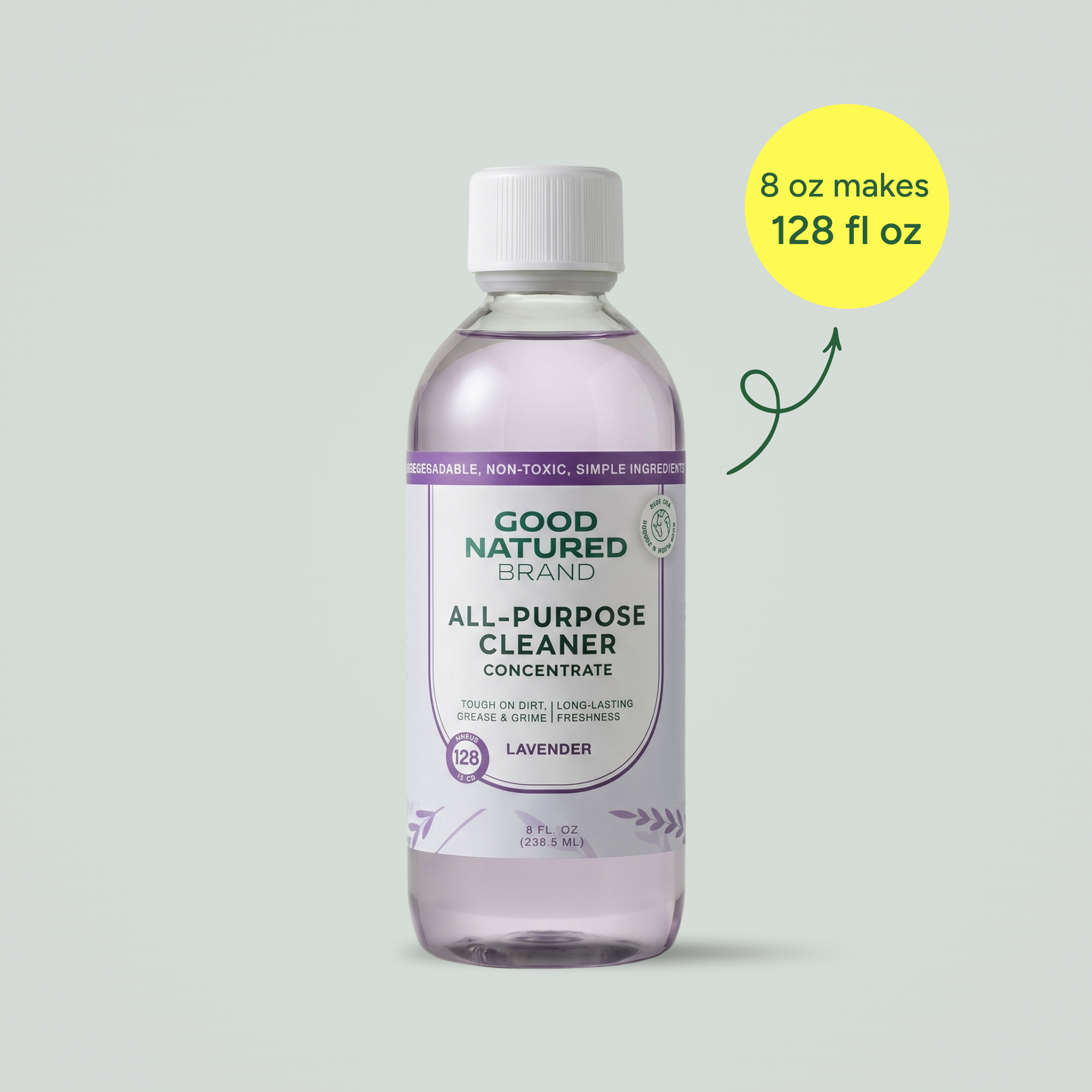
Potty accidents are common in small dogs, especially during the early months. Using pet-safe All-Purpose Cleaners helps ensure floors and surfaces stay hygienic without exposing your dog to harsh residues.
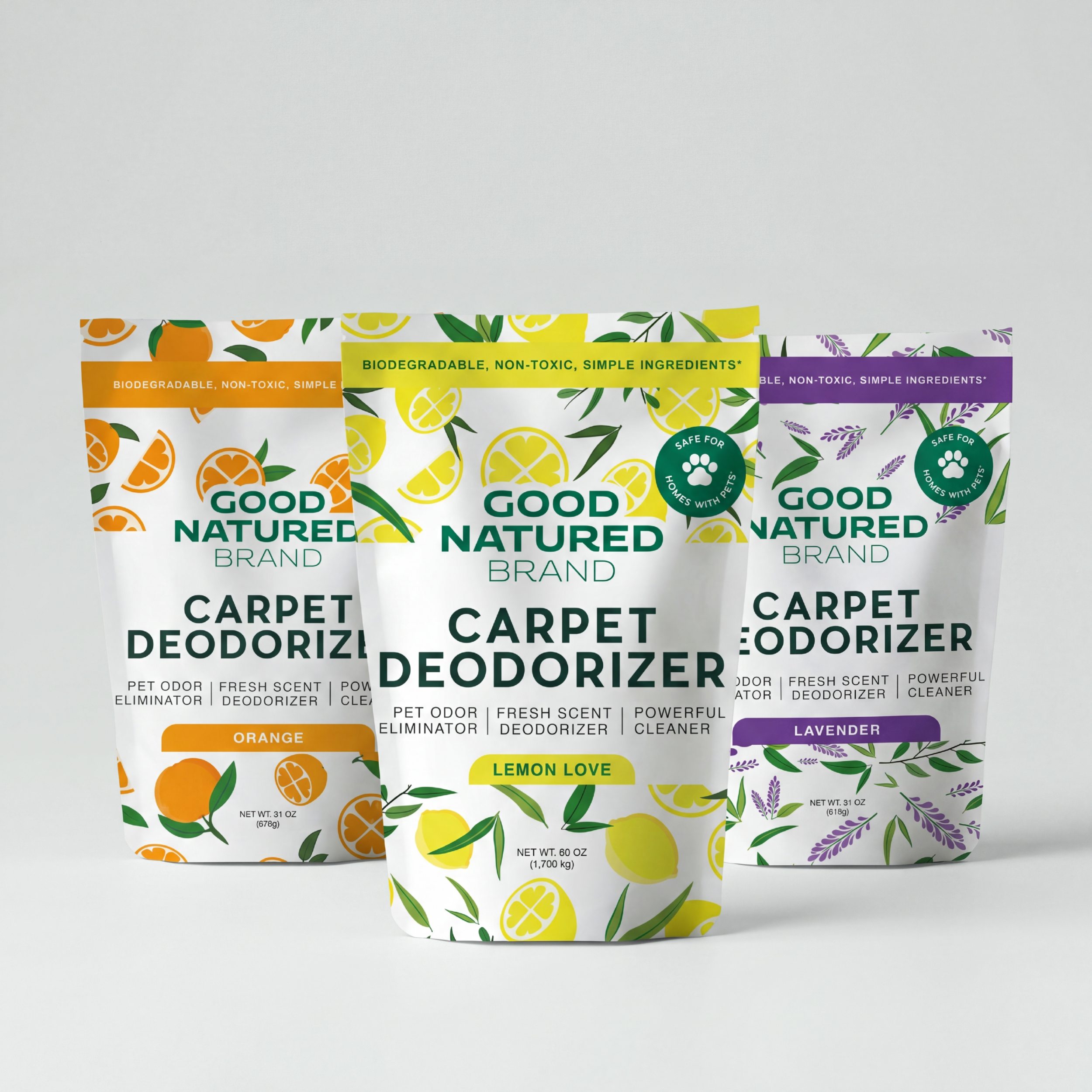
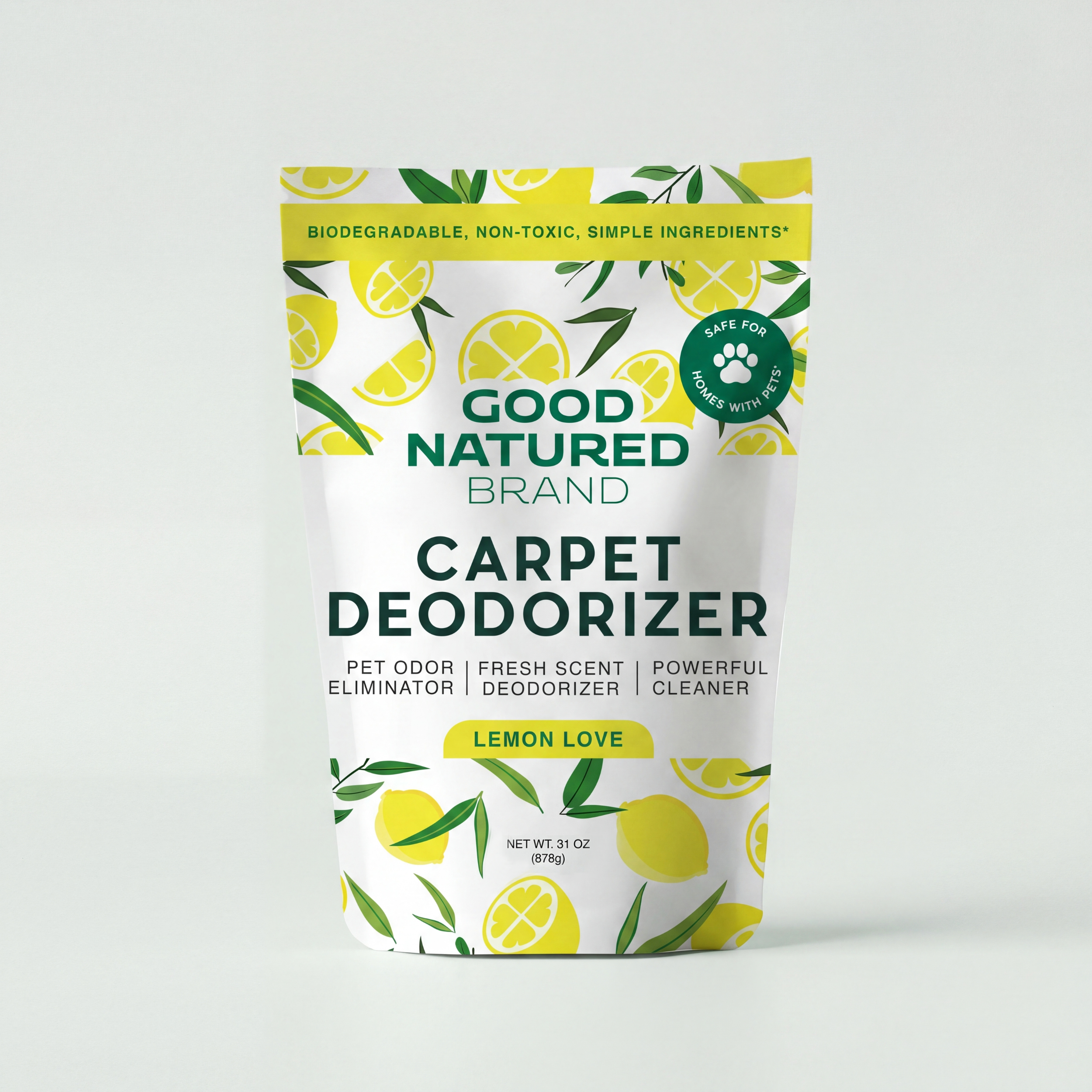
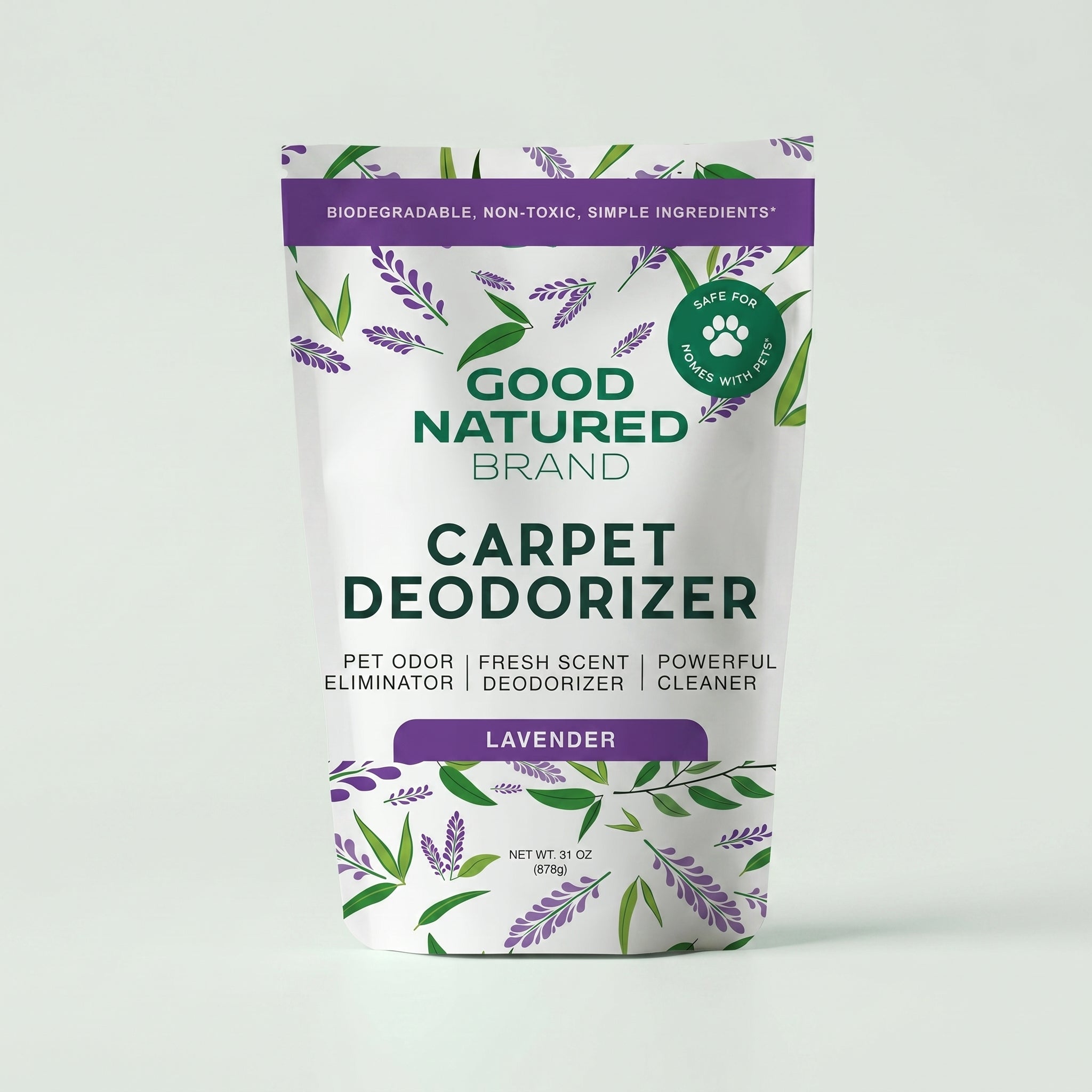
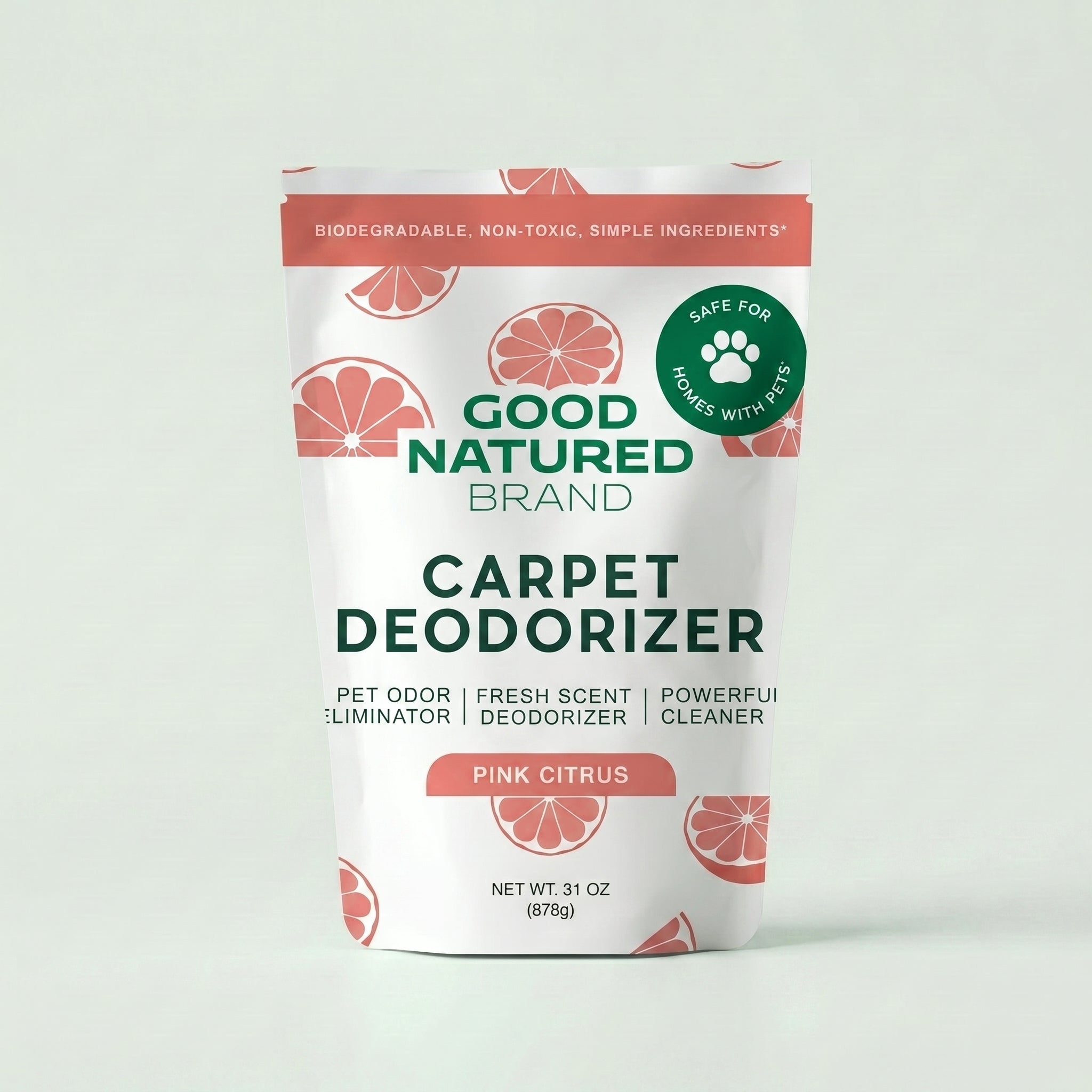
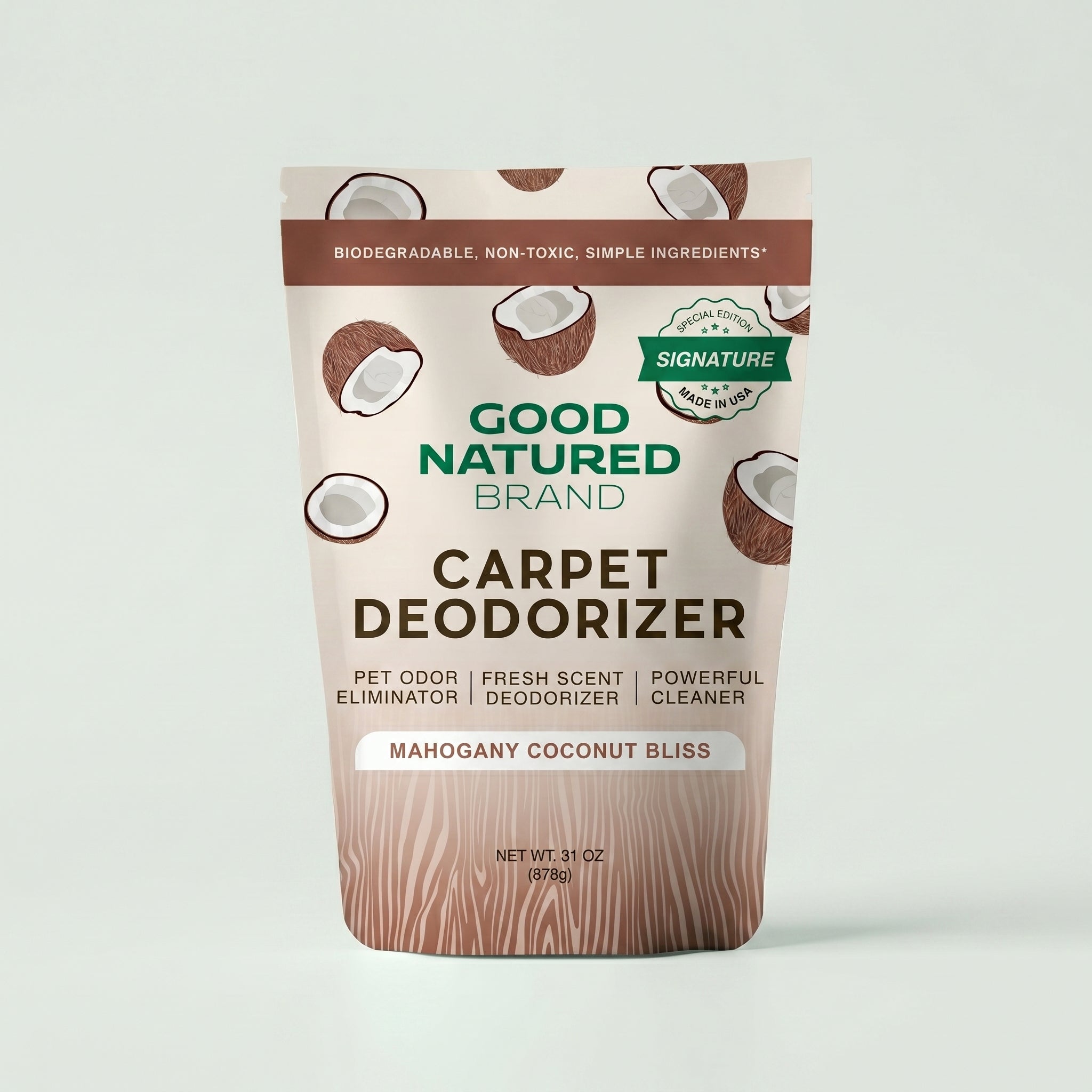
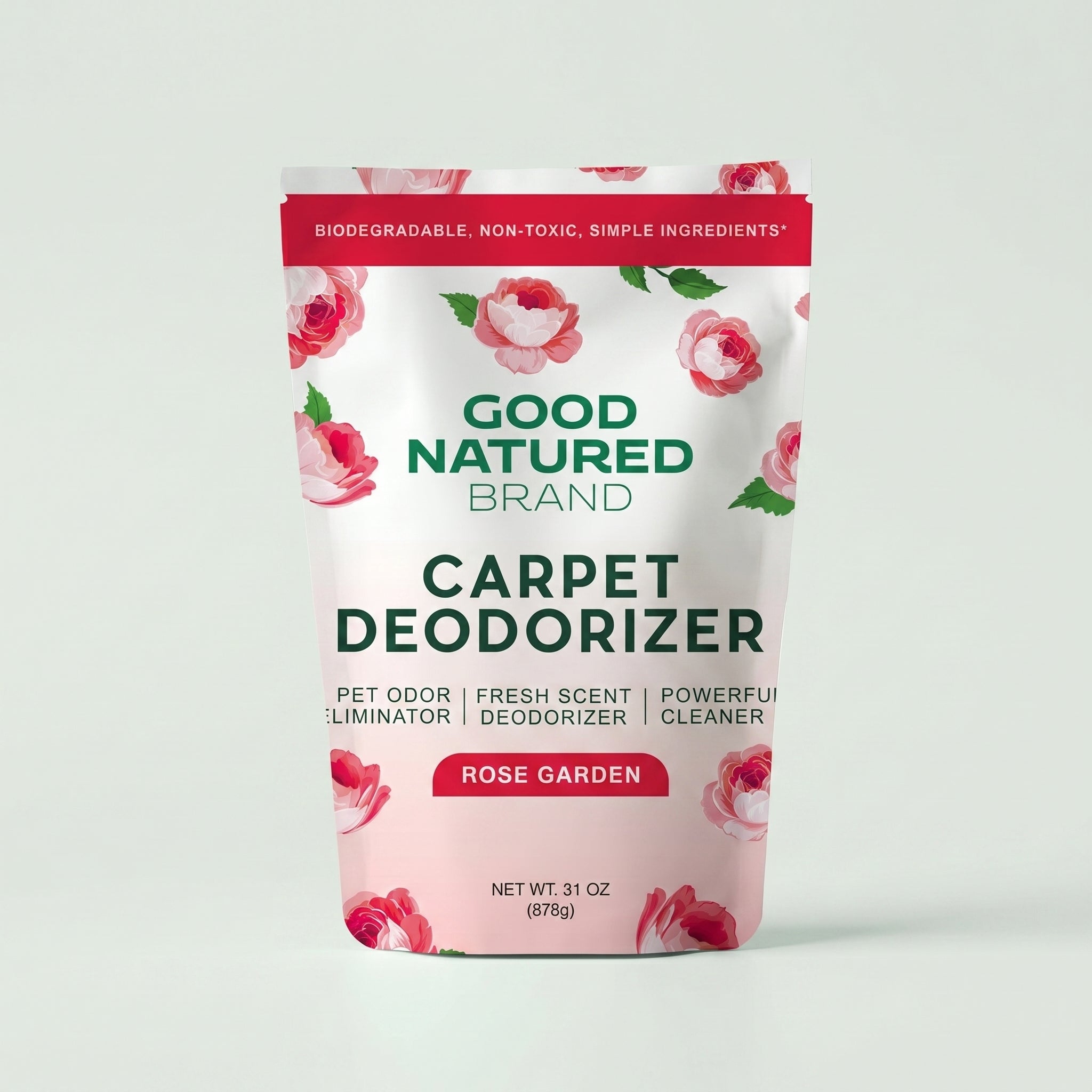
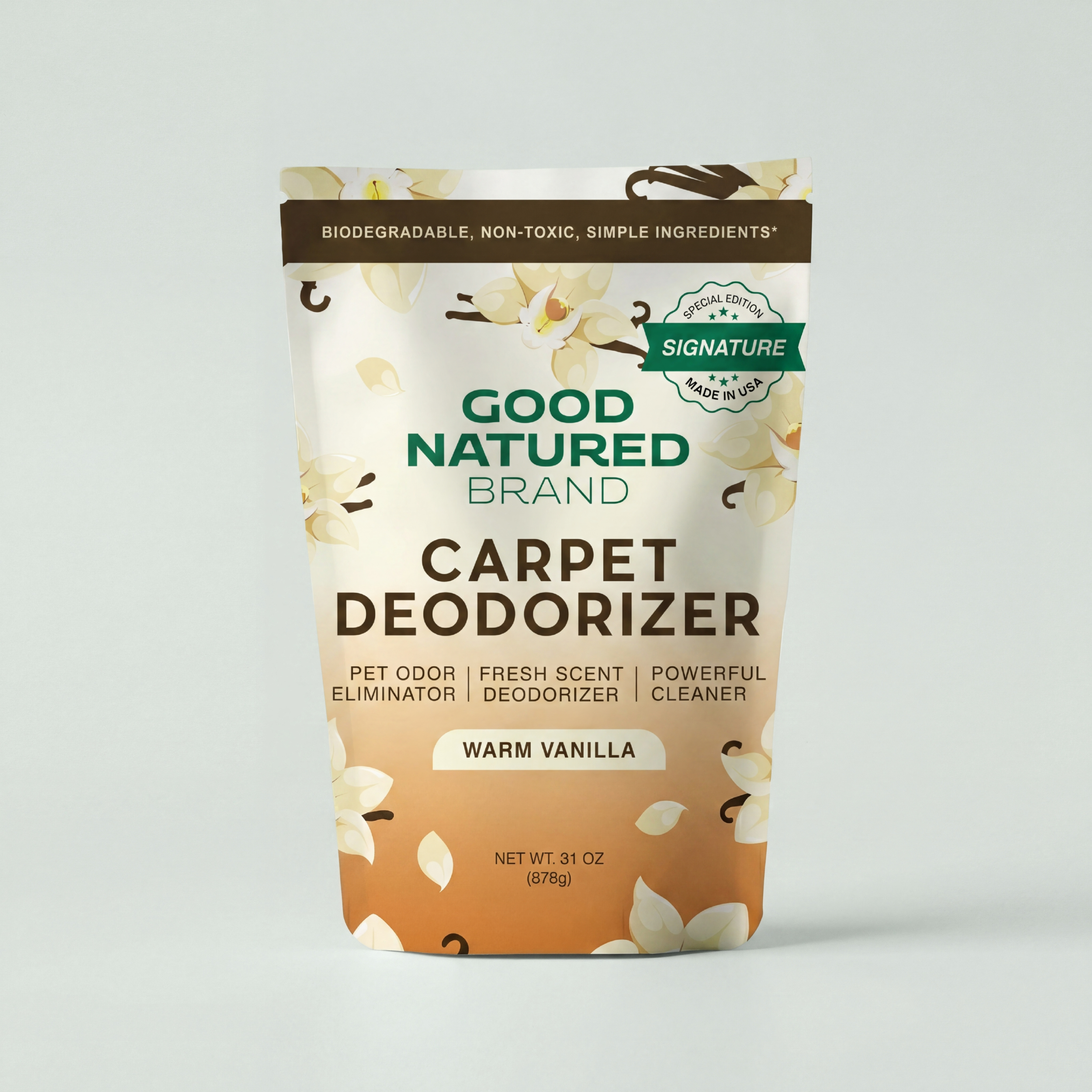
Soft furnishings and carpets can trap odors quickly, particularly in small living spaces. Regular upkeep with Carpet Deodorizers helps keep your home fresh while remaining safe for sensitive pets.
Designating specific areas for sleeping, eating, and play helps your teacup Pomeranian feel secure and reduces stress during the adjustment period.
Teacup Pomeranian Training Basics
Training a teacup Pomeranian requires patience, consistency, and a gentle approach. Their small bladder size means potty training can take longer, but routine and positive reinforcement make a big difference.
Crate training, when done correctly, can provide a sense of safety rather than confinement. Keeping training sessions short and engaging helps prevent overstimulation and frustration.
Early training is also essential for managing barking and building confidence, especially in new environments.
Socializing a Teacup Pomeranian Safely
Socialization is just as important for teacup Pomeranians as it is for larger dogs—but it must be done carefully. Controlled, positive interactions help prevent fearfulness and anxiety.
Exposure to different sounds, surfaces, and people should be gradual and reassuring. Because they are small, teacup Pomeranians can easily feel overwhelmed if pushed too quickly.
Building confidence early creates a calmer, happier companion who can adapt more easily as they grow.
Teacup Pomeranian Diet and Feeding Needs
Nutrition is one of the most critical aspects of teacup Pomeranian care. Due to their small size, teacup Pomeranians have faster metabolisms and limited energy reserves. This makes them more vulnerable to low blood sugar if meals are skipped or portions are inconsistent.
Most teacup Pomeranians thrive on high-quality, nutrient-dense foods designed for small breeds. Frequent, small meals help maintain steady energy levels throughout the day. Owners should avoid oversized kibble and excessive treats, which can pose choking risks or disrupt digestion.
Feeding areas should be kept clean to prevent bacteria buildup and pest attraction. Using a gentle, pet-safe All-Purpose Cleaner around food and water bowls helps maintain hygiene without introducing harsh chemicals into your dog’s space.
Common Teacup Pomeranian Health Issues
Teacup Pomeranians are more prone to certain health concerns due to their size. Hypoglycemia is one of the most common risks, particularly in puppies and young dogs. Symptoms may include lethargy, weakness, trembling, or confusion, and require prompt attention.
Dental problems are another frequent issue. Small mouths can lead to overcrowded teeth, increasing the risk of plaque buildup and gum disease. Regular dental care and vet checkups are essential.
Joint fragility and bone injuries are also more likely in teacup-sized dogs. Even short falls or rough handling can result in injury, which is why environmental safety and careful supervision are so important.
Teacup Pomeranian Veterinary Care
Routine veterinary care plays a vital role in extending both lifespan and quality of life. Teacup Pomeranians benefit from regular wellness exams that closely monitor weight, dental health, blood sugar stability, and overall development.
Vaccination schedules may be adjusted based on size and sensitivity, so working closely with a veterinarian who understands toy and teacup breeds is ideal. Preventive care—including parasite control—helps minimize health complications before they arise.
Tracking subtle changes in appetite or energy is especially important in such small dogs, as minor symptoms can escalate quickly.
Grooming a Teacup Pomeranian
Despite their size, teacup Pomeranians have surprisingly demanding grooming needs. Their dense double coat requires frequent brushing to prevent mats and tangles, particularly around the chest, legs, and behind the ears.
Bathing should be done only as needed, using gentle shampoos to avoid drying out sensitive skin. Their small bodies lose heat quickly, so ensuring they are thoroughly dried and kept warm afterward is essential.
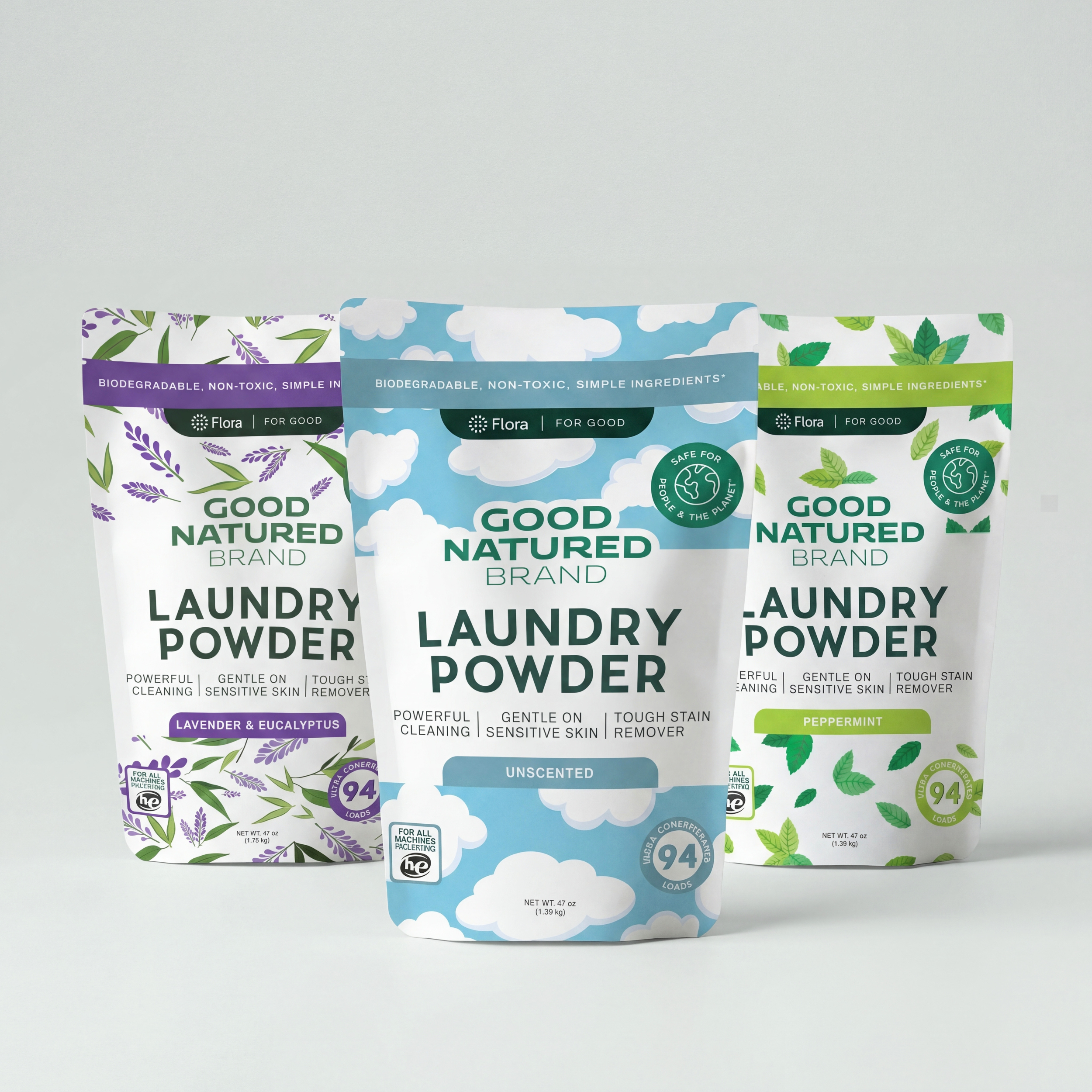
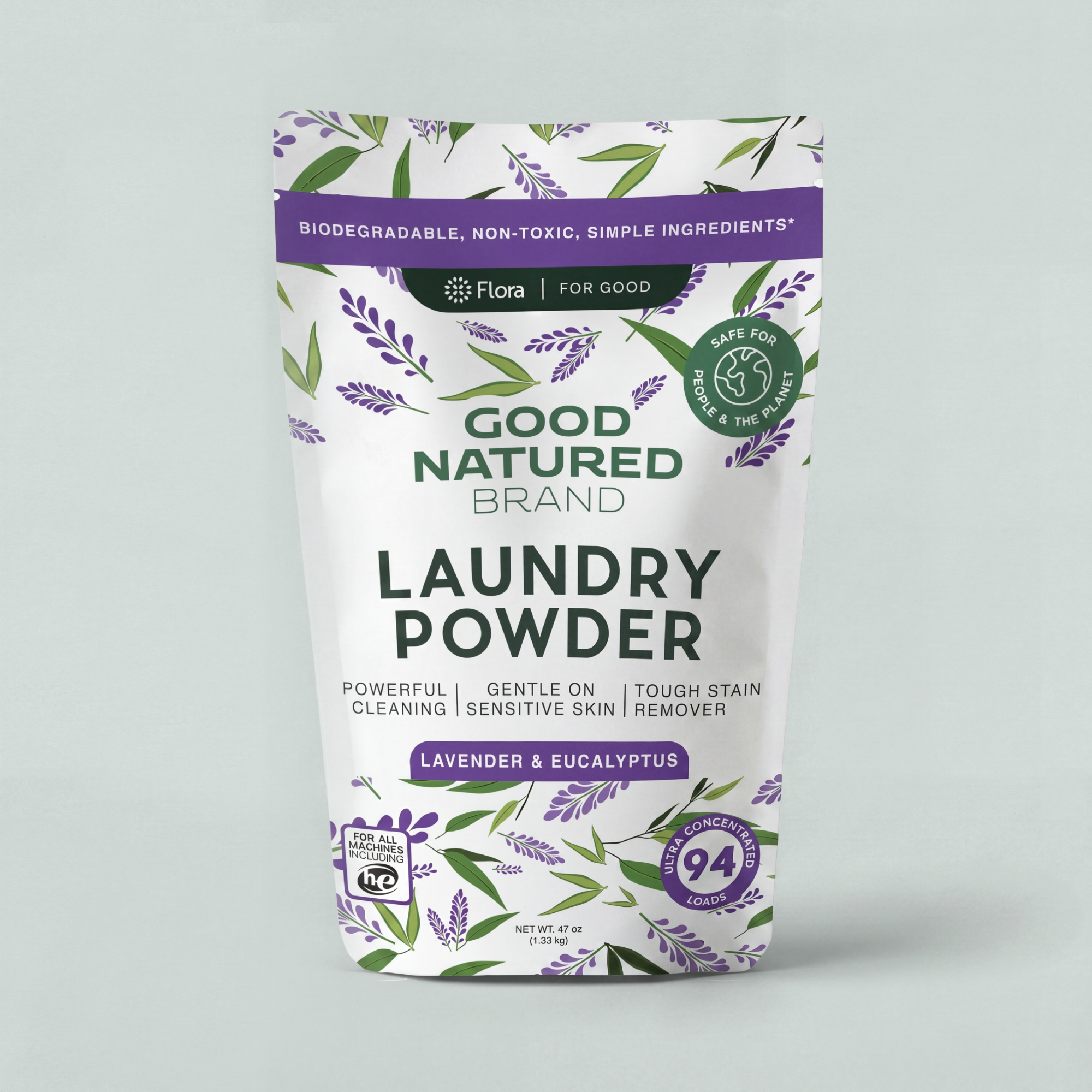
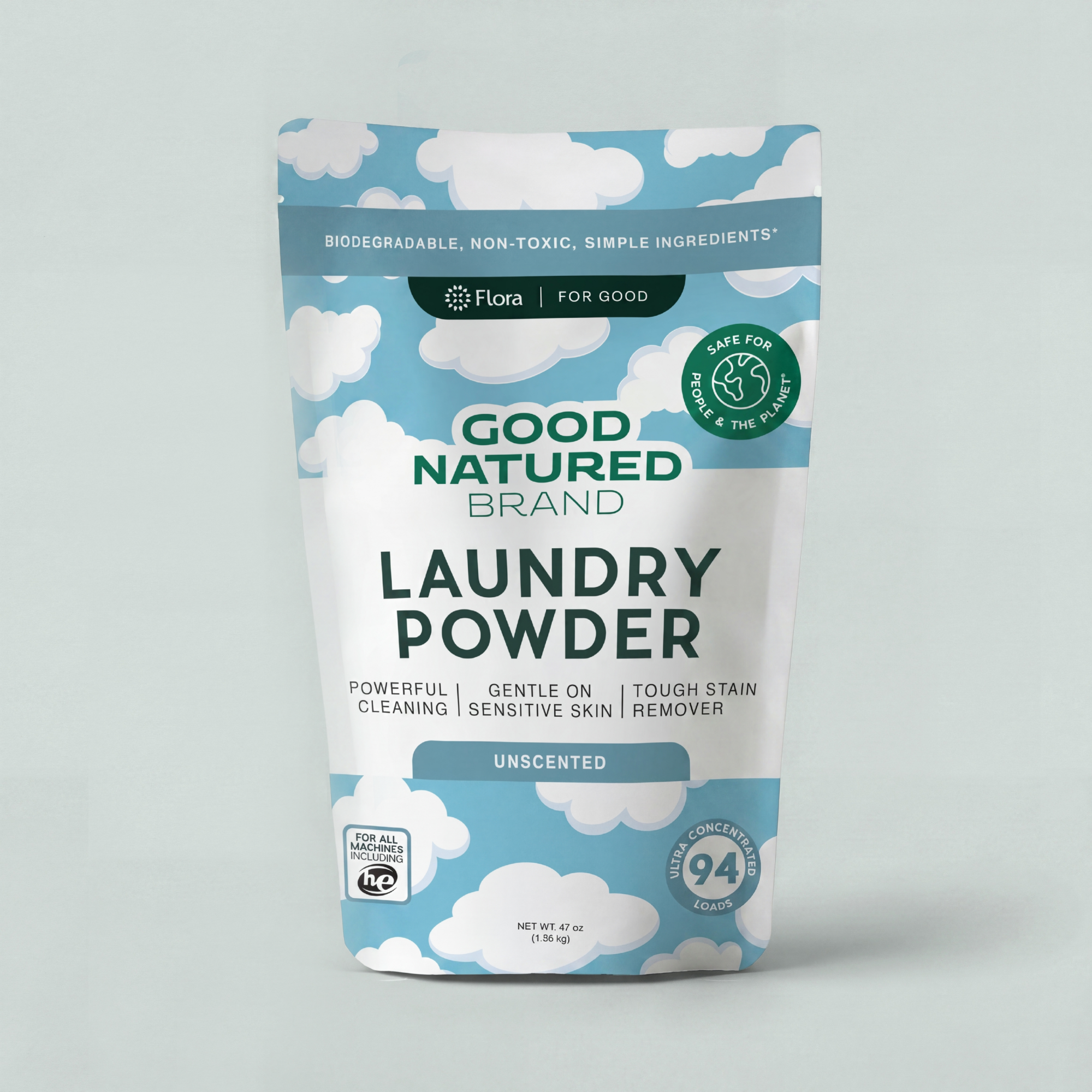
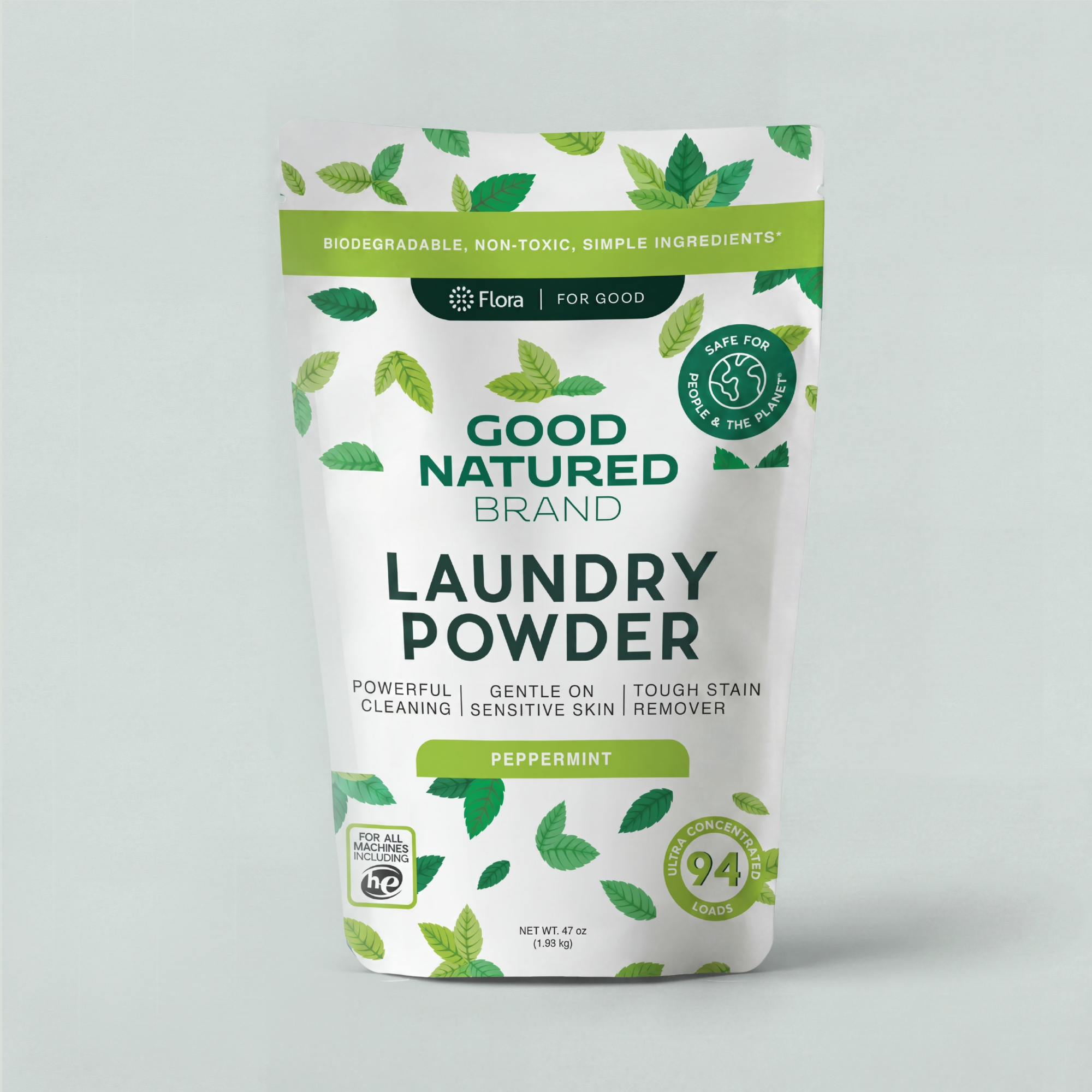
Teacup Pomeranians often sleep on soft bedding that collects hair, dander, and odors. Washing blankets and beds regularly with pet-friendly Laundry Powders helps keep fabrics clean and safe while reducing allergens in your home.
Teacup Pomeranian Exercise and Activity Needs
Teacup Pomeranians may be small, but they still need daily activity to stay mentally and physically healthy. Short bursts of play are usually more appropriate than long walks or intense exercise.
Indoor games, light fetch, and supervised exploration provide stimulation without risking overexertion. Because their joints and bones are delicate, jumping from heights or rough play should be avoided.
Mental enrichment is just as valuable. Puzzle toys, basic training sessions, and interactive play help prevent boredom-related behaviors such as excessive barking.
Teacup Pomeranian Behavior Challenges
Small size does not eliminate behavioral challenges. Teacup Pomeranians can develop separation anxiety due to their strong attachment to their owners. Gradually introducing alone time helps build independence and emotional resilience.
Barking is another common concern. These dogs are naturally alert and may vocalize when they hear unfamiliar noises. Training calm responses early can reduce noise-related stress for both dog and owner.
Fearfulness may also occur if socialization is inconsistent. Gentle exposure to new environments and positive reinforcement builds confidence over time.
Keeping a Clean Home With a Teacup Pomeranian
Maintaining a clean home is particularly important when living with a teacup Pomeranian. Their small bladder size often leads to more frequent potty accidents, especially during training or periods of stress.
Carpets and rugs can quickly trap odors in smaller living spaces. Regular use of pet-safe Carpet Deodorizers helps neutralize smells rather than masking them, keeping your home feeling fresh.
Laundry loads may increase with dog beds, blankets, and towels. Washing these items consistently with Laundry Powders helps manage odors and maintain hygiene.
Hard surfaces benefit from routine cleaning using gentle All-Purpose Cleaners that are safe for pets and effective against everyday messes.
Teacup Pomeranian Myths and Misconceptions
One common misconception is that teacup Pomeranians are inherently fragile and incapable of enjoying a fulfilling life. While they require careful handling, they can be lively, confident companions with proper care.
Another myth is that their small size makes them low-maintenance. In reality, their needs can be more demanding due to health sensitivities, grooming requirements, and environmental safety concerns.
Understanding these realities helps owners make informed decisions and provide responsible, compassionate care.
Is a Teacup Pomeranian Right for You?
A teacup Pomeranian can be a wonderful companion for the right person. They are best suited to individuals or households that can offer close supervision, a calm environment, and consistent routines.
Prospective owners should consider time commitment, financial responsibility, and willingness to accommodate a dog that depends heavily on attentive care. Alternatives such as standard Pomeranians or other small breeds may be better options for more active or unpredictable households.
Trusted Resources for Teacup Pomeranian Owners
Ongoing education plays an important role in responsible pet ownership. Learning about health, behavior, and environmental care helps ensure your teacup Pomeranian thrives throughout every stage of life.
You can find helpful pet care articles, lifestyle tips, and home hygiene insights on the Good Natured Brand Blog. For pet-safe solutions designed to support a clean, comfortable home, explore offerings available at Good Natured Brand.
With the right preparation, realistic expectations, and thoughtful daily care, a teacup Pomeranian can become a loving, joyful companion for years to come.