If you’re considering bringing home a Labrador Retriever—especially a yellow Lab—there’s a good chance you’ve been charmed by their sweet faces, wagging tails, and famously friendly personalities. But a recent YouTube video titled “Watch This Before Adopting A Labrador” from The Asher House offers a much-needed reality check for future Lab parents. In this in-depth blog, we break down the key takeaways from the video, combining them with expert insights to help you decide whether this beloved breed is truly the right match for your lifestyle.
If you’re preparing your home for a dog, don’t forget to explore our naturally powered cleaning essentials on the Good Natured Brand main page or browse pet-friendly living tips on our blog.
Why Labradors Are America’s Sweethearts
For years, the Labrador Retriever held the title of America’s most popular dog breed. Although now surpassed by the French Bulldog, Labs remain a household favorite—and with good reason. They’re intelligent, loyal, affectionate, and generally fantastic with families.
But as The Asher House emphasizes, popularity often leads to misunderstanding. Many families adopt Labs based on their adorable appearance without realizing how demanding this breed truly is—especially during puppyhood and adolescence.
This mismatch between expectation and reality is a major reason why so many Labs end up surrendered to shelters around 1–2 years old.
High Energy Is Not a Phase: It’s a Lifestyle
One of the most important truths in the video is this:
Labs are not low-maintenance dogs. They are high-energy, working-bred animals that require serious physical and mental stimulation.
In the breed’s history, Labradors were bred for:
-
Retrieving game during hunts
-
Long workdays in cold weather
-
Endurance and stamina
-
Focused tasks requiring discipline
This working background lives on in the modern Lab. They crave activity, purpose, and engagement. Without it, they can quickly become bored—leading to destructive behaviors like chewing, digging, or excessive barking.
Why This Matters for Your Home Environment
A high-energy dog brings lots of movement, messes, and muddy paws. Having gentle, non-toxic cleaning products can help you keep up with the chaos—like our naturally derived
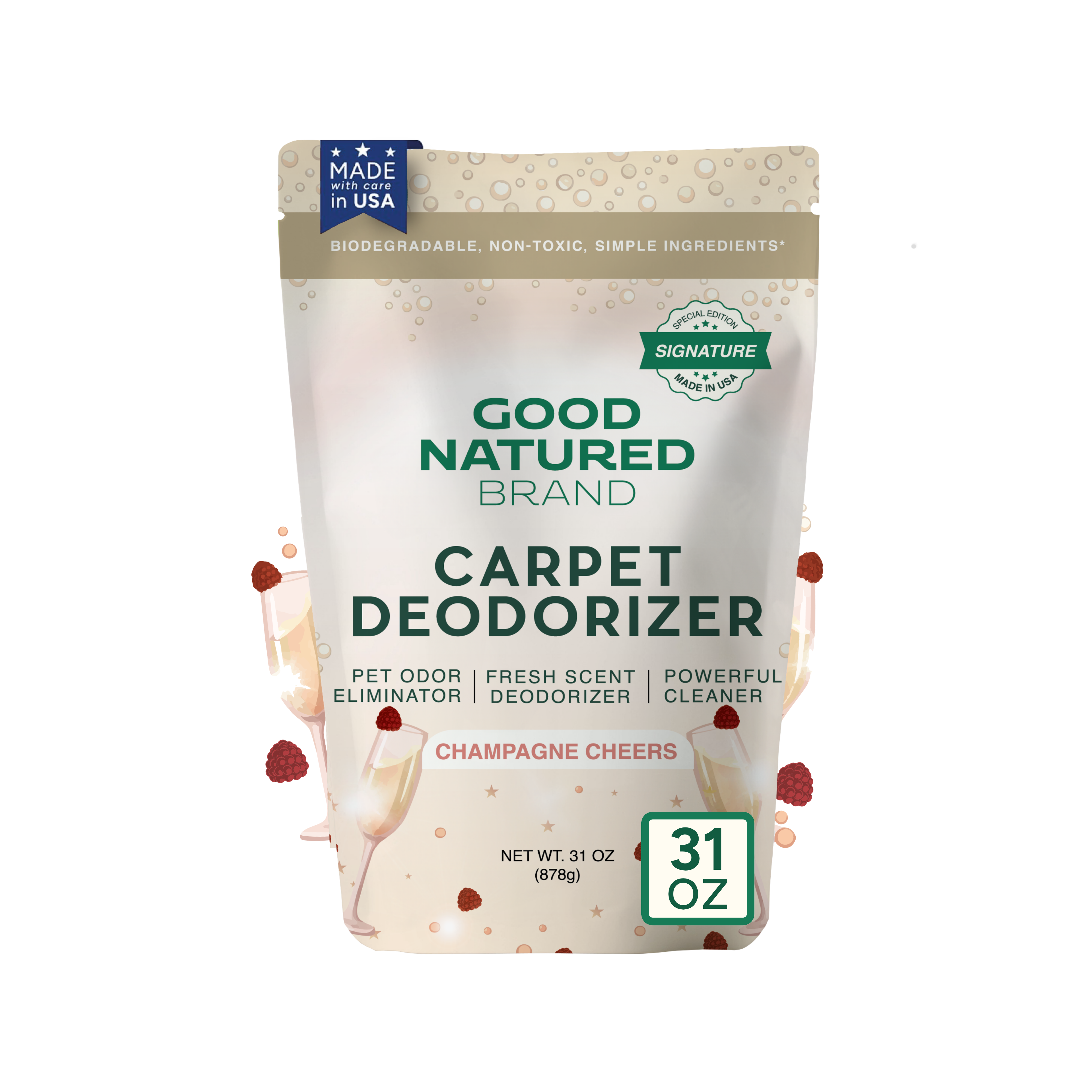
Carpet Deodorizers for odor control,
Laundry Powders for pet laundry, and
All-Purpose Cleaners for everyday messes.
Mental Stimulation Matters Just as Much as Physical Exercise
One of the strongest messages from the video is that mental stimulation is even more important than physical exercise for Labs.
A long walk isn’t enough. Nor is a trip to the dog park where the owner scrolls on their phone while the dog wanders around.
Labs need brain work—purposeful engagement such as:
-
Obedience training
-
Structure and routine
-
Fetch sessions with commands
-
Puzzle feeders
-
Scent games
-
Learning new tricks
-
Confidence-building exercises
This type of engagement gives them a “job,” which satisfies their working-dog instincts and helps calm their energy.
The Labrador Life Cycle: What to Expect at Every Age
The video highlights how energy persists throughout a Lab’s lifespan.
Puppy to ~2 Years
Energy Level: Extremely High
Expect intense play, big feelings, lots of chewing, and the need for firm, consistent training.
1–11 Years
Energy Level: High
Even long after adolescence, adult Labs stay active. Many remain playful and energetic well into their senior years.
11+ Years
Energy Level: Moderate to Low
Labs may slow down, but they still benefit from light exercise and mental stimulation.
This long period of high activity is a commitment many new owners underestimate.
Real-Life Challenges: Why Some Labs End Up in Shelters
The Asher House shares firsthand stories of rescuing many Labrador Retrievers. A recurring theme:
Most surrendered Labs were not “bad dogs”—they were just misunderstood.
Common surrender reasons include:
-
“Too much energy”
-
“Destructive behavior”
-
“Hard to control”
-
“Needs more attention than expected”
The speaker's own rescued Lab, Howie, is a powerful example. Howie was likely returned due to his intense energy levels—something his new caretaker embraced and managed through structured training and engagement.
This is why the video strongly advocates:
Adopt, don’t shop—especially during high-demand seasons like the holidays.
Training Is Not Optional for Labrador Owners
Another key point emphasized in the video is the absolute necessity of training. Labs are highly intelligent but also strong, excited, and sometimes stubborn—especially when under-stimulated.
Successful Lab parenting requires:
-
Early obedience training
-
Consistent reinforcement
-
Clear communication
-
Lots of treats and praise
-
Daily mental and physical workouts
-
Patience, especially during the first two years
Whether you train your Lab at home or through a professional, what matters most is consistency.
Labs and Health: Understanding Hip Dysplasia Risks
Labradors are prone to hip dysplasia, a genetic condition affecting the hip joint. This condition can lead to:
-
Arthritis
-
Pain
-
Limited mobility
Because Labs are energetic dogs, maintaining healthy joints is crucial.
Owners should consider:
-
Proper nutrition
-
Weight management
-
Joint supplements
-
Low-impact exercises (especially for senior Labs)
Always consult a veterinarian for personalized guidance.
Creating a Lab-Friendly Home Environment
Since Labs bring energy (and mud!) into the home, it’s important to build a space that supports both your lifestyle and theirs.
Tips include:
-
Designate a toy and training zone
-
Use durable, washable bedding
-
Invest in puzzle toys and mental games
-
Keep harmful cleaners and chemicals out of reach
-
Stick to natural, pet-safe cleaning solutions like:
-
Carpet Deodorizers for that wet-dog smell
-
Laundry Powders for dog towels and blankets
-
All-Purpose Cleaners for pawprints, drool, and daily messes
These choices help reduce irritants that may affect your dog's skin, paws, or respiratory system.
Should You Adopt a Labrador? Here’s the Real Answer
A Labrador Retriever can be one of the most rewarding companions on the planet—but only for owners prepared for the commitment.
Labs Are a Good Fit For:
-
Active individuals and families
-
People committed to training
-
Homes with space to run and play
-
People who enjoy structure and routine
-
Anyone willing to provide lifelong mental stimulation
Labs Are Not Ideal For:
-
Low-energy households
-
People looking for a calm, low-maintenance dog
-
Owners who can’t commit to daily training
-
Owners who are frequently away from home
If you’re ready for the challenge, you’ll be rewarded with loyalty, joy, and a lifelong bond—traits the video celebrates through heartfelt stories of rescued Labs.
Final Thoughts: Love, Patience, and Responsible Adoption
The Asher House’s video “Watch This Before Adopting A Labrador” delivers an essential reminder: while Labs are one of the most beloved breeds in America, they are also one of the most demanding. Their energy is enormous, their intelligence is high, and their need for engagement is non-negotiable.
But for those willing to invest time, structure, patience, and love, a Lab can be the most life-changing companion.
To continue preparing your home for a new furry family member, visit the Good Natured Brand blog for more pet-parenting guides and explore our natural, pet-safe cleaning essentials on the main page.