If you’ve been searching for clean ingredient household brands, you’re not alone. More people than ever are paying attention to what they bring into their homes—especially the products used daily on counters, floors, laundry, and soft surfaces. But the household category can be confusing. “Clean ingredients” isn’t always a strictly regulated label, and two brands can use the same buzzwords while offering very different levels of transparency, performance, and practicality.
This guide is here to make the category easier to navigate. You’ll learn what clean ingredient household brands typically mean in real life, how to read labels without getting overwhelmed, which ingredient categories tend to matter most, and how to build a simple routine that actually sticks. If you’d like to explore clean-forward home essentials and routines as you read, you can start with the Good Natured Brand main page: https://www.goodnaturedbrand.com/
What Clean Ingredient Household Brands Means in Real Life
For most shoppers, “clean ingredient household brands” means brands that aim for a more thoughtful ingredient profile, avoid certain harsh or unnecessary additives, and provide clearer information about what’s inside. The “clean” part is often a combination of ingredient transparency, sensible formulation choices, and a product experience that feels comfortable to use regularly.
That said, “clean” is not always a universally defined standard across the household industry. One brand might use “clean” to mean plant-derived ingredients, another might use it to mean fewer additives, and another might primarily focus on fragrance transparency. That’s why it helps to understand the common related terms.
Clean ingredients vs natural vs non-toxic vs eco-friendly
These labels often overlap, but they’re not identical:
-
Clean ingredients usually implies a curated ingredient philosophy—often fewer harsh solvents, fewer unnecessary dyes, and an emphasis on transparency and user comfort.
-
Natural is a broad marketing term and can vary widely by brand. “Natural” products can still contain synthetic ingredients, and not all synthetic ingredients are inherently “bad.”
-
Non-toxic is a claim that depends heavily on how the brand defines it. It’s better to look for specifics: ingredients listed clearly, safety directions provided, and intended use explained.
-
Eco-friendly typically speaks to environmental impact, like reduced packaging, concentrates, powders, refill systems, or biodegradable ingredients.
A helpful mindset: clean ingredient household brands are best evaluated not by a single word on the front label, but by a set of signals—especially transparency, directions, and consistent performance.
A practical definition you can actually use
A brand that genuinely fits the “clean ingredient household brands” category often does a few things well:
-
Lists ingredients clearly (or provides ingredient details on its website)
-
Explains how to use the product and what it’s designed to do
-
Avoids vague claims like “chemical-free” and replaces them with specifics
-
Builds formulas that feel comfortable for daily living—without intense fumes or overwhelming residue
What clean ingredient household brands do not automatically guarantee
Even a very “clean” brand may not be:
-
Fragrance-free (many use scented blends)
-
Hypoallergenic (scented products can still bother sensitive users)
-
Disinfecting (cleaning and disinfecting are different goals)
-
Zero-waste (packaging choices vary widely)
Clean ingredient household brands can be a great choice—but they work best when you choose products based on your home’s actual needs, not just a trend.
Why People Switch to Clean Ingredient Household Brands
People rarely switch because of one single reason. More often, it’s a combination of lifestyle preferences and practical frustrations with traditional cleaners.
Reducing harsh fumes and improving everyday comfort
A common motivation is the day-to-day experience of cleaning. If you’ve ever sprayed a product and immediately felt like you needed to step away for fresh air, you understand why many shoppers start looking for clean ingredient household brands. Comfort matters. So does the ability to clean quickly without making the whole home smell like an industrial product.
Simplifying routines with fewer, more versatile products
Another reason is simplicity. Many traditional cleaning routines accumulate a dozen specialized products—one for glass, one for bathroom tile, one for the stovetop, one for laundry odors, and so on. Clean ingredient household brands often emphasize a more streamlined approach: a few dependable essentials that cover most needs.
Aligning purchases with transparency and sustainability values
For some households, “clean ingredients” also overlaps with a desire to reduce waste, choose concentrates or powders, or support brands that communicate clearly. Even small changes—like buying fewer bottles or choosing products that last longer per use—can feel like a practical upgrade.
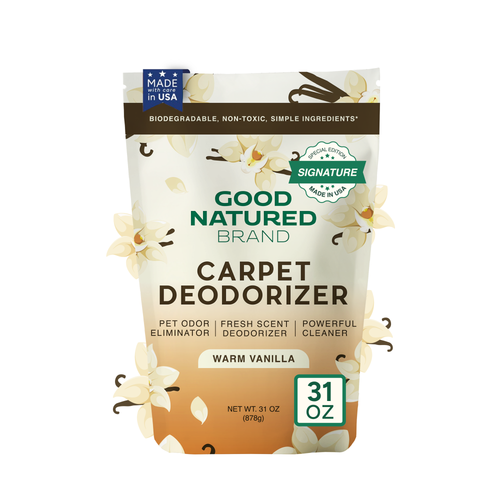
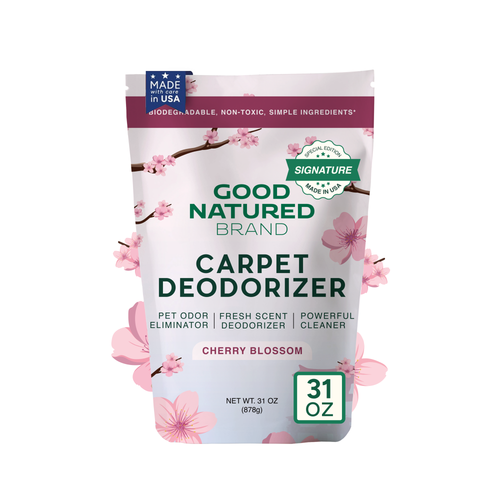
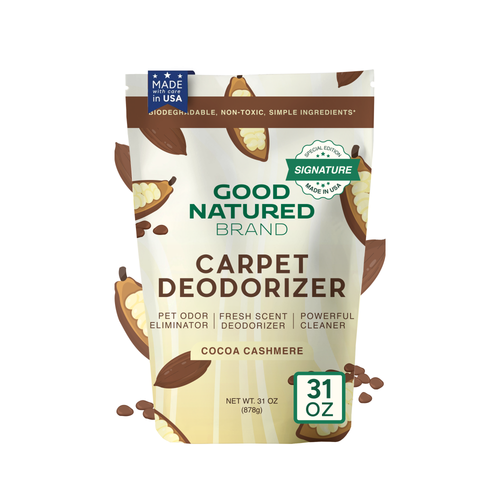
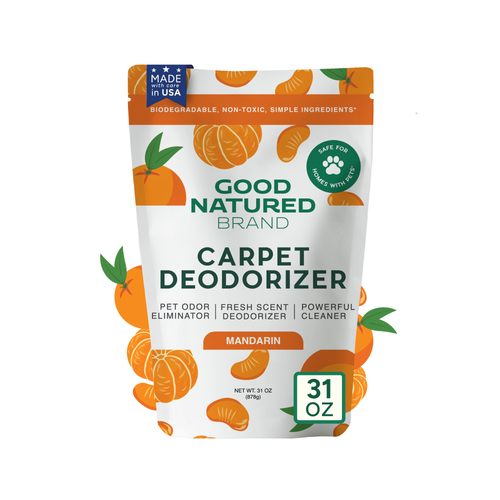
Shop the Product
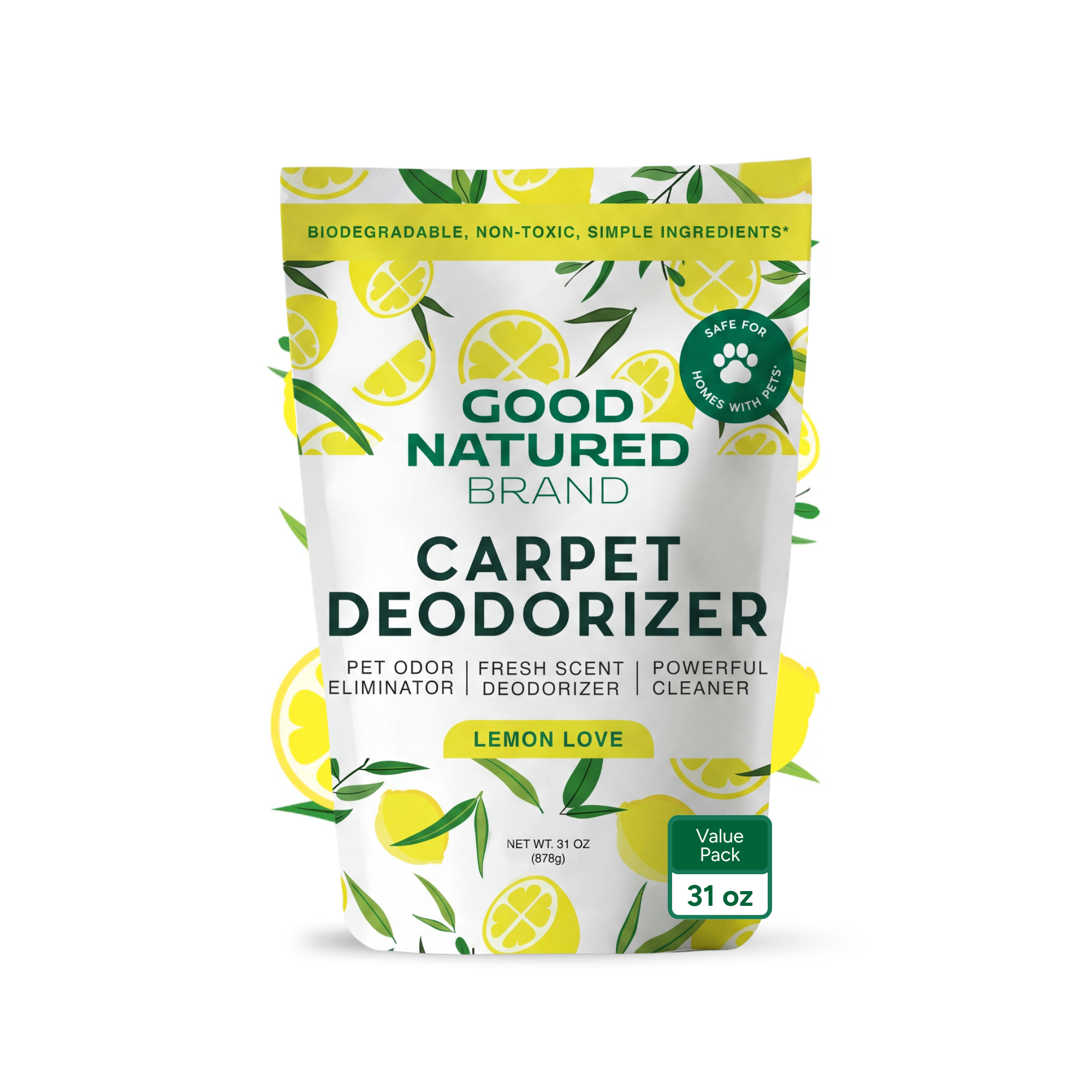
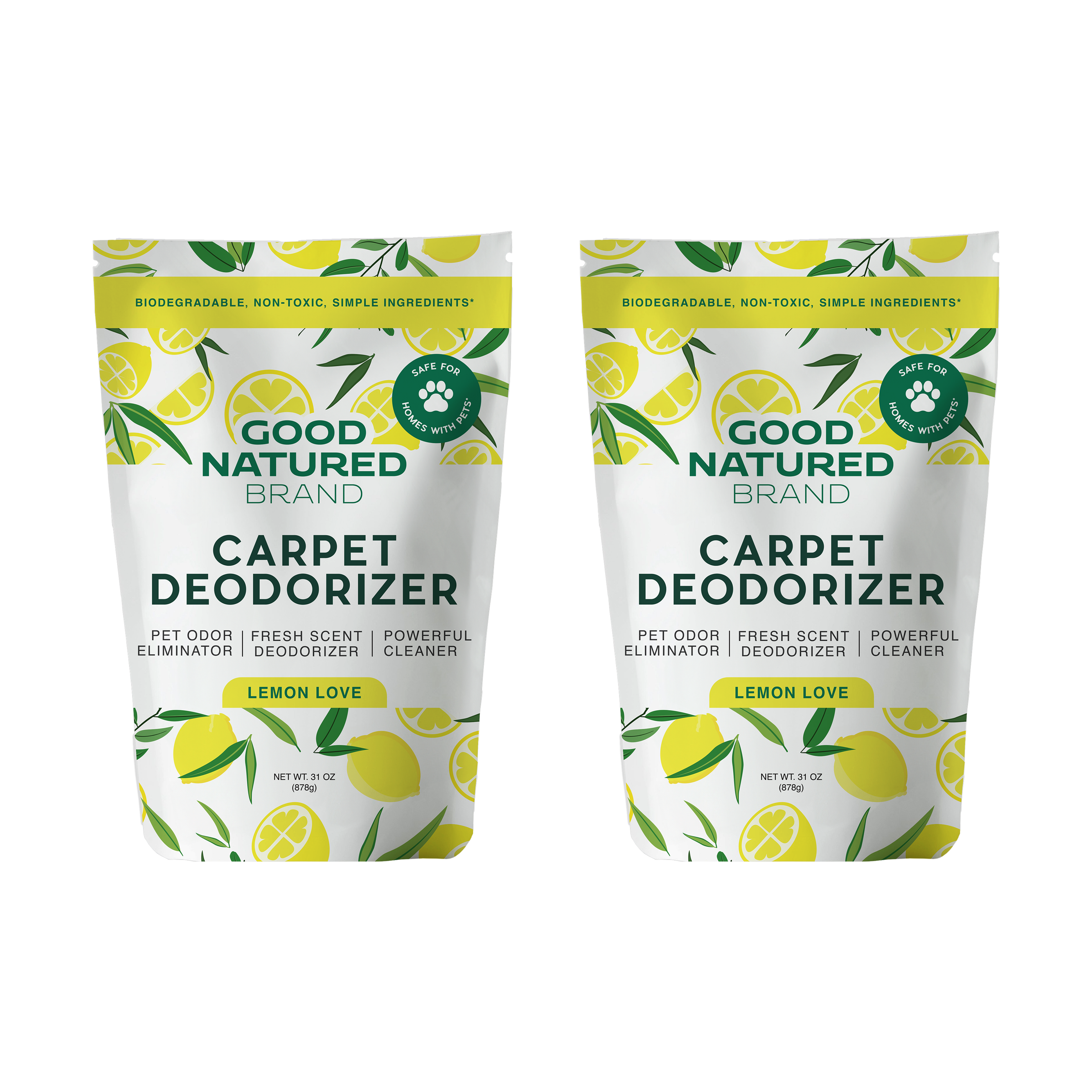
Lemon freshness for every home.
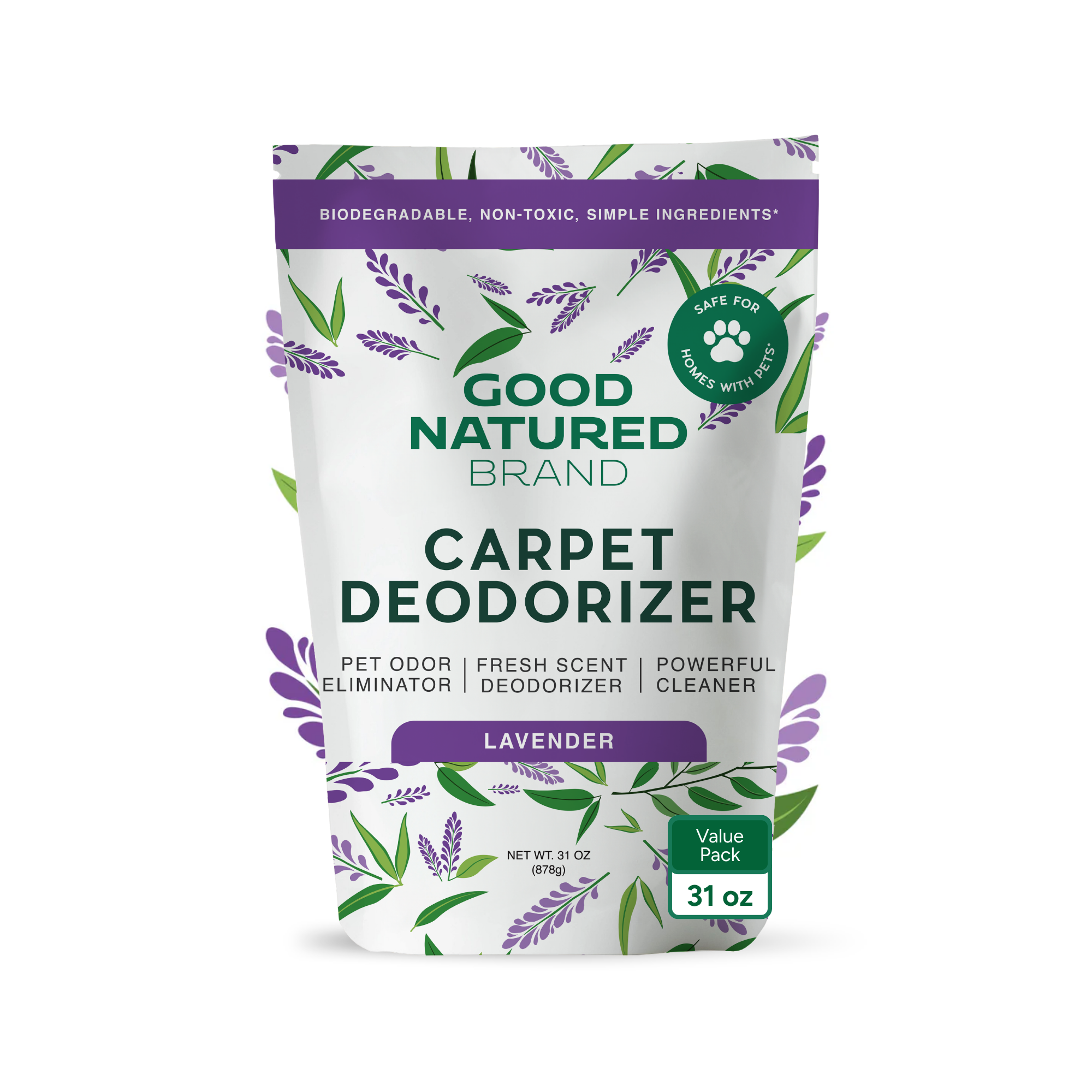
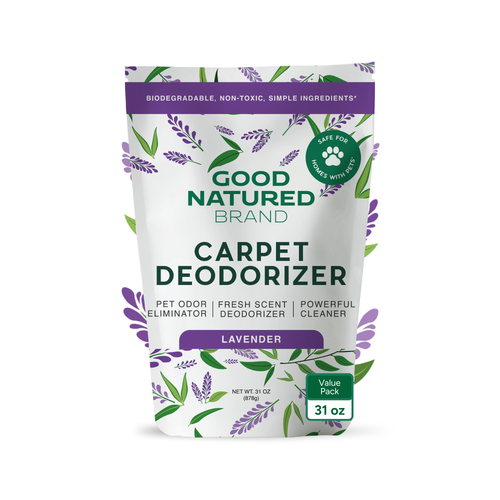
Lavender calm for every home.
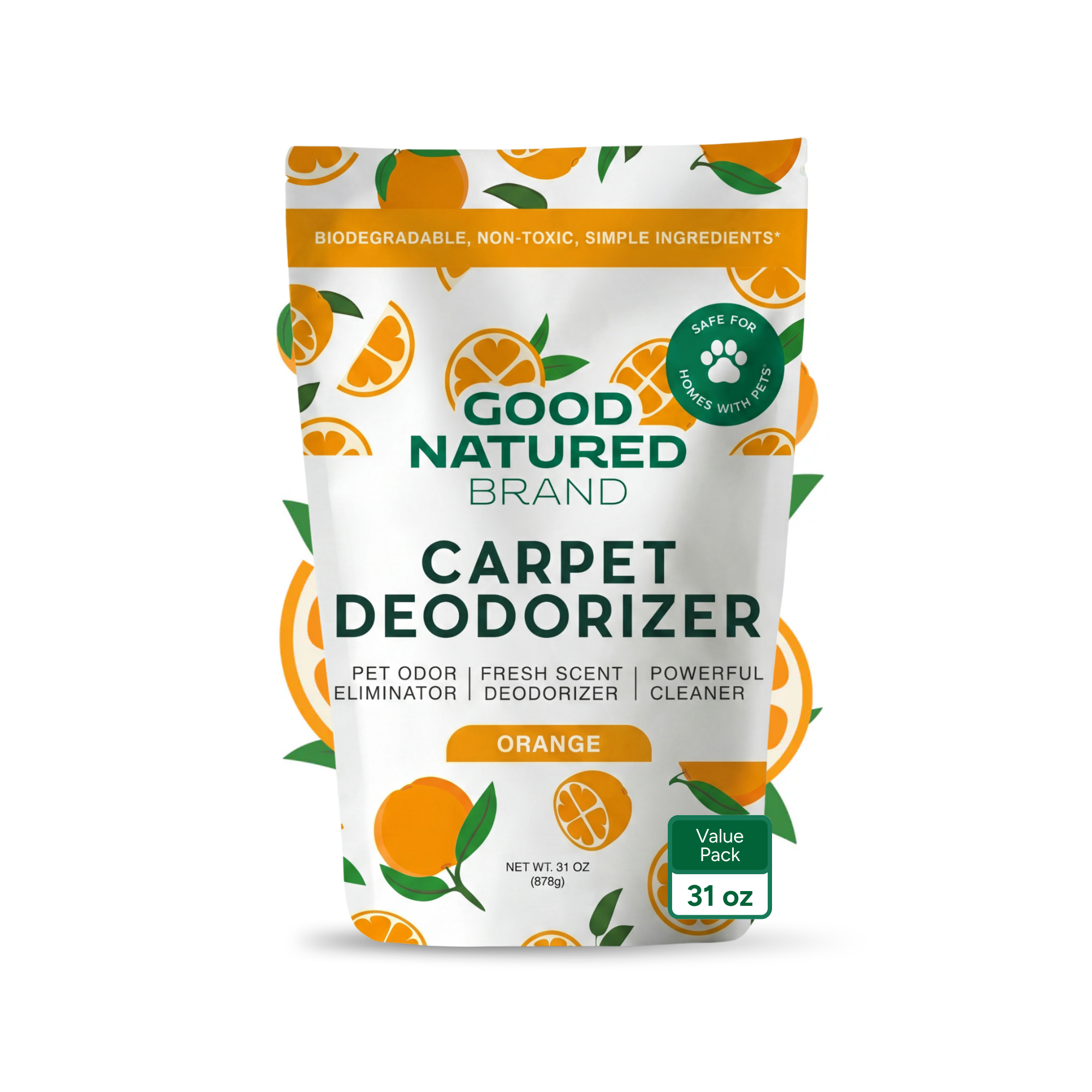
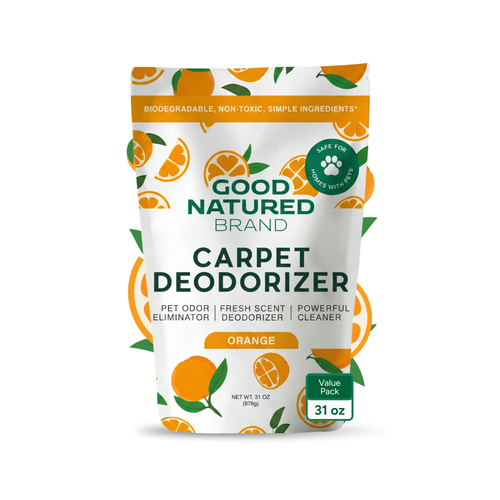
Orange energy for every home.
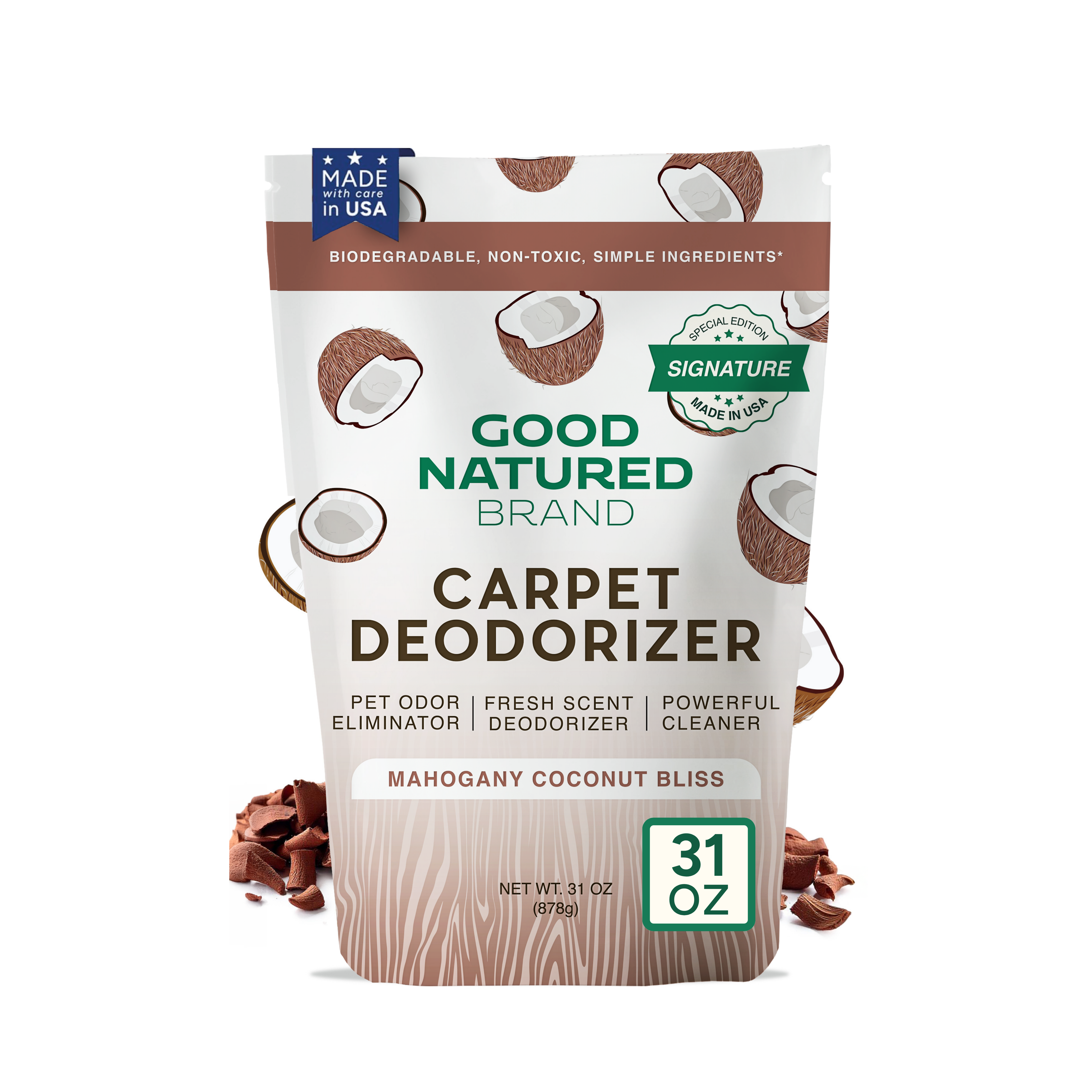
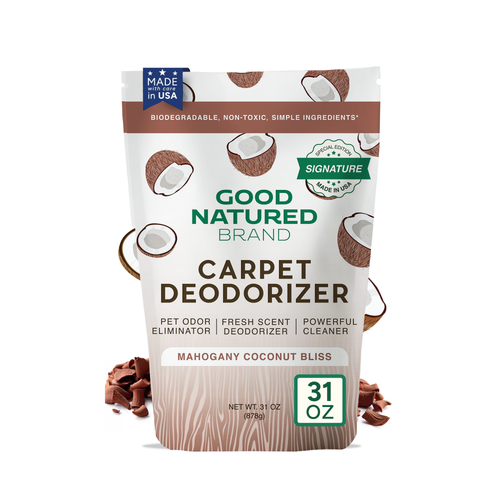
Mahogany warmth for every home.
Cherry blossom serenity for every home.
Cocoa butter comfort for every home.
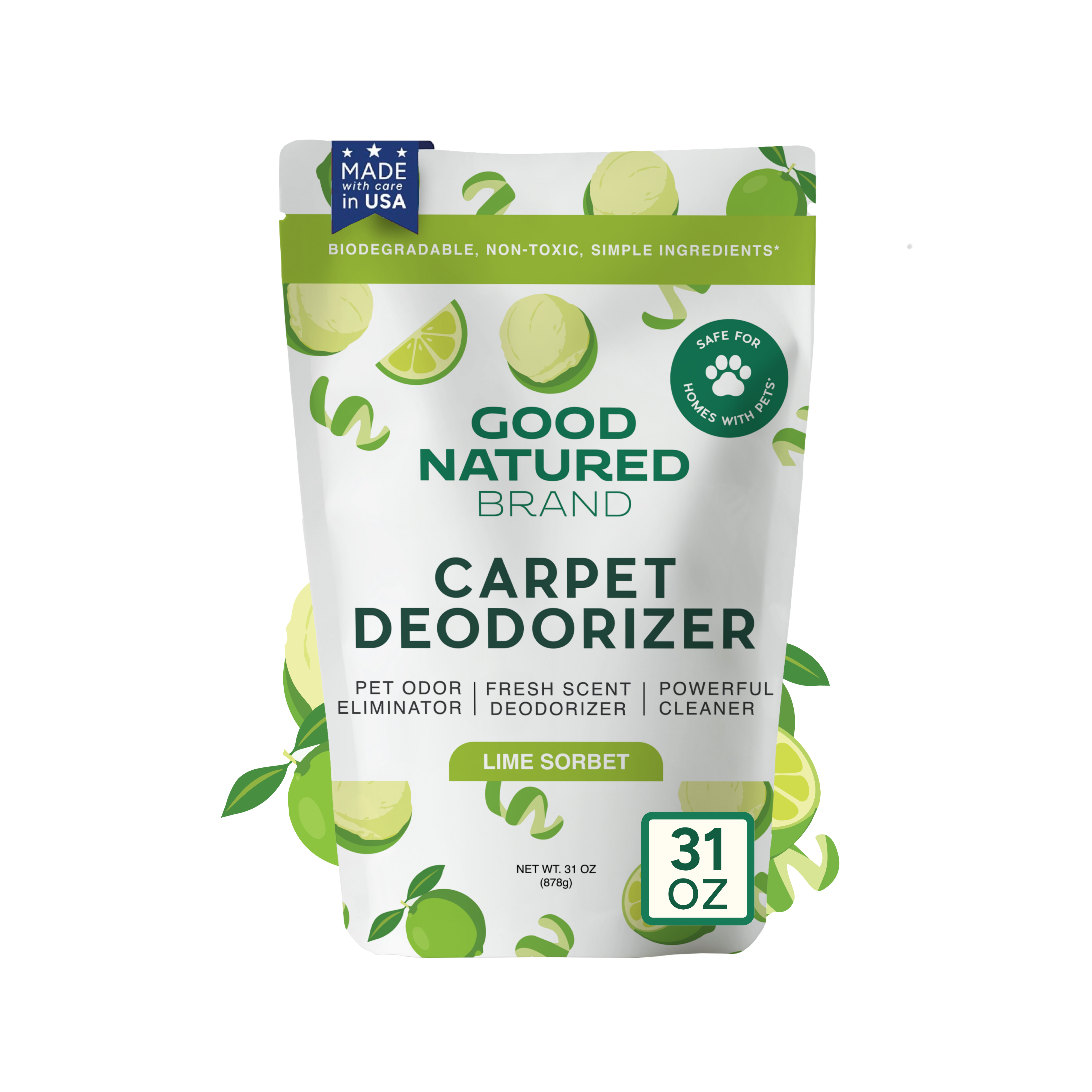
Mandarin freshness for every home.
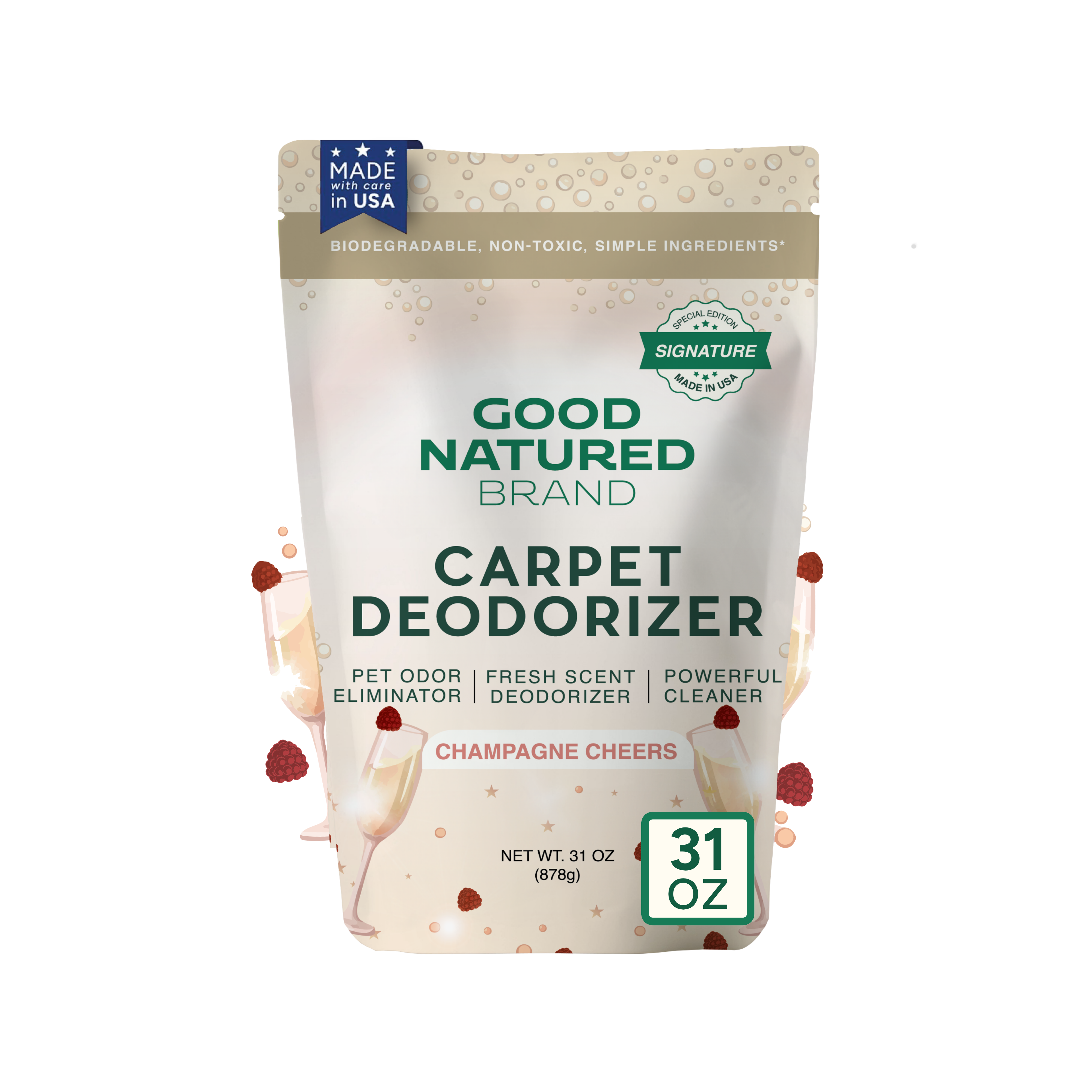
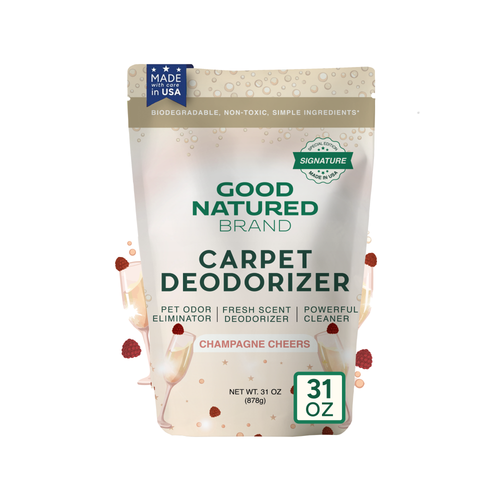
Champagne sparkle for every home.
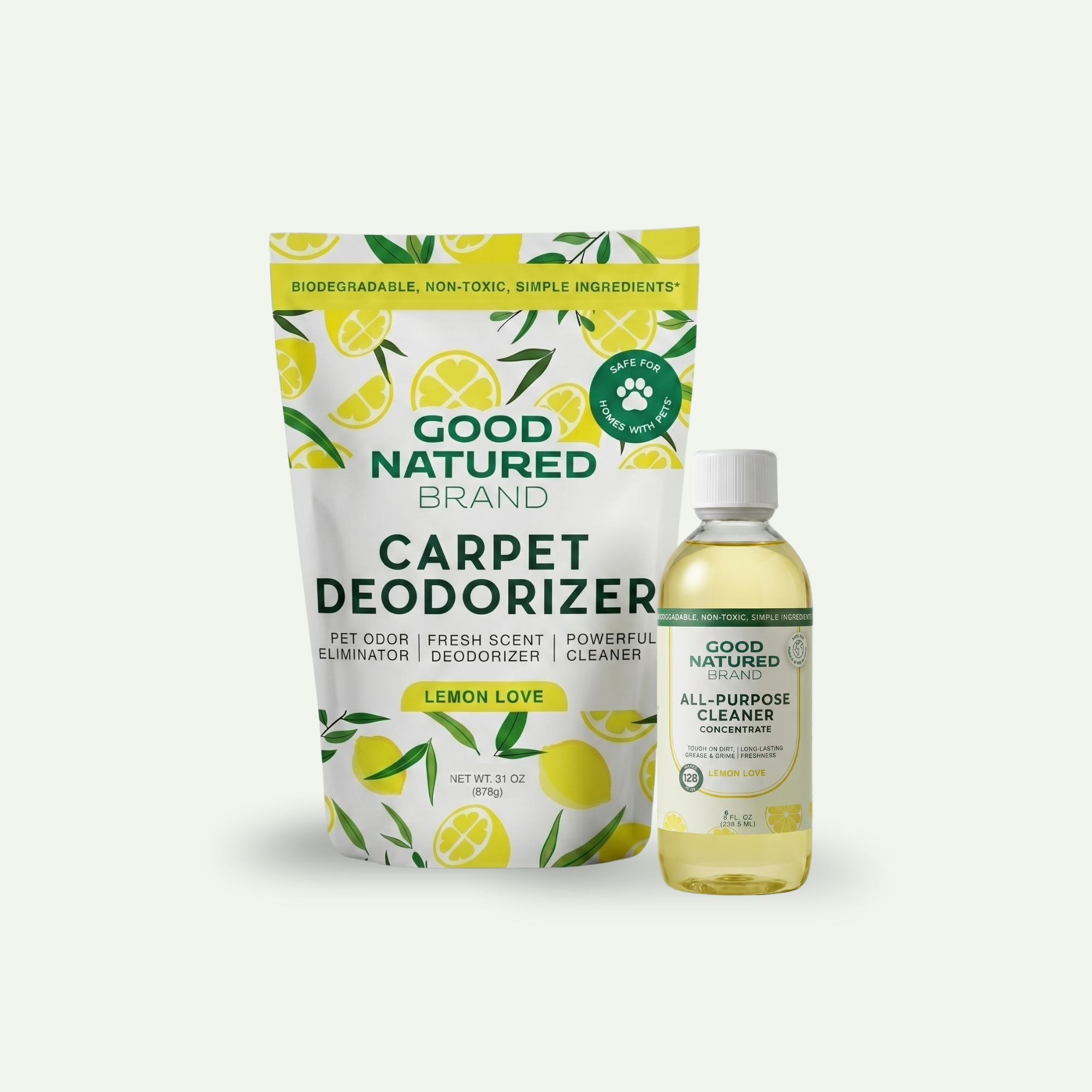
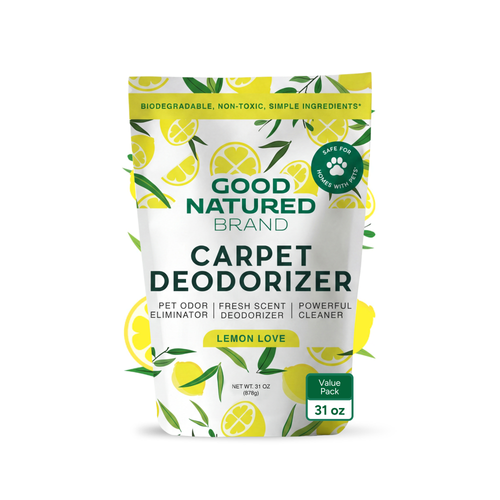
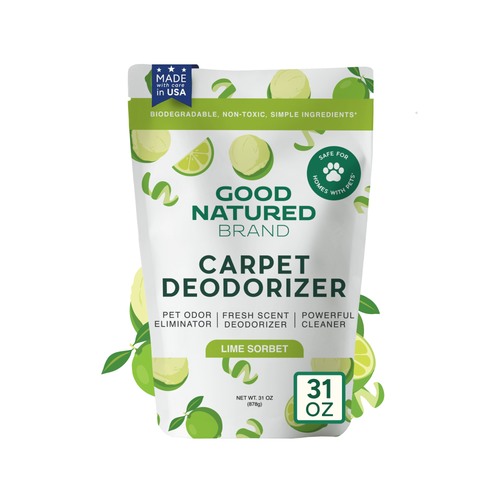
Zesty freshness for every carpet.
How to Read Labels When Shopping Clean Ingredient Household Brands
Label reading doesn’t have to be intimidating. You can get 80% of the benefit with a simple checklist and a couple of quick “filters” that help you avoid confusing marketing.
A copy-and-paste label checklist
When evaluating clean ingredient household brands, check for:
-
A complete ingredient list (on pack or easily found online)
-
Clear usage directions (including dilution guidance if concentrated)
-
Surface compatibility guidance (what it’s safe for, what to avoid)
-
Storage and safety information (especially for concentrated formats)
-
Customer support and FAQs that answer real questions
If you like learning through how-to guides and routines, you can also browse helpful content through the Good Natured Brand blog hub: https://www.goodnaturedbrand.com/pages/blog
Understanding fragrance terms
Fragrance is one of the biggest sources of confusion in the clean ingredient household category. Here are the terms that matter most:
-
Fragrance-free generally means no added fragrance ingredients (this is the clearest term for scent-sensitive shoppers).
-
Unscented can mean different things. Sometimes products contain masking ingredients that neutralize odors without smelling strongly, but it’s not always the same as fragrance-free.
-
Essential oil scented means scent comes from essential oils or botanical extracts. This can still be intense for some people, so “natural” scent isn’t always synonymous with “gentle.”
If scent is a big factor for your home, prioritize brands that explain what type of fragrance they use and why.
Ingredient order and what it can tell you
Ingredient lists are often ordered from higher to lower amounts, but there are exceptions depending on product type and local labeling rules. Instead of trying to decode exact percentages, focus on what matters most for shopping decisions:
-
Are the key functional ingredients clearly named?
-
Does the brand avoid overly vague “proprietary blends” when possible?
-
Are directions and safety info specific enough that you feel confident using the product?
Avoid vague claims and focus on specifics
A quick “greenwashing filter” can save you time. Be cautious when you see claims like:
-
“Chemical-free” (everything is made of chemicals; better claims describe what’s included or excluded)
-
“Eco-safe” without explanation
-
“Non-toxic” without context or safety directions
-
“Natural” without an ingredient list
Clean ingredient household brands earn trust through clarity, not slogans.
Clean Ingredient Household Brands Ingredients to Look For
The goal isn’t to memorize every ingredient name. It’s to recognize the major ingredient families that tend to show up in well-formulated clean products.
Gentle cleaning agents commonly used in clean household formulas
Many clean ingredient household brands rely on plant-derived surfactants for everyday cleaning. These ingredients help lift and remove oils, food residue, and grime so you can wipe surfaces clean. You may see terms related to “glucosides” or similar plant-derived surfactant families.
In laundry, you may also see enzymes, which can support stain and soil breakdown in a targeted way. Enzymes can be especially helpful for real-life messes like food stains, everyday grime, and general odor buildup.
Mineral-based helpers
Minerals are common in clean ingredient household brands because they support performance without relying on heavy solvent systems. Common examples include:
-
Baking soda (sodium bicarbonate) for deodorizing support and mild cleaning
-
Washing soda (sodium carbonate) for stronger cleaning support
-
Other mineral builders used to support cleaning power and rinse performance
These ingredients show up often in deodorizing and laundry routines because they’re simple, familiar, and effective when used correctly.
Rinse-clean performance and residue prevention
One underrated part of the “clean” experience is how a product behaves after use. Many people prefer products that rinse or wipe away without leaving a sticky or filmy feeling. Residue can also trap odors in fabrics over time, which is why following directions and using the right amount matters—especially in laundry.
Common Ingredients People Avoid When Choosing Clean Ingredient Household Brands
It’s important to keep this discussion practical rather than fear-based. Many conventional ingredients exist for a reason—speed, cost, or specific use cases. The key is choosing what fits your household and your preferences.
Harsh disinfectants vs everyday cleaning
One major misunderstanding is assuming that every cleaning product must disinfect. In reality:
-
Cleaning removes dirt, oils, grime, and many germs by physically lifting and wiping away soils.
-
Sanitizing and disinfecting are targeted goals that typically require specific products, specific directions, and often a required dwell time.
For everyday home maintenance—wiping counters, cleaning bathrooms, doing laundry—effective cleaning is often the main goal. When you need disinfection (during illness, for specific situations), it’s best to choose a product designed for that purpose and follow the label carefully.
Strong solvents and heavy degreasers
Some traditional products rely on powerful solvents to break down grease quickly. They can work well, but they can also be intense to use. Many clean ingredient household brands aim for a more balanced cleaning experience: dependable daily performance without overwhelming fumes.
Dyes and heavy fragrance
Some shoppers prefer to avoid artificial dyes or strong fragrance blends because they don’t add functional cleaning value. If you’re trying to build a calmer cleaning routine, choosing products with lighter scent profiles—or fragrance-free options—can be a meaningful improvement.
Certifications and Standards That Support Clean Ingredient Household Brands
Certifications aren’t everything, but they can help you compare products in a crowded market—especially if you don’t want to spend hours researching every brand.
Helpful certifications shoppers may recognize
Depending on the brand, you might see labels like:
-
EPA Safer Choice, which evaluates ingredients under specific criteria
-
USDA Certified Biobased Product, which verifies biobased content
-
Cruelty-free certifications for shoppers who prioritize animal welfare
Not every good product will have a certification, but if a product does, it can be an additional confidence signal.
Sustainability signals beyond ingredients
If you’re trying to choose clean ingredient household brands with lower waste, look for practical packaging choices:
-
Concentrated formulas that last longer per use
-
Powder formats that reduce plastic bottle use
-
Refill options or reduced packaging
As with ingredients, the best sustainability claims are specific and easy to verify.
Clean Ingredient Household Brands by Category and Use Case
Instead of searching for one “perfect brand,” it helps to think in categories. Different areas of the home have different needs, and your ideal clean ingredient household routine usually includes a few core product types.
Clean ingredient household brands for everyday surfaces
For most homes, the daily workhorse is a multi-surface product you can rely on for counters, sinks, bathroom vanities, and quick messes. The priorities here are simple: it should clean well, wipe away easily, and feel comfortable to use regularly.
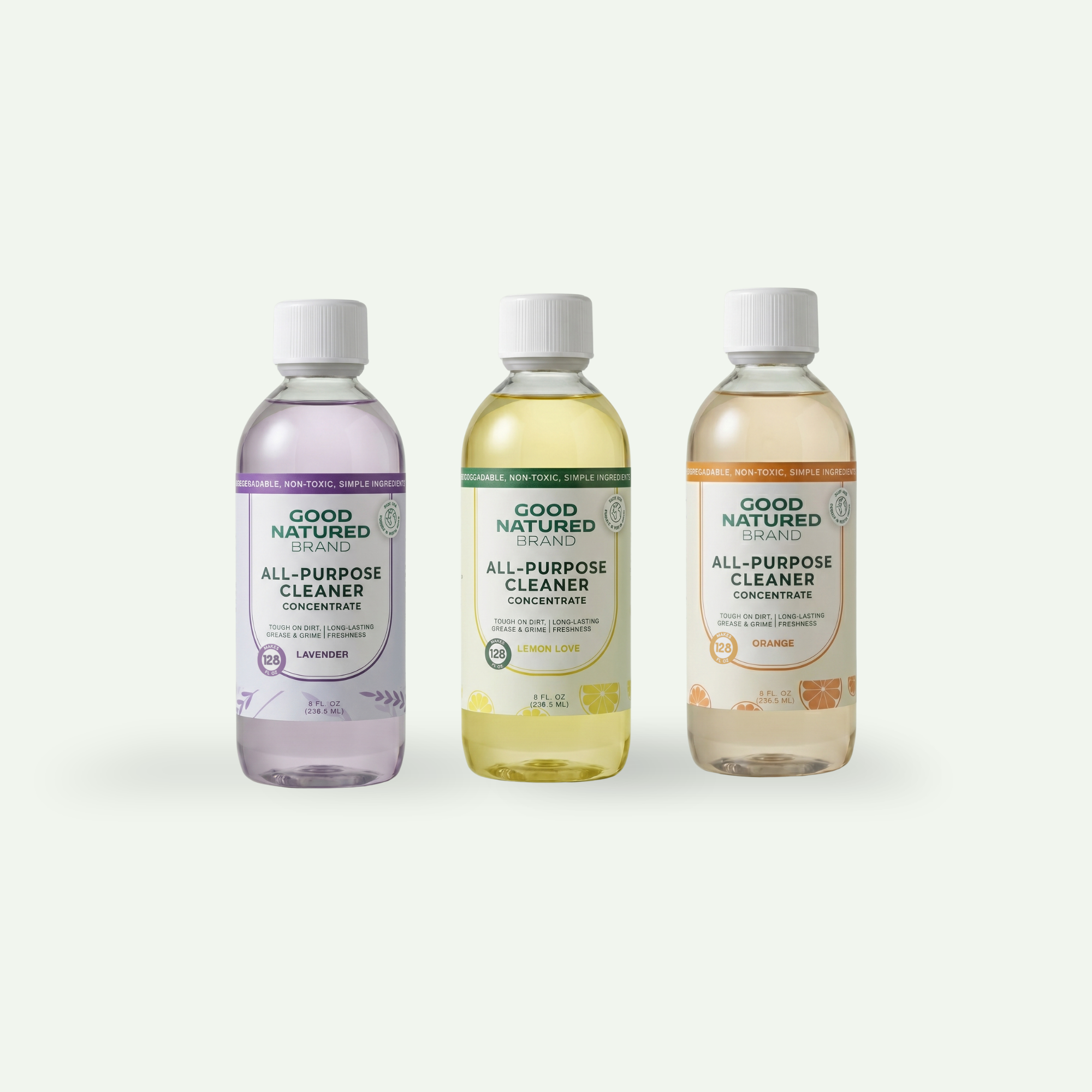
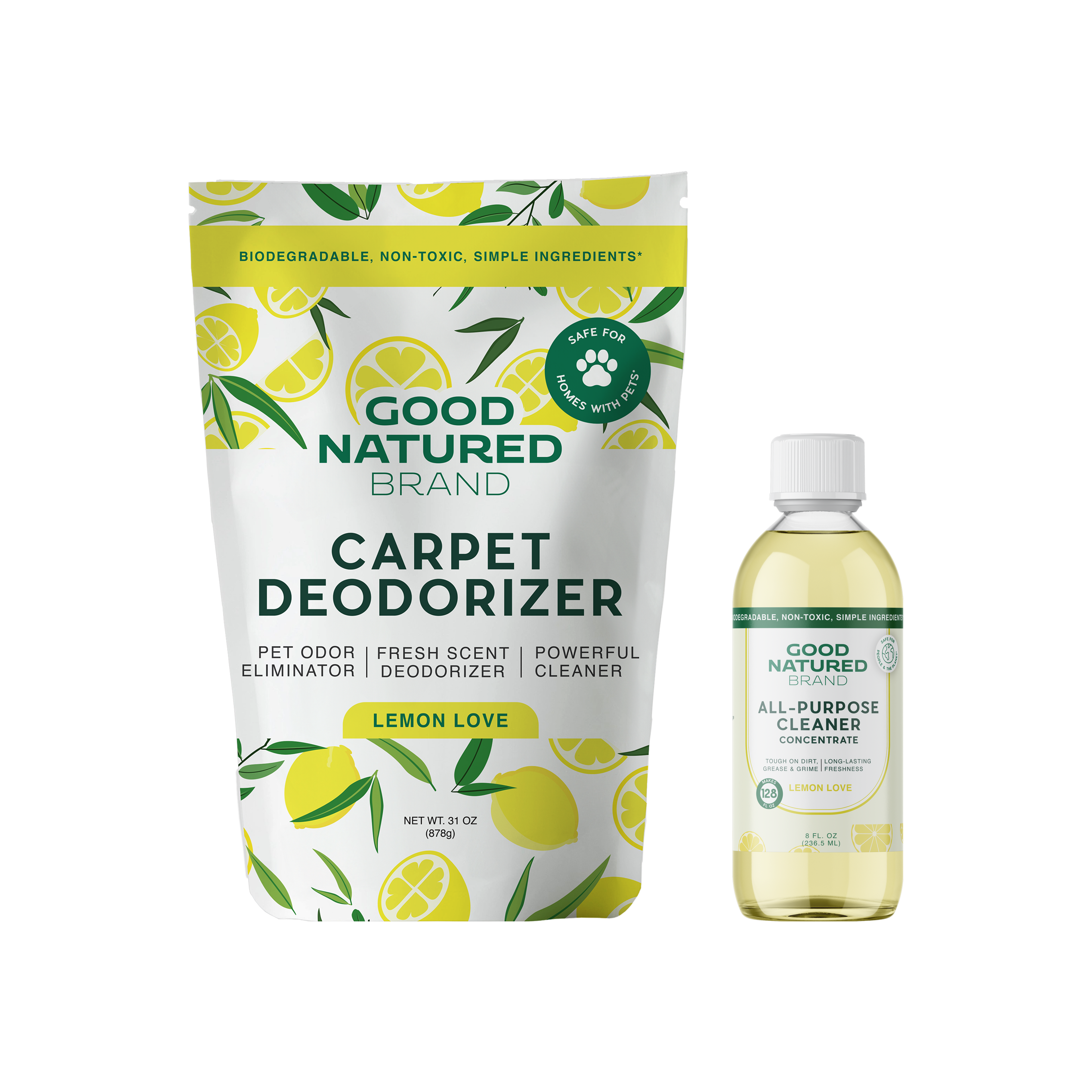
A dependable all-purpose product can simplify your routine dramatically. If you’re building a practical system around versatile staples, All Purpose Cleaners are a natural category to start with for wipe-downs, kitchen resets, and bathroom refreshes.
Everyday surface tips:
-
Use microfiber cloths for better pickup and fewer streaks.
-
Let the product sit briefly on sticky grime before wiping.
-
Keep one cleaning station in the kitchen and one in the bathroom for consistency.
Clean ingredient household brands for laundry and linens
Laundry is where “clean ingredients” meets real-world performance. People often switch because they want products that support odor control, rinse clean, and fit into a repeatable routine—without needing multiple additives.
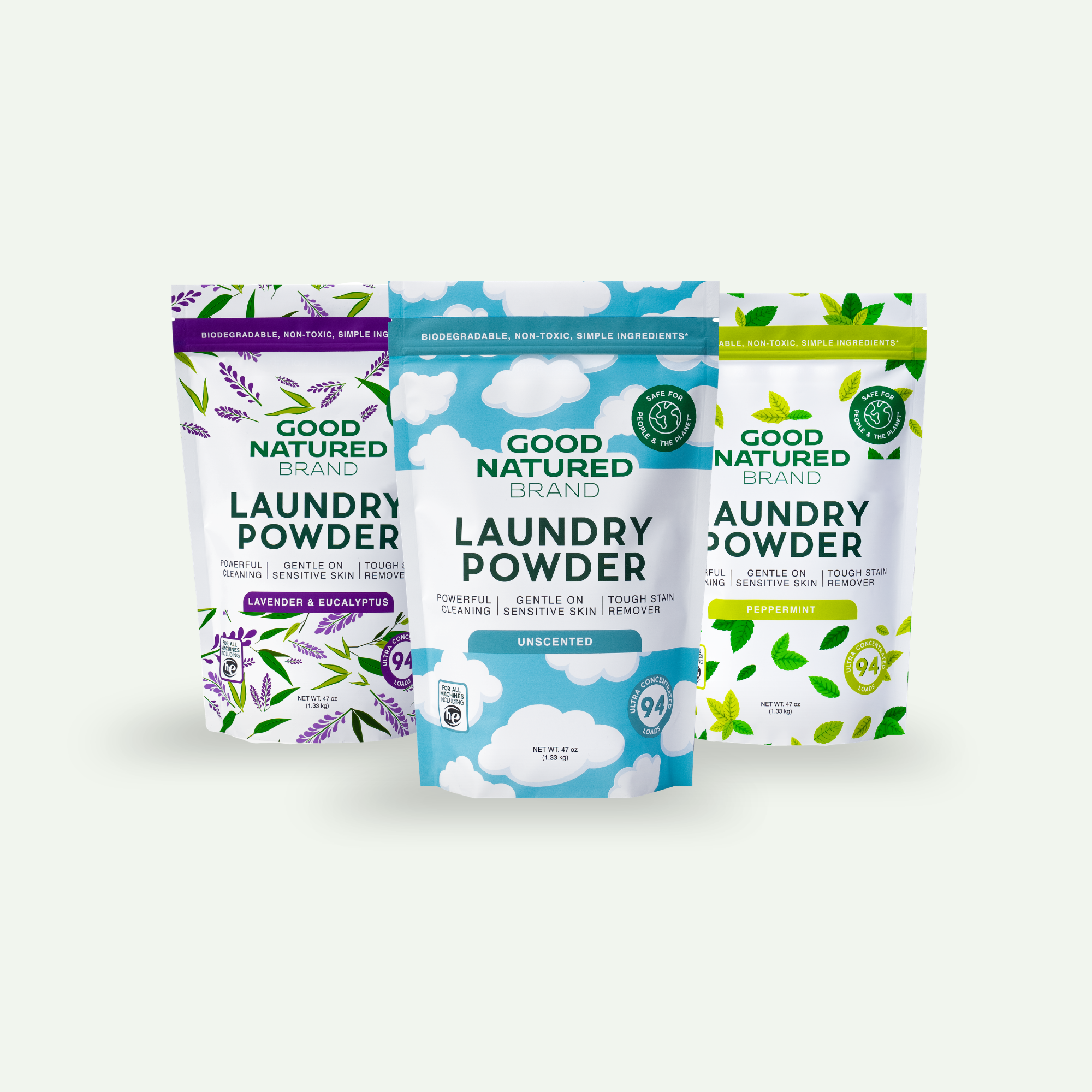
Powder formats are popular for their longevity and storage convenience. If you want a clean ingredient household staple that supports consistent loads, Laundry Powders can be a smart place to anchor your laundry routine.
Laundry tips for better results:
-
Don’t overload the washer; water needs room to move through fabrics.
-
Wash odor-prone items promptly and dry them thoroughly.
-
Use the recommended amount to avoid residue buildup over time.
Clean ingredient household brands for carpets, rugs, and soft-surface odors
Soft surfaces can hold onto odors from daily life—shoes, cooking, pets, spills, and general foot traffic. Vacuuming helps, but many households also like a routine deodorizing step between deep cleans.
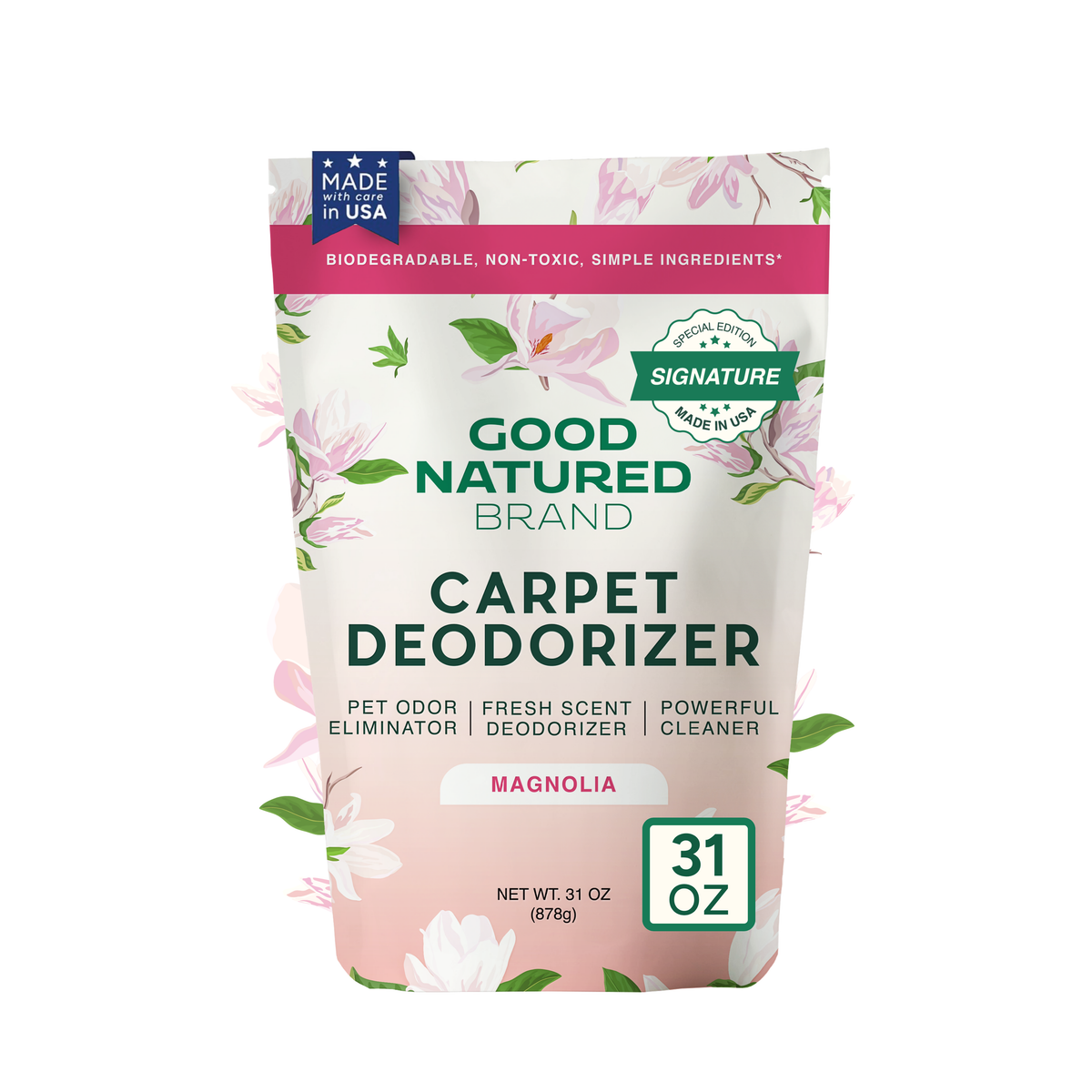
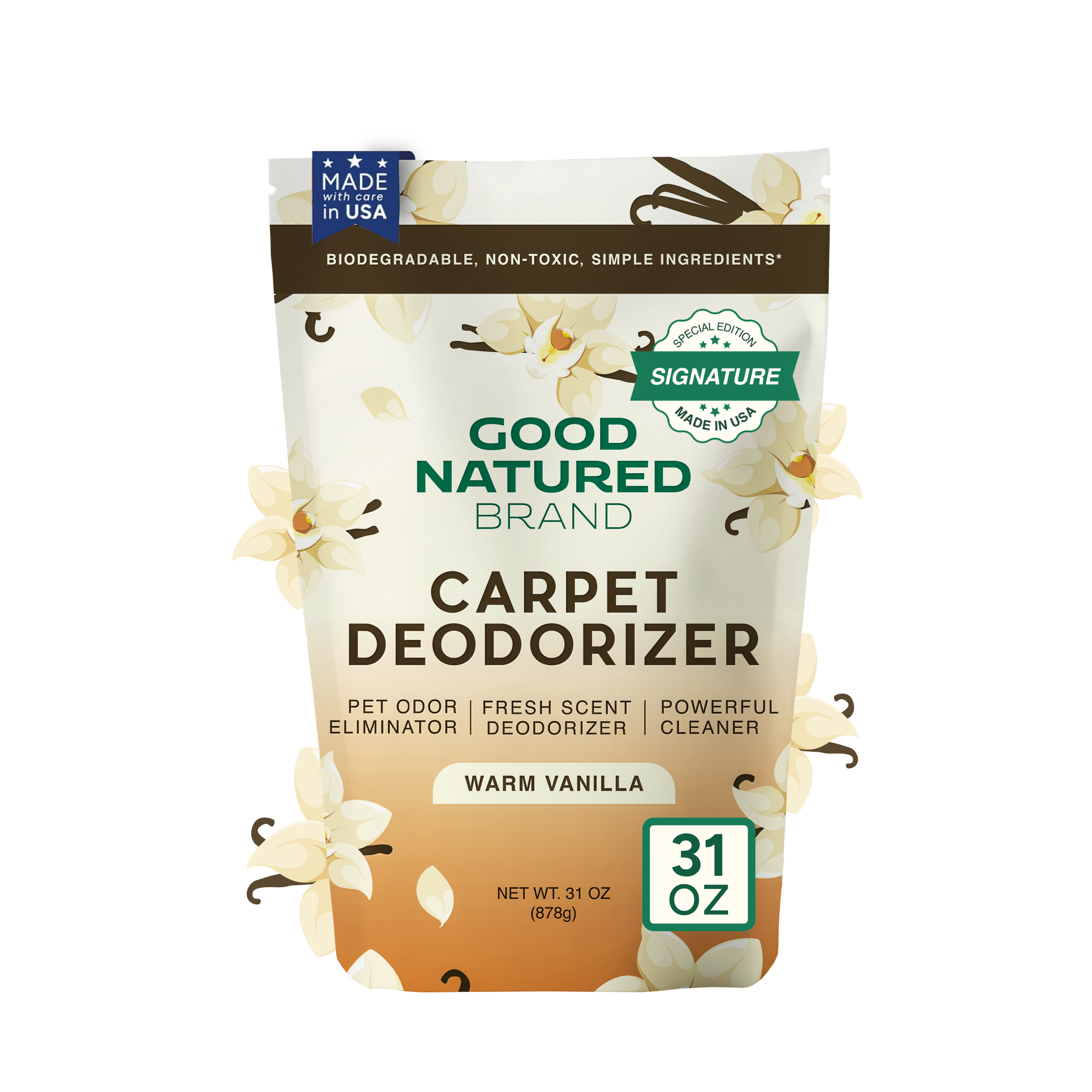
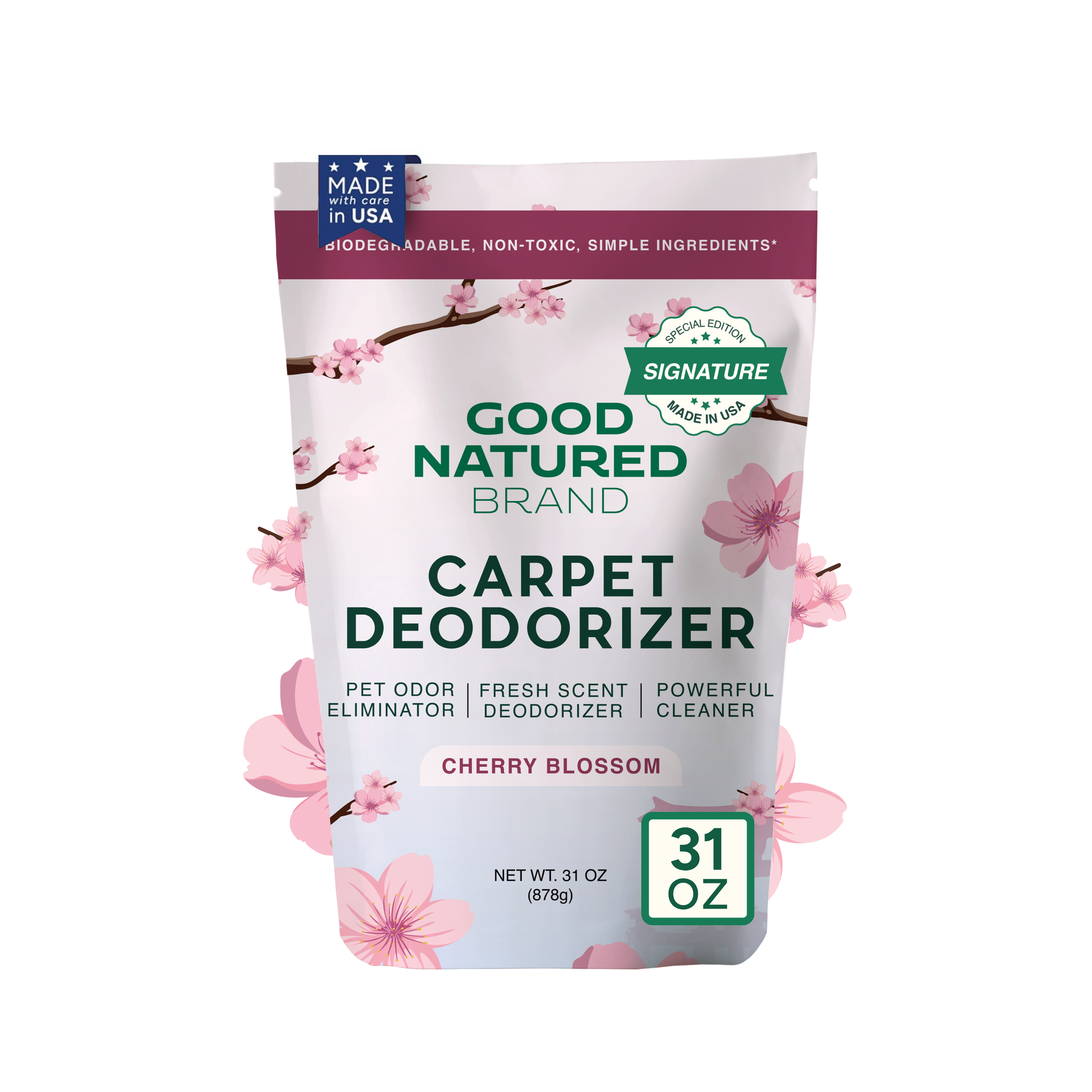
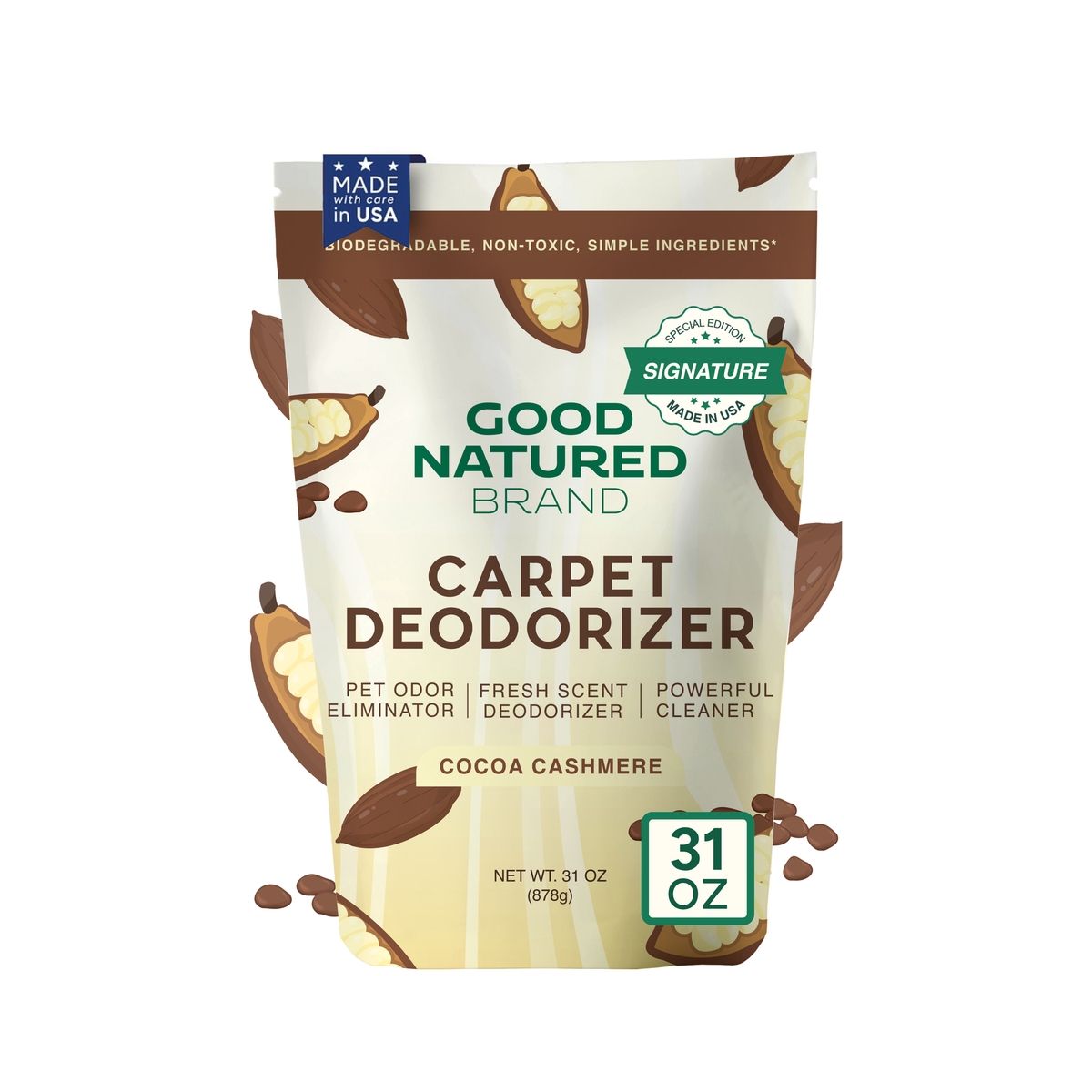
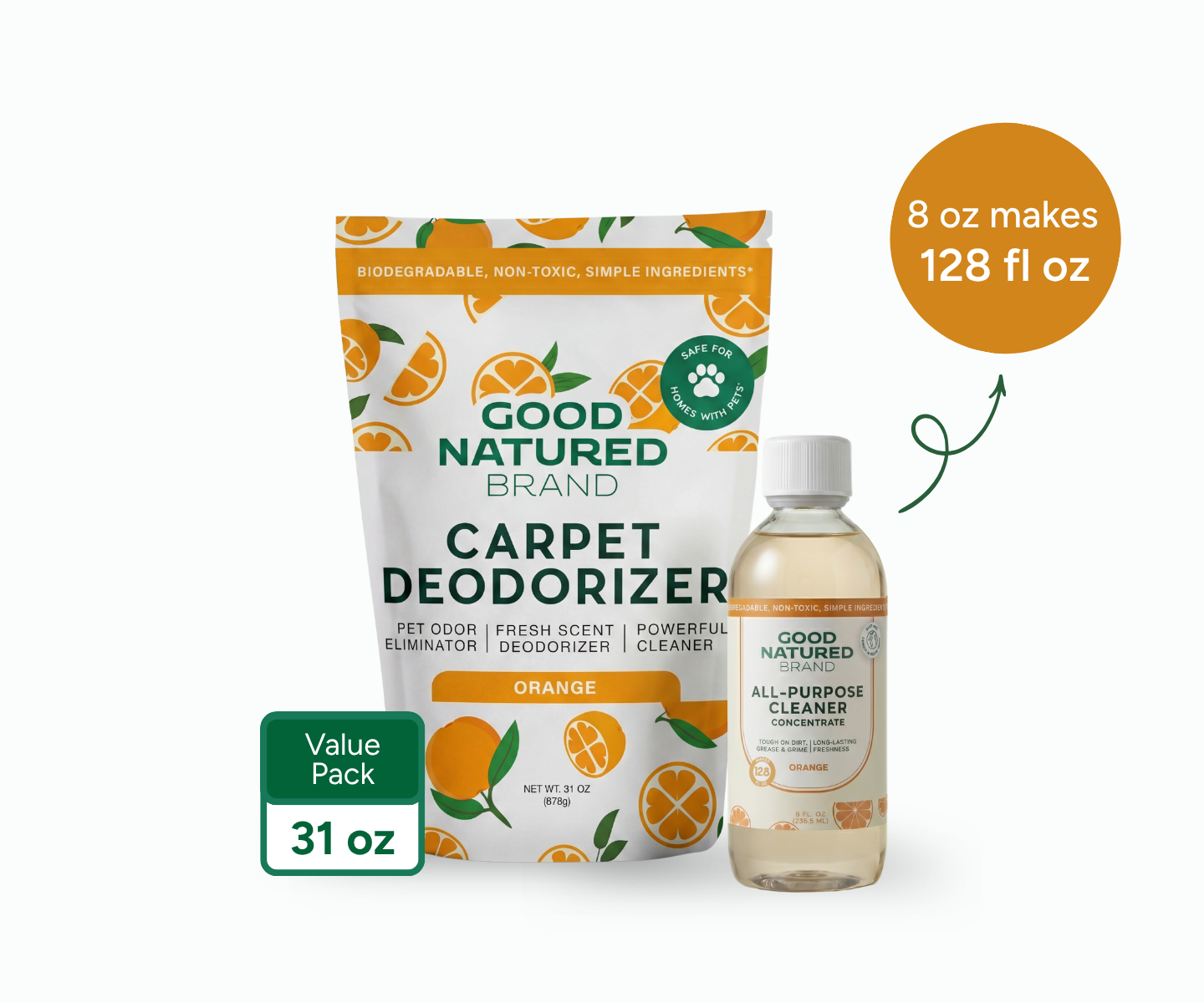
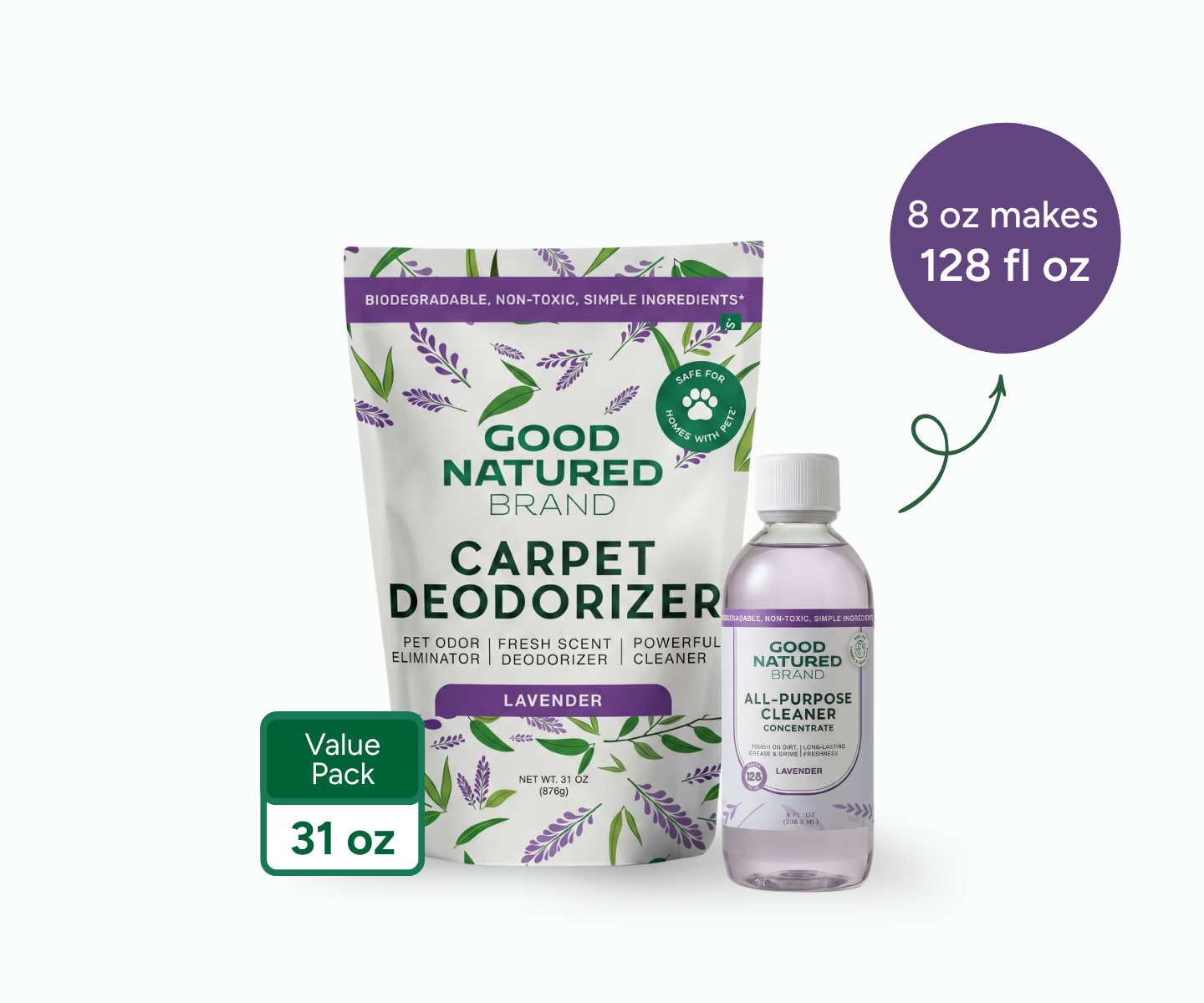
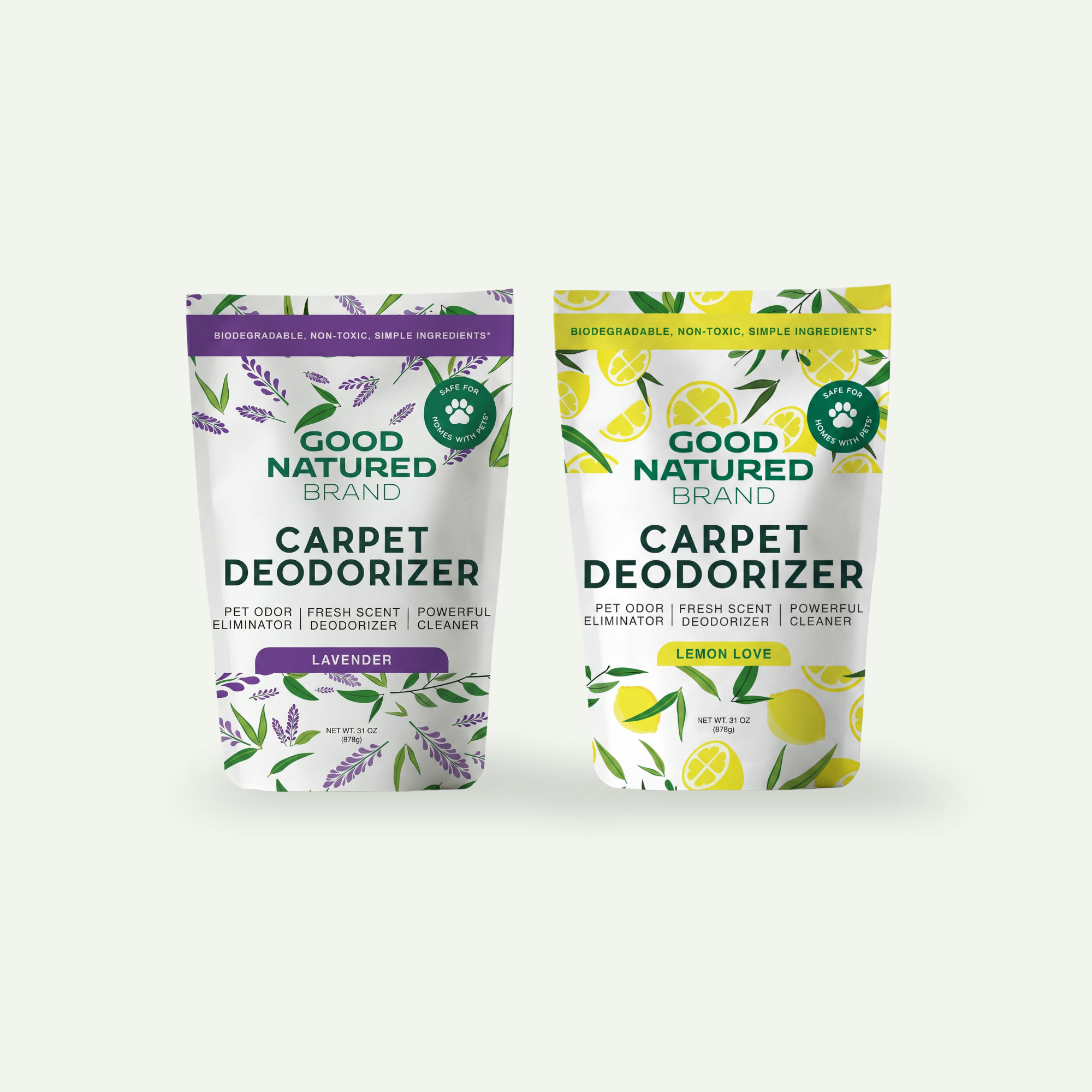
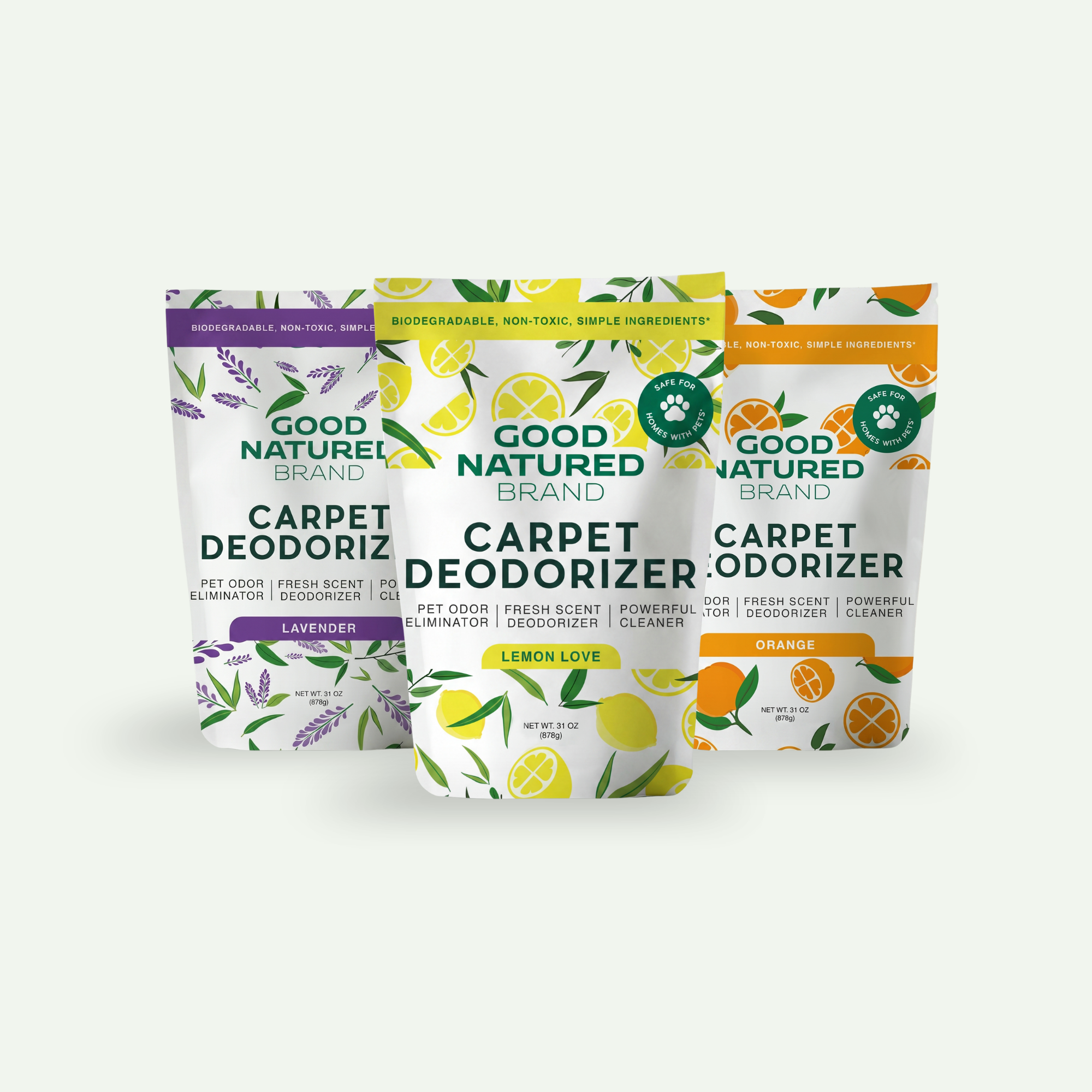
For regular freshness support, Carpet Deodorizers can help refresh carpets and rugs as part of a weekly or biweekly routine, especially in high-traffic rooms.
Soft-surface freshness tips:
-
Vacuum slowly and in multiple directions for better lift.
-
Focus on entryways, living rooms, and areas near couches or pet beds.
-
Always follow label directions and spot-test on delicate materials.
Clean ingredient household brands for kitchens
Kitchen cleaning is less about having ten products and more about having the right habits. Kitchens deal with grease, crumbs, food residue, and frequent touch points.
A practical kitchen approach:
-
Use All Purpose Cleaners for counters, cabinet fronts, and sink surrounds.
-
Wipe high-touch zones daily: handles, faucet areas, fridge doors.
-
Do a weekly reset: stovetop wipe, microwave interior, trash bin wipe-down.
For food-contact areas, always follow the product’s directions (including any rinse guidance) and use clean cloths to avoid spreading residue.
Clean ingredient household brands for bathrooms
Bathrooms challenge every cleaning routine with soap scum, water spots, and high humidity. Clean ingredient household brands can work very well here when used consistently and paired with simple habits.
A practical bathroom routine:
-
Quick wipe-downs multiple times a week using All Purpose Cleaners
-
A weekly deeper clean for shower edges and fixtures
-
Ventilation to reduce ongoing buildup (fans and open doors help)
The biggest “bathroom hack” is frequency. Small cleanups prevent big scrubbing sessions.
Clean ingredient household brands for pet-friendly homes
Many people searching for clean ingredient household brands are also managing daily life with pets—hair, paw prints, bedding odors, and soft-surface freshness. The best approach is a routine that covers the big three:
-
Surfaces and floors: All Purpose Cleaners for quick messes and wipe zones
-
Laundry rotation: Laundry Powders for pet bedding, blankets, and washable covers
-
Soft surfaces: Carpet Deodorizers for rugs and carpeted rooms
If you want more routine ideas, seasonal cleaning tips, and household guides, the Good Natured Brand blog hub is a useful place to explore: https://www.goodnaturedbrand.com/pages/blog
How to Build a Minimal Clean Ingredient Household Brands Routine
The biggest mistake people make when switching is buying too many products at once. A “clean ingredient household brands” routine works best when you start with a small kit and build from there.
A starter kit that covers most homes
Most households can cover their routine needs with three core categories:
-
All Purpose Cleaners for surfaces and quick resets
-
Laundry Powders for consistent loads and fabric freshness
-
Carpet Deodorizers for rugs, carpets, and odor-prone areas
From there, you can add only what you truly need (like a dish product or a specialty cleaner for a specific surface).
A routine that’s easy to maintain
Daily:
-
Kitchen wipe-down
-
Quick bathroom sink reset
-
Spot-clean messes as they happen
Weekly:
-
Bathroom surfaces + shower edges
-
Laundry rotation for towels, bedding, and pet items
-
Carpet and rug refresh as needed
Monthly:
-
Baseboards, vents, cabinet fronts
-
Fridge and pantry wipe-down
-
Deep refresh of soft surfaces
Cost-per-use and stocking strategy
Instead of focusing only on price per bottle, compare cost per use:
-
How many loads or weeks does it last?
-
Do you use it regularly, or does it sit unused?
-
Does the format match your habits (powder, concentrate, ready-to-use)?
The best product is one that fits your life. Consistency beats perfection.
Clean Ingredient Household Brands vs DIY Cleaning
DIY cleaning can be helpful, but it’s not always the most practical solution for busy households.
When DIY is enough
DIY can work well for:
-
quick deodorizing (like baking soda in a fridge)
-
light wipe-downs for low-mess areas
-
small tasks where you don’t need a specialized formula
When clean ingredient household brands are better
Clean ingredient household brands usually win when you want:
-
consistent performance without constant mixing
-
clear directions and a predictable result
-
convenience you can repeat week after week
The best hybrid approach
A simple strategy is to keep one or two DIY staples and rely on a few core products for daily cleaning and laundry. That way, you get the simplicity of clean ingredient household brands without feeling like you need an entire new system.
Mistakes to Avoid When Buying Clean Ingredient Household Brands
Switching to clean ingredient household brands should make your life easier—not more complicated. Avoid these common mistakes:
-
Falling for vague claims instead of reading the ingredient and directions
-
Buying too many single-purpose products and creating clutter
-
Using too much product, which can create residue
-
Ignoring dwell time or directions (especially for sticky grime)
-
Over-scenting small spaces with heavily fragranced products
A smaller, consistent routine is almost always more effective than a big, inconsistent one.
FAQs About Clean Ingredient Household Brands
What are clean ingredient household brands?
Clean ingredient household brands are brands that prioritize a more thoughtful ingredient profile, provide clearer ingredient transparency, and focus on products that feel comfortable for regular use.
Are clean ingredient household brands the same as non-toxic?
Not necessarily. “Non-toxic” is a broad claim that can vary by brand. It’s more useful to evaluate ingredient disclosure, product directions, and the brand’s transparency about intended use.
Do clean ingredient household brands disinfect?
Many are designed primarily for cleaning rather than disinfecting. If you need disinfection for a specific situation, choose a product meant for that purpose and follow label directions carefully.
What does fragrance-free mean vs unscented?
Fragrance-free typically means no added fragrance ingredients. Unscented can sometimes mean the product contains odor-neutralizing ingredients that may still include masking components. If scent is a concern, fragrance-free is the clearer term.
Are essential oils always clean?
Essential oils are plant-derived, but they can still be strong or irritating for some people. If you’re scent-sensitive, look for low-fragrance options or fragrance-free formulas.
What ingredients should I avoid if I’m scent-sensitive?
Many scent-sensitive shoppers prefer to avoid heavy fragrance blends and intensely scented cleaners. The best approach is choosing products with clear fragrance labeling and using ventilation during cleaning.
Are powders better than liquids for clean ingredient household brands?
Powders can be a great option because they’re often long-lasting and can reduce packaging waste. For laundry routines, Laundry Powders are a popular clean ingredient choice for consistent loads.
How do I compare cost per use?
Look at how many uses you get per purchase: number of loads, how long a bottle lasts with regular use, and whether you’re using the correct amount. Cost per use is often more meaningful than price per bottle.
Can clean ingredient household brands handle pet odors?
Yes, especially when you combine surface routines, laundry rotation, and soft-surface freshness. Many households rely on a system like All Purpose Cleaners for wipe zones, Laundry Powders for bedding and blankets, and Carpet Deodorizers for rugs and carpets.
What’s the easiest way to start switching?
Start small. Replace one category at a time—often an all-purpose product first, then laundry, then soft-surface deodorizing. Once you find products you like, your routine will feel effortless.
Conclusion: Clean Ingredient Household Brands That Fit Your Life Win Every Time
The best clean ingredient household brands are the ones that match your real routine—products with transparent information, dependable performance, and a user experience that makes it easy to stay consistent. When you focus on essentials and build habits around them, you’ll get a home that feels cleaner, fresher, and easier to maintain.
If you want to explore clean-forward home essentials, visit the Good Natured Brand main page: https://www.goodnaturedbrand.com/
For more cleaning routines, seasonal tips, and household guides, browse the blog hub: https://www.goodnaturedbrand.com/pages/blog