Plant-based cleaners have become the centerpiece of modern, eco-conscious households. As more families look for products without harsh chemicals, synthetic fragrances, or irritating residues, naturally derived formulas are gaining massive momentum. But what exactly are plant-based cleaners—and more importantly, do they truly work?
This in-depth guide explores how plant-powered cleaning formulas are made, how they perform on everyday messes, and why so many pet owners, parents, and sensitive households are making the switch. Whether you're exploring natural cleaning for the first time or simply want to better understand what’s inside your favorite green cleaners, Part 1 of this two-part series breaks down the science, safety, and effectiveness of these innovative products.
If you're interested in more natural living content, you can also explore helpful guides on the Good Natured Brand Blog or browse all plant-powered essentials on the main page.
What Are Plant-Based Cleaners?
Plant-based cleaners are cleaning products formulated primarily with ingredients derived from renewable plant sources rather than petroleum or synthetic chemicals. Instead of harsh surfactants or artificial fragrances, these cleaners rely on botanical extracts, plant-derived surfactants like decyl glucoside, citric acid, and essential oils to break down dirt, grease, and odors.
They are often biodegradable, non-toxic, gentle on surfaces, and much safer for households with pets or children. Compared to conventional cleaning products, plant-based formulas aim to deliver powerful cleaning performance without unnecessary chemical additives.
Plant-Based Cleaners Explained
At their core, plant-based cleaners work by harnessing the natural chemical properties of plants. For example, citrus oils naturally cut through grease, eucalyptus helps freshen and deodorize, and gentle surfactants derived from coconut or corn help lift dirt particles from surfaces.
These naturally derived components are carefully blended to create formulas that can clean effectively while being kinder to the environment and safer for everyday use.
How Plant-Based Cleaners Are Made
Creating plant-based cleaners involves turning raw plant materials into functional cleaning ingredients. This typically includes:
Plant-derived surfactants:
These molecules bond with water on one end and oils or dirt on the other, helping lift grime from surfaces. Common examples include decyl glucoside and coco glucoside.
Natural acids and stabilizers:
Citric acid helps dissolve mineral deposits and acts as a natural preservative.
Essential oils:
Lemon, eucalyptus, and orange oils not only add natural fragrance but also enhance cleaning performance through mild antibacterial and deodorizing properties.
Because these formulas come from renewable sources, they align with sustainable and environmentally conscious lifestyles.
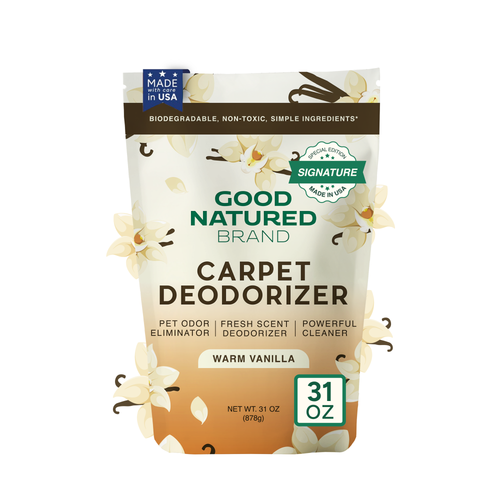
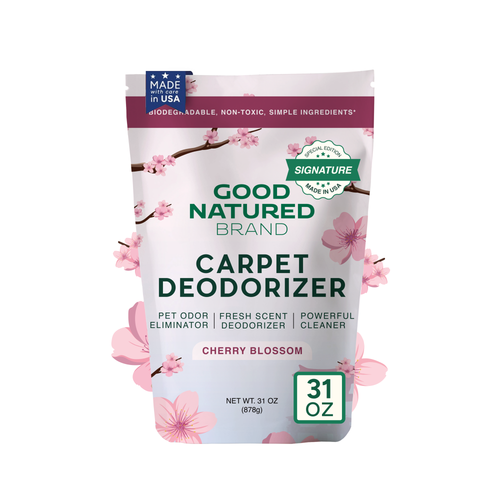
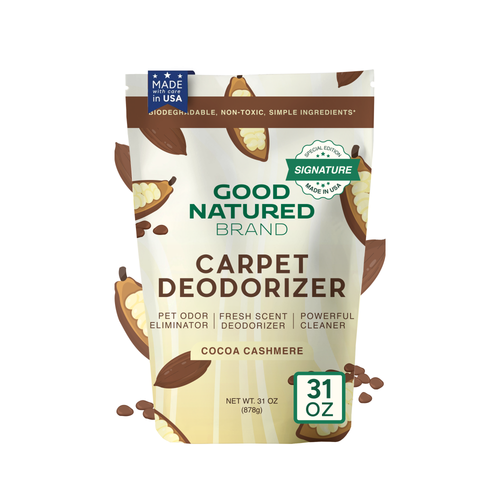
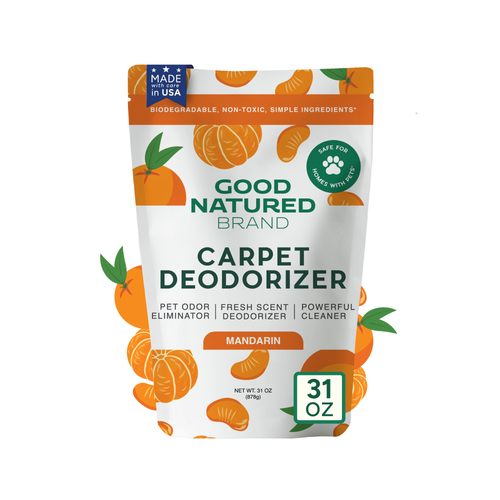
Shop the Product
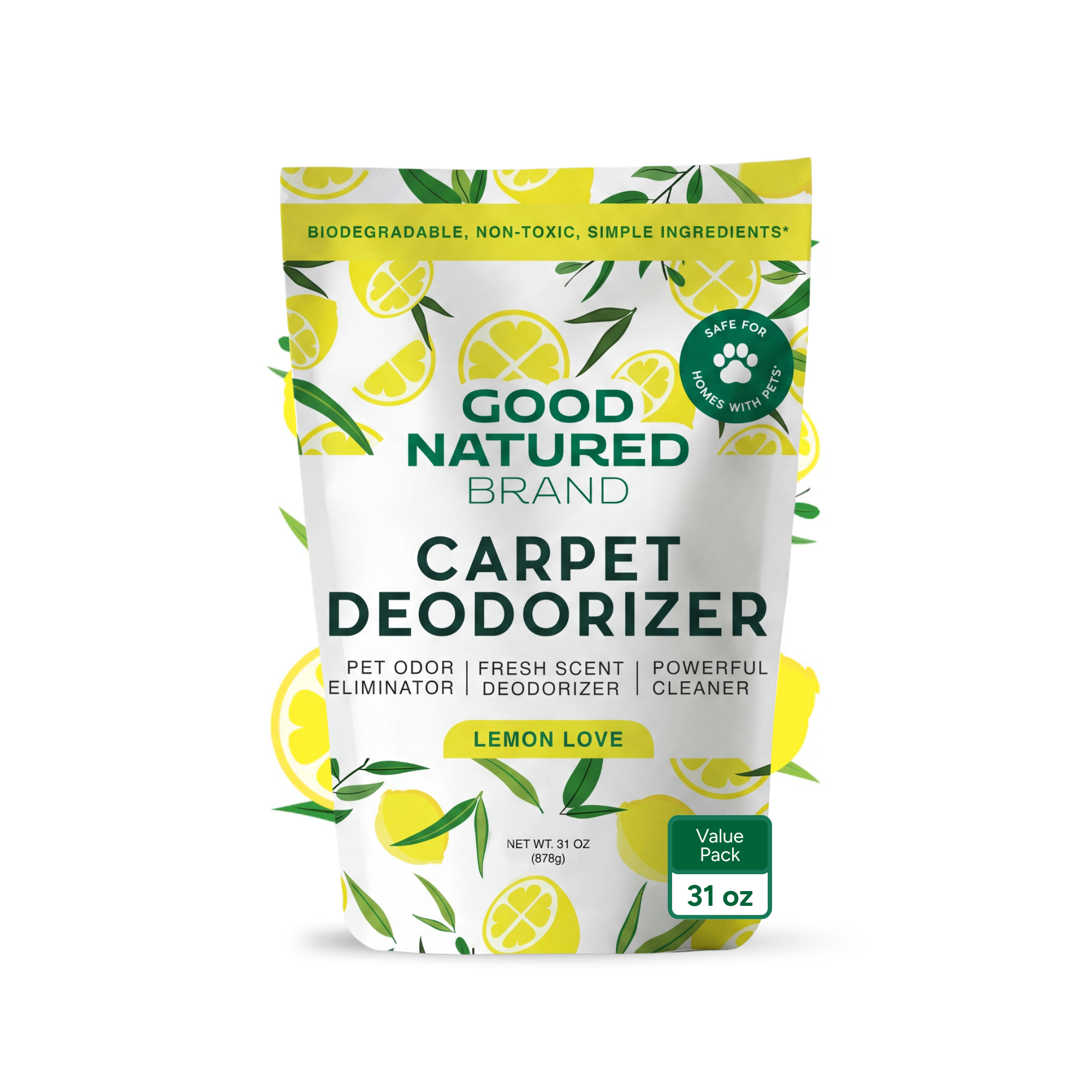
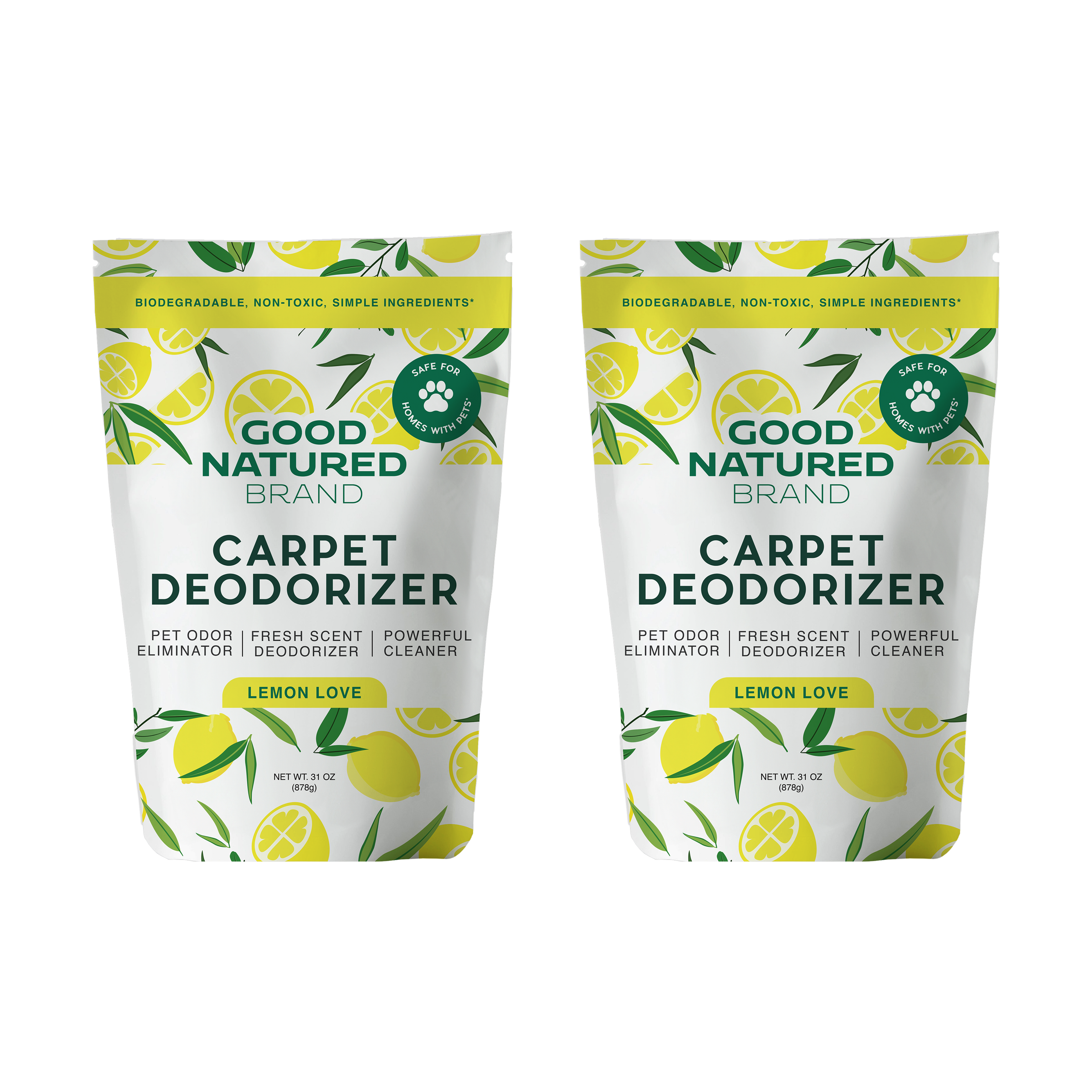
Lemon freshness for every home.
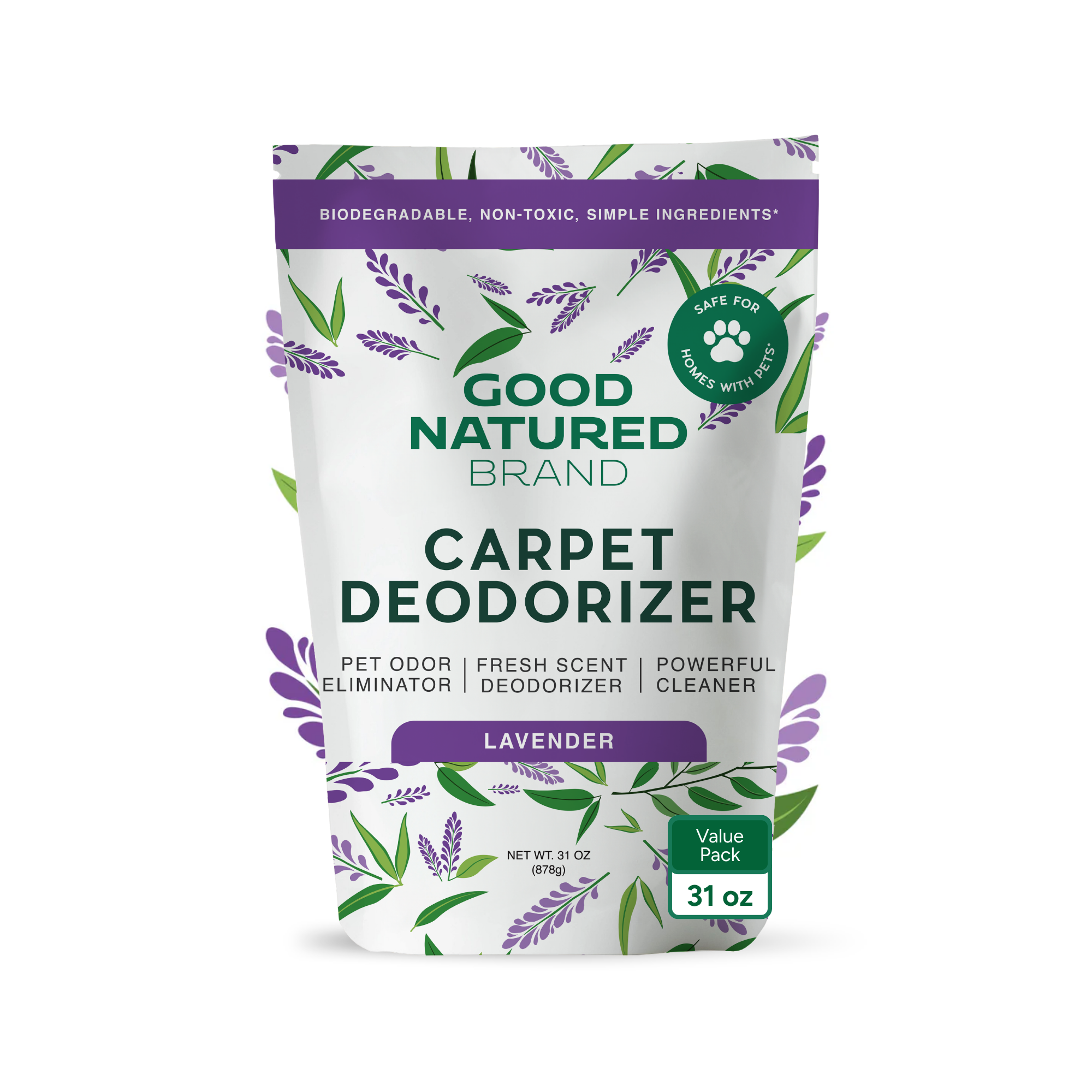
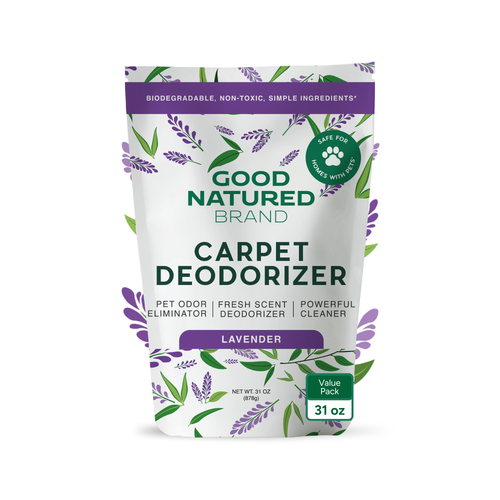
Lavender calm for every home.
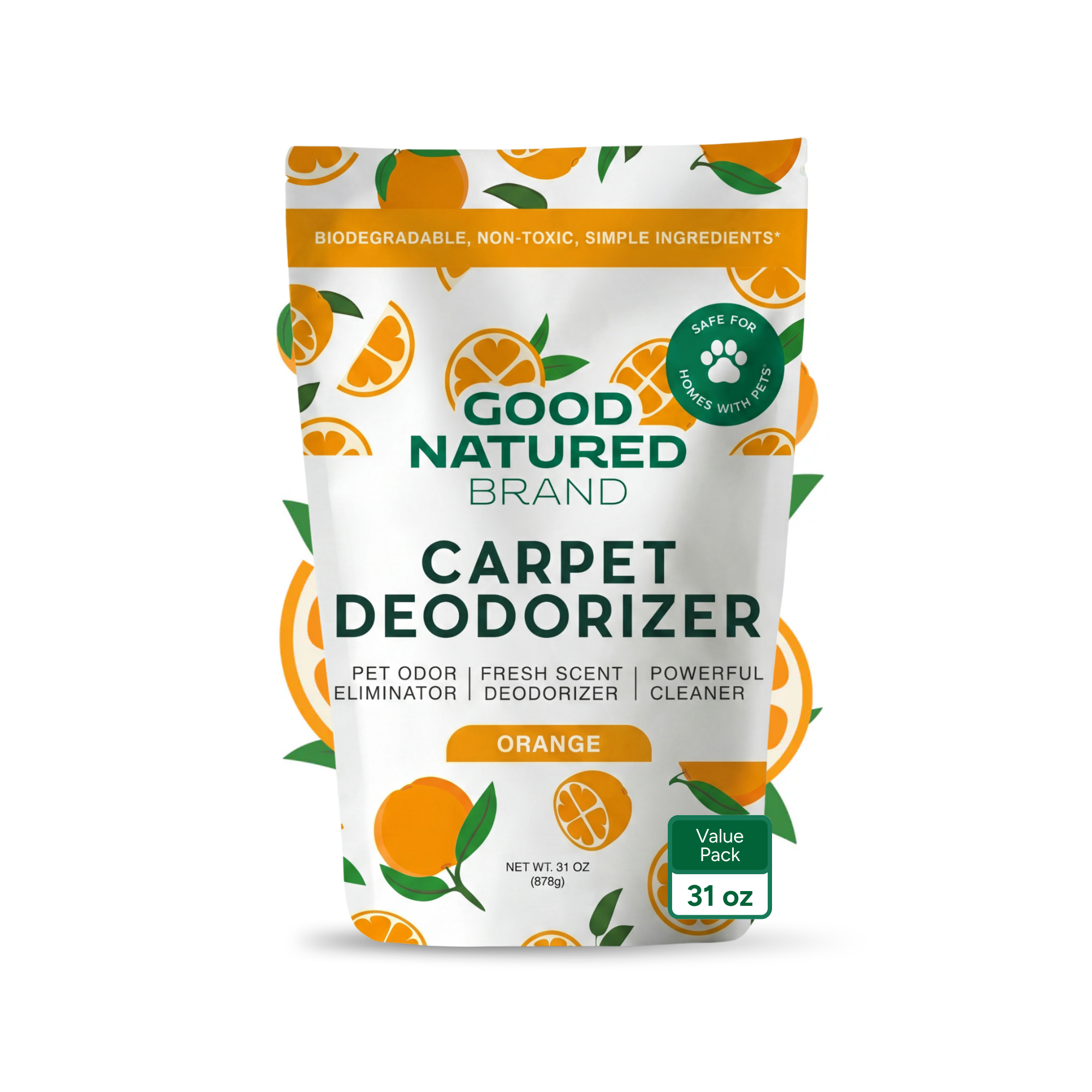
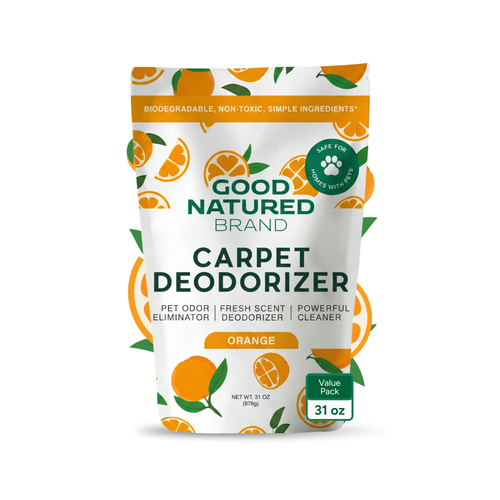
Orange energy for every home.
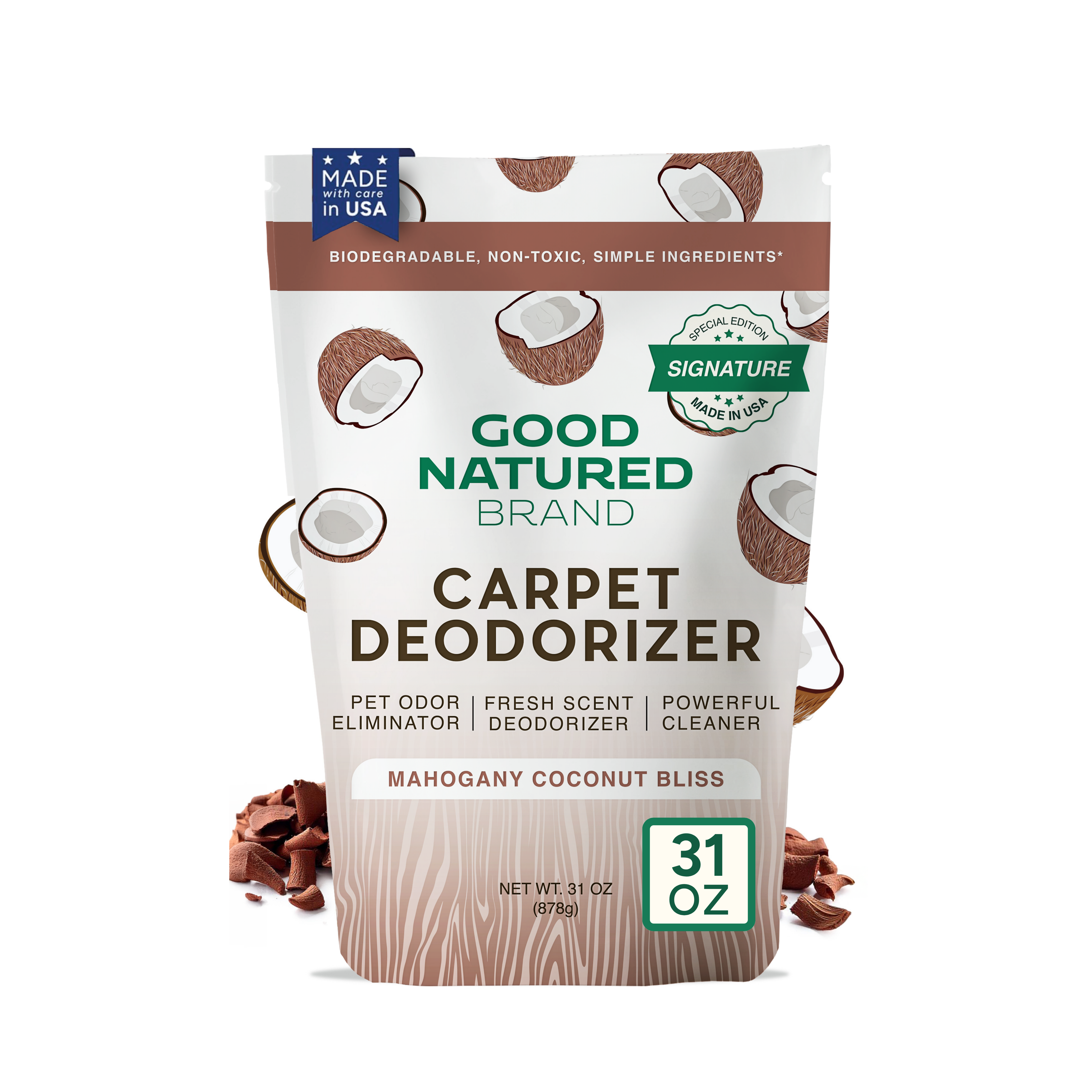
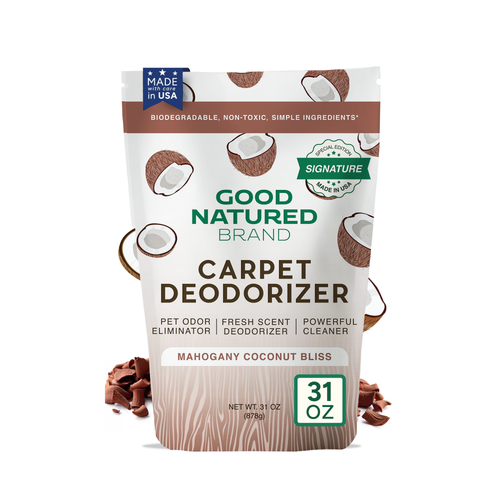
Mahogany warmth for every home.
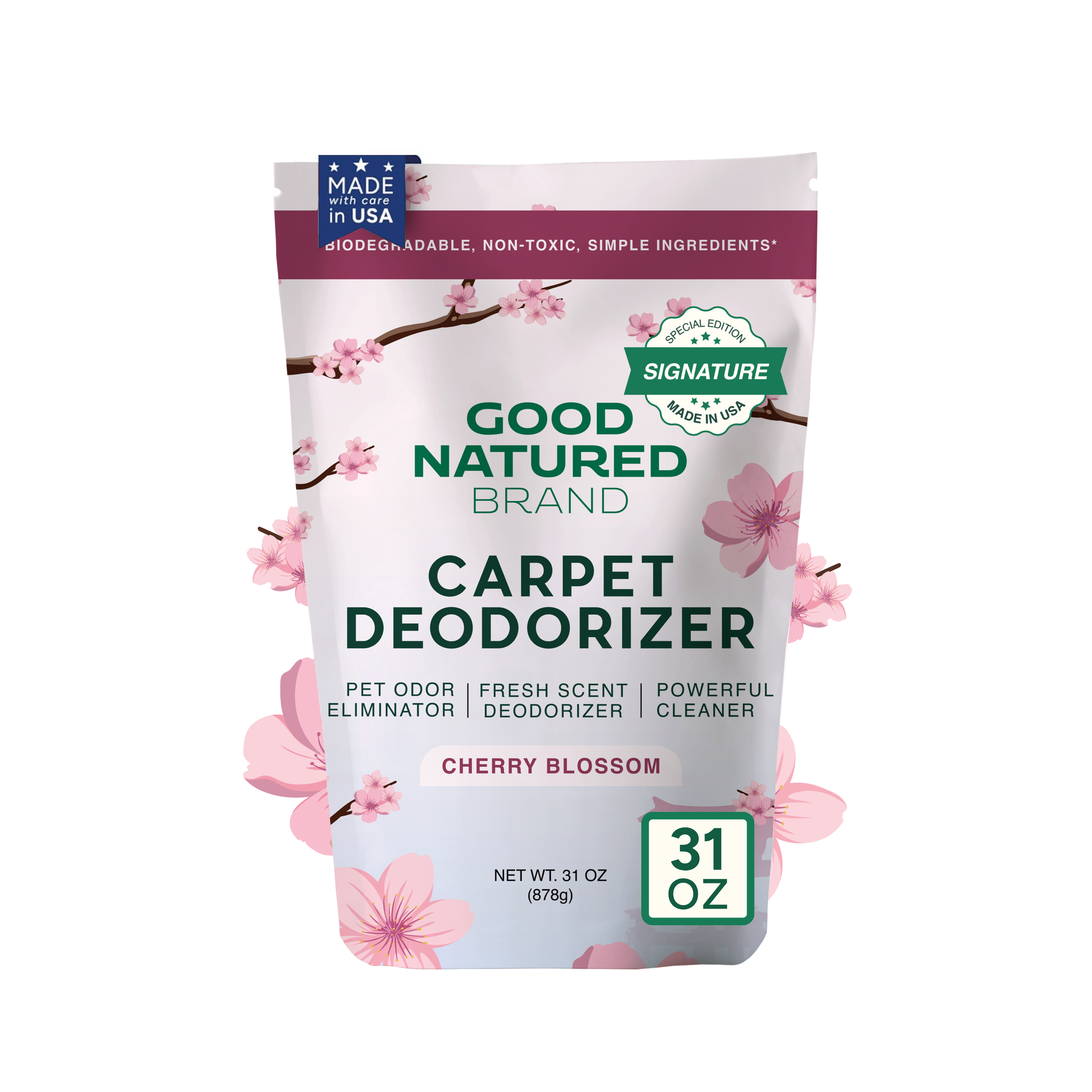
Cherry blossom serenity for every home.
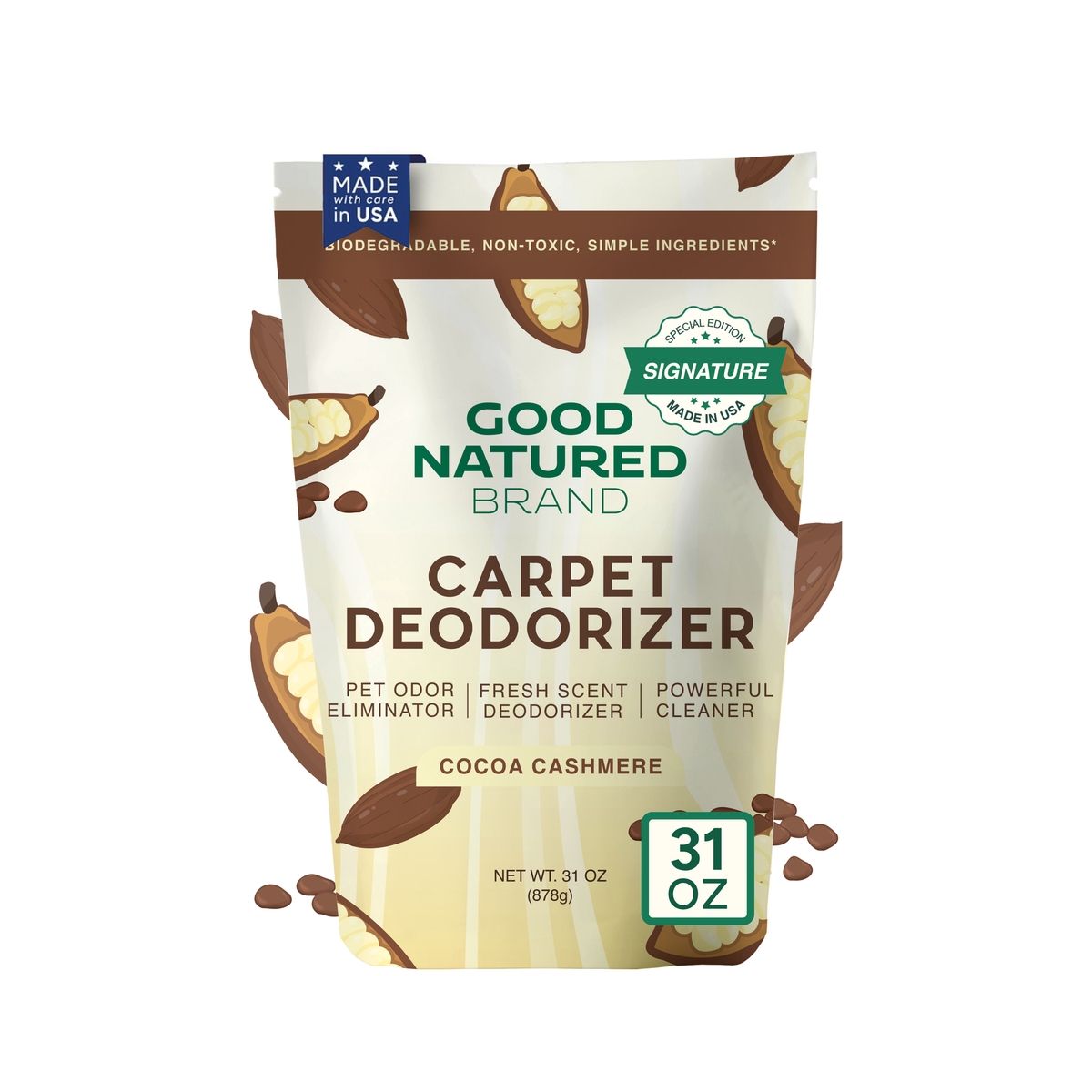
Cocoa butter comfort for every home.
Mandarin freshness for every home.
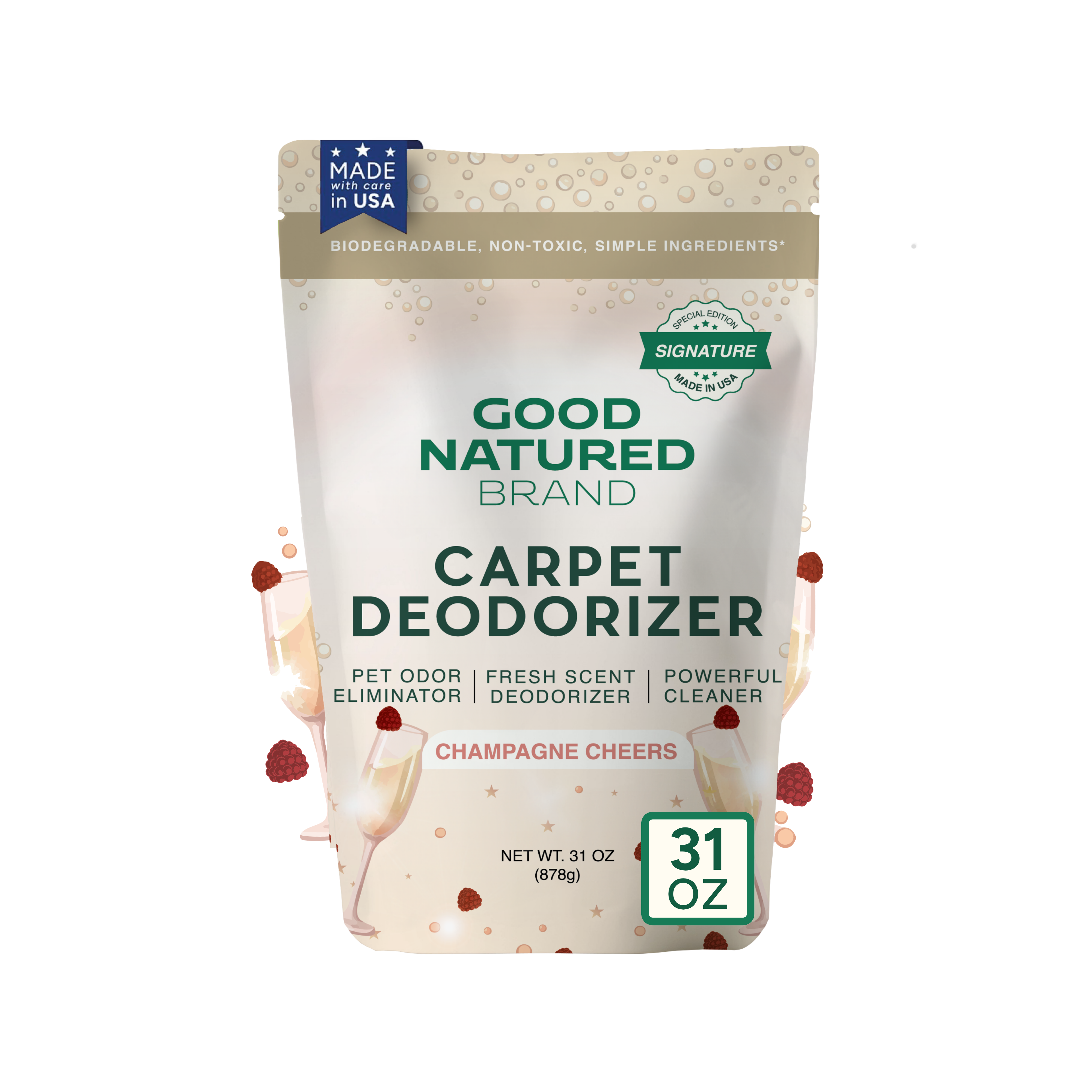
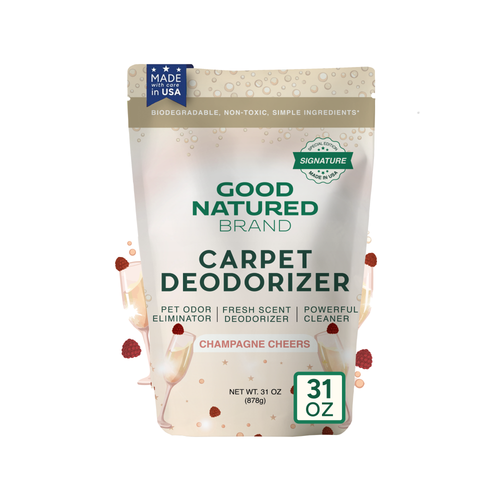
Champagne sparkle for every home.
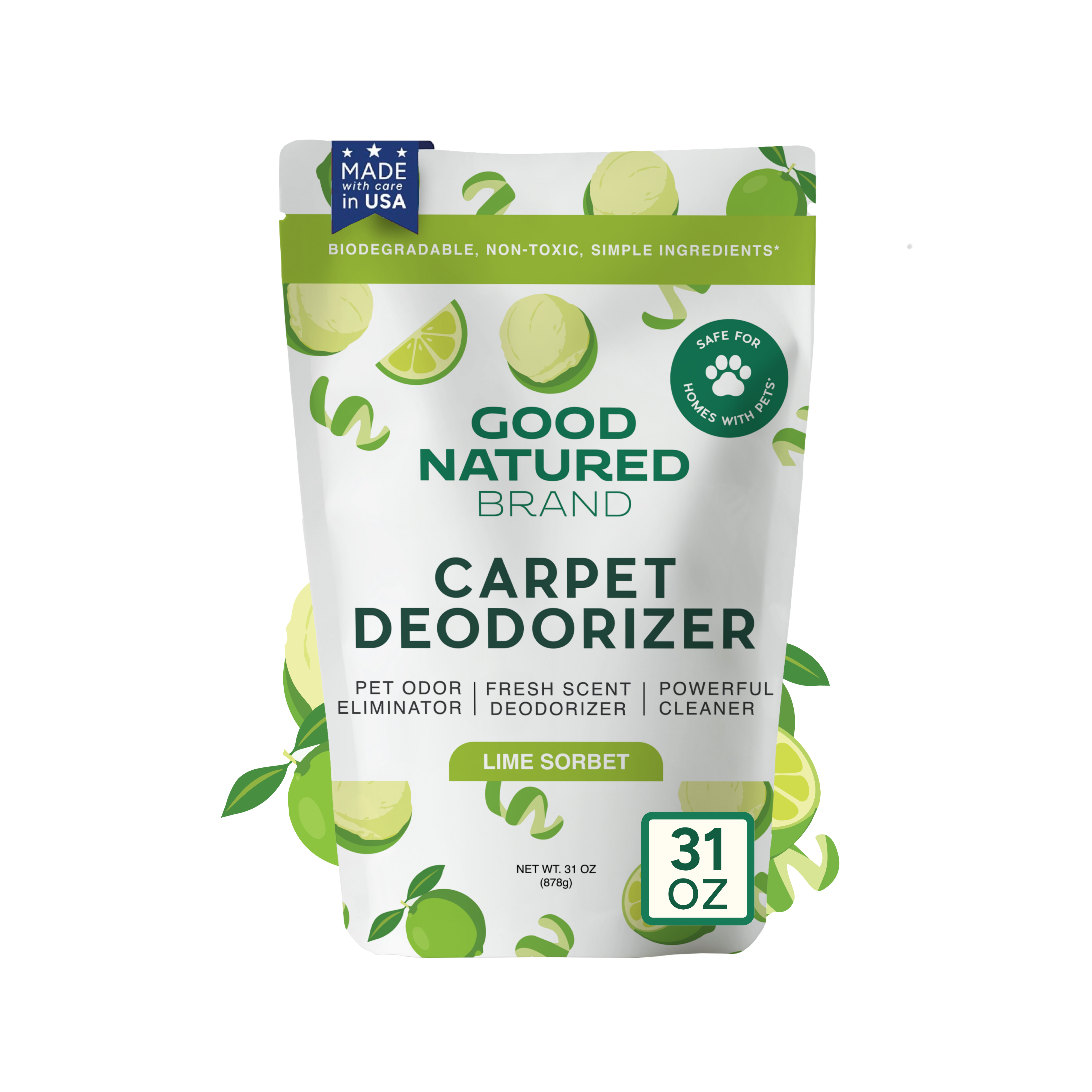
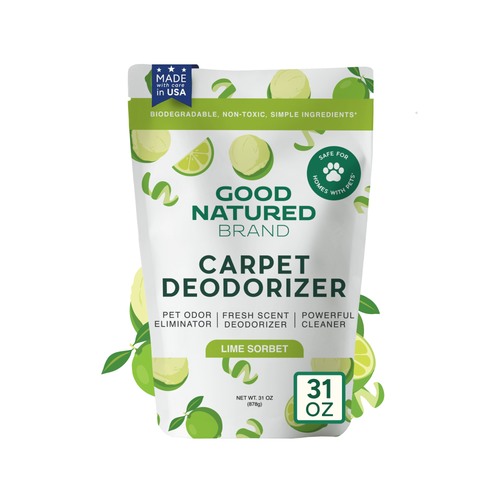
Zesty freshness for every carpet.
Why Consumers Are Switching to Plant-Based Cleaning Products
More households are embracing plant-based cleaning because:
-
They reduce exposure to harsh synthetic chemicals.
-
They offer simpler, more transparent ingredient lists.
-
They are biodegradable and environmentally friendly.
-
They are typically safer for pets and kids.
-
They support cleaner indoor air quality.
On top of that, plant-based cleaning products have become far more effective in recent years, proving that you don’t need harsh chemicals to achieve a deep clean.
Are Plant-Based Cleaners Effective?
For many shoppers, the biggest question is simple: Do plant-based cleaners actually work as well as conventional cleaners? The short answer is yes—when made well, plant-based cleaners can perform exceptionally across everyday household tasks.
The Science Behind Plant-Based Cleaning Power
The cleaning ability of plant-based formulas lies in the surfactants. Surfactants reduce surface tension and help loosen dirt, oils, and grease from surfaces so they can be wiped away easily. The plant-based versions—such as decyl glucoside—work the same way as traditional surfactants but are milder and renewable.
In addition to surfactants, essential oils bring natural antimicrobial and deodorizing benefits. Citrus oils, for example, are excellent degreasers. Eucalyptus and lavender help freshen fabrics and remove lingering odors naturally.
While most plant-based cleaners are not disinfectants unless specifically formulated as such, they still remove germs effectively by breaking down the dirt and biofilms where bacteria live.
Plant-Based Cleaners vs. Conventional Cleaners
Understanding how plant-based cleaners compare to conventional chemical cleaners helps clarify why many households prefer natural alternatives.
Performance Comparison
Conventional cleaners often contain stronger synthetic chemicals such as bleach, ammonia, or petroleum-derived surfactants, which can be effective but may come with trade-offs: irritation, residue, harsh fumes, or concerns for sensitive environments.
Plant-based cleaners, on the other hand:
-
Clean using naturally derived surfactants
-
Are gentler on surfaces
-
Produce fewer harsh odors
-
Offer multi-surface versatility
-
Are typically safer for pets and children
Plant-based formulas excel in daily cleaning routines, managing grease, dirt, spills, sticky hands, pet messes, and general household odors.
Situations Where Plant-Based Cleaners Excel
-
Everyday kitchen cleaning
-
Wiping counters, appliances, and spills
-
Bathroom cleaning (soap scum, toothpaste, residues)
-
Fabric freshening and laundry routines
-
Pet-friendly cleaning needs
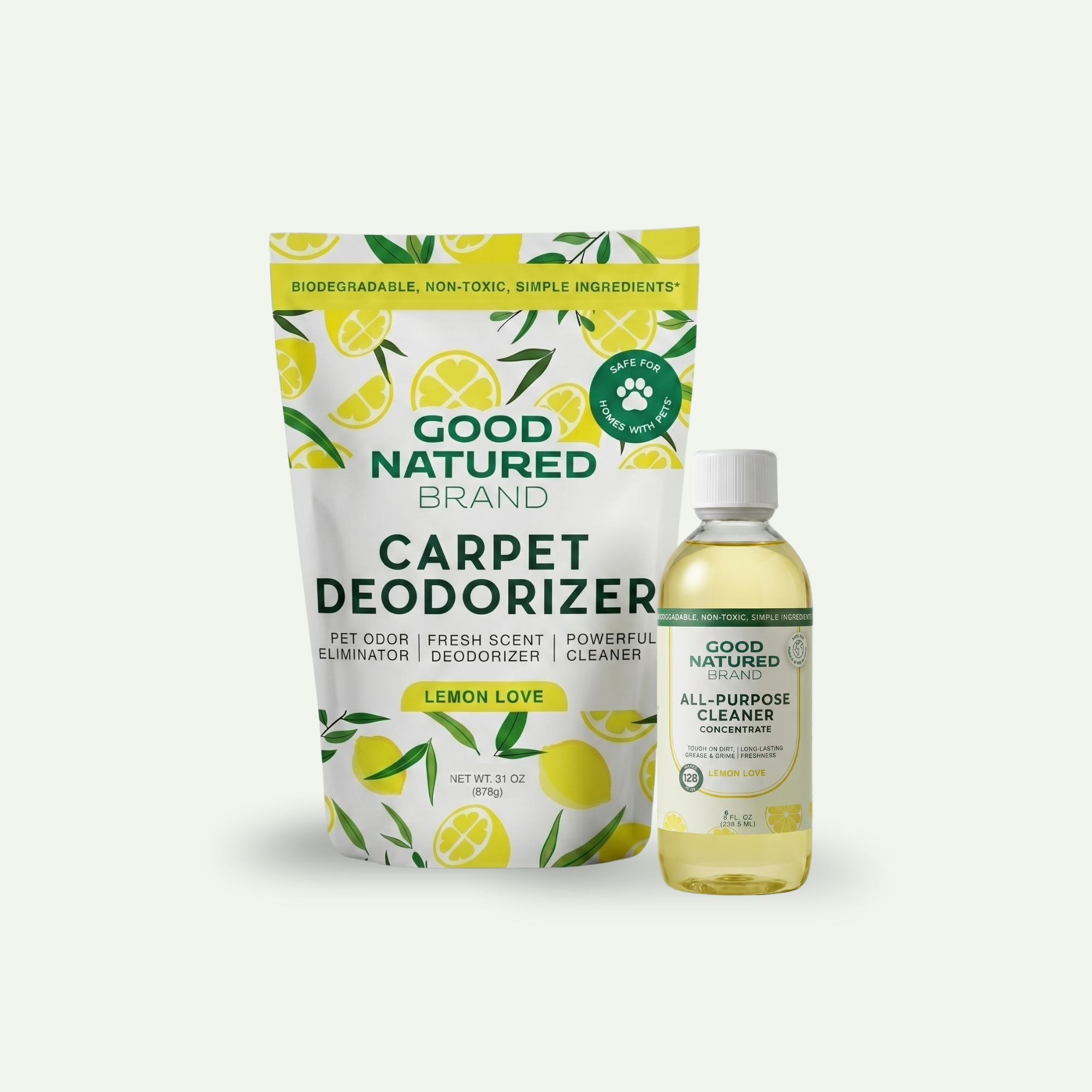
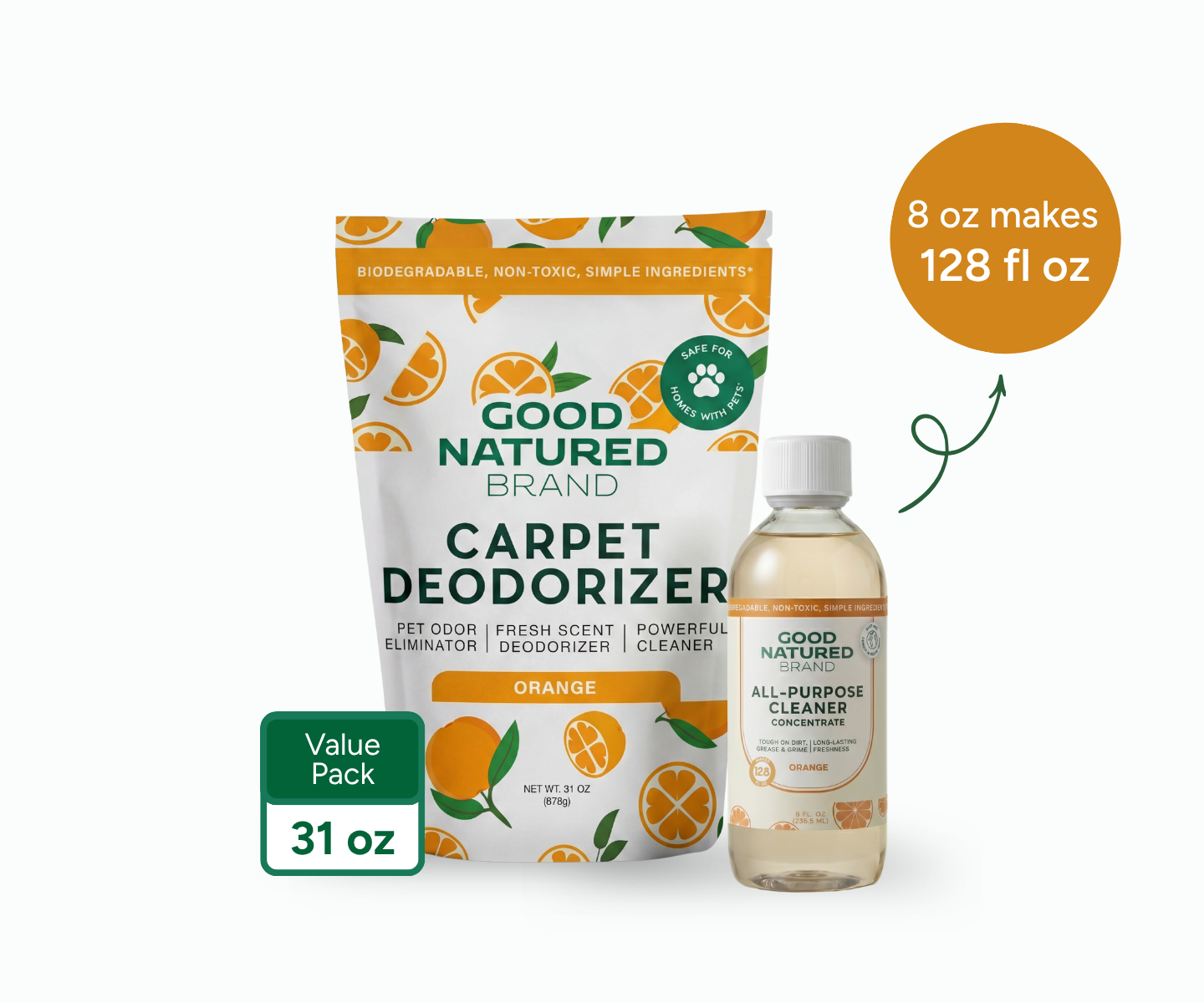
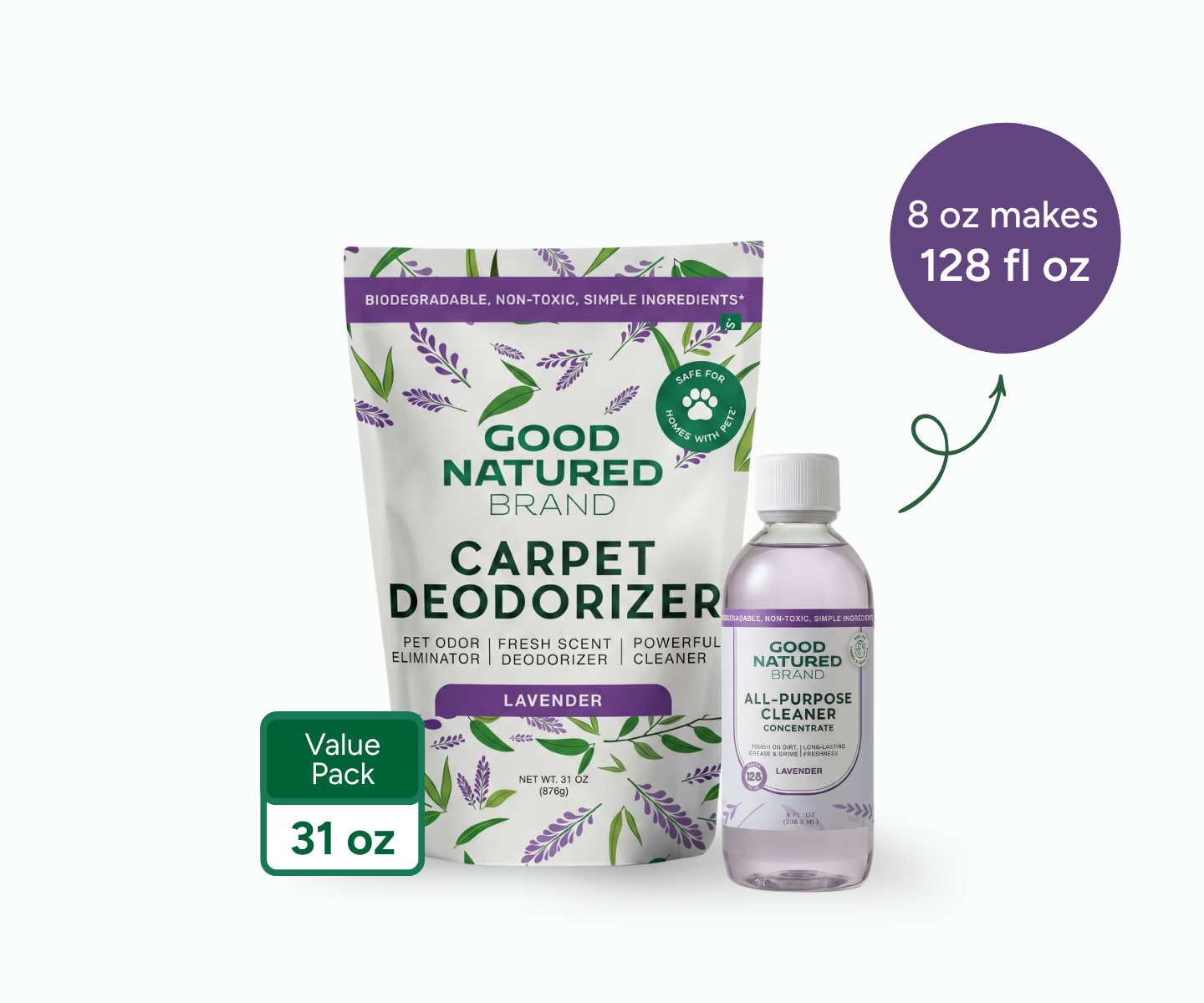
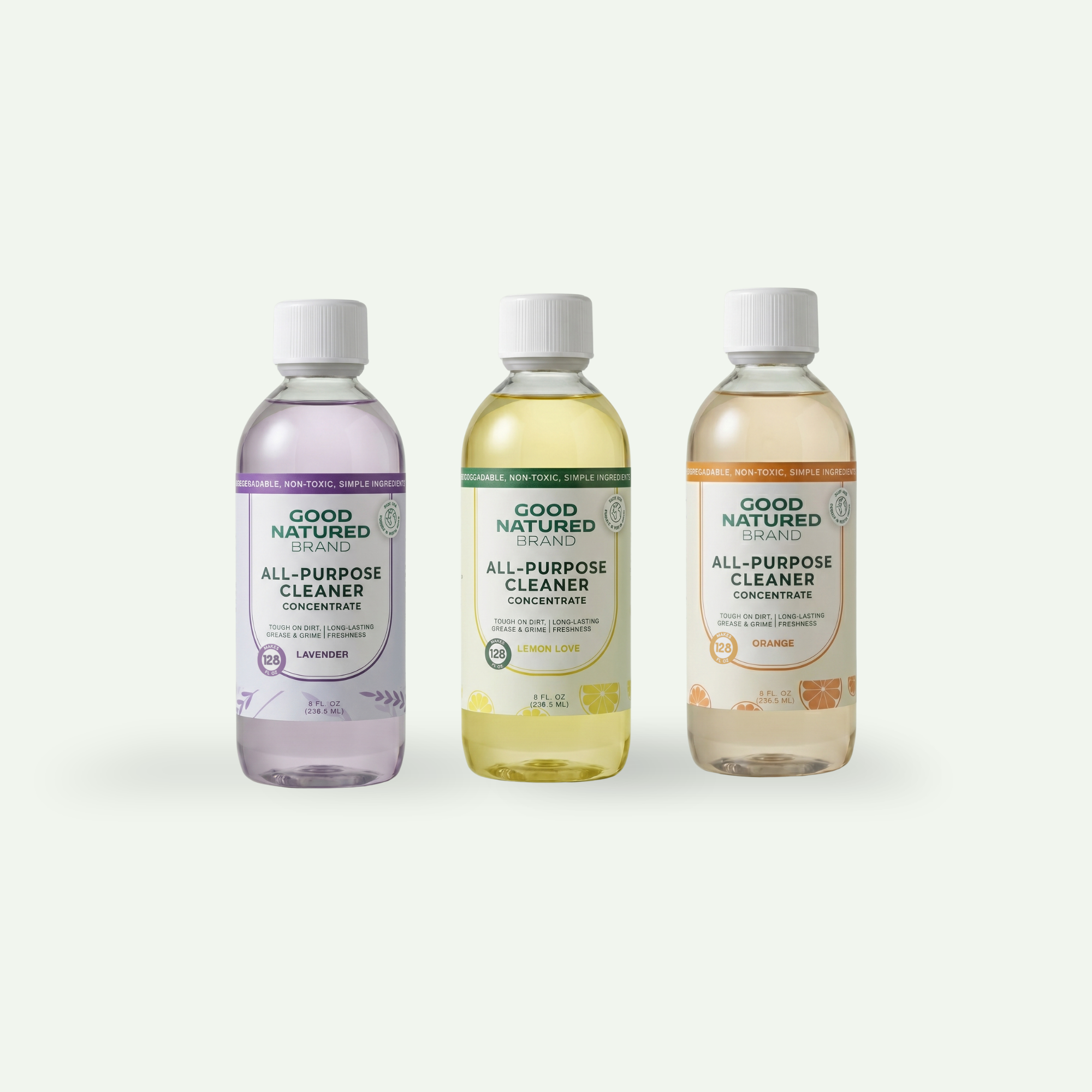
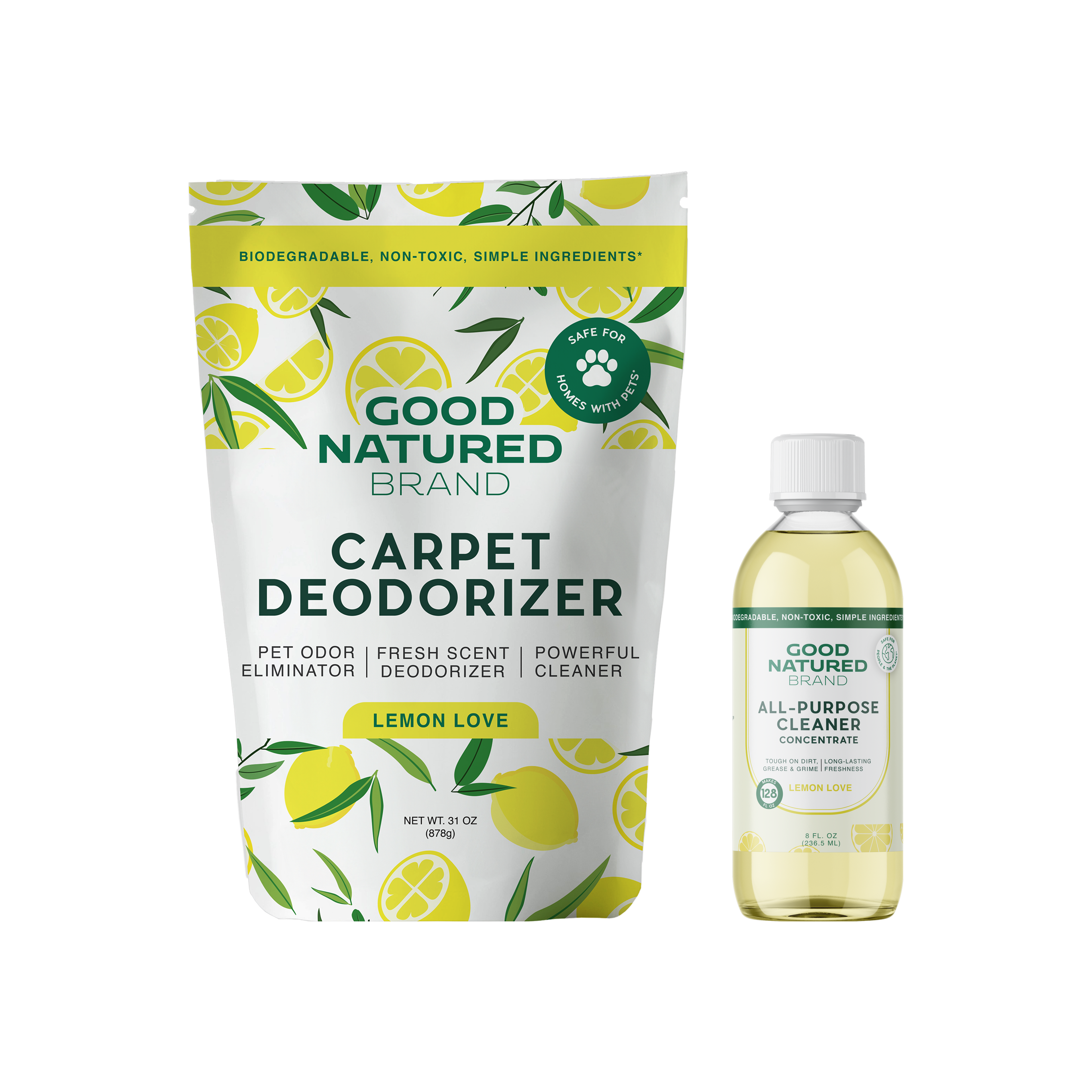
A great example of a plant-powered product that works well throughout the home is the All-Purpose Cleaner from Good Natured Brand, which uses natural surfactants and essential oils to deliver strong, safe everyday cleaning.
Do Plant-Based Cleaners Really Work on Everyday Messes?
One of the biggest advantages of plant-based cleaning is versatility. These cleaners perform well across many different household tasks.
Effectiveness in the Kitchen
Plant-based cleaners can break down:
-
Grease from cooking
-
Sticky spills
-
Fingerprints and smudges
-
Food residue
Citrus-derived oils in particular cut through grease naturally, making them ideal for stovetops, appliances, and countertops.
Effectiveness in Bathrooms
Bathrooms accumulate soap scum, grime, and mineral buildup—all areas where plant-based formulas can shine. Natural acids like citric acid help dissolve residue, while plant-based surfactants lift away grime.
Effectiveness on Fabrics and Laundry
Plant-based formulas in laundry care remove odors and freshen fabrics without harsh fragrances or dyes. Natural essential oils help eliminate persistent smells from pet bedding, gym clothes, and everyday wear.
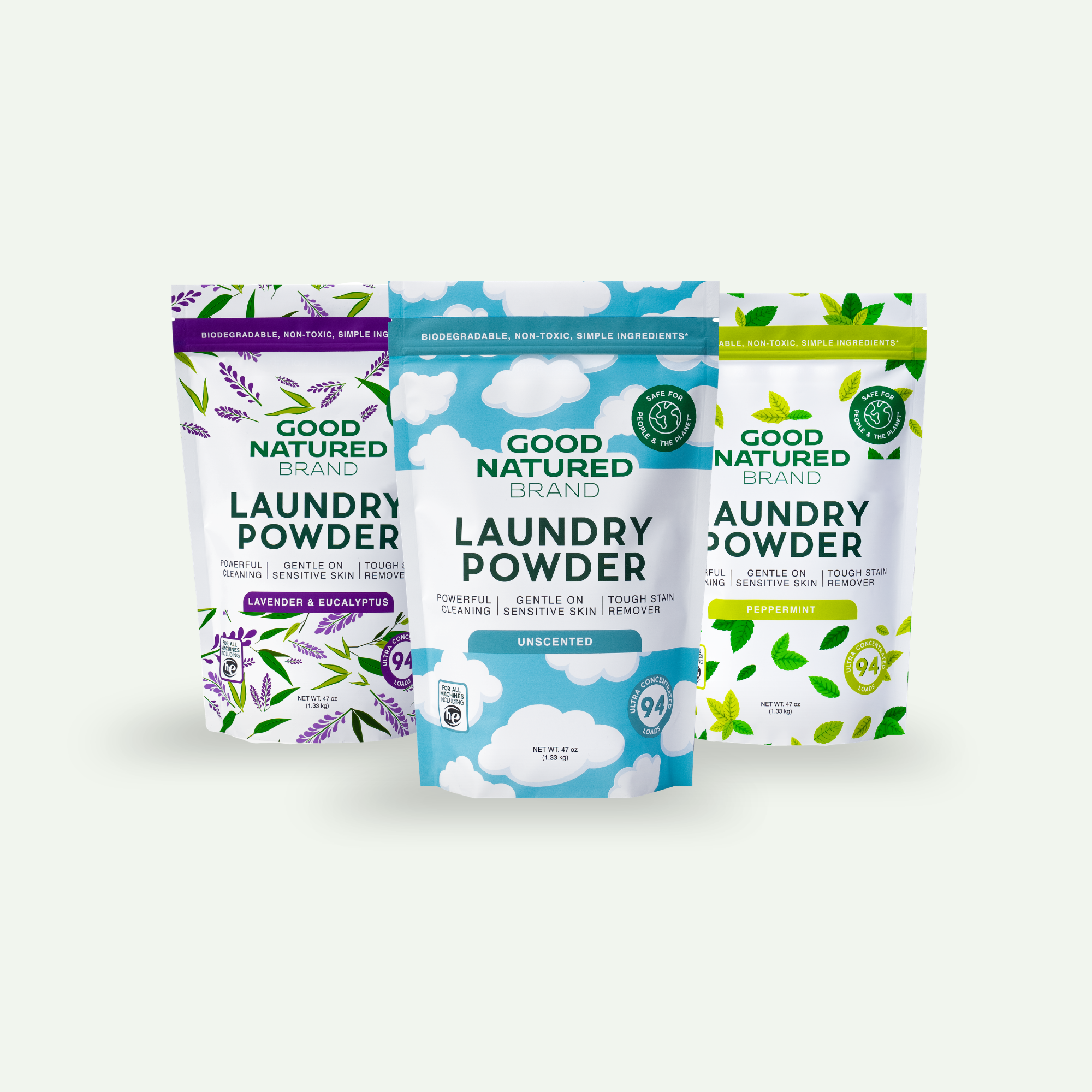
If you're looking for a gentle, plant-based laundry option, Laundry Powders can refresh fabrics while avoiding the irritants found in many synthetic detergents.
Surface Safety Considerations
Plant-based cleaners are generally safer for:
-
Sealed countertops
-
Floors
-
Tile
-
Glass
-
Stainless steel
-
Pet areas
-
Children’s playrooms
-
High-touch surfaces
Because these formulas avoid harsh abrasives or corrosive chemicals, they help preserve the condition of surfaces over time.
What Ingredients Are Commonly Found in Plant-Based Cleaners?
Understanding the ingredient list of plant-based cleaners helps consumers feel more confident about what they’re using in their homes.
Plant-Based Surfactants
Surfactants derived from plants—such as decyl glucoside, coco glucoside, and lauryl glucoside—are among the most important components. They:
-
Break down oils
-
Loosen dirt
-
Create a gentle lather
-
Clean without stripping surfaces
Natural Scent and Deodorizing Agents
Essential oils not only smell great—they also contribute real cleaning benefits.
Popular ingredients include:
-
Lemon essential oil (natural degreaser)
-
Eucalyptus oil (freshens and deodorizes)
-
Orange oil (breaks down sticky residues)
-
Lavender oil (odor neutralizer)
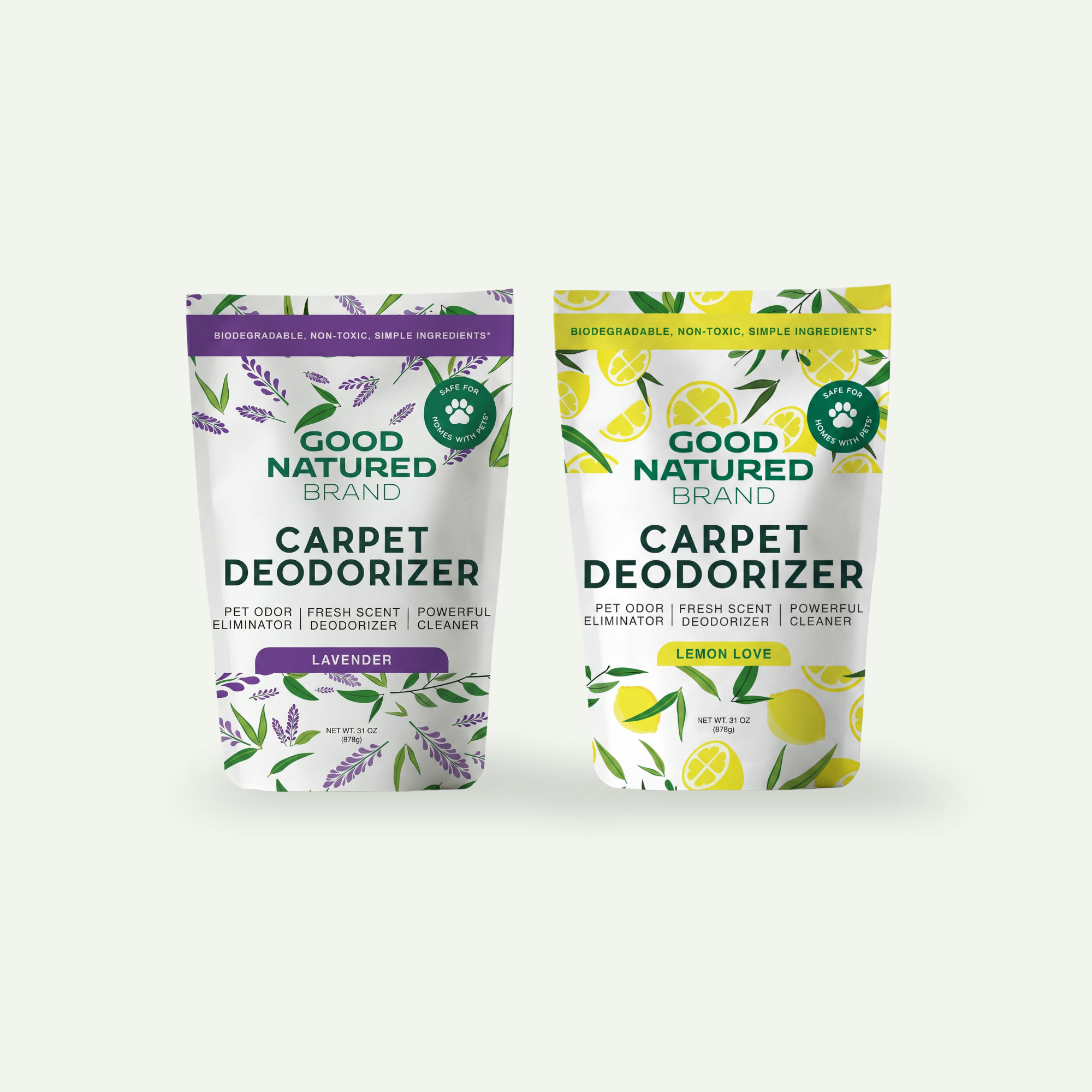
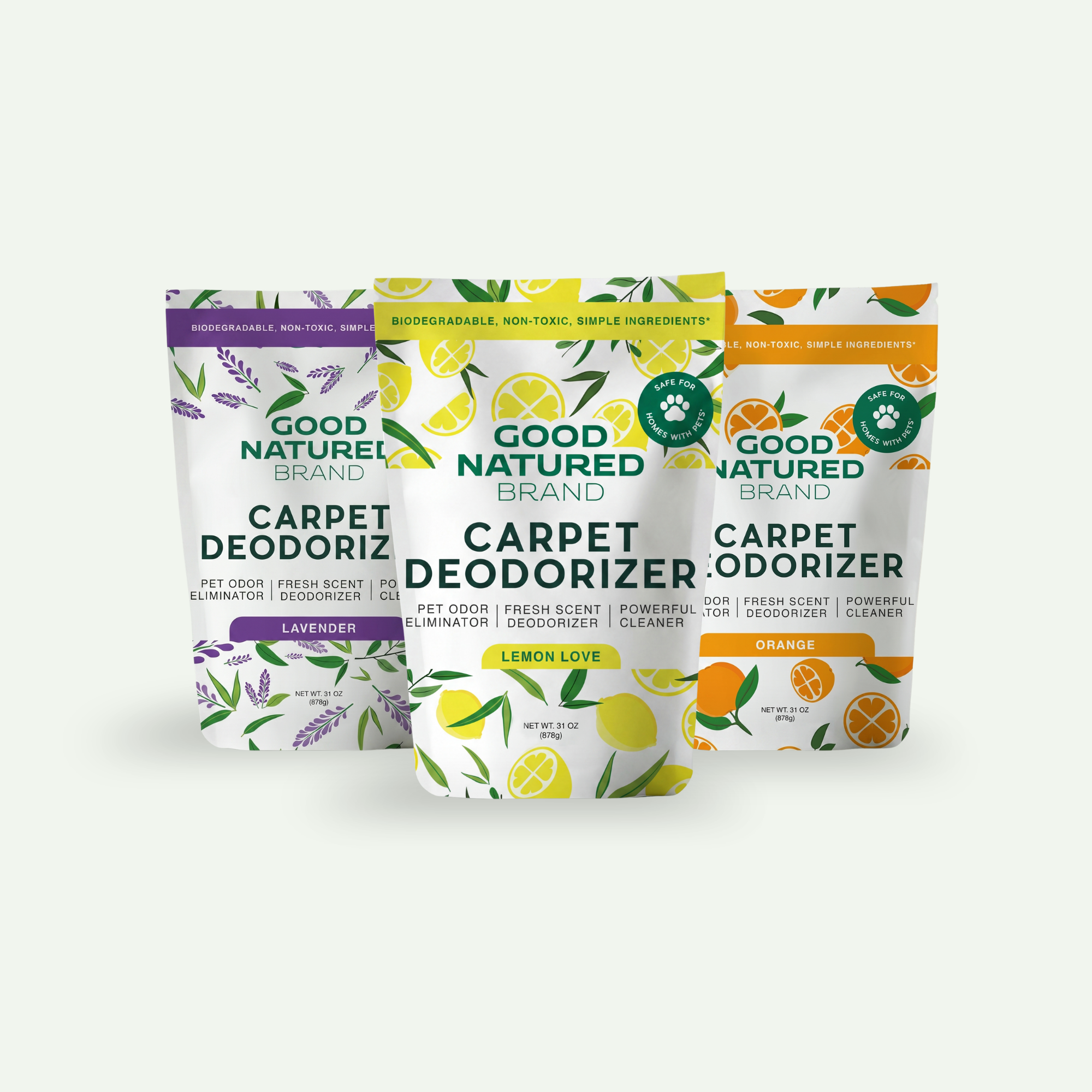
These ingredients are common in natural deodorizers such as Good Natured Brand Carpet Deodorizers.
Natural Stabilizers and Preservatives
Because plant-based cleaners avoid synthetic preservatives, they may include ingredients such as:
-
Citric acid
-
Sodium citrate
-
Potassium sorbate
These help maintain product stability and shelf life while remaining gentle.
Are Plant-Based Cleaners Safe for Pets, Kids, and Sensitive Households?
One of the strongest reasons families switch to plant-based cleaners is safety. Parents and pet owners can feel more at ease knowing their cleaning products avoid harsh fumes and irritating residues.
Why Families Choose Plant-Based Options
Plant-powered cleaners are often chosen because they:
-
Minimize exposure to irritating chemicals
-
Create a safer cleaning environment
-
Reduce risks of skin irritation or respiratory discomfort
-
Offer naturally fresh scents rather than artificial fragrances
-
Are less likely to leave harmful residues on surfaces
Pet-Safe Cleaning Practices
Pets spend more time close to floors, carpets, and soft surfaces than humans, making natural cleaners especially important.
Plant-based alternatives help reduce the risk of exposing pets to:
-
Harsh chemical residues
-
Artificial fragrances
-
Unknown additives
Using products like plant-powered Carpet Deodorizers or gentle All-Purpose Cleaners helps maintain a fresh home without compromising your pet’s well-being.
Environmental Benefits of Plant-Based Cleaners
Eco-conscious shoppers often prefer plant-based products because they contribute to a more sustainable lifestyle.
Biodegradability and Break-Down Safety
Most plant-derived ingredients break down more safely in the environment compared to synthetic chemicals that linger in soil or water.
Reduced Plastic and Waste
Many plant-based brands use concentrated formulas or minimal packaging to reduce environmental impact.
Ethical and Sustainable Sourcing
Because these ingredients come from renewable plant sources, they support a more circular and sustainable supply chain.
When to Choose a Plant-Based Cleaner
Plant-based cleaners are excellent for many everyday tasks—and often work better than their chemical counterparts for routine cleaning.
Shop the Product
Lemon freshness for every home.
Lavender calm for every home.
Orange energy for every home.
Mahogany warmth for every home.
Cherry blossom serenity for every home.
Cocoa butter comfort for every home.
Mandarin freshness for every home.
Champagne sparkle for every home.
Zesty freshness for every carpet.
Daily Household Cleaning
Use a plant-based All-Purpose Cleaner for:
-
Counters
-
Appliances
-
Kitchen spills
-
Bathroom fixtures
-
General dust and grime
Laundry and Fabric Care
For gentle yet effective odor removal and fabric refreshing, naturally derived Laundry Powders are a reliable option.
Carpet and Upholstery Freshening
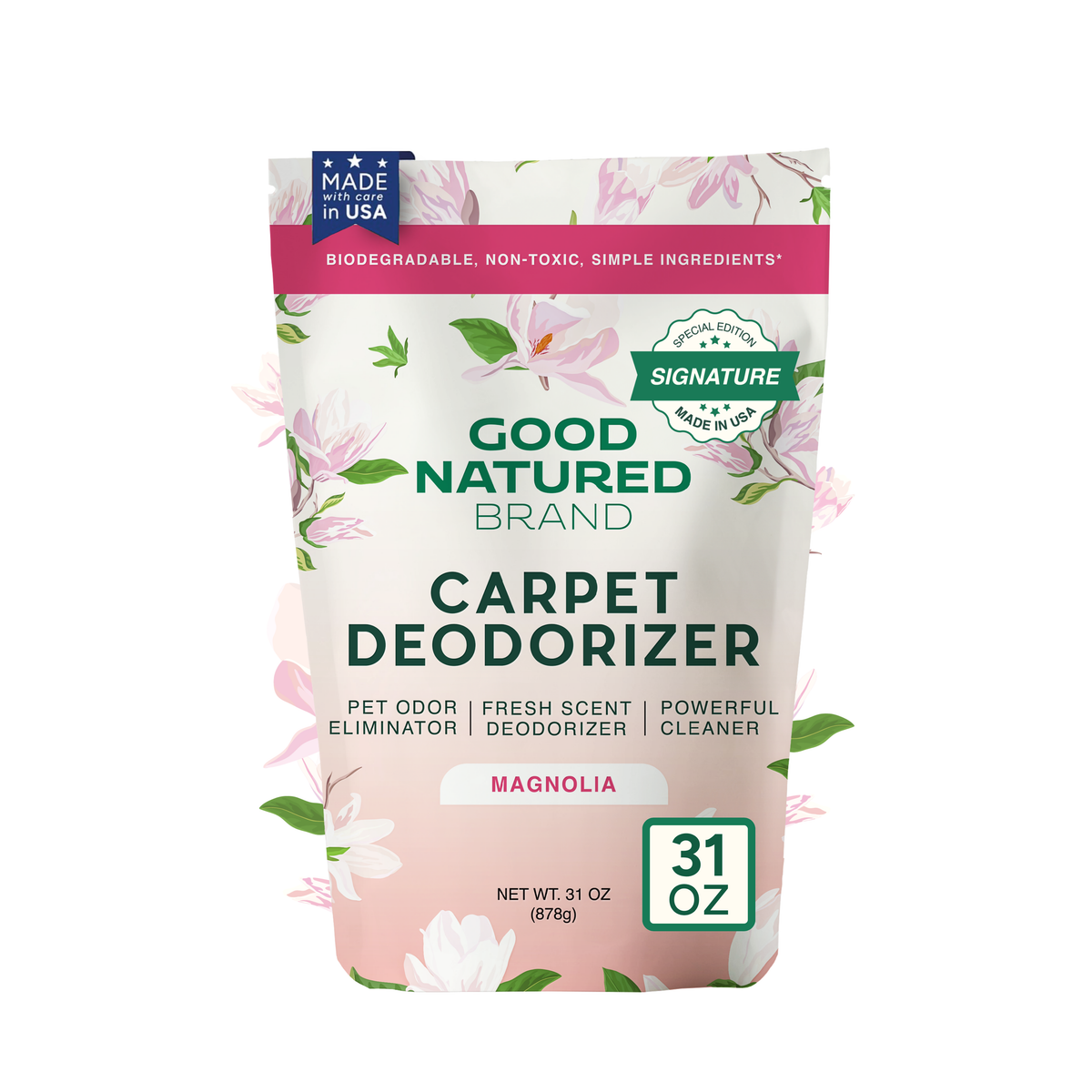
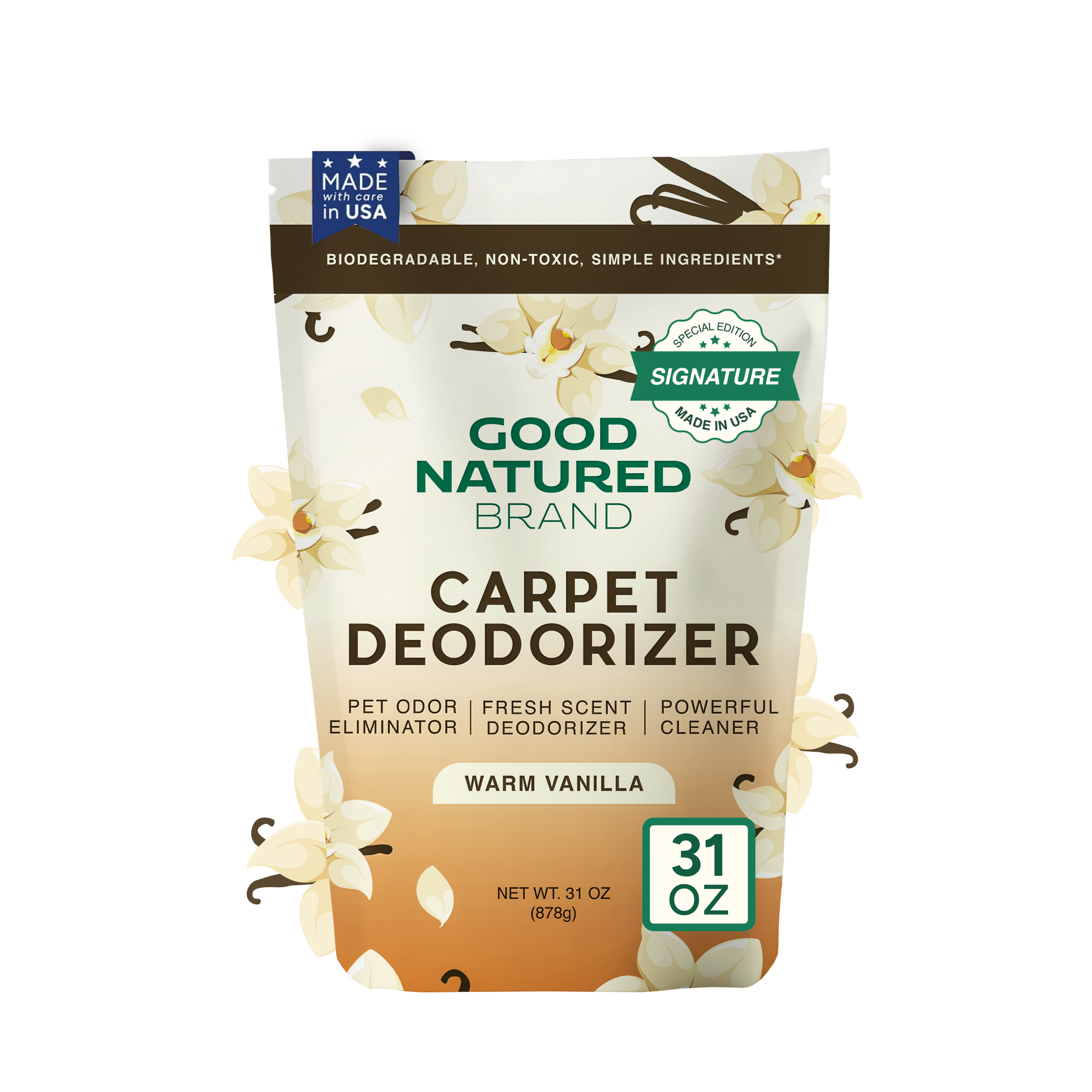
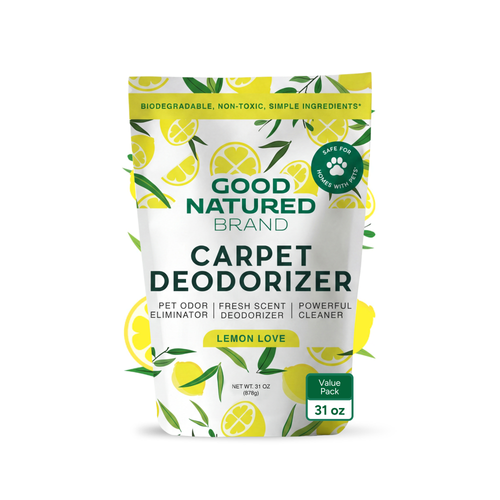
Plant-powered Carpet Deodorizers help eliminate odors from pets, spills, and everyday foot traffic—without synthetic perfumes.
Label Reading: What to Look For
One of the biggest advantages of plant-based cleaners is the ability to understand exactly what you’re bringing into your home. Unlike many conventional cleaners with long lists of synthetic chemicals, natural formulas prioritize straightforward, recognizable ingredients.
Key terms that signal a good plant-based cleaner include:
-
Naturally derived surfactants such as decyl glucoside, coco glucoside, or lauryl glucoside
-
Essential oils for natural fragrance instead of artificial perfumes
-
Biodegradable ingredients that break down safely in the environment
-
No synthetic dyes or artificial fragrances
-
Clear ingredient lists, not vague terms like “fragrance blend”
Plant-based cleaners should also tell you what they do not contain. Many responsible brands highlight “free from” labels that exclude parabens, chlorine, ammonia, sulfates, or formaldehyde donors.
If you want to learn more about natural ingredients and sustainable living, you can explore the Good Natured Brand Blog for additional resources and guides.
Certifications That Matter
Certifications are not required for plant-based cleaners, but they can help validate a product’s environmental or safety claims.
Useful certifications to look for:
-
USDA BioPreferred – Indicates a high percentage of biologically sourced ingredients.
-
EPA Safer Choice – Ensures the product meets safety and environmental criteria.
-
Cruelty-Free or Leaping Bunny – Confirms no animal testing.
-
Vegan – Ensures no animal-derived ingredients.
While certifications add credibility, many high-quality plant-based cleaners—notably smaller or sustainable-first brands—may still be excellent choices even without third-party labels.
Common Misconceptions About Plant-Based Cleaners
As plant-based formulas rise in popularity, so do myths and misunderstandings. Clearing these misconceptions helps consumers make informed choices.
Myth: Plant-Based Cleaners Are Too Weak to Clean Properly
This misconception often stems from outdated assumptions. In reality, modern plant-derived surfactants are incredibly effective at removing grease, grime, and odors. Citrus oils, eucalyptus, and natural solvents can cut through messes just as well as synthetic chemical cleaners when formulated correctly.
Plant-based cleaners like natural All-Purpose Cleaners are used daily in kitchens, bathrooms, pet areas, and high-traffic zones with excellent results.
Myth: Natural Means Less Effective on Odors
Thanks to deodorizing essential oils and mineral-based ingredients, plant-based products perform extremely well in odor control. For example, natural Carpet Deodorizers eliminate smells from pets, spills, and everyday use without synthetic fragrances.
Myth: Plant-Based Cleaning Is Too Expensive
While some plant-based cleaners may cost slightly more upfront, they often last longer, contain concentrated formulas, and reduce the need for multiple specialized products. Many consumers find that using one reliable plant-based All-Purpose Cleaner replaces several traditional cleaners, making the overall investment worthwhile.
How Plant-Based Cleaners Compare to Chemical Cleaners
Comparing natural cleaners to chemical-based alternatives helps households choose the right balance of safety and performance.
Ingredient Transparency
One of the biggest differences between plant-based and synthetic cleaners is label clarity. Plant-based formulas tend to prioritize:
-
Simple, recognizable ingredients
-
Transparent sourcing
-
Fewer allergens and irritants
In contrast, chemical cleaners may include petroleum-based surfactants, chlorine, ammonia, or artificial fragrances—ingredients that some households prefer to avoid due to health or environmental considerations.
Effectiveness Across Cleaning Tasks
Plant-based cleaners shine in:
-
Routine cleaning
-
Grease removal
-
Surface refreshening
-
Odor control
-
Laundry applications
-
Carpet and fabric deodorizing
For example, natural Laundry Powders use mineral and plant-based ingredients to freshen fabrics without harsh chemicals or synthetic scents. They are especially valued by households with sensitive skin or pets.
Chemical cleaners may be stronger disinfectants, but in day-to-day use, plant-based cleaners provide safe, reliable, and effective performance for the majority of household needs.
How to Transition to a Plant-Based Cleaning Routine
Making the switch to plant-based cleaning doesn't have to be overwhelming. In fact, many households transition gradually and still enjoy significant benefits.
Start With High-Impact Products
The easiest way to begin is by replacing products you use most often. These typically include:
-
Multi-surface cleaners
-
Laundry detergents
-
Carpet deodorizing powders
Switching to a plant-based All-Purpose Cleaner creates an immediate improvement in air quality and ingredient safety. Replacing synthetic detergents with natural Laundry Powders helps reduce irritants in fabrics. Freshening carpets or upholstery with natural Carpet Deodorizers eliminates odors without artificial perfumes.
Replace Products One by One
You don’t have to overhaul your entire cleaning cabinet at once. Most people find it easier and more sustainable to replace products as they run out. This gradual transition allows you to discover what works best for your home.
Combine Plant-Based Products for a Whole-Home System
When you use plant-based products consistently throughout your home, the benefits multiply. You reduce chemical exposure, improve air quality, and create a safer environment for pets, children, and sensitive individuals.
A sample routine might include:
-
Spraying down surfaces daily with a natural All-Purpose Cleaner
-
Freshening carpets and soft surfaces weekly with Carpet Deodorizers
-
Maintaining cleaner laundry with gentle Laundry Powders
Frequently Asked Questions About Plant-Based Cleaners
Consumers often have similar questions when exploring natural cleaning formulas. Here are the most common inquiries.
Are plant-based cleaners disinfectants?
Most are not disinfectants unless specifically labeled as such. However, plant-based cleaners remove dirt and bacteria by breaking down the residues where microbes live, leaving surfaces visibly clean.
Do plant-based cleaners work on tough odors?
Yes. Many natural deodorizing agents like baking soda, essential oils, and mineral powders are excellent at eliminating odors, particularly in carpets and fabrics. This is why many households rely on Carpet Deodorizers for long-lasting freshness.
Are plant-based cleaners safe around pets?
Generally, yes. Because they avoid harsh chemicals, they reduce exposure risks for pets. Always ensure surfaces are dry before pets walk on them, especially if using essential-oil-based products.
Shop the Product
Lemon freshness for every home.
Lavender calm for every home.
Orange energy for every home.
Mahogany warmth for every home.
Cherry blossom serenity for every home.
Cocoa butter comfort for every home.
Mandarin freshness for every home.
Champagne sparkle for every home.
Zesty freshness for every carpet.
Do plant-based cleaners work on tough stains?
Many do. Plant-derived surfactants and natural acids can break down sticky residues, grease, and dirt effectively across most surfaces.
Are plant-based cleaners septic-safe?
Yes, most naturally derived formulas are biodegradable and safer for septic systems than harsher chemical cleaners.
Where to Find High-Quality Plant-Based Cleaning Products
Choosing the right plant-based cleaning brand ensures you get both performance and safety.
Why Good Natured Brand Is a Trusted Choice
Good Natured Brand creates naturally derived cleaning products designed for pet parents, families, and households who value clean ingredients without compromising effectiveness.
They emphasize:
-
Plant-powered formulas
-
Safe, gentle ingredients
-
Biodegradable and environmentally responsible materials
-
Naturally refreshing essential oils
-
Products suitable for everyday messes
These qualities make Good Natured Brand a go-to choice for many households seeking better, cleaner alternatives.
Explore Popular Plant-Based Products
-
All-Purpose Cleaners: Safe, effective, plant-powered sprays for daily messes
https://www.goodnaturedbrand.com/collections/all-purpose-cleaners -
Carpet Deodorizers: Natural odor-eliminating powders powered by minerals and essential oils
https://www.goodnaturedbrand.com/collections/carpet-deodorizers -
Laundry Powders: Gentle, effective formulas ideal for sensitive skin and pet households
https://www.goodnaturedbrand.com/collections/laundry-powders
You can also explore the full selection on the main page or browse eco-cleaning insights on the blog.
Do Plant-Based Cleaners Really Work?
Plant-based cleaners have proven that “natural” does not mean “less effective.” With advancements in plant-derived surfactants, essential oil science, and eco-friendly formulation, these products offer powerful cleaning performance while staying gentle on your home and the planet.
They work exceptionally well for everyday cleaning tasks, odor control, surface care, pet-friendly spaces, and laundry. Best of all, they support a healthier home environment—without the harsh chemicals found in many conventional products.
Whether you’re exploring natural cleaning for the first time or refining your eco-friendly lifestyle, plant-based cleaners provide an effective, reliable, and safer way to keep your home fresh and clean.