A baby pitbull is often misunderstood, endlessly talked about, and incredibly lovable all at the same time. At their core, pitbull puppies are curious, affectionate, energetic, and eager to bond with their humans. This guide is designed to give you a solid foundation, what a baby pitbull is, how they grow, what their temperament is really like, and how to prepare your home and routine for life with a pitbull puppy.
Whether you’re considering adopting a baby pitbull or you already have one snoring at your feet, understanding their early development is the key to raising a well-adjusted, confident, and happy adult dog.
Baby Pitbull Overview: What to Expect From a Pitbull Puppy
A baby pitbull refers to a pitbull puppy from birth up to about one year of age. During this time, they go through rapid physical growth, emotional development, and behavioral learning. These early months are when habits—good or bad—are formed.
Pitbull puppies are naturally people-oriented. Unlike aloof or independent breeds, a baby pitbull often wants to be involved in everything you do. Expect a puppy that follows you from room to room, reacts strongly to your emotions, and thrives on engagement. This strong bond is one of the breed’s greatest strengths when paired with proper guidance and structure.
Despite common myths, a baby pitbull is not born aggressive. Like any puppy, their temperament is shaped by genetics, socialization, training, and daily experiences. Early care matters more than anything else.
What Is a Baby Pitbull? Understanding Pitbull Puppy Breeds
The term “pitbull” is not a single breed. A baby pitbull puppy usually falls under one of these categories:
-
American Pit Bull Terrier
-
American Staffordshire Terrier
-
American Bully
-
Staffordshire Bull Terrier
-
Pitbull-type mixes
Each type has slightly different physical traits, but baby pitbulls generally share a sturdy build, blocky head, expressive eyes, and short coat. As puppies, they often have oversized paws, wrinkly faces, and clumsy movements that make them instantly endearing.
Knowing your puppy’s lineage can help you understand growth patterns and energy levels, but regardless of type, baby pitbulls need consistent training, social exposure, and positive reinforcement.
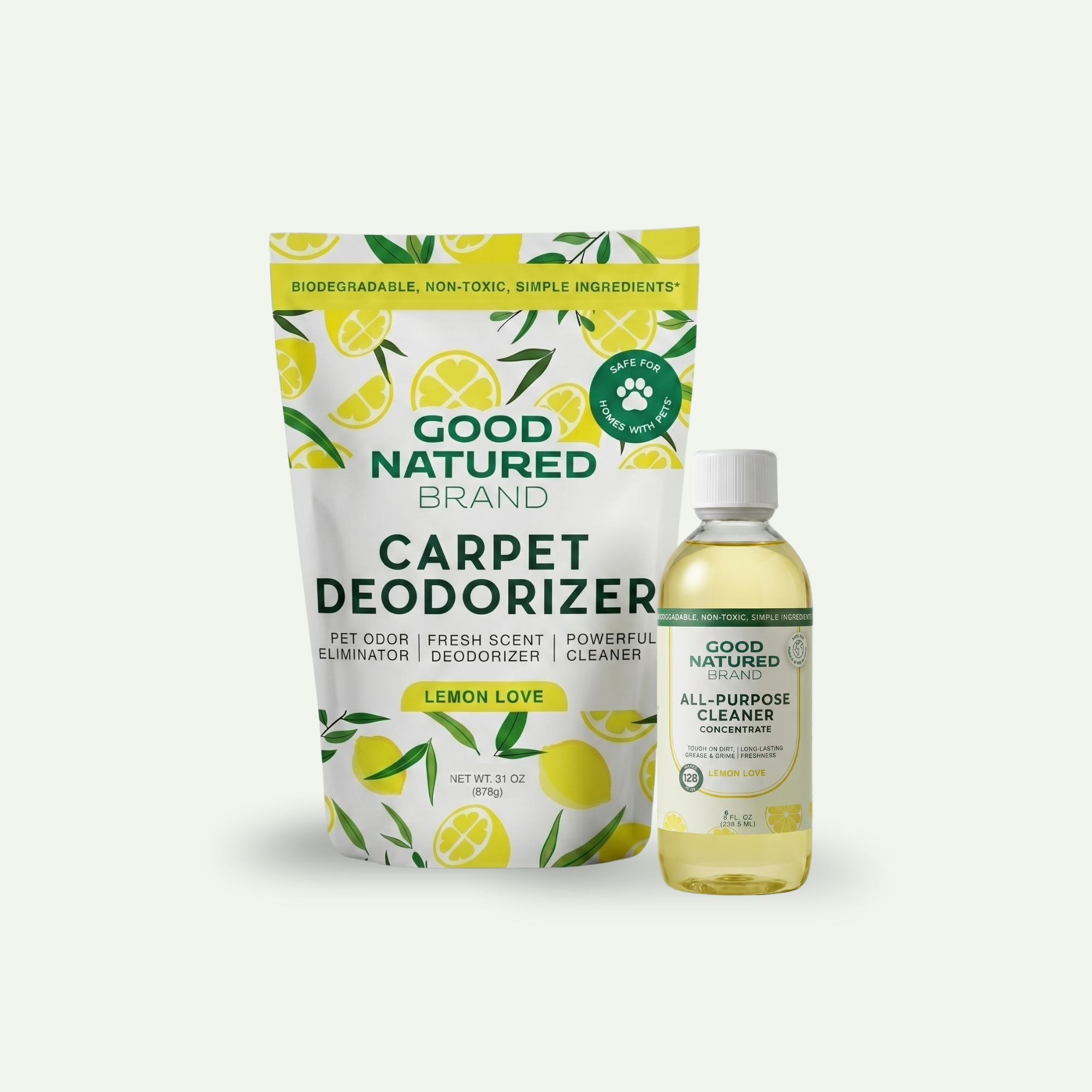
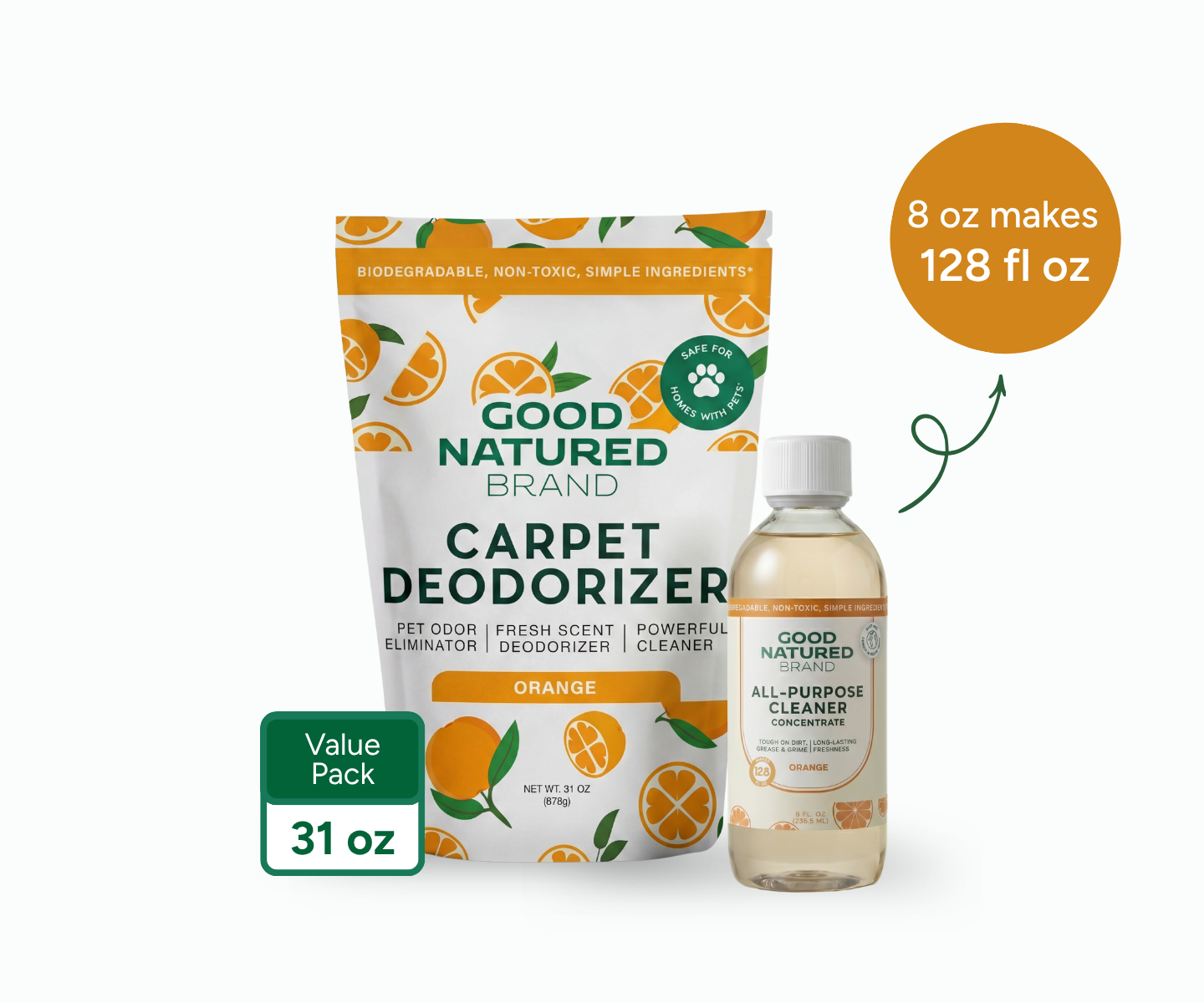
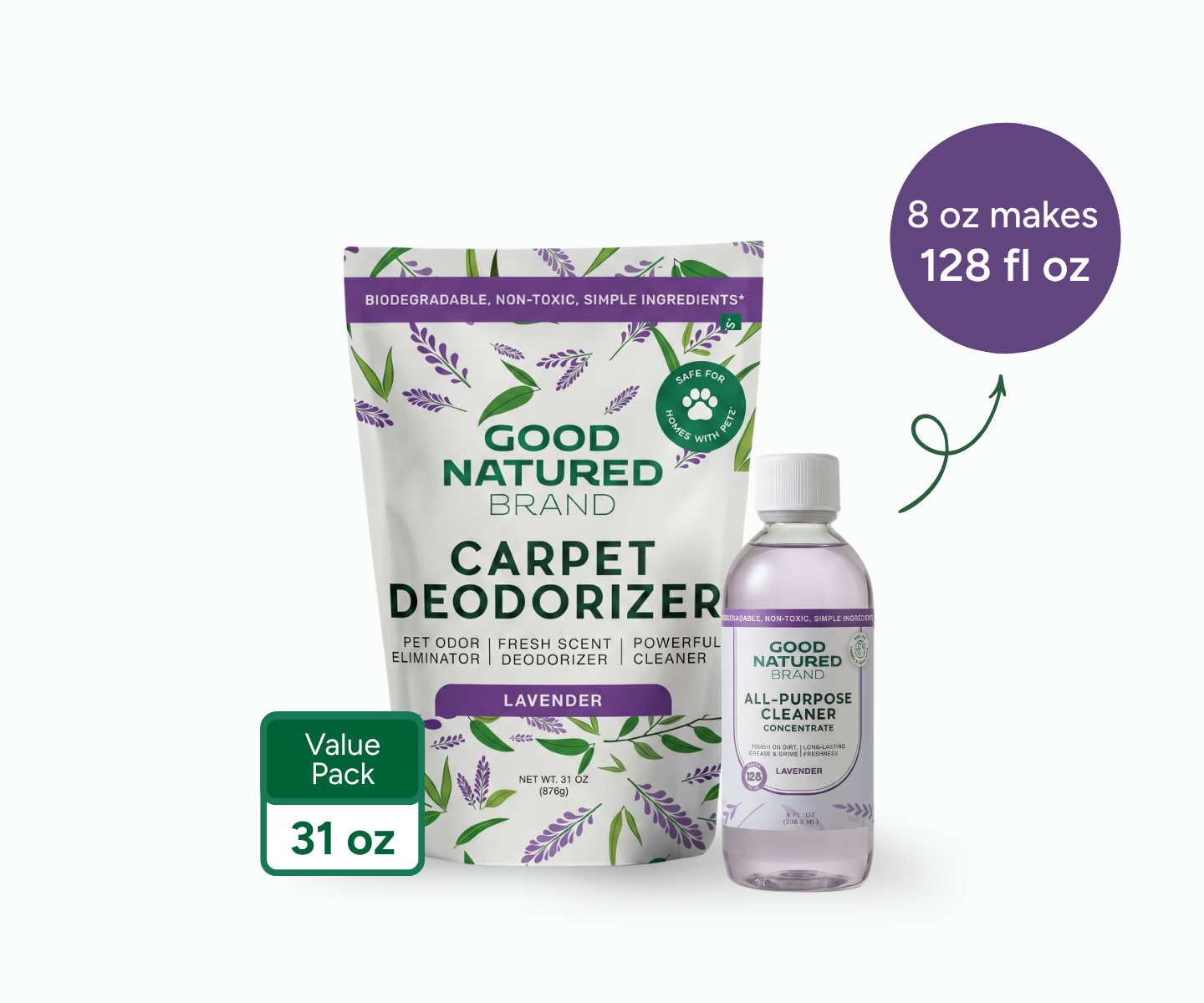
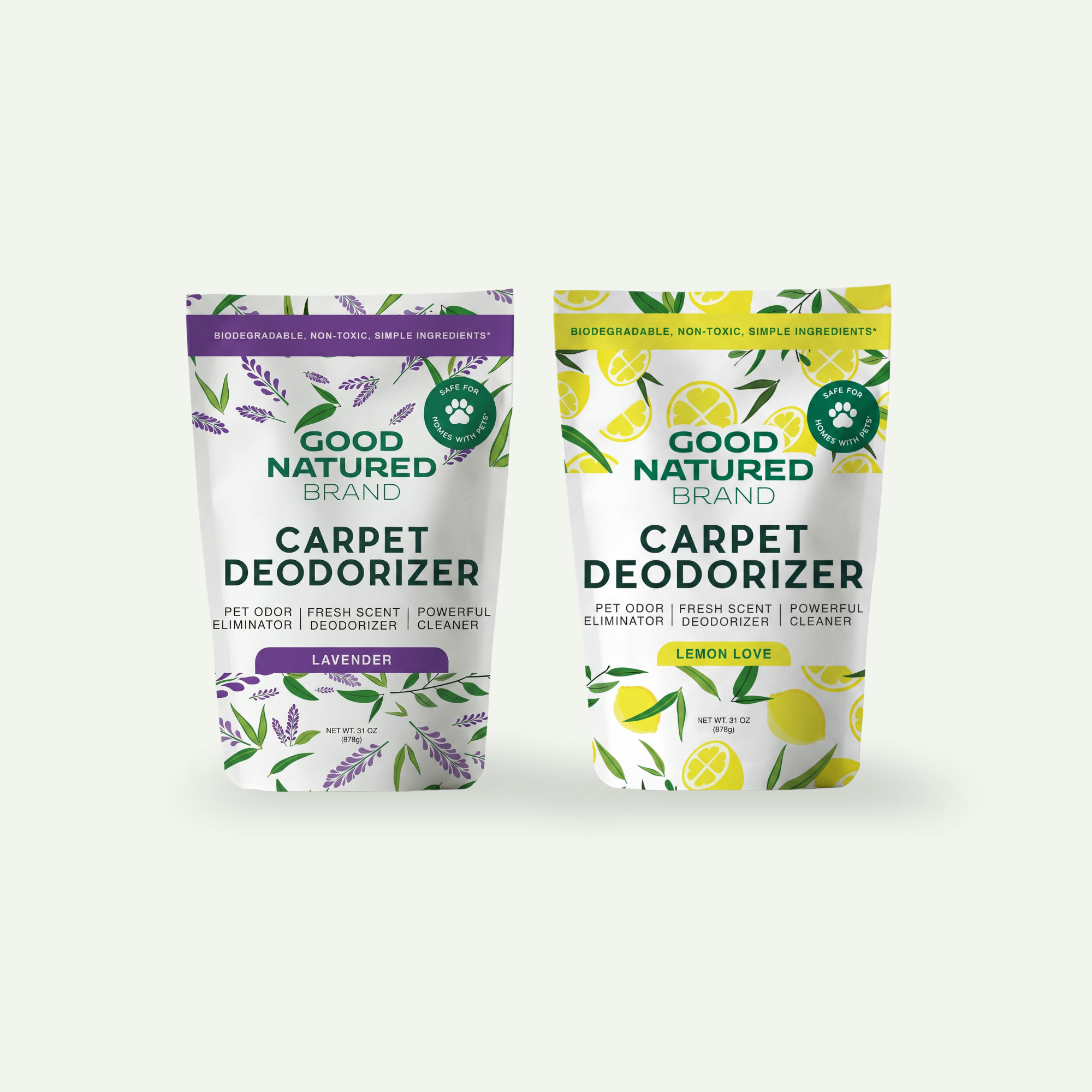
Shop the Product
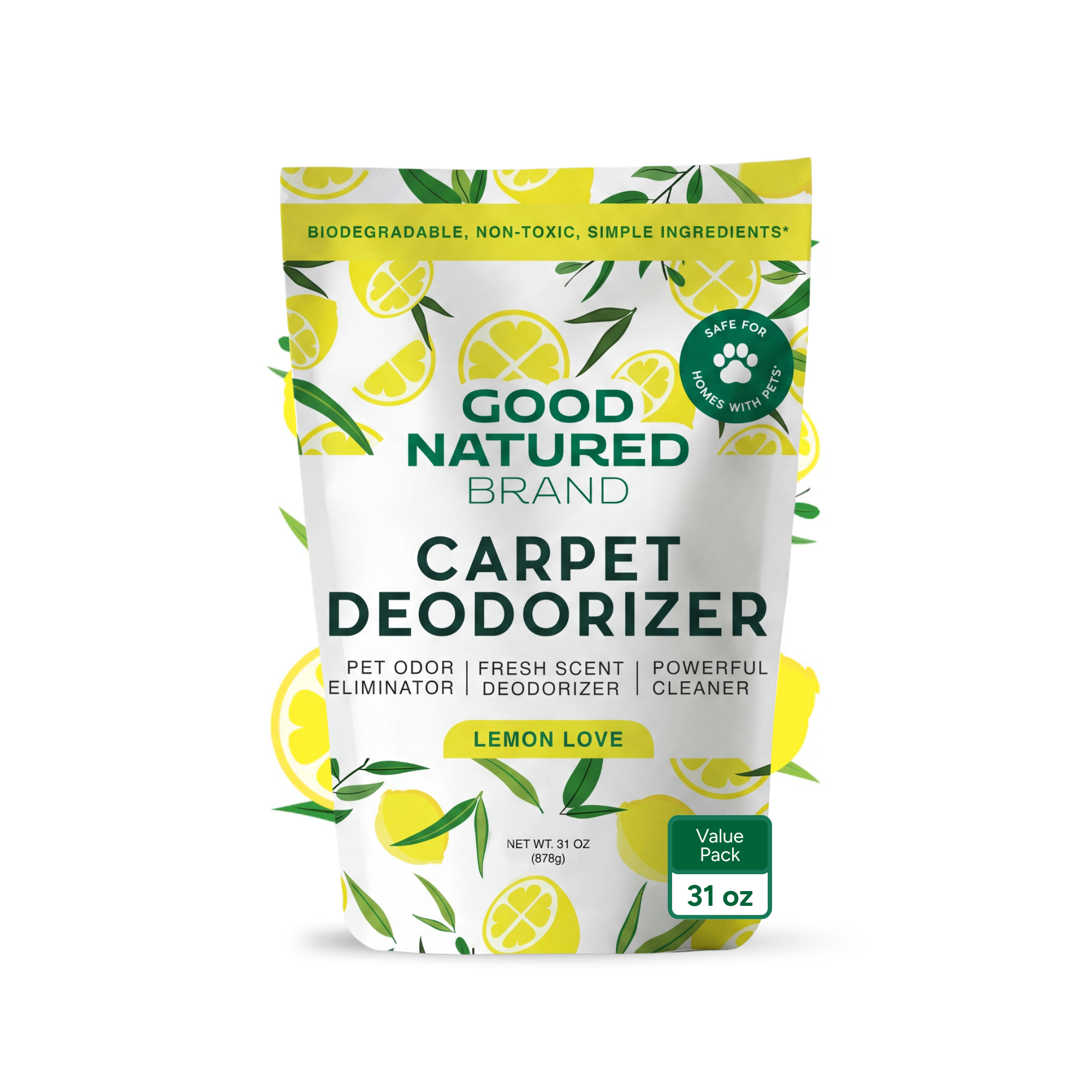
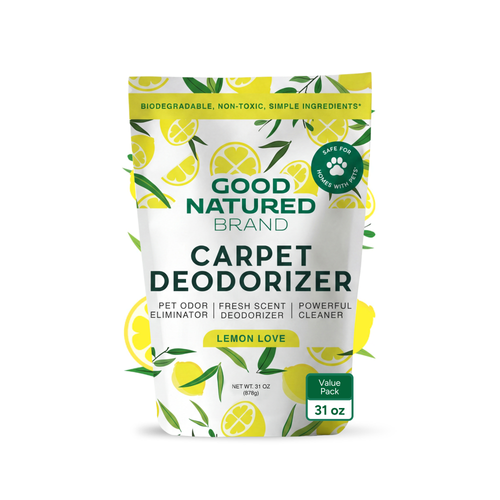
Lemon freshness for every home.
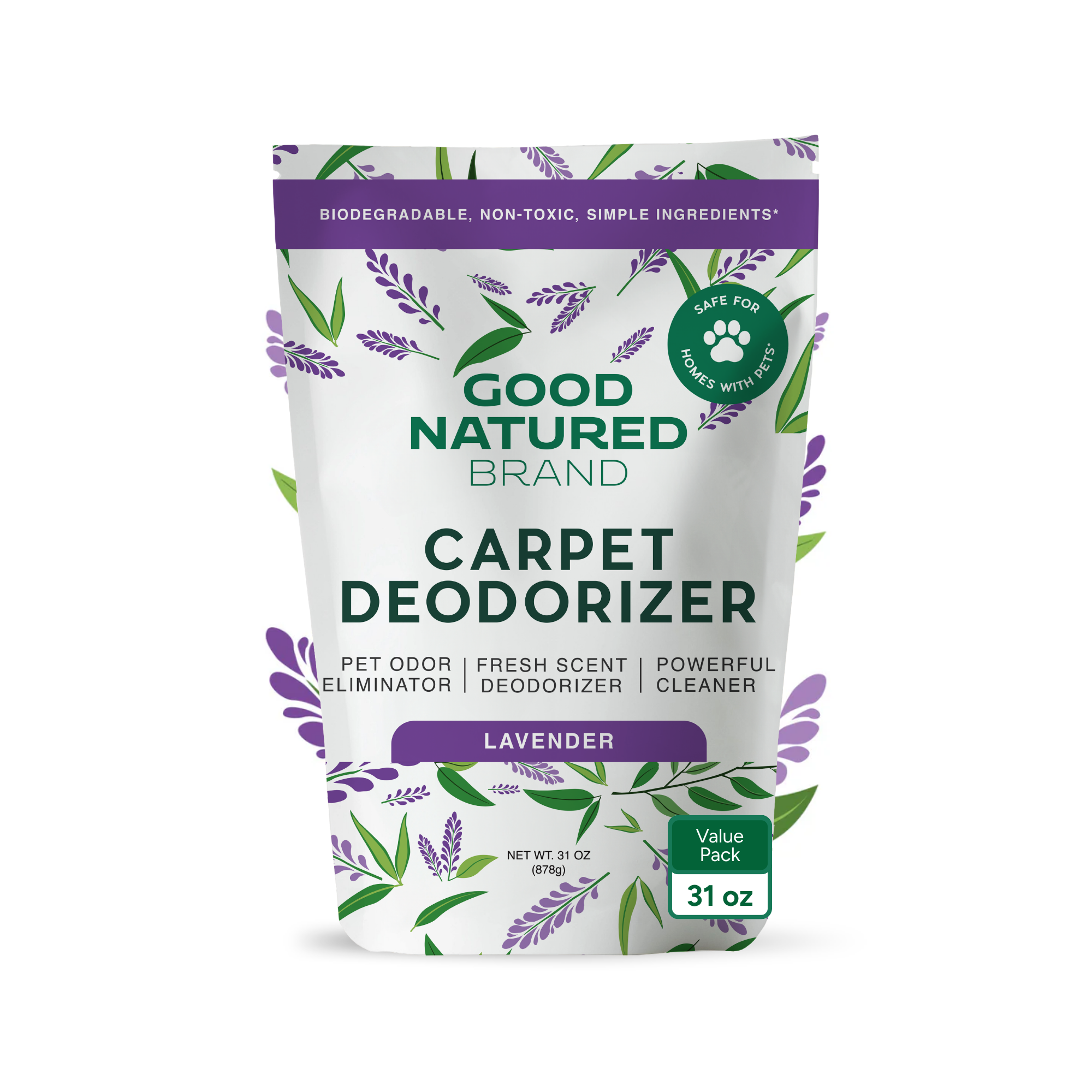
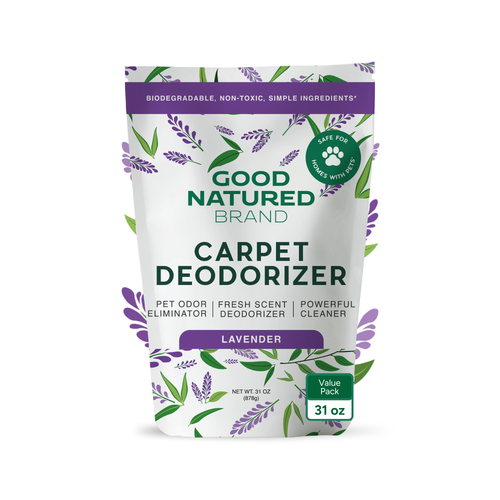
Lavender calm for every home.
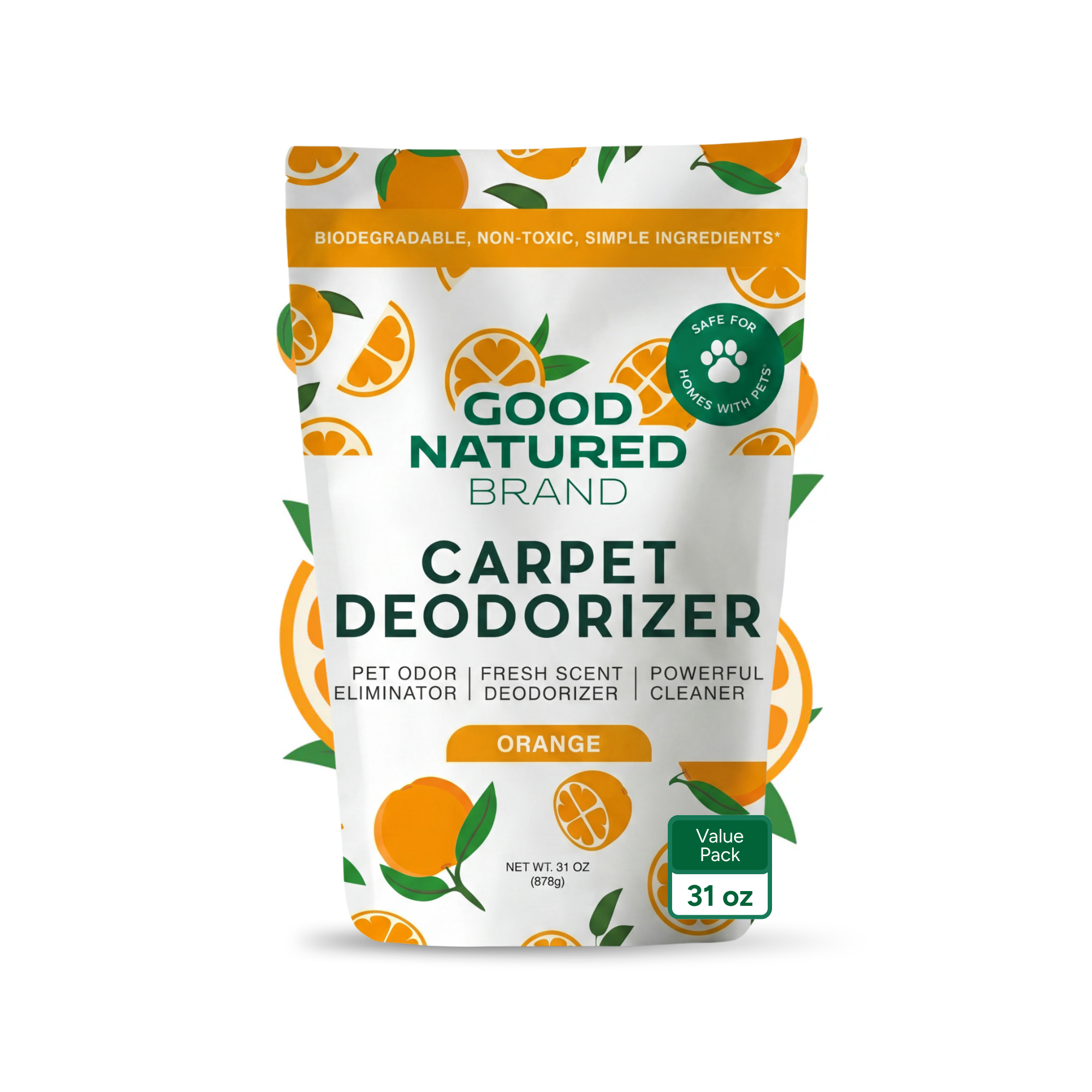
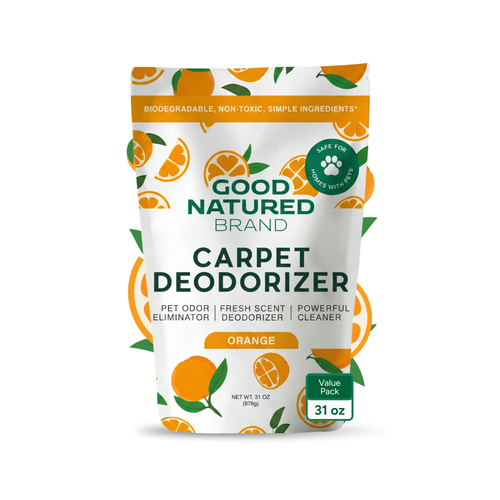
Orange energy for every home.
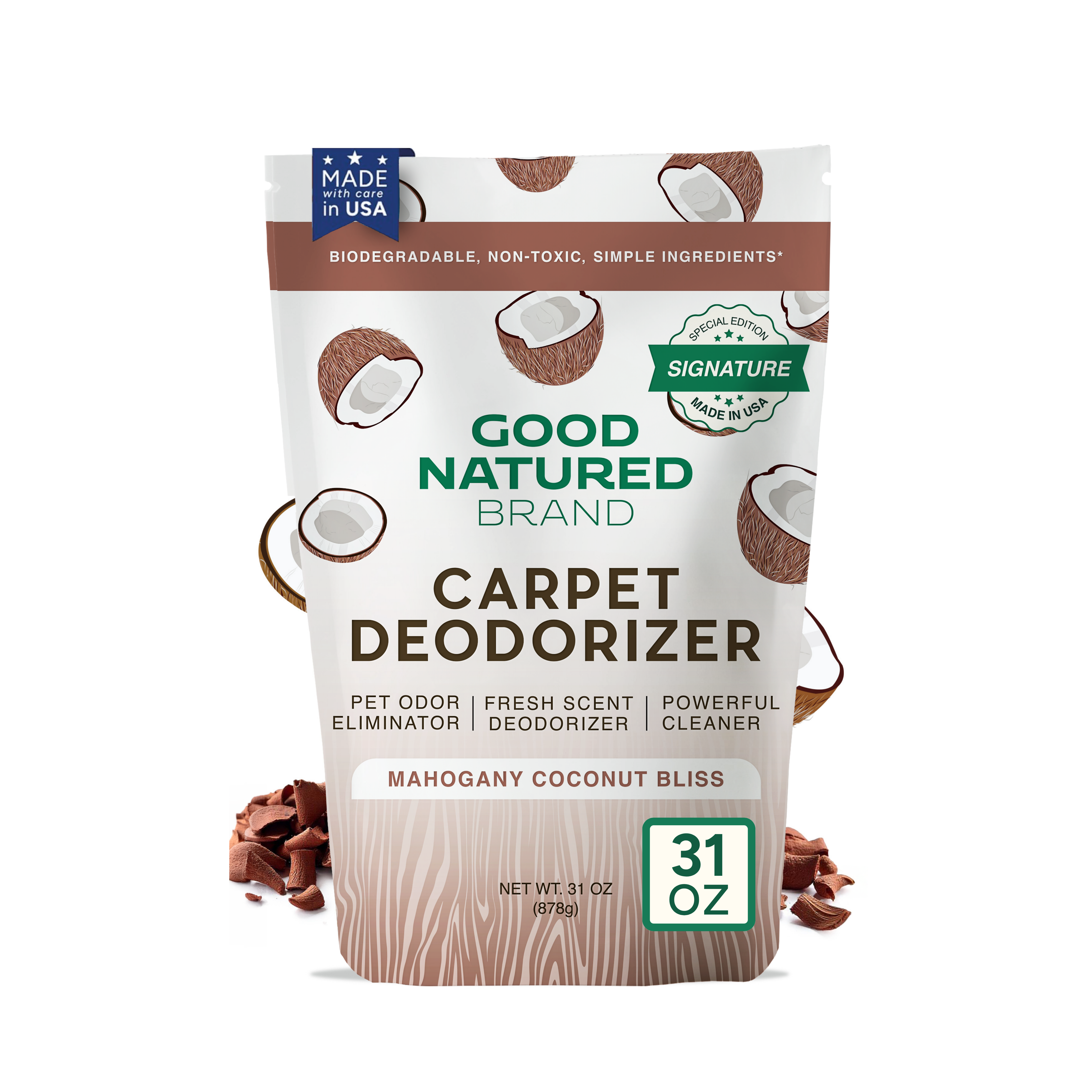
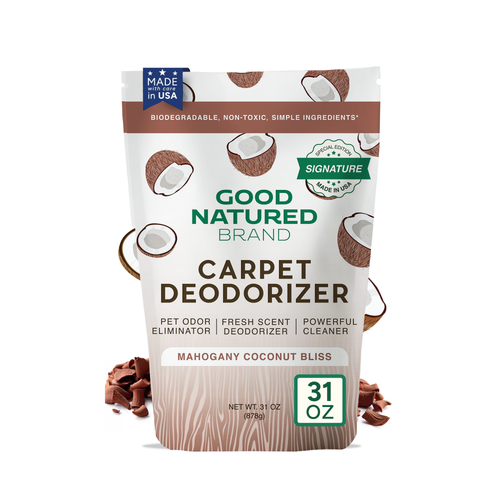
Mahogany warmth for every home.
Mandarin freshness for every home.
Champagne sparkle for every home.
Zesty freshness for every carpet.
Baby Pitbull Temperament and Personality Traits
One of the biggest surprises for new owners is just how affectionate a baby pitbull can be. Pitbull puppies are known for being:
-
Extremely people-focused
-
Emotionally sensitive
-
Playful and energetic
-
Loyal and eager to please
A well-socialized baby pitbull usually loves cuddles just as much as playtime. They form strong attachments early, which is why they do best in homes where they aren’t left isolated for long periods.
That said, their enthusiasm can sometimes translate into jumping, mouthing, or overexcitement. These behaviors are not aggression—they’re signs of a puppy still learning impulse control. Early training and clear boundaries go a long way.
Baby Pitbull Growth Stages and Early Development
A baby pitbull grows fast, especially during the first six months. Understanding these stages helps you adjust expectations and routines.
In the first few weeks, pitbull puppies are entirely dependent on their mother. Once they reach around eight weeks, they enter the critical socialization window. This is when experiences have the biggest impact on confidence and behavior.
Between two and four months, a baby pitbull becomes more curious, mouthy, and energetic. This is the stage when potty training begins, chewing increases, and accidents are common. Many owners find this phase challenging—but it’s also when training pays off the most.
From six months onward, your pitbull puppy starts to look more like a small adult, though emotional maturity takes much longer. Consistency during these stages helps prevent future behavior issues.
Baby Pitbull Appearance: Size, Coat, and Color
Baby pitbulls come in a wide range of colors and patterns, including brindle, blue, black, white, fawn, and mixes of all of them. Coat textures are short and smooth, making grooming relatively easy.
As puppies, pitbulls often gain muscle quickly, giving them a stocky appearance even before they’re fully grown. Their coat may shed lightly year-round, which means hair can accumulate on rugs, bedding, and upholstery—especially during play-heavy months.
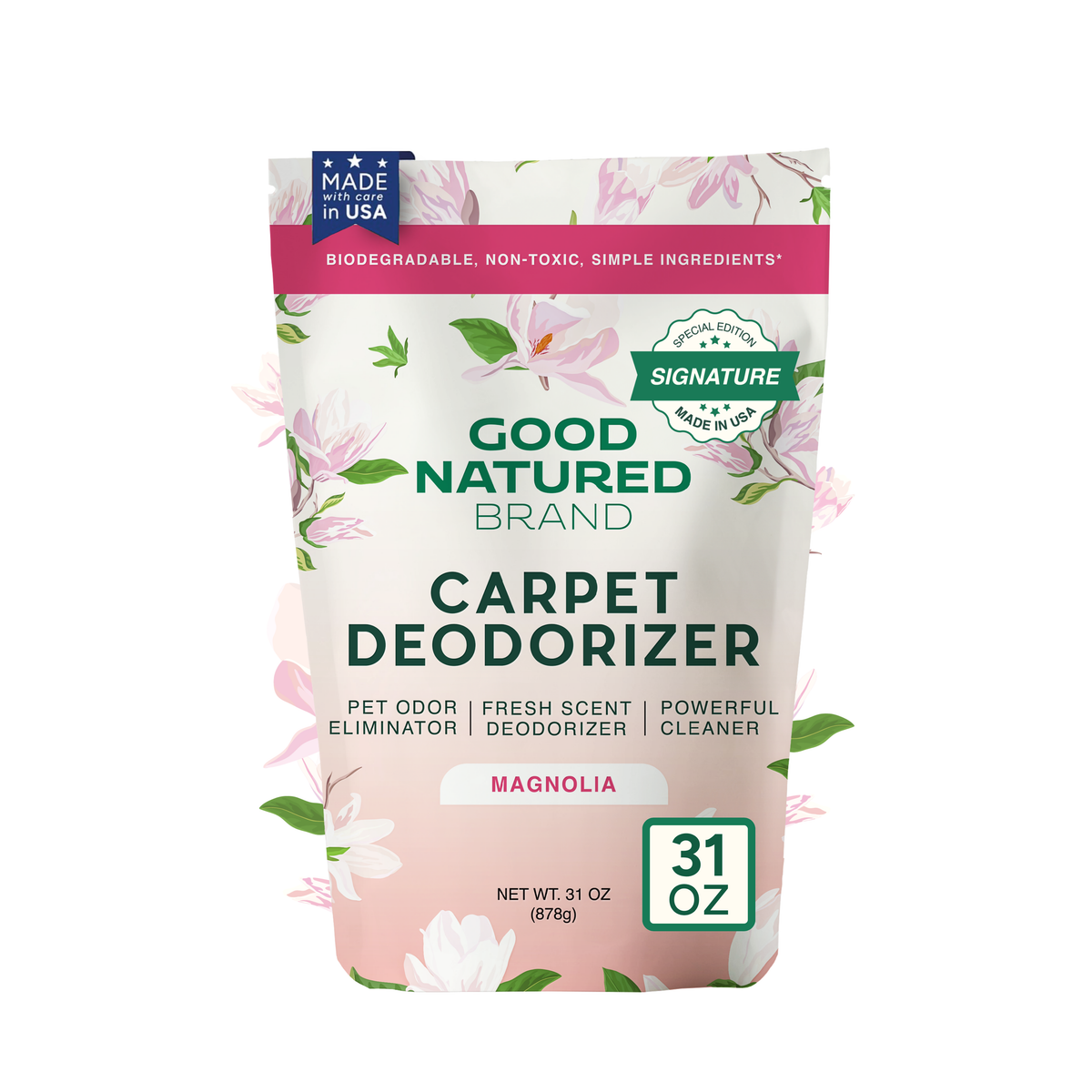
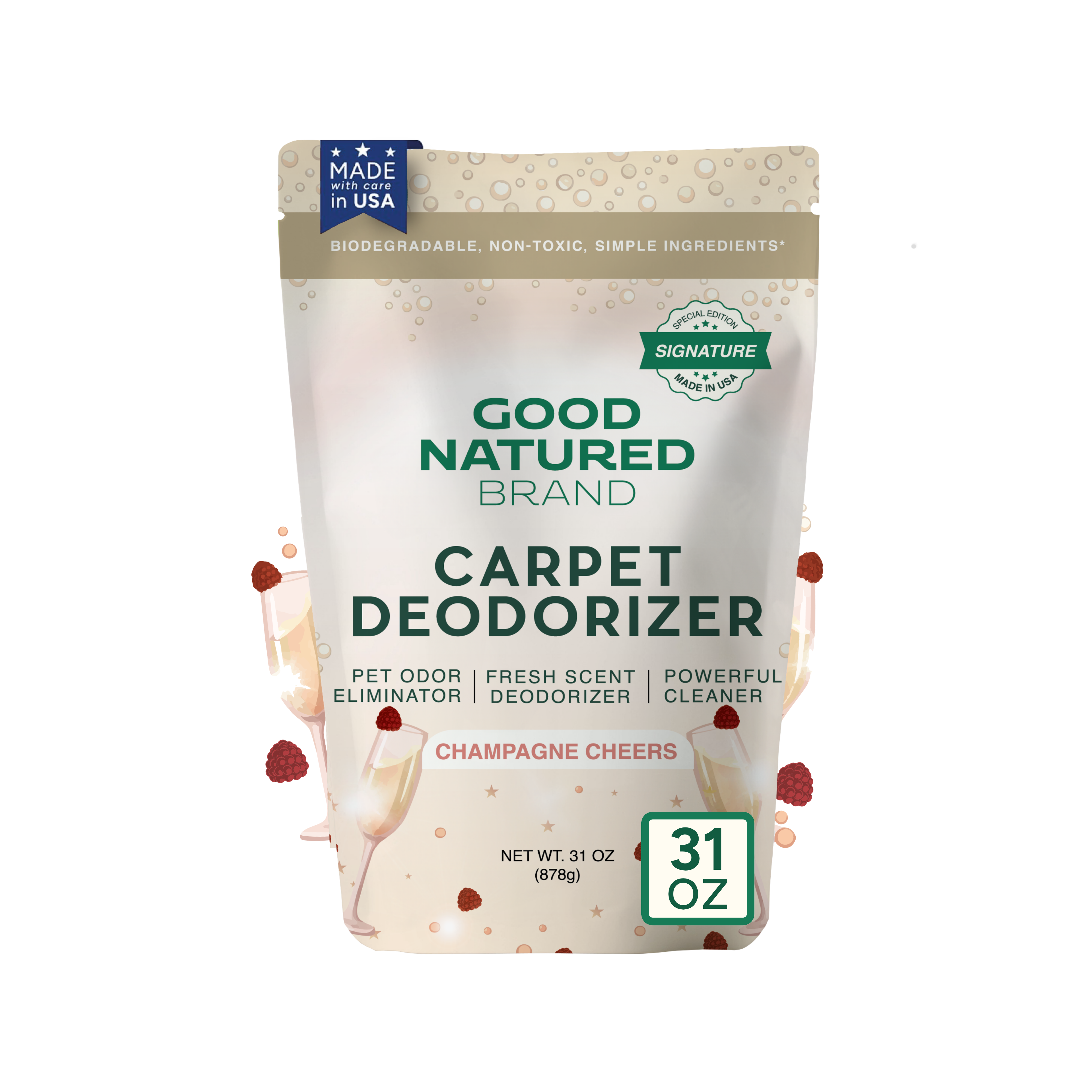
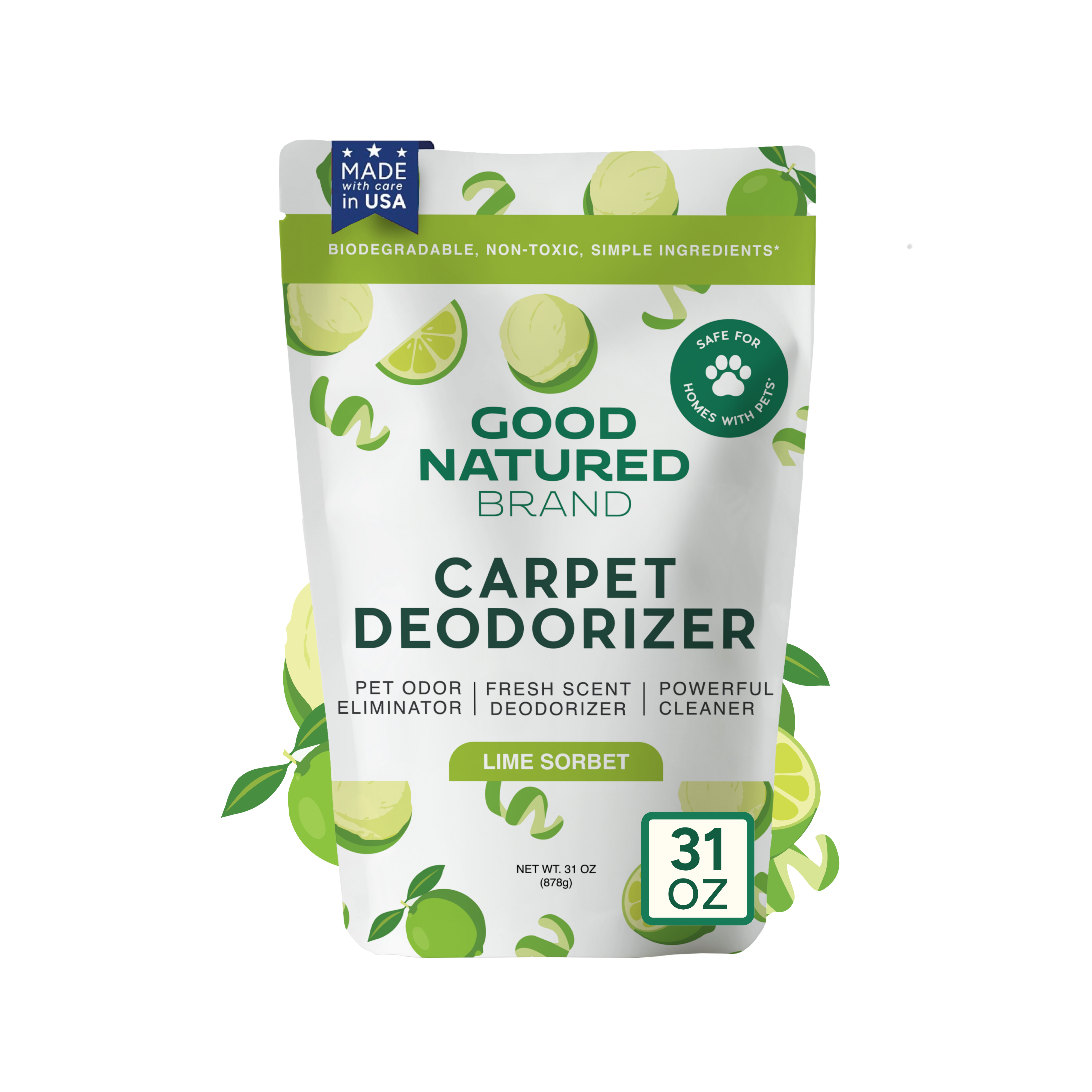
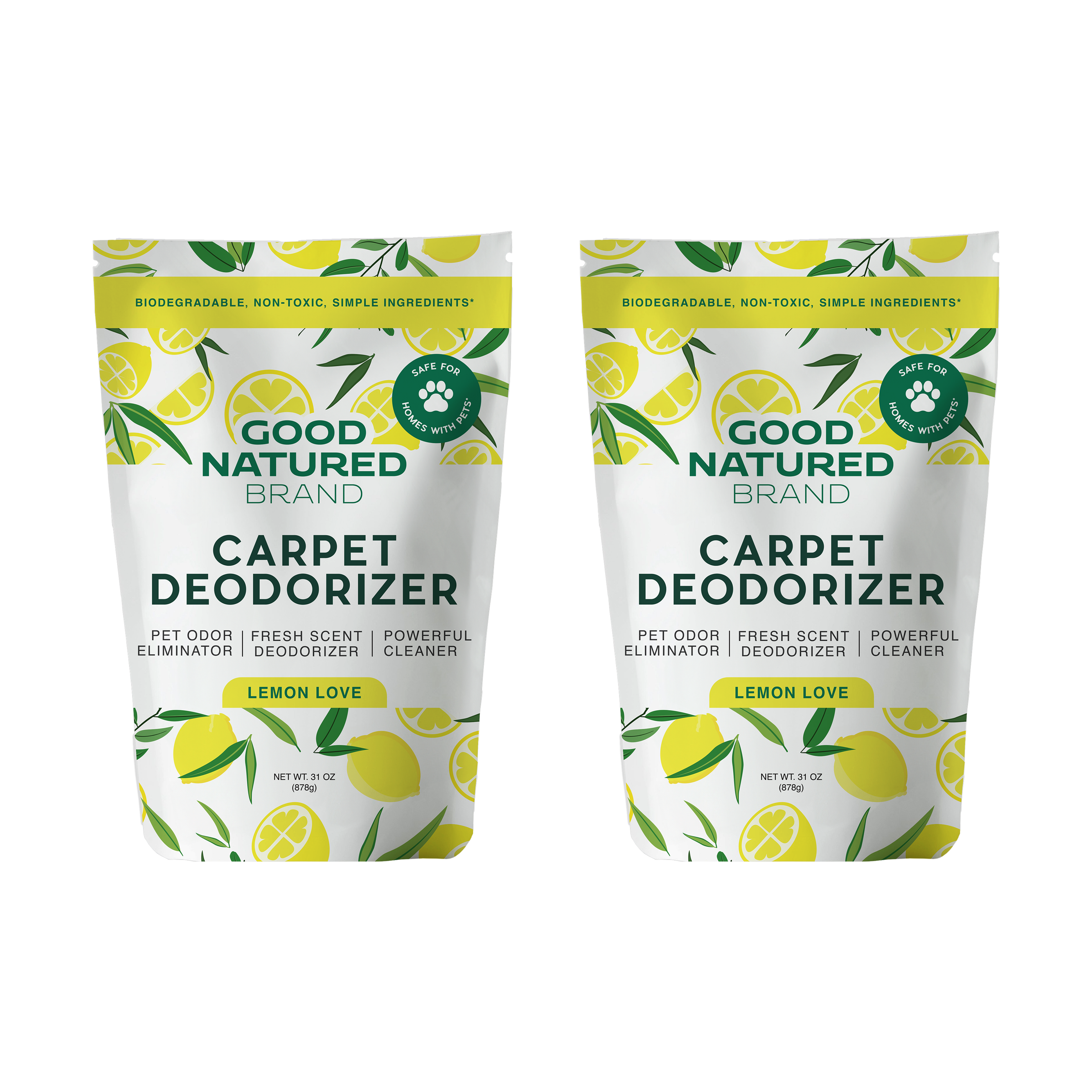
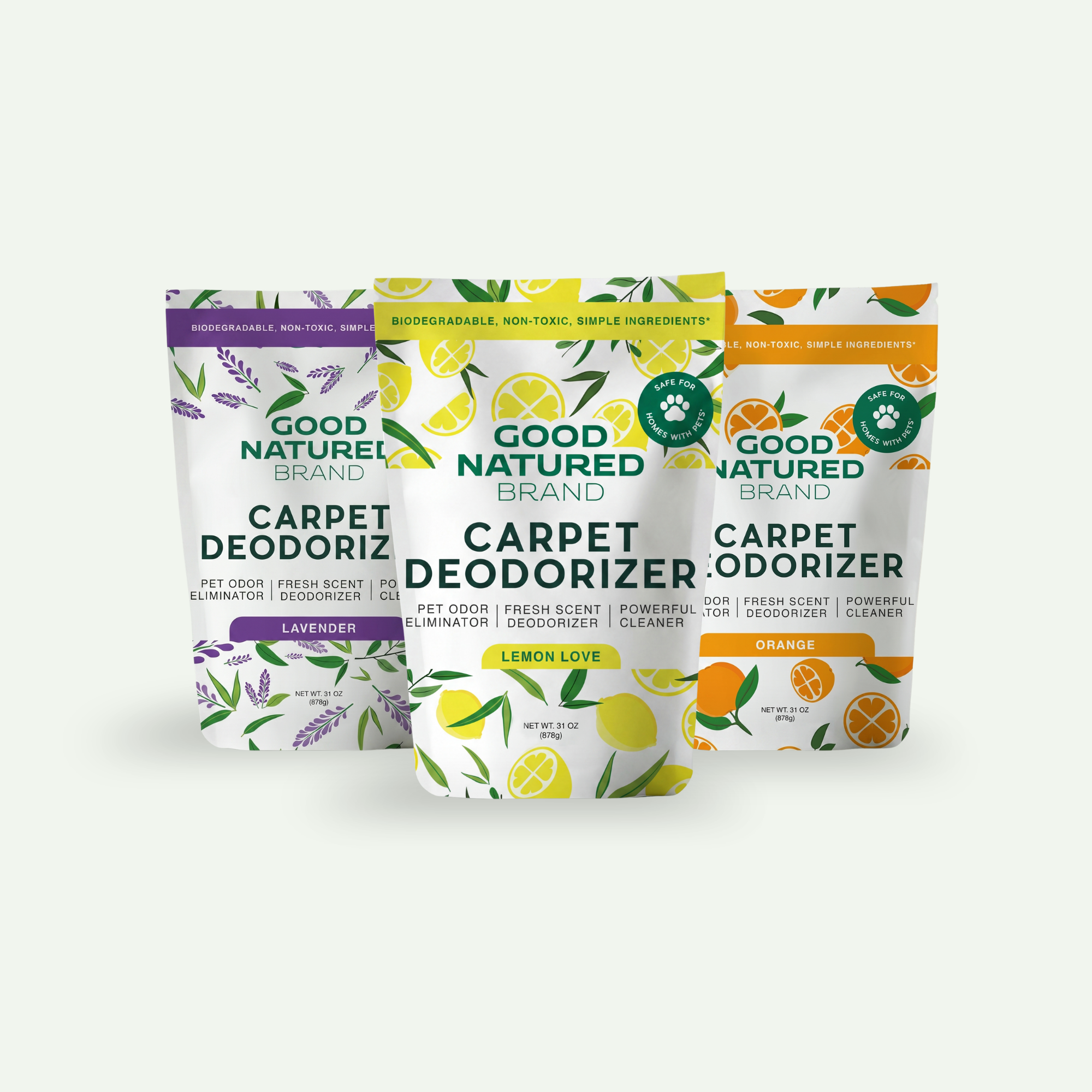
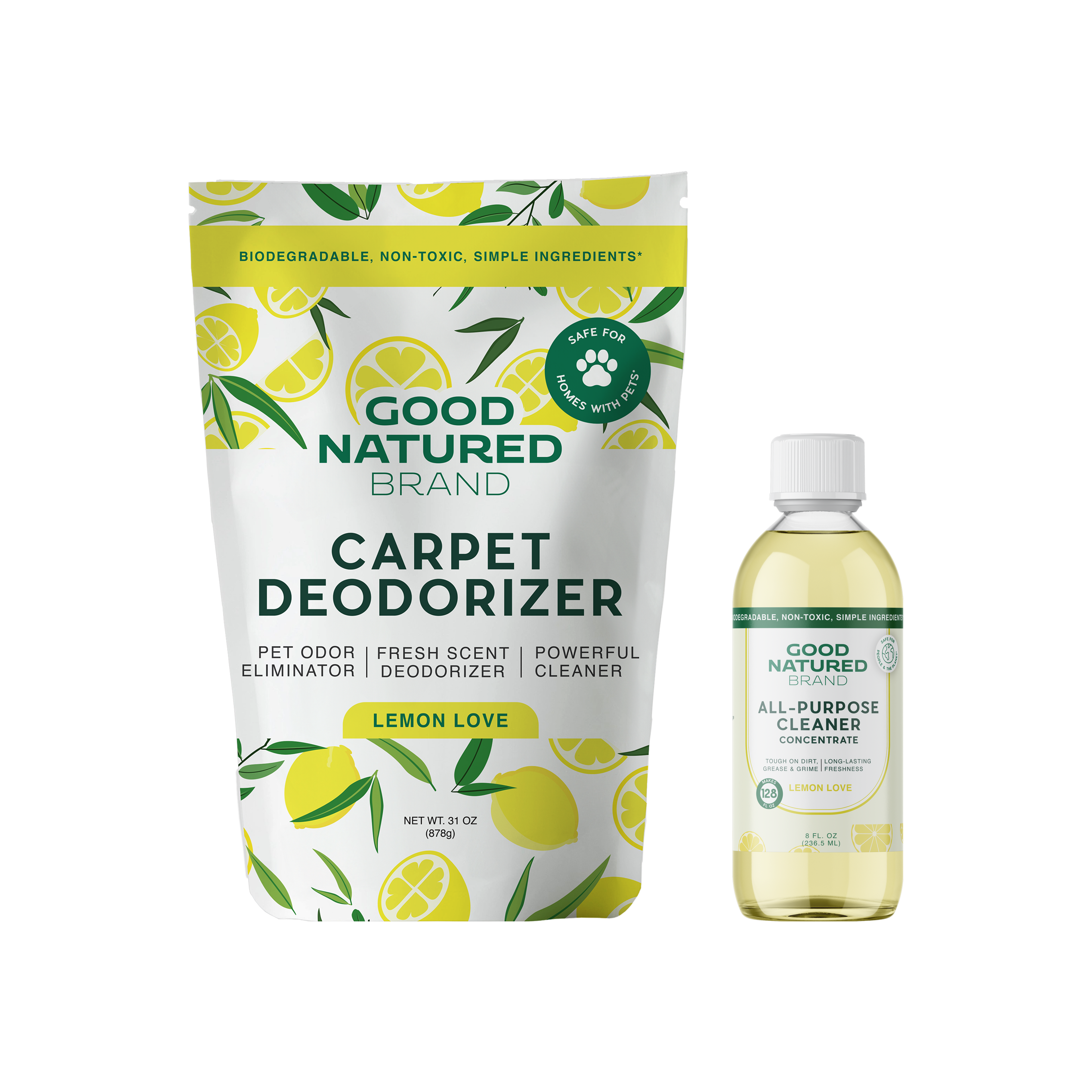
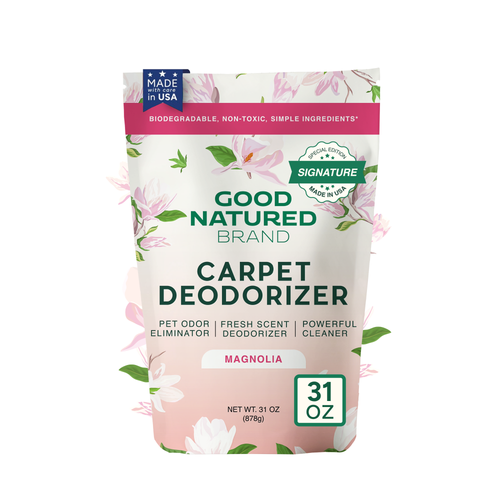
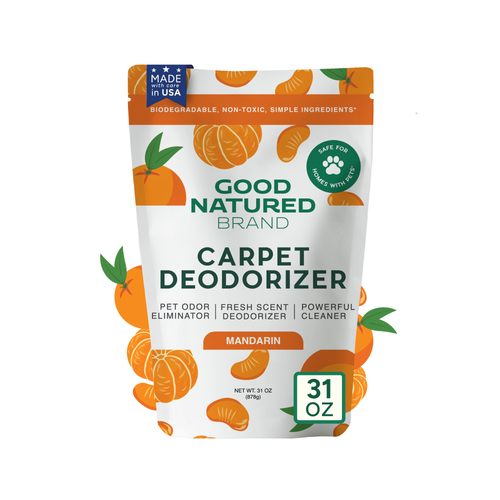
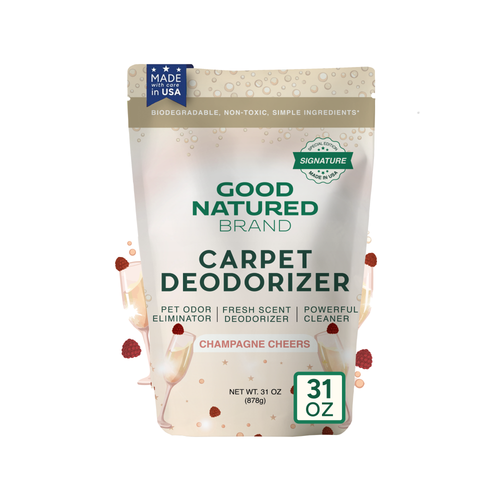
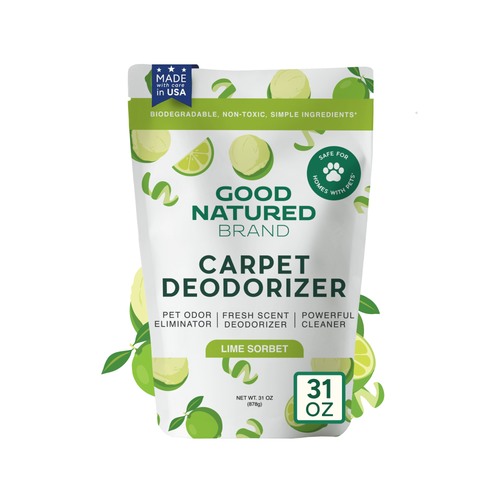
Keeping living spaces fresh with pet-safe solutions like Carpet Deodorizers can make the puppy phase far more manageable without resorting to harsh chemicals.
Is a Baby Pitbull a Good Family Dog?
When raised in a loving, structured environment, a baby pitbull can be an outstanding family dog. They tend to be patient with children, deeply bonded to their humans, and happiest when included in daily activities.
However, their strength and energy mean supervision is important, especially around young kids. Teaching both puppy and child respectful boundaries creates safer interactions for everyone.
Pitbull puppies adapt well to apartments or houses, as long as their physical and mental needs are met. A tired pitbull is usually a well-behaved pitbull.
Bringing a Baby Pitbull Home for the First Time
Preparing your home before a baby pitbull arrives makes the transition smoother—for both of you. Puppies explore with their mouths and paws, so anything within reach is fair game.
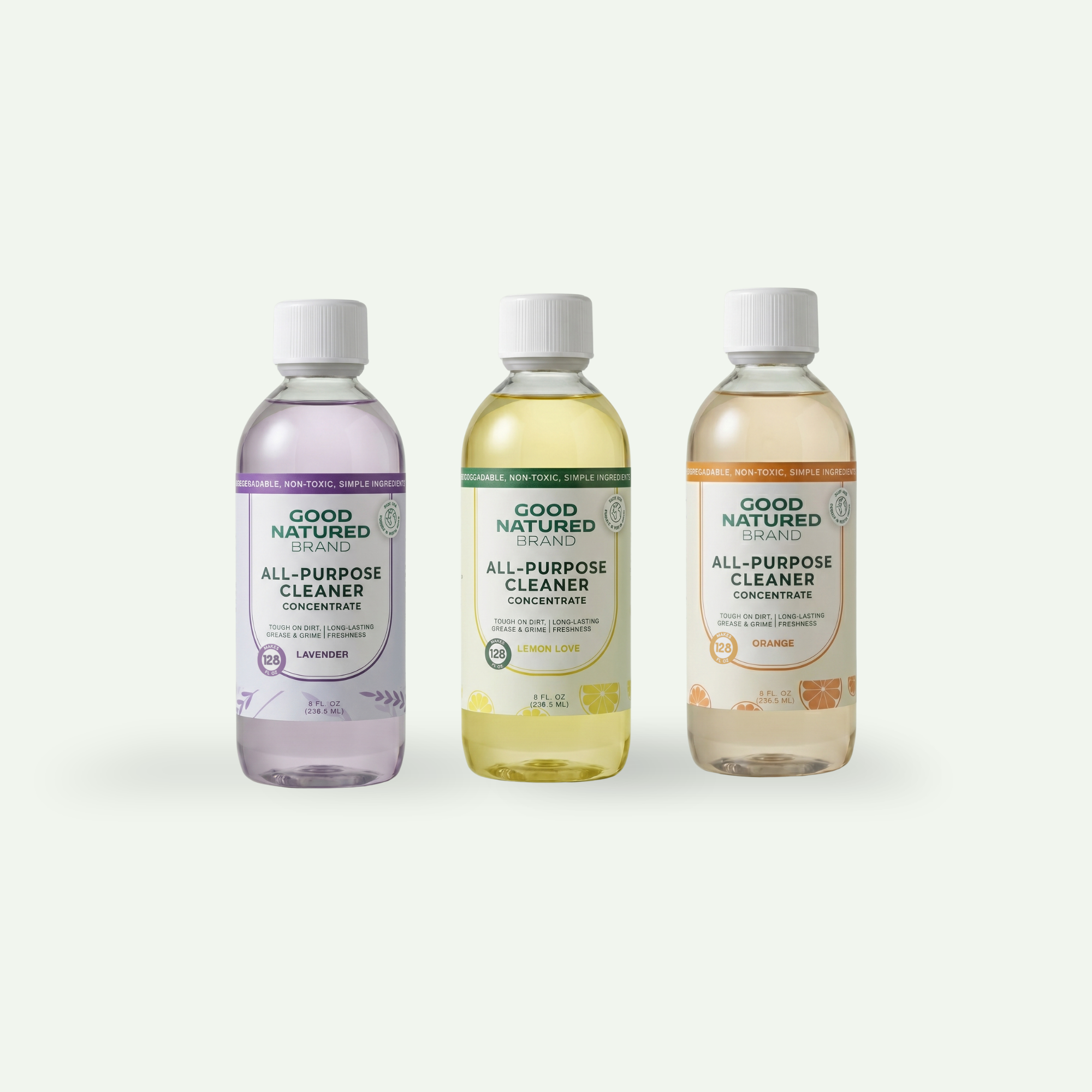
Expect accidents. Even with the best training, potty mistakes will happen. Having a consistent cleanup routine using a pet-safe All-Purpose Cleaner helps eliminate odors without introducing harsh residues into your puppy’s environment.
Designate a sleeping area, feeding space, and safe play zone. Keeping routines predictable helps your baby pitbull feel secure and settle faster.
Baby Pitbull Training Basics Start Early
Training should begin the moment your baby pitbull comes home. This doesn’t mean strict discipline—it means clear communication.
Pitbull puppies respond best to positive reinforcement. Reward calm behavior, gentle play, and successful potty trips. Crate training can be a valuable tool when introduced gradually and paired with positive experiences.
During this stage, your puppy is learning how the world works. Consistent cues, calm reactions, and patience will shape their long-term behavior more than any single command.
Socializing a Baby Pitbull Puppy Safely
Socialization is one of the most important parts of raising a baby pitbull. Exposing your puppy to different people, surfaces, sounds, and environments helps prevent fear-based behaviors later on.
This doesn’t mean overwhelming them. Short, positive experiences are far more effective than forced interactions. Puppy classes, calm dog meetups, and controlled introductions all help build confidence.
A confident puppy is less likely to develop anxiety-related issues and more likely to grow into a balanced adult dog.
Baby Pitbull Diet and Feeding Basics
Proper nutrition plays a huge role in a baby pitbull’s growth, energy levels, and joint development. Pitbull puppies are muscular by nature and need balanced meals that support both muscle growth and overall health.
A quality puppy food formulated for medium to large breeds is usually recommended. Look for recipes with adequate protein, healthy fats, and essential vitamins without excessive fillers. Feeding schedules typically involve multiple small meals per day, gradually transitioning to fewer meals as your puppy grows.
Consistency matters. Frequent food changes can upset a baby pitbull’s stomach, leading to digestive discomfort and accidents at home. Clean feeding areas regularly to prevent food residue and odors, especially on floors and nearby surfaces. Using a pet-safe All-Purpose Cleaner helps maintain hygiene while keeping your puppy’s environment safe.
Baby Pitbull Health Care and Veterinary Needs
Routine veterinary care is essential during the puppy stage. Your baby pitbull should see a vet shortly after coming home to establish a baseline for health and begin a vaccination schedule.
Regular checkups help monitor growth, detect early signs of allergies or sensitivities, and ensure proper development. Parasite prevention, including flea and worm control, is especially important during the first year.
Pitbull puppies are active and curious, which means minor scrapes and exposure to bacteria can happen. Keeping living spaces clean reduces the risk of illness and supports overall wellness, especially in areas where your puppy eats, plays, and rests.
Common Baby Pitbull Health Concerns
While generally hardy, baby pitbulls can be prone to certain issues if care is inconsistent. Skin sensitivities are fairly common, sometimes triggered by environmental factors or low-quality cleaning products used around the home.
Digestive issues may arise from sudden diet changes or treats that are too rich. Joint development should also be considered—overexertion during the early months can put unnecessary stress on growing bones.
Early prevention is key. Observing your puppy’s behavior, energy levels, and coat condition helps you address concerns before they become serious.
Grooming a Baby Pitbull Puppy the Right Way
One advantage of owning a baby pitbull is their low-maintenance coat. Regular brushing helps remove loose hair and distributes natural oils, keeping the skin healthy.
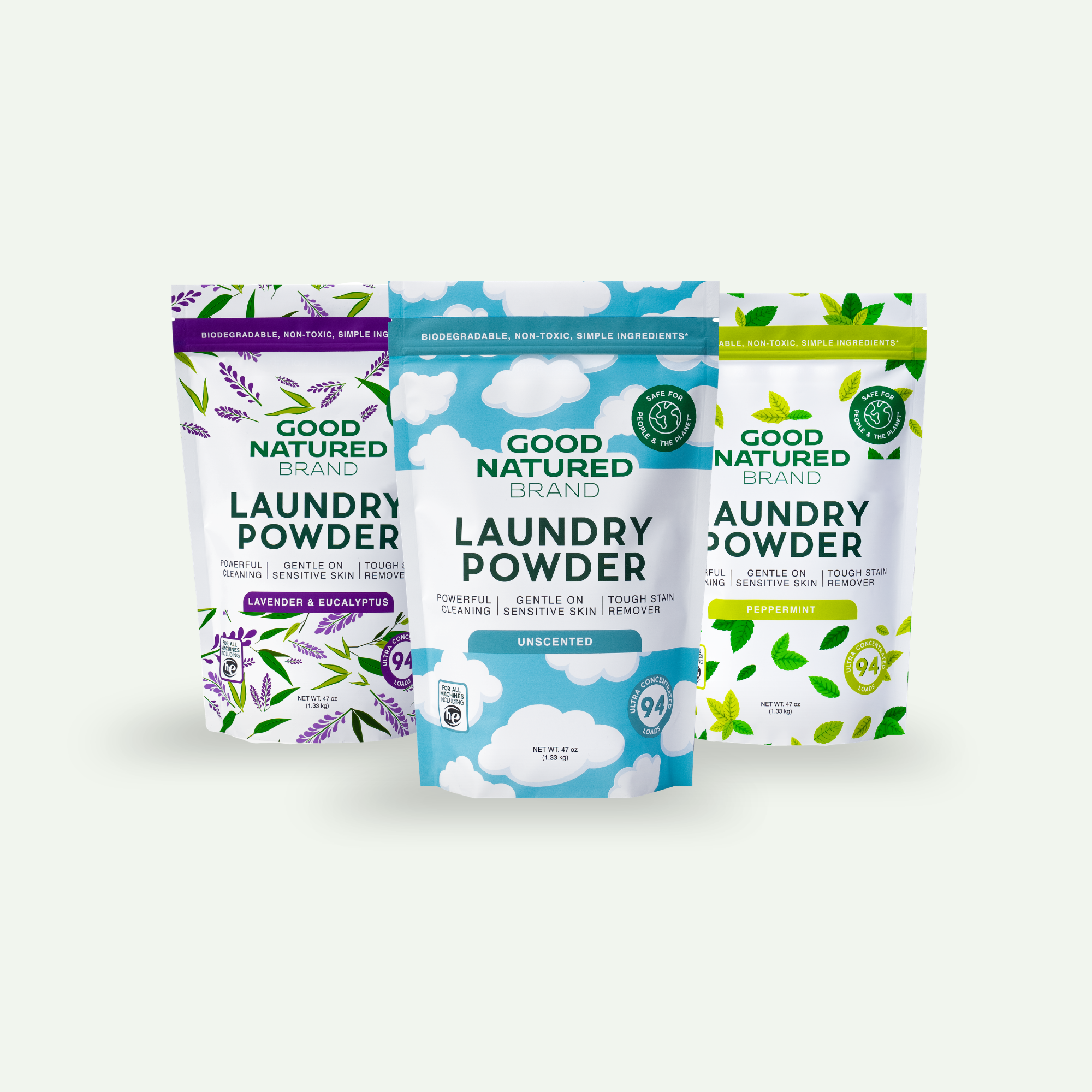
Bathing does not need to be frequent unless your puppy gets particularly dirty. Overbathing can dry out their skin, especially during puppyhood. When washing bedding, blankets, and soft toys, choose pet-friendly Laundry Powders to remove odors and stains without irritating sensitive skin.
Nail trimming and ear cleaning are also part of grooming and should start early to help your baby pitbull become comfortable with handling.
Baby Pitbull Exercise and Mental Stimulation
A baby pitbull has energy to spare, but structured exercise is crucial. Short play sessions, gentle walks, and interactive games help burn energy without stressing developing joints.
Mental stimulation is just as important as physical activity. Puzzle toys, basic obedience training, and scent games keep your puppy engaged and prevent boredom-related behaviors like chewing or excessive barking.
As your puppy grows, gradually increase activity levels while maintaining balance. Rest is essential for proper growth and muscle recovery.
Baby Pitbull Behavior Challenges and Early Solutions
Many challenges that worry new owners are simply part of normal puppy development. Jumping, mouthing, and excited behavior are common in baby pitbulls because they are enthusiastic learners.
Teaching calm behaviors early makes a significant difference. Rewarding quiet moments, redirecting chewing, and setting consistent boundaries all help shape better habits.
Separation anxiety can also appear due to the breed’s strong attachment to humans. Gradual alone-time training builds confidence and independence without causing stress.
Creating a Clean, Odor-Free Home With a Baby Pitbull
Accidents, shedding, and muddy paws are part of life with a pitbull puppy. Managing them proactively helps keep your home comfortable and hygienic.
Carpets and rugs tend to absorb odors quickly, especially during potty training phases. Using natural Carpet Deodorizers helps neutralize smells without masking them with artificial fragrances.
Laundry from puppy bedding, towels, and toys accumulates fast. Washing these items regularly with Laundry Powders keeps fabrics fresh and reduces lingering pet odors.
Hard surfaces like floors, crates, and feeding stations benefit from routine cleaning with a gentle All-Purpose Cleaner designed for homes with pets.
Baby Pitbull Myths Versus Reality
One of the most important aspects of raising a baby pitbull is recognizing how misinformation shapes public perception. Pitbull puppies are not inherently aggressive, stubborn, or dangerous.
Their reputation often comes from poor training, lack of socialization, or unfair labeling. In reality, a well-cared-for pitbull puppy is often affectionate, loyal, and deeply connected to their family.
Understanding this helps owners advocate responsibly for their dogs and focus on proper training rather than fear-based assumptions.
Raising a Confident Adult Dog Starts With a Baby Pitbull
The puppy phase is short, but its impact lasts a lifetime. The routines, experiences, and care you provide during your baby pitbull’s early months shape their behavior and resilience as an adult.
Consistency in feeding, training, grooming, and cleaning creates a stable environment where your puppy can thrive. A confident, well-adjusted pitbull is the result of patience, positive reinforcement, and mindful care.
Shop the Product
Lemon freshness for every home.
Lavender calm for every home.
Orange energy for every home.
Mahogany warmth for every home.
Mandarin freshness for every home.
Champagne sparkle for every home.
Zesty freshness for every carpet.
Trusted Resources for Baby Pitbull Owners
Continuing education is an important part of responsible pet ownership. Exploring reliable articles, guides, and home-care tips can help you adapt as your puppy grows.
You can find helpful pet-focused resources and lifestyle content on the Good Natured Brand Blog, along with pet-safe products designed for homes that prioritize cleanliness and comfort.
To learn more about natural, pet-friendly solutions for everyday life, visit the Good Natured Brand website and discover tools that support both your home and your growing baby pitbull.
By investing in proper care from the start, you set the foundation for a happy, healthy relationship that lasts for years to come.