In the YouTube video titled "Everyday Exercises to Do With Your Puppy" posted by Will Atherton Canine Training, clinical canine behaviorist Will Atherton shares insightful, practical advice for raising a well-behaved and balanced puppy. The video emphasizes the importance of establishing daily training routines from the very beginning to prevent common behavioral problems. By focusing on essential training components like loose lead walking and crate training, Atherton provides a roadmap for new puppy owners to ensure their puppies grow into well-adjusted adult dogs.
In this blog, we will break down the key lessons from the video and provide actionable tips to help you implement these essential training exercises into your daily routine.
Setting the Foundation for Your Puppy’s Training
The excitement of welcoming a new puppy into your home is unmatched, but with that excitement comes the responsibility of raising a well-behaved dog. According to Will Atherton, the most successful training is proactive, meaning it focuses on preventing behavioral problems before they arise, rather than attempting to fix issues later. The key to achieving this is developing consistent training habits from day one.
Two mandatory training components are emphasized as the cornerstones of a well-rounded puppy education:
-
Loose lead walking: Crucial for good outdoor behavior.
-
Crate training: Essential for shaping healthy indoor habits.
Both of these practices help ensure that your puppy becomes a well-adjusted dog, capable of behaving properly both indoors and outdoors.
The Importance of Crate Training: Creating a Safe Space for Your Puppy
One of the most critical aspects of raising a puppy is crate training. While some may view crates as a form of confinement, the truth is that a crate is a puppy’s safe haven. Puppies need up to 20 hours of sleep each day, and a crate provides them with a quiet, secure place to rest and decompress.
Atherton emphasizes that puppies should not be forced into their crate. Instead, use food incentives to encourage them to enter willingly. Over time, your puppy will begin to associate the crate with safety and relaxation. Key principles for successful crate training include:
-
Gradual introduction: Toss food deeper into the crate to encourage the puppy to enter fully.
-
Patience and gentle guidance: If the puppy attempts to exit prematurely, block the doorway and encourage them to back off gently.
-
No immediate rewards: Once the puppy is comfortable being inside the crate with the door closed, start phasing out food rewards.
The goal is for your puppy to settle down quietly and sleep in the crate without constant reinforcement. A positive crate experience is essential for developing a calm and secure dog.
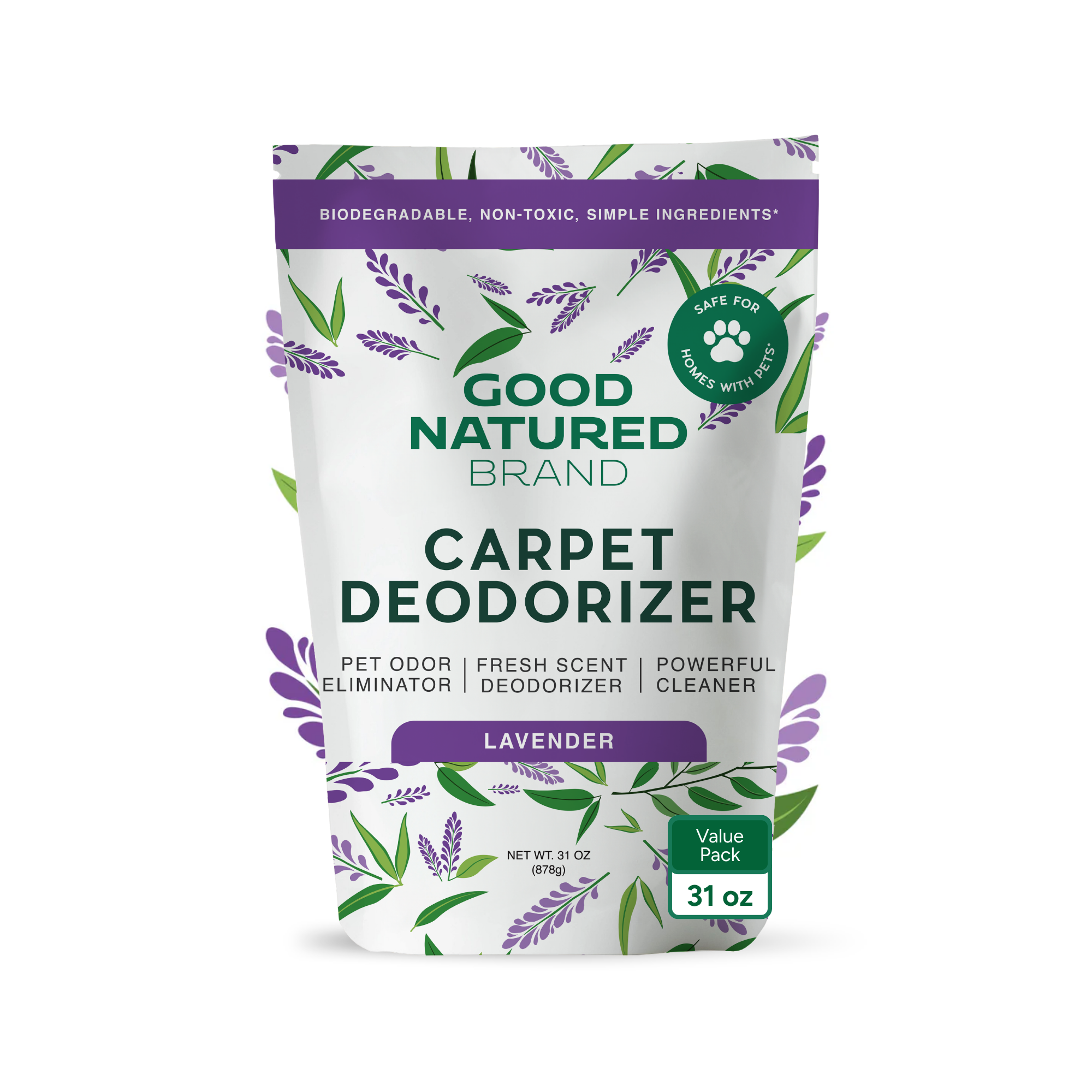
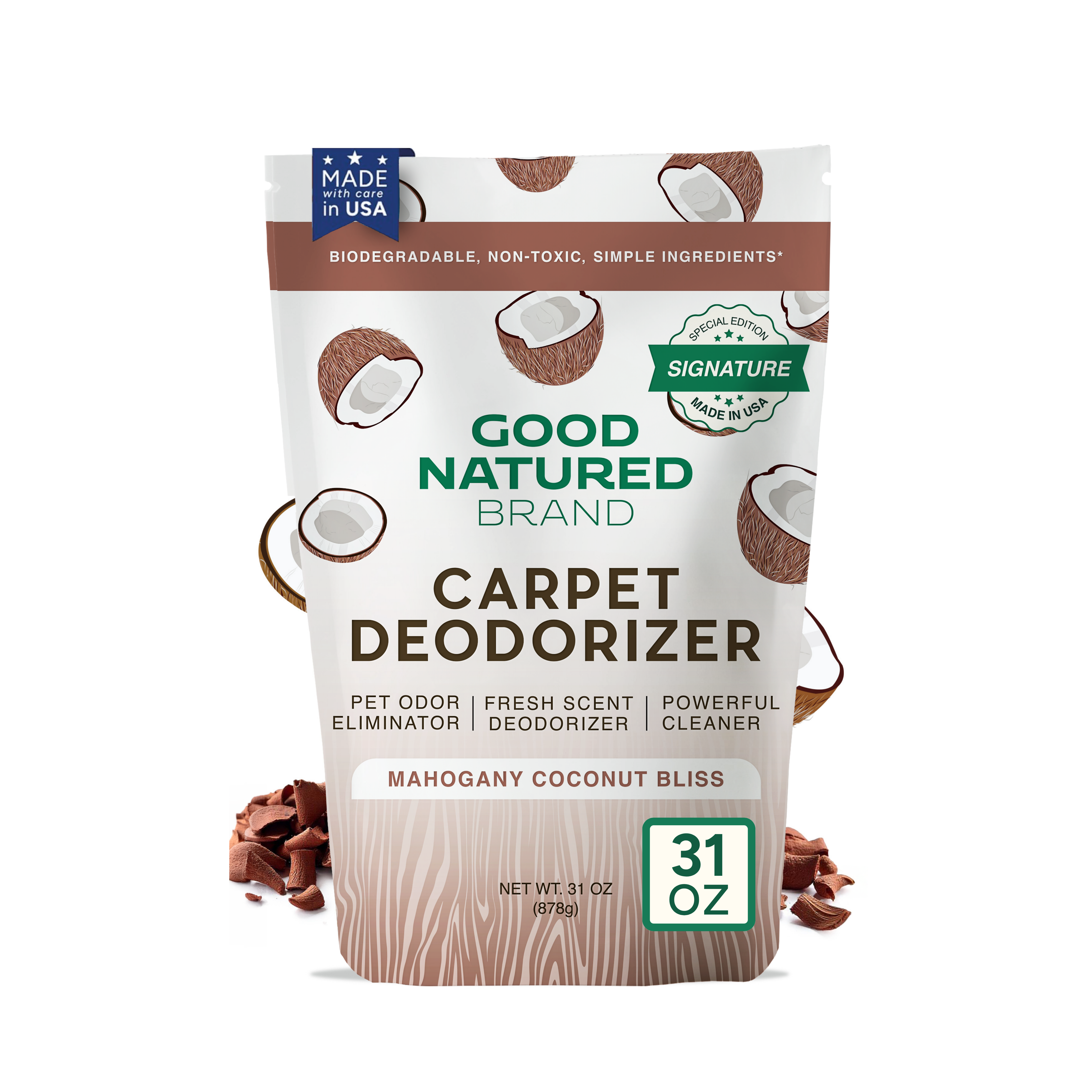
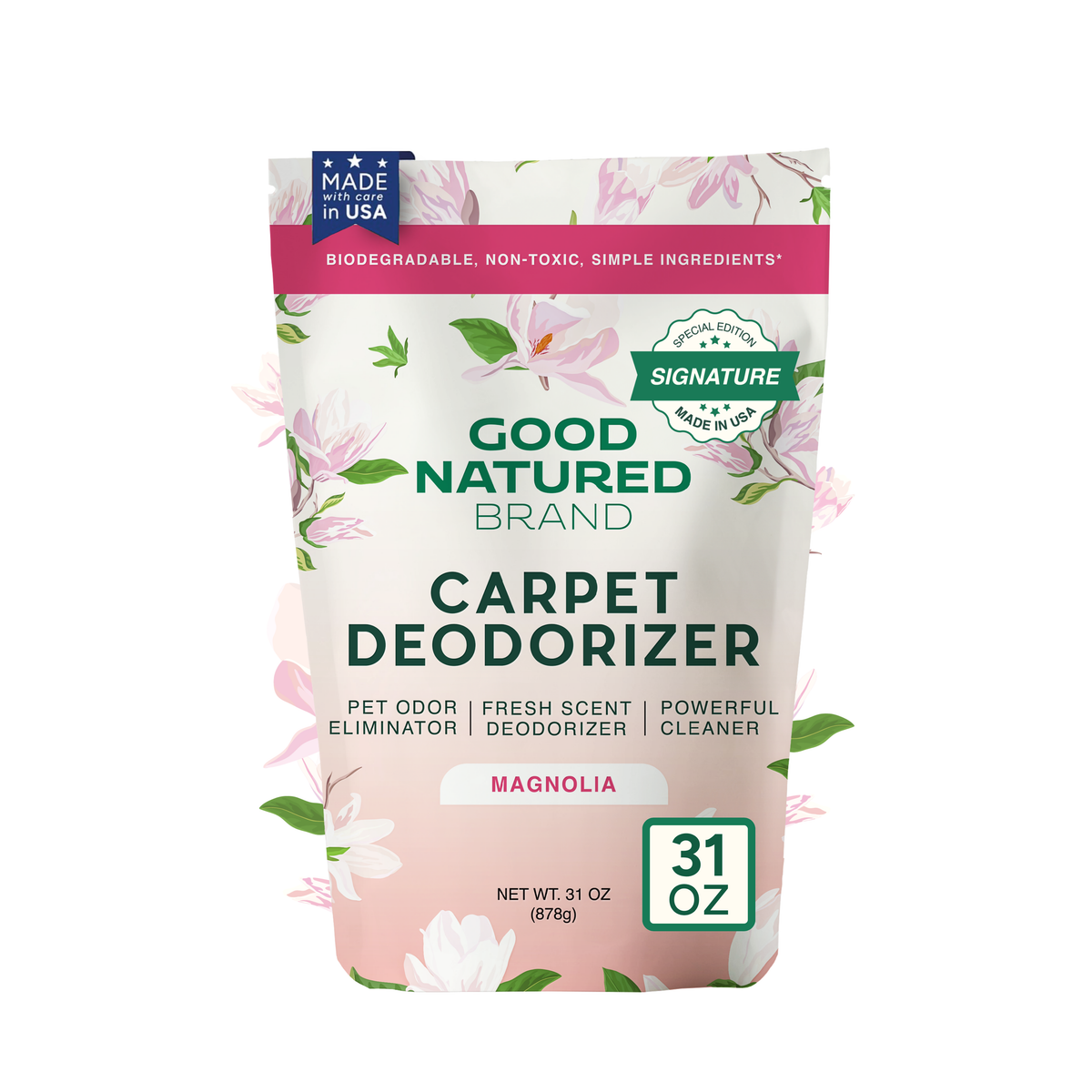
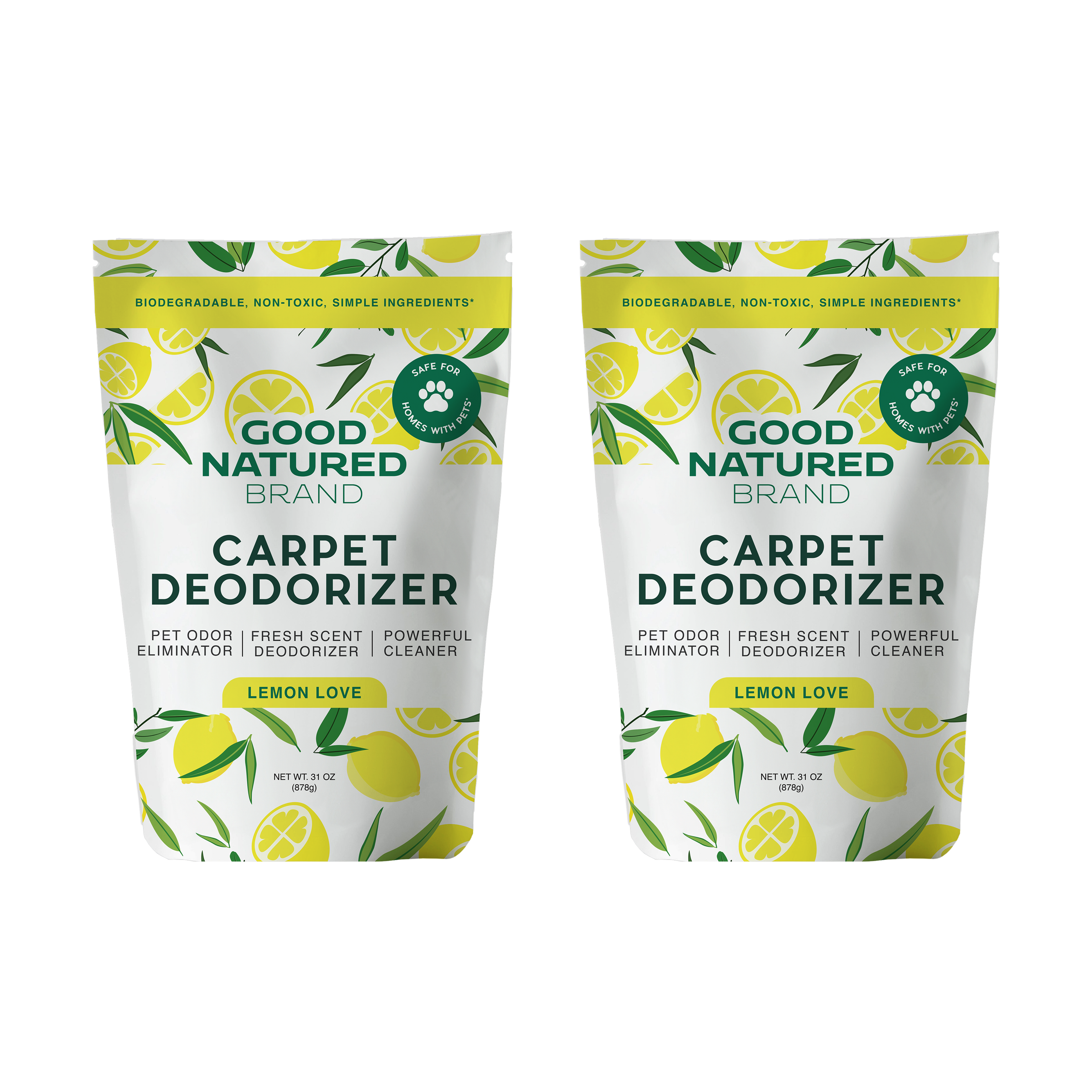
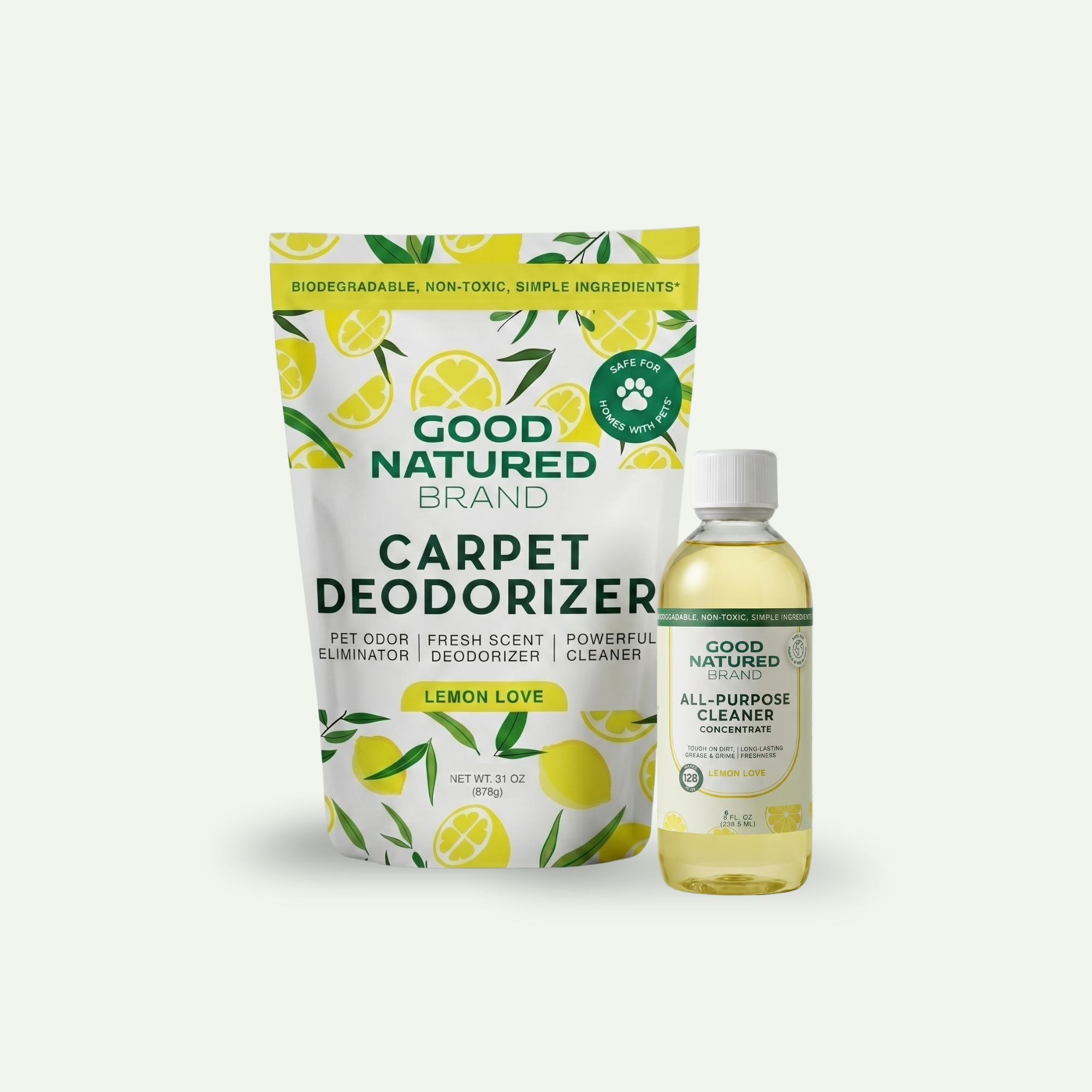
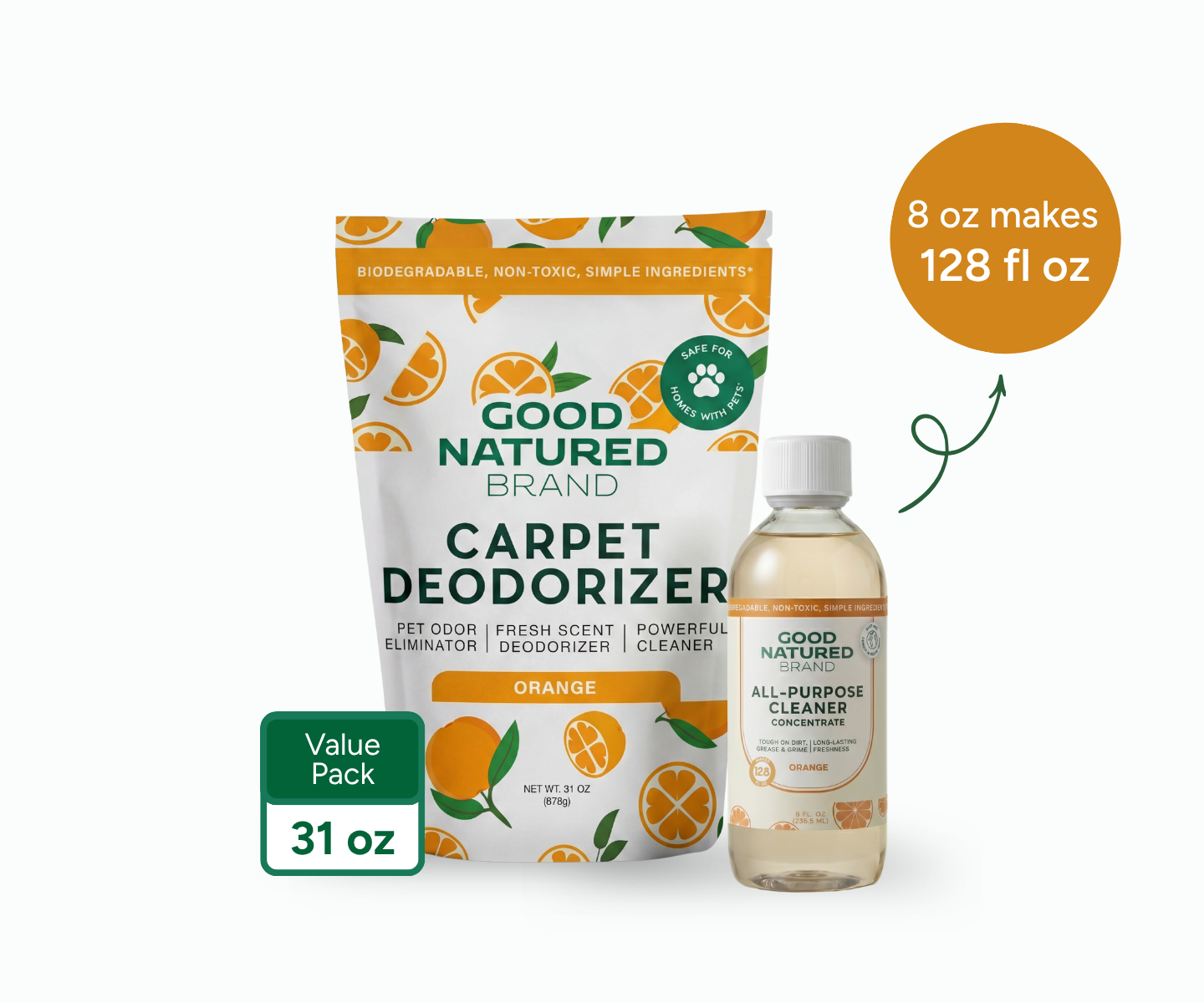
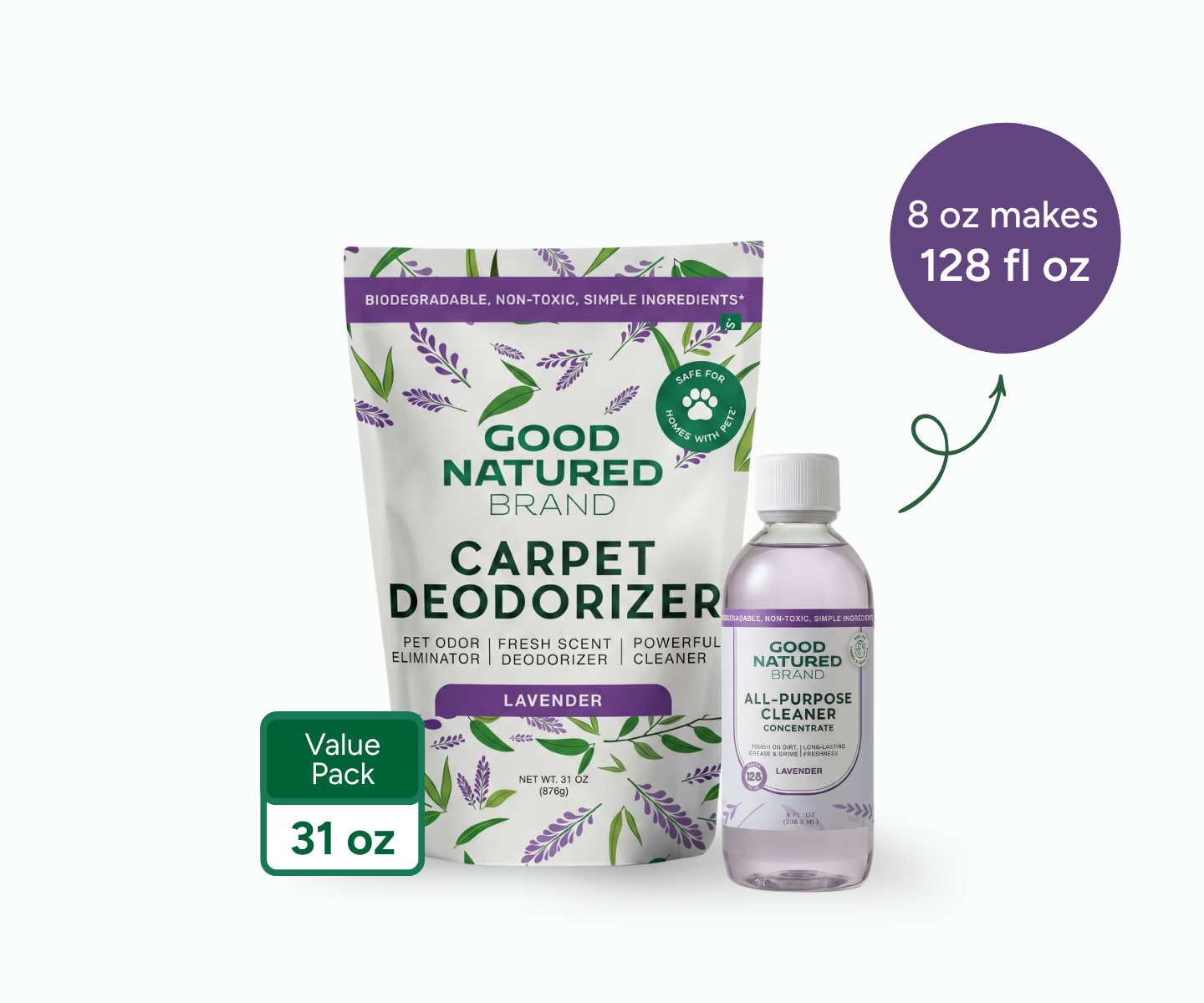
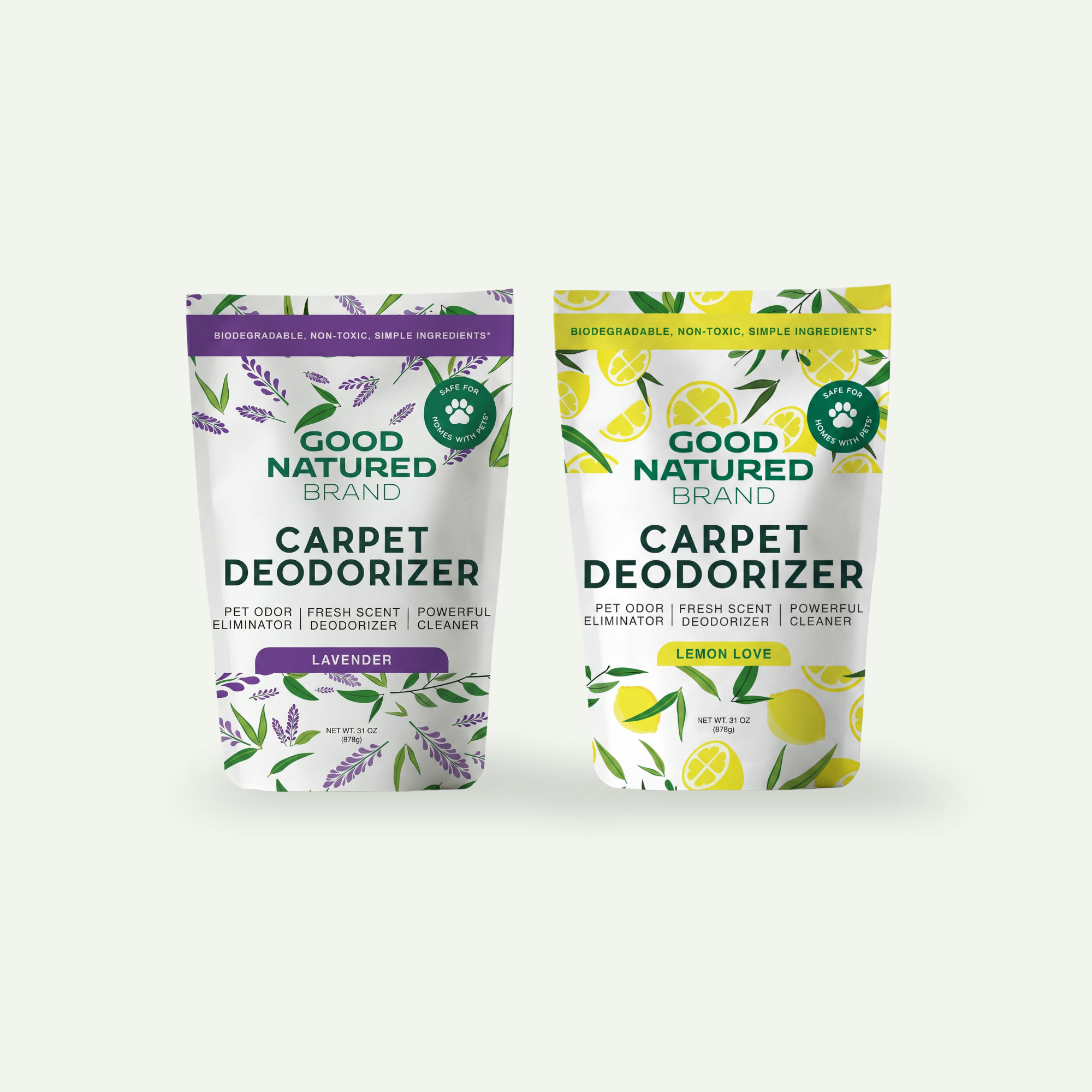
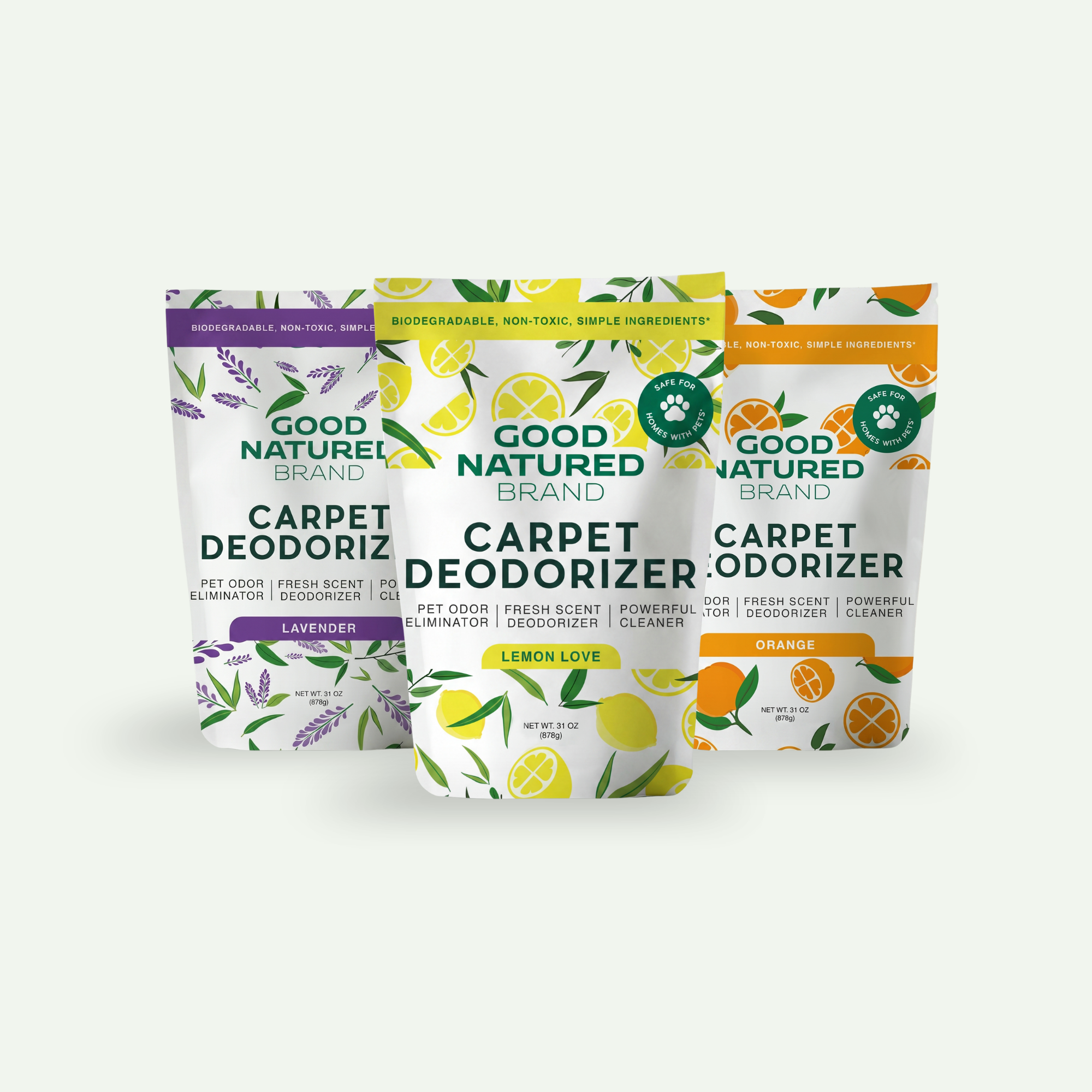
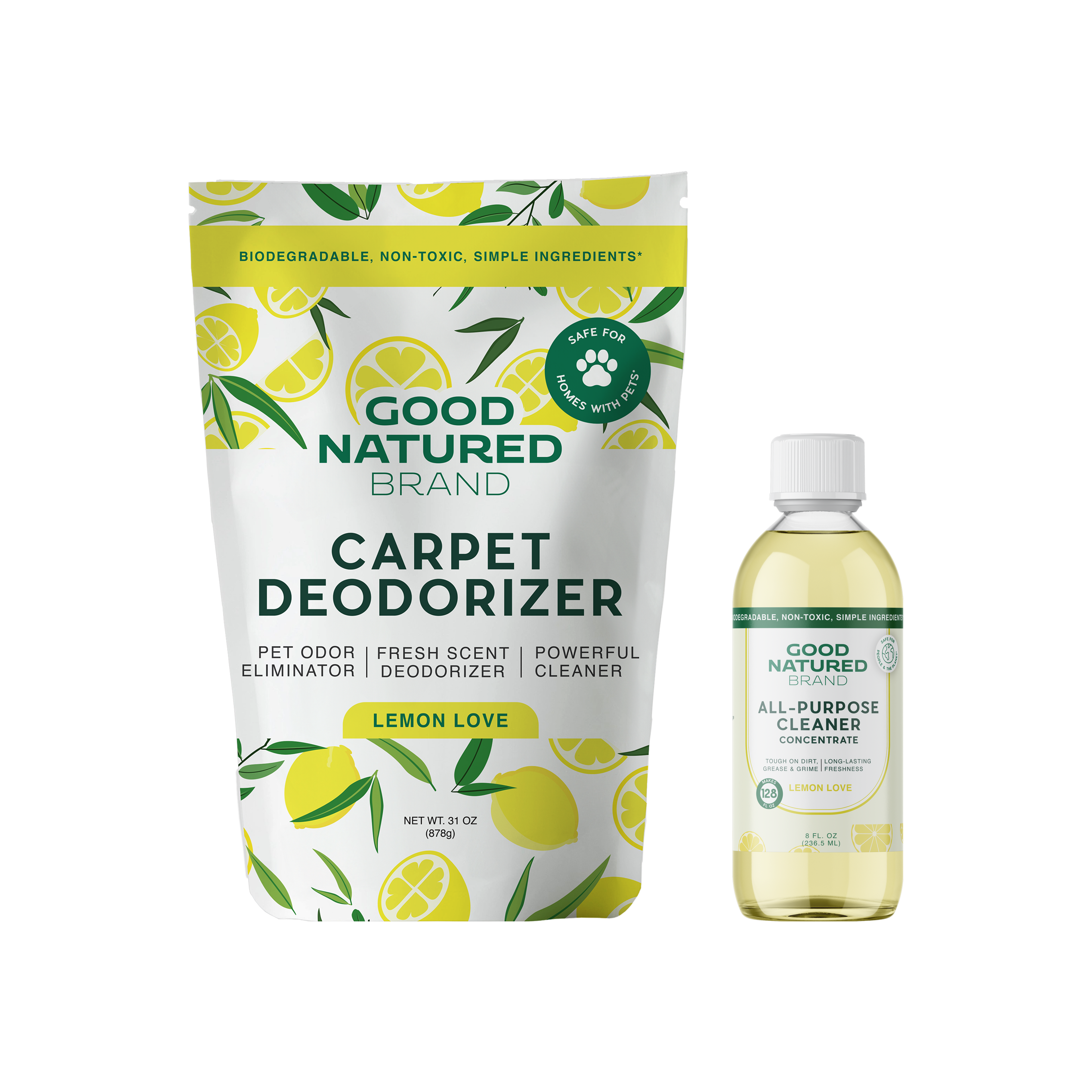
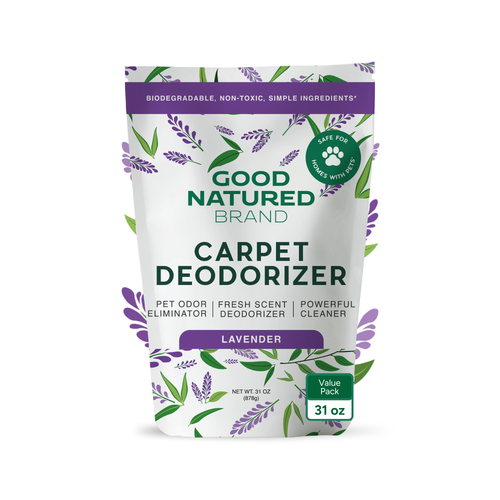
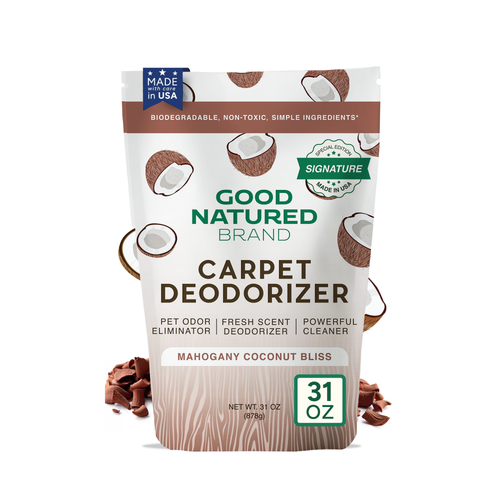
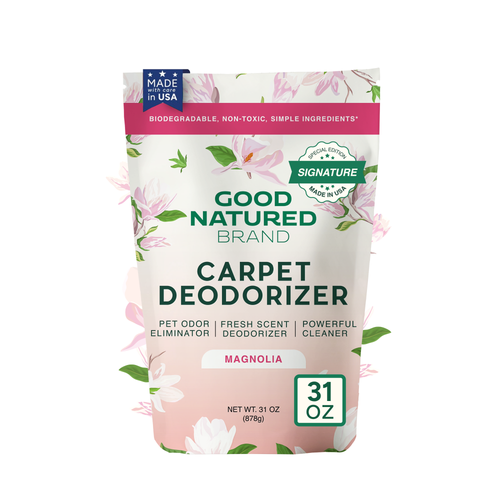
Pro Tip: If you want to keep your home fresh and clean while managing puppy-related odors, check out Good Natured Brand’s Carpet Deodorizers, Laundry Powders, and All-Purpose Cleaners to help keep your living space pristine.





Shop the Product
Lemon freshness for every home.
Lavender calm for every home.
Orange energy for every home.
Mahogany warmth for every home.
Mandarin freshness for every home.
Champagne sparkle for every home.
Zesty freshness for every carpet.
Loose Lead Walking: Essential for Good Outdoor Behavior
Another foundational training component for your puppy is loose lead walking. This simple but crucial skill helps your puppy learn to walk calmly on a lead without pulling. Loose lead walking is essential for outdoor behavior control, ensuring your puppy stays focused and well-behaved during walks.
Atherton recommends keeping your puppy on a lead both indoors and outdoors during the early stages of training. This not only helps supervise their behavior but also provides a safeguard to prevent them from accessing forbidden areas. The lead is not meant for dragging or forcing the puppy; rather, it should be used gently to guide and encourage appropriate behavior.
When your puppy is consistently responsive to the lead, they will learn boundaries and proper behavior, making walks enjoyable for both of you. As they progress, you can begin phasing out the lead indoors, but until they reliably respond to recall commands, using a lead is essential.
Hand Feeding: Transforming Everyday Meals into Training Opportunities
One often overlooked but highly effective training tool is hand feeding. Instead of placing your puppy’s food in a bowl, hand feeding allows you to use every meal as an opportunity to reinforce positive behavior. By feeding your puppy by hand, you constantly reward them for desirable behaviors throughout the day, ensuring they remain motivated and focused on learning.
The process is simple: weigh your puppy’s daily food allowance and place the entire amount in a treat pouch. Throughout the day, offer food rewards for behaviors you want to encourage. This approach helps keep your puppy food-motivated without adding extra treats, ensuring they remain eager to learn and bond with you.
Benefits of Hand Feeding:
-
Enhances the puppy’s motivation to learn.
-
Provides constant reinforcement for positive behaviors.
-
Strengthens the bond between you and your puppy as you become the source of all good things.
Building a Strong Relationship with Your Puppy: You as the Provider of Good Things
Establishing yourself as the source of all positive experiences—food, toys, play, and attention—is vital for building a strong relationship with your puppy. When your puppy looks to you for engagement and resources, training becomes much easier and more effective. This strategy sets the foundation for a well-behaved and motivated companion.
Incorporating Play into Training:
Playtime should be structured to encourage obedience. Rather than allowing your puppy to play with toys on their own, use play as a reward for good behavior. For example, you can use a ball to get your puppy’s attention, then teach them commands like “sit,” “come,” and “drop.” This integrated approach to play and training fosters a puppy that is attentive, eager to please, and motivated by the desire for positive reinforcement.
The Perfect Puppy Course: A Structured Approach to Training
For those who want a more structured training plan, Atherton introduces the Perfect Puppy Course. This step-by-step guide is designed to walk new puppy owners through the training process, covering everything from the basics to advanced training techniques. The course addresses common questions about timing, progression, and how to manage your puppy’s development in a manageable way.
The Perfect Puppy Course has helped thousands of owners worldwide, offering clear guidance to ensure a well-behaved puppy grows into a well-adjusted adult dog. If you're looking for more in-depth training strategies, this course is an excellent resource.
Conclusion: Raising a Happy and Well-Behaved Puppy
Raising a puppy is an exciting and rewarding journey, but it requires consistency, patience, and proper guidance. The key to a successful puppy upbringing lies in establishing good habits early on, such as crate training, loose lead walking, and using hand feeding to reinforce positive behaviors. By becoming the source of all good things—food, toys, play—you’ll build a strong bond with your puppy, ensuring they grow up to be a well-behaved and happy dog.
If you're looking for tips on keeping your home clean and fresh while training your new puppy, don’t forget to explore Good Natured Brand’s Carpet Deodorizers, Laundry Powders, and All-Purpose Cleaners. These products are ideal for maintaining a pet-friendly and odor-free home as you work with your new companion.
For more training tips and puppy care advice, visit our blog!