Cooking fish is one of those meals where the smell outlasts the dinner by a day or two. The same goes for anything strong and greasy, fried food, garlic, curry, but fish is the one that really settles in and refuses to leave. The reason is that cooking smells travel two ways at once: they hang in the air as greasy, scented particles, and they soak into every soft surface in reach, your curtains, your sofa, the kitchen rug. Clear only the air and the smell drifts back from the fabrics. Here is how to get fish and cooking smells out of your house properly, so the room smells like your home again and not like last night's dinner.
Why Fish and Cooking Smells Linger
Knowing how the smell spreads tells you where to actually aim.
It is greasy, so it clings
Cooking releases tiny droplets of oil carrying the smell, and those droplets settle and stick to surfaces rather than just floating off. That sticky quality is why a quick window-open does not finish the job, and why fish in particular hangs around, it leaves an oily film that holds the odor in place.
Soft surfaces soak it up
Curtains, upholstery, cushions, and any rug near the kitchen absorb those scented droplets and release the smell slowly afterward. So even once the air clears, the fabrics keep re-scenting the room. That is the part most people miss when the smell "comes back."
Clear the Air First
Start by getting the airborne smell out while it is fresh, because it is far easier to catch now than after it has settled.
Ventilate while and after you cook
Run the range hood the entire time you cook and for a while after, and open windows to pull a cross-breeze through. The sooner air is moving, the less smell has a chance to settle into fabric in the first place.
Use a simmer to neutralize what is in the air
A classic kitchen trick that genuinely works: simmer a small pot of water with a splash of white vinegar, or a few lemon slices, on the stove for 15 to 20 minutes. The vinegar neutralizes odor in the air rather than masking it, and lemon leaves a clean note behind. This handles the airborne half of the problem.


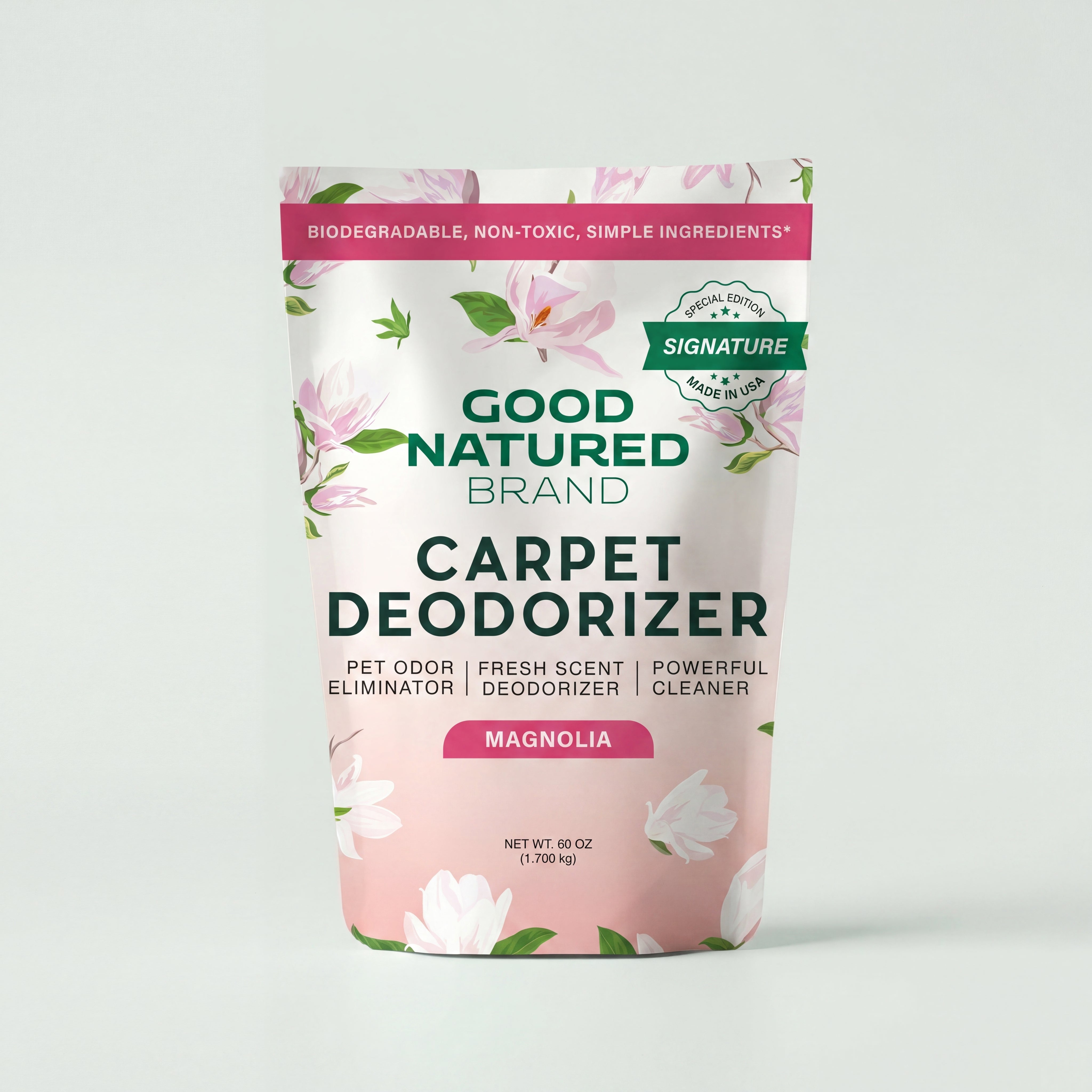
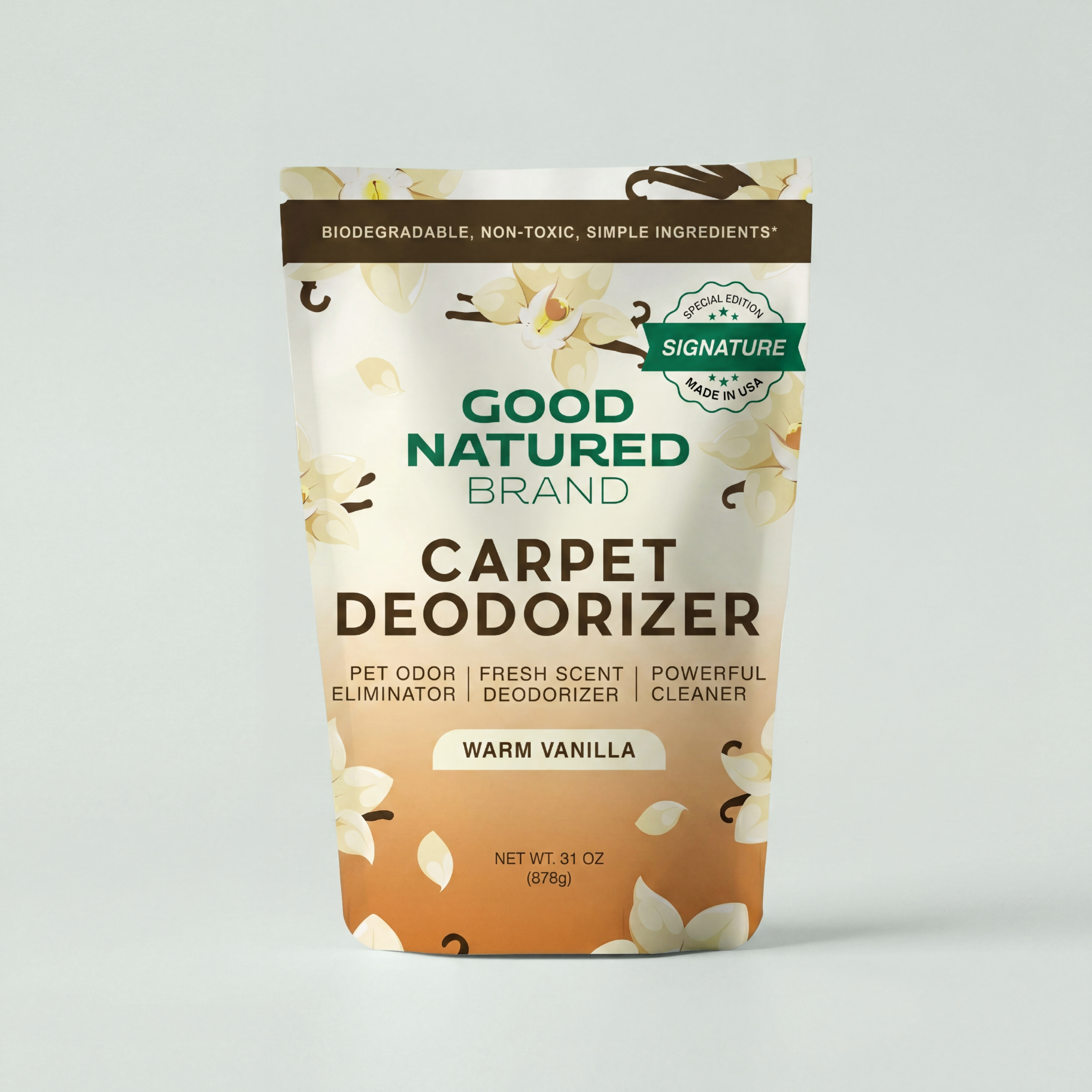
Shop the Product
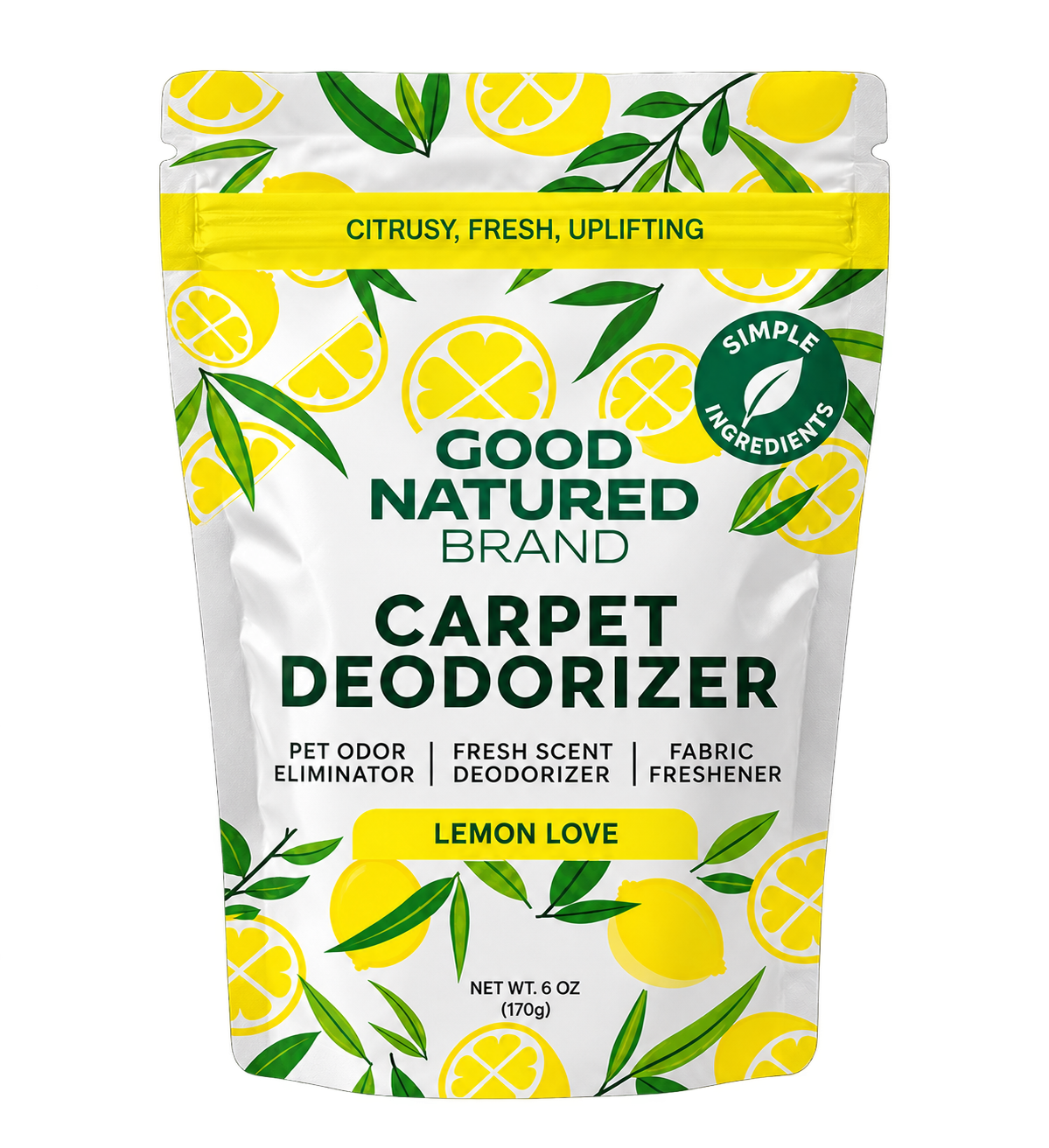
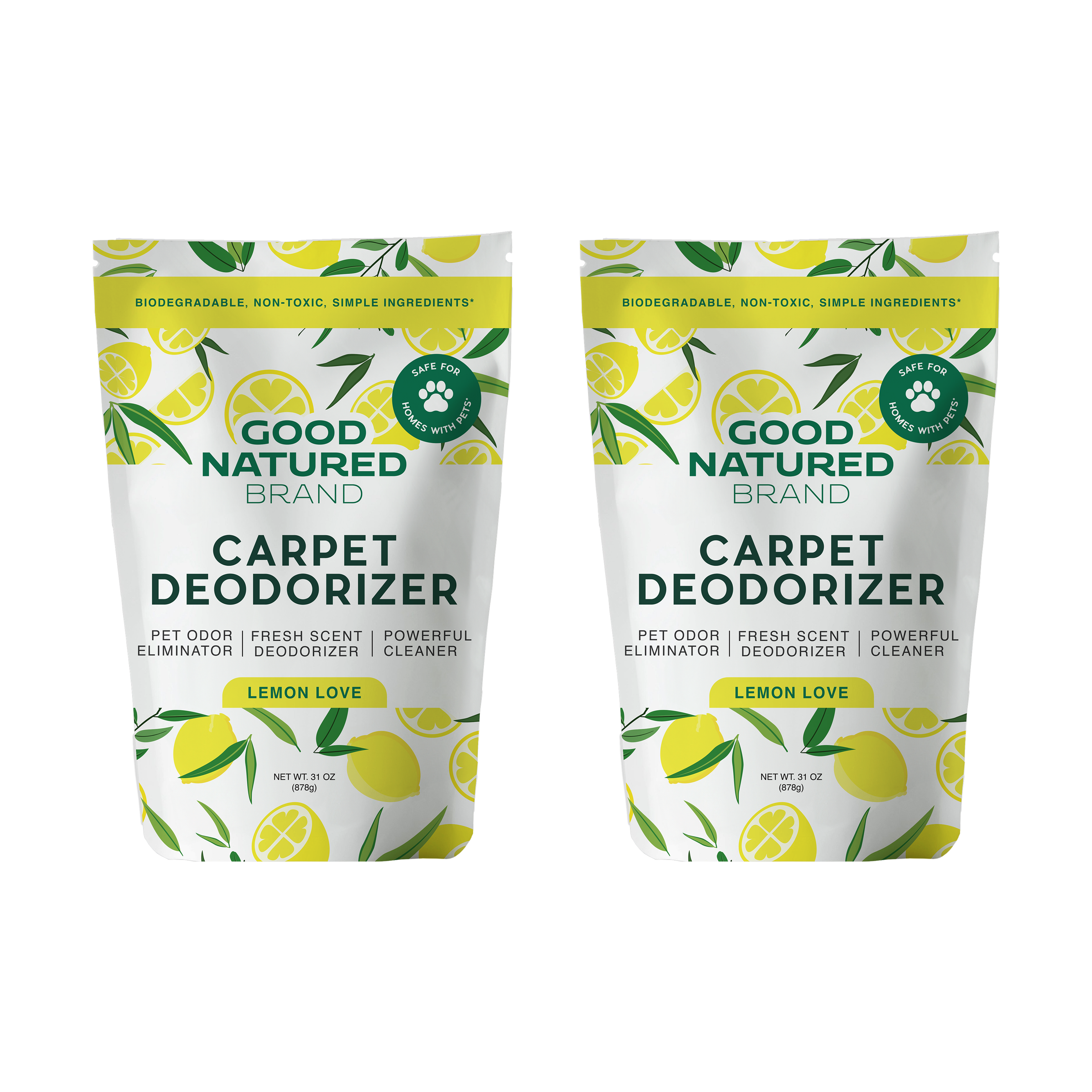
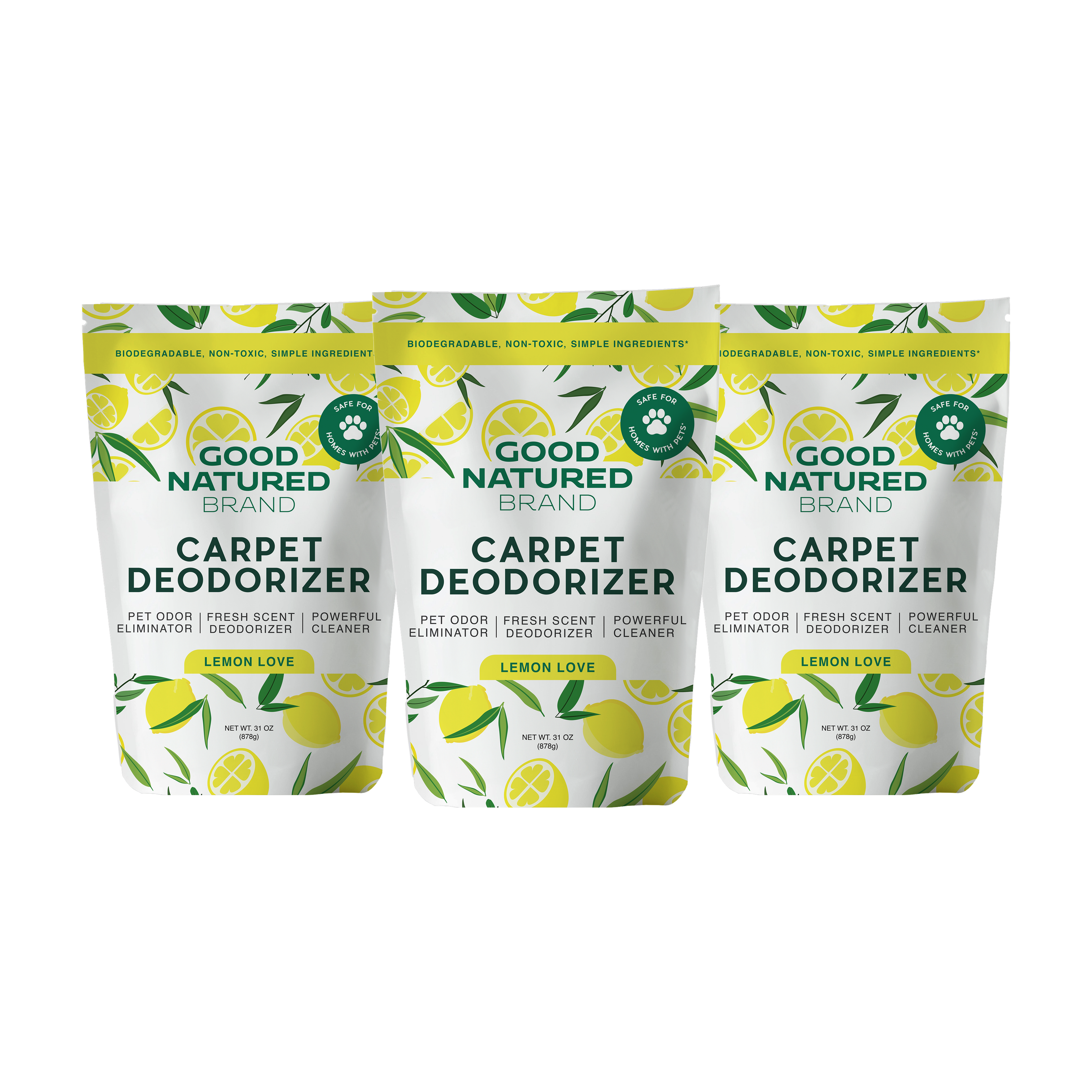
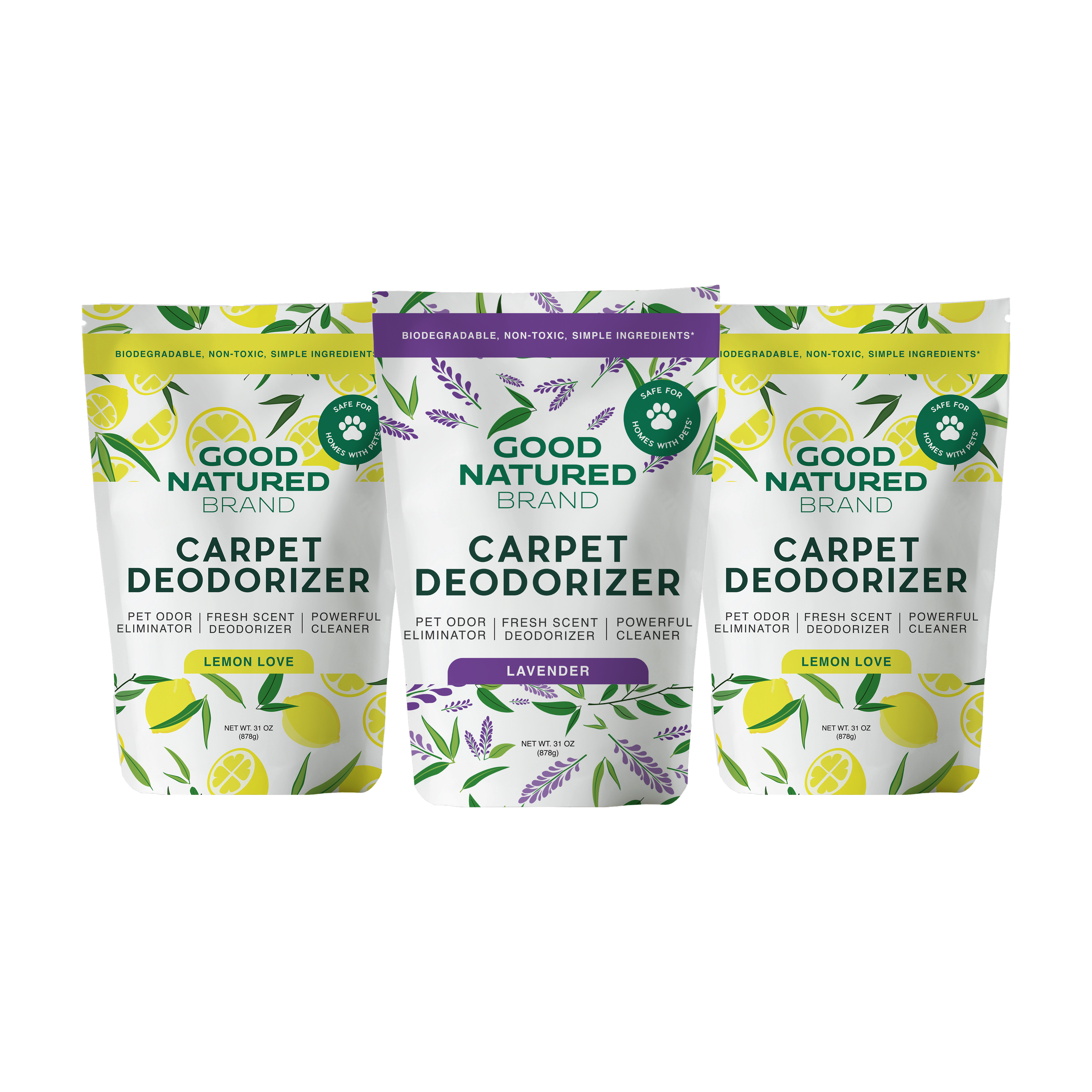
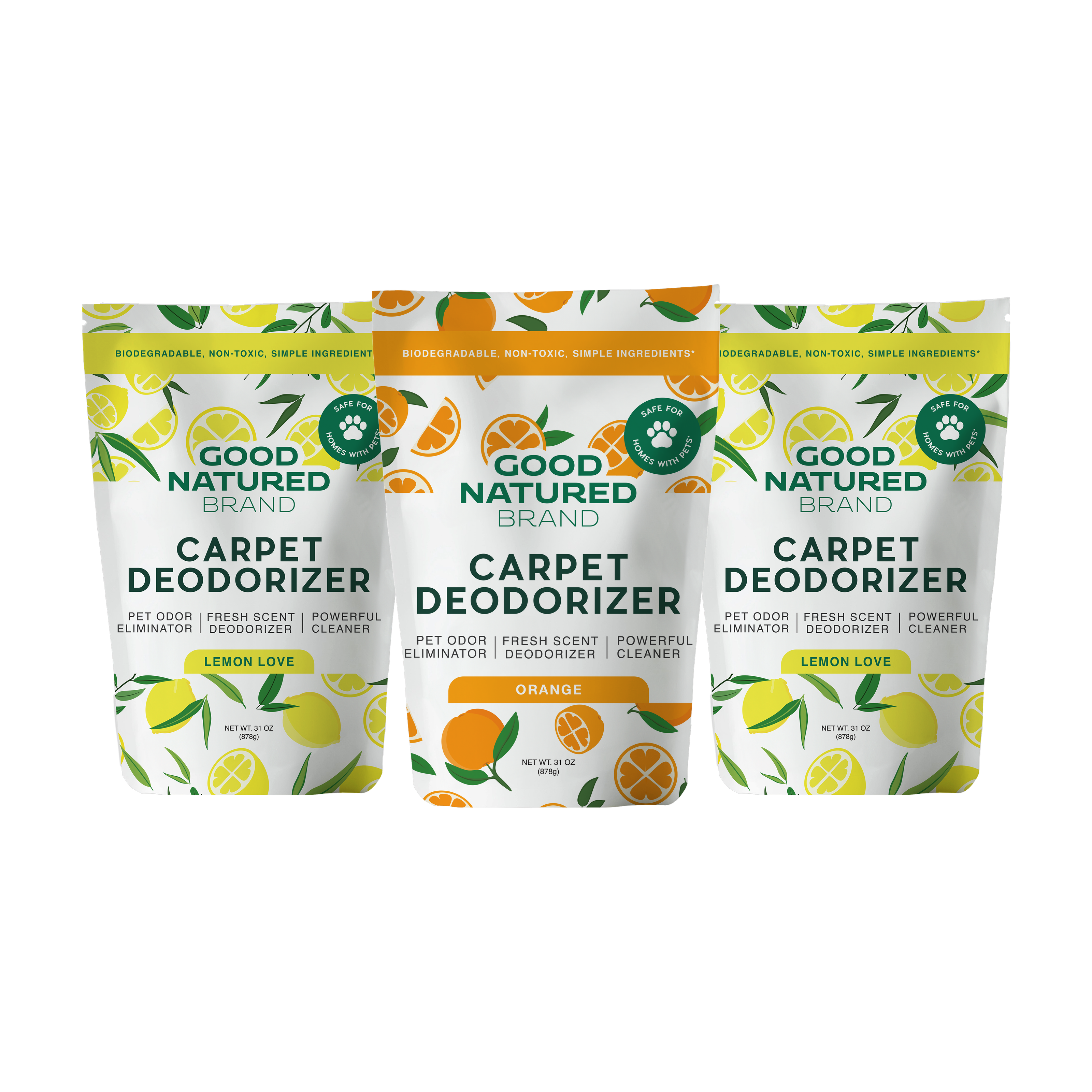
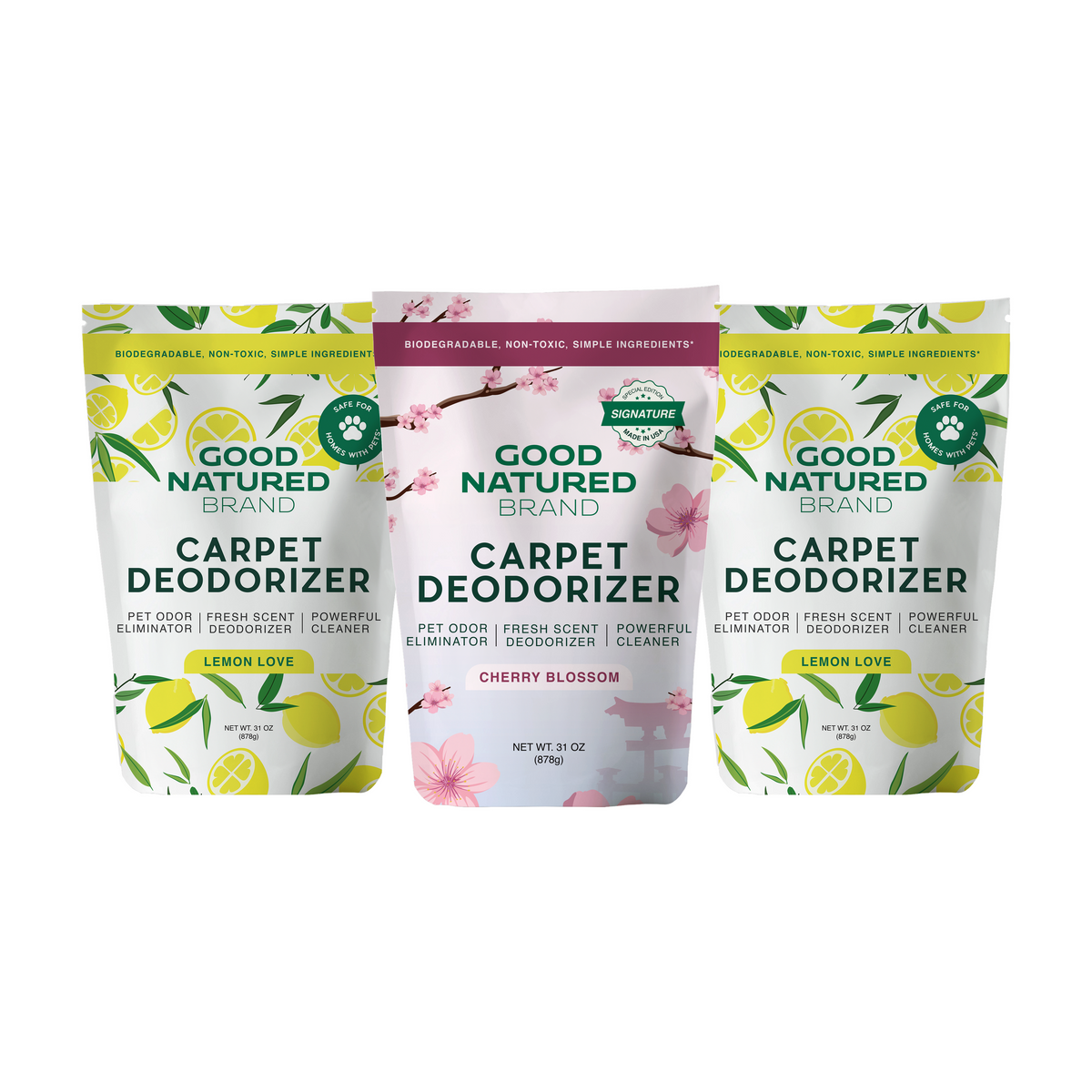
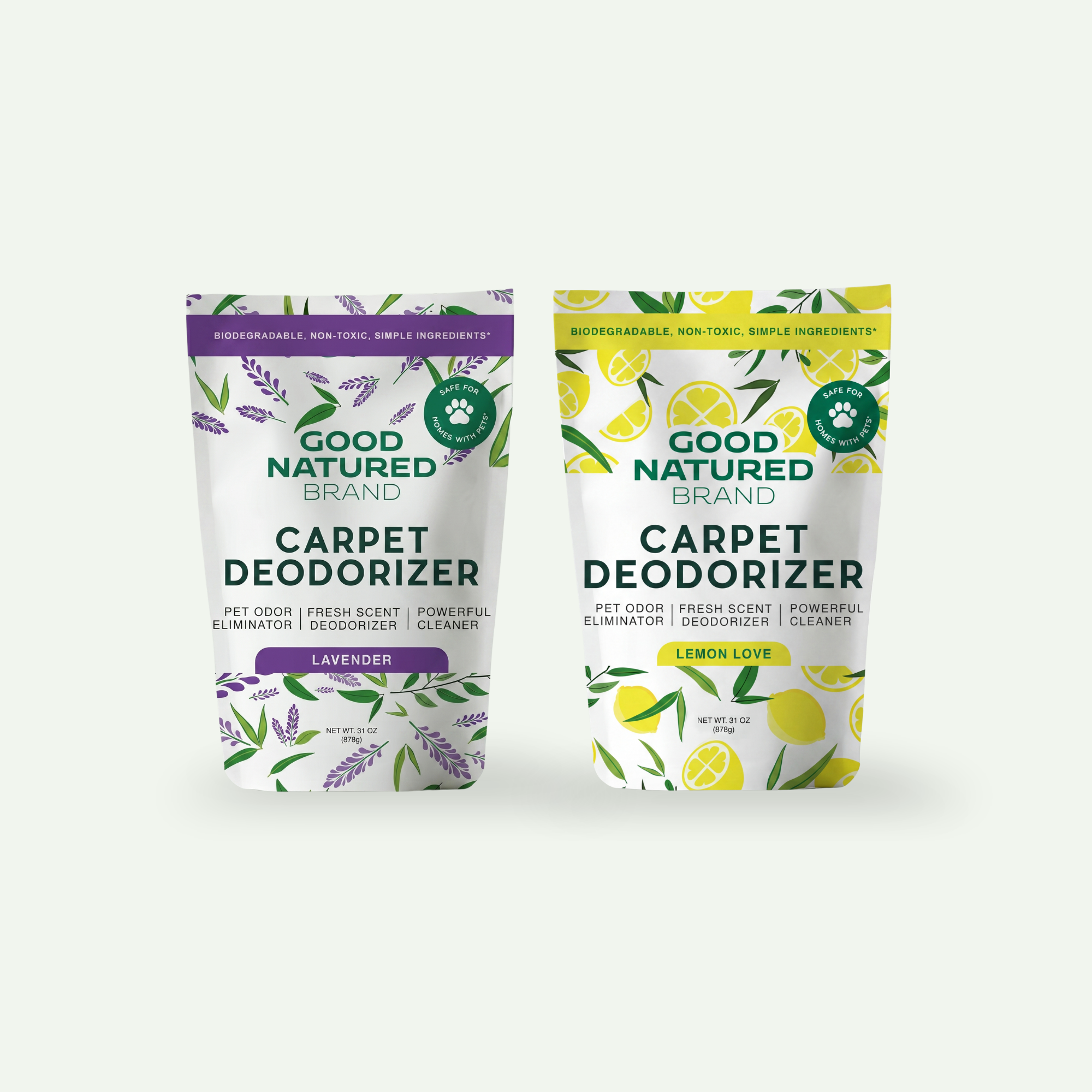
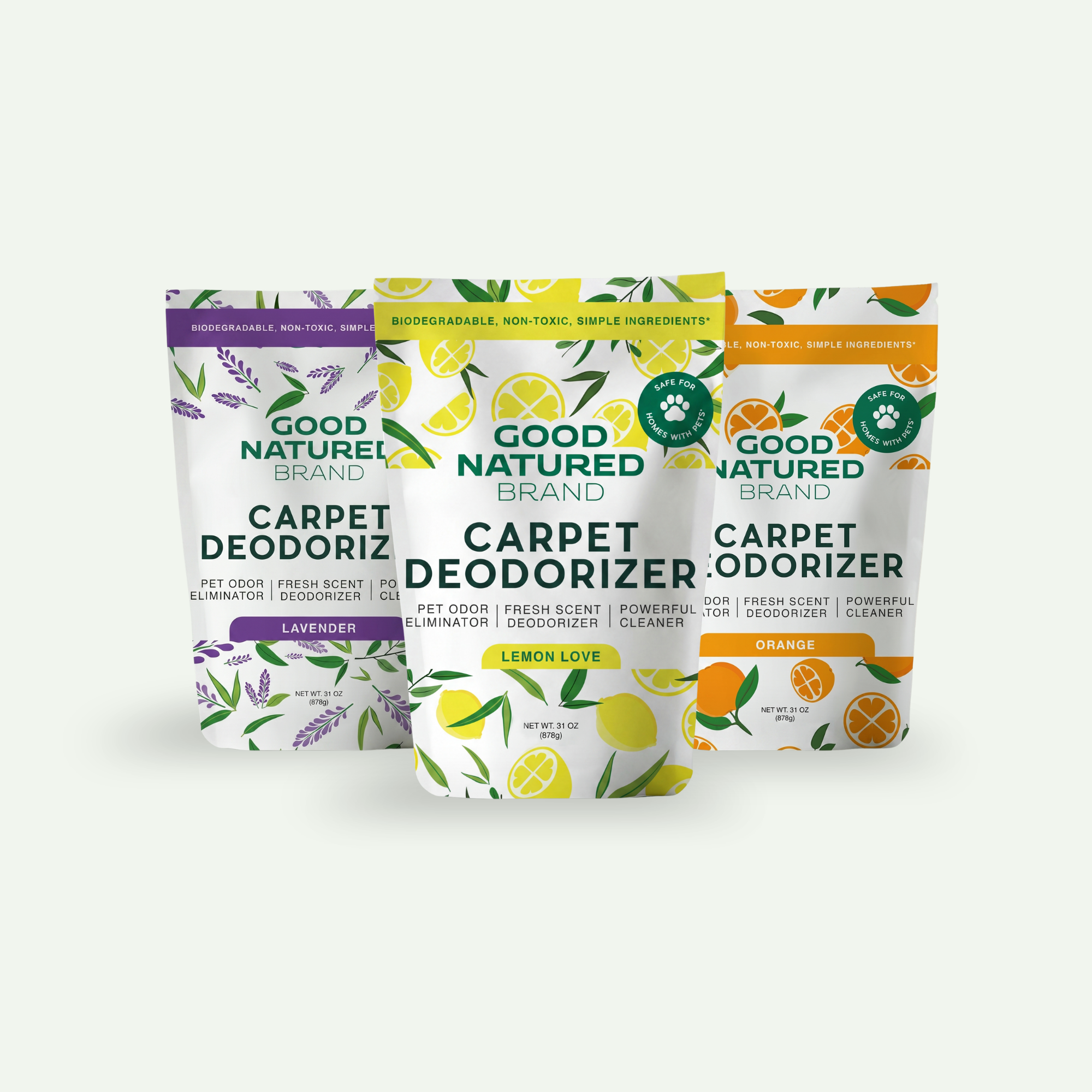
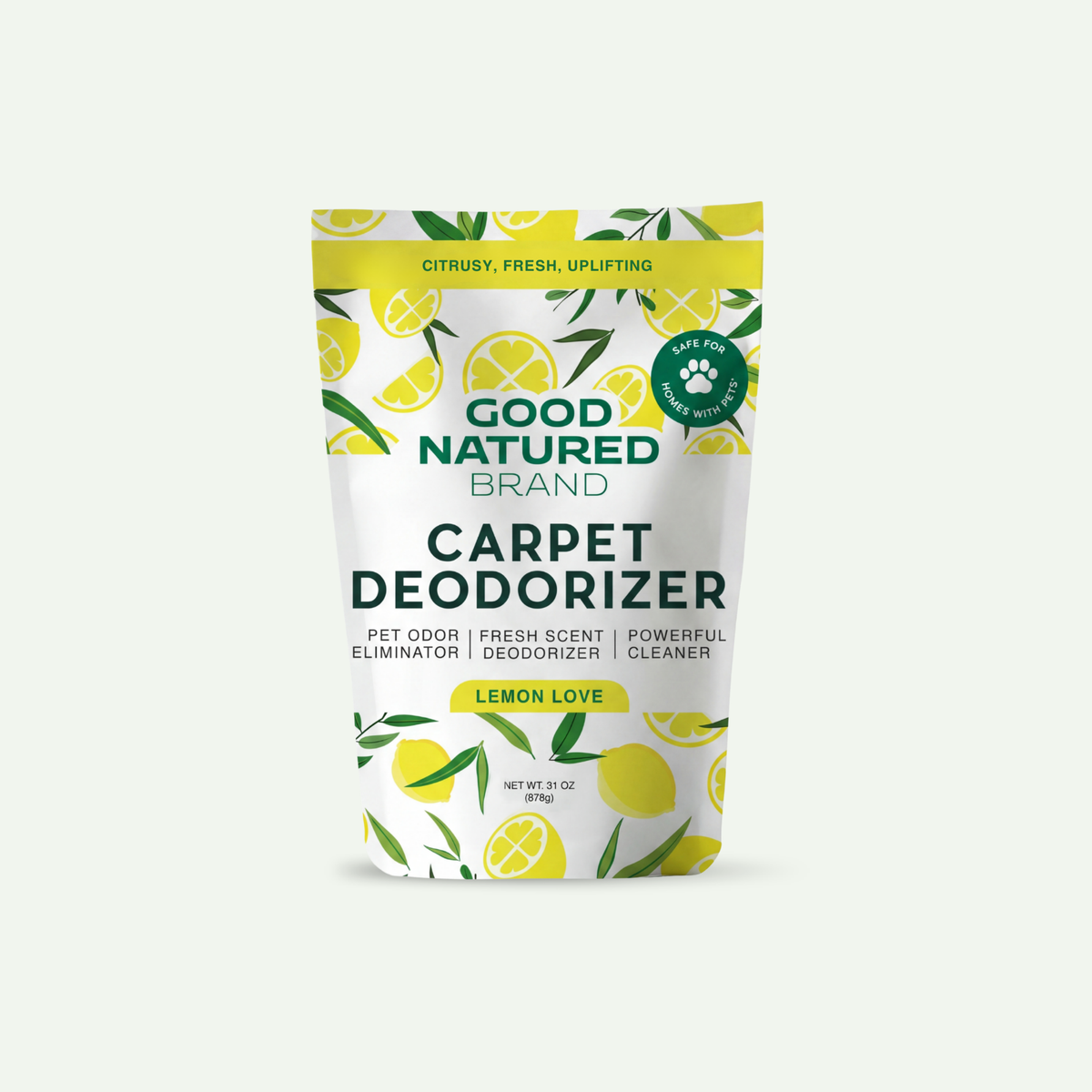
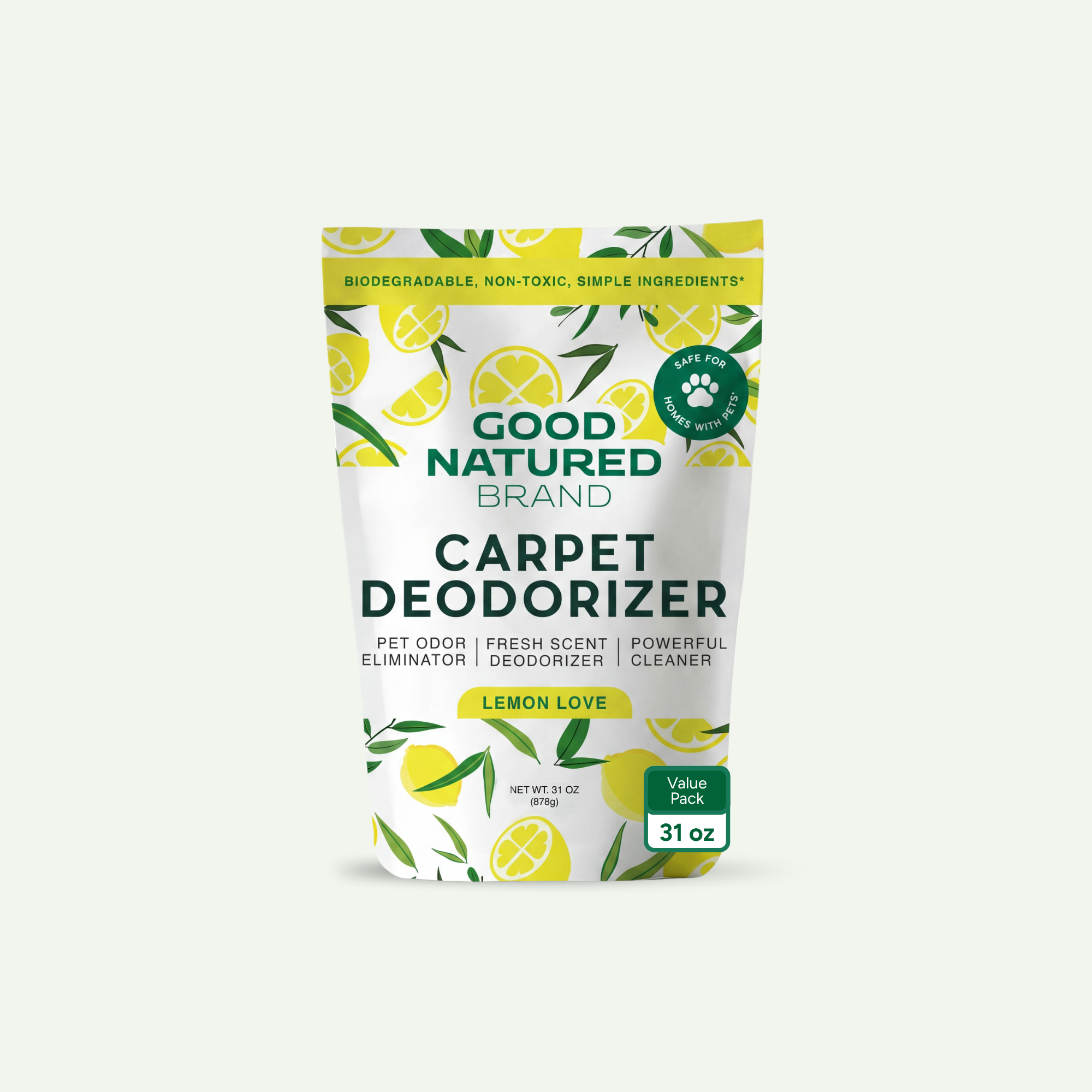
Lemon freshness for every home.
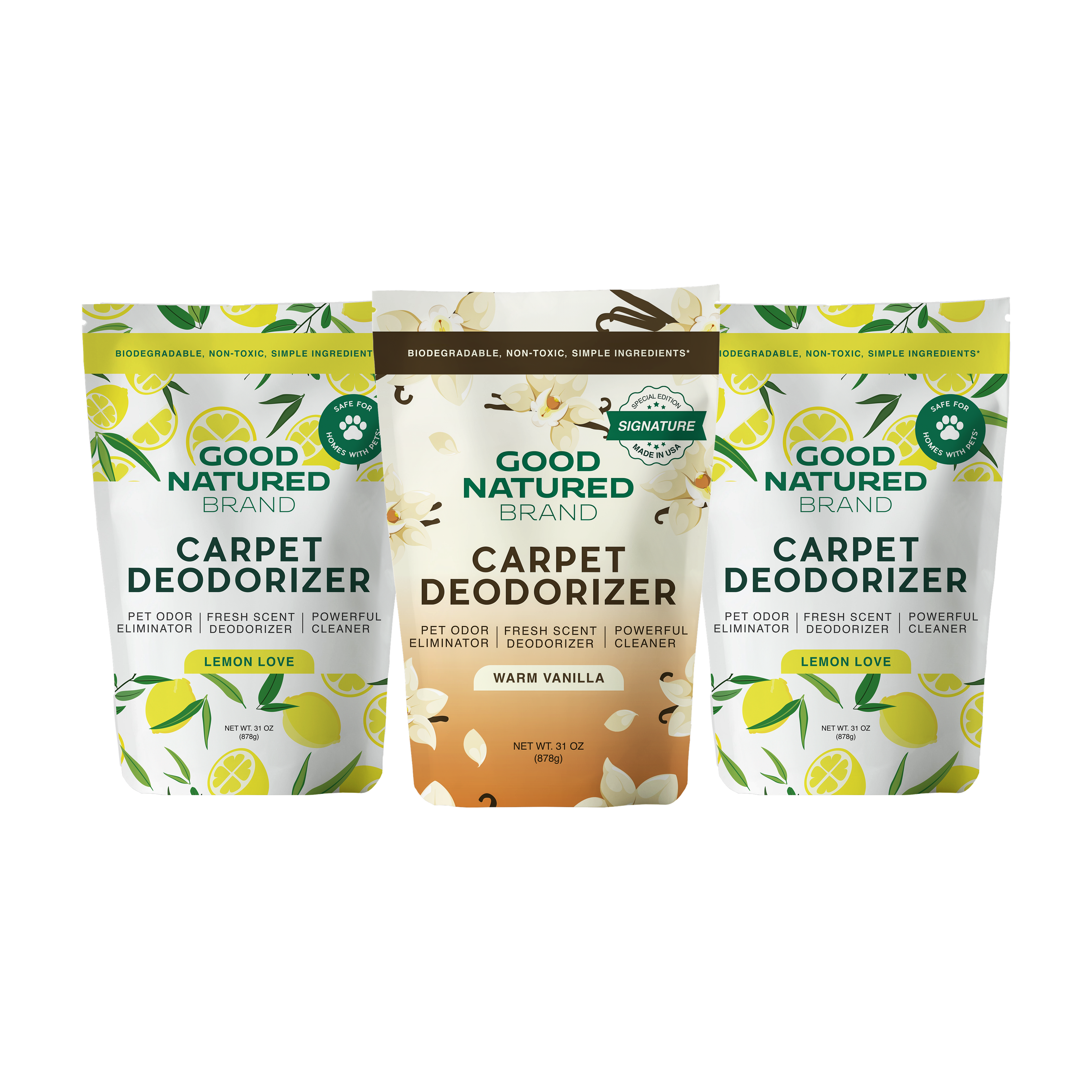
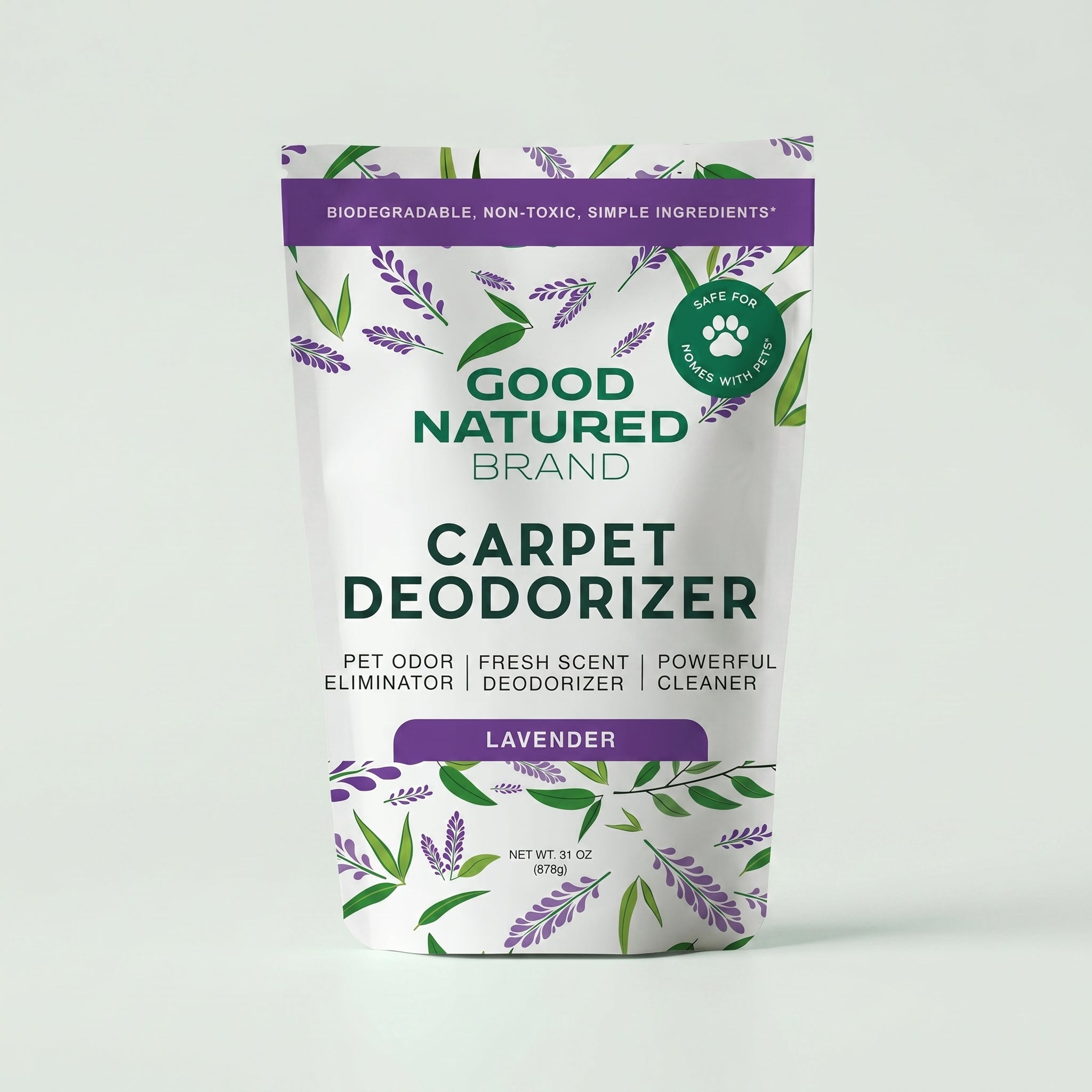
Lavender calm for every home.
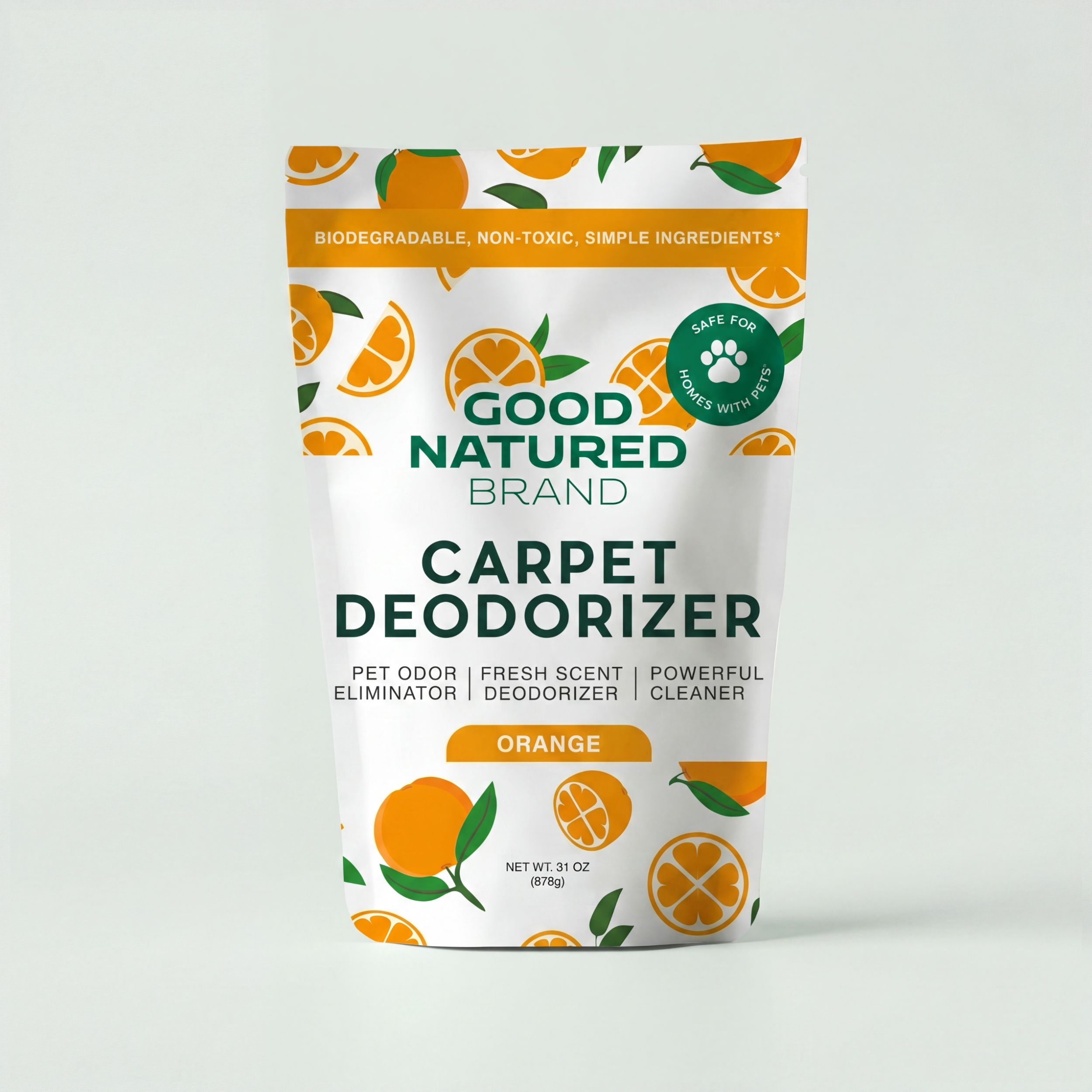
Orange energy for every home.
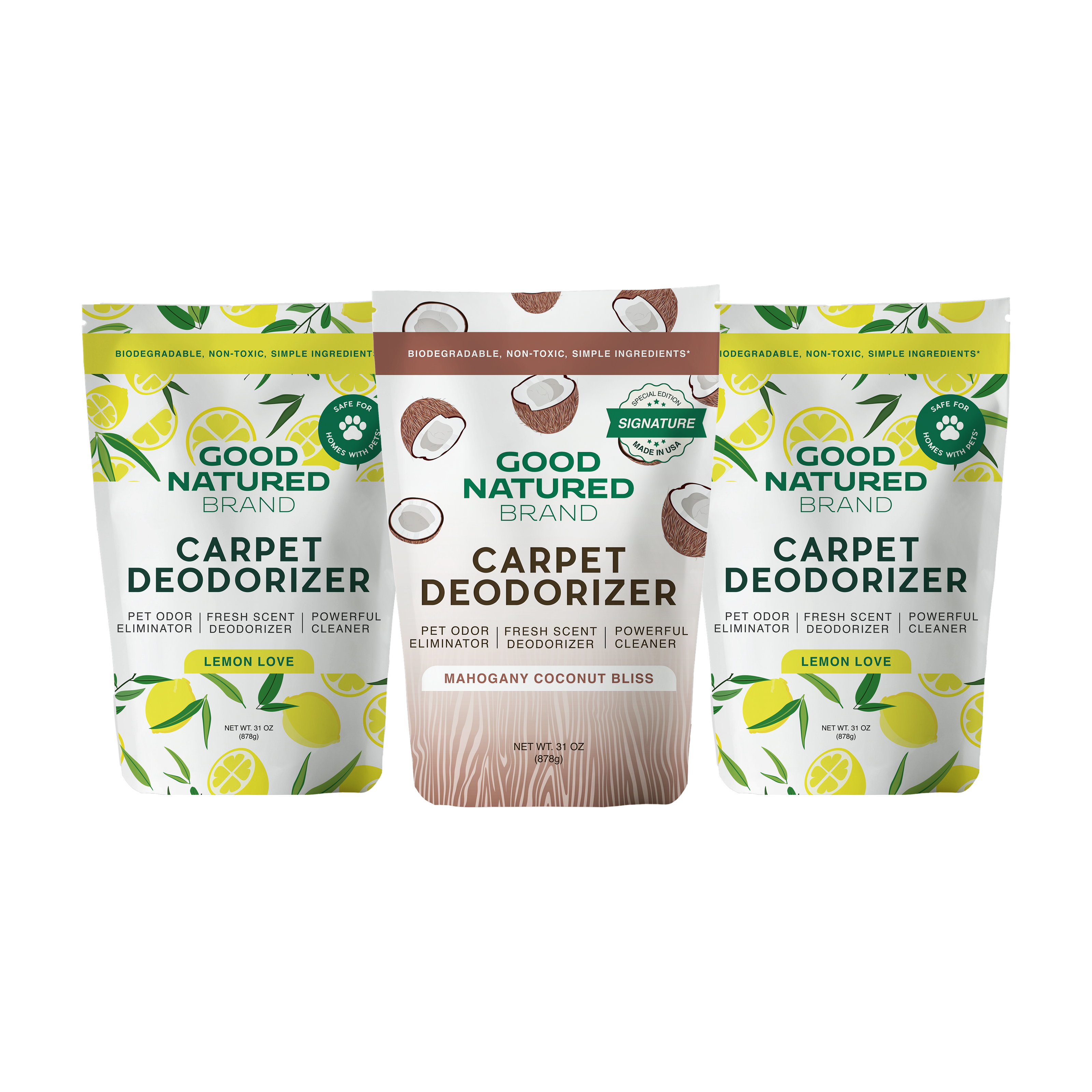
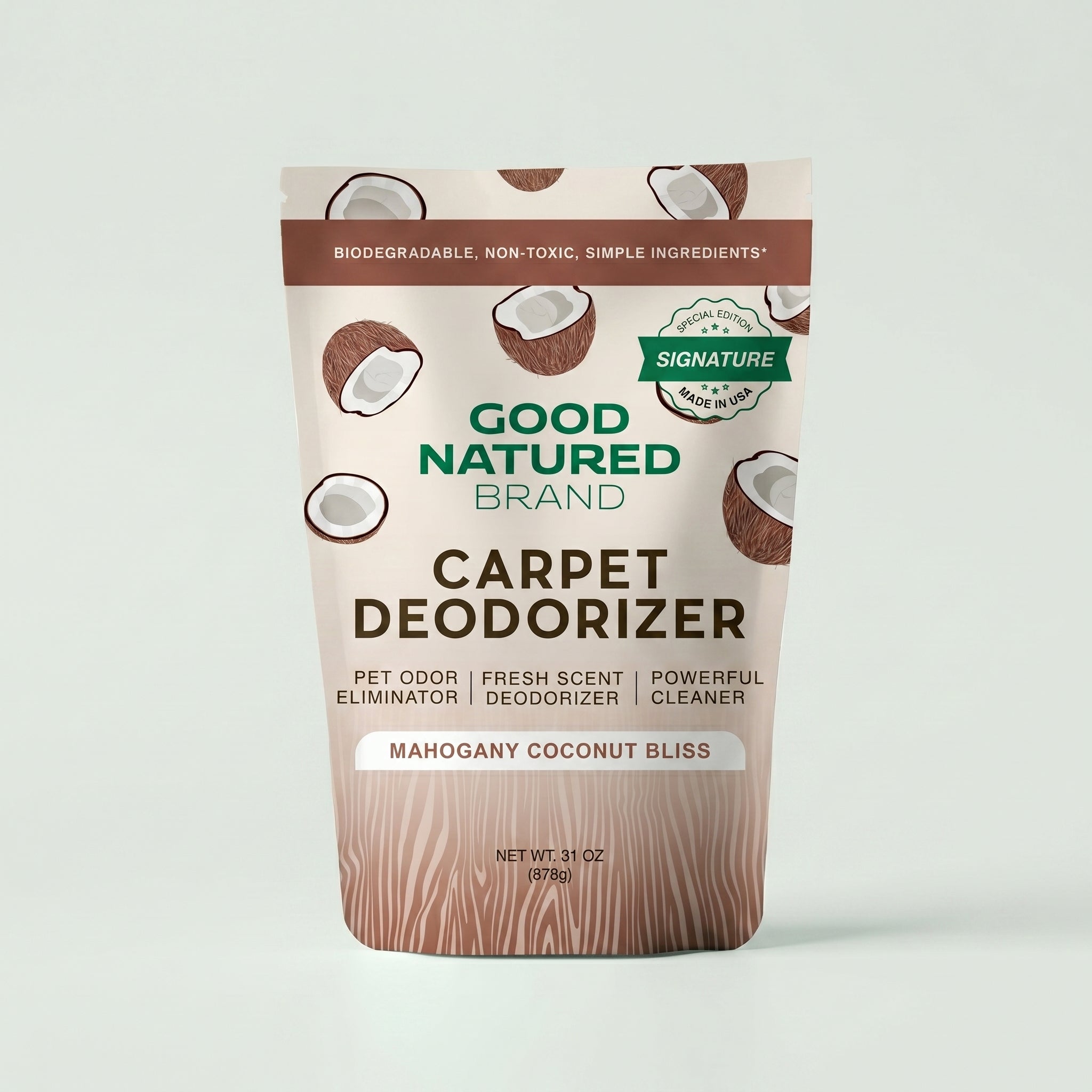
Mahogany warmth for every home.
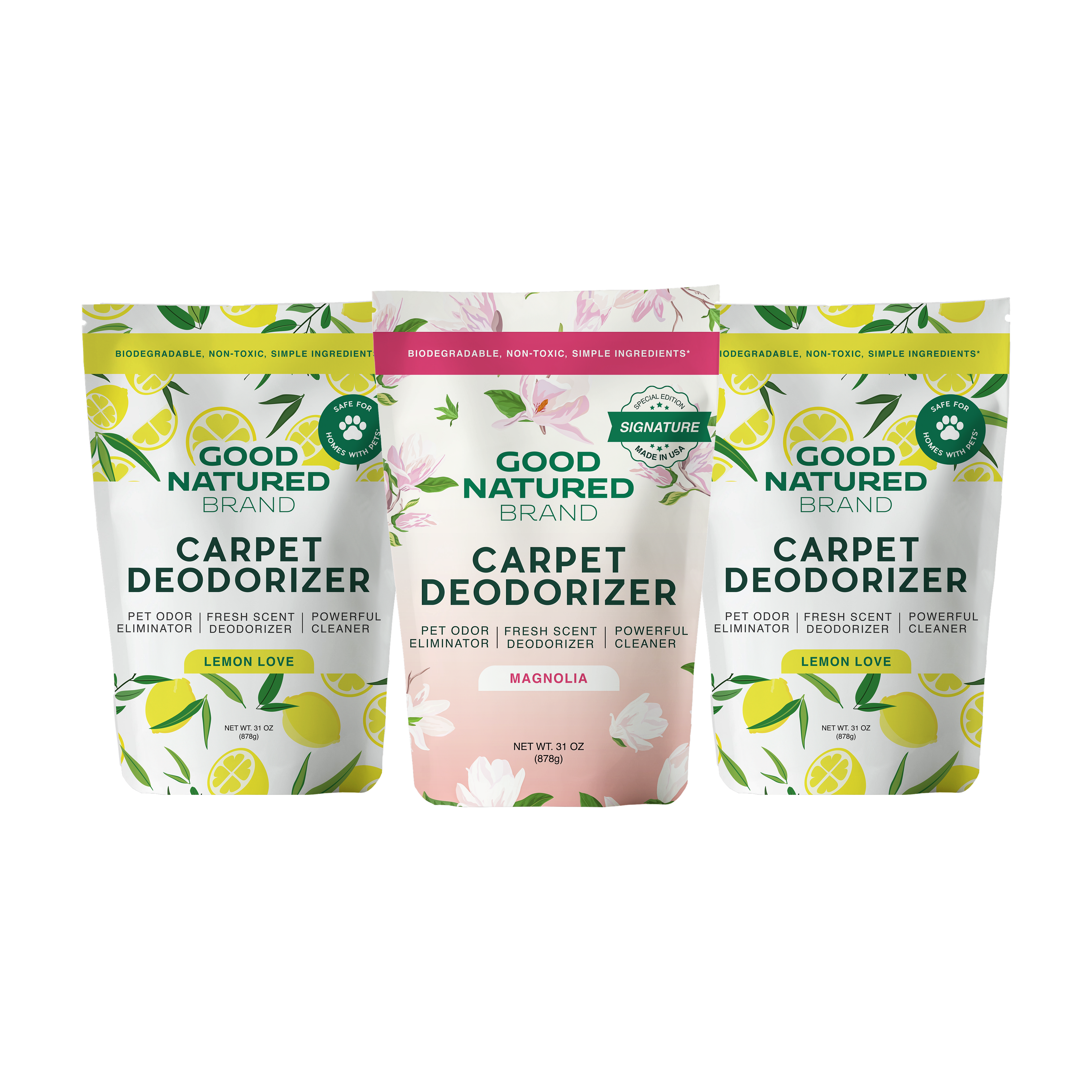
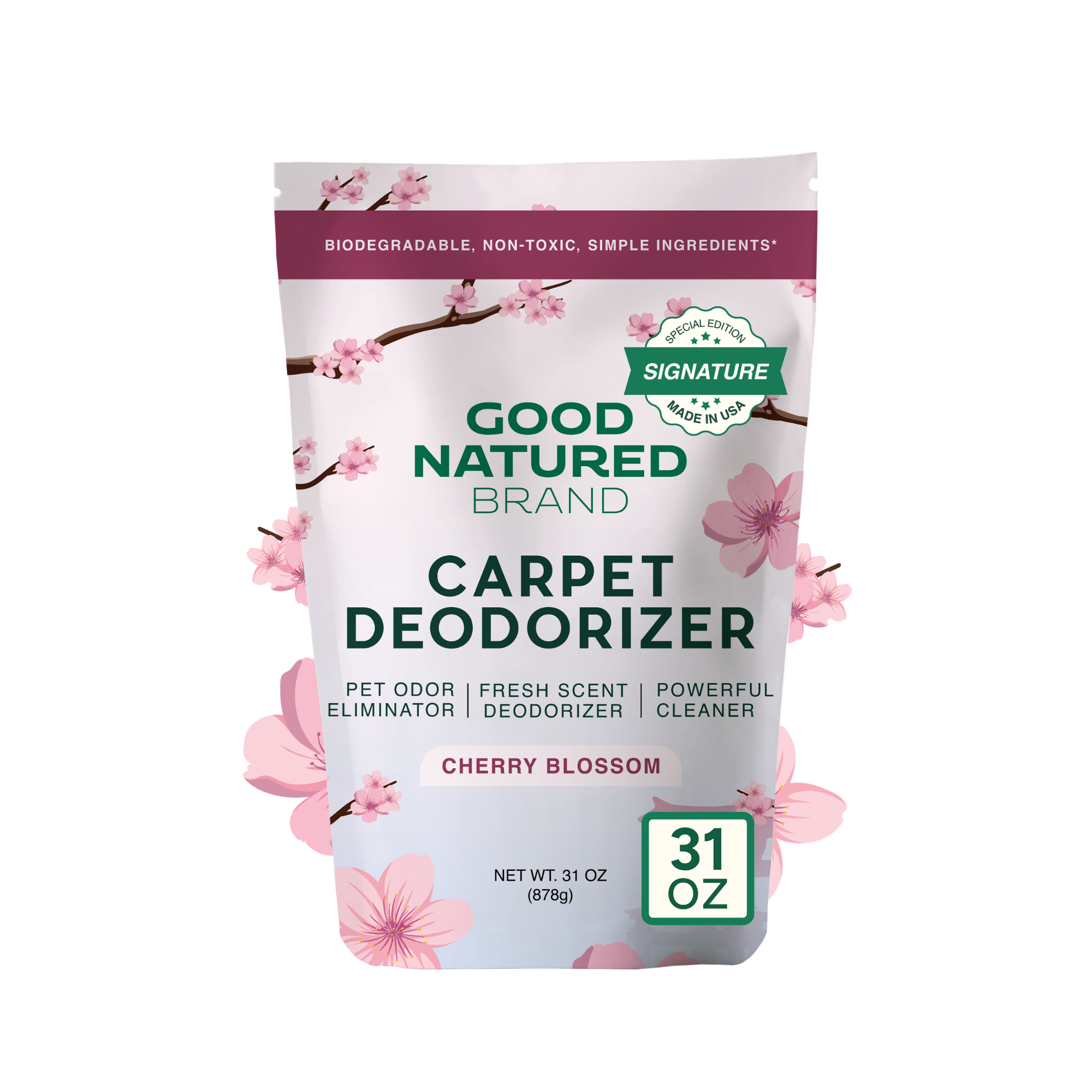
Cherry blossom serenity for every home.
Mandarin freshness for every home.
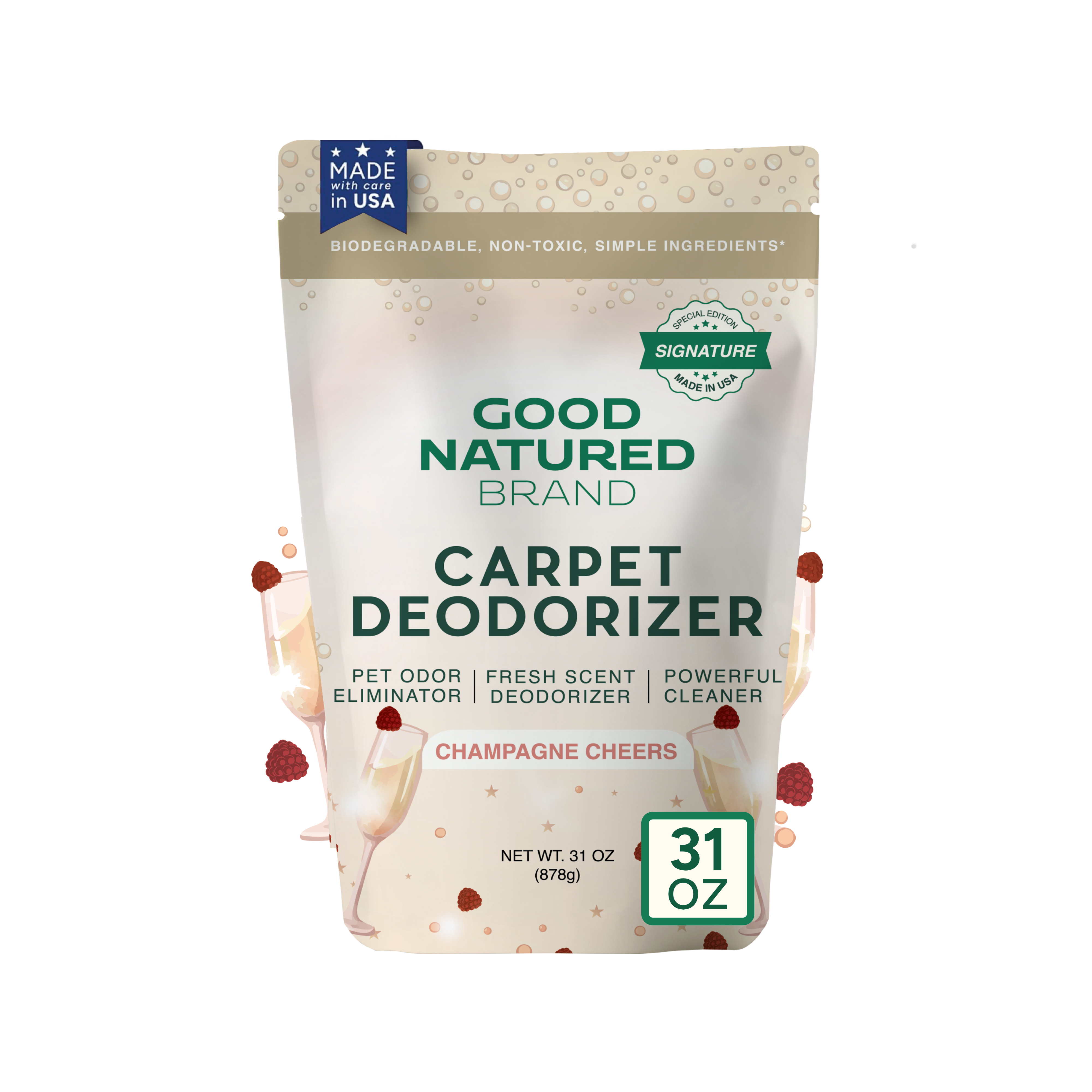
Champagne sparkle for every home.
Zesty freshness for every carpet.
Clean the Surfaces That Hold the Grease
Because the smell rides on grease, wiping down the kitchen matters more here than with a dry odor like must.
Wipe hard surfaces near the stove
Counters, the stovetop, the backsplash, and cabinet fronts around the cooking area pick up a greasy, scented film. Wiping them removes a source that would otherwise keep the smell alive for days.
Deal with the bin and the drain
Fish packaging and scraps in the trash will re-scent the whole kitchen on their own, so take that bag out rather than letting it sit. A quick rinse of the sink and disposal helps too, since trapped food is its own smell source.
Deodorize the Soft Surfaces
This is the step that stops the smell from coming back, and it is where a deodorizer earns its place.
Treat the fabrics that soaked it up
Wash what you can, kitchen curtains, cushion covers, tea towels. For the things you cannot throw in the machine, a kitchen rug, a nearby sofa, the carpet in an open-plan space, a baking soda based carpet deodorizer neutralizes the cooking odor held in the fibers rather than covering it. Sprinkle a light, even layer, let it sit for 15 to 30 minutes, and vacuum it up. For a strong fish smell that has had time to settle, a second pass helps. The full method is in Baking Soda for Carpet and Rug Odor.
Finishing on a clean note
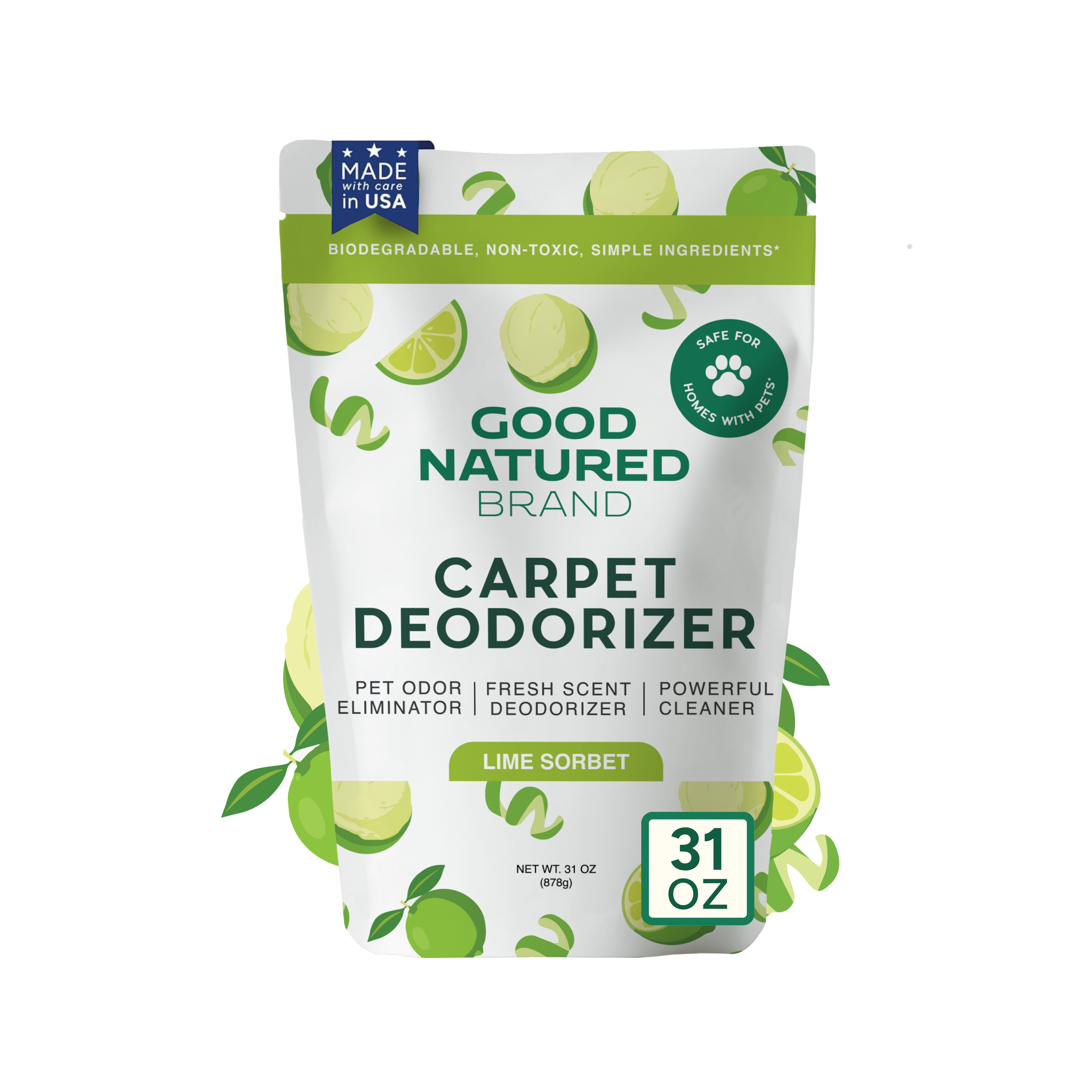
After a cooking smell, a bright citrus scent is the natural choice to reset a kitchen space, something like Lemon Love, Orange, or Lime Sorbet. The Essential line carries its scent from pure essential oils, and the Signature line from a light care-free fragrance, so you can choose the finish, but this comes last, after the odor itself is neutralized.
Keeping Cooking Smells From Taking Over
A few small habits keep strong-smelling meals from settling in to begin with. Run the hood every time, not just for fish. Keep the kitchen door closed to the rest of the house while you cook something pungent, so it does not reach the living room fabrics. Take out fishy packaging right away. And give the kitchen rug a quick deodorizing every week or two so nothing builds up. If a damp, stale note is mixed in with the cooking smell, getting rid of a musty smell covers that side, and our whole-home freshening guide ties it all together. For smoke smell specifically, see how to get smoke smell out of your house.
Frequently Asked Questions
Why does fish smell linger in the house so long?
Because cooking fish releases greasy, scented particles that stick to surfaces and soak into soft furnishings, instead of just floating away. The oily film holds the odor in place on counters and cabinets, and fabrics keep releasing it afterward, so it outlasts other cooking smells by a day or more.
How do you get fish smell out of the air fast?
Get air moving with the range hood and open windows, then simmer a small pot of water with white vinegar or lemon slices for 15 to 20 minutes. The vinegar neutralizes odor in the air rather than masking it, which clears the airborne half of the smell quickly.
Does vinegar actually get rid of fish smell?
Yes, for the airborne part. Vinegar neutralizes odor molecules rather than covering them, so simmering it or leaving a bowl out helps clear the smell from the air. It does not reach the odor soaked into carpet or upholstery, though, so pair it with deodorizing the soft surfaces.
How do I get cooking smell out of carpet and furniture?
Vacuum first, then sprinkle a baking soda based carpet deodorizer over the carpet, rug, or upholstery, let it sit 15 to 30 minutes, and vacuum it up. The baking soda absorbs the cooking odor held in the fibers. Repeat for a strong fish smell that has had time to settle in.
How do I stop cooking smells from spreading through the whole house?
Contain the smell at the source. Run the range hood the whole time, close the kitchen off from living areas while you cook something pungent, and ventilate right away. The less the greasy air reaches the fabrics in other rooms, the less there is to clean up later.
Getting fish and cooking smells out of your house means catching both halves: the smell in the air and the smell in the soft surfaces. Ventilate and simmer to clear the air, wipe down the greasy surfaces, take out the scraps, and deodorize the fabrics and rugs that soaked it up. Do all of it and the kitchen smells fresh again instead of like last night's dinner. Explore the full range of scents at Good Natured Brand to reset the soft surfaces once the cooking is done.