A basement has a smell of its own, and most people know it the moment they reach the bottom of the stairs. That heavy, damp, slightly earthy smell that says "basement" before you have even turned on the light. It is one of the most stubborn smells in a house, and the reason is simple: a basement is the one room built below the ground, with the least air and the most moisture, so everything that causes a musty smell is concentrated there. The good news is that a musty basement is fixable, you just have to treat it as the moisture problem it is, not an air problem. Here is how to get rid of a musty basement smell for good.
Why Basements Smell Musty in the First Place
A basement smells the way it does because of where it sits, not because it is dirty. Three things stack up down there.
It is below ground, so moisture comes through
Basement walls and floors sit against damp soil, and moisture moves through concrete far more than people expect. That steady, low-level dampness is the base ingredient of every musty smell, and it is why basements smell musty even when nothing has spilled or leaked.
The air barely moves
Basements usually have few windows and little airflow, so the damp air just sits. Still, humid air is exactly what mildew and that musty smell need to settle in and build, and without ventilation there is nothing to carry it away.
It is where everything gets stored
Cardboard boxes, old furniture, fabric, paper, and holiday decorations all live in the basement, and all of them soak up damp and hold the smell. So the basement does not just smell musty, the things in it become musty too, and then keep re-scenting the space.
Why Your Basement Still Smells Musty Even When It Looks Dry
This is the most common frustration, and it is worth its own section, because a basement can look and feel dry and still smell strongly musty. The reason is that the moisture is often not on the surface where you can see it. It is humidity in the air, dampness inside the concrete, or condensation that forms and dries in a daily cycle you never notice. So you are not missing a puddle. The air itself is carrying enough moisture to keep the smell alive, which is why wiping things down never fixes it on its own. The fix is lowering the humidity, not finding a wet spot.

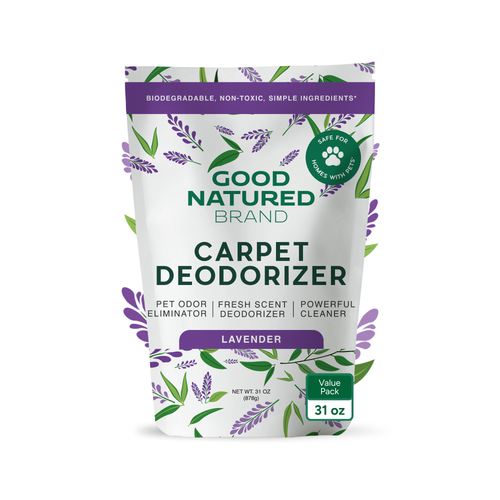

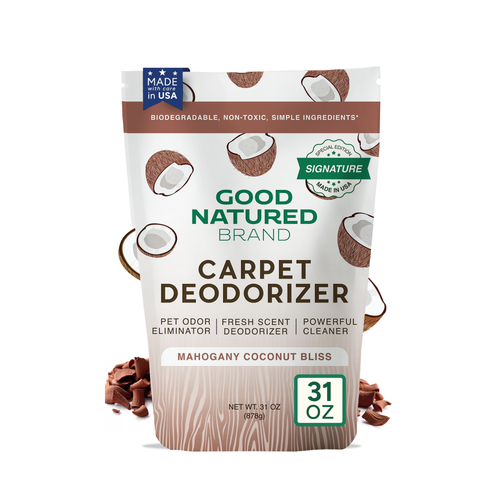


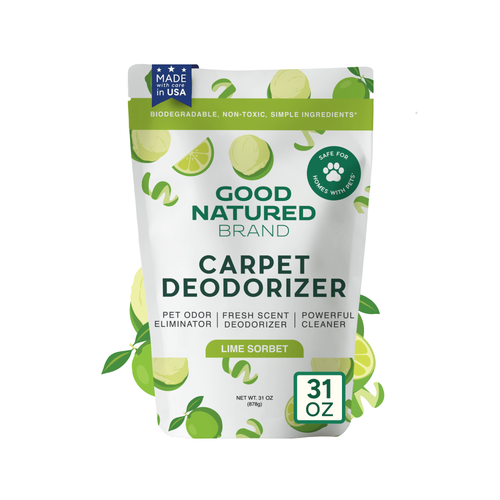
Shop the Product
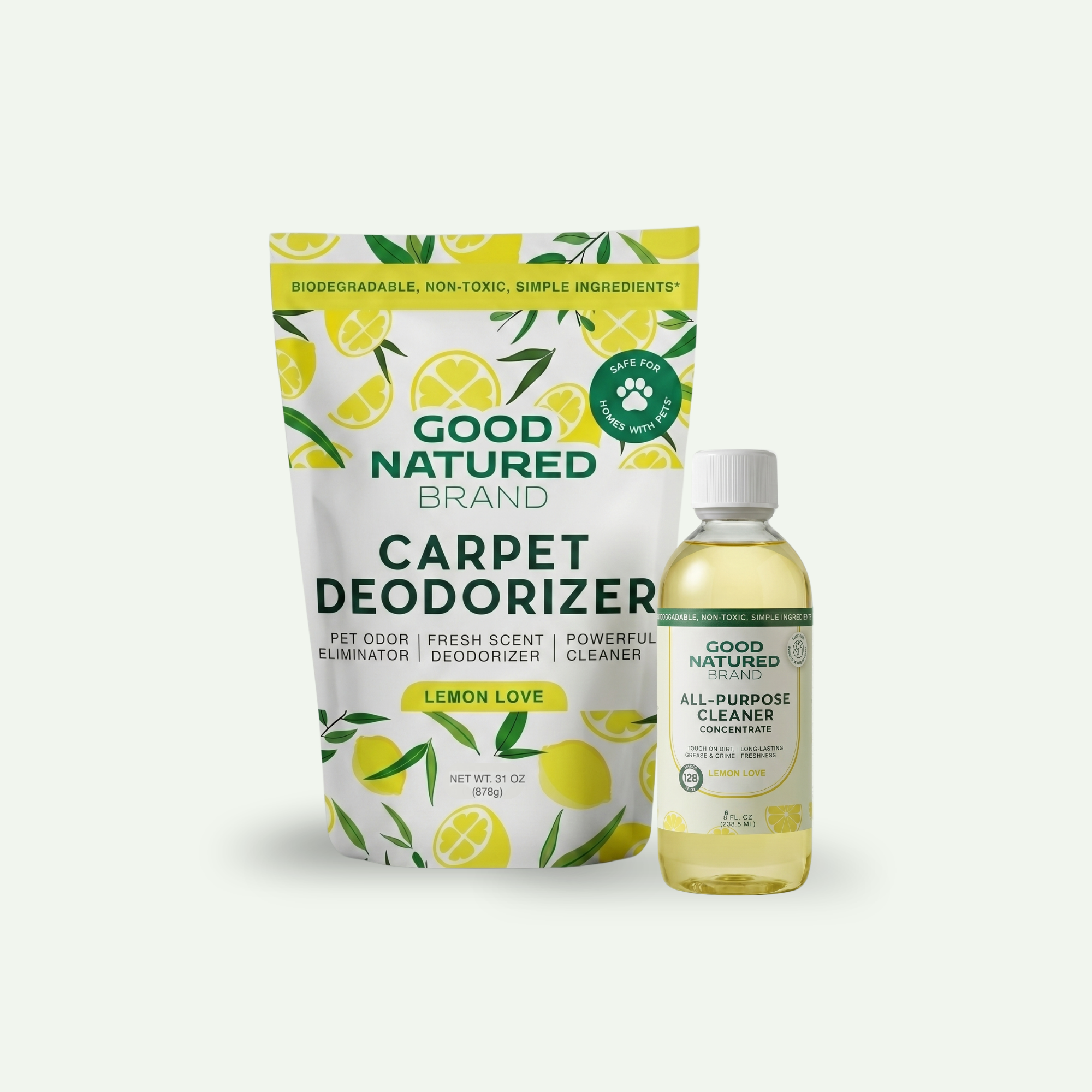
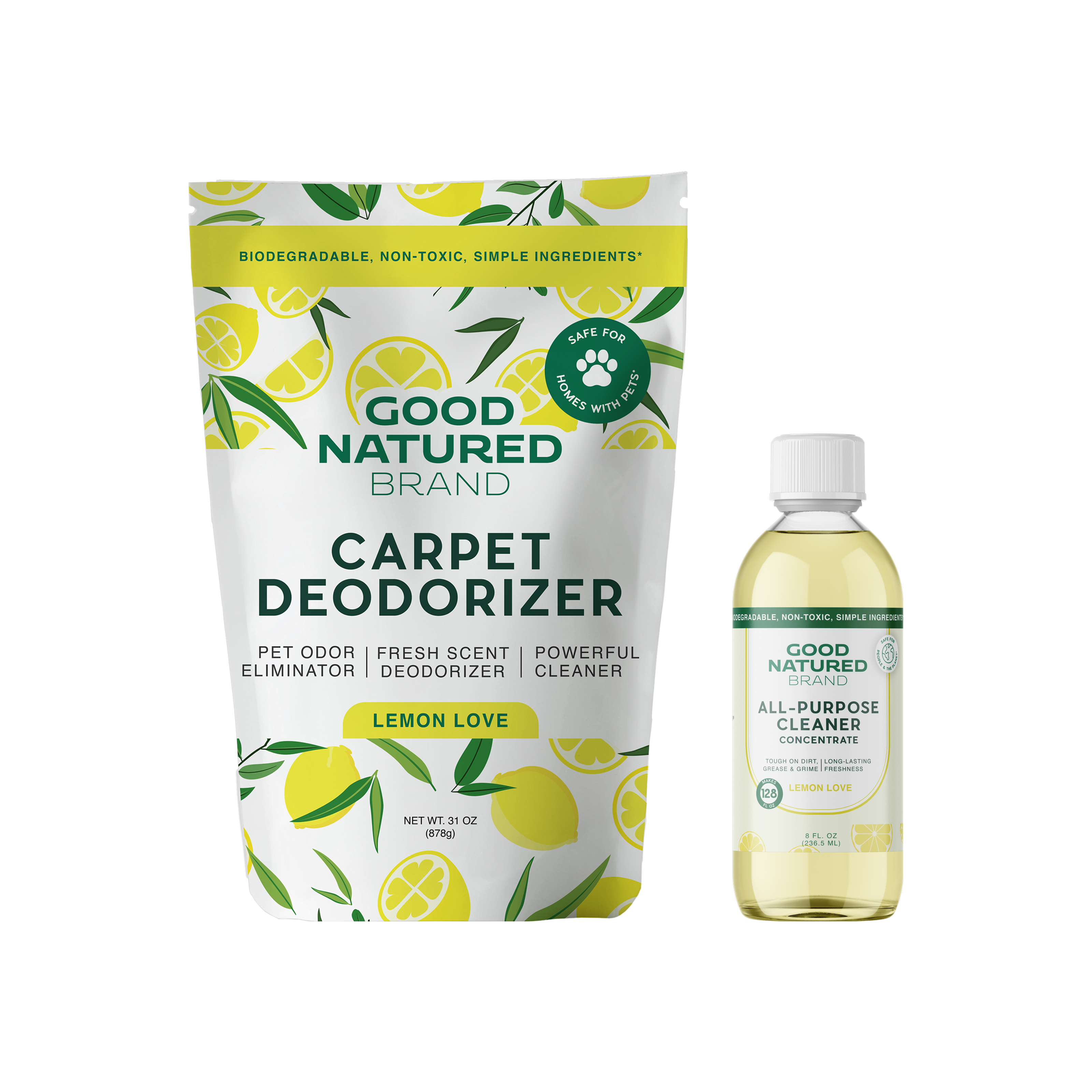
Lemon freshness for every home.
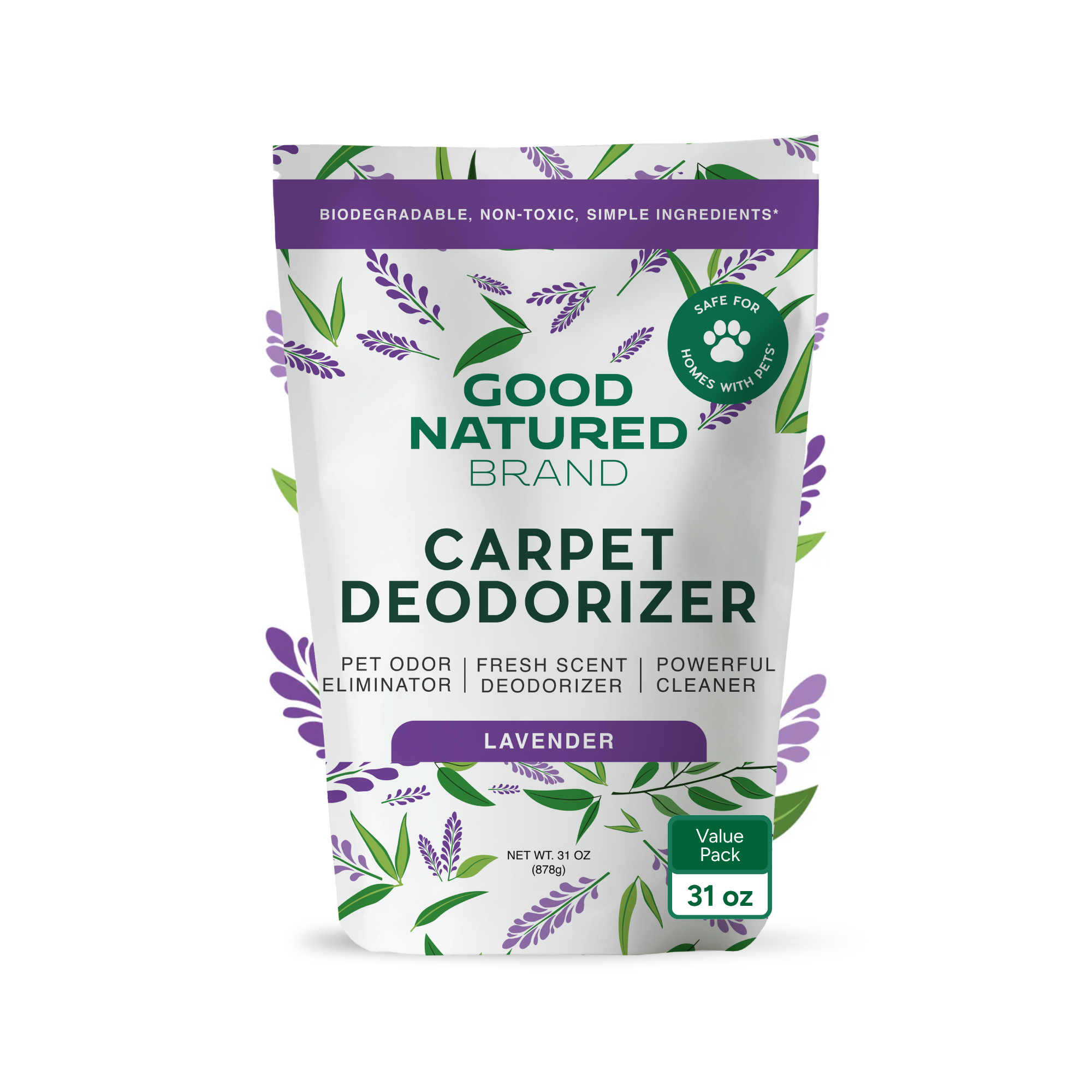
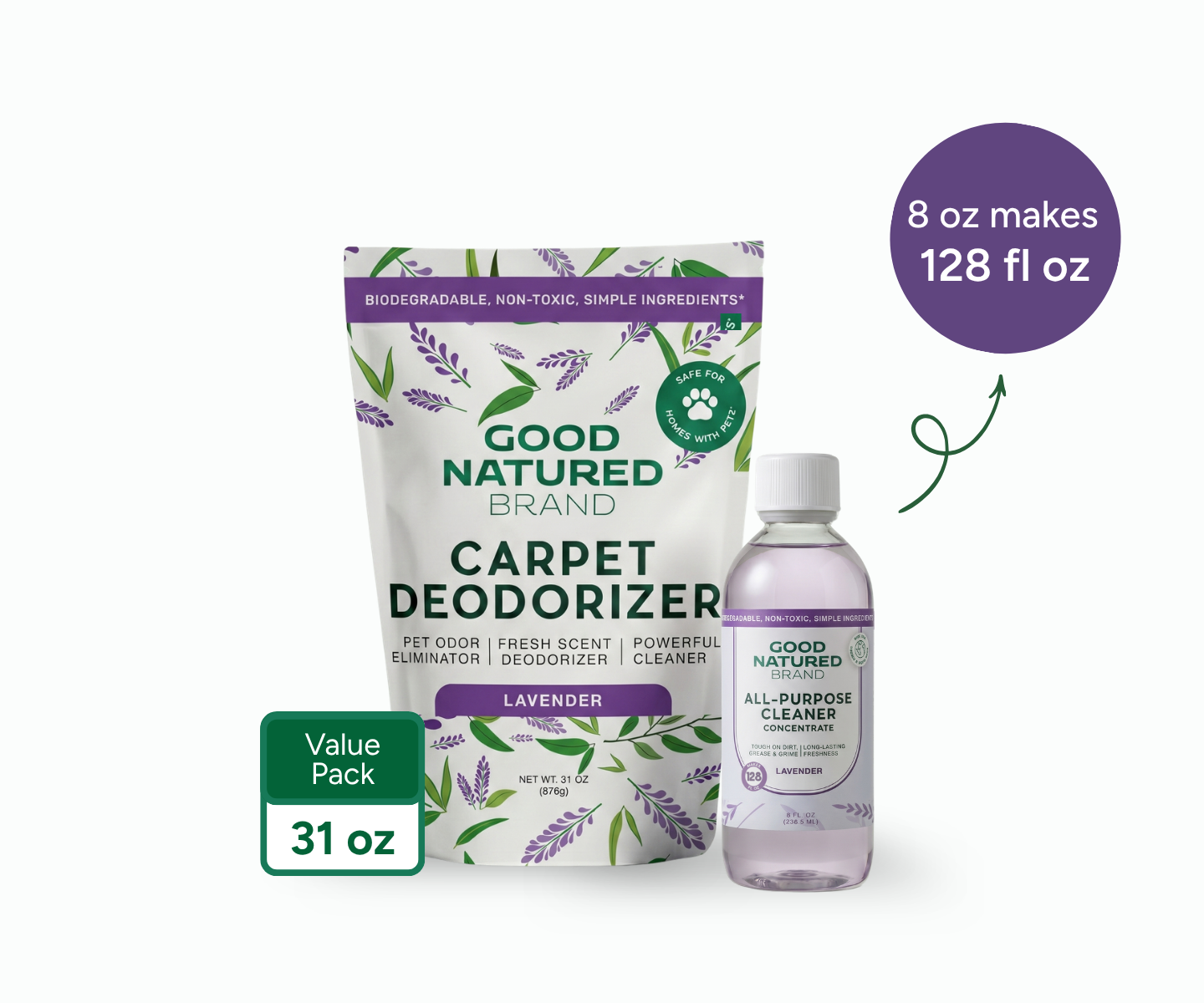
Lavender calm for every home.
Orange energy for every home.
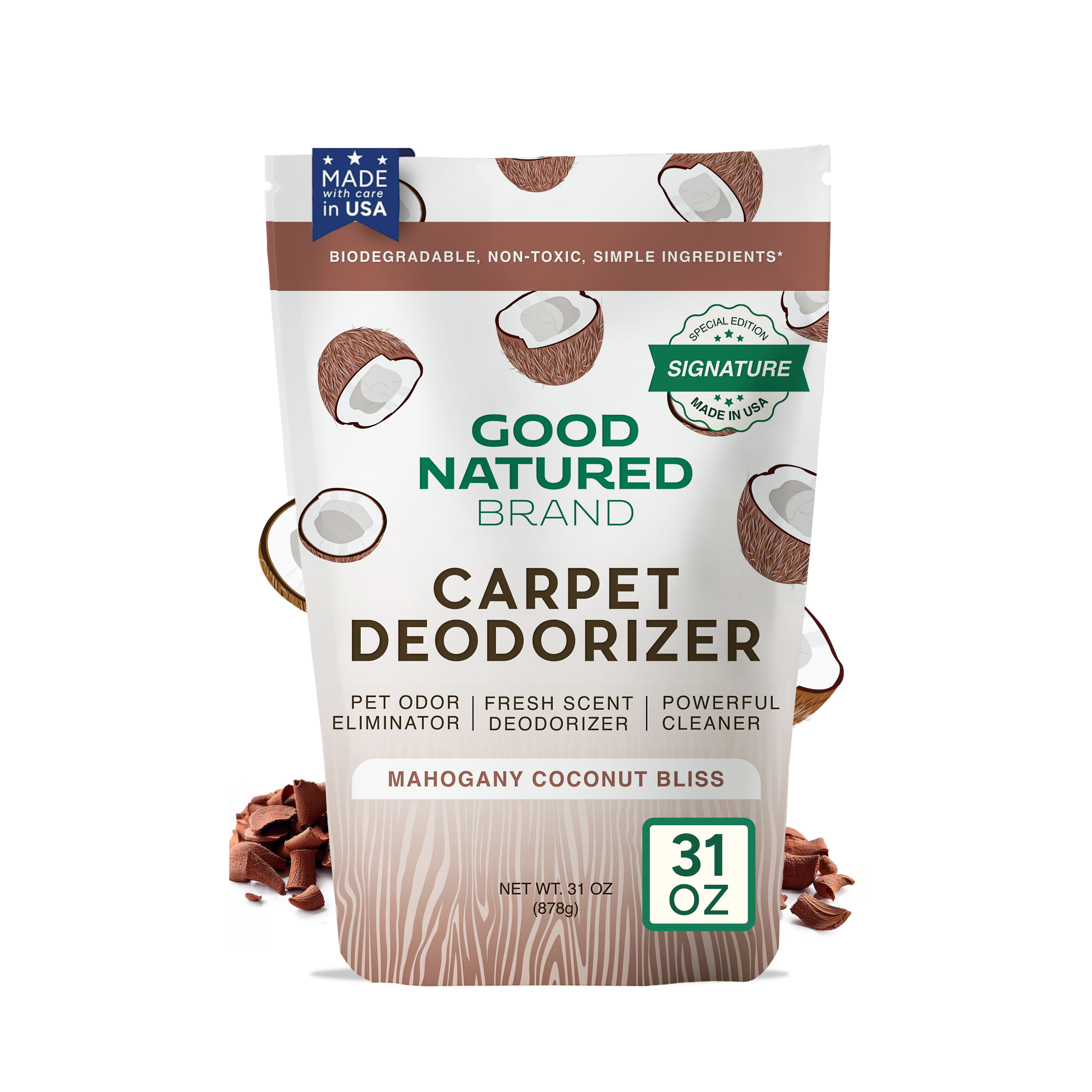
Mahogany warmth for every home.
Mandarin freshness for every home.
Champagne sparkle for every home.
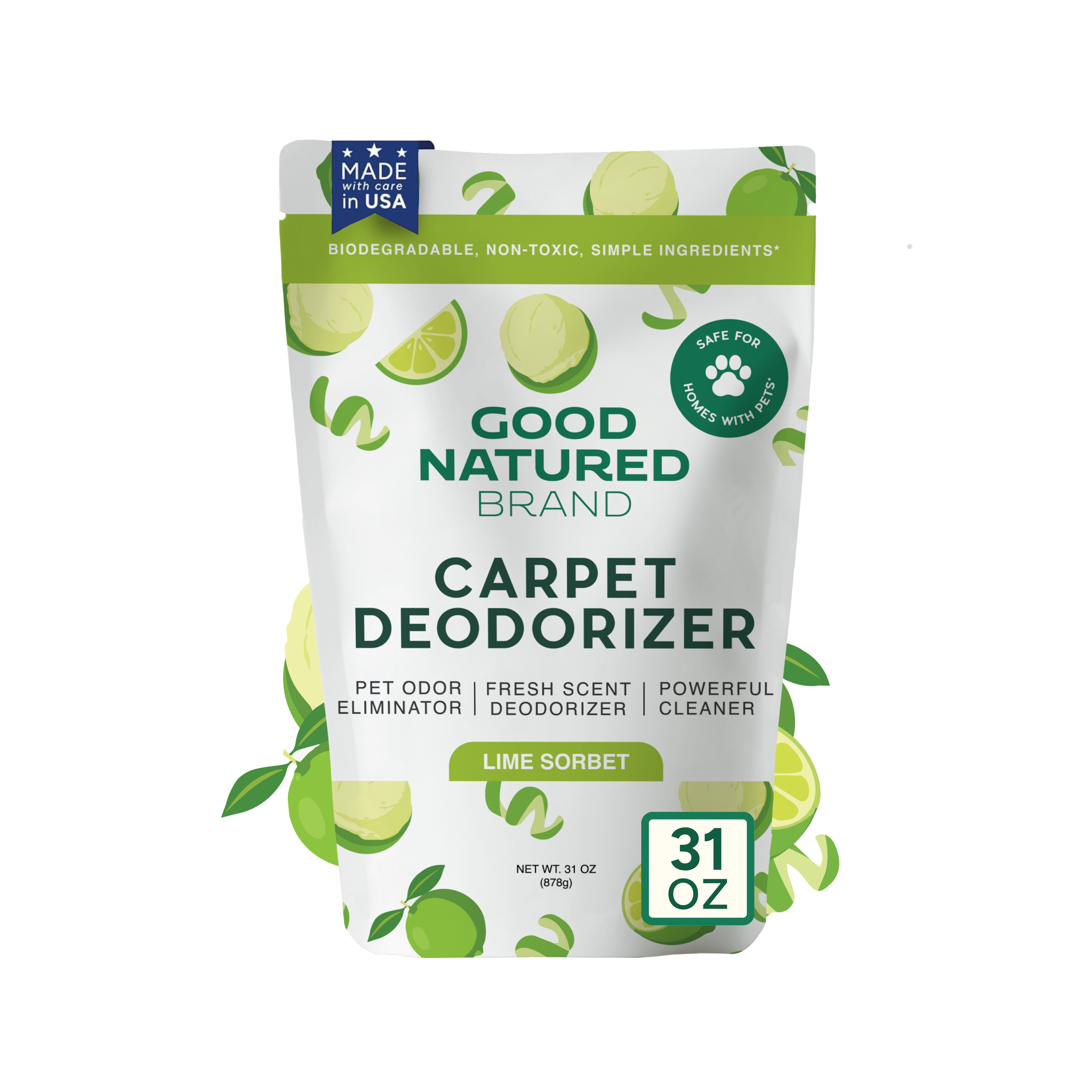
Zesty freshness for every carpet.
Fix the Moisture, Which Is the Real Cause
Everything else is temporary until the moisture is handled. This is the step that actually ends a musty basement.
Run a dehumidifier
In a basement, a dehumidifier is not optional, it is the main tool. Pulling the humidity down is the single most effective thing you can do, because it removes the dampness that mildew and the musty smell depend on. For most basements this alone makes the biggest difference.
Improve what airflow you can
Open any windows when the weather outside is dry, run a fan to keep air moving, and avoid sealing the basement up completely. Moving air gives the damp somewhere to go instead of settling into the walls and your stored boxes.
Deal with obvious water sources
Check for small leaks, pipe condensation, and poor drainage around the outside of the house, since water pooling against the foundation drives moisture straight through the walls. Fixing these at the source stops the dampness being replaced as fast as you remove it.
Clean Up Mildew and Sort the Stored Items
Once the air is drier, clear out what the damp has already affected.
Rethink what you store down there, and how
Swap cardboard boxes, which soak up damp and hold smell, for sealed plastic bins. Lift stored items off the concrete floor onto shelves or pallets so air can move around them. Anything fabric that already smells musty should be washed and fully dried before it goes back.
Clean the surfaces mildew has touched
Wipe down any hard surfaces where mildew has started to appear. One honest note here: if you find widespread or black mold, that is beyond a cleaning job and beyond what any deodorizer can address. That is a job for proper mold remediation, because it is a health matter, not just a smell. A musty smell with no visible mold is the normal case this guide is for.
Deodorize the Soft Surfaces and Rugs
With the basement drier and cleared, the last of the smell usually lives in whatever soft surfaces are down there, a basement rug, a mat, an old sofa, carpeted stairs. This is where a deodorizer does its part.
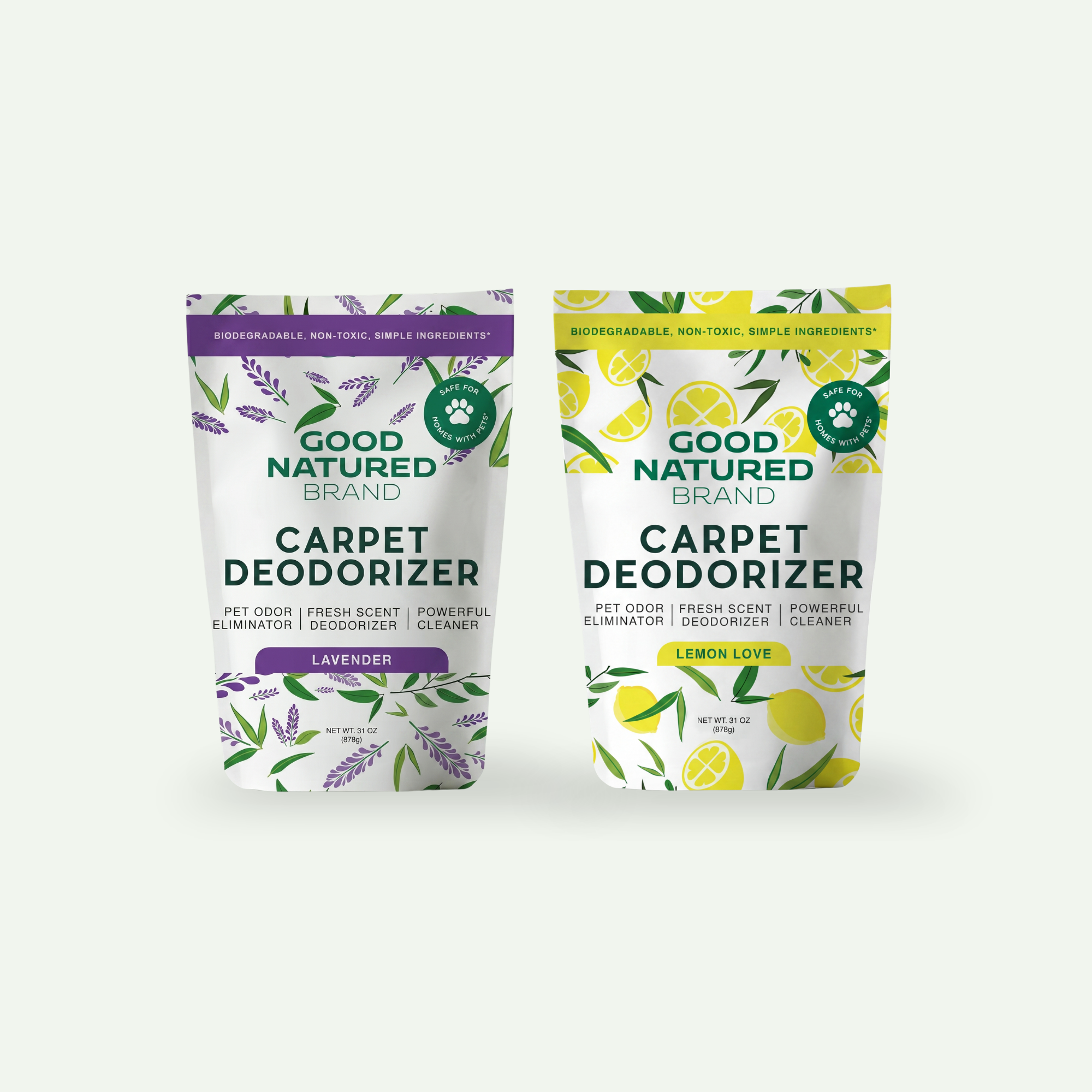
A baking soda based carpet deodorizer neutralizes the musty odor absorbed into those fibers rather than covering it. Sprinkle a light layer, let it sit 15 to 30 minutes, and vacuum it up. The baking soda base does the absorbing, and the scent you choose finishes the space. For a basement, a clean, fresh scent works best to shift that heavy underground feeling, something bright like Lemon Love, or a calm, clean Lavender from the Essential line, which is made with pure essential oils. The method itself is the same one we lay out in Baking Soda for Carpet and Rug Odor. Just remember this is the finishing step, after the moisture is handled, not a substitute for it.
Keeping a Basement From Going Musty Again
A basement needs ongoing moisture control more than any other room, so the upkeep is really about staying dry. Keep the dehumidifier running through damp months, store things in sealed bins up off the floor, do not let anything damp sit down there, and give the soft surfaces a quick deodorizing now and then. If the musty smell is not only in the basement but through the house, our guide to getting rid of a musty smell in your house covers the rest of the rooms, and our whole-home freshening routine ties it together.
Frequently Asked Questions
Why does my basement smell musty even though it is dry?
Because the moisture is usually in the air or inside the concrete, not in a puddle you can see. Basements hold humidity, and that alone is enough to keep a musty smell going even when every surface feels dry. Lowering the humidity with a dehumidifier is what actually clears it, not wiping things down.
Does a dehumidifier get rid of a musty basement smell?
It is the most important single step. A dehumidifier removes the dampness that mildew and the musty smell depend on, so for most basements it makes the biggest difference. Pair it with clearing out damp stored items and deodorizing the soft surfaces, and the smell goes rather than just easing.
Why do my stored boxes make the basement smell worse?
Cardboard, paper, and fabric all absorb the damp basement air and hold the musty smell, then release it back into the room. Switching to sealed plastic bins and lifting everything off the concrete floor onto shelves removes a big, hidden source of the smell.
What is the difference between a musty smell and mold in a basement?
A musty smell is the odor that damp conditions produce, and it often appears with no visible mold at all. Actual mold, especially widespread or black mold, is a growth you can see and a health issue that needs proper remediation. This guide is for the everyday musty smell. If you find significant mold, treat that first and separately.
How do I keep my basement from smelling musty long term?
Control the moisture, always. Run a dehumidifier through damp seasons, keep some air moving, store belongings in sealed bins up off the floor, fix any water getting in from outside, and deodorize the soft surfaces occasionally. A basement stays fresh only as long as it stays dry.
A musty basement is really a damp basement, so that is where the fix has to start. Pull the humidity down, improve the airflow, store things so they cannot soak up moisture, clean up any mildew, and deodorize what is left in the soft surfaces. Handle the moisture and the smell leaves for good instead of settling back in every season. Explore the full range of scents at Good Natured Brand to freshen the space once it is dry.